
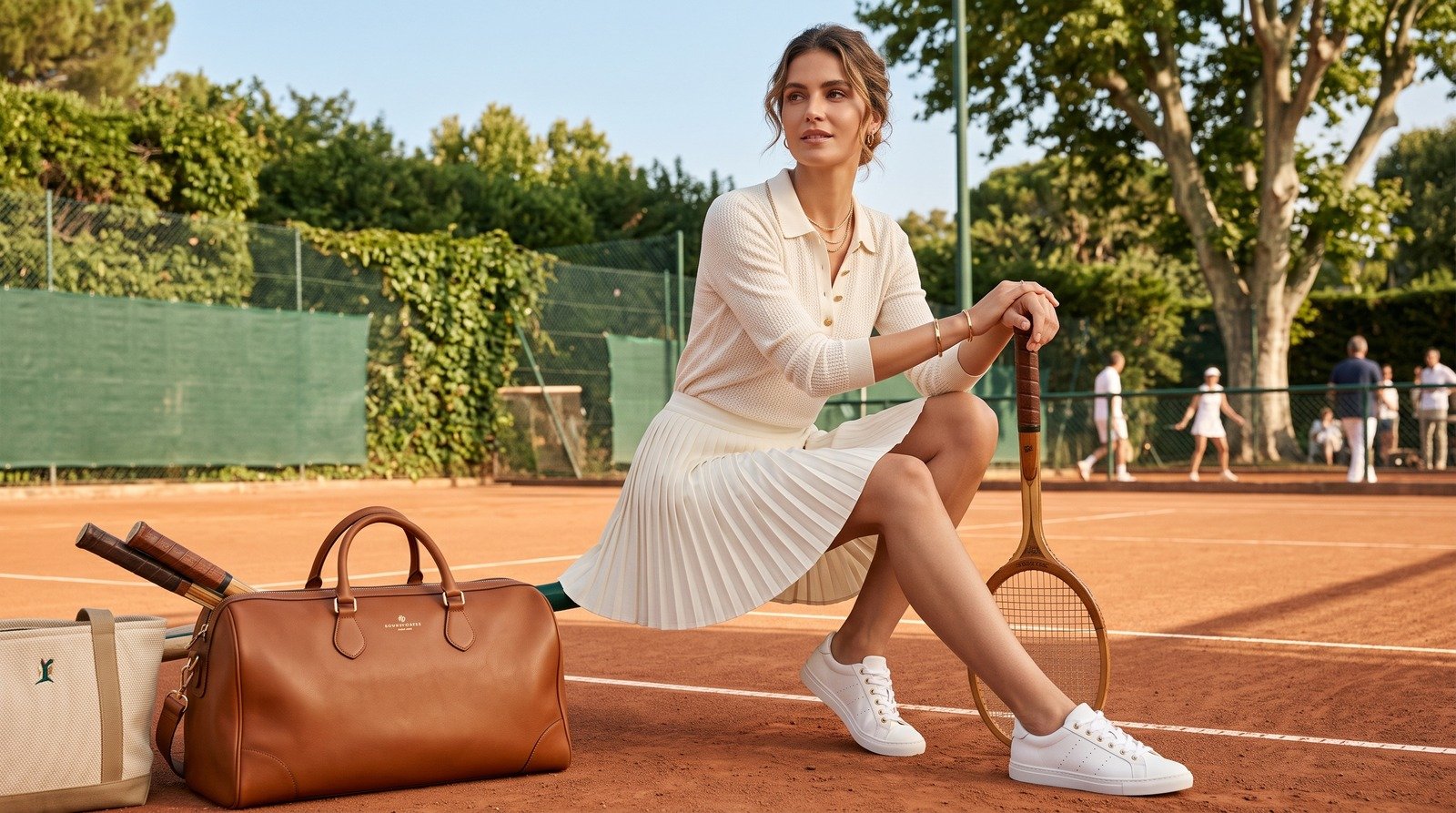
Tennis has always been one of fashion’s best-dressed sports. Its pleated skirts, crisp polos and immaculate whites were instantly recognisable long before social media gave the aesthetic a name. What changed was where those clothes were being worn. Once tennis staples moved from private clubs and centre courts into restaurants, offices and designer collections, tenniscore became a fully formed luxury trend.
The look sits at the meeting point of sportswear, preppy dressing and quiet luxury. It can be literal—a white tennis dress with court sneakers—or discreet, perhaps a cable-knit sweater worn with tailored trousers. That flexibility helps explain why tenniscore has survived beyond the usual micro-trend cycle.
Its current popularity was accelerated by celebrity players, luxury sponsorships and the fashion surrounding major tournaments. Luca Guadagnino’s 2024 film Challengers gave the aesthetic another pop-cultural jolt, but tennis and fashion had been influencing one another for more than a century.

TL;DR
- Tenniscore translates traditional tennis uniforms into polished everyday clothing.
- Key pieces include polos, pleated skirts, tennis dresses, cable knits and white sneakers.
- Tennis acquired luxury associations through private clubs, prestigious tournaments and affluent leisure culture.
- Designers value its clean silhouettes, recognisable colour palette and balance of practicality and refinement.
- Challengers and Zendaya’s themed press-tour wardrobe accelerated the trend but did not create it.
- The most wearable tenniscore outfits use one or two sporting references rather than recreating a complete match uniform.
- Its strongest pieces have lasting value because they already belong to the classic preppy wardrobe.
What Is Tenniscore?
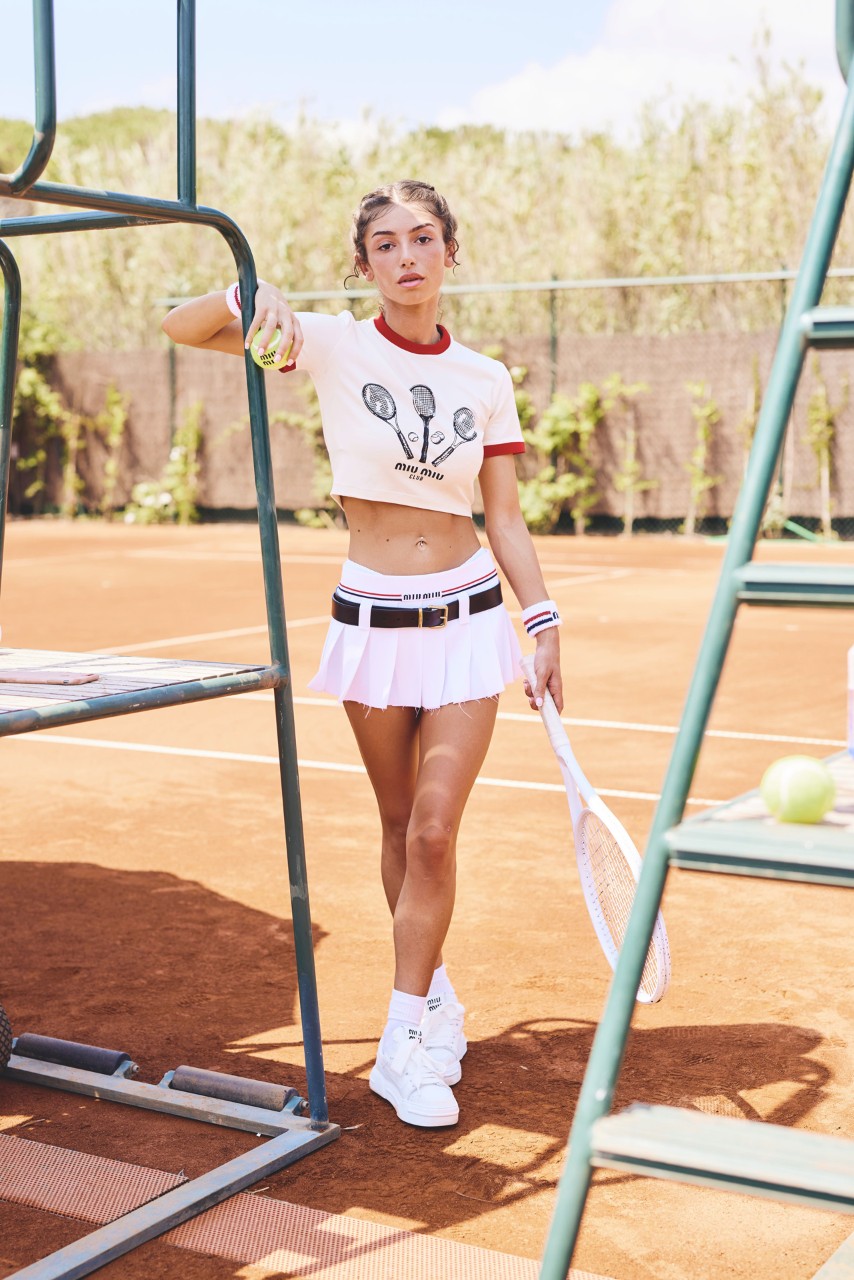
Tenniscore is a fashion aesthetic built around the visual codes of tennis. Traditional court clothing provides the foundation, but the contemporary version is designed as much for city life as for athletic performance.
The most recognisable tenniscore wardrobe combines:
- Pleated mini skirts and skorts
- Polo shirts and ribbed collared knits
- Sleeveless tennis dresses
- Cricket and cable-knit sweaters
- White leather or canvas sneakers
- Striped socks, visors and baseball caps
- Varsity jackets and tailored shorts
- Structured totes and racket-inspired bags
Unlike conventional athleisure, tenniscore rarely looks aggressively technical. Its appeal comes from appearing neat, effortless and socially versatile. Even performance pieces tend to have orderly lines, restrained branding and a nostalgic country-club quality.
The palette begins with white, cream, navy and grass green, often accented by burgundy, pale blue or yellow. Contemporary designers occasionally introduce black, metallic fabric or vivid colour, but the silhouette remains recognisably connected to the court.
From Private Clubs to Fashion’s Visual Vocabulary
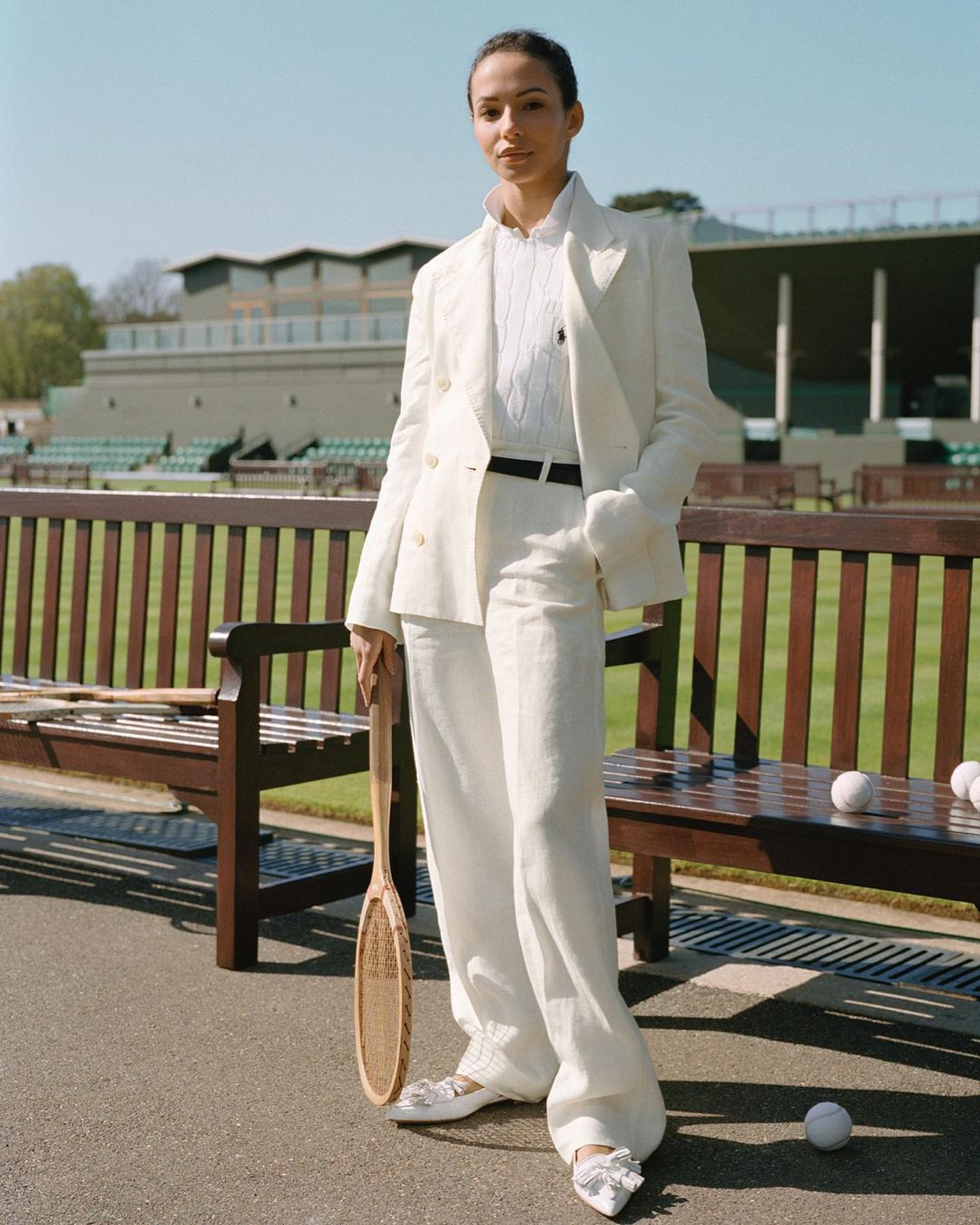
Tenniscore feels luxurious because tennis itself developed strong associations with status and leisure. Lawn tennis became fashionable among affluent players during the late nineteenth century, when access to land, equipment and private clubs made participation socially selective.
Early tennis clothing followed everyday upper-class dress more closely than modern sportswear. Women played in long skirts, structured bodices and hats, while men wore trousers and collared shirts. White became the sport’s signature partly because it disguised perspiration and communicated cleanliness, discipline and social decorum.
The uniform gradually became more functional. Designers and pioneering players introduced shorter skirts, jersey fabric, sleeveless dresses and tailored shorts. These changes did more than improve movement: they helped define modern sportswear.
Fashion’s involvement was therefore present well before the term tenniscore. Jean Patou designed for tennis champion Suzanne Lenglen in the 1920s, while René Lacoste transformed the breathable polo shirt into an enduring symbol of athletic elegance. Chanel’s early jersey sportswear also helped make relaxed clothing acceptable within a luxury context. As observes, designers, players and cinema have continually reshaped the sport’s image.
Prestigious tournaments reinforced the connection. Wimbledon’s grass courts, royal-box spectators and all-white dress code created one of sport’s most distinctive visual identities. The US Open offered a more metropolitan version, while Roland-Garros supplied the rich colour and romance of clay.
Why Luxury Fashion Embraced Tennis
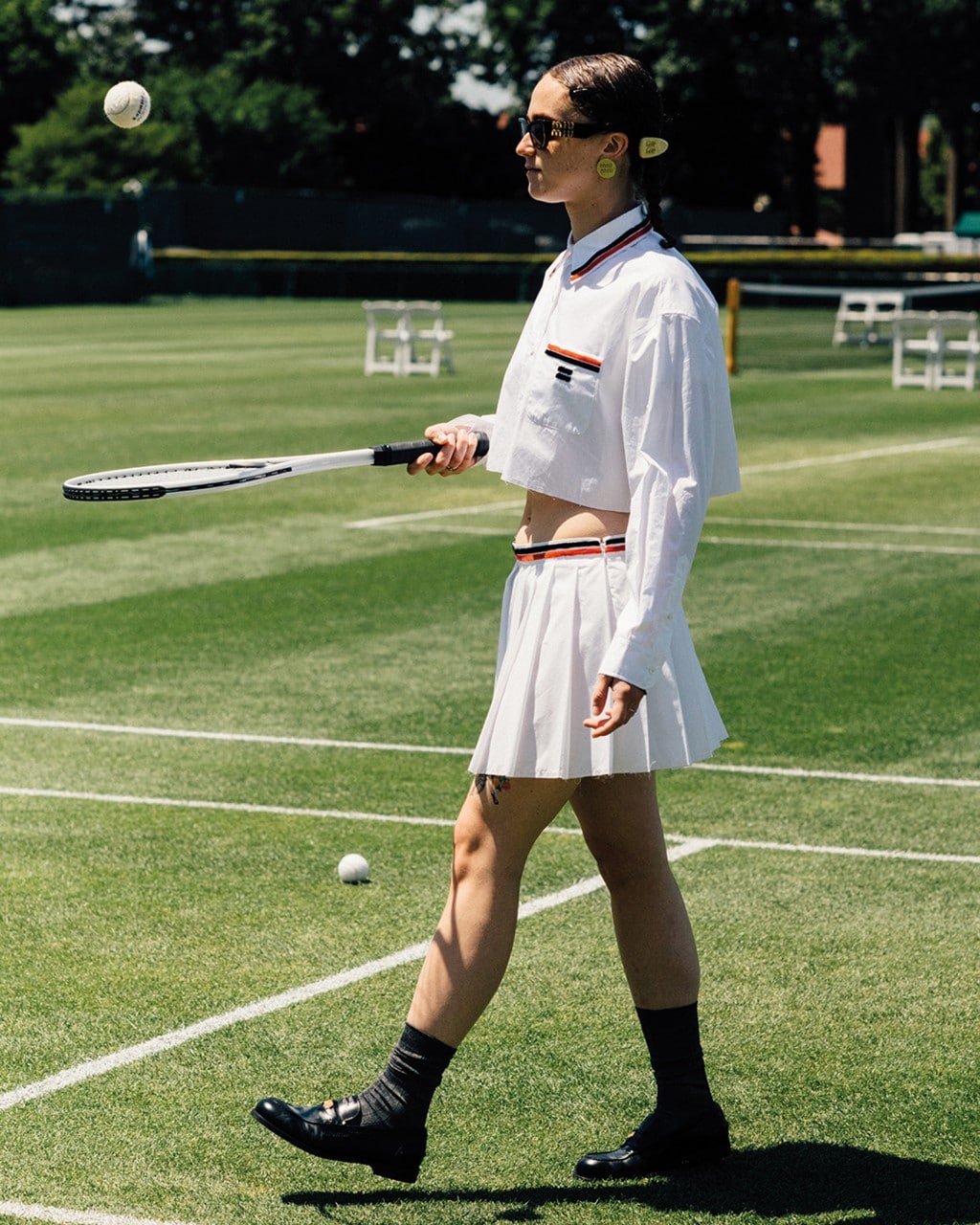
Luxury brands are attracted to tennis because its design language is both recognisable and adaptable. A striped collar, pleated hem or green-trimmed knit can suggest the sport without looking like a costume.
The aesthetic also supports the qualities luxury fashion frequently wants to project: heritage, exclusivity, craftsmanship and an unhurried lifestyle. Tennis suggests activity without the visual intensity of many team sports. It belongs as naturally at a resort or private club as it does on a professional court.
| Luxury Appeal | How Tenniscore Expresses It |
|---|---|
| Heritage | Traditional polos, cricket knits and archival sneaker shapes |
| Exclusivity | Associations with clubs, tournaments and resort culture |
| Craftsmanship | Cashmere knits, structured pleats and refined leather sneakers |
| Versatility | Pieces move easily between sport, travel and casual dressing |
| Recognisable identity | Whites, stripes and racket motifs communicate the theme quickly |
| Lifestyle value | The look sells an atmosphere, not simply athletic equipment |
Gucci’s relationship with tennis stretches back to the 1970s and the Tennis 1977 sneaker. The house describes that design as an early bridge between luxury fashion, sport and leisure, a connection it continues through tennis-inspired clothing and accessories. still uses Web stripes, pleated skirts and archival footwear.
Miu Miu made the look more provocative through cropped polos, abbreviated pleats and deliberate tension between school uniform, vintage sportswear and high fashion. Tory Sport approached tennis through retro performance clothing, while Lacoste could draw directly from its founder’s playing career.
The result is a trend with several entry points: authentic performancewear, heritage prep, youthful runway styling and highly polished spectator dressing.
The Pieces That Define the Look
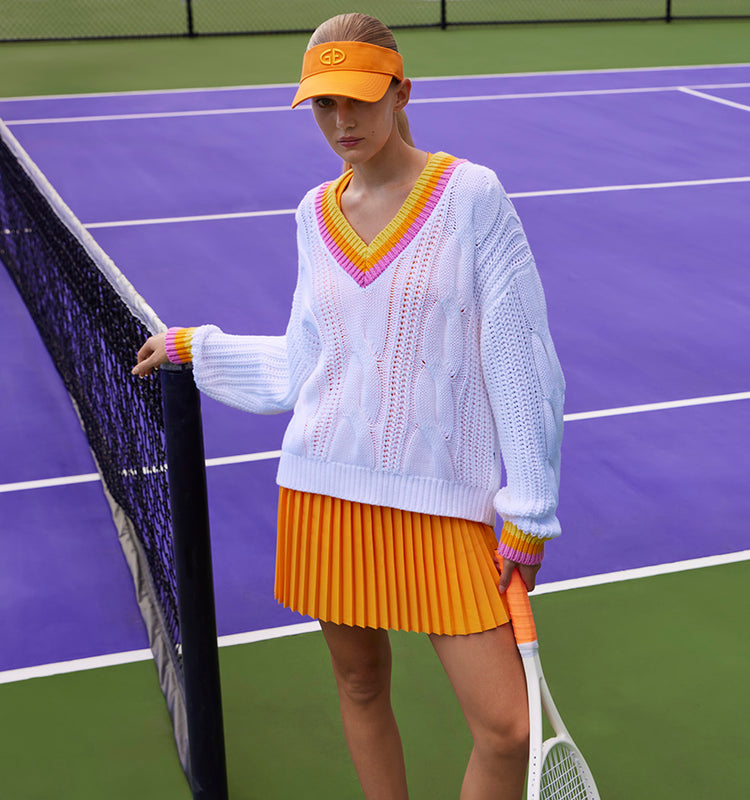
Not every tennis-inspired piece performs the same role. Some are unmistakably athletic; others work as subtle references within a conventional wardrobe.
| Court Staple | Luxury Interpretation | Best Off-Court Styling |
|---|---|---|
| Pleated skirt | Sharper pleats, premium fabric or dropped waist | Oversized shirt, fine knit or boxy blazer |
| Polo shirt | Cotton piqué, cashmere or fitted ribbed knit | Straight jeans, tailored trousers or a midi skirt |
| Tennis dress | Sculpted jersey, contrast piping or monogram fabric | Minimal jewellery and leather sneakers |
| Cricket sweater | Cashmere, embroidery or exaggerated proportions | Draped over the shoulders with relaxed tailoring |
| White sneakers | Leather construction and heritage branding | Dresses, trousers or tonal separates |
| Court jacket | Technical fabric with retro varsity details | T-shirt, denim and loafers or sneakers |
| Visor or cap | Refined fabric and discreet logo | Use as the outfit’s only overt sporting reference |
The polo is the safest investment because its identity changes with styling. Tucked into a pleated skirt, it looks explicitly tennis-inspired. Worn loose with wide trousers and loafers, it becomes relaxed luxury.
Pleated skirts deliver the strongest visual impact but require balance. A skirt, polo, visor, knee socks and racket bag worn together can appear theatrical. Pairing the same skirt with a simple crewneck sweater or crisp button-down preserves the reference while making it appropriate for everyday life.
Celebrity Culture Turned the Court Into a Runway
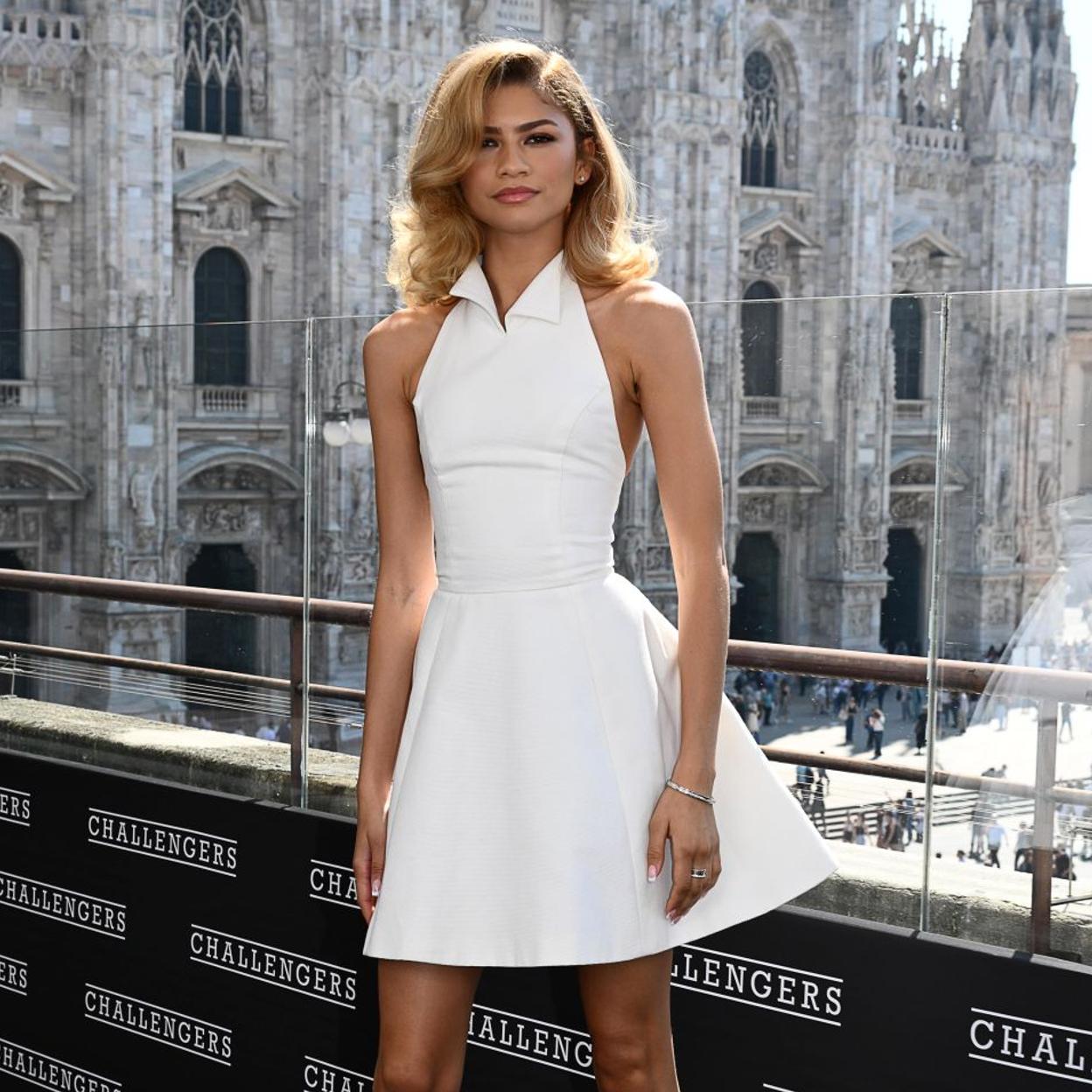
Professional players have become unusually valuable luxury ambassadors because tennis gives brands long, uninterrupted visibility. A singles player can occupy the screen alone for hours, with clothing, watches and equipment continually visible.
Today’s connections extend far beyond traditional sports sponsorship. Gucci has worked with Jannik Sinner, Louis Vuitton with Carlos Alcaraz and Naomi Osaka, and Dior with Zheng Qinwen. Luxury houses increasingly dress players for arrival photographs, trophy ceremonies, campaigns and front-row appearances as well as competition.
Tournament spectators also participate. Wimbledon in particular has become a seasonal fashion occasion where polished tailoring, summer dresses and preppy accessories receive almost as much lifestyle coverage as the matches. Vogue reported that Wimbledon-shop sales rose 54 percent during the first five months of 2024 compared with the same period a year earlier, reflecting demand for tennis whites and sport-luxe merchandise. positioned Challengers as an accelerator within a movement already gathering momentum.
Zendaya and stylist Law Roach then translated tennis imagery into full-scale event dressing: green gowns, net-inspired embellishment and Loewe heels with tennis balls incorporated into the design. These looks demonstrated that tenniscore could be witty, glamorous and conceptual—not merely preppy.
How to Wear Tenniscore Off the Court
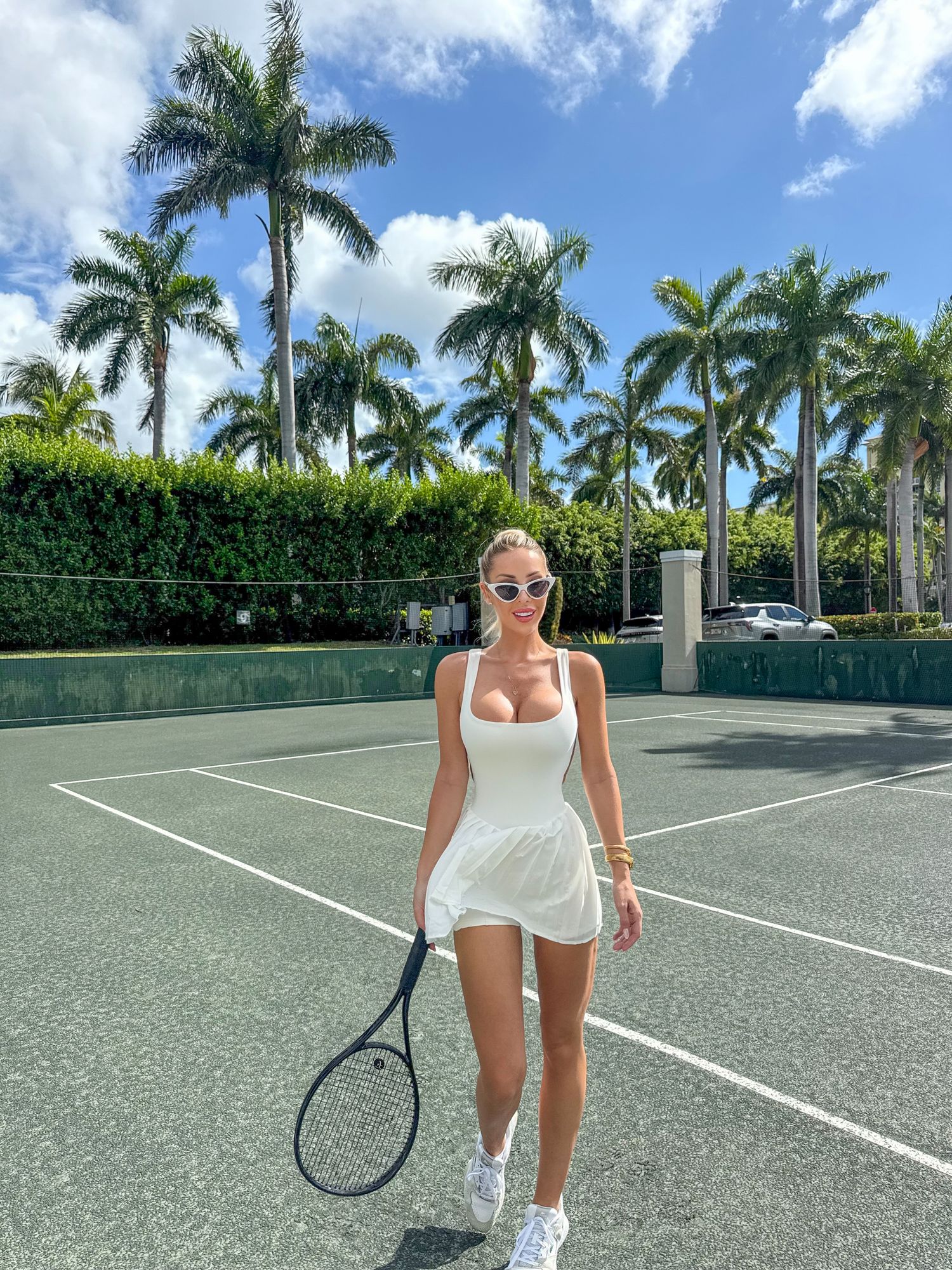
The easiest approach is to use one recognisable court piece and let the rest of the outfit remain understated.
| Occasion | Tenniscore Formula | Finishing Touch |
|---|---|---|
| Weekend | Polo + straight jeans + white sneakers | Canvas or leather tote |
| Resort | Tennis dress + fine sweater | Sunglasses and simple jewellery |
| City | Pleated skirt + oversized shirt | Loafers or minimalist sneakers |
| Smart Casual | Cricket knit + tailored trousers | Structured bag |
| Travel | Zip court jacket + knit top + relaxed pants | Cap and low-profile sneakers |
| Tournament | Linen dress or tailored separates | Court-inspired colour accents |
Fit is important. Luxury tenniscore should look intentional, so combine fitted and relaxed proportions rather than wearing everything tight. A fitted polo works with wider trousers; a short pleated skirt benefits from a looser knit or blazer.
Fabric also separates fashion from costume. Cotton piqué, merino wool, cashmere, linen and structured technical jersey create a more considered impression than thin novelty fabrics. Unless the outfit is intended for actual play, avoid combining too many logos or pieces engineered exclusively for performance.
Will Tenniscore Last?
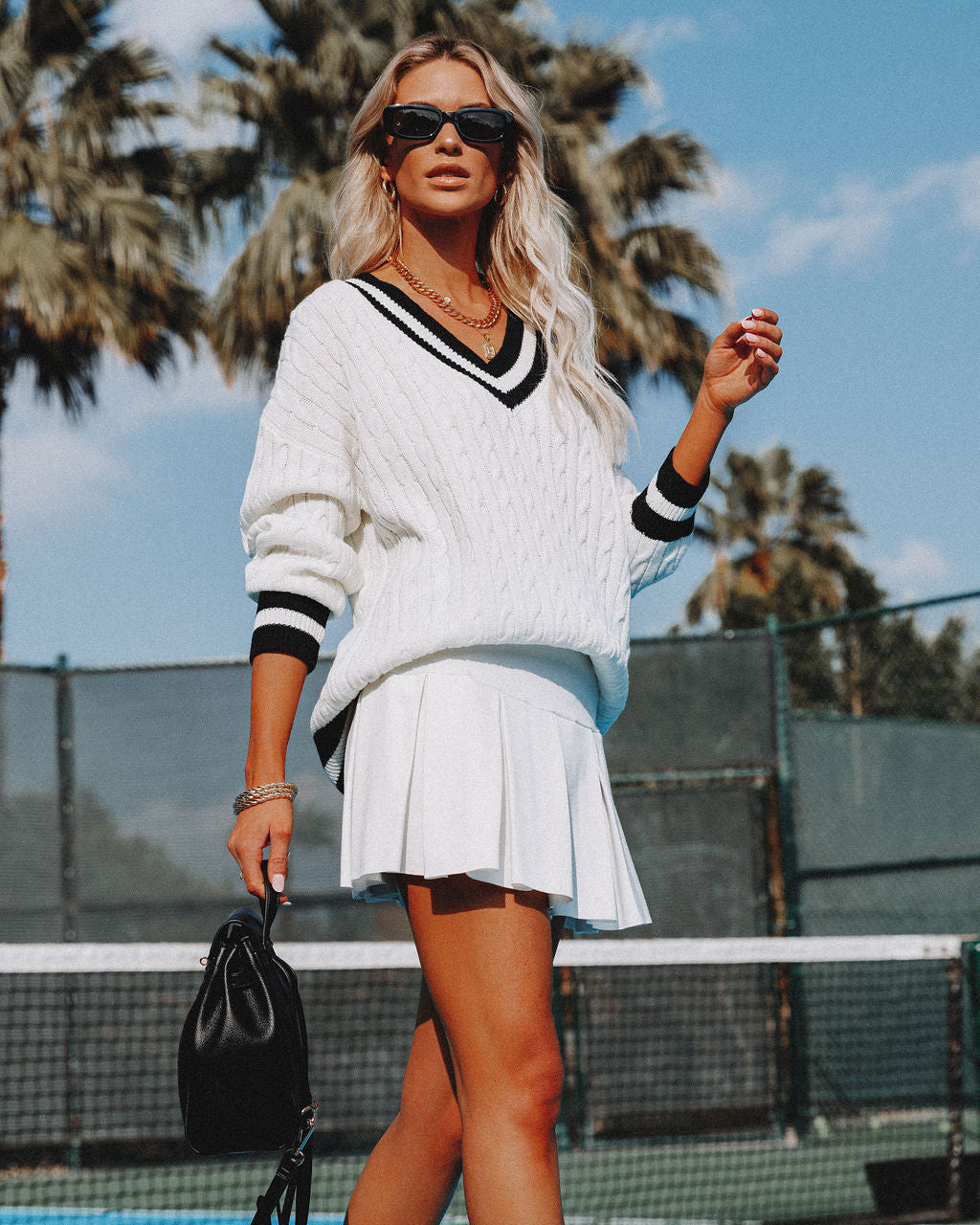
Tenniscore may eventually lose its trend label, but its core wardrobe is unlikely to disappear. Polos, white sneakers, pleated skirts and cable-knit sweaters were established classics before social media grouped them under one aesthetic.
Its longevity comes from modularity. People can adopt a single element without rebuilding their wardrobes, while designers can reinterpret the codes through new proportions, fabrics and colours. The style also overlaps with prep, resortwear, quiet luxury and the wider convergence of fashion and sport.
The most literal details—racket-shaped bags, tennis-ball heels and head-to-toe match uniforms—may date more quickly. A well-cut polo or refined leather court sneaker is much safer. Tenniscore is therefore best treated as a styling language rather than a uniform.
Shop the Edit
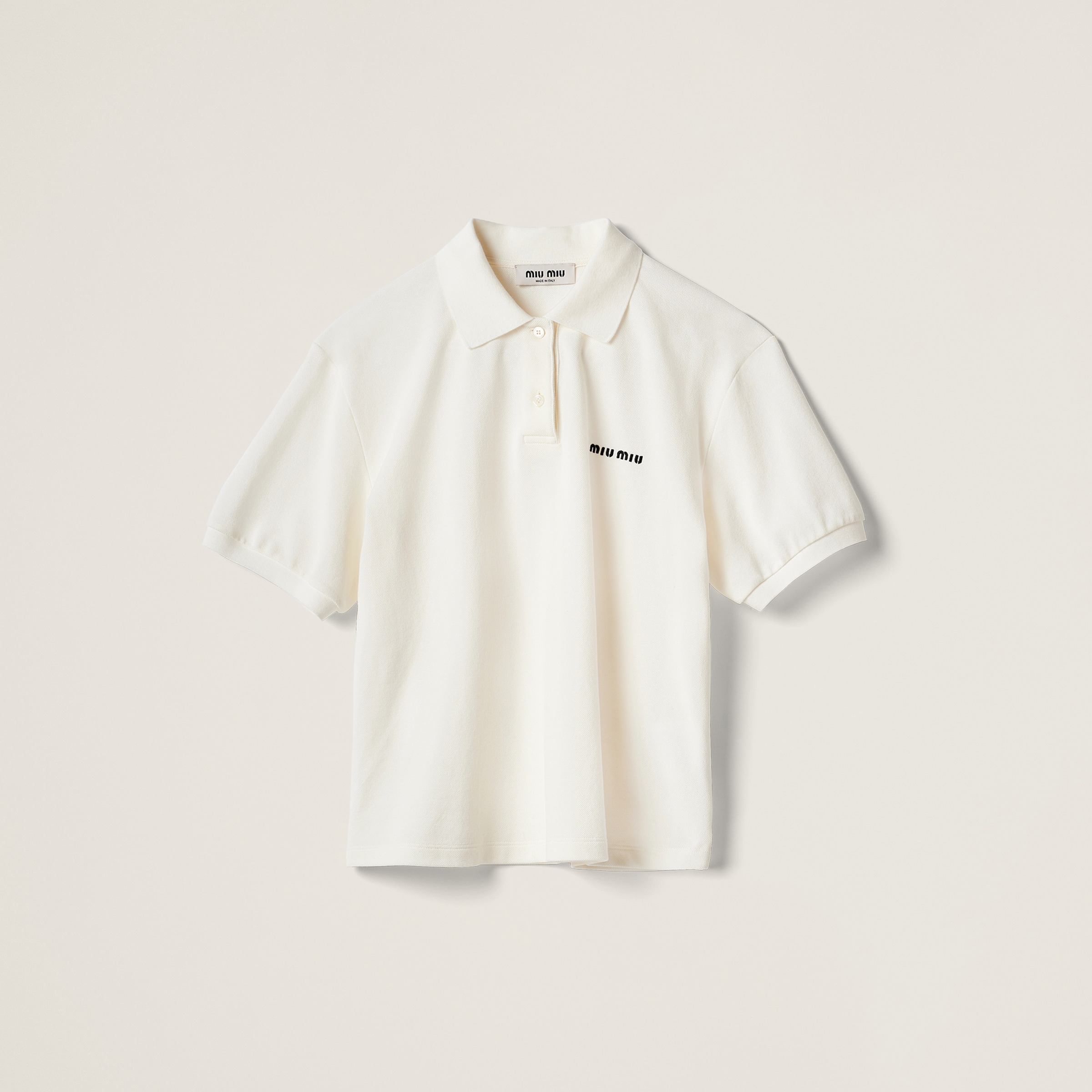
Miu Miu Cotton Piqué Polo Shirt
A clean luxury interpretation of the traditional court polo, made from cotton with a boxy fit and embroidered logo. Wear it with tailored trousers for the most versatile result.
Price: $1,220

Lacoste Ultra Dry Tennis Skirt With Liner
This piece delivers genuine court performance through moisture-wicking fabric, stretch construction and an integrated liner while retaining the classic pleated silhouette.
Listed Price: $115 before promotional reductions
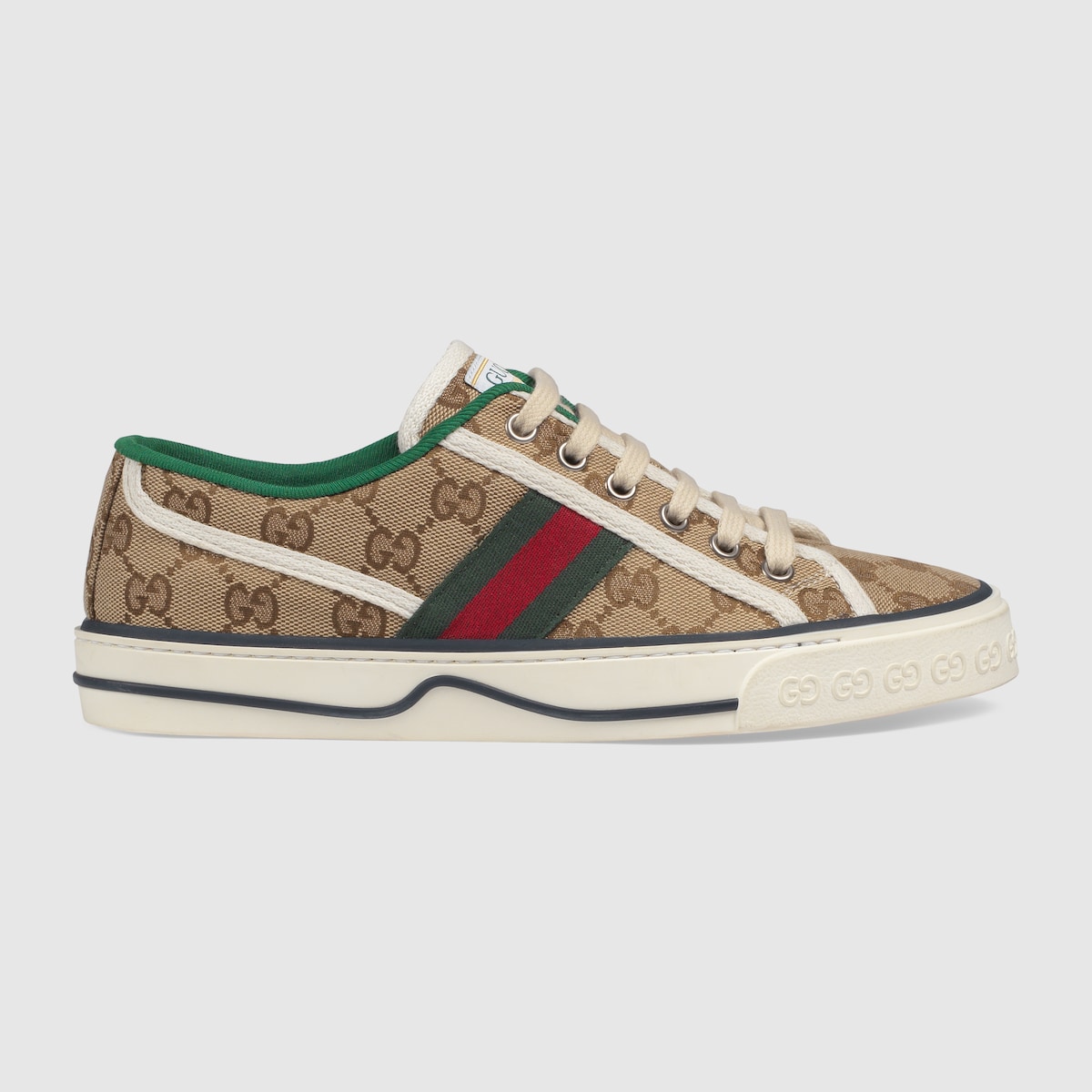
Gucci Tennis 1977 Sneaker
The Original GG canvas, Web stripe and low-profile rubber sole connect Gucci’s luxury identity to its 1970s sporting heritage. It is the edit’s easiest everyday piece.
Price: $575
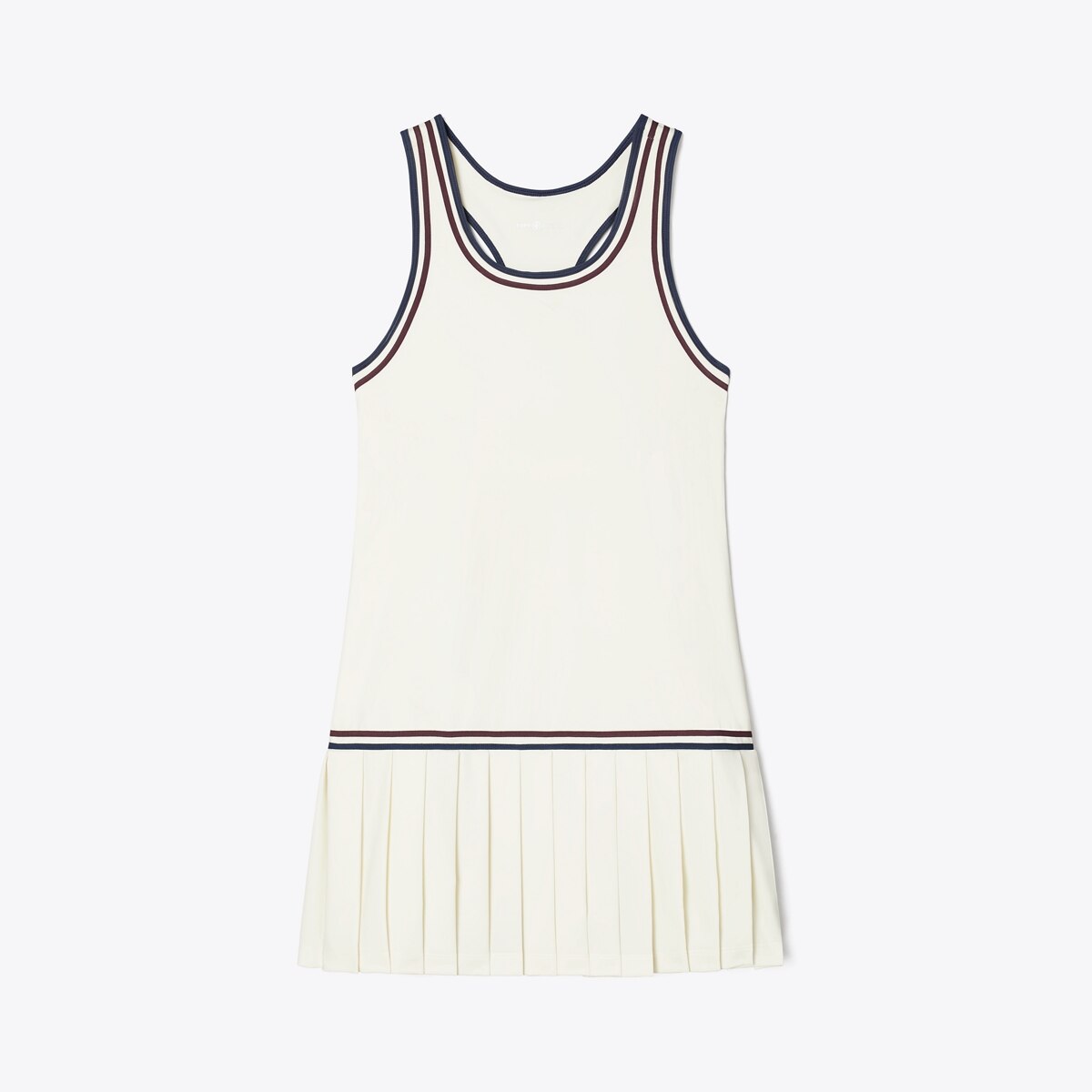
Tory Sport Drop-Waist Tennis Dress
A fitted racerback top, drop waist and pleated skirt give this dress a classic shape, while breathable performance jersey makes it suitable for genuine play.
Original Price: $248
Pros and Cons of Tenniscore
| Pros | Cons |
|---|---|
| Built around timeless wardrobe staples | A complete court look can feel costume-like |
| Easy to adapt for casual or smart settings | White pieces require frequent care |
| Combines comfort with polish | Luxury versions can be disproportionately expensive |
| Works across age groups and genders | Very short pleats may limit practicality |
| Strong overlap with existing preppy wardrobes | Trend-heavy novelty accessories may date quickly |
| Performance pieces can serve a genuine athletic purpose | Technical courtwear is not always ideal for everyday styling |
Final Verdict

Tenniscore became a luxury trend because it already possessed the qualities luxury fashion values: heritage, recognisable design codes, exclusivity and an aspirational lifestyle. Its rise was not an overnight invention. Designers, athletes and prestigious tournaments spent decades turning tennis clothing into a symbol of elegant leisure.
The contemporary version succeeds because it is easy to personalise. It can be nostalgic or modern, athletic or tailored, playful or restrained. The smartest way to invest is to choose pieces with lives beyond the trend—a high-quality polo, fine-gauge cricket knit, streamlined dress or leather court sneaker.
Tenniscore is most convincing when it suggests the court without requiring one. That balance between sporting ease and deliberate polish is precisely why tennis style became luxury fashion—and why its best pieces will remain relevant long after the hashtag fades.
