
TL;DR
When Kenzo Takada arrived in Paris during the 1960s, the city remained the centre of fashion authority. Its leading houses established the rules of elegance, while designers from outside Europe were rarely treated as equal participants in the luxury establishment.
Takada did not succeed by attempting to imitate traditional Parisian couture. He changed the conversation by bringing something radically different: loose silhouettes, clashing prints, inexpensive cotton, multicultural references and an unmistakable sense of joy.
His clothes felt liberated from the rigid formality that had defined an earlier generation. They also proposed a new idea of Paris fashion—one that could be shaped by a Japanese designer, inspired by cultures around the world and enjoyed outside the rarefied world of haute couture.
That is why Kenzo did more than create a successful Parisian label. He helped expand what Paris fashion could look like, who could influence it and how much fun it was allowed to have.
- Kenzo Takada introduced relaxed, voluminous clothing when much of Paris fashion remained structured and formal.
- His Japanese perspective helped establish cross-cultural design as a creative force rather than a novelty.
- Bright colour, florals and unexpected pattern combinations brought optimism to Parisian ready-to-wear.
- His affordable early fabrics challenged the idea that influential fashion required couture-level materials.
- Kenzo’s energetic presentations helped turn the fashion show into entertainment and celebration.
- His success helped demonstrate that Paris fashion could be transformed by designers born outside Europe.
Table of Contents
From Himeji to Galerie Vivienne
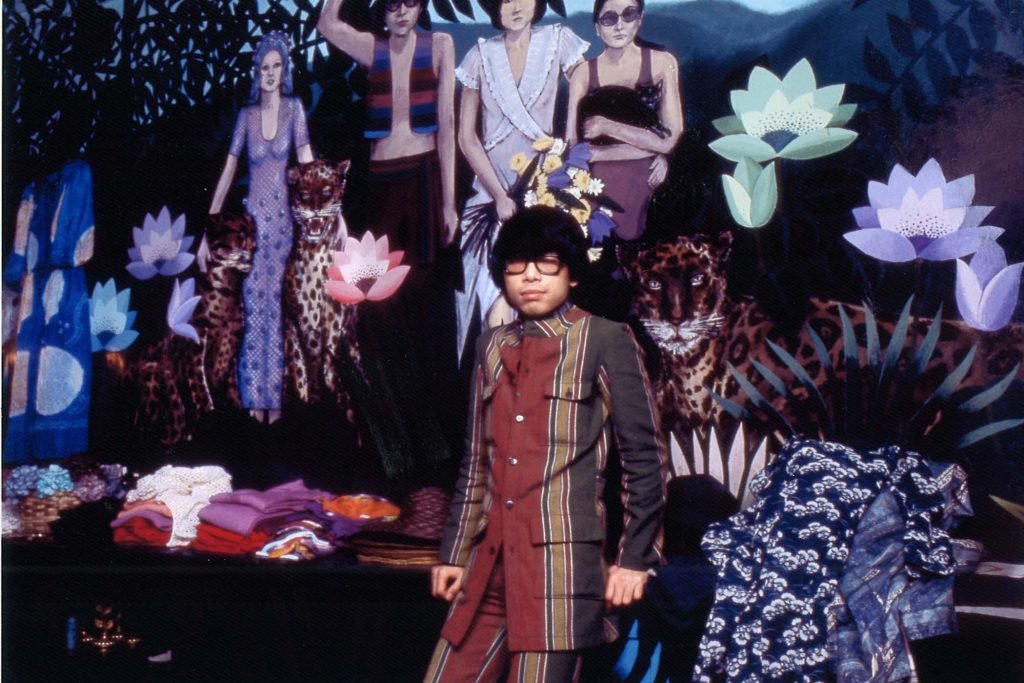
Born in Himeji, Japan, in 1939, Kenzo Takada studied at Tokyo’s Bunka Fashion College before setting his sights on Paris.
He travelled to Europe by ship in 1964, stopping in cities including Hong Kong, Singapore, Djibouti and Alexandria. The fabrics, colours and traditional clothing he encountered during that journey became part of the expansive visual vocabulary he later brought to fashion.
After establishing himself in Paris, Takada opened a small boutique in Galerie Vivienne in 1970. It originally operated under a name containing a term now recognised as an anti-Japanese slur, before the business became known simply as Kenzo.
His limited budget became an unexpected creative advantage. Rather than working with the expensive textiles associated with haute couture, he combined affordable cottons and fabric remnants from Paris markets.
The resulting clothes looked spontaneous, youthful and unlike the polished formality found in more established districts. According to the ASU FIDM Museum, the boutique attracted young customers drawn to its cheerful prints, bright colours and voluminous silhouettes.
He Replaced Rigidity With Freedom
One of Takada’s most important contributions was his treatment of the body.
Traditional Parisian elegance frequently depended on precise internal construction, fitted waists and carefully controlled proportions. Takada approached clothing through space and movement. His dresses, smocks, coats and trousers often surrounded the body instead of tightly defining it.
The influence of Japanese dress could be seen in straight cuts, layered construction and the use of fabric as a continuous surface. However, the results were not literal reproductions of traditional Japanese clothing. Takada combined these principles with European workwear, folk costume, military garments and Parisian street style.
He favoured generous sleeves, loose trousers and shapes that came alive when the wearer moved. As PBS noted in its account of his work, Takada championed youthful, unstructured forms and reduced the dependence on restrictive fastenings.
| Earlier Paris Convention | Kenzo’s Alternative | Why It Mattered |
|---|---|---|
| Body-defining construction | Loose and voluminous silhouettes | Gave the wearer greater physical freedom |
| Formal couture fabrics | Cotton, remnants and market-sourced textiles | Proved creativity was not dependent on costly materials |
| Controlled colour coordination | Florals, checks, stripes and contrasting shades | Made pattern mixing feel sophisticated |
| French-centred references | Japanese and international cultural influences | Expanded the vocabulary of Paris fashion |
| Exclusive formality | Youthful ready-to-wear | Connected designer fashion with a broader audience |
He Made Colour Feel Intelligent
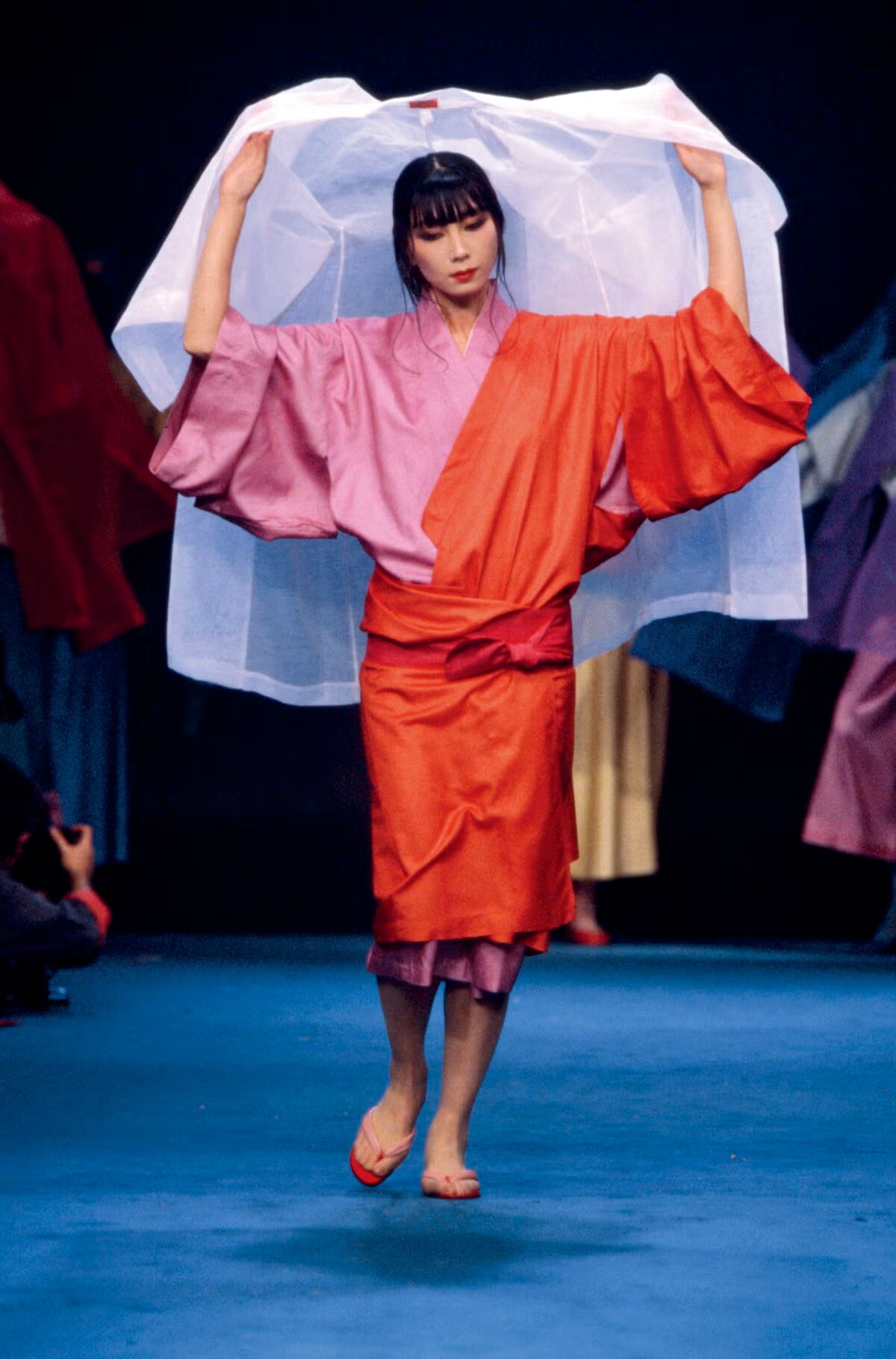
Takada reportedly found Parisian fashion subdued when he arrived. His answer was not simply to add brighter colours but to reconsider how colour and pattern could coexist.
Flowers, animals, landscapes, Japanese imagery, checks and stripes appeared together across his collections. Primary colours were placed beside unexpected secondary shades, while prints were layered in combinations that might have looked chaotic in less skilful hands.
The intelligence came from proportion. A dense floral might be balanced by a broad solid-colour belt. Stripes could provide structure beneath an organic botanical print. A bright pair of tights could connect two otherwise unrelated colours elsewhere in the outfit.
This approach helped make print mixing a legitimate luxury language. Kenzo demonstrated that visual abundance did not need to mean poor taste. It could express curiosity, confidence and technical control.
East Met West Without Becoming Costume
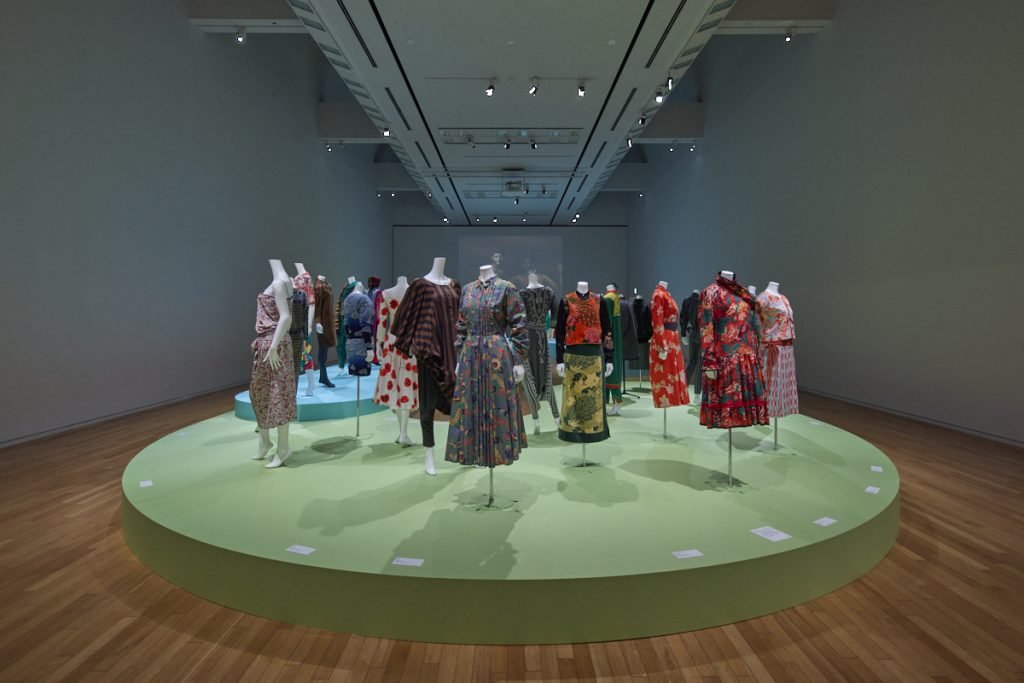
Kenzo is frequently described as a fusion of East and West, but that phrase can oversimplify what Takada achieved.
His work was not confined to combining Japanese details with French tailoring. He drew inspiration from folk clothing, uniforms, crafts and textiles encountered across numerous cultures. His collections might connect a kimono-like proportion with European florals, Scandinavian knitwear, Central Asian shapes or American workwear.
What made the approach influential was its fluidity. Cultural references interacted rather than being presented as isolated themes.
This helped challenge the assumption that Paris fashion should emerge from a purely French tradition. Takada treated Paris as a meeting place—a city where different ideas could be transformed through design.
His perspective did not weaken the identity of Paris fashion. It made that identity more international.
He Helped Move Paris Toward Ready-to-Wear
Kenzo arrived at a moment when the power structure of fashion was changing.
After the social upheavals of the late 1960s, younger customers increasingly wanted clothes that felt immediate, expressive and compatible with everyday life. Haute couture remained influential, but ready-to-wear was becoming a more important source of creative authority.
Takada understood this shift intuitively. His early clothing was dynamic enough to attract editorial attention but approachable enough to feel connected to contemporary life.
He helped prove that ready-to-wear did not have to be a diluted version of couture. It could be where the most energetic ideas appeared first.
| Kenzo Principle | Effect on Paris Fashion |
|---|---|
| Accessible fabrics | Shifted attention from material price to creative impact |
| Relaxed construction | Supported a more informal way of dressing |
| Boutique presentation | Connected designer identity directly with younger customers |
| Seasonal experimentation | Made ready-to-wear a site of constant creative change |
| Multicultural references | Reflected an increasingly international Paris |
The Runway Became a Celebration
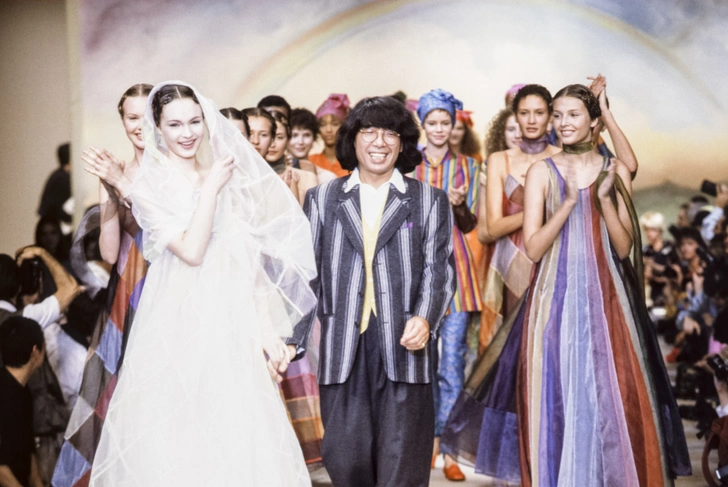
Takada also changed the emotional atmosphere surrounding fashion.
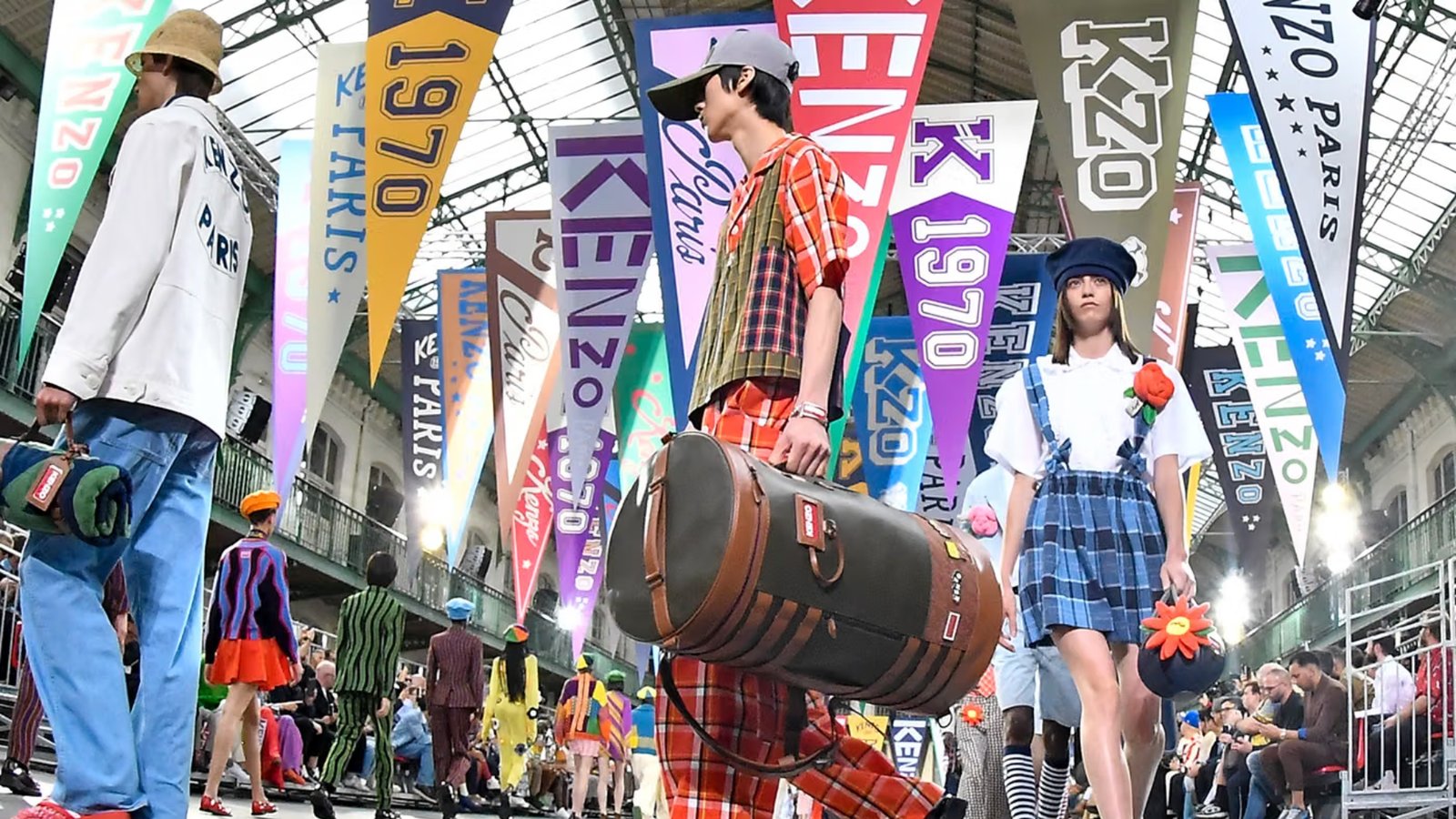
His shows became known for movement, music, theatricality and a celebratory relationship between designer, models and audience. Models did not always appear as remote figures displaying clothes with controlled neutrality. They danced, turned and allowed voluminous garments to perform.
This spirit influenced how later brands approached fashion-show entertainment. Kenzo’s presentations suggested that serious design did not require seriousness of mood.
The house’s later creative eras repeatedly returned to that principle. The energetic 2016 Kenzo collaboration show with H&M, for example, used dancers, musicians and performers in a direct tribute to the festive atmosphere of Takada’s presentations.
He Expanded Who Could Shape Paris Fashion
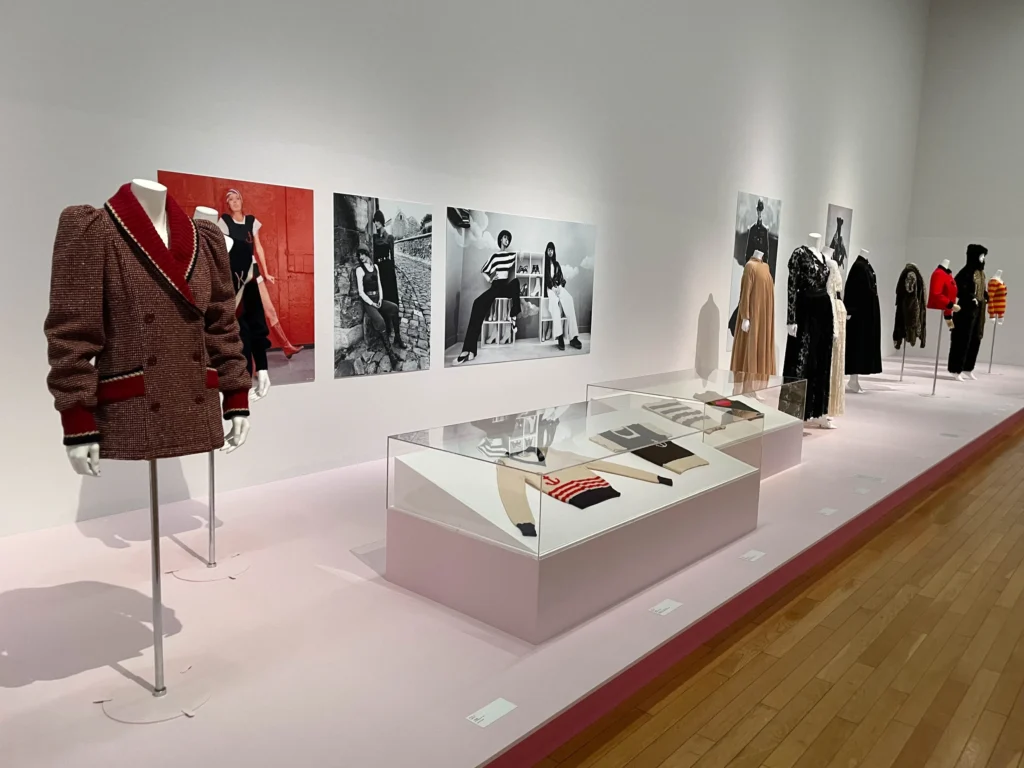
Takada was not the only Japanese designer to transform European fashion, but his success was an early and highly visible breakthrough.
He established a major Parisian identity before the arrival of the more conceptual Japanese avant-garde associated with designers such as Rei Kawakubo and Yohji Yamamoto. His work was different from theirs, yet it contributed to a similar expansion of perspective.
A designer did not need to be born in France—or erase their cultural background—to participate in Paris fashion at the highest level.
Takada’s success made the internationalisation of Paris feel less exceptional. Today, the city’s major houses regularly appoint designers from across Europe, Asia, Africa and the Americas. Kenzo helped establish the idea that Parisian fashion could be defined by creative exchange rather than nationality alone.
Why the Kenzo Legacy Still Feels Current
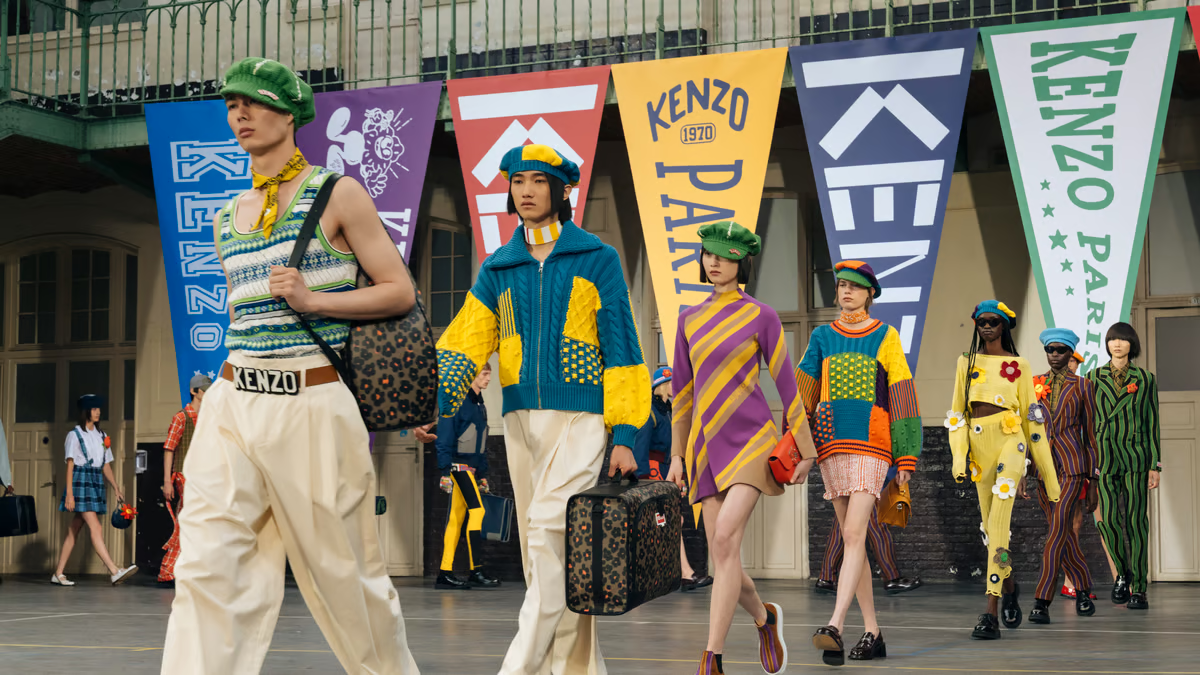
The house has passed through several creative eras, but its strongest periods return to Takada’s founding principles: cultural dialogue, colour, ease and youthful energy.
Under Nigo, Kenzo has explored Japanese denim, Ivy League references, workwear, archival florals and streetwear. The specific clothes look contemporary, but the method remains connected to the founder—different cultural codes are placed together until they create something new.
The official house archive describes current Kenzo as an exchange between French and Japanese aesthetics, expressed through blended cultures, archetypes and design codes.
That continuity demonstrates the strength of Takada’s original idea. Kenzo does not need to reproduce his 1970s collections literally. It only needs to preserve their openness.
Shop the Edit
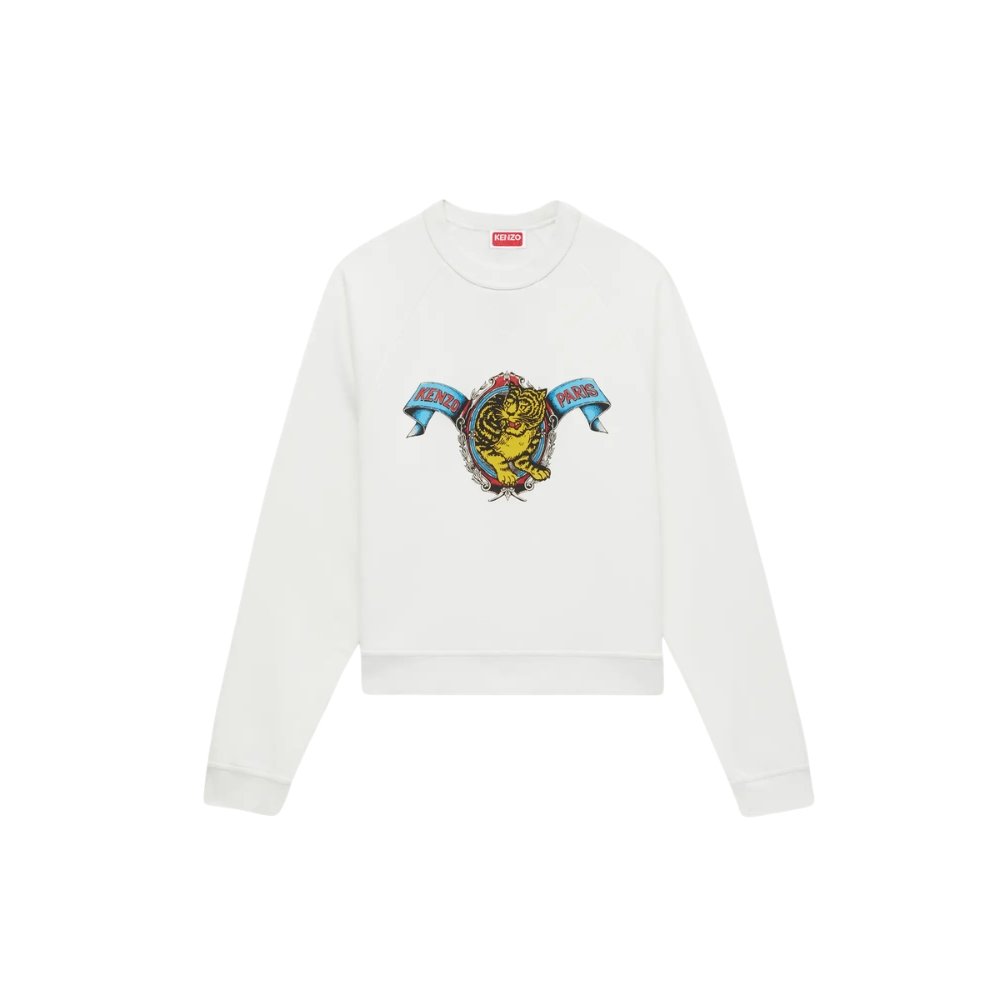
Kenzo Jumping Tiger Sweatshirt
Connects the house’s animal imagery with contemporary streetwear
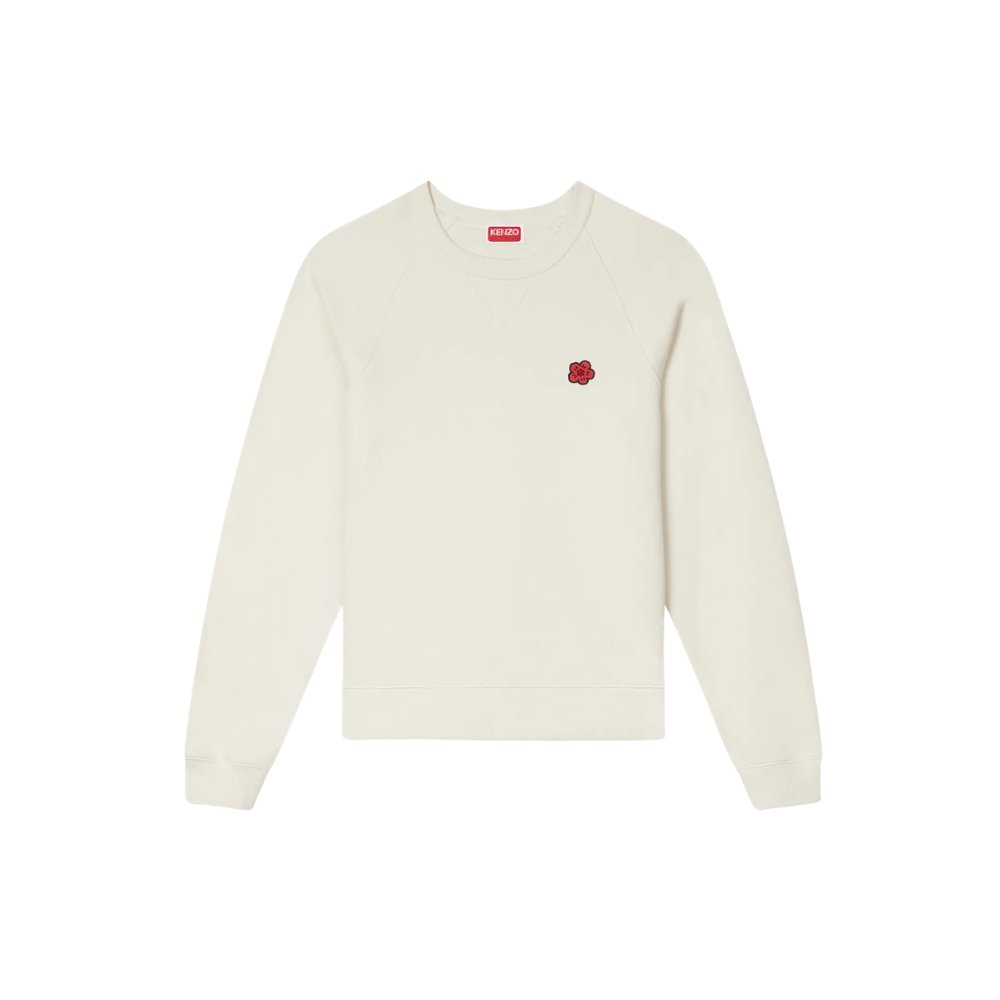
Boke Flower Sweatshirt
A modern Japanese floral signature presented on an accessible silhouette
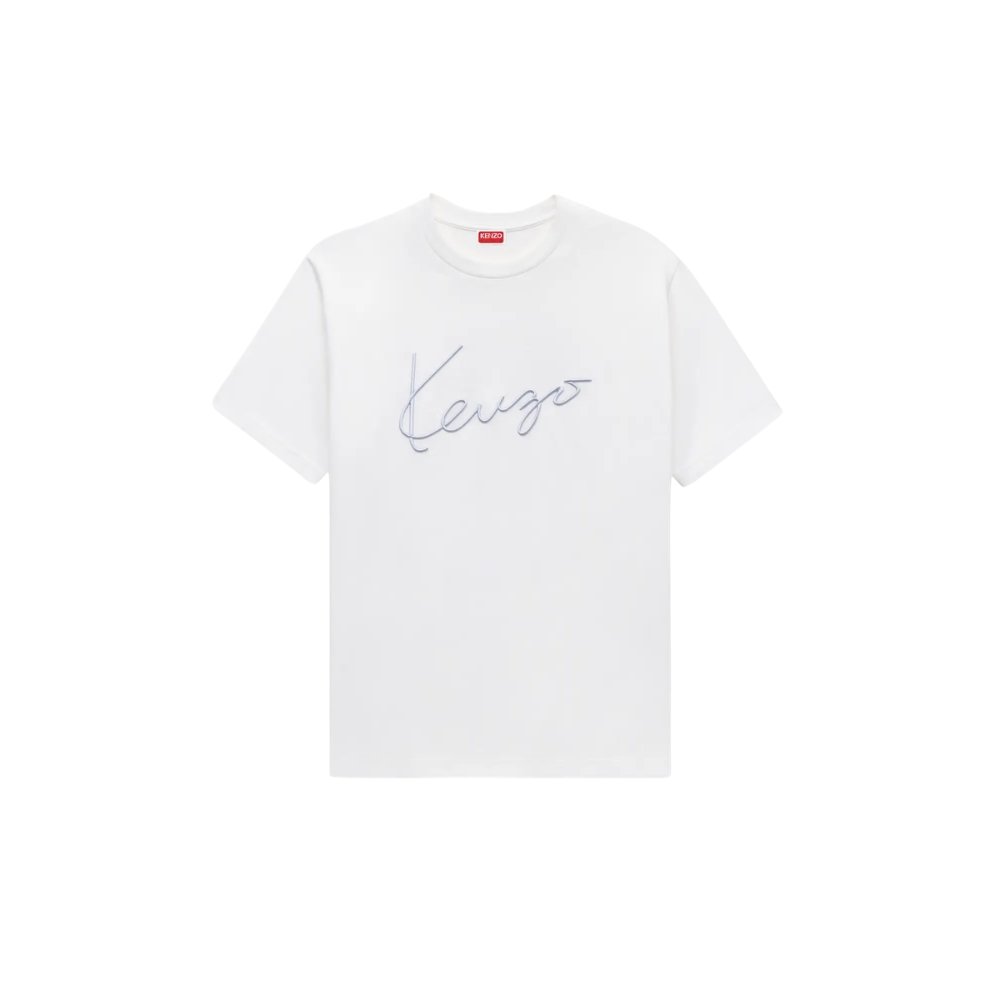
Kenzo Signature Embroidered T-Shirt
Revives the founder’s handwritten signature from 1970s show invitations
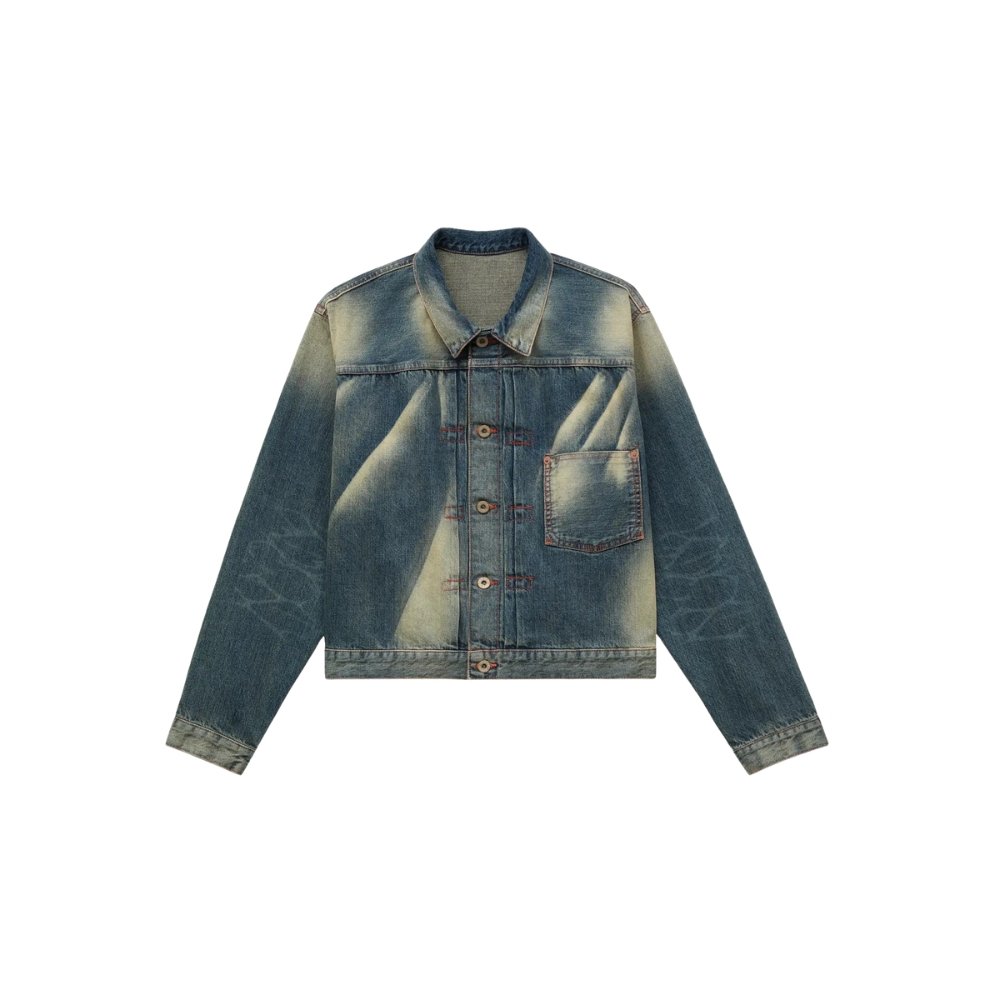
Pleated Trucker Jacket in Japanese Denim
Combines Japanese textile expertise with Western workwear
Pros and Cons
| Pros | Cons |
|---|---|
| Historically important fusion of Japanese and Parisian fashion | Bold prints can be difficult to combine with an existing wardrobe |
| Relaxed silhouettes offer comfort and movement | Oversized proportions may require careful sizing |
| Strong use of colour, florals and animal motifs | Logo-driven pieces do not always reflect the full richness of the archive |
| Contemporary pieces connect luxury with streetwear | Quality and construction vary across product categories |
| Recognisable without depending on traditional European luxury codes | Highly seasonal motifs may have less long-term versatility |
Final Verdict
Kenzo changed Paris fashion because Takada refused to treat its existing rules as permanent.
He loosened the silhouette, elevated inexpensive fabrics, mixed patterns without apology and placed his Japanese identity inside a broader international conversation. He showed that ready-to-wear could carry serious creative authority and that influential Paris fashion did not need to emerge from a French cultural background.
Perhaps most importantly, he replaced distance with joy. His clothing moved, his colours communicated optimism and his presentations invited the audience into the celebration.
Modern Paris fashion is more international, informal and culturally interconnected than the world Takada entered. Kenzo did not create that transformation alone, but he was one of the designers who made it impossible to reverse.
