
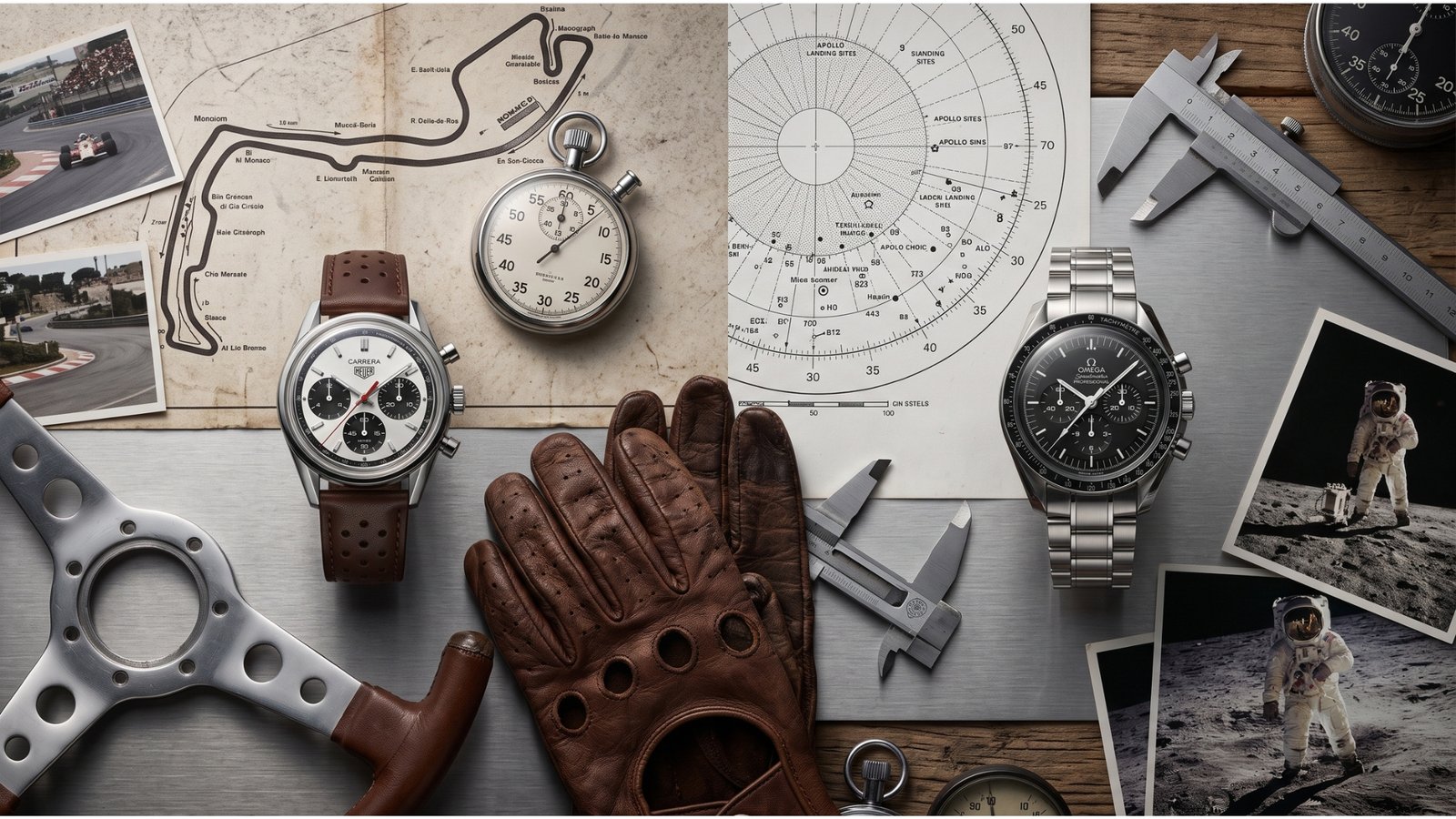
TL;DR
TAG Heuer vs Omega are two of Switzerland’s most recognizable sports-watch manufacturers, but Omega occupies the higher position in modern luxury watchmaking.
- Choose TAG Heuer if you prioritize motorsport heritage, racing chronographs, contemporary styling, the Carrera or Monaco, and a somewhat more accessible route into luxury Swiss watches.
- Choose Omega if you prioritize movement technology, chronometer performance, anti-magnetism, space exploration, professional diving heritage, stronger overall prestige, and a more comprehensive luxury-watch collection.
Simply put:
- TAG Heuer is the stronger specialist in motorsport-inspired watchmaking.
- Omega is the stronger all-round luxury watchmaker.
TAG Heuer traces its history to 1860, when Édouard Heuer established his workshop in Saint-Imier. Its history subsequently became inseparable from chronographs, precision timing, automobile racing, the Carrera, and the Monaco.
Omega has an even older history, dating to 1848, and built its reputation across precision timing, Olympic timekeeping, diving, space exploration, and mechanical innovation.
The result is a comparison between two genuine Swiss watchmaking institutions—but not necessarily two brands occupying exactly the same tier.
Table of Contents
Introduction
Few Swiss watch comparisons are as natural as TAG Heuer vs Omega.
Both have extensive histories.
Both became famous through timing and sport.
Both make some of the most recognizable chronographs ever produced.
Both have deep connections with extreme environments.
And both sit well above conventional fashion watches.
But their strongest associations are remarkably different.
TAG Heuer is motorsport.
Its identity was shaped by chronographs, dashboard timers, racing drivers, and precision instruments. The Carrera arrived in 1963, while the Monaco followed in 1969 and achieved another level of cultural recognition after Steve McQueen wore one in Le Mans.
TAG Heuer’s historical importance is technical as well.
Édouard Heuer patented an improved oscillating pinion in 1887, a mechanism that became important to chronograph construction and remains relevant to mechanical watchmaking.
Omega has a broader story.
It stretches from precision competitions and Olympic timing to diving, James Bond, the Speedmaster’s association with NASA, and modern Master Chronometer movements.
That breadth gives Omega an important advantage.
Where TAG Heuer has one extraordinarily strong narrative—speed—Omega has several:
Space. Sea. Sport. Precision.
And that ultimately raises the central question of this comparison:
Does TAG Heuer’s exceptional motorsport identity make it the more exciting purchase, or does Omega’s stronger watchmaking technology and broader heritage make it the better brand overall?
Heritage & Brand Identity
TAG Heuer: Born for Speed
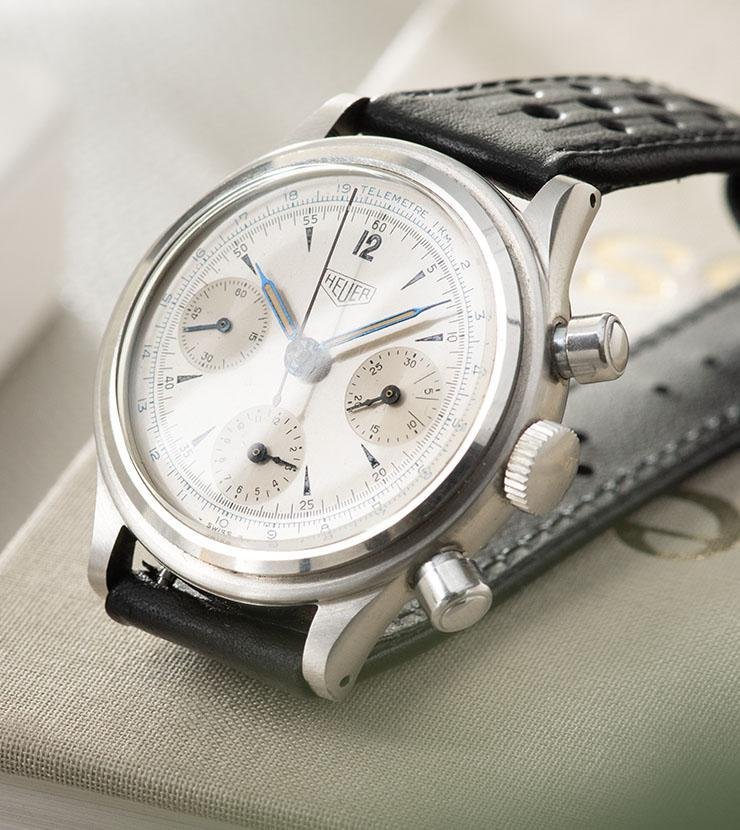
TAG Heuer’s history began in 1860, when 20-year-old Édouard Heuer established a watchmaking workshop in Saint-Imier.
Technical innovation appeared almost immediately.
In 1869, Heuer received a patent covering a crown-operated keyless winding system.
Then came one of the company’s most significant innovations.
In 1887, Heuer patented an improved oscillating pinion, allowing a chronograph to start and stop through a push-button mechanism. TAG Heuer notes that the principle remains relevant in mechanical chronographs today.
But TAG Heuer’s modern identity really begins to crystallize during the 20th century.
1963 — Carrera
Jack Heuer introduced the Carrera in 1963.
The watch took inspiration from motorsport and became one of the defining racing chronographs of the era.
1969 — Monaco
Six years later came the Monaco.
Its square case immediately differentiated it from conventional round chronographs.
The Monaco subsequently gained enormous cultural visibility when Steve McQueen wore a Heuer Monaco in the 1971 film Le Mans.
1969 — Calibre 11
The same period also brought the Calibre 11.
Heuer’s joint venture was among the pioneers bringing automatic chronographs to worldwide markets in 1969, with the Carrera, Monaco, and Autavia becoming important showcases for the new technology.
Today, TAG Heuer is recognized for:
- Motorsport
- Racing chronographs
- Precision timing
- Carrera
- Monaco
- Formula 1
- Avant-garde design
- Connected watches
Signature TAG Heuer Collections
| Collection | Known For |
|---|---|
| Carrera | Racing chronograph |
| Monaco | Square motorsport icon |
| Formula 1 | Accessible sport watches |
| Aquaracer | Diving and water sports |
| Autavia | Motorsport and aviation heritage |
| Connected | Luxury smartwatch |
| Carrera Extreme Sport | Contemporary performance |
Omega: From Precision to the Moon
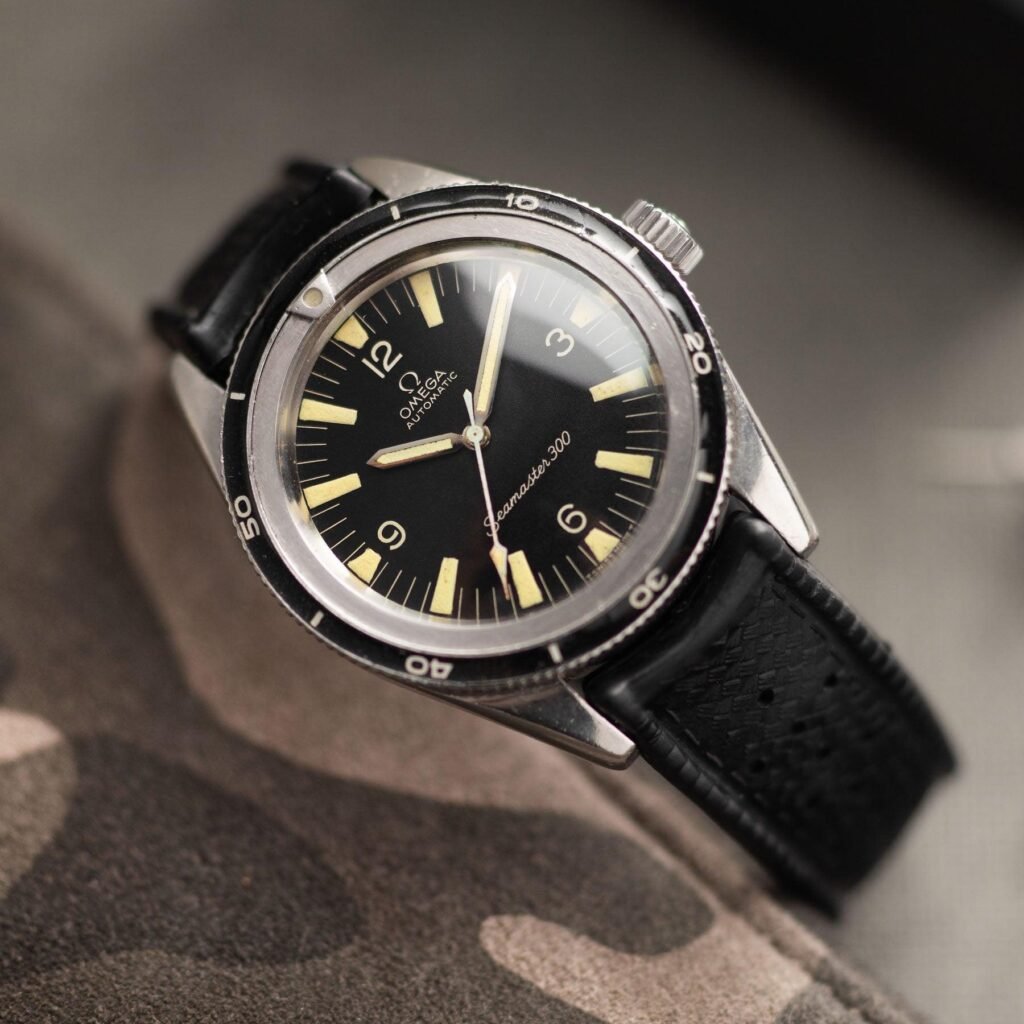
Omega’s story reaches back to 1848, giving it more than 175 years of Swiss watchmaking history.
And unlike TAG Heuer, its identity cannot easily be reduced to one sport or environment.
Omega became associated with:
- Precision
- Olympic timing
- Diving
- Space exploration
- Aviation
- Magnetic resistance
- Chronometer performance
Its most famous achievement, however, came through space exploration.
The Speedmaster
The Speedmaster was originally introduced as a sports and racing chronograph rather than a space watch.
But its history changed when NASA subjected chronographs to demanding qualification testing for human spaceflight.
The Speedmaster ultimately became associated with NASA missions and the Apollo program, earning the nickname Moonwatch after its role in the first crewed lunar landing.
Few watches have a stronger historical narrative.
The Seamaster
Omega’s other major pillar is the Seamaster.
Where the Speedmaster conquered space, the Seamaster became associated with water.
The family now spans everything from elegant Aqua Terra models to serious diving watches such as:
- Seamaster Diver 300M
- Planet Ocean
- Aqua Terra
- Seamaster 300
The result is a much broader technical identity than TAG Heuer.
Today, Omega is recognized for:
- Speedmaster Moonwatch
- Seamaster
- Master Chronometer certification
- Co-Axial movements
- Space exploration
- Professional diving
- Olympic timekeeping
- Precision watchmaking
Signature Omega Collections
| Collection | Known For |
|---|---|
| Speedmaster | Space & chronographs |
| Seamaster Diver 300M | Professional diving |
| Seamaster Aqua Terra | Everyday luxury |
| Planet Ocean | Serious diving |
| Seamaster 300 | Heritage diving |
| Constellation | Precision & elegance |
| De Ville | Dress watches |
Heritage Comparison
| Category | TAG Heuer | Omega |
|---|---|---|
| Founded | 1860 | 1848 |
| Swiss Heritage | ★★★★★ | ★★★★★ |
| Chronograph Heritage | ★★★★★ | ★★★★★ |
| Motorsport Heritage | ★★★★★ | ★★★★☆ |
| Space Heritage | ★★★☆☆ | ★★★★★ |
| Diving Heritage | ★★★★☆ | ★★★★★ |
| Precision Timing | ★★★★★ | ★★★★★ |
| Cultural Significance | ★★★★★ | ★★★★★ |
| Historical Breadth | ★★★★☆ | ★★★★★ |
Heritage Winner
Omega
TAG Heuer’s history is exceptional.
Its 1887 oscillating pinion patent represents a genuine contribution to chronograph technology, while the Carrera, Monaco, and the company’s participation in the emergence of automatic chronographs give TAG Heuer significant horological credibility.
Its motorsport credentials are arguably even stronger.
The Carrera introduced in 1963 and the Monaco introduced in 1969 remain two of the most recognizable racing chronographs in Swiss watchmaking.
But Omega wins because its historical achievements cover more territory.
Its legacy extends through precision timing, the Olympics, professional diving, aviation, space exploration, chronographs, and mechanical watchmaking.
TAG Heuer has one of watchmaking’s greatest motorsport stories.
Omega has one of watchmaking’s greatest overall stories.
Design Philosophy
TAG Heuer: Performance You Can See
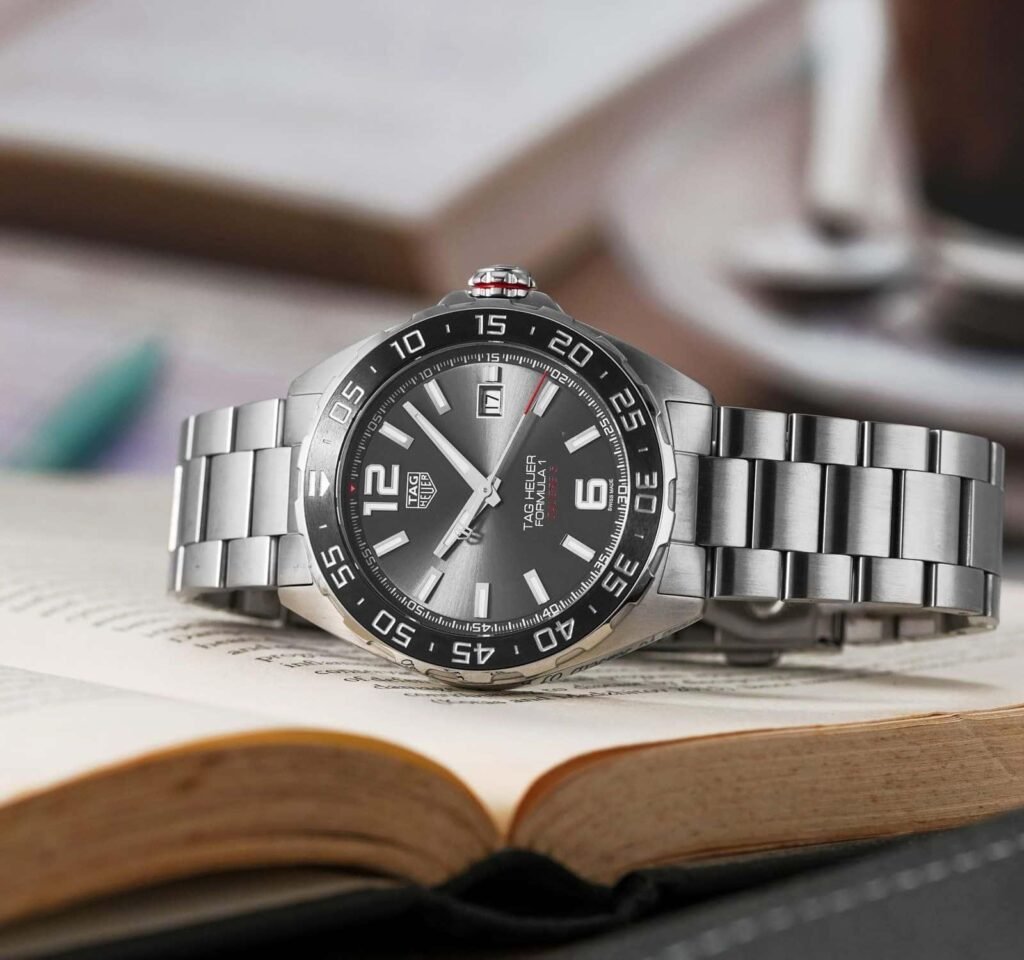
TAG Heuer generally wants you to see the performance influence.
Its designs frequently emphasize:
- Chronograph subdials
- Tachymeter scales
- Bold cases
- High-contrast dials
- Motorsport colors
- Ceramic bezels
- Sport bracelets
Even the relatively elegant Carrera retains a connection with racing.
The modern Carrera Chronograph 42mm, for example, combines a polished and fine-brushed steel case with the in-house TH20-00 automatic chronograph movement, 80 hours of power reserve, 4Hz frequency, and 100 metres of water resistance. A current black-dial steel-bracelet reference is listed at $6,800 in the U.S.
The current Carrera family also illustrates how TAG Heuer has moved beyond the oversized sport-watch aesthetic that once dominated the brand.
The 39mm Glassbox-style Carrera chronographs provide more historically informed proportions while maintaining the mechanical chronograph identity. A current 39mm steel Carrera Chronograph on bracelet is listed at $7,550.
Omega: Technical Performance Under Classic Design
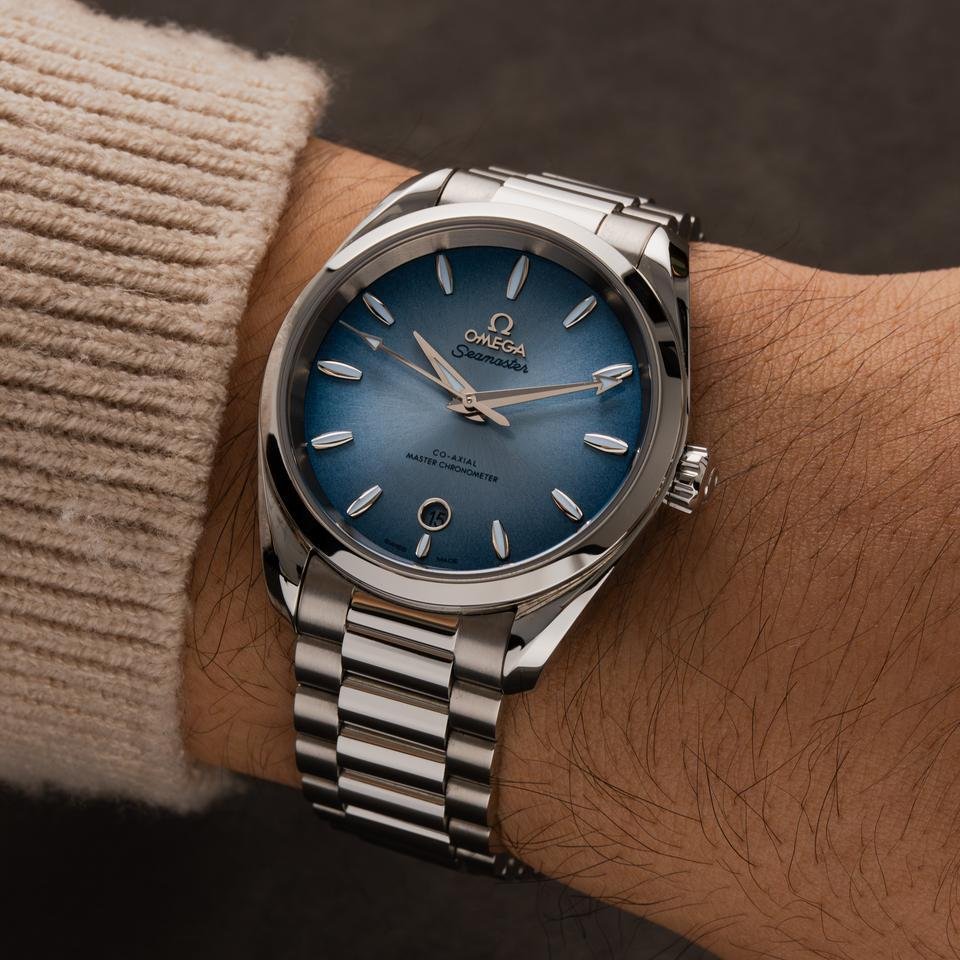
Omega’s visual language is broader.
A Speedmaster looks fundamentally different from a Seamaster Diver 300M.
An Aqua Terra feels different from a Planet Ocean.
A De Ville is different again.
Yet there are several recurring characteristics:
- Highly legible dials
- Strong case finishing
- Functional design
- Mechanical sophistication
- Heritage references
- Sport-luxury versatility
Omega also tends to hide more of its technical sophistication beneath relatively conventional watch design.
A Speedmaster Moonwatch looks familiar because its fundamental visual vocabulary has existed for decades.
But contemporary versions combine that heritage appearance with modern movement architecture and chronometer testing.
Similarly, an Aqua Terra can look like a relatively straightforward everyday watch while incorporating the same broader movement technologies that have become fundamental to Omega’s contemporary identity.
That balance makes Omega particularly versatile.
Design Philosophy Comparison
| Design Element | TAG Heuer | Omega |
|---|---|---|
| Motorsport Design | ★★★★★ | ★★★★☆ |
| Chronograph Design | ★★★★★ | ★★★★★ |
| Dive Watch Design | ★★★★☆ | ★★★★★ |
| Everyday Sport Luxury | ★★★★☆ | ★★★★★ |
| Heritage Styling | ★★★★★ | ★★★★★ |
| Contemporary Boldness | ★★★★★ | ★★★★☆ |
| Collection Versatility | ★★★★☆ | ★★★★★ |
| Recognizable Icons | ★★★★★ | ★★★★★ |
Design Winner
Omega
TAG Heuer wins if your taste specifically leans toward motorsport.
The Carrera remains one of the cleanest racing chronographs ever created, while the Monaco is almost impossible to mistake for another watch.
The current Carrera also demonstrates serious mechanical substance. Its TH20-00 movement is an in-house automatic chronograph calibre with 80 hours of power reserve, running at 28,800 vibrations per hour.
Omega wins overall because its design vocabulary covers more situations.
The Speedmaster provides the chronograph.
The Seamaster Diver 300M and Planet Ocean provide the dive watches.
The Aqua Terra handles everyday sport-luxury duty.
The Constellation and De Ville bring greater formality.
TAG Heuer has several outstanding designs.
Omega has a more complete watch wardrobe.
Carrera vs Speedmaster: The Defining Rivalry
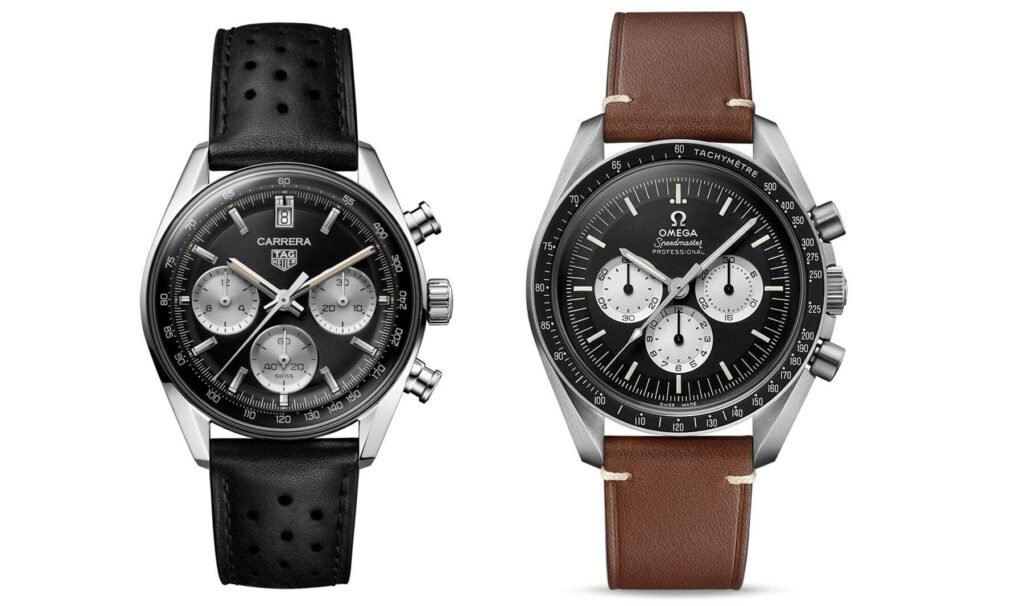
The heart of this comparison is inevitably:
TAG Heuer Carrera vs Omega Speedmaster.
Both began as chronographs connected with speed.
But their stories eventually moved in very different directions.
TAG Heuer Carrera
Introduced in 1963, the Carrera became inseparable from motor racing.
The contemporary Carrera retains that identity while introducing modern mechanical technology.
A current 42mm Carrera Chronograph includes:
- TH20-00 automatic movement
- 80-hour power reserve
- 4Hz frequency
- Column-wheel chronograph architecture
- 100m water resistance
- Sapphire caseback
- Steel construction
Omega Speedmaster
The Speedmaster began with motorsport connections too.
But NASA changed its destiny.
Its association with human spaceflight transformed it from an excellent chronograph into one of the most historically significant watches ever made.
That creates an unusual choice.
Choose Carrera For:
- Motorsport
- Automatic chronograph
- Longer power reserve
- Racing heritage
- Contemporary luxury
Choose Speedmaster For:
- Space heritage
- Historical significance
- Movement technology
- Collector recognition
- Iconic design
Early Winner
Omega Speedmaster
The Carrera is one of TAG Heuer’s masterpieces.
But the Speedmaster’s historical significance is extremely difficult for any chronograph to overcome.
TAG Heuer Monaco vs Omega Seamaster: Two Different Icons
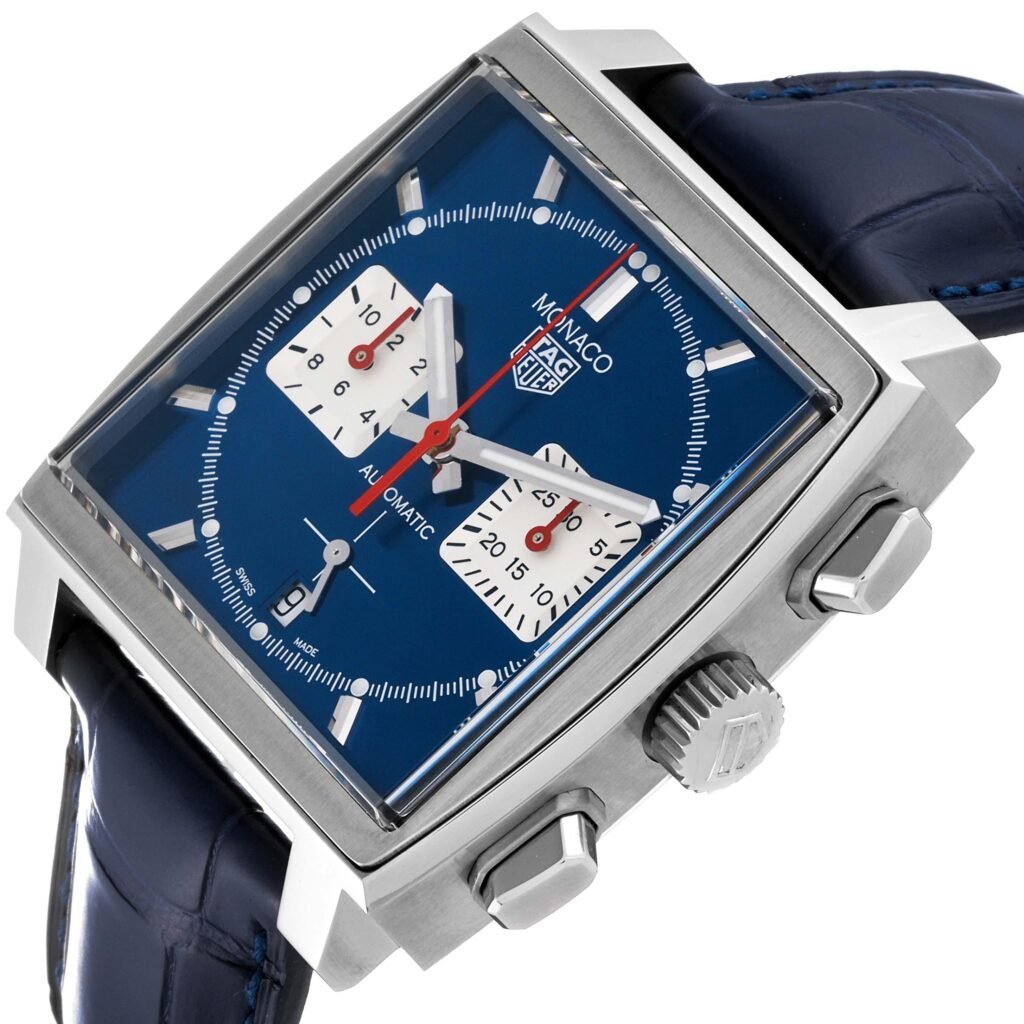
The comparison becomes very different once you move beyond conventional chronographs.
The Monaco is arguably TAG Heuer’s most visually distinctive watch.
Introduced in 1969, it combined an unconventional square case with the then-new automatic chronograph era. Its later association with Steve McQueen and Le Mans made the design inseparable from motorsport culture.
The Seamaster takes the opposite approach.
Rather than being defined by one unusual case shape, the Seamaster represents an entire family of water-oriented watches ranging from versatile everyday models to serious professional divers.
Design Character
| TAG Heuer Monaco | Omega Seamaster |
|---|---|
| Square | Primarily round |
| Motorsport | Diving |
| Bold | Technical |
| Retro-futurist | Sport-luxury |
| Steve McQueen | Sea / exploration |
| Statement piece | Everyday tool watch |
There is no universal winner here.
If you want personality, the Monaco is extraordinary.
If you want versatility, the Seamaster is easier to recommend.
Early Scorecard
| Category | Winner |
|---|---|
| Heritage | Omega |
| Design Philosophy | Omega |
| Carrera vs Speedmaster | Omega |
| Motorsport Identity | TAG Heuer |
| Overall Collection Breadth | Omega |
Current Score
Omega — 4 Wins
TAG Heuer — 1 Win
The early score favors Omega, but TAG Heuer has not yet reached some of its strongest competitive categories.
Its contemporary mechanical watchmaking is considerably more serious than the outdated perception that TAG Heuer is primarily a marketing-driven sports-watch brand might suggest.
The current Carrera Chronograph’s TH20-00 is explicitly identified by TAG Heuer as an in-house movement, with an 80-hour power reserve and 4Hz operating frequency.
And TAG Heuer’s technical history stretches much further back: the oscillating pinion patented in 1887 became an important chronograph innovation, while the company later participated in bringing automatic chronographs to market in 1969.
Movements & Watchmaking
Movement technology is where the difference between TAG Heuer and Omega becomes much clearer.
Both brands are legitimate Swiss watchmakers with important mechanical credentials, but their current approaches are different.
TAG Heuer has significantly strengthened its manufacture-calibre offering through movements such as the TH20 family. Modern Carrera chronographs demonstrate that TAG Heuer should no longer be viewed simply as a brand using generic movements inside motorsport-inspired cases.
Omega, however, has built almost its entire modern mechanical identity around Co-Axial escapements, Master Chronometer certification, anti-magnetism, and highly industrialized movement engineering.
That ecosystem gives Omega the advantage.
TAG Heuer TH20: Modern Chronograph Engineering
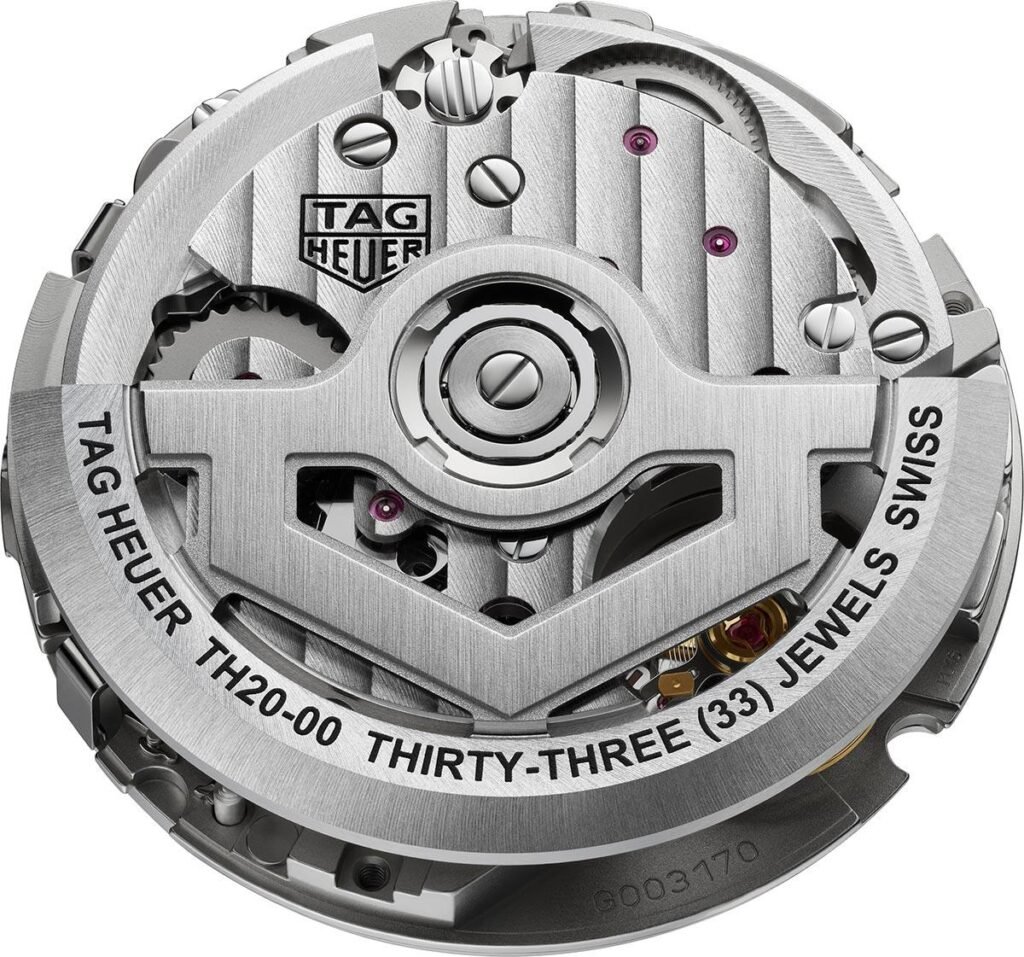
TAG Heuer’s contemporary chronograph portfolio has become considerably more technically interesting.
The TH20-00 found in modern Carrera chronographs is an automatic manufacture chronograph movement offering:
- Automatic winding
- Approximately 80-hour power reserve
- 28,800 vibrations per hour
- Chronograph complication
- Bi-directional winding
- Column-wheel architecture
This makes the modern Carrera more than simply a heritage-inspired racing watch.
It is a serious mechanical chronograph.
That matters because TAG Heuer has sometimes suffered from an outdated perception among enthusiasts that its modern watches rely too heavily on branding and motorsport associations.
The TH20 generation challenges that assumption.
Chrono24 similarly notes that TAG Heuer now uses manufacture calibres in selected models, strengthening the exclusivity of its modern mechanical portfolio.
Omega Co-Axial: An Entire Movement Philosophy
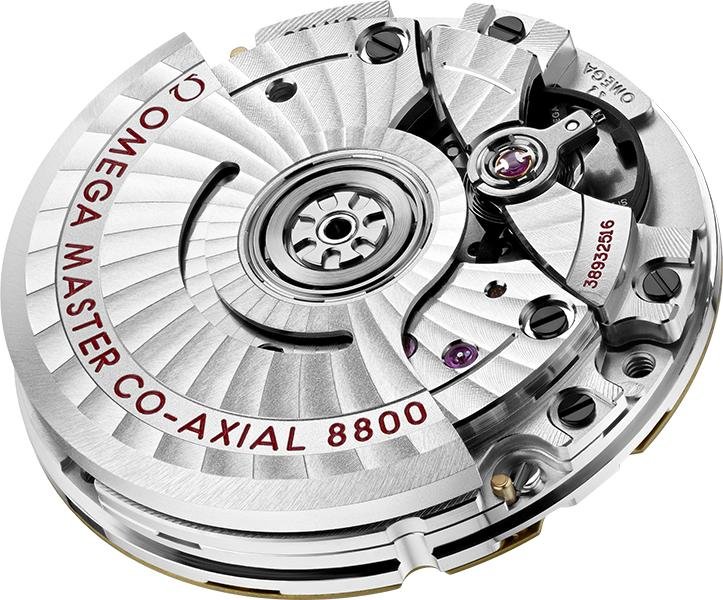
Omega’s approach goes further.
Rather than making movement technology a feature of selected flagship watches, Omega has made mechanical performance a defining element across much of its collection.
The key pillars include:
- Co-Axial escapements
- METAS Master Chronometer certification
- Strong magnetic resistance
- Chronometer-level accuracy
- Extensive testing of completed watches
- Silicon components in many calibres
The current Seamaster Diver 300M Milano Cortina 2026 edition, for example, uses the Co-Axial Master Chronometer Calibre 8806 with a 55-hour power reserve. Omega describes it as certified to one of the Swiss industry’s highest standards.
This illustrates the difference between the brands.
TAG Heuer has excellent movements.
Omega has built a complete technological platform around its movements.
Co-Axial vs TH20
| Specification | TAG Heuer TH20 | Omega Co-Axial Master Chronometer |
|---|---|---|
| Automatic | Yes | Yes* |
| Manufacture Movement | Yes | Yes |
| Chronograph Versions | Yes | Yes |
| Column Wheel | Yes | Depending on calibre |
| Co-Axial Escapement | No | Yes |
| METAS Certification | Not standard across range | Major brand standard |
| Strong Anti-Magnetism | Model dependent | Major strength |
| Power Reserve | Excellent | Excellent |
| Movement Finishing | ★★★★☆ | ★★★★★ |
| Technical Ecosystem | ★★★★☆ | ★★★★★ |
Winner
Omega
TAG Heuer’s modern movements deserve substantially more respect than they sometimes receive.
But Omega has the stronger overall movement proposition.
Accuracy & Certification
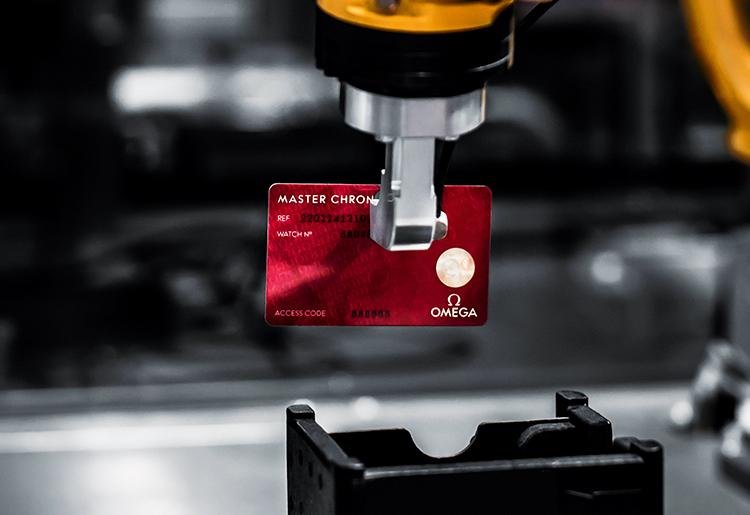
Omega has turned certification into one of its most important competitive advantages.
The Master Chronometer concept tests more than the movement in isolation.
The complete watch is evaluated for performance under conditions involving accuracy, magnetic fields, power reserve, and water resistance.
That gives buyers an unusually clear technical proposition.
TAG Heuer does offer chronometer-certified watches in parts of its collection, but certification isn’t as universally connected with the brand’s identity.
Winner
Omega
Anti-Magnetism
This category heavily favors Omega.
Mechanical watches encounter magnetic fields constantly in modern life through:
- Smartphones
- Laptops
- Speakers
- Headphones
- Magnetic clasps
- Electronic equipment
Traditional mechanical movements can become inaccurate when magnetized.
Omega has invested heavily in making its movements resistant to these environments.
The company’s Master Chronometer philosophy has made resistance to strong magnetic fields one of the defining technical characteristics of modern Omega watchmaking.
Winner
Omega
This isn’t simply a marketing distinction.
For someone wearing a mechanical watch every day around electronics, anti-magnetism has genuine practical value.
Build Quality & Materials
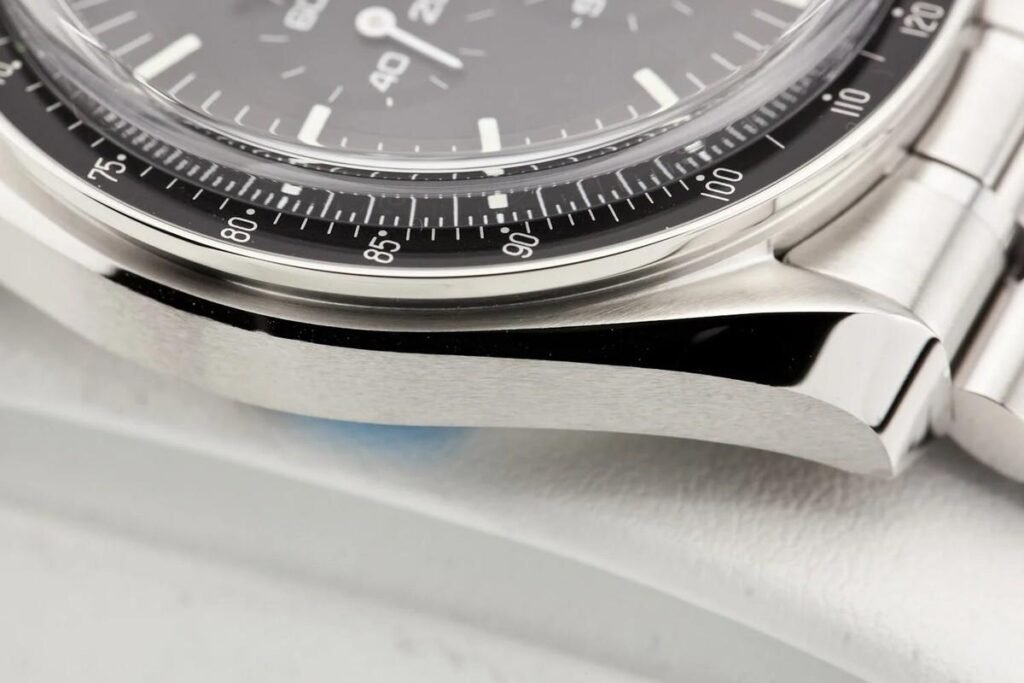
Both manufacturers produce extremely well-built watches.
TAG Heuer
Depending on collection, TAG Heuer works extensively with:
- Stainless steel
- Titanium
- Ceramic
- Sapphire crystal
- Gold
- Carbon-based materials
- Rubber
- Leather
Build quality becomes especially impressive in modern Carrera and Monaco references.
The Carrera has also become more refined than the aggressively sporty TAG Heuer aesthetic many buyers remember from previous decades.
Omega
Omega uses an equally broad—and arguably more sophisticated—materials palette.
Depending on model, this can include:
- Stainless steel
- Titanium
- Ceramic
- Bronze Gold
- Moonshine Gold
- Sedna Gold
- Canopus Gold
- Sapphire
- Advanced dial materials
Omega also makes extensive use of ceramic bezels and technically sophisticated case and dial manufacturing across the Seamaster family.
Winner
Omega
TAG Heuer’s construction is excellent.
Omega generally feels one level more sophisticated in finishing and materials execution.
Chronographs
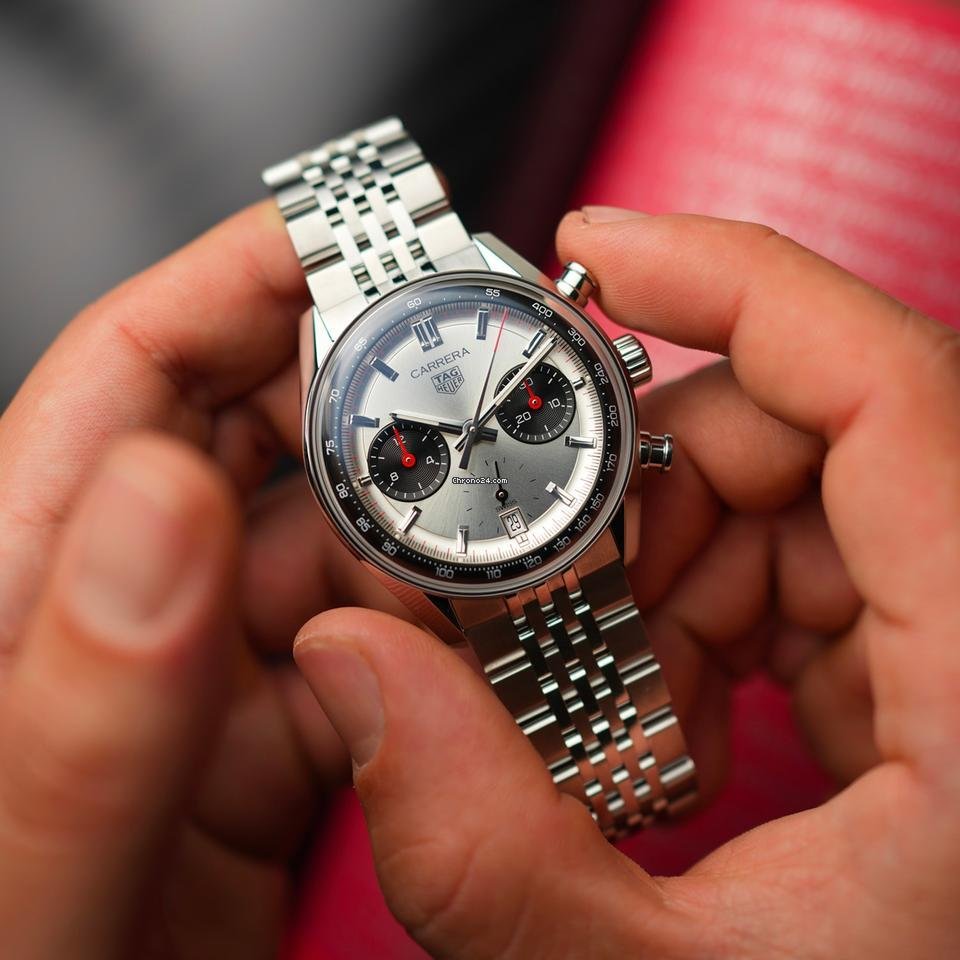
This is one of the closest categories in the entire comparison.
TAG Heuer has enormous chronograph credibility.
Its history includes:
- Early chronograph innovation
- 1887 oscillating pinion
- Automobile dashboard timing
- Carrera
- Monaco
- Autavia
- Automatic chronograph development
The current collection keeps that identity alive through Carrera and Monaco chronographs.
Omega counters with perhaps the most famous chronograph in existence:
The Speedmaster.
And the Speedmaster isn’t one watch.
The broader family has included:
- Moonwatch Professional
- Speedmaster ’57
- Speedmaster Racing
- Dark Side of the Moon
- Heritage-inspired editions
- High-end complications
Winner
Tie
TAG Heuer deserves the tie because chronographs aren’t a secondary category for the company.
They’re fundamental to its history.
Omega has the Moonwatch.
TAG Heuer has an entire motorsport chronograph identity.
Dive Watches
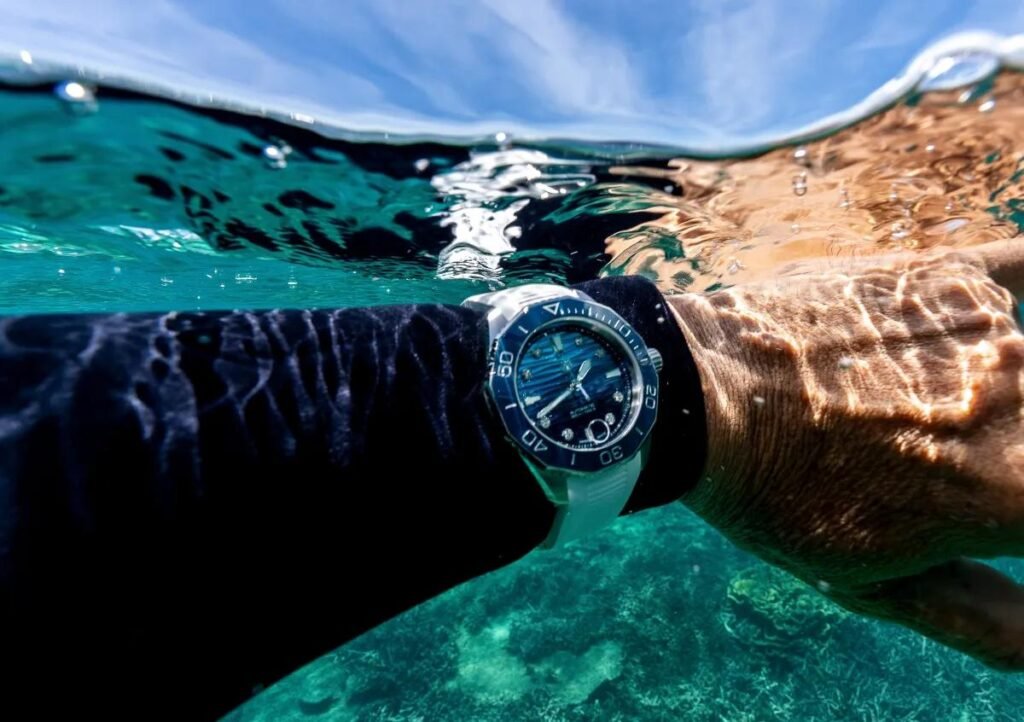
Here the advantage moves strongly toward Omega.
TAG Heuer Aquaracer
The Aquaracer is a serious sports-watch collection.
Modern versions offer features such as:
- 200m–300m+ water resistance depending on reference
- Rotating dive bezels
- Sapphire crystals
- Luminous displays
- Steel and titanium options
- Automatic movements
For many buyers, the Aquaracer represents one of the more accessible ways to buy a recognizable Swiss luxury dive watch.
Omega Seamaster
The Seamaster universe is considerably deeper.
It includes:
- Diver 300M
- Planet Ocean
- Seamaster 300
- Aqua Terra
- Specialized professional models
Omega also continues to connect the collection with professional timing and major sporting events.
For Milano Cortina 2026, for example, Omega created a special Seamaster Diver 300M powered by the Co-Axial Master Chronometer Calibre 8806. Omega served as Official Timekeeper for the Winter Games, continuing an Olympic relationship dating to 1932.
Winner
Omega
The Aquaracer is excellent.
The Seamaster is one of the foundational families of modern luxury dive watches.
Everyday Watches
The question changes again when you’re buying only one watch.
TAG Heuer offers strong options through:
- Carrera Date
- Carrera Day-Date
- Aquaracer
- Formula 1
Omega counters with:
- Aqua Terra
- Seamaster Diver 300M
- Speedmaster
- Constellation
Winner
Omega
The Aqua Terra in particular gives Omega an enormous advantage as an everyday luxury watch.
It can move comfortably between:
- Office
- Weekend
- Travel
- Smart casual
- Formal-adjacent situations
TAG Heuer’s Carrera can accomplish something similar, but Omega provides more compelling choices across different aesthetics.
Racing Heritage

This is TAG Heuer territory.
TAG Heuer
Omega has genuine motorsport connections—the Speedmaster itself began life before its NASA association.
But no major Swiss watch company has built its modern identity around automobile racing quite like TAG Heuer.
Carrera.
Monaco.
Autavia.
Formula 1.
Even the collection names communicate speed.
TAG Heuer’s motorsport identity also remains active rather than purely historical. In August 2026, for example, the brand introduced limited Formula 1 Solargraph watches tied to the final Dutch Grand Prix at Zandvoort.
For motorsport enthusiasts, this alone can make TAG Heuer more emotionally compelling than Omega.
Space Heritage
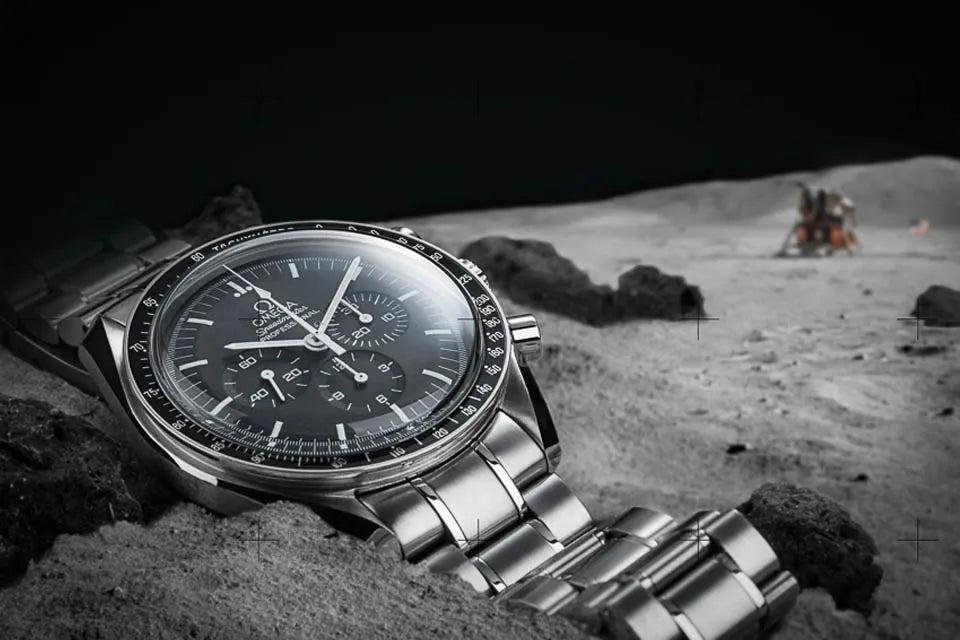
And this one isn’t close.
The Speedmaster’s association with NASA, Apollo, and lunar exploration has become one of the most powerful stories in the entire watch industry.
It gives Omega something TAG Heuer cannot directly replicate:
a watch inseparably connected with one of humanity’s most important technological achievements.
For collectors who prioritize historical significance, this carries enormous weight.
Pricing Comparison
TAG Heuer has traditionally occupied a broader and more accessible price spectrum.
Its range can start with quartz and solar-powered Formula 1 watches before progressing through Aquaracer, Carrera, Monaco, and increasingly sophisticated manufacture pieces.
Current secondary-market data illustrates that range. WatchCharts places average TAG Heuer collection prices around:
| TAG Heuer Collection | Average Secondary-Market Price |
|---|---|
| Formula 1 | ~$1,000 |
| Aquaracer | ~$1,000 |
| Carrera | ~$3,000 |
| Monaco | ~$5,000 |
| Autavia | ~$3,000 |
The newest Formula 1 Solargraph limited editions announced in August 2026 are priced at $2,150 on rubber and $2,250 on bracelet.
Omega generally starts higher and climbs faster.
Its mechanical collections are positioned more consistently within the luxury segment, particularly Speedmaster, Seamaster, and higher-end precious-metal models.
Winner for Accessibility
TAG Heuer
This is an important advantage.
TAG Heuer gives buyers more entry points.
Resale Value
Secondary-market performance varies enormously by individual reference, condition, age, and purchase price, so this category shouldn’t be treated as a guarantee.
But broadly, Omega performs better.
Chrono24’s brand comparison concluded that Omega generally retains value better than TAG Heuer, while noting that vintage TAG Heuer can behave differently from mainstream contemporary models.
Its broader TAG Heuer market analysis similarly found stronger five-year price performance for Omega than TAG Heuer.
Current 2026 WatchCharts data also shows substantial secondary-market depth for Omega. Its Omega Market Index stood at roughly $8,786 in July 2026, up about 6.2% over one year, although individual models can perform very differently.
It’s important not to overstate this advantage: WatchCharts currently estimates the average in-production Omega itself trades about 32% below retail, so Omega should not automatically be treated as an investment.
Winner
Omega
Better resale does not mean guaranteed appreciation.
It means Omega generally has the stronger secondary-market position of these two brands.
Brand Prestige
This is where positioning becomes especially important.
TAG Heuer is unquestionably a luxury Swiss watch brand.
It has:
- More than 160 years of history
- Genuine chronograph innovation
- Iconic models
- Manufacture movements
- Motorsport credibility
- Strong global recognition
But Omega generally occupies a higher position among watch enthusiasts.
Chrono24’s comparison similarly concludes that Omega has the advantage in watchmaking technology, manufacturing quality, prestige, and value retention.
Omega is more frequently cross-shopped against brands such as:
- Rolex
- Breitling
- Tudor
- Grand Seiko
- IWC
TAG Heuer overlaps with several of those names but also competes heavily in more accessible luxury territory.
Winner
Omega
Value for Money
This is much more complicated.
TAG Heuer Offers Better Value If You Want:
- Entry into Swiss luxury watches
- Motorsport heritage
- Automatic chronographs
- Carrera
- Monaco
- Aquaracer
- A recognizable brand below typical Omega pricing
Omega Offers Better Value If You Want:
- Movement technology
- Master Chronometer certification
- Anti-magnetism
- Stronger resale
- Greater prestige
- More sophisticated finishing
Winner
Tie
TAG Heuer gives you more watch for less money in some categories.
Omega gives you more watchmaking technology for more money.
Both propositions can represent value.
Iconic Watches Head-to-Head
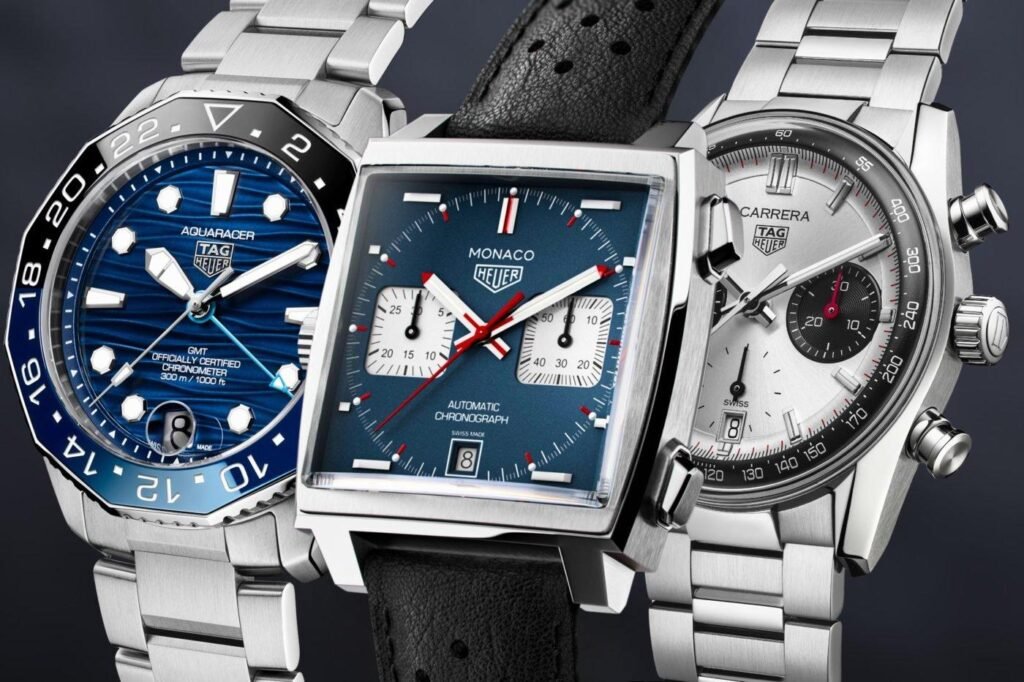
| Category | TAG Heuer | Omega |
|---|---|---|
| Signature Chronograph | Carrera | Speedmaster |
| Statement Chronograph | Monaco | Dark Side of the Moon |
| Dive Watch | Aquaracer | Seamaster Diver 300M |
| Serious Diver | Aquaracer Professional | Planet Ocean |
| Everyday Watch | Carrera Date | Aqua Terra |
| Racing Icon | Carrera / Monaco | Speedmaster |
| Space Icon | — | Speedmaster Moonwatch |
| Entry Sports Watch | Formula 1 | Seamaster / entry mechanical models |
| Connected Watch | TAG Heuer Connected | — |
Winner
Omega
TAG Heuer has two extraordinary icons in the Carrera and Monaco.
Omega counters with the Speedmaster and Seamaster.
The difference is breadth.
The Speedmaster can credibly claim space exploration and chronograph history.
The Seamaster can claim professional diving and everyday sport-luxury appeal.
Together, they form one of the strongest two-model combinations in Swiss watchmaking.
Overall Score So Far
| Category | Winner |
|---|---|
| Heritage | Omega |
| Design Philosophy | Omega |
| Carrera vs Speedmaster | Omega |
| Motorsport Identity | TAG Heuer |
| Overall Collection Breadth | Omega |
| Movements & Watchmaking | Omega |
| Accuracy & Certification | Omega |
| Anti-Magnetism | Omega |
| Build Quality & Materials | Omega |
| Chronographs | Tie |
| Dive Watches | Omega |
| Everyday Watches | Omega |
| Racing Heritage | TAG Heuer |
| Space Heritage | Omega |
| Pricing Accessibility | TAG Heuer |
| Resale Value | Omega |
| Brand Prestige | Omega |
| Value for Money | Tie |
| Iconic Watches | Omega |
Current Score
Omega — 14 Wins
TAG Heuer — 3 Wins
Tie — 2 Categories
The score looks overwhelmingly favorable to Omega, but it doesn’t mean TAG Heuer is an inferior purchase.
In fact, current market positioning explains why these two brands appeal to somewhat different buyers.
WatchCharts’ 2026 data places the secondary-market index value of TAG Heuer’s leading watches at around $3,473, versus roughly $8,755 for Omega, illustrating the substantial difference in average market positioning among their most actively traded models.
That gap is also part of TAG Heuer’s appeal.
You can enter the brand through Formula 1, move into an Aquaracer, then progress toward Carrera and Monaco without immediately entering Omega-level pricing.
And if you’re specifically passionate about cars, racing, or chronographs, TAG Heuer’s identity can actually feel more personal.
Omega is objectively stronger in more technical categories.
TAG Heuer can still be the watch you would rather wear.
Shop the Edit
These four watches capture the fundamental difference between TAG Heuer and Omega.
TAG Heuer is at its best when motorsport, chronographs, and expressive sports-watch design come together. Omega is strongest when heritage, technical watchmaking, versatility, and collector credibility are combined in one package.
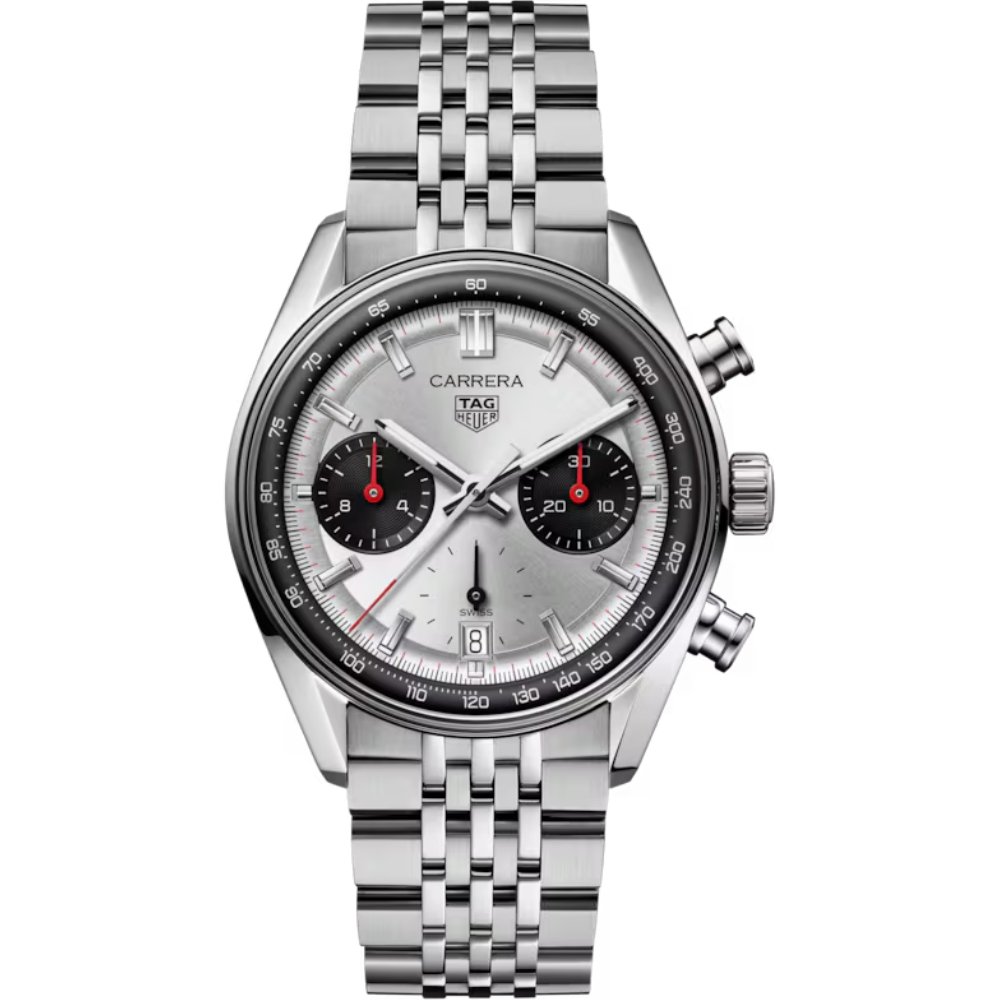
TAG Heuer Carrera Chronograph
Motorsport enthusiasts, chronograph buyers, contemporary collector, first serious TAG Heuer Buyers wanting an automatic chronograph
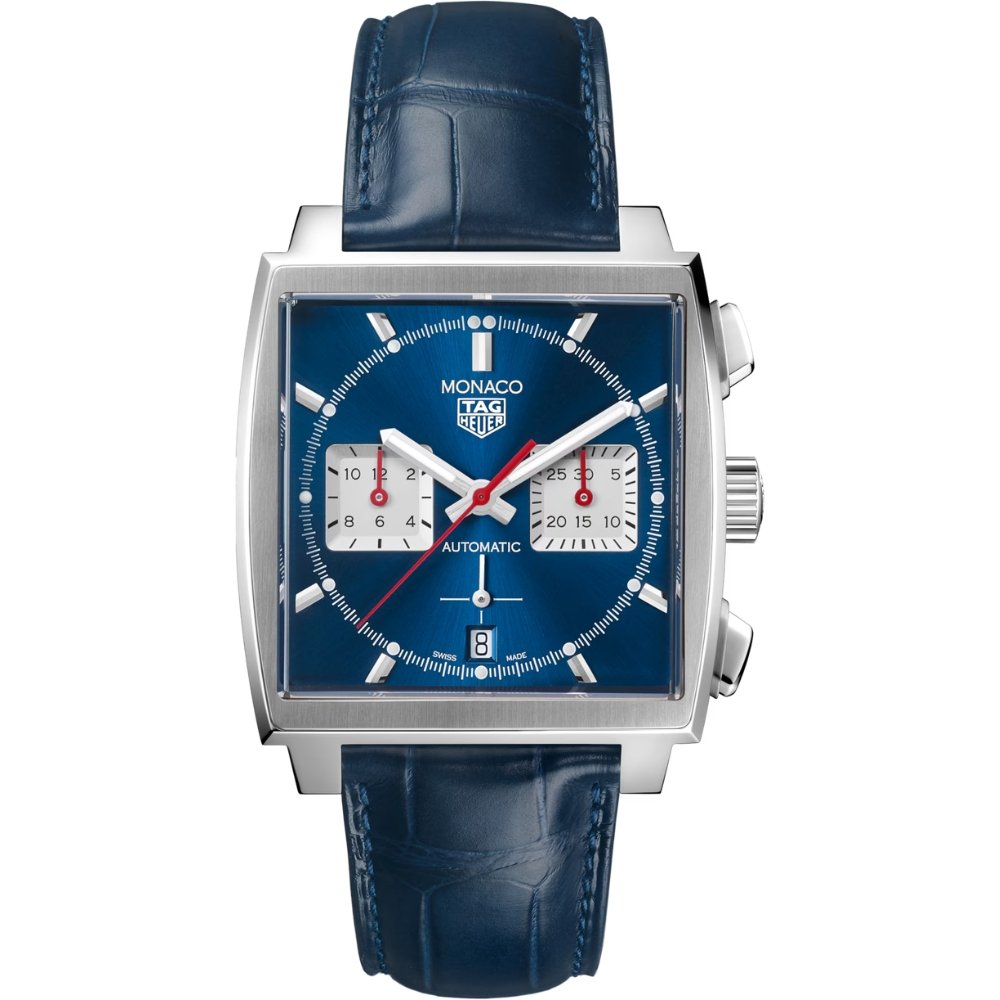
TAG Heuer Monaco
Statement watches, motorsport fans, Steve McQueen enthusiasts, collectors wanting distinctive design
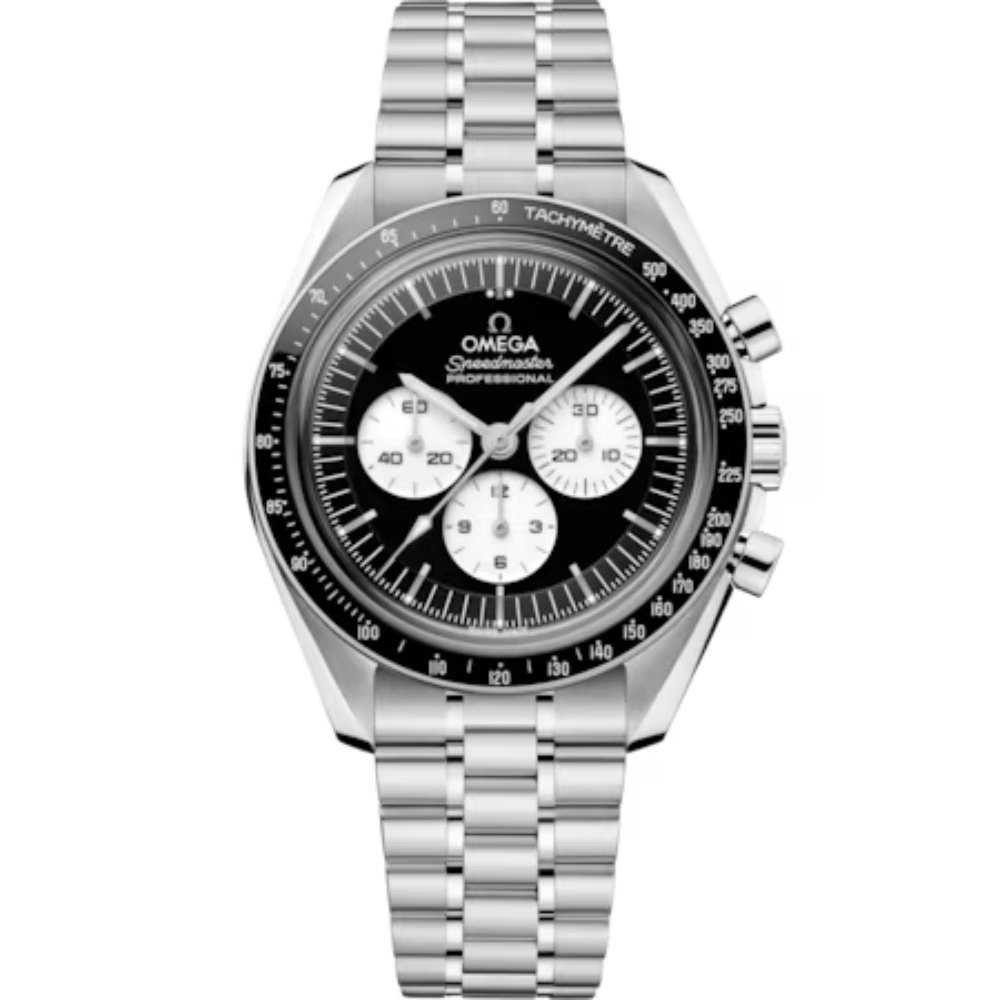
Omega Speedmaster Moonwatch Professional
Watch collectors, chronograph enthusiasts, space-history enthusiasts, long-term ownership, first Omega purchase
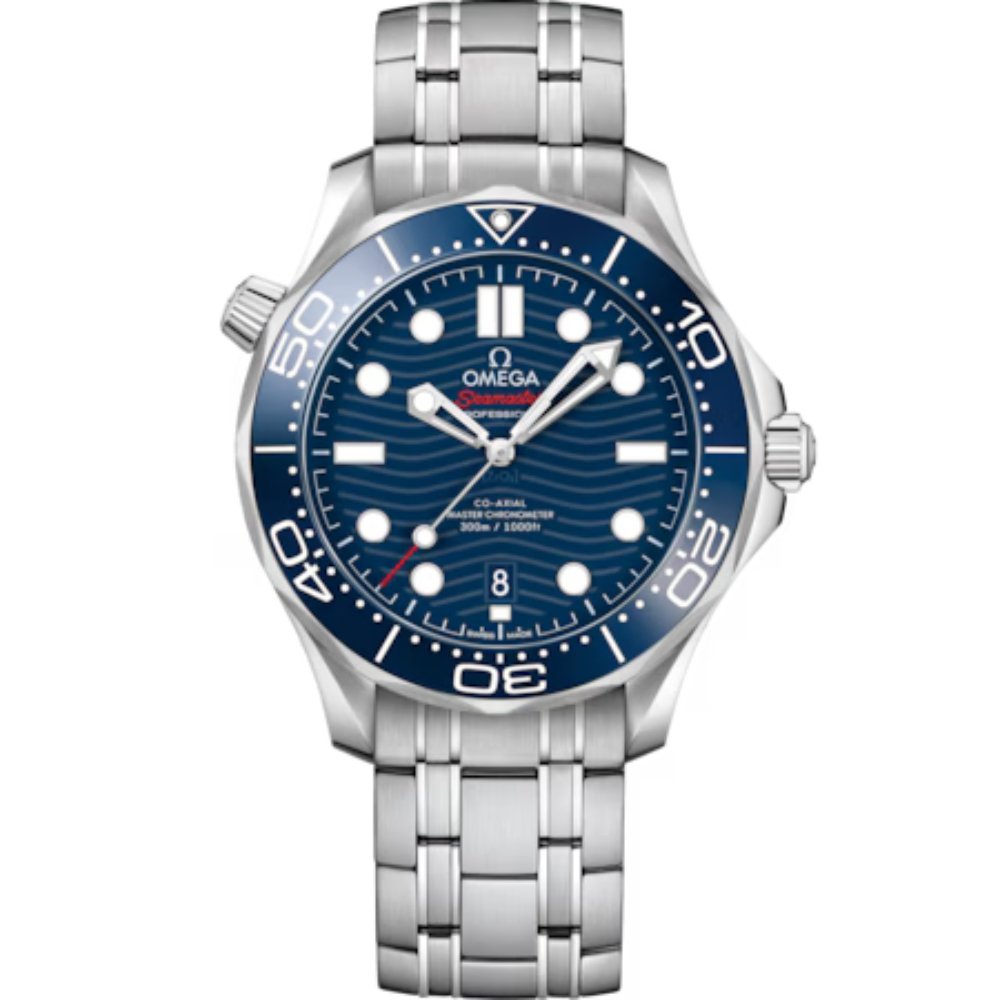
Omega Seamaster Diver 300M
Everyday wear, diving, travel, one-watch collections, sport-luxury buyers
Pros & Cons
TAG Heuer
| Pros | Cons |
|---|---|
| Exceptional motorsport heritage | Lower overall prestige than Omega |
| Carrera and Monaco are genuine icons | Resale generally weaker |
| Excellent modern chronographs | Less comprehensive technical ecosystem |
| TH20-00 offers 80-hour reserve | Fewer major non-racing icons |
| More accessible entry points | Some collections vary significantly in positioning |
| Strong contemporary designs | Omega offers stronger all-round collection |
Omega
| Pros | Cons |
|---|---|
| Exceptional watchmaking heritage | Higher entry price |
| Speedmaster is a major horological icon | Some models are relatively expensive at retail |
| Outstanding movement technology | Huge catalogue can feel complicated |
| Excellent dive-watch portfolio | Resale still commonly below retail |
| Strong collector recognition | Some watches wear larger than expected |
| Higher overall prestige | TAG Heuer can offer better entry-level value |
Carrera vs Speedmaster Final Verdict
This is the comparison at the heart of the entire article.
Choose the Carrera If You Want:
- Automatic winding
- Motorsport heritage
- 80-hour power reserve
- Glassbox styling
- Contemporary racing character
Choose the Speedmaster If You Want:
- Space heritage
- Greater collector recognition
- One of watchmaking’s defining chronographs
- Stronger overall prestige
- Historical significance
Winner
Omega Speedmaster
But the gap isn’t as large as the overall brand comparison suggests.
TAG Heuer’s current Carrera is genuinely impressive.
The TH20-00 provides 80 hours of power reserve, bidirectional winding, a vertical clutch, and column wheel, while the Glassbox construction successfully combines historical Carrera design with contemporary engineering.
For someone passionate about racing rather than space exploration, the Carrera could easily be the more emotionally satisfying purchase.
Aquaracer vs Seamaster
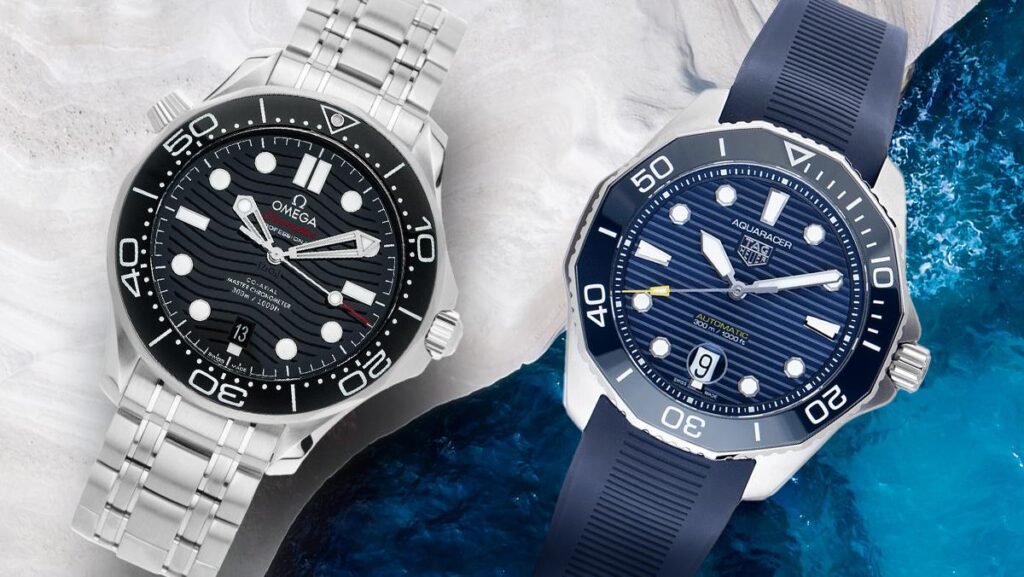
This comparison is less difficult.
TAG Heuer Aquaracer
The Aquaracer offers:
- Strong sports-watch design
- Serious water resistance
- Automatic options
- Ceramic bezels on selected models
- Accessible luxury positioning
- Strong everyday usability
Omega Seamaster
The Seamaster adds:
- Greater diving heritage
- More sophisticated movement technology
- Master Chronometer options
- Stronger collector recognition
- Higher prestige
- Broader Seamaster ecosystem
Winner
Omega Seamaster
The Aquaracer is often the better-value purchase.
The Seamaster is the better watch overall.
Best First Luxury Watch
TAG Heuer
This may seem surprising given Omega’s dominance elsewhere.
But “best watch” and “best first luxury watch” aren’t necessarily the same thing.
TAG Heuer gives new buyers several ways to enter Swiss luxury watchmaking without immediately moving into the price territory occupied by many modern Omegas.
You can start with:
Formula 1 → Aquaracer → Carrera → Monaco
That progression makes sense.
TAG Heuer also gives first-time buyers something extremely important:
recognizable heritage without requiring deep watch knowledge.
A Carrera or Aquaracer can be appreciated immediately, while still providing a pathway into mechanical watch collecting.
Alternative
If budget is less important, the Omega Aqua Terra is arguably the stronger first serious mechanical luxury watch.
Best for Collectors
Omega
Omega wins comfortably.
Its collector ecosystem includes:
- Speedmaster
- Seamaster
- Constellation
- De Ville
- Vintage references
- Limited editions
- Olympic watches
- Space-related watches
- Advanced movements
The Speedmaster alone creates enormous collecting depth.
Chrono24 similarly concludes that Omega is generally the stronger choice for traditional collectors and enthusiasts, citing movement technology, quality, prestige, iconic models, and stronger value retention.
TAG Heuer becomes especially interesting to collectors when you explore vintage Heuer.
But across the entire modern and vintage ecosystem, Omega is stronger.
Best for Motorsport Fans
TAG Heuer
No surprise here.
If Formula 1, Porsche, racing history, or automotive culture is part of your personal identity, TAG Heuer makes enormous emotional sense.
The Carrera alone embodies that connection.
Then add:
- Monaco
- Formula 1
- Autavia
- Historic dashboard timers
- Racing chronographs
and the brand’s identity becomes exceptionally coherent.
Omega has racing heritage.
TAG Heuer lives motorsport.
Best for Space Enthusiasts
Omega
The opposite result is equally obvious.
If NASA, Apollo, astronauts, engineering, or space exploration fascinates you, the Speedmaster’s historical significance makes Omega almost impossible to challenge.
Few luxury products have such a direct association with a defining human achievement.
Best for Everyday Wear
Omega
Omega has two particularly strong answers.
Aqua Terra
Best if you want:
- Understated styling
- Office versatility
- Sport-luxury character
- One-watch practicality
Seamaster Diver 300M
Best if you want:
- More obvious sports-watch styling
- Diving capability
- Strong wrist presence
- Recognizable Omega design
TAG Heuer’s Carrera Date and Aquaracer are excellent alternatives.
But Omega’s overall everyday portfolio is stronger.
Best for Resale
Omega
Neither brand should be purchased with guaranteed investment returns in mind.
But between these two, Omega generally has the stronger secondary-market position.
Chrono24’s comparison similarly finds that Omega generally performs better for value retention, while TAG Heuer’s vintage market can behave differently from its contemporary collection.
That doesn’t mean every Omega holds value well.
Reference, condition, purchase price, scarcity, and demand matter enormously.
Best Value
TAG Heuer
This is where TAG Heuer deserves more credit.
Omega wins many technical comparisons, but you pay for those advantages.
TAG Heuer can provide:
- Swiss manufacturing
- Major brand recognition
- Genuine heritage
- Manufacture chronograph movements
- Strong case construction
- Iconic design
without necessarily reaching comparable Omega pricing.
Chrono24 similarly identifies TAG Heuer’s price-performance proposition as one of the brand’s major strengths.
And the modern Carrera demonstrates that value isn’t simply about buying cheaply.
Its TH20-00 is a genuine in-house automatic chronograph with 80 hours of power reserve and 4Hz frequency.
Best Movement Technology
Omega
TAG Heuer has dramatically improved here.
But Omega remains ahead.
Its contemporary identity is built around an integrated movement philosophy involving:
- Co-Axial technology
- Chronometer performance
- Master Chronometer certification
- Anti-magnetic engineering
- Advanced materials
TAG Heuer can compete model-for-model in specific areas.
Omega wins across the range.
Best Brand Prestige
Omega
TAG Heuer is unquestionably a luxury watch brand.
But among collectors, Omega generally occupies a higher tier.
Chrono24 reaches essentially the same conclusion, describing Omega as a step above TAG Heuer in movement technology, manufacturing quality, and prestige.
Omega is also more frequently discussed as a direct alternative to Rolex.
TAG Heuer tends to sit slightly below that positioning despite individual watches reaching substantially higher price and technical levels.
Which Brand Should You Buy?
Choose TAG Heuer If…
- You’re passionate about motorsport.
- You love the Carrera.
- You want the distinctive Monaco.
- You want an automatic manufacture chronograph.
- You want stronger value at a lower entry point.
- You prefer contemporary sports-watch design.
- You want a first Swiss luxury watch.
Choose Omega If…
- You prioritize movement technology.
- You want stronger collector recognition.
- You value Master Chronometer engineering.
- You want the Speedmaster Moonwatch.
- You prefer the Seamaster.
- Resale matters.
- You want stronger brand prestige.
- You’re building a serious watch collection.
Quick Buying Guide
| You’re Looking For… | Best Choice |
|---|---|
| First Luxury Watch | TAG Heuer |
| Motorsport Watch | TAG Heuer |
| Racing Chronograph | TAG Heuer |
| Statement Chronograph | TAG Heuer Monaco |
| Best Overall Chronograph | Omega Speedmaster |
| Dive Watch | Omega |
| Everyday Watch | Omega |
| Space Heritage | Omega |
| Movement Technology | Omega |
| Anti-Magnetism | Omega |
| Collector Appeal | Omega |
| Resale | Omega |
| Brand Prestige | Omega |
| Lower Entry Price | TAG Heuer |
| Value for Money | TAG Heuer |
| Complete Watch Collection | Omega |
Best First Watch From Each Brand
TAG Heuer: Carrera
If you’re buying one TAG Heuer, start with the Carrera.
Why?
Because it captures almost everything important about the company:
- Racing
- Chronographs
- Jack Heuer-era design
- Mechanical innovation
- Contemporary manufacture movements
The modern TH20-00 particularly strengthens the proposition with an 80-hour power reserve and automatic bidirectional winding.
LxryNow Pick
TAG Heuer Carrera Chronograph Glassbox
Omega: Speedmaster Moonwatch
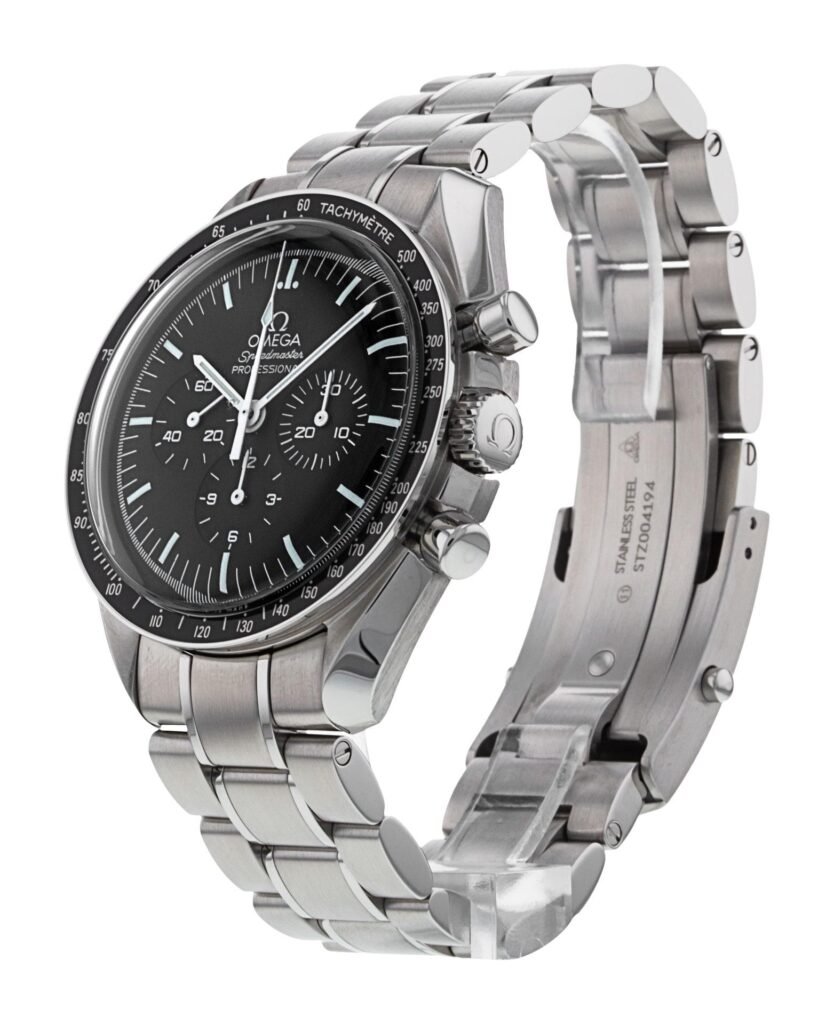
If you’re buying one Omega, the Speedmaster Moonwatch remains the obvious starting point.
There are more practical Omegas.
The Aqua Terra is arguably easier to wear every day.
The Seamaster Diver 300M is better around water.
But neither carries quite the same combination of history, design recognition, collector credibility, and emotional significance.
LxryNow Pick
Omega Speedmaster Moonwatch Professional
Carrera vs Speedmaster vs Monaco vs Seamaster
| Watch | Best For | Character |
|---|---|---|
| TAG Heuer Carrera | Racing chronograph | Refined & sporty |
| TAG Heuer Monaco | Statement watch | Bold & unconventional |
| Omega Speedmaster | Collector chronograph | Historic & technical |
| Omega Seamaster | Everyday sports watch | Versatile & capable |
Most Versatile
Omega Seamaster
Most Historically Significant
Omega Speedmaster
Best Motorsport Watch
TAG Heuer Carrera
Most Distinctive
TAG Heuer Monaco
This is why reducing the entire comparison to “Omega is better” misses something important.
TAG Heuer’s icons have very different personalities.
Final Verdict
TAG Heuer and Omega are both genuine Swiss watchmaking institutions.
But they occupy somewhat different positions.
TAG Heuer is the specialist.
Its greatest strength is motorsport.
The Carrera and Monaco remain two of the industry’s defining racing chronographs, while the modern TH20-00 proves that today’s TAG Heuer isn’t relying solely on historical storytelling.
The movement offers a vertical clutch, column wheel, bidirectional winding, and approximately 80 hours of power reserve.
That’s serious contemporary chronograph engineering.
TAG Heuer is also easier to enter.
That matters for someone purchasing their first luxury watch.
Omega is the all-rounder.
Its portfolio combines:
- Speedmaster
- Seamaster
- Aqua Terra
- Planet Ocean
- Constellation
- De Ville
with a sophisticated modern movement ecosystem and substantially stronger collector positioning.
Chrono24’s independent comparison arrives at a similar conclusion: TAG Heuer offers excellent sporty watches and attractive value, while Omega maintains the advantage in movement technology, manufacturing quality, prestige, iconic models, and value retention.
So the question isn’t whether TAG Heuer is a serious watchmaker.
It unquestionably is.
The question is whether it can beat Omega across enough categories to become the stronger overall brand.
And the answer is no.
Overall Scorecard
| Category | Winner |
|---|---|
| Heritage | Omega |
| Design Philosophy | Omega |
| Motorsport Identity | TAG Heuer |
| Collection Breadth | Omega |
| Movements & Watchmaking | Omega |
| Accuracy & Certification | Omega |
| Anti-Magnetism | Omega |
| Build Quality & Materials | Omega |
| Chronographs | Tie |
| Dive Watches | Omega |
| Everyday Watches | Omega |
| Racing Heritage | TAG Heuer |
| Space Heritage | Omega |
| Pricing Accessibility | TAG Heuer |
| Resale Value | Omega |
| Brand Prestige | Omega |
| Value for Money | Tie |
| Iconic Watches | Omega |
| First Luxury Watch | TAG Heuer |
| Collectors | Omega |
| Motorsport Fans | TAG Heuer |
| Everyday Wear | Omega |
| Movement Technology | Omega |
| Overall Versatility | Omega |
Final Score
Omega — 17 Wins
TAG Heuer — 5 Wins
Tie — 2 Categories
LxryNow Verdict
If you’re asking which is the better watch brand overall, Omega wins.
Omega offers the stronger combination of:
Heritage + movements + finishing + certification + iconic watches + collector appeal + prestige + resale.
Its biggest advantage is that no single collection has to carry the entire brand.
The Speedmaster handles chronographs and space heritage.
The Seamaster handles diving.
The Aqua Terra handles everyday luxury.
The Constellation and De Ville provide more formal alternatives.
That makes Omega extraordinarily complete.
But TAG Heuer is the more compelling choice for certain buyers.
If you’re passionate about motorsport, the Carrera or Monaco may mean more to you than an objectively more technically accomplished Omega.
The Carrera is particularly strong today because the modern watch finally combines the strength of its historical design with a genuinely compelling manufacture movement. The TH20-00’s column wheel, vertical clutch, bidirectional winding, and 80-hour reserve give the watch technical credibility to match its racing story.
TAG Heuer also offers a more approachable route into Swiss luxury watches.
That makes the final recommendation straightforward.
Final Recommendation
Choose TAG Heuer if you want motorsport heritage, the Carrera, the Monaco, contemporary styling, strong value, or your first luxury Swiss watch.
Choose Omega if you want superior movement technology, stronger prestige, the Speedmaster, the Seamaster, greater collector appeal, better resale prospects, and the more complete luxury-watch portfolio.
For motorsport, choose TAG Heuer.
For value, choose TAG Heuer.
For your first luxury watch, consider TAG Heuer.
For chronograph history, choose Omega Speedmaster.
For diving, choose Omega Seamaster.
For movement technology, choose Omega.
For collecting, choose Omega.
For prestige, choose Omega.
For the better watch brand overall, choose Omega.
