
Monday, September 7, 2026
Home Patou — Brand Profile

Patou

Website: patou.com
Founded: 1914, Paris, France
Founder: Jean Patou
Owned By: LVMH
Known For: Luxury Sportswear Heritage, Feminine Dresses, JP Monogram, Le Patou, Logo Totes, Playful Parisian Style
Category Focus: Ready-to-Wear, Handbags, Jewelry, Accessories, Leather Goods

Patou is one of France's historic fashion houses, renowned for its joyful femininity, sportswear heritage, and effortlessly Parisian approach to dressing. Founded in 1914 by Jean Patou in Paris, the maison helped revolutionize women's fashion during the 1920s by introducing clothing designed around movement, leisure, and increasingly modern lifestyles.

Known for combining feminine silhouettes, playful proportions, practical elegance, distinctive logos, and youthful sophistication, Patou has evolved its heritage into a contemporary wardrobe spanning dresses, knitwear, tailoring, outerwear, handbags, jewelry, and accessories. Modern signatures include the JP monogram, Le Patou, logo totes, bucket bags, and charming statement pieces.

Today, Patou is part of LVMH, which acquired and relaunched the historic house in 2018, introducing its optimistic French aesthetic to a new generation.

Iconic Patou Products

Le Patou Bag

Le Petit Patou

JP Logo Tote

Iconic Bucket Bag

Bow-Detail Dresses

Logo Knitwear

Statement Collars

Feminine Mini Dresses

Patou History & Heritage

Jean Patou established his eponymous house in Paris in 1914 and emerged as one of the defining designers of the 1920s. Rather than treating fashion solely as decoration, Patou recognized changing women's lifestyles and designed clothes that offered greater freedom and movement. He pioneered luxury sportswear and famously dressed tennis champion Suzanne Lenglen, helping connect fashion with modern leisure and athleticism.

Following Jean Patou's death in 1936, the house passed through the hands of several notable designers, including Marc Bohan, Karl Lagerfeld, Michel Goma, Jean Paul Gaultier, Angelo Tarlazzi, and Christian Lacroix. The fashion business eventually ceased activity before LVMH revived the maison in 2018 under the shortened name Patou.

Key Milestones:
1914: Jean Patou establishes his eponymous fashion house in Paris.
1920s: Patou pioneers fashionable sportswear and clothing designed around women's increasingly active lifestyles.
1920s: Tennis champion Suzanne Lenglen becomes one of Jean Patou's defining muses, helping establish the connection between luxury fashion and sport.
1936: Jean Patou dies, with subsequent generations of designers continuing the house's fashion legacy.
2018: LVMH acquires and relaunches Jean Patou as Patou, beginning a new chapter for the historic maison.
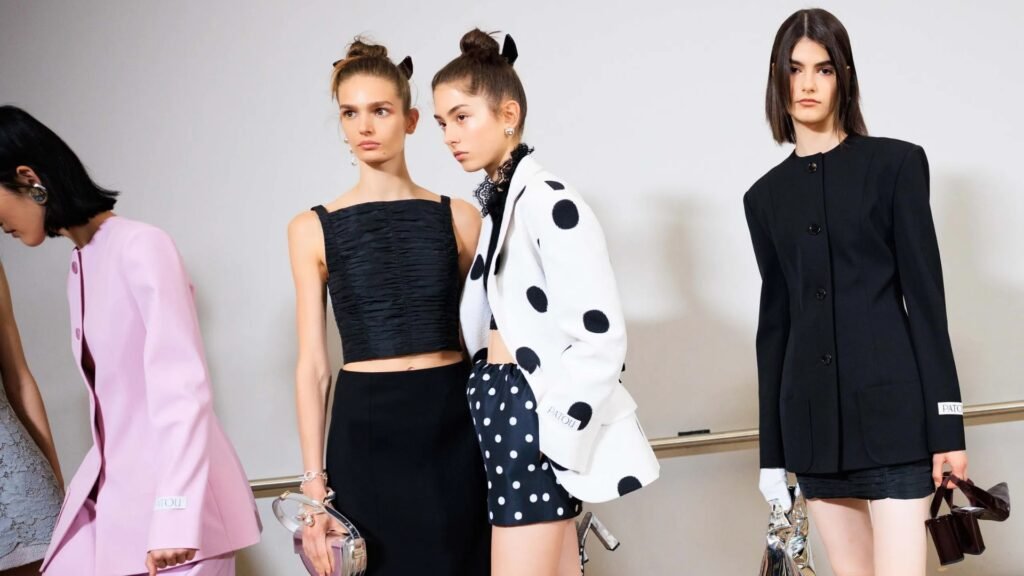
2026: Patou presents Hiver MMXXVI, a Fall/Winter collection built around individuality, collective harmony, and a fluid wardrobe without rigid distinctions between day and evening.

Patou continues demonstrating how historic French elegance, practicality, femininity, and optimism can be translated into a contemporary luxury wardrobe.

“Patou brings playful femininity to French luxury, blending its pioneering sportswear heritage with joyful silhouettes, practicality, and modern Parisian charm.”

Patou in the News

Why Patou Matters Today

Patou matters because its founder helped establish the idea that luxury fashion should adapt to women's lives rather than restrict them.

Its influence can be seen across:
• Luxury Sportswear
• Parisian Ready-to-Wear
• Feminine Contemporary Fashion
• Modern Lifestyle Dressing

By combining Jean Patou's pioneering sportswear heritage with playful femininity, practicality, and modern Parisian style, Patou offers a lighter and more approachable interpretation of French luxury.

Patou vs Other Luxury Houses

Patou vs Jacquemus

Patou vs Chloé

Patou vs Miu Miu

Patou vs Courrèges

Other Brands
