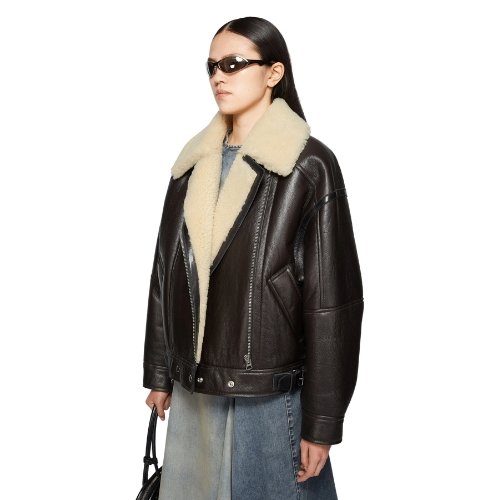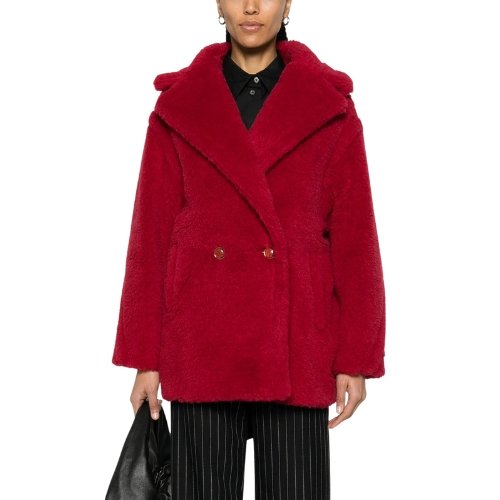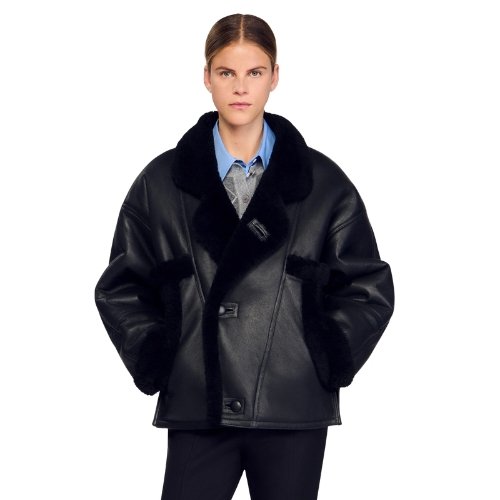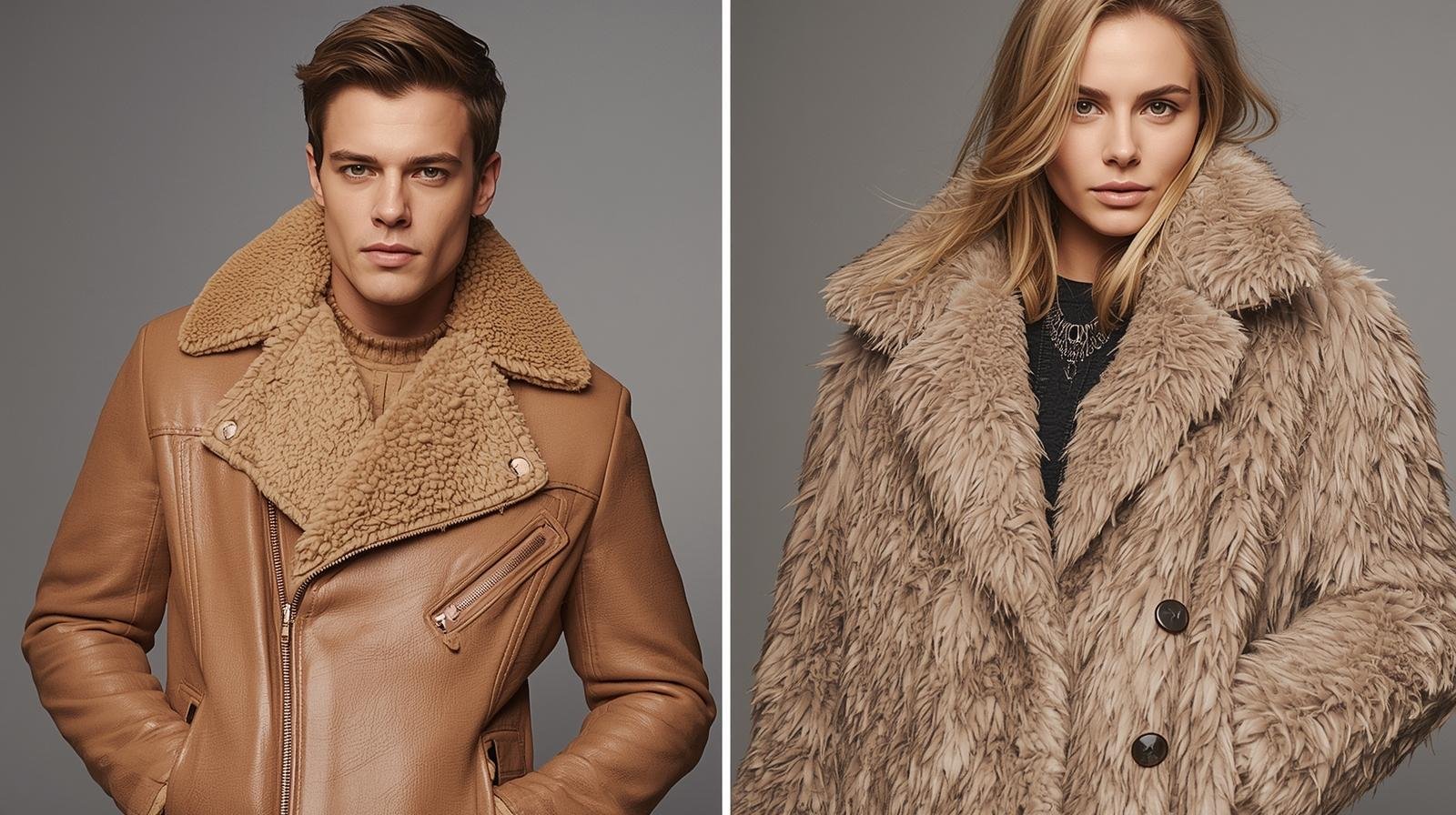
A shearling coat and a shearling jacket may be made from the same material, but they solve different wardrobe problems.
The coat prioritises coverage. Its longer hem protects more of the body, creates a polished winter silhouette and can replace several lighter layers. The jacket prioritises movement. It is easier to drive in, more adaptable across temperatures and usually simpler to combine with casual clothing.
Neither is automatically the better purchase. The right choice depends on how cold your winters are, how much time you spend outside and whether you want one serious winter layer or a more versatile piece of everyday outerwear.
TL;DR
- Choose a shearling coat for maximum coverage, long outdoor journeys and consistently cold winters.
- Choose a shearling jacket for driving, travel, transitional weather and frequent everyday use.
- Coats generally feel more formal and dramatic; jackets lean casual, urban or aviator-inspired.
- A jacket is usually easier to move in and less likely to overwhelm a smaller frame.
- A coat offers better protection for the hips and legs but will normally be heavier.
- Try either style over your thickest intended knit before deciding on size.
- Natural shearling requires specialist cleaning and careful dry storage.
- If this will be your only winter coat, climate matters more than trend or brand.
What Exactly Is Shearling?

Shearling is sheepskin or lambskin tanned with the wool still attached. One side provides the leather or suede surface, while the other supplies natural fleece.
That single-material construction gives shearling its characteristic warmth, softness and substantial feel. It also separates genuine shearling from jackets that use synthetic pile or a detachable fleece-effect lining. JOSEPH’s shearling guide describes the material as warm, breathable and soft, with both coats and shorter reversible styles available.
The term does not indicate a specific thickness. Two shearling garments can feel very different depending on the density and length of the fleece, treatment of the outer surface, number of hides used and overall construction.
A cropped jacket in dense shearling may therefore feel warmer than a lightweight, loosely fastened coat. Length matters, but it is not the only measure of performance.
Shearling Coat vs Jacket at a Glance
| Consideration | Shearling Coat | Shearling Jacket |
|---|---|---|
| Typical length | Thigh, knee or mid-calf | Waist or hip |
| Coverage | Protects the torso, hips and more of the legs | Concentrates warmth around the upper body |
| Weight | Usually heavier | Generally lighter and easier to carry |
| Movement | More restrictive when driving or sitting | Better mobility |
| Best climate | Cold, windy or long winters | Mild winters and transitional seasons |
| Style | Polished, dramatic or minimalist | Casual, urban, aviator or moto-inspired |
| Layering | Works over dresses, tailoring and longer knits | Works well with denim and separates |
| Travel | Bulky to pack or hold | Easier for cars, trains and flights |
| Cost | Often higher because more material is required | Usually the more accessible entry point |
| Primary advantage | Maximum winter protection | Greater versatility |
Choose the Coat for Coverage and Serious Cold
A shearling coat makes the most sense when winter is a daily physical reality rather than an occasional styling opportunity.
The longer hem reduces exposed surface area and protects parts of the body a jacket leaves uncovered. That difference becomes noticeable during cold commutes, outdoor events or walks in persistent wind. A coat also creates a more complete barrier over dresses and long tailoring.
Choose a coat if you regularly:
- Walk or use public transport in cold weather
- Spend extended periods outside
- Wear dresses, skirts or suits through winter
- Want one substantial outer layer instead of several lighter ones
- Prefer refined, elongated silhouettes
- Live somewhere with a long winter season
Length changes practicality, however. A full shearling coat can feel heavy over the course of a day, particularly when combined with thick knitwear and winter accessories. It may also be uncomfortable in a heated car, crowded train or warm indoor space.
Construction deserves attention. A secure button, zip or wrap closure traps warmth more effectively than an open-front design. A high collar or hood protects better than a wide lapel, while a belt can reduce cold air entering at the waist.
For reference, Burberry lists its long Linley at approximately 115 centimetres in a UK size 8. The wrap construction, belted cuffs and adjustable waist show how a long silhouette can combine coverage with shape. (Burberry Long Shearling Linley Coat)
Choose the Jacket for Movement and Versatility

A shearling jacket is the stronger choice when your routine moves between different temperatures and environments.
The shorter length makes it easier to sit, drive and walk quickly. It can be worn open during milder weather, zipped over a knit in winter or layered with a large scarf when extra protection is needed.
It also tends to work across a broader casual wardrobe. An aviator jacket can be worn with denim, cargo trousers or a knit dress, while a clean hip-length design can sit over tailored trousers without looking purely utilitarian.
Choose a jacket if you:
- Travel mainly by car
- Move frequently between indoors and outdoors
- Experience relatively mild winters
- Want a piece for autumn, winter and early spring
- Wear jeans and trousers more often than dresses
- Prefer casual or contemporary outerwear
- Need unrestricted movement
The familiar shearling aviator has functional roots. Thick fleece collars and linings were originally used to protect pilots in cold, exposed conditions. Modern luxury versions preserve that visual language through oversized collars, buckled neck tabs, leather panels and cropped proportions.
Contemporary designs do not need to look historically literal. The KHAITE Shellar, for example, combines a shearling collar with moto lines and bomber volume. The brand describes it as intentionally oversized and recommends taking a normal size rather than automatically sizing up. (KHAITE Shellar Jacket)
Think About Weight Before Buying
Shearling can look cloud-like but feel surprisingly substantial.
A long coat requires more hides, longer seams and often heavier closures. You feel that weight not only while wearing it, but also when carrying it through a restaurant, airport or shopping trip.
When trying a garment, wear it for longer than a few seconds. Walk around, sit down and raise your arms. Pay attention to whether the shoulders begin to feel tired or the coat pulls backwards from the collar.
For frequent travel, a jacket is usually easier. It occupies less space, can be folded across a suitcase temporarily and is less awkward in an aircraft seat. A coat remains preferable when the destination is extremely cold and its added coverage will outweigh those inconveniences.
Fit Matters More Than the Label Size
Shearling has natural volume. A size that appears correct on the hanger may become restrictive once worn over winter clothing.
Try the garment with the thickest layer you realistically expect to wear. Check that you can:
- Cross your arms without the back pulling tightly.
- Bend your elbows without restrictive sleeves.
- Fasten the coat or jacket without compressing the knit underneath.
- Sit comfortably while the garment is closed.
- Carry your normal shoulder bag without the straps constantly slipping.
Avoid buying excessive room “for layering.” Oversized shearling can become bulky around the shoulders and upper back, and too much internal space may allow cold air to circulate.
Proportion is equally important. A long coat should not simply be shortened because the hem feels dramatic; altering shearling can disturb panel balance and require a leather specialist. Petite shoppers may find a clean knee-length coat easier than a voluminous mid-calf design.
For jackets, check where the hem meets the waist or hip. A cropped aviator draws attention to the waist and works well with high-rise trousers. A lower hip-length jacket feels more relaxed and provides better coverage over longer knitwear.
Match the Silhouette to Your Wardrobe

A coat generally integrates best with a polished wardrobe. It complements wide-leg trousers, midi dresses, tailored separates and fine knitwear. A belted version creates a defined shape, while a straight coat feels cleaner and more understated.
A jacket is easier with denim, leggings, cargo trousers and casual dresses. Aviator and moto details introduce a stronger personality, whereas a simple reversible jacket can appear more discreet.
| Wardrobe Preference | Better Starting Point |
|---|---|
| Tailoring, midi dresses and refined boots | Long shearling coat |
| Denim, trousers and everyday knitwear | Shearling jacket |
| Minimal, tonal dressing | Straight or belted coat |
| Moto, streetwear or vintage styling | Aviator jacket |
| Frequent travel | Short reversible jacket |
| One coat for severe winter | Long, securely fastening coat |
| Several existing winter coats | Statement jacket |
| Maximum styling flexibility | Hip-length jacket |
Colour affects versatility too. Camel, tobacco and chocolate emphasise the natural texture and work easily with cream, navy and denim. Black feels sharper and more urban. Ecru creates strong visual impact but will show dirt and contact marks more quickly.
Which One Offers Better Value?
A jacket often wins on frequency of wear. It covers more months, adapts to more casual situations and is less burdensome in changing temperatures.
A coat can still provide stronger personal value when it replaces several pieces in your wardrobe. If you live in a genuinely cold climate and wear it nearly every day for four months, its higher material use and more specialised role may be justified.
Before buying, estimate how the piece would function during an ordinary week:
- How many days would the temperature suit it?
- Would you wear it for commuting or only at weekends?
- Can it accommodate your normal winter layers?
- Does it work with at least three outfits you already own?
- Do you have suitable dry storage?
- Would its weight discourage you from reaching for it?
A shearling garment should earn space through use, not simply through the richness of its material.
How to Care for Shearling

Always follow the garment’s specific care label, as finishes differ. General care should remain conservative:
- Use a specialist experienced with leather and shearling for cleaning.
- Avoid machine washing, soaking or applying direct heat.
- Blot light moisture and let the garment dry naturally.
- Keep it away from radiators, hairdryers and prolonged sunlight.
- Store it on a broad, supportive hanger.
- Use a breathable garment bag rather than long-term plastic wrapping.
- Avoid compressing it tightly between other coats.
- Brush the fleece gently in its natural direction when necessary.
- Test any protector or conditioning product on a concealed area first.
Some shedding from a hairy leather or fur surface may occur naturally. (Acne Studios’ product-care guidance) recommends using a soft, dry cloth or brush and following the direction of the hair.
Specialist care is not optional for major stains. Burberry, KHAITE, JOSEPH and Loro Piana all direct buyers toward professional cleaning for their current shearling pieces.
Shop the Edit
Burberry Long Shearling Linley Coat
Maximum coverage, formal winter dressing and very cold climates

Burberry Short Shearling Linley Coat
A polished compromise between long-coat coverage and jacket mobility

Colours, sizes and availability may vary by market.
Pros and Cons
| Style | Pros | Cons |
|---|---|---|
| Shearling Coat | Greater body coverage; excellent for cold and wind; works well over dresses and tailoring; creates a polished winter silhouette | Heavier; harder to travel with; can feel excessive indoors; usually requires more storage space |
| Shearling Jacket | Easier movement; broader seasonal use; works well with casual wardrobes; more convenient for driving and travel | Leaves the legs exposed; less effective during prolonged cold; cropped styles can restrict layering; aviator details may feel less formal |
Final Verdict
Buy a shearling coat if you face consistently cold winters, spend meaningful time outside and want a substantial outer layer that works with polished clothing. Its coverage is the decisive advantage.
Buy a shearling jacket if your priority is versatility. It is easier to move in, better for driving and travel, and more adaptable across autumn, winter and early spring. For most shoppers with moderate winters, the jacket will receive more wear.
If you are caught between the two, consider a thigh-length style. It protects the hips without creating the full weight and volume of a knee- or calf-length coat.
The best choice is ultimately the silhouette that matches your routine. A dramatic coat left at home offers less value than a shorter jacket worn three times a week—and a versatile jacket cannot replace the protection of a long coat when winter is genuinely severe.