
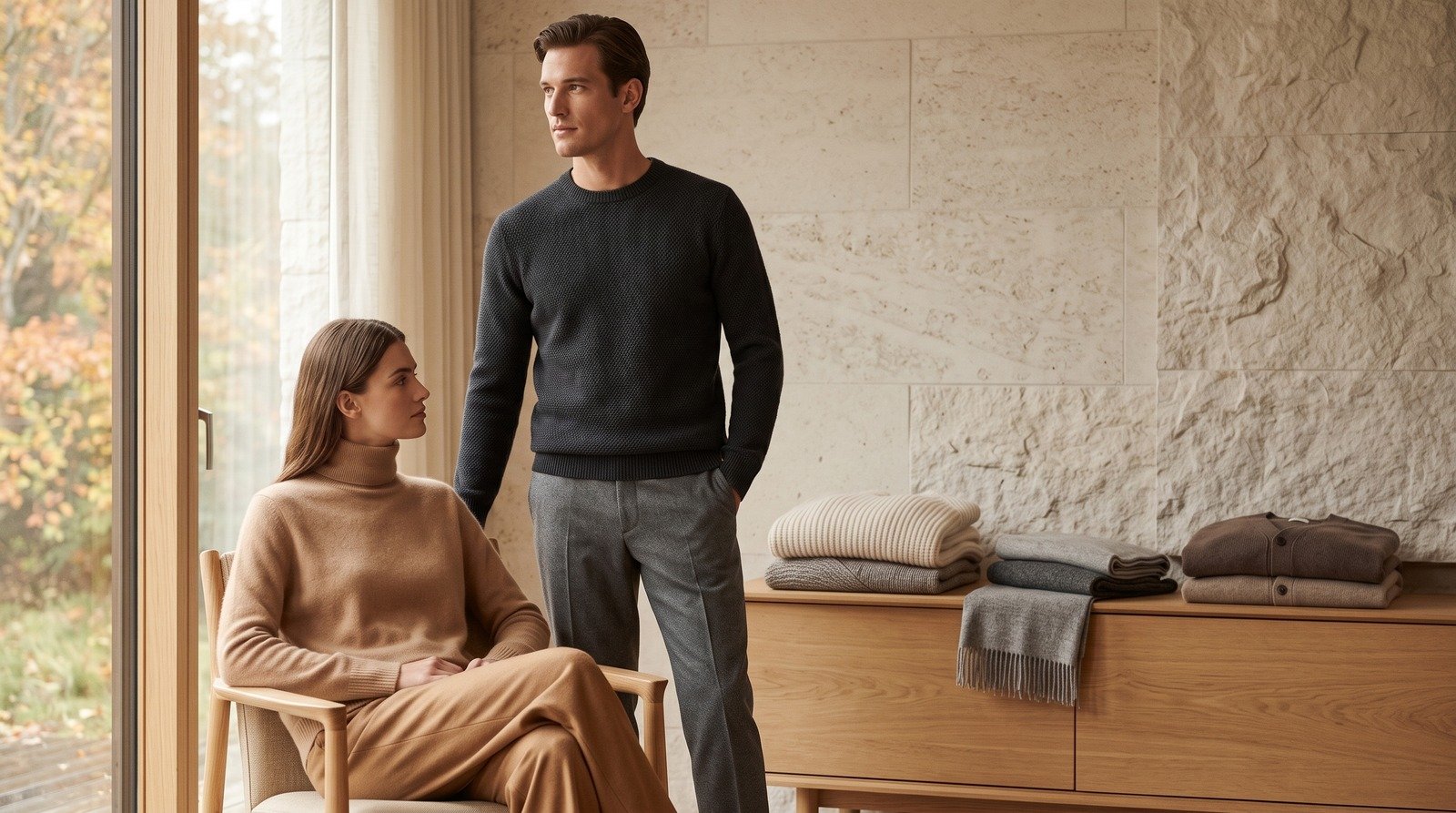
A sweater may look like one of the simplest pieces in a wardrobe, but small differences in fibre, knit structure and proportion can change it completely.
A fine merino crewneck can sit beneath a blazer without adding bulk. A cashmere sweater offers warmth with relatively little weight, while a dense cotton cable knit behaves more like a substantial casual layer. Even two sweaters carrying the same size can fit differently because of their shoulder construction, yarn weight and rib tension.
Learning how to choose a sweater therefore means looking beyond colour and label. Fabric determines warmth, texture and maintenance. Fit controls how the sweater sits and layers, while the knit influences stretch, structure and visual character.
The best sweater is not automatically the softest or most expensive. It is the one whose fibre, weight and proportions suit the way you intend to wear it.
TL;DR
- Merino wool offers an excellent balance of warmth, breathability and versatility.
- Cashmere feels soft and light but requires more careful wear and maintenance.
- Cotton is breathable and structured, making it useful in transitional weather.
- Blended yarns can improve strength, stretch or softness, but check the percentages.
- Fine-gauge sweaters work beneath tailoring; chunky knits are better as visible layers.
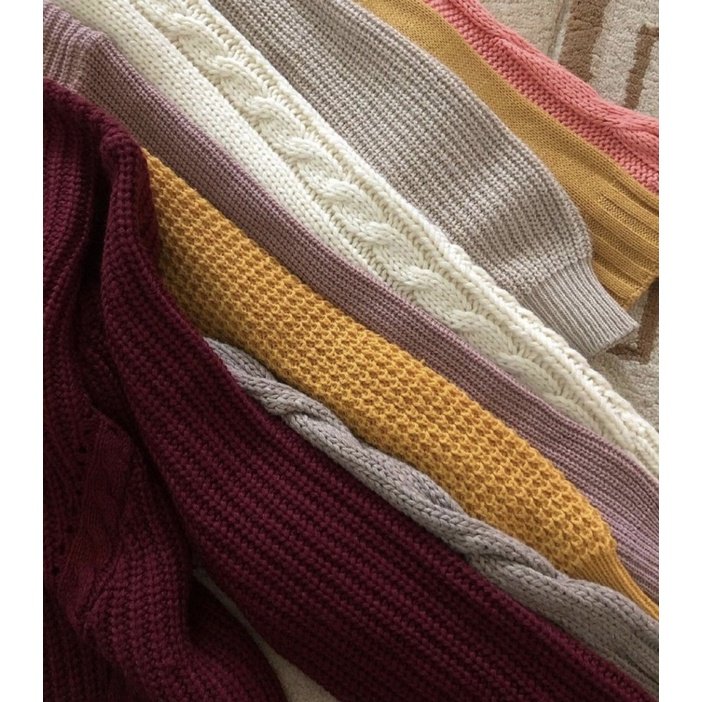
- Ribbed knits stretch and follow the body, while cable knits create texture and volume.
- Shoulder placement, chest ease and hem tension matter more than the size label.
- Some pilling is normal, particularly where soft natural fibres experience friction.
- Always read the care label before buying.
Start With the Fabric
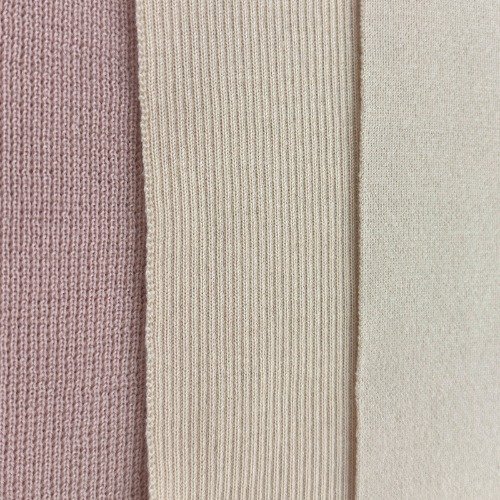
Fabric has the greatest influence on warmth, softness, breathability and care requirements.
| Fabric | Characteristics | Best For | Considerations |
|---|---|---|---|
| Merino wool | Smooth, breathable and temperature-regulating | Work, travel and everyday layering | Can pill in high-friction areas |
| Lambswool | Warm, textured and substantial | Cold weather and casual outfits | May feel coarse against bare skin |
| Cashmere | Soft, lightweight and insulating | Refined everyday wear | Requires careful washing and storage |
| Cotton | Breathable, structured and comfortable | Transitional weather and sensitive skin | Dense knits can feel heavy |
| Cashmere-silk | Smooth, light and softly lustrous | Fine-gauge luxury knitwear | More delicate than conventional wool |
| Wool-silk | Warm with a refined surface | Smart layering and evening wear | Usually requires gentle care |
| Alpaca | Warm, airy and visibly fuzzy | Textural winter knitwear | May shed or feel voluminous |
| Synthetic blend | Durable, elastic and often easier to wash | Frequent wear and shape retention | May be less breathable |
Merino Wool: The Most Versatile Choice
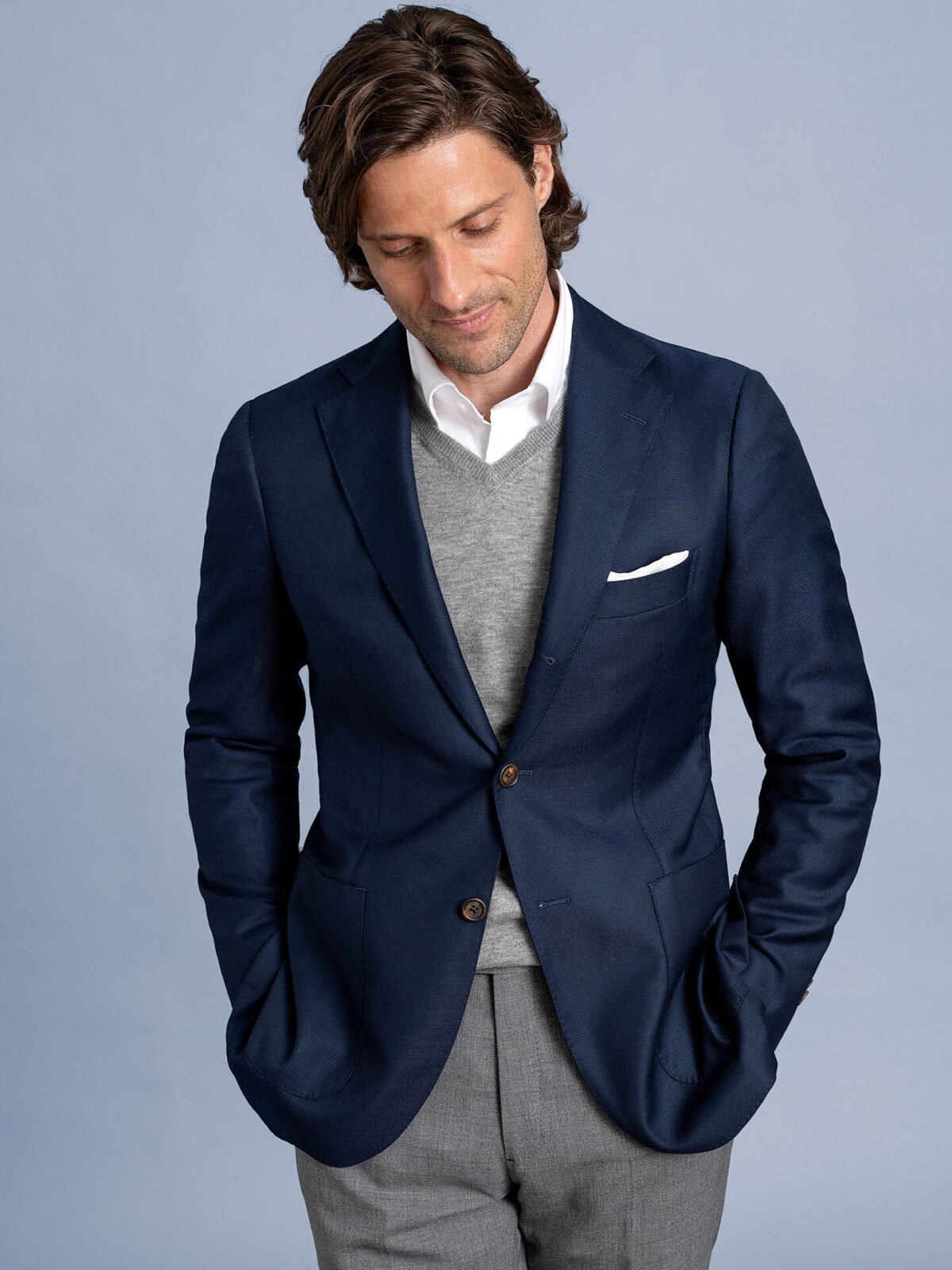
Merino wool is one of the strongest starting points for a quality sweater. Its fibres are finer than those found in many traditional wools, giving it a smoother feel and making it suitable for close-to-body layering.
A lightweight merino crewneck can be worn over a T-shirt, beneath a blazer or directly against the skin if the fibre feels comfortable to you. Midweight versions offer additional insulation while remaining less bulky than most cable or fisherman knits.
Merino is also useful when moving between changing temperatures. Wool can manage moisture while providing insulation, allowing a fine sweater to feel appropriate across offices, travel and outdoor environments. Many merino garments are washable, although the sewn-in care instructions should always take priority.
Choose merino if you want a polished sweater that can work across several settings.
Cashmere: Softness With Less Weight
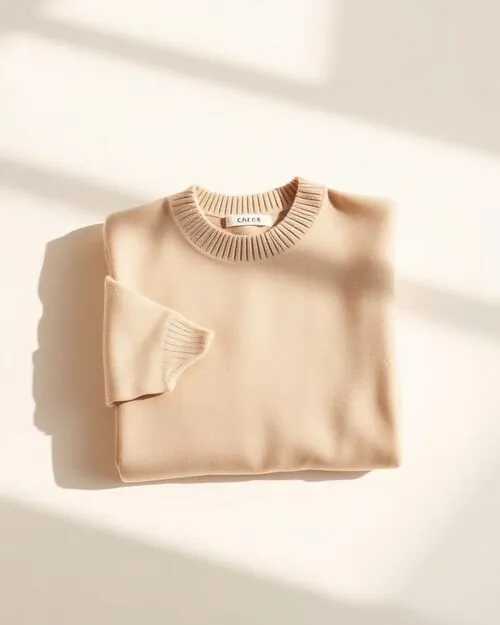
Cashmere is valued for warmth, softness and low physical weight. A well-made cashmere sweater can feel more refined and less restrictive than a similarly warm conventional wool knit.
However, softness alone does not determine quality. An exceptionally fluffy new sweater may have been heavily brushed, creating immediate softness while leaving more loose fibres on the surface.
When evaluating cashmere, look for:
- An even surface without unusually thin areas
- Ribbing that returns to shape after gentle stretching
- Seams that lie flat without twisting
- A soft but reasonably substantial hand
- Consistent colour across the body, cuffs and neckline
- A shape that hangs evenly when lifted
Cashmere works particularly well in simple silhouettes such as crewnecks, V-necks, cardigans and roll-necks. These designs allow the material to remain the focus and are less dependent on seasonal decoration.
Some pilling is normal. Friction encourages loose fibres to gather beneath the arms, around bag straps and along the sides. Occasional gentle combing can improve the surface, but aggressive shaving may weaken the fabric.
Choose cashmere when softness and lightweight warmth matter more than ruggedness or easy maintenance.
Cotton: The Practical Transitional Option
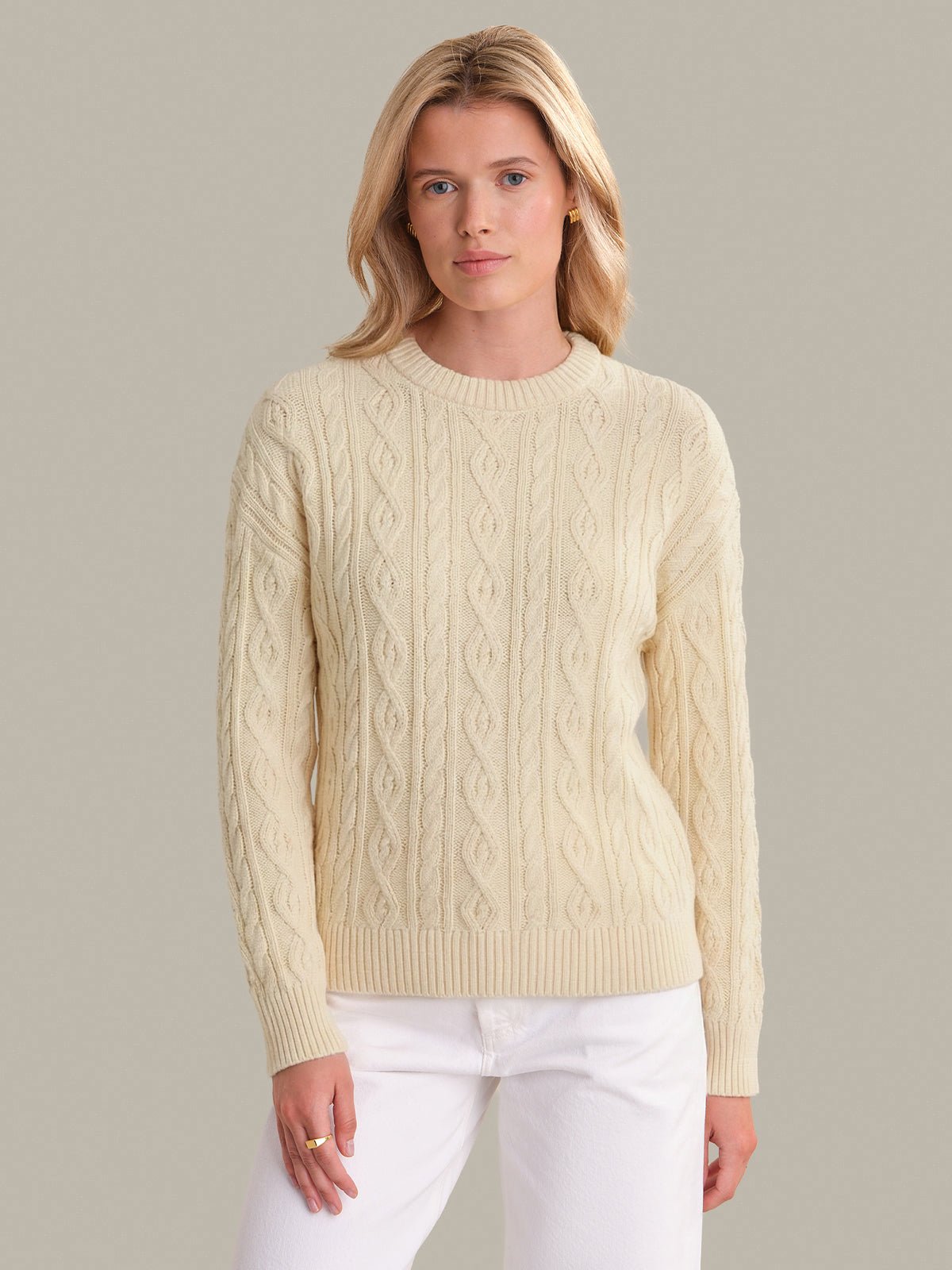
Cotton is useful when wool feels too warm or irritating. It is breathable, widely available and particularly effective in cable, ribbed and waffle constructions.
A cotton sweater generally feels cooler than an equivalent wool design. That makes it practical for spring, cool evenings, air-conditioned environments and warmer climates. It can also be worn over a T-shirt without creating excessive insulation.
The tradeoff is weight. Dense cotton knits can feel surprisingly heavy, and cotton lacks wool’s natural elasticity. Loose cuffs or a stretched hem may therefore recover less effectively.
Cotton can also become heavier when wet. It should normally be reshaped and dried flat to reduce stretching, although the care label remains the final authority.
Choose cotton when you want comfort, texture and structure rather than maximum warmth.
Understand Knit Gauge and Weight
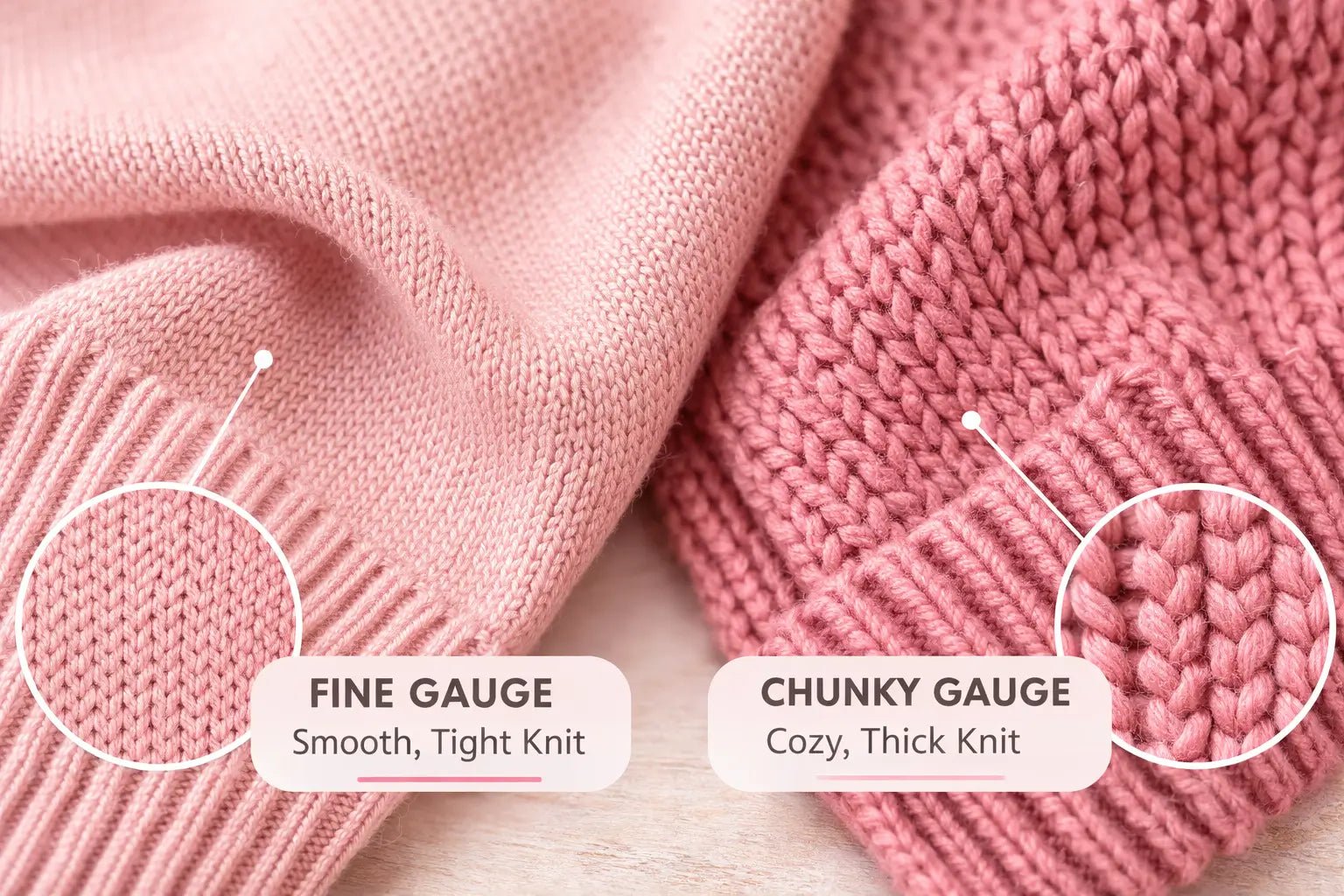
Gauge refers to the fineness and density of a knitted fabric. Brands do not always publish a gauge number, but the difference can usually be seen and felt.
| Knit Weight | Appearance | Best Use |
|---|---|---|
| Fine gauge | Smooth, light and closely knitted | Beneath blazers, suits and fitted coats |
| Lightweight | Soft drape with limited bulk | Transitional weather and indoor wear |
| Midweight | Moderate structure and visible texture | Standalone everyday sweater |
| Chunky | Thick yarn with pronounced texture | Cold weather and outer-layer styling |
Fine-gauge sweaters are generally the most versatile for professional wardrobes. They sit beneath tailored jackets without distorting the shoulders or sleeves.
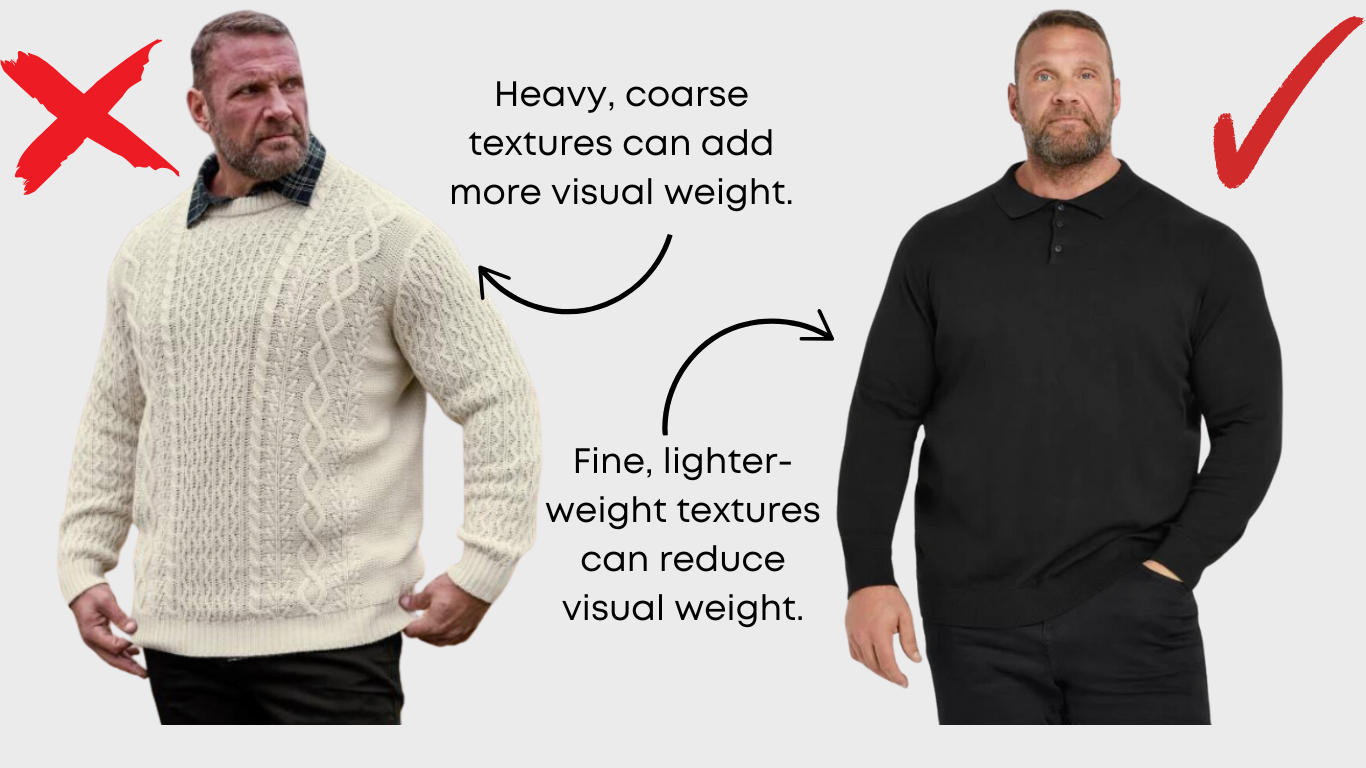
Midweight sweaters have more presence and often work best as the main upper layer. Chunky knits deliver stronger texture but require greater room beneath outerwear and may become uncomfortable in heated interiors.
Do not assume that a thicker sweater will always be warmer. Fibre type, knit density and the amount of space between stitches all affect insulation. A dense fine wool knit may retain heat more effectively than a loose chunky cotton sweater.
Know the Main Knit Structures
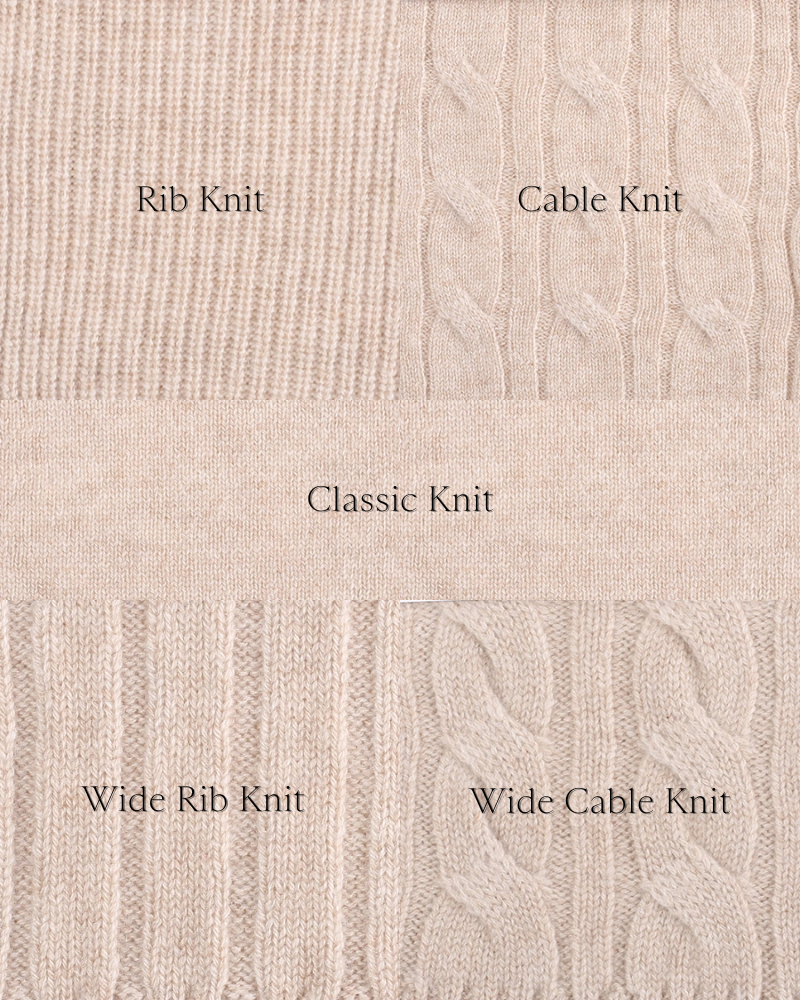
Jersey Knit
Jersey has a smooth face and relatively clean appearance. It is commonly used for fine crewnecks, V-necks and roll-necks because it layers easily and allows the fibre to remain the focus.
Jersey is the safest choice for tailoring and minimalist wardrobes.
Ribbed Knit
Ribbing uses alternating raised and recessed rows to create stretch. A fully ribbed sweater usually follows the body more closely, while ribbed cuffs and hems help a jersey sweater retain its shape.
Make sure the ribbing does not pull excessively across the chest or waist.
Cable Knit
Cable knitting twists groups of stitches into rope-like patterns. It adds texture and thickness, giving a basic crewneck greater visual presence.
Fine cables can appear polished, while larger cables create a more relaxed and traditional effect. Because the construction adds volume, cable knits usually work best as visible layers.
Fisherman or Aran Knit
Fisherman-style sweaters combine cables, diamonds and other raised patterns. They are usually heavier and visually busier than standard cable knits.
Pair them with simple trousers, denim or skirts so the sweater remains the focal point.
Waffle Knit
Waffle construction creates a grid-like surface with small recessed sections. It traps air and adds texture without the complex pattern of a cable knit.
Waffle sweaters usually feel casual and work well in cotton, wool or blended yarns.
Milano Knit
Milano knitting creates a dense, stable fabric with a smooth surface. It has less stretch than conventional jersey and can give sweaters, polos and cardigans a more tailored appearance.
How Should a Sweater Fit?
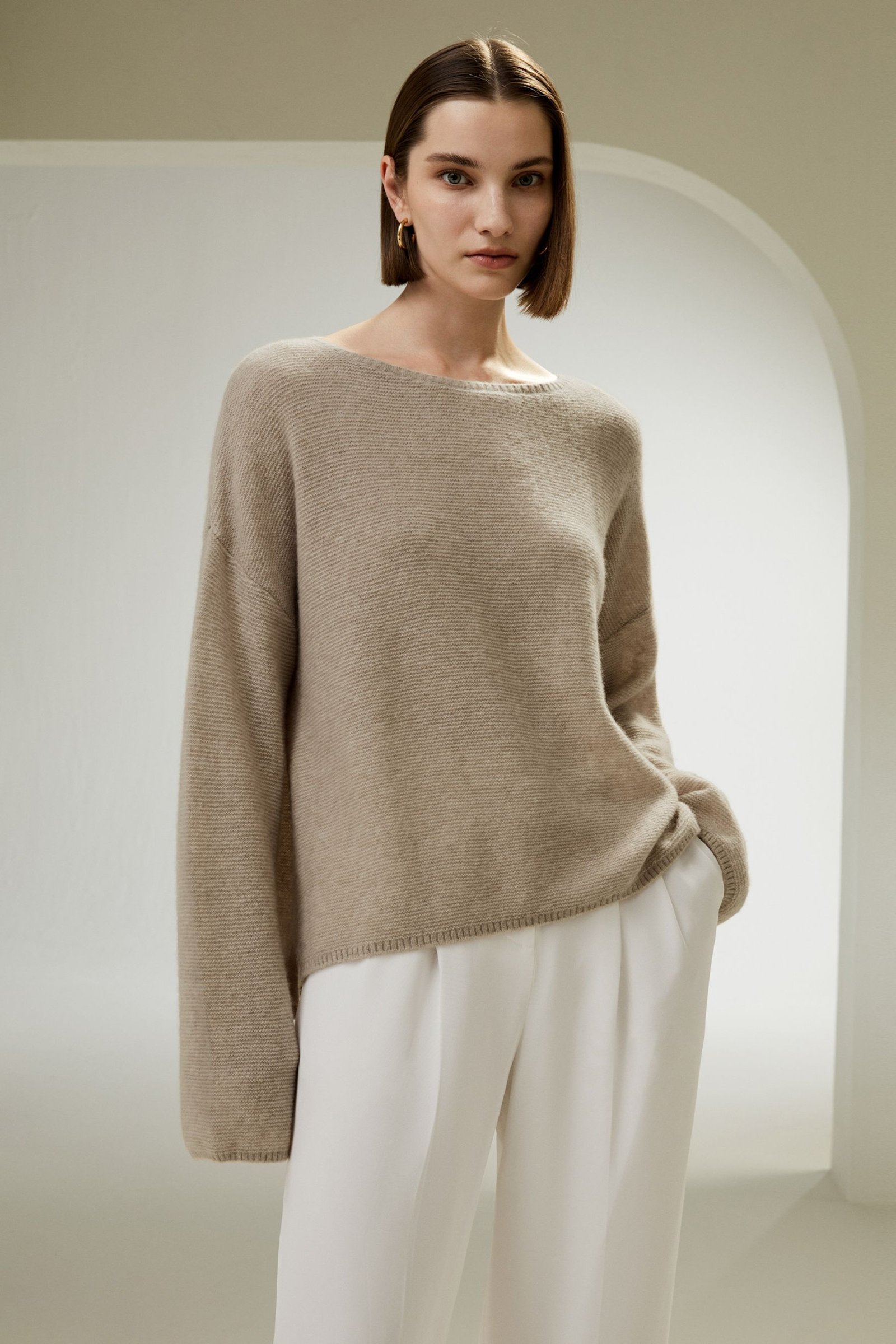
Fit should be assessed according to the intended layers.
A fine knit for tailoring can sit relatively close to the body. A midweight crewneck needs enough room for a T-shirt or shirt, while a chunky sweater should have more space through the torso and armholes.
Check six areas:
- Shoulders: A classic fit should end near the natural shoulder. A deliberately relaxed fit may extend beyond it.
- Chest: The fabric should fall cleanly without horizontal pulling or excessive folds.
- Armholes: Higher armholes create a neater silhouette but should not cut into the underarm.
- Sleeves: Cuffs should reach the wrist without heavy bunching.
- Hem: Ribbing should hold the sweater in place without gripping the waist.
- Length: A versatile sweater usually ends around the hip, adjusted for body proportions and styling.
When trying on a sweater, raise your arms, sit down and place a jacket over it. A design that looks good while standing still may ride up, restrict movement or create too much bulk during everyday wear.
Choose the Right Neckline

| Neckline | Best For | Styling Effect |
|---|---|---|
| Crewneck | Everyday wear and simple layering | Balanced and versatile |
| V-neck | Shirts, necklaces and open necklines | Creates more vertical space |
| Roll-neck | Winter tailoring and minimal outfits | Polished with greater coverage |
| Mock neck | Modern layering | Cleaner and less restrictive than a roll-neck |
| Polo collar | Smart-casual wardrobes | More structured than a crewneck |
| Half-zip | Travel and relaxed tailoring | Adjustable with a slightly sporty mood |
| Cardigan | Variable temperatures | Easy to remove, open and restyle |
If you are purchasing one sweater, a crewneck in navy, charcoal, camel, cream or black usually offers the greatest flexibility.
A V-neck works well over a collared shirt, although a very deep neckline can appear dated or difficult to wear alone. Roll-necks provide strong visual impact but require more consideration around the neck and jawline.
Check Construction Before Buying
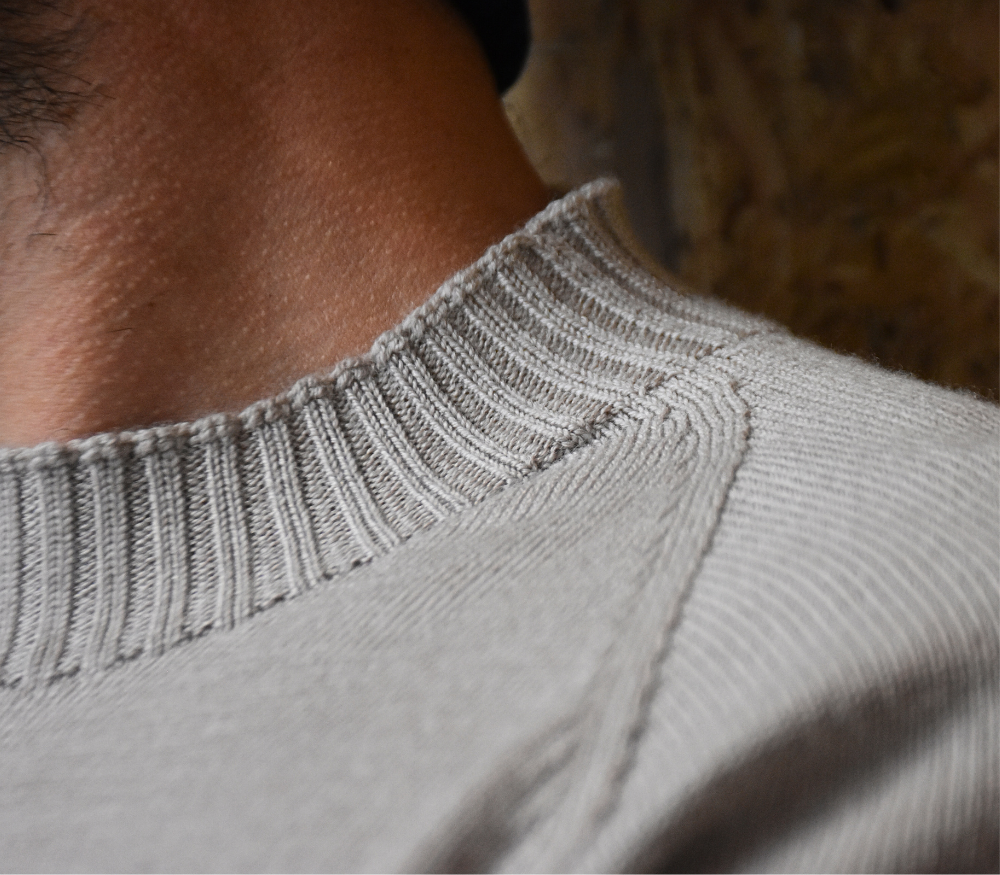
A quality sweater should feel balanced rather than simply soft.
Inspect the seams to make sure they sit flat without twisting. Check how each sleeve joins the body and whether decorative patterns align cleanly. Ribbing should feel resilient, while cardigan buttonholes should be firm enough to resist stretching.
Hold the sweater gently toward the light. The knit should appear even unless an intentionally loose or open construction is part of the design. Lightly stretch the cuff and hem to see whether they recover.
Read the complete fibre composition rather than relying on the product name. A “cashmere blend” may contain only a limited percentage of cashmere. Nylon, polyester or elastane may be added to improve strength or recovery.
Blended yarn is not inherently inferior. A carefully considered blend can be more practical than a delicate pure fibre, particularly for frequently worn sweaters. The important question is whether the composition provides the softness, warmth and durability you expect.
How to Care for a Quality Sweater

Always follow the sewn-in care label. For washable wool, Woolmark recommends using an appropriate wool or delicate cycle with a mild detergent. Hand-wash-only wool can generally be cleaned in lukewarm water, while sweaters should usually be reshaped and dried flat unless the label permits another method.
To extend the life of knitwear:
- Fold sweaters rather than hanging them.
- Allow wool and cashmere to rest between wears.
- Remove pills gently instead of pulling them by hand.
- Wash only when necessary.
- Avoid fabric softener unless the label permits it.
- Dry knitwear away from direct heat.
- Store natural fibres clean and protected from moths.
- Repair small holes before they expand.
Heavy sweaters are particularly vulnerable to stretching when hung. Folding them also prevents hangers from creating raised points at the shoulders.
Shop the Edit
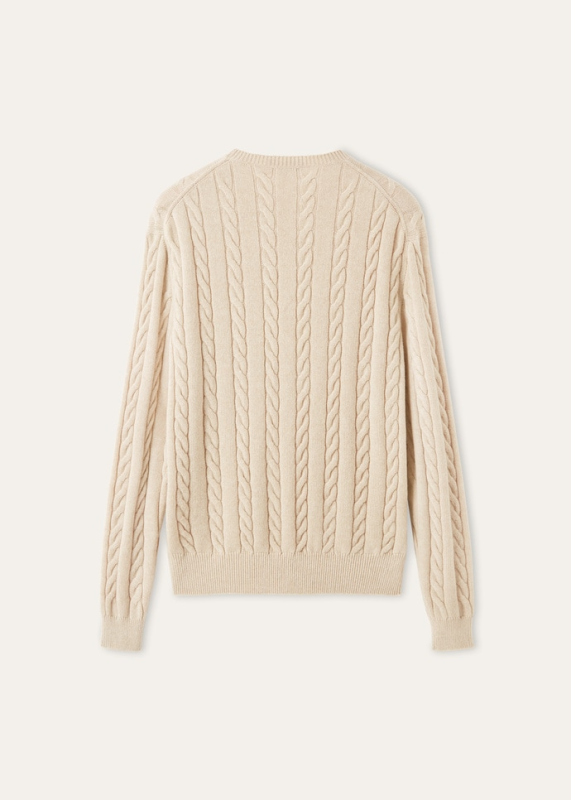
Loro Piana Cedar Crewneck
A luxurious pure-cashmere cable knit with lightweight softness
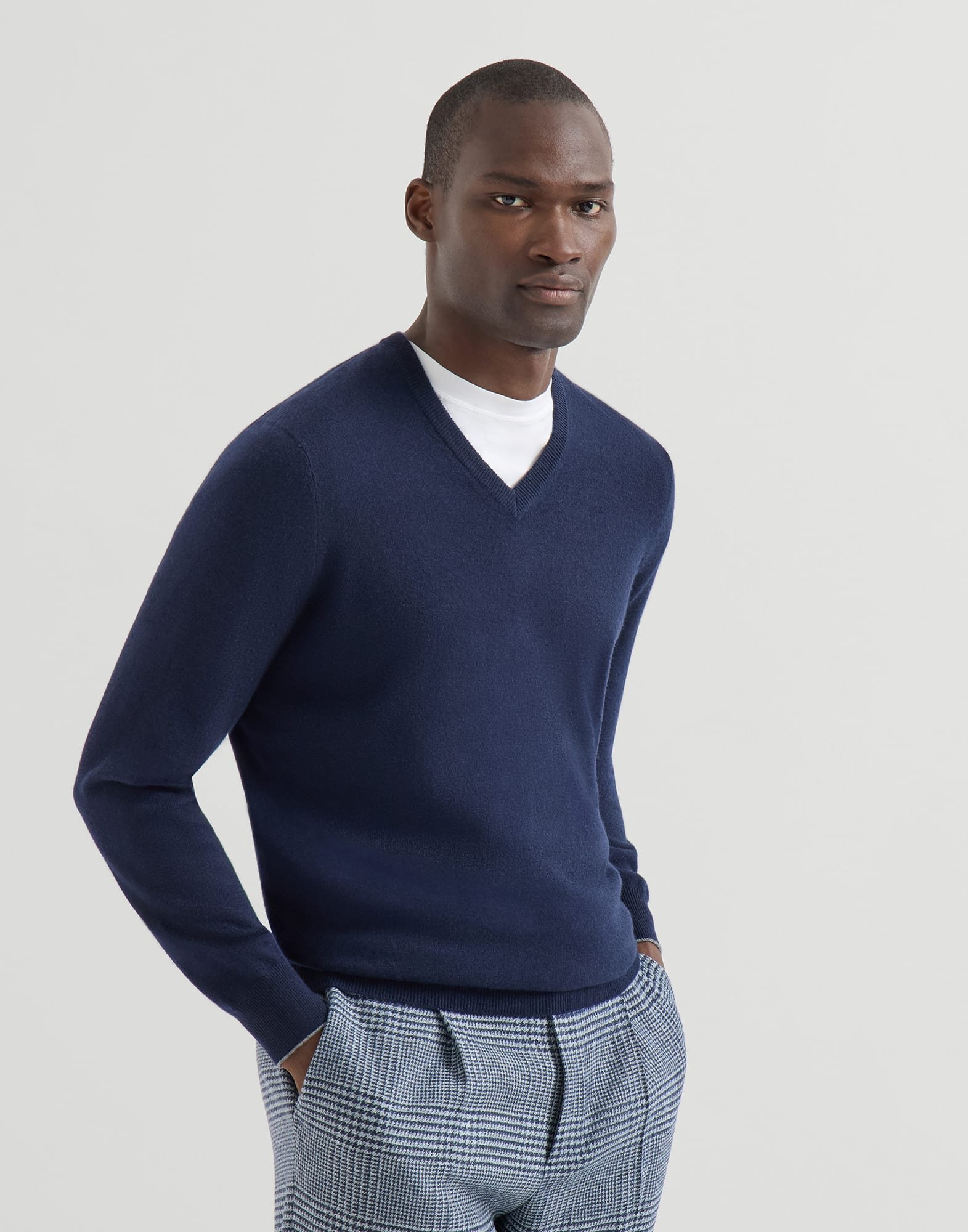
Brunello Cucinelli Cashmere Sweater
Refined cashmere for year-round layering and understated outfits
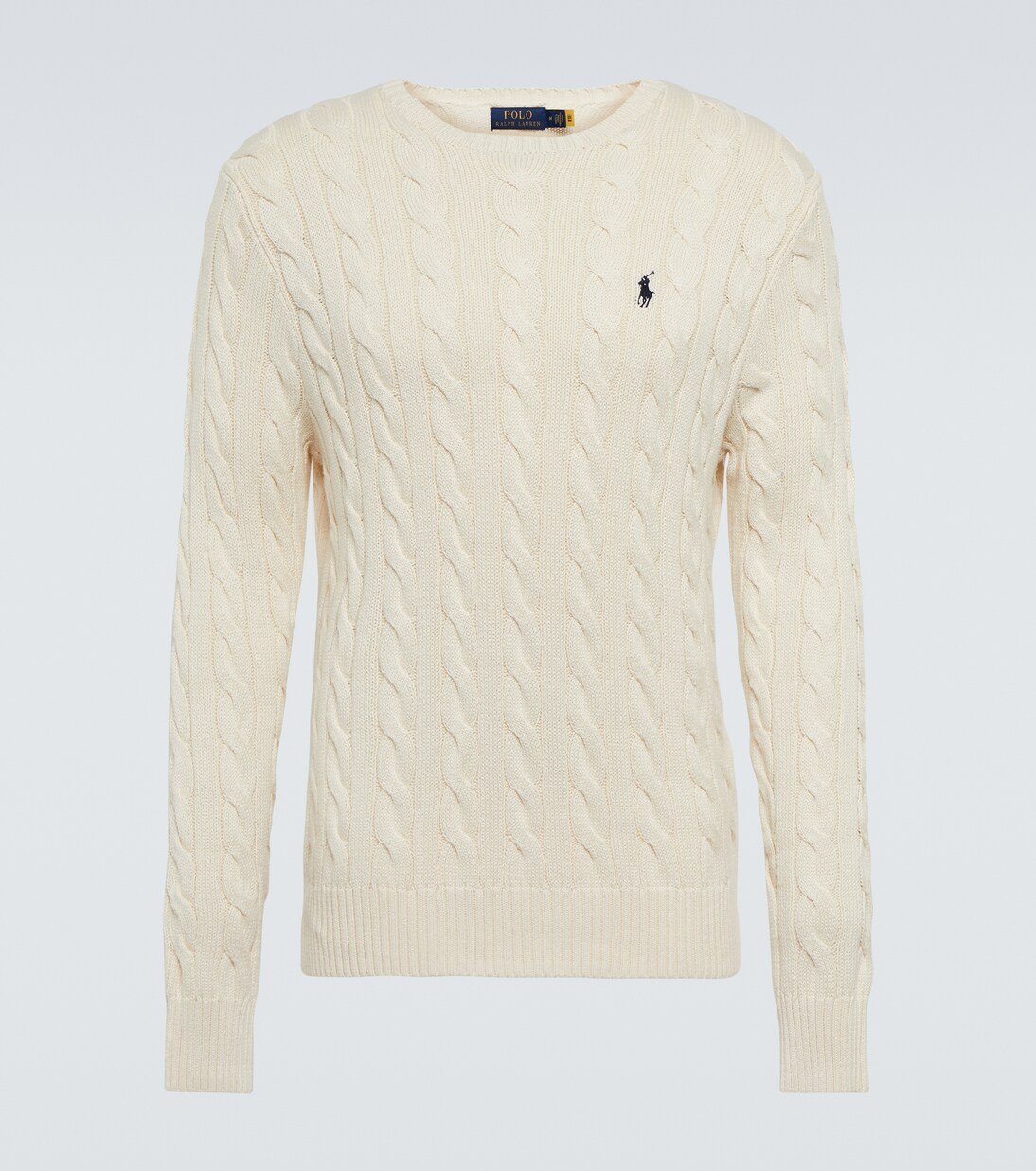
Ralph Lauren Cable-Knit Cotton Crewneck
A breathable textured sweater for transitional weather
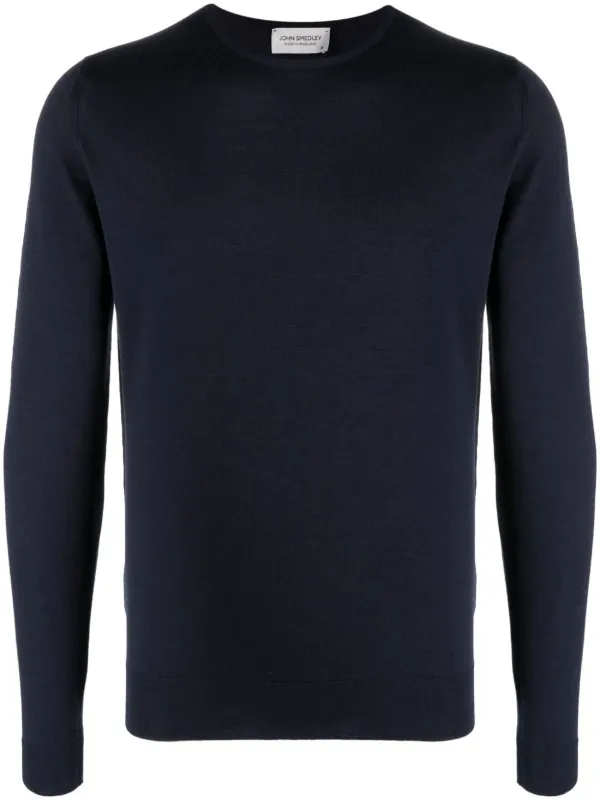
John Smedley Extra Fine Merino Jumper
Fine merino knitwear for work, travel and tailored layering
Colours, sizes, compositions and availability may vary by market.
Pros and Cons
| Pros | Cons |
|---|---|
| Sweaters move easily between casual and tailored wardrobes | Natural fibres often require careful washing |
| Different weights cover a wide range of climates | Incorrect drying can distort the fit |
| Fine knits provide warmth without excessive bulk | Soft cashmere and wool can develop pills |
| Textured knits add interest to simple outfits | Chunky sweaters can be difficult to layer |
| Quality knitwear can often be repaired | Fibre labels do not guarantee good construction |
| Classic colours remain useful beyond seasonal trends | Dense cotton can feel unexpectedly heavy |
Final Verdict
The best sweater begins with the right fabric.
Choose merino wool if you want versatility, breathability and practical warmth. Select cashmere when softness and lightweight insulation are priorities, or cotton when you need structure and comfort in milder conditions.
Next, consider how the knit changes the silhouette. Fine jersey works naturally beneath tailoring, ribbing creates a closer fit, and cable or fisherman knits introduce visible texture and volume.
The sweater should then fit according to its purpose: neat enough to maintain its shape, but spacious enough for the layers you actually wear. Check the shoulders, chest, sleeves and hem rather than relying entirely on the stated size.
A successful sweater should feel comfortable, recover its shape and work with several pieces already in your wardrobe. When fabric, fit and knit are considered together, it becomes one of the most dependable and frequently worn pieces you can own.
