

Winter shoes for men need to do more than look substantial. They should accommodate appropriate socks, suit the conditions outside and work with the heavier clothing worn above them.
A sleek Chelsea boot can finish an office outfit, while a lace-up boot pairs naturally with denim and a wool coat. A rubber-soled derby may be sufficient for a mild city winter, but prolonged snow or icy pavements call for more specialised footwear.
The best choice begins with your routine. Consider how far you walk, how often you encounter rain and whether your day includes formal settings. Then assess the upper, sole, lining and fit.
Smart cold-weather dressing is most convincing when the shoes serve both the outfit and the weather.

TL;DR
- Chelsea boots, lace-up boots and rubber-soled derbies are useful foundations for a smart winter wardrobe.
- Match footwear to actual weather rather than its rugged appearance.
- Rubber soles can be practical, but tread depth alone does not establish ice grip.
- Water-repellent leather or suede is different from a waterproof shoe.
- Try footwear with the socks you intend to wear.
- Leave enough toe room without accepting excessive heel movement.
- Balance substantial soles with trousers that have sufficient width.
- Rotate pairs and dry damp footwear away from direct heat.
- Use purpose-built winter boots when snow, slush or ice exceeds the capabilities of fashion footwear.
Choose for Your Winter Conditions

| Conditions | Useful Starting Point | What to Check |
|---|---|---|
| Cool, Dry City Days | Chelsea boots, chukkas or derbies | Comfort, sock space and sole condition |
| Frequent Rain | Footwear with stated water resistance | Construction, closures and care requirements |
| Cold Outdoor Commutes | Lined ankle boots | Insulation, fit and walking comfort |
| Snow and Slush | Purpose-built waterproof winter boots | Waterproofing, shaft coverage and suitable insulation |
| Icy Surfaces | Footwear designed for the conditions | Specific traction information |
| Mostly Indoor Wear | Rubber-soled dress shoes | Breathability and suitability for the dress code |
A hiking-inspired luxury boot is not automatically a technical hiking or snow boot. Treat weather-performance claims separately from styling descriptions.
Chelsea Boots: The Cleanest Smart Option

Chelsea boots offer a streamlined shape with minimal visible fastening. They work particularly well with wool trousers, dark denim and a simple overcoat.
Black leather is a dependable choice for charcoal, navy and black outfits. Dark brown brings a softer character to grey trousers, corduroy and indigo denim.
Choose a toe shape that relates to your wardrobe. A moderately tapered boot looks refined without feeling overly pointed, while a rounder shape supports casual styling.
Check the fit around the instep and heel. Because there are no laces, adjustment is limited. The elastic panels should allow entry without leaving the boot loose during walking.
For mixed indoor-outdoor use, a discreet rubber sole can preserve the clean appearance while adding practicality.
Lace-Up Boots: Versatile and Adjustable

Lace-up boots are useful when you want more control over the fit. They can accommodate variations in sock thickness better than many slip-on designs, provided the boot has enough internal space.
A plain-toe or restrained derby boot works with both denim and smart trousers. Brogue details and contrasting stitching introduce a more casual character.
Hiking-inspired styles add stronger hardware and larger soles. Wear them with straight jeans, flannel trousers or corduroy rather than very narrow tailoring.
Check the tongue and opening if rain protection matters. An ordinary lace-up construction may allow water through even when the leather itself has been treated.
Derbies and Chukkas for Milder Winters
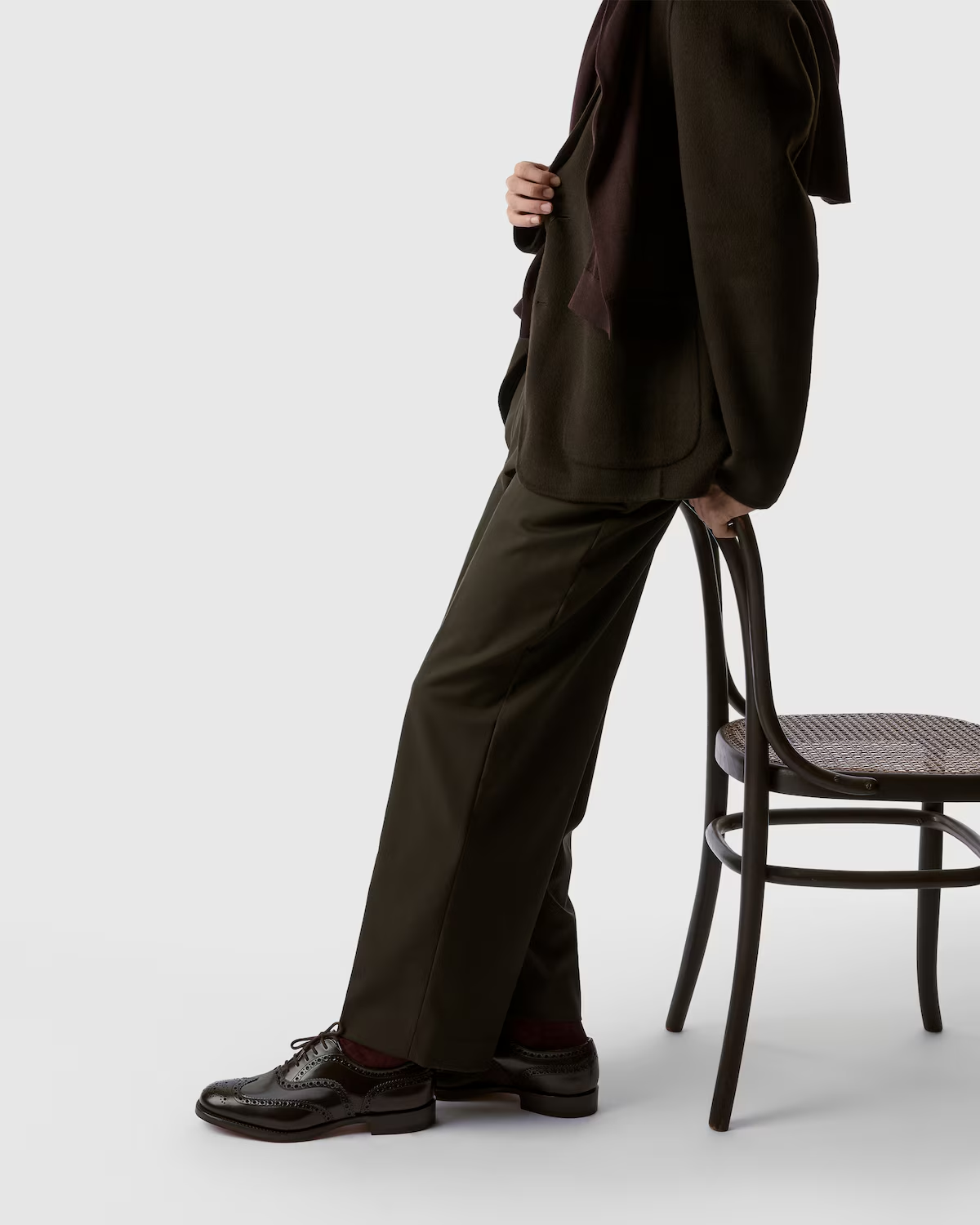
Not every winter wardrobe requires heavy boots.
A rubber-soled derby offers a familiar dress-shoe silhouette with a more practical underfoot surface. It suits offices, restaurants and dry city days where ankle coverage is less important.
Chukka boots sit between casual shoes and fuller boots. Their simple uppers work well with knitwear, chinos and relaxed tailoring.
Loafers can remain useful during mild, dry weather when worn with socks. However, their open entry and low coverage make them less suitable for wet streets or sustained outdoor cold.
Choose according to the journey as well as the destination.
Understand the Sole
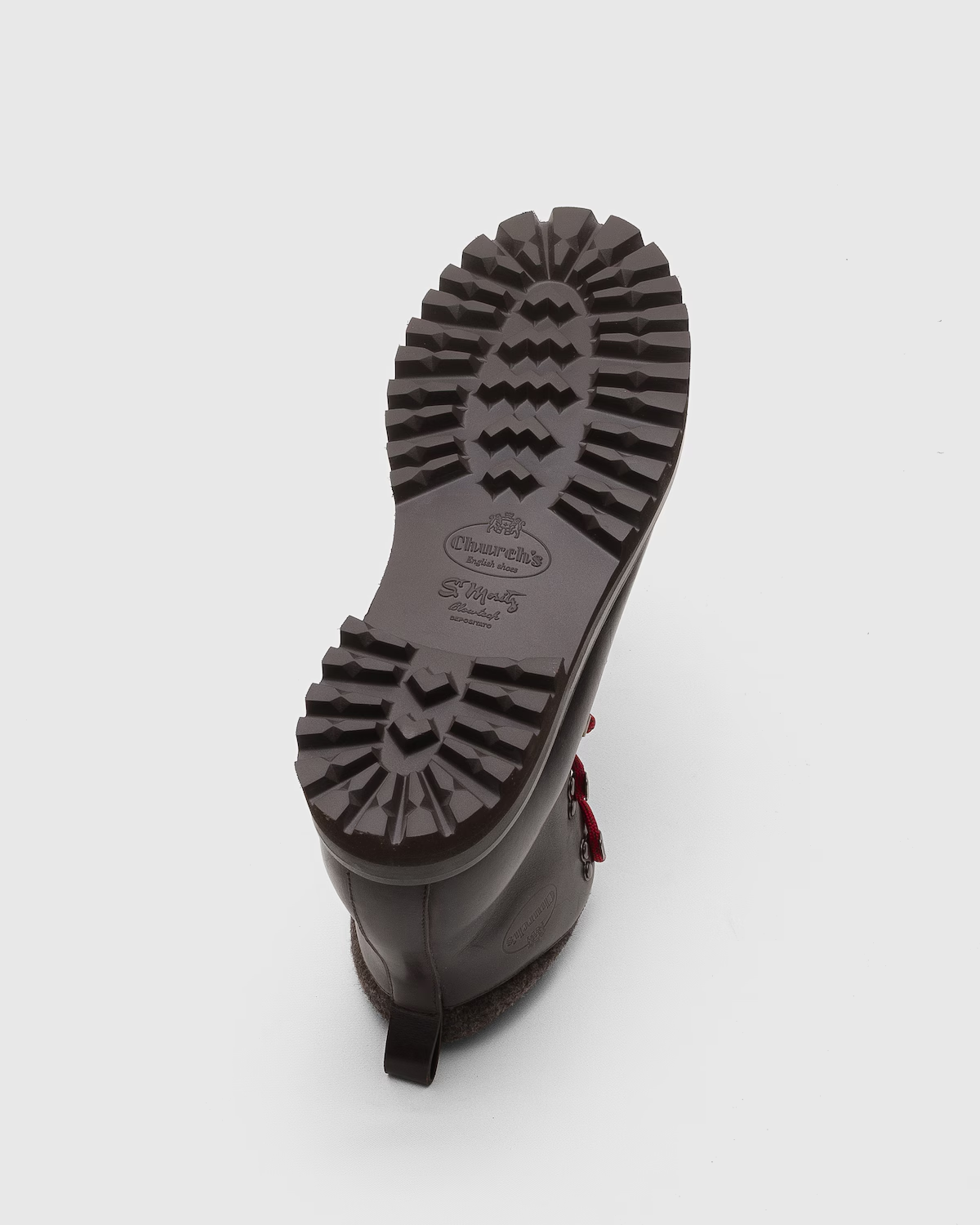
The sole influences comfort, appearance and suitability for winter use.
| Sole Type | Character | Winter Consideration |
|---|---|---|
| Leather | Slim and traditionally formal | Less forgiving in prolonged wet conditions |
| Low-Profile Rubber | Discreet and practical | Check tread and flexibility |
| Studded Rubber | Adds texture beneath a smart silhouette | Performance depends on material and conditions |
| Lugged Rubber | Substantial and visually rugged | Deep tread does not guarantee grip on ice |
| EVA-Based Sole | Often lightweight and cushioned | Check wear characteristics and intended use |
| Specialist Winter Sole | Designed for demanding conditions | Look for clear performance information |
A larger sole also changes the outfit’s proportions. Substantial boots usually need trousers with enough width to fall cleanly over them.
Repair worn heels and soles before winter. An attractive upper cannot compensate for a deteriorated contact surface.
Leather or Suede?


Smooth leather is versatile with tailoring and generally easier to wipe clean. Its resistance to moisture depends on the finish, treatment and overall construction.
Suede works beautifully with wool, denim and corduroy. Dark brown or navy versions can be especially useful in a relaxed winter wardrobe.
Treated suede can offer water repellency. For example, Loro Piana describes its Walk and Walk ankle boot as using water-repellent suede calfskin. That treatment should not be confused with a guarantee that the complete boot is waterproof.
Use only care products appropriate to the specific finish. Decorative patinas and coated leather may require different treatment from conventional calfskin.
Fit Winter Footwear With Your Socks
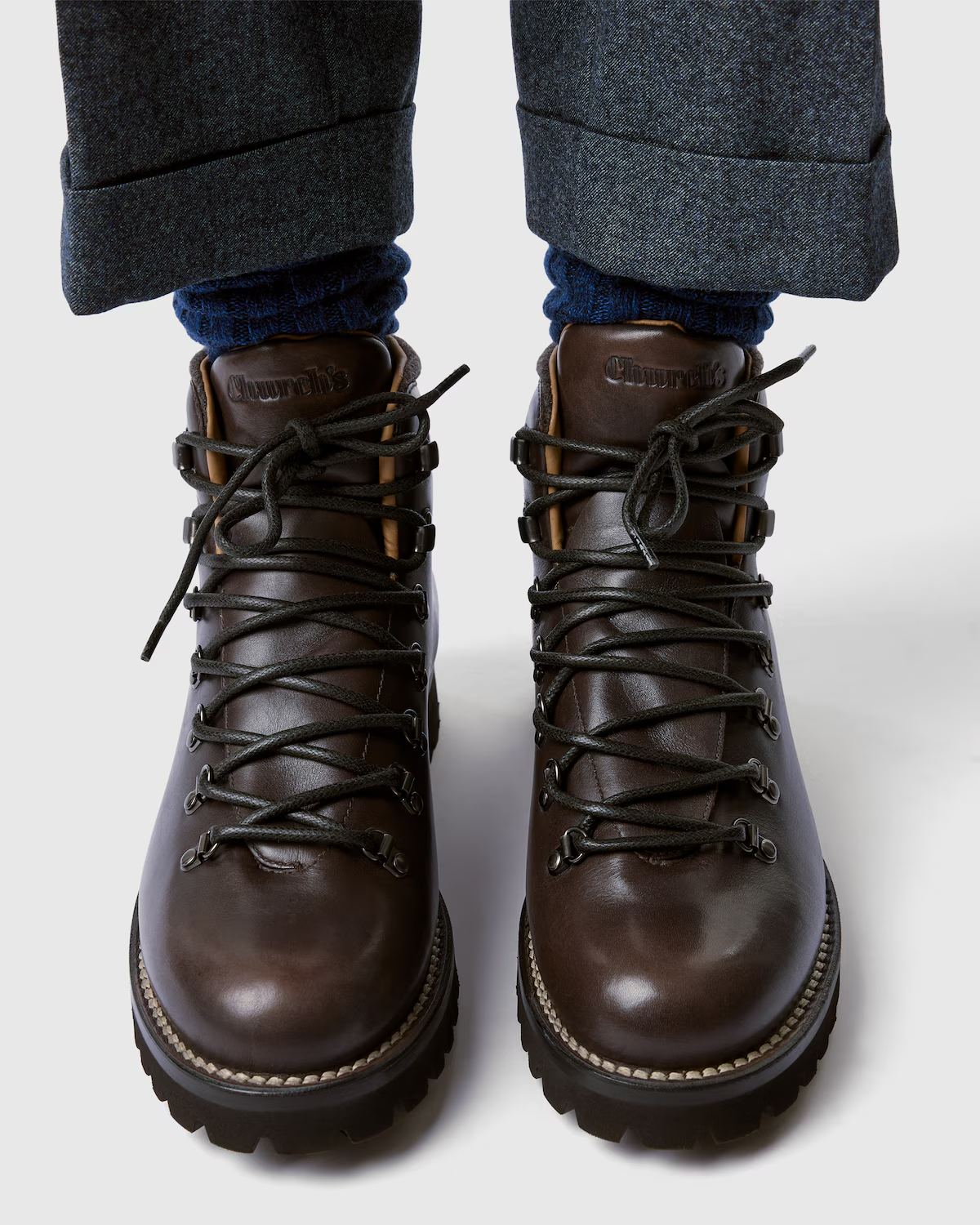
Try shoes with the socks you expect to wear most often.
A thick sock can change the fit considerably. If it compresses the toes or presses tightly across the instep, choose a different size or shape rather than assuming the footwear will stretch sufficiently.
Check that:
- Toes have room to move.
- The forefoot is not squeezed.
- The heel remains secure while walking.
- Laces allow useful adjustment.
- The ankle opening does not rub.
- The sole flexes comfortably for your stride.
Do not automatically size up for winter. Excess space can cause slipping and friction. Assess the combination of shoe, sock and foot directly.
If your routine involves heated offices, moderate insulation and a suitable wool-blend sock may be more comfortable than heavily lined boots.
Match Footwear to Winter Clothing
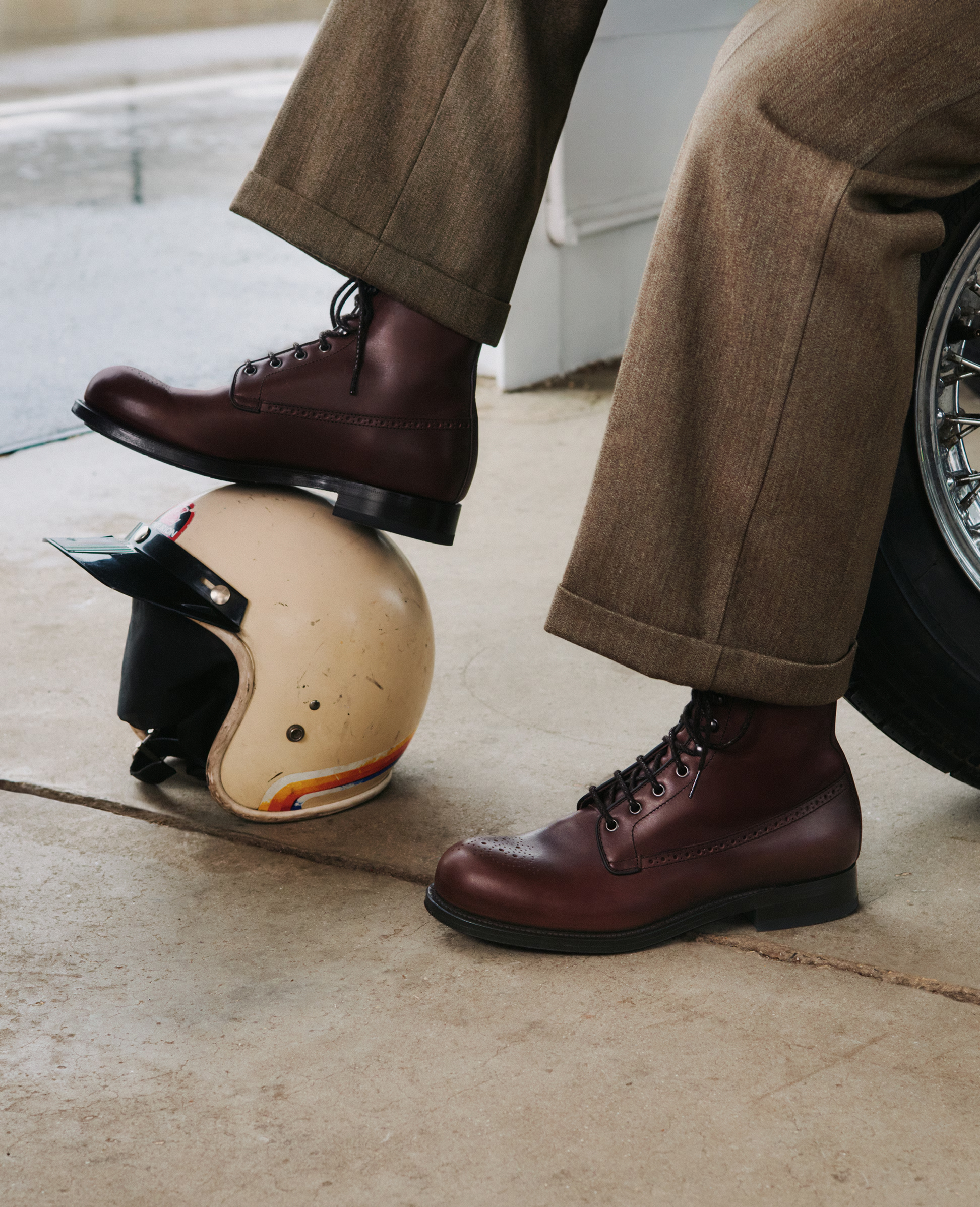
| Outfit | Suitable Footwear |
|---|---|
| Overcoat and Tailored Trousers | Sleek Chelsea boots or understated derbies |
| Flannel Trousers and Knitwear | Plain lace-up boots or suede chukkas |
| Denim and a Field Jacket | Substantial leather boots |
| Corduroy and a Wool Coat | Brown boots with a moderate sole |
| Relaxed Travel Clothing | Comfortable ankle boots suited to the forecast |
| Formal Evening Clothing | Refined footwear appropriate to the dress code |
Trouser length deserves attention. Excess fabric can bunch heavily over a boot, while an overly short hem may expose the leg when you sit.
For smart dressing, let trousers settle neatly around the boot shaft. A small cuff can work with casual denim, but avoid creating a thick roll that competes with an already substantial shoe.
Build a Small Winter Rotation

Two complementary pairs can be more useful than several similar styles.
Start with a dark, relatively refined boot or rubber-soled derby. Add a more practical pair for wetter commutes or extended walking.
If your winter regularly includes snow or ice, give specialist footwear its own role. You can change into smart shoes indoors where needed.
This approach also allows damp pairs to dry fully between wears.
Care for Shoes After Cold-Weather Wear

Remove dirt promptly using the method recommended for the upper.
If footwear becomes damp, dry it at room temperature away from radiators and other direct heat. Allow the interior to dry before storage, and use appropriate shoe trees once the shoes are ready.
Follow the manufacturer’s instructions for conditioning, polishing or suede protection. Salt residue and unfamiliar stains may require advice from a specialist.
Check soles, stitching, laces and elastic panels periodically. Small repairs are usually easier to address before they affect fit or allow further damage.
Shop the Edit

John Lobb Lawry New Standard
A refined Chelsea silhouette with rubberised EVA soles for a lighter alternative to traditional dress-boot construction.

Berluti Brunico Ankle Boot
A hiking-inspired Venezia leather boot with a lugged rubber outsole for substantial winter styling.

Loro Piana Walk and Walk Ankle Boot
A water-repellent suede lace-up ankle boot for relaxed tailoring and dry-to-lightly-damp city wear.
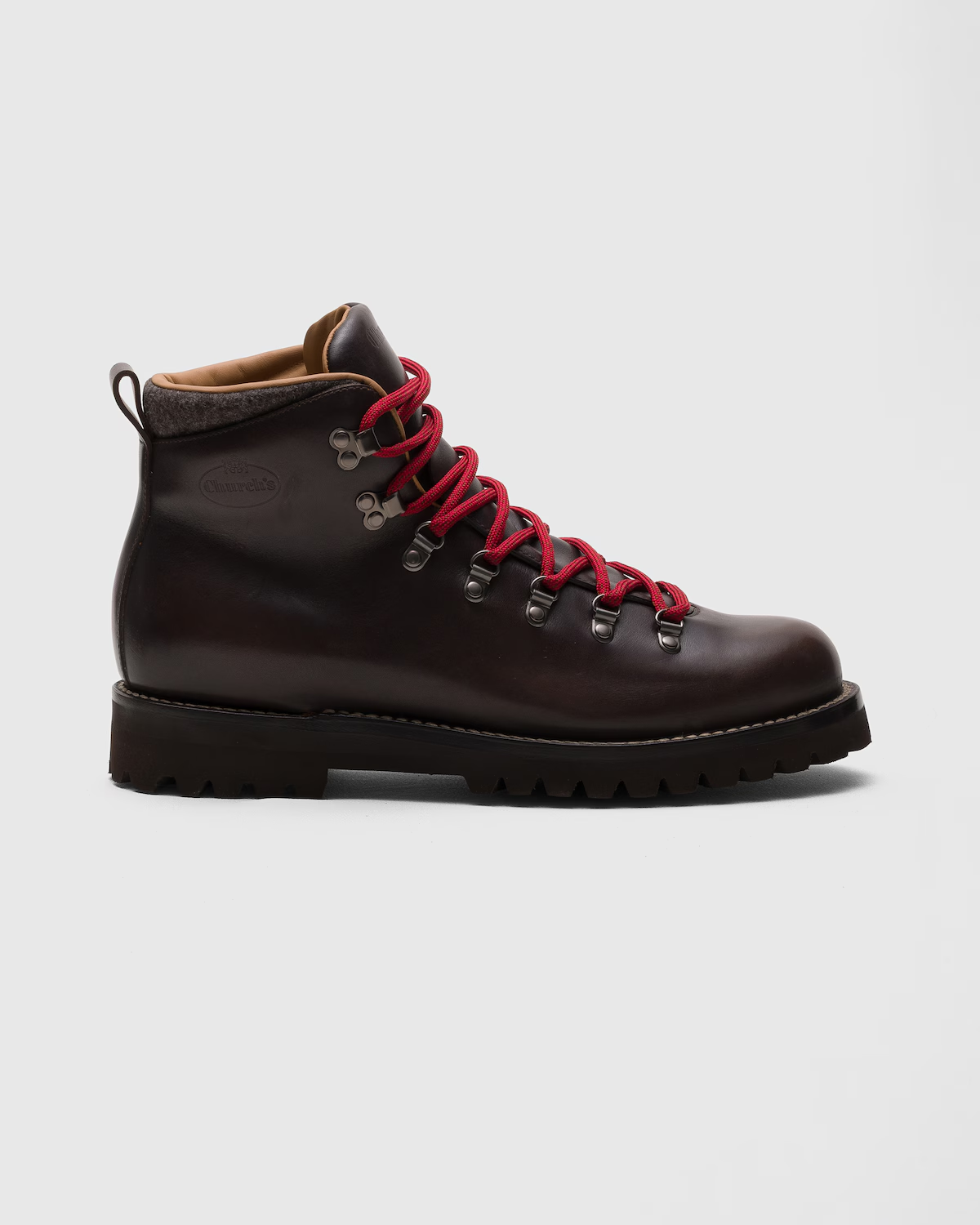
Church’s Poulton Lace-Up Boot
A brushed-leather, hiking-inspired silhouette to pair with denim, corduroy and substantial knitwear.
Availability varies by size and market; some styles may require a boutique enquiry or made-to-order purchase. Confirm weather suitability for the exact pair.
Pros and Cons
| Style | Pros | Cons |
|---|---|---|
| Chelsea Boots | Clean appearance and easy styling | Limited fit adjustment |
| Lace-Up Boots | Adjustable and versatile | More fastening and potential entry points for water |
| Rubber-Soled Derbies | Suitable for smart indoor settings | Less ankle coverage |
| Suede Chukkas | Soft texture and relaxed elegance | Weather resistance varies |
| Hiking-Inspired Luxury Boots | Strong visual presence and substantial soles | Appearance does not establish technical performance |
| Specialist Winter Boots | Better suited to demanding conditions | May be less appropriate with formal clothing |
Final Verdict

The best winter shoes for men match the weather, the walking involved and the clothes worn above them.
For smart city dressing, begin with a well-fitting Chelsea boot or rubber-soled derby. Choose lace-up boots when adjustment and a more substantial appearance matter, or suede ankle boots for a softer casual wardrobe.
Inspect the sole, understand the material treatment and fit the pair with your intended socks. When snow, slush or ice becomes the main concern, select footwear designed for those conditions.
A useful winter rotation combines a refined everyday pair with a practical alternative. Together, they make cold-weather dressing easier without asking one shoe to handle every situation.
