
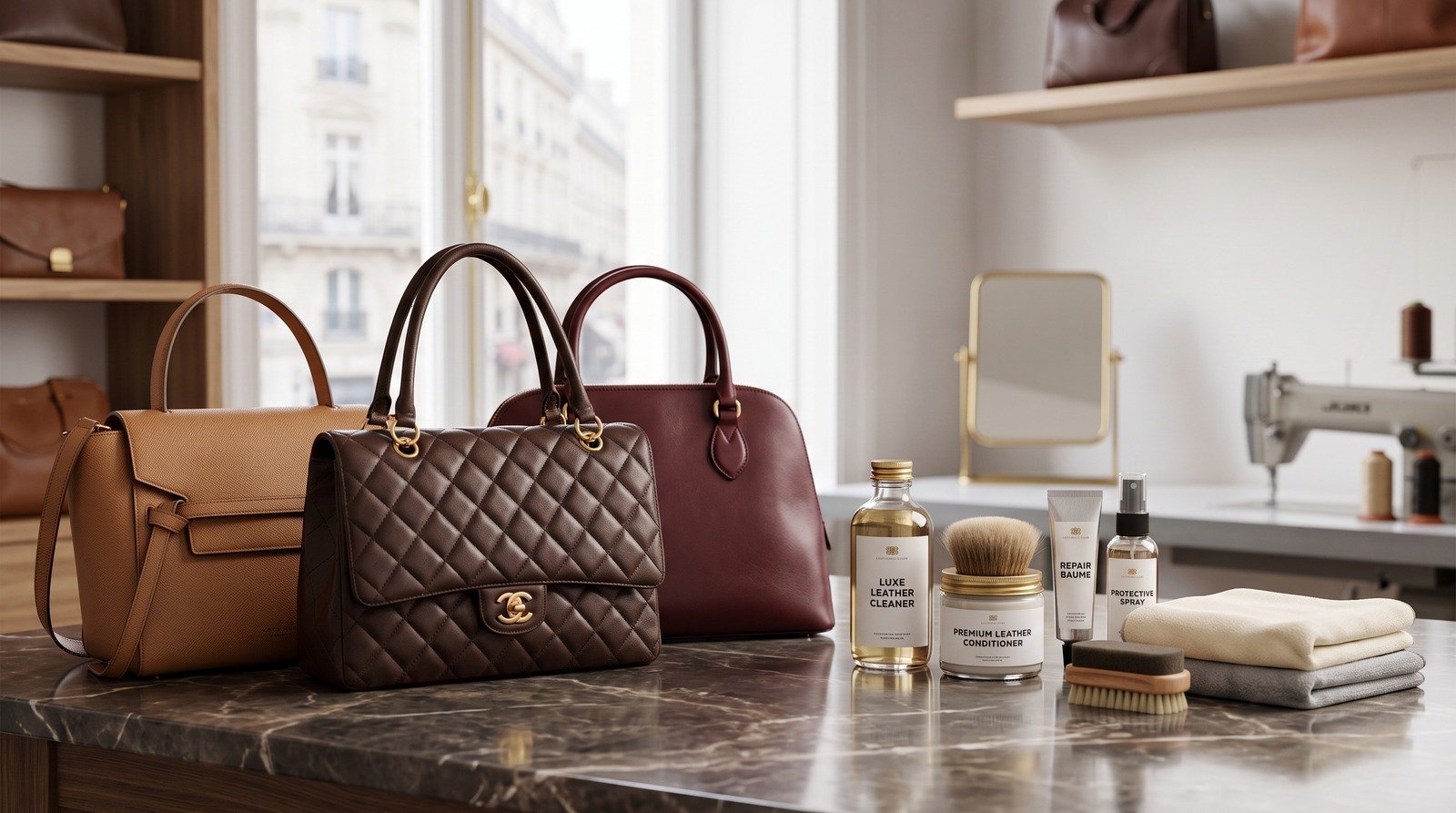
A designer leather bag is designed to age, but it should not be left to age carelessly.
Everyday contact with hands, cosmetics, rain, dark denim and rough surfaces can gradually change its colour, texture and structure. The good news is that most premature wear can be reduced through simple habits: emptying the interior regularly, wiping away surface dust, protecting the bag from moisture and storing it correctly.
The difficult part is knowing when to intervene. Applying the wrong cleaner can cause more damage than the original mark, particularly on untreated calfskin, lambskin, suede, patent leather or exotic skins.
There is no universal cleaning method for every designer bag. Louis Vuitton, for example, advises owners of several leather types to avoid commercial cleaners and treatments. Coach, meanwhile, recommends its own cleaner and moisturiser for specified Coach leathers.
The safest routine begins with the bag’s official care instructions—not a viral cleaning hack.

TL;DR
- Identify the exact leather before applying water, cream or cleaner.
- Check the brand’s official instructions and retain the original care booklet.
- Begin with the least invasive method: a dry, light-coloured, lint-free cloth.
- Never apply hand sanitiser, perfume, makeup remover, household cleaner or baby wipes.
- Test any approved product on a concealed area and allow it to dry fully.
- Blot water immediately; never rub, heat or aggressively dry wet leather.
- Store the bag upright in a breathable dust bag with light, colour-safe stuffing.
- Keep pale leather away from dark denim and other materials that may transfer dye.
- Leave deep stains, mould, peeling, recolouring and structural repairs to a professional.
Identify the Leather Before Cleaning

“Leather” describes a category, not one uniform surface. Treatments that work on durable grained calfskin may permanently alter lambskin, suede or patent leather.
Check the product page, receipt, care booklet or brand customer service before cleaning. Pay attention to contrasting handles, trims and linings because a bag may combine several materials.
| Material | Characteristics | Basic Care Approach |
|---|---|---|
| Grained calfskin | Textured, structured and relatively resilient | Soft dry cloth; approved damp cleaning or conditioner if permitted |
| Smooth calfskin | Refined surface that may show scratches | Minimal friction and only material-approved products |
| Lambskin or nappa | Soft, supple and easily marked | Very gentle dry care; professional help for visible stains |
| Suede or nubuck | Velvety nap that absorbs moisture | Specialist brush or eraser; avoid conventional leather cream |
| Patent leather | Glossy coated finish | Soft cloth and patent-specific care; protect from colour transfer |
| Metallic leather | Foil or coated decorative surface | Minimal rubbing; avoid standard polish and abrasive products |
| Natural or untreated leather | Develops patina and absorbs moisture easily | Avoid unnecessary treatments and allow natural ageing |
| Exotic skin | Distinct scales and sensitivity to humidity | Specialist or brand-authorised care only |
| Coated canvas | Textile base with protective coating | Do not treat automatically as leather |
Natural grain, patina and small tonal differences are not necessarily damage. Attempting to make leather appear completely uniform can remove part of the character that makes it beautiful.
Follow a Gentle Routine for Everyday Cleaning

For most bags, routine maintenance should be conservative.
Start by emptying every compartment. Turn the bag upside down over a clean towel and gently shake out crumbs and loose debris. A clean, soft brush can help release dust trapped around seams, but avoid scraping the lining or leather.
Next, wipe the exterior with a dry, light-coloured, lint-free cloth. Pay particular attention to handles, corners, the base and areas around the closure.
If the brand permits damp cleaning:
- Lightly moisten a clean cloth with water.
- Wring it thoroughly so it is barely damp.
- Test a hidden area.
- Wipe gently without soaking the leather.
- Allow the bag to dry naturally at room temperature.
Never scrub one mark repeatedly. Concentrated rubbing can change the finish and leave a lighter or shinier patch.
Louis Vuitton recommends a soft damp cloth for surface stains on certain calfskin and cowhide leathers, but it advises against commercial cleaners. Its guidance also warns against contact with oils, cosmetics, perfume, sanitiser and other chemicals. Always follow the instructions for the exact material rather than applying one rule across the entire collection. (Louis Vuitton Product Care)
Condition Only When the Leather and Brand Allow It

Conditioner can restore flexibility to compatible smooth leather, but more is not better. Excess product may darken the surface, soften structure, attract dirt or collect around stitching.
Use conditioner only if the brand permits it and the formula explicitly lists your leather type. Even then:
- Perform a patch test in a concealed area.
- Apply a very small amount to a clean cloth, not directly onto the bag.
- Work gently across the surface rather than saturating one section.
- Keep product away from fabric linings, suede panels and decorative details.
- Allow it to dry for the recommended period.
- Buff lightly with a separate clean cloth if instructed.
Coach’s care set is approved for a defined list of its leathers, including several glovetanned, pebble and calfskin finishes. The company specifically says not to use it on Sport Calf, calf suede or haircalf. (Coach Product Care)
This distinction matters. A product made by the bag’s brand is still not automatically compatible with every bag that brand produces.
Avoid conditioning according to a rigid calendar. A frequently carried bag in a dry climate may require attention sooner than an occasionally used bag stored in a stable environment. Inspect the leather and follow the maker’s schedule.
Respond to Water and Stains Without Panicking
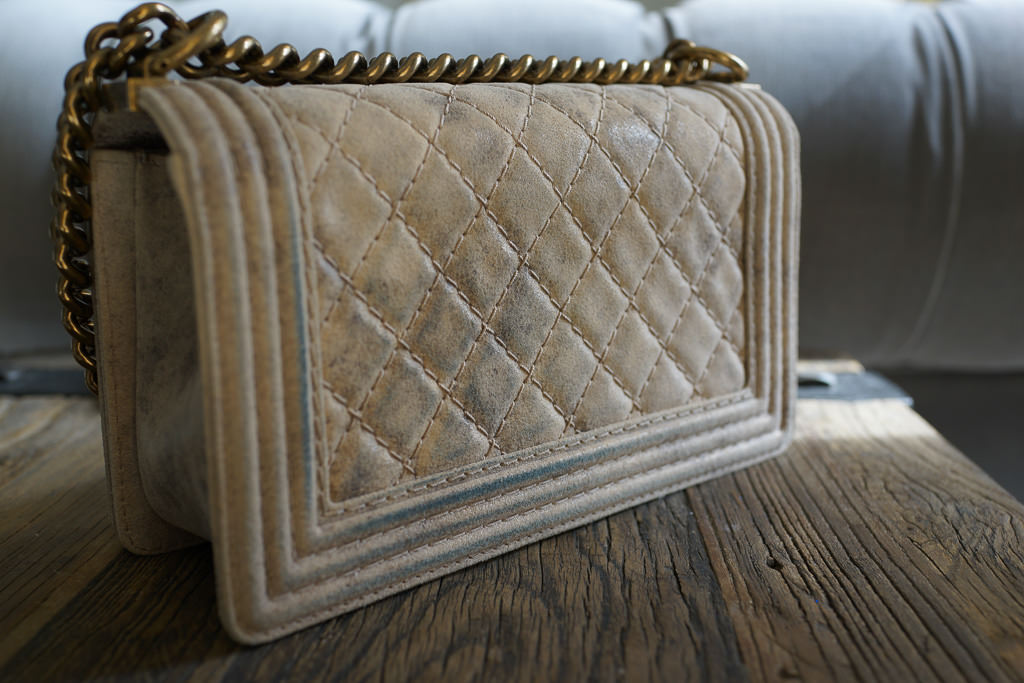
Quick action is valuable, but improvised cleaning is dangerous.
If the bag gets wet
Blot the moisture immediately with a clean, absorbent, light-coloured cloth. Do not rub, use a hairdryer, place the bag near a radiator or leave it in direct sun.
Empty the interior, support the shape loosely with clean paper and allow the bag to dry naturally. Mulberry advises removing residual water, loosely packing the bag with paper and allowing it to air-dry naturally. (Mulberry Care and Repairs)
If colour transfers from clothing
Stop carrying the bag against the garment that caused the transfer. Do not use alcohol, stain remover or makeup wipes. Contact the brand or a leather specialist, especially when the bag is pale, porous or suede.
If makeup or oil spills inside
Remove loose product without pushing it deeper into the lining. Blot liquids carefully and avoid spreading the stain. A removable fabric pouch inside the bag is the easiest long-term prevention.
If ink, mould or adhesive appears
Do not experiment. Ink can spread, mould may extend beneath the visible surface, and glue can damage both leather and stitching. Isolate the bag from the rest of your collection and consult a professional.
Prevent Damage During Everyday Use

The most effective bag care often happens before cleaning becomes necessary.
Keep hand sanitiser, pens, lipstick and liquid cosmetics inside sealed pouches. Allow hand cream and perfume to dry before touching the handles. Avoid placing the bag on floors, rough walls, concrete surfaces or restaurant counters that may hold moisture or oil.
Be particularly careful with:
- Dark, unwashed denim against cream or pastel leather
- Newspaper, magazines and printed packaging
- Chain straps resting against delicate leather during storage
- Heavy contents that pull on handles and attachment points
- Overfilled bags that distort closures and side panels
- Sharp jewellery that can scratch smooth or patent finishes
- Adhesive hooks or clips attached to leather handles
Rotate regularly used bags when possible. Carrying the same piece every day gives moisture, pressure marks and handle oils no time to dissipate.
Store the Bag Without Distorting Its Shape
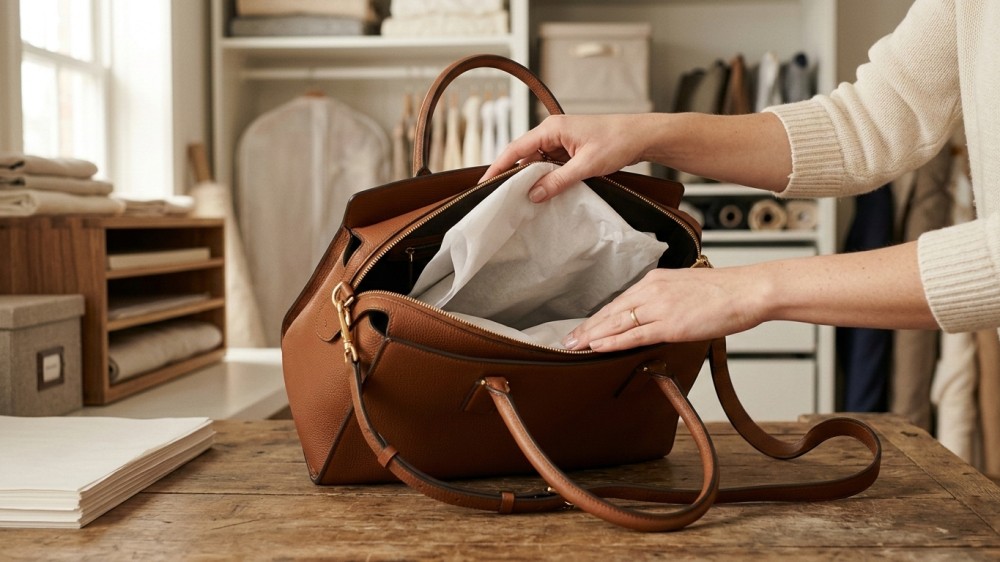
Before storing a bag, empty it and make sure every surface is completely dry.
Fill the interior loosely with acid-free tissue, clean white cotton or an appropriately sized bag pillow. The goal is to support the original silhouette—not stretch it. Avoid newspaper because ink can transfer, and do not overstuff the corners.
Place the bag upright in its original breathable dust bag. Avoid sealed plastic, which can trap moisture and restrict airflow. If the chain or strap is detachable, wrap it separately or place it inside without pressing it against the exterior.
Choose a shelf away from direct sunlight, heating vents and damp walls. Leave space around each bag so hardware and textured surfaces do not press against neighbouring pieces.
For humid climates, inspect the collection regularly. Moisture-control products may help inside the room or cabinet, but they should not touch the bag directly or make the environment excessively dry.
Know When Professional Care Is Safer
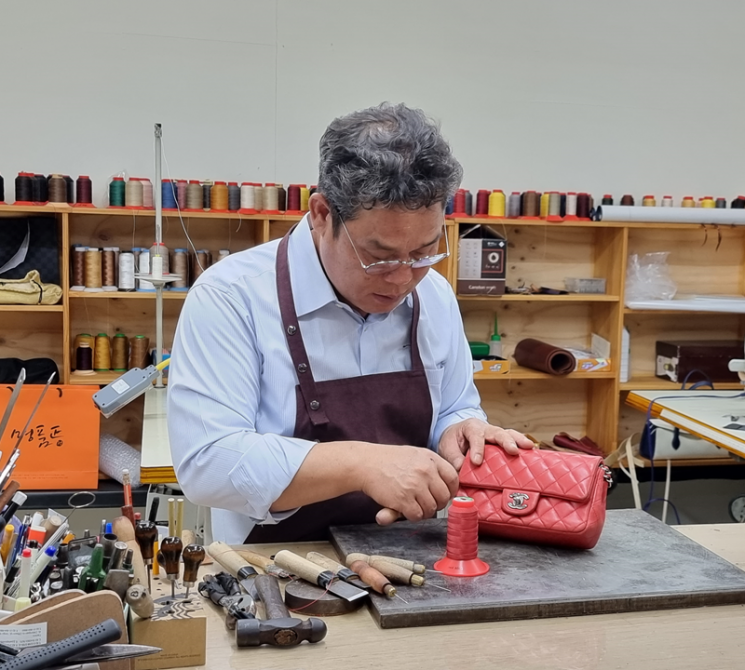
Home maintenance is appropriate for dust, light surface care and prevention. Professional help is safer when the problem affects colour, construction or the leather finish.
Seek specialist assistance for:
- Ink and extensive dye transfer
- Mould or persistent odour
- Deep oil and cosmetic stains
- Peeling or cracking patent leather
- Torn corners or split piping
- Broken zips, clasps and strap attachments
- Significant fading or discolouration
- Recolouring and edge-paint restoration
- Exotic skin damage
- Water marks that remain after natural drying
Start with the original brand’s repair service when available. This may offer better access to compatible components and construction information. If using an independent specialist, ask whether recolouring, refinishing or non-original parts could affect future brand repairs or resale disclosure.
A responsible specialist should explain the likely result and limitations before beginning. Restoration can improve a bag dramatically, but it cannot always recreate the untouched factory finish.
Shop the Edit
Prices and availability may vary by market. Confirm compatibility with your bag’s manufacturer before using any care product.
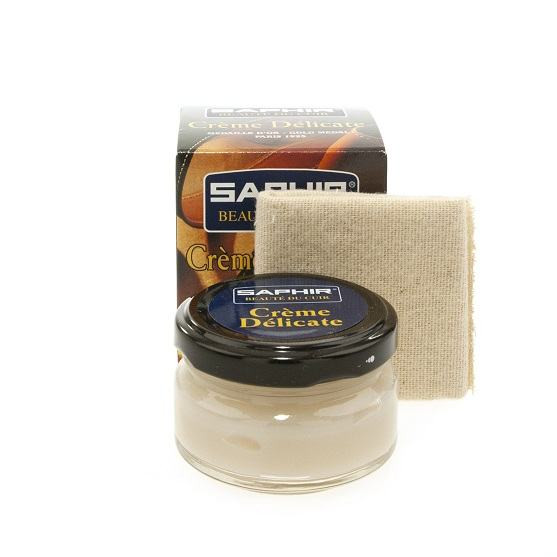
Saphir Crème Délicate
Gentle cleaning and nourishment of compatible unprotected nappa, box calf and fine smooth leather
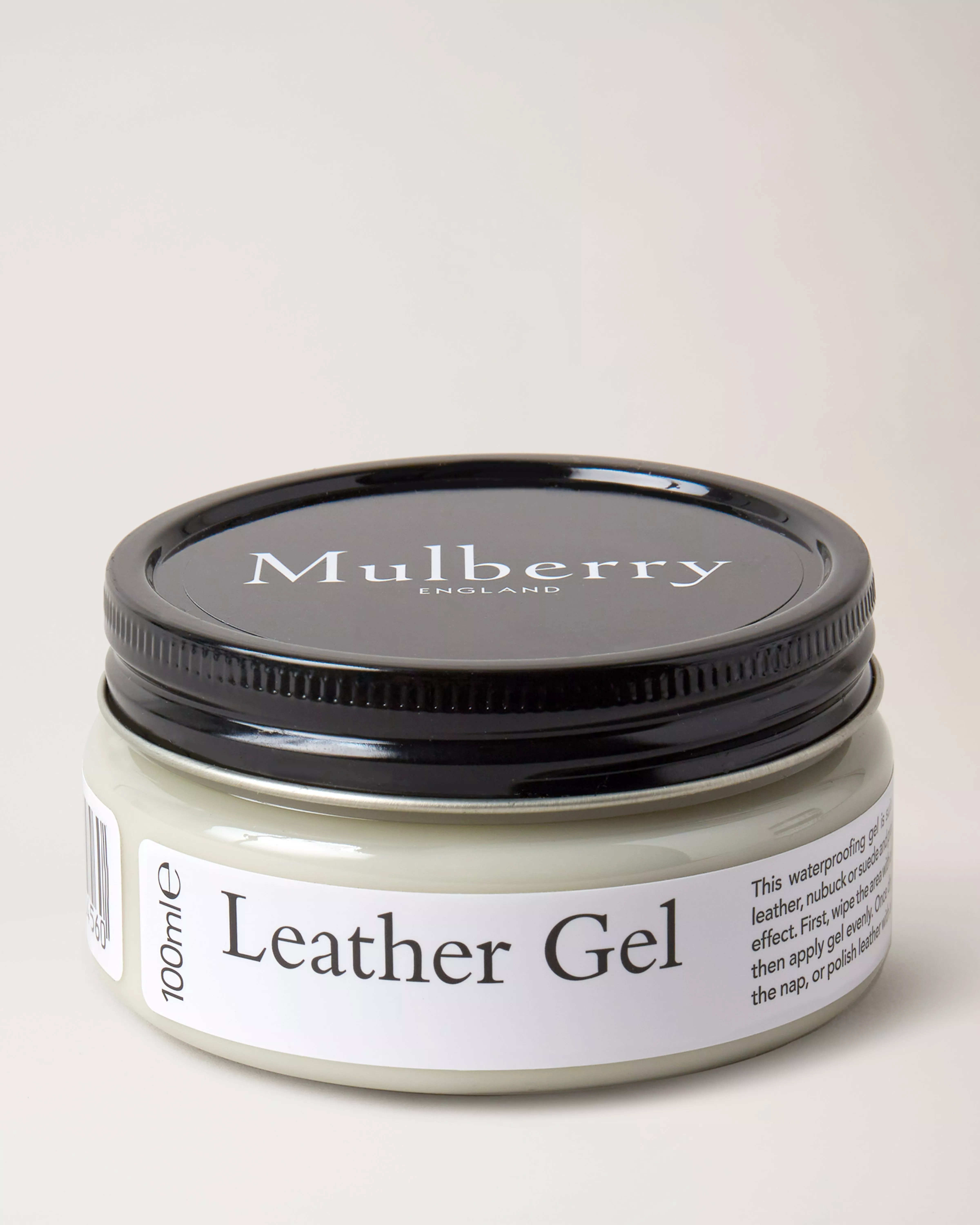
Mulberry Leather Gel
Compatible smooth Mulberry leathers; not intended for suede, nubuck or patent
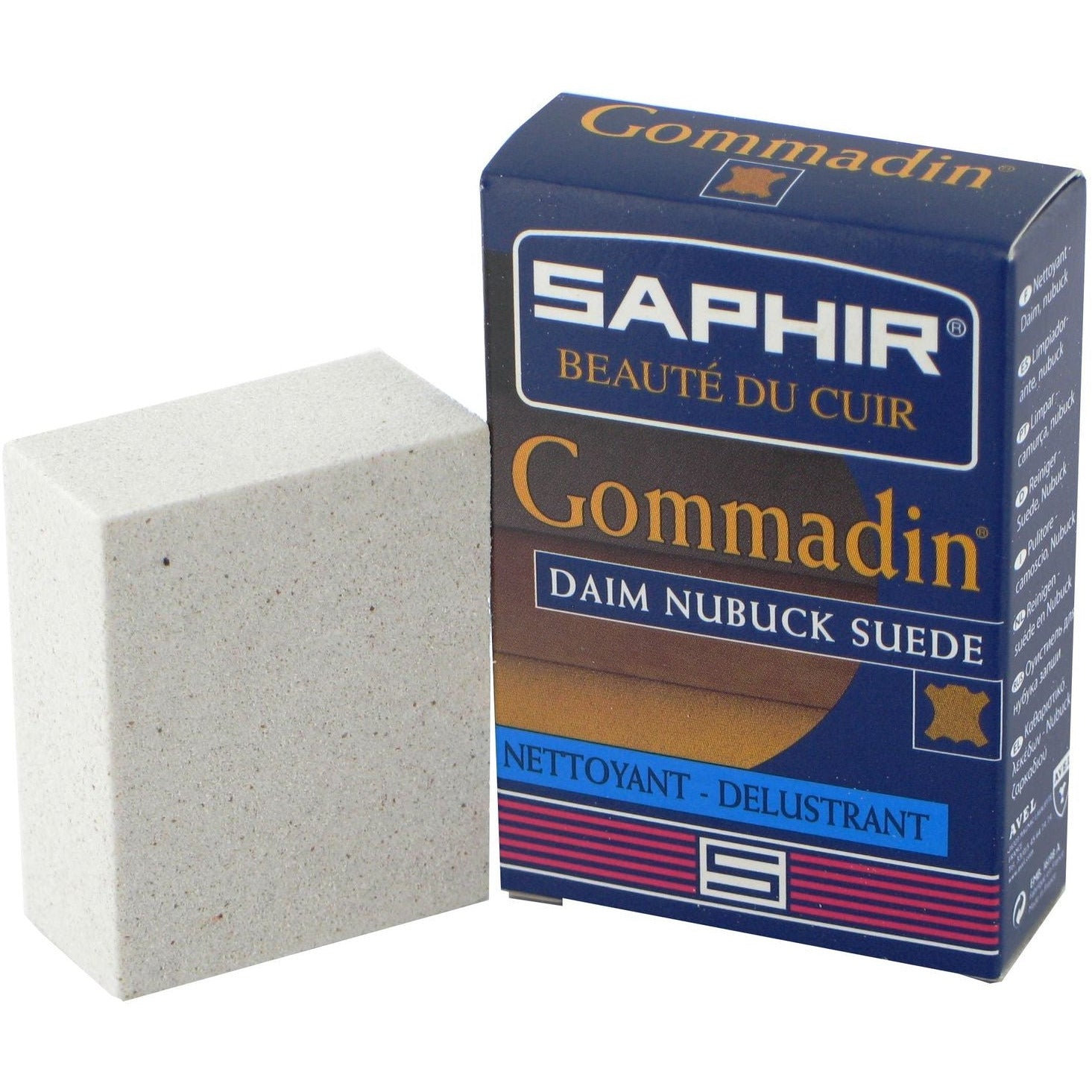

Saphir Brushed Cotton Cleaning Cloth
Applying approved creams and gently buffing leather goods
Pros and Cons of Cleaning at Home
| Pros | Cons |
|---|---|
| Removes dust before it becomes embedded | Incorrect products can darken or discolour leather |
| Helps owners notice damage early | Aggressive rubbing may alter the surface finish |
| Approved conditioning may preserve suppleness | Suede, lambskin and exotic skins allow little margin for error |
| Proper storage protects shape and hardware | Home treatment may complicate later professional restoration |
| Preventive care can reduce repair frequency | Internet remedies rarely account for the exact leather treatment |
| A simple routine requires few tools | Serious stains and structural damage still require a specialist |
Final Verdict

Learning how to clean a designer leather bag is less about mastering an elaborate treatment and more about knowing when to stop.
The safest sequence is simple: identify the material, read the brand’s instructions, remove loose dust, test any approved product discreetly and use as little moisture or pressure as possible. Preventing stains through pouches, careful handling and proper storage is almost always safer than attempting to remove them later.
Do not assume that an expensive conditioner is suitable for an expensive bag. Some protected calfskins respond well to brand-approved cleaning and conditioning, while untreated leather, lambskin, suede, metallic finishes and exotic skins may require entirely different care.
A designer bag does not need to remain untouched to retain its beauty. Gentle creasing, softened handles and a natural patina can tell the story of use. The objective is not to erase every sign of ownership—it is to prevent avoidable damage while allowing quality leather to age with character.
