

A bespoke suit is one of the most personal objects a luxury house can make. Unlike an accessory chosen from a display, it begins with a conversation about the client’s body, lifestyle and idea of elegance.
Brioni brings a particularly refined philosophy to that process. Its bespoke tailoring combines Roman ease with the technical discipline of its Penne atelier, where measurements, individual patterns, handwork and repeated adjustments are used to create a garment for one wearer.
The resulting suit is not intended to look rigid or visibly overworked. Its luxury is expressed through balance: a clean shoulder, an elegant chest, trousers that fall without interruption and a jacket that feels significantly lighter than its structure suggests.
Whether Brioni Bespoke is worth the investment depends on what the buyer expects. It is difficult to justify as an occasional status purchase. For someone who wears tailoring regularly, struggles with standard proportions or wants a highly individual wardrobe built over many years, the value becomes considerably easier to understand.
TL;DR
- Brioni was founded in Rome in 1945 by master tailor Nazareno Fonticoli and entrepreneur Gaetano Savini.
- Its tailoring identity combines structure with softness, creating a powerful silhouette without excessive rigidity.
- Brioni says a suit requires 220 production steps, approximately 7,000 hidden hand stitches and more than 24 hours of work.
- The bespoke service offers an archive of more than 800 fabrics, including fine wool, cashmere and silk.
- An individual pattern allows the tailor to address posture, shoulder height, proportion and movement more precisely than ready-to-wear.
- Brioni states that bespoke production generally takes six to eight weeks.
- The investment makes the most sense when the suit will be worn regularly and designed for long-term relevance.
- For occasional use or a body that fits standard sizing well, Brioni ready-to-wear may offer better value.
A Roman Approach to Tailoring
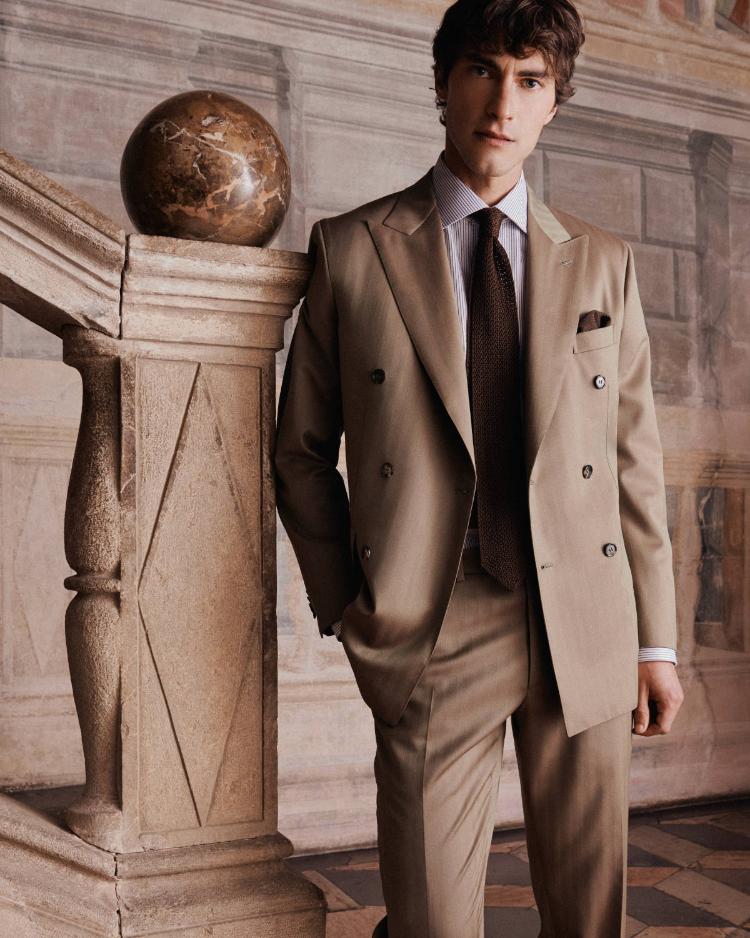
Brioni was founded in Rome in 1945 by Nazareno Fonticoli, a master tailor, and Gaetano Savini, a businessman with an instinct for presentation. The partnership combined technical knowledge with a more glamorous vision of menswear.
Rather than reproduce the severe dark tailoring associated with conventional business dress, the house embraced colour, fine fabrics and a lighter Mediterranean attitude. In 1952, Brioni presented what it describes as the first men’s fashion show, staged in the Sala Bianca at Florence’s Palazzo Pitti. The collection featured fluid tailoring, vivid colours and sophisticated textiles. (Brioni History)
That background continues to shape the bespoke silhouette.
A traditional Brioni jacket generally aims to create presence through proportion rather than stiffness. The chest is defined, the waist controlled and the shoulder clean, but the garment should still move naturally. Generous lapels and a balanced jacket length give the wearer authority without making the suit look military.
| Brioni Tailoring Code | Effect on the Wearer |
|---|---|
| Clean, controlled shoulder | Creates presence without exaggerated padding |
| Defined chest | Gives the upper body a strong but natural shape |
| Suppressed waist | Adds distinction while retaining comfort |
| Generous lapel | Balances the chest and frames the face |
| Eased armhole construction | Supports movement and a cleaner sleeve line |
| Fluid trousers | Allows the fabric to fall without visual interruption |
| Lightweight internal structure | Prevents the suit from feeling overly rigid |
This combination is one reason Brioni works especially well for clients who want formal tailoring that still feels relaxed and personal.
The Bespoke Process Begins With the Individual

Ready-to-wear begins with a standard size. Bespoke begins with the person.
Measurements provide the basic dimensions, but they are only part of the process. The tailor also observes posture, shoulder position, the relationship between the torso and legs, and how the client stands and moves.
Two people with the same chest and waist measurements may require very different patterns. One shoulder may sit lower. The back may be more curved or more erect. A jacket may need additional length at the front to remain level, while trousers may require different adjustments on each side.
These observations are translated into an individual pattern rather than achieved entirely through alterations to an existing suit.
The process typically progresses through several stages:
- Consultation: The tailor discusses the suit’s purpose, preferred silhouette and expected frequency of wear.
- Measurement: Detailed dimensions and posture observations are recorded.
- Fabric selection: The client chooses the cloth, lining, buttons and other components.
- Pattern creation: A pattern is drafted specifically for the client.
- Basted fitting: The partially constructed garment is assessed before permanent finishing.
- Refinement: Balance, sleeve position, trouser fall and other details are corrected.
- Final construction: Hand-finishing and permanent assembly are completed.
- Final fitting: The finished suit is checked and minor adjustments are made if required.
Brioni states that its artisanal manufacturing process begins after the first measurement session and that a bespoke garment generally takes six to eight weeks to complete. (Brioni Bespoke)
That waiting period is part of what the client is purchasing: time to observe, correct and refine rather than forcing the body into a predetermined block.
Hand Construction Changes the Way the Suit Moves

Brioni says each suit passes through 220 steps, includes approximately 7,000 hidden hand-made stitches and requires more than 24 hours of work. (Brioni Art of Tailoring)
Those numbers sound impressive, but the more useful question is what the handwork accomplishes.
A tailored jacket is not simply a collection of wool panels. Its outer fabric, canvas, padding and lining must work together to create shape without feeling restrictive. Hand-padding can give the lapel a natural roll, while careful work around the chest allows the jacket to maintain form without becoming hard.
Sleeves must be inserted at an angle that corresponds to the wearer’s natural arm position. The collar must remain close to the neck. The front and back of the jacket must stay in balance when the wearer stands, sits or walks.
The most consequential work is largely invisible:
- Shaping the canvas around the chest
- Encouraging the lapel to roll cleanly
- Balancing the garment around the client’s posture
- Setting the collar close to the neck
- Attaching the sleeves for natural movement
- Reinforcing areas exposed to repeated wear
- Finishing edges and buttonholes precisely
This is why a well-cut bespoke jacket may appear simpler than a fashion-oriented designer suit. The craft is supporting the wearer rather than competing for attention.
More Than 800 Fabrics Create Meaningful Choice

Brioni’s bespoke archive contains more than 800 fabrics, including exceptionally fine wool, cashmere, silk and blended cloths. Some are rare or exclusive to the house. (Brioni Bespoke Fabric Archive)
This range allows the client to move beyond choosing between navy and grey. Fabric can be selected around climate, travel, occasion and the desired relationship between structure and softness.
| Fabric | Best Use | Consideration |
|---|---|---|
| High-twist wool | Frequent business travel and warm conditions | Resists creasing better than very delicate cloth |
| Superfine wool | Formal business and special occasions | Luxurious handle but requires more careful use |
| Wool and silk | Evening or expressive tailoring | Subtle lustre may be less conservative |
| Light cashmere | Refined jackets and cool-weather suits | Soft and luxurious, but more vulnerable to wear |
| Linen blend | Summer tailoring | Breathable, although some creasing remains inevitable |
| Flannel | Autumn and winter business dressing | Beautiful drape but too warm for tropical climates |
| Corduroy | Relaxed bespoke separates | Distinctive and less suitable for formal offices |
The rarest or finest fabric is not automatically the best investment. A delicate Super 200’s cloth may feel extraordinary but can be less practical than a resilient high-twist wool.
For a first Brioni bespoke suit, a medium-weight navy or charcoal wool is usually the soundest decision. It can serve business meetings, weddings, dinners and formal travel without looking tied to a particular season.
Personalisation Goes Beyond a Monogram

Bespoke allows the client to make decisions that ready-to-wear fixes in advance.
Obvious choices include the fabric, lining, buttons and monogram. More important decisions concern the garment’s architecture: single- or double-breasted construction, lapel width, jacket length, pocket treatment, trouser rise and the degree of waist suppression.
The tailor can also consider how the suit will be worn. A client who travels frequently may benefit from a cloth with stronger recovery and additional internal pockets. Someone attending evening events may prefer a more expressive silk blend or a one-button jacket with peak lapels.
Possible specifications include:
- Single- or double-breasted front
- Notch, peak or shawl lapels
- Flap, jetted or patch pockets
- Side vents or a cleaner ventless back
- Plain or pleated trousers
- Belt loops, side adjusters or brace buttons
- Turn-ups or plain trouser hems
- Personalised lining and internal label
- Working sleeve buttons
- Custom shirt cuffs and collar proportions
The smartest bespoke suit does not include every available option. It uses personalisation to remove compromise.
Fit Is the Most Important Source of Value

An expensive fabric is visible. Exceptional fit is felt.
A bespoke jacket should remain close to the collar, fall cleanly through the chest and allow the arms to move without pulling the entire garment upward. The skirt of the jacket should sit neatly around the hips, while the fronts should remain balanced rather than swinging open.
Trousers should follow the wearer’s shape without gripping the seat or collapsing beneath the knee. Their rise, width and length should support the jacket’s proportions rather than follow a generic trend.
This is particularly valuable for clients with:
- Uneven or sloping shoulders
- A pronounced or very upright posture
- Athletic chests and narrow waists
- Proportions outside conventional size blocks
- Different trouser and jacket sizing needs
- Strong preferences around comfort or movement
A person who fits Brioni’s ready-to-wear block almost perfectly may experience a smaller improvement. Someone who routinely requires extensive alterations can gain far more from a pattern created around their body.
Bespoke, Made to Measure or Ready-to-Wear?

The terms are sometimes used loosely, but they represent different levels of customisation.
| Option | Starting Point | Fittings | Customisation | Best For |
|---|---|---|---|---|
| Ready-to-wear | Standard finished size | Alteration appointment | Limited | Buyers who fit the existing cut well |
| Made to measure | Existing house pattern adjusted to measurements | Usually fewer | Fabric and selected design details | Clients needing moderate fit changes |
| Bespoke | Individual pattern created for the client | Multiple stages may be required | Extensive | Clients seeking the most precise and personal result |
Ready-to-wear offers immediate access to Brioni’s silhouette and construction. Made to measure provides additional control while retaining an established house block. Bespoke offers the greatest freedom, but also requires more time, communication and expense.
The highest-priced option is not automatically the most sensible. The right choice is the one that eliminates compromises the wearer genuinely notices.
Cost Per Wear Matters More Than Prestige
A bespoke suit should be evaluated through use rather than collectability.
If the suit is worn twice a month for ten years, its cost per wear can become more defensible than that of several fashionable suits bought and abandoned during the same period. The calculation improves further if the cloth, colour and proportions remain appropriate across business, travel and social occasions.
Before commissioning, ask:
- Can I wear this colour in at least three regular settings?
- Is the cloth durable enough for my intended frequency?
- Will the silhouette still feel appropriate in five years?
- Do I already wear suits often enough to justify bespoke?
- Can the jacket work separately with other trousers?
- Am I prepared to store, brush and maintain the garment properly?
- Is my body likely to change significantly in the near future?
Bespoke should also offer a foundation for future commissions. Once the tailor understands the client’s proportions and preferences, later garments can develop a more consistent wardrobe rather than beginning again with unrelated cuts.
Shop the Edit
These ready-to-wear pieces illustrate Brioni’s principal tailoring codes and can help define preferences before a bespoke appointment.
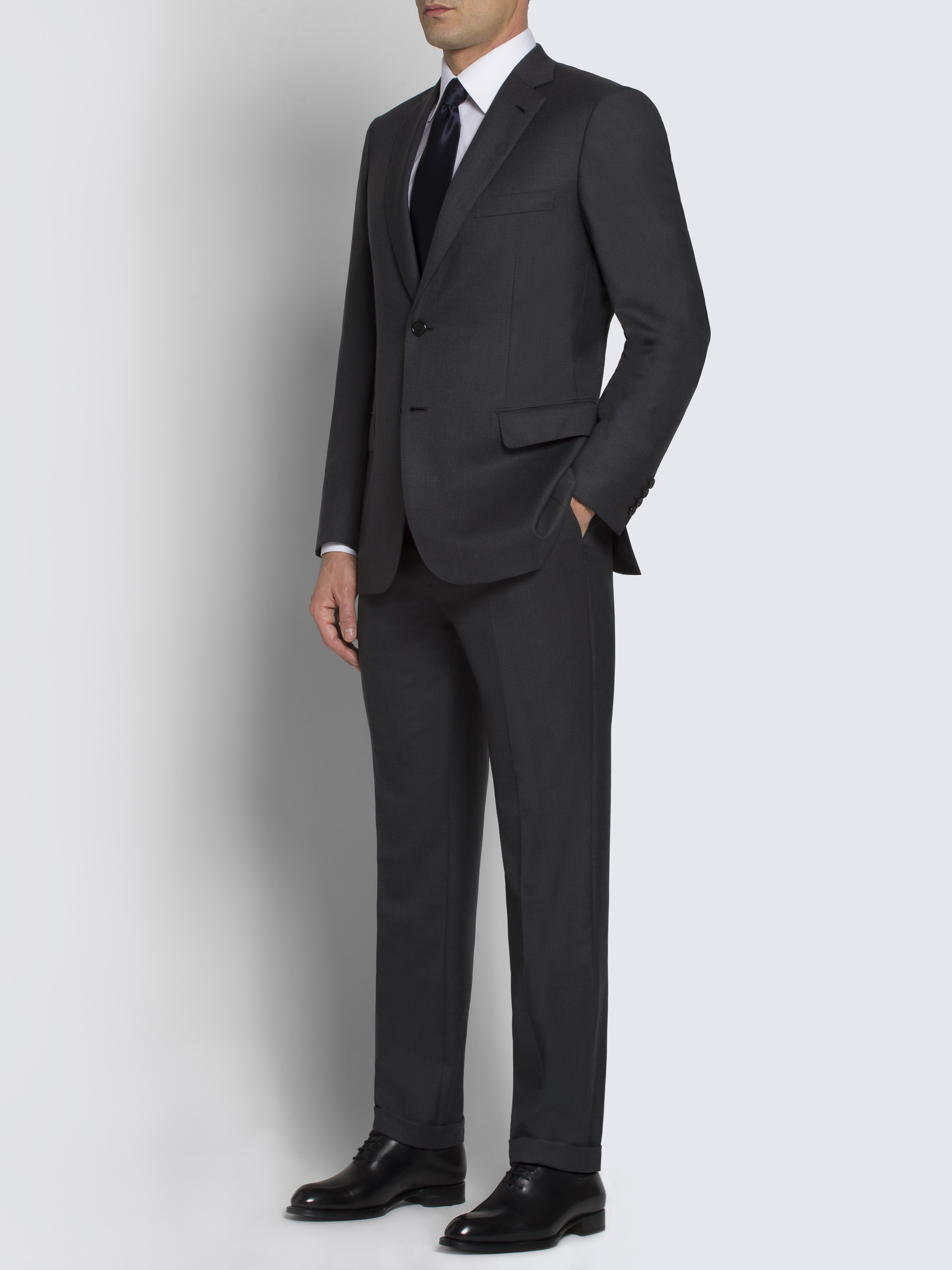
Navy Pinstriped Super 210’s Wool Brunico Suit
Experiencing the house’s formal business silhouette
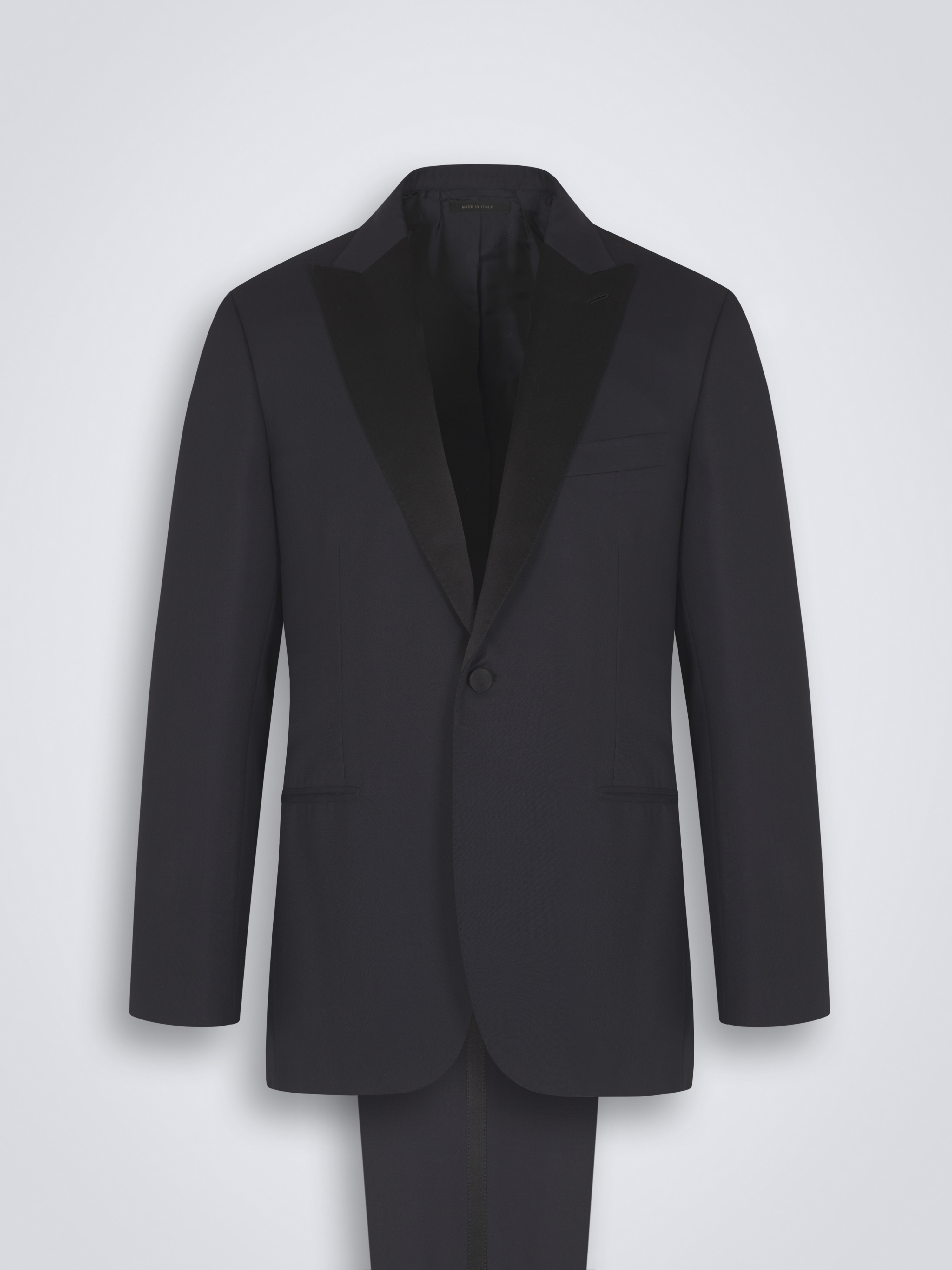
Midnight Blue Super 160’s Wool Policleto Tuxedo
Black-tie events and a future bespoke eveningwear reference
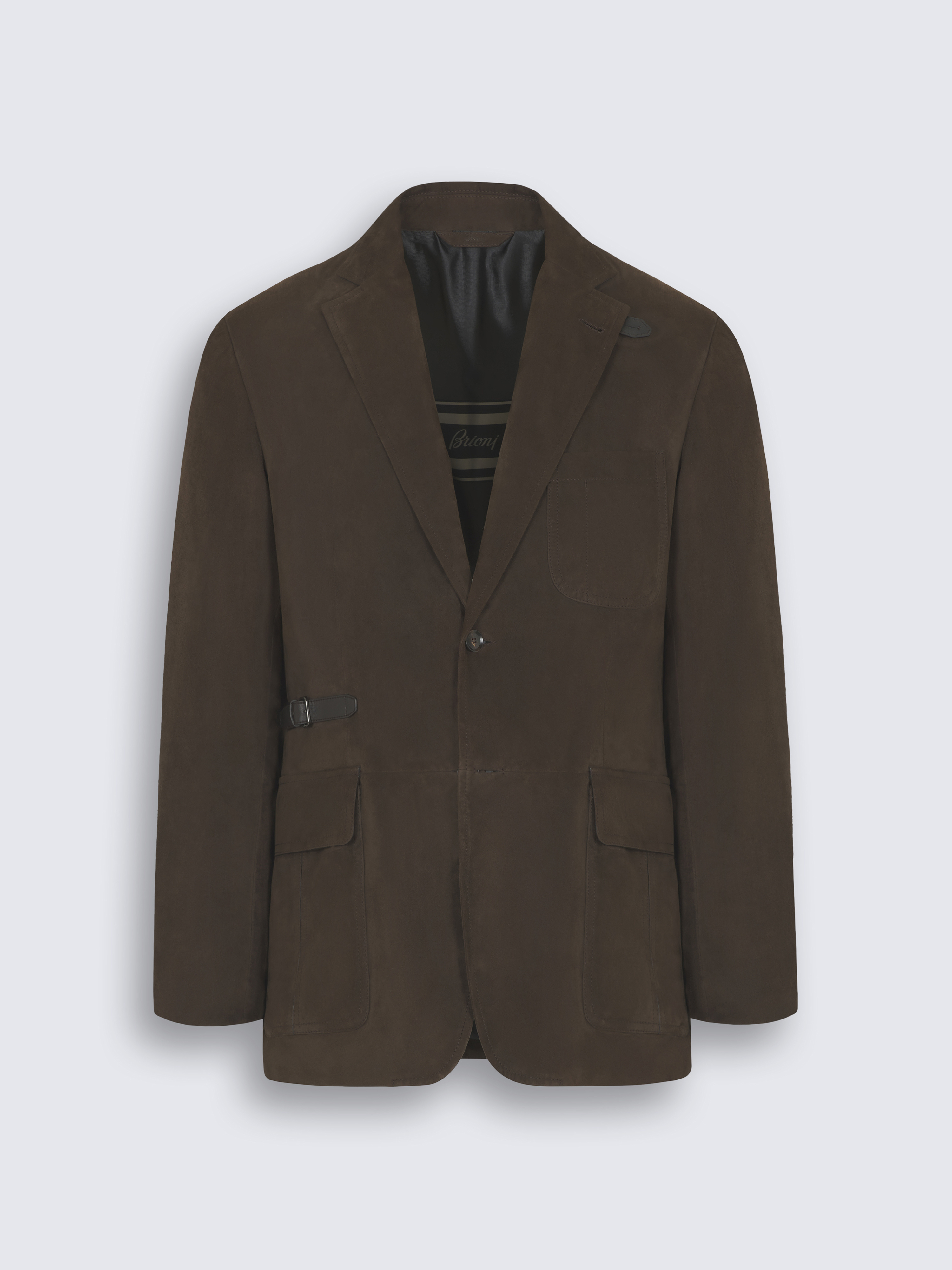
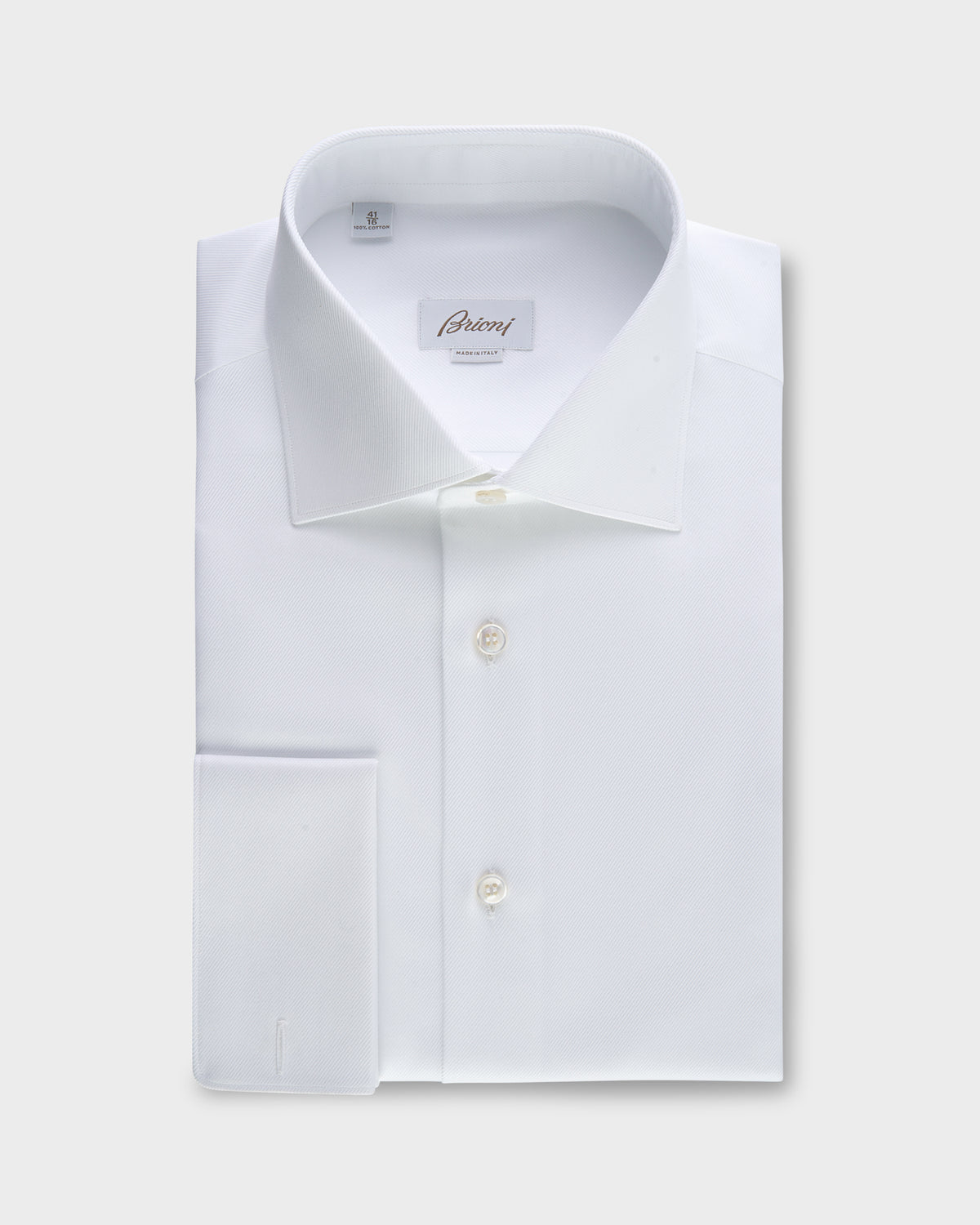
Essential White Cotton French-Cuff Formal Shirt
Completing a formal business or evening wardrobe
To commission rather than purchase ready-to-wear, appointments can be requested through the (Brioni Bespoke service).
Prices, fabrics, sizing and availability may change by market.
Pros and Cons
| Pros | Cons |
|---|---|
| Individual pattern addresses posture and body asymmetry | Requires a substantial financial commitment |
| More than 800 fabrics provide extensive choice | Six-to-eight-week process does not suit urgent purchases |
| Handwork supports shape, movement and longevity | Multiple appointments may be inconvenient for some clients |
| Roman silhouette balances authority with softness | Extremely delicate fabrics can require careful treatment |
| Extensive control over proportions and finishing | Poorly considered custom details can reduce versatility |
| Strong option for clients underserved by standard sizing | Weight changes can affect a highly precise fit |
| Can establish a consistent long-term tailoring wardrobe | Ready-to-wear may offer better value for an already compatible body |
| Restrained design is less vulnerable to trend cycles | Resale is unlikely to reflect the original bespoke cost |
Final Verdict

Brioni Bespoke is worth the investment when the buyer values fit, fabric and long-term personal relevance more than immediate recognition.
The service brings together an individual pattern, repeated refinement, extensive fabric choice and the labour-intensive construction for which the house is known. Its Roman approach is particularly attractive for clients who want a suit with authority but dislike tailoring that feels heavy or severe.
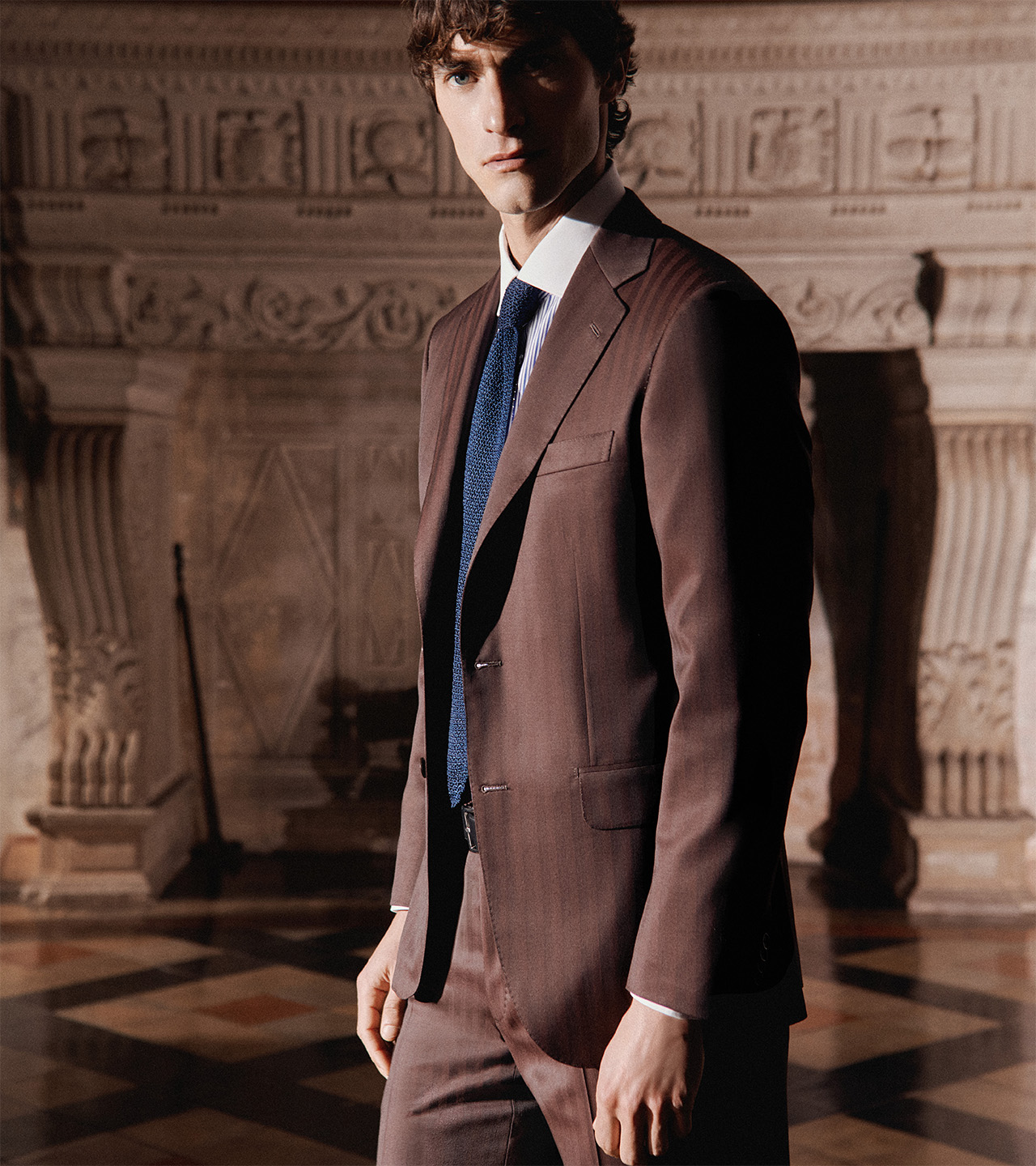
The investment is strongest when commissioning a versatile garment: navy, charcoal or deep brown in a durable fine wool, with proportions that feel elegant rather than aggressively fashionable. Such a suit can serve professional, social and formal settings for years.
It is less convincing as a single extravagant purchase for someone who rarely wears tailoring. In that situation, a Brioni ready-to-wear suit with careful alterations may provide most of the desired experience at a lower cost and with less waiting.
Brioni Bespoke does not justify itself through hand stitches alone. Its real value appears when all those measurements, fittings and hidden construction details disappear into the final result—and the wearer simply looks more balanced, moves more comfortably and reaches for the suit repeatedly.
