
TL;DR
Instagram has introduced shoppable Reels with affiliate commissions, but the move may come too late to compete with TikTok and established affiliate ecosystems. While still relevant, Instagram faces an uphill battle in redefining its role in the fast-evolving social commerce landscape.
At a Glance
- Instagram has introduced shoppable Reels with affiliate commissions for creators.
- The move comes as influencer marketing is expected to reach $44 billion globally.
- Competition from platforms like TikTok and existing affiliate ecosystems is already intense.
- Analysts question whether Instagram is entering social commerce too late to dominate.
Editorial Perspective
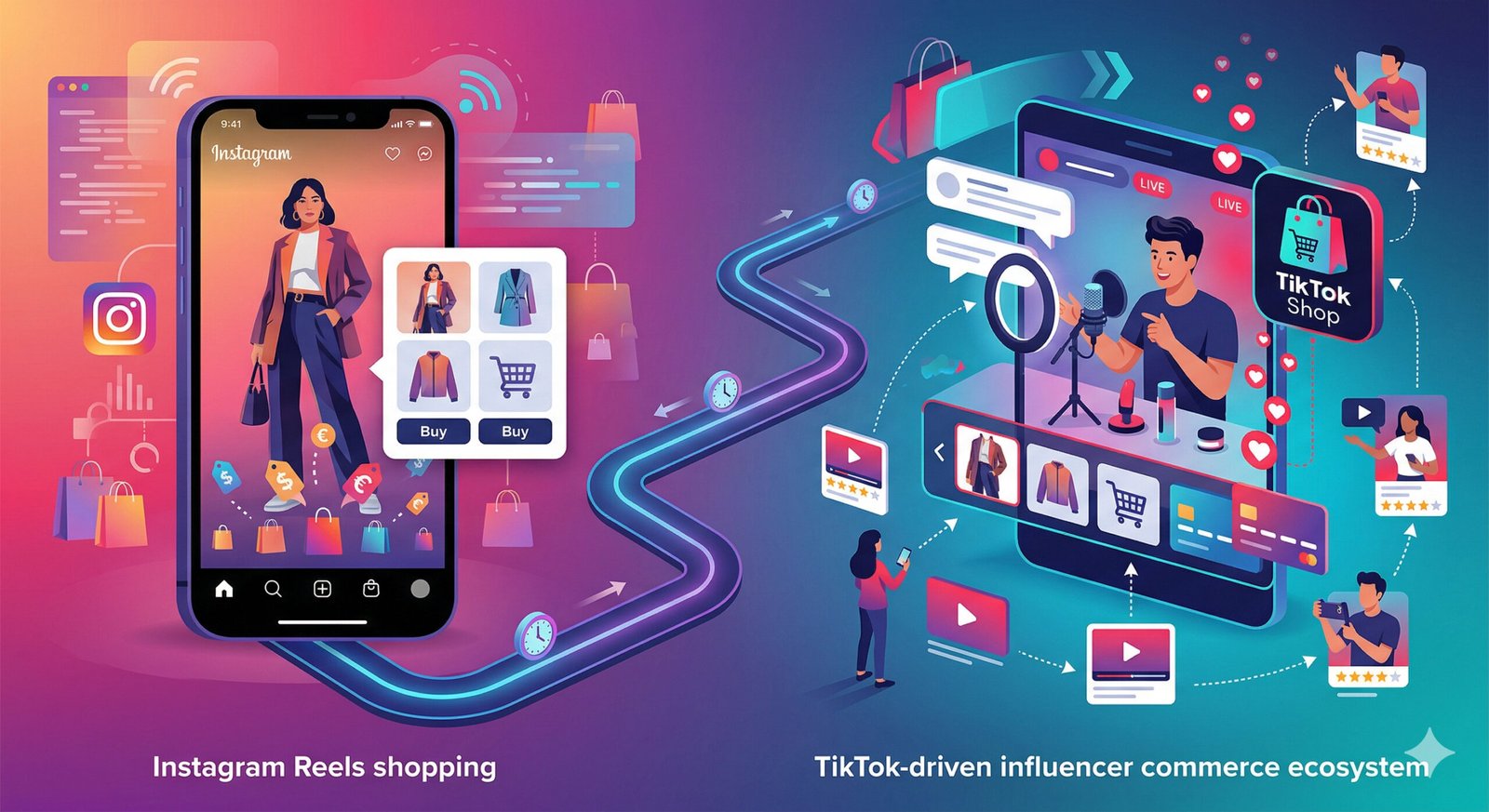
Instagram is once again pushing deeper into commerce — this time through shoppable Reels that allow creators to earn affiliate commissions directly within the platform.
On paper, the move aligns perfectly with where digital consumption is headed: short-form video, creator-led influence and seamless shopping experiences.
But timing may be the issue.
According to Business of Fashion, Instagram’s latest push arrives after years of rapid evolution in social commerce — particularly led by TikTok and a growing ecosystem of affiliate-driven platforms.
The question now is not whether social commerce works — but whether Instagram can still lead it.
What Instagram Is Launching
1. Shoppable Reels with Affiliate Monetisation
Creators can now:
- Tag products directly in Reels
- Earn commissions through affiliate links
- Monetise content without leaving the platform
This represents a shift toward a more creator-first commerce model, aligning incentives between influencers and brands.
2. A Play for Creator Economy Relevance
Instagram’s update reflects a broader strategy:
- Retain creators who may be shifting to other platforms
- Increase monetisation opportunities
- Strengthen its position in the influencer economy
With billions in potential revenue at stake, social commerce is no longer optional — it is central to platform competition.
Why It May Be “Too Late”
1. TikTok Already Leads the Space
TikTok has moved aggressively into commerce with:
- Integrated TikTok Shop
- Seamless checkout experiences
- Highly optimized algorithm-driven discovery
TikTok’s ecosystem is already deeply embedded in consumer behavior — making it difficult for Instagram to catch up.
2. Established Affiliate Ecosystems
Beyond social platforms, creators already rely on:
- External affiliate networks
- Multi-platform monetisation strategies
- Direct brand partnerships
Instagram’s native tools must compete with systems that are:
- More flexible
- More established
- Already trusted by creators
3. A History of Shifting Commerce Strategy
Instagram’s commerce journey has been inconsistent.
- Introduction of Shop tab → later deprioritized
- Checkout features → limited adoption
- Continuous pivots between content and commerce
This lack of consistency has made some brands cautious about fully investing in Instagram-native shopping tools.
The Bigger Shift: Content vs Commerce
The challenge for Instagram highlights a deeper industry tension:
- Users come for content and entertainment
- Platforms push for commerce and monetisation
Balancing the two is difficult.
Short-form video platforms — especially TikTok — have succeeded by making commerce feel native to entertainment, rather than an add-on.
Instagram, by contrast, is still trying to integrate shopping into an ecosystem originally built for social sharing.
Why It Matters for Fashion and Luxury
For fashion brands, social commerce is no longer experimental — it is a core channel.
But platform choice matters.
- TikTok → discovery-driven, viral commerce
- Instagram → brand storytelling, visual identity
- External platforms → transactional efficiency
Brands must now decide where to:
- Invest marketing budgets
- Build creator partnerships
- Drive conversion vs awareness
What This Means for 2026
Instagram’s shoppable Reels are unlikely to fail — but they may not dominate.
Instead, the future of social commerce will likely be:
- Multi-platform, not winner-takes-all
- Creator-led, not brand-led
- Integrated into content, not separate from it
For Instagram, success will depend on:
- Seamless user experience
- Competitive creator incentives
- Consistent long-term strategy
