
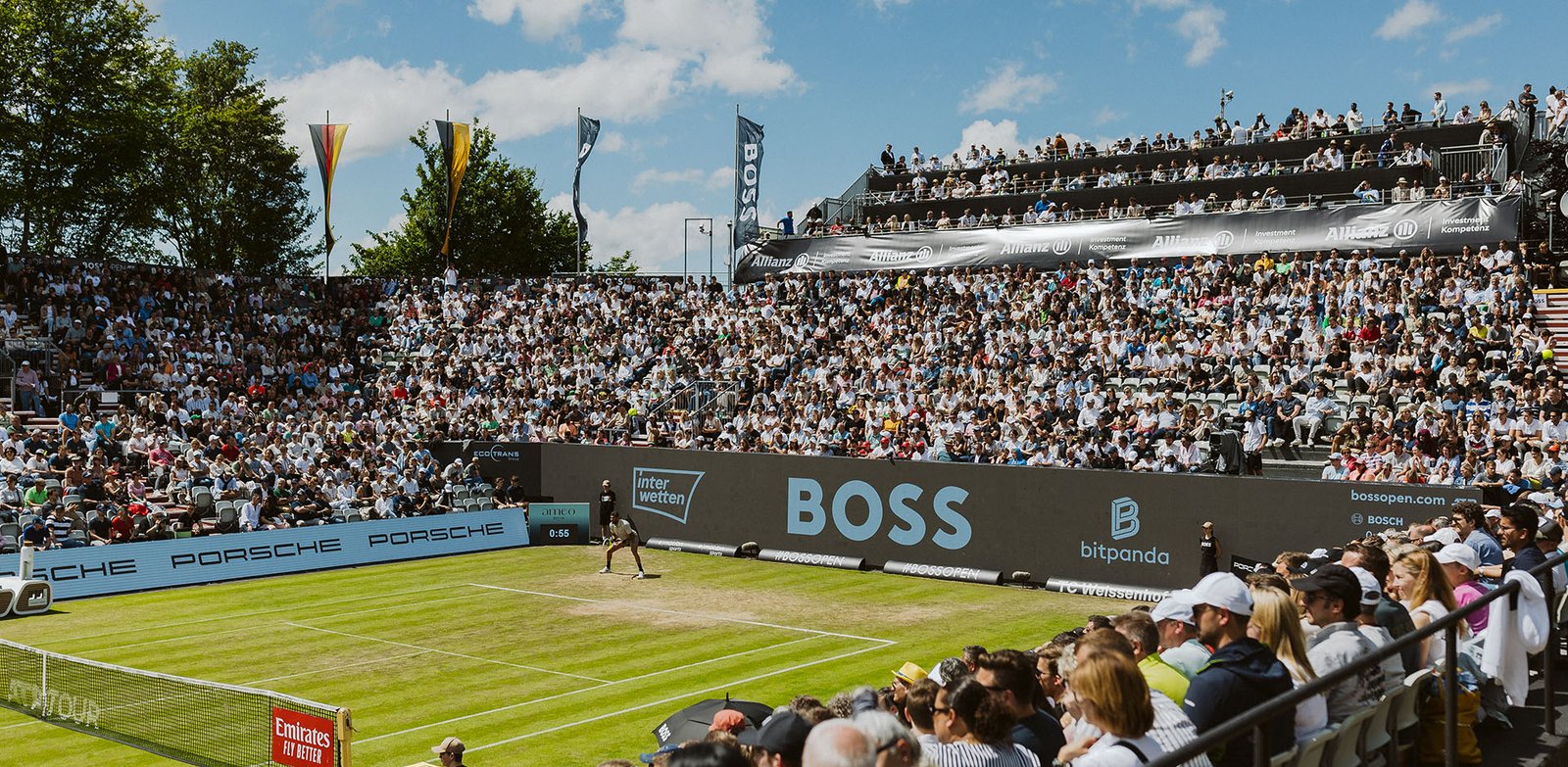
TL;DR
Hugo Boss will replace Ralph Lauren as the Australian Open’s official outfitter from 2027, marking a major shift in sports-fashion partnerships. The move reflects Boss’s strategy to expand into sport and lifestyle, while redefining the tournament’s visual identity and fan experience.
At a Glance
- Hugo Boss will become the official lifestyle outfitter of the Australian Open starting in 2027.
- The move ends a multi-year partnership with Ralph Lauren, which previously outfitted the tournament.
- Boss will design uniforms for up to 4,000 staff, officials and on-site personnel.
- The partnership reflects Boss’s strategy to expand at the intersection of sport, lifestyle and global fan engagement.
Editorial Perspective
A major shift is underway at one of tennis’s most stylish Grand Slams.
After years of association with Ralph Lauren, the Australian Open is entering a new era — with Hugo Boss stepping in as official lifestyle outfitter from 2027. The move signals more than a sponsorship change; it reflects how fashion brands are rethinking their role within global sports.
For Boss, the partnership is a strategic play to position itself at the intersection of sport, culture and premium lifestyle — a space increasingly critical for brand visibility and relevance.
What’s Changing at the Australian Open
1. A New Visual Identity
Boss will take over the full styling of the tournament environment:
- Uniforms for staff, officials, umpires and ball kids
- Branded presence across Melbourne Park
- A unified, modern aesthetic across the event
The shift is expected to bring a sleeker, more minimal design language, aligning with Boss’s contemporary tailoring identity.
2. Beyond Uniforms: A Full Lifestyle Play
This is not just about outfitting personnel.
The partnership includes:
- Exclusive merchandise collections
- Pop-up retail and on-site activations
- Enhanced hospitality experiences
In effect, Boss is transforming the Australian Open into a fully immersive brand platform — extending far beyond the court.
3. The End of the Ralph Lauren Era
Ralph Lauren had long defined the tournament’s visual identity, reinforcing its association with classic American preppy style.
Its exit marks:
- A generational shift in sports fashion partnerships
- A move away from heritage positioning toward modern minimalism
- Increased competition among global fashion houses for sports visibility
Why Hugo Boss Is Investing in Tennis
1. Sport as a Global Marketing Platform
Tennis offers:
- A global, affluent audience
- Strong alignment with luxury and lifestyle
- Year-round visibility across international markets
For Boss, the Australian Open provides access to millions of viewers and a high-value demographic.
2. Expanding Cultural Relevance
Boss has been actively repositioning itself beyond traditional tailoring.
Recent strategy focuses on:
- Younger consumers
- Cross-industry collaborations
- Lifestyle branding beyond formalwear
The Australian Open partnership reinforces this evolution.
3. Building a Sport-Style Identity
Boss has been deepening its connection to sport through:
- Tennis athlete ambassadors
- Motorsport partnerships
- Performance-inspired collections
This move cements tennis as a central pillar in that strategy.
The Bigger Trend: Fashion x Sport
This partnership reflects a broader industry shift:
1. Sports Events as Brand Platforms
Major tournaments are becoming immersive brand environments — not just sporting events.
2. From Sponsorship to Experience
Brands are no longer just logos on signage — they shape the entire visual and experiential identity.
3. Competition Among Luxury and Premium Brands
Fashion houses are increasingly competing for high-profile sports partnerships to gain global exposure.
What This Means for 2027 and Beyond
The Australian Open’s new partnership signals a future where:
- Fashion plays a central role in sports storytelling
- Brand identity extends across physical and digital experiences
- Collaborations blur the line between luxury, sport and entertainment
For Hugo Boss, it’s a defining moment in its repositioning journey.
For the Australian Open, it marks a new chapter in how the tournament looks — and feels — to a global audience.
