Tuesday, July 21, 2026
Home Hugo Boss — Brand Profile

HUGO BOSS

HUGO BOSS

Website: hugoboss.com
Founded: 1924, Metzingen, Germany
Founder: Hugo Ferdinand Boss
Owned By: Publicly traded company (HUGO BOSS AG)
Known For: Tailored suits, menswear, premium lifestyle fashion
Category Focus: Apparel, tailoring, footwear, accessories, fragrances

HUGO BOSS is one of the world’s most recognized premium fashion brands, renowned for its modern tailoring, sophisticated menswear, and contemporary lifestyle collections. Founded in Metzingen, Germany, in 1924, the company evolved from a small clothing manufacturer into a global fashion powerhouse with two distinct brands: BOSS and HUGO.

Known for blending German precision, refined tailoring, and contemporary design, HUGO BOSS built its reputation through expertly crafted suits before expanding into casualwear, womenswear, accessories, fragrances, and lifestyle categories. Today, the company serves customers in more than 100 countries through a global retail and digital network.

Under CEO Daniel Grieder, the company has undergone a major transformation, repositioning BOSS toward millennials and HUGO toward Gen Z consumers while strengthening its relevance in modern fashion culture.

Iconic HUGO BOSS Products

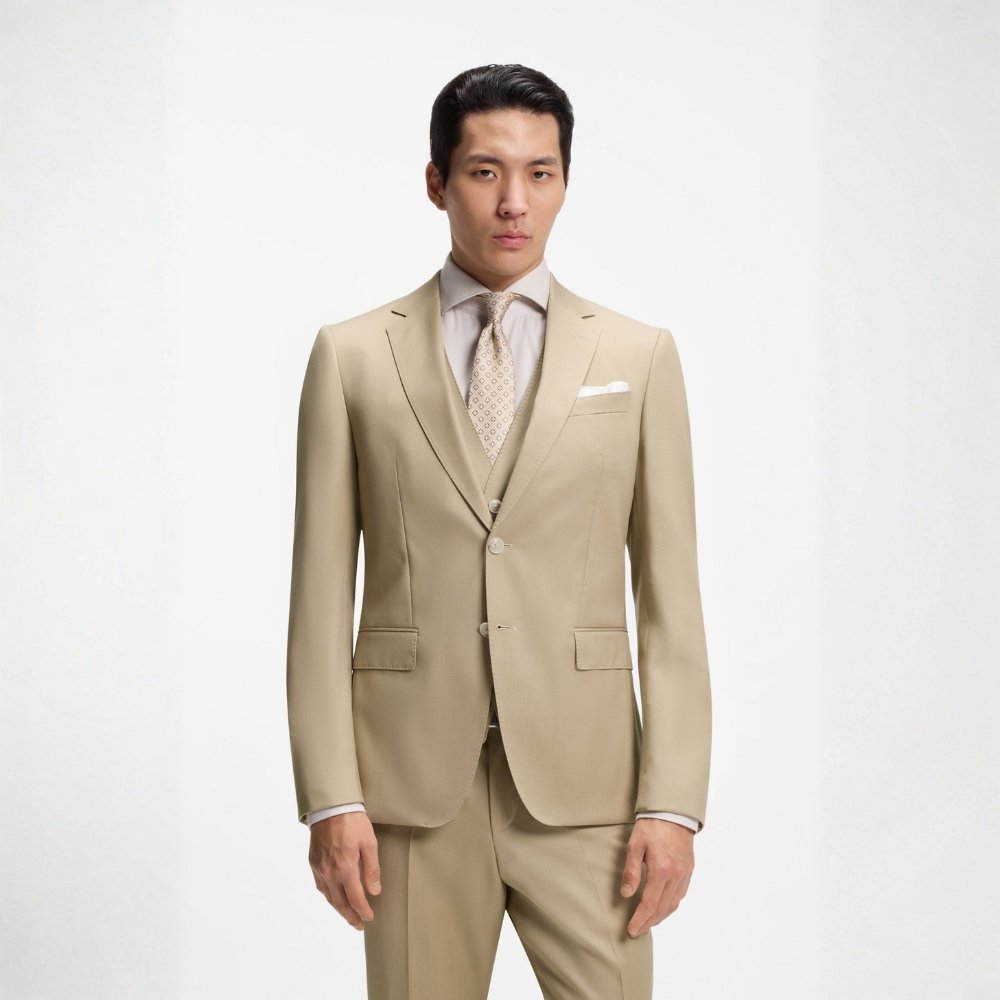
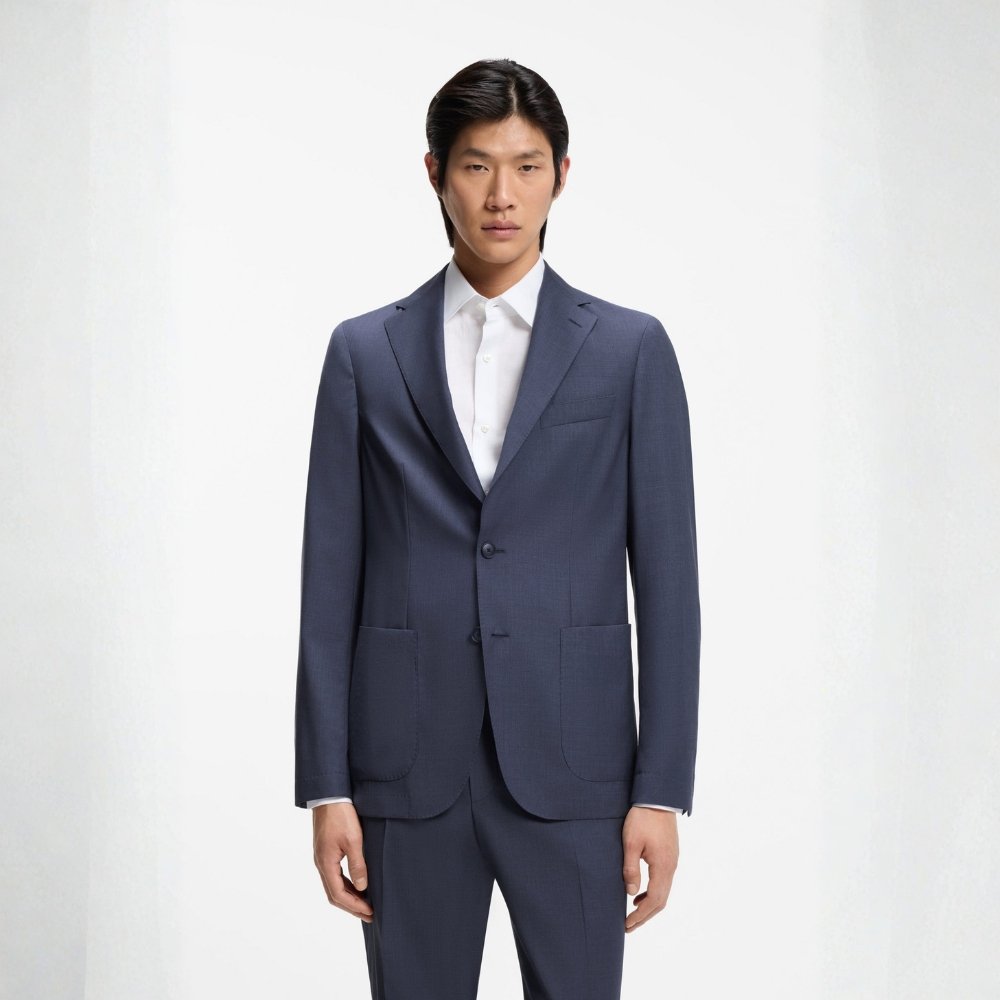
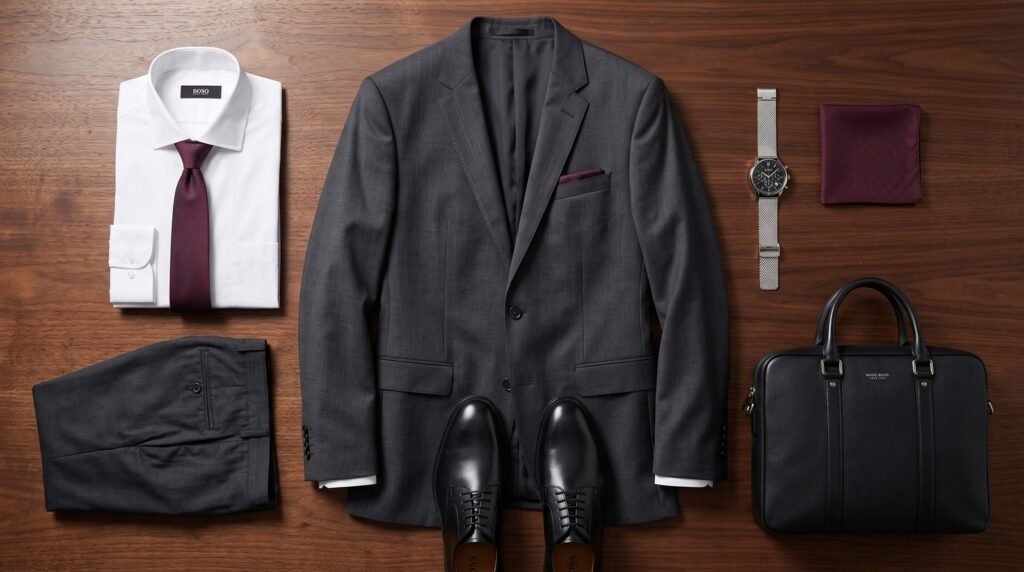
BOSS Tailored Suits

BOSS Performance Collection

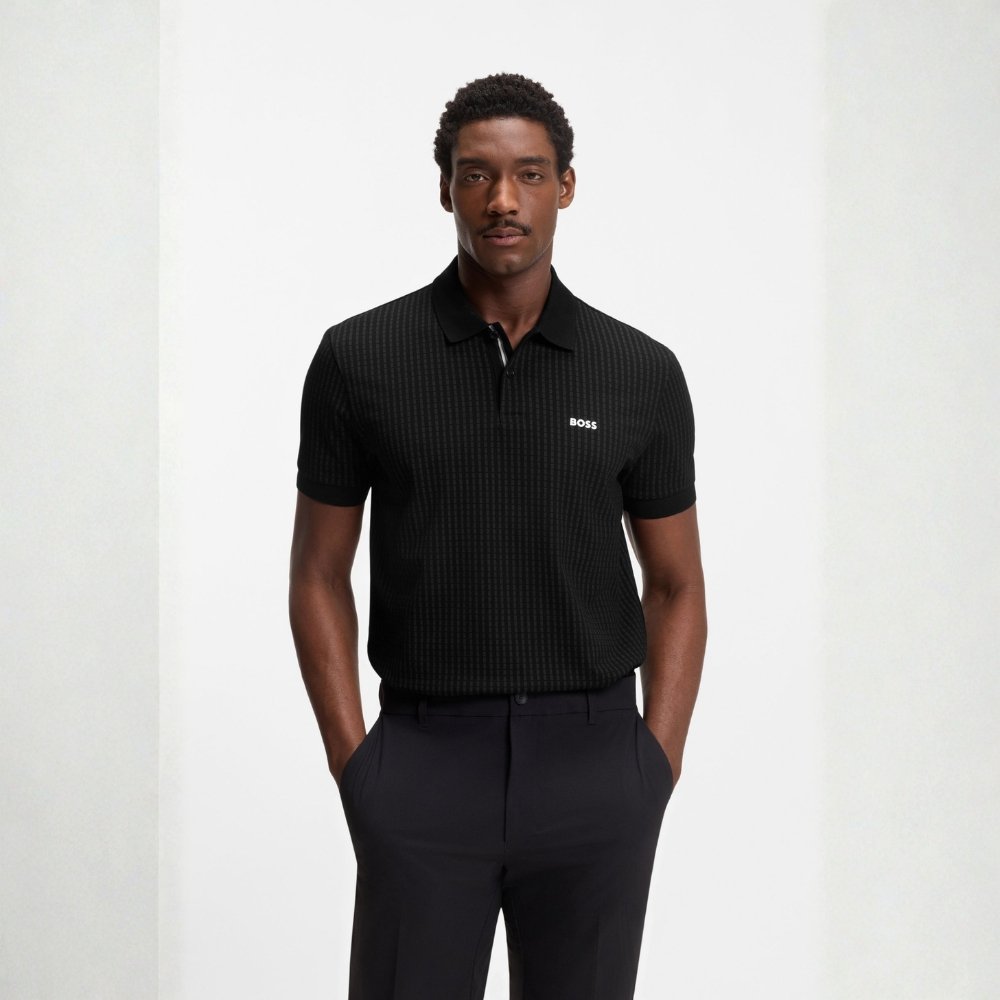
BOSS Polo Shirts

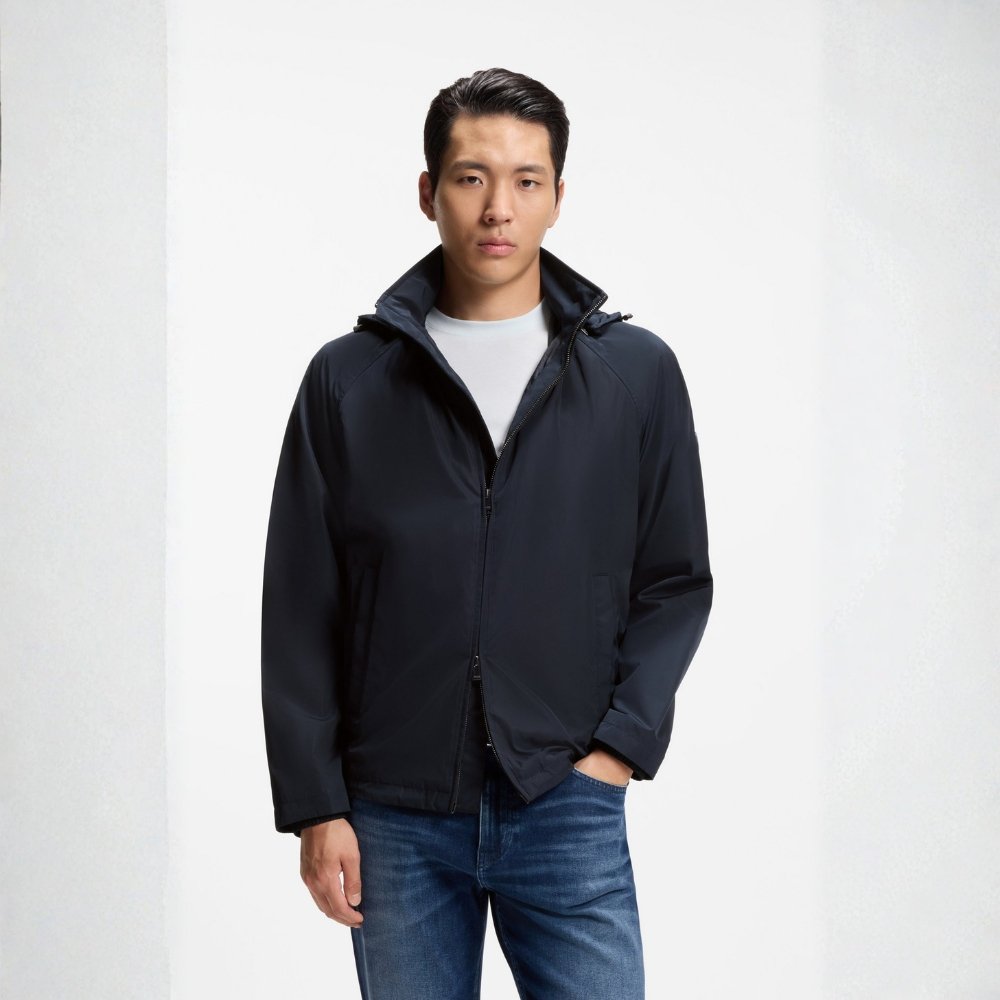
BOSS Outerwear Collection

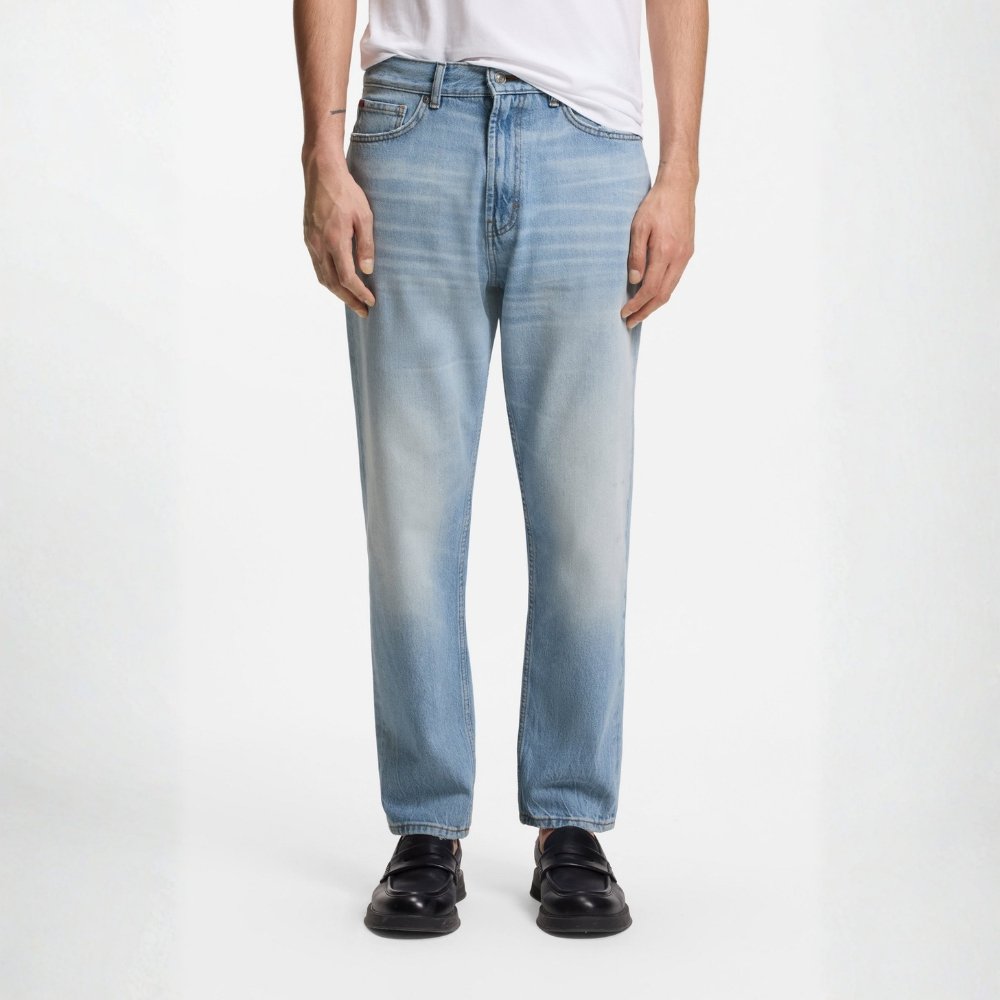
HUGO Denim Collection

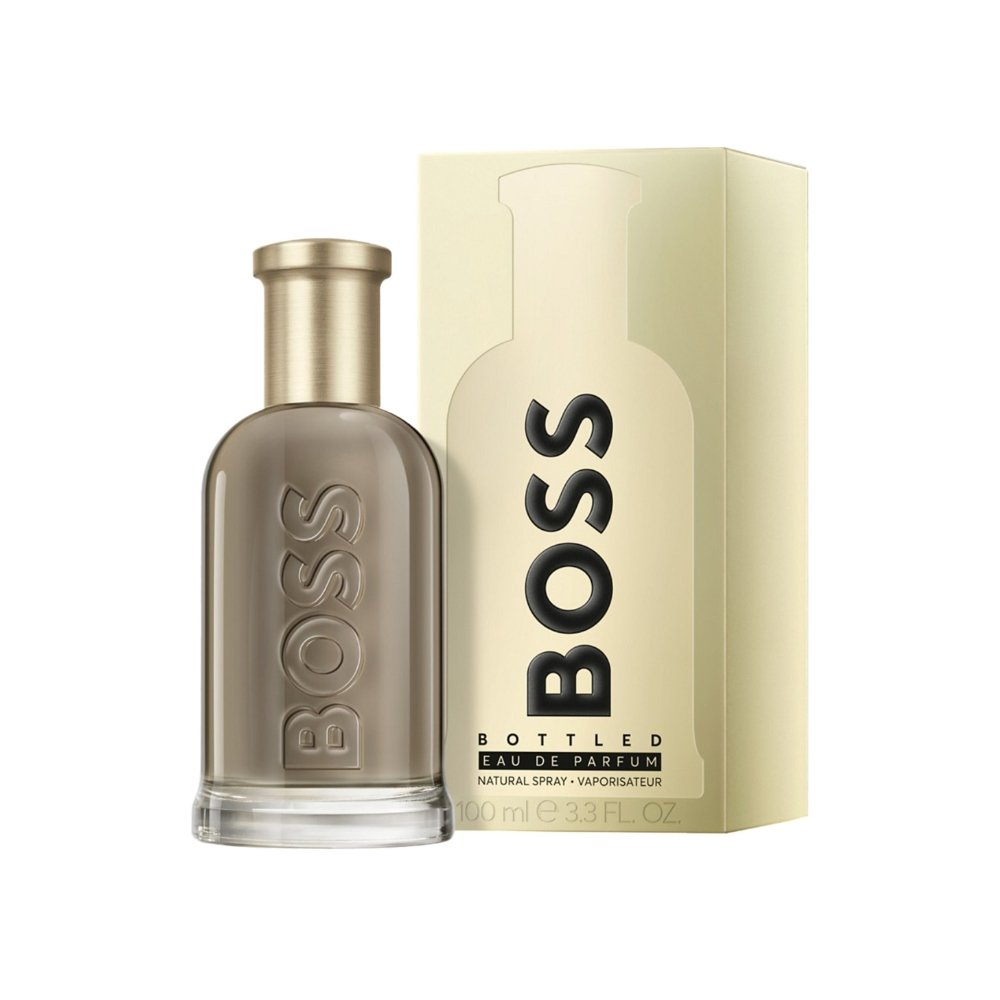
BOSS Fragrances

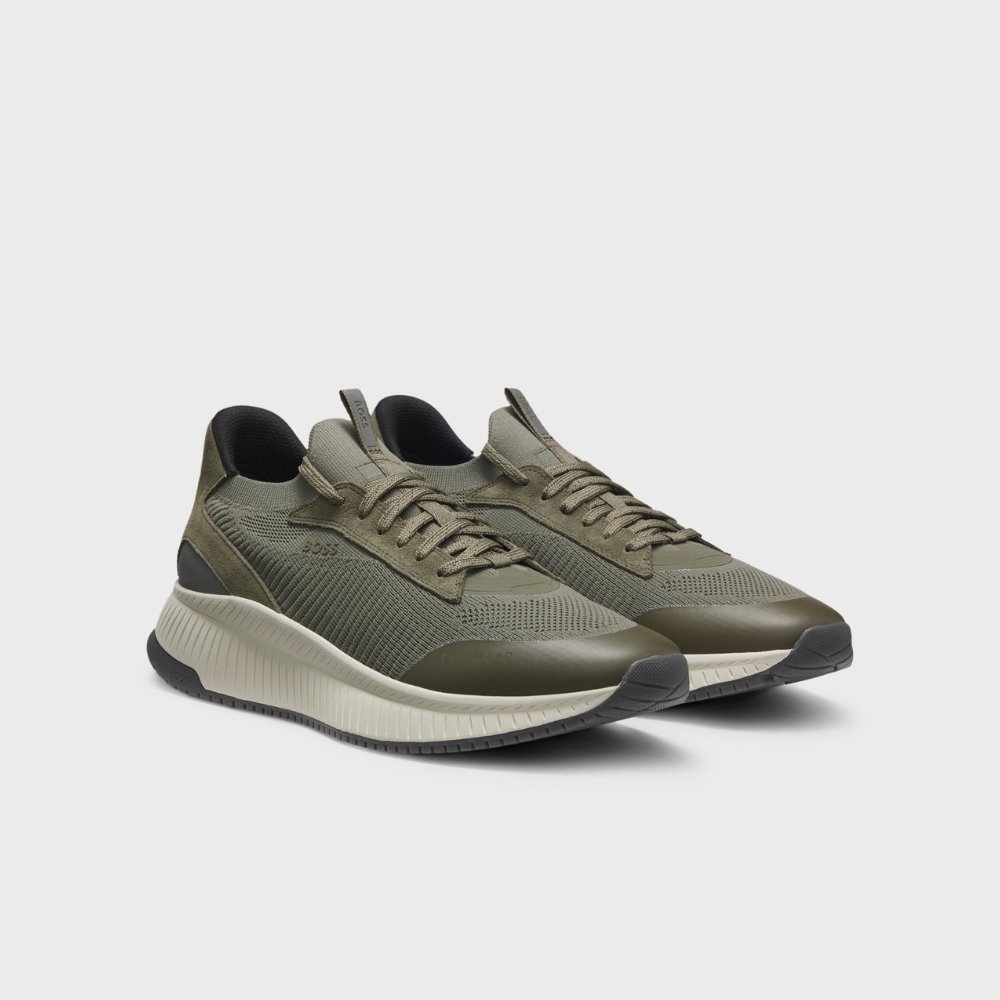
BOSS Sneakers

BOSS x David Beckham Collection

HUGO BOSS History & Heritage

HUGO BOSS traces its origins to 1924, when Hugo Ferdinand Boss established a clothing manufacturing business in Metzingen, Germany. Initially focused on workwear and utility clothing, the company later evolved into one of Europe’s leading menswear manufacturers.

Following World War II, the company shifted its focus toward men's tailoring. During the 1950s and 1960s, HUGO BOSS developed its expertise in ready-to-wear suits, laying the foundation for its future success.

The company expanded internationally during the 1970s and 1980s, becoming synonymous with professional menswear and premium business dressing.

Key milestones:
• 1924: Hugo Ferdinand Boss establishes the company in Metzingen, Germany
• 1953: Introduction of the company's first men's suit
• 1970: Launch of BOSS-branded suits
• 1977: Registration of the BOSS trademark
• 1985: HUGO BOSS becomes publicly listed
• 1988: Launch of BOSS fragrances
• 1993: Introduction of the HUGO and BOSS brand architecture
• 2021: Daniel Grieder becomes CEO and launches a major brand transformation strategy
• 2022–Present: Repositioning of BOSS and HUGO toward younger audiences globally

HUGO BOSS played a major role in defining modern premium menswear and continues to influence contemporary fashion through its blend of tailoring and lifestyle dressing.

“HUGO BOSS built its reputation on tailoring, but its lasting success comes from evolving beyond the suit. Few premium fashion brands have managed to balance heritage menswear expertise with modern lifestyle relevance at such a global scale.”

Why HUGO BOSS Matters Today

Gucci matters because it redefined what modern luxury fashion could look like.

Its influence can be seen across:
• The rise of logo-driven luxury culture
• The fusion of luxury and streetwear
• The blending of fashion, music, celebrity, and art
• The reinvention of heritage brands through creative direction

By constantly evolving while maintaining its identity, Gucci remains one of the most culturally influential luxury houses in the world.

HUGO BOSS vs Other Luxury Houses

HUGO BOSS vs Ralph Lauren

HUGO BOSS vs Giorgio Armani

HUGO BOSS vs Tommy Hilfiger

HUGO BOSS vs Calvin Klein

Other Brands