TL;DR
Affordable French brands like Sézane and Polène are rewriting the rules of luxury. With timeless design, artisan craftsmanship, and honest pricing, they’re capturing the hearts — and wardrobes — of global consumers looking for meaning over logos.
At a Glance
French fashion’s new generation of brands — from Sézane to Polène, Musier Paris, and Rouje — are reshaping what luxury means today. Their approach blends the elegance of Parisian design with transparency, ethical production, and price points far below the major maisons.
In 2025, these labels are no longer “emerging.” They are building a new category altogether — accessible luxury with lasting value.
(Financial Times)
Why It Matters
A shift in luxury consumer mindset
Younger global buyers — especially millennials and Gen Z — are redefining luxury. For them, value now means craftsmanship and consciousness more than logos.
Brands like Sézane and Polène have captured this moment with collections that look and feel premium, yet remain attainable — a strategy once considered impossible in the Parisian fashion hierarchy.
“They offer timeless style and authenticity without the intimidation of legacy luxury,” notes Vogue Business in its 2025 consumer trends report.
Meet the New Parisian Icons
Sézane – The Everyday Parisian Wardrobe
Founded by Morgane Sézalory, Sézane was the first French brand to go 100% online in its early days — a digital pioneer long before luxury houses embraced e-commerce.
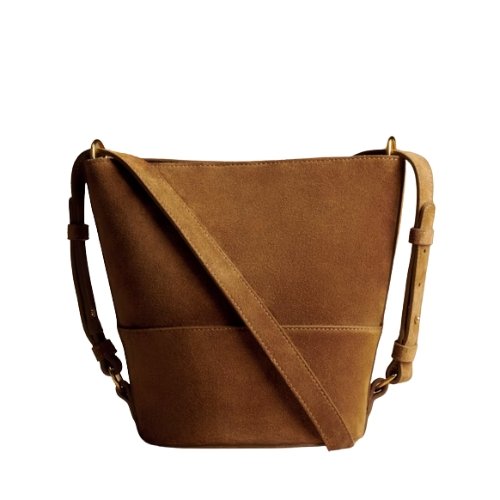
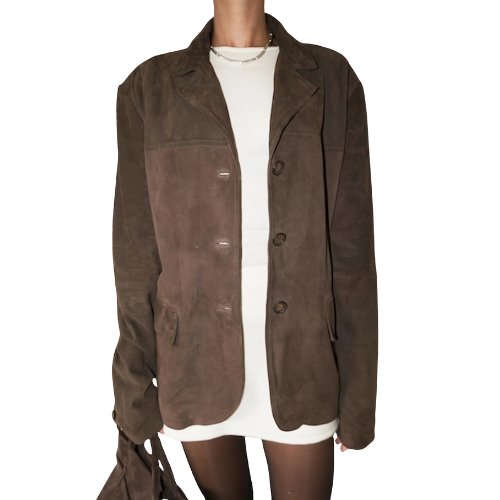
Its collections feature modern classics: leather boots, blazers, and woven bags that rival the craftsmanship of big houses. Sézane’s “Les Ateliers” sustainability program ensures eco-friendly sourcing and small-batch production.
Polène – Quiet Craftsmanship, Not Logos
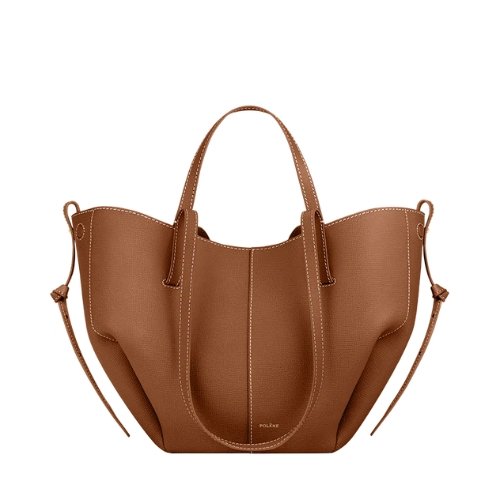
Polène’s rise has been phenomenal. Founded by siblings Antoine, Elsa, and Mathieu Mothay, the brand built its reputation on sculptural leather handbags handmade in Spain.
With their minimalist lines and architectural folds, Polène bags — particularly the Numéro Un and Numéro Dix — embody “quiet luxury” in its purest form.
Rouje & Musier Paris – The Fashion-Girl Aesthetic
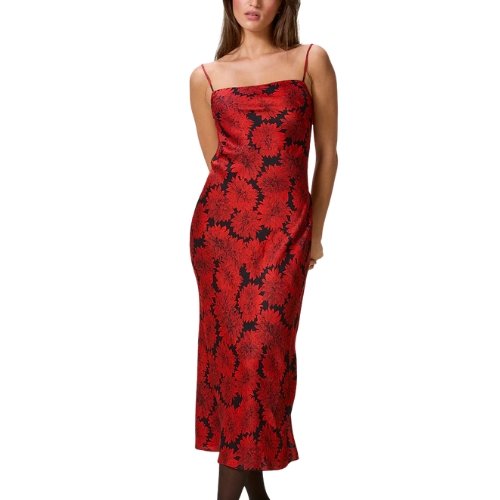
Founded by influencer-turned-designer Jeanne Damas, Rouje captures Parisian romance with vintage-inspired silhouettes. Meanwhile, Musier Paris, created by Anne-Laure Mais, fuses effortless sensuality with sustainable sourcing — appealing to global audiences craving authenticity.
The Luxury Industry’s Response
Traditional luxury houses are paying attention. As consumers shift toward understated pieces and transparent pricing, major brands like Celine, Chloé, and Saint Laurent have subtly adapted their collections toward more “wearable” and “day-to-night” looks.
Analysts say that these French direct-to-consumer brands are tapping into an emotional connection — the intimacy of craft — that the big names risk losing amid scale and price inflation.
“They’ve mastered the art of slow luxury — design that lasts, made for life, not hype,” says fashion consultant Pauline Grisoni in the Financial Times.
Implications for Global Luxury Shoppers
- Accessibility Meets Authenticity: Modern consumers are seeking connection and purpose — and are willing to trade monograms for meaning.
- Investment Without Intimidation: Bags from Polène or Sézane cost a fraction of major labels, yet hold strong resale interest.
- Parisian Appeal, Global Reach: Both brands ship worldwide and localize their online experiences for global markets, including Asia and the U.S.
Editorial Take — The Democratization of French Luxury
What began as a niche movement is now an undeniable shift. These brands prove that luxury no longer has to be reserved for a few — it can be sustainable, accessible, and global.
LxryNow believes this “new French wave” is not about affordable fashion but about authentic modern luxury — one that prioritizes quality, craftsmanship, and community over exclusivity.