
TL;DR
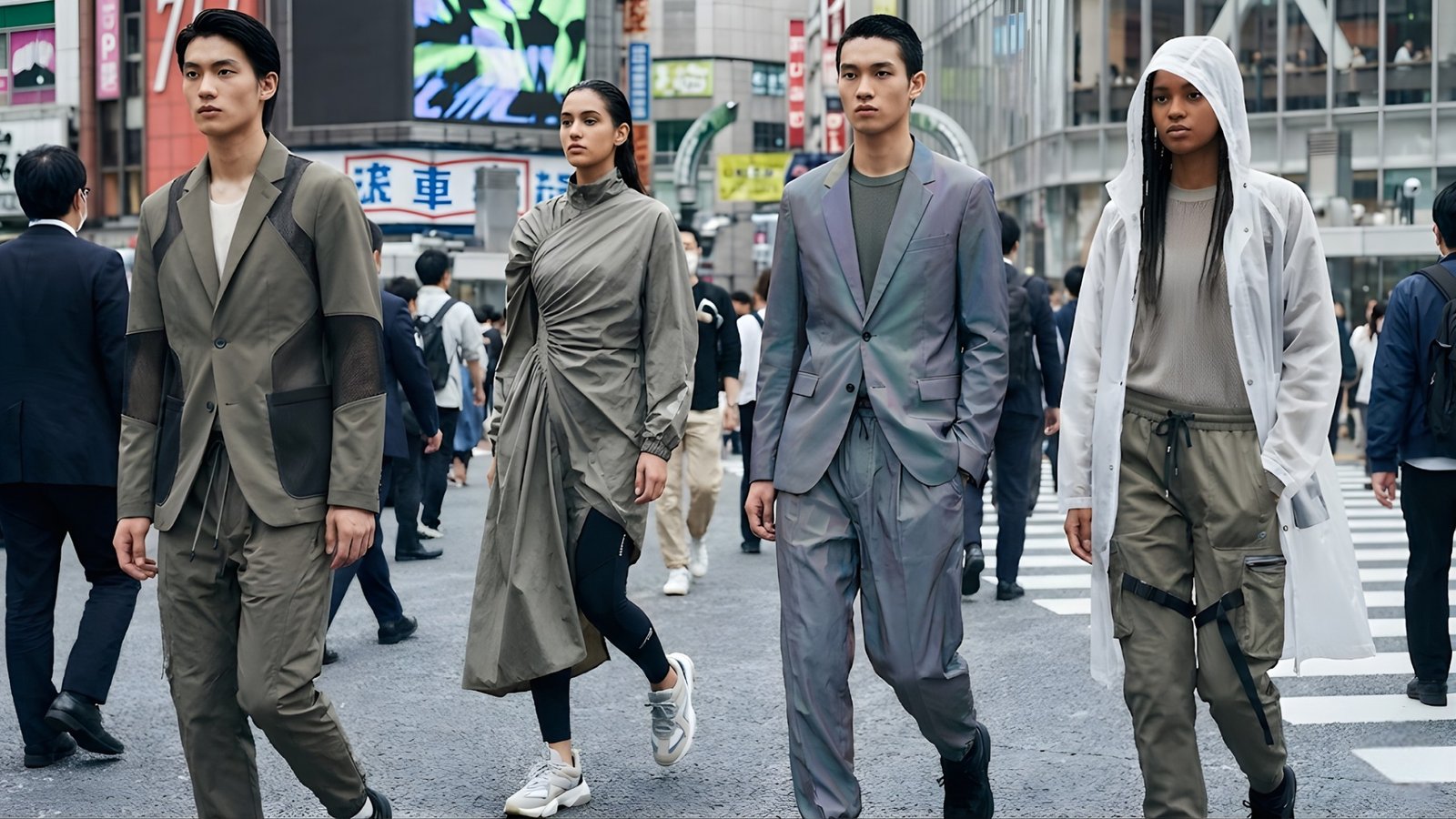
Fashion brands are increasingly acting like sportswear labels in 2026 — blending technical performance, comfort and everyday style into collections that suit modern, movement-oriented lifestyles.
At a Glance
- Fashion brands across price points and segments are positioning themselves as sportswear-infused labels, responding to consumer demand for functional, comfortable and lifestyle-ready apparel.
- This shift encompasses everything from sweat-wicking staples to performance-inspired tailoring, blurring lines between sport and fashion.
- Luxury and heritage houses are embracing athleisure, cardio couture and hybrid collections, integrating technical fabrics and sporty silhouettes into traditional fashion vocabularies.
- Analysts see this trend as a product of modern lifestyles that prioritise mobility, wellness and multifunctional wardrobes.
Editorial Perspective
In 2026, the distinction between fashion and sportswear is dissolving — not because luxury houses are abandoning their design roots, but because consumer expectations have changed. In a world where work, travel, fitness and social life overlap, clothing that performs across contexts has become central to modern wardrobes. According BoF, this has led fashion brands — from old-guard maisons to streetwear innovators — to integrate sportswear logic into their core offerings.
Rather than seeing sportswear as a niche category, most contemporary brands now view it as a lifestyle foundation: comfort, movement, technical function and style all at once.
The Sportswear Imperative in 2026
1. Functional Style Enters Fashion’s Core
Across runways and retail, brands are embedding sportiness into their collections:
- Performance fabrics like moisture-wicking knits and stretch materials have become commonplace in high fashion.
- Hybrid silhouettes — e.g., tuxedos with sweat-shirt fabrics, joggers in luxury wool blends — reflect a lived-in luxury mindset.
- Luxury labels like Celine, Prada and Gucci have debuted fitness-inspired pieces and accessories that sit comfortably alongside eveningwear and tailoring.
This evolution acknowledges that today’s wardrobes aren’t built for single occasions but for fluid living — blending form and performance seamlessly.
Brands Rewriting Their Playbooks
The dominance of sportswear isn’t limited to traditional activewear companies — fashion houses are now embracing it as part of their identity:
- Athleisure and hybrid collections now anchor seasonal releases for many heritage brands.
- Luxury “cardio couture” — fitness-inspired gear with designer sensibility — has emerged as a cultural moment, underlining how wellness and self-expression intersect with style.
- Even streetwear and mass-market labels collaborate with performance brands to merge credibility with style.
What unites these developments is not just a design trend but a deeper lifestyle shift: modern consumers want garments that look and feel right, whether jogging, commuting, working or socialising.
Consumer Lifestyles Drive the Shift
Today’s consumers — especially Gen Z and younger Millennials — are less compartmentalised in how they live and dress. Wardrobe choices are driven by:
- Versatility: Outfits that transition from activity to social settings.
- Well-being: Clothing that supports movement, comfort and wellness.
- Style with substance: Sport-rooted aesthetics don’t need to sacrifice design narrative.
This shift is why the once-clear lines between sportswear brands like Nike, Adidas and fashion houses like Balenciaga or Loewe have blurred: clothing now serves many roles in one wardrobe.
What It Means for Fashion in 2026
In 2026, fashion’s embrace of sportswear isn’t a fad — it reflects how life has changed. The categories that once defined sport and style separately are now part of a continuum:
- Performance becomes aesthetics: Tech textiles and ergonomic design are now style signals.
- Runway meets movement: Collections are styled for real life, not just seasonal spectacle.
- Wellness and fashion intertwine: Fitness culture expands design boundaries and consumer affinity.
This trend also challenges brands to balance authentic performance relevance with their design DNA — the houses that succeed will be those that understand use-case as inspiration, not imitation.
