
TL;DR
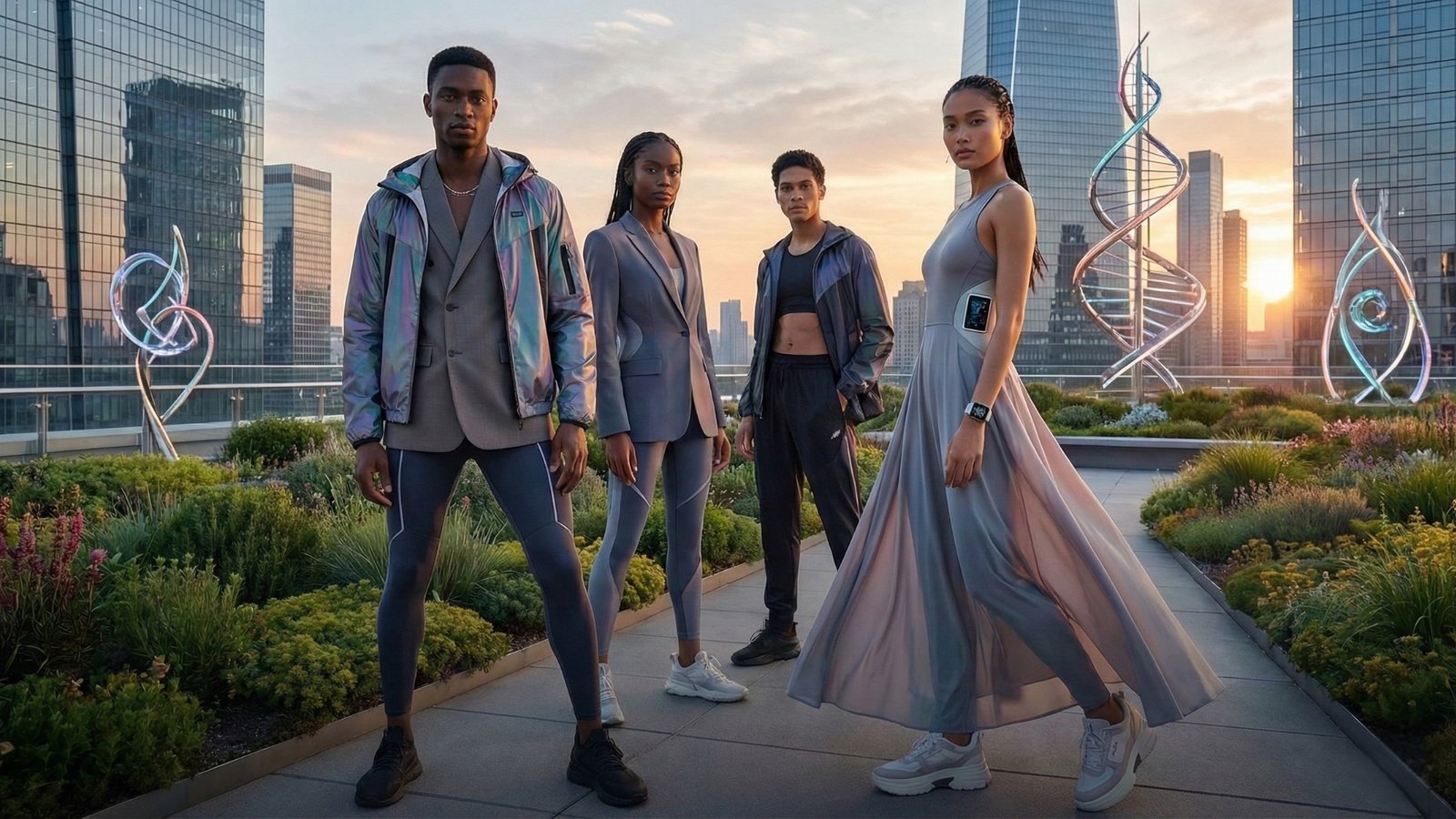
In 2026, the fusion of sports and fashion continues to accelerate: sneakers and athleisure cement their place as wardrobe pillars, performance design informs mainstream style, brand collaborations drive cultural currency, and major sports events amplify crossover influence.
At a Glance
- Sports and fashion continue their watershed convergence, with 2026 poised to deepen this integration across culture, commerce, and design.
- Sneaker culture, athleisure innovation, and performance-inspired design are fueling creative and business momentum.
- Major events and active lifestyles are influencing product strategy and brand narratives.
- Legacy sport brands and fashion houses alike are adapting to new consumer priorities that blend function and expression.
Editorial Perspective
The line between sports performance and fashion expression has never been more fluid. In 2026, athletic influence not only permeates lifestyle wear — it now powers fashion narratives, fuels retail growth, and defines cultural relevance for many brands. According to Business of Fashion, this is not a fleeting trend but a structural evolution in how fashion brands think about product, community, and experience.
Whether it’s sneakers dominating streetwear culture or performance tech inspiring high fashion design, the sports-fashion ecosystem reflects how modern consumers dress, live, and identify. Brands that master this convergence are shaping the future.
1. Sneakers and Athleisure: The Everyday Uniform
Sneakers and athleisure are no longer confined to gyms or casual weekends — they are now fashion staples that anchor collections from heritage luxury houses to contemporary streetwear labels. Athleisure’s prominence reflects broader lifestyle shifts toward comfort, versatility, and performance-driven design.
Sneaker culture, specifically, remains at the forefront: bold silhouettes, experimental materials, and cross-category collaborations keep footwear at the center of fashion dialogue — a key indicator of how sport style drives aspiration and consumer demand.
2. Performance Meets Prestige: Fashion Tech and Functionality
Beyond aesthetics, tech-enabled performance characteristics are seeping into fashion. Designs once reserved for athletic competition — moisture-wicking fabrics, ergonomic construction, adaptive soles — are now seen on runway, everyday wear, and luxury collections.
This shift signals a deeper change: functionality is a style value, not just a utility benefit. Consumers want clothes that perform for active lives while communicating identity and cultural context.
3. Major Sporting Events and Global Visibility
Large sports events — including the 2026 Commonwealth Games — further bind sport and fashion through global visibility, merchandising, and cultural celebration.
With designers and brands increasingly creating event-inspired apparel or collaborating on official gear, the fashion world is turning global sports moments into design dialogue — tapping fandom, national identity, and lifestyle influence.
4. Brand Collaboration and Cultural Messaging
The sports-fashion blend has also manifested through cross-industry collaborations: performance brands partnering with couture houses, athletes becoming fashion ambassadors, and limited-edition drops that merge athletic history with artistic style.
These collaborations carry cultural weight — signaling status, community membership, and creative exchange — and they reinforce how athletic heritage amplifies fashion relevance.
5. Consumer Identity: Performance as Expression
In 2026, what people wear speaks to who they are, not just what they do. The rise of performance-inspired fashion as identity expression reflects broader lifestyle patterns: people want apparel that moves with them, reflects personal narratives, and bridges aspirational style with lived experience.
This mindset challenges brands to offer not only products but stories and lived experiences that align with modern sensibilities — from community engagement to interactive commerce.
What This Means for Brands and Consumers
The sports-fashion nexus is shaping how brands allocate investment, build collections, and craft narratives:
- Design strategy must balance performance utility with stylistic expression.
- Collaborations between sport labels and high fashion houses accelerate cultural cachet.
- Retail experiences increasingly spotlight sneakers, athleisure, and hybrid products as front-of-house features.
- Consumer engagement builds around lifestyle narratives — not just seasonal trends.
In this dynamic landscape, sport-inspired fashion is more than a trend — it’s a strategic pillar for growth, cultural relevance, and long-term resonance.
