
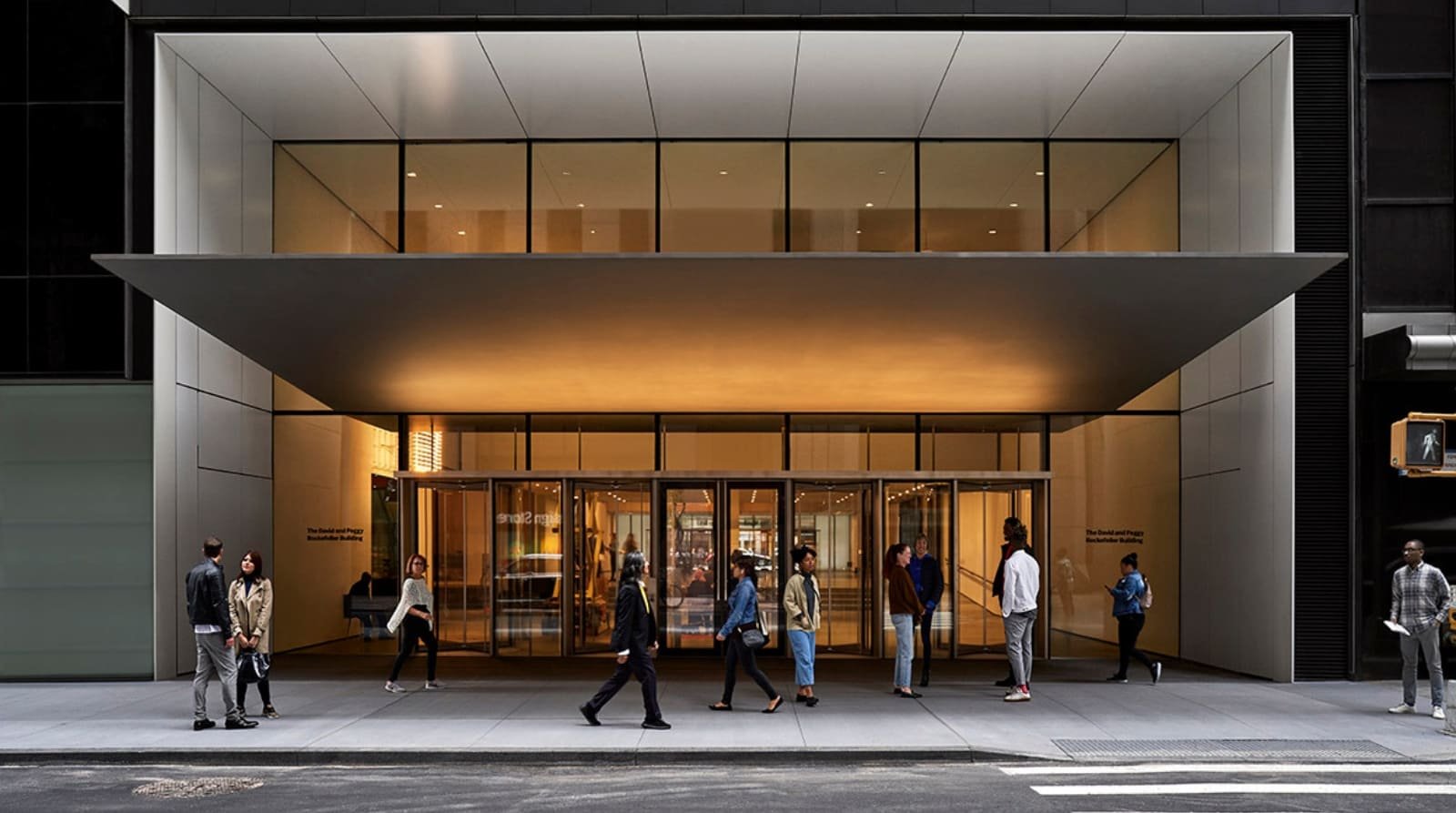
The Museum of Modern Art—universally known as MoMA—is one of New York City’s defining cultural institutions. Its collection places transformative works by Vincent van Gogh, Pablo Picasso, Claude Monet, Salvador Dalí, Henri Matisse and Andy Warhol within a broader narrative of modern and contemporary creativity.
MoMA is not a quiet museum hidden from the city. It is busy, international and visually concentrated, with famous paintings often surrounded by visitors holding phones. The architecture, sculpture garden, design collection and changing exhibitions add depth, but the experience benefits from a clear route.
This Museum of Modern Art review examines its essential artworks, visitor flow, facilities, admission and whether a guided experience provides meaningful value.
MoMA at a Glance

| Detail | LxryNow Assessment |
|---|---|
| Location | Midtown Manhattan, New York City |
| Best For | Modern art, design, photography, film and architecture |
| Suggested Visit | 2.5–4 hours |
| Best Time | Weekday morning or early Friday afternoon |
| Signature Work | Vincent van Gogh’s The Starry Night |
| General Admission | Paid; advance booking recommended |
| Guided-Tour Value | High for a focused first visit |
| Main Limitation | Crowds around famous artworks |
| Overall Score | 9.1/10 |
What Makes MoMA Distinctive?

MoMA’s greatest strength is not simply the number of famous artists represented. It is the way different creative disciplines are placed in conversation.
Paintings and sculpture remain central, but the collection also includes photography, furniture, graphic design, architecture, film, performance and everyday industrial objects. A visitor may move from Picasso to an early automobile, a Bauhaus chair or an experimental film within the same broader narrative.
The museum’s approach is also less rigidly chronological than many institutions. Galleries create connections across periods, regions and mediums, producing moments of discovery alongside the expected masterpieces.
This openness can occasionally make the route difficult to follow. Visitors who prefer a conventional historical sequence may find the transitions intellectually stimulating but spatially confusing.
Essential MoMA Highlights

A focused first visit should prioritise several defining works:
- Vincent van Gogh’s The Starry Night: MoMA’s most popular painting and one of the museum’s most congested displays.
- Pablo Picasso’s Les Demoiselles d’Avignon: A disruptive composition that helped reshape twentieth-century painting.
- Salvador Dalí’s The Persistence of Memory: Smaller than many first-time visitors expect, but remarkably precise and memorable.
- Claude Monet’s Water Lilies: Large panels that reward slow viewing from several distances.
- Henri Matisse’s Dance (I): A study in movement, colour and radical simplification.
- Andy Warhol’s Campbell’s Soup Cans: A defining Pop Art work that still feels directly connected to contemporary visual culture.
- Jackson Pollock’s large-scale paintings: Best appreciated in person, where their texture and physicality become clearer.
Displays rotate, artworks may be loaned and galleries can close temporarily. Treat this as a priority list rather than a guaranteed checklist.
The Starry Night Experience

The Starry Night is the artwork most visitors immediately seek, and the resulting crowd can be intense. People frequently gather several rows deep, making uninterrupted viewing difficult.
Visit the painting shortly after entering, then return later if the gallery is congested. The work deserves more than a hurried photograph. Its surface, directional brushwork and balance between the dark village and animated sky become clearer when viewed patiently.
The surrounding galleries are also important. Moving directly to the next famous painting misses the wider story of how artists reconsidered colour, perspective and representation around the turn of the twentieth century.
Picasso, Dalí and the Modernist Galleries

The galleries covering the early twentieth century form the museum’s intellectual core. Picasso, Braque, Matisse, Dalí, Mondrian and their contemporaries demonstrate how rapidly traditional ideas about representation were dismantled.
MoMA succeeds at showing these developments as overlapping experiments rather than isolated movements. Paintings, sculptures and designed objects reinforce one another, although the amount of information can become demanding.
Visitors without an art-history background need not understand every movement. Select a few works, read their labels carefully and compare how different artists approached form, colour and space.
A knowledgeable guide is most valuable in these galleries because historical context changes how apparently difficult or abstract works are understood.
Contemporary Art and Changing Exhibitions

MoMA’s identity extends far beyond its recognised modernist masterpieces. Contemporary galleries introduce installations, performance, video, digital media and works responding to current cultural and political questions.
These rooms are less immediately accessible than the familiar painting galleries, but they prevent the museum from becoming a historical monument to modernism. Some works are immersive and theatrical; others rely heavily on written explanation.
Temporary exhibitions can materially change the quality and pacing of a visit. Admission includes the museum’s galleries and special exhibitions, making it worthwhile to review what is showing before choosing a date.
The strongest approach is to pair one temporary exhibition with a focused permanent-collection route.
Architecture and Gallery Layout

MoMA’s architecture reflects decades of expansion and reinvention. The most recent transformation, completed in 2019, increased gallery space and introduced new connections between different parts of the building.
Large windows and the central atrium bring light and visual drama into the museum. Sightlines across floors offer moments of orientation, yet the building can still feel complicated. Galleries branch in several directions, and visitors may unintentionally skip entire sections.
Starting on an upper collection floor and descending gradually is more efficient than repeatedly moving between levels. Keep the digital map available, but accept that a little wandering is part of the MoMA experience.
The Sculpture Garden

The Abby Aldrich Rockefeller Sculpture Garden is one of MoMA’s most enjoyable spaces. Surrounded by Midtown buildings, it offers seating, greenery, water and sculptures within a sheltered urban courtyard.
The garden is especially valuable after the visually demanding upper galleries. It changes the pace of the visit and allows individual works to be experienced with more physical space.
Its tranquillity is relative: fine weather attracts crowds, and conversations echo around the courtyard. Even so, it remains the museum’s best place to pause before continuing.
Crowds and Visitor Experience

MoMA is popular throughout the year. The entrance queue often moves efficiently, but security checks and ticket scanning still require time.
Congestion is concentrated around The Starry Night, Dalí, Picasso and other famous works. Visitors who explore photography, architecture, design or less-promoted contemporary galleries will usually find more breathing room.
The museum sometimes feels more energetic than contemplative. That atmosphere suits its Midtown location, but travellers seeking a quiet encounter with art may prefer the opening hours on a weekday.
Friday evening offers extended access but is not automatically calmer, particularly during free-admission hours for eligible New York State residents.
Tickets, Hours and Best Time to Visit

MoMA normally opens daily from 10:30 a.m. to 5:30 p.m., with extended opening until 8:30 p.m. on Fridays. Galleries begin closing shortly before the museum itself.
Standard adult admission is currently $30, with reduced rates for eligible seniors, students and visitors with disabilities. Children aged 16 and under receive free admission. Tickets include access to galleries and special exhibitions.
New York State residents can reserve free admission during UNIQLO Friday Nights from 5:30 to 8:30 p.m. These sessions are popular and are not the best choice for travellers prioritising a quieter visit.
For the strongest experience, reserve a weekday ticket and arrive shortly after opening—but not so early that you join the initial queue before the doors open.
How Long Should You Spend at MoMA?

Allow two hours for the recognised masterpieces, three to four hours for a balanced first visit or most of a day when including films, dining and temporary exhibitions.
Museum fatigue is a genuine limitation. Modern and contemporary works often require more interpretation than familiar historical paintings, while MoMA’s shifting layout demands frequent decisions.
Plan one meaningful break and select two collection areas beyond the highlights. Travellers organising a wider Midtown itinerary can consult LxryNow’s guide to luxury things to do in New York City before pairing MoMA with nearby architecture, shopping or dining.
Dining, Facilities and Accessibility

MoMA provides several dining options ranging from casual refreshments to a more polished restaurant experience. Quality is generally stronger than at the average museum, although popular dining areas become busy around lunch.
The building includes elevators, accessible restrooms, seating and wheelchair-friendly routes. Wheelchairs are available, and a care partner accompanying an eligible visitor with a disability receives free admission.
Photography without flash is permitted in most galleries. Bag inspections are required, and bulky luggage should be left elsewhere because storage capacity and permitted item sizes are limited.
A complimentary digital guide provides audio commentary and thematic routes. Bring headphones and a sufficiently charged phone.
Is the Museum of Modern Art Worth Visiting?

Yes. MoMA is worth visiting for the concentration of transformative artworks, breadth of creative disciplines and quality of its changing exhibitions.
It is essential for modern-art enthusiasts and highly rewarding for design, photography and architecture audiences. Even visitors who find contemporary art difficult will encounter enough recognisable works to create a meaningful experience.
The admission price is substantial, and crowds can diminish encounters with the most famous paintings. Its value improves when visitors allocate at least three hours, use the included audio content and explore beyond the headline masterpieces.
LxryNow Review Scorecard

| Category | Score | Assessment |
|---|---|---|
| Collection Quality | 10/10 | One of the world’s defining modern-art collections |
| Iconic Masterpieces | 10/10 | Exceptional concentration of recognised works |
| Curatorial Experience | 9/10 | Intelligent and ambitious, though occasionally complex |
| Architecture | 8.5/10 | Dramatic spaces within a challenging layout |
| Temporary Exhibitions | 9/10 | Regularly adds depth and contemporary relevance |
| Visitor Comfort | 8.5/10 | Good facilities, seating and dining |
| Crowd Management | 7.5/10 | Famous galleries can feel heavily congested |
| Accessibility | 9.5/10 | Strong physical and sensory-access resources |
| Value | 8/10 | Expensive, but supported by collection quality |
| Overall | 9.1/10 | An essential New York museum for modern creativity |
Which MoMA Experience Should You Choose?

| Visitor Type | Recommended Experience |
|---|---|
| Independent first-time visitor | Timed admission with the digital audio guide |
| Modern-art enthusiast | Half-day permanent collection and exhibition visit |
| Time-limited traveller | Two-hour highlights itinerary |
| Couple or private group | Expert-led private collection tour |
| Family | Highlights route plus the Sculpture Garden |
| Frequent sightseer | Multi-attraction pass including MoMA |
| Returning visitor | One temporary exhibition and specialist collection area |
Book the Experience


Go City New York Explorer Pass
Best for combining MoMA with a selected number of New York attractions.

Browse MoMA Tours and Tickets
Best for comparing currently available museum and combination experiences.

Browse New York City Art and Gallery Experiences
Best for building a broader art-focused itinerary.
Prices, participating attractions and availability can change. Confirm reservation requirements, validity periods and inclusions before booking.
Pros and Cons
| Pros | Cons |
|---|---|
| World-class modern and contemporary collection | High standard admission price |
| Multiple universally recognised masterpieces | Crowding around famous artworks |
| Strong design, photography and film holdings | Gallery sequence can be confusing |
| Admission includes special exhibitions | Certain experimental works need extensive context |
| Excellent digital audio content | Security and entry queues remain possible |
| Attractive sculpture garden and dining | Difficult to experience comprehensively in one visit |
Final Verdict

MoMA earns its reputation through the extraordinary quality of its collection. Few museums allow visitors to encounter so many works that fundamentally changed how art, design and visual culture are understood.
Its Midtown energy creates both excitement and friction. Crowds, a complex layout and the admission price may frustrate casual visitors, but a focused route transforms the experience.
Begin with one major collection floor, look beyond the familiar paintings and use the Sculpture Garden as a deliberate pause. MoMA is not only a room of famous images; it is a broader account of how modern creativity continues to evolve.
LxryNow Verdict: A world-class New York institution with an extraordinary collection, best experienced through a selective three-hour route rather than an attempt to see everything.
Overall Score: 9.1/10
