

TL;DR
The Audemars Piguet Royal Oak is one of the most influential watches ever made, combining groundbreaking design with high-end craftsmanship. It’s worth the price for collectors and design purists—but less so for buyers focused on practicality or value.
Table of Contents
Introduction
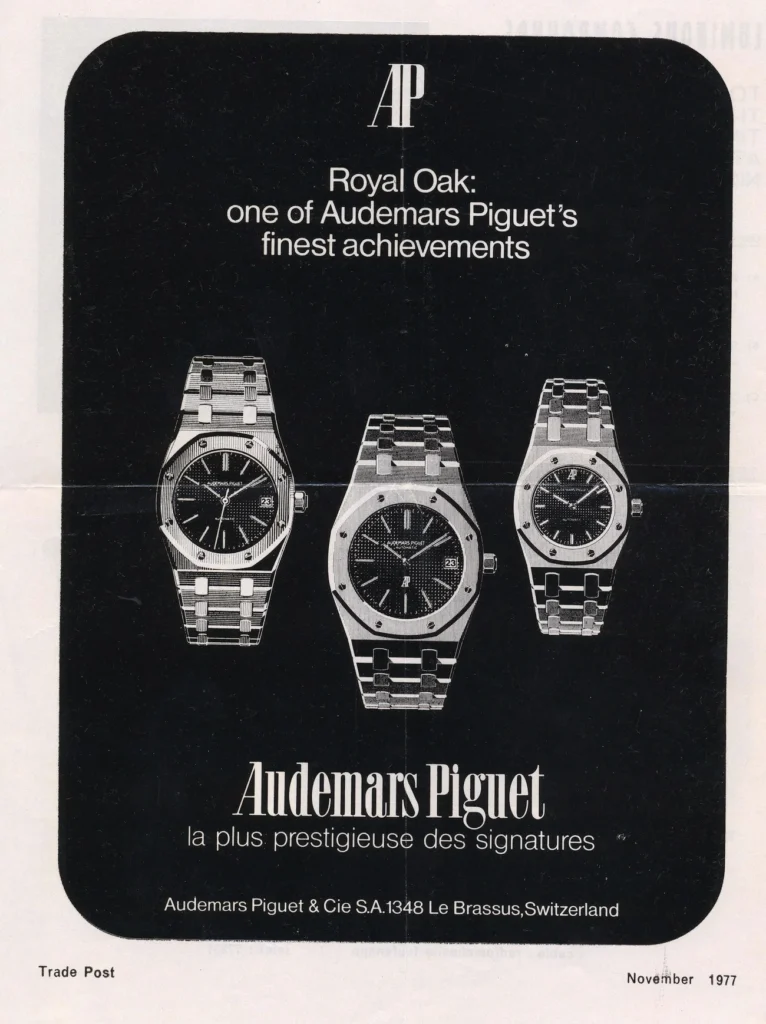
Few watches have changed the course of horology like the Audemars Piguet Royal Oak.
Introduced in 1972 and designed by Gérald Genta, the Royal Oak by Audemars Piguet did something radical: it made stainless steel luxurious. At the time, it was priced higher than many gold watches—completely redefining what luxury meant.
It didn’t just create a new watch—it created an entirely new category:
👉 The luxury sports watch
Today, it sits alongside icons like the Patek Philippe Nautilus—but with a different identity: sharper, bolder, more architectural.
Which leads to the key question:
Is the Audemars Piguet Royal Oak truly worth the price—or is it driven by hype and legacy?
Design & Aesthetic: The Original Icon
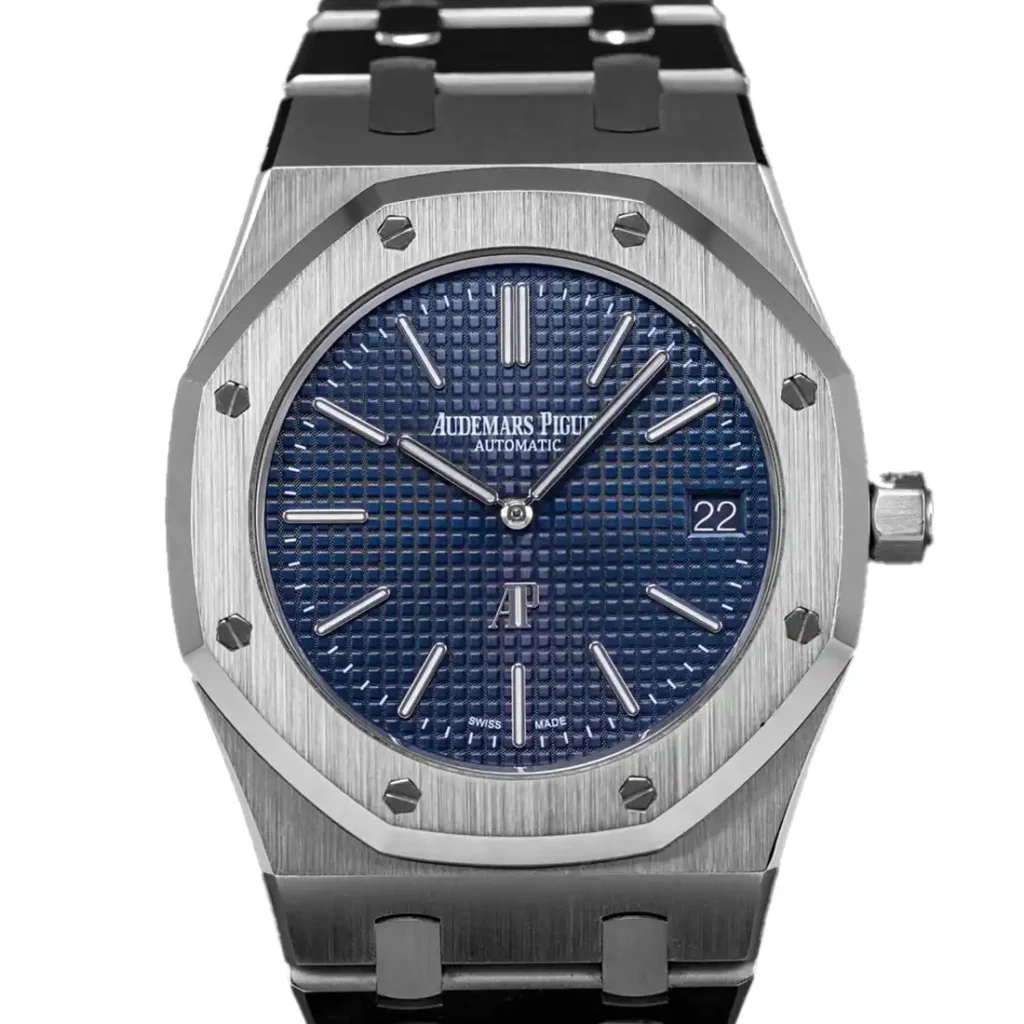
The Royal Oak is instantly recognizable.
Key design elements include:
- Octagonal bezel with exposed screws
- “Tapisserie” patterned dial
- Integrated bracelet
- Sharp, angular case geometry
The design was inspired by a ship’s porthole, giving it a bold, industrial aesthetic.
What makes it special:
- No unnecessary decoration
- Strong architectural identity
- Instantly recognizable without logos
Even after 50+ years, the design remains largely unchanged—an almost unheard-of achievement in watchmaking.
Materials / Build Quality
The Royal Oak is available in:
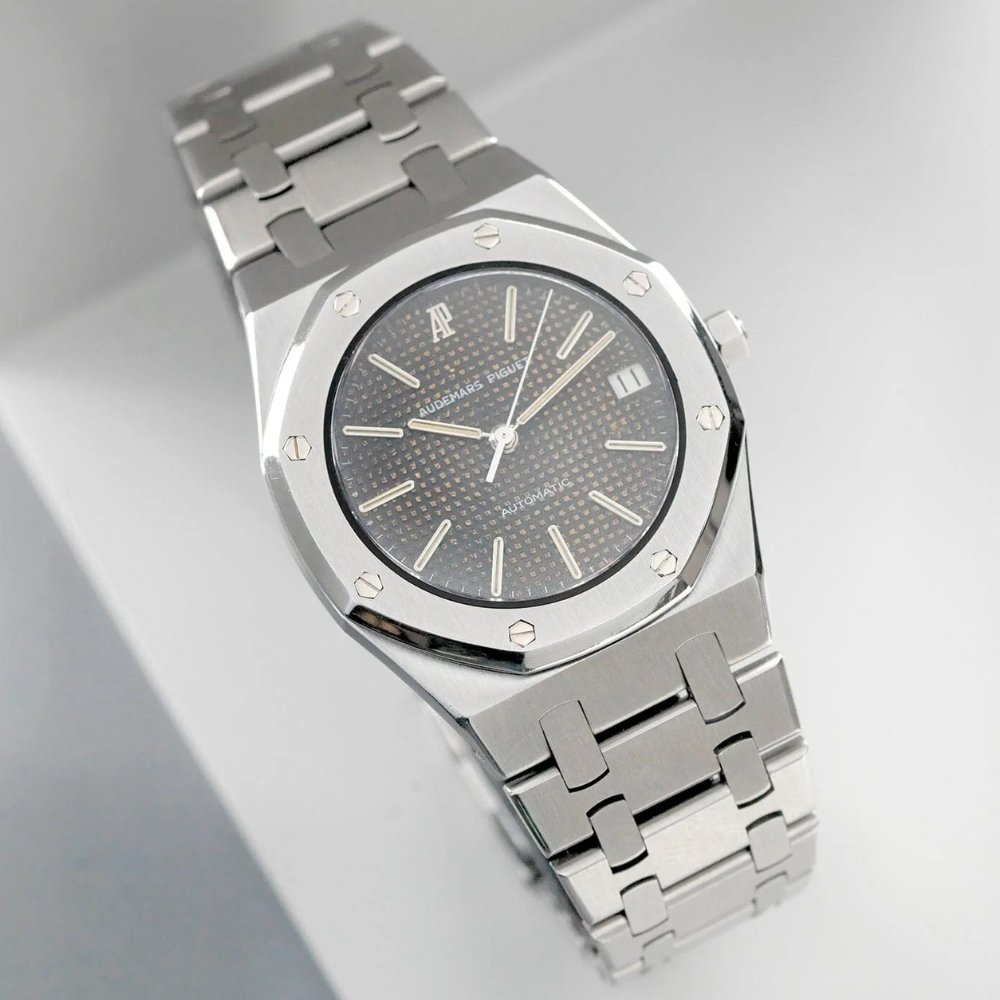
Stainless steel
Iconic and versatile, stainless steel defines the Royal Oak’s original sporty-luxury appeal with exceptional durability and signature brushed finishing.
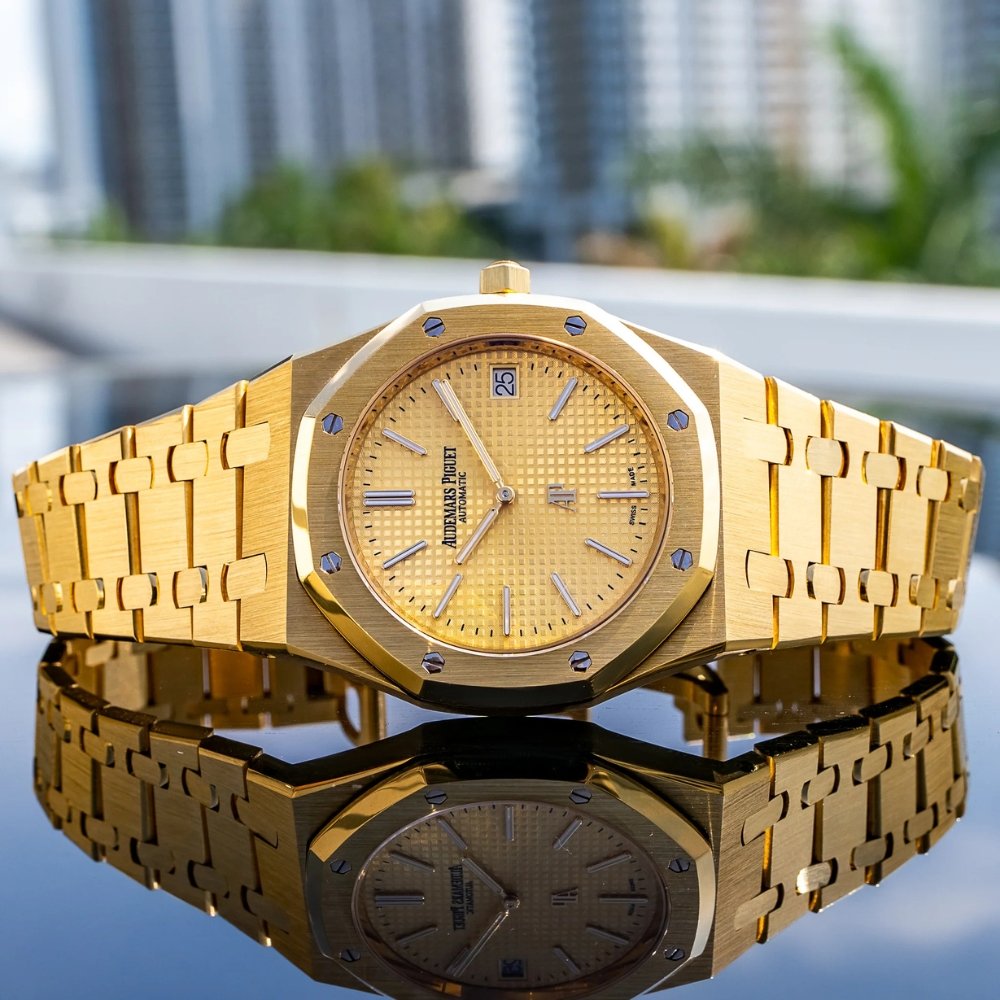
Gold
Rich and elevated, gold versions—yellow, rose, and white—bring warmth and prestige, enhancing the watch’s bold, architectural design.

Platinum
Rare and substantial, platinum offers a heavier feel with a discreet, high-end presence, reserved for the most exclusive Royal Oak models.

Ceramic
Modern and high-tech, ceramic delivers a sleek, scratch-resistant finish, adding a contemporary edge to the classic Royal Oak silhouette.
The finishing is where it stands out:
- Alternating brushed and polished surfaces
- Hand-finished bracelet links
- Exceptional tactile quality
The Reality
- Among the best finishing in the industry
- Steel models feel more premium than many gold watches
- True haute horology-level execution
This is not about materials alone—it’s about how those materials are finished.
Construction & Craftsmanship
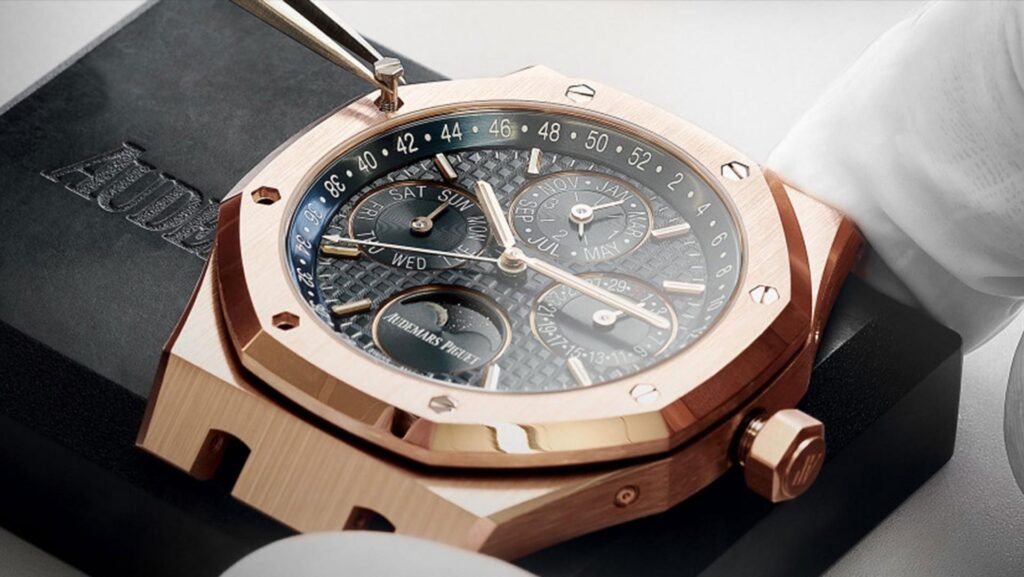
Craftsmanship is where the Royal Oak justifies its status.
What You Get
- Hand-finished case and bracelet
- Perfectly aligned bezel screws
- Complex case architecture
The integrated bracelet alone is one of the most difficult to produce in watchmaking—each link individually finished.
The Result
- Exceptional detail and consistency
- High durability with refined aesthetics
- Seamless design integration
The Trade-Off
- Extremely high production cost
- Long waitlists and limited supply
This is true high-end watchmaking, not industrial luxury.
Movement: High Horology with Character
The Royal Oak features in-house movements, such as:
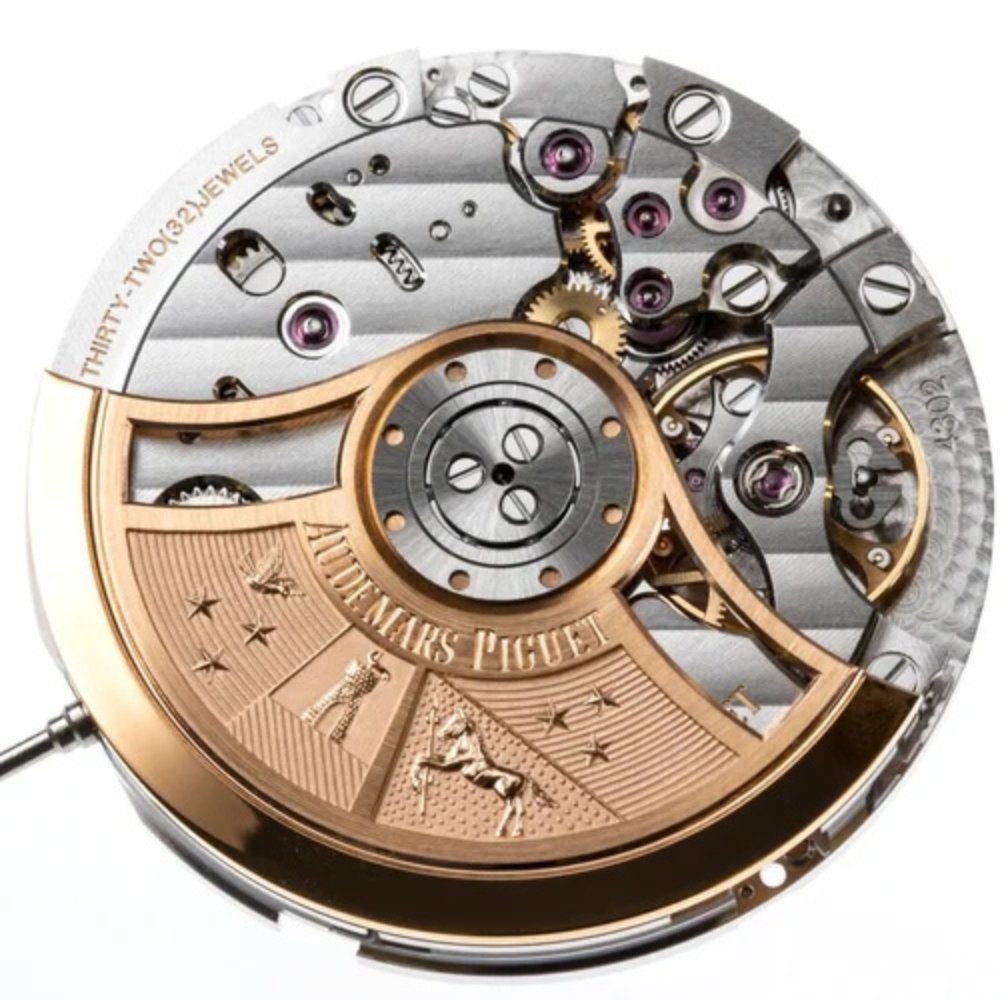
Calibre 4302
A robust selfwinding movement designed for time-only models, offering strong reliability, precision, and a 70-hour power reserve.
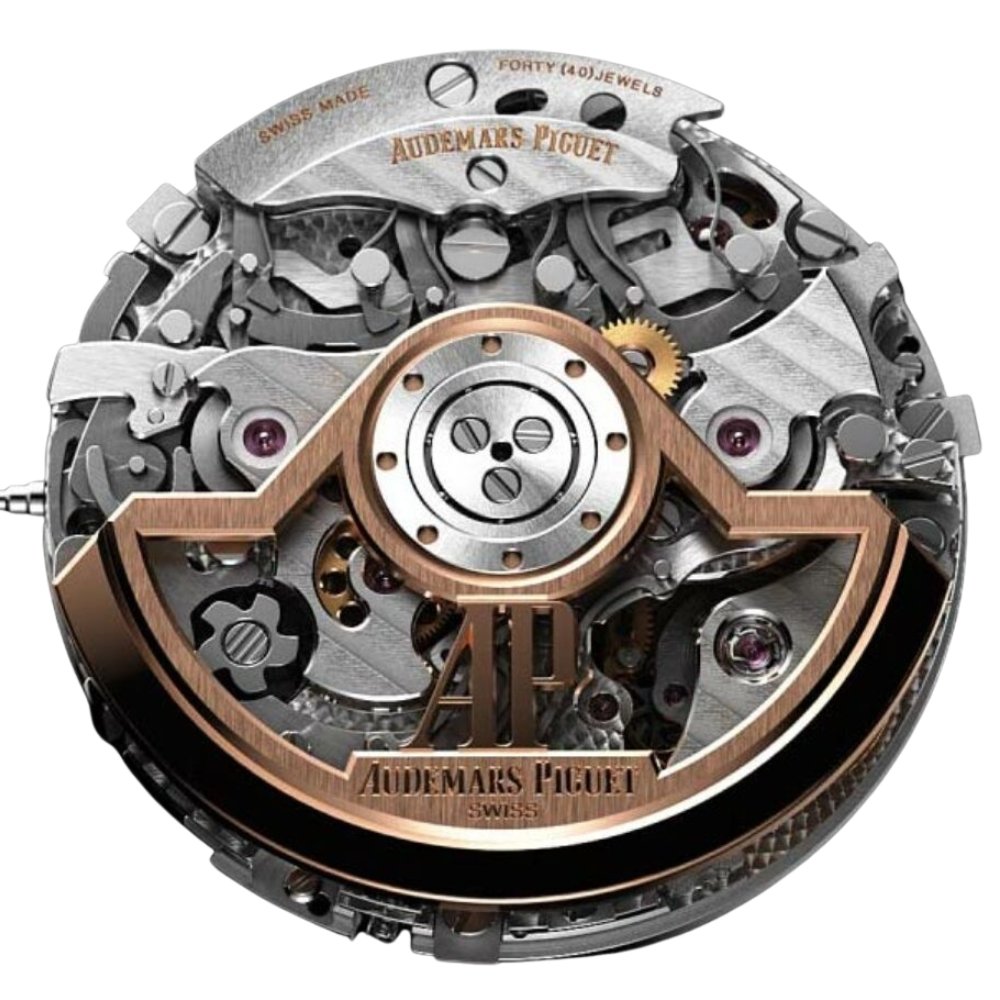
Calibre 4401
An advanced integrated chronograph movement featuring a flyback function, combining technical complexity with refined finishing and seamless operation.
These movements offer:
- Strong reliability
- Beautiful finishing
- Solid power reserve (~70 hours in newer models)
The Reality
- Excellent finishing and engineering
- Not the most complex in haute horology
- Focus on balance, not extremity
Compared to Patek Philippe, AP leans slightly more toward design and architecture—but still firmly within high horology.
Wearability & Everyday Use

Despite its status, the Royal Oak is highly wearable.
Strengths
- Comfortable integrated bracelet
- Slim profile (especially Jumbo models)
- Balanced proportions
It works for:
- Business wear
- Smart casual outfits
- Daily luxury styling
Limitations
- High visibility (attention + risk)
- Psychological barrier to daily wear
- Not a “carefree” watch
Technically wearable daily—but often treated as a statement piece.
Size & Fit: The Jumbo Legacy
Typical sizes:

39mm (“Jumbo”)
The original Royal Oak size, offering slim proportions and a balanced wrist presence. A purist’s choice that stays true to the 1972 design legacy.
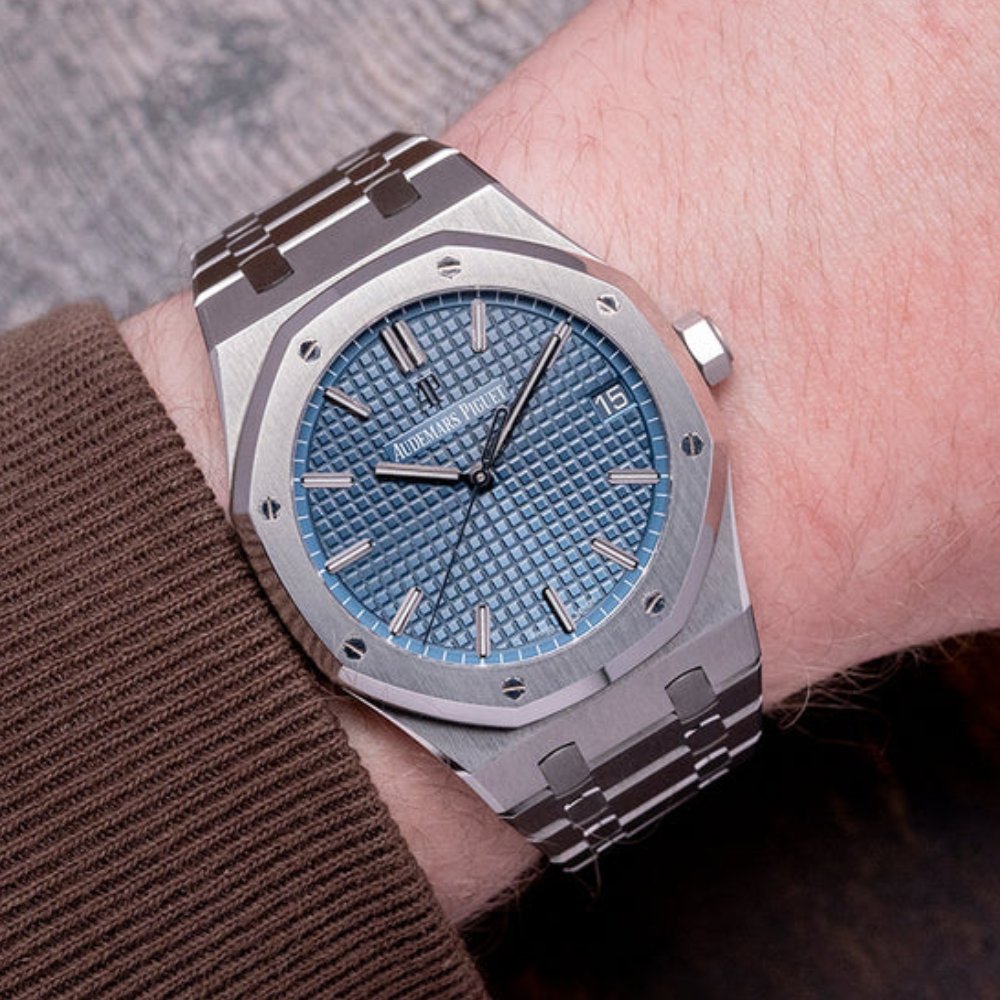
41mm
The modern standard, delivering a slightly larger, more contemporary feel while maintaining the Royal Oak’s iconic silhouette and wearability.
The original 39mm size was considered oversized in 1972, reinforcing its bold design identity.
Recommendation
- 39mm Jumbo → best for purists
- 41mm → best for modern wear
The integrated design allows it to wear:
- Slim
- Balanced
- Surprisingly comfortable
Pricing & Value

Typical Price Range
- Retail: ~$25,000 – $70,000+
- Market: Often significantly higher due to demand
The Royal Oak was already controversial at launch as the most expensive steel watch ever made.
Value Breakdown
What you’re paying for:
- Iconic design
- Exceptional finishing
- Brand prestige
- Historical significance
What you’re NOT getting:
- Easy availability
- Rational pricing
- Pure value-for-money
This is where the Royal Oak becomes complex:
👉 It’s both a watch and a cultural asset
Shop The Edit
Editor’s Picks:
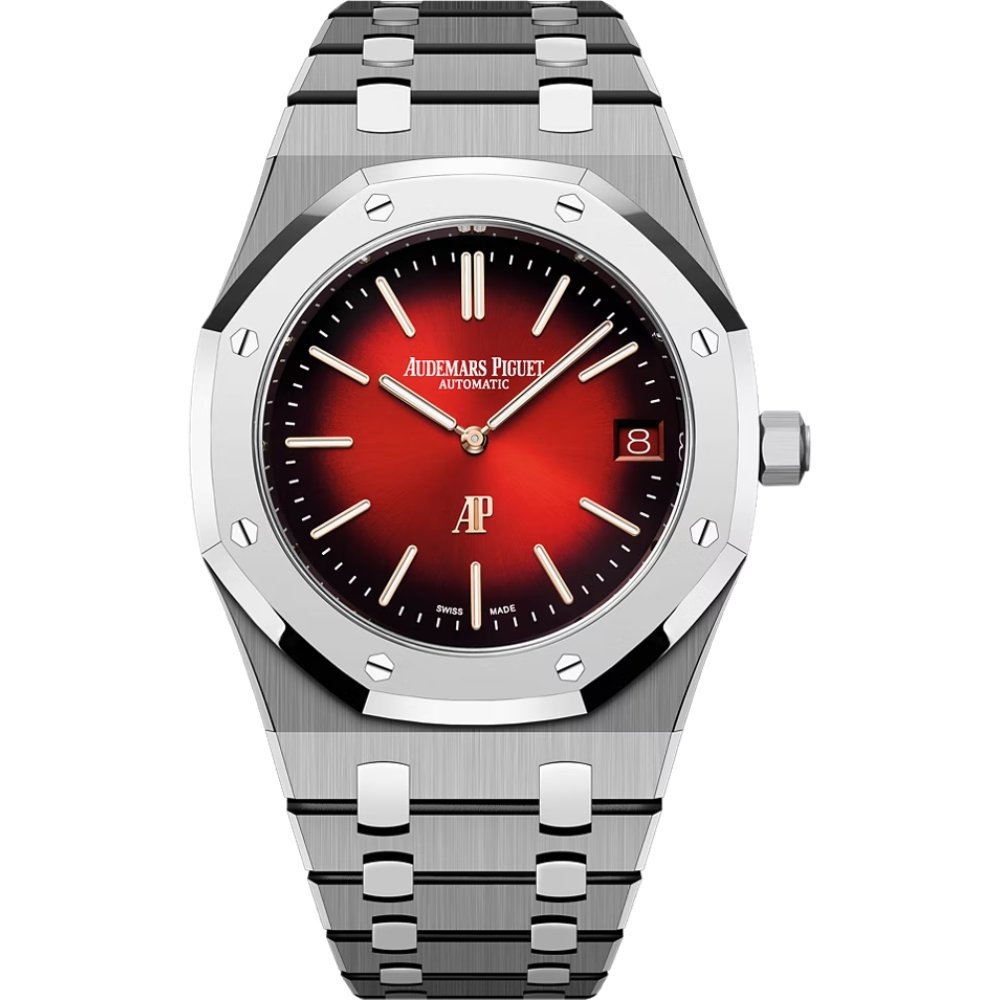
Royal Oak Jumbo (39mm)
Purest design
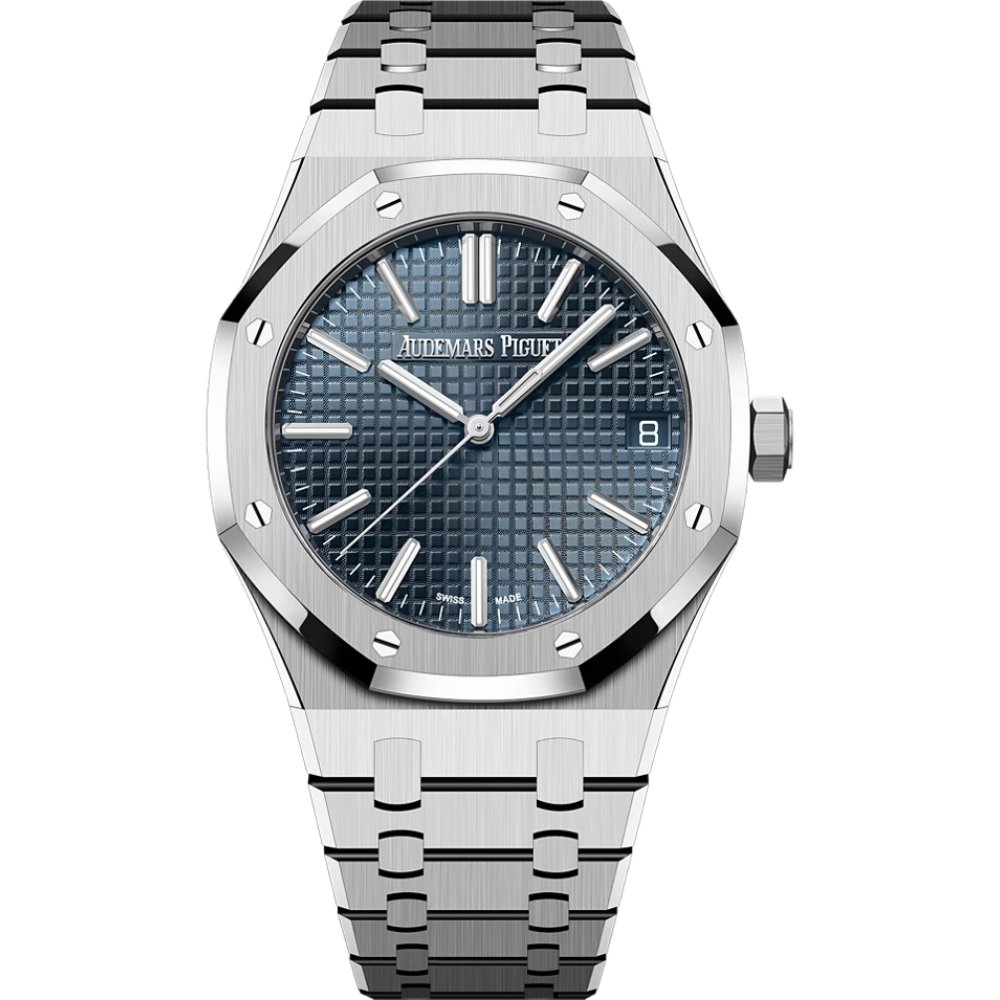
Royal Oak 41mm Blue Dial
Modern classic
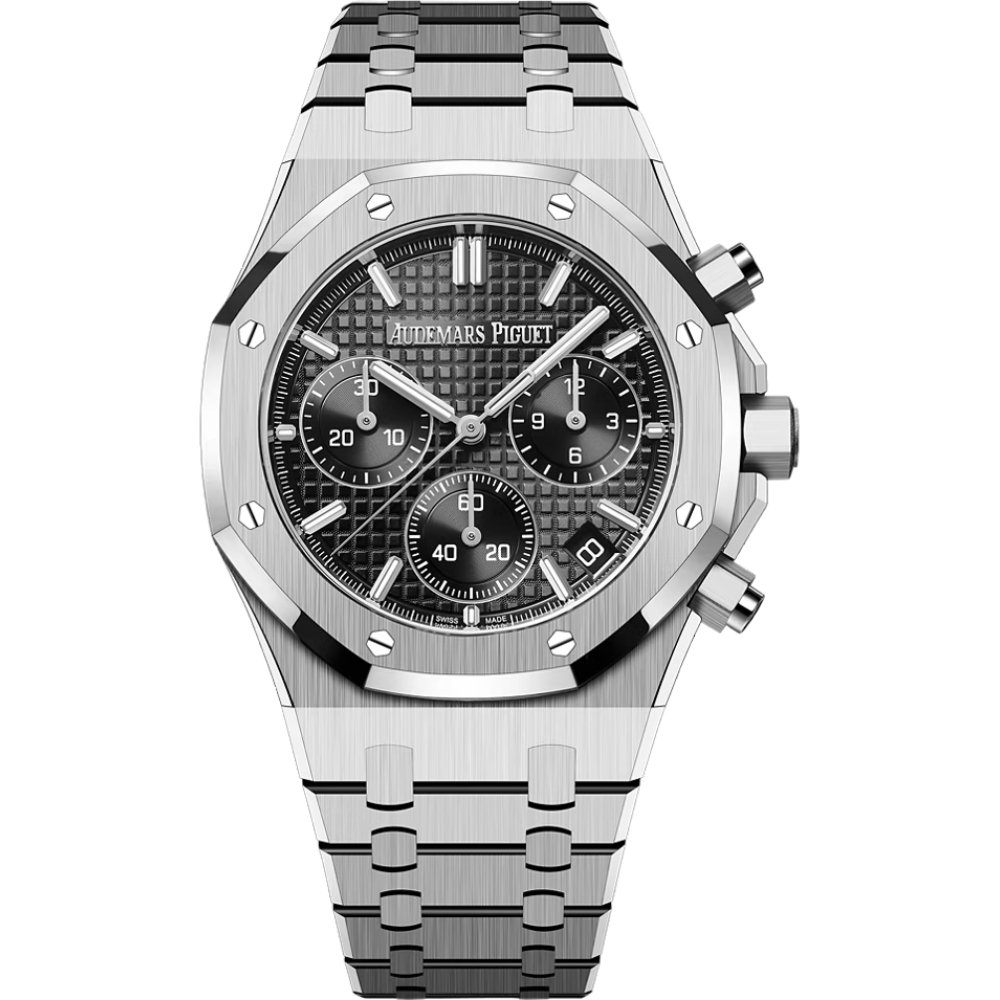
Royal Oak Chronograph
Sportier option
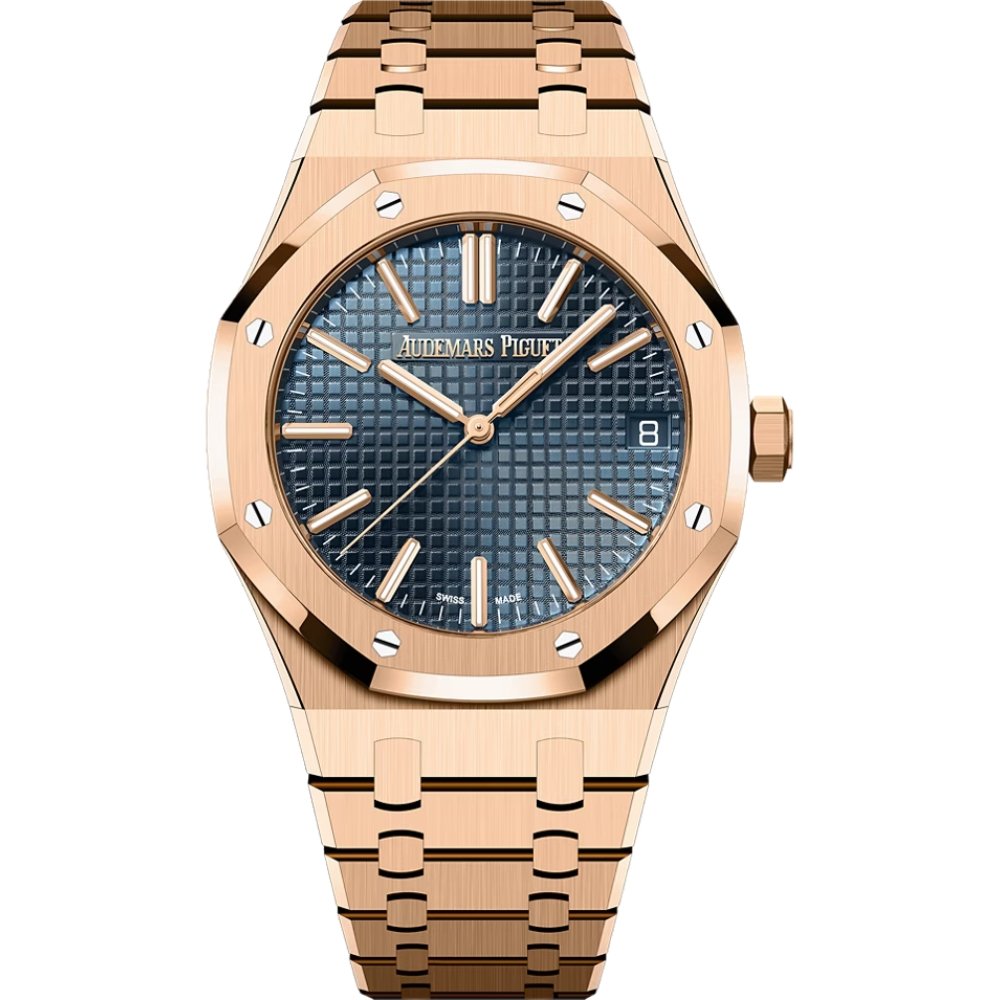
Gold Royal Oak
Elevated luxury
Pros & Cons
| Pros | Cons |
|---|---|
| Iconic, industry-defining design | Extremely expensive |
| Exceptional finishing | Hard to buy at retail |
| Strong cultural and collector value | Price driven by hype |
| Comfortable integrated bracelet | Not practical as daily watch |
Final Verdict: Is It Worth the Price?

The Audemars Piguet Royal Oak is not just a watch.
It is:
- A design revolution
- A status symbol
- A cornerstone of modern watchmaking
It represents the moment when luxury shifted from materials to design and identity.
Worth it if:
- You value design history
- You appreciate craftsmanship
- You want a true icon
Not worth it if:
- You want rational value
- You prioritize practicality
- You just need a great everyday watch
Final Answer:
The Audemars Piguet Royal Oak is worth the price for design, heritage, and cultural significance—but not for practicality or value.
It’s not just a watch.
It’s the foundation of modern luxury watchmaking.
