
TL;DR
A Business of Fashion opinion argues that fashion in 2026 faces a desire crisis, as rising prices, overexposure and creative fatigue weaken emotional appeal. To remain relevant, brands must rebuild aspiration — not just optimize sales.
At a Glance
- A Business of Fashion opinion questions whether fashion still feels desirable to consumers — or whether it has become emotionally distant and overly transactional.
- Rising prices, constant product drops and brand sameness are cited as contributors to consumer fatigue.
- Desire, once driven by creativity and aspiration, is increasingly replaced by utility, discounts and resale logic.
- The industry faces a strategic crossroads: reignite emotion, or accept a more functional future.
Editorial Perspective
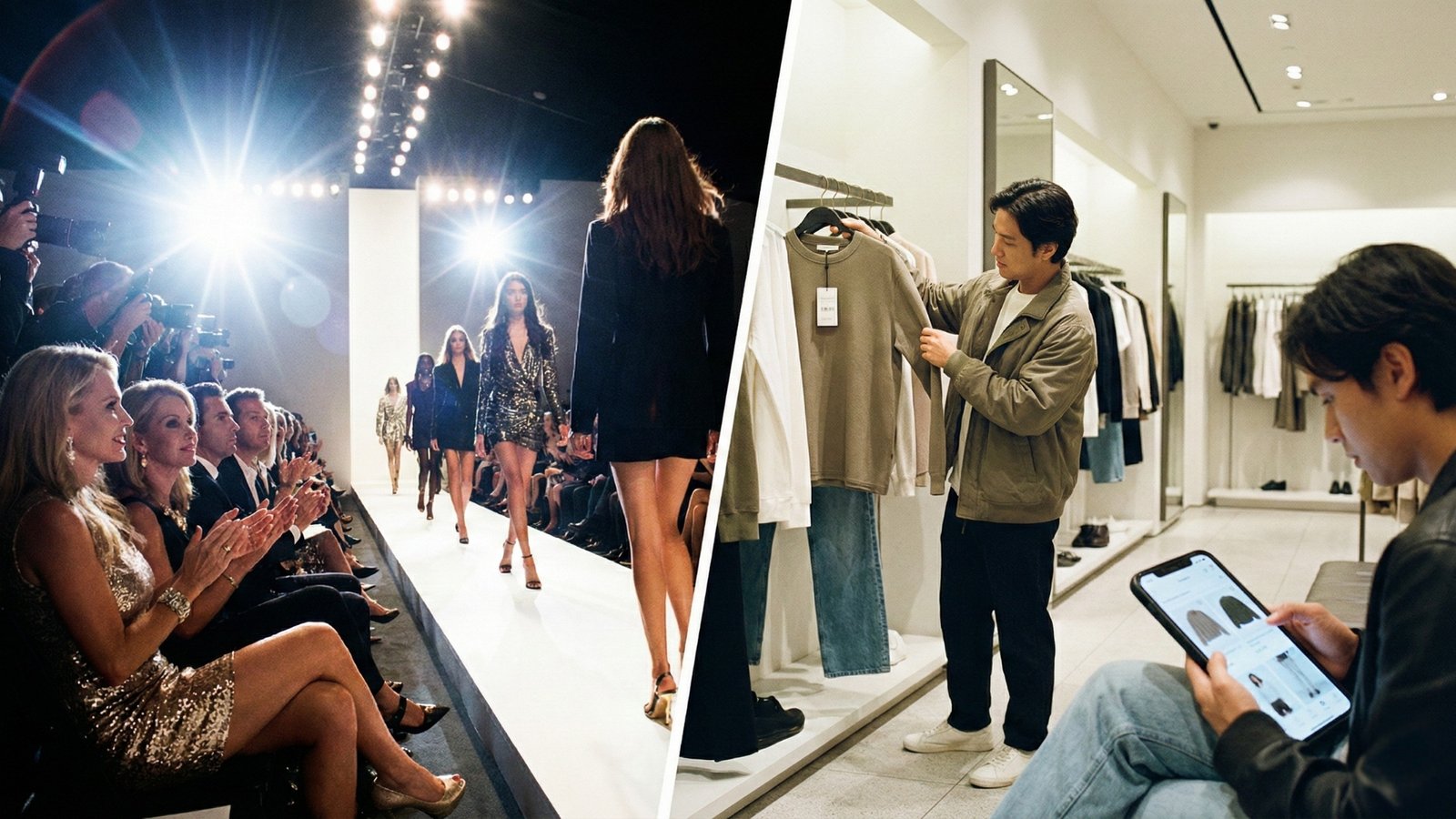
Fashion has always traded on desire — the emotional pull that transforms clothing into culture, status and self-expression. But in 2026, that emotional contract looks increasingly strained.
According to a Business of Fashion opinion, the question is no longer whether consumers can afford fashion, but whether they want it in the same way they once did. With price increases outpacing perceived value and creative cycles accelerating into sameness, fashion risks becoming visible everywhere, but deeply felt nowhere.
What’s Undermining Fashion’s Desirability
1. Price Inflation Without Emotional Upside
Luxury and premium fashion prices have surged over the past five years. But while prices climbed, the emotional reward hasn’t always followed.
Consumers are increasingly asking:
- What am I paying for?
- Is this more special than last season?
- Does this feel worth the sacrifice?
When price becomes the headline rather than the craft, story or creativity, desire erodes.
2. Overexposure and Creative Exhaustion
Fashion is no longer scarce. Social media, drops, pre-drops and constant launches mean consumers are rarely given time to want something.
In place of anticipation:
- everything is available
- nothing feels urgent
- novelty expires instantly
The opinion argues that fashion has confused visibility with desirability — mistaking constant presence for emotional impact.
3. From Aspiration to Optimization
A growing share of consumers now approach fashion like a spreadsheet:
- resale value
- cost-per-wear
- discount timing
- secondary market pricing
While smart shopping isn’t new, the shift signals something deeper: fashion is being rationalised, not romanticised.
When desire disappears, logic fills the gap.
Why This Matters for the Industry
Fashion’s business model still depends on emotional demand. If clothing becomes purely functional or financial, several consequences follow:
- Brands lose pricing power without aspiration
- Creativity becomes harder to monetise
- Marketing shifts from storytelling to performance tactics
- Fashion risks competing with tech, wellness and travel on purely rational terms
In short, without desire, fashion becomes replaceable.
Can Fashion Become Desirable Again?
The opinion doesn’t suggest desire is gone forever — but that it must be earned again. Paths forward include:
- Creative risk: Fewer collections, stronger points of view
- Emotional storytelling: Beyond product, beyond hype
- Cultural relevance: Speaking to real identities, not algorithms
- Meaningful restraint: Letting consumers miss fashion again
Desire isn’t created by volume. It’s created by absence, intention and conviction.
What This Means for Fashion in 2026
Fashion’s challenge isn’t just economic — it’s existential.
In a world of constant content, rising costs and shifting priorities, the brands that survive won’t be the loudest or the fastest. They’ll be the ones that remember why people fell in love with fashion in the first place.
Because without desire, fashion isn’t fashion.
It’s just clothing with a logo.
