
TL;DR
China’s fashion and consumption landscape is rapidly approaching a several-trillion-yuan scale, driven by diversified consumer demand, digital commerce innovation, and lifestyle-centric spending — positioning the market as a dominant force in global fashion growth by 2026.
At a Glance
- China’s consumer market has reached over 50 trillion yuan in total retail sales, with fashion and related categories emerging as key growth engines amid broader consumption trends.
- Reports and expert analyses suggest China is on track to become the world’s largest fashion market, with overall fashion consumption expected to reach multi-trillion-yuan scale by the mid-2020s.
- Growth drivers extend beyond apparel and accessories to lifestyle and experience-oriented spending — from cultural events to health and travel — amplifying fashion’s systemic role in retail.
- Market performance reflects a digital-savvy, quality-oriented consumer base shaped by Gen Z preferences, regional city demand and experiential consumption patterns.
Editorial Perspective
China’s fashion market — long a centre of manufacturing and increasingly of consumption — is rapidly redefining global retail dynamics. WWD‘s market feature highlights macroeconomic momentum towards trillion-yuan consumption thresholds, positioning China as a pivotal driver of fashion growth in 2026.
What distinguishes China’s trajectory is not merely absolute scale but the composition of its demand — where digital engagement, culture-forward consumption and lifestyle integration are reshaping how fashion is bought, worn and valued. Recent industry reports show that “life experiences” and fashion consumption have become deeply entwined, with digitally native consumers blending style, experiences and identity in their spending decisions.
Three Growth Drivers Reshaping China’s Fashion Landscape
1. Consumption Scale and Diversity
China’s total retail sales of consumer goods topped 50 trillion yuan, with fashion and lifestyle segments anchoring a significant share of this growth.
According to fashion industry consumption data, the market is expected to hit two to three trillion yuan in fashion spending as early as 2025 — encompassing apparel, accessories, cultural goods, experiential activities and lifestyle services.
This reflects broader economic diversification where consumers allocate spending across traditional products, cultural events, wellness and entertainment — not just material goods.
2. Digital and Cultural Consumption Frontiers
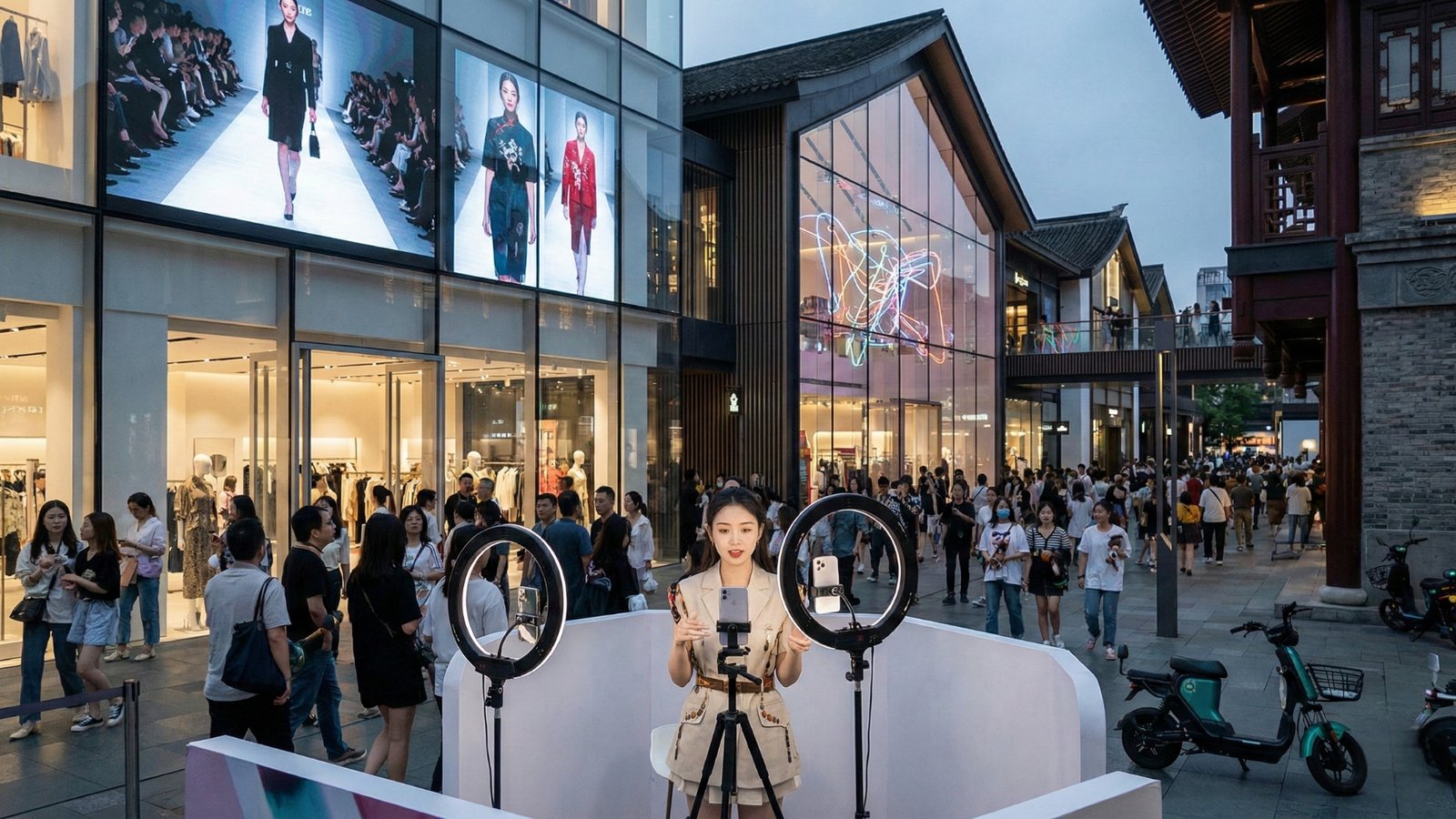
China’s fashion ecosystem is anchored in e-commerce, livestream shopping and platform-driven discovery — channels that amplify variety and accessibility. The digital marketplace — from livestreaming to social commerce — enables real-time trend engagement, especially among Gen Z shoppers who prioritise brand narrative and community interaction as part of their fashion journeys.
Beyond digital retail, consumers are spending more on fashion-adjacent experiences — including cultural festivals, designer showcases, creative fairs and lifestyle events — which cumulatively support fashion’s growth as an integrated cultural economy.
3. Regional and Demographic Expansion
China’s fashion growth is no longer confined to first-tier cities. Emerging urban centres and affluent middle-class regions are fuelling new consumer frontiers, contributing to diversified demand across tiers.
This expansion aligns with broader economic shifts towards urbanisation, higher disposable incomes, and a growing cohort of digital natives who value personal expression, sustainability and culturally rooted fashion innovation.
Why This Matters for Global Fashion in 2026
China’s rise toward a trillion-yuan fashion market has global implications for luxury houses, contemporary labels, and retail ecosystems worldwide:
- Strategic prioritisation: Global brands increasingly tailor products, marketing and retail footprints for Chinese consumers whose tastes blend international styles with local cultural nuance.
- Digital-first innovation: China’s tech-enabled commerce and brand interactions inform global best practices in livestream selling, AR/VR try-ons, and community-driven fashion engagement.
- Experience-led purchasing: The integration of fashion with entertainment, culture and lifestyle experiences influences brand storytelling strategies that resonate across markets.
In essence, China’s fashion growth is not just about raw consumption figures — it’s about how fashion is reimagined in an economy where cultural identity, digital fluency and experiential values intersect.
