
TL;DR
Luxury brands are investing heavily in creative director changes to reignite growth and protect margins. While early buzz can drive attention, the financial payoff depends on execution, timing, and consumer confidence.
Luxury’s Creative Reset Moment
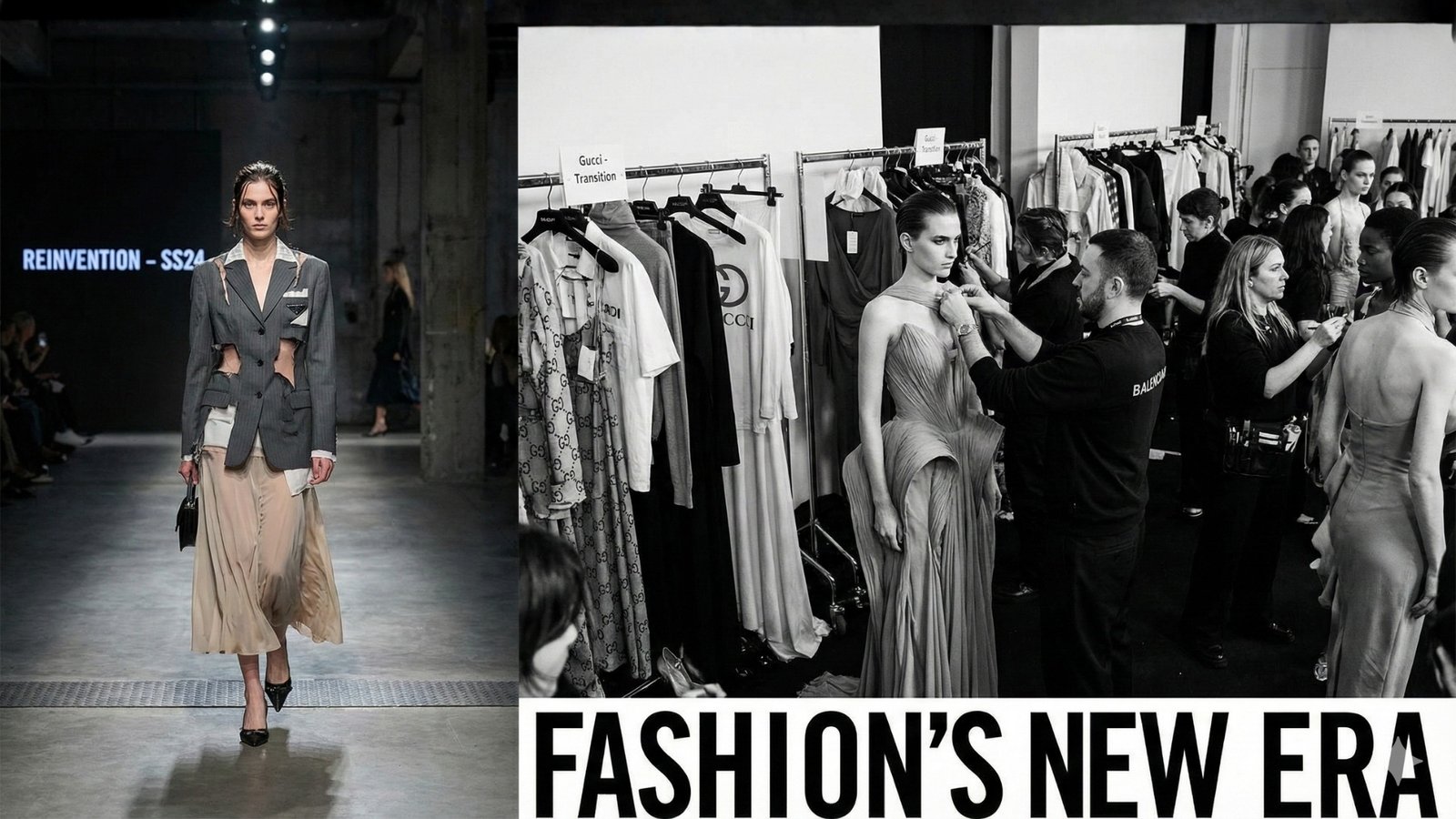
Across the luxury fashion industry, 2024 and 2025 have marked a period of intense creative turnover. Major houses have reshuffled creative leadership in hopes of reigniting brand relevance, refreshing product direction, and sustaining premium pricing power.
According to Business of Fashion, these designer revamps are not just about aesthetics—they are strategic bets aimed at restoring high margins in an increasingly competitive and cautious luxury market.
Why Designer Changes Matter to Margins
Creative direction directly influences:
- product desirability
- brand heat and cultural relevance
- pricing confidence
- wholesale and retail performance
A successful creative reboot can justify higher prices and faster sell-through. However, the costs are significant: marketing resets, store redesigns, inventory transitions, and potential short-term disruption.
Luxury groups are wagering that long-term brand equity outweighs near-term volatility.
The Risk Behind the Reset
While new designers often generate media attention and runway buzz, commercial impact is less predictable. Consumers may respond slowly, especially in a market shaped by inflation fatigue and more deliberate spending behavior.
Business of Fashion notes that brands face a delicate balance—maintaining continuity for loyal customers while attracting new audiences with fresh design language.
Timing Is Everything
The success of a designer revamp depends heavily on timing:
- launching too fast can dilute creative vision
- moving too slowly risks losing momentum
- overlapping old and new product cycles can confuse consumers
With many luxury brands undergoing change simultaneously, standing out has become more difficult. The market’s attention span is limited, even for heritage houses.
What Investors and Consumers Are Watching
In 2025, both investors and consumers are closely monitoring:
- sell-through of debut collections
- pricing resilience
- customer retention
- brand visibility beyond fashion weeks
The true measure of success will not be runway applause, but sustained demand across categories—from handbags and footwear to ready-to-wear.
What Comes Next
As more debut collections reach stores throughout 2025, the industry will gain clearer signals on whether this wave of creative resets can truly protect margins—or if luxury’s challenges run deeper than design leadership alone.
Editorial Perspective
Designer revamps remain one of luxury’s most powerful tools—but also one of its riskiest. In a slower growth environment, creative change must translate into clear product narratives and emotional connection, not just aesthetic novelty.
For luxury brands, reinvention alone is not enough. The winners will be those who align creative vision with commercial discipline.
