
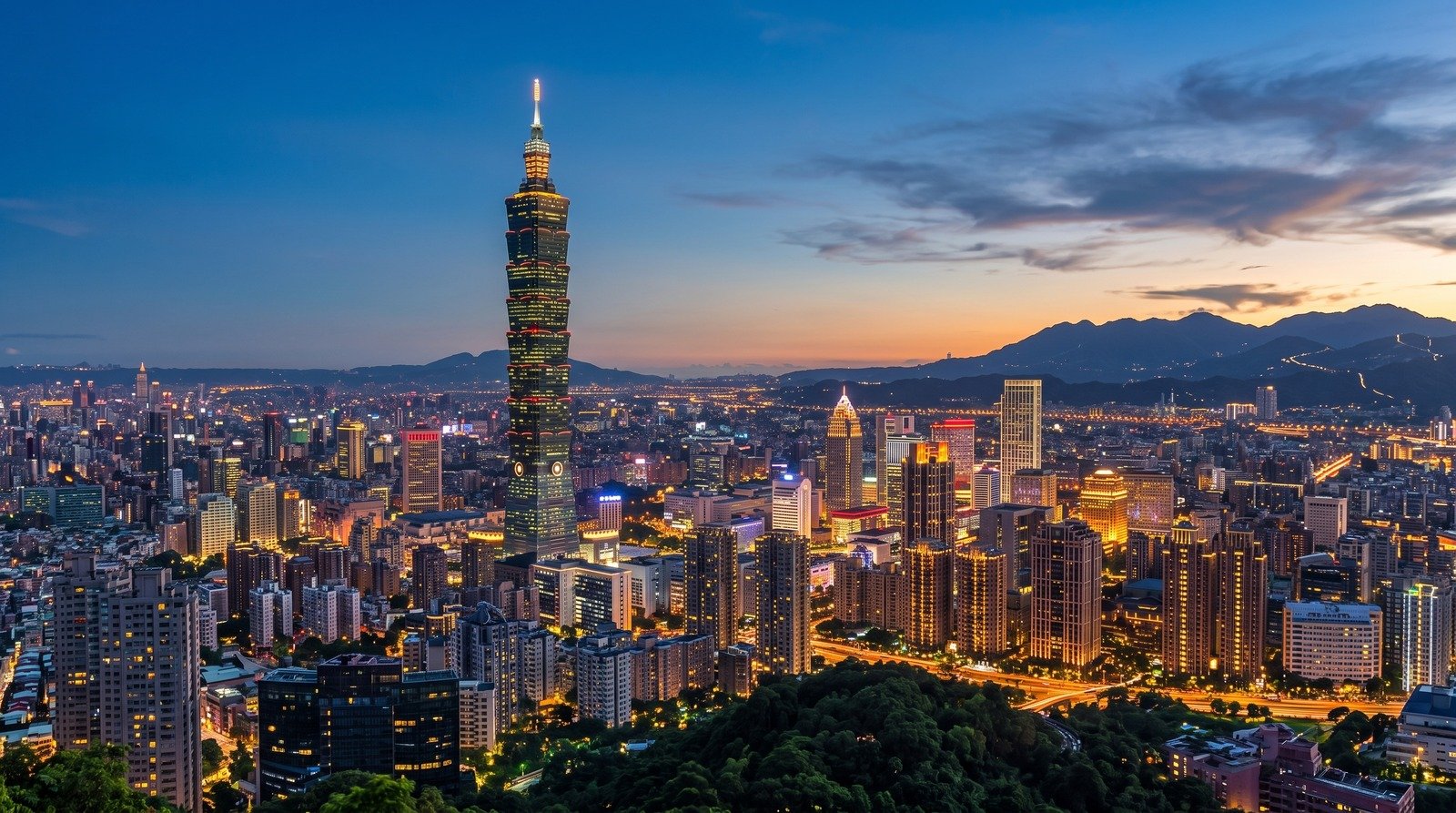
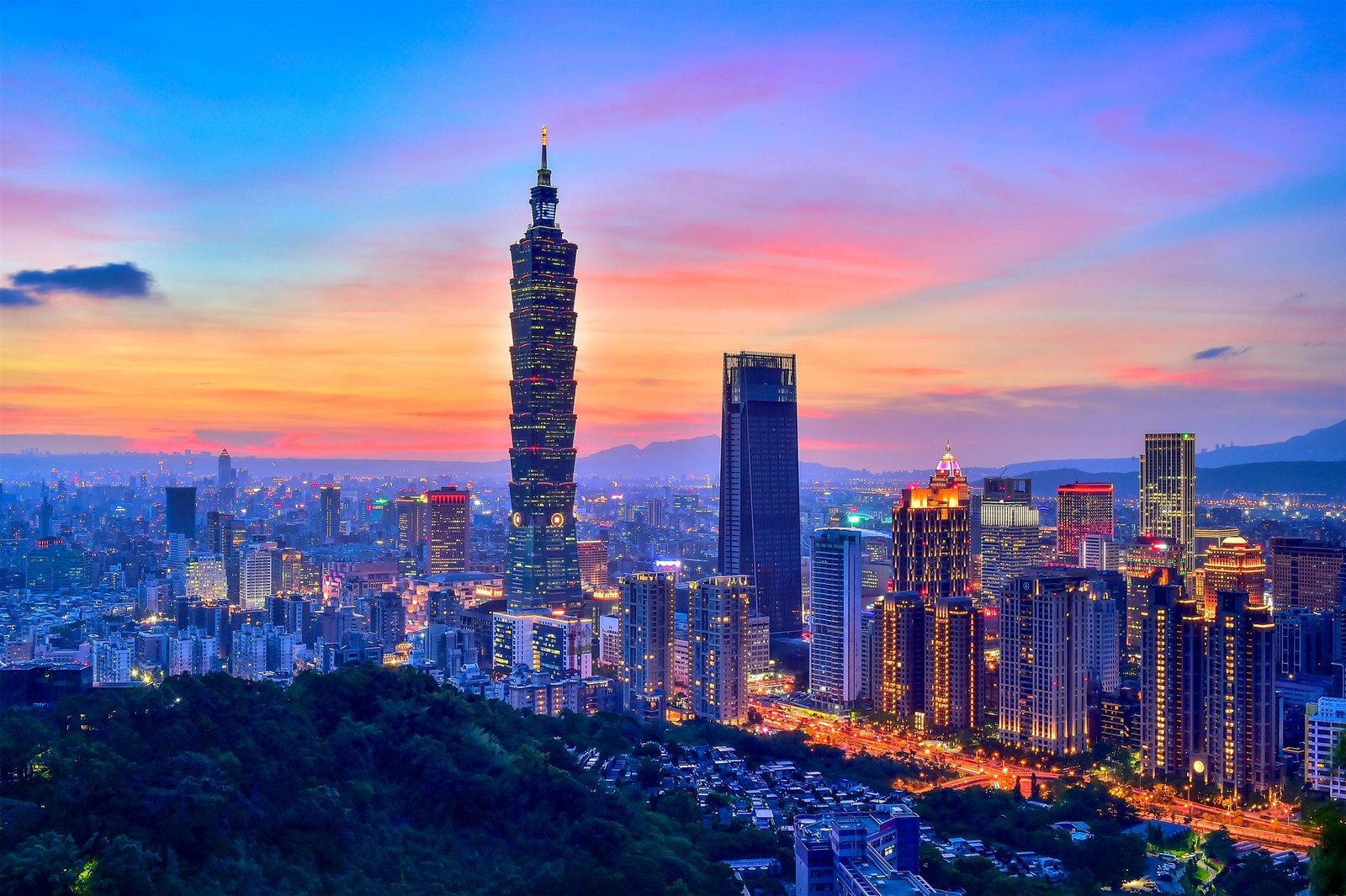
Rising above the glass towers, shopping centres, and broad boulevards of Xinyi District, Taipei 101 remains the defining symbol of modern Taipei. Its tiered, bamboo-inspired silhouette is instantly recognisable, but the experience extends beyond photographing the building from street level.
The Taipei 101 Observatory provides a remarkable aerial perspective of the city, alongside a closer look at the engineering that keeps the tower stable during strong winds and earthquakes. The admission cost and occasionally obstructed visibility require consideration, yet the combination of architecture, engineering, and skyline views makes this more than a routine observation deck.
TL;DR
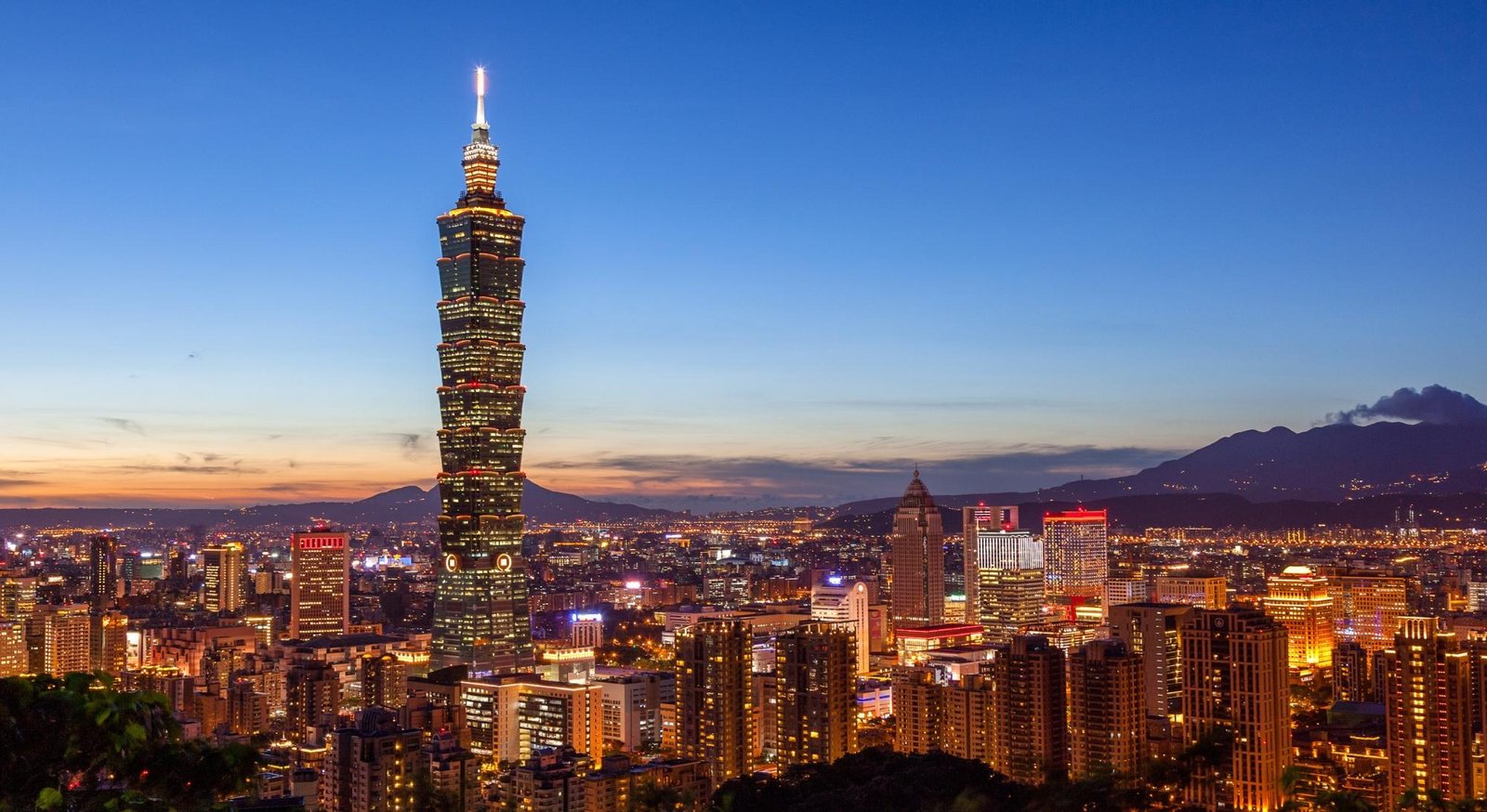
Taipei 101 is worth visiting at least once, particularly on a clear afternoon that transitions into sunset and evening. The 89th-floor indoor observatory offers a 360-degree view from 382 metres above the city, while premium experiences may provide access to higher floors or outdoor areas.
Visibility is the decisive factor. On a clear day, the scale of Taipei and its surrounding mountains is spectacular. During rain, haze, or low cloud, much of the experience can disappear behind grey glass.
Allow around 90 minutes for a standard visit and longer if you plan to explore the shopping mall or dine in Xinyi District.
At a Glance
| Detail | Information |
|---|---|
| Location | Xinyi District, Taipei, Taiwan |
| Main observatory | 89th floor |
| Observatory height | Approximately 382 metres |
| Standard opening hours | 10 a.m.–9 p.m. daily |
| Recommended visit | 1–2 hours |
| Best time | One hour before sunset |
| Nearest MRT | Taipei 101/World Trade Center |
| Best for | Skyline views, architecture, engineering, photography |
| Main drawback | Weather can significantly reduce visibility |
Opening hours, admission arrangements, outdoor access, and premium experiences may change. The observatory ticket counter and entrance are currently located on the first floor of the office tower. (taipei-101.com.tw)
Architecture and Design
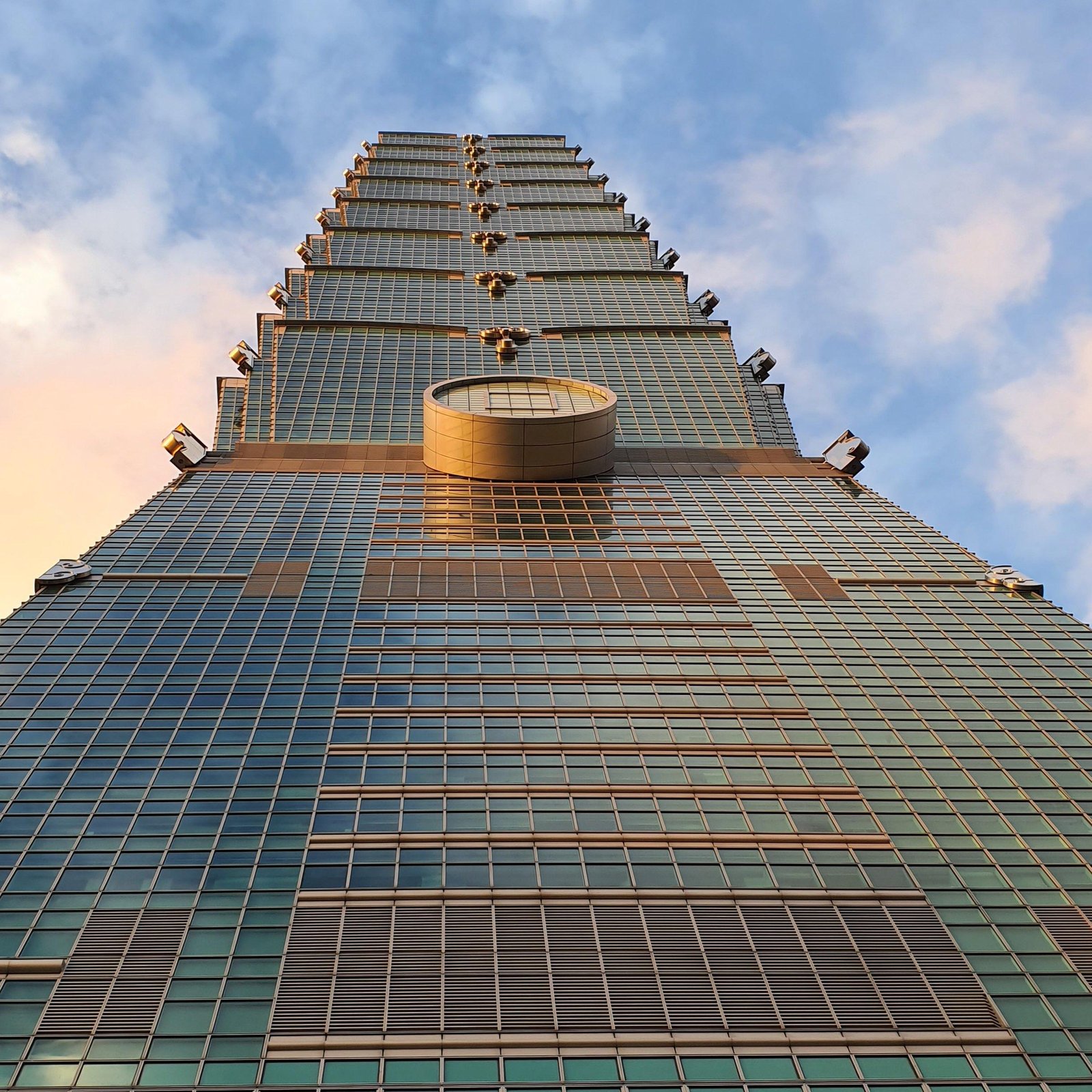
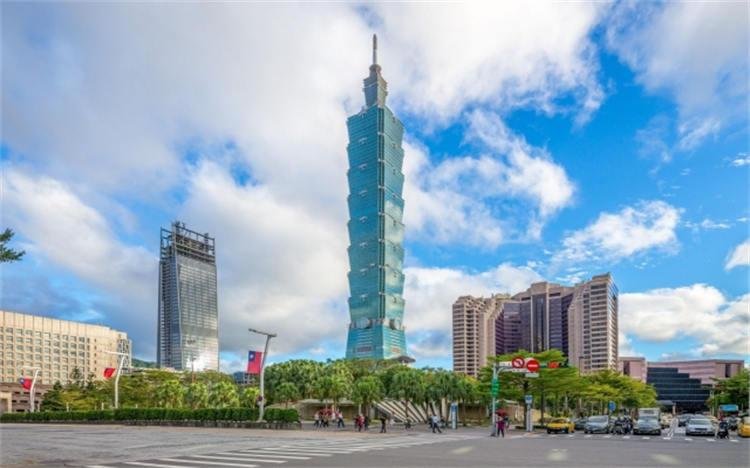
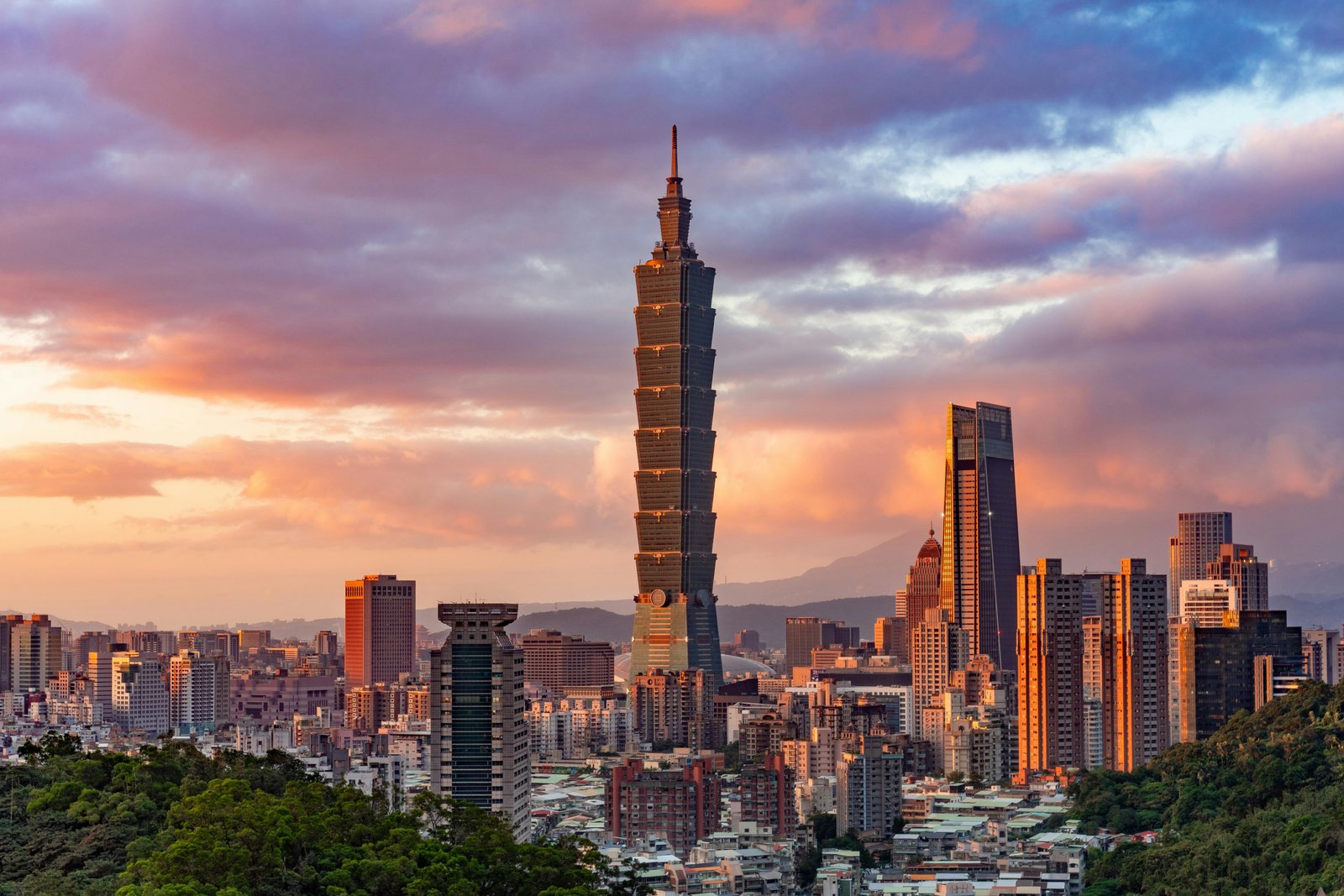
Taipei 101 opened as the world’s tallest completed building in 2004, a status it retained until Dubai’s Burj Khalifa surpassed it. At 508 metres, it remains one of Asia’s most important skyscrapers and Taiwan’s most recognisable contemporary landmark.
Its stacked form was inspired by bamboo, a traditional symbol of growth and resilience. Repeated groups of eight floors reference a number associated with prosperity in Chinese culture, while the exterior combines traditional symbolism with the appearance of an advanced technological monument.
The building looks particularly elegant from the surrounding Xinyi plazas, where enough distance is available to appreciate its proportions. The nearby Four Four South Village provides another popular contrast between preserved low-rise buildings and the tower’s immense vertical scale.
The High-Speed Elevator
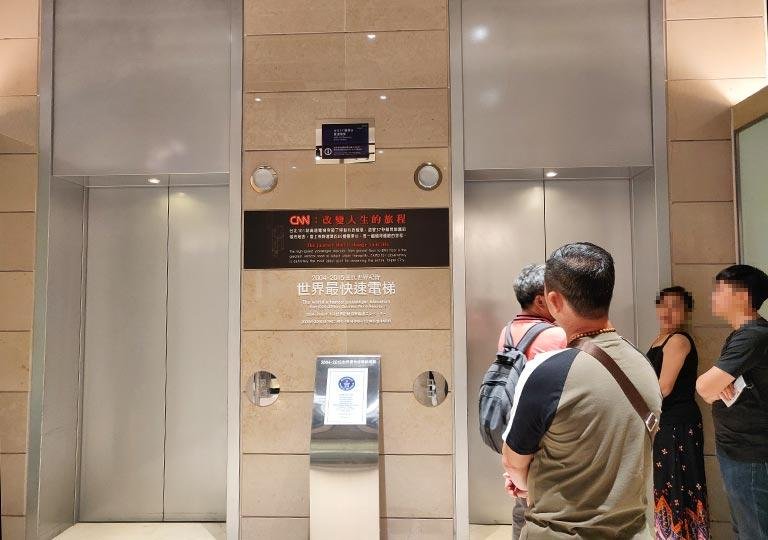
The journey to the observatory is an attraction in itself. High-speed elevators transport visitors from the lower floors to the 89th floor in less than a minute.
The ascent feels remarkably controlled. Lighting and ceiling effects help turn the brief journey into part of the presentation, while pressure changes may cause mild discomfort for sensitive visitors.
Queues can form before the elevators during weekends and holidays. Timed admission helps organise the flow, but it does not always eliminate waiting at security, ticket checks, or the return elevators.
The 89th-Floor Observatory
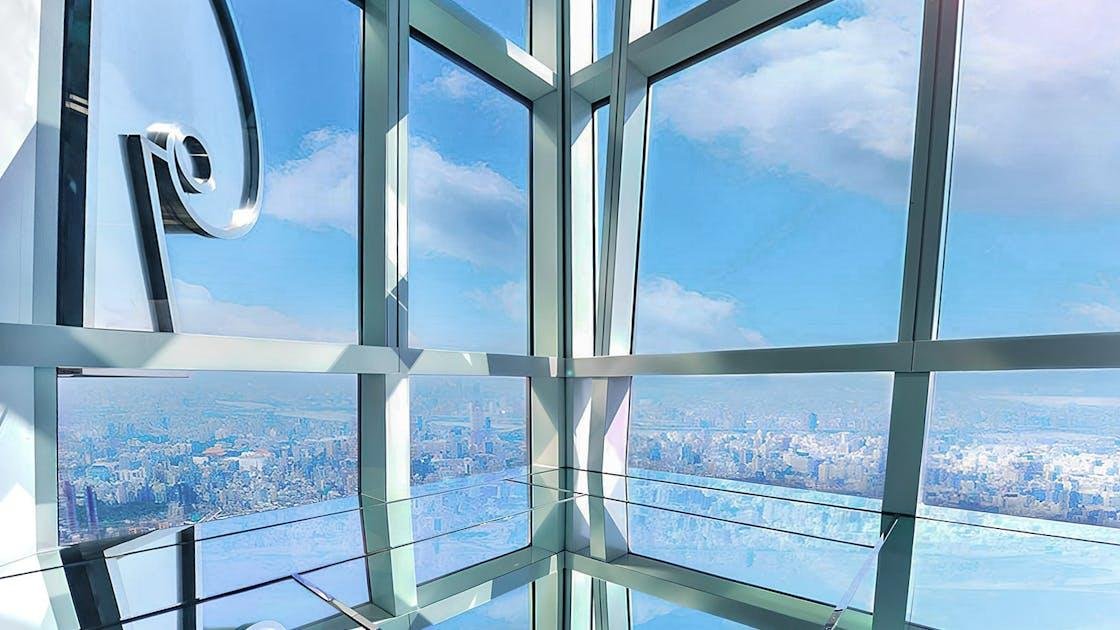
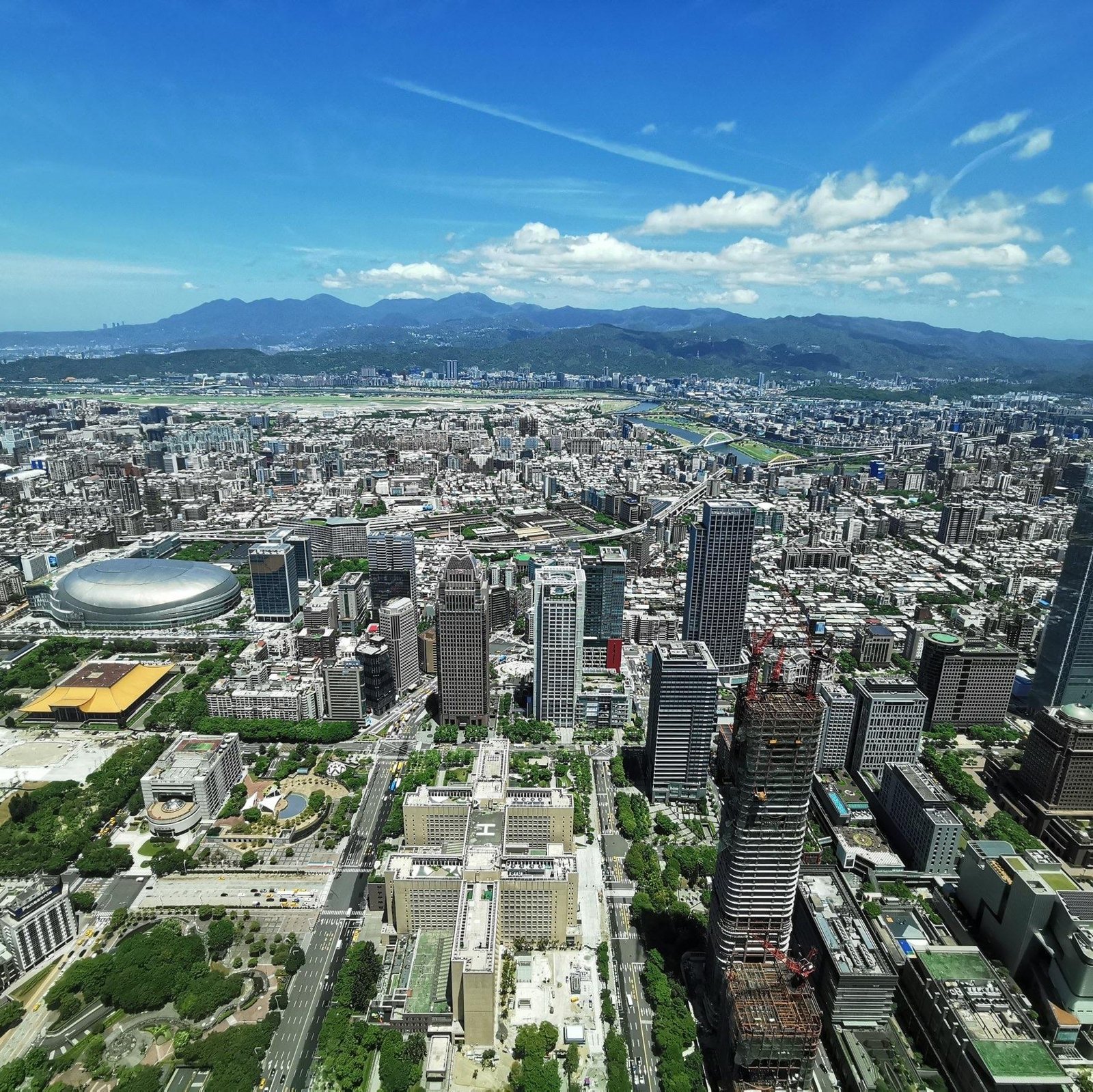
The principal indoor viewing deck occupies the 89th floor, approximately 382 metres above Xinyi District. Large windows provide a 360-degree perspective over Taipei, with diagrams helping visitors identify major landmarks.
To the west, the urban landscape stretches toward the rivers and older central districts. Mountains frame the city in other directions, revealing how closely Taipei’s development is contained by the surrounding terrain.
The indoor deck is spacious but can become noisy and congested near sunset. Reflections from interior lighting also make nighttime photography through the glass more challenging. Wearing dark clothing and positioning the camera close to the window can help reduce reflections.
The Tuned Mass Damper
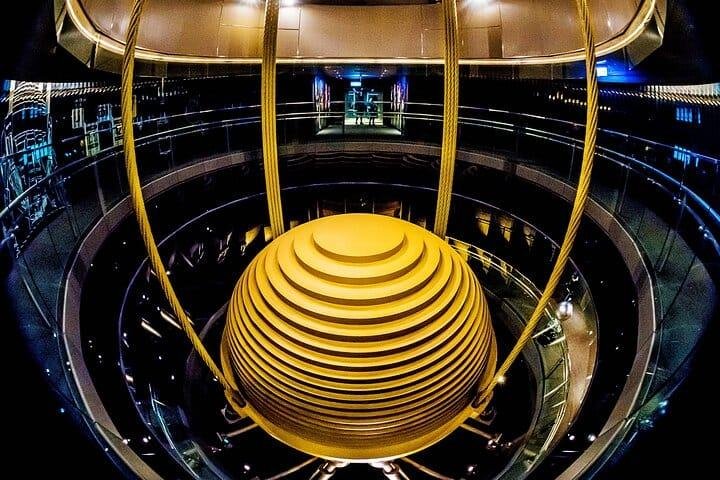
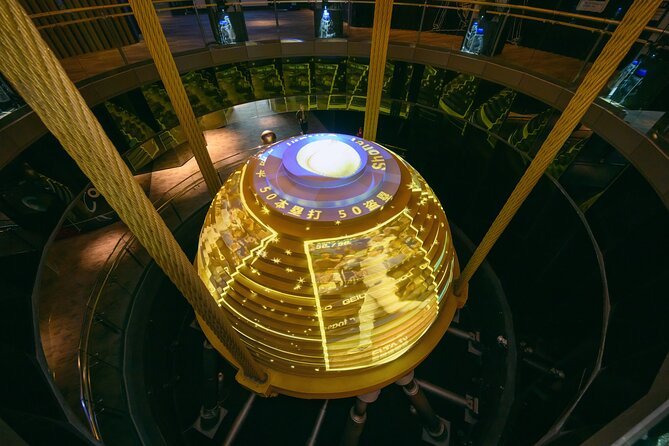
Taipei 101’s enormous golden tuned mass damper is arguably as memorable as the skyline view. Suspended within the tower, the 660-tonne sphere helps reduce movement caused by strong winds and seismic activity.
Visitors can see the damper from several levels, making an advanced engineering solution unusually accessible and visually dramatic. Its scale becomes most apparent when viewed beside the structural cables and surrounding walkways.
The display distinguishes Taipei 101 from observation decks that offer little beyond height. Even when visibility is imperfect, the damper provides a substantial reason to explore the interior.
Higher Floors and Skyline460
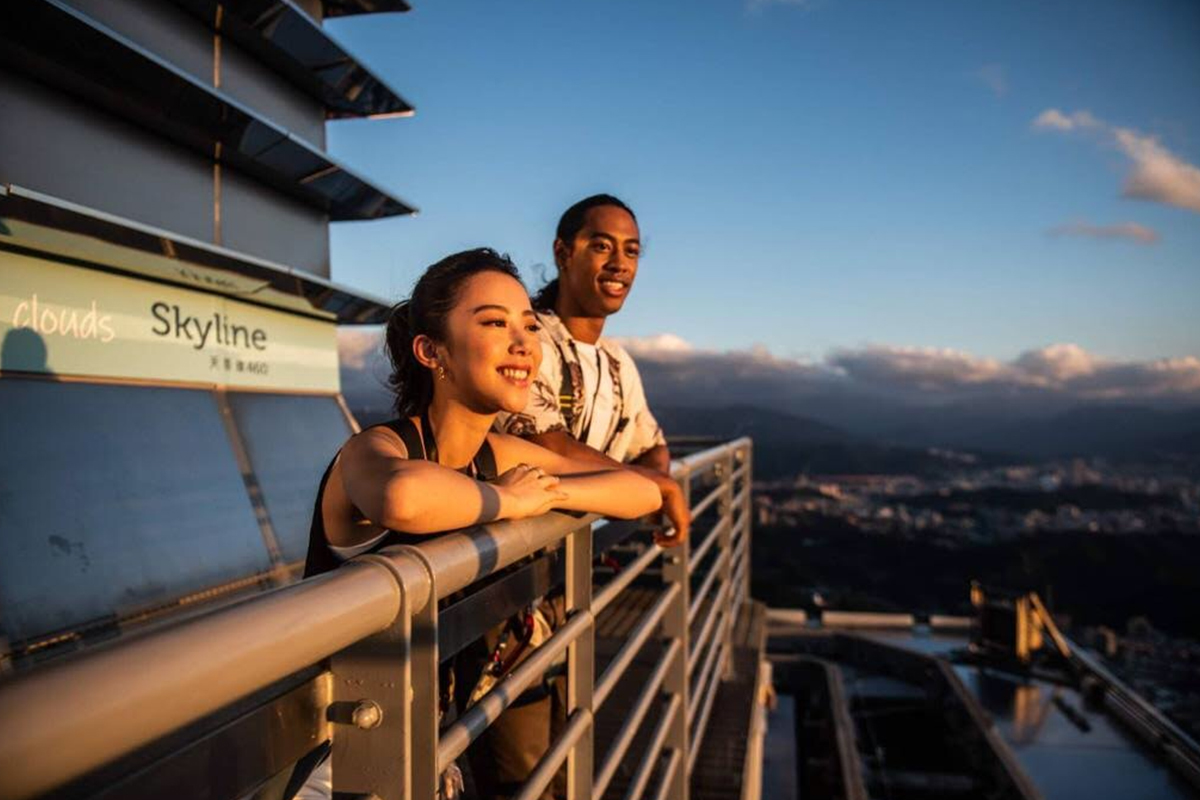
Premium ticket options may provide access to the 101st floor or Skyline460, an outdoor platform positioned high on the tower. These experiences are more exclusive and weather-dependent than standard admission.
The 101st floor offers elevated indoor views, while Skyline460 creates a more visceral sense of the building’s height. Visitors wear safety equipment for the outdoor experience and must follow strict operational instructions.
These upgrades suit architecture enthusiasts or travellers seeking a distinctive premium activity. For most visitors, however, the 89th-floor observatory delivers the essential Taipei 101 experience at a more reasonable cost. Availability and access conditions should be checked when booking. (TAIPEI 101)
Daytime, Sunset, or Night?
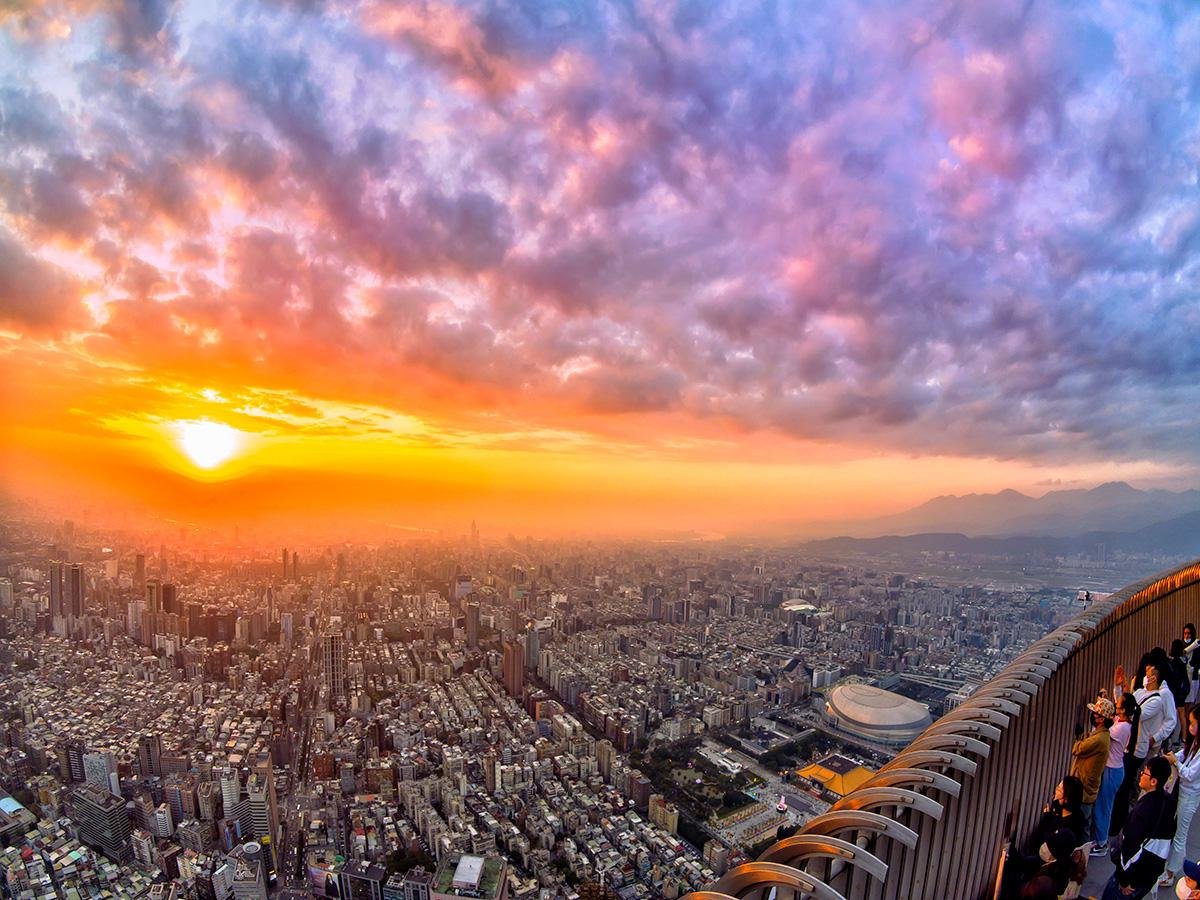
Daytime provides the clearest understanding of Taipei’s geography. Streets, rivers, temples, residential districts, and surrounding mountains are easier to identify before darkness.
Sunset is the most atmospheric choice, especially when clouds catch the evening light. Arriving approximately one hour beforehand allows time for entry procedures and gives you both daylight and nighttime views.
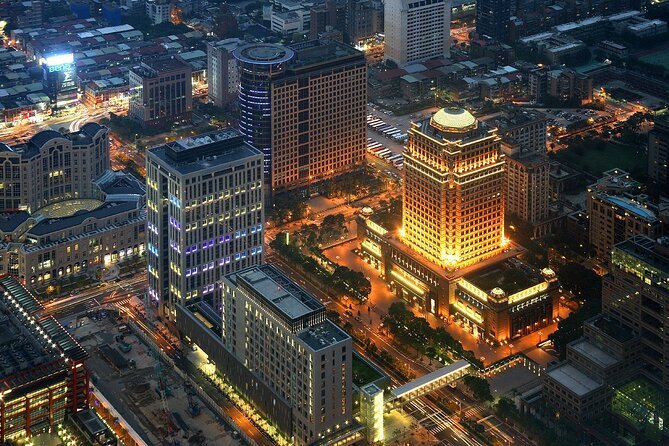
After dark, Taipei becomes a dense pattern of illuminated roads and buildings. The atmosphere is impressive, although window reflections become more noticeable and distant landscape details disappear.
Weather and Visibility
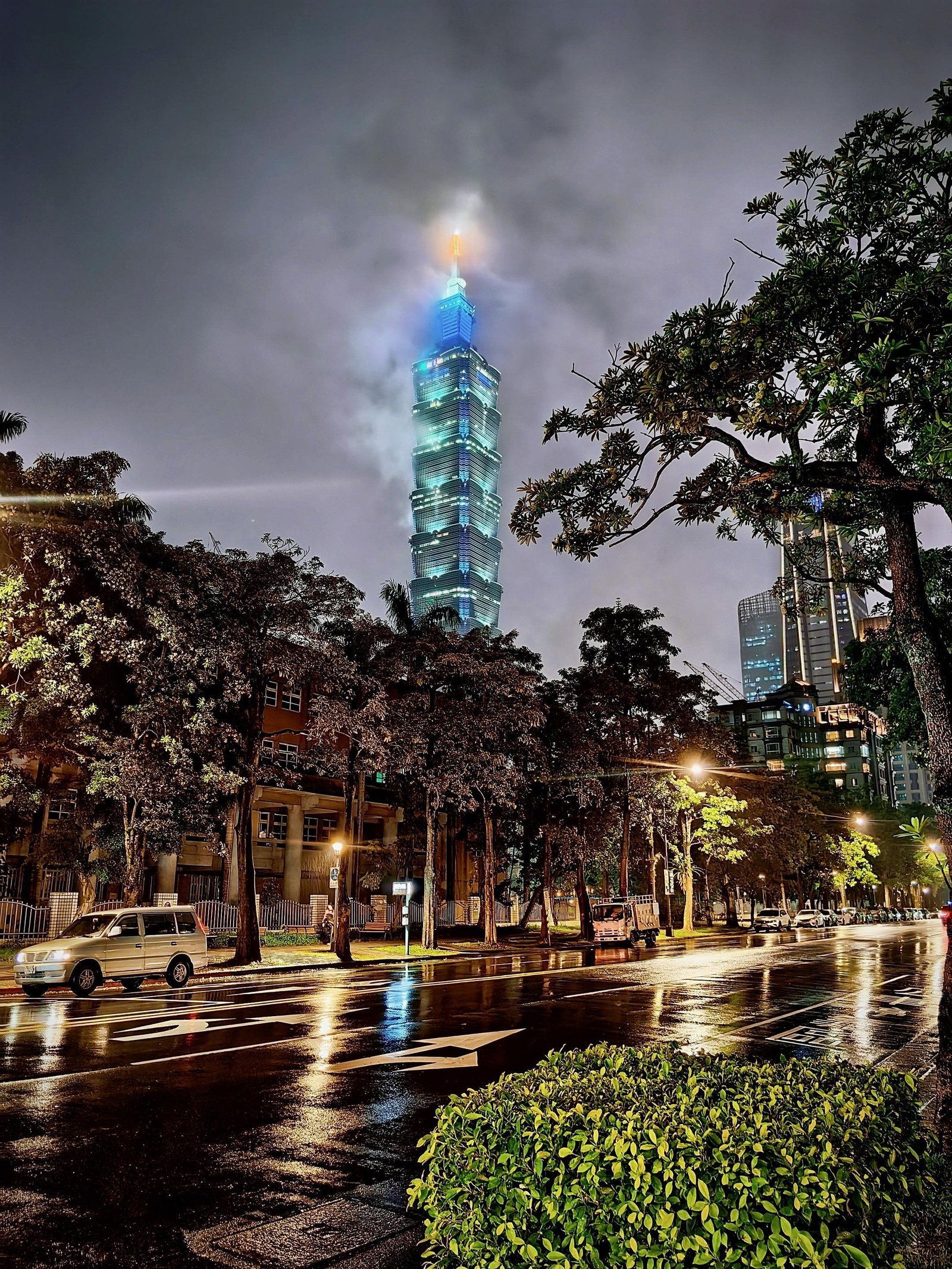
Weather determines whether Taipei 101 feels exceptional or merely adequate. Taipei frequently experiences haze, rain, humidity, and low cloud, all of which can soften or completely obscure the view.
Check the tower itself before entering. If its upper floors are hidden in cloud from street level, visibility from the observatory is unlikely to be rewarding.
Flexible travellers should keep Taipei 101 available for the clearest day of their stay. Morning conditions can be sharper, while sunset provides better atmosphere but carries greater weather and crowd risk.
Crowds and Photography
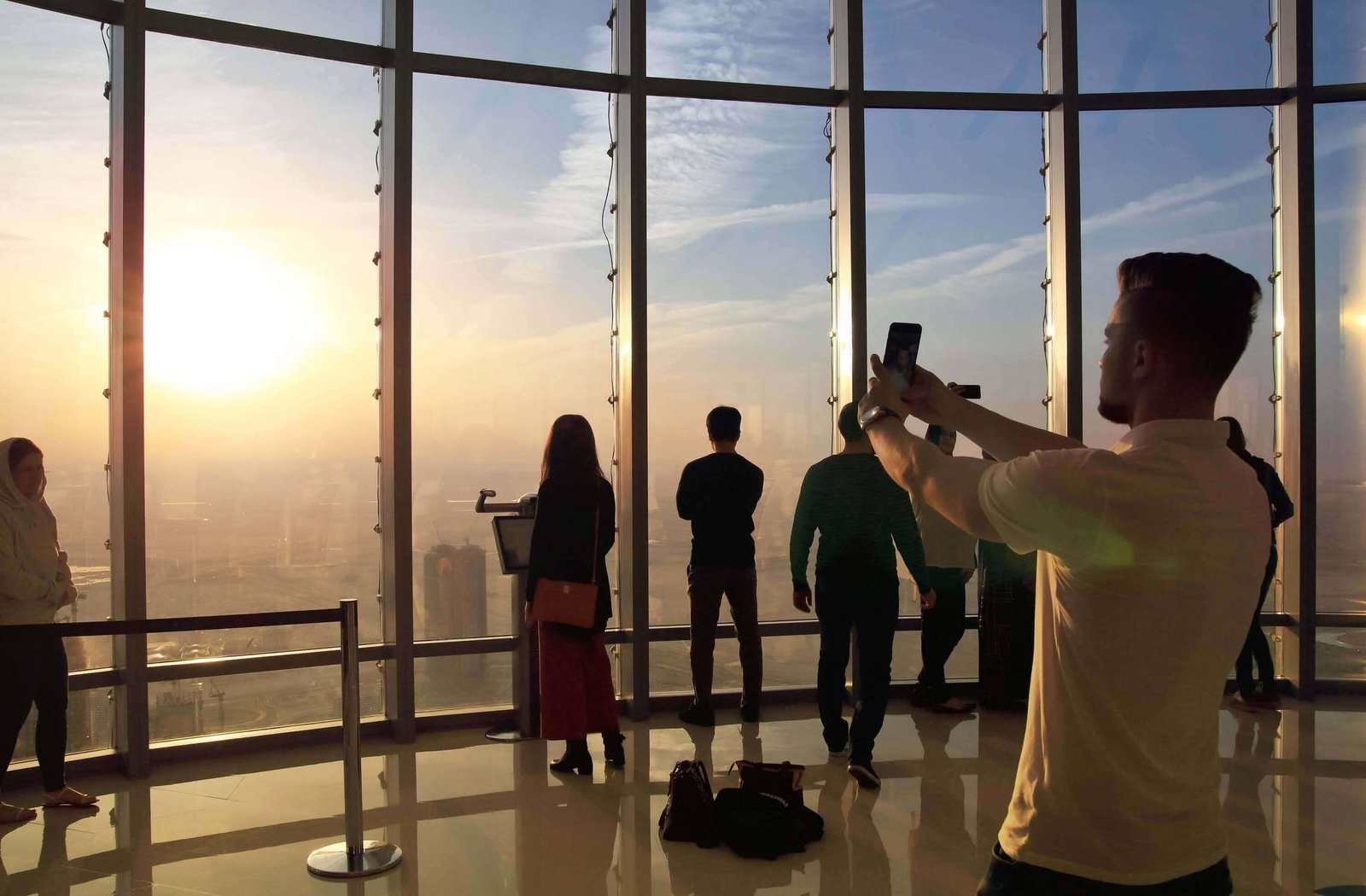
Weekends, national holidays, school breaks, and the period around sunset attract the largest crowds. Popular windows can become surrounded by visitors waiting for photographs, although movement around the circular deck generally creates alternative viewpoints.
Tripods and large equipment may be impractical in busy areas. A phone or compact camera performs well during daylight, while nighttime images require patience because of reflections.
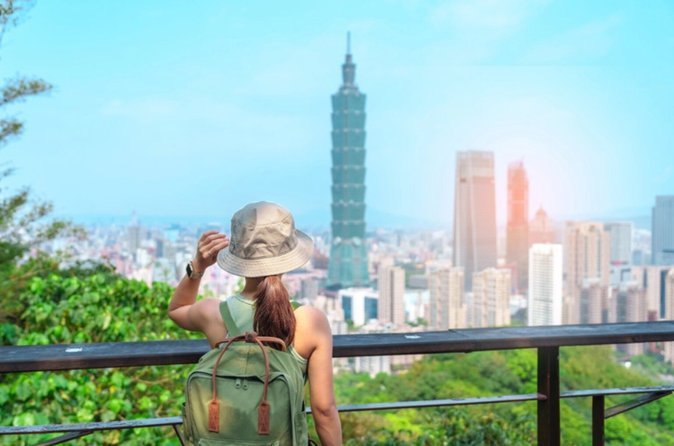
For a photograph featuring Taipei 101 rather than a view from it, Elephant Mountain remains the classic location. The uphill walk is demanding in humid weather but provides the familiar skyline composition with the tower at its centre.
Shopping and Dining
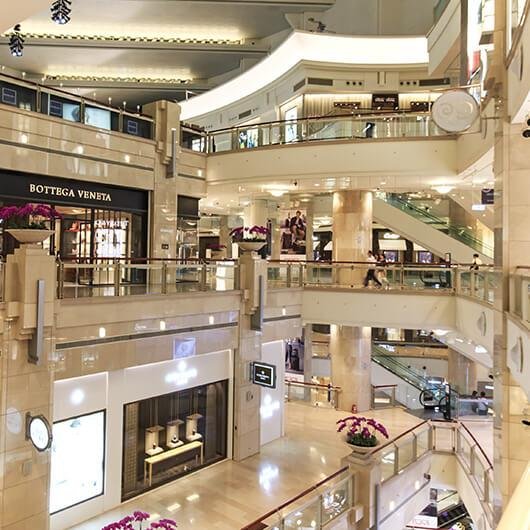
The tower connects directly to one of Taipei’s most polished shopping malls, containing international luxury houses, beauty boutiques, restaurants, cafés, and an extensive food court.
Shopping is not necessary to enjoy the building, but it makes the visit easy to extend into a half-day Xinyi itinerary. The surrounding district adds department stores, rooftop bars, public artworks, and pedestrian spaces.
Din Tai Fung’s Taipei 101 branch is especially popular and regularly develops long waits. Joining the queue before visiting the observatory—or choosing a quieter branch elsewhere—can make the day more efficient.
Getting There and Accessibility
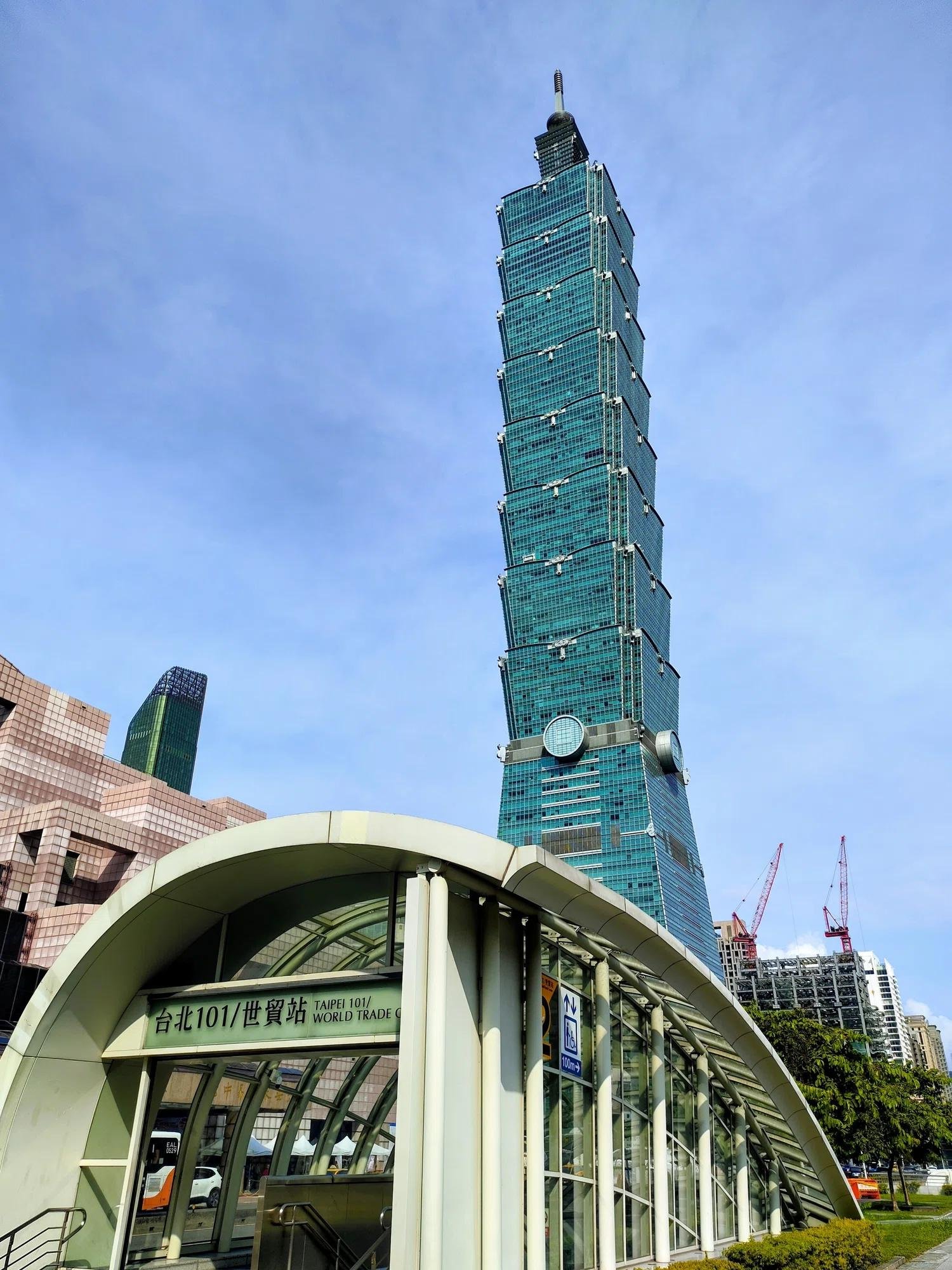
Taipei 101 is exceptionally easy to reach using the MRT. Taipei 101/World Trade Center Station on the Red Line places visitors beside the complex, avoiding the need for taxis or complicated transfers.
The mall and observatory use elevators, smooth interior surfaces, and accessible facilities. Wheelchair users and visitors with limited mobility should find the principal public areas manageable, although assistance may be required during particularly busy periods.
Clear signs are provided in English and Chinese, and the organised visitor route makes independent exploration straightforward.
How Long Do You Need?
A standard observatory visit requires approximately 60 to 90 minutes. Allow up to two hours during peak periods or if you want to photograph the transition from daylight to night.
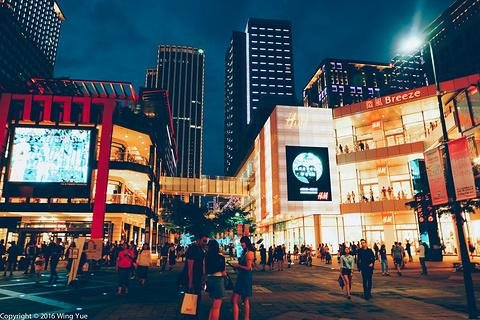
The larger Xinyi experience can easily fill half a day when combined with shopping, dinner, Four Four South Village, or an evening viewpoint.
Travellers building a more refined city itinerary can explore our guide to luxury things to do in Taipei, which places Taipei 101 alongside private tours, fine dining, cultural landmarks, and scenic experiences.
Is Taipei 101 Worth Visiting?
Yes, particularly for first-time visitors and anyone interested in architecture or engineering. The view gives valuable context to a city whose scale is difficult to understand at street level, while the tuned mass damper adds genuine substance.
The standard admission fee can feel expensive when clouds obscure the city. Visitors who have already experienced several major skyscraper observatories may also find the viewing-deck format familiar.
What makes Taipei 101 distinctive is not simply its height. The building connects Taiwan’s cultural symbolism, technological confidence, earthquake-conscious engineering, and modern urban identity within one landmark.
LxryNow Review Scorecard
| Category | Score | Assessment |
|---|---|---|
| Architecture | 10 | Distinctive design with strong cultural symbolism |
| Skyline Views | 9 | Exceptional when weather conditions are clear |
| Observatory Experience | 8 | Well organised but familiar in format |
| Engineering Interest | 10 | The visible tuned mass damper is fascinating |
| Photography | 8 | Excellent by day; reflections affect night images |
| Crowd Management | 7 | Timed entry helps, though sunset remains busy |
| Accessibility | 9 | Convenient MRT access and accessible interiors |
| Value | 7 | Weather heavily influences the value of admission |
| Location | 10 | Surrounded by Taipei’s best-known modern district |
| Overall Visitor Experience | 9 | Polished, informative, and unmistakably Taipei |
Which Taipei 101 Experience Should You Choose?
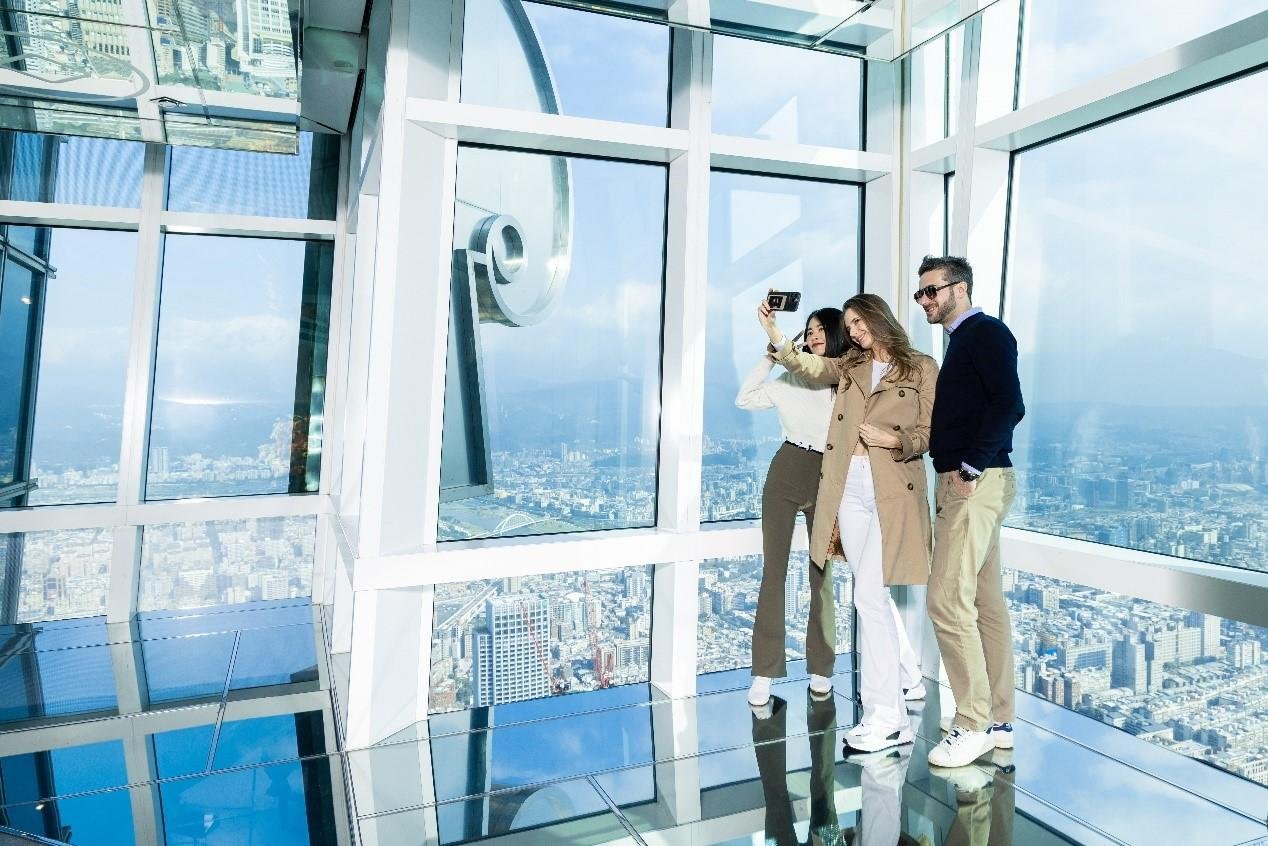
Choose a standard 89th-floor ticket if you want the essential view and damper experience. It offers the strongest balance between cost and access.
Select a premium upper-floor or Skyline460 experience if height, exclusivity, and unusual photography matter more than price. Because outdoor access depends on operational and weather conditions, confirm exactly what the ticket includes.
A private city tour is better for travellers with limited time who want to combine Taipei 101 with temples, historic neighbourhoods, memorials, and local food. For evening atmosphere, consider a night tour that views the illuminated tower from Elephant Mountain rather than going inside it.
Book the Experience
Taipei 101 Observatory Deck 89th-Floor E-Ticket
A straightforward option for independent visitors who mainly want observatory admission.
Taipei 101 Observatory Ticket With 89F or 101F Options
Consider this when comparing standard access with a higher-floor experience.
Full-Day Private Custom Taipei City Tour
A flexible private itinerary that can combine Taipei 101 with cultural and historic landmarks.
Private Night Tour of Taipei
An evening experience featuring Taipei landmarks and views of Taipei 101 from Elephant Mountain.
Review the current inclusions carefully before booking. Some city tours stop outside Taipei 101 without including observatory admission, while higher-floor access may depend on weather and availability.
Pros and Cons
| Pros | Cons |
|---|---|
| Outstanding views in clear weather | Clouds and haze can obscure the city |
| Iconic architecture and cultural symbolism | Standard admission may feel expensive |
| Fascinating visible wind damper | Sunset periods can become crowded |
| Extremely convenient MRT access | Night photography is affected by reflections |
| Easy to combine with shopping and dining | Premium experiences cost considerably more |
| Suitable for most ages and mobility levels | The core viewing-deck format may feel familiar |
Final Verdict
LxryNow Verdict: Taipei 101 is an essential introduction to the scale, geography, and modern identity of Taiwan’s capital. Its skyline views are impressive, but the building becomes more meaningful through its culturally informed architecture and extraordinary engineering.
The experience is at its best when treated as part of a broader Xinyi itinerary rather than a quick elevator ride. Arrive before sunset, examine the tuned mass damper, watch the city illuminate, and continue into the district for dinner.
Visibility remains the principal risk. Choose a clear day, avoid the busiest holiday periods, and Taipei 101 delivers one of the city’s most memorable perspectives.
Overall Score: 8.7/10
