

The enormous red lantern at Kaminarimon is one of Tokyo’s most familiar images. Beyond it, Senso-ji unfolds through a lively shopping street, monumental gates, drifting incense, and a main hall that remains an active place of Buddhist worship.
This Senso-ji review explores the experience behind the photographs. The temple is an essential introduction to Asakusa, but its atmosphere changes dramatically throughout the day. Arrive early for space and reflection, or later for shopping and neighbourhood life. The most rewarding visit leaves room for both.
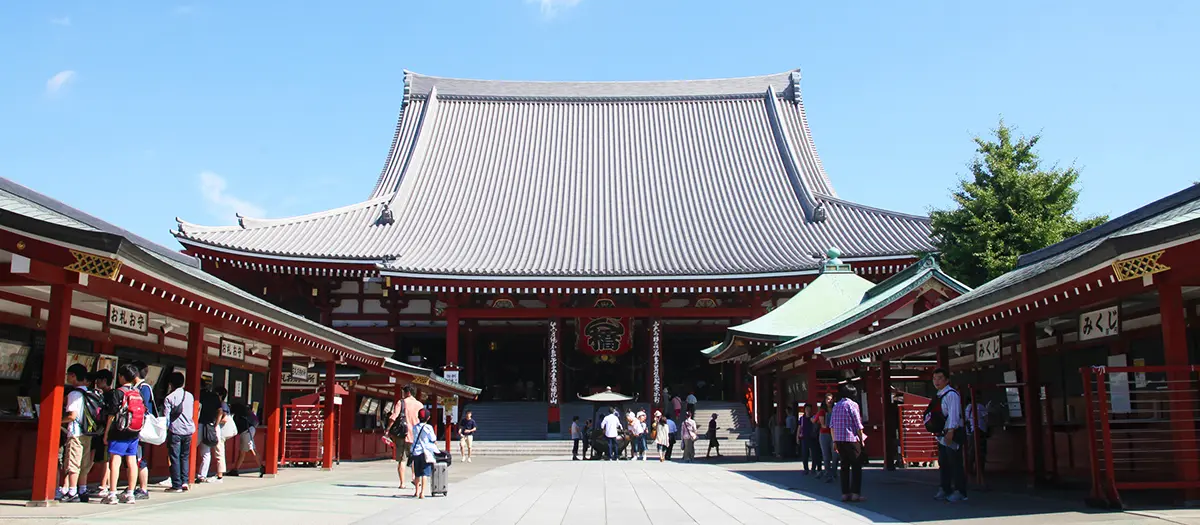
TL;DR
Senso-ji is worth visiting, particularly on a first trip to Tokyo. Free admission, striking architecture, religious traditions, and its Asakusa setting give it broad appeal.
Allow around an hour for the temple and two to three hours when adding shopping, food, and nearby streets. Early morning provides the calmest atmosphere; evening offers beautiful illuminated exteriors, although the main hall and many shops are closed.
The principal drawback is crowding along Nakamise and around the famous gates.
At a Glance

| Detail | Information |
|---|---|
| Location | Asakusa, Taito City, Tokyo, Japan |
| Address | 2-3-1 Asakusa |
| Admission | Free for the principal temple visit |
| Main hall hours | April–September: 6 a.m.–5 p.m. |
| Winter main hall hours | October–March: 6:30 a.m.–5 p.m. |
| Grounds | Generally accessible outside main hall hours |
| Recommended visit | 1 hour; longer with Asakusa exploration |
| Nearest transport | Asakusa Station |
| Best for | Architecture, culture, photography, neighbourhood walks |
| Main drawback | Heavy daytime crowds |
Main hall access and shop opening times are separate. Check arrangements around ceremonies and major events. sangyo-rodo1.metro.tokyo.lg.jp
History and Spiritual Significance

Senso-ji is Tokyo’s oldest Buddhist temple. Its founding tradition dates to 628, when two fishermen discovered a statue of Kannon, the bodhisattva associated with compassion, in the Sumida River.
The temple developed into a major religious centre, helping Asakusa grow around it. Its principal sacred image remains concealed rather than displayed as a sightseeing object.
Much of the prominent architecture was reconstructed after destruction during the Second World War. The main hall reopened in 1958, preserving the temple’s religious continuity within a rebuilt structure. senso-ji.jp
Kaminarimon and Its Red Lantern

Kaminarimon, commonly translated as the Thunder Gate, creates a memorable entrance. Its enormous lantern and guardian figures announce the temple’s scale before you reach the main precinct.
Look beneath the lantern for the carved dragon detail, then step aside to appreciate the gate’s proportions. The central passage is a busy thoroughfare, so it is a difficult place for an unhurried photograph.
Early morning offers the best chance of seeing the gate without a dense foreground of visitors. Later, its bustle becomes part of the Asakusa experience.
Nakamise Shopping Street

Nakamise connects Kaminarimon with the inner temple approach. Roughly 90 shops sell snacks, crafts, fans, decorative objects, and souvenirs, creating a colourful route toward the main hall. gotokyo.org
It is enjoyable to browse, but its popularity makes walking slow at busy times. Avoid treating the street as a compulsory shopping stop: quieter surrounding lanes often provide equally interesting discoveries.
If you visit before the shops open, expect closed shutters and a different atmosphere. Return later if shopping is an important part of your itinerary.
Hozomon and the Five-Storey Pagoda
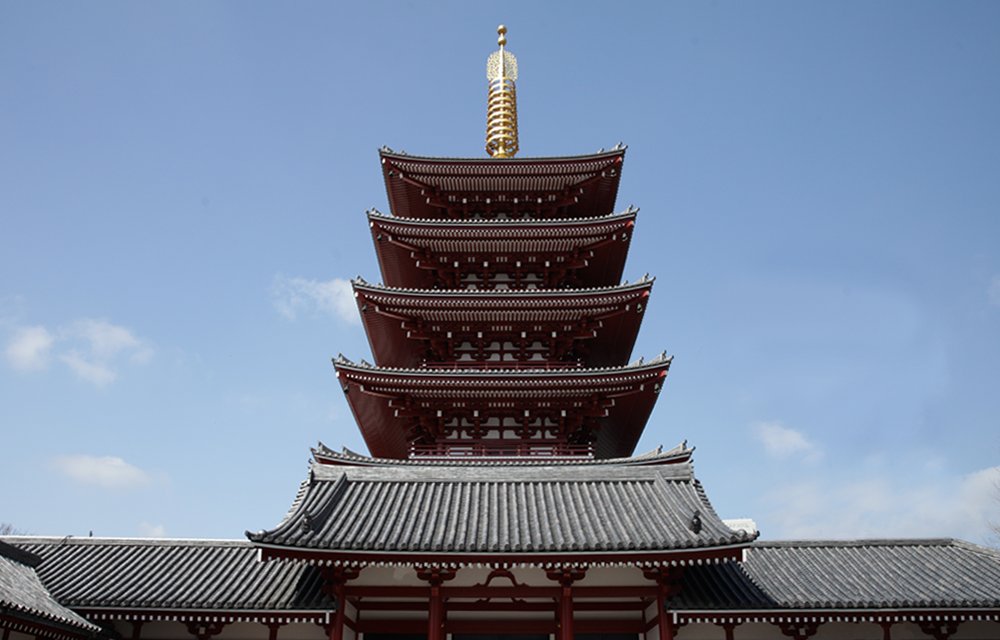
Hozomon provides a second architectural threshold, opening onto the broad space before the main hall. Together with the five-storey pagoda, it creates some of Senso-ji’s strongest compositions.
The pagoda is primarily an exterior highlight for ordinary visitors. Its stacked roofs and vertical silhouette balance the main hall’s enormous sweeping roof.
Walk around rather than photographing everything from the central axis. Side angles reveal different relationships between the gates, pagoda, and temple buildings.
The Main Hall and Incense Burner

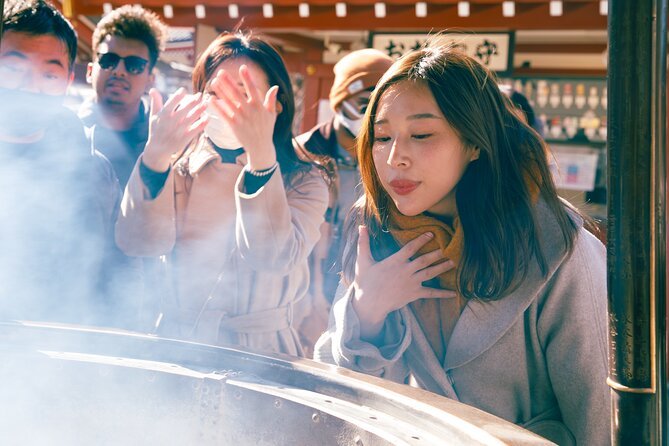
The incense burner before the main hall is one of the temple’s most recognisable gathering points. Worshippers draw smoke toward themselves as part of a customary practice associated with wellbeing.
Observe without obstructing others or treating the ritual as a performance. Visitors are welcome to appreciate the religious life of the precinct without participating.
At the main hall, pause to take in the atmosphere and follow posted instructions. Quiet observation can be more meaningful than rushing through a sequence of photographs.
Omikuji and Temple Etiquette
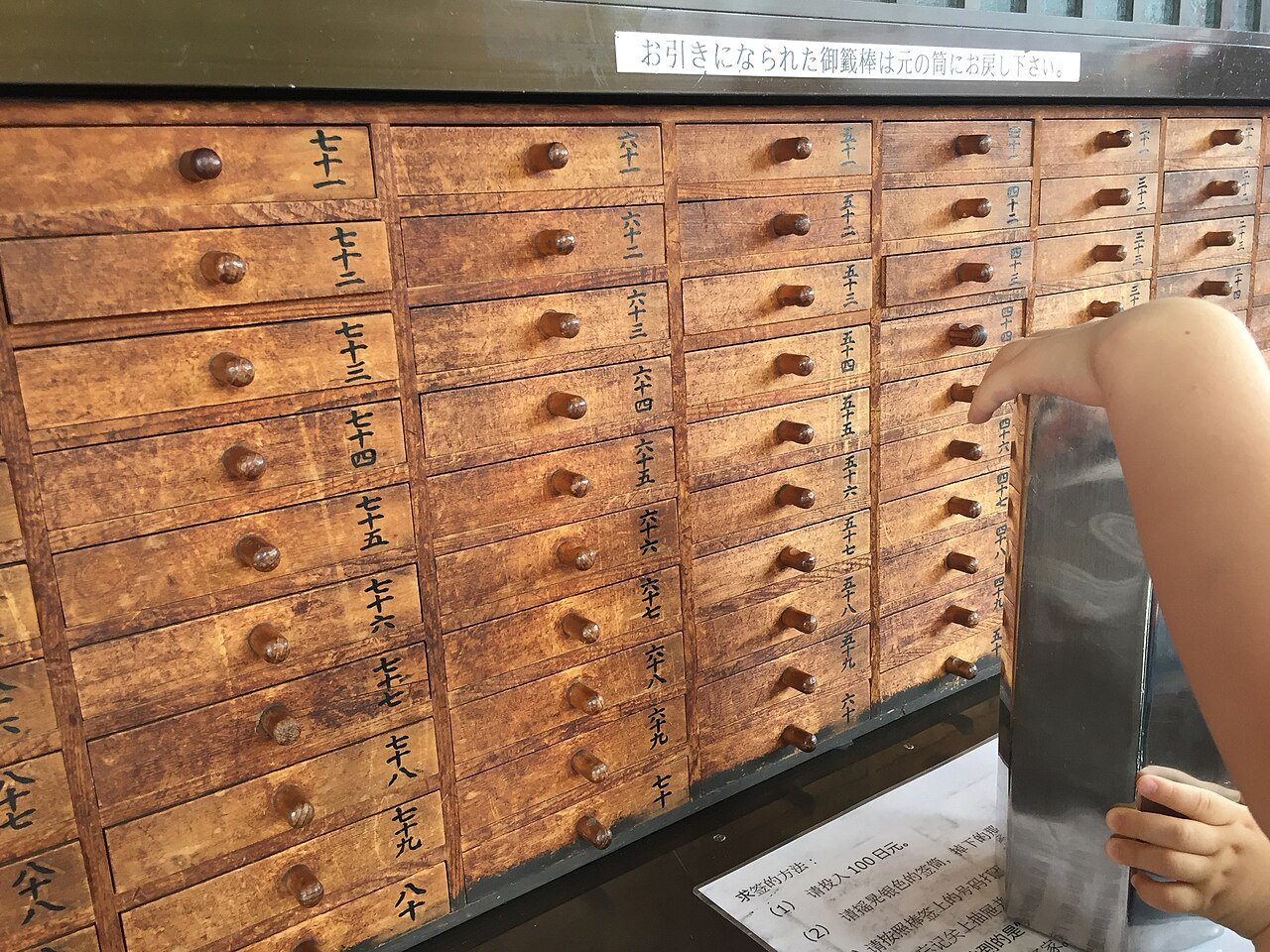
Omikuji fortunes offer a small introduction to temple customs. Follow the displayed procedure and payment instructions; unfavourable fortunes may be tied at the designated racks.
Remember that Senso-ji is a Buddhist temple. Prayer commonly involves placing the hands together quietly rather than following the clapping ritual associated with many Shinto shrines.
Keep voices low near worshippers, respect restricted spaces, and ask before taking close photographs of individuals. Follow local signs around photography and ceremonies.
Food and Small Discoveries

The surrounding streets make it easy to extend the temple visit through food. Ningyo-yaki cakes, rice crackers, and other sweets suit a short tasting route, while nearby restaurants provide more substantial meals.
Eat where the vendor directs you, often beside the shop, rather than moving through crowded lanes with food. This keeps the approach comfortable for everyone.
A few carefully chosen snacks are more rewarding than joining every visible queue. Leave room to explore the side streets, where the neighbourhood feels less concentrated around sightseeing.
Morning, Daytime, or Evening?

Early morning is best for quiet surroundings and architectural photographs. The trade-off is that many shops have yet to open.
Daytime brings the fullest combination of worship, shopping, and street activity, alongside the largest crowds. Late afternoon can provide a useful balance, provided you arrive before the main hall closes.
Evening offers a different experience: illuminated buildings, quieter passages, and Nakamise’s shutter artwork. Treat it as an exterior visit rather than expecting access to the hall or daytime retail activity. gotokyo.org
Crowds and Seasonal Events
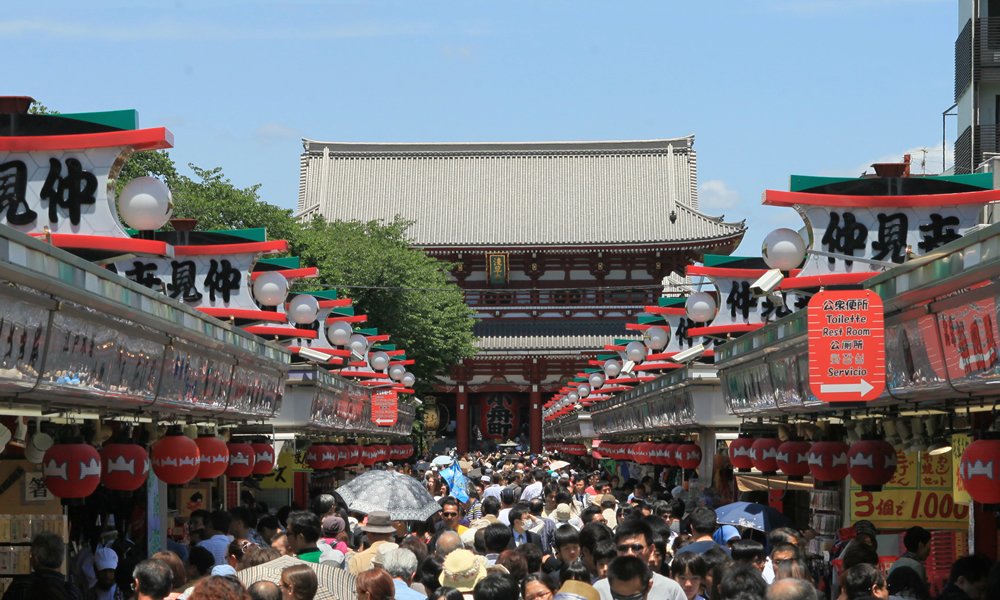
Weekends, holidays, and major festivals can transform the precinct into a dense flow of visitors. The narrow approach is particularly vulnerable to bottlenecks.
Seasonal events add character, including the July hozuki plant market and December hagoita decorative-paddle market. They also require more patience and flexible timing.
If atmosphere matters more than shopping, prioritise an early weekday visit. If you enjoy lively public gatherings, the busier periods can be rewarding—provided you expect movement to be slow.
Exploring Beyond the Temple

Asakusa deserves more time than a quick temple circuit. Explore the neighbouring streets, continue toward the Sumida River, or visit Kappabashi for kitchenware and food-related crafts.
The nearby Asakusa Shrine is a separate Shinto institution, offering another layer of religious history beside Senso-ji.
For a broader itinerary, our guide to luxury things to do in Tokyo pairs cultural exploration with private tours, dining, and other experiences across the capital.
Getting There and Accessibility

Asakusa Station provides convenient access, with the Ginza and Toei Asakusa lines serving the neighbourhood. Several stations share the Asakusa name, so check the precise exit and walking route.
Much of the principal approach is paved, and accessible facilities include ramps, lifts, and multipurpose toilets. Crowds can nevertheless make movement difficult. gotokyo.org
Families and visitors using mobility aids will generally find a quieter arrival more comfortable. Allow extra time rather than planning a rapid passage through Nakamise.
Is Senso-ji Worth Visiting?

Yes. Senso-ji combines religious significance, memorable architecture, and a lively neighbourhood with exceptional value.
Its busiest areas can feel crowded and commercial, particularly when visitors focus entirely on the lantern and shopping street. The experience improves when you pause near the main hall and explore beyond the central route.
For first-time visitors, it is an essential Tokyo stop. Returning travellers can appreciate it differently through an early morning or evening visit.
LxryNow Review Scorecard

Category ratings are out of 10.
| Category | Score | Assessment |
|---|---|---|
| Historical Significance | 10 | Tokyo’s oldest Buddhist temple and a major spiritual centre |
| Architecture | 9 | Striking gates, sweeping roofs, and a distinctive pagoda |
| Cultural Experience | 9 | Active worship and traditions within a busy precinct |
| Atmosphere | 8 | Most rewarding outside the busiest periods |
| Photography | 9 | Excellent architectural scenes by day and evening |
| Shopping and Food | 8 | Enjoyable variety across Nakamise and nearby streets |
| Crowd Management | 6 | Narrow approaches become heavily congested |
| Accessibility | 8 | Useful facilities, with crowds affecting movement |
| Value | 10 | An outstanding free cultural visit |
| Overall Score | 8.6/10 | An essential Asakusa experience that rewards thoughtful timing |
Which Senso-ji Experience Should You Choose?

Choose an independent visit for flexibility and a simple temple-focused itinerary. A private walking guide adds context about Buddhist customs, local history, and the surrounding neighbourhood.
A food tour works well when you want to combine the temple with Asakusa’s culinary character.
Rickshaw rides offer a different view of nearby streets, but they do not travel through the temple grounds or Nakamise. Pair the ride with a visit on foot.
Book the Experience
Tokyo Asakusa Private Walking Tour
Explore Senso-ji and the neighbourhood with individual attention from a guide.

Senso-ji Temple and Asakusa District Private Tour
A broader introduction to Asakusa’s history and cultural character.

Private Asakusa and Senso-ji Tour With Food Stops
Combine neighbourhood exploration with guided tastings.

Tokyo Asakusa Rickshaw Tour
Experience surrounding streets by rickshaw, with temple exploration completed separately on foot.
Check duration, food inclusions, guide language, meeting point, and walking requirements before booking.
Pros and Cons
| Pros | Cons |
|---|---|
| Free principal temple admission | Heavy daytime crowds |
| Strong religious and historical significance | Main approach feels commercial |
| Memorable gates and pagoda | Quiet visits mean fewer open shops |
| Excellent surrounding neighbourhood | Main hall closes before evening |
| Good food and souvenir browsing | Famous photo spots develop bottlenecks |
| Beautiful illuminated exteriors | Limited interpretation without preparation |
Final Verdict

LxryNow Verdict: Senso-ji deserves its place among Tokyo’s defining attractions. Its appeal comes from the combination of worship, architecture, commerce, and neighbourhood life rather than any single landmark.
Arrive early for calm, return later for shopping, or visit after dark for a different architectural mood. Leave time for the streets beyond Nakamise and approach the temple as an active religious place.
The red lantern draws visitors in; the wider Asakusa experience gives them a reason to stay.
