

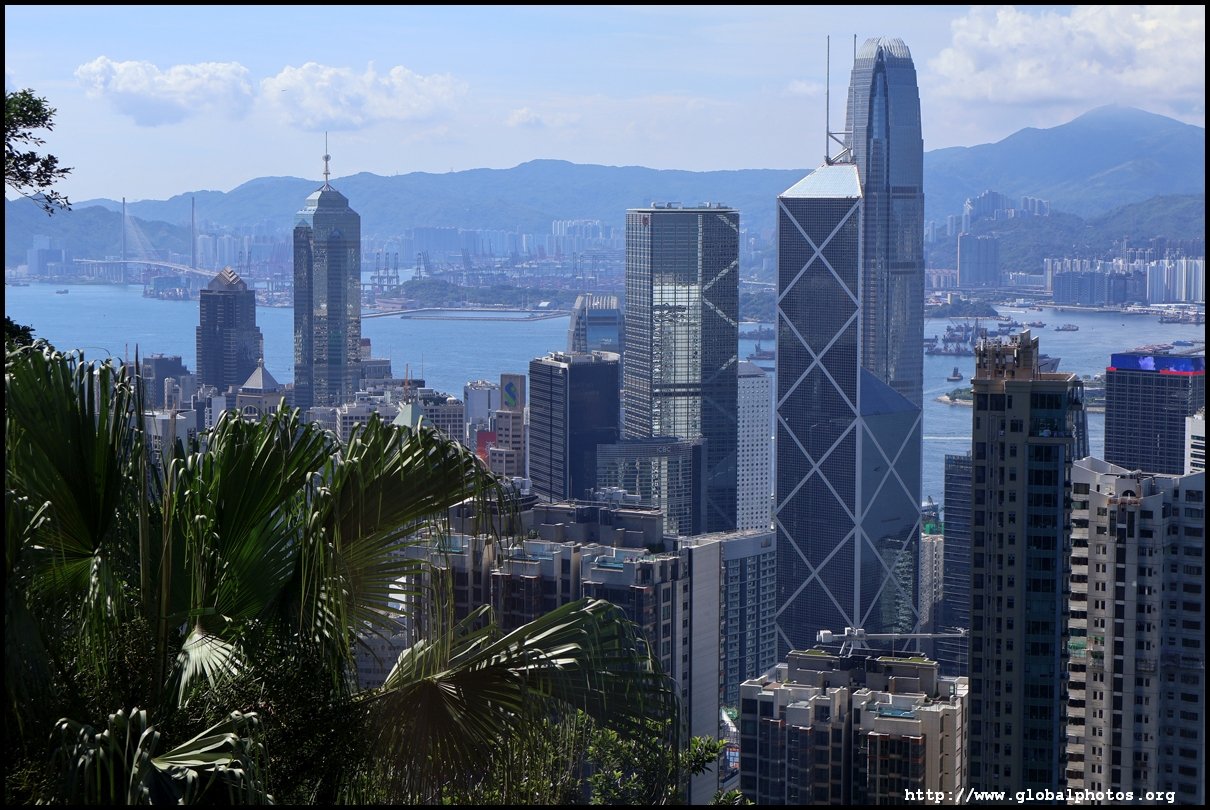
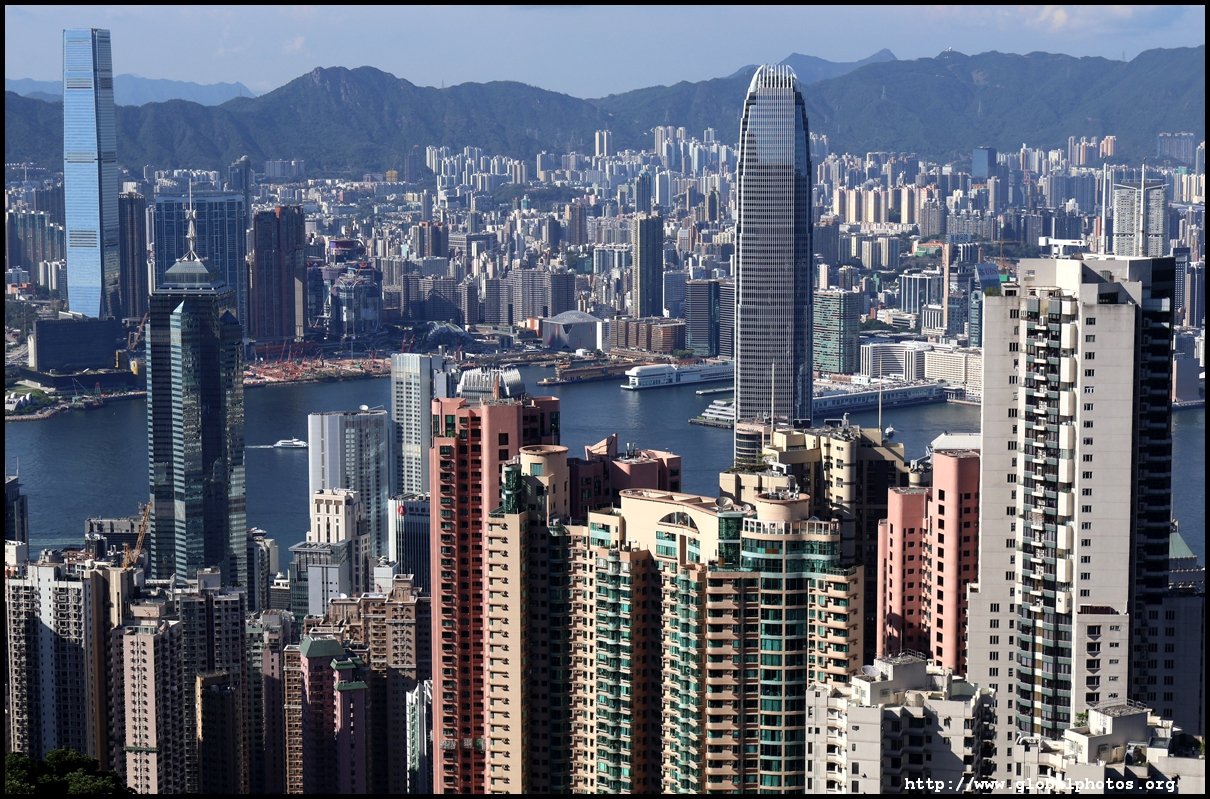
From Victoria Peak, Hong Kong becomes a landscape of extraordinary contrasts: skyscrapers pressed against wooded slopes, ferries crossing Victoria Harbour, and dense neighbourhoods extending toward distant mountains.
This Victoria Peak review explores the complete experience, from the steep Peak Tram journey to the paid viewing terrace and quieter walking paths. The panorama deserves its reputation, but timing and visibility matter enormously. A clear evening can be unforgettable; low cloud and lengthy queues can make the same visit feel underwhelming.

TL;DR
Victoria Peak is essential for first-time visitors to Hong Kong. Arrive before sunset to experience the city in daylight, at dusk, and after its towers illuminate.
The Peak Tram adds atmosphere, while Sky Terrace 428 provides a convenient paid viewpoint. Neither is required to enjoy the wider Peak area: Lugard Road offers excellent views along a free walking route.
Allow two to three hours, plus transport and queue time. Keep the visit flexible enough to choose a clear day.
At a Glance
| Detail | Information |
|---|---|
| Location | Hong Kong Island, Hong Kong, China |
| Main visitor area | Around the Peak Tower and Peak Galleria |
| Admission | Public viewpoints and walking paths are free |
| Paid experiences | Peak Tram and Sky Terrace 428 |
| Sky Terrace height | 428 metres above sea level |
| Published terrace hours | 8:30 a.m.–10 p.m. daily |
| Recommended visit | 2–3 hours |
| Best time | Clear late afternoon through blue hour |
| Best for | Skyline views, photography, scenic walks |
| Main drawback | Weather and queues |
Sky Terrace 428’s daily hours changed in May 2026. Special events and severe weather can affect access and operations. thepeak.com.hk
What Makes Victoria Peak Special?

The Peak provides something street-level sightseeing cannot: a clear understanding of Hong Kong’s geography. Its compressed urban districts, harbour crossings, and mountainous surroundings become visible together.
The appeal also extends beyond the skyline. A short walk from the commercial visitor hub leads into greenery, where glimpses of the city appear between trees.
That transition is the most rewarding part of the experience. You can move from crowds and escalators to shaded paths without travelling to another attraction.
The Peak Tram Experience

The Peak Tram is a funicular railway rather than a conventional street tram. Its steep ascent provides an enjoyable introduction to the hillside, with buildings appearing to lean as the carriage climbs.
The journey is brief, so it should be appreciated as part of the outing rather than its main event. Windows reveal changing views of the city and surrounding vegetation.
The biggest compromise is waiting. Boarding queues can consume considerably more time than the ride itself, especially before sunset and on holidays.
Sky Terrace 428

Sky Terrace 428 sits above the Peak Tower and offers an elevated, open-air panorama. Its broad outlook makes it a straightforward choice for visitors who want a dedicated observation deck.
The extra height improves the sense of scale, but it does not guarantee solitude. Popular sections of the railing become crowded when the light is at its best.
A combined tram-and-terrace ticket is convenient. Before booking, check whether you are purchasing a one-way or return tram journey and whether terrace admission is included.
Free Views Along Lugard Road
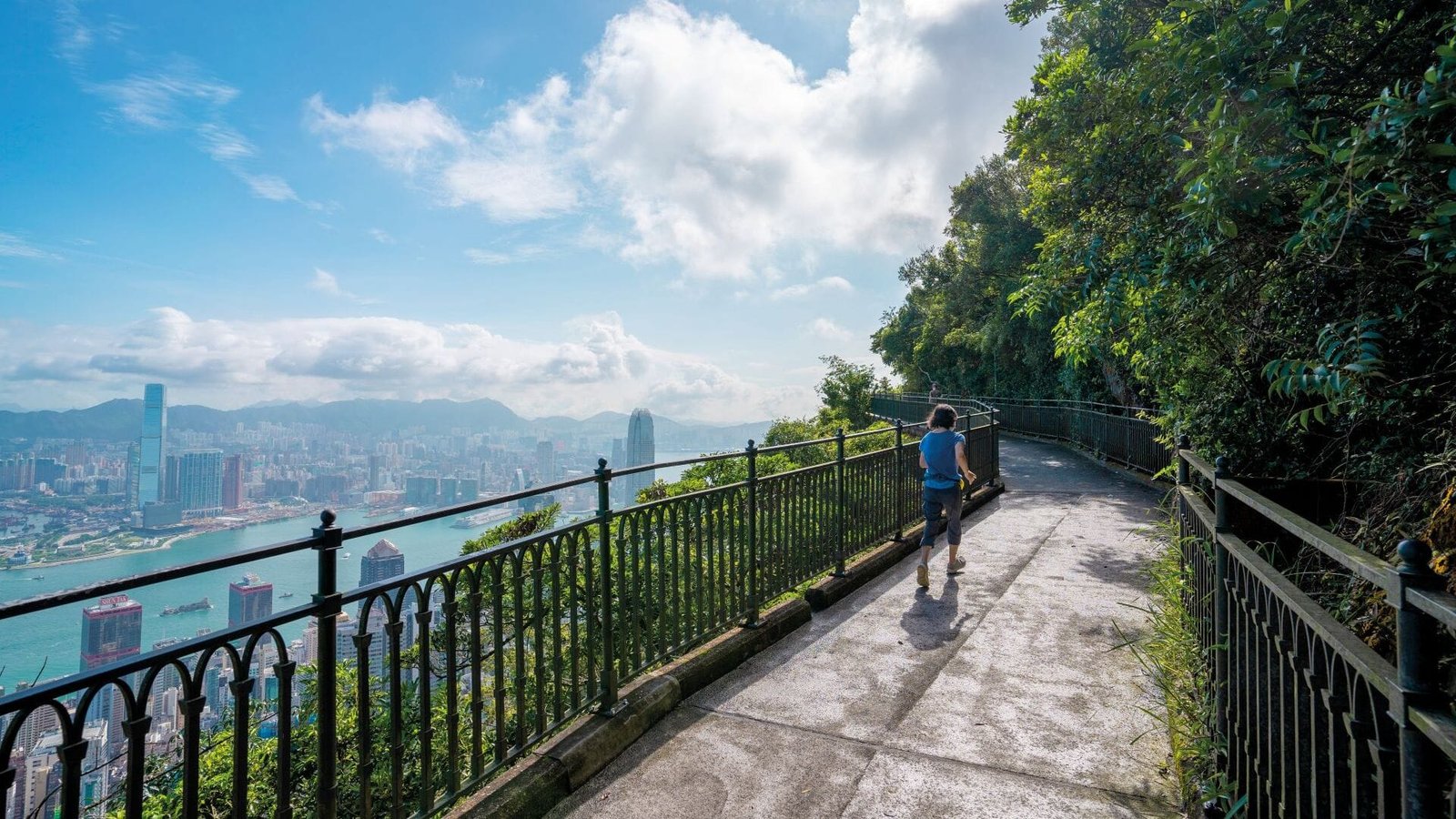
Lugard Road is the strongest reason to explore beyond the Peak Tower. The shaded route follows the hillside, gradually revealing expansive views of Victoria Harbour and Kowloon.
The Hong Kong Tourism Board describes the lookout as approximately a 20-minute walk along the road. Allow longer for photographs and stops. Hong Kong Tourism Board
For visitors who enjoy walking, this can be more satisfying than the paid terrace. The setting feels less commercial, and the foreground of trees and hillside adds depth to photographs. Narrow sections still require patience when other visitors gather.
The Peak Circle Walk

The route around Lugard and Harlech roads extends the visit into a scenic walk rather than a single viewpoint stop. Expect stretches of woodland, changing perspectives, and occasional openings toward the city.
Allow approximately an hour at an easy pace, with additional time for photography. Much of the route follows the hillside contour, making it more approachable than hiking uphill from Central.
Comfortable shoes remain useful. Damp surfaces, narrow passages, and Hong Kong’s humidity can make a casual-looking walk more tiring than expected.
Daylight, Sunset, or Night?
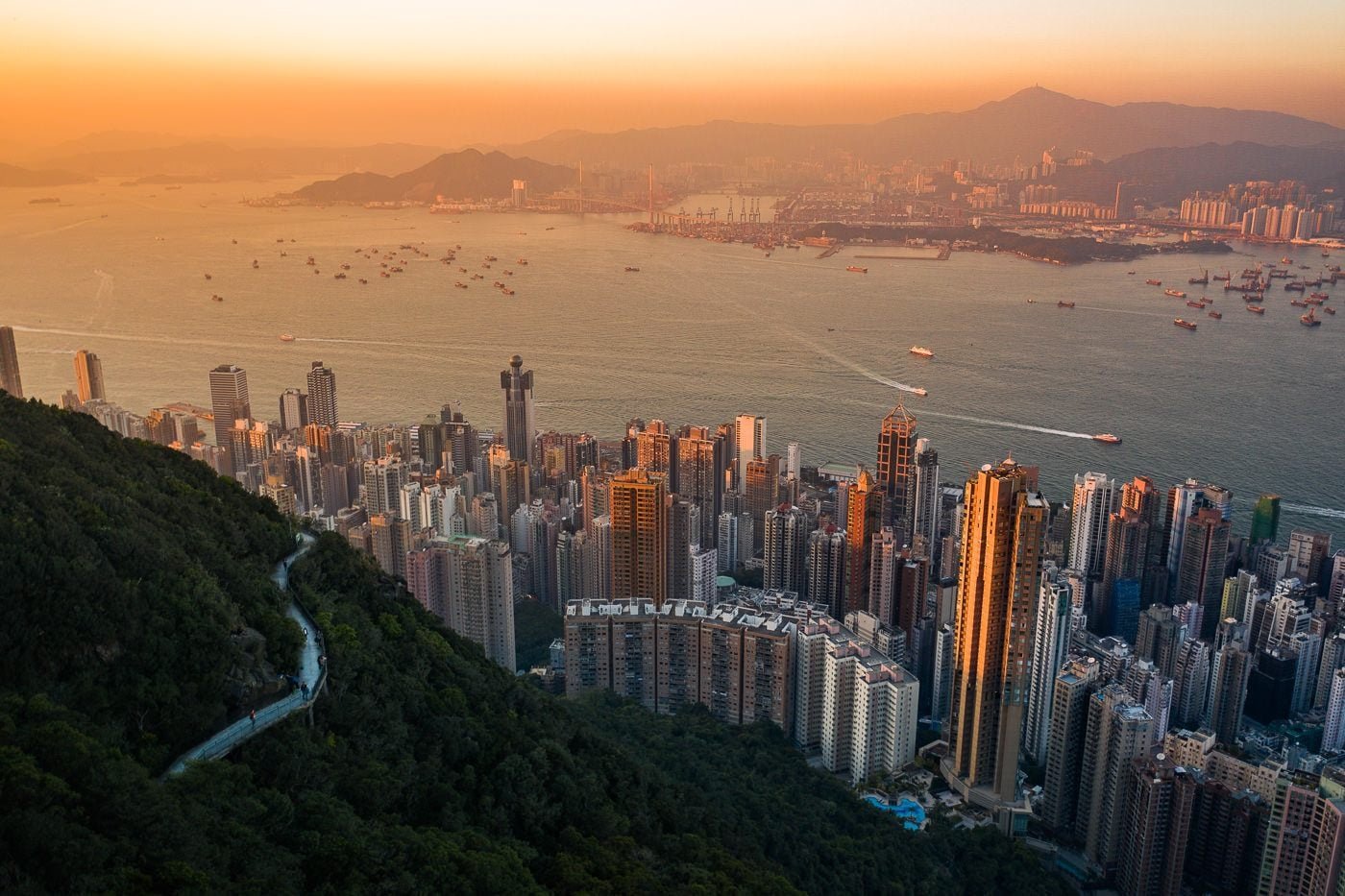
Daylight offers the best geographical detail. Harbour traffic, neighbourhoods, and distant hills are easier to distinguish when visibility is good.
Sunset introduces softer light and changing colours, although the precise effect depends on cloud cover and the season. Arriving 60–90 minutes beforehand provides breathing room for transport, queues, and finding a viewpoint.
Blue hour is particularly attractive. The remaining light preserves detail in the harbour while buildings begin to glow. After dark, the city becomes more dramatic, but its surrounding landscape largely disappears.
Weather and Visibility
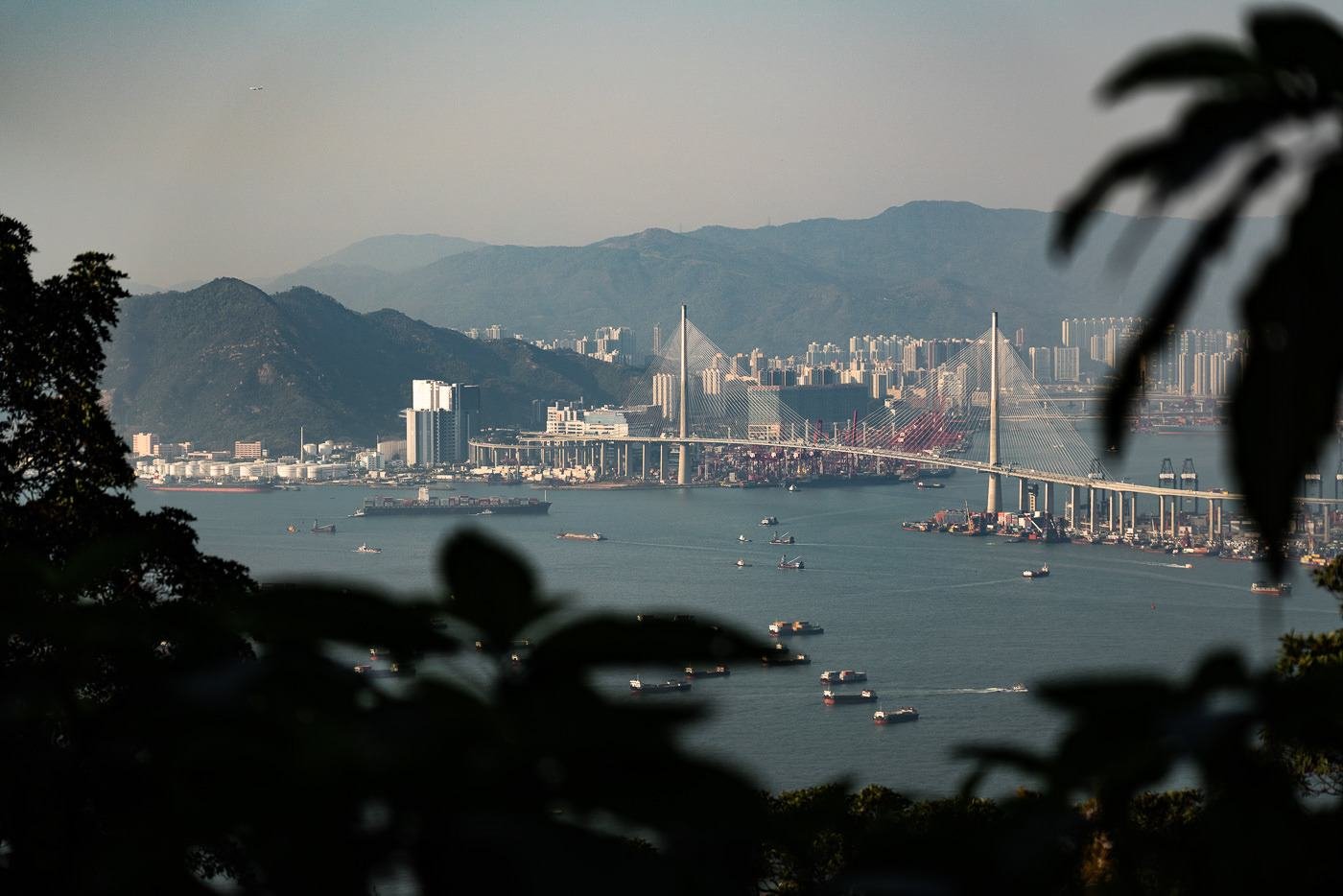
Visibility is the deciding factor in whether the Peak feels exceptional. Low cloud can conceal the harbour, while haze softens distant buildings even when the immediate sky appears clear.
Check conditions shortly before travelling. If the hillside is covered in cloud, consider moving the visit to another day.
Bring a light layer for cooler or windy evenings. The exposed terrace can feel noticeably different from street level, and rain affects both photography and walking comfort.
Crowds and Ticket Choices
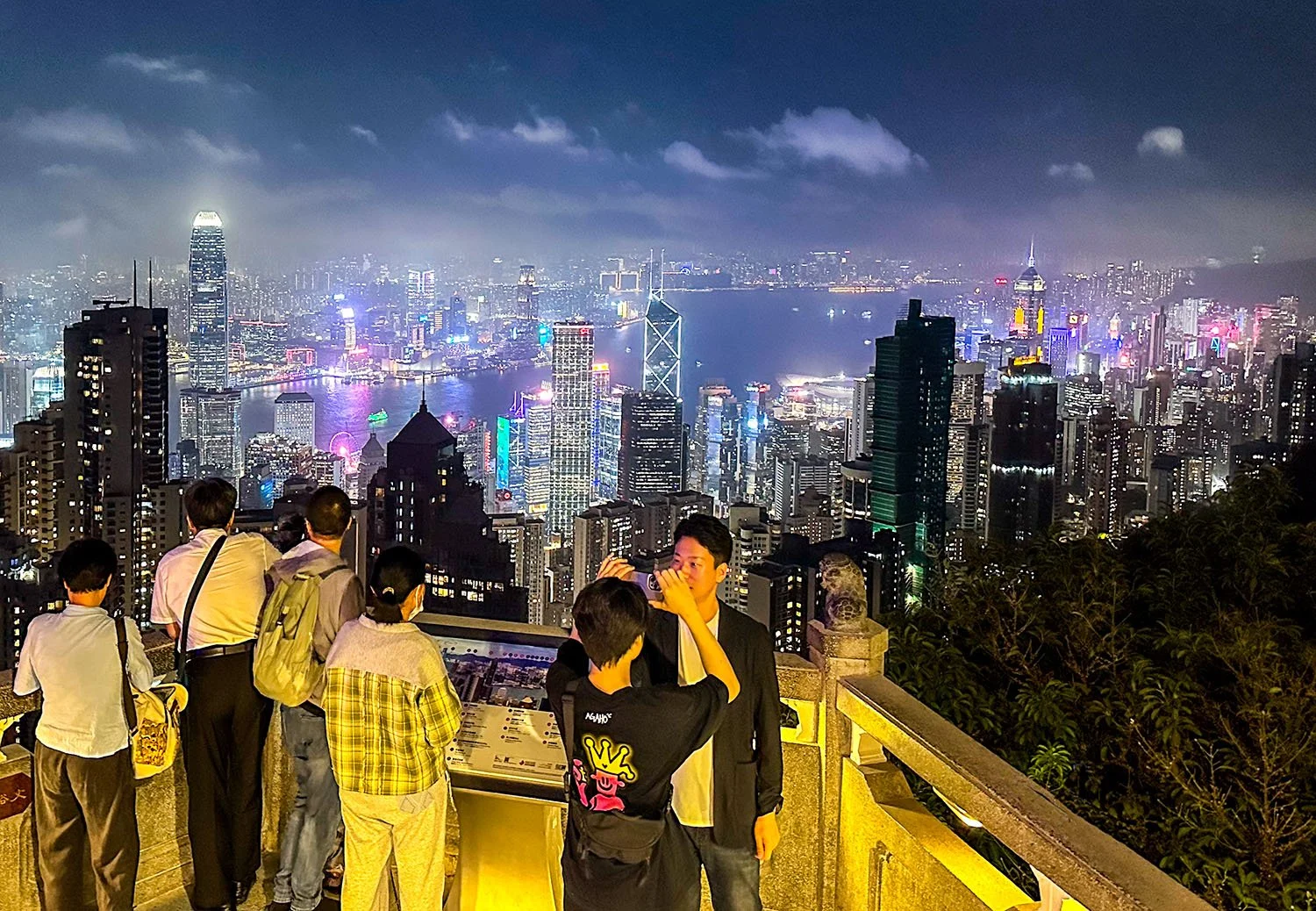
The Peak is busiest around sunset, on weekends, and during public holidays. Crowds affect tram boarding, terrace space, restaurants, and the journey downhill.
Buying a ticket in advance simplifies the purchase process but does not automatically remove boarding queues. Priority access, where offered, should be checked carefully against the booking description.
A one-way tram ticket can provide more flexibility than a return ticket. You can enjoy the ascent, then decide whether to descend by bus or taxi if the return queue becomes lengthy.
Getting There Without the Tram
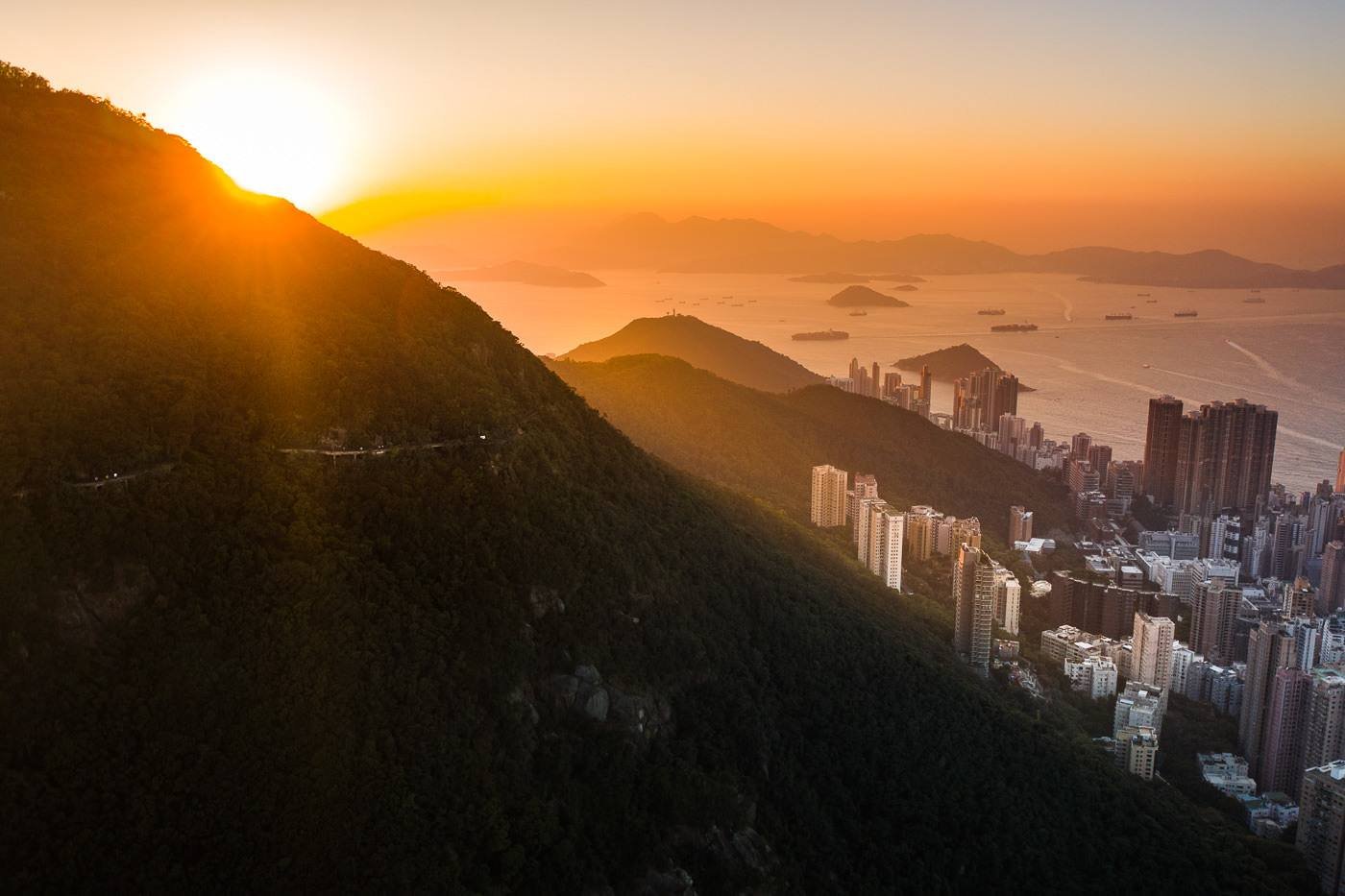
Buses and taxis reach the main Peak visitor area, providing alternatives when the tram is busy. The road journey offers its own hillside views, although winding sections may bother passengers prone to motion sickness.
Walking uphill is an option for fit visitors, but it involves sustained climbing and should be treated as a hike. Heat and humidity make it substantially more demanding than walking around the Peak.
For a relaxed outing, use transport uphill and reserve your energy for Lugard Road.
Dining and the Commercial Visitor Hub

The Peak Tower and Peak Galleria provide restaurants, cafés, shops, and indoor shelter. These facilities make it easy to extend the visit, particularly when waiting for dusk.
The atmosphere around the main buildings is decidedly commercial. Souvenir shops and additional attractions can distract from the setting, while meals may cost more than comparable options elsewhere.
A drink or simple meal can be pleasant, but the most rewarding itinerary leaves time for the surrounding viewpoints and paths.
Accessibility and Families

The main visitor buildings offer lifts and established circulation routes, but the wider Peak area includes slopes, narrow paths, and uneven sections.
Visitors using wheelchairs should confirm the current boarding arrangements, chosen viewpoint, and walking route before travelling. Accessible facilities in the commercial buildings do not make every outdoor path equally manageable.
Families benefit from the short tram ride and immediate visual reward. Keep children close on busy terraces and narrow paths, and avoid scheduling a long walk when they are already tired.
How Long Do You Need?
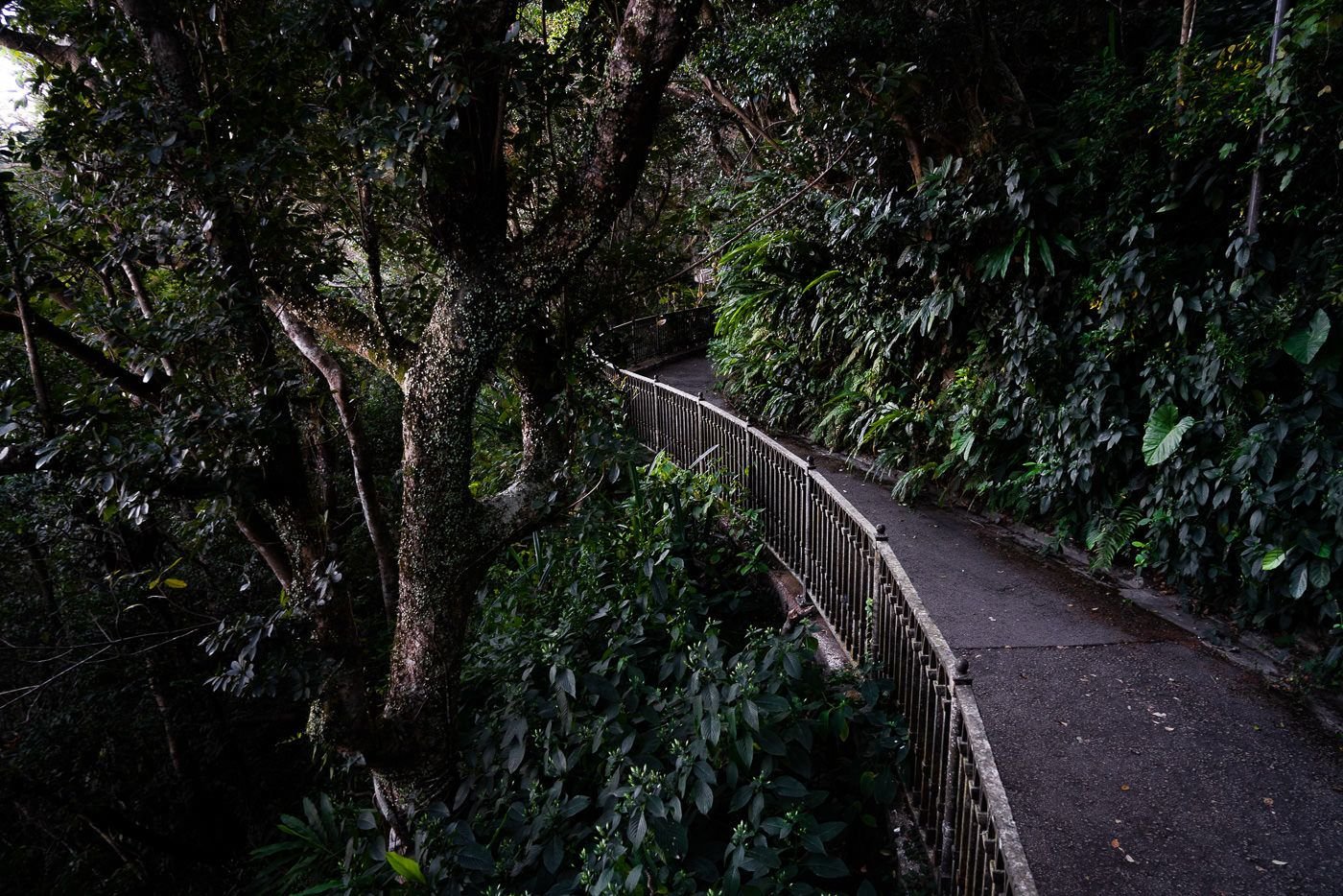
Two hours is sufficient for transport, a viewpoint, and a short stroll when queues are manageable. Allow three hours for the circle walk and the transition from daylight to night.
The Peak fits comfortably into a day exploring Central, followed by dinner or an evening harbour experience. Our guide to luxury things to do in Hong Kong offers further ideas for combining the visit with private tours, refined dining, and time on the water.
Is Victoria Peak Worth Visiting?
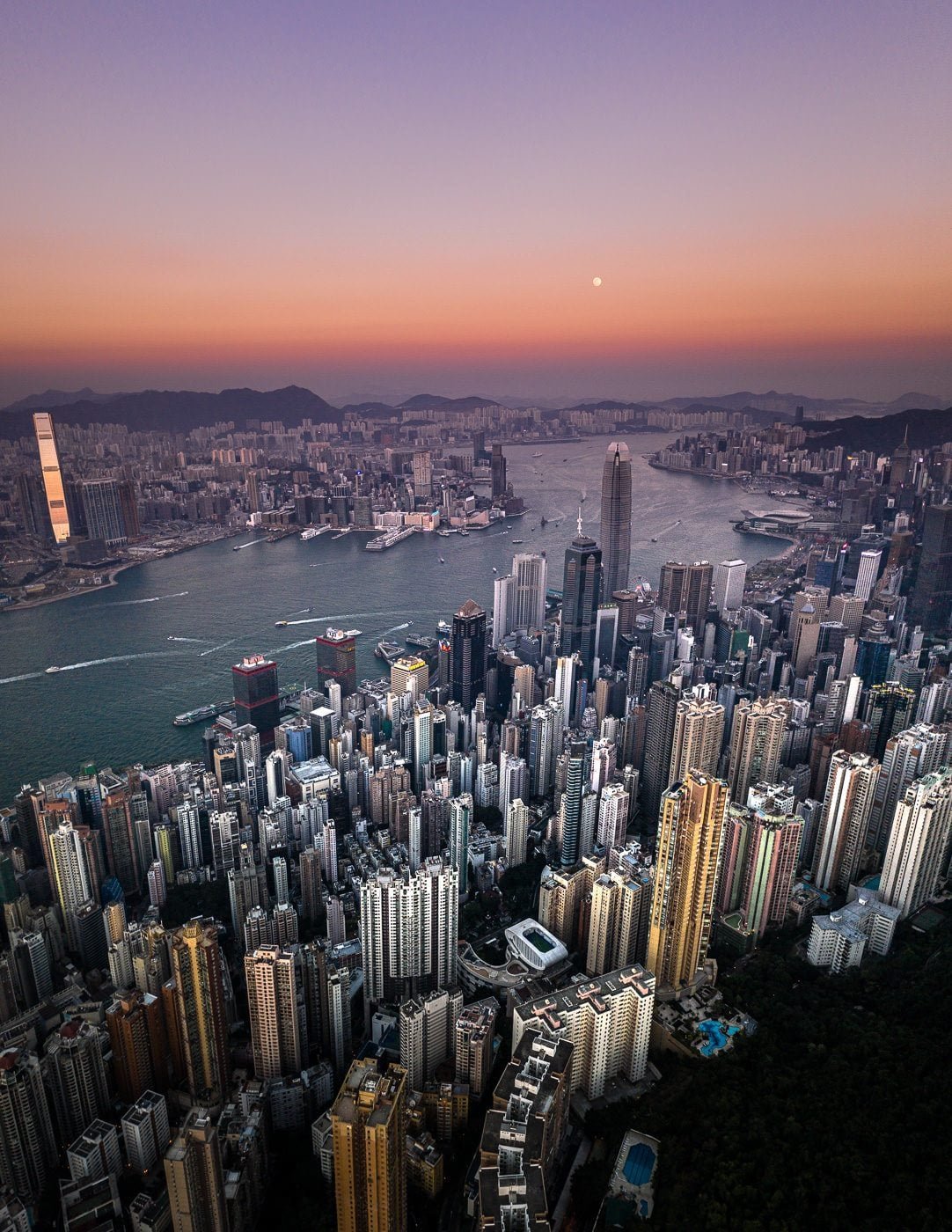
Yes. On a clear day, the Peak delivers one of Hong Kong’s defining experiences. Its combination of harbour, towers, and wooded hills creates a panorama with exceptional character.
The paid terrace is optional, and the tram’s appeal should be weighed against its queue. Visitors who explore the free paths often gain more from the outing than those who concentrate entirely on the ticketed attractions.
Keep weather flexibility in your itinerary and the Peak earns its place.
LxryNow Review Scorecard
Category ratings are out of 10.
| Category | Score | Assessment |
|---|---|---|
| Skyline Views | 10 | An extraordinary panorama in clear conditions |
| Peak Tram Experience | 8 | Atmospheric ascent, diminished by lengthy queues |
| Sky Terrace 428 | 8 | Convenient elevated views with peak-time congestion |
| Walking Routes | 9 | Scenic paths add substantial depth to the visit |
| Photography | 10 | Outstanding opportunities from daylight to blue hour |
| Atmosphere | 8 | Beautiful surroundings beyond the commercial hub |
| Crowd Management | 6 | Sunset demand creates bottlenecks |
| Accessibility | 7 | Good main facilities; outdoor routes vary |
| Value | 9 | Excellent free viewpoints alongside paid options |
| Overall Score | 8.6/10 | Essential Hong Kong scenery with weather-dependent rewards |
Which Victoria Peak Experience Should You Choose?

Choose the tram-and-terrace combination for a straightforward first visit. It brings together the famous ascent and a dedicated viewing platform.
An independent visit using public transport and Lugard Road offers excellent value and greater freedom to walk.
A private guide is useful when combining the Peak with other neighbourhoods or when you want context about Hong Kong’s development. Choose an evening itinerary if skyline photography matters most, while retaining some flexibility for weather.
Book the Experience
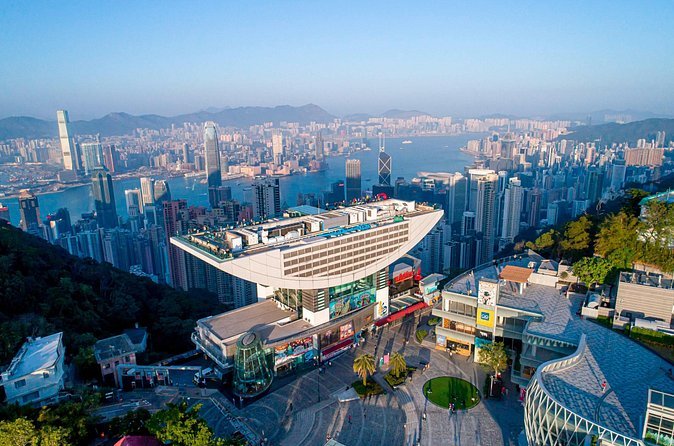
Peak Tram and Sky Terrace 428 Admission
Compare one-way and return options for the classic tram-and-viewpoint experience.
Book at Viator
Private Hong Kong Tour for First-Time Visitors
Combine Victoria Peak with a broader introduction to the city.
Book at Viator
Private Custom Walking Tour of Hong Kong
Request a Peak visit within an itinerary tailored to your interests.
Book at Viator
Private Hong Kong Tour by Car
A comfortable option for combining viewpoints and neighbourhoods with less walking.
Book at ViatorCheck tram tickets, terrace admission, transport charges, walking requirements, and any claimed priority access before booking.
Pros and Cons
| Pros | Cons |
|---|---|
| Exceptional harbour and skyline views | Low cloud can obscure the panorama |
| Memorable funicular journey | Tram queues can be lengthy |
| Excellent free viewpoints | Sunset brings substantial crowds |
| Scenic walking routes | Main visitor hub feels commercial |
| Rewarding by day and night | Outdoor accessibility varies |
| Easy to combine with Central | Weather flexibility is important |
Final Verdict

LxryNow Verdict: Victoria Peak deserves its reputation because it reveals Hong Kong’s remarkable relationship between architecture, water, and mountains.
The strongest visit combines a clear forecast, an unhurried arrival, and time beyond the main viewing deck. Ride the tram if the queue suits your schedule, walk along Lugard Road, and stay long enough to watch the harbour change as evening arrives.
For first-time visitors, it is an essential perspective. For returning travellers, the quieter paths provide a reason to come back.
