
TL;DR
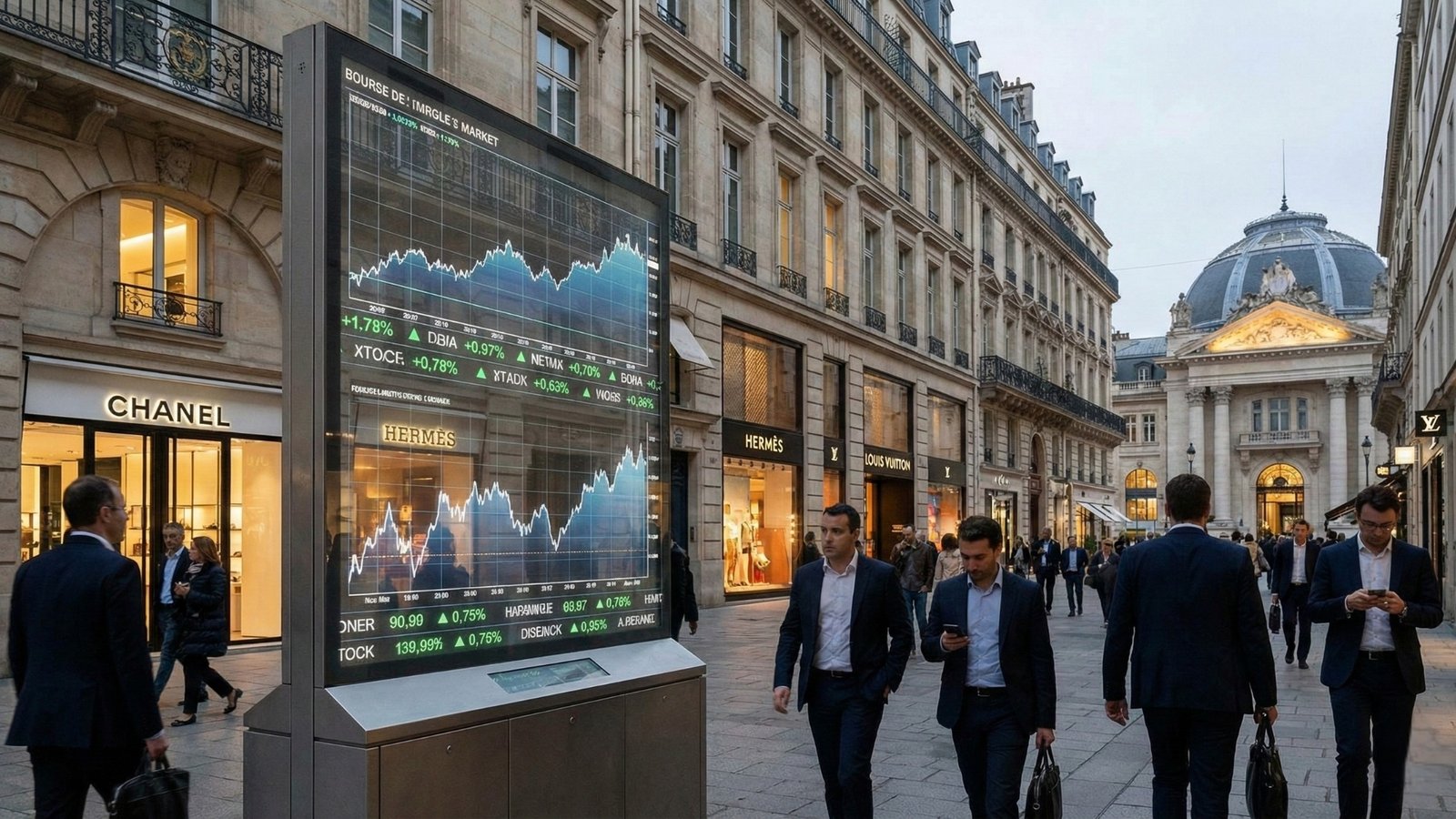
Luxury stocks are positioned for a stronger 2025 after a crucial market “detox.” Business of Fashion reports clearer fundamentals, improved regional stability, and renewed investor confidence. Additional insights from Reuters and Financial Times support the outlook: luxury demand is normalizing, not disappearing — and the industry is entering a healthier growth phase.
At a Glance
- After a difficult 2024, the luxury sector is showing signs of renewed investor confidence.
- Business of Fashion reports that analysts expect an improved 2025 as inventories stabilize and demand becomes healthier and more predictable.
- Major luxury groups have undergone what analysts call a “detox”: normalizing price inflation, managing excess inventories, and adjusting overexpanded retail strategies.
- Early signals of recovery include improving consumer sentiment, stabilizing Asian markets, and stronger-than-expected holiday forecasts.
- Additional reporting from Reuters and Financial Times indicates similar optimism, citing easing macroeconomic pressures and resilient demand from U.S. and European high-income shoppers.
A Market Reset: What the Detox Really Means
Business of Fashion highlights that analysts view the recent downturn not as a collapse but a purification. Luxury groups have been adjusting several factors:
1. Price Rationalization
The pandemic-era price hikes pushed even loyal customers to their limit. Brands are now rebalancing — keeping prices high but tying them to craftsmanship and exclusivity once again.
2. Inventory Discipline
Oversupply in 2023–2024 led to quiet discounting. Luxury houses are now tightening production to protect brand value.
3. Demand Stabilization
The post-pandemic frenzy has cooled, but core demand for timeless luxury remains strong. A pace reset ensures healthier, more sustainable growth.
Asia’s Mixed but Improving Outlook
China remains the most closely watched variable. Consumer hesitancy persisted throughout 2024, but Business of Fashion notes improving spending patterns, especially among upper-tier shoppers.
Additional reporting by Reuters shows early signs of stabilization in mainland luxury demand, with travel retail in Japan and Korea acting as regional bright spots. Japan, in particular, continues to benefit from inbound tourism and currency dynamics that make luxury goods more attractive.
U.S. and Europe Show Resilience
While not booming, Western markets remain solid — surprisingly so.
Supporting signals:
- Financial Times reports that U.S. high-income consumers continue to spend on handbags, ready-to-wear, and jewelry despite broader economic pressures.
- European consumers, though cautious, remain loyal to heritage brands like Hermès, Prada, and Chanel.
The luxury market is no longer relying on explosive growth in any single region — instead, gains are distributed more evenly across global markets.
Investor Confidence Begins to Return
Analysts expect 2025 to show moderate but healthy recovery, supported by:
- more disciplined pricing
- recalibrated inventories
- normalized wholesale relationships
- stronger holiday 2025 expectations
- renewed interest in luxury as a defensive investment category
Luxury stocks benefit from what analysts describe as “premium defensiveness” — the perception that wealthy consumers continue spending even in softened economic climates.
Investors are now betting on quality: brands with strong cultural capital, tight control of distribution, and long-term desirability.
What This Means for the Luxury Industry in 2025
The era of unchecked expansion is over, but that’s good news.
The new luxury landscape will prioritize:
- sustainable growth over rapid acceleration
- cultural positioning rather than trend-spiking
- disciplined collections instead of oversaturation
- storytelling and heritage as long-term value drivers
Luxury’s emotional power — aspiration, craftsmanship, identity — is now more important than ever.
Brands that strike the right balance between exclusivity and innovation will lead the next cycle. Those that over-expanded or leaned too heavily on hype may continue to struggle.
Editorial Perspective
Luxury is cyclical, but the last three years created an unusually sharp curve: explosive post-pandemic demand, followed by aggressive pricing, overheated consumer appetite, and then a sudden cooldown. What Business of Fashion describes as a “detox” is more than just a reset — it’s a recalibration of what modern luxury growth should look like.
The new landscape prioritizes sustainable demand rather than hype-driven acceleration, and that shift seems to be resonating with investors. Luxury stocks are no longer reacting to the sugar high of rapid expansion; they are repositioning around healthier fundamentals: long-term brand equity, balanced pricing strategies, and disciplined retail footprints.
Unlike fast fashion, luxury thrives not on volume but on desire, scarcity, and cultural relevance. The market’s correction, while painful, is setting the stage for a more stable runway into 2025.
