

TL;DR
Rolex vs Omega are among the world’s most respected Swiss watchmakers, but they excel in different areas.
- Choose Rolex if you want unmatched prestige, exceptional resale value, timeless design, and one of the strongest luxury watch investments.
- Choose Omega if you appreciate technical innovation, exceptional value, space exploration heritage, and cutting-edge movement technology.
In short:
- Rolex represents prestige, durability, and long-term collectability.
- Omega represents innovation, precision, and remarkable value for money.
Both brands produce world-class mechanical watches—but they appeal to different collectors.
Table of Contents
Introduction
Few debates in watch collecting are as enduring as Rolex vs Omega.
These two Swiss manufacturers have spent more than a century pushing the boundaries of precision, reliability, and mechanical innovation. Their watches have climbed Mount Everest, explored the deepest oceans, accompanied astronauts to the Moon, and become symbols of achievement recognized around the world.
Yet despite their shared reputation for excellence, Rolex and Omega have taken very different paths.
Rolex has built its identity around robustness, timeless design, and incremental innovation. The Oyster case, Perpetual automatic movement, and Superlative Chronometer certification have helped establish Rolex as perhaps the most recognizable luxury watch brand on the planet.
Omega, meanwhile, has positioned itself as the industry’s technological pioneer. From the revolutionary Co-Axial escapement to METAS-certified Master Chronometer movements and its role as NASA’s Moonwatch, Omega continues to emphasize engineering advancement alongside traditional Swiss craftsmanship.
So which brand deserves your investment?
Whether you’re buying your first luxury watch or adding another icon to your collection, this guide compares Rolex and Omega across heritage, design, craftsmanship, movements, pricing, resale value, and long-term ownership.
Heritage & Brand Identity
Rolex: The Symbol of Timeless Prestige

Founded in 1905 by Hans Wilsdorf and Alfred Davis, Rolex revolutionized wristwatches through practical innovation rather than decorative complexity.
The company introduced numerous milestones that continue to influence modern watchmaking, including:
- The Oyster waterproof case (1926)
- The Perpetual self-winding rotor (1931)
- The first automatic chronometer wristwatch with a date display (Datejust, 1945)
- The Day-Date, the first automatic wristwatch displaying both day and date (1956)
Today, Rolex is known for:
- Exceptional reliability
- Timeless design
- Outstanding resale value
- Professional sports watches
- Strong brand prestige
Signature Rolex Collections
| Collection | Known For |
|---|---|
| Submariner | The benchmark dive watch |
| Daytona | Legendary racing chronograph |
| GMT-Master II | Dual-time travel icon |
| Datejust | Timeless everyday luxury |
| Day-Date | The “President’s Watch” |
| Explorer | Adventure heritage |
| Oyster Perpetual | Pure Rolex simplicity |
| Sky-Dweller | Sophisticated travel watch |
Omega: Innovation Through Precision

Founded in 1848 by Louis Brandt, Omega predates Rolex by more than half a century.
The brand built its reputation through chronometry competitions, scientific precision, and technological breakthroughs before becoming internationally famous as the official watch worn during NASA’s Apollo Moon missions. Omega has also served as the Official Timekeeper of the Olympic Games for decades, reinforcing its reputation for precision timing.
Modern Omega continues to emphasize innovation through:
- Co-Axial escapements
- Master Chronometer certification
- Anti-magnetic technology
- Space exploration heritage
- Precision engineering
Signature Omega Collections
| Collection | Known For |
|---|---|
| Speedmaster Moonwatch | First watch worn on the Moon |
| Seamaster Diver 300M | Professional dive watch |
| Seamaster Aqua Terra | Everyday luxury sports watch |
| Constellation | Precision dress watch |
| De Ville | Elegant classic watch |
| Planet Ocean | Professional diving watch |
Heritage Comparison
| Category | Rolex | Omega |
|---|---|---|
| Founded | 1905 | 1848 |
| Country | Switzerland | Switzerland |
| Core Identity | Prestige & durability | Innovation & precision |
| Space Heritage | Limited | NASA Moonwatch |
| Dive Watch Heritage | Outstanding | Outstanding |
| Sporting Legacy | Strong | Olympic Timekeeper |
Heritage Winner
This category is remarkably close.
- Rolex shaped the modern luxury sports watch.
- Omega boasts broader scientific and historical achievements, particularly through space exploration and precision timing.
Winner: Tie
Design Philosophy
Rolex: Evolution Rather Than Revolution
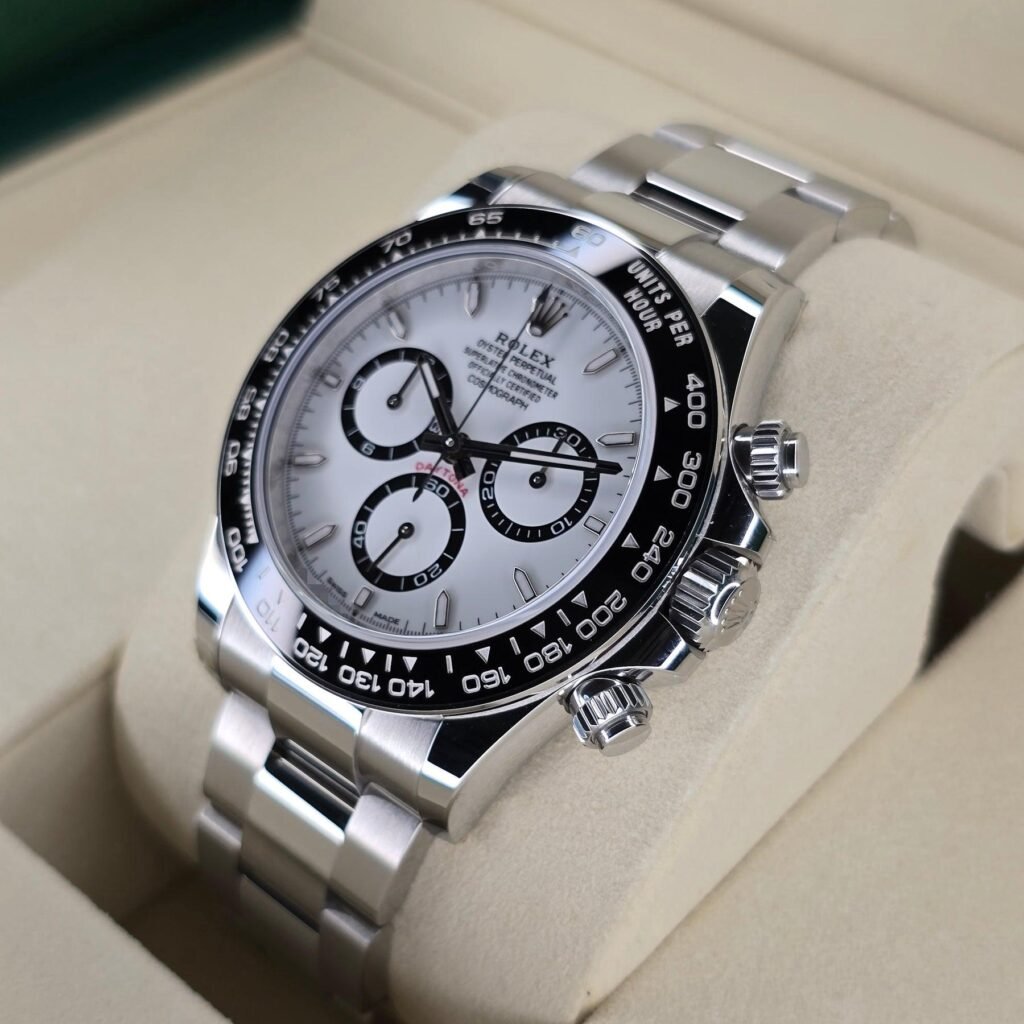
Rolex rarely redesigns successful watches.
Instead, the company refines them gradually over decades, ensuring that even a modern Submariner remains instantly recognizable compared to models produced generations earlier.
Rolex design principles include:
- Functional simplicity
- Maximum legibility
- Balanced proportions
- Long-term consistency
- Exceptional durability
This restrained approach helps Rolex watches age remarkably well.
Omega: Technology Meets Contemporary Design
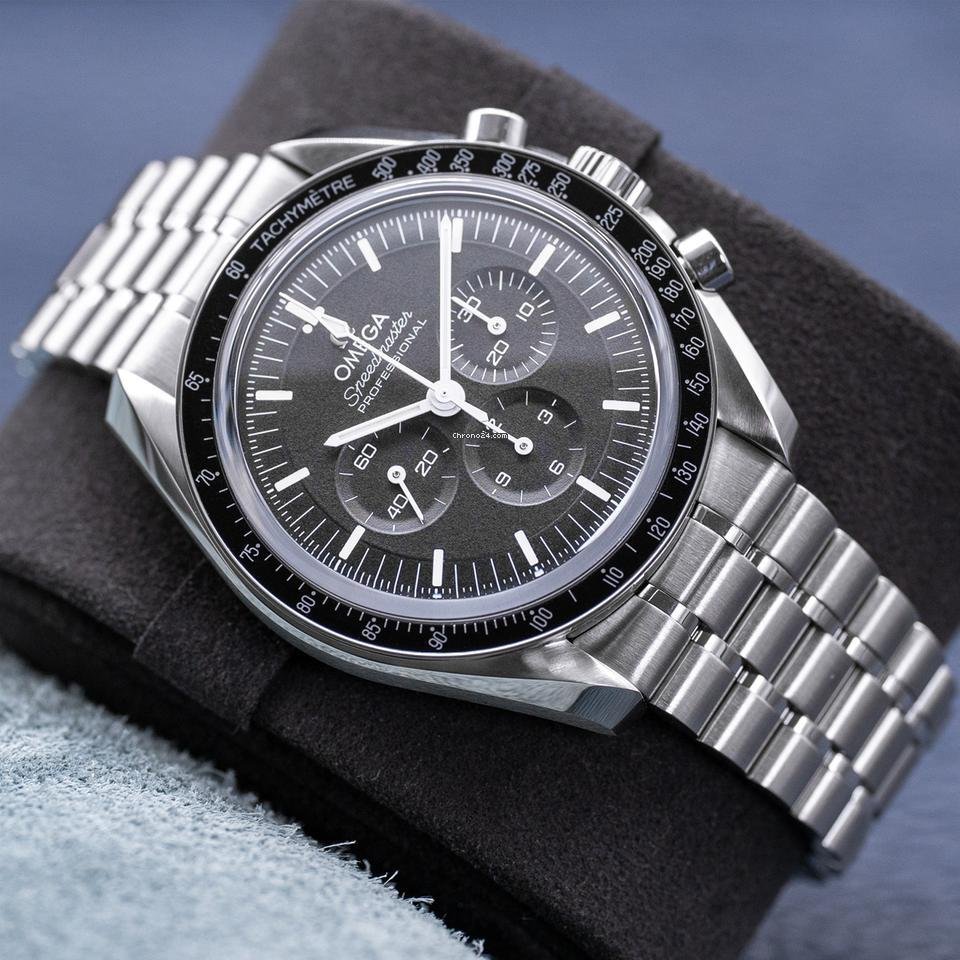
Omega embraces innovation more readily than Rolex.
While preserving iconic collections like the Speedmaster, Omega regularly introduces new materials, dial textures, movement technologies, and case designs.
Signature characteristics include:
- Contemporary detailing
- Technical aesthetics
- Experimental materials
- Strong historical references
- Modern movement displays
The result is a collection that often feels more progressive while remaining unmistakably Omega.
Design Philosophy Comparison
| Design Element | Rolex | Omega |
|---|---|---|
| Timelessness | ★★★★★ | ★★★★★ |
| Innovation | ★★★★☆ | ★★★★★ |
| Everyday Wearability | ★★★★★ | ★★★★★ |
| Modern Styling | ★★★★☆ | ★★★★★ |
| Design Consistency | ★★★★★ | ★★★★☆ |
Design Winner
This category depends on personal preference.
- Choose Rolex if you value timeless, understated luxury.
- Choose Omega if you appreciate technical design and contemporary aesthetics.
Early Scorecard
| Category | Winner |
|---|---|
| Heritage | Tie |
| Design Philosophy | Tie |
Craftsmanship & Movements
Mechanical movements are where Rolex and Omega diverge most significantly.
Rolex focuses on refinement. Rather than introducing entirely new technologies every few years, the brand continuously improves proven calibres to maximize reliability, longevity, and ease of servicing.
Omega, on the other hand, has built its modern identity around technical innovation. The introduction of the Co-Axial escapement, silicon balance springs, and METAS Master Chronometer certification has made Omega one of the industry’s engineering leaders.
Rolex: Built for Lifetime Reliability
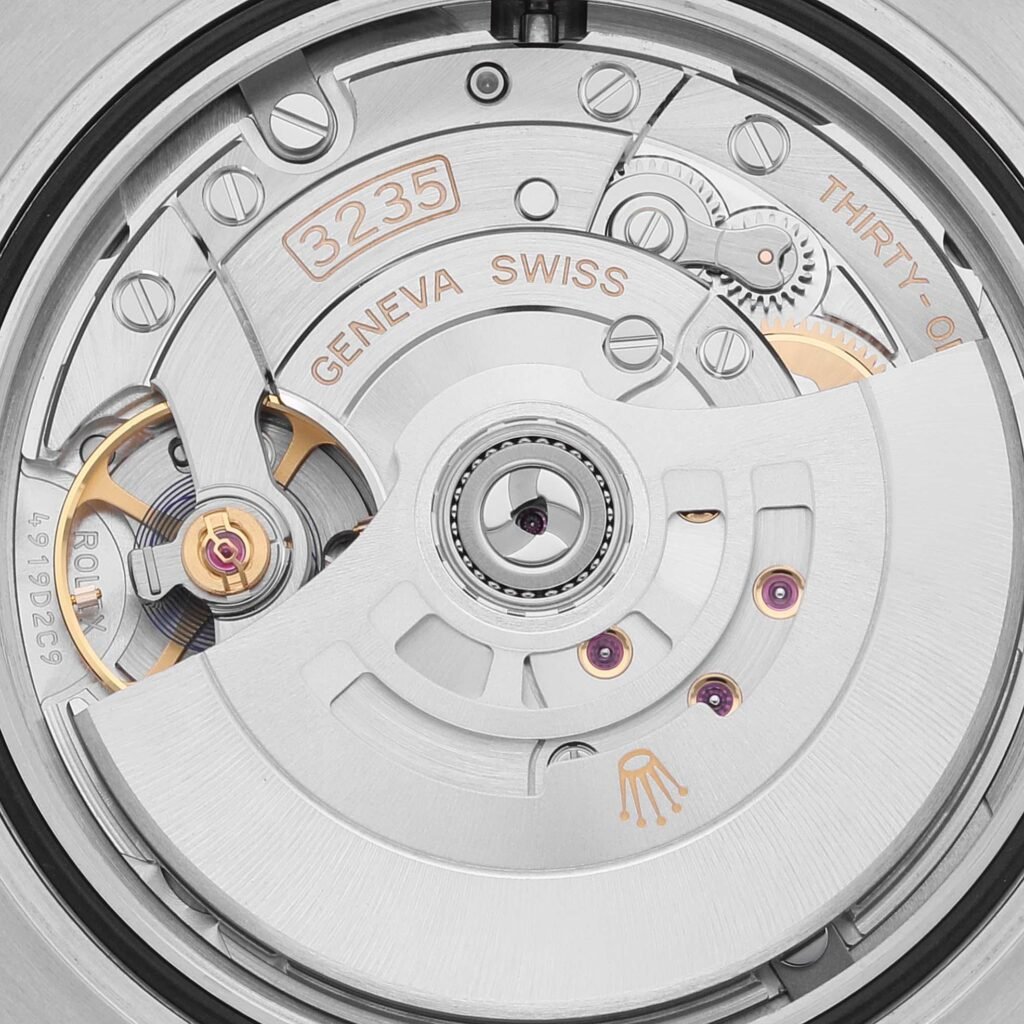
Rolex develops and manufactures virtually every major watch component in-house.
Modern movements such as the Calibre 3235 and Calibre 3285 feature innovations including:
- Chronergy escapement
- Parachrom hairspring
- High-capacity barrel
- Approximately 70-hour power reserve
- Superlative Chronometer certification
Rather than pursuing extreme complications, Rolex prioritizes consistent performance under everyday conditions, making its watches among the most dependable mechanical timepieces available.
Rolex Strengths
- Extremely robust movements
- Outstanding long-term reliability
- Excellent serviceability
- In-house manufacturing
- Exceptional quality control
Omega: Engineering Innovation
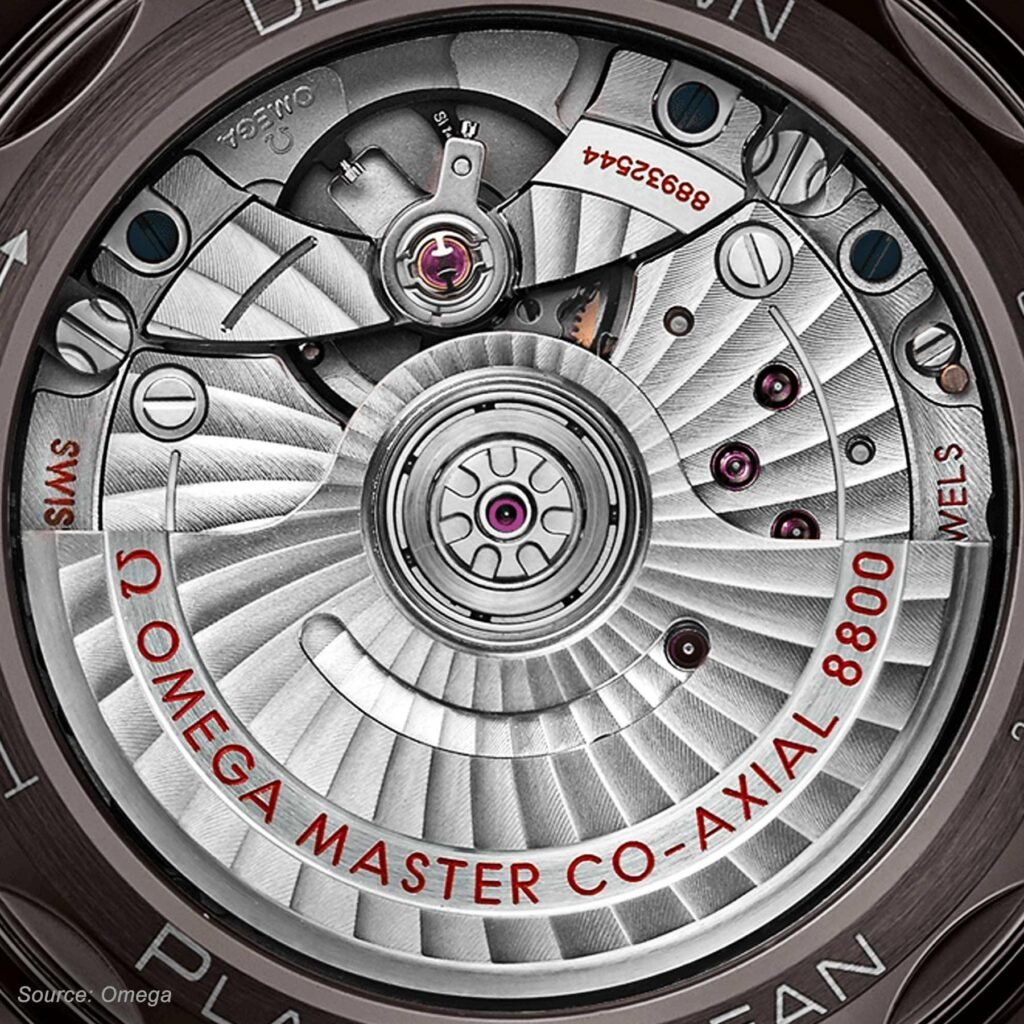
Omega has spent the past two decades redefining modern mechanical watchmaking.
Its signature innovation is the Co-Axial escapement, invented by British master watchmaker George Daniels and industrialized by Omega. The design reduces sliding friction inside the movement, helping maintain accuracy over longer service intervals.
Most modern Omega watches also feature:
- Master Chronometer certification
- Silicon balance springs
- Resistance to magnetic fields up to 15,000 gauss
- Transparent sapphire casebacks on many models
These technologies make Omega one of the industry’s most technically advanced manufacturers.
Omega Strengths
- Co-Axial escapement
- Industry-leading anti-magnetism
- METAS certification
- Advanced materials
- Strong technical innovation
Movement Comparison
| Category | Rolex | Omega |
|---|---|---|
| Reliability | ★★★★★ | ★★★★★ |
| Innovation | ★★★★☆ | ★★★★★ |
| Anti-Magnetism | ★★★★☆ | ★★★★★ |
| Service Intervals | Excellent | Excellent |
| Movement Technology | Excellent | Outstanding |
| Everyday Robustness | Outstanding | Excellent |
Winner
Omega
For technical innovation alone, Omega currently leads the industry.
Accuracy & Certifications

Both brands begin with COSC-certified chronometer movements before applying additional testing.
Rolex Superlative Chronometer
Rolex tests each completed watch in-house after COSC certification.
Key specifications include:
- Accuracy of −2/+2 seconds per day
- Waterproof testing
- Automatic winding efficiency
- Power reserve verification
- Precision after casing
Omega Master Chronometer
Omega’s Master Chronometer certification, overseen by METAS, evaluates completed watches through eight demanding tests.
Requirements include:
- Accuracy of 0/+5 seconds per day
- Resistance to magnetic fields up to 15,000 gauss
- Water resistance verification
- Power reserve testing
- Performance under magnetic exposure
Certification Comparison
| Category | Rolex | Omega |
|---|---|---|
| COSC Certified | Yes | Yes |
| Additional Testing | Superlative Chronometer | Master Chronometer |
| Anti-Magnetism | Very Good | Outstanding |
| Real-world Testing | Excellent | Excellent |
| Independent Testing | Internal | METAS |
Winner
Omega
Master Chronometer certification is among the most demanding standards in modern watchmaking.
Innovation & Technology
Innovation has historically defined Omega.
Major breakthroughs include:
Rolex
- Oyster waterproof case
- Perpetual automatic rotor
- Cerachrom bezels
- Chronergy escapement
- Paraflex shock absorbers
Omega
- Co-Axial escapement
- Silicon balance springs
- METAS certification
- 15,000-gauss anti-magnetism
- Moonwatch calibre evolution
Rolex excels at refining proven technology.
Omega more frequently introduces entirely new engineering solutions.
Winner
Omega
Pricing Comparison
Rolex generally occupies a higher retail price tier and frequently experiences limited boutique availability.
Omega offers exceptional mechanical watchmaking at lower retail prices, making it one of the strongest value propositions in Swiss luxury watches.
| Category | Rolex | Omega |
|---|---|---|
| Entry Luxury | Higher | Lower |
| Sports Watches | Premium | Premium |
| Professional Diver | Premium | More Accessible |
| Chronograph | Premium | Better Value |
| Precious Metal | Ultra Luxury | Ultra Luxury |
Winner
Omega
Superior value for money.
Resale Value
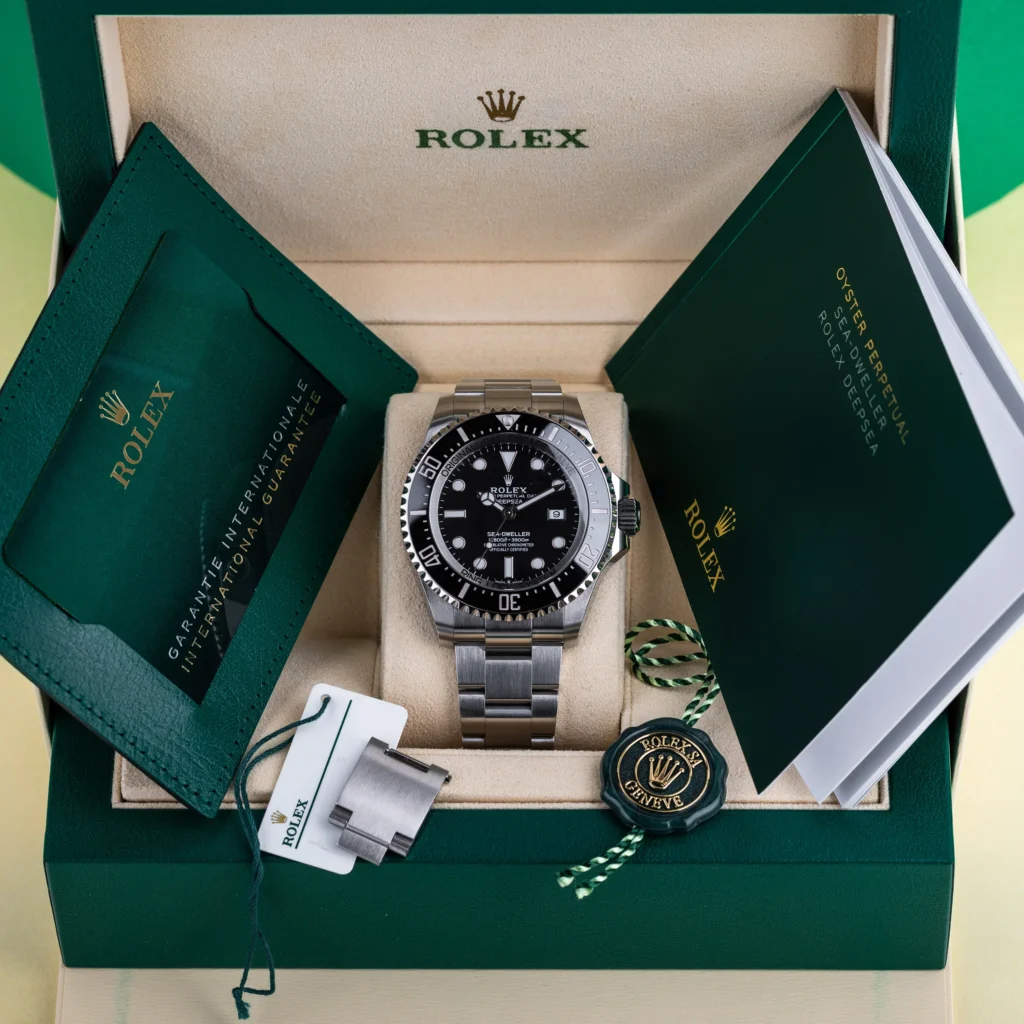
Rolex dominates the secondary market.
Models such as the:
- Daytona
- Submariner
- GMT-Master II
- Day-Date
regularly retain a significant percentage of their retail value, and some references trade above retail depending on demand.
Omega also performs well—particularly the Speedmaster Moonwatch—but most models experience greater depreciation than comparable Rolex watches.
Resale Comparison
| Collection | Secondary Market Strength |
|---|---|
| Rolex Daytona | Outstanding |
| Rolex Submariner | Outstanding |
| Rolex GMT-Master II | Outstanding |
| Omega Speedmaster | Excellent |
| Omega Seamaster | Very Good |
| Omega Aqua Terra | Good |
Winner
Rolex
Investment Potential
Mechanical watches are collectible luxury goods rather than guaranteed investments, but certain references have shown remarkable long-term value retention.
Rolex remains the benchmark thanks to:
- Controlled production
- Strong global demand
- Exceptional liquidity
- Broad collector interest
Omega excels in historical significance and engineering innovation, but generally offers stronger value as an enthusiast’s watch than as a financial asset.
Best Rolex Investments
- Daytona
- Submariner
- GMT-Master II
- Day-Date
- Vintage Explorer
Best Omega Investments
- Speedmaster Moonwatch
- Snoopy Editions
- Seamaster Diver 300M
- Vintage Speedmasters
- Seamaster 300 Heritage
Winner
Rolex
Iconic Collections Head-to-Head
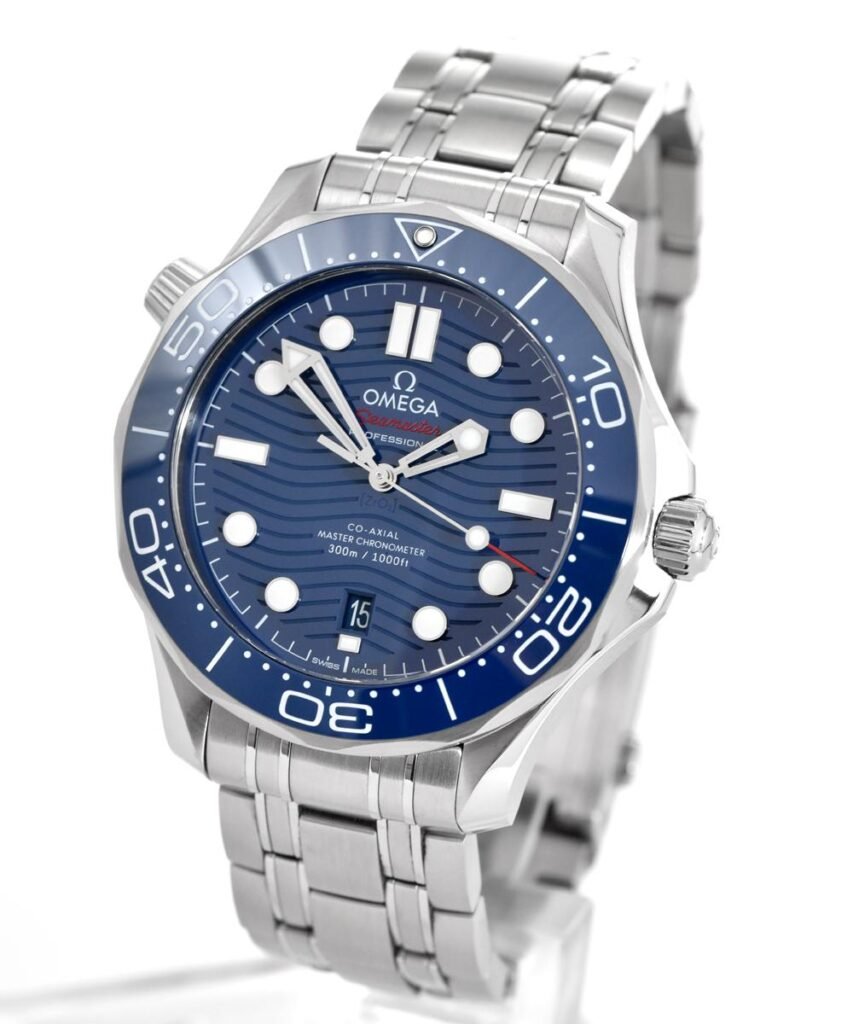
| Category | Rolex | Omega |
|---|---|---|
| Dive Watch | Submariner | Seamaster Diver 300M |
| Chronograph | Daytona | Speedmaster Moonwatch |
| Everyday Watch | Datejust | Aqua Terra |
| Travel Watch | GMT-Master II | Seamaster Worldtimer |
| Dress Watch | Day-Date | De Ville |
| Explorer Watch | Explorer | Railmaster |
Overall Score So Far
| Category | Winner |
|---|---|
| Heritage | Tie |
| Design Philosophy | Tie |
| Craftsmanship | Tie |
| Movement Innovation | Omega |
| Accuracy & Certification | Omega |
| Technology | Omega |
| Pricing | Omega |
| Resale Value | Rolex |
| Investment Potential | Rolex |
| Iconic Collections | Tie |
Current Score
- Omega: 4 Wins
- Rolex: 2 Wins
- Tie: 4 Categories
Shop the Edit
These four watches perfectly represent the strengths of Rolex and Omega. Rolex excels in timeless sports watches with outstanding long-term value retention, while Omega showcases technical innovation and historical significance through some of the industry’s most celebrated timepieces.
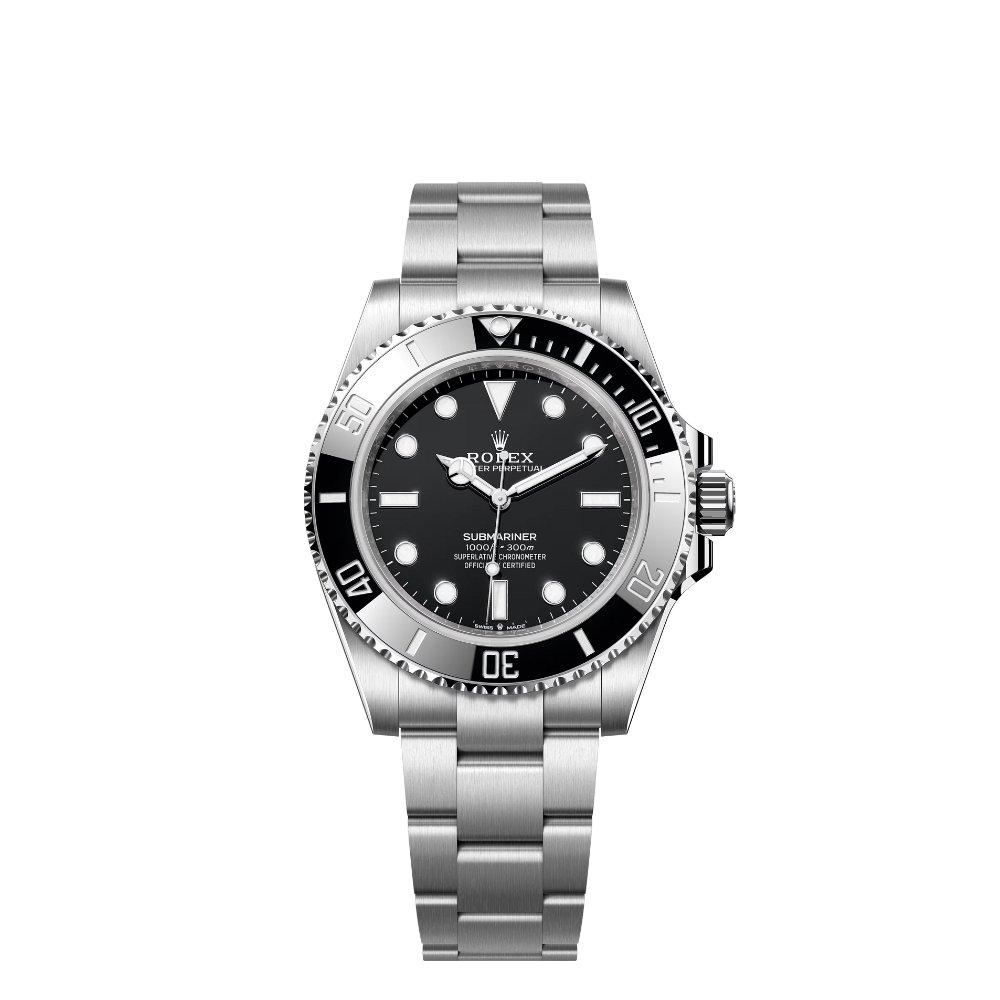
Rolex Submariner
First luxury sports watch, daily wear, long-term value retention, watch collectors
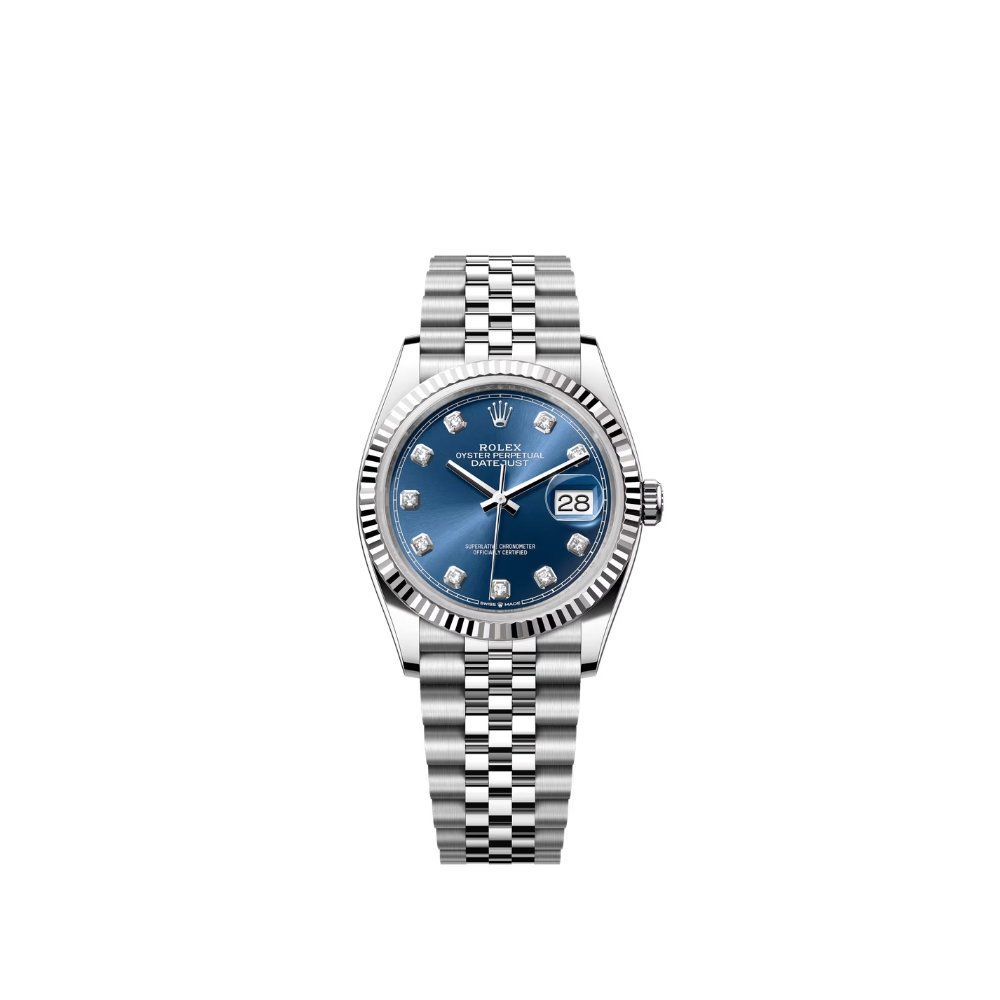
Rolex Datejust
Everyday luxury, one-watch collection, dress and casual versatility
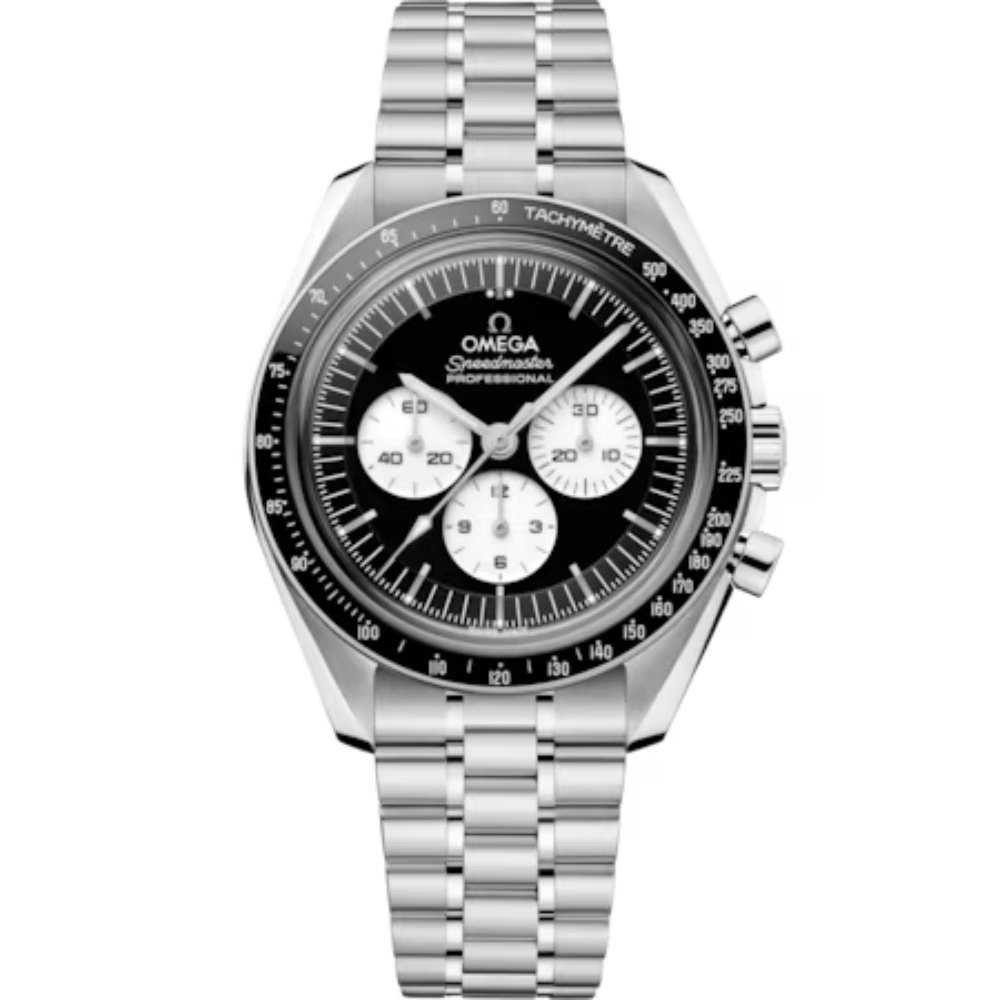
Omega Speedmaster Moonwatch Professional
Space exploration enthusiasts, chronograph collectors, horology lovers
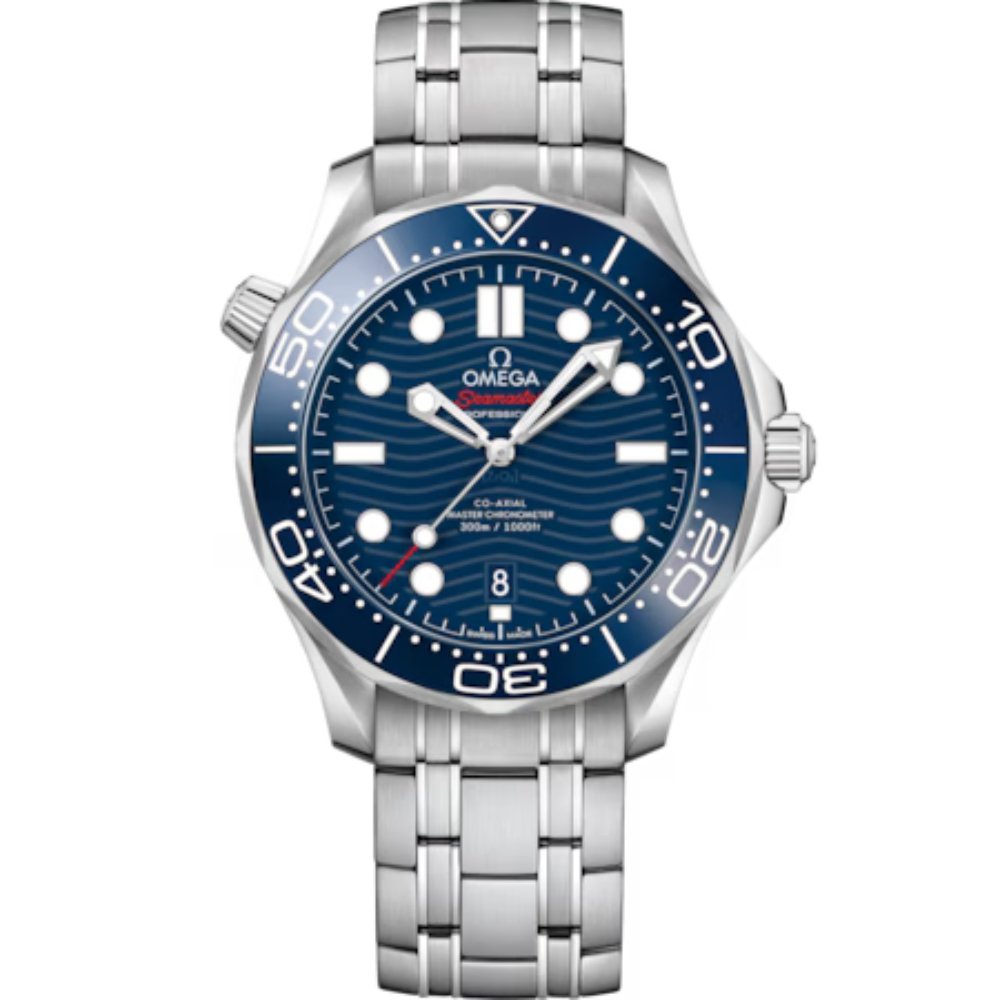
Omega Seamaster Diver 300M
Daily sports watch, diving enthusiasts, outstanding value
Pros & Cons
Rolex
| Pros | Cons |
|---|---|
| Outstanding resale value | Higher retail prices |
| Exceptional reliability | Boutique availability can be limited |
| Timeless design | Less movement innovation than Omega |
| Strong collector demand | Waiting lists for many popular models |
| Industry-leading prestige | Premium over retail in secondary market |
Omega
| Pros | Cons |
|---|---|
| Industry-leading movement technology | Lower resale value than Rolex |
| Excellent value for money | More depreciation on many references |
| Master Chronometer certification | Less exclusivity |
| Strong historical heritage | Some collections receive frequent updates |
| Superior anti-magnetic performance | Brand prestige trails Rolex in mainstream perception |
Which Brand Should You Buy?
Choose Rolex If…
- You prioritize resale value.
- You’re buying your first luxury investment watch.
- You want timeless styling.
- Brand prestige matters.
- You plan to keep one watch for decades.
Choose Omega If…
- Technical innovation is your priority.
- You appreciate watchmaking history.
- You want exceptional value.
- You prefer advanced movement technology.
- You enjoy collecting mechanical watches for their engineering.
Quick Buying Guide
| You’re Looking For… | Best Choice |
|---|---|
| Best Investment | Rolex |
| Best Resale Value | Rolex |
| Most Prestigious Brand | Rolex |
| Most Advanced Movement | Omega |
| Best Chronograph | Omega Speedmaster |
| Best Dive Watch | Tie (Submariner vs Seamaster) |
| Everyday Luxury | Rolex Datejust |
| Best Value | Omega |
| Anti-Magnetic Technology | Omega |
| First Luxury Watch | Omega (value) / Rolex (prestige) |
Final Verdict
Rolex and Omega represent two different philosophies of Swiss watchmaking, and that is precisely why this rivalry has endured for generations.
Rolex has become the global benchmark for luxury sports watches through disciplined evolution rather than constant reinvention. Its watches are admired for exceptional reliability, instantly recognizable design, and some of the strongest resale performance in the watch industry. Models like the Submariner, Daytona, and GMT-Master II consistently attract collector demand and often command premiums on the secondary market.
Omega, meanwhile, continues to push technical boundaries. The Co-Axial escapement, METAS Master Chronometer certification, and industry-leading anti-magnetic technology demonstrate a commitment to engineering advancement. Combined with the Moonwatch’s NASA legacy and the Seamaster’s professional diving credentials, Omega offers extraordinary horological value.
Neither brand is objectively “better.” Instead, each excels in different areas.
If you view your watch as a collectible luxury asset with exceptional liquidity, Rolex remains the benchmark.
If you’re fascinated by movement technology and mechanical innovation, Omega arguably offers more watchmaking per dollar.
Overall Scorecard
| Category | Winner |
|---|---|
| Heritage | Tie |
| Design Philosophy | Tie |
| Craftsmanship | Tie |
| Movement Innovation | Omega |
| Accuracy & Certification | Omega |
| Technology | Omega |
| Pricing & Value | Omega |
| Resale Value | Rolex |
| Investment Potential | Rolex |
| Iconic Collections | Tie |
| Everyday Wearability | Tie |
| Brand Prestige | Rolex |
Final Score
Omega — 4 Wins
Rolex — 3 Wins
Tie — 5 Categories
LxryNow Verdict
For enthusiasts who appreciate the mechanics behind fine watchmaking, Omega delivers the more compelling package. Its Master Chronometer certification, Co-Axial technology, anti-magnetic engineering, and exceptional value make it one of the strongest luxury watch brands available today.
However, if your priorities include prestige, long-term ownership value, and collector demand, Rolex remains difficult to surpass. Few luxury products enjoy the same combination of global recognition, enduring desirability, and resale performance.
Final Recommendation
Choose Rolex if you want the ultimate luxury status watch with outstanding long-term value and timeless appeal.
Choose Omega if you value engineering innovation, historical significance, and exceptional mechanical performance at a more accessible price point.
