
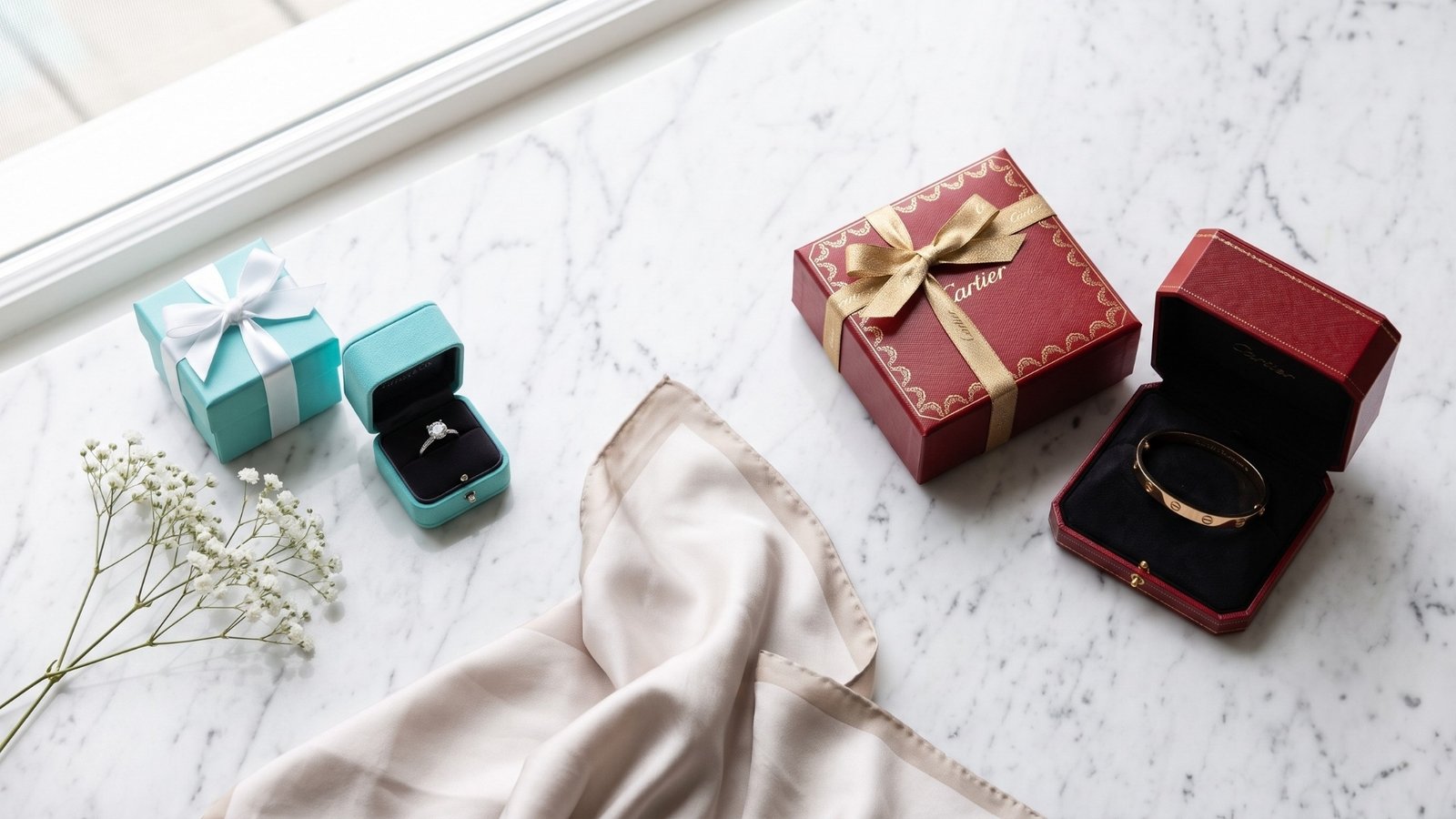
TL;DR
Choosing between Tiffany vs Cartier comes down to what you value most in luxury jewelry.
- Choose Tiffany & Co. if you want exceptional diamonds, legendary engagement rings, and understated everyday elegance.
- Choose Cartier if you prefer iconic gold jewelry, timeless statement pieces, and stronger long-term resale value.
While both maisons represent the pinnacle of fine jewelry, Tiffany has built its reputation around diamonds and romance, whereas Cartier has become synonymous with sculptural gold jewelry and enduring French luxury.
Table of Contents
Introduction
Few names command as much admiration in the world of fine jewelry as Tiffany & Co. and Cartier.
For nearly two centuries, both maisons have defined luxury through extraordinary craftsmanship, exceptional gemstones, and instantly recognizable designs. Their creations have adorned royalty, Hollywood icons, world leaders, and generations of collectors, becoming symbols of status, romance, and timeless style.
Despite operating within the same world of high jewelry, Tiffany and Cartier have evolved with remarkably different identities.
Tiffany represents refined American elegance, celebrated for its exceptional diamonds, platinum craftsmanship, and the engagement ring that forever changed bridal jewelry with the Tiffany Setting introduced in 1886. Today, the house continues to build on that heritage through modern collections like HardWear, Lock, Knot, and Tiffany T.
Cartier, meanwhile, embodies Parisian sophistication and artistic design. Often called “The Jeweler of Kings and the King of Jewelers,” the maison built its reputation through exceptional gold craftsmanship, bold design language, and legendary collections including Love, Juste un Clou, Trinity, and Panthère.
So which jewelry house deserves your investment?
In this guide, we’ll compare Tiffany and Cartier across heritage, craftsmanship, design philosophy, pricing, and long-term value to help you decide which brand best matches your lifestyle.
Heritage & Brand Identity
Tiffany & Co.: America’s Legendary Jeweler

Founded in 1837 in New York by Charles Lewis Tiffany, Tiffany & Co. helped establish the United States as a serious force in luxury jewelry.
From its earliest years, the house became known for sourcing exceptional gemstones, eventually earning the nickname “The Diamond Kings.” Tiffany cemented its place in jewelry history in 1886 with the introduction of the Tiffany® Setting, a six-prong engagement ring that elevated the diamond above the band to maximize brilliance—a design that remains one of the industry’s most influential innovations.
Today, Tiffany’s identity revolves around:
- Extraordinary diamonds
- Elegant platinum jewelry
- Refined minimalism
- American luxury
- The iconic Tiffany Blue Box®
Its contemporary collections combine heritage with modern design while remaining instantly recognizable.
Signature Tiffany Collections
| Collection | Known For |
|---|---|
| Tiffany Setting | The world’s most iconic engagement ring |
| HardWear | Bold industrial-inspired links |
| Lock | Symbolic unisex jewelry |
| Tiffany T | Modern minimalist luxury |
| Knot | Sculptural everyday elegance |
| Elsa Peretti | Organic, timeless designs |
| Return to Tiffany | Classic American jewelry icon |
Cartier: The Jeweler of Kings

Founded in 1847 in Paris by Louis-François Cartier, Cartier quickly became Europe’s preferred jeweler for royalty and aristocracy.
Its clientele eventually included kings, queens, emperors, and noble families across the globe, inspiring Britain’s King Edward VII to famously describe Cartier as:
“The Jeweler of Kings and the King of Jewelers.”
Unlike Tiffany, whose identity centers around diamonds, Cartier became celebrated for artistic gold jewelry, architectural design, and iconic motifs that remain instantly recognizable decades after their debut.
The maison has preserved thousands of historical creations through the Cartier Collection, reflecting its long-standing commitment to craftsmanship and cultural heritage.
Signature Cartier Collections
| Collection | Known For |
|---|---|
| Love | The world’s most recognizable luxury bracelet |
| Juste un Clou | Nail-inspired sculptural jewelry |
| Trinity | Three interlocking gold bands |
| Panthère | Cartier’s signature animal motif |
| Clash de Cartier | Contemporary geometric luxury |
| 1895 | Classic engagement rings |
Heritage Comparison
| Category | Tiffany & Co. | Cartier |
|---|---|---|
| Founded | 1837 | 1847 |
| Country | United States | France |
| Brand Identity | American elegance | French luxury |
| Famous For | Diamonds & engagement rings | Gold jewelry & design icons |
| Royal Heritage | Limited | Extensive |
| Signature Packaging | Tiffany Blue Box | Cartier Red Box |
Heritage Winner
Cartier has the richer royal history and stronger association with European aristocracy.
Tiffany & Co., however, remains America’s definitive luxury jeweler and the benchmark for engagement rings.
Design Philosophy
Tiffany: Refined Minimalism

Tiffany designs focus on elegance that feels effortless.
Rather than relying on bold logos or highly decorative motifs, the house emphasizes:
- Clean silhouettes
- Exceptional gemstone quality
- Architectural simplicity
- Everyday wearability
Even statement collections such as HardWear remain surprisingly versatile, making Tiffany jewelry particularly appealing to buyers seeking luxury they can wear daily.
Modern collections like Tiffany T and Lock also reflect New York City’s clean lines and contemporary spirit while remaining unmistakably Tiffany.
Cartier: Bold, Iconic Luxury

Cartier takes a more sculptural approach to jewelry design.
Many of its creations are recognizable from across the room, yet they avoid feeling trendy because they rely on timeless forms rather than seasonal fashion.
Its design philosophy is built around four principles:
- Pure lines
- Precise proportions
- Architectural balance
- Exceptional detailing
These principles have produced some of the most enduring jewelry icons ever created, including the Love Bracelet, Trinity Ring, and Juste un Clou.
Design Philosophy Comparison
| Design Element | Tiffany & Co. | Cartier |
|---|---|---|
| Overall Style | Minimalist | Sculptural |
| Everyday Wear | Excellent | Excellent |
| Statement Pieces | Moderate | Outstanding |
| Diamond Focus | Very Strong | Strong |
| Gold Jewelry | Excellent | Exceptional |
| Instant Recognition | High | Extremely High |
Design Winner
This category depends entirely on personal taste.
- Choose Tiffany if you appreciate understated elegance and refined luxury.
- Choose Cartier if you prefer iconic statement jewelry with unmistakable design language.
Craftsmanship & Materials
Both Tiffany & Co. and Cartier rank among the world’s finest jewelry houses, but their expertise has developed in different directions.
Tiffany has built its reputation on diamond cutting, platinum craftsmanship, and meticulous gemstone selection. Cartier, meanwhile, is celebrated for sculptural gold work, sophisticated engineering, and artistic jewelry design that has remained relevant for generations. Both maisons maintain exceptionally high manufacturing standards, but they appeal to different priorities.
Tiffany & Co.: Masters of Diamond Craftsmanship
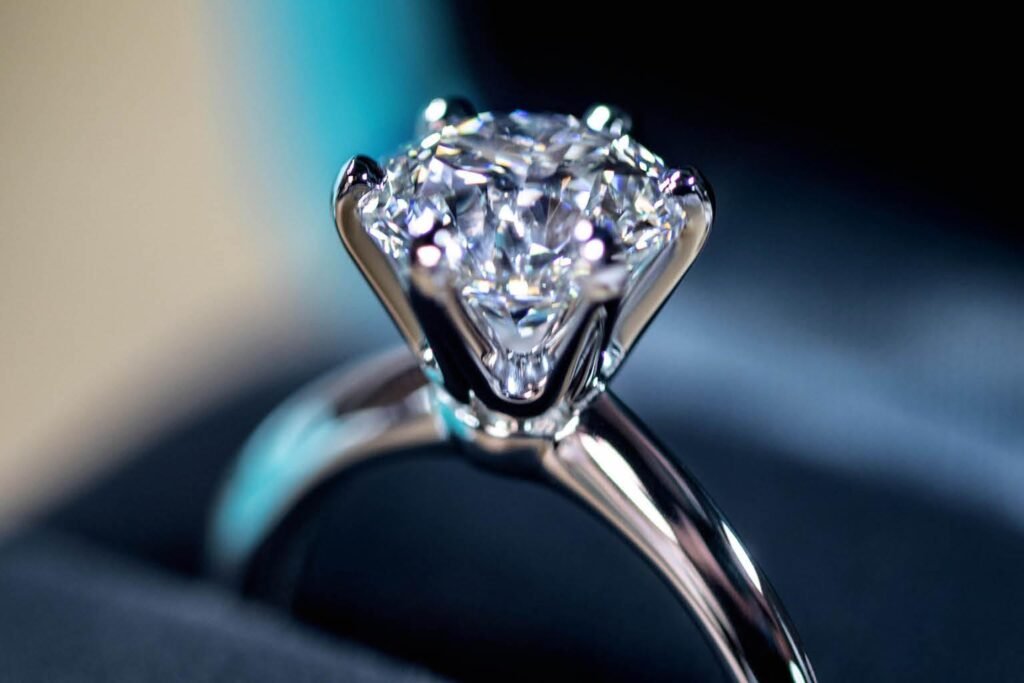
Tiffany’s reputation begins with its diamonds.
The maison has invested heavily in in-house craftsmanship, employing approximately 1,500 artisans responsible for cutting, polishing, and finishing many of its diamonds. According to Tiffany, each diamond is examined up to 1,690 times throughout its journey from rough stone to finished jewelry. Rather than maximizing carat weight, Tiffany prioritizes optical performance, ensuring exceptional brilliance and symmetry.
Tiffany Strengths
- Industry-leading diamond selection
- Exceptional platinum craftsmanship
- Highly polished finishing
- Strong transparency in diamond sourcing
- Outstanding engagement ring expertise
Cartier: Masters of Gold Jewelry
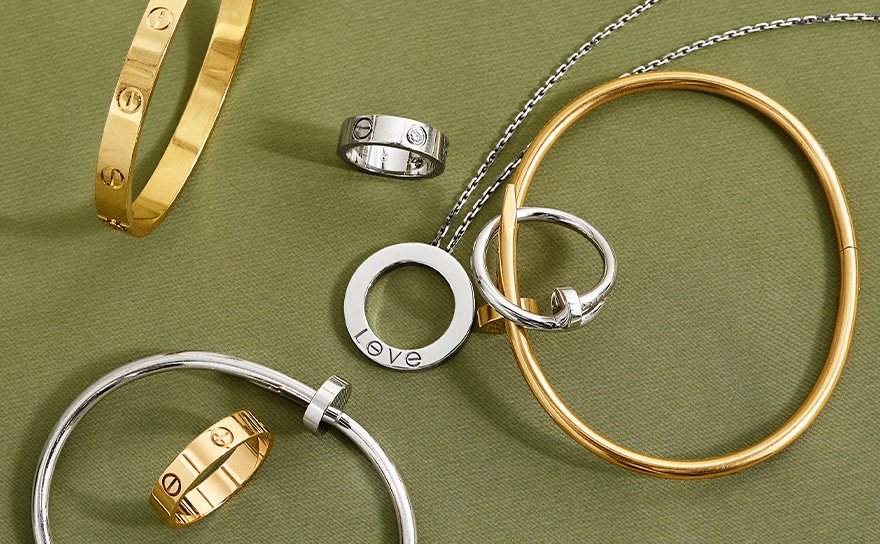
Cartier approaches craftsmanship from an artistic perspective.
Its collections emphasize engineering as much as aesthetics. Pieces like the Love Bracelet require precise screw mechanisms, while Juste un Clou transforms an ordinary nail into wearable sculpture. Cartier also preserves thousands of historical creations within the Cartier Collection, helping pass traditional techniques to future generations.
Cartier Strengths
- Exceptional 18k gold finishing
- Architectural construction
- Sophisticated bracelet mechanisms
- High Jewelry expertise
- Long-established artisanal heritage
Craftsmanship Comparison
| Category | Tiffany & Co. | Cartier |
|---|---|---|
| Diamond Cutting | ★★★★★ | ★★★★☆ |
| Platinum Work | ★★★★★ | ★★★★☆ |
| Gold Craftsmanship | ★★★★☆ | ★★★★★ |
| Jewelry Engineering | ★★★★☆ | ★★★★★ |
| Finishing | ★★★★★ | ★★★★★ |
| High Jewelry | ★★★★★ | ★★★★★ |
Winner
Tie
Tiffany leads in diamonds and platinum.
Cartier leads in gold craftsmanship and jewelry engineering.
Diamond Quality
For buyers focused primarily on diamonds, Tiffany remains the benchmark.
The company accepts only a tiny fraction of gem-quality diamonds for its engagement jewelry and grades all qualifying round brilliant engagement diamonds at Triple Excellent for cut, polish, and symmetry. Tiffany also pioneered diamond traceability, allowing customers to understand where many stones were sourced, cut, polished, graded, and set.
Cartier also produces outstanding diamond jewelry, particularly in its High Jewelry collections and engagement rings, but diamonds are one aspect of a broader creative philosophy rather than the defining identity of the maison.
Diamond Comparison
| Feature | Tiffany & Co. | Cartier |
|---|---|---|
| Diamond Reputation | Outstanding | Excellent |
| Bridal Expertise | Industry-leading | Excellent |
| Traceability | Excellent | Strong |
| Solitaire Engagement Rings | Outstanding | Excellent |
| High Jewelry Diamonds | Exceptional | Exceptional |
Winner
Tiffany & Co.
Gold & Platinum Comparison
While Tiffany is synonymous with platinum and diamonds, Cartier has become the reference point for luxury gold jewelry.
The Love Bracelet, Trinity Ring, and Juste un Clou demonstrate Cartier’s ability to transform simple materials into timeless icons through proportion, engineering, and design.
Tiffany, meanwhile, frequently combines platinum with exceptional diamonds, resulting in jewelry that emphasizes brilliance over sculptural form.
| Category | Tiffany | Cartier |
|---|---|---|
| Platinum Jewelry | ★★★★★ | ★★★★☆ |
| Yellow Gold | ★★★★☆ | ★★★★★ |
| Rose Gold | ★★★★☆ | ★★★★★ |
| White Gold | ★★★★★ | ★★★★★ |
| Mixed Metals | ★★★★☆ | ★★★★★ |
Winner
Cartier
Pricing Comparison
Luxury jewelry from both houses spans entry-level gifts to museum-quality High Jewelry, but their entry points differ considerably.
Tiffany offers more accessible sterling silver collections, allowing first-time buyers to enter the brand at lower prices. Cartier generally begins at a higher price point, reflecting its emphasis on solid gold jewelry and iconic collections.
| Category | Tiffany & Co. | Cartier |
|---|---|---|
| Entry-Level Jewelry | Lower | Higher |
| Sterling Silver | Extensive | Limited |
| Gold Bracelets | Premium | Premium+ |
| Diamond Rings | Wide Price Range | Premium |
| High Jewelry | Ultra Luxury | Ultra Luxury |
| Watches | Limited | Extensive |
Winner
Tiffany & Co.
More accessible for new luxury buyers.
Resale Value
Both brands perform well in the secondary market, but Cartier generally commands stronger resale demand.
Collections such as Love, Trinity, Juste un Clou, and Panthère have remained continuously desirable for decades, helping maintain value across international resale platforms. Meanwhile, Tiffany engagement rings and select gold collections perform well, although sterling silver pieces often depreciate more significantly.
Typical Secondary Market Strength
| Collection | Resale Performance |
|---|---|
| Cartier Love | Excellent |
| Cartier Juste un Clou | Excellent |
| Cartier Trinity | Excellent |
| Tiffany Setting | Excellent |
| Tiffany HardWear | Very Good |
| Tiffany Return to Tiffany Silver | Moderate |
Winner
Cartier
Investment Potential
Fine jewelry has become increasingly attractive to collectors seeking tangible luxury assets. High jewelry and iconic collections continue to outperform many fashion accessories due to enduring demand, rarity, and craftsmanship.
Tiffany
Best long-term investments include:
- Tiffany Setting
- Jean Schlumberger
- HardWear
- Lock
- Vintage Elsa Peretti
Cartier
Best long-term investments include:
- Love Bracelet
- Trinity Ring
- Juste un Clou
- Panthère
- High Jewelry collections
Investment Winner
Cartier
Its iconic gold collections have demonstrated broader collector demand and stronger resale consistency.
Iconic Collections Head-to-Head
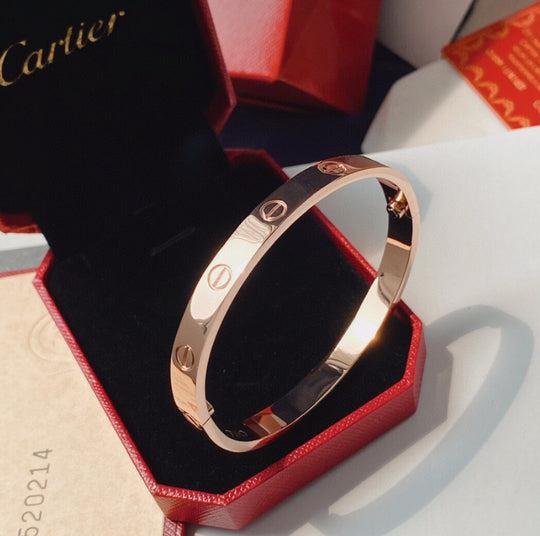
| Category | Tiffany & Co. | Cartier |
|---|---|---|
| Engagement Ring | Tiffany Setting | 1895 Solitaire |
| Everyday Bracelet | Lock | Love Bracelet |
| Statement Collection | HardWear | Juste un Clou |
| Heritage Collection | Elsa Peretti | Trinity |
| Modern Icon | Knot | Clash de Cartier |
| High Jewelry Symbol | Jean Schlumberger | Panthère |
Overall Score So Far
| Category | Winner |
|---|---|
| Heritage | Cartier |
| Design Philosophy | Tie |
| Craftsmanship | Tie |
| Diamond Quality | Tiffany |
| Gold Jewelry | Cartier |
| Pricing Accessibility | Tiffany |
| Resale Value | Cartier |
| Investment Potential | Cartier |
| Iconic Collections | Cartier |
Shop the Edit
Whether you’re beginning a fine jewelry collection or investing in an iconic heirloom, these four pieces perfectly represent the DNA of each maison
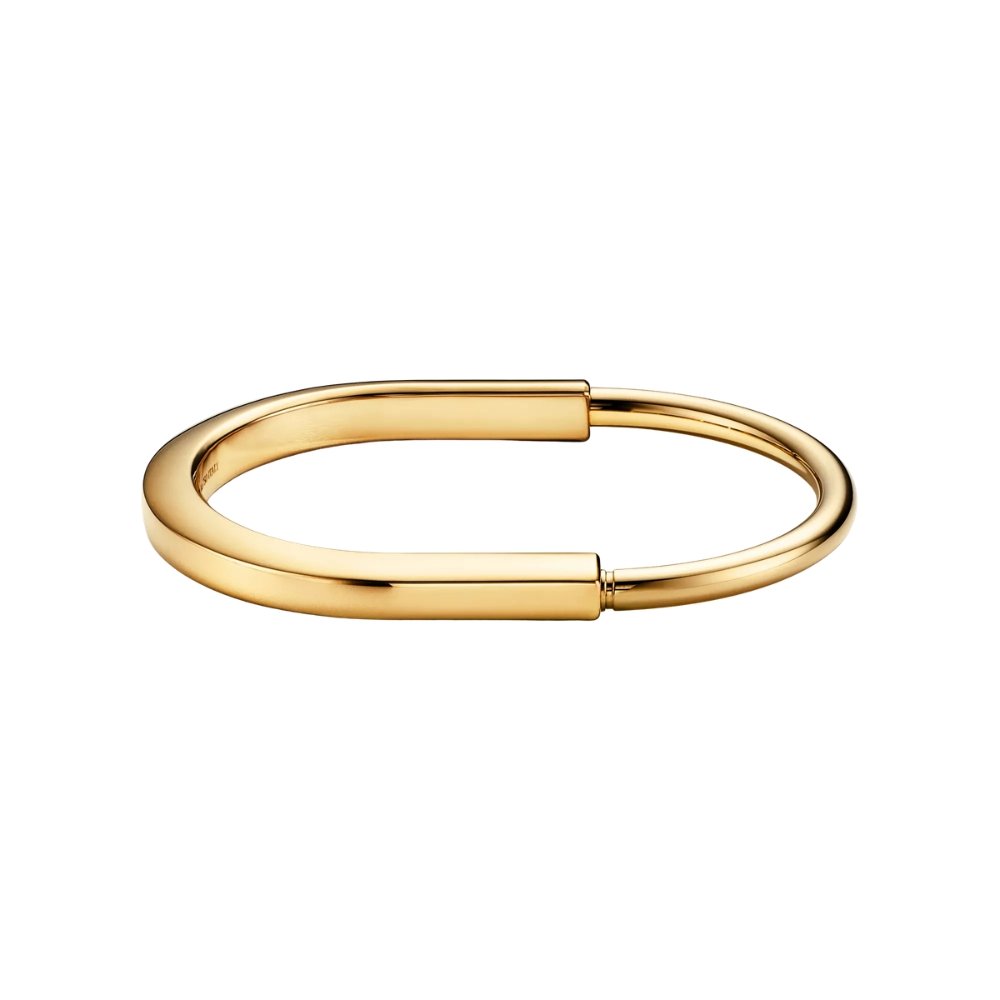
Tiffany Lock Bangle
Everyday luxury, stackable bracelets, modern minimalist style
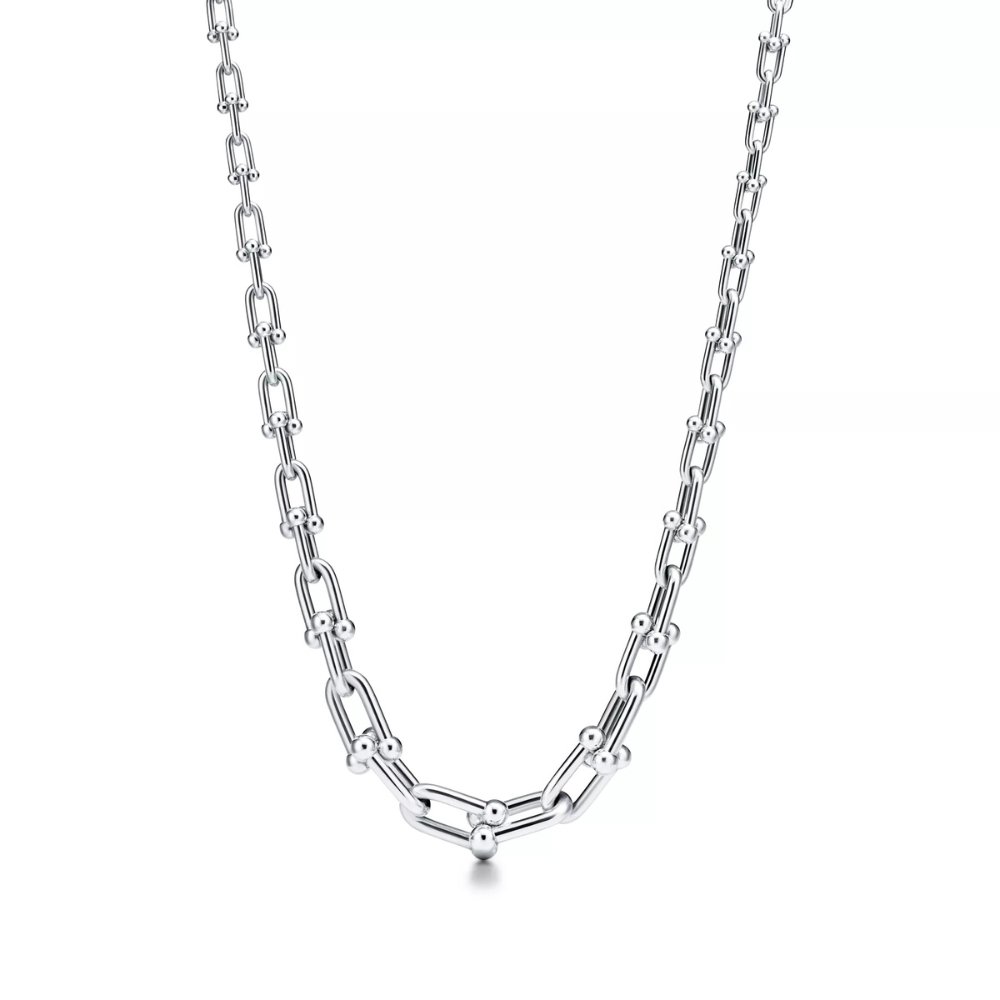
Tiffany HardWear Graduated Link Necklace
Fashion-forward collectors, statement necklaces, day-to-night styling
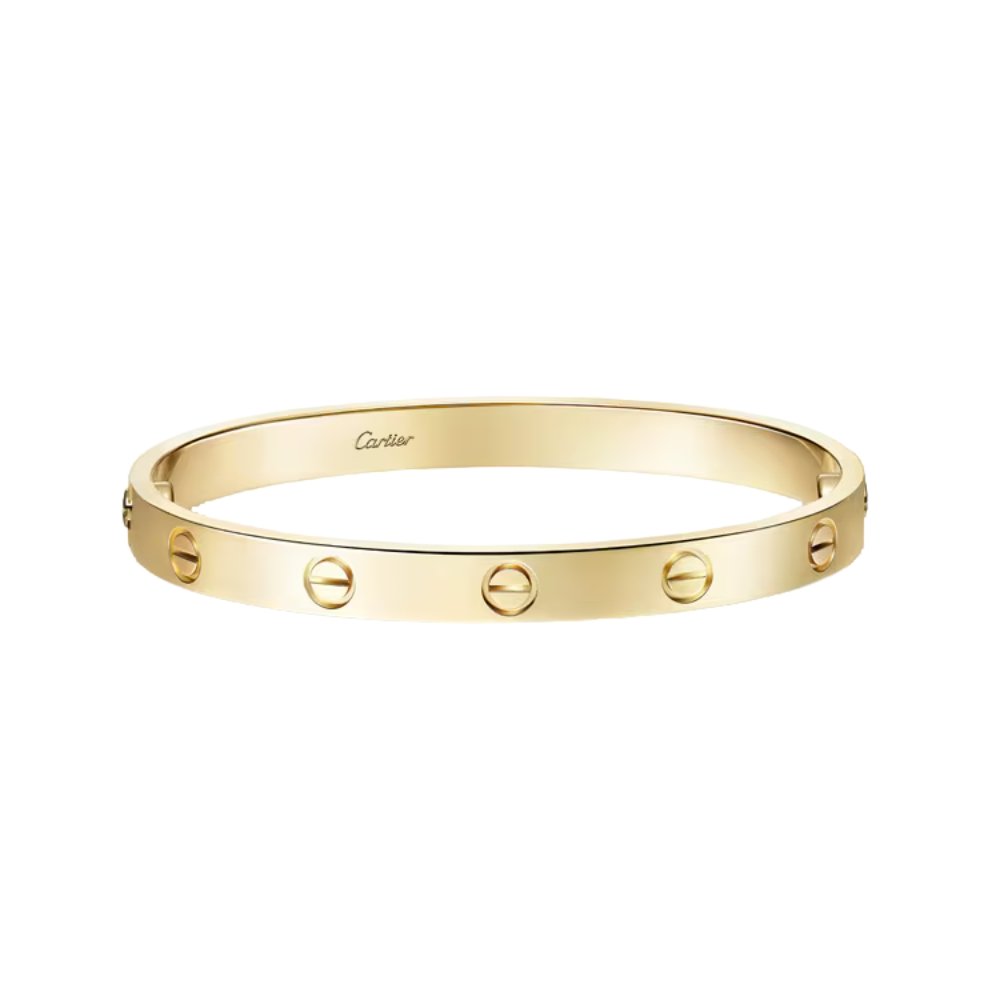
Cartier Love Bracelet
First luxury bracelet, long-term investment, everyday signature jewelry
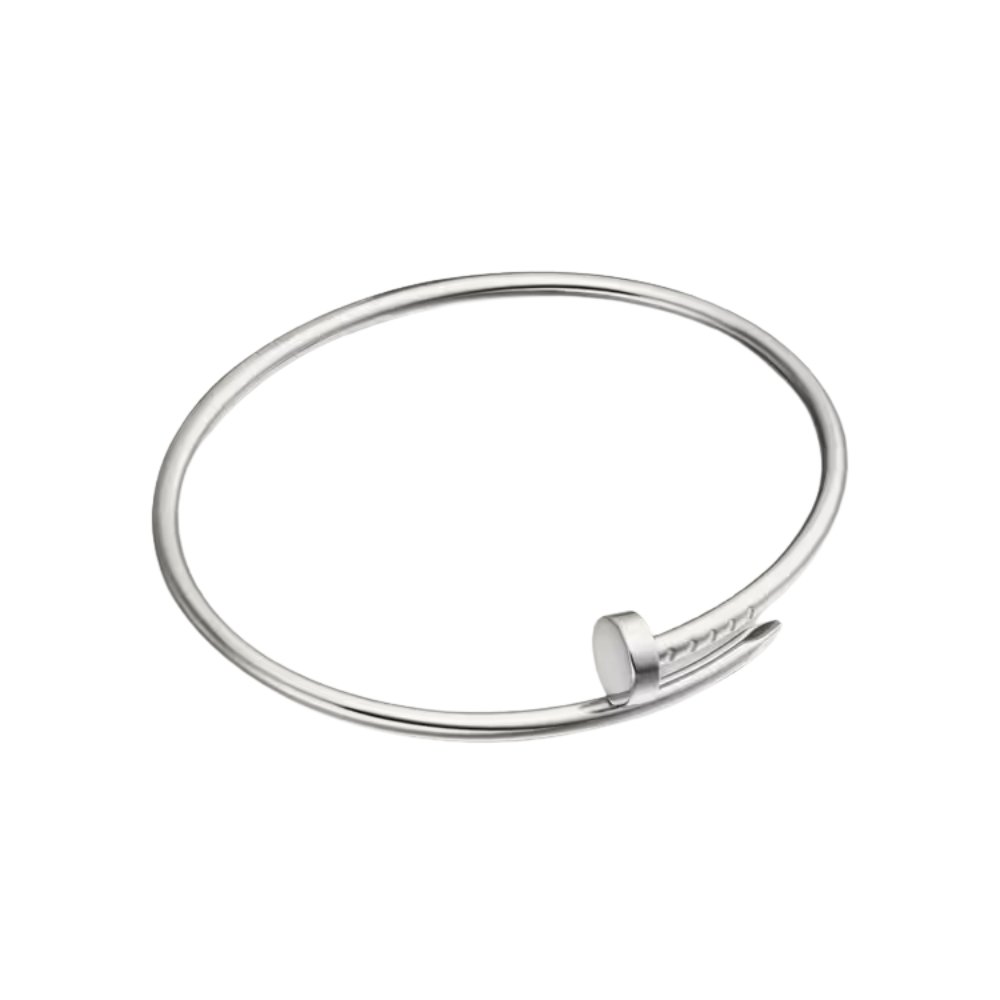
Cartier Juste un Clou Bracelet
Contemporary luxury, statement styling, jewelry collectors
Pros & Cons
Tiffany & Co.
| Pros | Cons |
|---|---|
| Industry-leading diamond quality | Lower resale performance than Cartier overall |
| Legendary engagement rings | Silver collections depreciate more noticeably |
| Elegant minimalist aesthetic | Less iconic in gold jewelry |
| Wider entry-level price range | Bridal reputation can overshadow other collections |
| Excellent platinum craftsmanship | Smaller portfolio of iconic bracelets |
Cartier
| Pros | Cons |
|---|---|
| Outstanding gold craftsmanship | Higher starting prices |
| Exceptional resale value | Fewer accessible entry-level pieces |
| Instantly recognizable icons | Popular models are frequently imitated |
| Strong collector demand | Waiting lists for some sought-after pieces |
| Rich royal heritage | Less specialized than Tiffany for engagement diamonds |
Which Brand Should You Buy?
Choose Tiffany & Co. If…
- You’re buying an engagement ring.
- Diamond quality is your top priority.
- You appreciate understated luxury.
- You prefer platinum jewelry.
- You want timeless pieces for everyday wear.
Choose Cartier If…
- You want iconic luxury jewelry.
- Gold jewelry is your primary focus.
- Long-term resale value matters.
- You’re building a collectible jewelry wardrobe.
- You appreciate bold yet timeless design.
Quick Buying Guide
| You’re Looking For… | Best Choice |
|---|---|
| Engagement Ring | Tiffany & Co. |
| Diamond Jewelry | Tiffany & Co. |
| Gold Bracelet | Cartier |
| Statement Jewelry | Cartier |
| Everyday Minimalist Style | Tiffany & Co. |
| Heritage & Prestige | Cartier |
| Investment Potential | Cartier |
| Modern Fashion Jewelry | Tie |
| First Luxury Jewelry Purchase | Tiffany (value) / Cartier (prestige) |
Final Verdict
Luxury jewelry isn’t simply about precious metals or gemstones—it reflects craftsmanship, history, and emotional significance. Both Tiffany & Co. and Cartier excel in these areas, but they do so through distinct philosophies.
Tiffany continues to define excellence in bridal jewelry. Its diamond expertise, platinum craftsmanship, and refined design language make it the natural choice for buyers seeking timeless elegance. Since joining LVMH, Tiffany has also expanded its modern offerings with collections such as Lock and HardWear, helping the maison compete more directly in the contemporary luxury space.
Cartier, meanwhile, remains the benchmark for iconic gold jewelry. Collections like Love, Trinity, and Juste un Clou have transcended fashion trends to become enduring symbols of luxury. Their consistent demand in both primary and secondary markets reinforces Cartier’s reputation as one of the strongest long-term investments in fine jewelry.
As the broader luxury jewelry market continues to outperform many other luxury categories, heritage, craftsmanship, and timeless design have become increasingly valuable attributes—qualities that both Tiffany and Cartier embody.
Overall Scorecard
| Category | Winner |
|---|---|
| Heritage | Cartier |
| Design Philosophy | Tie |
| Craftsmanship | Tie |
| Diamond Quality | Tiffany & Co. |
| Gold Craftsmanship | Cartier |
| Pricing Accessibility | Tiffany & Co. |
| Engagement Rings | Tiffany & Co. |
| Iconic Collections | Cartier |
| Resale Value | Cartier |
| Investment Potential | Cartier |
| Everyday Luxury | Tie |
Final Score
Cartier — 5 Wins
Tiffany & Co. — 3 Wins
Tie — 3 Categories
Our Verdict
Buy Tiffany & Co. if…
You value exceptional diamonds, timeless engagement rings, and understated elegance that transitions effortlessly from everyday wear to life’s most meaningful occasions.
Buy Cartier if…
You want the world’s most iconic luxury jewelry, exceptional gold craftsmanship, and pieces with enduring collector appeal and stronger long-term value retention.
LxryNow Recommendation
If choosing just one jewelry house overall, Cartier takes the crown. Its combination of historic prestige, instantly recognizable designs, exceptional craftsmanship, and consistently strong resale performance makes it the more complete luxury jewelry maison.
However, if your purchase centers on an engagement ring or diamond jewelry, Tiffany & Co. remains the industry benchmark and continues to set the standard for bridal excellence.
