Saturday, October 10, 2026
Home Cartier — Brand Profile
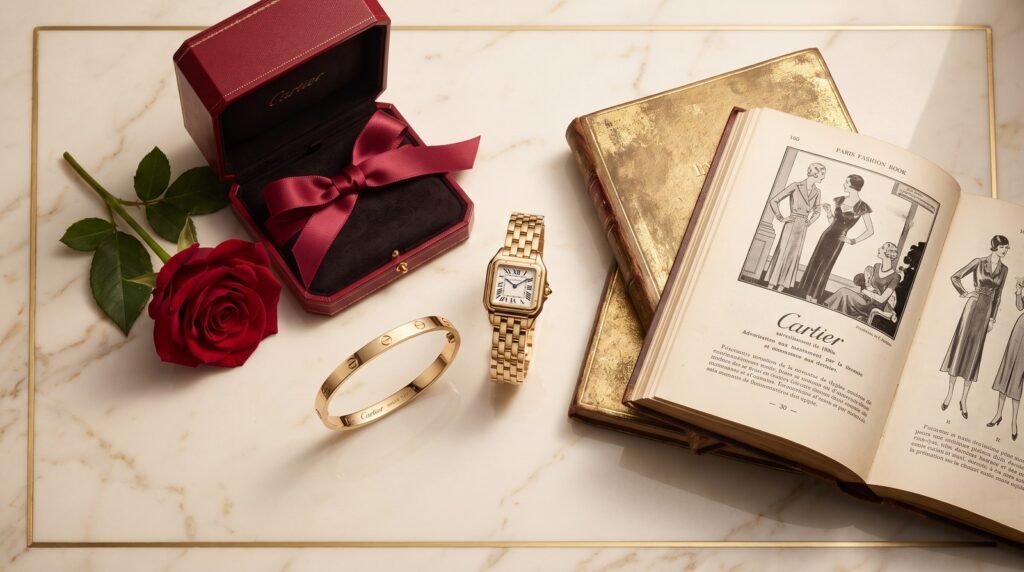
Cartier Love bracelet, Panthère de Cartier watch, red jewellery box, silk ribbon, and rose in an elegant Parisian luxury flat lay.

Cartier

• Website: cartier.com
• Founded: 1847, Paris, France.
• Founder: Louis-François Cartier
• Owned By: Richemont
• Known For: Love Bracelet, Tank, Santos, Trinity, Panthère de Cartier
• Category Focus: Fine jewelry, high jewelry, luxury watches, engagement rings, fragrance, leather goods, accessories

Cartier is one of the world's most prestigious jewelry and watchmaking houses, renowned for elegant design, technical innovation, and a long association with royalty. Founded in Paris in 1847 by Louis-François Cartier, the maison developed from a jewelry workshop into a global luxury house spanning high jewelry, watches, engagement rings, fragrance, leather goods, and accessories.

Known for combining French craftsmanship, architectural form, and distinctive symbolism, Cartier has created some of luxury's most enduring designs. House codes—including the panther, Trinity rings, Roman numerals, blue cabochons, and red presentation boxes—remain instantly recognizable around the world.

Today, Cartier is owned by Richemont, continuing to shape global jewelry and watchmaking under President and Chief Executive Officer Louis Ferla.

Iconic Cartier Products

Love Bracelet

Juste un Clou Bracelet

Trinity Ring

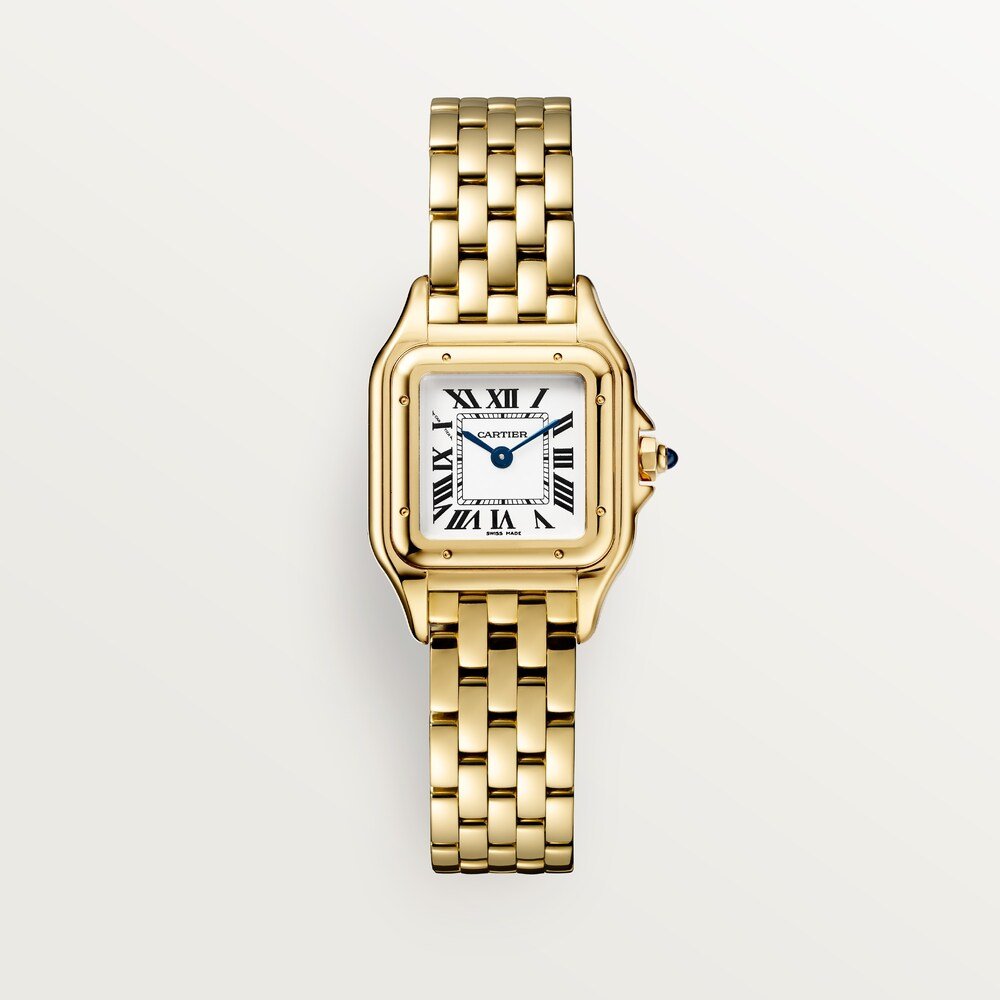
Panthère de Cartier

Tank Watch

Santos de Cartier

Ballon Bleu de Cartier

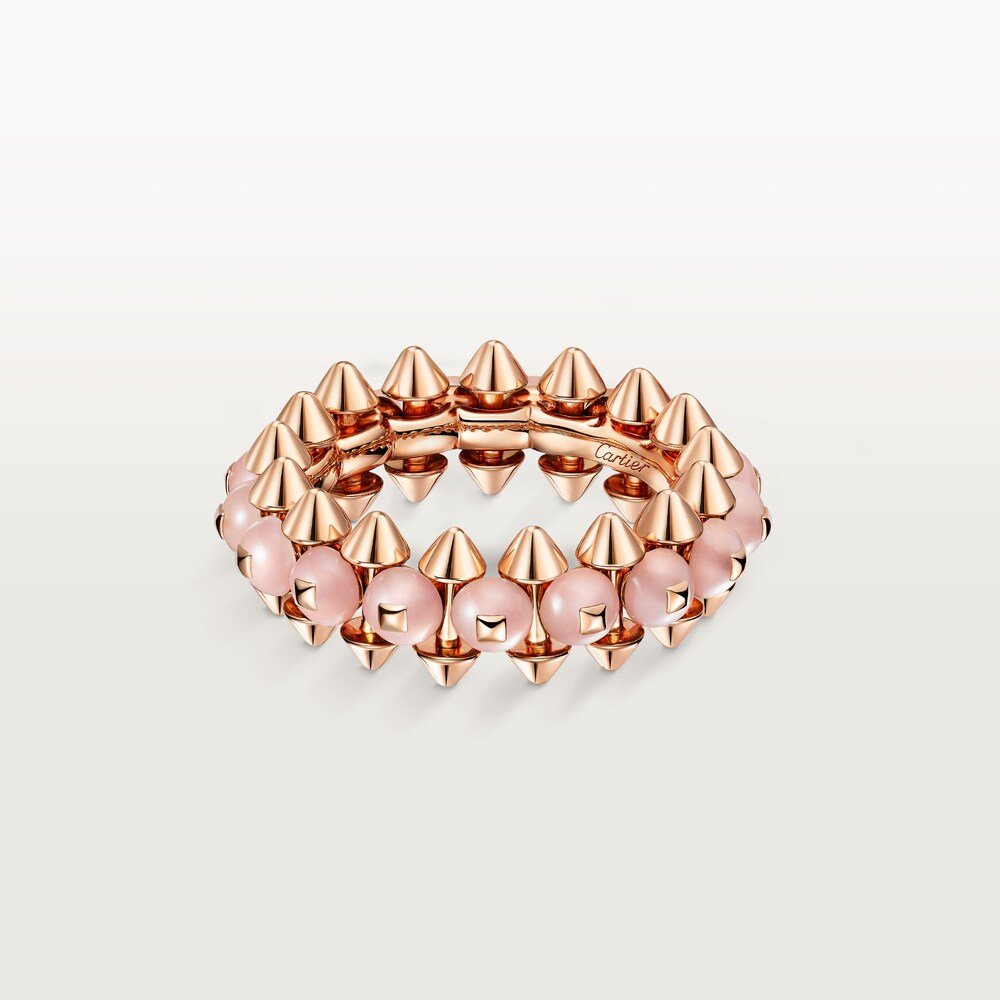
Clash de Cartier

Cartier History & Heritage

Cartier's story began in 1847, when Louis-François Cartier took over the Parisian jewelry workshop of his master, Adolphe Picard. The business later passed to his son Alfred and grandsons Louis, Pierre, and Jacques, who transformed Cartier into an international maison with a distinguished royal clientele.

The house expanded through pioneering jewelry, watches, clocks, and decorative objects. Creations such as the Santos, Tank, Trinity, and Panthère established a design language combining geometry, movement, precious materials, and recognizable symbolism.

Today, Cartier continues to unite traditional craftsmanship with modern design through its jewelry ateliers, watchmaking facilities, historic archives, and boutiques around the world.

Key milestones:
• 1847: Louis-François Cartier establishes the maison in Paris.
• 1899: Cartier moves to its historic address at 13 Rue de la Paix.
• 1904: Louis Cartier designs a wristwatch for aviator Alberto Santos-Dumont.
• 1912: Cartier creates its first Mystery Clock, concealing the mechanism behind floating hands.
• 1914: The panther motif appears on a Cartier wristwatch for the first time.
• 1917: Louis Cartier designs the Tank watch, inspired by military vehicles.
• 1924: Introduction of the interlocking Trinity ring.
• 1933: Jeanne Toussaint becomes Director of Fine Jewelry and develops the Panthère identity.
• 1973: Cartier introduces Les Must de Cartier, expanding its modern luxury universe.
• 1983: The Cartier Collection is established to preserve the maison's historic creations.

Cartier transformed jewelry and watchmaking through bold design, technical ingenuity, and a distinctive visual language recognized across generations.

“Cartier transformed jewelry and watchmaking into a universal language of elegance. Its strength lies in creating bold, recognizable designs that remain timeless across generations.”

Why Cartier Matters Today

Cartier matters because it connects exceptional jewelry craftsmanship with design that remains instantly recognizable and culturally relevant.

Its influence can be seen across:
• The evolution of modern luxury jewelry
• The development of the men's wristwatch
• The enduring appeal of symbolic jewelry collections
• The relationship between royal heritage and contemporary design

By combining Parisian elegance, technical innovation, and enduring house codes, Cartier continues to define modern jewelry and watchmaking.

Cartier vs Other Luxury Houses

Other Brands