Tuesday, July 21, 2026
Home Bulgari — Brand Profile
Bulgari Brand

Bulgari

Website: bulgari.com
Founded: 1884, Rome, Italy
Founder: Sotirio Bulgari
Owned By: LVMH
Known For: Serpenti, B.zero1, Octo Finissimo, Roman luxury
Category Focus: Jewelry, watches, accessories, fragrance, hospitality

Bulgari (stylized as BVLGARI) is one of the world’s most prestigious luxury maisons, renowned for its Roman heritage, bold jewelry design, and exceptional craftsmanship across jewelry and watchmaking. Founded by Sotirio Bulgari in Rome in 1884, the house evolved from a small jewelry workshop into a global symbol of Italian luxury and artistic expression.

Known for blending Italian elegance with vibrant gemstones and architectural inspiration, Bulgari developed a design language recognized for its daring use of color, distinctive shapes, and Roman influences. Over the decades, the maison expanded into watches, accessories, fragrance, hospitality, and lifestyle experiences.

Today, Bulgari remains one of the defining names in luxury jewelry under LVMH, balancing heritage craftsmanship with modern innovation and cultural relevance.

Iconic Bulgari Products

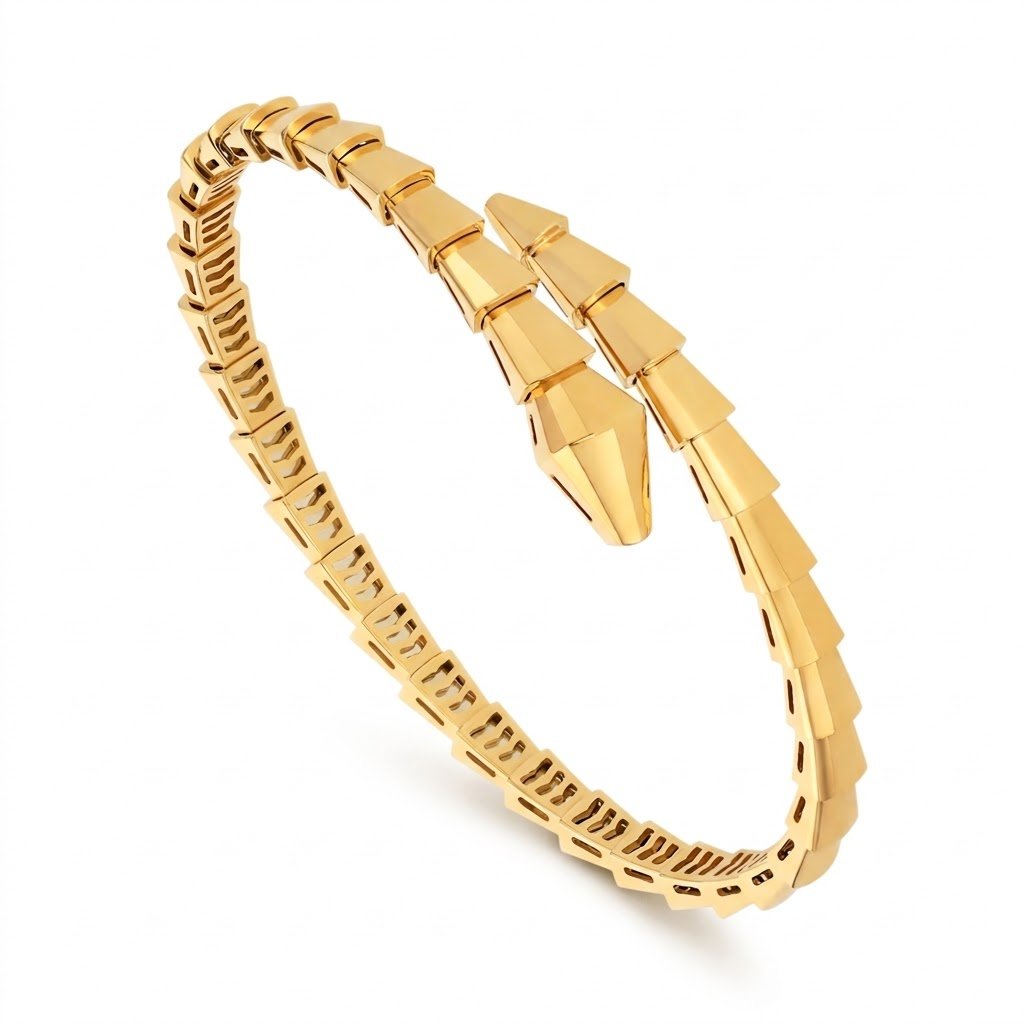
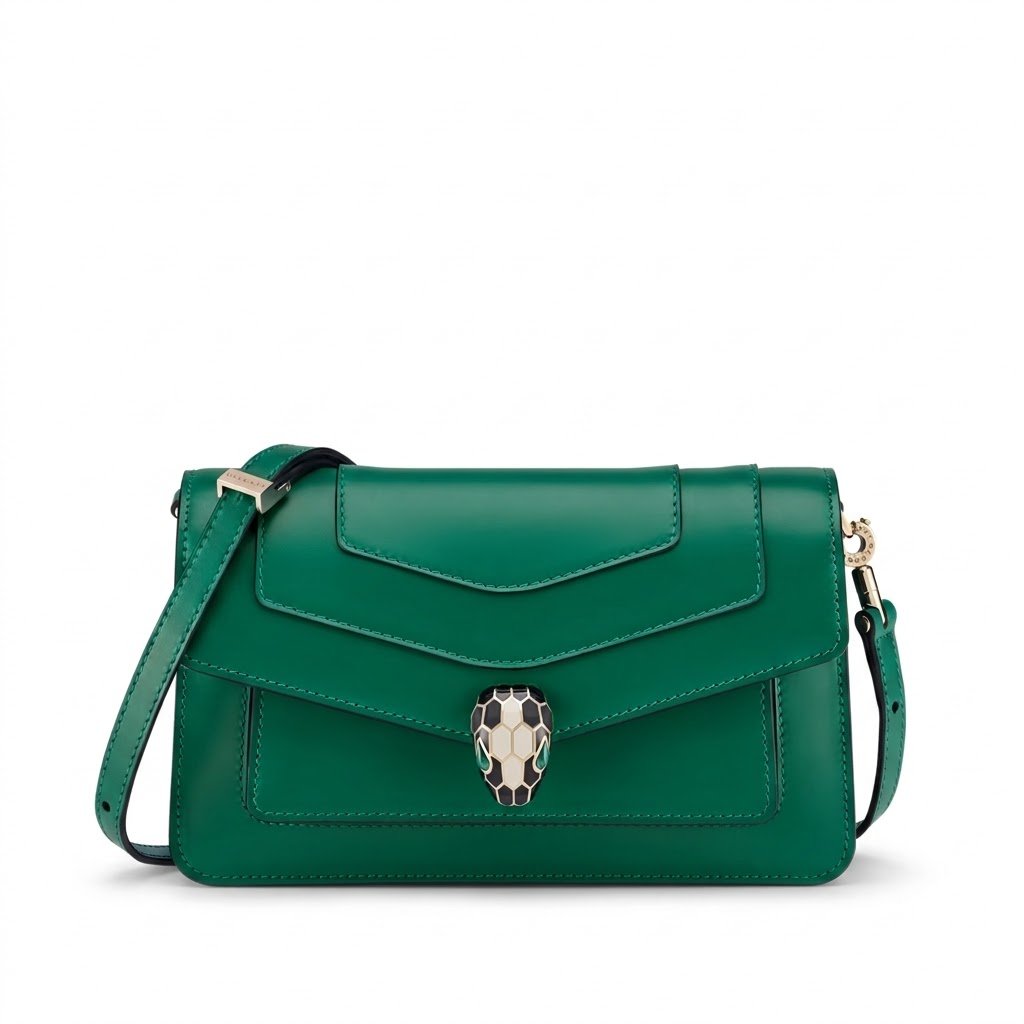
Bulgari Serpenti Collection

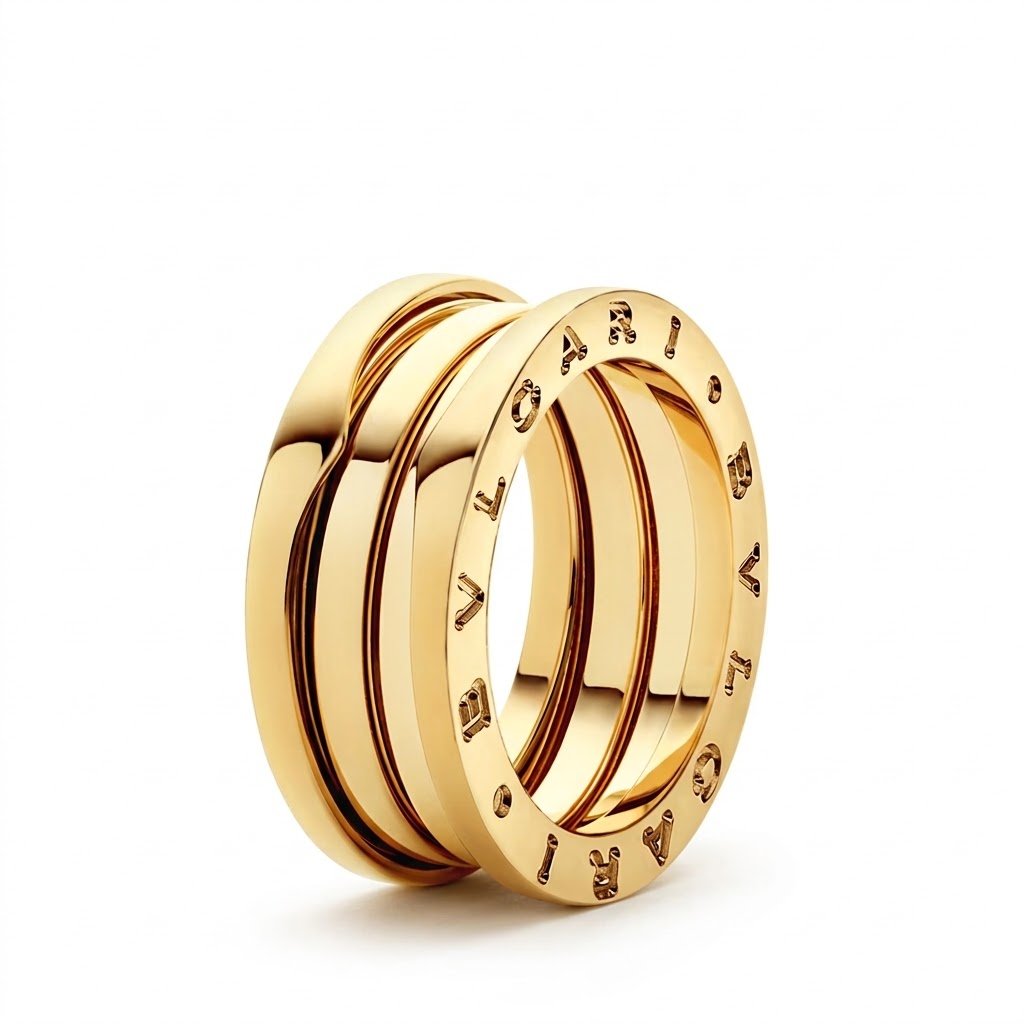
Bulgari B.zero1 Ring

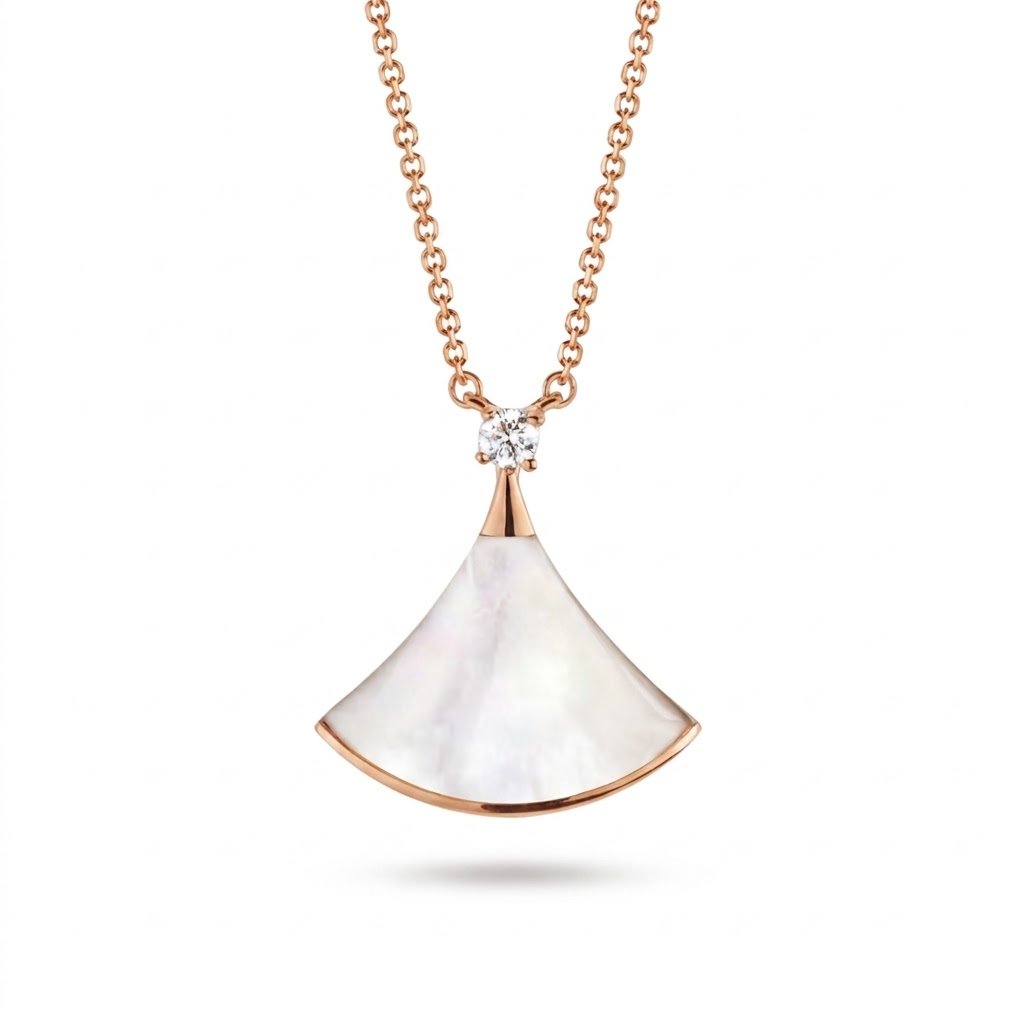
Bulgari Divas’ Dream Collection

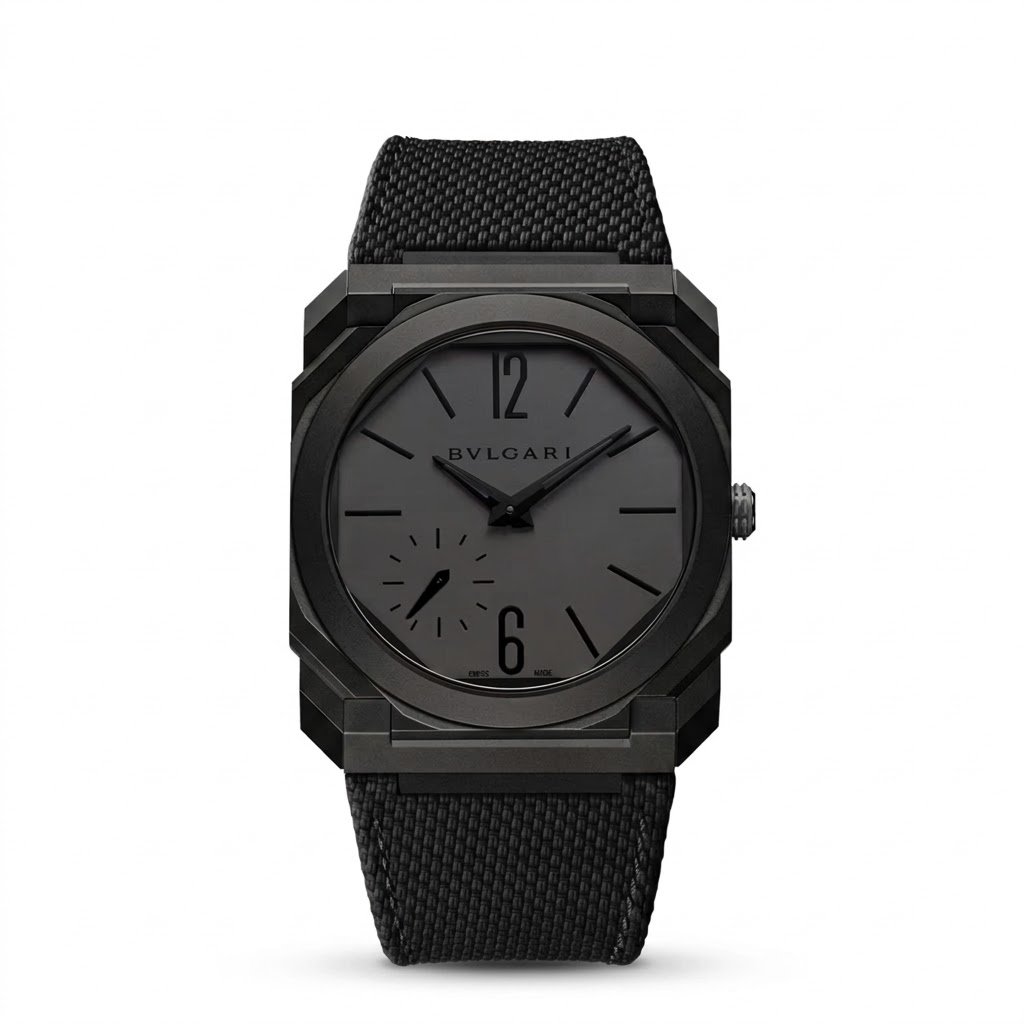
Bulgari Octo Finissimo Watch

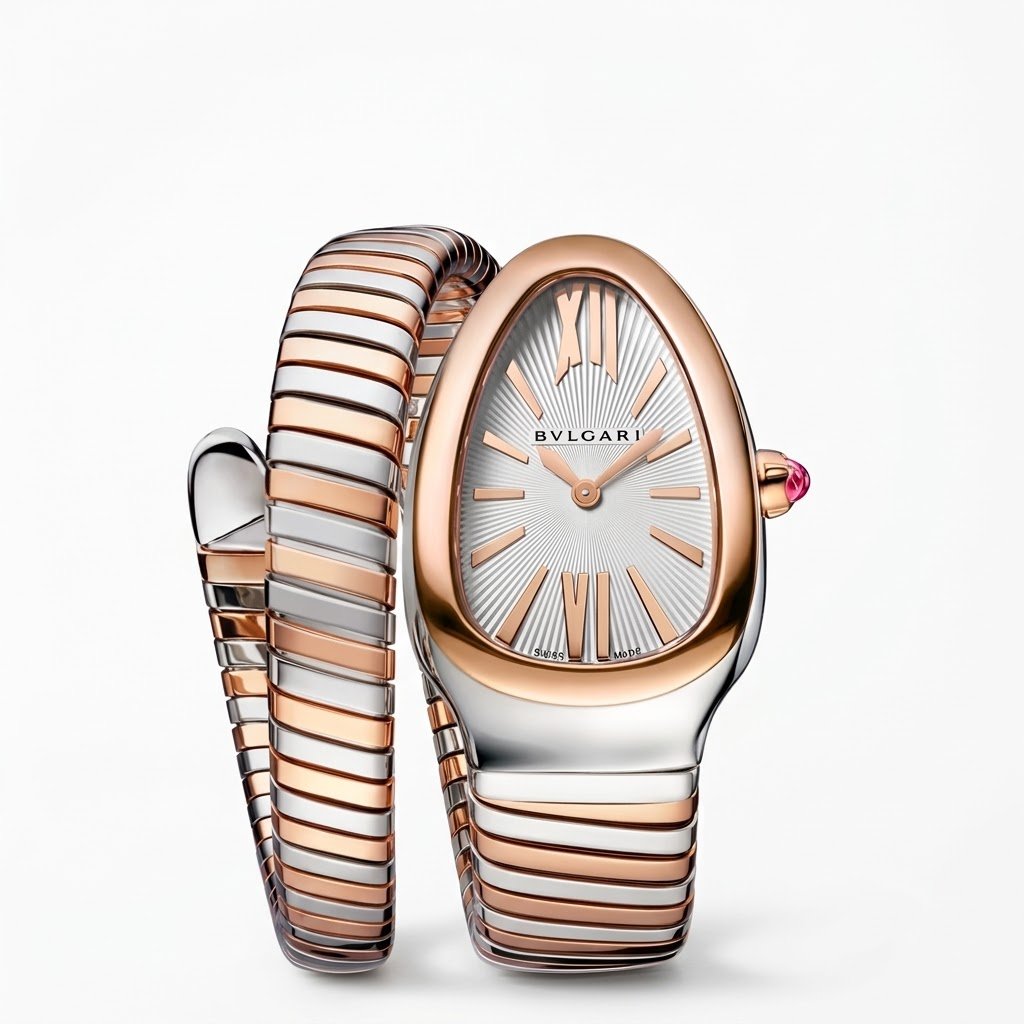
Bulgari Serpenti Tubogas Watch

Bulgari Fiorever Collection

Bulgari Save the Children Ring

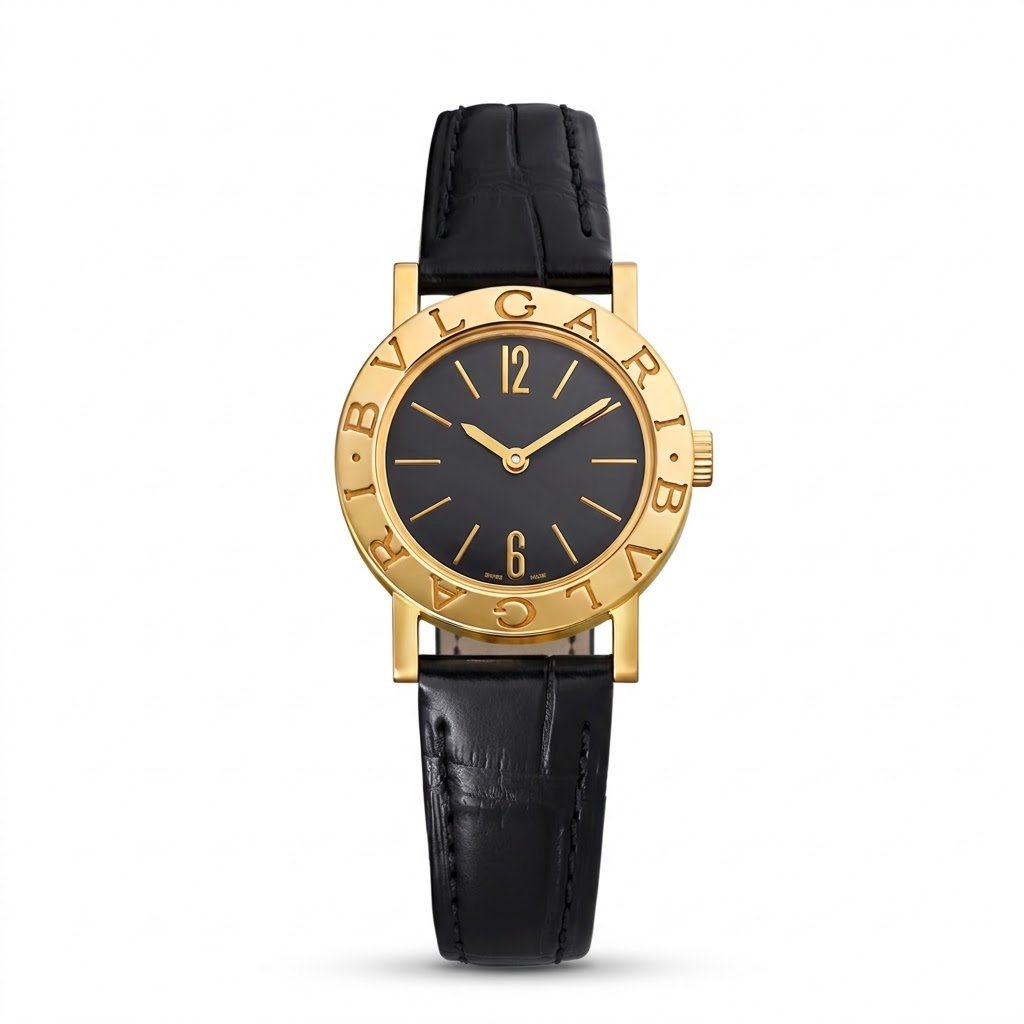
Bulgari Lvcea Watch

Bulgari History & Heritage

Bulgari’s story began in 1884, when Greek silversmith Sotirio Bulgari established his first jewelry business in Rome. His craftsmanship and distinctive design approach quickly attracted wealthy clients and international attention.

Over time, the Bulgari family expanded the company internationally while preserving its Roman identity. The house became closely associated with glamour and celebrity culture, with icons such as Elizabeth Taylor frequently wearing Bulgari creations.

Key milestones:
• 1884: Bulgari founded by Sotirio Bulgari in Rome
• 1905: Opening of the Via Condotti flagship boutique in Rome
• 1940s: Introduction of the Tubogas jewelry style
• 1948: Launch of the Serpenti collection
• 1970s: Expansion into New York, Paris, Geneva, and Monte Carlo
• 1990s: Expansion into fragrance and accessories
• 2011: Bulgari joins LVMH in a landmark acquisition
• 2010s–2020s: Growth in high jewelry, watches, and luxury hospitality

Bulgari played a major role in transforming jewelry from traditional luxury pieces into highly recognizable symbols of style, glamour, and individuality.

“Bulgari built its identity by making luxury feel bold rather than restrained. Few maisons have created such a distinctive visual language across jewelry, watches, and lifestyle experiences.”

Why Bulgari Matters Today

Bulgari matters because it transformed Roman artistry into a global luxury language.

Its influence can be seen across:
• The evolution of luxury jewelry design
• The rise of bold gemstone aesthetics
• The fusion of jewelry and watchmaking culture
• The expansion of luxury brands into lifestyle experiences

By combining Roman heritage, artistic creativity, and exceptional craftsmanship, Bulgari continues to shape the future of global luxury.

Bulgari vs Other Luxury Houses

Bulgari vs Cartier

Bulgari vs Tiffany & Co.

Bulgari vs Van Cleef & Arpels

Bulgari vs Rolex

Other Brands