

Why Chanel is so expensive? The simplest answer is that Chanel does not price its creations according to leather, fabric and labour alone.
A Chanel handbag or tweed jacket carries several layers of value. There is the physical object, involving specialist materials, skilled construction and demanding quality control. There is the house’s investment in artisans, suppliers, boutiques and repair services. Finally, there is an intangible premium created by history, recognisable design and exceptionally strong demand.
Not every part of the retail price can be explained by manufacturing cost. Chanel is also selling membership in one of fashion’s most protected and recognisable worlds. Understanding that distinction is essential when deciding whether the price feels justified to you.

TL;DR
- Chanel combines skilled construction, premium materials and intensive quality control.
- Some signature handbags reportedly require around 180 operations and contributions from approximately 30 artisans.
- The house supports specialist embroidery, featherwork, millinery, shoemaking and textile workshops through its Métiers d’art network.
- Designs such as the 2.55, Classic 11.12 and tweed jacket carry decades of cultural recognition.
- Chanel limits discounting and carefully manages fashion distribution through its boutiques.
- Demand for core bags and seasonal pieces can exceed supply.
- Regular price adjustments strengthen exclusivity but also make value harder to justify purely through materials.
- Chanel’s profitability shows that buyers pay a significant brand premium in addition to production costs.
- Resale potential may offset ownership costs, but it should never be treated as guaranteed.
What You Are Paying For

The price of a Chanel product can be divided into several overlapping components.
| Price Component | What It Includes |
|---|---|
| Materials | Selected leather, tweed, silk, metal hardware, embroidery and decorative elements |
| Labour | Pattern cutting, quilting, assembly, finishing and inspection |
| Specialist craftsmanship | Embroidery, pleating, featherwork, millinery and other Métiers d’art techniques |
| Design development | Seasonal collections, prototypes, fittings and reinterpretation of house codes |
| Retail experience | Flagship boutiques, trained advisers, packaging and after-sales service |
| Controlled distribution | Limited discounting and carefully managed product availability |
| Marketing and cultural presence | Runway shows, campaigns, ambassadors and major cultural projects |
| Brand premium | The value attached to the Chanel name, history and social recognition |
| Profit | The commercial return Chanel earns above its operating and production expenses |
The first five elements involve genuine expense. The final three explain why the price can rise far beyond the cost of making a similar-looking product.
Chanel Products Require Skilled Construction

The construction of a Chanel handbag is more involved than assembling a few pieces of leather around a lining.
The exterior panels must be cut so that the quilting aligns across seams, pockets and flaps. Hardware must sit at the correct angle. The bag must retain its structure without appearing stiff, while the chain, closure and interior compartments must function repeatedly.
A 2025 report from inside Chanel’s Verneuil-en-Halatte leather workshop stated that the 2.55 and Classic 11.12 require approximately 180 operations and involve around 30 specialised artisans. The report also noted that artisans may train for four or five years before mastering the required techniques. Le Monde’s visit to Chanel’s leather workshop offers a rare look at the scale behind the finished product.
This does not mean that one artisan constructs every bag from beginning to end. Chanel uses a sequence of specialised operations, with different craftspeople responsible for different stages.
The precision matters because Chanel’s visual codes are unforgiving. Uneven quilting, poorly positioned hardware or a misaligned pocket would be obvious on a design built around symmetry.
The Materials Must Meet Visual and Technical Standards

Material cost is important, although it does not fully explain Chanel prices.
Lambskin is valued for its exceptionally smooth surface and soft hand. That refinement also makes imperfections, scratches and uneven finishing easier to see. Grained calfskin is more resilient, while aged calfskin gives the 2.55 its intentionally softened appearance.
The difficulty lies partly in consistency. Large panels must match in colour, grain and texture, especially when used in a symmetrical quilted design. Material that is technically usable may still be unsuitable for a highly visible exterior panel.
Seasonal products can be considerably more labour-intensive. One current Métiers d’art Classic 11.12 uses embroidered denim, metallic tubes, crystals and nearly 100 hours of handwork, according to its official Chanel product description.
A standard leather bag will not require the same level of decoration, but these specialist creations demonstrate how far Chanel’s production network extends beyond conventional leatherwork.
Métiers d’Art Protects Specialist Skills

Chanel has spent decades building relationships with specialist workshops responsible for embroidery, feathers, flowers, pleating, millinery, goldsmithing and footwear.
Many of these crafts depend on knowledge passed between generations rather than easily automated processes. Supporting them requires long-term orders, training, facilities and investment even when a technique appears in only a limited number of products.
Opened in Paris in 2021, le19M brings together 11 Maisons d’art and hundreds of artisans and experts. The space was created to support collaboration and preserve specialist skills. The official le19M website explains the project’s focus on craftsmanship and transmission.
This investment raises operating costs, but it also gives Chanel creative capabilities that smaller brands cannot easily copy. A beaded bag, camellia-covered dress or elaborately braided jacket may involve several specialist houses before it reaches the boutique.
History Gives the Products More Value Than Their Materials

The 2.55 illustrates how heritage becomes part of a luxury price.
Introduced in February 1955, the bag helped normalise the idea of an elegant women’s handbag carried from a shoulder chain rather than held continuously in the hand. Its name records the month and year of its creation.
The Classic 11.12 later reinterpreted that language with an interlocking CC turn-lock and a chain threaded with leather. The Boy Chanel introduced a boxier, more assertive variation, while the Chanel 25 translates the house codes into a softer and more casual shape.
These designs remain legible even without a visible wordmark. Diamond quilting, chain straps, contrasting linings, camellias, tweed and two-tone shoes have become part of fashion’s shared visual vocabulary.
That recognition has economic value. A bag from an unknown maker may use good leather and skilled labour, but it cannot reproduce Chanel’s century of associations. Buyers are paying for the story and status as well as the construction.
Controlled Distribution Protects Exclusivity

Chanel does not operate like a conventional fashion label that sends large quantities of products to retailers and clears excess stock through predictable seasonal discounts.
Its fashion business is centred on a tightly controlled boutique network. Product pages often direct clients to contact an adviser, book an appointment or locate a boutique. This allows Chanel to manage where products appear, how they are presented and how much information accompanies the purchase.
Controlled availability supports full-price selling. It also reduces the risk of seeing core products heavily discounted shortly after purchase.
The boutique model is expensive to operate. Prime retail locations, elaborate interiors, trained advisers, security and inventory management all contribute to the final price. However, distribution control also creates scarcity and protects the prestige of the Chanel name.
Demand Allows Chanel to Charge More

The clearest explanation for Chanel’s prices is also the most straightforward: enough customers are willing to pay them.
In 2025, Chanel reported revenue of $19.3 billion and operating profit of $4.7 billion. Reuters reported that demand for products from Matthieu Blazy’s early collections exceeded supply and attracted significant numbers of new clients. Chanel increased fashion prices by approximately 2% during that year and indicated that further adjustments were planned for 2026. Reuters reported the company’s results and pricing strategy.
These company-wide results cover fashion, beauty, watches and jewellery—not handbags alone. Still, the profitability demonstrates that Chanel’s prices include more than reimbursement for materials and labour.
The brand charges what its market position can support. Craftsmanship makes the proposition credible; demand and exclusivity determine how high the price can go.
Marketing and Cultural Visibility Add to the Cost
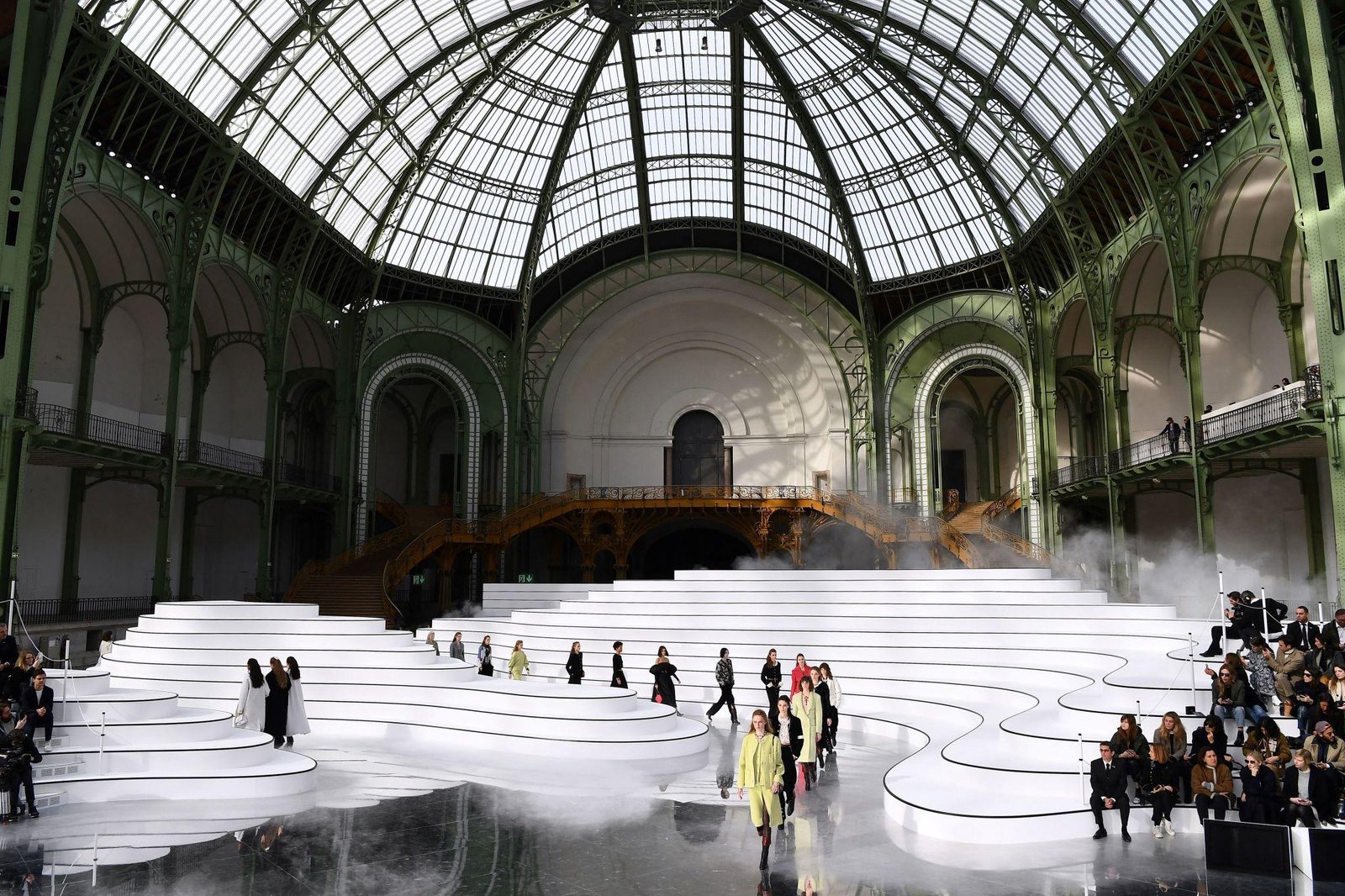
Chanel maintains its position through runway shows, campaigns, ambassadors, exhibitions, films, publishing and elaborate retail spaces.
These activities do not improve the stitching of a handbag, but they influence how that handbag is perceived. Luxury depends partly on context: the object gains meaning from the imagery, people and cultural moments surrounding it.
Marketing costs are therefore embedded in the business model. A buyer is helping fund not only the product but the entire system that keeps Chanel visible and desirable.
This is one reason a less famous manufacturer can offer excellent leatherwork for far less. It may not operate hundreds of boutiques, produce global campaigns or maintain the same cultural presence.
Price Increases Also Reinforce Positioning

Luxury pricing is not always reactive. Raising prices can itself strengthen a product’s perception of rarity and status.
Higher entry prices reduce the number of people able or willing to purchase, separating Chanel further from accessible premium brands. They also narrow the gap between Chanel and exceptionally expensive houses such as Hermès.
This strategy has risks. Price increases can outpace perceived improvements in materials or construction, leading buyers to question value. Vintage and resale alternatives may become more attractive, while aspirational customers may move toward other houses.
A higher price does not automatically mean that every new Chanel product is objectively better than an older one. It means the house believes its craftsmanship, heritage and demand can support a more exclusive position.
Does Resale Value Justify the Price?

Resale demand can make an expensive Chanel purchase easier to rationalise, but a handbag should not be treated like a guaranteed financial asset.
Classic black and neutral bags in desirable sizes usually have the widest secondary-market audience. Limited embroidery and unusual seasonal colours can command strong prices when collectors want them, but they are harder to evaluate.
Resale results depend on:
- Condition
- Leather and colour
- Size
- Hardware finish
- Completeness of packaging and documentation
- Current demand
- Seller fees
- Regional pricing differences
Chanel’s repair and restoration programme, Chanel & moi, may help extend the usable life of eligible creations. Longevity improves cost per wear, but purchase decisions should still be based on personal use rather than projected profit.
Is Chanel Worth the Price?
| Buyer Priority | Is Chanel a Strong Choice? |
|---|---|
| Recognisable heritage | Yes—few houses have more established visual codes |
| Labour-intensive craftsmanship | Yes, particularly for classic and Métiers d’art pieces |
| Maximum material value per dollar | Usually not; a substantial brand premium remains |
| Quiet, logo-free design | Sometimes, although many icons are highly recognisable |
| Frequent daily use | Potentially, if the material and size suit your routine |
| Guaranteed investment return | No |
| Boutique experience and after-sales support | Strong |
| Trend-driven seasonal purchase | Consider carefully before paying the full premium |
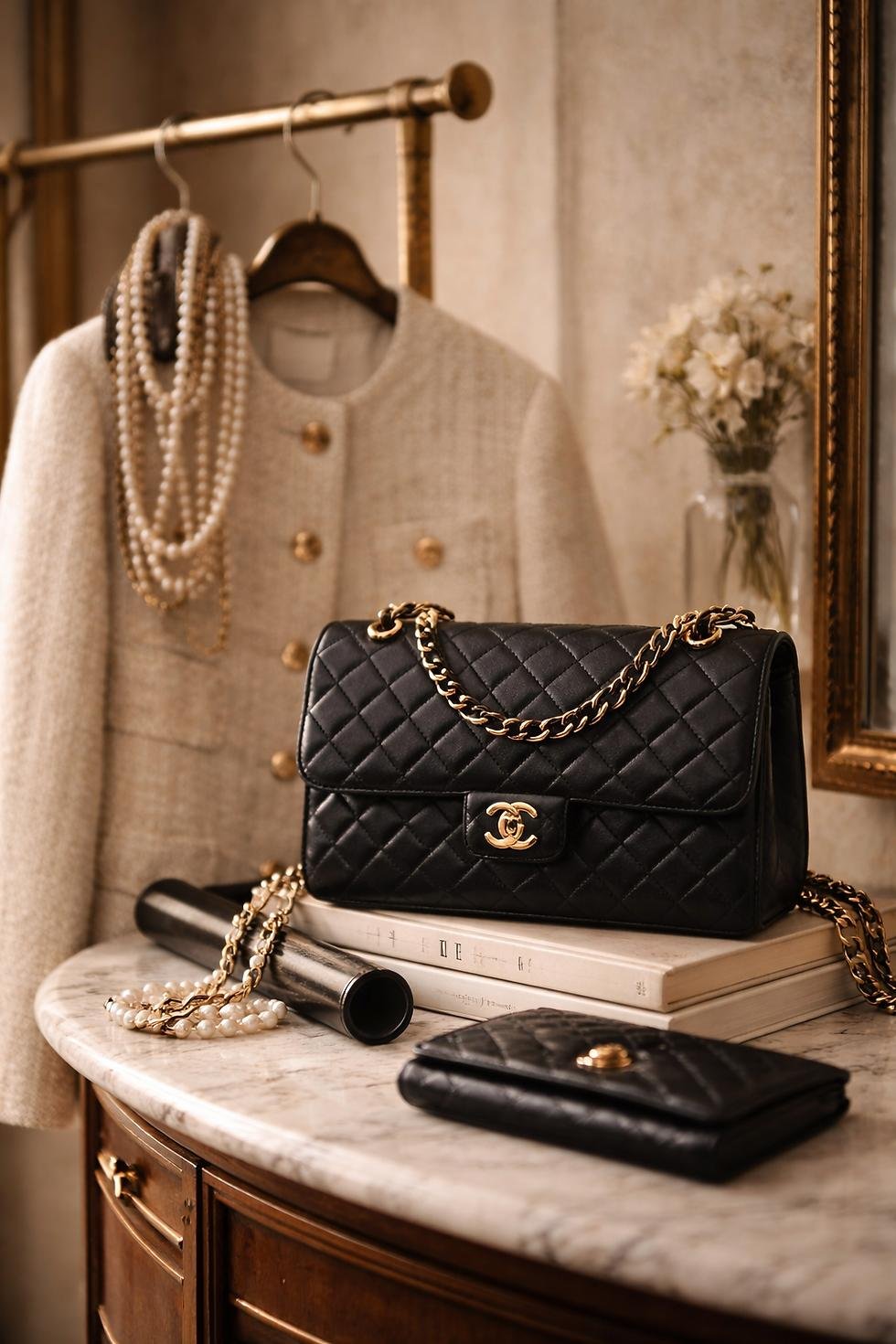
Chanel can be worth its price when the buyer values the complete proposition: design history, specialist craftsmanship, cultural importance and long-term personal use.
It is harder to justify when the decision is based only on leather quality or resale speculation. Other brands and independent leather specialists can offer excellent materials and construction for considerably less.
Shop the Edit

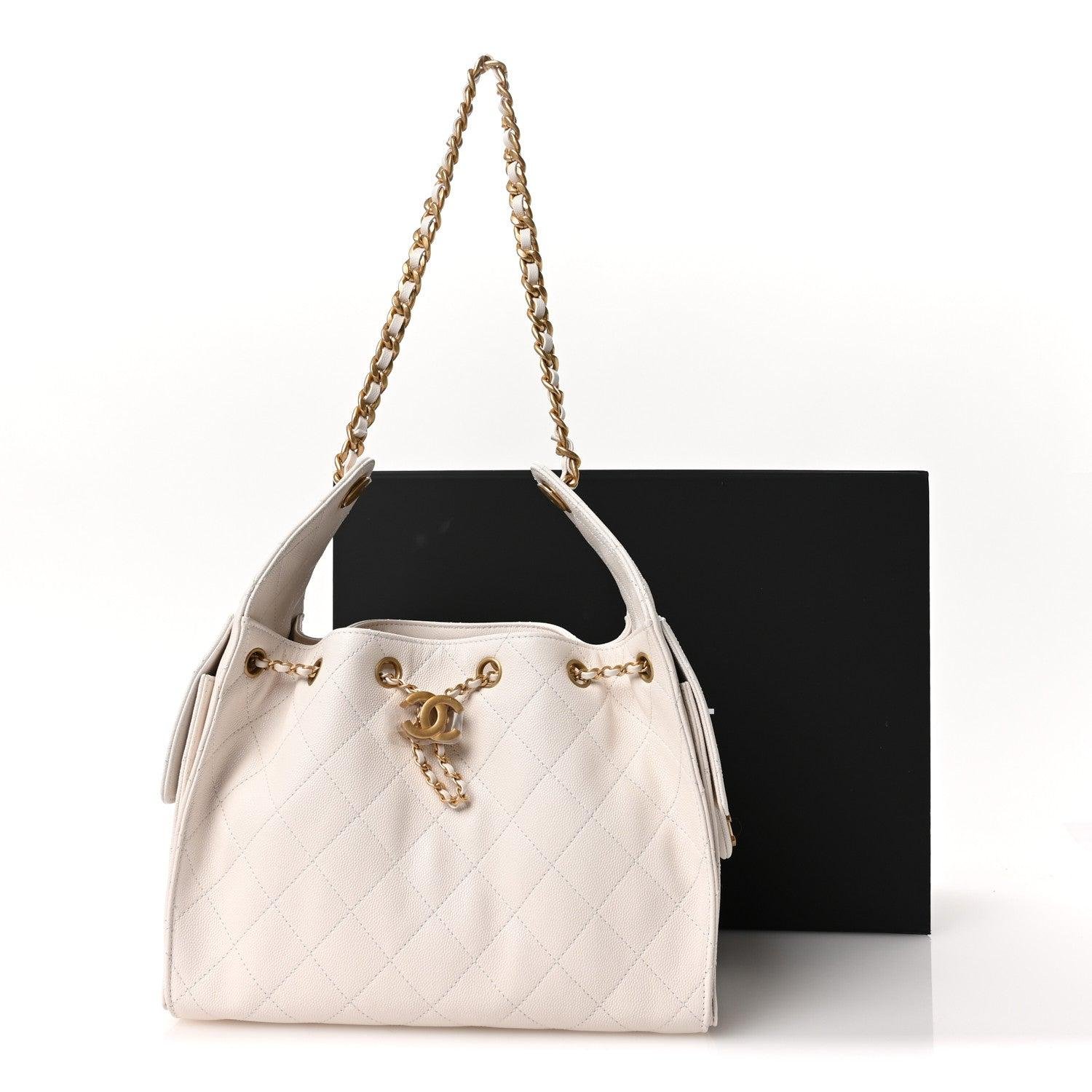
Classic 11.12 Handbag in Black Lambskin
The most recognisable interpretation of Chanel’s quilting, chain and CC closure
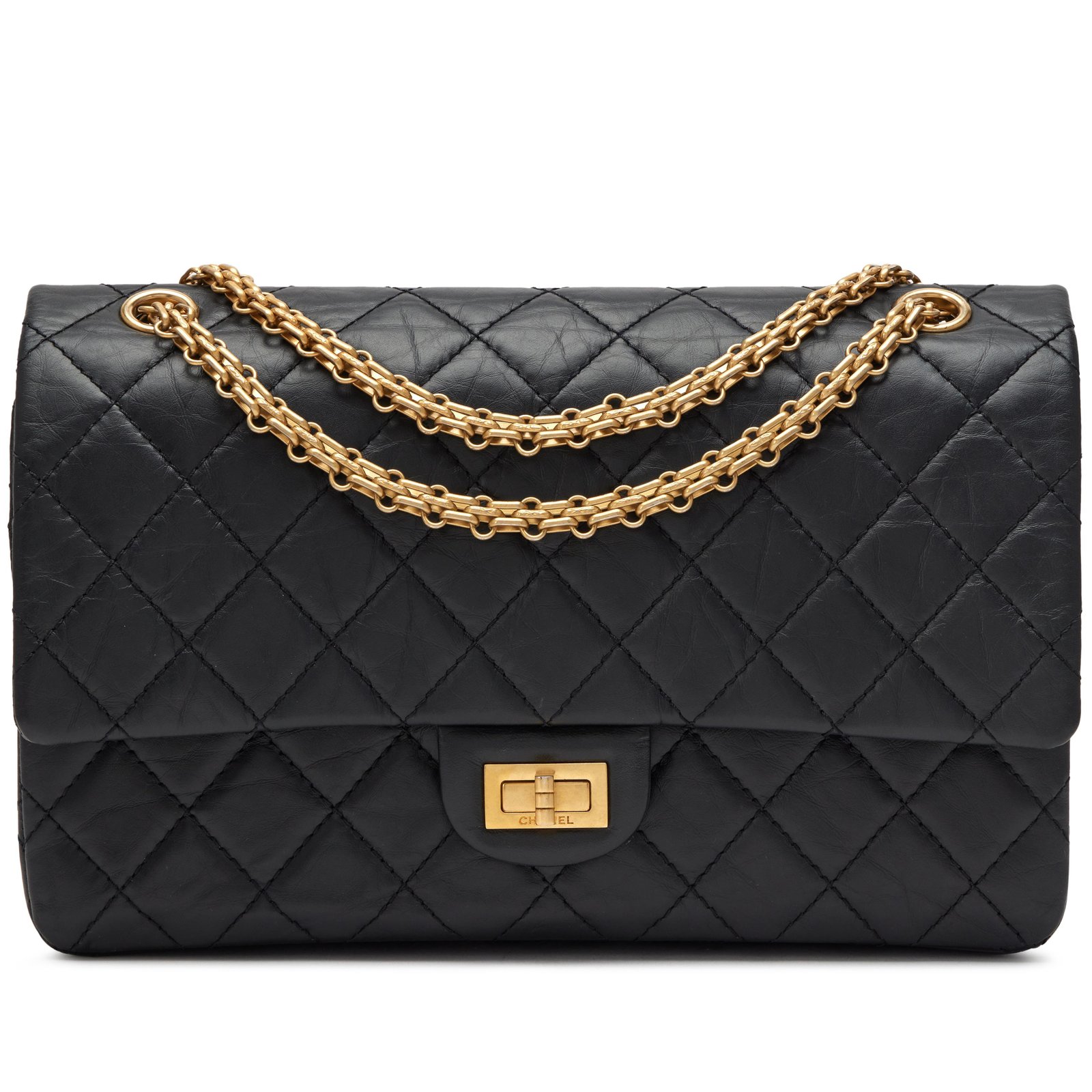
2.55 Handbag in Black Lambskin
Buyers who prefer the house’s original flap-bag heritage and Mademoiselle lock

Materials, colours and availability may vary by collection and market.
Pros and Cons
| Pros | Cons |
|---|---|
| Exceptional cultural and design heritage | Retail prices extend far beyond material cost |
| Skilled construction and demanding quality control | Regular increases can challenge perceived value |
| Strong network of specialist artisans | Popular pieces can be difficult to obtain |
| Recognisable styles with decades of relevance | Lambskin and embellished finishes can be delicate |
| Controlled distribution limits routine discounting | Boutique access and availability vary by location |
| Repair services can extend product life | Resale performance is not guaranteed |
| Core designs work across changing fashion cycles | The visible status association may not suit every wardrobe |
Final Verdict

Chanel is expensive because it combines costly production with extraordinary pricing power.
The craftsmanship is real. Signature handbags require specialised operations, carefully matched materials and strict quality control. The Métiers d’art network supports techniques that cannot be reproduced easily through automated mass production, while boutiques and after-sales services require significant investment.
However, craftsmanship does not explain the entire price. Buyers also pay for Chanel’s history, controlled distribution, global marketing, scarcity and social meaning. The company’s profitability confirms that a considerable brand premium sits above the physical cost of each creation.
Whether Chanel is worth it depends on which part of that proposition matters to you. If you value an influential design that can be worn for years and immediately recognised, the premium may feel defensible. If your priority is simply the highest possible leather quality for the money, better-value alternatives exist.
The smartest Chanel purchase is therefore not necessarily the newest or most elaborate one. It is the piece whose design, material and function remain useful long after the excitement of buying it has passed.
