
Purple can feel delicate, dramatic or quietly sophisticated. The difference lies in the shade you choose and the colors surrounding it.
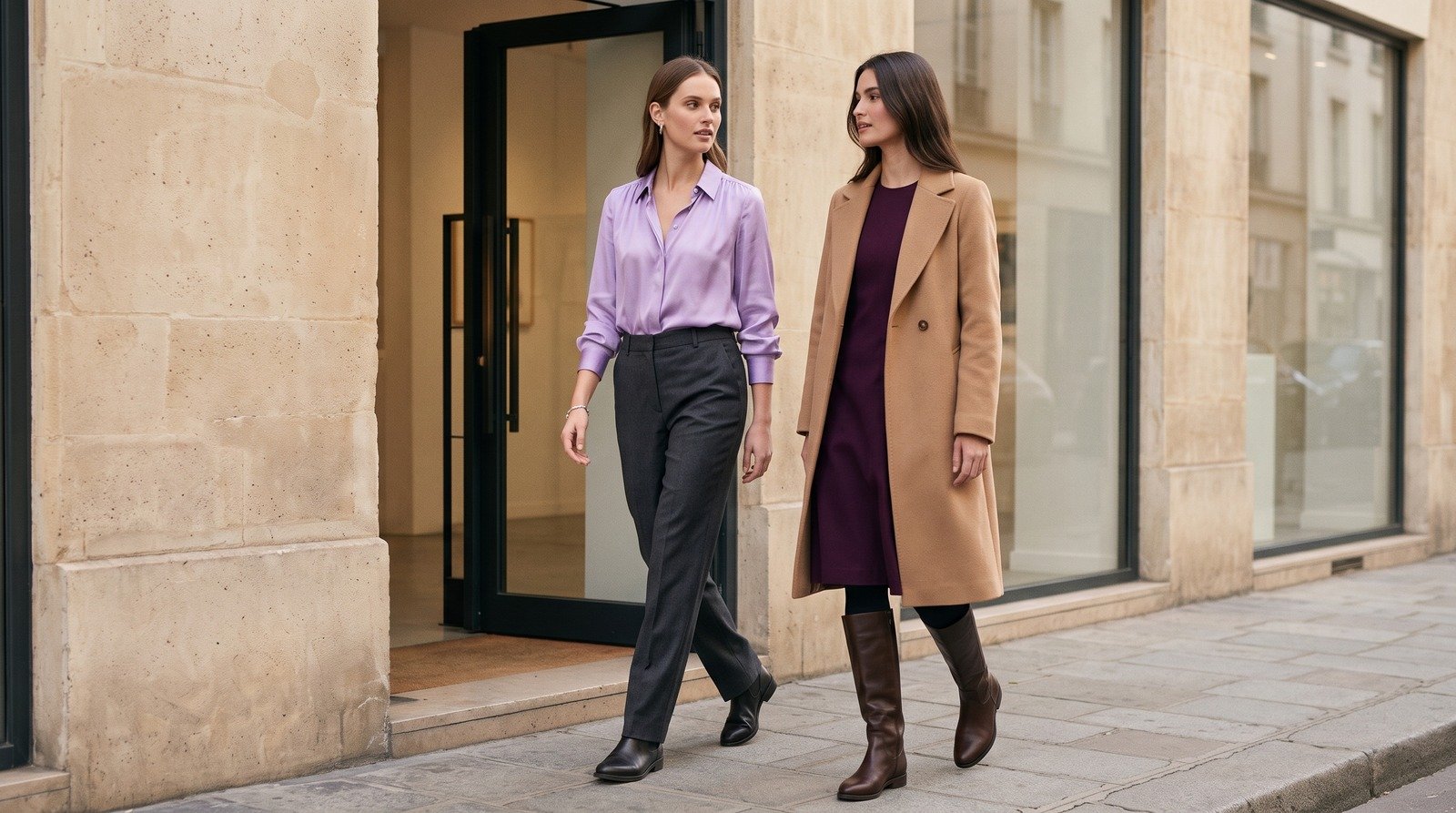
A lavender sweater with cream trousers creates a soft daytime look. A plum dress beneath a chocolate-brown coat feels richer and more understated. Vivid violet paired with charcoal tailoring introduces a sharper, more contemporary contrast.
The easiest way to wear purple is to give it a clear role: a subtle accent, the main piece or the foundation of a tonal outfit. From there, familiar wardrobe staples make the color surprisingly easy to style.
TL;DR
- Pair lavender and lilac with cream, pale grey or denim for an easy starting point.
- Wear plum and aubergine with chocolate brown, camel or navy for depth.
- Ground bright violet with charcoal, navy or simple black separates.
- Build tonal outfits by mixing lighter and darker purples with different textures.
- Introduce stronger contrasts, such as yellow or green, through a small accessory.
- Choose a purple piece that works with at least three items you already own.
Start With the Right Shade of Purple

Purple covers a broad spectrum. A pale, greyed lilac behaves very differently from an intense violet, even when both appear under the same color filter online.
Before planning an outfit, consider how light, bright or muted the garment looks.
| Purple Shade | Character | Easy Color Partners |
|---|---|---|
| Lavender | Pale and softly cool | Cream, pale grey, light denim |
| Lilac | Light, sometimes slightly pinker | Ivory, beige, navy |
| Mauve | Muted and dusty | Taupe, charcoal, chocolate |
| Violet | Clear and saturated | Grey, navy, white |
| Plum | Deep with a reddish cast | Camel, brown, soft pink |
| Aubergine | Dark and often subdued | Cream, charcoal, olive |
Color names vary between brands, so judge the actual garment rather than its label. Compare it with your intended trousers, coat or shoes in daylight where possible.
For a first purchase, muted lilac knitwear or a deep plum accessory is often easier to integrate than a large piece in electric violet.
Purple With Cream and White

Cream is one of purple’s most adaptable partners. Its gentle warmth softens the contrast, particularly with lavender, mauve and plum.
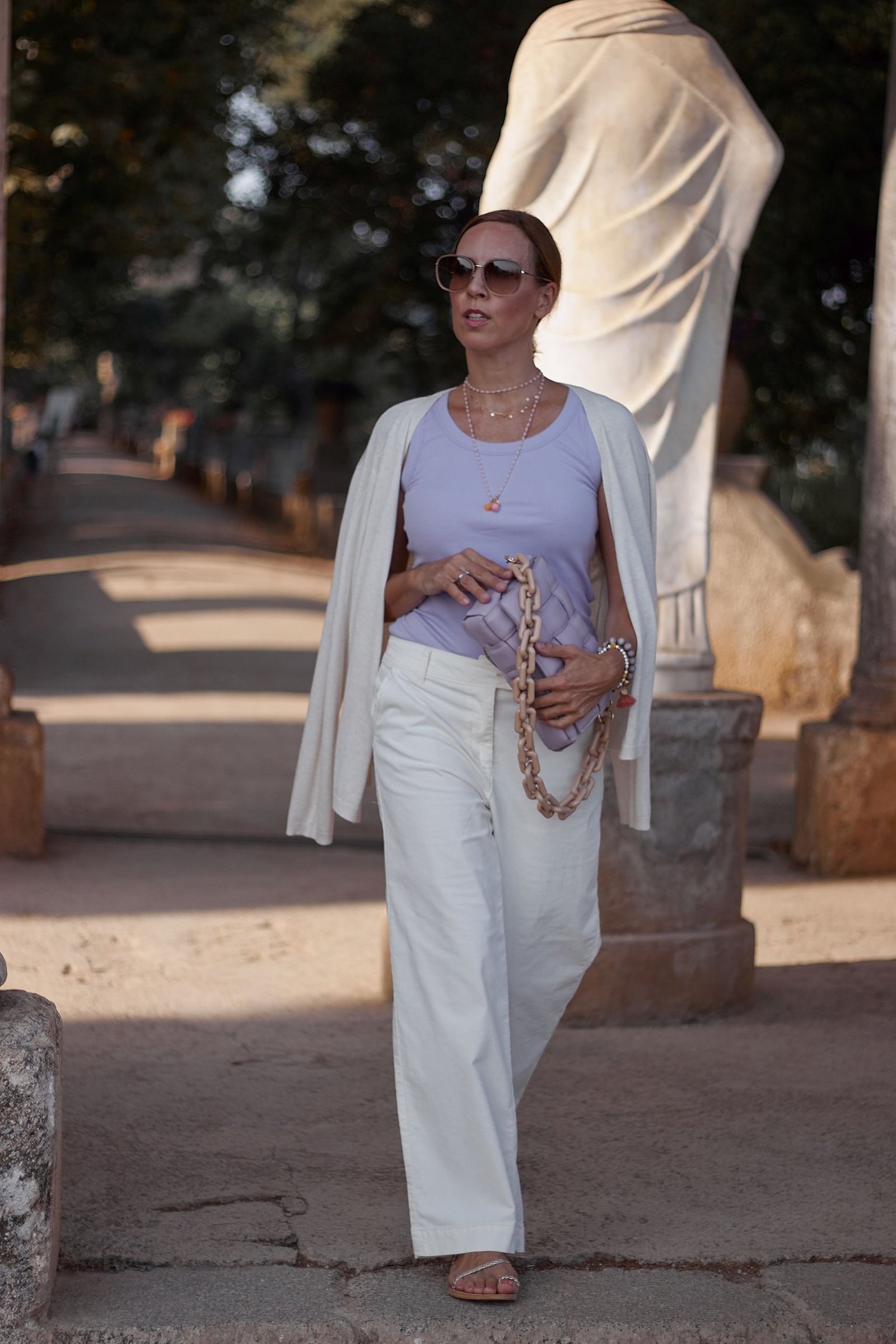
Try a lilac cardigan with ivory trousers and tan loafers, or a plum blouse with an ecru midi skirt. Keep the accessories restrained so the relationship between the two main colors remains clear.
White produces a crisper effect. A white shirt with violet trousers looks sharper and more graphic than the same trousers with a cream knit.
Outfit formula: Lavender sweater + cream tailored trousers + beige or brown shoes.
For warmer weather, replace the knit with a linen shirt and choose relaxed ivory trousers or shorts.
Purple With Grey and Navy
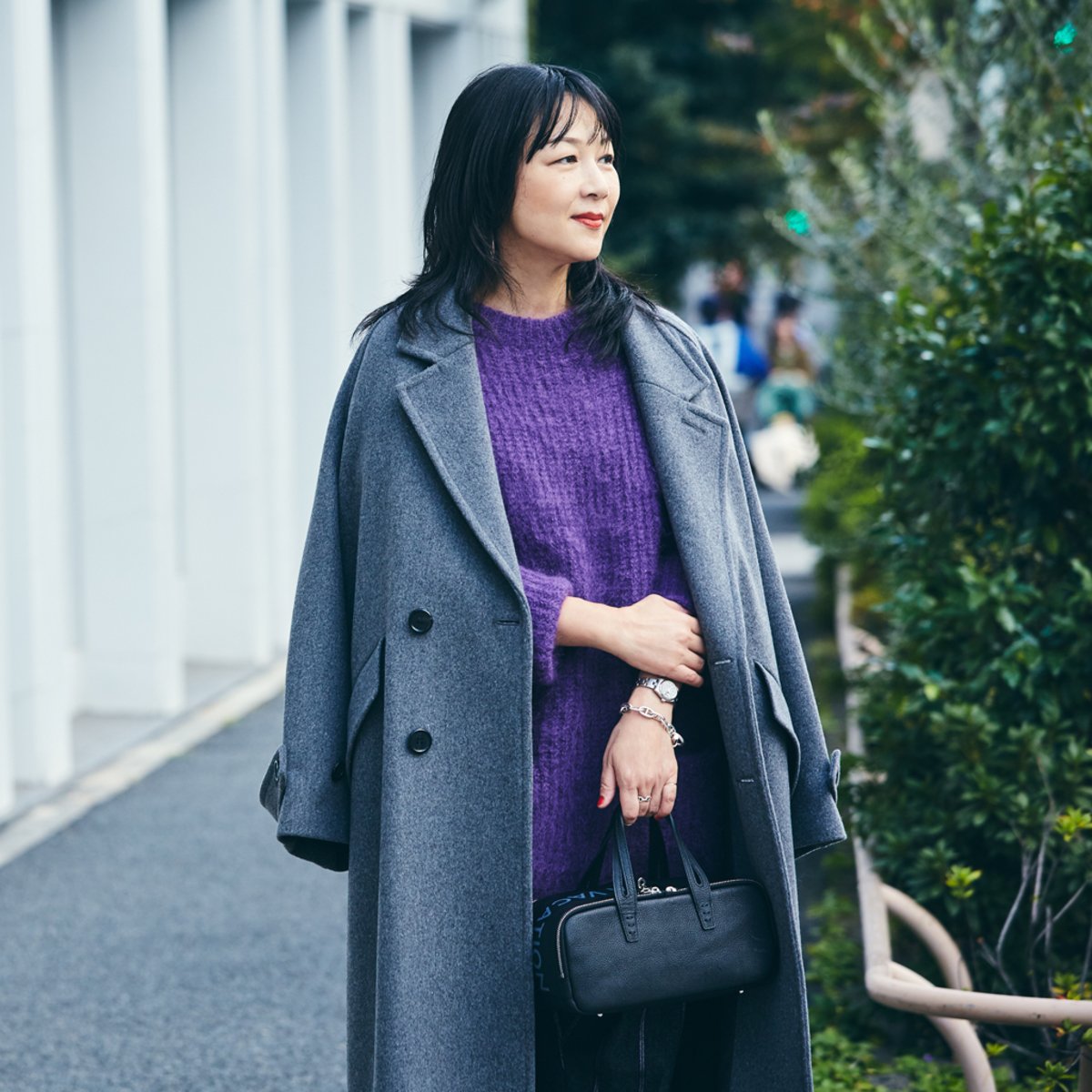
Grey gives purple room to stand out without introducing another strong color. Pale grey works beautifully with lavender, while charcoal provides a grounded background for vivid violet.
For work, try a mauve blouse beneath a grey suit or a purple crewneck with charcoal trousers. A clean neckline and well-fitting tailoring make the color feel considered.
Navy offers a slightly softer alternative to black. It pairs especially well with lilac shirts, lavender knitwear and plum scarves.
These combinations translate easily across wardrobes:
- Lilac shirt, navy suit and dark brown shoes.
- Violet sweater, charcoal trousers and black loafers.
- Mauve knit, navy midi skirt and burgundy flats.
Outfit formula: Purple knitwear + grey trousers + dark leather shoes.
Purple With Brown, Camel and Olive

Brown is a particularly useful partner when you want purple to feel relaxed and sophisticated.
Chocolate leather offsets the delicacy of lilac, while camel brightens deeper shades such as plum and aubergine. Taupe works well with dusty mauve when you prefer a quieter palette.
Try a lavender sweater with chocolate trousers, or an aubergine dress beneath a camel coat. Brown suede adds another layer of softness.
Olive introduces more color while retaining an earthy mood. Choose a muted olive jacket with a plum knit and dark denim, keeping the shoes simple.
Outfit formula: Lilac knit + chocolate trousers + brown suede loafers.
Let the colors differ clearly in depth. A pale purple top against dark brown trousers generally creates more definition than two similarly dark pieces.
Purple With Denim

Denim is an easy bridge between purple and an existing casual wardrobe.
Light blue jeans suit lavender and lilac, creating an airy combination. Indigo denim gives plum and violet a cleaner, more substantial backdrop.
For a polished weekend outfit, wear a purple cardigan with straight-leg jeans and loafers. Alternatively, layer a denim jacket over a simple purple dress.
Pay attention to proportion. A generous sweater works well with straight or gently tapered jeans; a fitted purple top can balance a wider denim silhouette.
Outfit formula: Purple cardigan + straight blue jeans + loafers + neutral bag.
How to Wear Purple With Purple

A tonal purple outfit can be striking without requiring an exact color match.
Start with two shades that differ clearly in depth: a lavender sweater with plum trousers, for example. Then use texture to create separation. A soft knit against smooth wool tailoring is easier to read than two nearly matching fabrics.
For evening, a plum satin skirt with a fine mauve knit creates a subtle play of sheen and softness. Dark brown or aubergine accessories can finish the look without adding another prominent color.
If you prefer matching separates, let the coordinated set carry the outfit and keep jewelry and shoes simple.
Outfit formula: Lavender knit + plum trousers + dark brown accessories.
Add Stronger Color Contrasts Carefully
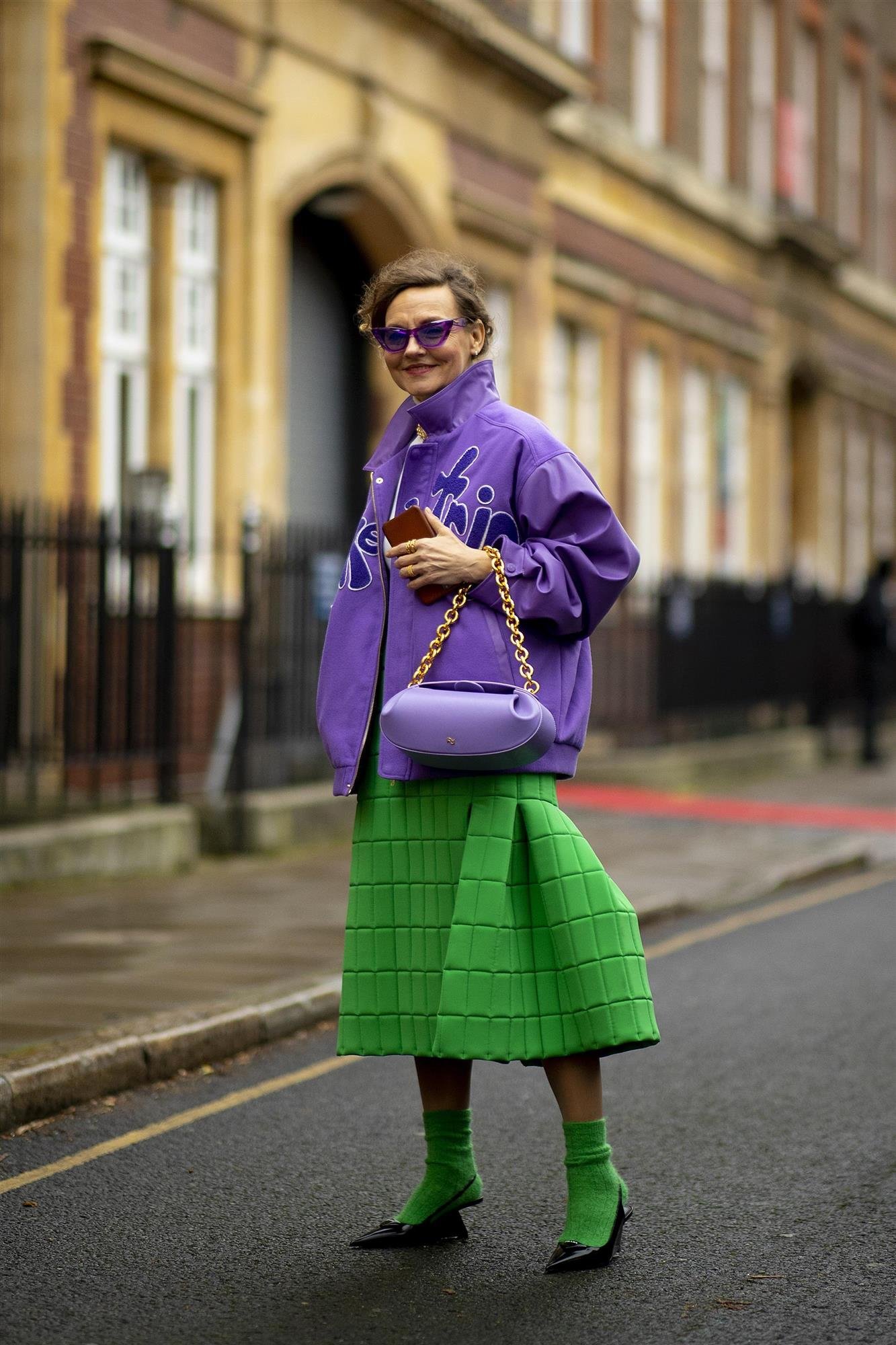
Purple also works with yellow, green, pink and red. The result depends on how bright the shades are and how much space each occupies.
| Combination | An Elegant Starting Point |
|---|---|
| Purple + Yellow | Plum clothing with a small butter-yellow accessory |
| Purple + Green | Lilac knitwear with muted olive trousers |
| Purple + Pink | Mauve separates with a pale pink shirt |
| Purple + Red | An aubergine outfit with a small red bag |
| Purple + Burgundy | Lavender knitwear with burgundy shoes |
Yellow and purple can create strong contrast, so begin with one dominant color and a smaller accent. A printed scarf can help connect the shades by repeating them within a single piece.
For a quieter result, choose softened versions of both colors. Dusty lilac and sage are less visually intense than bright violet and emerald.
Let Fabric Set the Mood

The same purple can look very different across materials.
Cashmere and brushed wool soften its appearance. Crisp cotton gives it structure. Satin catches the light and makes the color more prominent, while velvet adds depth.
Choose fabric according to the effect you want:
- Everyday ease: Purple cotton shirts, cardigans and matte knitwear.
- Workplace polish: Mauve blouses, fine-gauge sweaters and wool trousers.
- Evening presence: Plum satin, aubergine velvet or violet accessories.
A simple silhouette is particularly useful when the material already has a strong sheen or texture. Fit, drape and fabric quality help purple look refined at any intensity.
Start Small With Accessories

If purple clothing feels like a large commitment, begin with a scarf, bag or pair of shoes.
A plum bag can add depth to camel outerwear. Purple suede mules bring color to denim or charcoal trousers. A patterned silk scarf can connect purple with shades already present in your wardrobe.
You do not need to match every accessory. One purple accent is enough to give a neutral outfit a clear point of interest.
Shop the Edit

Loro Piana Sergio Cashmere Crewneck in Purple Tear
A purple cashmere crewneck to style with chocolate trousers, grey tailoring or dark denim.
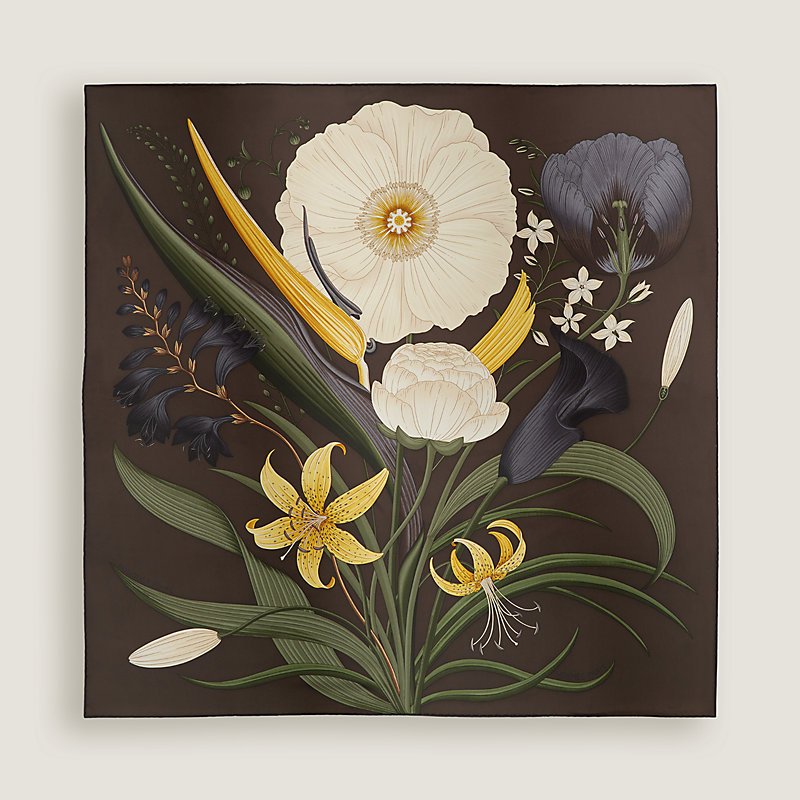
Hermès Bouquet Final Scarf 90 in Purple
A floral silk-twill scarf with hand-rolled edges that brings purple, green and pale accents into a neutral outfit.

Manolo Blahnik Maysale Purple Suede Mules
Pointed suede mules with a decorative buckle and 50 mm heel for adding purple beneath tailored trousers or a simple dress.

Ferragamo Hug Mini Crossbody Bag in Plum
A compact calfskin bag with palladium-toned Gancio clasps to pair with cream, grey or camel separates.
Colors, sizes and availability vary by market.
Pros and Cons of Wearing Purple
| Pros | Cons |
|---|---|
| Adds personality to familiar neutrals | Different purple shades need different pairings |
| Offers both soft and dramatic options | Saturated purple can dominate an outfit |
| Works through clothing or accessories | Close color matches can be difficult online |
| Deep plum fits easily into darker wardrobes | Shiny fabrics increase its visual impact |
| Supports interesting tonal combinations | Several strong accents can compete for attention |
Final Verdict
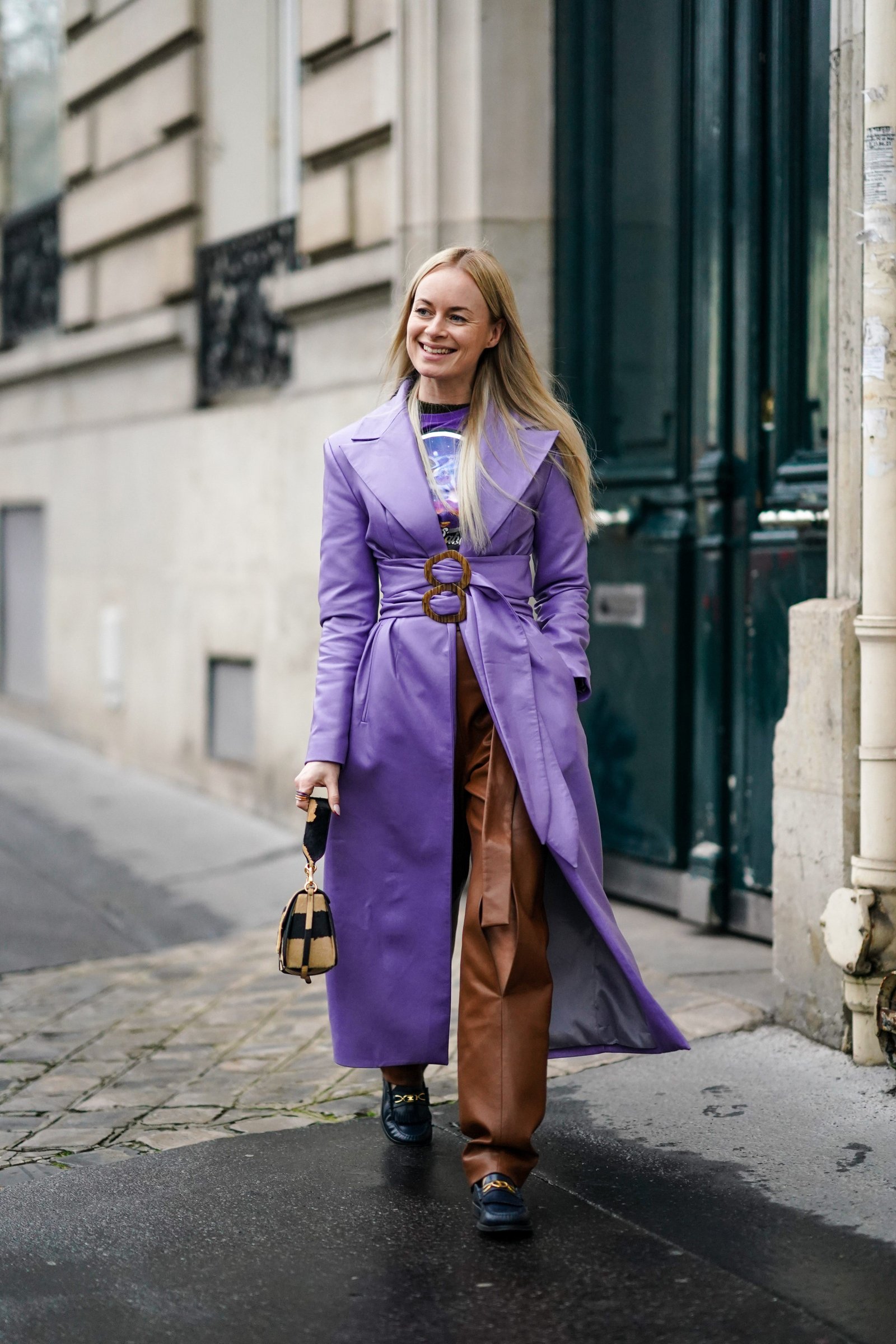
The easiest way to wear purple elegantly is to choose the shade first, then build around its depth and intensity.
Start with lavender and cream for softness, violet and grey for definition, or plum and chocolate brown for richness. Denim makes the color approachable, while tonal dressing offers a stronger statement.
Choose one piece that works with clothes you already enjoy wearing. A purple sweater, scarf or bag becomes far more useful when you can immediately picture three outfits around it.
