

TL;DR
Smart value in luxury isn’t about buying the cheapest designer item—it’s about choosing pieces that deliver lasting value through quality, versatility, longevity, and frequent use. The best designer investments are timeless rather than trendy, work with multiple outfits, and justify their price through years of wear. Increasingly, luxury shoppers are evaluating purchases using cost per wear instead of the initial price tag.
Table of Contents
Introduction
Luxury shopping has changed.
Today’s buyers are more informed than ever before. Before purchasing a designer bag, watch, or coat, many compare prices, read reviews, check resale platforms, and calculate whether an item is truly worth the investment.
This shift has given rise to a new mindset: Smart Value Luxury.
Rather than chasing logos or trends, smart luxury shoppers ask a different question:
Will this piece still earn a place in my wardrobe five years from now?
Fashion experts increasingly argue that value comes from longevity, versatility, craftsmanship, and emotional satisfaction—not simply prestige. Luxury purchases that remain relevant over time often provide better value than trend-driven pieces that are worn only a handful of times.
What Does Smart Value Mean in Luxury?
Smart value doesn’t necessarily mean spending less.
It means spending wisely.
A designer purchase offers strong value when it delivers several of these qualities:
- Frequent use
- Timeless design
- Exceptional craftsmanship
- Versatility
- Long lifespan
- Strong resale potential
When these factors come together, a luxury purchase becomes much easier to justify.
1. Start With Cost Per Wear
Recommended Example:
Common Projects Achilles Low
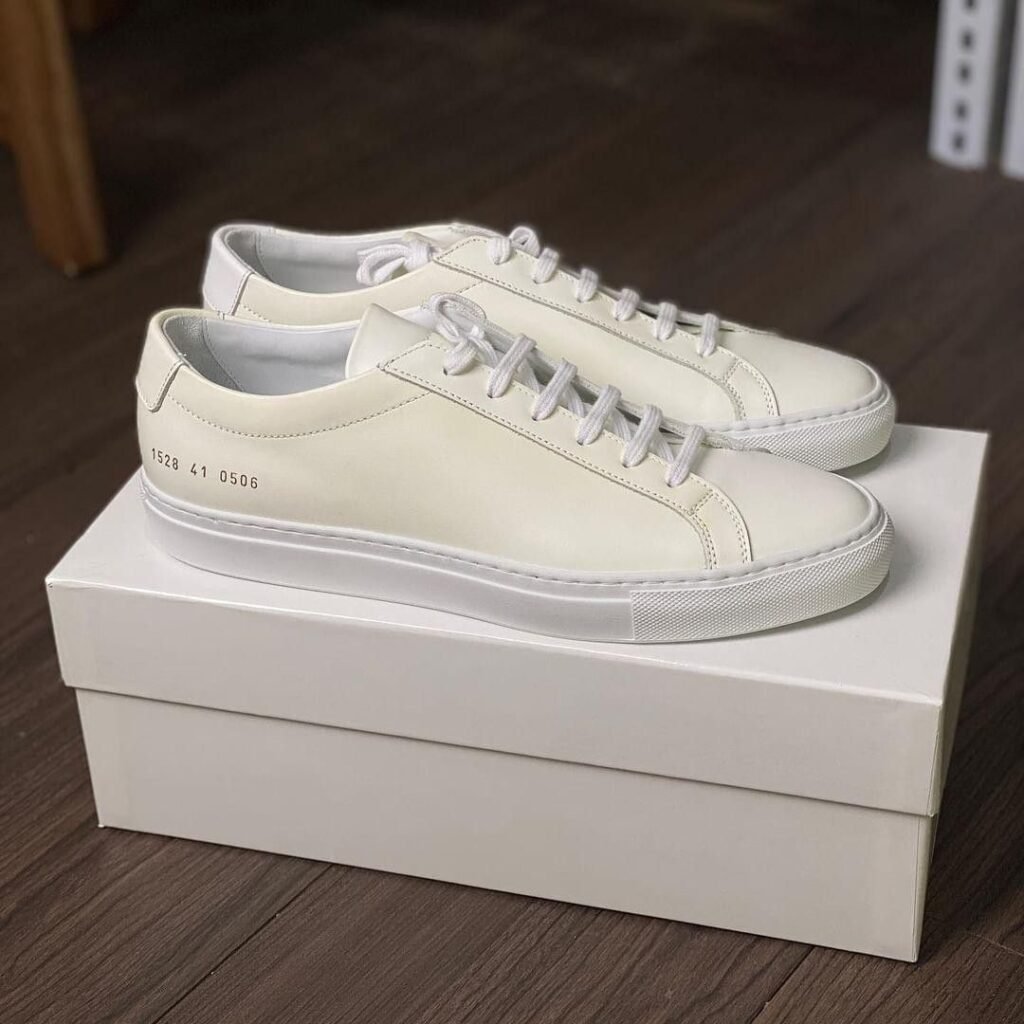
One of the simplest ways to evaluate a luxury purchase is through cost per wear.
Rather than focusing on the price tag, divide the purchase price by the number of times you realistically expect to wear it.
For example:
- A $500 pair of sneakers worn 250 times costs $2 per wear.
- A $150 trend shoe worn 15 times costs $10 per wear.
Suddenly, the more expensive option may actually provide better value.
Many stylists now recommend using cost per wear as one of the most practical ways to evaluate designer purchases because it shifts attention away from short-term spending toward long-term utility.
Why It Works
- Encourages intentional buying
- Rewards timeless pieces
- Reduces impulse purchases
- Makes luxury purchases easier to evaluate
2. Buy Pieces That Work With Everything
Recommended Piece:
Saint Laurent Sac de Jour
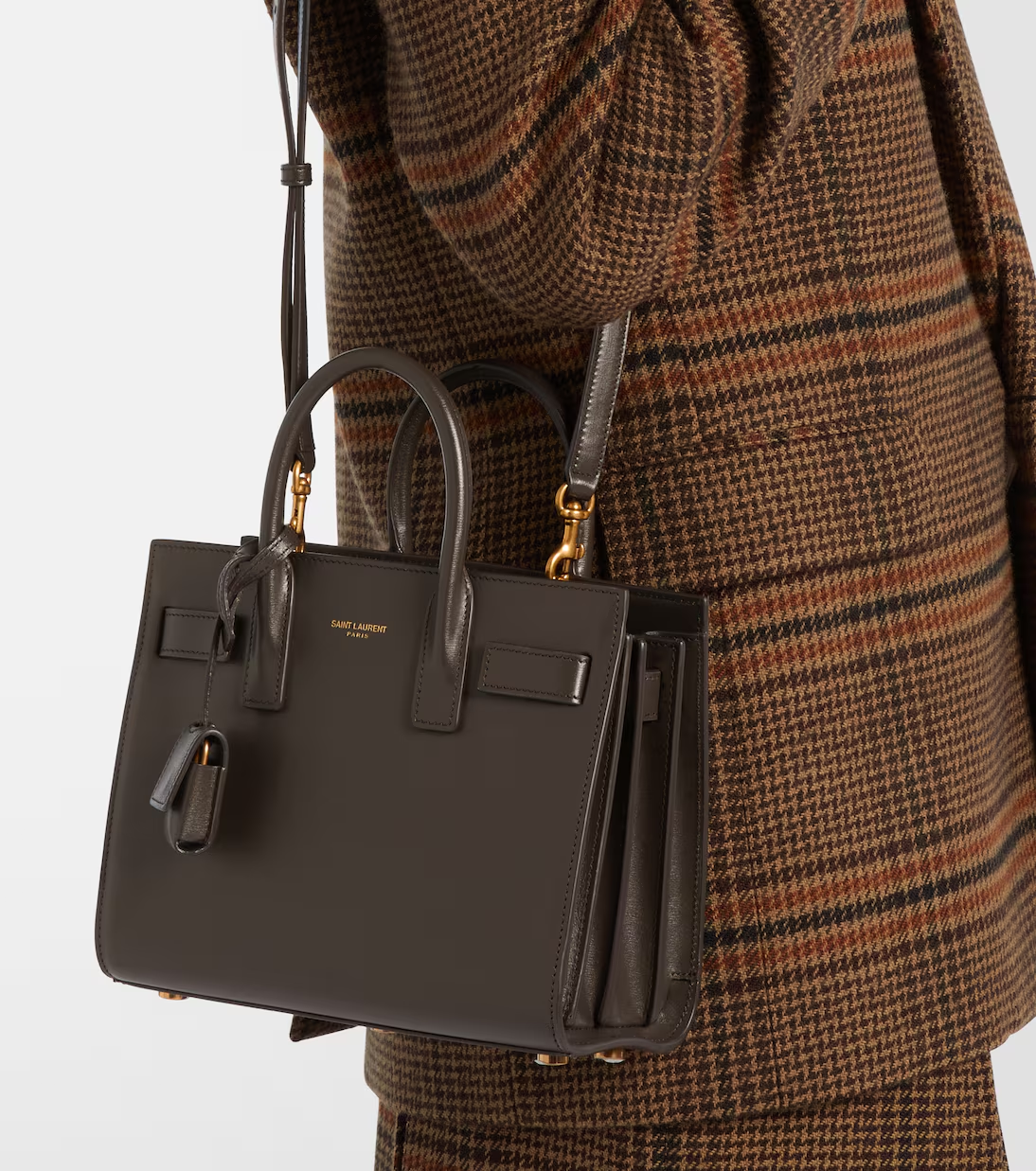
The most valuable luxury pieces rarely make the loudest statement.
Instead, they become the items you reach for repeatedly.
A timeless black leather tote can work with:
- Office tailoring
- Weekend denim
- Summer dresses
- Travel outfits
- Evening wear
The more situations a piece works for, the better its overall value becomes.
Luxury shopping guides increasingly recommend building wardrobes around versatile “anchor pieces” rather than highly seasonal statement items.
Why It Works
- Maximizes outfit combinations
- Reduces unnecessary purchases
- Increases cost-per-wear value
- Ages more gracefully than trends
3. Craftsmanship Always Matters
Recommended Piece:
Hermès Kelly
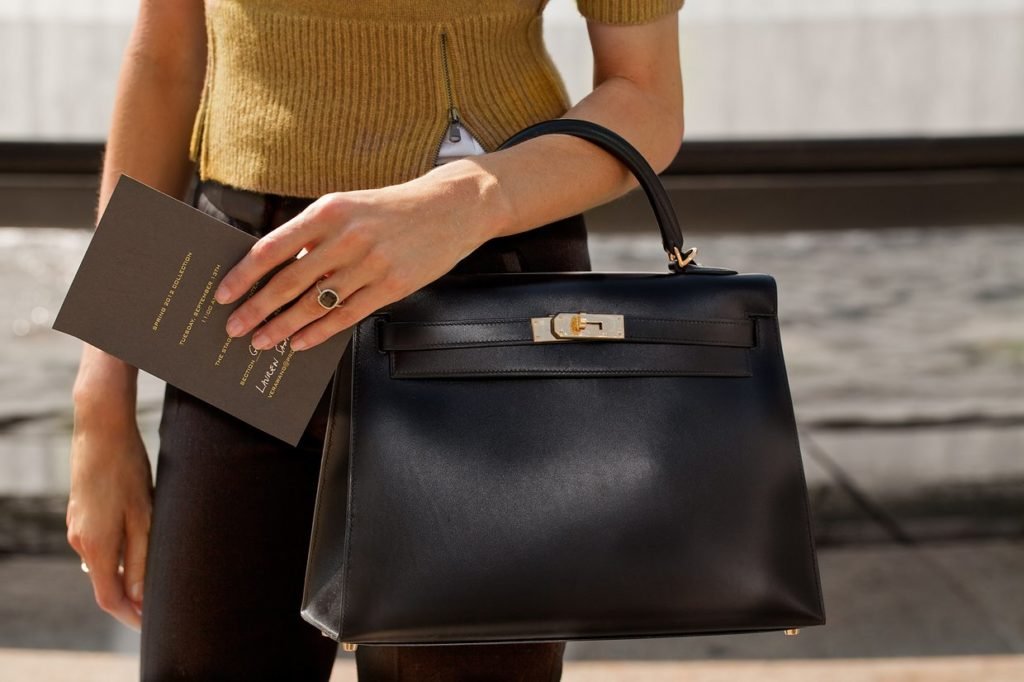
Luxury should feel different.
Premium leather, durable stitching, high-quality hardware, and thoughtful construction all contribute to a longer lifespan.
Fashion experts increasingly argue that superior craftsmanship—not branding alone—is what justifies premium prices.
Well-made products can often be repaired, restored, and enjoyed for decades, dramatically increasing their long-term value. Heritage, durability, and repairability have become increasingly important considerations for luxury buyers.
Signs of Quality
- Even stitching
- Premium leather
- Solid hardware
- Strong lining
- Repairable construction
4. Don’t Confuse Trends With Investments
Recommended Piece:
Rolex Datejust 36
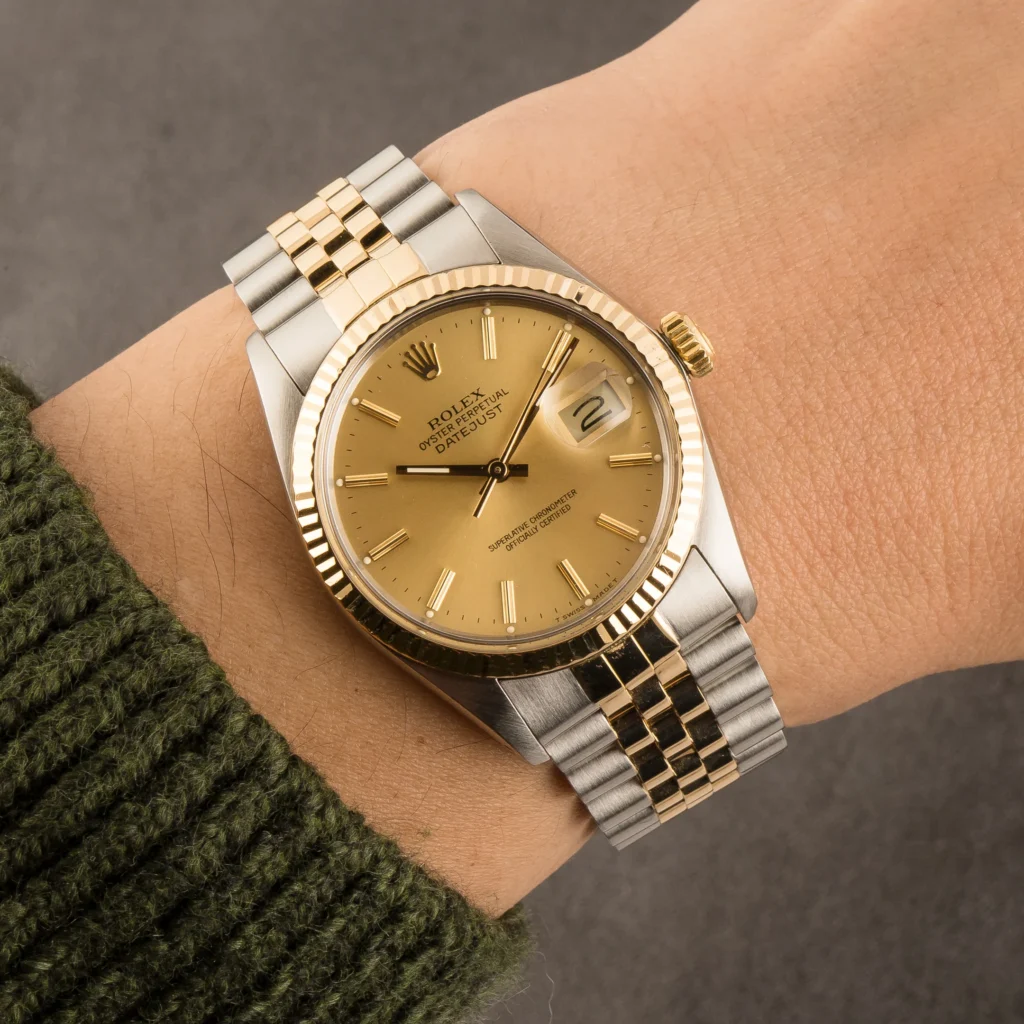
Not every expensive purchase is an investment.
Many trend-driven products lose relevance quickly, while timeless icons continue to attract demand.
Classic examples include:
- Rolex Datejust
- Louis Vuitton Speedy
- Hermès Kelly
- Chanel Classic Flap
These products have remained desirable because their appeal extends beyond seasonal fashion.
Market data continues to show that a relatively small number of iconic handbags, watches, and jewelry pieces maintain especially strong demand in the resale market.
Smart Question
Ask yourself:
Would I still want this if it disappeared from social media tomorrow?
If the answer is yes, it may have lasting value.
5. Buy for Your Lifestyle, Not Someone Else’s
Recommended Piece:
Ralph Lauren Linen Shirt
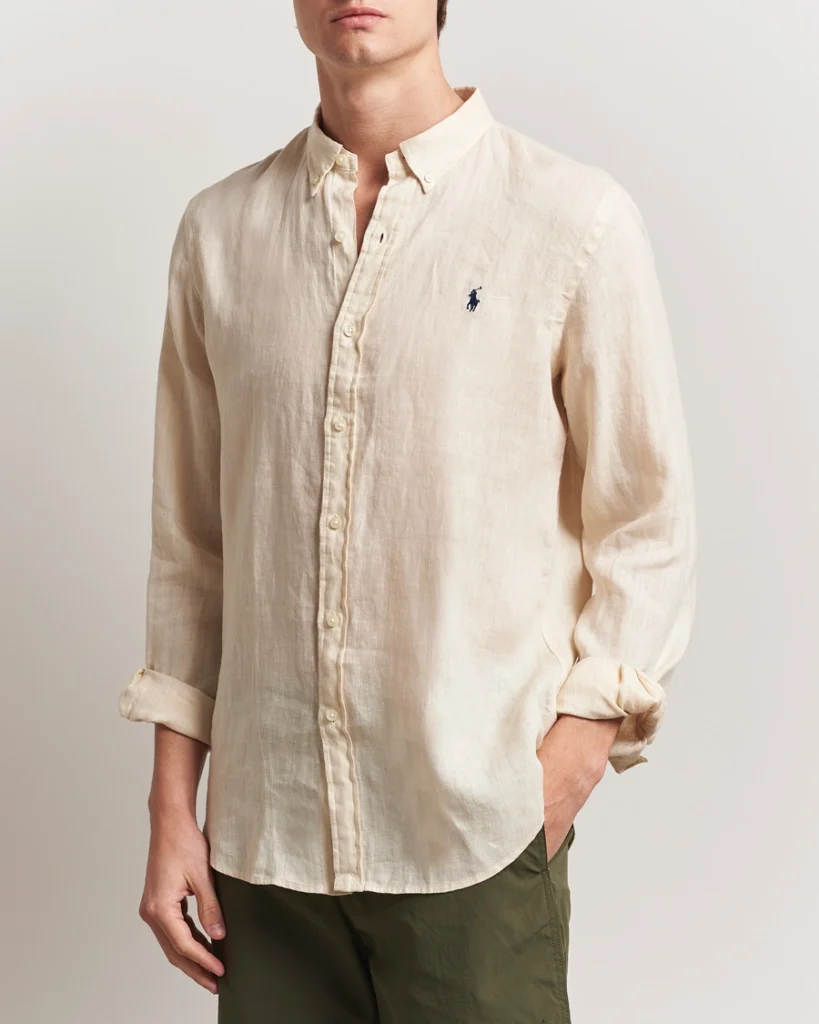
The smartest luxury purchase is the one you’ll actually use.
A beautifully made linen shirt worn every week often delivers greater value than an extravagant evening jacket worn twice a year.
Before buying, consider:
- How often will I wear it?
- Does it suit my lifestyle?
- Does it work with my wardrobe?
- Will I enjoy wearing it for years?
Luxury shopping has become increasingly personal, with buyers placing greater emphasis on intentional purchasing and long-term wardrobe planning.
A Simple Smart Value Checklist
Before buying any luxury item, ask yourself:
- Will I wear it at least 50–100 times?
- Does it match most of my wardrobe?
- Is the quality noticeably better?
- Is it timeless rather than trendy?
- Would I still buy it in five years?
If you answer “yes” to most of these questions, you’re probably making a smart luxury purchase.
Shop the Edit
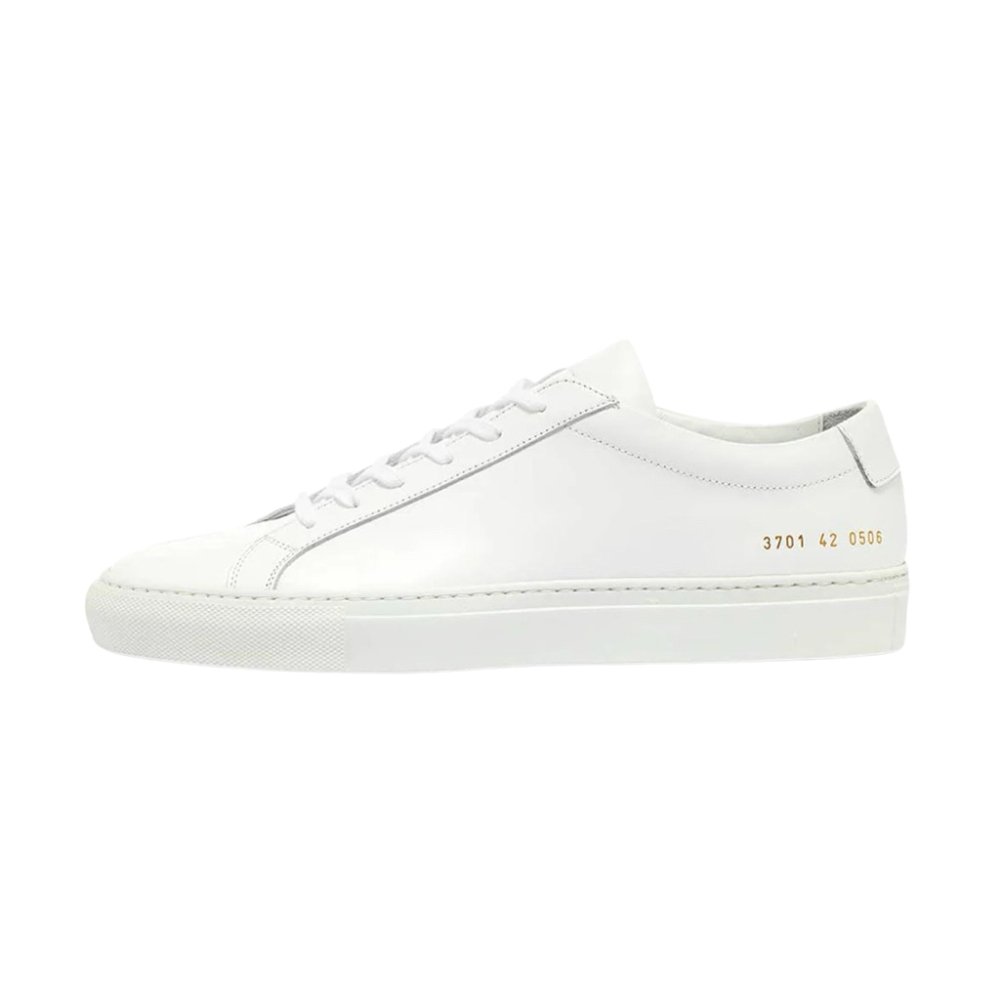
Common Projects Achilles Low
A minimalist sneaker that delivers exceptional value through versatility and everyday wear
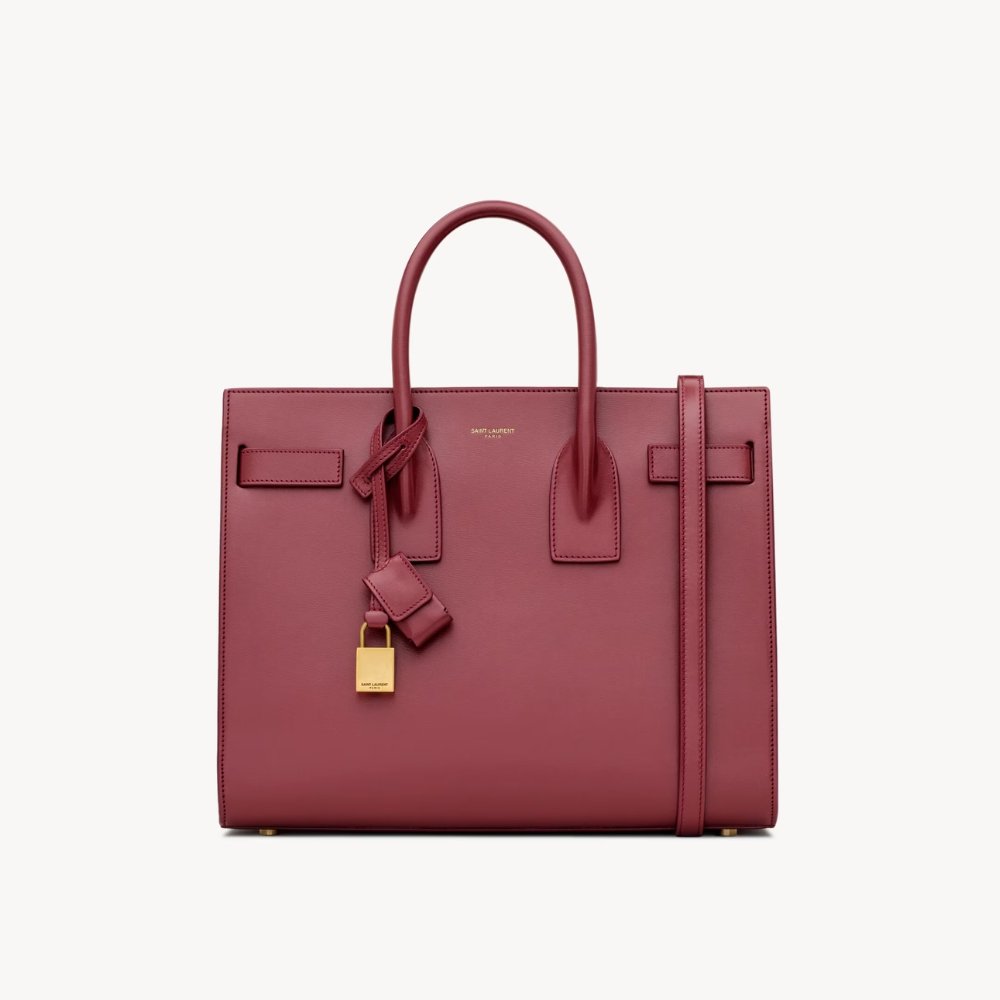
Saint Laurent Sac de Jour
A timeless leather tote that transitions effortlessly between work and everyday life
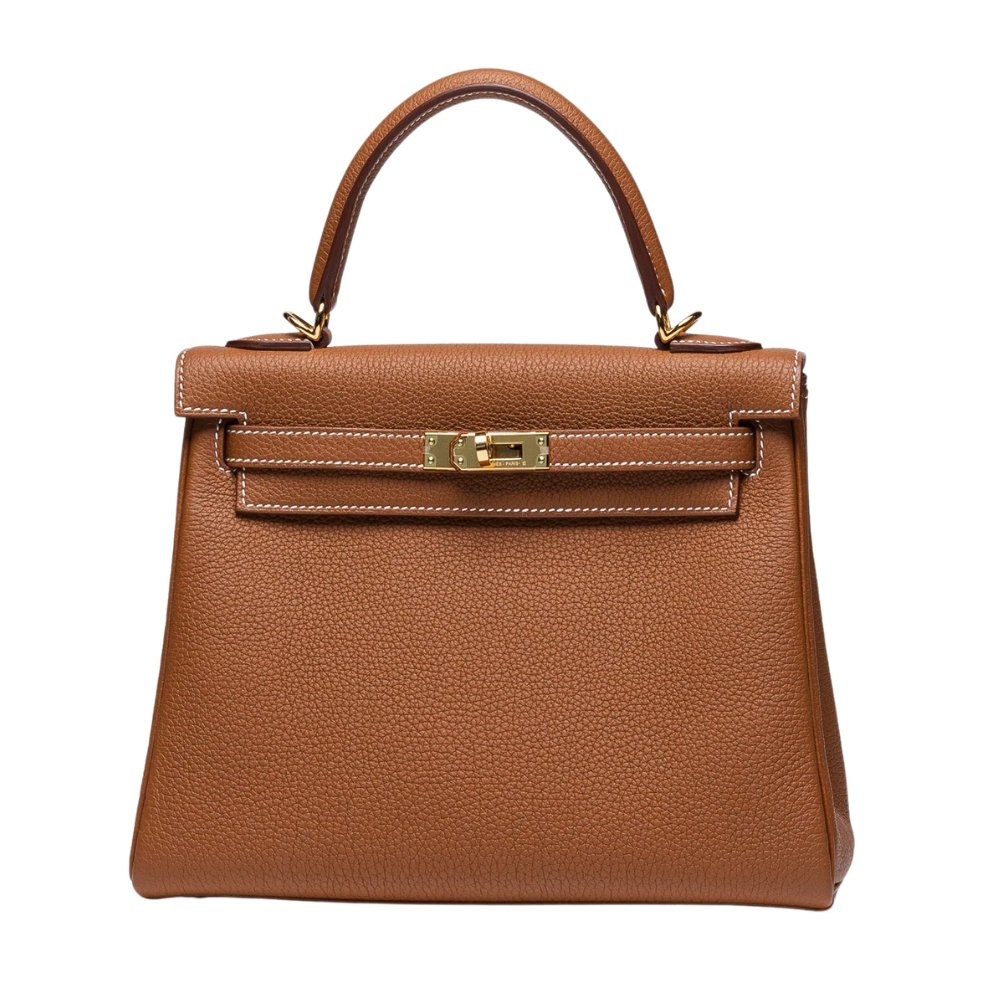
Hermès Kelly
One of the world’s most enduring examples of craftsmanship and timeless design
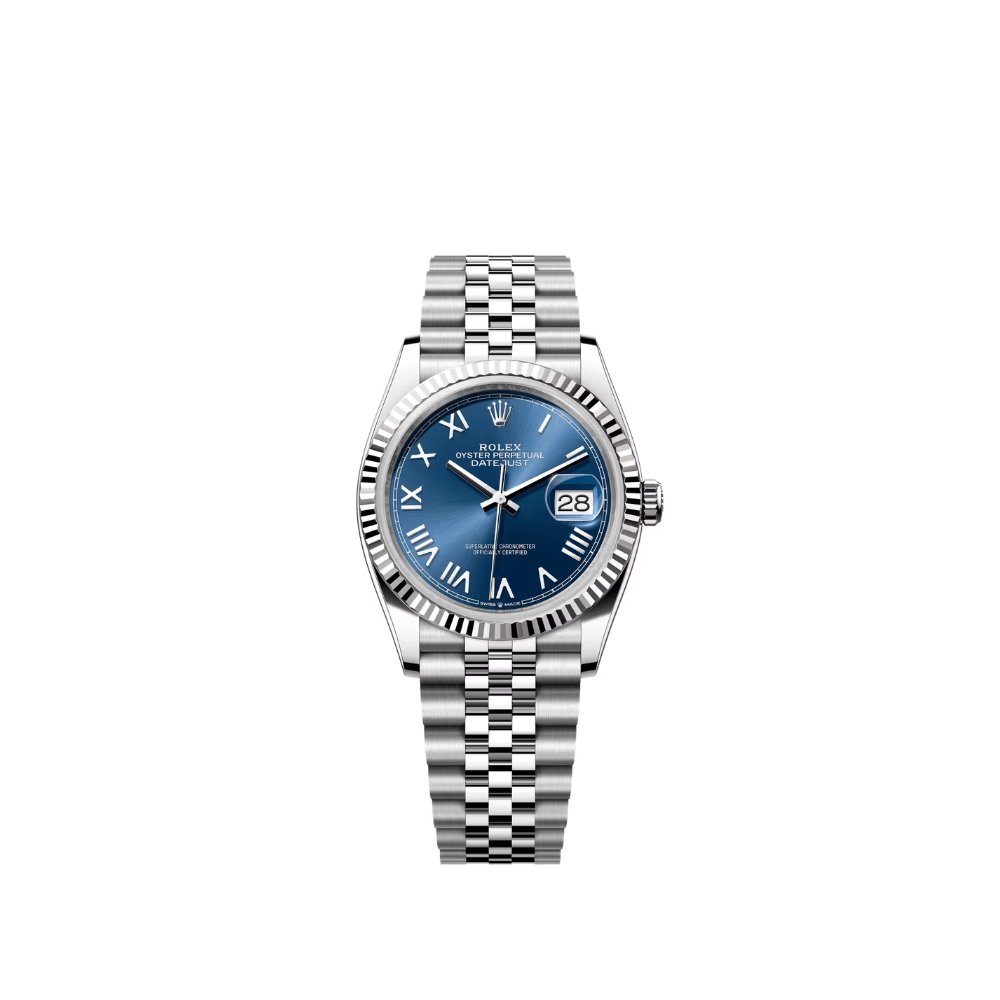
Rolex Datejust 36
A classic luxury watch with enduring appeal and remarkable versatility
Pros & Cons
| Smart Luxury Principle | Pros | Cons |
|---|---|---|
| Cost Per Wear | Encourages intentional buying | Requires realistic expectations |
| Timeless Design | Longer wardrobe lifespan | Less trend-driven excitement |
| Craftsmanship | Greater durability | Higher upfront investment |
| Versatility | More outfit combinations | Requires careful planning |
Final Verdict
Smart Value Luxury isn’t about spending less—it’s about spending better.
The best designer purchases aren’t necessarily the newest or most expensive. They’re the pieces that continue earning their place in your wardrobe year after year through quality, versatility, and timeless design.
Whether you’re buying your first designer handbag, investing in a luxury watch, or building a capsule wardrobe, focusing on cost per wear, craftsmanship, and long-term relevance will almost always lead to better decisions than following short-lived trends.
In today’s luxury market, the smartest investment isn’t simply the item with the highest price tag—it’s the one you’ll genuinely enjoy wearing for years to come.
