
TL;DR
Multibrand fashion retail faces a critical moment in 2026 as brands pull back from wholesale and consumers demand clearer curation, forcing the model to reinvent or risk irrelevance.
At a Glance
- Multibrand fashion retailers are struggling to remain relevant and profitable.
- Over-assortment, weak differentiation, and margin pressure are core challenges.
- Brands are prioritising direct-to-consumer and controlled distribution.
- 2026 may force a reinvention rather than a recovery of the model.
Why the Multibrand Model Is Under Strain
According to Business of Fashion, multibrand retailers are being squeezed from both sides. On one end, brands are reducing wholesale exposure to protect margins and brand equity. On the other, consumers are overwhelmed by assortments that lack clear point of view.
Key pain points include:
- rising operational and inventory costs
- shrinking wholesale margins
- limited access to exclusive products
- declining brand loyalty at store level
What once felt curated now often feels crowded.
Brands Take Back Control
Luxury and premium brands have spent the past decade investing heavily in direct-to-consumer channels. Flagship stores, private client programs, and owned e-commerce platforms allow brands to control pricing, storytelling, and customer data.
As a result, many labels now view multibrand retail as supplementary rather than central — reserving it for selective markets or strategic partnerships.
Why Some Multibrand Retailers Still Matter
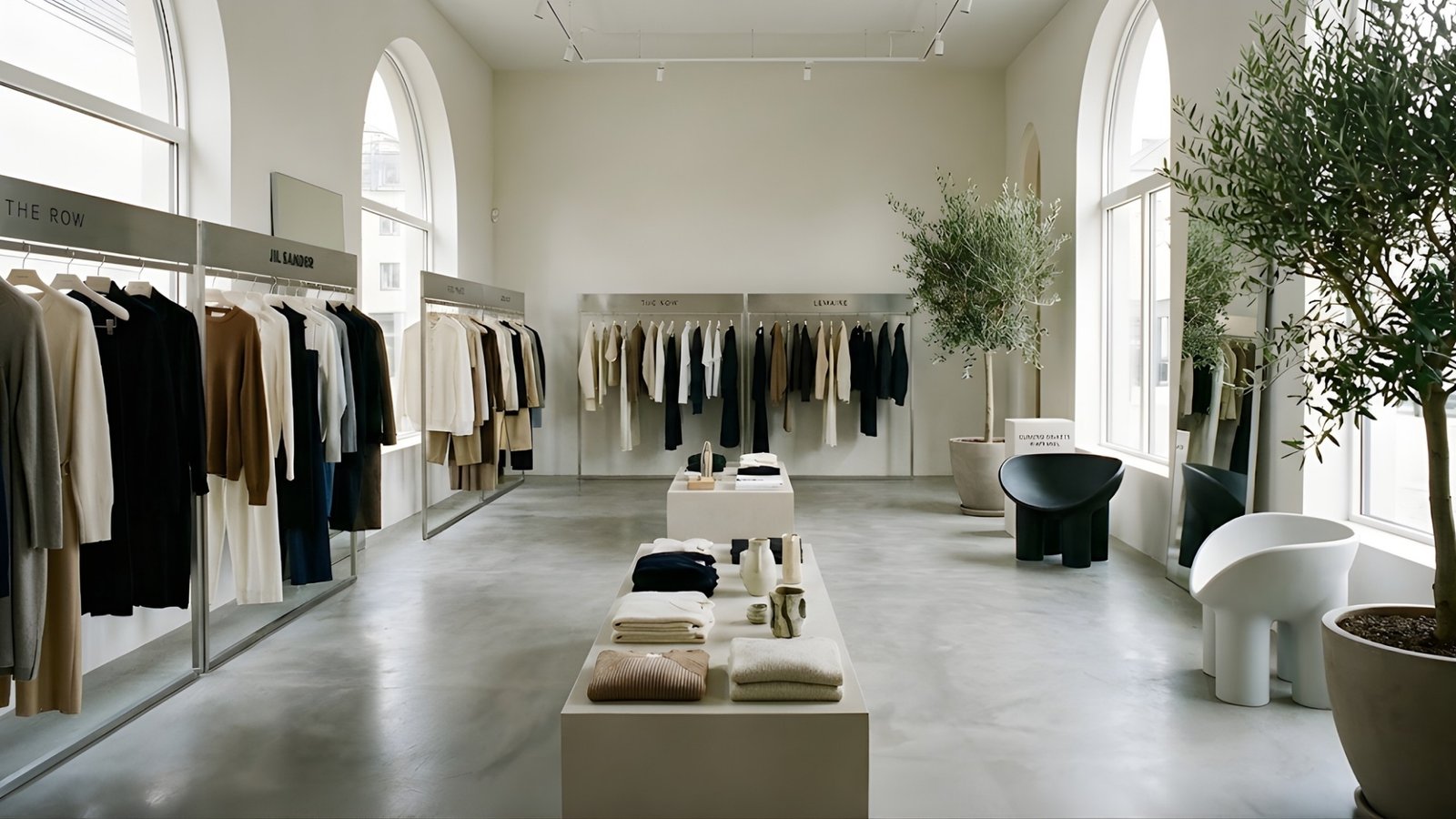
Despite the challenges, not all multibrand retailers are struggling equally. Those with a clear identity, strong editorial voice, and disciplined buying strategy continue to attract loyal audiences.
Successful operators share common traits:
- tightly edited assortments
- strong cultural or regional relevance
- experiential retail formats
- clear brand positioning
In these cases, multibrand retail functions more like a curator than a distributor.
The Path to Reinvention in 2026
Salvaging the multibrand model will likely require structural change. Rather than competing on scale or breadth, retailers may need to focus on:
- fewer brands, deeper relationships
- exclusive capsules and collaborations
- content-led retail and storytelling
- community and experience-driven formats
The future points toward selectivity, not expansion.
What This Means for Modern Luxury
For luxury brands, the recalibration of multibrand retail reinforces the importance of control and consistency. For retailers, survival depends on becoming indispensable — offering something brands cannot replicate alone.
In 2026, multibrand retail’s value will be defined not by how many brands it carries, but by how clearly it stands for something.
Editorial Perspective
Once seen as fashion’s discovery engine, the multibrand retail model now finds itself under existential pressure. In an environment where brands want control and consumers seek clarity, the traditional role of stocking many labels under one roof feels increasingly outdated.
The question facing the industry is no longer whether multibrand retail is broken — but whether it can evolve fast enough to matter again.
