
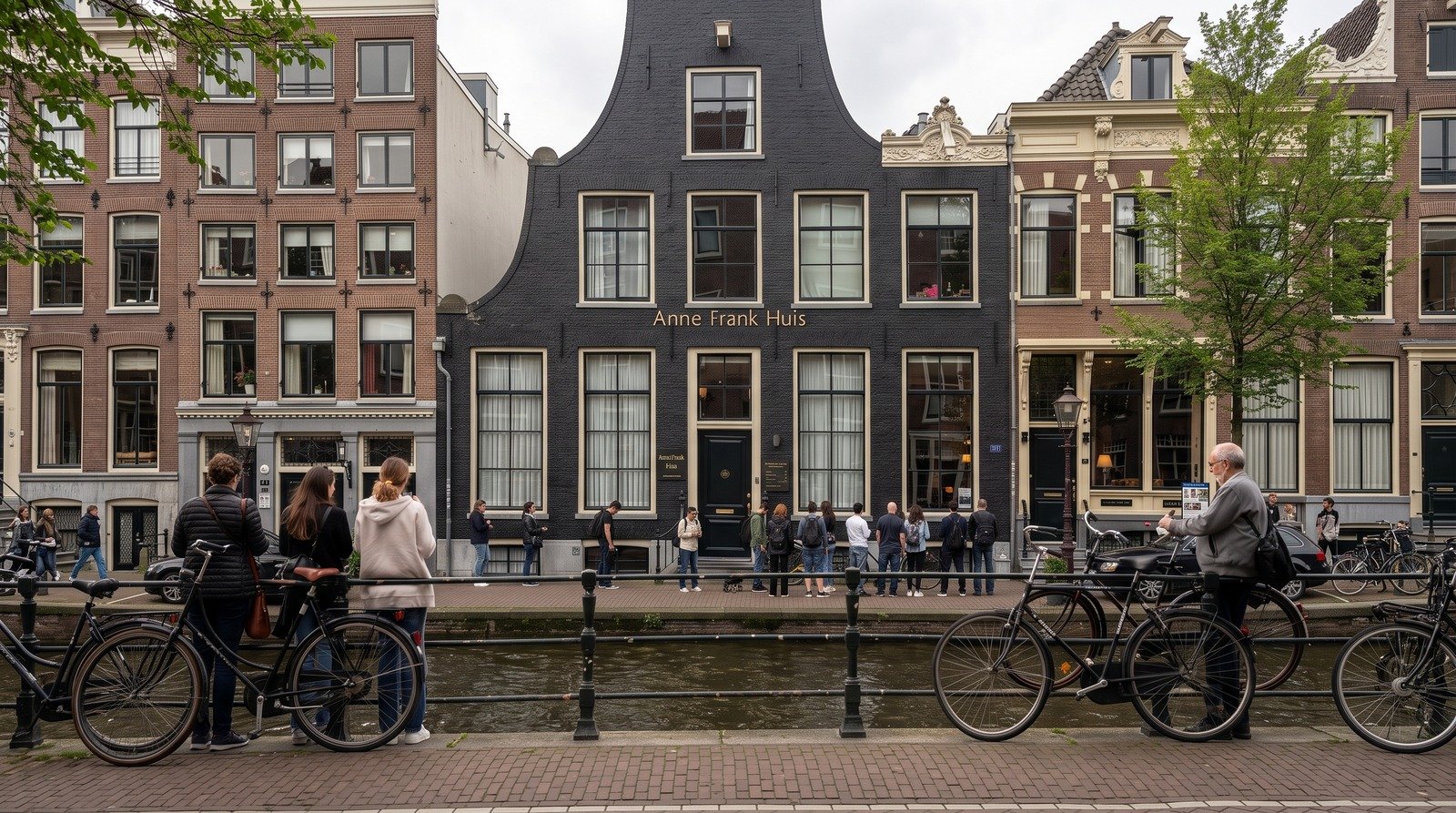
The Anne Frank House offers a deeply reflective encounter with history. Its significance comes from the relationship between Anne’s writing, her life and the confined rooms where she lived in hiding.
The historic setting gives physical context to a story many visitors first discover through her diary. Small rooms and surviving personal details encourage close attention.
This Anne Frank House review considers the Secret Annex, diary displays and museum interpretation, alongside the practical decisions that shape a visit.
The strongest approach combines preparation, attentive listening and time afterward to reflect. Secure official admission before planning the surrounding day.
TL;DR
| Category | LxryNow Take |
|---|---|
| Best For | History, education and remembrance |
| Standout Feature | The preserved Secret Annex |
| Best Overall Experience | Museum visit with attentive use of the audio guide |
| Best Comfort Upgrade | A lightly scheduled day with luggage left elsewhere |
| Suggested Time | Around one hour inside, plus reflection time |
| Worthwhile Addition | The official introductory program |
| Main Drawbacks | Booking constraints, steep stairs and confined rooms |
| Overall Verdict | A significant Amsterdam visit that rewards thoughtful preparation |
LxryNow Recommendation: Read about Anne’s life beforehand and leave time after the museum rather than immediately moving to another activity.
The Anne Frank House at a Glance
| Detail | Information |
|---|---|
| Location | Amsterdam, Netherlands |
| Visitor Entrance | Westermarkt 20 |
| Attraction Type | Historic house museum |
| Principal Experiences | Historic rooms, Secret Annex, diary displays and exhibitions |
| Visiting Format | Self-paced museum visit with audio interpretation |
| Booking Priority | Official timed admission |
| Suggested Allocation | Around one hour, with additional time for the introductory program |
| Practical Consideration | Historic stairs present significant accessibility barriers |
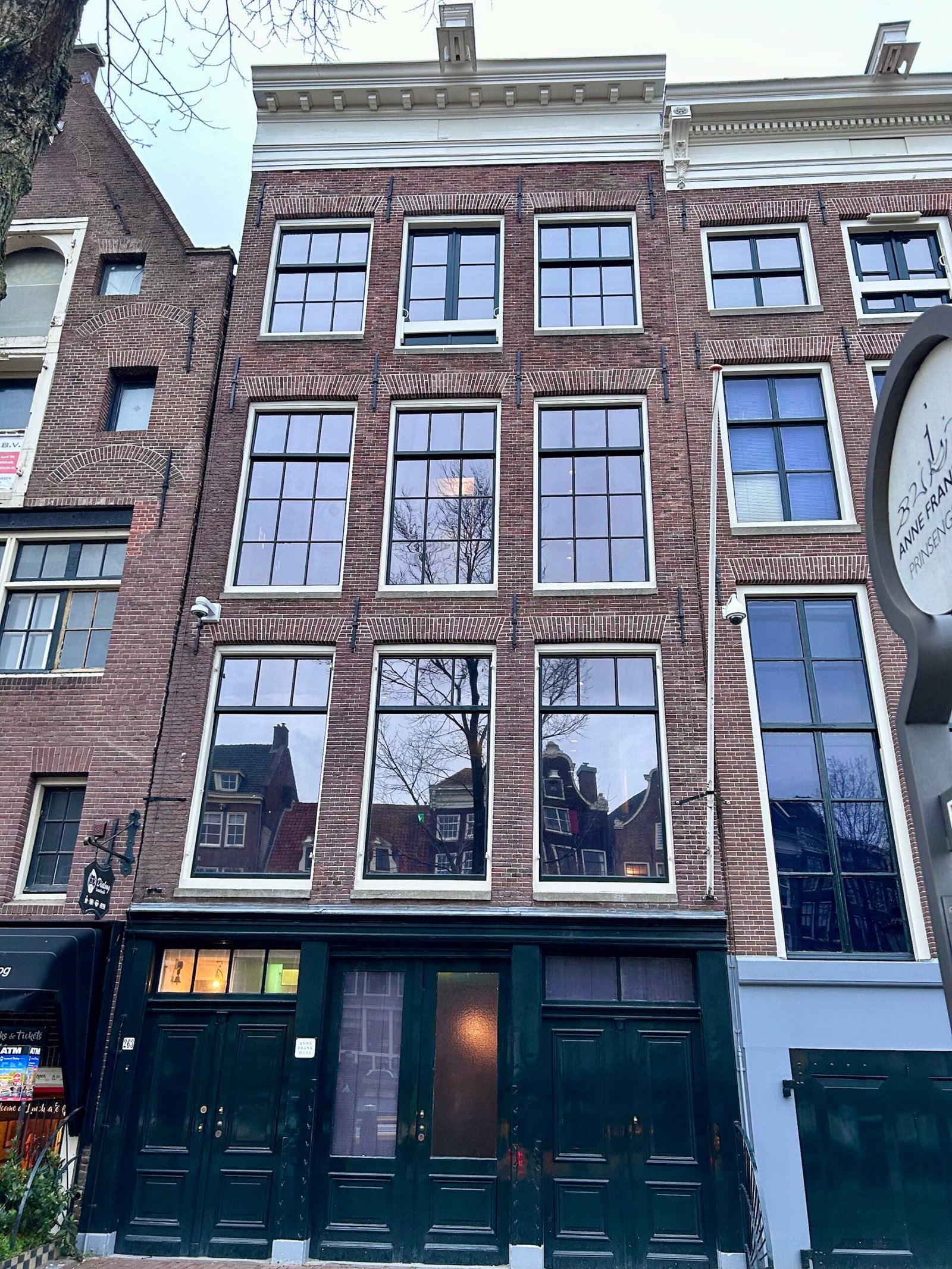
The museum identifies approximately one hour as the average visit duration. Its entrance is around the corner from the historic Prinsengracht address. www.annefrank.org
What Makes the Anne Frank House Special?

The museum’s importance lies in the connection between testimony and place.
Anne’s diary introduces her thoughts, relationships and ambitions. The house adds an understanding of space: how closely people lived together and how restricted their daily lives became.
Its restrained presentation encourages visitors to observe rather than simply move between displays.
For LxryNow, the defining quality is this intimacy. The museum helps preserve Anne’s individuality within the wider history of Nazi persecution.
The Historic House Interior

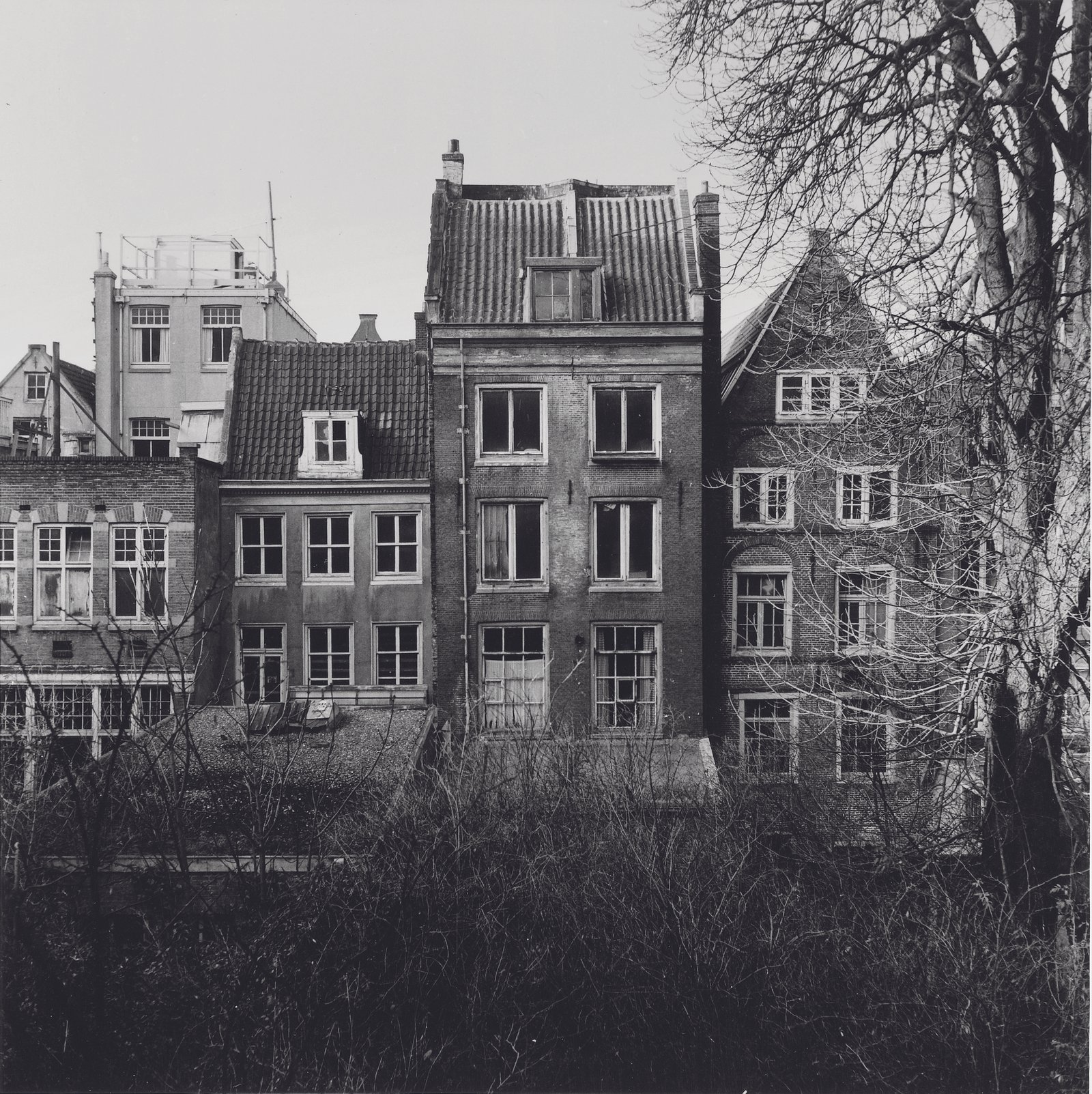
The Frank family entered hiding in July 1942. Eight people ultimately shared the Annex; Otto Frank was the only one of them to survive the Holocaust. www.annefrank.org
The rooms are best approached slowly. Pay attention to their dimensions, connections and proximity to the building’s working spaces.
The setting becomes more meaningful with an understanding of the danger surrounding everyday routines.
Keep conversations quiet and allow others room to pause. Considerate movement matters in a building with limited space.
Is the Secret Annex Worth Visiting?

Yes. The Annex is central to understanding the museum.
Its rooms remain unfurnished at Otto Frank’s request. Surviving details include pictures Anne placed on her walls and marks recording the sisters’ growth. www.annefrank.org
The emptiness gives those traces particular significance. It encourages visitors to consider the lives once contained within these rooms.
The concealed bookcase entrance is recognisable, but the experience extends beyond that single feature. Give the whole setting your attention.
Standard Visit or Introductory Program?

| Option | Best For | Consideration |
|---|---|---|
| Standard museum visit | Visitors with some historical preparation | Includes an audio guide |
| Museum with introductory program | Visitors wanting structured background | Adds a 30-minute session before entry |
| Separate neighbourhood tour | Exploring broader Amsterdam history | Museum admission must be booked independently |
The official introductory program is delivered in English and followed by the museum visit. It explains Anne’s story within the context of the Second World War and Jewish persecution. www.annefrank.org
Choose according to your familiarity with the history and the preparation you would find useful.
Anne’s Diary and Her Writing

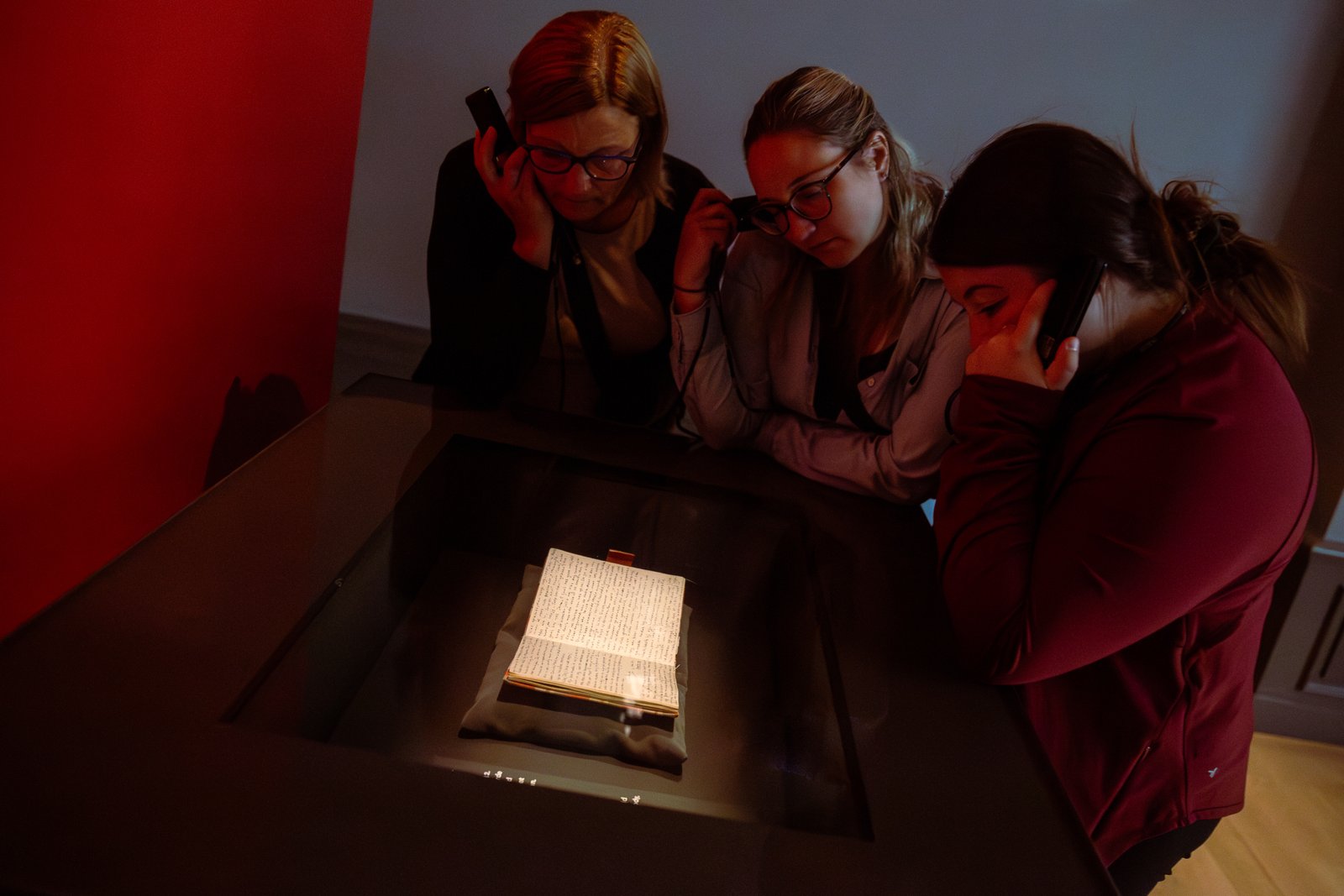
Anne received her first diary on her thirteenth birthday. The museum displays the original volume alongside other writing associated with her work. www.annefrank.org
These documents bring attention back to her voice.
Anne was an observant teenager with humour, frustrations, opinions and literary ambitions. Reading her only as a historical symbol can obscure that individuality.
Take time at the writing displays. They connect the published diary with the young person who created it.
Is the Audio Guide Worth Using?
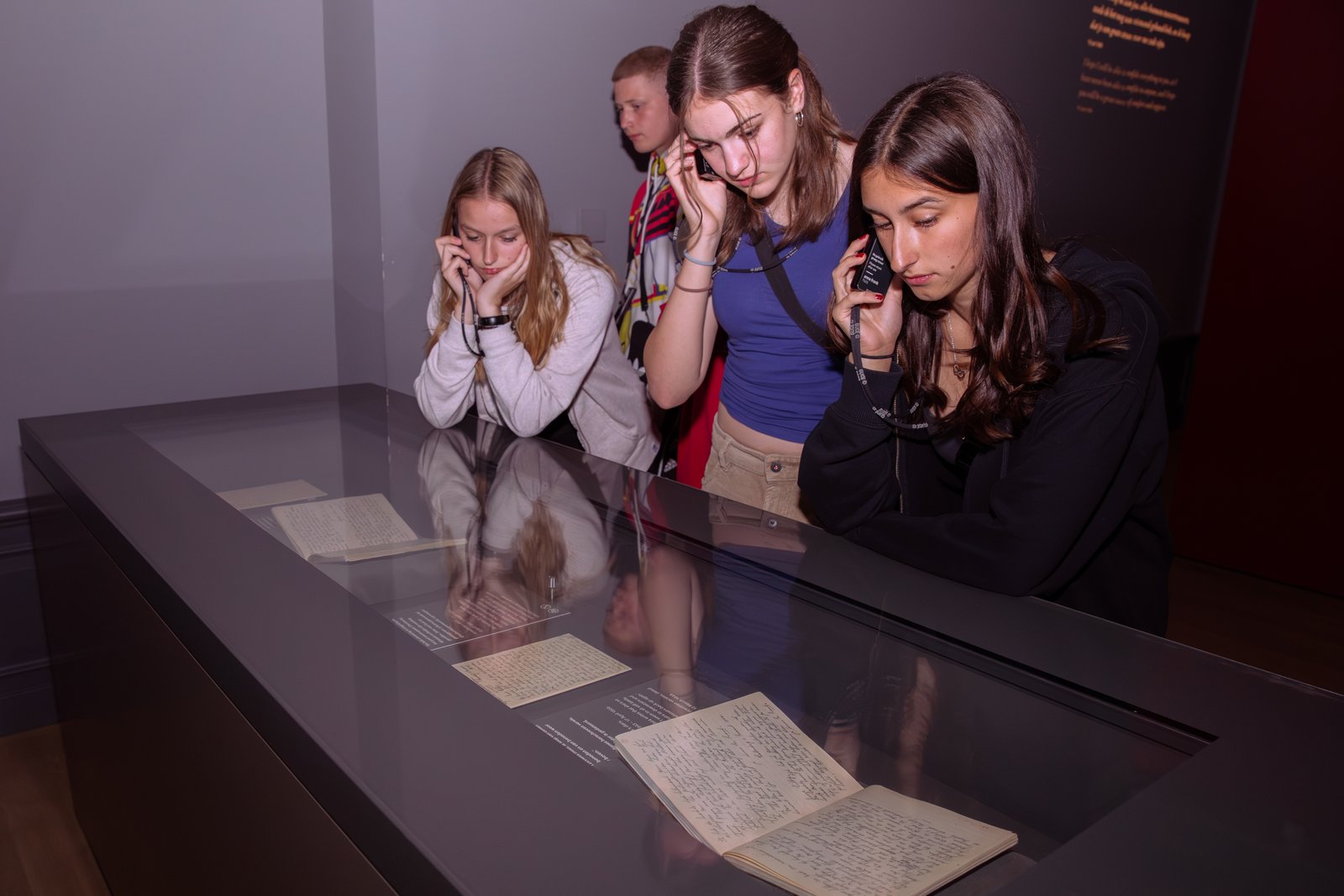
The audio guide is a valuable part of the visit, particularly for understanding how individual rooms relate to the wider story.
It covers the people in hiding, their helpers and the historical context. The museum also offers Anne’s Story, an audio version designed for younger visitors. www.annefrank.org
Listen attentively rather than treating the route as a checklist.
Even readers familiar with the diary can benefit from explanations connecting people, objects and places.
The Helpers and Wider Historical Context

The story of hiding also requires attention to the people who provided help.
The museum’s interpretation places those helpers alongside the Annex occupants and the persecution that made hiding necessary. www.annefrank.org
This context prevents the building from becoming an isolated story.
Consider the dependence, uncertainty and personal responsibility involved in sustaining life in hiding. The museum is most effective when visitors connect the domestic setting with the wider historical circumstances.
Understanding the Ticket Options
Compare experiences by what they actually include.
| Access Choice | What to Check |
|---|---|
| Standard museum ticket | Date and timed entry |
| Museum with introductory program | Program language and starting time |
| Jewish Quarter walking tour | Route, duration and meeting point |
| Private Anne Frank walking tour | Locations covered and admission exclusions |
| Accessibility arrangements | Which museum areas can be reached |
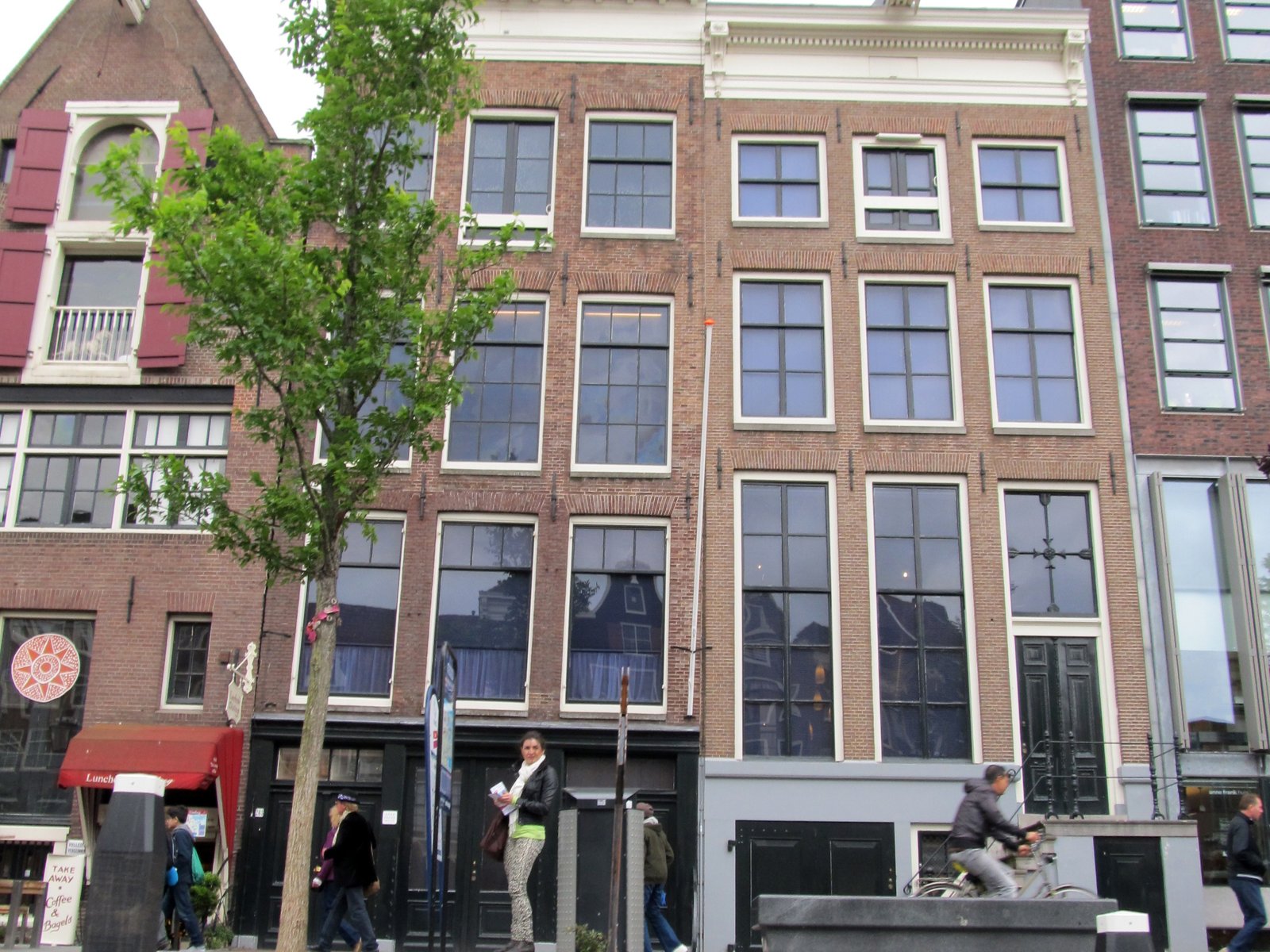
Museum tickets are sold exclusively through the official website. Weekly releases cover visits six weeks ahead; check the published release time and time zone. Commercial walking tours do not provide museum access. www.annefrank.org
Secure museum admission first if entering the house is your priority.
Independent Visit or Guided Tour?
The museum visit and a guided neighbourhood tour serve different purposes.
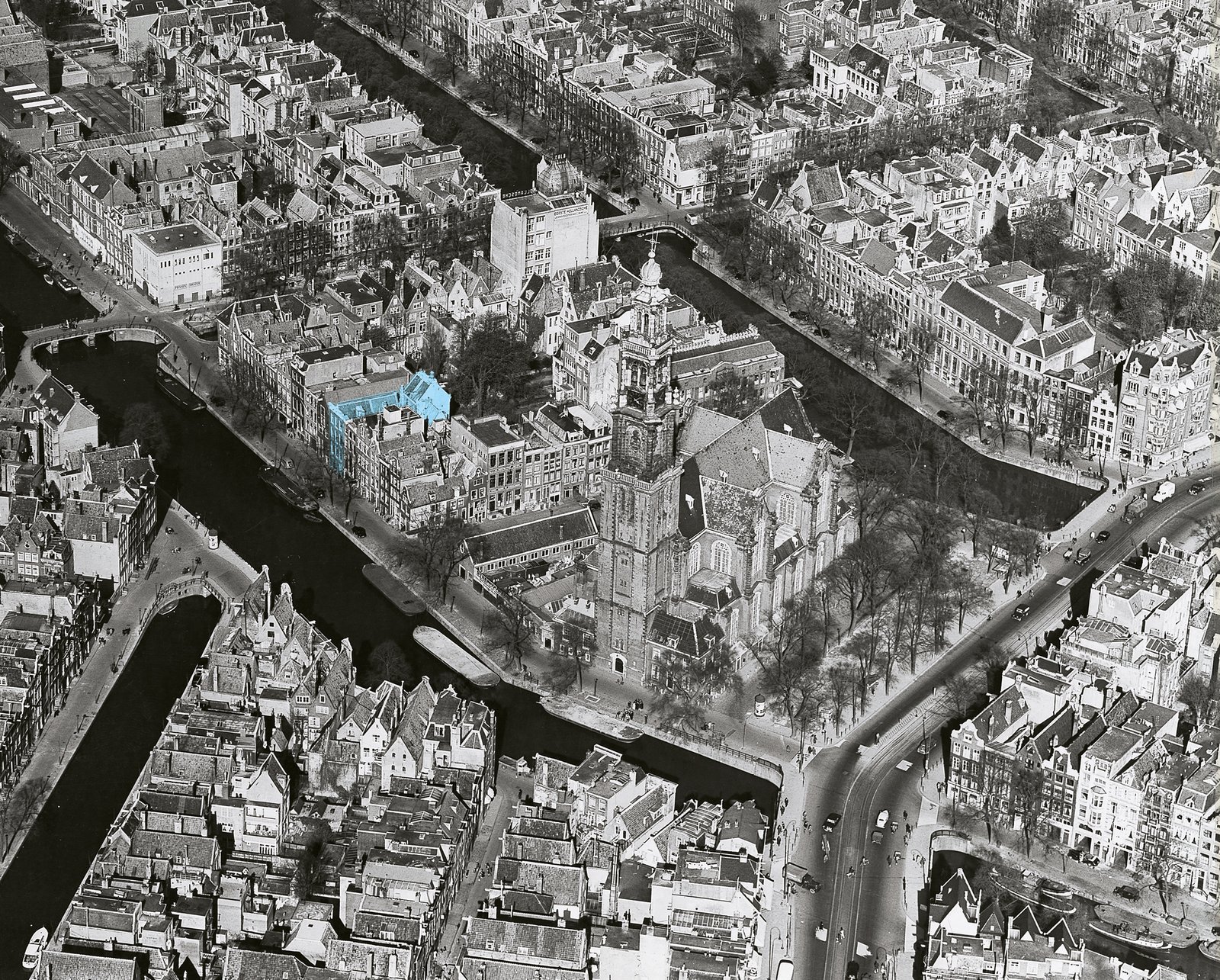
Inside, the audio interpretation supports a self-paced encounter with the rooms and displays. Outside, a guide can explain places connected with Amsterdam’s Jewish history or Anne’s earlier life.
| Format | Main Advantage | Best Fit |
|---|---|---|
| Museum visit | Direct encounter with the historic setting | Visitors prioritising the house |
| Group walking tour | Broader neighbourhood context | A shared historical introduction |
| Private walking tour | More opportunity for questions | Visitors with specific interests |
Choose a walking tour for its route and interpretation. Book museum entry separately.
Best Time to Visit

The best time is a confirmed slot that allows you to arrive calmly and remain unhurried afterward.
An earlier visit can suit travellers who prefer approaching demanding material before a busy day. A later slot may work equally well if the surrounding schedule remains flexible.
Do not assume a particular time guarantees quiet rooms.
Give greater priority to preparation and an achievable arrival time than to finding a supposedly perfect hour.
Dress, Comfort and Accessibility

Wear comfortable shoes and keep belongings minimal.
Photography and filming are prohibited inside. Bags carried through the museum must be smaller than an A4 sheet, and large luggage cannot be stored. The museum currently sets a minimum visiting age of 10. www.annefrank.org
The historic house and Annex cannot accommodate wheelchairs or other mobility aids. Some modern areas are accessible with staff assistance. www.annefrank.org
Contact the museum before booking if stairs, standing or confined spaces may present difficulties.
How Long Should You Spend?
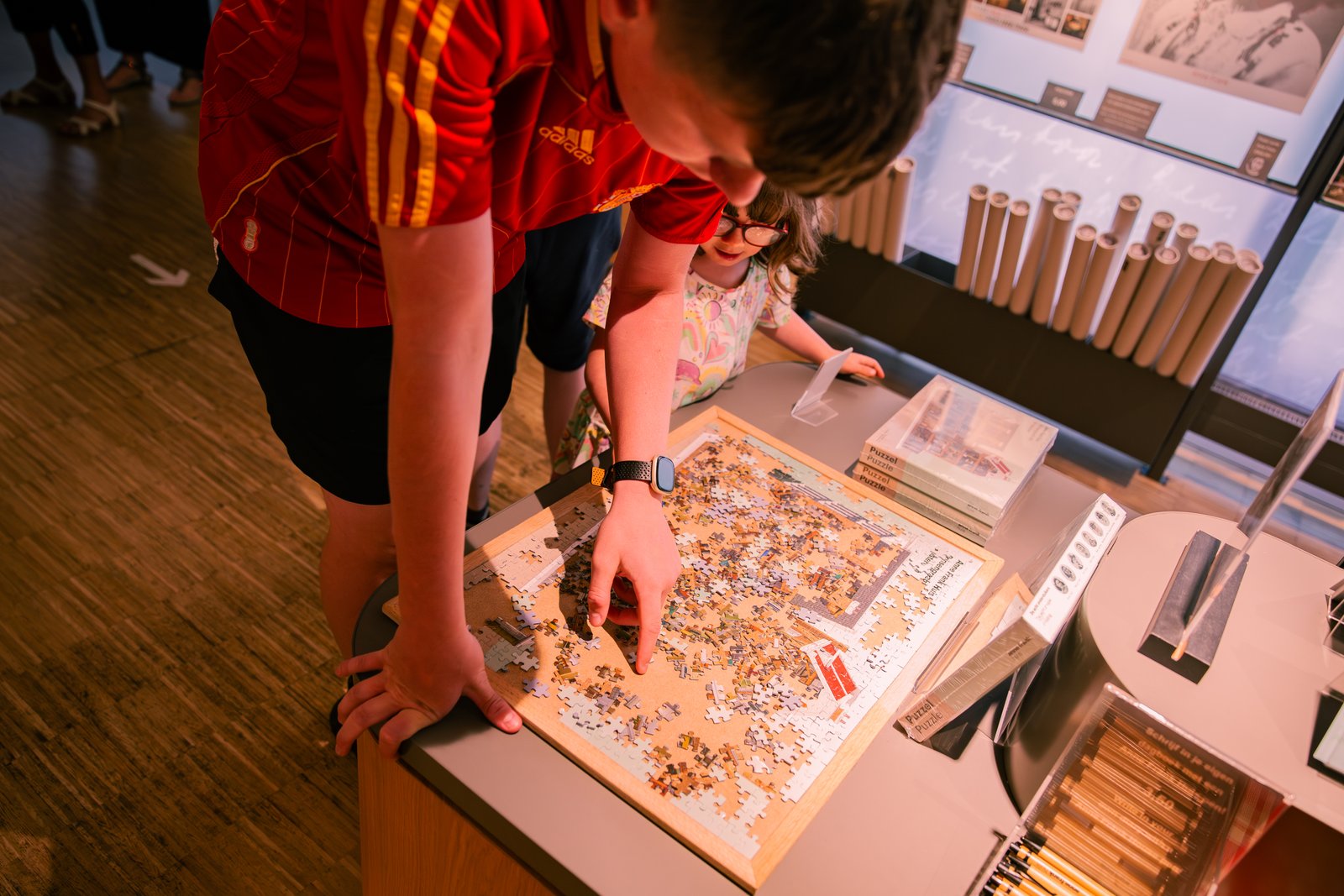
Allow around one hour inside, with additional time for arrival and reflection. This follows the museum’s average-duration guidance. www.annefrank.org
| Visit Style | Suggested Allocation |
|---|---|
| Exterior appreciation | 15–20 minutes |
| Standard museum visit | Around one hour |
| Museum with introductory program | Around 90 minutes |
| Museum and separate walking tour | Several hours, depending on the tour |
These are planning estimates.
For the rest of your stay, LxryNow’s guide to luxury things to do in Amsterdam offers ideas for building an itinerary that leaves this visit enough time and attention.
Is the Anne Frank House Worth Visiting?
Yes, particularly for visitors interested in history, education and remembrance.
The museum connects Anne’s words with the place where she lived in hiding. That relationship gives the visit its depth.
Booking constraints and physical barriers require preparation. The subject matter also deserves emotional readiness, especially when visiting with children.
Approach the museum as a considered part of your trip and allow space afterward.
LxryNow Review Scorecard
Scores reflect LxryNow’s editorial assessment of museum presentation and practical visiting conditions.
| Category | Score | Assessment |
|---|---|---|
| Historic Setting | 10/10 | Direct connection between testimony and place |
| Museum Interior | 9/10 | Restrained presentation encourages attention |
| Secret Annex Experience | 10/10 | Central to understanding life in hiding |
| Historical Interest | 10/10 | Significant personal and historical context |
| Photography | 3/10 | Exterior opportunities; photography prohibited inside |
| Interpretation Potential | 9/10 | Audio and introductory context support learning |
| Crowd Comfort | 6/10 | Confined rooms limit comfortable lingering |
| Accessibility | 4/10 | Major barriers within the historic route |
| Value for Money | 9/10 | Strong educational value |
| Overall Score | 7.8/10 | A significant museum with substantial practical limitations |
Which Experience Should You Choose?

| Experience | Best For | LxryNow Recommendation |
|---|---|---|
| Standard museum visit | Prepared first-time visitors | Best direct encounter with the house |
| Museum with introductory program | Additional historical preparation | Best contextual addition |
| Private Jewish Quarter tour | Personal questions and wider history | Book museum entry separately |
| Group walking tour | Shared neighbourhood interpretation | Check the route and exclusions |
| Earlier-life neighbourhood tour | Anne’s life before hiding | Complements a separately booked visit |
Book the Experience

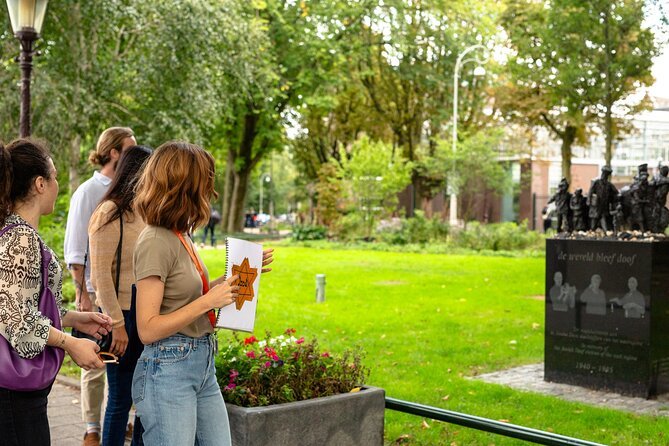
Private Anne Frank and Jewish Quarter Walking Tour
Personal guiding through neighbourhood history
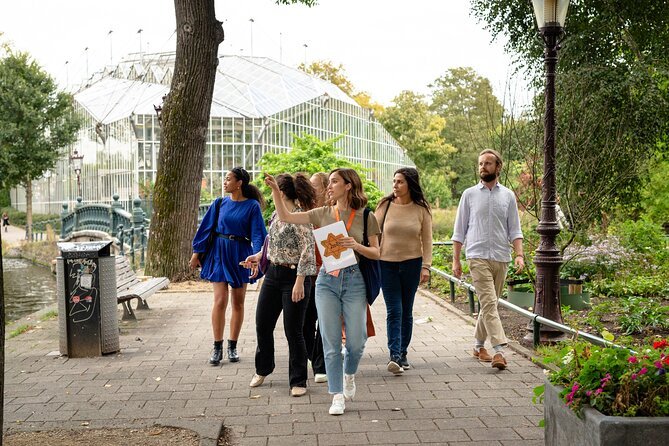
Anne Frank and Jewish Quarter Guided Walking Tour
Group introduction to related historical locations

Private Anne Frank Walking Tour of Amsterdam
Places connected with Anne’s earlier life in Amsterdam-Zuid
The walking tours do not include Anne Frank House admission. Purchase museum tickets through the official website and confirm each tour’s route and inclusions. www.annefrank.org
Pros and Cons
| Pros | Cons |
|---|---|
| Direct connection between writing and place | Admission requires advance planning |
| Preserved historic setting | Steep stairs restrict access |
| Strong educational purpose | Confined rooms limit visitor comfort |
| Useful audio interpretation | Emotionally demanding subject matter |
| Introductory program adds context | Photography prohibited inside |
Final Verdict
The Anne Frank House deserves a considered place in an Amsterdam itinerary. Its rooms and documents connect a young writer’s life with the wider history of persecution.
Book official admission, prepare for the physical route and leave enough time to listen and reflect.
LxryNow Verdict: A deeply worthwhile museum for history, education and remembrance, with booking and accessibility limitations that require careful preparation.
