

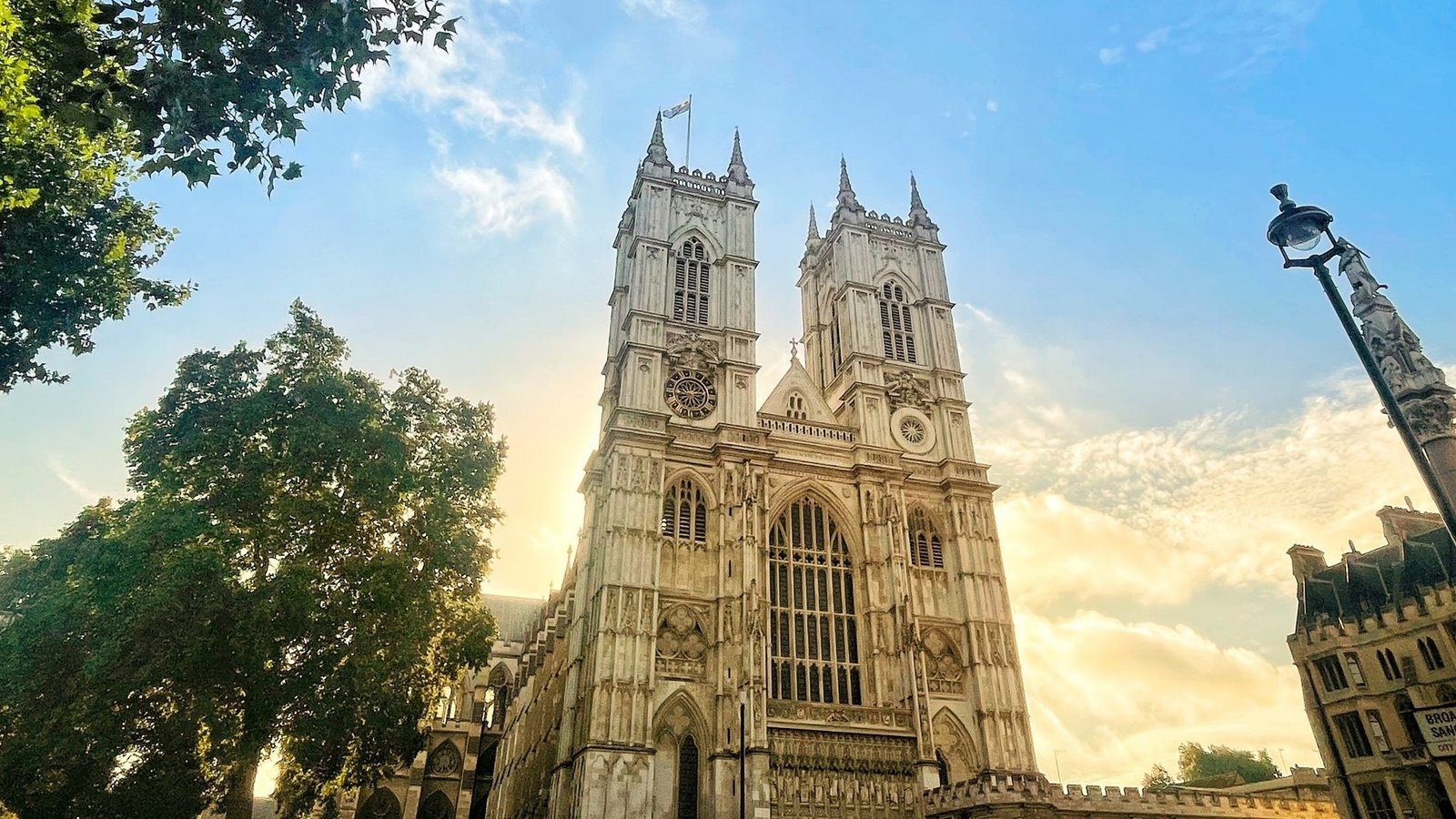
Westminster Abbey is familiar from coronations, royal weddings, and national commemorations. Inside, those televised images give way to something more intimate: worn stone, intricate chapels, monumental tombs, and names that connect centuries of British history.
This Westminster Abbey review explores the experience beyond the ceremonies. Its architecture is magnificent, but the real reward comes from understanding the people and events represented throughout the church. With a little preparation—or a knowledgeable guide—the Abbey becomes one of London’s most absorbing cultural visits.
TL;DR
Westminster Abbey is worth visiting for its royal history, Gothic architecture, literary memorials, and continuing religious life.
Reserve ahead and allow two to three hours if adding the Queen’s Diamond Jubilee Galleries. A guided tour is particularly valuable because the density of tombs and monuments can overwhelm an independent visit.
Go early on a weekday where possible. This is a working church, so services can affect sightseeing access.
At a Glance

| Detail | Information |
|---|---|
| Location | Westminster, London, United Kingdom |
| Address | 20 Dean’s Yard, London SW1P 3PA |
| Admission | Paid sightseeing entry |
| Usual visiting schedule | Monday–Saturday; check the date-specific calendar |
| Sunday | Worship rather than general sightseeing |
| Recommended visit | 2–3 hours |
| Nearest Underground | Westminster or St James’s Park |
| Main highlights | Coronation Chair, royal tombs, Lady Chapel, Poets’ Corner |
| Optional addition | Queen’s Diamond Jubilee Galleries |
| Main drawback | Crowds and restricted visiting windows |
The Abbey’s religious calendar takes priority over tourism. Confirm your chosen date before finalising other reservations. Westminster Abbey
What Makes Westminster Abbey Special?

Few buildings bring together religion, monarchy, literature, and science so closely. Westminster Abbey has hosted coronations since 1066, while generations of notable figures are buried or commemorated within its walls.
The resulting experience is layered. One moment you are examining medieval craftsmanship; the next, you recognise a writer, scientist, or monarch from a familiar chapter of history.
Its continuing role as a church also gives the building a character that a conventional museum cannot reproduce. The space remains connected to worship and public ceremony.
Gothic Architecture and the Nave

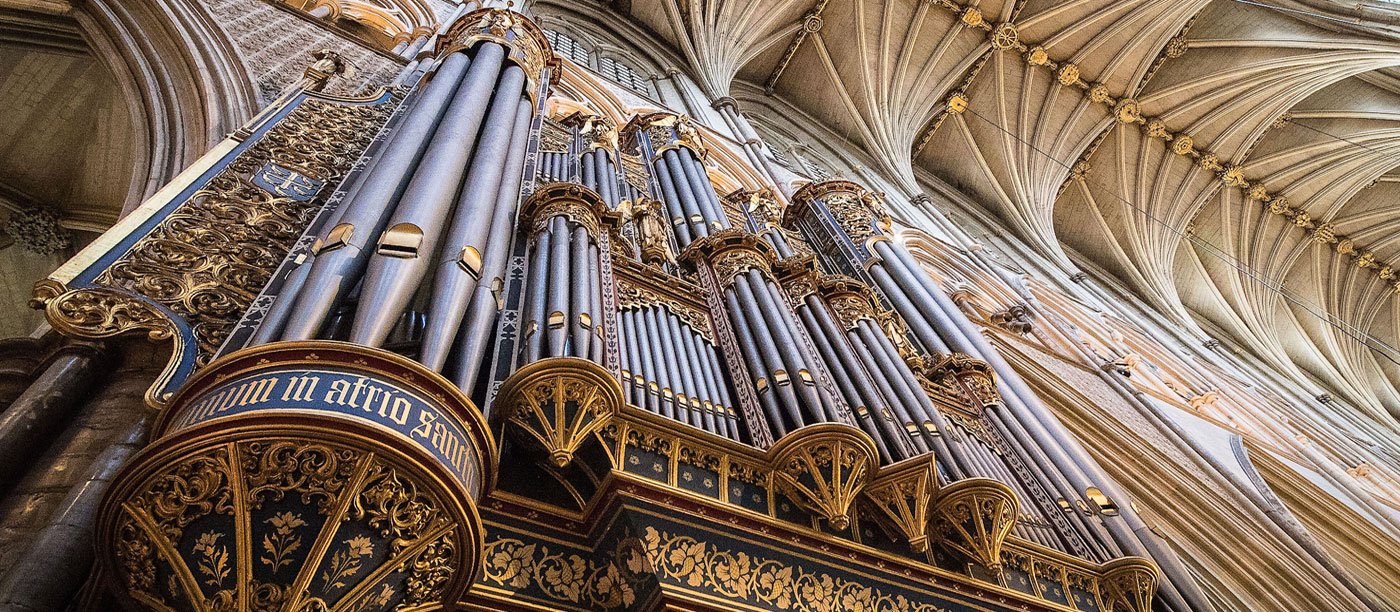
The Abbey’s soaring columns and ribbed vaults create an immediate sense of scale. Much of the present Gothic church developed under Henry III in the 13th century, with later additions contributing to its complex appearance.
The interior rewards looking upward as much as studying monuments at eye level. Arches, carved details, stained glass, and changing light produce a sequence of perspectives rather than one dominant view.
Crowds can interrupt that sense of grandeur. Pause away from the busiest gathering points whenever possible; the architecture is easier to appreciate without constantly following the visitor flow.
The Coronation Chair

The Coronation Chair is among the Abbey’s most significant objects. More than 700 years old, it links the church’s medieval history with ceremonies witnessed by modern audiences.
Its worn surface is part of its appeal. This is an object shaped by use, alteration, and survival, rather than a pristine piece of royal furniture.
The chair deserves more than a quick photograph. Understanding its ceremonial function turns a relatively modest-looking object into one of the visit’s most compelling encounters. Westminster Abbey
Royal Tombs and the Lady Chapel

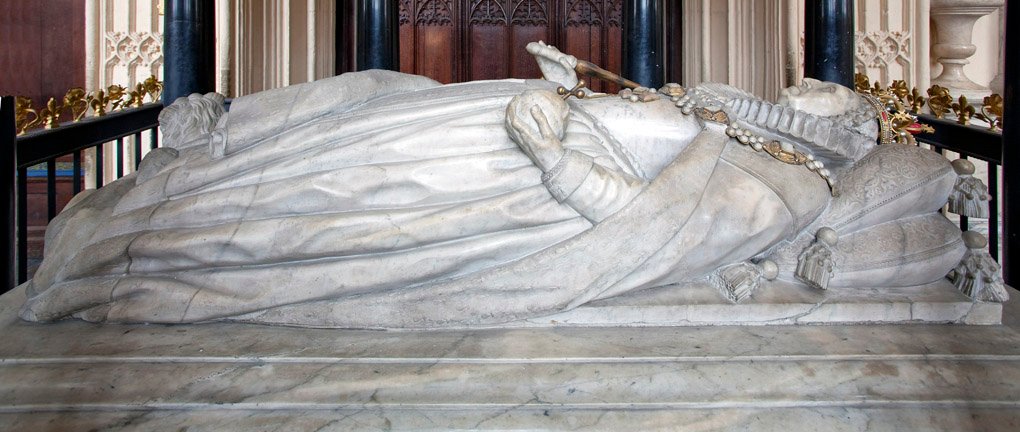
The royal tombs make dynastic history tangible. Monumental effigies and inscriptions reveal how rulers wished to be remembered, while neighbouring burials connect figures often studied separately.
Henry VII’s Lady Chapel is an architectural highlight. Its elaborate fan vaulting appears almost impossibly delicate, contrasting with the weight and permanence of the surrounding tombs.
Allow time to examine the ceiling and smaller decorative details. The chapel is impressive at first glance, but its craftsmanship becomes more remarkable with sustained attention.
Poets’ Corner and Scientific Memorials

Poets’ Corner provides one of the Abbey’s most personal experiences. Visitors often respond to a familiar author’s name more immediately than to an elaborate royal monument.
Charles Dickens and Geoffrey Chaucer are among those buried here; other writers, including William Shakespeare, are commemorated through memorials. Burial and commemoration are distinct, so reading the inscriptions carefully adds meaning.
Elsewhere, memorials and graves associated with figures such as Isaac Newton, Charles Darwin, and Stephen Hawking broaden the Abbey’s story beyond monarchy. Together, these spaces reveal how national remembrance has expanded across different fields of achievement.
The Grave of the Unknown Warrior

The Grave of the Unknown Warrior offers a quieter, more reflective encounter. Its significance rests on the anonymity of the person buried there and the many lives that the grave represents.
Compared with the richly decorated monuments elsewhere, its restraint is powerful. It gives the visit an emotional dimension that royal splendour alone cannot provide.
Approach respectfully, follow staff guidance, and leave room for others to pause.
The Queen’s Diamond Jubilee Galleries

The Galleries occupy the medieval triforium high above the Abbey floor. Their collection of more than 300 objects helps explain the institution’s history through manuscripts, ceremonial material, and funeral effigies.
The elevated architectural perspective is another reason to visit. Seeing the church from above reveals relationships between spaces that are difficult to understand from the main route.
A separate timed ticket is required alongside general admission. Lift access makes the Galleries available to visitors unable to climb the stairs. For anyone interested in history or architecture, this is a worthwhile addition. Westminster Abbey
Independent Visit or Guided Tour?

An independent visit works well if you enjoy reading, listening, and choosing your own pace. The included multimedia guide provides a useful foundation. Westminster Abbey
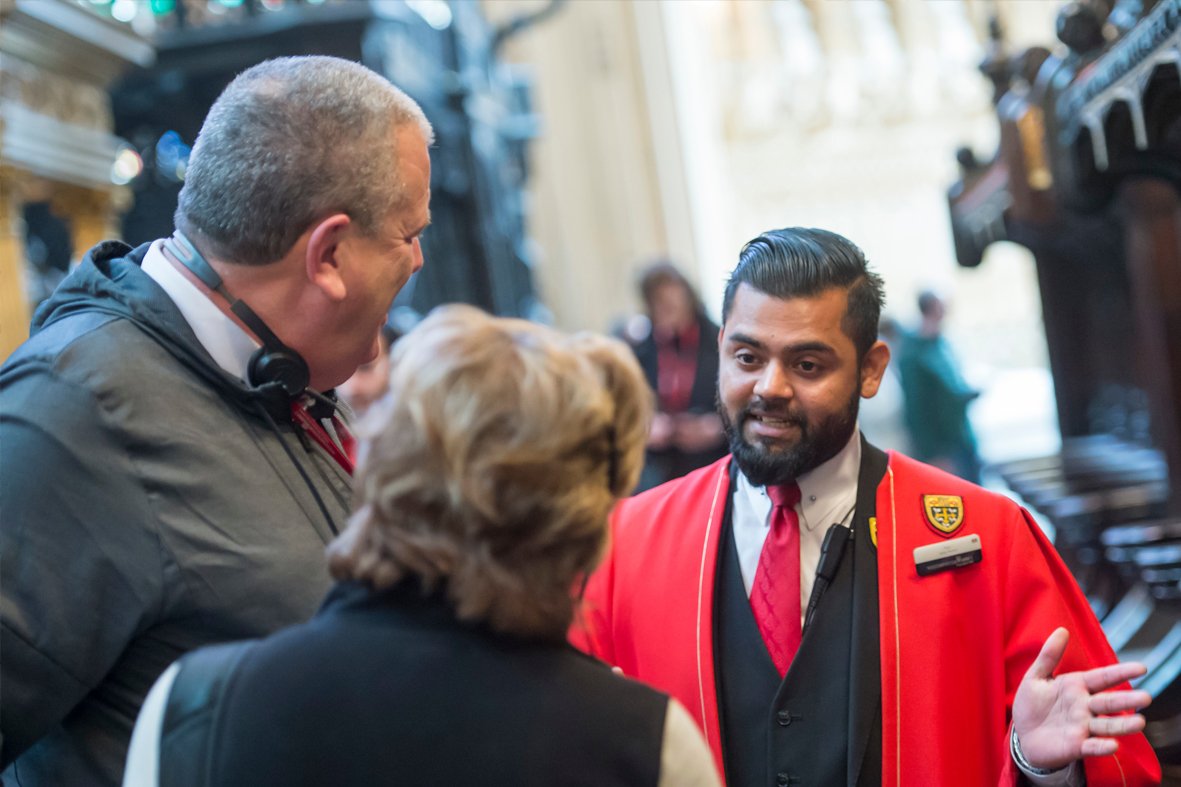
A good guide adds connections between the objects: political rivalries, changes in religious practice, ceremonial traditions, and the reasons particular people were buried here.
Check the tour description carefully. Some Westminster walking tours provide exterior commentary followed by independent Abbey entry; others include a fully guided interior visit. These offer substantially different experiences.
Crowds, Booking, and Timing
Reserve ahead, particularly during holidays and the busiest travel months. Advance booking reduces uncertainty, although security and entry procedures still take time.
An early weekday visit generally offers the best chance of a calmer interior. Avoid placing the Abbey between tightly scheduled activities: its chapels and monuments reward an unhurried route.
Large events, services, and conservation work can alter access. Build your itinerary around the available visiting window rather than assuming the church follows conventional museum hours.
Photography and Visiting Etiquette

Personal photography is permitted in much of the Abbey, but flash, video, tripods, and selfie sticks are prohibited. Photography is also prohibited during services and in designated spaces, including the Queen’s Diamond Jubilee Galleries and the Shrine of St Edward the Confessor. Westminster Abbey
Follow signs rather than assuming the same rules apply everywhere. Keep conversations quiet and avoid blocking narrow passages for photographs.
Comfortable shoes and respectful clothing suit both the building and the time spent standing.
Accessibility and Families

Wheelchair access and assistance are available, including a lift to the Galleries. Historic floors and compact chapels nevertheless require some care when moving through the building. Westminster Abbey
For families, a selective route is more effective than attempting every monument. The Coronation Chair, impressive ceilings, and recognisable historical figures provide useful starting points.
Young children may find a long sequence of inscriptions tiring. Introduce a few stories before arriving and allow breaks rather than expecting continuous attention.
How Long Do You Need?
Plan around two hours for the principal highlights and three for a fuller visit with the Galleries and cloisters.
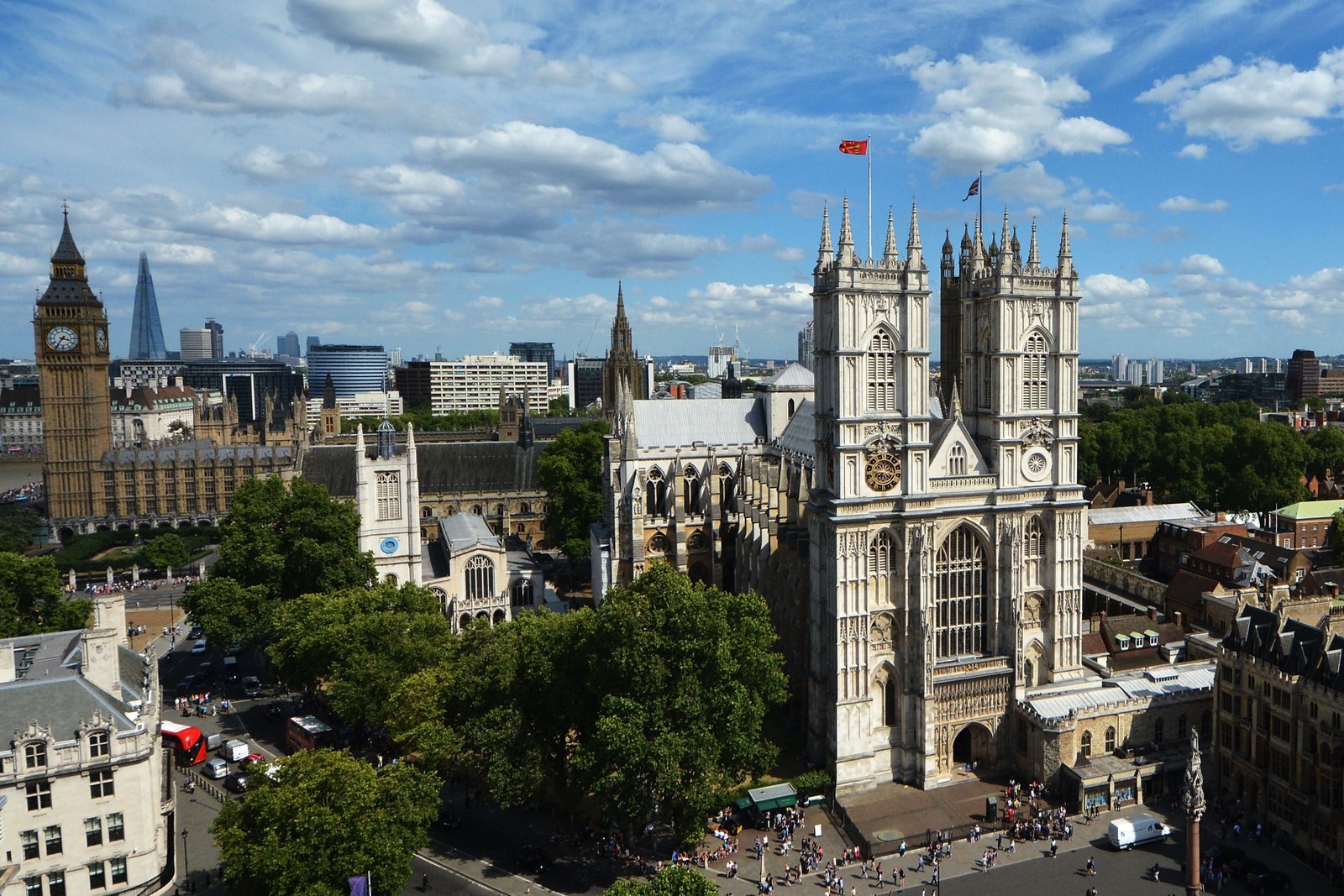
The Abbey pairs naturally with Parliament Square, the Houses of Parliament, St James’s Park, or a walk beside the Thames.
Our guide to luxury things to do in London offers further ideas for combining this historic visit with private tours, afternoon tea, and more leisurely experiences across the capital.
Is Westminster Abbey Worth Visiting?
Yes, especially for visitors interested in British history, architecture, or royal ceremony. The interior provides considerably more depth than its familiar exterior suggests.
Admission represents a meaningful expense, and crowded passages can weaken the atmosphere. Visitors with little interest in monuments or historical interpretation may prefer a shorter exterior stop.
For those willing to slow down and follow the stories, however, the Abbey offers an unusually concentrated encounter with Britain’s past.
LxryNow Review Scorecard
Category ratings are out of 10.
| Category | Score | Assessment |
|---|---|---|
| Historical Significance | 10 | Centuries of royal, religious, and national history |
| Architecture | 10 | Outstanding Gothic spaces and craftsmanship |
| Royal Heritage | 10 | Coronation traditions and remarkable tombs |
| Monuments and Memorials | 9 | Exceptional range across literature and science |
| Interpretation | 9 | Stronger still with a knowledgeable guide |
| Atmosphere | 8 | Moving surroundings, sometimes interrupted by crowds |
| Crowd Management | 7 | Narrow spaces create bottlenecks |
| Accessibility | 8 | Good support within a complex historic building |
| Value | 8 | Substantial depth for an attentive visit |
| Overall Score | 8.9/10 | An essential London landmark with exceptional historical depth |
Which Experience Should You Choose?
Choose general admission with the multimedia guide for flexibility and a measured pace. Add the Galleries if you want greater historical context and an elevated interior view.
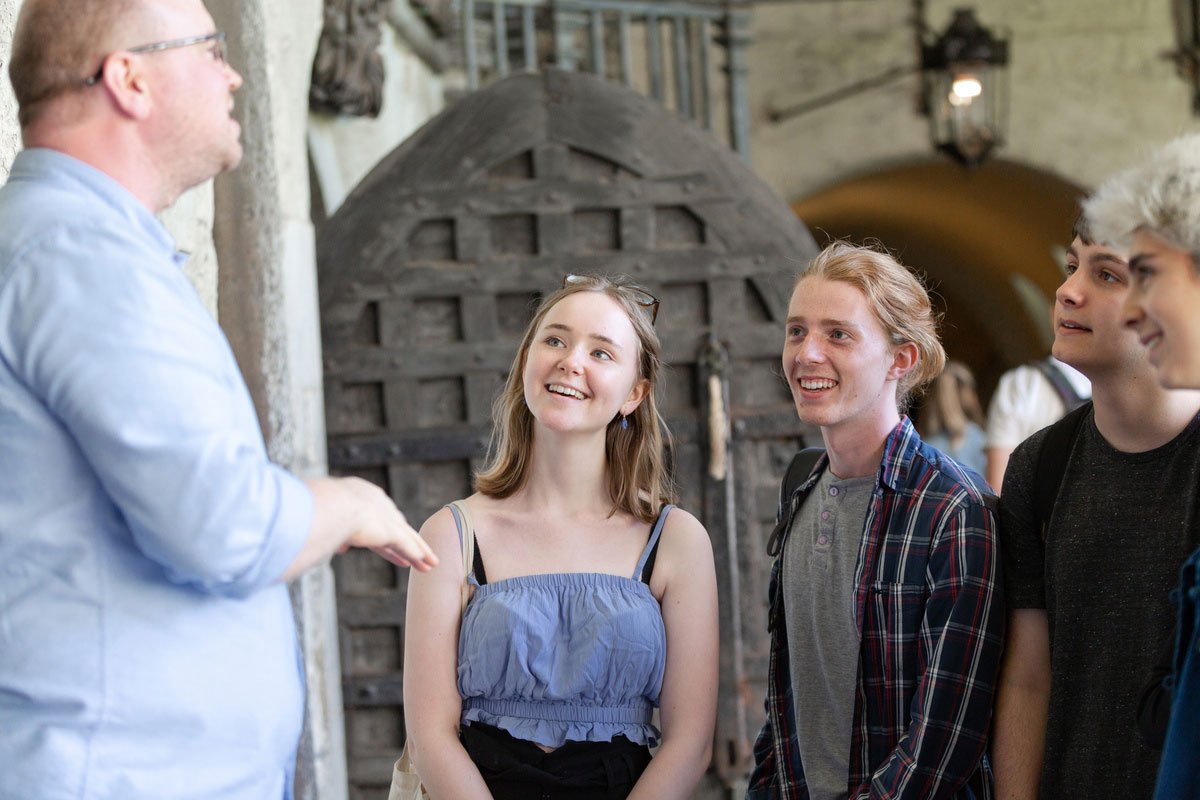
A small-group interior tour suits first-time visitors who want a clear narrative. A private tour is preferable for specific interests, more questions, or a personalised pace.
Combined Abbey and Parliament itineraries provide a broader picture of British public life, but involve more walking and a longer commitment.
Book the Experience
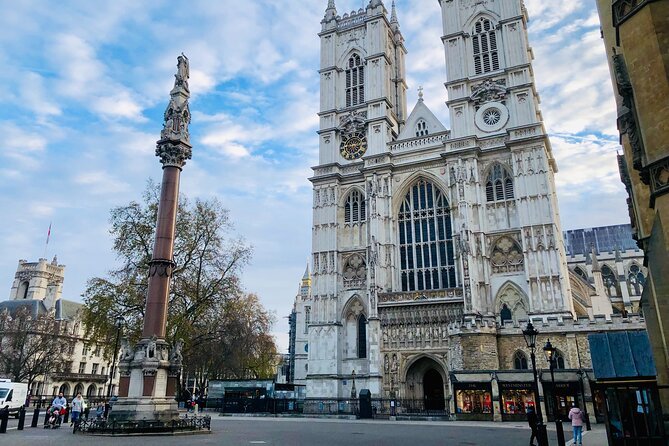
Westminster Abbey Guided Private Tour
A private interior visit with admission included and time for historical discussion.

Westminster Abbey Guided Tour
Compare the available tour formats and inclusions for your preferred pace.
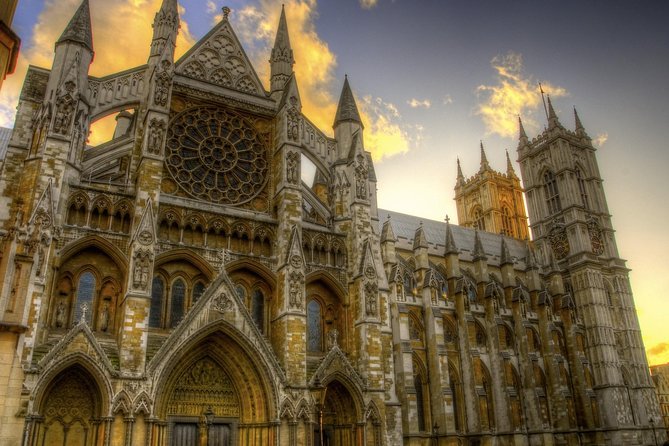
Westminster Walking Tour With Abbey Entry
Combine neighbourhood commentary with Abbey admission; confirm whether the interior visit is guided.

Houses of Parliament and Westminster Abbey Tour
Explore two major institutions on a broader historical itinerary.
Check interior guiding, admission, Galleries access, meeting location, and walking requirements before booking.
Pros and Cons
| Pros | Cons |
|---|---|
| Exceptional historical significance | Admission is a substantial expense |
| Magnificent Gothic architecture | Popular passages become crowded |
| Royal tombs and Coronation Chair | Services affect sightseeing access |
| Literary and scientific memorials | Dense information can feel overwhelming |
| Valuable multimedia interpretation | Galleries require an additional ticket |
| Central Westminster location | Photography restrictions vary by area |
Final Verdict
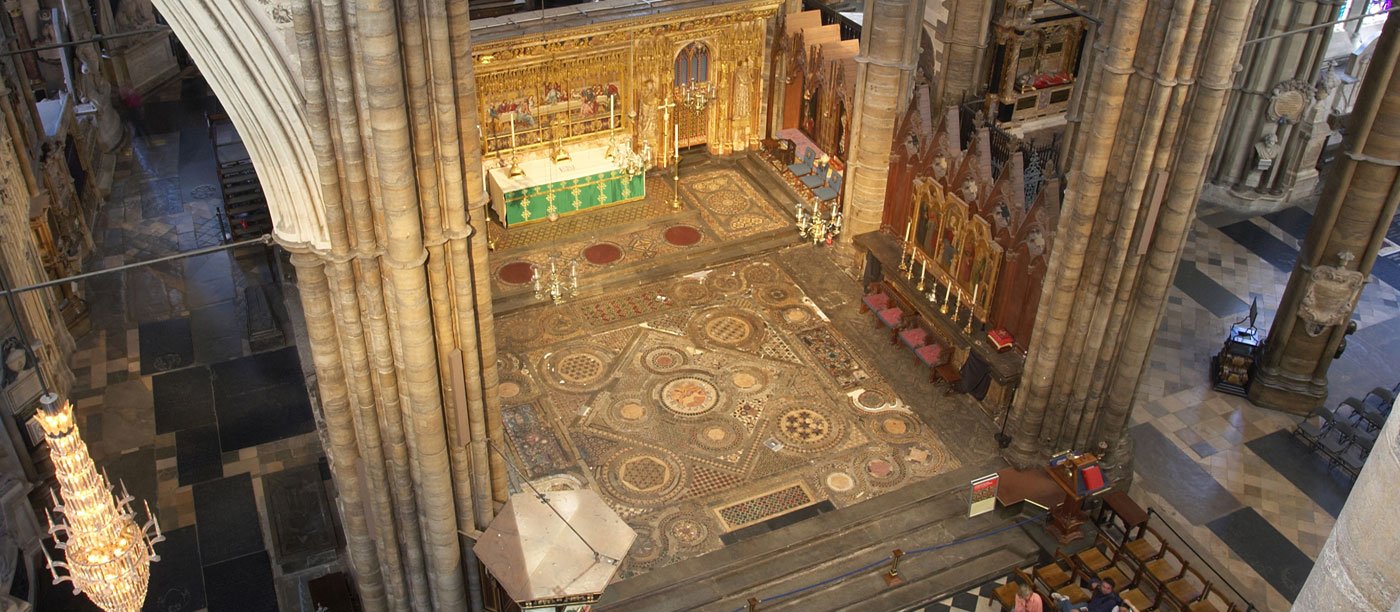
LxryNow Verdict: Westminster Abbey is one of London’s most rewarding historical visits, combining extraordinary architecture with the people, ceremonies, and beliefs that shaped Britain.
Its richness requires attention. A thoughtful route and good interpretation reveal far more than a hurried circuit of famous names.
Reserve ahead, leave time for the Lady Chapel and quieter details, and consider the Galleries. The Abbey’s lasting impression comes from discovering how much history occupies a single living church.
