
TL;DR
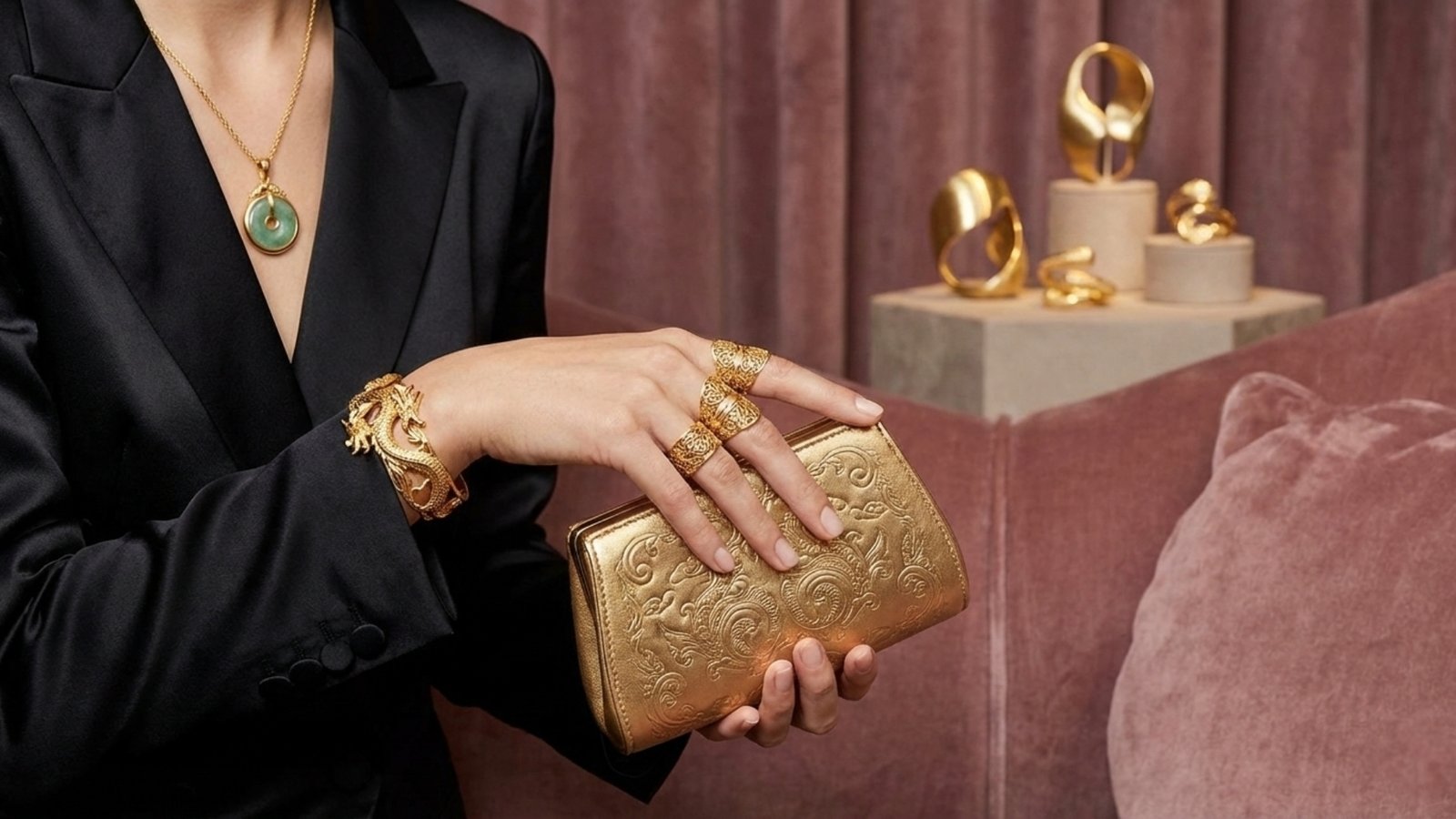
Kering is increasing its focus on Chinese gold jewellery, betting on a culturally significant luxury category with long-term resilience. According to Business of Fashion, the move reflects a broader industry shift toward localized growth strategies that prioritize heritage, symbolism, and sustained demand over trend-driven expansion.
At a Glance
- Kering is deepening its investment in Chinese gold jewellery, according to Business of Fashion’s Worldview analysis.
- The move reflects a strategic bet on culturally rooted luxury categories with enduring local demand.
- Gold jewellery holds unique emotional, cultural, and financial significance in China, unlike in Western markets.
- Kering’s approach highlights a shift away from purely Western luxury codes toward localized growth strategies.
- The decision signals confidence in China’s long-term luxury potential despite short-term market volatility.
Why Gold Jewellery Matters in China
According to Business of Fashion, gold jewellery occupies a distinct position in the Chinese luxury ecosystem.
Key factors include:
- cultural associations with prosperity and longevity
- importance in weddings and family milestones
- perception of gold as both adornment and store of value
- resilience during economic uncertainty
Unlike Western fine jewellery markets, where diamonds often dominate, gold retains everyday relevance and emotional weight in China.
Kering’s Strategic Shift
Kering’s bet on gold jewellery reflects broader strategic recalibration within the group.
The move suggests:
- diversification beyond fashion-led luxury
- increased focus on categories with stable demand
- alignment with local consumer values rather than global trends
- reduced dependence on cyclical fashion spending
Jewellery, particularly gold, offers longer product lifecycles and less exposure to trend volatility.
China’s Role in the Next Luxury Cycle
While China’s luxury market has faced headwinds, its structural importance remains intact.
Business of Fashion notes that luxury groups are adjusting expectations—not retreating. Rather than relying solely on Western-style luxury consumption, brands are recalibrating toward categories that reflect local habits and priorities.
Gold jewellery represents:
- continuity rather than novelty
- cultural familiarity over experimentation
- intergenerational appeal
These qualities make it a compelling long-term play.
What This Means for the Global Luxury Industry
Kering’s strategy reflects a broader lesson for luxury brands:
- growth will be uneven across regions
- cultural fluency matters more than scale
- localized categories may outperform global icons
- emotional and symbolic value can outweigh trend appeal
As luxury matures, relevance is increasingly defined by understanding, not expansion.
What to Watch Next
As Kering deepens its focus on Chinese gold jewellery, key developments to monitor include:
- brand positioning within local jewellery traditions
- balance between heritage and modern design
- competition with domestic jewellery leaders
- consumer response across different demographics
The success of this strategy may influence how other luxury groups approach regional specialization.
Editorial Perspective
As global luxury navigates slower growth and rising uncertainty, heritage and cultural specificity are becoming powerful strategic assets. Kering’s increased focus on Chinese gold jewellery reflects this reality.
Rather than chasing trend-driven categories, the group is leaning into a form of luxury deeply embedded in Chinese tradition—one that blends adornment, symbolism, and long-term value. Gold jewellery in China is not just fashion; it is cultural currency.
This move suggests that the next phase of luxury growth may come not from global uniformity, but from local resonance.
