
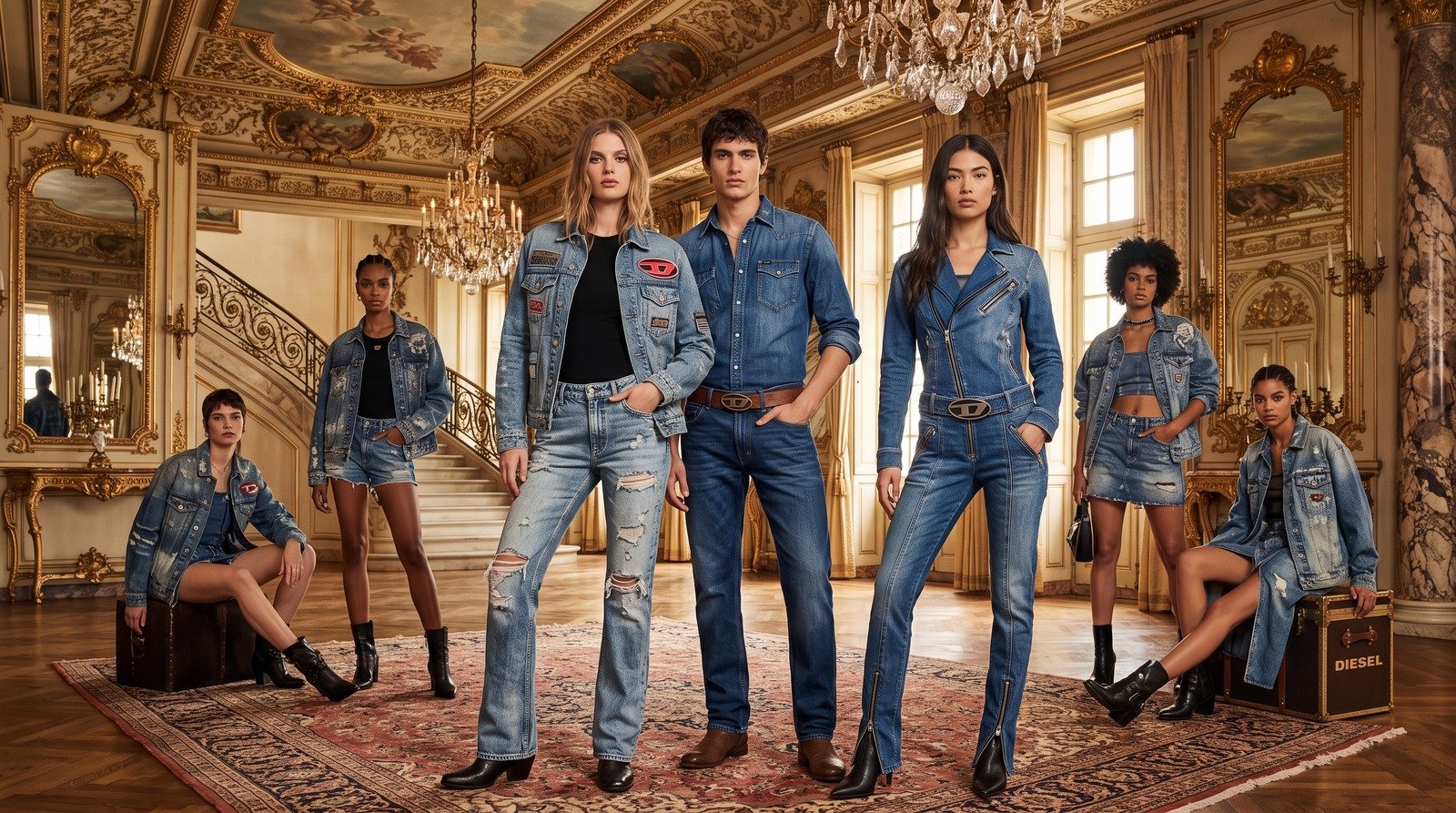
A good pair of jeans needs to do more than survive changing trends. It should fit convincingly, become easier to style with wear and bring enough personality to justify its place in your wardrobe.
Diesel jeans approach that challenge differently from conventional premium denim. The brand is not primarily interested in creating anonymous dark-blue basics. Its strongest jeans use exaggerated proportions, complex washes, strategic distressing and visible attitude to make denim the centre of an outfit.
Founded in 1978 by Renzo Rosso, Diesel built its reputation by treating jeans as a fashion product rather than a simple workwear staple. That philosophy remains visible today under creative director Glenn Martens, whose collections have pushed denim into oversized, distressed and technically experimental territory.
Diesel jeans can be worth buying when the cut and wash complement your wardrobe. They are less convincing if you only need an understated pair of everyday jeans and do not value the brand’s design language.
TL;DR
- Diesel has specialised in premium denim since the brand was founded in 1978.
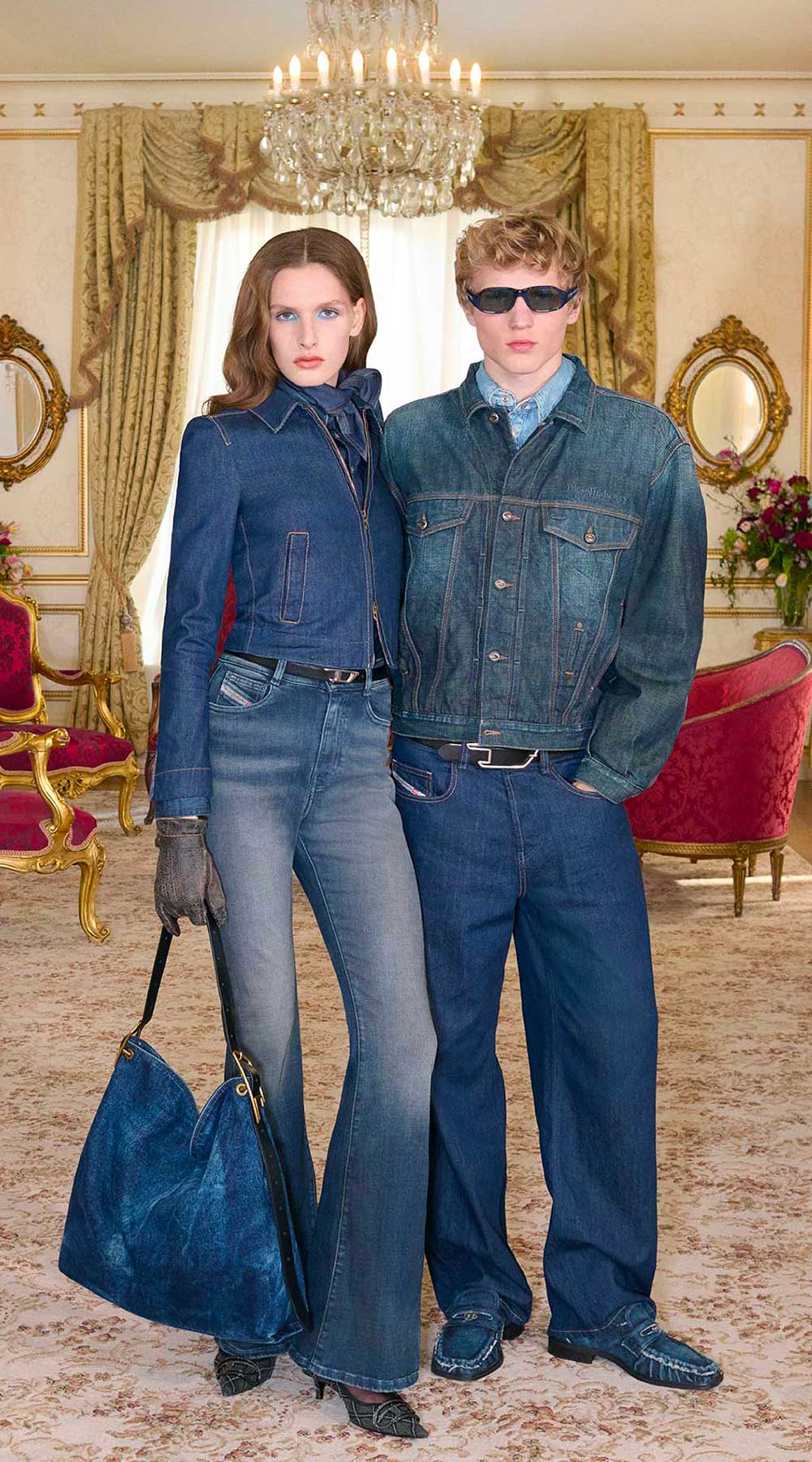
- Its strongest advantage is the breadth of fits, from slim and regular to bootcut, flare and dramatically oversized.
- Washes, fading and distressing give many pairs more character than conventional jeans.
- The brand offers rigid, comfort-stretch and fluid denim depending on the style.
- Current collections combine archival references with contemporary runway proportions.
- Some jeans use organic, regenerative or recycled cotton, but materials vary by product.
- Prices are higher than mainstream denim and elaborate treatments may require more careful wear.
- Diesel jeans are most worthwhile when you want denim with a visible fashion identity.
- Fit should be evaluated carefully because low rises, extended hems and oversized cuts can change how the listed size feels.
Denim Heritage Gives the Brand Credibility
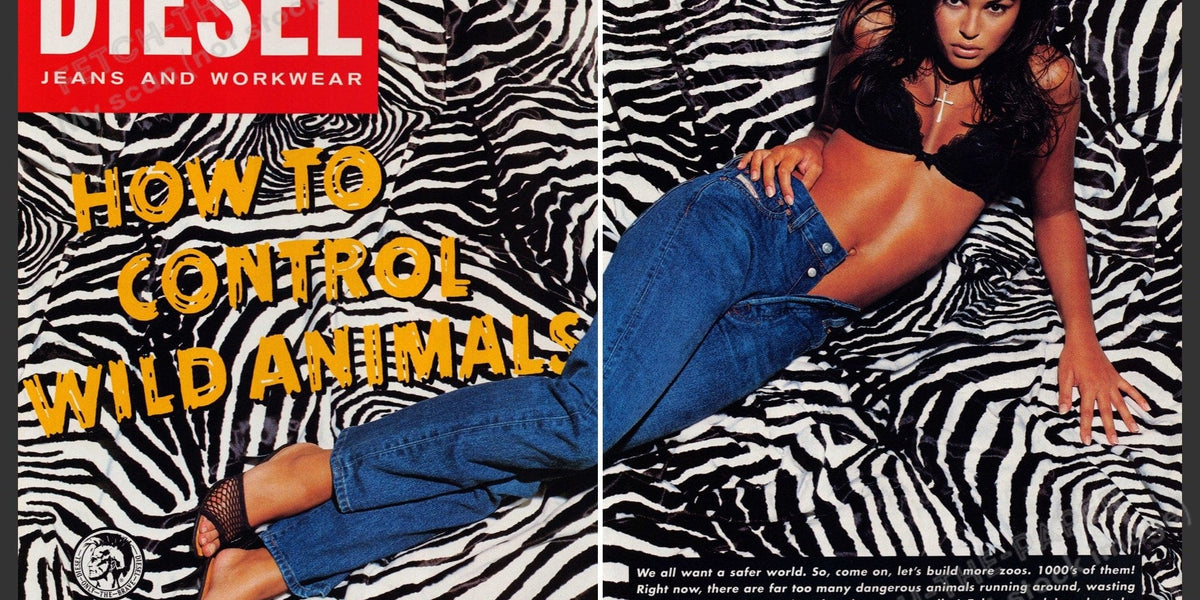
Diesel was founded by Renzo Rosso in 1978 and developed around the idea that denim could be alternative, international and fashion-conscious. The company now describes itself as rooted in denim expertise while offering an alternative to the established luxury market. (Diesel About Us)
That distinction matters. Diesel has spent decades working with denim rather than adding jeans as a secondary category to a larger fashion collection.
During the 1980s and 1990s, the brand became associated with stonewashing, aged finishes and provocative advertising. Its jeans looked intentionally worn before pristine denim became familiar with that treatment. Whiskering, abrasions, fading and irregular colour were presented as design decisions rather than imperfections.
This history gives current Diesel jeans a sense of continuity. A distressed D-Rise or D-Sire is not simply responding to the revival of Y2K dressing. It belongs to a brand that has long treated worn surfaces, low rises and rebellious styling as part of its identity.
The heritage is therefore not about preserving one classic fit. It is about continually changing what premium denim can look like.
The Washes Make Basic Denim Feel More Individual
Fit may determine whether jeans are wearable, but wash determines much of their personality.
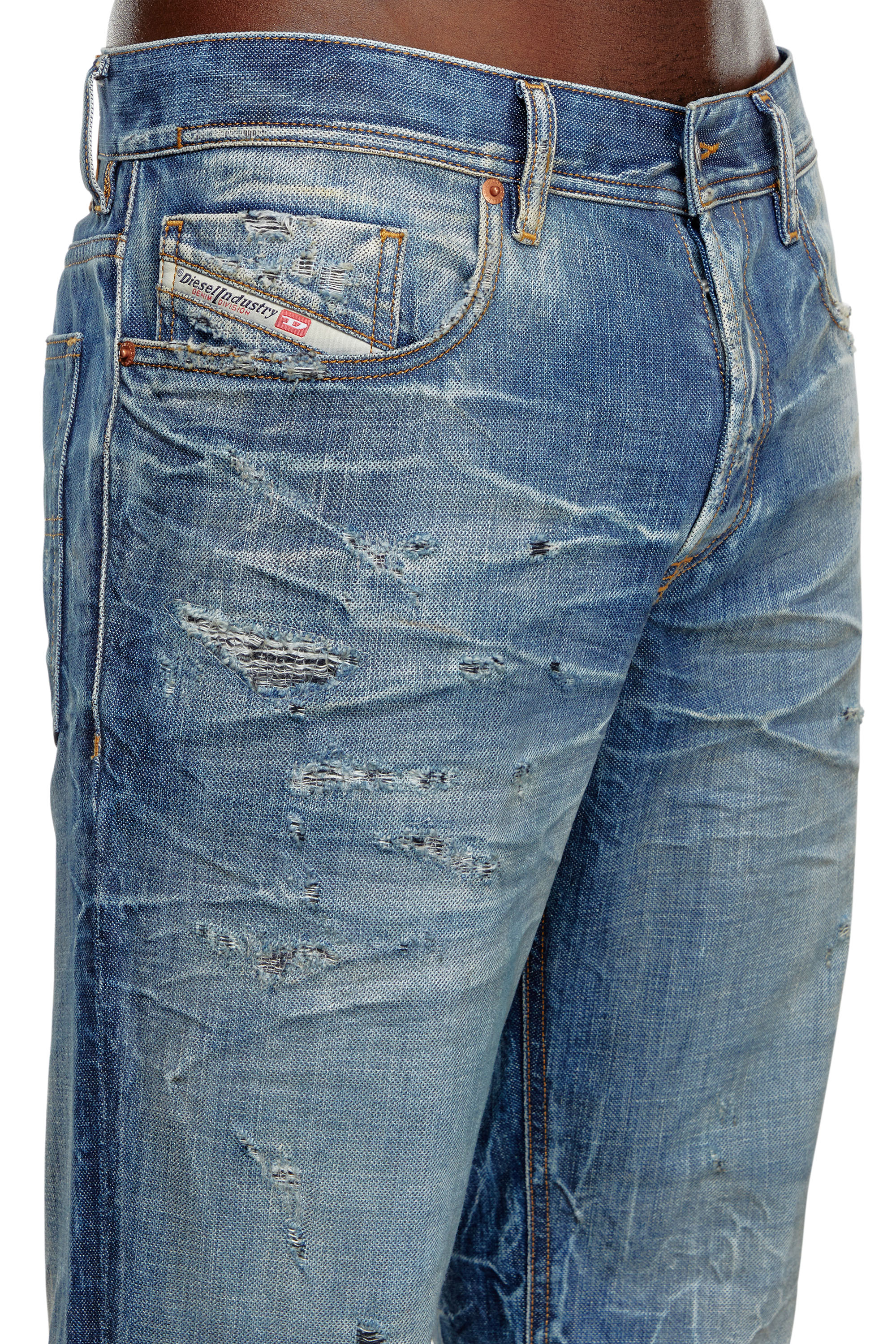
Diesel offers clean indigo and black denim, yet its most distinctive pieces use multiple visual treatments. These can include whiskering across the hips, faded thighs, earth-pigment effects, frayed edges, repaired tears and colour that appears sun-bleached or dirt-marked.
The result can look more nuanced than ordinary factory fading. Good treatments create depth around areas where denim would naturally soften through wear. More experimental versions deliberately move beyond realism, using coated surfaces, dévoré effects or dramatic patches.
| Diesel Finish | Visual Effect | Best For |
|---|---|---|
| Clean dark wash | Sharp, minimal and versatile | Smart-casual outfits and frequent wear |
| Vintage medium blue | Familiar fading with lived-in character | Everyday denim wardrobes |
| Light stonewash | Relaxed, retro appearance | Spring styling and casual layering |
| Black-grey wash | Grunge-influenced and urban | Monochrome outfits and boots |
| Destroyed denim | Rips, abrasions and repaired details | Statement dressing |
| Runway treatment | Coating, printing or unusual surface work | Collectors and fashion-led wardrobes |
This design work is one reason Diesel jeans cost more than anonymous denim. However, it is also where buyers should be selective. Highly distressed finishes can be less durable, and an aggressive seasonal treatment may become harder to style than a versatile medium-blue wash.
The Fit Range Covers More Than One Denim Trend

Diesel does not depend on one signature cut. Its denim guides include skinny, slim, regular, bootcut, flare and relaxed options, allowing shoppers to move between classic and highly directional silhouettes.
The current women’s range positions the 1996 D-Sire as its widest, lowest and loosest fit. Its low crotch and extra-long leg create the draped, oversized shape associated with contemporary streetwear. The 1978 D-Akemi offers an opposing proportion: fitted around the upper leg before widening into a dramatic flare.
For men, the 2019 D-Strukt provides a cleaner slim fit, while the 1985 Larkee offers a straightforward regular leg. The 2007 Zatiny brings back a lean bootcut, and the D-Rise creates a relaxed, low-slung silhouette.
| Fit | Silhouette | Best Choice For |
|---|---|---|
| 1996 D-Sire | Low-rise, extra-long and very wide | Oversized Y2K and streetwear styling |
| 1978 D-Akemi | Regular waist with a long flared leg | Retro proportions and heeled footwear |
| 1971 D-Sent | High waist with a straighter leg | A more polished women’s fit |
| D-Rise | Low waist with a loose straight leg | Relaxed contemporary menswear |
| 2007 Zatiny | Slim upper leg with bootcut hem | Lean proportions with subtle flare |
| 2019 D-Strukt | Regular waist with slim leg | Minimal everyday styling |
| 1985 Larkee | Relaxed waist and straight leg | Classic comfort and versatility |
The range makes Diesel valuable for shoppers who struggle to find expressive cuts elsewhere. It also makes trying the jeans on particularly important. An oversized or low-crotch fit should not be judged using the expectations of a conventional straight jean.
Fabric Choice Changes the Comfort and Structure

Not all Diesel jeans feel the same.
Some oversized styles use non-stretch cotton denim to preserve volume and create an authentic, structured drape. Other pairs combine cotton with lyocell for greater fluidity or introduce a small percentage of elastane for movement.
Rigid denim usually feels firmer when new but can develop more personal creasing over time. Stretch denim is immediately comfortable and better suited to slim or bootcut fits, although excessive stretch may feel less substantial to buyers who prefer traditional jeans.
Consider the fabric alongside the silhouette:
- Non-stretch cotton: Best for authentic structure and oversized shapes.
- Comfort denim: Offers limited flexibility without feeling like leggings.
- Stretch denim: Useful for skinny, slim and fitted bootcut styles.
- Cotton and lyocell blends: Create a softer, more fluid fall.
- Cotton and hemp blends: Can feel dry and substantial with visible texture.
- Coated or experimental denim: Strong visual impact but usually requires more careful maintenance.
The composition should be checked on each product page. Diesel uses different fabrics and treatments even within the same named fit, so two versions of the D-Sire can look and feel noticeably different.
Glenn Martens Restored Diesel’s Fashion Authority
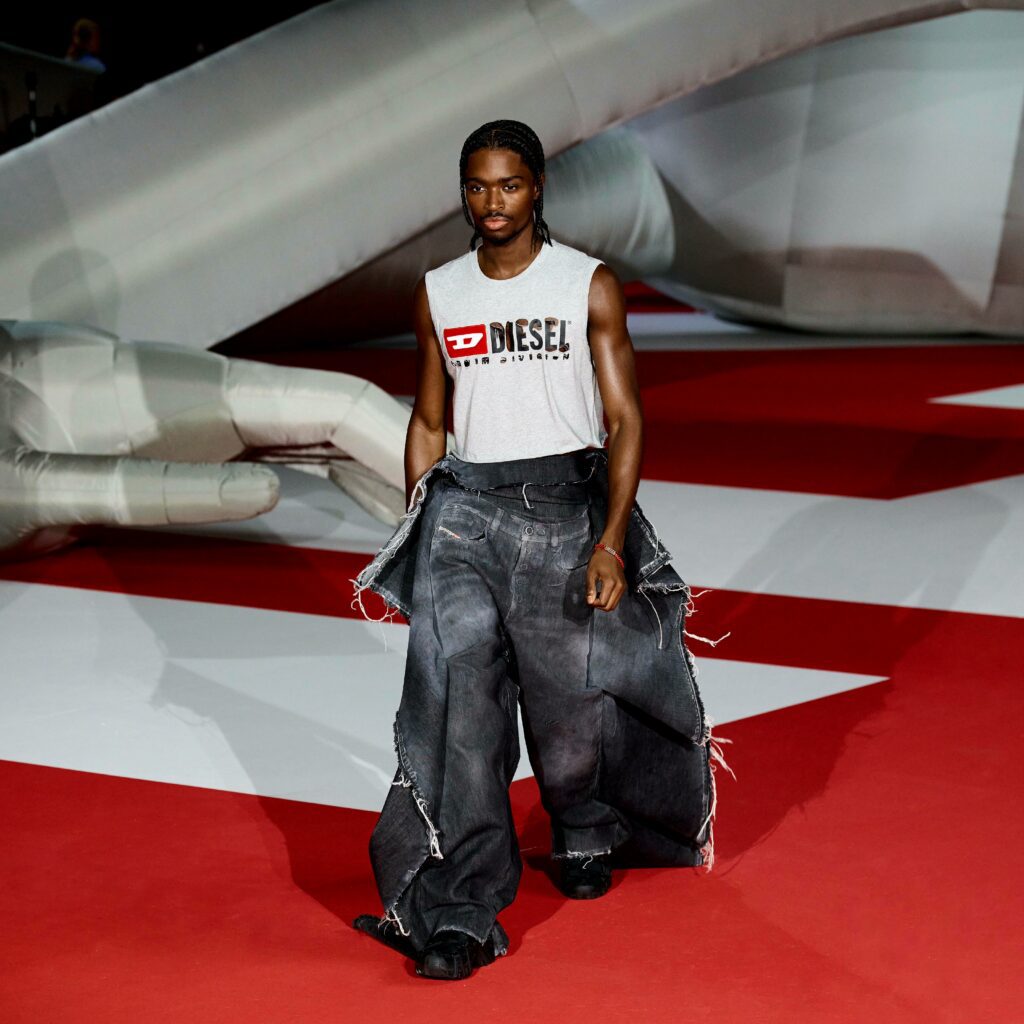
Glenn Martens became Diesel’s creative director in 2020, bringing new fashion relevance to the brand without erasing its denim foundations.
His collections have explored oversized jeans, low-rise shapes, denim devoré, distressed surfaces and garments that appear peeled, shredded or transformed. Some runway pieces are deliberately extreme, but they influence the proportions and finishes offered in the commercial range.
This is important because Diesel jeans now operate on two levels.
A clean D-Strukt or Larkee can function as a dependable wardrobe basic. A D-Sire with an exaggerated hem or a runway-treated D-Macs can act as a directional fashion piece. Both still carry recognisable Diesel codes, but they address different customers.
The brand’s current relevance is therefore not based solely on nostalgia. Archival fits and Y2K references are being reinterpreted within a contemporary design system.
Responsible Materials Improve the Proposition
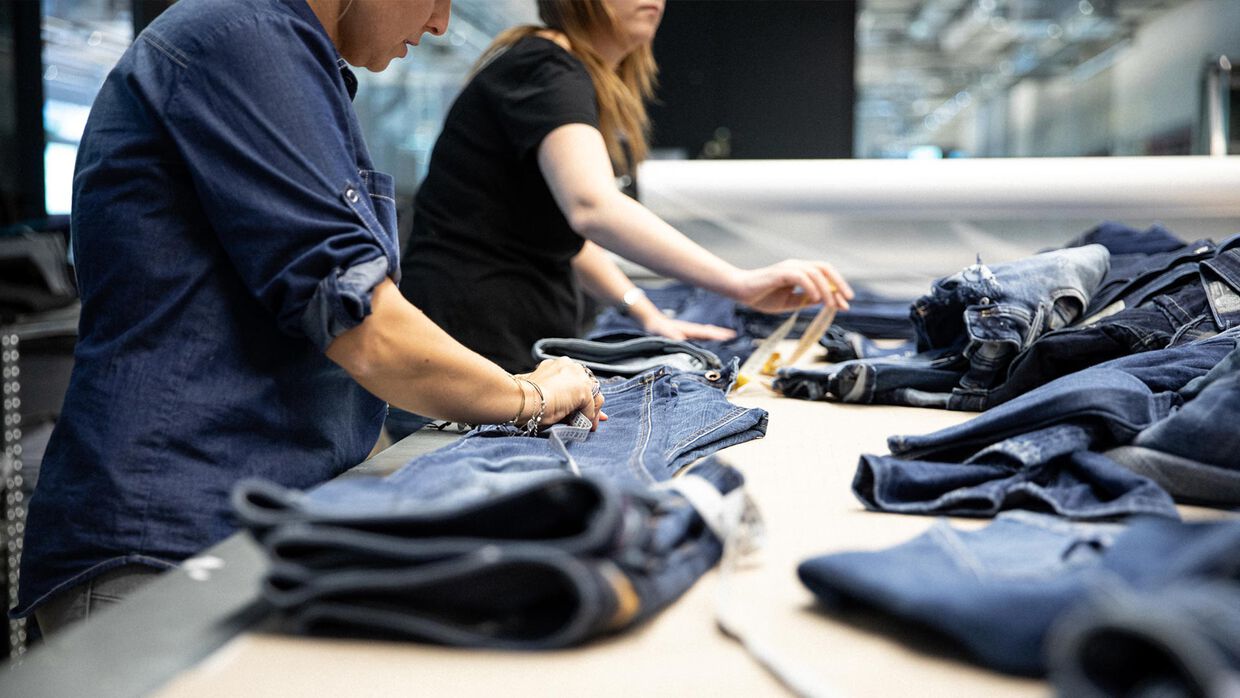
Diesel has expanded its use of organic, regenerative and recycled cotton, along with alternative treatment methods intended to reduce the impact of denim production.
Its Diesel Library concept focuses on evergreen pieces made using more responsible methods, while the Behind the Denim documentary series explores materials, dyeing, durability and textile-waste recycling. (Diesel Library, Behind the Denim)
Current product descriptions demonstrate how this appears in practice. Some D-Sire jeans use organic or regenerative cotton, selected D-Akemi washes use regenerative cotton, and certain D-Strukt styles incorporate recycled fibres.
This strengthens the value proposition, but it should not be interpreted as proof that every Diesel jean has the same environmental profile. Materials, fibre blends and wash processes vary by style. The product-specific composition remains more useful than a general sustainability claim.
Durability also matters. A well-chosen pair that remains in regular rotation for years may offer better practical value than highly distressed jeans worn only for one season.
How to Choose the Right Diesel Jeans

Begin with silhouette rather than wash. A spectacular treatment cannot rescue jeans that feel uncomfortable or conflict with the rest of your wardrobe.
Choose by lifestyle
- Pick the 1985 Larkee or 1971 D-Sent for an adaptable everyday shape.
- Choose the 2019 D-Strukt if you prefer a neat, slim leg.
- Consider the 2007 Zatiny or 1978 D-Akemi for a longer bootcut or flare.
- Choose the D-Rise for comfortable, relaxed menswear.
- Buy the 1996 D-Sire when you actively want an oversized fashion statement.
Check the rise
Diesel’s low-rise jeans can sit considerably lower than standard contemporary fits. Review the rise measurement and consider how the waistband works when sitting, walking and bending.
Check the length
D-Sire, flare and bootcut styles often depend on extended hems. Try them with the shoes you intend to wear and budget for professional alterations if necessary. Shortening a heavily treated hem may remove an important design detail.
Check the fabric
Size may feel different between rigid and stretch versions of the same fit. Rigid denim needs enough room through the seat and thigh, while comfort denim may relax after repeated wear.
Are Diesel Jeans Good Value for Money?
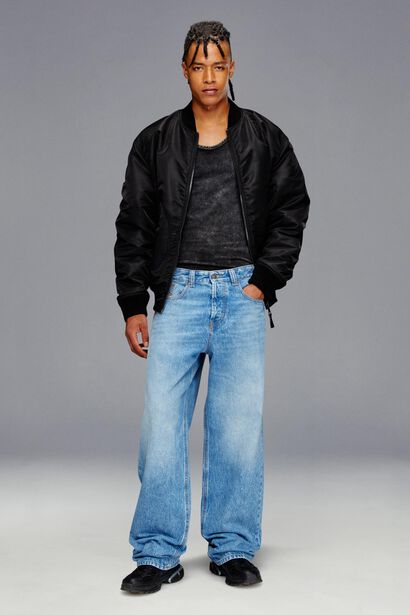
Most core Diesel jeans currently sit around the premium-denim price range, while elaborate runway treatments can cost considerably more. Seasonal sales may make selected washes much more accessible, although final-sale conditions reduce the opportunity to experiment with fit.
The jeans offer the strongest value when three things align:
- The silhouette works with several outfits you already own.
- The wash is distinctive enough to justify choosing Diesel.
- The fabric and rise remain comfortable enough for regular wear.
A $250 pair worn weekly provides better cost per wear than a $500 runway design carried by a short-lived trend. Conversely, paying a premium for a clean pair of Diesel jeans may feel unnecessary if a simpler brand offers an equally good fit.
Diesel is worth considering for design, finish and choice—not automatically for the logo.
Shop the Edit
Prices and availability checked in August 2026 and may vary by market.

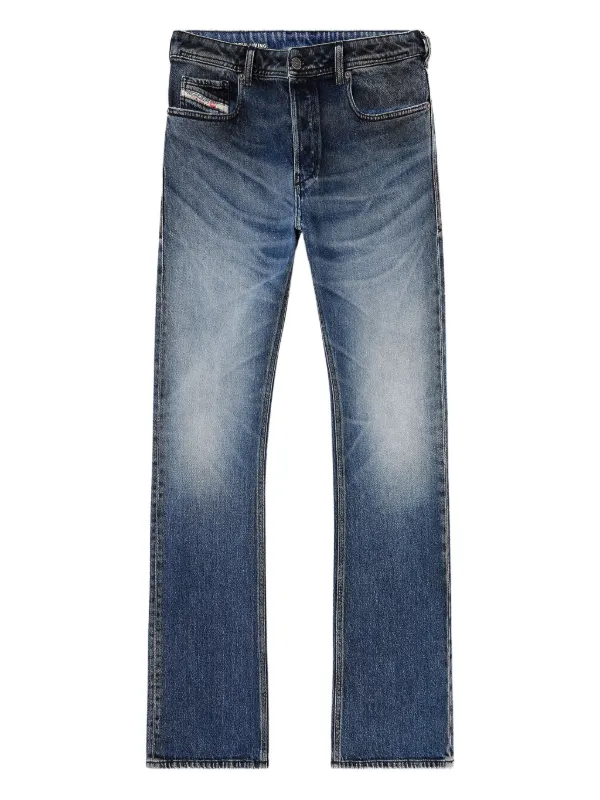
1996 D-Sire Relaxed Jeans
The most recognisable contemporary Diesel silhouette, with a low waist and extra-wide leg

1978 D-Akemi Flare Jeans
A leg-lengthening women’s flare with a defined waist and heritage wash

Pros and Cons
| Pros | Cons |
|---|---|
| Decades of specialist denim experience | More expensive than mainstream everyday jeans |
| Broad selection of rises, cuts and leg shapes | Fit can vary noticeably across fabrics and washes |
| Distinctive fading, distressing and surface treatments | Highly distressed styles may require careful wear |
| Strong balance of archival and contemporary design | Low rises and extended hems are not universally practical |
| Options in rigid, comfort and stretch denim | Some runway treatments have limited versatility |
| Increasing use of preferred and recycled fibres | Material improvements are not identical across every product |
| Clean styles and bold statement jeans available | Final-sale discounts make sizing mistakes riskier |
Final Verdict
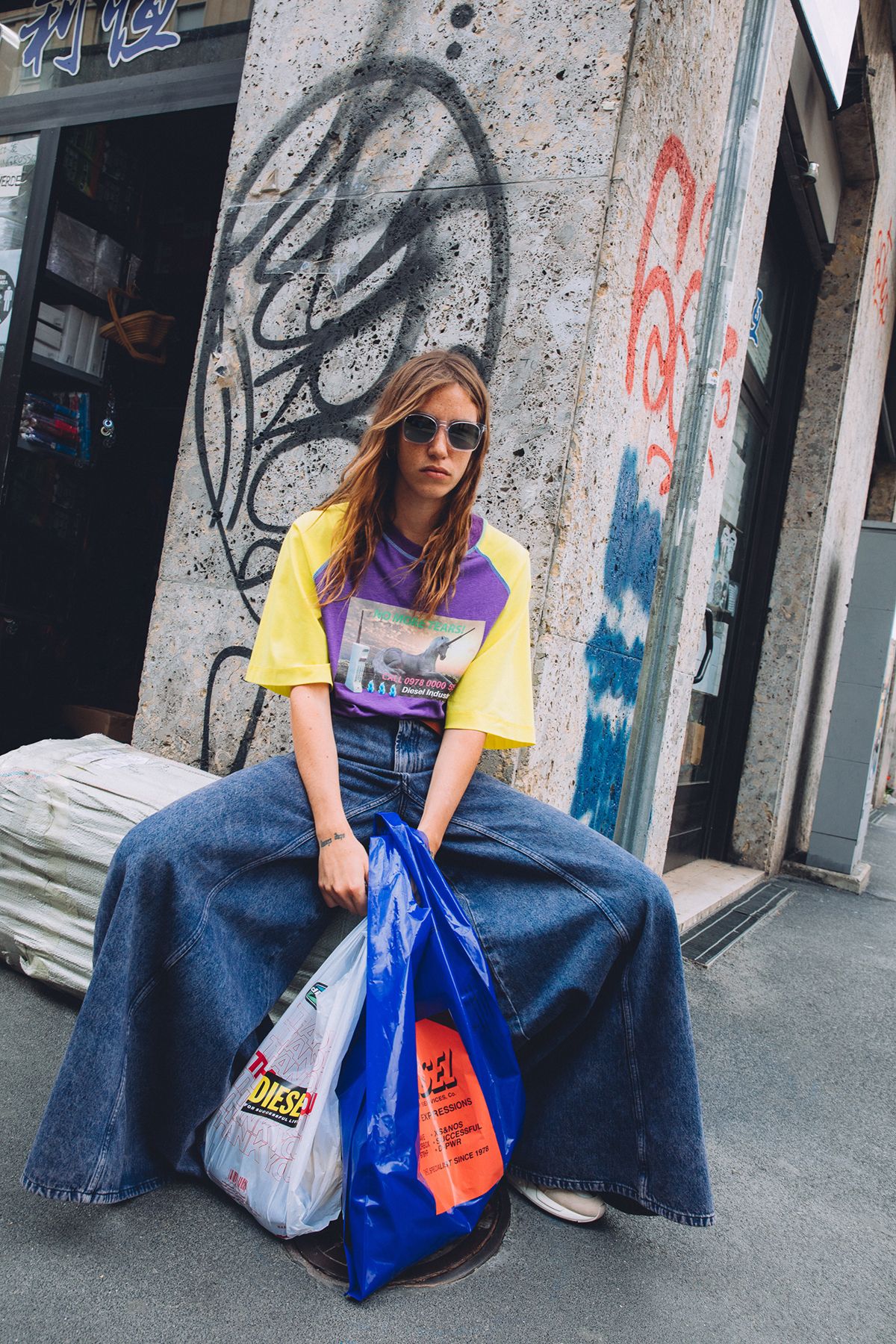
Diesel jeans are worth buying when you want denim to contribute more than background texture to an outfit.
The brand’s strongest advantages are its breadth of fits, its expertise in washing and distressing, and its willingness to treat jeans as a genuine fashion category. From the restrained D-Strukt and Larkee to the oversized D-Sire and flared D-Akemi, the range accommodates both everyday wardrobes and more expressive styling.
Not every pair represents equally strong value. The most expensive or heavily distressed option is not automatically the best. A clean or moderately treated wash in a silhouette you can wear regularly will usually provide the smartest first purchase.
Choose Diesel for the cut, fabric and finish—not simply the name on the back patch. When those elements suit your body and wardrobe, the premium can feel justified because the jeans deliver something difficult to reproduce with a generic alternative: recognisable denim with real attitude.
