
TL;DR
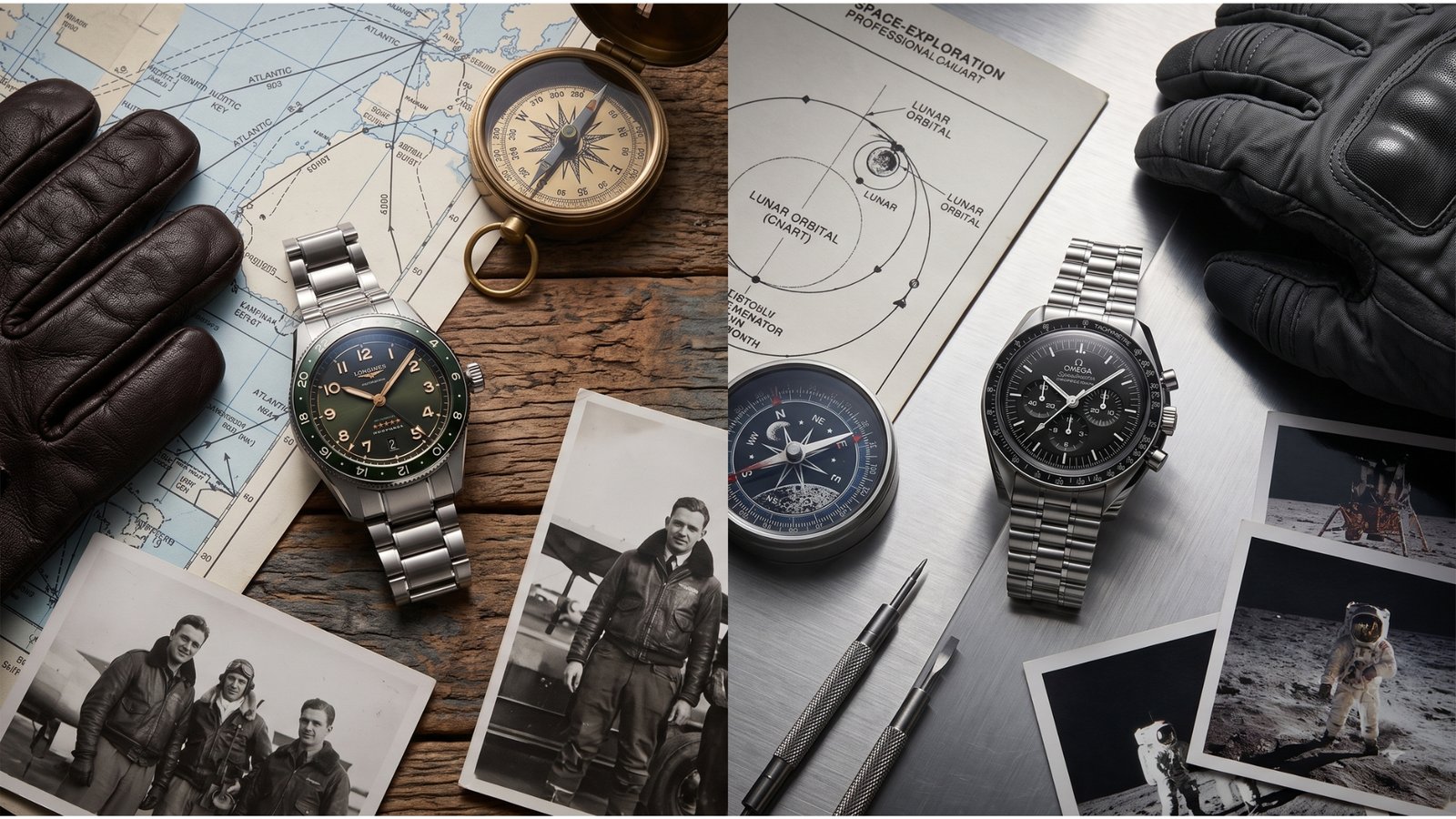
Longines vs Omega are two historic Swiss watchmakers with extensive sporting, exploration, and precision-timing credentials, but they occupy different positions in today’s luxury watch market.
- Choose Longines if you want strong Swiss watchmaking heritage, elegant design, mechanical movements, and excellent value at a more accessible luxury price.
- Choose Omega if you prioritize advanced movement technology, Master Chronometer certification, iconic models, stronger global recognition, and exceptional space and diving heritage.
Simply put:
- Longines offers exceptional heritage and value.
- Omega offers greater technical sophistication and icon status.
Longines traces its roots to Saint-Imier in 1832, while Omega was founded in 1848 and has built one of Swiss watchmaking’s most recognizable collections around watches including the Speedmaster, Seamaster, Constellation, and De Ville.
Table of Contents
Introduction
Few Swiss watch comparisons demonstrate the difference between value and technical prestige better than Longines vs Omega.
Both brands have histories stretching deep into the 19th century. Both have significant connections with sport, exploration, precision timing, and mechanical watchmaking. And both today belong to the Swatch Group.
Yet they occupy noticeably different positions.
Longines was established in Saint-Imier in 1832 and developed an extraordinary history around chronographs, aviation, navigation, equestrian sport, and precision timing. Its historical achievements include early dual-time watches, flyback chronographs, high-frequency movements, and professional watches developed for military and exploration use.
Today, collections such as the Spirit Zulu Time, Conquest, HydroConquest, and Master Collection translate that heritage into watches that frequently deliver impressive specifications without moving into the highest luxury price brackets.
Omega, founded in 1848, has built an even stronger mainstream identity around technical achievement.
The Speedmaster became the first watch worn on the Moon in 1969. The Seamaster developed a substantial professional diving heritage and later became closely associated with James Bond. Omega has also been a major force in chronometry, anti-magnetism, Co-Axial technology, and METAS-certified Master Chronometer movements.
The result is an interesting choice.
Longines gives you a remarkable amount of traditional Swiss watchmaking for the money.
Omega gives you more advanced technology, stronger icons, and greater prestige—but at a substantially higher price.
Heritage & Brand Identity
Longines: Elegance, Aviation & Precision

Longines has been based in Saint-Imier since 1832, giving it nearly two centuries of continuous Swiss watchmaking history.
Its heritage is considerably deeper than its current market positioning might suggest.
Longines developed important chronographs, precision movements, aviation instruments, and navigation watches throughout the 20th century. Recent historical research has renewed attention on achievements including the original Zulu Time, 1930s flyback chronographs, military watches, and the high-frequency Calibre 360.
That heritage now provides inspiration for both vintage-oriented and contemporary collections.
The Spirit line is particularly important. Longines says the collection references the explorers and aviators historically associated with the brand, while modern Spirit movements feature silicon balance springs and COSC chronometer certification.
Today, Longines is recognized for:
- Aviation heritage
- Elegant Swiss watchmaking
- Chronograph history
- Strong value
- Heritage-inspired design
Signature Longines Collections
| Collection | Known For |
|---|---|
| Spirit Zulu Time | GMT & aviation |
| Spirit | Pilot watch heritage |
| HydroConquest | Modern diving |
| Conquest | Everyday sport luxury |
| Master Collection | Traditional watchmaking |
| Legend Diver | Heritage diving |
| Ultra-Chron | High-frequency movement |
| Conquest Heritage | Vintage elegance |
Omega: Space, Sea & Technical Innovation

Omega’s identity is built around some of the most famous achievements in modern watchmaking.
Founded in 1848, the company developed an extensive history in precision timekeeping before creating watches that would become cultural icons.
The Speedmaster is the obvious example.
Introduced in 1957, it eventually became NASA-qualified for crewed spaceflight and accompanied astronauts to the Moon in 1969, creating one of the strongest historical associations between any watch and human exploration.
Omega’s influence extends far beyond the Moonwatch.
The Seamaster has built decades of professional diving credentials, while the Constellation became important to Omega’s chronometer heritage. Modern Omega has also invested heavily in Co-Axial escapements, anti-magnetic movements, and Master Chronometer certification.
Today, Omega is recognized for:
- Space exploration
- Professional diving
- Precision chronometry
- Co-Axial movements
- Master Chronometer technology
Signature Omega Collections
| Collection | Known For |
|---|---|
| Speedmaster | Moonwatch |
| Seamaster Diver 300M | Professional diving |
| Seamaster Aqua Terra | Everyday luxury |
| Seamaster Planet Ocean | Serious diving |
| Constellation | Precision heritage |
| De Ville | Dress watches |
| Railmaster | Anti-magnetism |
| Globemaster | Master Chronometer heritage |
Heritage Comparison
| Category | Longines | Omega |
|---|---|---|
| Founded | 1832 | 1848 |
| Country | Switzerland | Switzerland |
| Historical Strength | Aviation & timing | Space, diving & timing |
| Chronograph Heritage | ★★★★★ | ★★★★★ |
| Exploration Heritage | ★★★★★ | ★★★★★ |
| Cultural Recognition | ★★★★☆ | ★★★★★ |
| Historical Influence | ★★★★★ | ★★★★★ |
Heritage Winner
Tie
Longines is actually the older company and possesses far more horological history than its current price positioning might imply. Its aviation, chronograph, navigation, and precision-timing archives are particularly impressive.
Omega, however, owns arguably the more culturally powerful individual stories.
The Speedmaster’s association with NASA and the Moon landing alone gives Omega an extraordinary place in watchmaking history, while the Seamaster adds professional diving heritage and mainstream recognition.
Longines wins on underappreciated historical depth.
Omega wins on iconic historical moments.
Design Philosophy
Longines: Timeless Swiss Elegance
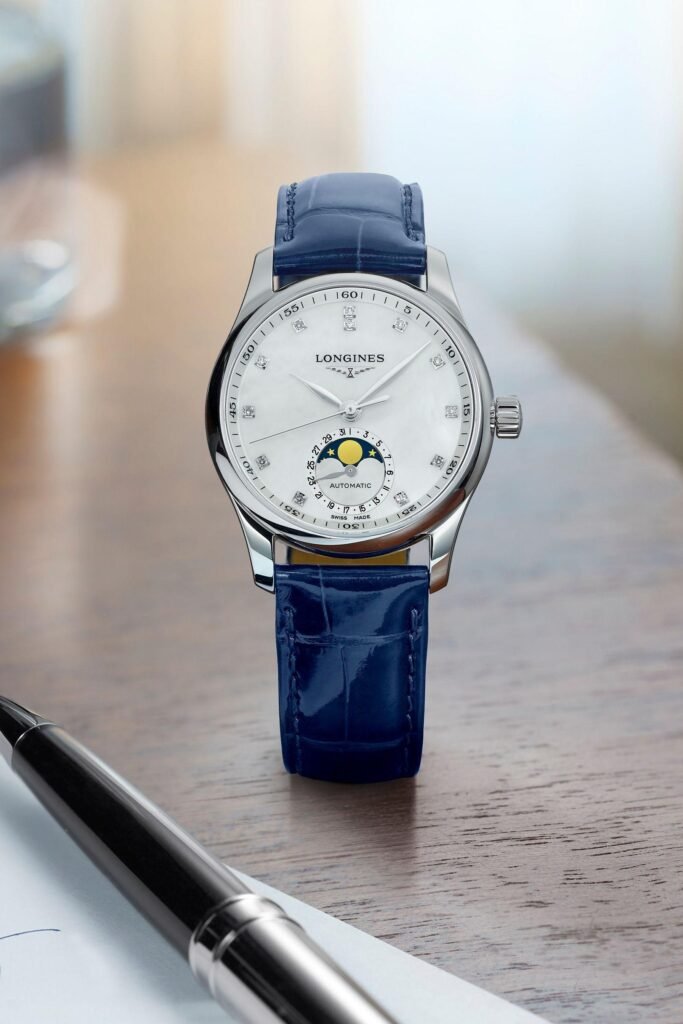
Longines generally takes a restrained approach to design.
Its watches often combine:
- Classical proportions
- Heritage references
- Elegant dials
- Traditional complications
- Sport-luxury versatility
The current Spirit collection demonstrates this particularly well. Longines combines traditional pilot-watch cues with contemporary specifications including silicon balance springs, automatic movements, and COSC certification. A standard Spirit automatic, for example, offers up to 72 hours of power reserve.
This makes Longines particularly attractive for buyers who want traditional Swiss watch aesthetics without moving into much higher price categories.
Omega: Technical Luxury
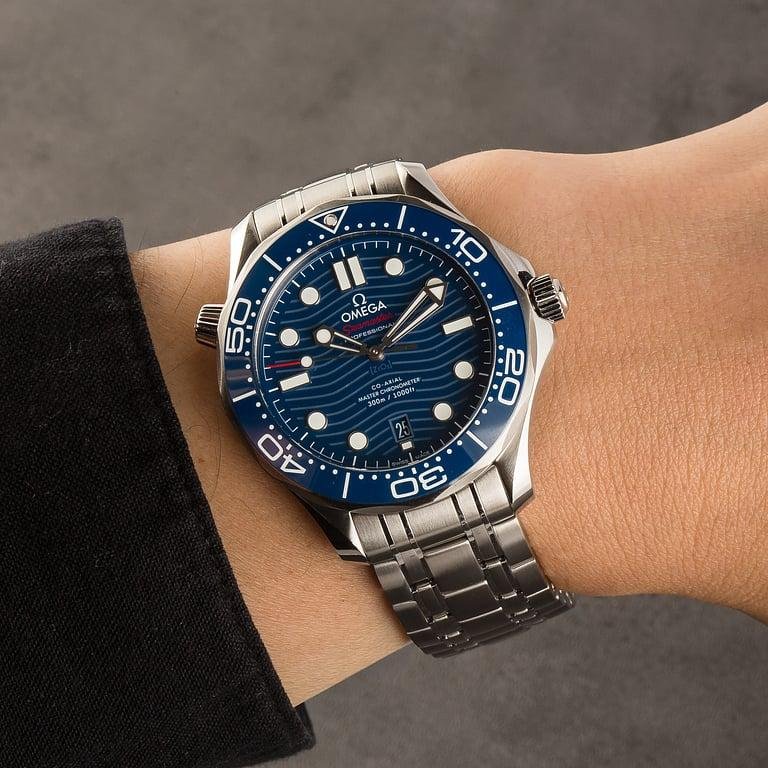
Omega combines recognizable design with aggressive technical development.
Its modern identity centers on:
- Professional specifications
- Co-Axial movements
- Master Chronometer certification
- Advanced anti-magnetism
- Strong historical design codes
Omega’s investment in precision remains especially important.
Its Master Chronometer ecosystem goes beyond conventional movement certification, and the brand has continued developing new testing techniques. In 2026, for example, Omega introduced an acoustic calibration system enabling its two-hand Constellation Observatory watches to undergo Master Chronometer testing without relying on a conventional seconds-hand measurement method.
That illustrates the central difference between the two brands.
Longines usually asks: How can historical Swiss watchmaking be made compelling and accessible today?
Omega increasingly asks: How far can modern mechanical watch technology be pushed?
Design Philosophy Comparison
| Design Element | Longines | Omega |
|---|---|---|
| Classical Elegance | ★★★★★ | ★★★★☆ |
| Technical Innovation | ★★★★☆ | ★★★★★ |
| Heritage Design | ★★★★★ | ★★★★★ |
| Sport Watch Design | ★★★★☆ | ★★★★★ |
| Dress Watch Design | ★★★★★ | ★★★★☆ |
| Everyday Versatility | ★★★★★ | ★★★★★ |
| Movement Technology | ★★★★☆ | ★★★★★ |
Design Winner
Omega
Longines arguably offers the stronger proposition for traditional elegance. The Spirit, Master Collection, Conquest Heritage, and Legend Diver demonstrate how effectively the brand translates its archives into modern watches.
But Omega wins overall because its design philosophy is supported by greater technical ambition.
Modern Co-Axial Master Chronometer movements, anti-magnetic technology, professional dive-watch engineering, and continued investment in precision give Omega a technological advantage.
Early Scorecard
| Category | Winner |
|---|---|
| Heritage | Tie |
| Design Philosophy | Omega |
Movements & Watchmaking
The biggest technical gap between Longines and Omega becomes apparent when looking inside their watches.
Both produce high-quality Swiss mechanical watches, but their objectives differ.
Longines focuses on delivering dependable mechanical movements with strong specifications at comparatively accessible prices. Its current calibres commonly feature silicon balance springs, extended power reserves, and—in collections such as the Spirit—independent COSC chronometer certification. The Spirit Zulu Time’s automatic calibre L844, for example, provides up to 72 hours of power reserve.
Omega operates at a more technologically ambitious level. Modern Omega movements increasingly combine the Co-Axial escapement, advanced anti-magnetic construction, and stringent Master Chronometer testing. The current Speedmaster Moonwatch’s Calibre 3861, for example, is Master Chronometer certified and resistant to magnetic fields reaching 15,000 gauss.
Longines: Excellent Mechanical Watchmaking
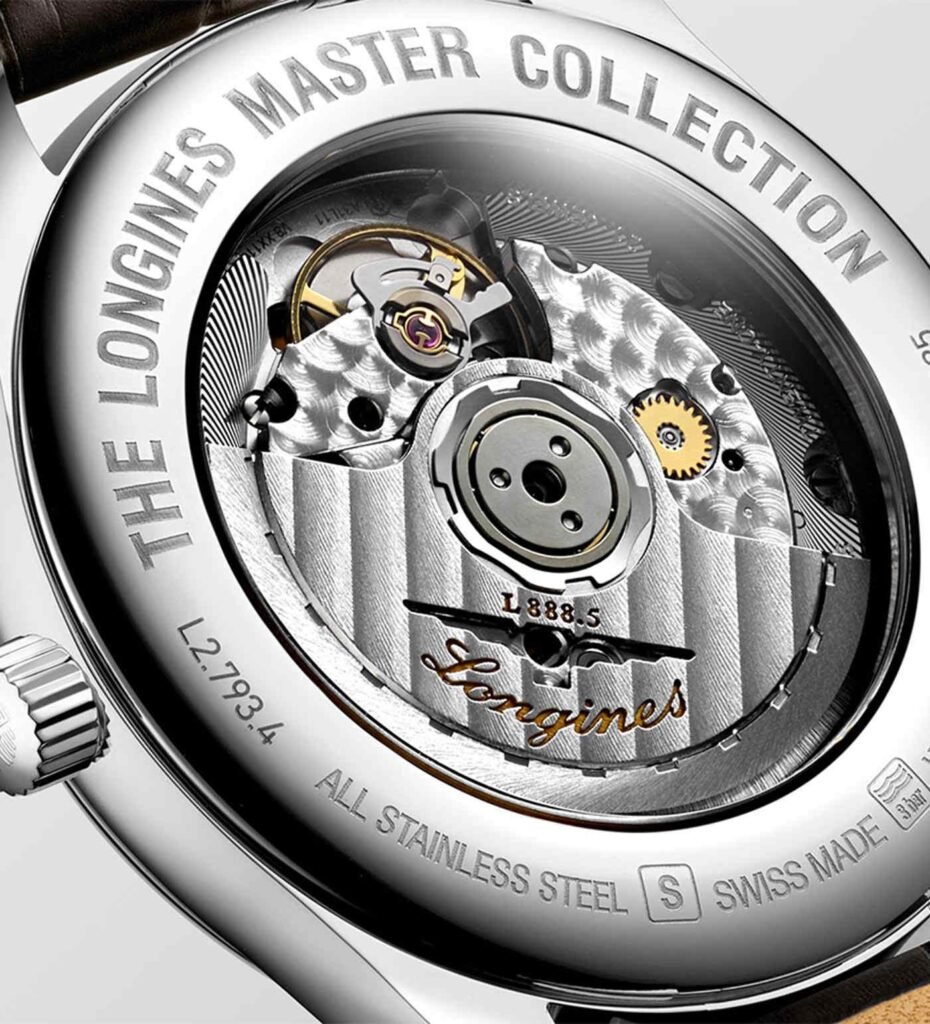
Longines’ modern mechanical watches frequently offer specifications that outperform what many buyers expect at the brand’s price point.
Key characteristics include:
- Automatic mechanical calibres
- Silicon balance springs
- Extended power reserves
- COSC certification on selected collections
- GMT and chronograph complications
The Spirit Zulu Time is particularly impressive.
Its L844 automatic movement beats at 25,200 vibrations per hour, incorporates a monocrystalline silicon balance spring, provides up to 72 hours of power reserve, and is chronometer-certified by COSC.
The more traditionally styled Master Collection also offers automatic movements with power reserves reaching 72 hours on current three-hand models.
Longines Strengths
- Excellent power reserves
- Silicon technology
- Strong reliability
- COSC-certified options
- Exceptional specifications for the price
Omega: Advanced Movement Technology
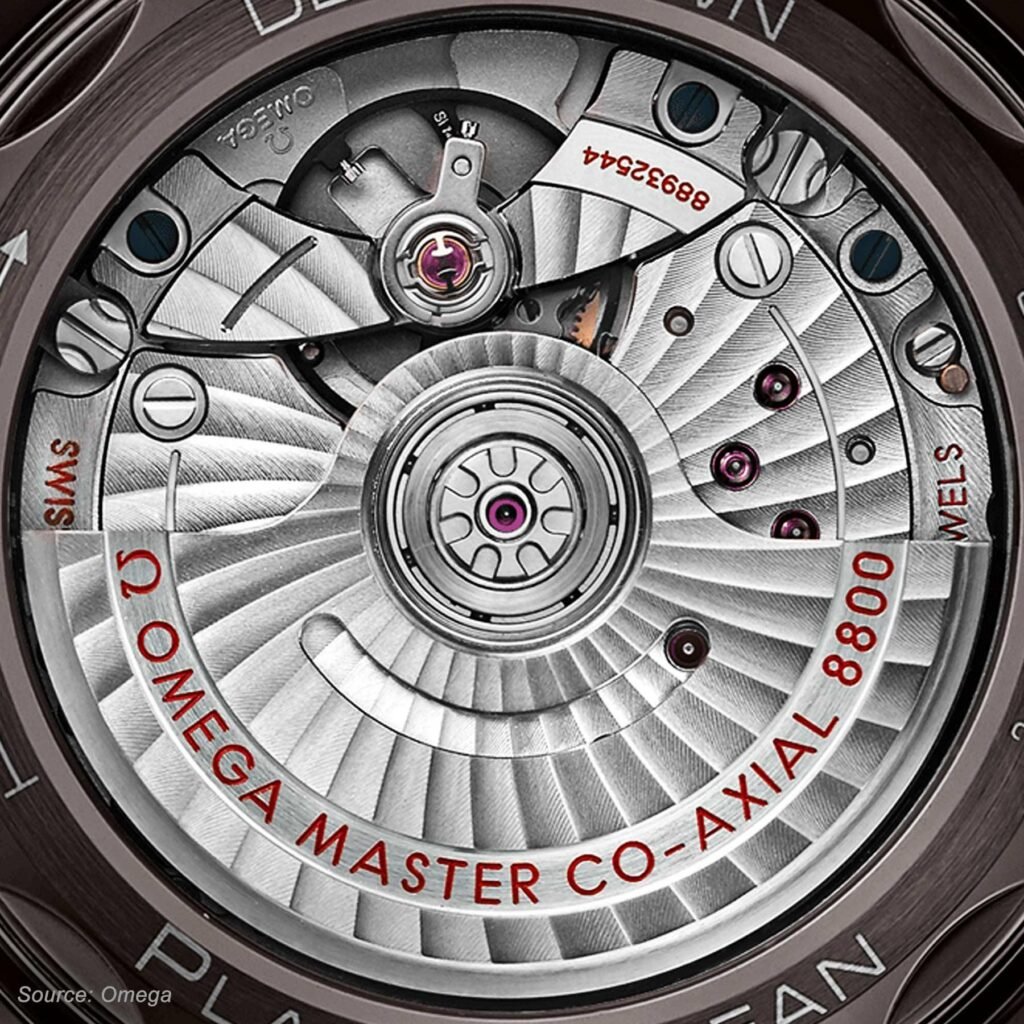
Omega goes considerably further technologically.
Its modern movement philosophy emphasizes:
- Co-Axial escapements
- Master Chronometer certification
- Extreme magnetic resistance
- High precision
- Advanced movement engineering
The Calibre 3861 inside the current Speedmaster Moonwatch illustrates the difference particularly well.
The movement modernized the Moonwatch with Co-Axial technology, Master Chronometer certification, and magnetic resistance up to 15,000 gauss while maintaining the manually wound character of the historical Speedmaster.
Omega Strengths
- Co-Axial technology
- Master Chronometer movements
- Outstanding anti-magnetism
- Advanced testing
- Greater technical innovation
Movement Comparison
| Category | Longines | Omega |
|---|---|---|
| Mechanical Quality | ★★★★★ | ★★★★★ |
| Power Reserve | ★★★★★ | ★★★★☆ |
| Technical Innovation | ★★★★☆ | ★★★★★ |
| Anti-Magnetism | ★★★★☆ | ★★★★★ |
| Chronometer Options | ★★★★★ | ★★★★★ |
| Movement Finishing | ★★★★☆ | ★★★★★ |
| Value for Money | ★★★★★ | ★★★★☆ |
Winner
Omega
Longines offers exceptional mechanical performance for its price, but Omega operates at a higher technical level.
The combination of Co-Axial technology, Master Chronometer certification, anti-magnetic engineering, and continued movement development gives Omega the advantage.
Accuracy & Certification
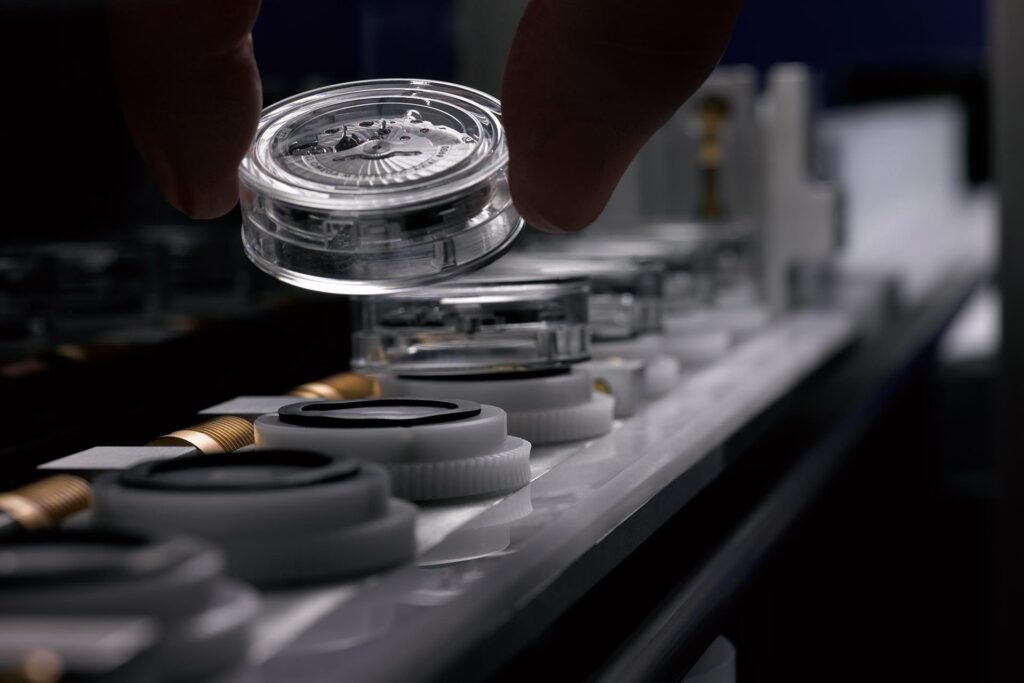
Accuracy is another area where both brands perform strongly.
Longines
Selected Longines watches—most notably the Spirit family—are individually certified as chronometers by the Contrôle Officiel Suisse des Chronomètres (COSC).
Longines also equips the Spirit Zulu Time with a silicon balance spring designed to improve resistance to magnetic fields.
Interestingly, real-world owner reports can be exceptionally strong. Some Spirit Zulu Time owners report performance around only a few seconds of deviation per day, although individual watches naturally vary and anecdotal results shouldn’t replace certification standards.
Omega
Omega takes certification further with Master Chronometer testing.
Rather than focusing solely on the uncased movement, the system evaluates the completed watch across multiple performance criteria, including precision and magnetic resistance.
The modern Speedmaster Moonwatch demonstrates this philosophy with its Master Chronometer-certified Calibre 3861 and resistance to magnetic fields of 15,000 gauss.
Accuracy Comparison
| Feature | Longines | Omega |
|---|---|---|
| COSC Certification | Selected Models | Foundation for Many Master Chronometers |
| Master Chronometer | No | Yes |
| Silicon Technology | Yes | Yes |
| Extreme Anti-Magnetism | Limited | Excellent |
| Real-World Accuracy | Excellent | Outstanding |
| Certification Standard | Excellent | Outstanding |
Winner
Omega
Longines’ COSC-certified Spirit watches offer excellent mechanical accuracy.
Omega nevertheless wins because Master Chronometer certification subjects the finished watch to a broader performance standard and adds exceptionally strong magnetic resistance.
Build Quality & Materials
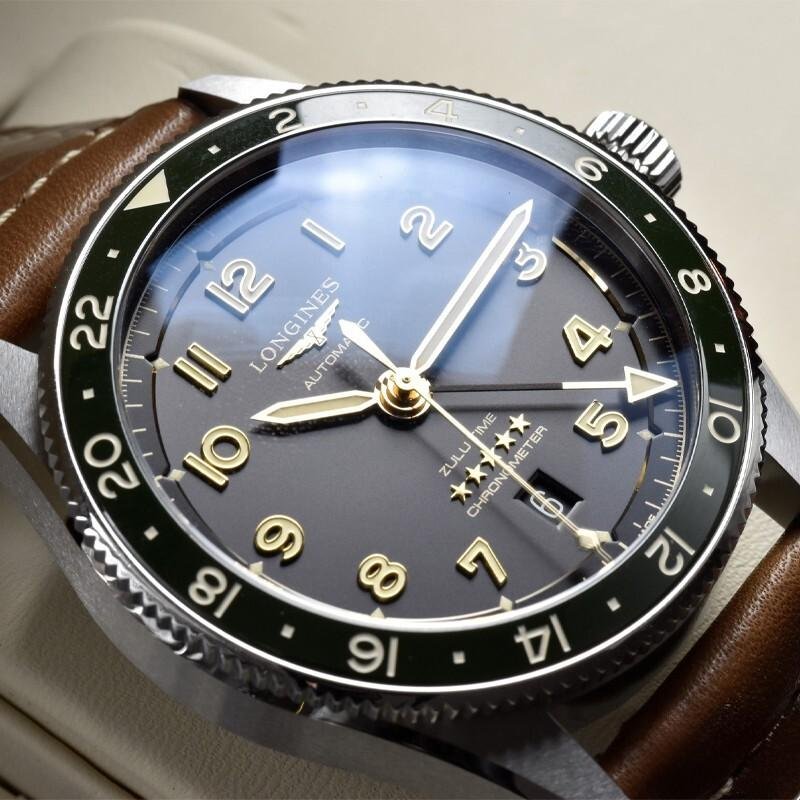
Both manufacturers produce extremely well-made watches, but Omega’s higher positioning allows it to invest more heavily in case construction, bracelets, ceramics, dial finishing, and movement technology.
Longines
Common materials include:
- Stainless steel
- Titanium
- Ceramic bezel inserts
- Sapphire crystal
- 18K gold combinations
- Leather straps
The Spirit Zulu Time, for example, combines stainless steel with a ceramic bezel insert, sapphire crystal with anti-reflective coating on both sides, and 100 metres of water resistance.
Omega
Common materials include:
- Stainless steel
- Grade 2 and Grade 5 titanium
- Ceramic
- Bronze Gold
- Moonshine Gold
- Sedna Gold
- Sapphire crystal
Omega also develops numerous proprietary alloys and uses ceramic extensively across its professional collections.
Build Quality Comparison
| Category | Longines | Omega |
|---|---|---|
| Case Finishing | ★★★★☆ | ★★★★★ |
| Bracelet Quality | ★★★★☆ | ★★★★★ |
| Sapphire Crystal | ★★★★★ | ★★★★★ |
| Ceramic Components | ★★★★★ | ★★★★★ |
| Material Innovation | ★★★★☆ | ★★★★★ |
| Overall Build | ★★★★★ | ★★★★★ |
Winner
Omega
Longines’ construction is excellent for its positioning, but Omega offers greater sophistication in finishing and materials.
Diving Watches
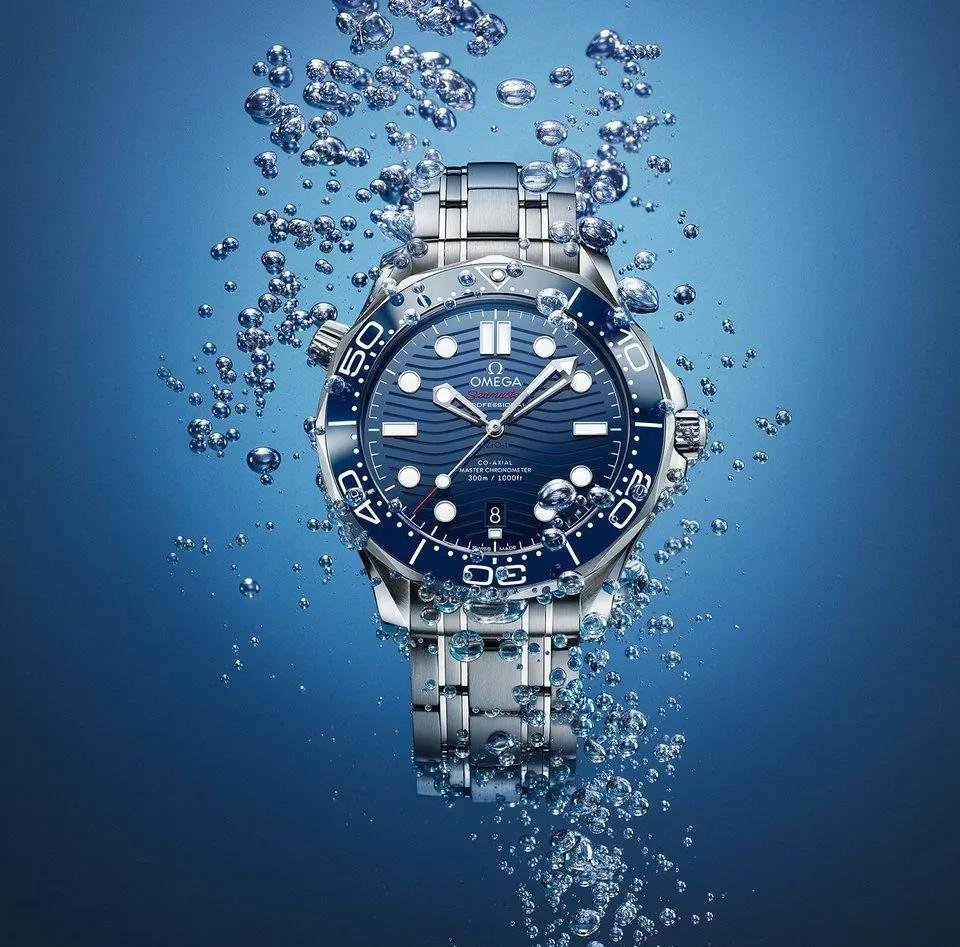
Both brands have substantial diving-watch collections.
Longines
The main choices are:
- HydroConquest
- HydroConquest GMT
- Legend Diver
The HydroConquest provides a compelling entry into Swiss mechanical dive watches, combining robust water resistance, ceramic bezels on many references, automatic movements, and sporty everyday styling.
The Legend Diver offers something different: vintage compressor-inspired aesthetics derived from Longines’ historical diving watches.
Omega
Omega’s Seamaster universe is considerably broader:
- Seamaster Diver 300M
- Planet Ocean
- Aqua Terra
- Seamaster 300
- Ploprof
The Seamaster Diver 300M is Omega’s mainstream professional diving icon, while the Planet Ocean pushes further toward serious underwater capability.
Omega’s diving heritage also benefits from decades of professional development and high-profile exploration.
Dive Watch Comparison
| Category | Longines | Omega |
|---|---|---|
| Main Dive Watch | HydroConquest | Seamaster Diver 300M |
| Heritage Option | Legend Diver | Seamaster 300 |
| Professional Range | ★★★★☆ | ★★★★★ |
| Movement Technology | ★★★★☆ | ★★★★★ |
| Value | ★★★★★ | ★★★★☆ |
| Icon Status | ★★★★☆ | ★★★★★ |
Winner
Omega
The HydroConquest is arguably one of the stronger value propositions in Swiss luxury diving watches.
But Omega wins because the Seamaster family offers greater technical depth, historical significance, and professional capability.
GMT & Travel Watches
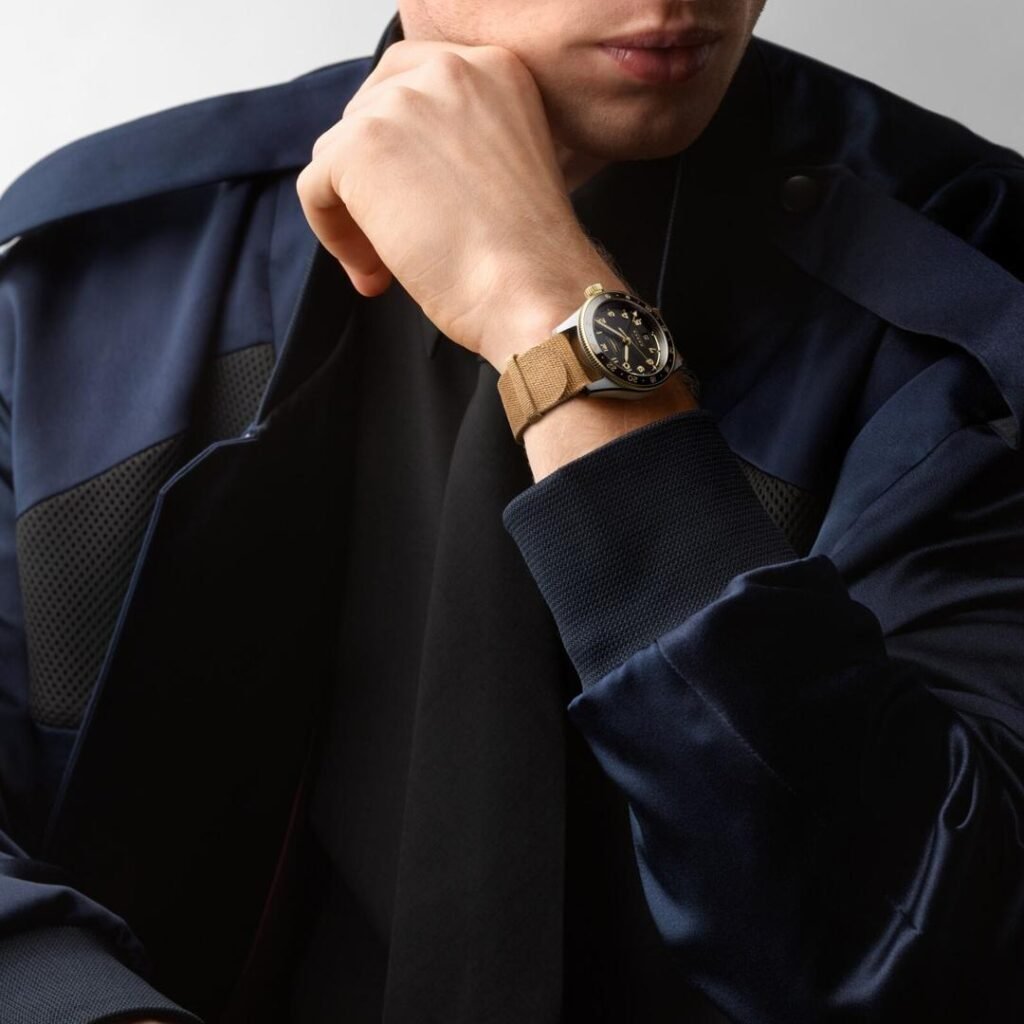
Here, Longines becomes much more competitive.
The Spirit Zulu Time is one of the strongest products in the entire Longines portfolio.
Its heritage references Longines’ first dual-time-zone wristwatch from 1925, while the current watch provides a ceramic bidirectional bezel, automatic GMT movement, silicon balance spring, COSC certification, 72-hour power reserve, and 100 metres of water resistance.
The current 39mm steel bracelet model is priced at $3,550 in the U.S., illustrating just how aggressively Longines positions the watch.
Omega offers more luxurious travel watches, including sophisticated Worldtimer and GMT models, but generally at significantly higher prices.
Winner
Longines
For a mechanical GMT combining heritage, functionality, chronometer certification, and value, the Spirit Zulu Time is exceptionally difficult to beat.
Dress Watches
Longines has traditionally been particularly strong in elegant watches.
Longines
Notable options include:
- Master Collection
- Flagship Heritage
- Conquest Heritage
- Mini DolceVita
- DolceVita
The Master Collection represents the traditional side of Longines particularly well, offering mechanical complications and classical dial designs. Current automatic three-hand references can provide up to 72 hours of power reserve.
Omega
Omega offers:
- De Ville Prestige
- De Ville Trésor
- Constellation
- Globemaster
These watches typically feature more sophisticated movements and finishing, but Longines arguably offers greater variety at accessible prices.
Winner
Longines
For pure price-to-elegance ratio, Longines takes the category.
Pricing Comparison
Pricing may be the single most important practical difference between Longines and Omega.
Longines occupies the accessible-luxury segment of Swiss mechanical watchmaking, while Omega sits firmly in the premium luxury category.
For example, a current steel Longines Spirit Zulu Time 39mm is listed at $3,550 in the U.S.
This price positioning is central to Longines’ appeal: buyers receive a mechanical GMT, ceramic bezel, silicon balance spring, COSC certification, 72-hour reserve, and substantial Swiss heritage without entering Omega’s considerably higher pricing territory.
| Category | Longines | Omega |
|---|---|---|
| Entry Mechanical Watch | More Accessible | Higher |
| Dress Watches | $$–$$$ | $$$–$$$$ |
| Dive Watches | $$–$$$ | $$$$ |
| GMT Watches | $$$ | $$$$ |
| Chronographs | $$$ | $$$$ |
| Precious Metal | $$$$ | $$$$$ |
Winner
Longines
Longines wins decisively on affordability and value.
Resale Value
Omega generally enjoys the stronger secondary market.
The biggest advantage is the Speedmaster. Its extraordinary historical recognition and collector community give Omega an internationally recognizable resale anchor that Longines currently lacks.
The Seamaster also maintains substantial pre-owned demand, and broader market reporting continues to identify Omega alongside major brands supporting the luxury secondary watch market.
Longines usually depreciates more heavily from retail, although desirable references can perform considerably better. Limited models can be exceptions: community discussion around the titanium Spirit Zulu Time Hodinkee Edition, for example, shows collectors reporting asking and transaction levels above its original retail price.
Resale Comparison
| Collection | Secondary Market Strength |
|---|---|
| Omega Speedmaster | Excellent |
| Omega Seamaster | Very Good–Excellent |
| Omega Aqua Terra | Very Good |
| Longines Spirit Zulu Time | Good–Very Good |
| Longines Legend Diver | Good |
| Longines Master Collection | Moderate–Good |
Winner
Omega
Neither brand should automatically be treated as a financial investment, but Omega generally provides stronger liquidity, recognition, and value retention.
Iconic Watches Head-to-Head
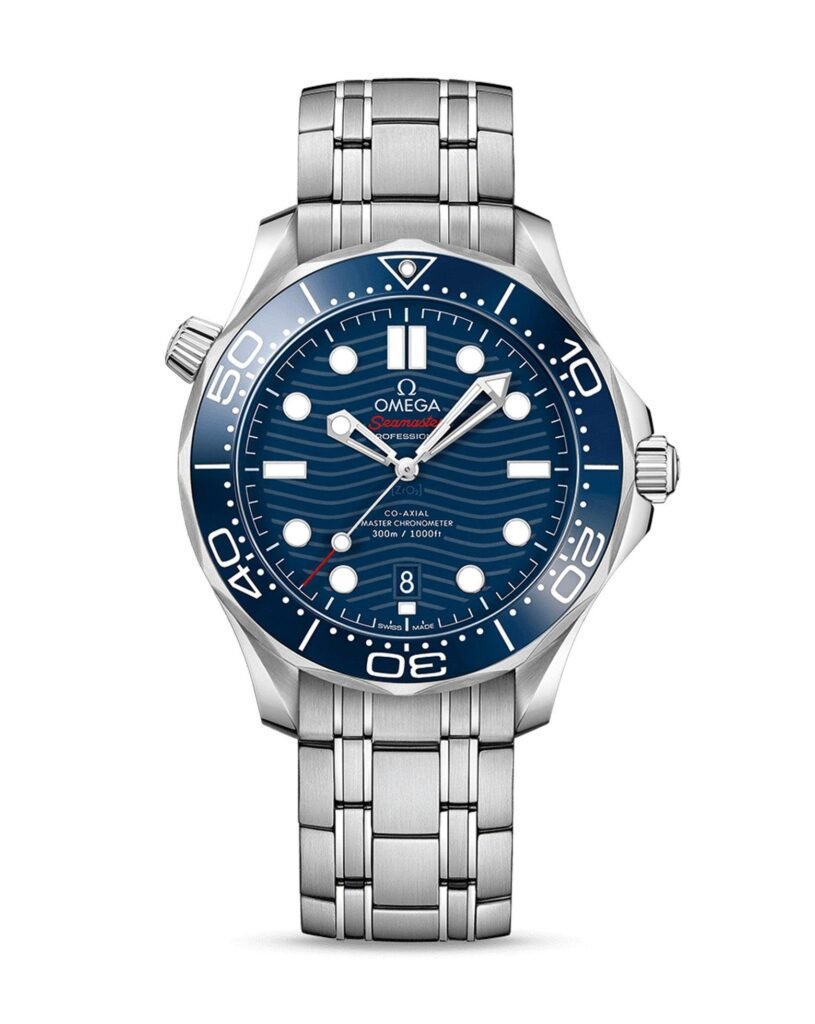
| Category | Longines | Omega |
|---|---|---|
| Signature Watch | Spirit Zulu Time | Speedmaster Moonwatch |
| Dive Watch | HydroConquest | Seamaster Diver 300M |
| Heritage Diver | Legend Diver | Seamaster 300 |
| Everyday Sport Watch | Conquest | Aqua Terra |
| Dress Watch | Master Collection | De Ville |
| GMT / Travel | Spirit Zulu Time | Aqua Terra Worldtimer |
| Heritage Watch | Conquest Heritage | Speedmaster |
| Technical Flagship | Ultra-Chron | Speedmaster / Seamaster |
Overall Score So Far
| Category | Winner |
|---|---|
| Heritage | Tie |
| Design Philosophy | Omega |
| Movements & Watchmaking | Omega |
| Accuracy & Certification | Omega |
| Build Quality & Materials | Omega |
| Diving Watches | Omega |
| GMT & Travel Watches | Longines |
| Dress Watches | Longines |
| Pricing | Longines |
| Resale Value | Omega |
| Iconic Watches | Omega |
Current Score
- Omega: 7 Wins
- Longines: 3 Wins
- Tie: 1 Category
The score strongly favors Omega, but the difference needs context.
Omega is the technically superior and more prestigious watchmaker, but Longines’ greatest advantage is precisely that it doesn’t try to compete at the same price. A COSC-certified Spirit Zulu Time with a 72-hour power reserve at $3,550 demonstrates how much mechanical watch Longines can deliver for considerably less money.
That makes Part 3 especially important: the better watch brand and the better watch to actually buy are not necessarily the same answer.
Shop the Edit
These four watches capture the clearest differences between Longines and Omega. Longines delivers serious Swiss mechanical watchmaking at comparatively approachable prices, while Omega moves further into technical innovation, cultural icon status, and premium luxury.
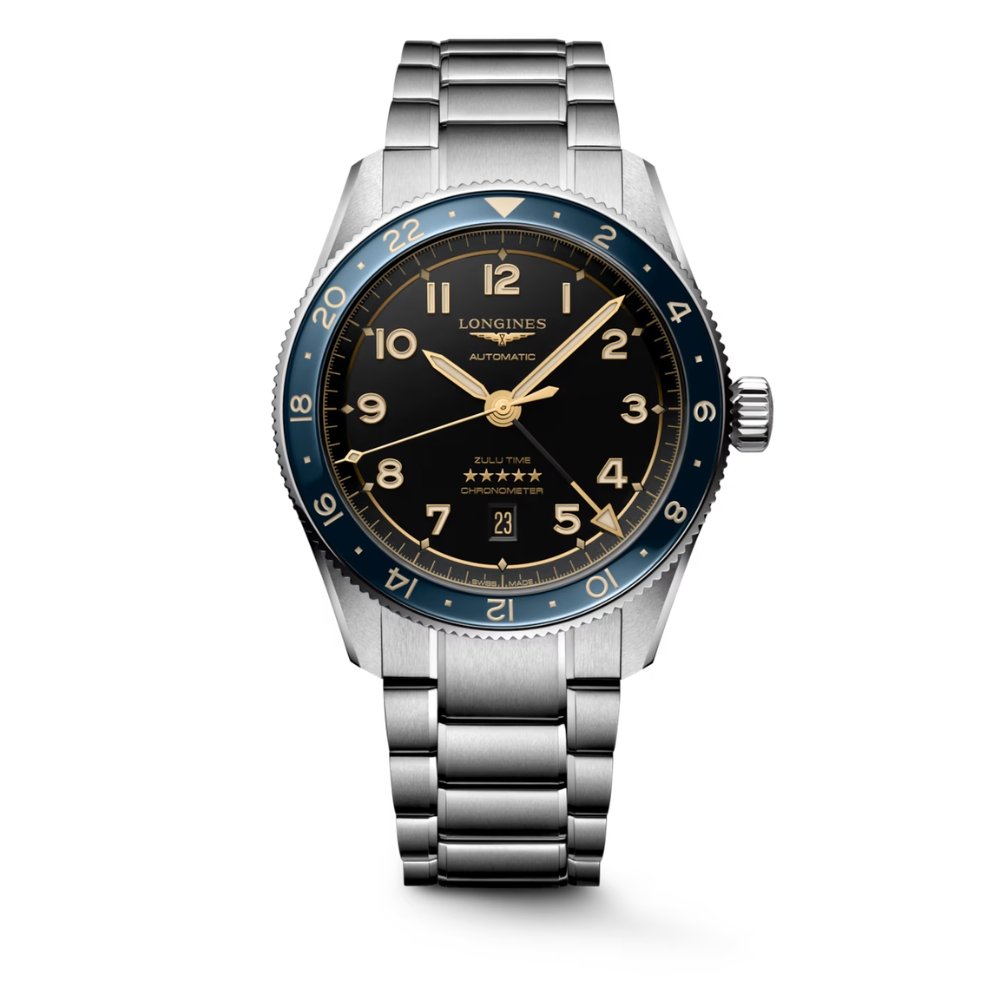
Longines Spirit Zulu Time
Frequent travelers, first luxury watch, everyday wear, value-conscious collectors
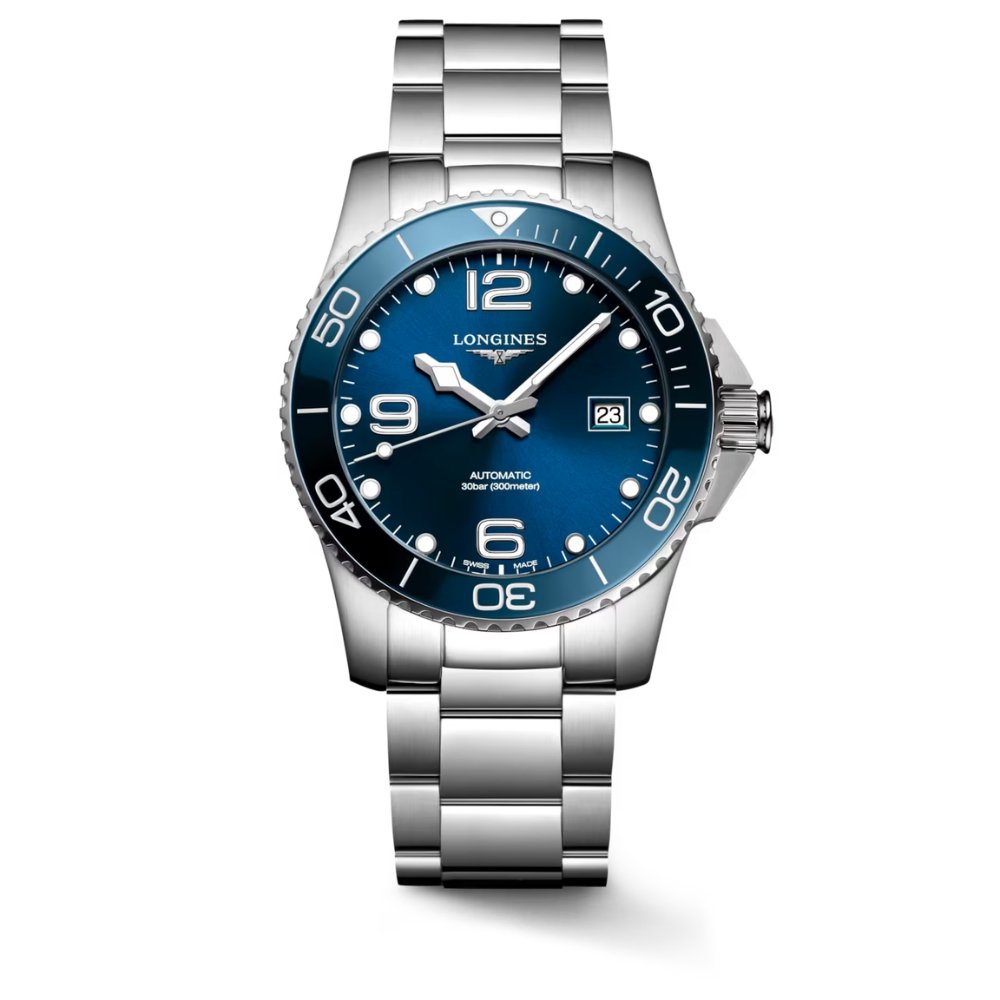
Longines HydroConquest
Everyday sport watches, swimming and travel, first Swiss diver, casual luxury
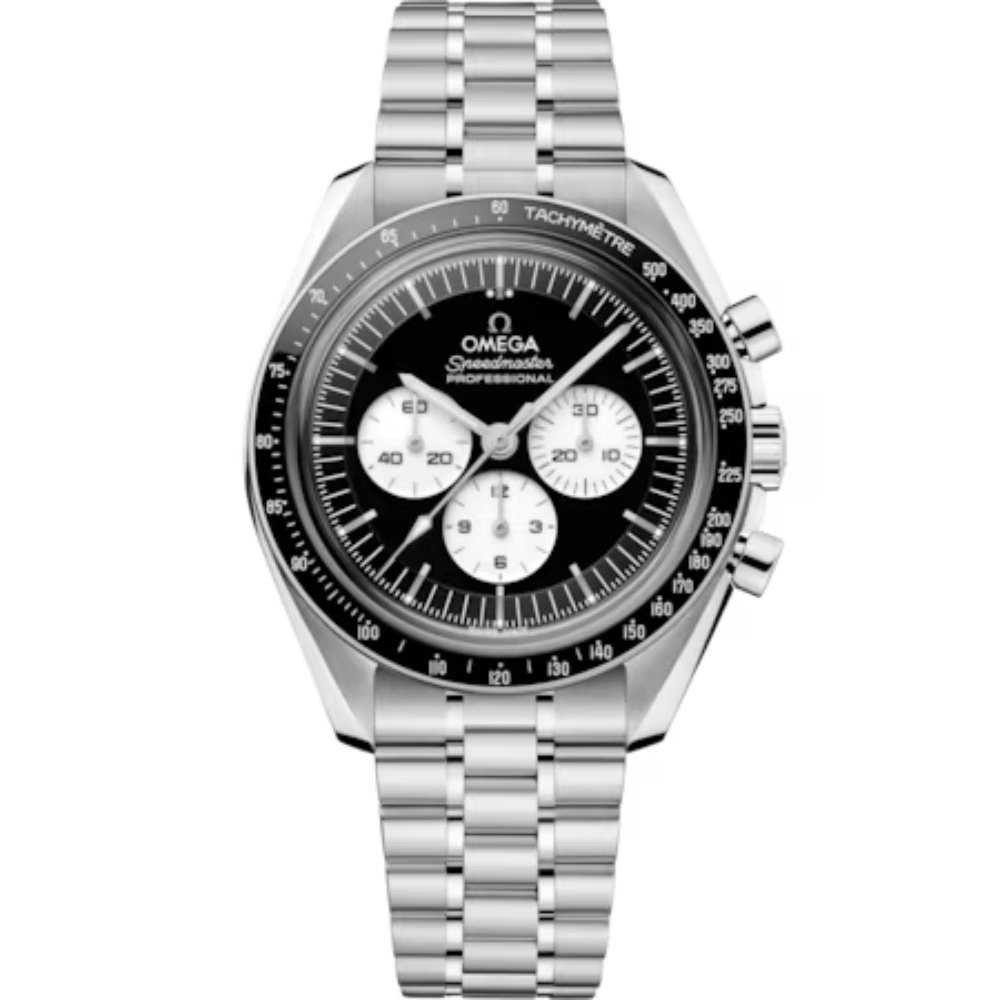
Omega Speedmaster Moonwatch
Watch collectors, chronograph enthusiasts, heritage enthusiasts, long-term luxury ownership
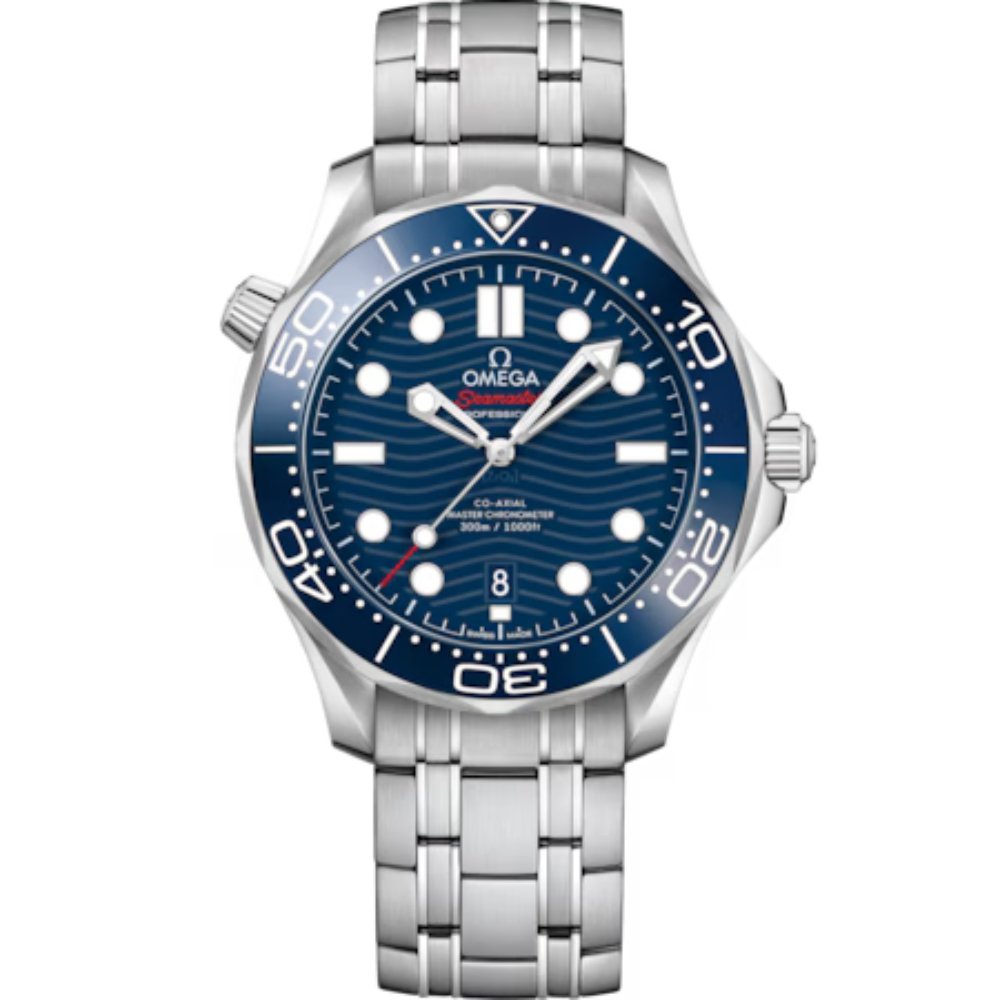
Omega Seamaster Diver 300M
Luxury dive-watch buyers, everyday wear, serious watch collections, sport-luxury wardrobes
Pros & Cons
Longines
| Pros | Cons |
|---|---|
| Nearly two centuries of Swiss heritage | Lower prestige than Omega |
| Excellent price-to-specification ratio | Weaker resale on most models |
| Strong aviation and timing history | Fewer universally recognized icons |
| COSC-certified options | Less advanced movement technology |
| Excellent dress and GMT watches | Finishing sits below Omega |
| More accessible pricing | Less secondary-market liquidity |
Omega
| Pros | Cons |
|---|---|
| Exceptional space and diving heritage | Significantly higher pricing |
| Advanced Co-Axial movements | Some models are relatively thick |
| Master Chronometer certification | Large catalogue can feel complicated |
| Excellent anti-magnetism | Higher servicing and ownership costs |
| Stronger resale demand | Entry point is substantially above Longines |
| Globally recognizable icons | Popular references are widely owned |
Which Watch Brand Should You Buy?
Choose Longines If…
- You want maximum Swiss watchmaking for your budget.
- You’re buying your first serious mechanical watch.
- You prefer traditional elegance.
- You want a mechanical GMT without spending significantly more.
- Heritage matters more than status.
- You want something below Omega pricing without moving into entry-level watchmaking.
Choose Omega If…
- You want more advanced movement technology.
- You value Master Chronometer certification.
- You want an internationally recognized watch icon.
- Resale value matters.
- You’re building a serious watch collection.
- Space or professional diving heritage appeals to you.
Quick Buying Guide
| You’re Looking For… | Best Choice |
|---|---|
| First Luxury Watch | Longines |
| Best Overall Watch Brand | Omega |
| Best Value | Longines |
| Best GMT | Longines Spirit Zulu Time |
| Best Chronograph | Omega Speedmaster |
| Best Dive Watch | Omega Seamaster |
| Dress Watch Value | Longines |
| Movement Technology | Omega |
| Stronger Resale | Omega |
| Aviation Heritage | Longines |
| Space Heritage | Omega |
| Technical Innovation | Omega |
| More Accessible Pricing | Longines |
| Collector Recognition | Omega |
Best First Luxury Watch
This deserves its own category because the answer is different from simply asking which brand is better.
Longines
For someone entering Swiss mechanical watches, Longines arguably offers the more rational starting point.
Consider the current Spirit Zulu Time 39mm.
For $3,550, you receive a Swiss automatic GMT with a ceramic bezel, sapphire crystal, silicon balance spring, COSC certification, 100 metres of water resistance, and up to 72 hours of power reserve.
More importantly, you’re buying from a manufacturer whose watchmaking history stretches back to 1832.
You don’t need to treat Longines as a temporary stepping stone to Omega, Rolex, or another higher-priced manufacturer. The historical depth is already there.
Owner experiences also reinforce the model’s appeal. Recent Spirit Zulu Time discussions include owners reporting real-world performance around a few seconds per day, although these individual experiences shouldn’t be treated as guaranteed accuracy for every watch.
Best Watch for a Serious Collection
Omega
Once price becomes less important, Omega’s advantages become considerably harder to ignore.
The Speedmaster alone gives the brand an extraordinary collector anchor.
Then you have:
- Seamaster Diver 300M
- Seamaster 300
- Aqua Terra
- Planet Ocean
- Constellation
- De Ville
- Globemaster
More importantly, Omega doesn’t depend entirely on heritage.
The modern Moonwatch demonstrates this particularly well. Its Calibre 3861 retains the traditional manual-winding architecture expected of a Moonwatch while adding a Co-Axial escapement, Master Chronometer certification, silicon technology, and 15,000-gauss magnetic resistance.
That combination of heritage + engineering + collector recognition gives Omega its strongest advantage over Longines.
Final Verdict
Longines and Omega are both excellent Swiss watch brands, but they solve different problems.
Longines is about value without sacrificing heritage.
The brand’s history stretches back to 1832, and its archives encompass aviation, navigation, chronographs, precision timing, diving, and high-frequency watchmaking.
The Spirit Zulu Time illustrates just how effectively Longines is using that history today. Its lineage references the company’s 1925 dual-time-zone wristwatch, while its modern specification includes COSC certification, silicon technology, a true mechanical GMT complication, and a 72-hour power reserve.
Omega is about taking Swiss watchmaking further.
Its advantage isn’t simply prestige.
The brand combines iconic designs with genuinely sophisticated modern watchmaking. The Speedmaster’s space history remains culturally unmatched, while the current Moonwatch uses a technically modernized movement with Master Chronometer certification and exceptional anti-magnetic resistance.
Omega also has greater strength across professional watches.
The Speedmaster dominates the chronograph discussion.
The Seamaster dominates this comparison among dive watches.
And Omega’s wider catalogue provides a deeper route into serious watch collecting.
There is, however, a significant trade-off:
price.
A current 39mm steel Spirit Zulu Time costs $3,550 in the U.S.
That price-to-specification equation makes Longines exceptionally compelling.
So the question shouldn’t simply be:
Which brand makes the better watch?
It should also be:
How much additional watch are you getting for the additional money?
That’s where Longines makes this comparison much closer than the final score suggests.
Overall Scorecard
| Category | Winner |
|---|---|
| Heritage | Tie |
| Design Philosophy | Omega |
| Movements & Watchmaking | Omega |
| Accuracy & Certification | Omega |
| Build Quality & Materials | Omega |
| Diving Watches | Omega |
| GMT & Travel Watches | Longines |
| Dress Watches | Longines |
| Pricing Accessibility | Longines |
| Resale Value | Omega |
| Iconic Watches | Omega |
| First Luxury Watch | Longines |
| Serious Watch Collection | Omega |
| Value for Money | Longines |
Final Score
Omega — 8 Wins
Longines — 5 Wins
Tie — 1 Category
LxryNow Verdict
If you’re asking which is the better watch brand overall, Omega wins.
Its stronger movement technology, Master Chronometer ecosystem, anti-magnetic engineering, higher level of finishing, broader professional-watch portfolio, and extraordinarily recognizable Speedmaster and Seamaster collections place it above Longines in the modern Swiss luxury hierarchy.
The Speedmaster Moonwatch is particularly difficult to challenge. Few watches combine such a recognizable design, genuine historical importance, mechanical credibility, and contemporary technology. The Calibre 3861’s Master Chronometer certification and 15,000-gauss magnetic resistance ensure the modern Moonwatch isn’t surviving purely on its history.
But if the question becomes which brand offers better value, the answer changes completely.
Longines wins.
The Spirit Zulu Time is perhaps the clearest example. At $3,550 for the current 39mm steel-bracelet version, it combines a COSC-certified automatic GMT movement, 72-hour reserve, silicon balance spring, ceramic bezel, sapphire crystal, and 100-metre water resistance.
Longines also gives you something difficult to quantify: legitimate historical credibility at a price where many competitors offer considerably less heritage.
Resale remains one important difference. Mainstream Longines references generally trade well below retail on the secondary market; for example, recent listings for the 42mm Spirit Zulu Time have appeared around the $2,000 level. Omega benefits from considerably stronger collector recognition around icons such as the Speedmaster and Seamaster.
That makes the final recommendation straightforward.
Final Recommendation
Choose Longines if you want exceptional Swiss watchmaking, genuine heritage, strong mechanical specifications, and significantly better value for money.
Choose Omega if you want superior movement technology, stronger resale, greater prestige, professional-watch credentials, and internationally recognized icons.
For your first serious Swiss mechanical watch, choose Longines.
For your long-term luxury watch collection, choose Omega.
For pure value, choose Longines.
For the better watch brand overall, choose Omega.
