
At a Glance
- After years of outsized growth, sneaker and athletic footwear sales are decelerating in 2026, challenging the long-dominant sales trajectory led by Nike and Adidas.
- Industry data shows growth has slowed to low single digits, raising questions about whether the sneaker boom has peaked.
- Nike and Adidas — the category’s historical leaders — are seeing regional softness and demand shifts, particularly in China and certain Western markets.
- Challenger brands and niche segments are capitalising on nuanced consumer preferences, eating into market share and diversification opportunities.
Editorial Perspective
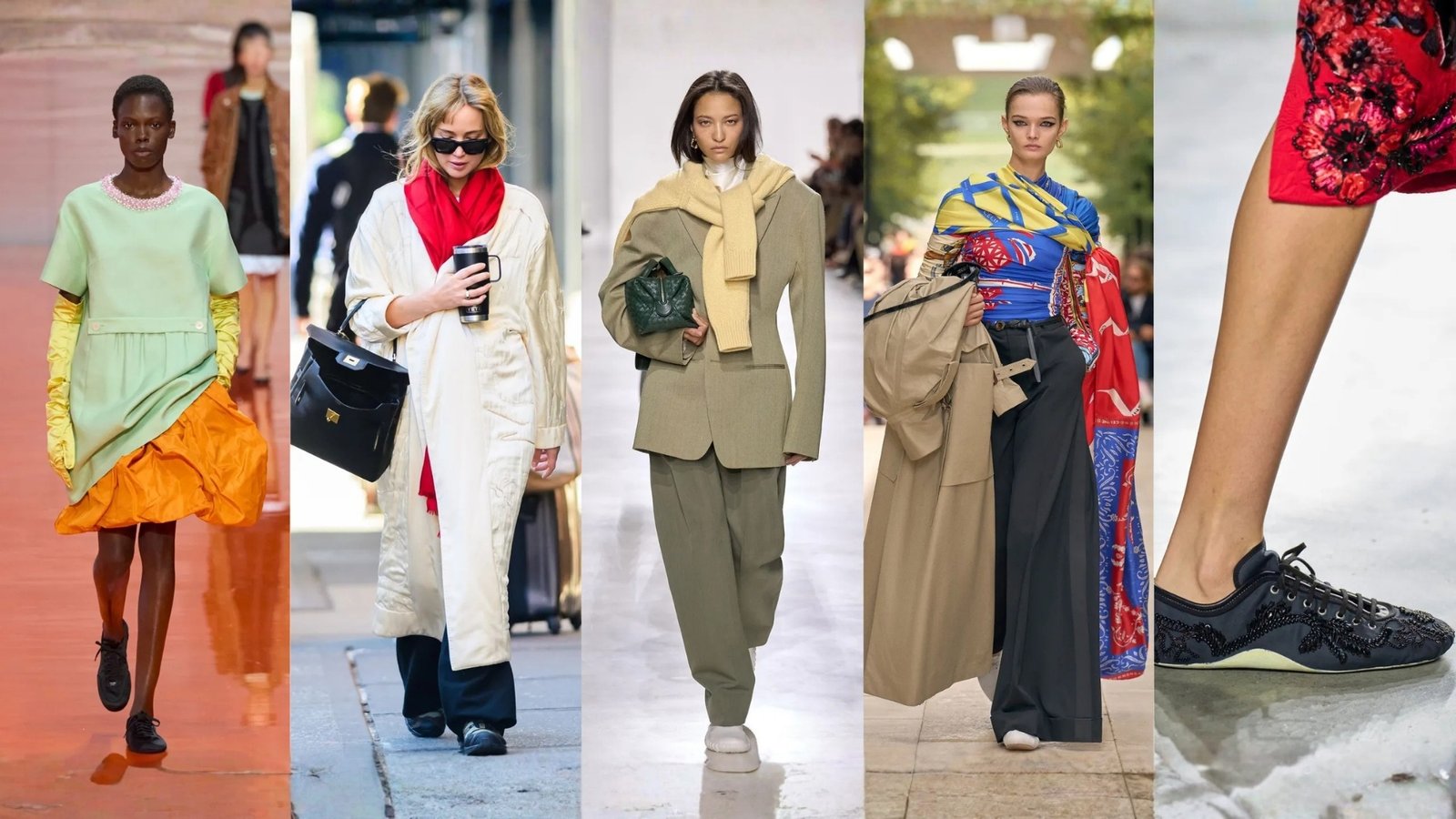
For more than two decades, sneakers were one of fashion’s most consistent growth drivers — fueled by athleisure, lifestyle blending, global sports culture, and savvy drops that transcended performance. According to Business of Fashion, that unbroken run of momentum may be softening in 2026, signaling a structural inflection point in how consumers engage with athletic footwear — from premium lifestyle demands to function-first performance.
Rather than a collapse, this shift reflects a normalization of the category. After the pandemic spurred an unprecedented spike in comfort-first dressing and sneaker demand, the market is settling into a more balanced cycle — with implications for major incumbents and emerging players alike.
Sneaker Sales: Growth Slows but Doesn’t Disappear
Industry analytics tracking retail data suggest that sneaker sales growth has decelerated, with overall category expansion now in the low single digits after years of double-digit gains.
Where once every seasonal release felt like a cultural event, today’s market requires strategic relevance and product specificity to sustain momentum. Some analysts now ask whether the sneaker boom has simply matured instead of died — little wonder given how deeply it’s woven into global footwear culture.
Nike and Adidas: Facing Market Headswinds
Nike and Adidas, whose scale and cultural influence have long steered sneaker trends, are encountering growth challenges amid these broader shifts:
- Some of Nike’s regional outlets, particularly in China and Latin America, are experiencing weaker sales performance, prompting organisational readjustments and renewed brand relevance efforts.
- Adidas has seen share volatility and stock pressure as demand stabilises after extraordinary pandemic-era spikes — with analysts noting that casual and lifestyle footwear growth may be entering a more mature phase.
While both brands remain dominant, the landscape no longer guarantees easy expansion; momentum now depends heavily on innovation, cultural resonance, and strategic segmentation.
Challengers and Shifting Competitive Dynamics
As the sneaker category cools, challenger brands and niche players are gaining relative traction by appealing to specific lifestyle cues and performance niches. According to prior market analysis, challengers have grown revenue faster than incumbents in recent years, capturing consumer interest with distinct product identity and community alignment.
Smaller brands are also benefiting from resale culture and digital engagement models, reinforcing how authenticity and focused storytelling now matter more than sheer scale in influential subsegments.
Consumer Behavior: Style, Function and Value
A key theme emerging in 2026 is consumer recalibration:
- Some buyers are shifting toward performance-centric footwear or hybrid silhouettes that bridge technical utility and fashion expression — rather than classic lifestyle sneaker staples.
- Others are balancing sneaker purchases with broader lifestyle needs, exploring resale options, limited-edition drops, and niche maker appeal.
This diversified set of preferences means brands must offer more than brand heritage, focusing on innovation, cultural relevance, and consumer experience.
What This Means for Footwear and Fashion in 2026
The slowdown in sneaker and footwear growth does not spell decline — but proximity to market maturation. For brands and retailers, the narrative in 2026 revolves around:
- Innovation beyond hype: Reimagining how product storytelling and utility intersect with cultural trends.
- Segmented relevance: Targeting specific consumer cohorts with distinct product identities.
- Global strategy recalibration: Navigating diverse regional growth rates — especially in Asia and emerging markets.
Strategy now favours cultural nuance and product strategy over sheer brand dominance — a sign that the footwear category is maturing into its next chapter.
