
TL;DR
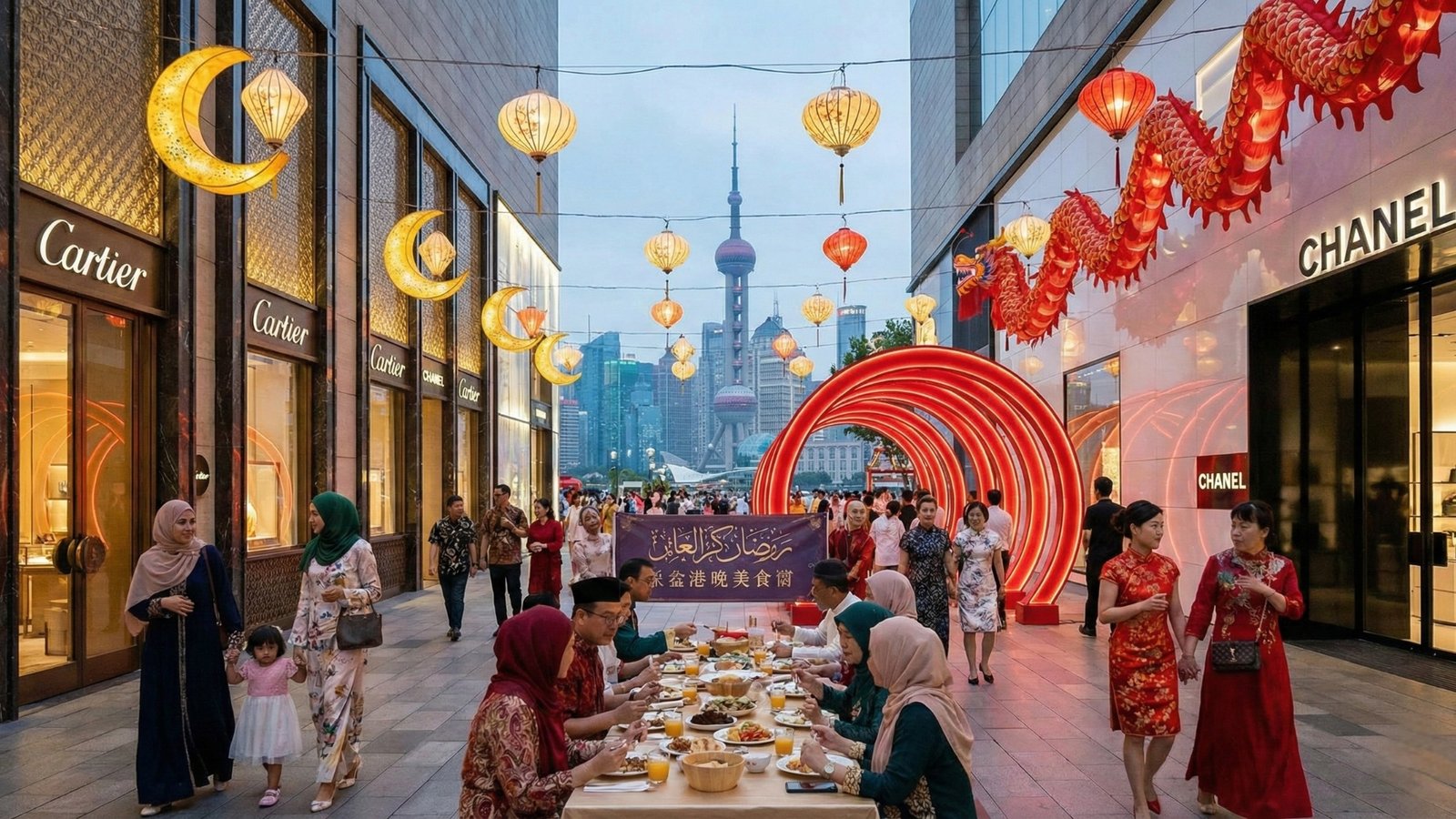
In 2026, Ramadan and Lunar New Year overlap for the first time in years, creating a dual festive window that can amplify global luxury demand through extended gifting cycles, cross-regional retail strategies and culturally resonant campaigns across the Middle East and Asia.
At a Glance
- The Ramadan fasting period and the Lunar New Year holiday coincide in early 2026 — a rare alignment of two major cultural celebrations with deep economic and consumer implications.
- Both occasions are associated with heightened spending, gifting and family gatherings — behaviors that shape retail and luxury demand in significant markets.
- Regions influenced include Middle East markets (UAE, Saudi Arabia, Qatar) for Ramadan and East/Southeast Asia (China, Hong Kong, Singapore) for Lunar New Year.
- Luxury and lifestyle brands are adjusting strategies to capture heightened cross-regional demand and compounded gifting cycles.
Editorial Perspective
In 2026, a rare calendrical convergence brings Ramadan — a month of spiritual reflection, generosity and communal celebration — together with the auspicious Lunar New Year period, when families across East and Southeast Asia exchange gifts and mark fresh beginnings.
As BoF report, from a market perspective, this dual cultural moment expands the retail window for high-end consumption, as both celebrations traditionally coincide with increased gifting, travel and social occasions — patterns that luxury brands track closely for seasonal strategy and inventory planning.
How the Convergence Shapes Consumer Behavior
1. Gifting Cultures Multiply
Both Ramadan and Lunar New Year are gift-centric holidays. During Ramadan, zakat, charity and gift-giving among families and friends are common, with demand often rising for food hampers, luxury accessories and lifestyle purchases.
During Lunar New Year, gifting — especially luxury goods like watches, leather goods, jewellery and premium beauty — plays a central role in expressing wishes for good fortune and success.
The overlap extends the period where affluent consumers are primed to shop for meaningful, premium purchases, potentially enhancing seasonal demand for luxury brands across segments.
2. Regional Retail Dynamics
- Middle East markets: Luxury retail corridors in Dubai, Riyadh and Doha often see increased traffic and spending during Ramadan evenings (iftar and suhoor gatherings) and Eid celebrations — including premium gifting and fashion pieces that mark festive gatherings.
- East and Southeast Asia: Lunar New Year drives heightened travel, family reunions and gifting exchanges — with luxury watches, handbags and fine jewellery traditionally selling well ahead of the holiday.
Brands active across these markets can extend relevance and resonance by aligning messaging, product offerings and retail experiences with local cultural nuances tied to both celebrations.
Why It Matters for Luxury and Retail in 2026
The combined holiday moment has several market implications:
- Extended seasonal windows: Rather than isolated sales peaks, the overlap creates a longer holiday demand cycle, potentially boosting revenue across categories such as fashion, accessories, beauty and watches.
- Cross-regional campaigns: Luxury brands with global footprints can deploy cohesive themed storytelling that resonates in both Middle Eastern and Asian markets, reinforcing brand presence and cultural relevance.
- Category synergies: Items with strong gifting appeal — from fragrances and jewellery to watches and artisanal accessories — may see compounded demand spikes as consumers across cultures prioritize meaningful purchases.
Seasonal calendars matter intensely for luxury forecasting, and the rare Ramadan–Lunar New Year convergence invites brands to think beyond single-market timing toward holistic cultural strategy.
Brand and Retailer Strategies
Leading brands and retailers are already adapting to the dual calendar:
- Localized product curation: Tailoring collections and assortments that resonate with both Ramadan values (modest luxury, gifts that carry meaning) and Lunar New Year traditions (good luck motifs, limited editions).
- Experiential retail: Hosting cultural events, special previews and themed in-store activations that elevate holiday urgency and relevance.
- Omnichannel holiday campaigns: Coordinating digital storytelling, social media engagement and loyalty incentives that tap into festive mindsets across markets.
In an era where cultural resonance drives premium engagement, aligning with major calendar events can yield higher share of voice and consumer intention.
What This Means for Global Luxury in 2026
Luxury’s evolution in 2026 increasingly emphasizes cultural insight alongside craftsmanship and quality. The Ramadan–Lunar New Year convergence:
- Reaffirms that seasonality still matters even in digital-first commerce.
- Encourages brands to weave authentic festive narratives into product and experience design.
- Demonstrates that luxury demand is shaped not just by trends, but by shared cultural rhythms that span geographies.
For brands and retailers alike, mastering holiday intelligence — anticipation, alignment and storytelling — can deepen relevance and unlock seasonal momentum.
