
TL;DR
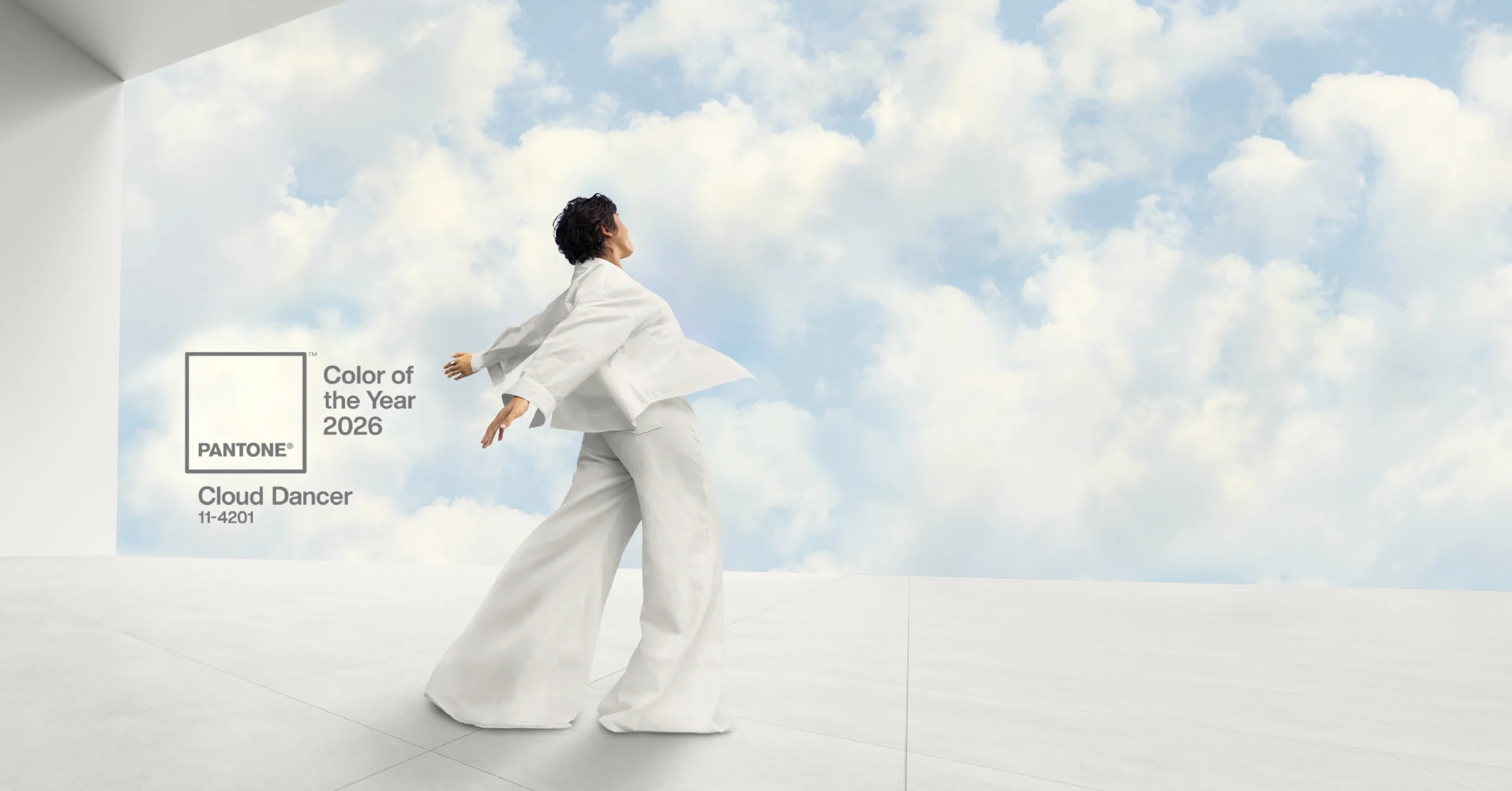
Pantone’s latest Color of the Year has sparked debate within fashion and design, according to WWD. While some question its cultural relevance, others see the controversy as proof that trend authority is evolving. In today’s fragmented fashion landscape, color trends are increasingly interpreted—not followed.
At a Glance
- Pantone’s newly announced Color of the Year has ignited debate across the fashion, beauty, and design industries, according to WWD.
- Critics question whether the selection reflects current cultural moods and consumer sentiment.
- Supporters argue that Pantone’s choice is intentionally provocative, designed to spark conversation rather than consensus.
- The controversy underscores shifting attitudes toward trend authority in fashion.
- Designers and brands are increasingly interpreting color trends independently rather than following a single directive.
Why the Color Choice Is Controversial
According to WWD, the criticism stems from several concerns:
1. Cultural Timing
Some industry voices feel the color does not align with the current global mood, shaped by economic uncertainty and shifting social values.
2. Commercial Saturation
Pantone colors are often adopted quickly and widely, leading to overexposure before they fully mature within fashion cycles.
3. Changing Creative Power Dynamics
Designers today draw inspiration from social media, subcultures, archives, and local identity—reducing reliance on traditional forecasting bodies.
Pantone’s Role in a Changing Industry
Pantone maintains that its Color of the Year is not meant to dictate taste, but to spark dialogue. The organization’s selections are based on extensive research into cultural trends, technology, art, and global events.
Yet the pushback suggests that influence in fashion is becoming more decentralized. Brands increasingly interpret color trends through their own lens—adapting hues to fit identity, narrative, and audience rather than following them verbatim.
How Fashion Brands Are Responding
Instead of wholesale adoption, many labels are now:
- using Pantone colors as reference points, not rules
- adapting shades to align with brand DNA
- focusing on texture, silhouette, and storytelling over color alone
- prioritizing emotional resonance over trend compliance
The Color of the Year still matters—but its role has shifted from instruction to inspiration.
What This Means for Trend Forecasting
The controversy highlights a broader industry evolution:
- trend authority is becoming plural, not singular
- cultural context outweighs universal forecasting
- consumers expect authenticity over conformity
Pantone remains influential, but it is now part of a larger ecosystem of trend signals rather than the definitive voice.
Editorial Perspective
For decades, Pantone’s Color of the Year has acted as a creative north star for designers, retailers, and marketers. But the reaction to this year’s choice suggests that the industry’s relationship with centralized trend forecasting is changing.
Fashion no longer moves in a singular direction. Instead, it splinters—across cultures, platforms, and communities. What resonates in one market may feel disconnected in another. The debate surrounding Pantone’s selection reflects this fragmentation, as creatives question whether a single color can still capture the collective mood.
In an era defined by personalization and cultural nuance, authority is being renegotiated.
