
TL;DR
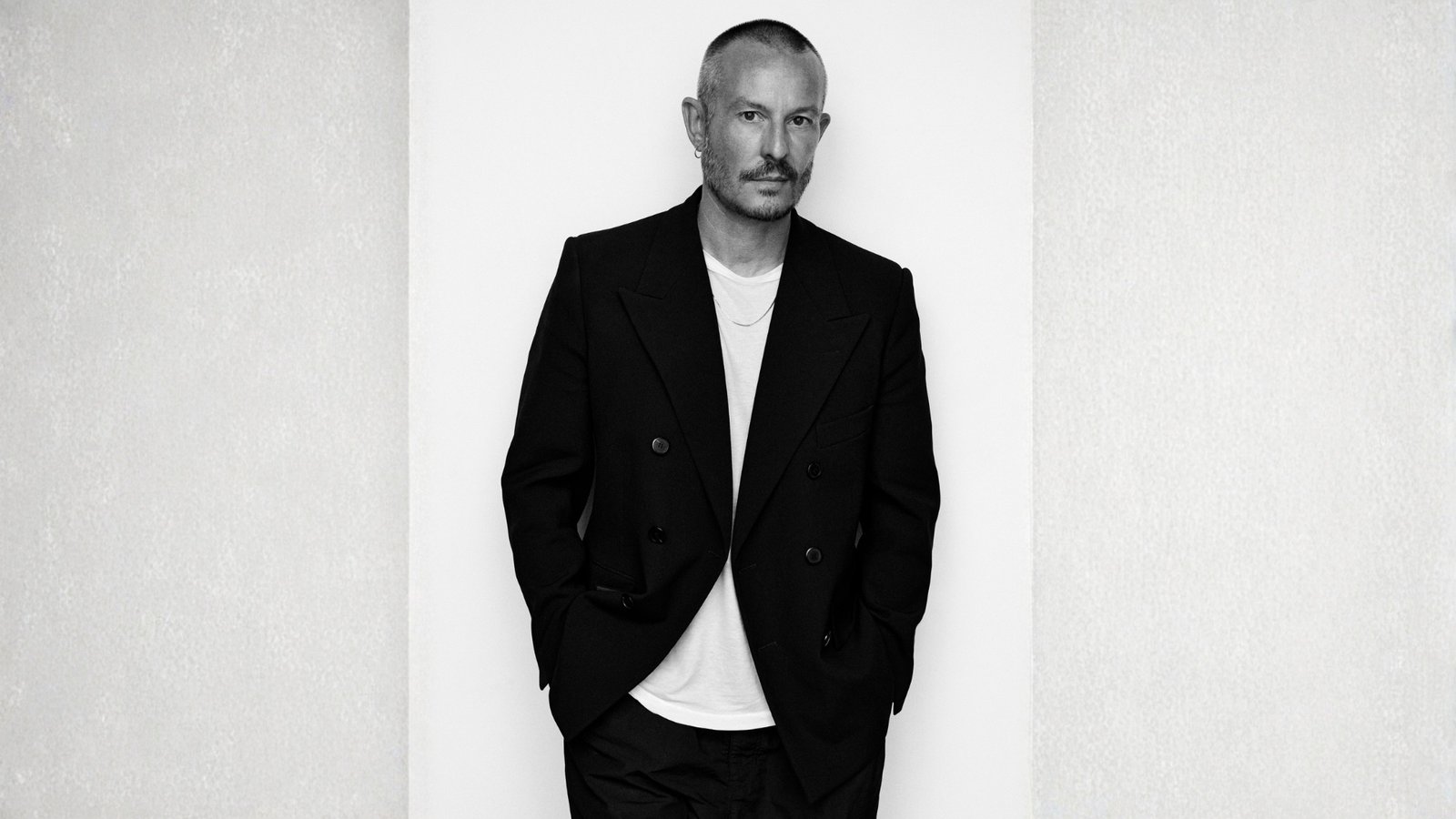
Kate Spade New York has appointed British designer Jonathan Saunders as Executive Creative Director. Beginning in August 2026, he will oversee product design and the brand’s overall creative vision, ushering in a new era focused on elevated design, stronger storytelling and a refreshed global identity.
At a Glance
- Kate Spade New York has appointed Jonathan Saunders as Executive Creative Director, effective Aug. 26, 2026.
- Saunders will oversee product design, brand identity and creative vision across all categories.
- He succeeds a period in which the brand operated without a single creative leader, making this one of Kate Spade’s most significant appointments in years.
- Saunders brings experience from Alexander McQueen, Calvin Klein, Diane von Furstenberg and his own acclaimed label.
Editorial Perspective
Kate Spade New York is making one of its boldest creative moves in years.
According WWD, by appointing British designer Jonathan Saunders as Executive Creative Director, the brand is signaling a renewed commitment to fashion leadership, product innovation and cohesive storytelling. Rather than simply overseeing seasonal collections, Saunders will shape the entire creative identity of Kate Spade—from handbags and ready-to-wear to campaigns, visual merchandising and overall brand expression.
The appointment comes at a pivotal time for the Tapestry-owned label, as accessible luxury brands compete for younger consumers who expect originality, cultural relevance and a consistent brand experience across every touchpoint.
Why Jonathan Saunders?
1. A Designer Known for Modern Color and Print
Jonathan Saunders built his reputation through:
- Bold color combinations
- Graphic prints
- Sophisticated tailoring
- Contemporary femininity
His namesake label became one of London’s most influential fashion brands before he went on to hold senior creative roles with major international houses.
His aesthetic balances creativity with commercial appeal—a combination that aligns well with Kate Spade’s playful heritage.
2. A Global Luxury Resume
Throughout his career, Saunders has collaborated with or designed for:
- Alexander McQueen
- Calvin Klein
- Diane von Furstenberg
- Louis Vuitton
- Chloé
- Tiffany & Co.
- Marc Jacobs
Most recently, he served as Chief Creative Officer at & Other Stories before accepting the Kate Spade role.
3. A Unified Creative Vision
Unlike a traditional design director, Saunders’ new position extends across:
- Product design
- Accessories
- Ready-to-wear
- Visual identity
- Campaigns
- Brand storytelling
The expanded role reflects how modern luxury brands increasingly require a single creative voice across all consumer experiences.
A New Chapter for Kate Spade
1. Reaffirming Brand Identity
Since its founding in 1993, Kate Spade has become synonymous with:
- Colorful optimism
- Feminine accessories
- Everyday luxury
- New York style
Saunders is expected to modernize these codes while preserving the brand’s distinctive personality.
2. Elevating Fashion Credibility
In recent years, Kate Spade has invested in:
- Stronger ready-to-wear collections
- Elevated leather goods
- Premium craftsmanship
- More refined design language
The appointment suggests the company intends to strengthen its fashion credentials alongside its successful accessories business.
3. Building Long-Term Creative Consistency
Rather than relying on seasonal trends, Saunders will help create:
- Cohesive product direction
- Stronger visual storytelling
- Clearer brand positioning
- Consistent global messaging
This holistic approach has become increasingly important as luxury and premium brands compete across retail, digital and social platforms.
Why This Matters for Fashion
1. Creative Leadership Is Back in Focus
Luxury and premium brands continue reshaping their leadership teams as competition intensifies.
Recent appointments across the industry demonstrate that companies are investing heavily in designers capable of combining:
- Commercial performance
- Cultural relevance
- Brand storytelling
- Product innovation
2. Accessories Remain the Growth Engine
Kate Spade’s business continues to be anchored by handbags and accessories.
A strong creative vision can help:
- Refresh iconic silhouettes
- Introduce new hero products
- Strengthen seasonal collections
- Increase full-price demand
For many luxury brands, accessories remain the most profitable category.
3. Brand Identity Is a Competitive Advantage
Today’s consumers interact with fashion brands through:
- Social media
- Retail stores
- Fashion campaigns
- Digital platforms
- Live experiences
A unified creative direction ensures every interaction reinforces the same brand identity.
The Bigger Trend: The Return of Designer-Led Brand Building
Saunders’ appointment reflects a broader industry shift.
Rather than separating fashion design from marketing and brand strategy, companies are increasingly empowering creative leaders to oversee the entire consumer experience.
The goal is not simply to create beautiful products—but to build cohesive worlds that consumers want to join.
For brands in the accessible luxury segment, strong creative leadership has become a key differentiator.
What This Means for Kate Spade
Jonathan Saunders’ arrival marks the beginning of a new creative cycle.
Expect future collections to emphasize:
- Elevated color palettes
- Contemporary femininity
- Modern accessories
- Stronger visual storytelling
- A refined interpretation of Kate Spade’s New York identity
His first collections will likely set the tone for the brand’s next decade as it competes with both luxury
What This Means for 2026
Kate Spade’s appointment demonstrates that creative leadership remains one of fashion’s most valuable investments.
As consumers increasingly seek brands with clear identities and emotional resonance, designers like Jonathan Saunders are expected to shape not only collections but entire brand ecosystems.
For Kate Spade, this marks more than a leadership change—it is a strategic move to redefine the brand for a new generation while remaining true to its optimistic New York spirit.
