
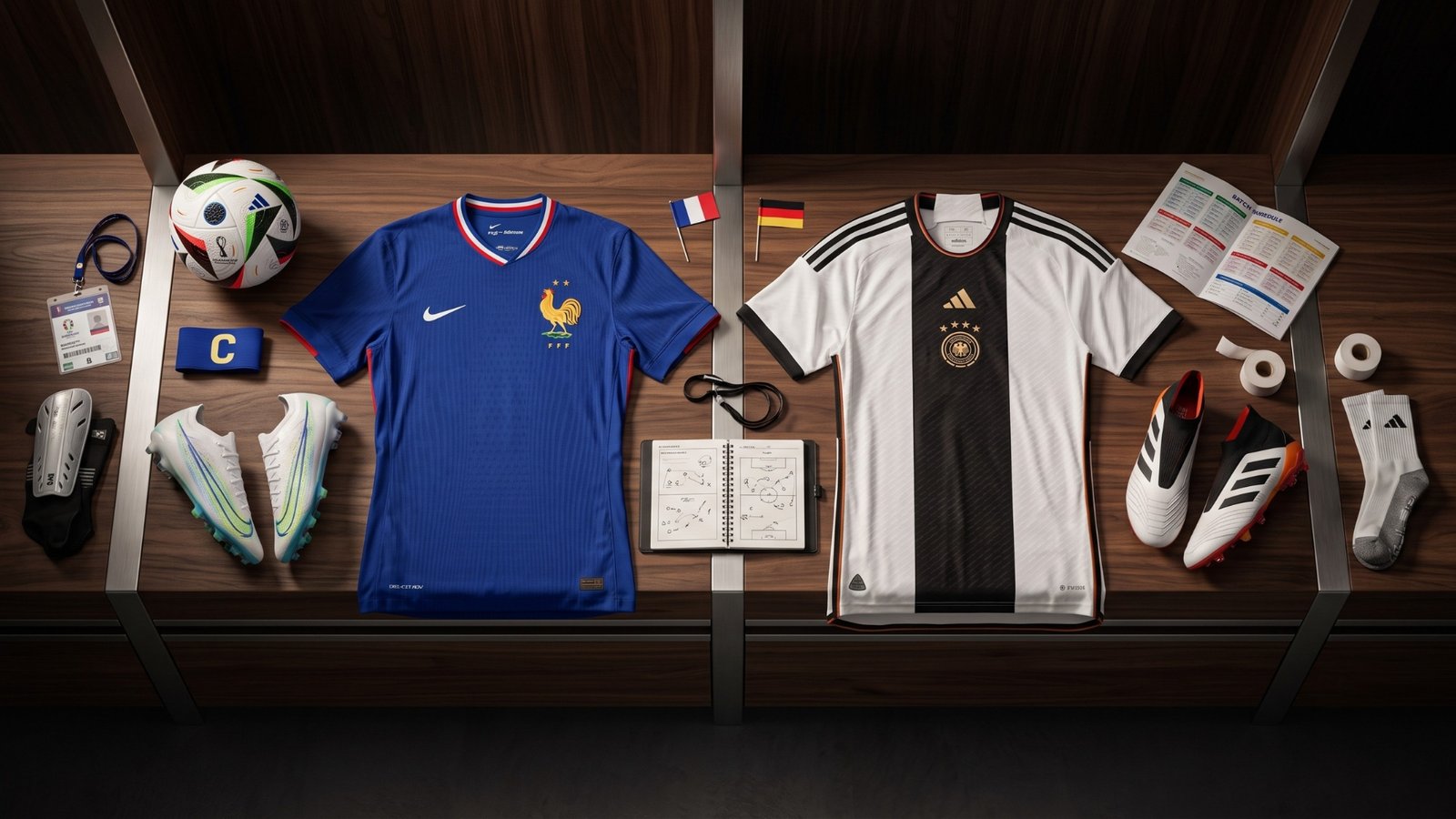
TL;DR
The 2026 FIFA World Cup has become a major commercial battleground for Adidas and Nike. Adidas is leading in jersey sales and official tournament merchandise, while Nike continues to dominate player footwear. Together, the rivalry highlights how football has evolved into one of the world’s most influential fashion and retail categories.
At a Glance
- The 2026 FIFA World Cup has become one of the year’s biggest retail events for Adidas and Nike.
- Adidas is seeing particularly strong momentum in team jersey sales, helped by its role as an official FIFA partner and supplier to 14 national teams.
- Nike continues to dominate football boot visibility, with more World Cup starters wearing its boots than Adidas models.
- Limited-edition jerseys, lifestyle collections and fan merchandise are becoming increasingly important drivers of sportswear revenue during major tournaments.
Editorial Perspective
Every four years, the FIFA World Cup becomes more than a sporting spectacle—it becomes one of fashion and retail’s most valuable commercial stages.
For Adidas and Nike, the tournament is not simply about sponsoring teams. It is an opportunity to influence global style, drive merchandise sales and reinforce brand loyalty across millions of consumers.
This year’s competition demonstrates how football has evolved into a lifestyle category, where official jerseys, football boots and limited-edition collections generate excitement that extends well beyond the ninety minutes on the pitch.
Inside the World Cup Retail Battle
1. Adidas Leads the Jersey Race
As FIFA’s long-time official partner, Adidas entered the tournament with a significant commercial advantage.
The company supplies kits for several of football’s biggest national teams, including defending champions Argentina, Germany, Spain and Mexico.
Recent retail data shows:
- Adidas apparel sales surged approximately 70% year over year ahead of the tournament.
- Store traffic increased significantly during the opening week.
- Mexico’s national team jersey became one of the event’s best-selling kits.
The company’s strategy combines heritage football credibility with fashion-led collaborations that appeal beyond traditional sports fans.
2. Nike Wins on the Pitch
While Adidas enjoys stronger jersey momentum, Nike continues to dominate another crucial category: football boots.
According to tournament data:
- More starting players are wearing Nike boots than Adidas models.
- Nike remains especially strong in elite player endorsements and performance footwear visibility.
This reinforces Nike’s long-standing positioning as a performance-first brand, even as competition intensifies.
3. Football Fashion Goes Mainstream
The biggest surprise may not be the match results—but the popularity of football fashion.
Consumers are increasingly purchasing:
- Official jerseys as everyday streetwear
- Retro football collections
- Lifestyle sneakers inspired by national teams
- Limited-edition collaborations
The World Cup has become as influential in fashion as it is in sport, particularly among Gen Z consumers.
Why the World Cup Matters Financially
1. A Global Retail Accelerator
Unlike most sporting events, the FIFA World Cup creates demand across multiple categories:
- Jerseys
- Football boots
- Lifestyle apparel
- Accessories
- Collectibles
For sportswear companies, it represents one of the few moments capable of generating simultaneous global demand.
2. National Pride Drives Purchasing
Unlike club football, international tournaments tap into emotional purchasing behavior.
Fans buy products not simply because of athletes—but because of national identity.
This emotional connection often leads to:
- Higher full-price sell-through
- Faster inventory turnover
- Increased social media engagement
3. Limited Editions Create Urgency
Brands continue to rely on scarcity to fuel demand.
Exclusive releases tied to:
- Tournament milestones
- Host cities
- National teams
- Heritage collections
help create a collector mentality that extends well beyond the final whistle.
The Bigger Trend: Football Is Luxury’s New Lifestyle Category
Luxury and sportswear continue to converge.
Today, football jerseys appear alongside:
- Designer tailoring
- Premium sneakers
- Luxury watches
- High-fashion collaborations
What was once purely athletic apparel has become an accepted part of contemporary fashion culture.
Brands such as Louis Vuitton, Dior and Moncler have increasingly embraced football-inspired aesthetics, while sportswear companies continue adopting luxury-style storytelling and limited-edition release strategies.
Adidas vs. Nike: Different Strategies, Same Goal
The two rivals are approaching the tournament from different angles.
Adidas focuses on:
- Official FIFA partnerships
- Heritage football credibility
- Team jerseys
- Lifestyle collaborations
Nike emphasizes:
- Elite athlete endorsements
- Performance innovation
- Football boots
- Cultural storytelling
Together, these strategies demonstrate how success today depends on balancing athletic performance with lifestyle relevance.
What This Means for 2026
The 2026 FIFA World Cup reinforces several long-term retail trends:
- Football merchandise is increasingly fashion-driven.
- Jerseys have evolved into year-round lifestyle products.
- Major sporting events are becoming global shopping moments.
- Brand storytelling is proving just as valuable as on-field performance.
For Adidas and Nike, the competition extends far beyond the scoreboard. The real victory lies in winning consumer attention, cultural relevance and retail sales—one jersey, one boot and one fan at a time.
