
TL;DR
Met Gala 2026 red carpet transforms fashion into art — with sculptural silhouettes, body-centric design, and couture spectacle redefining the relationship between clothing, identity, and culture.
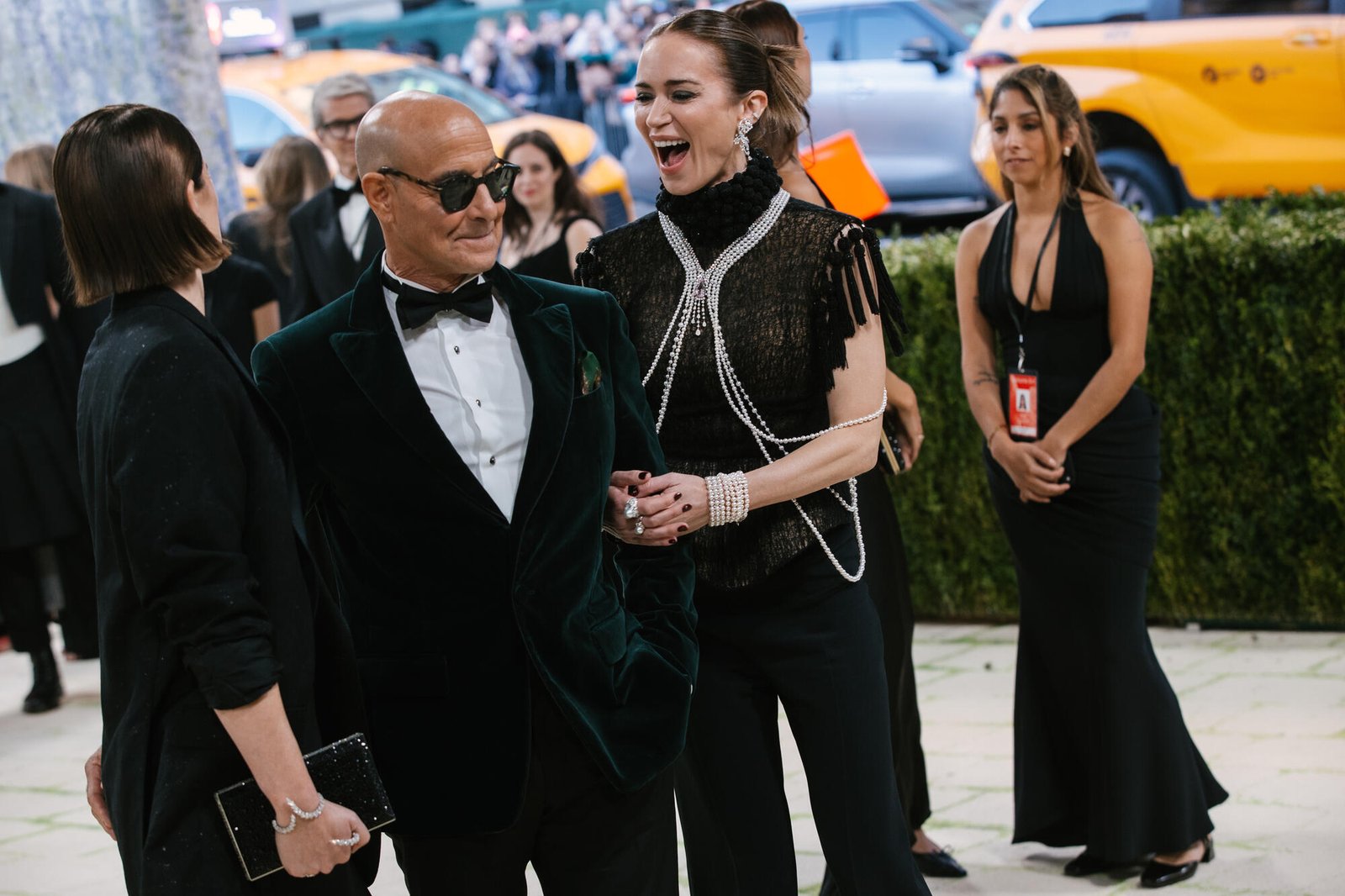
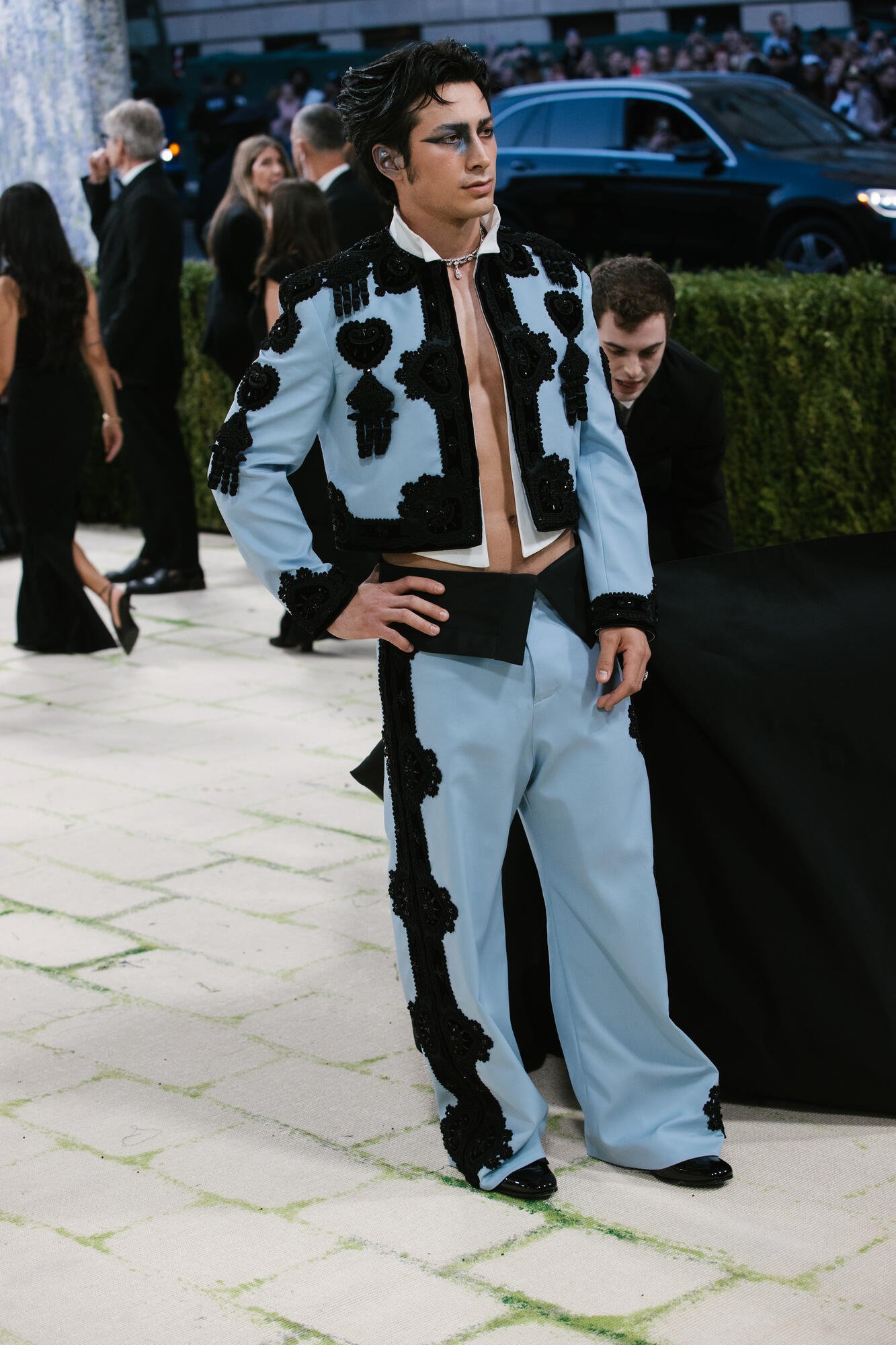
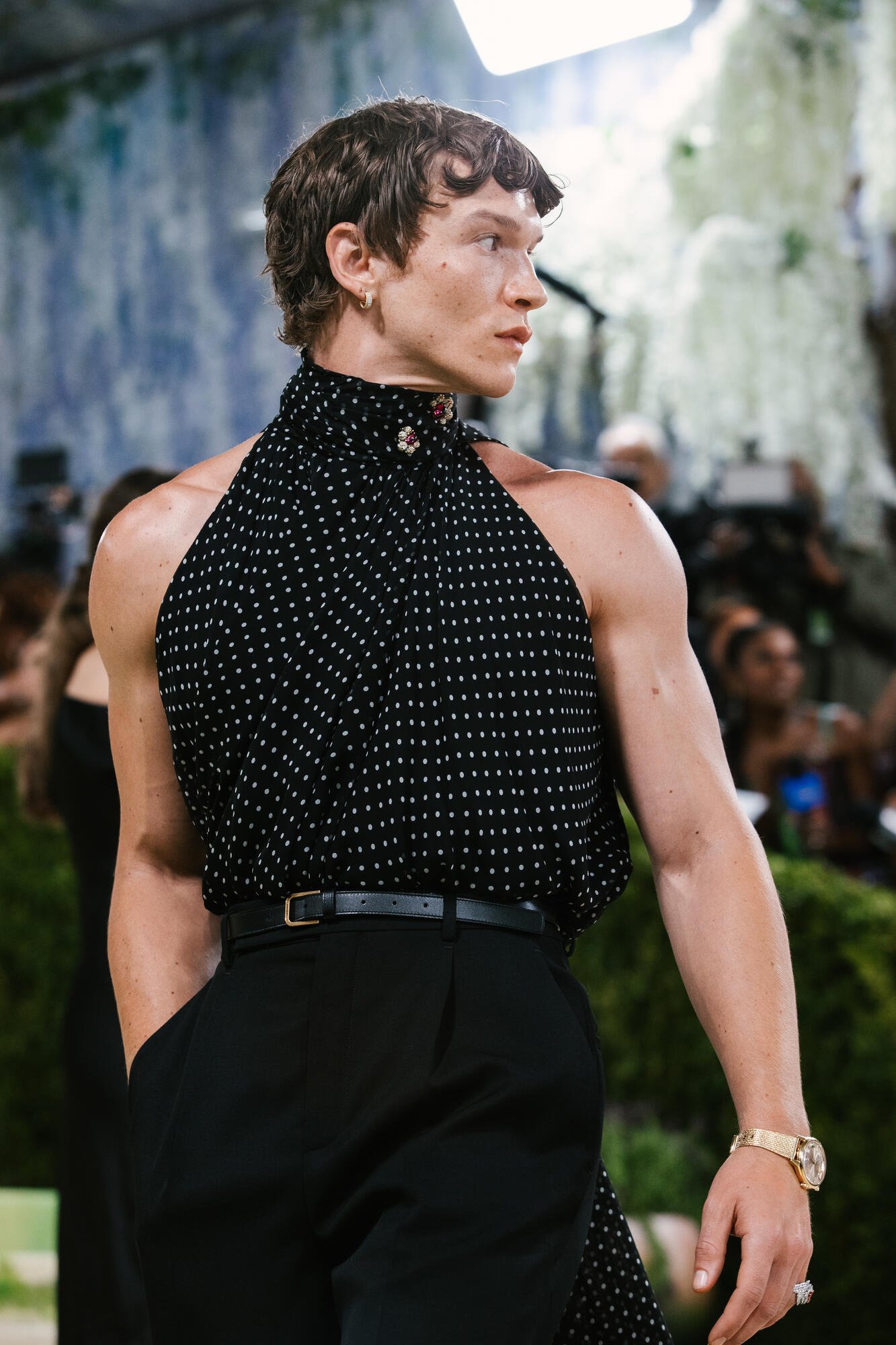
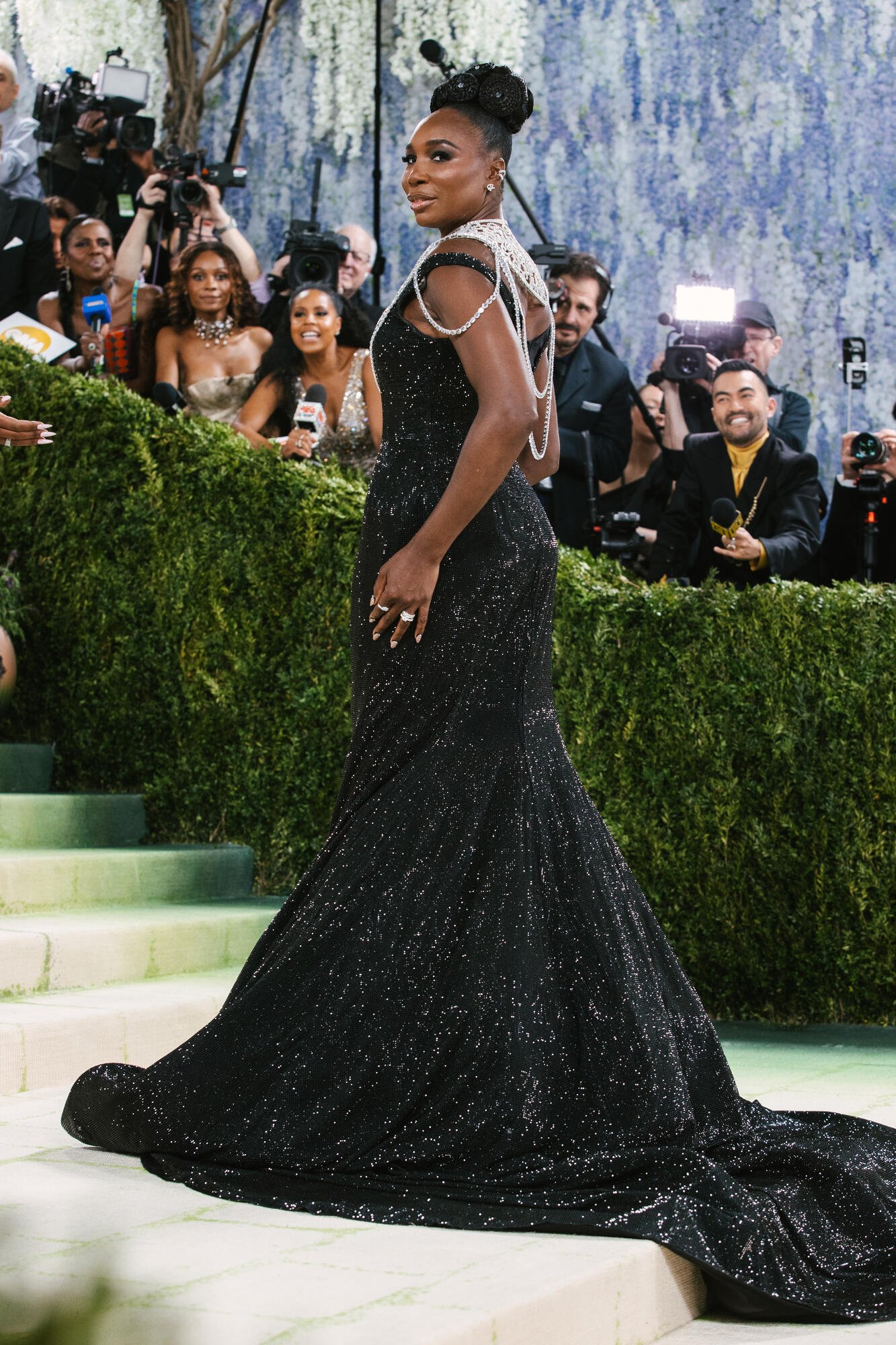
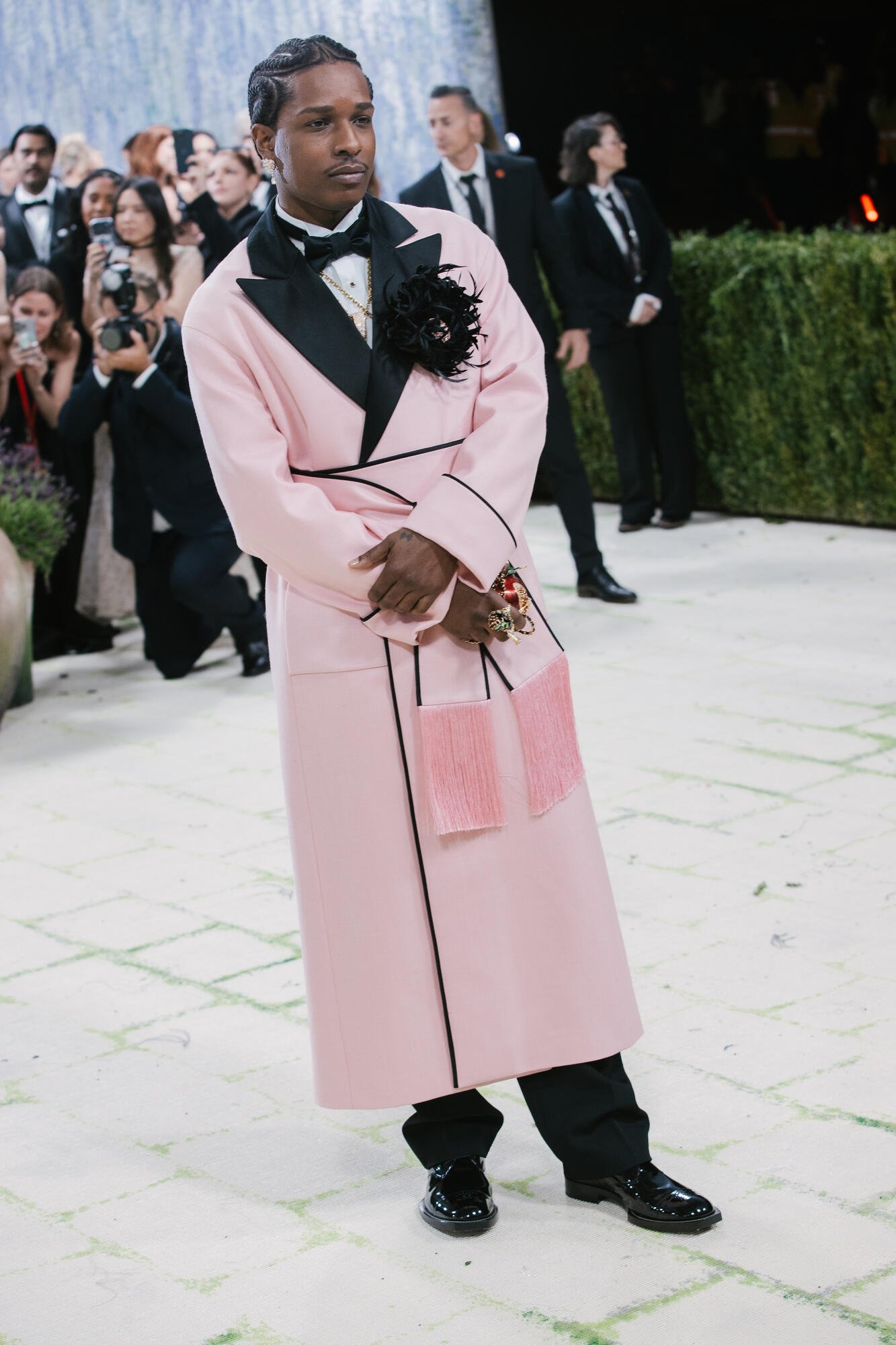
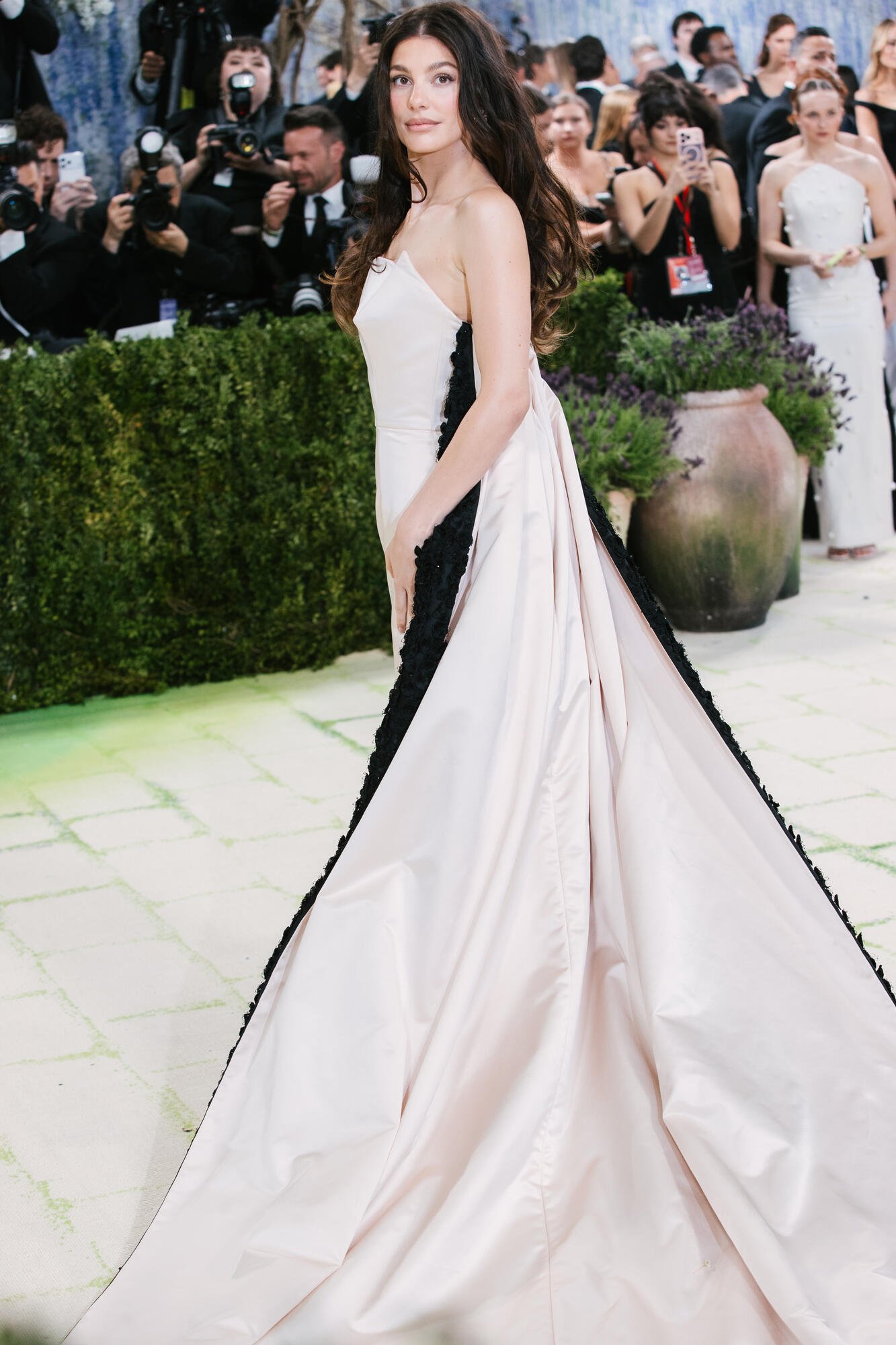
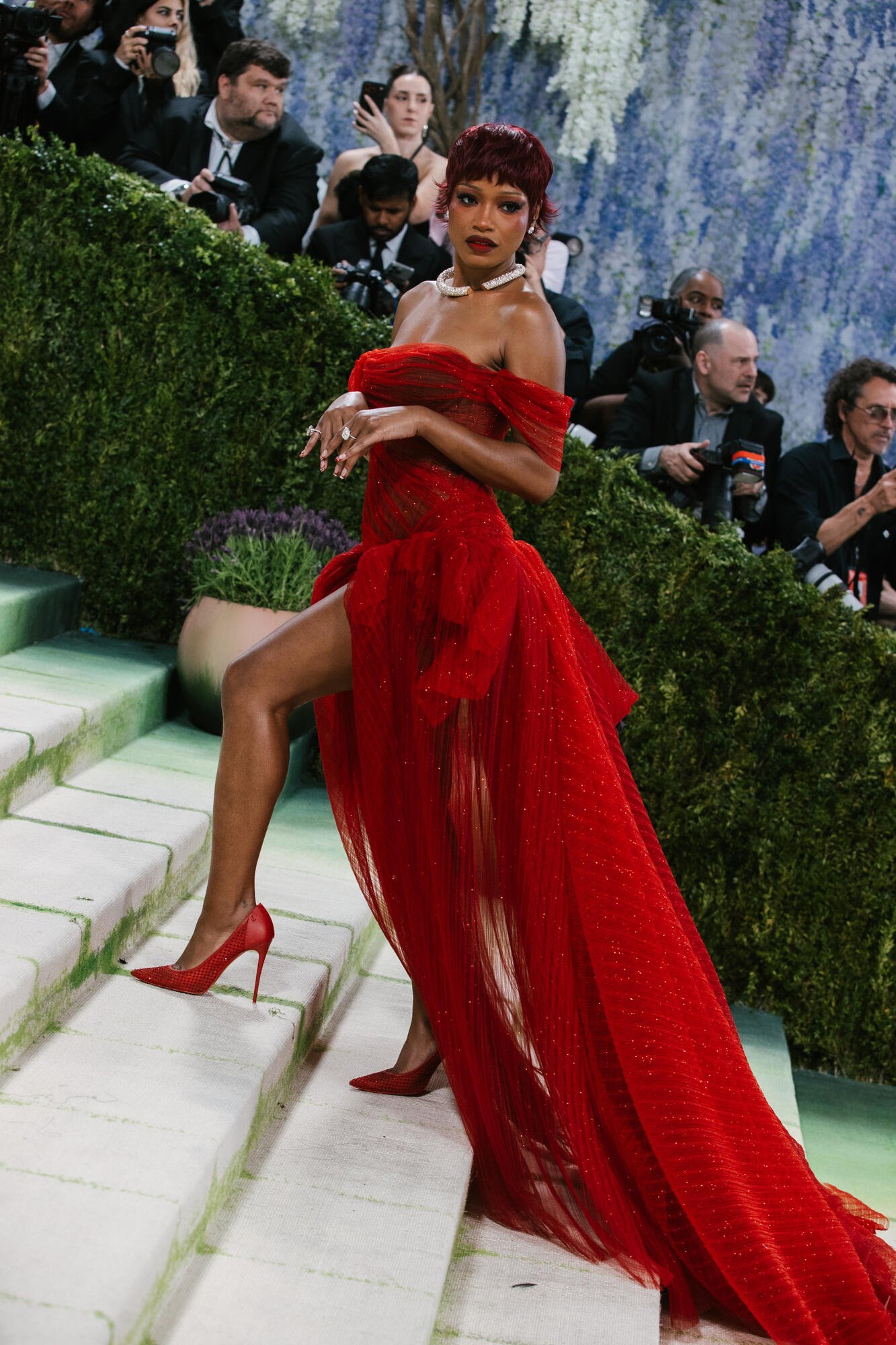
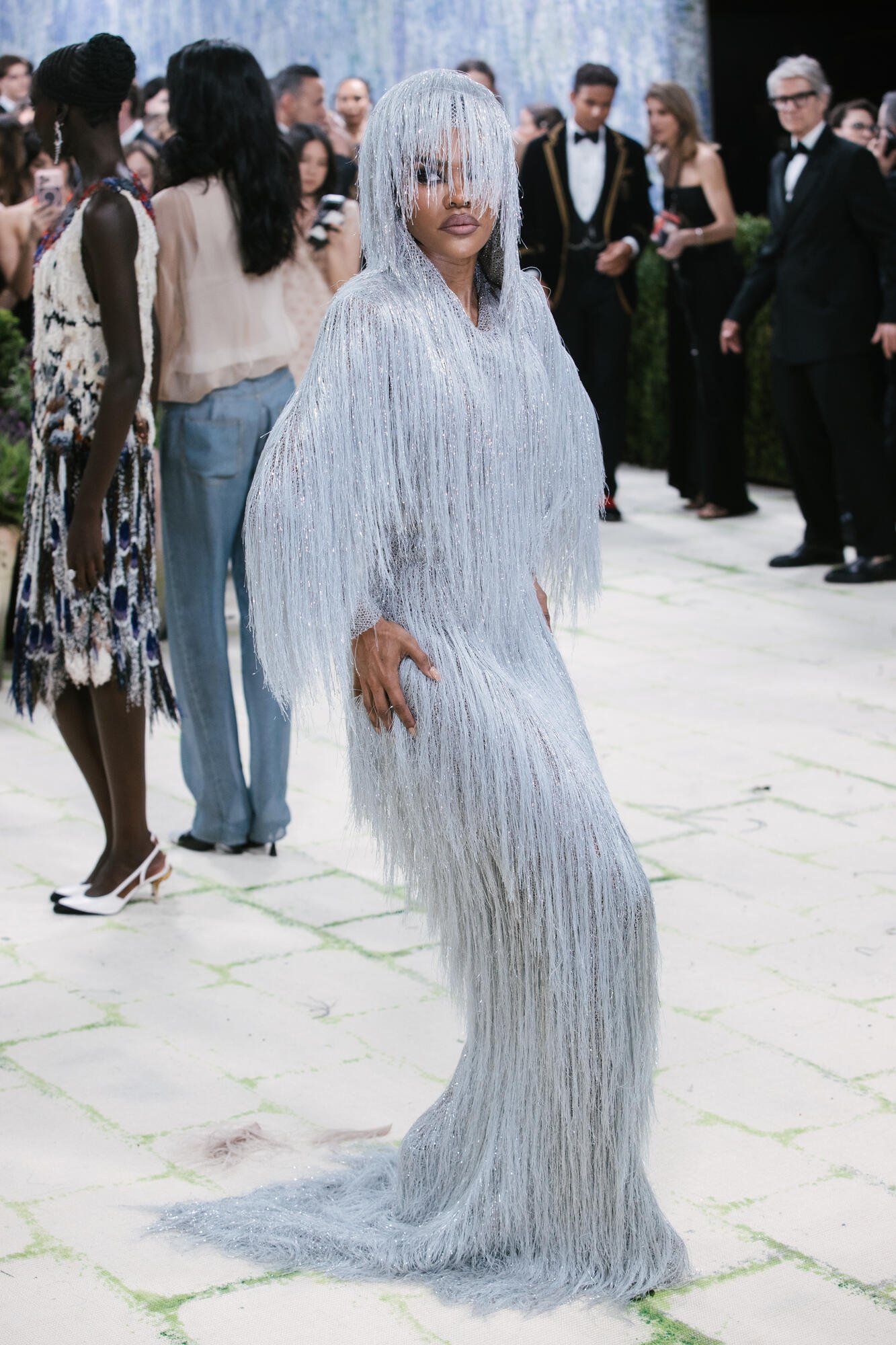
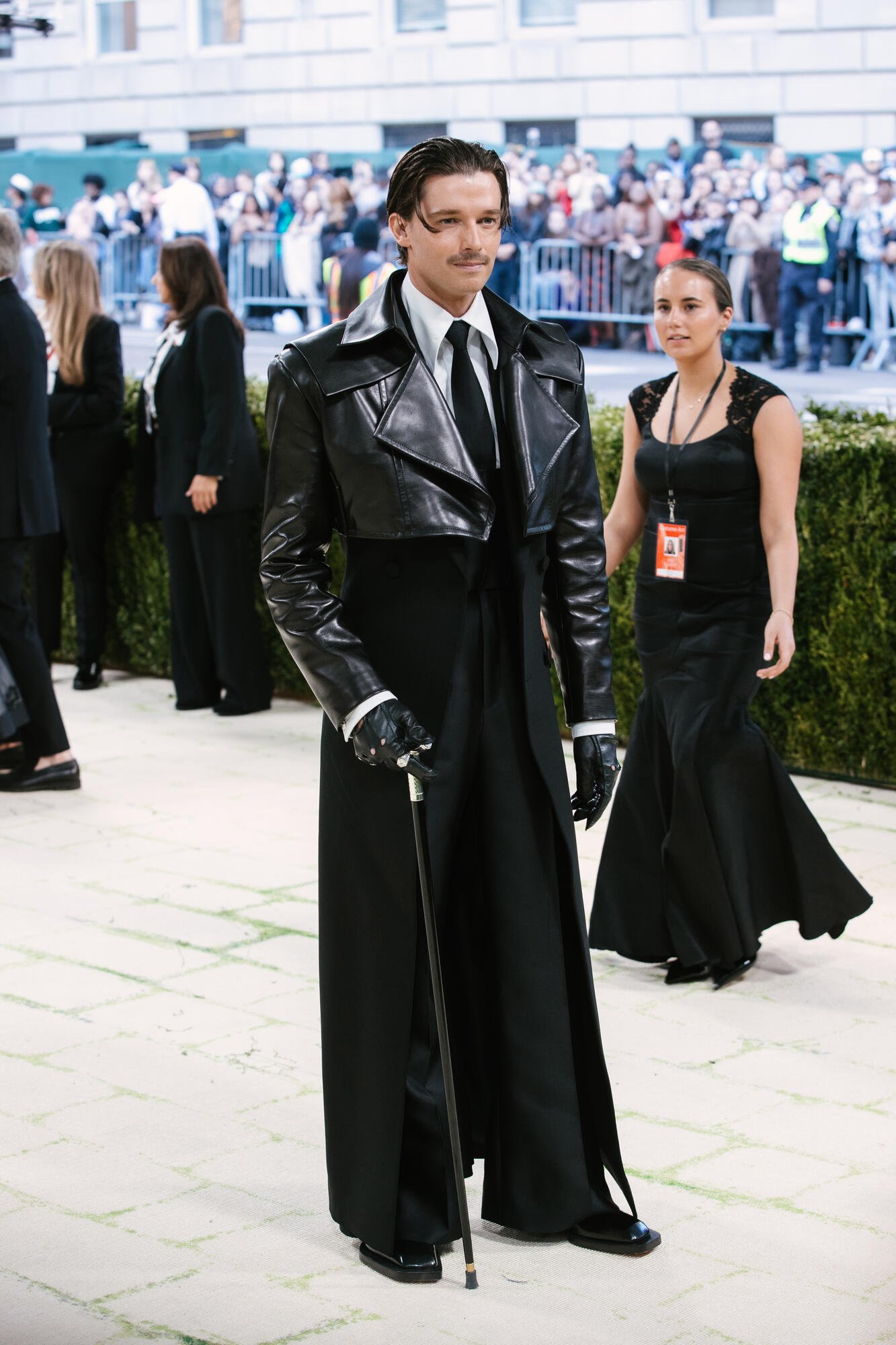
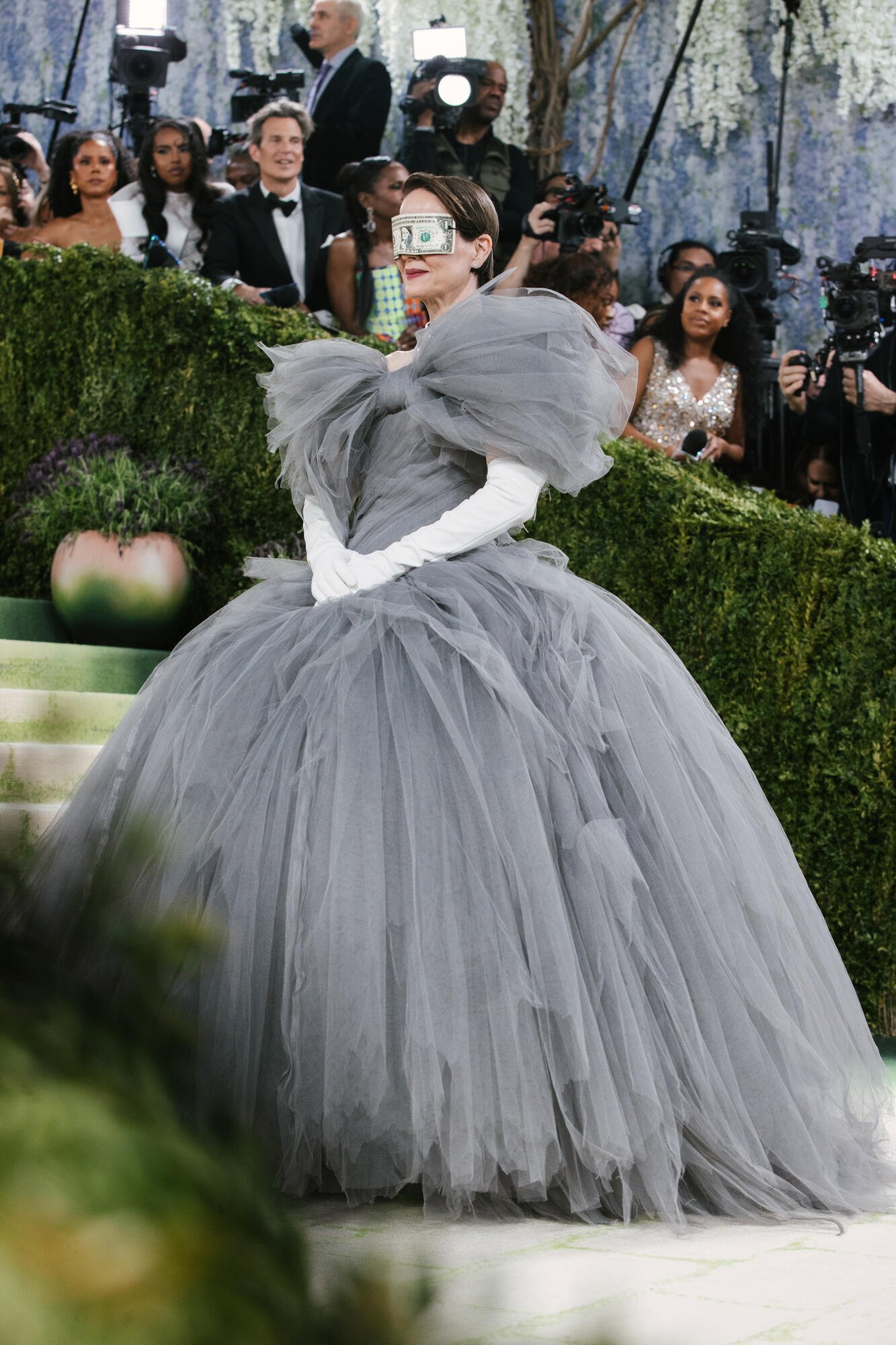
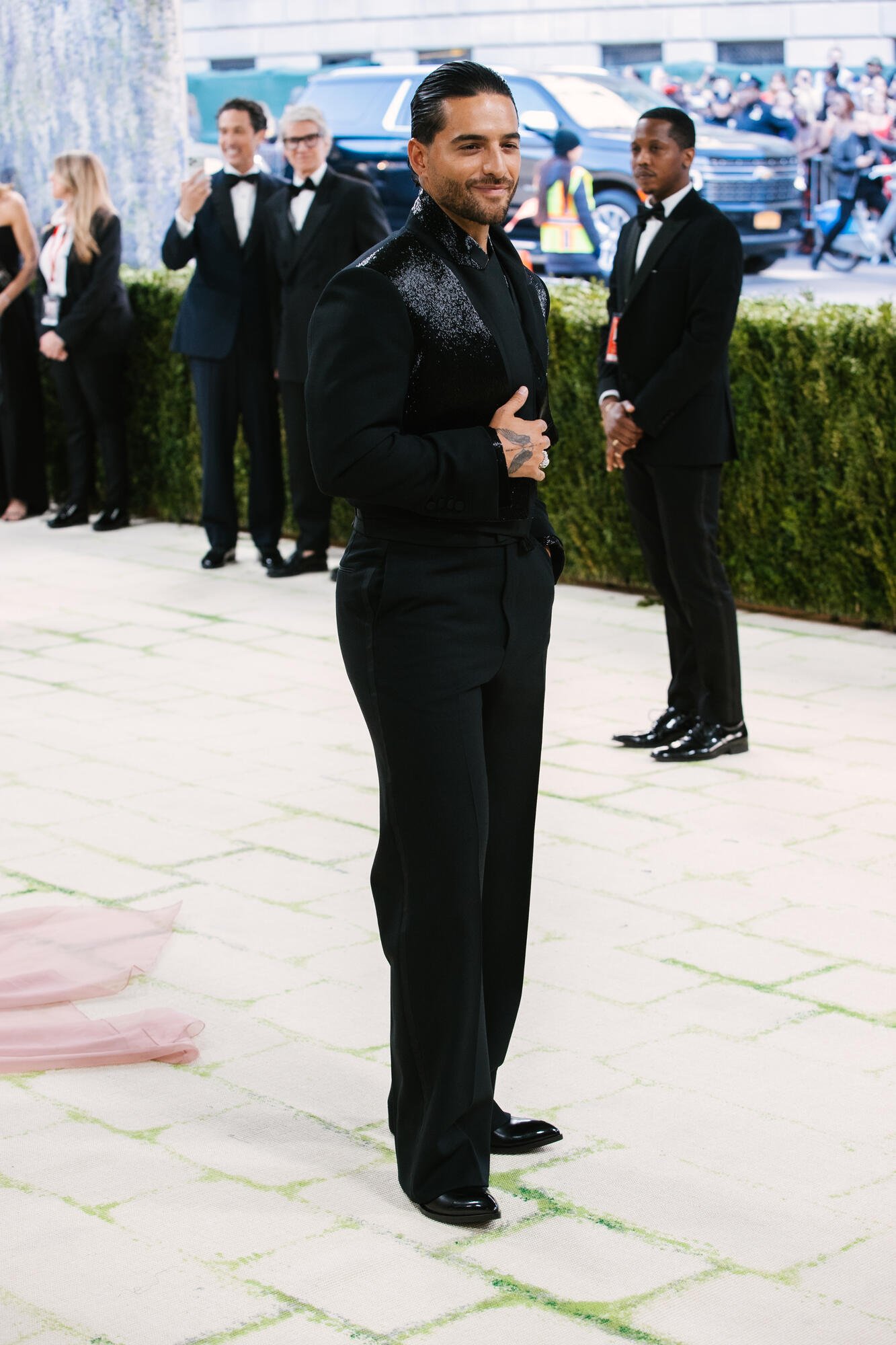
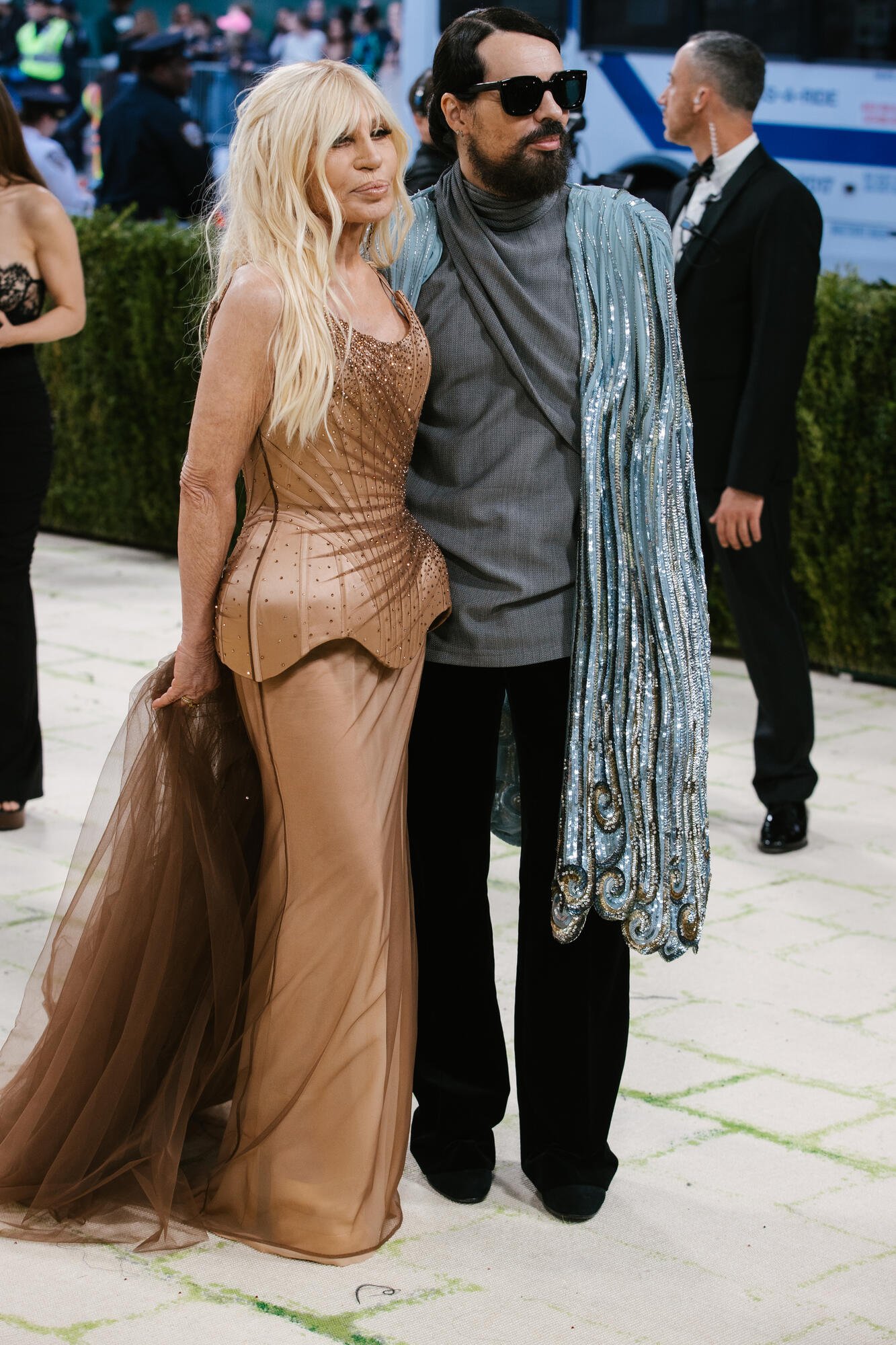
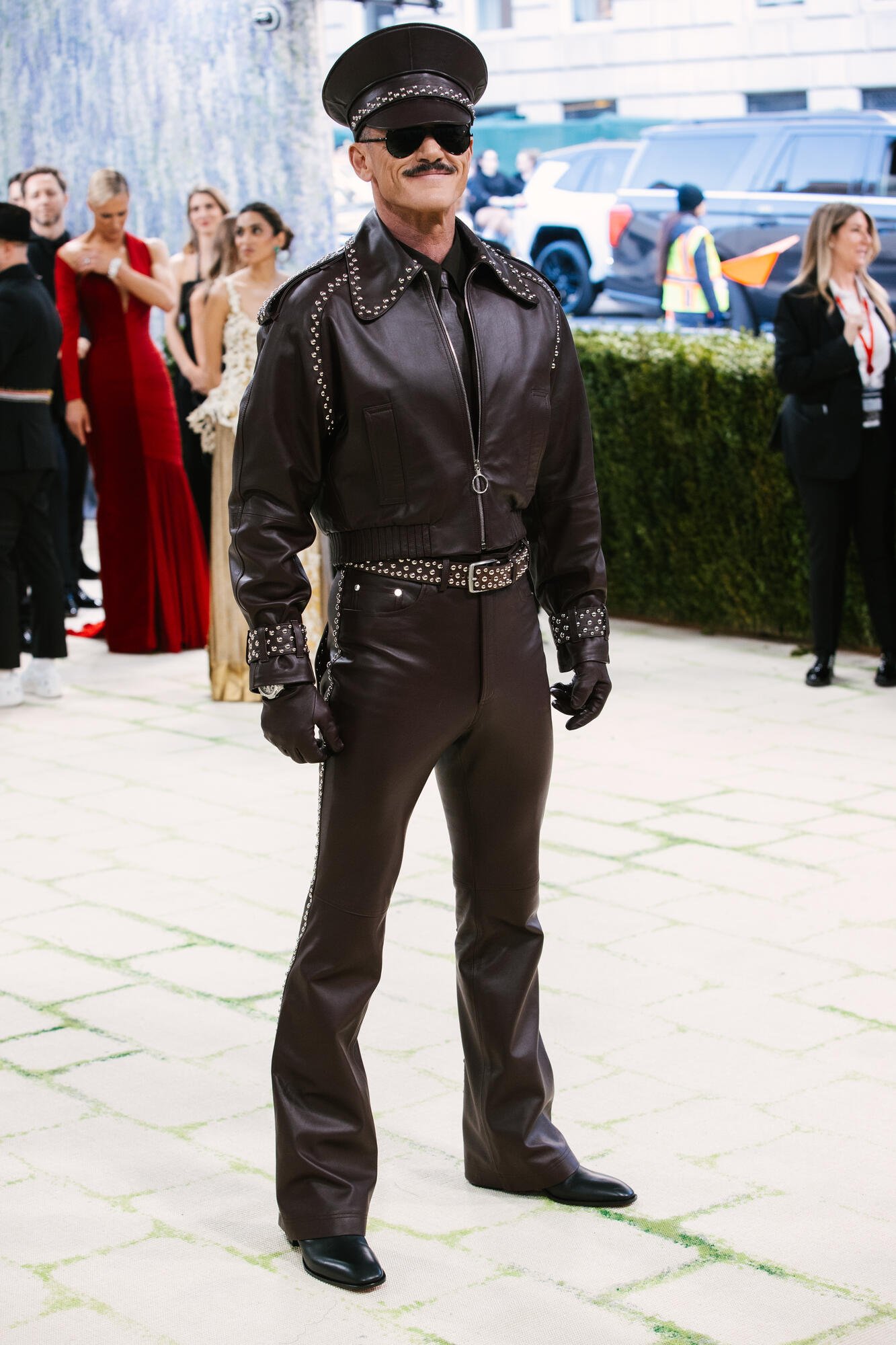
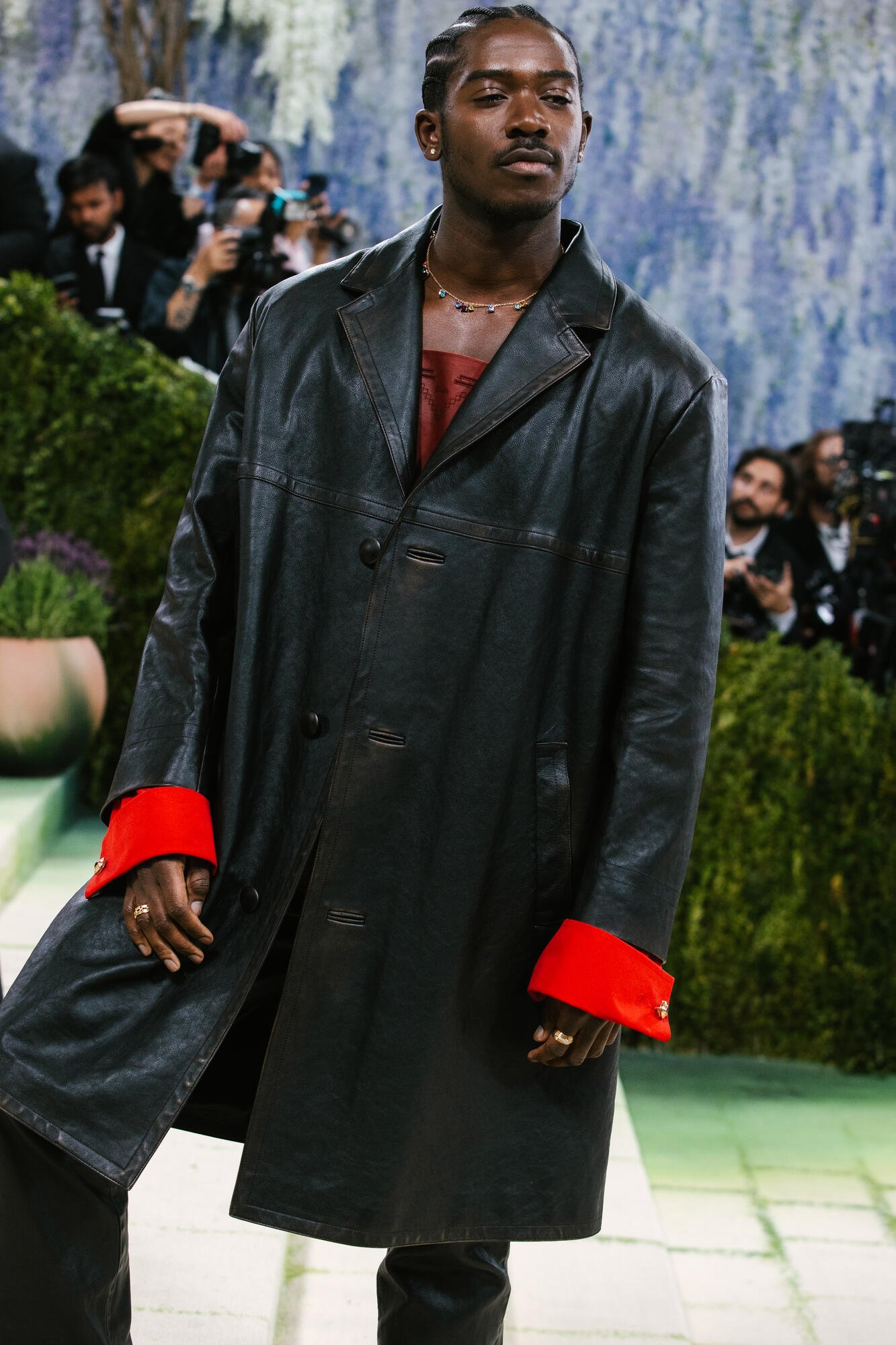
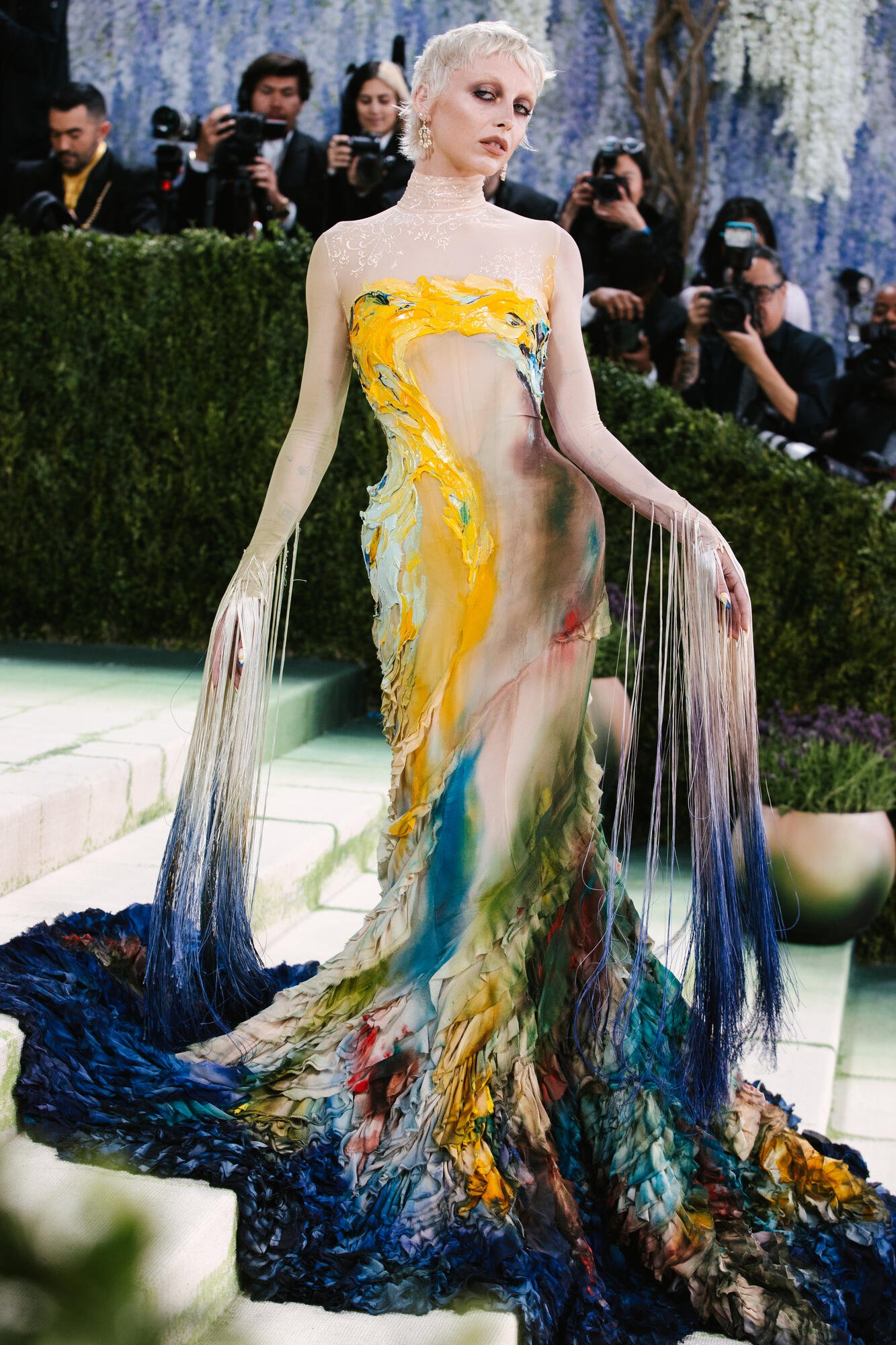
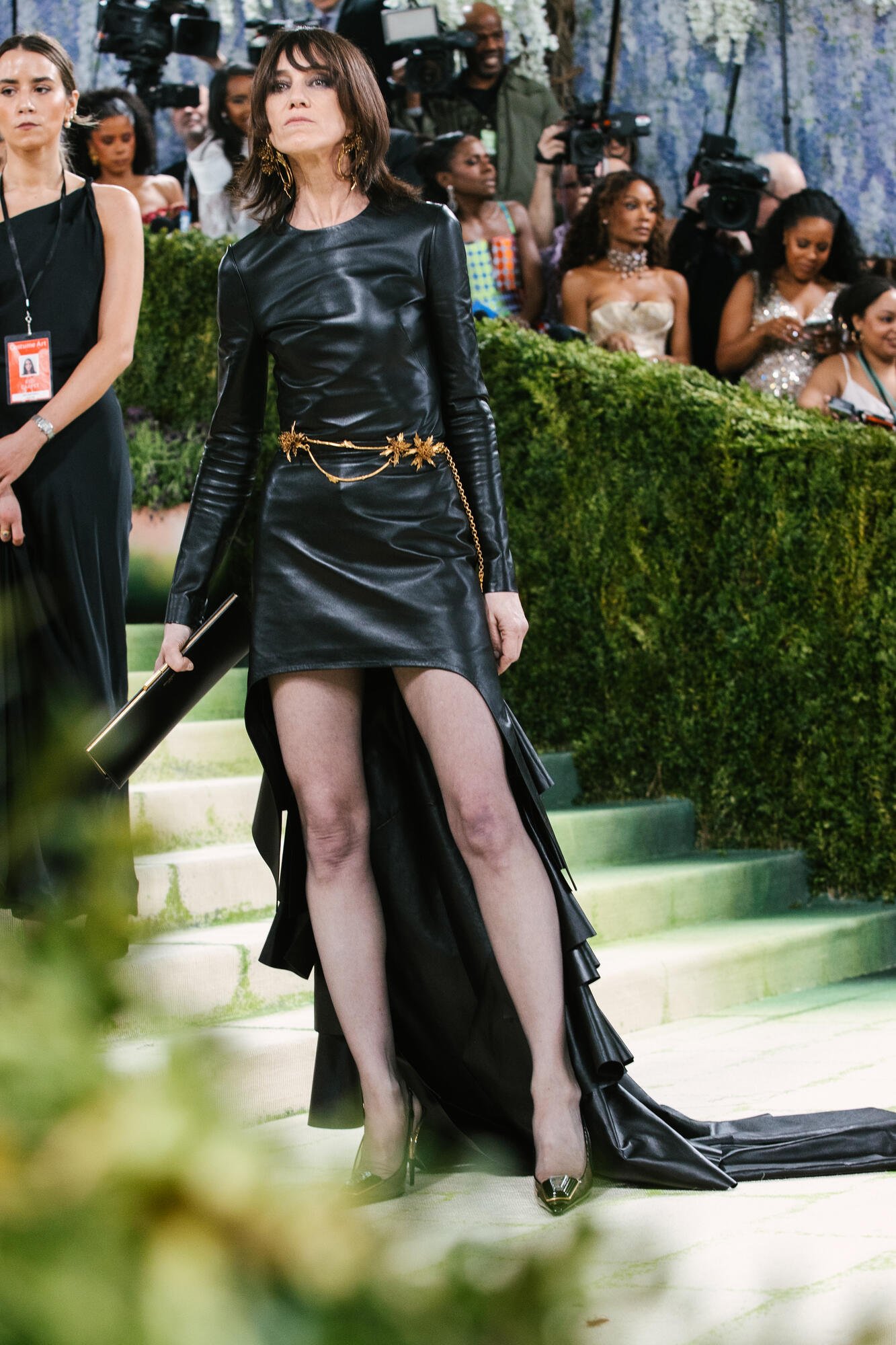
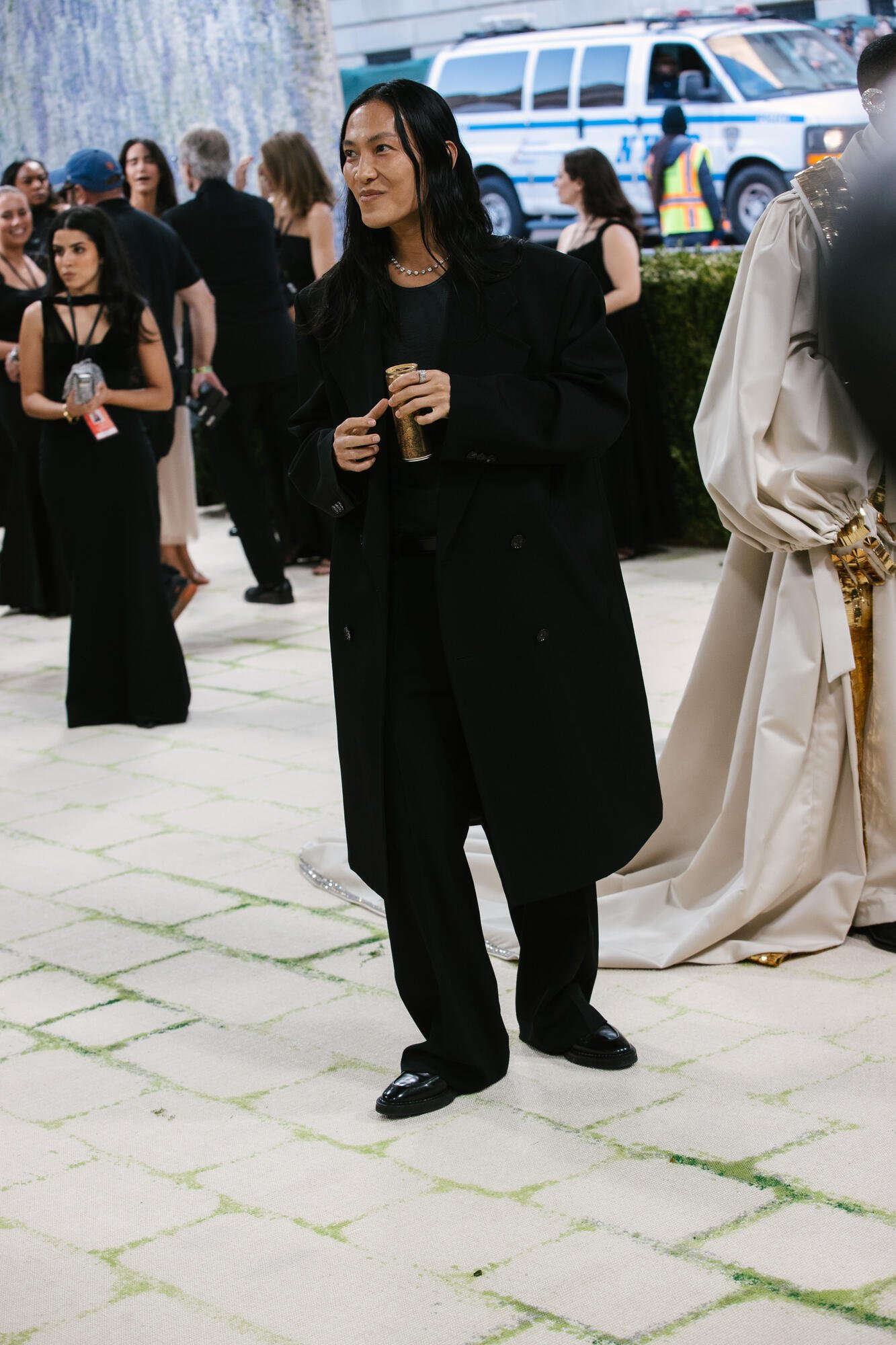
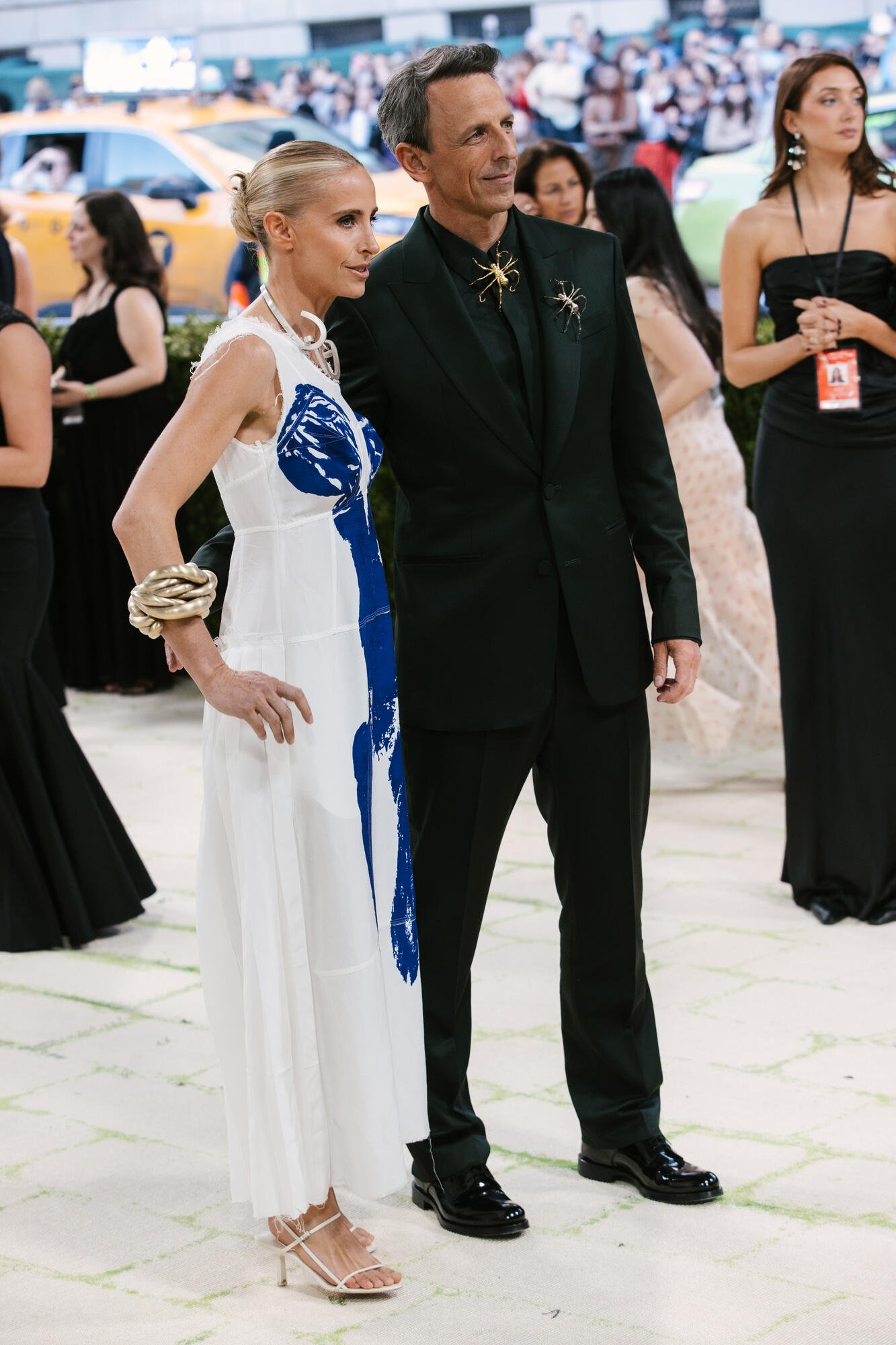
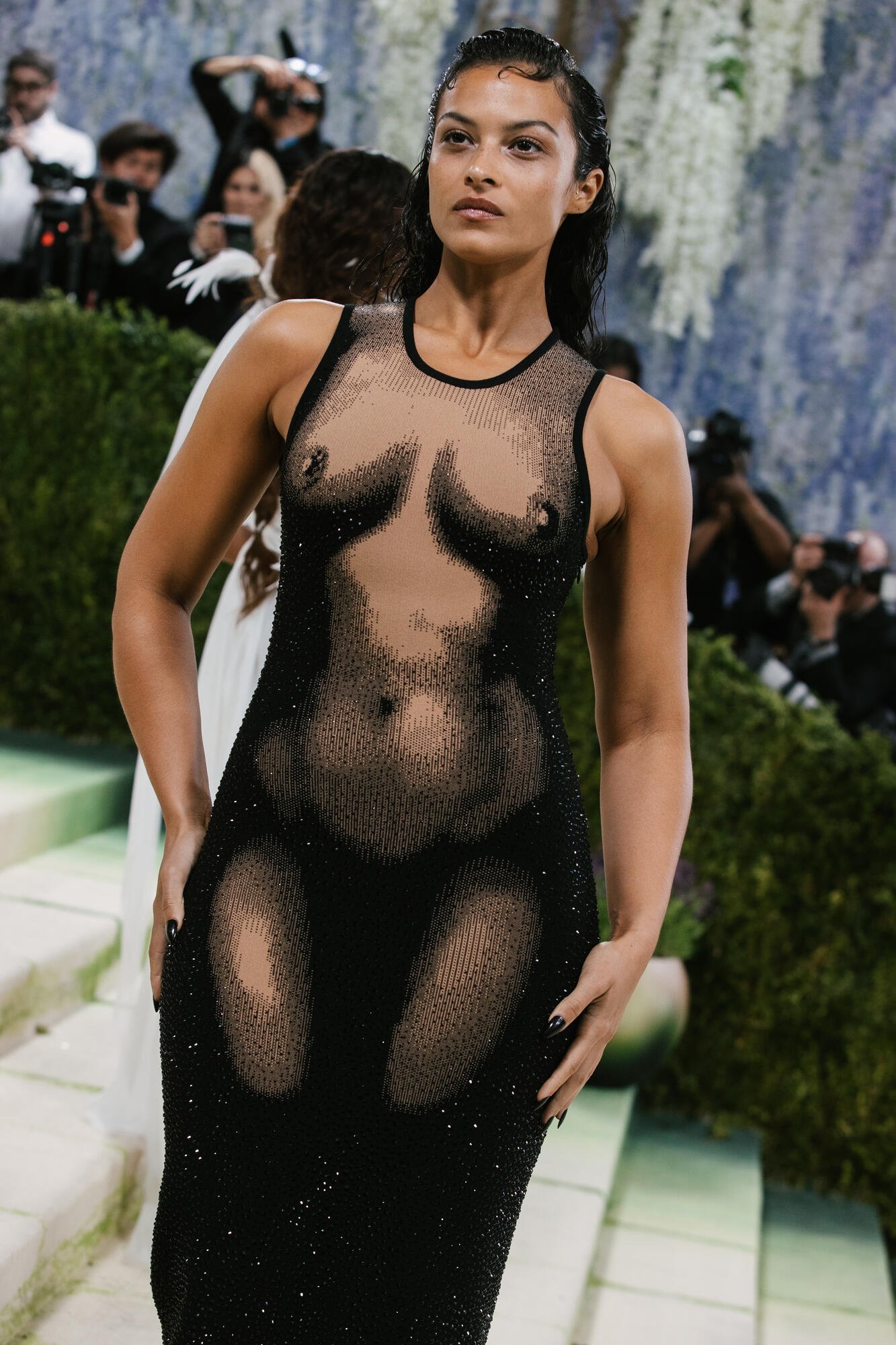
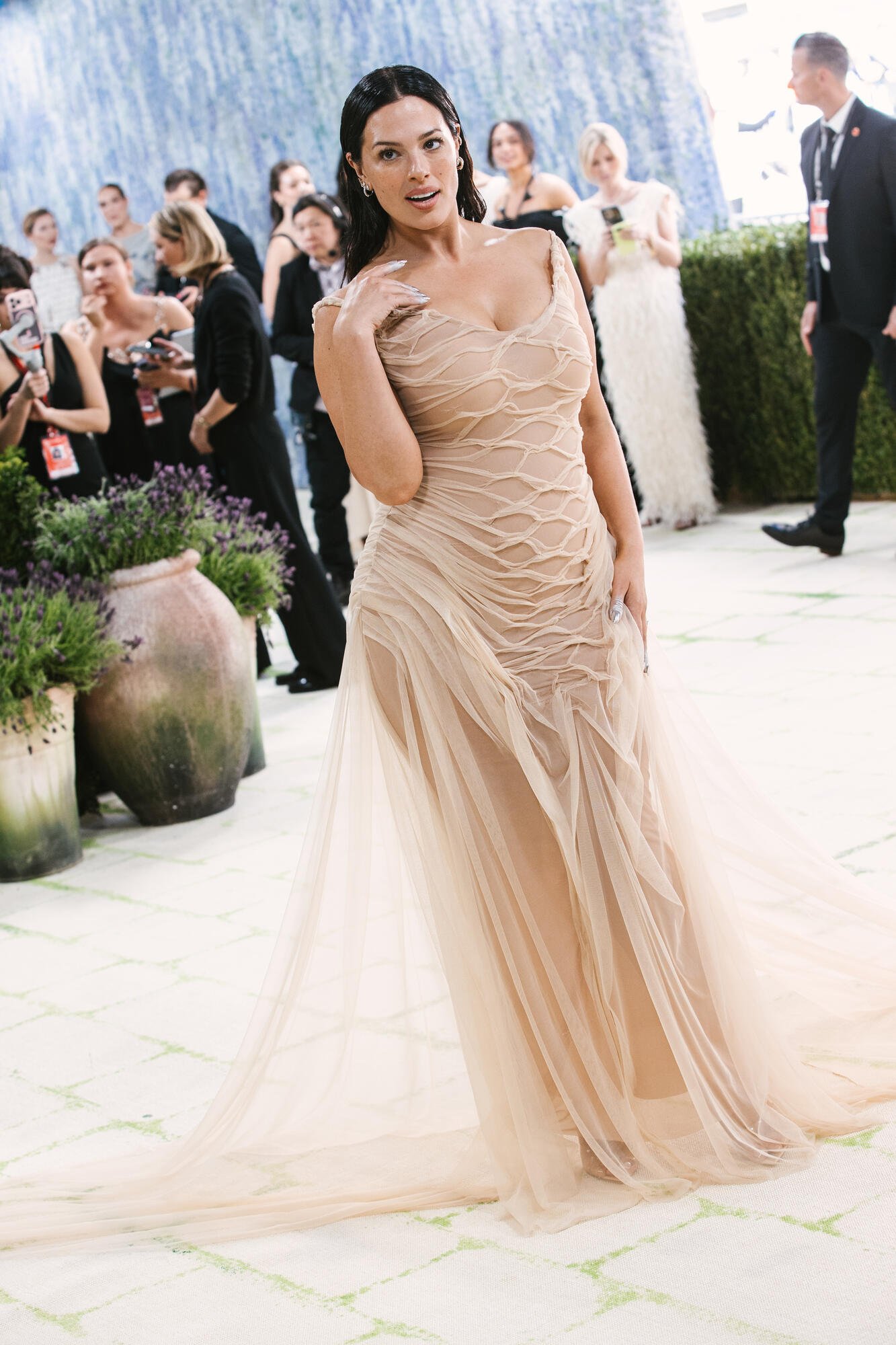
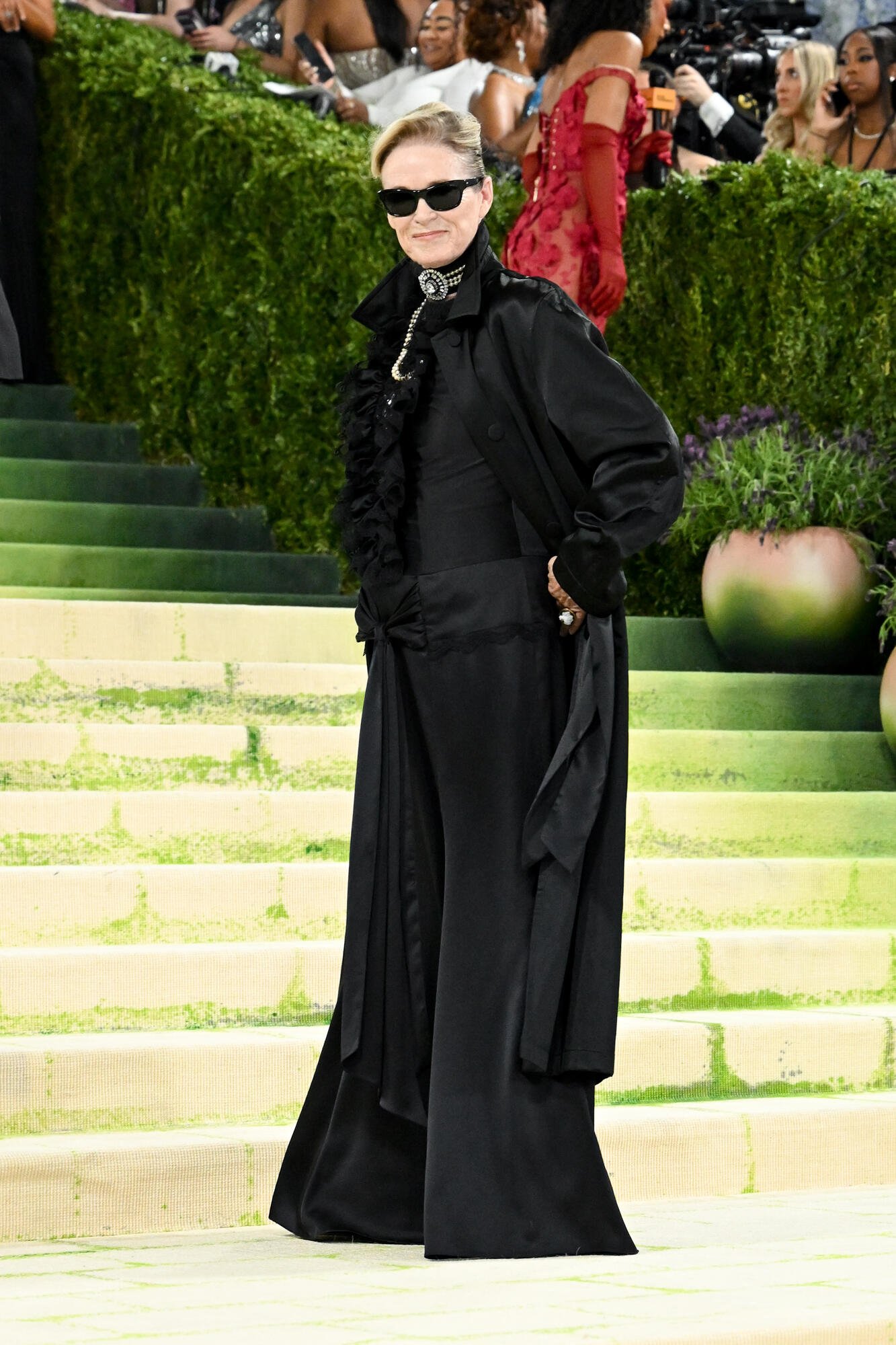
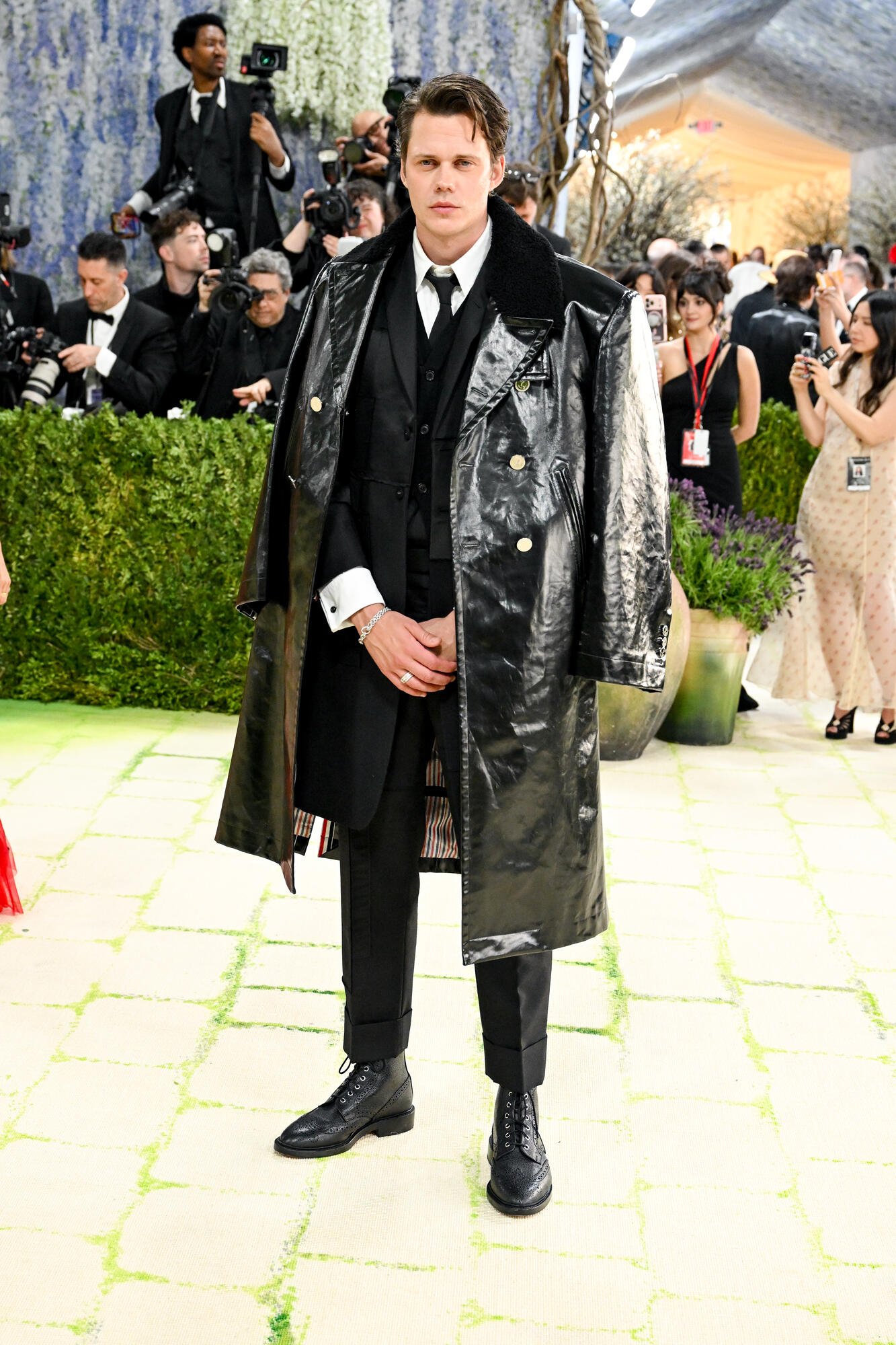
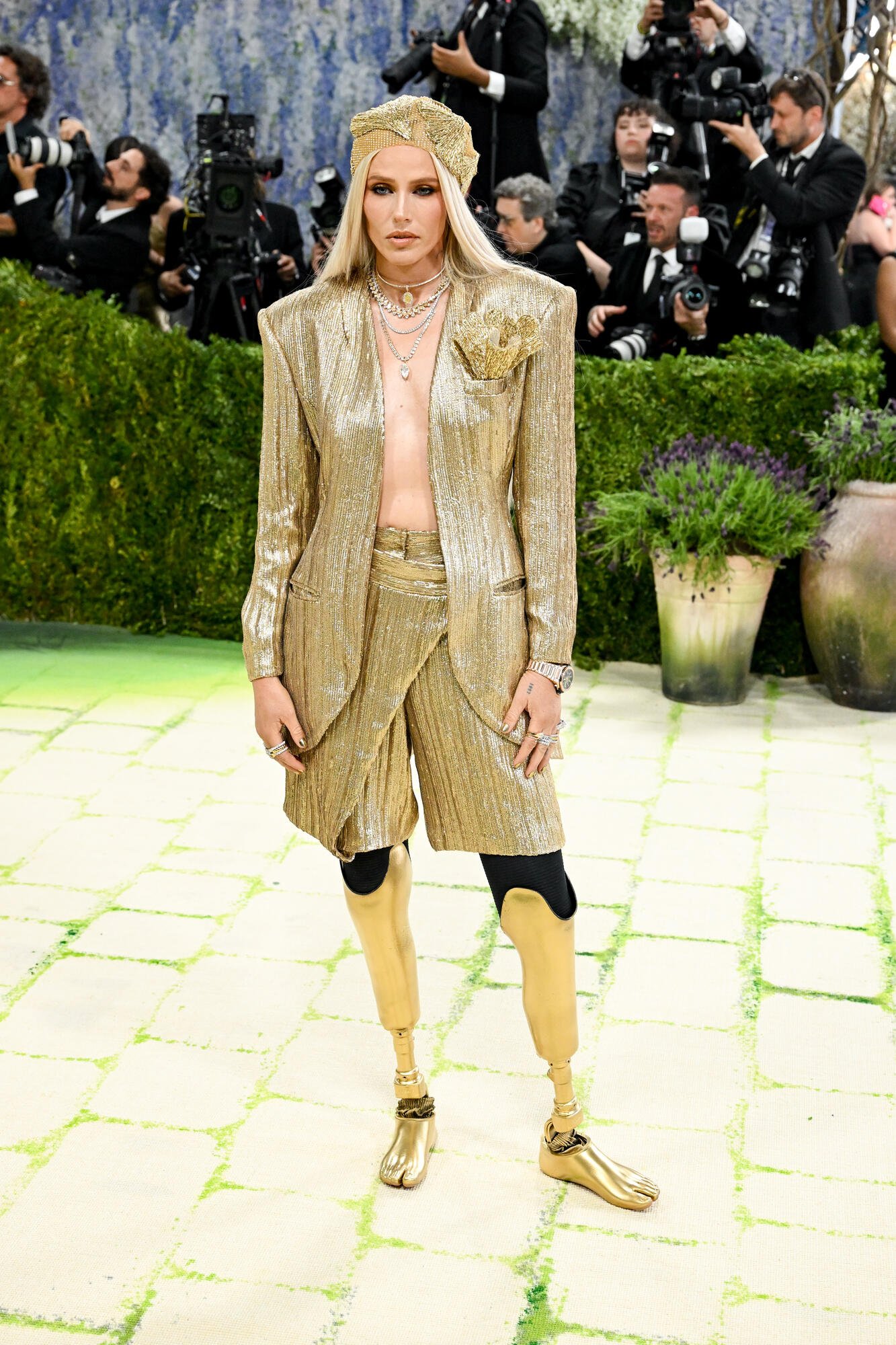
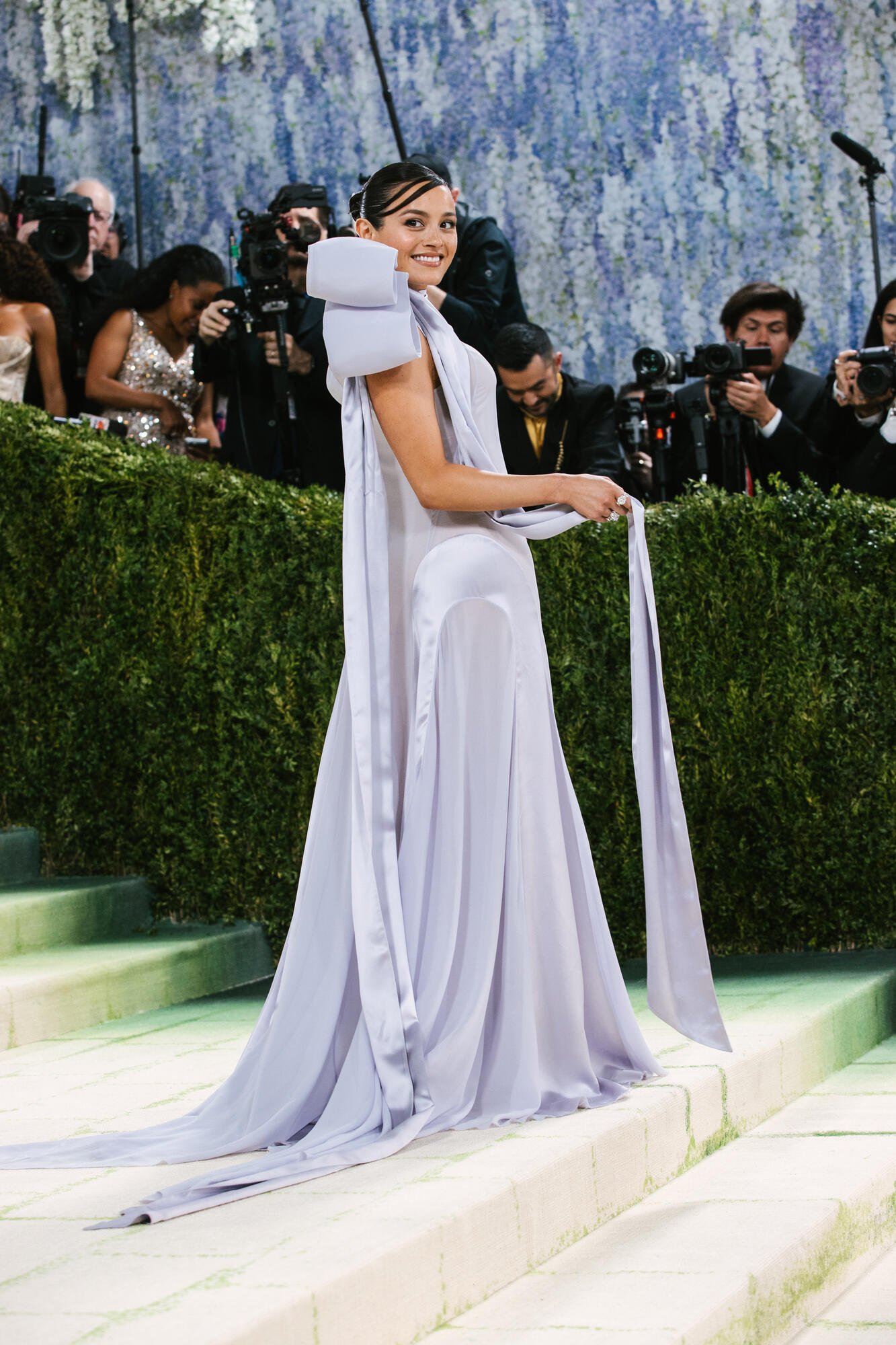
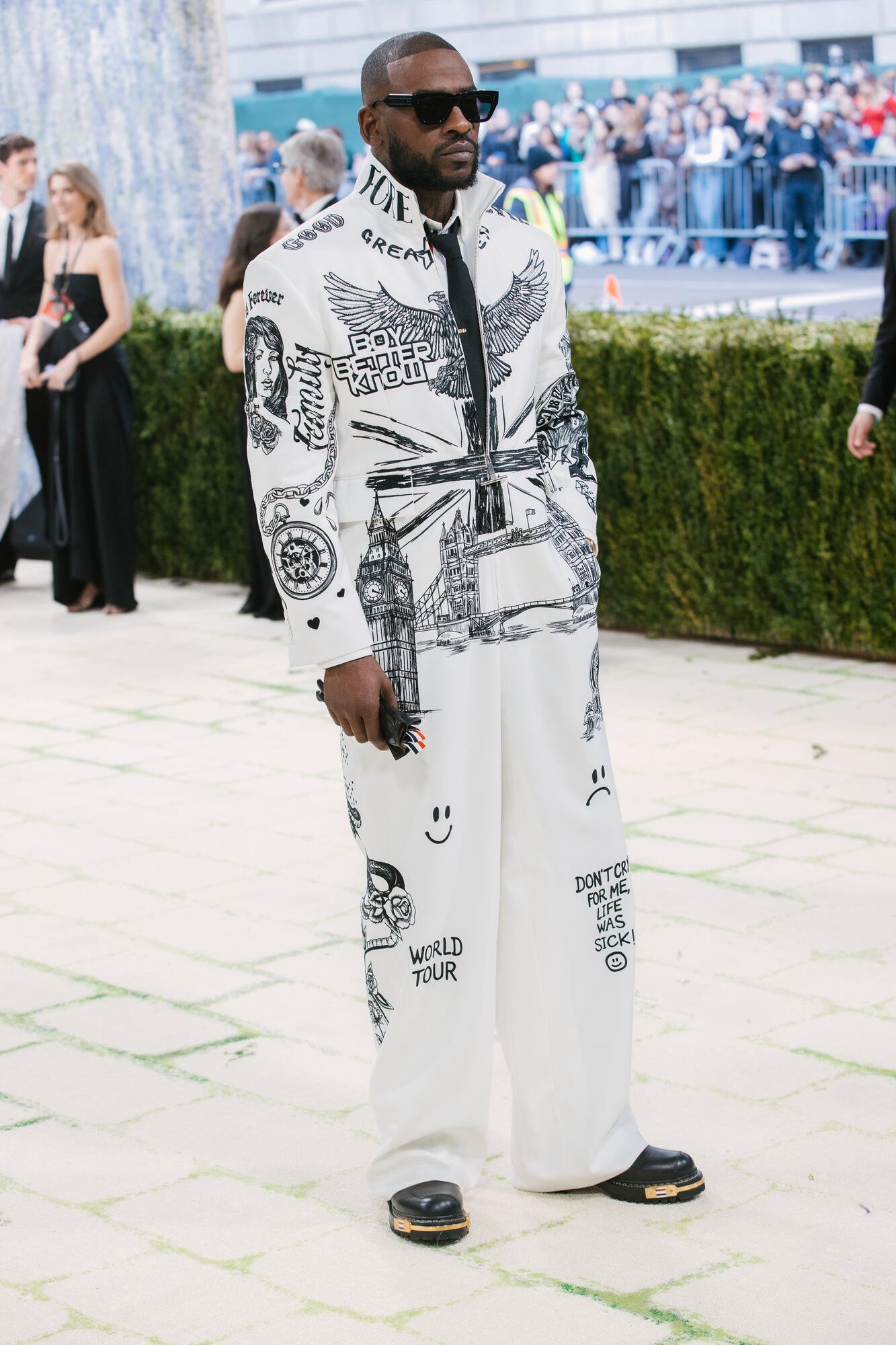
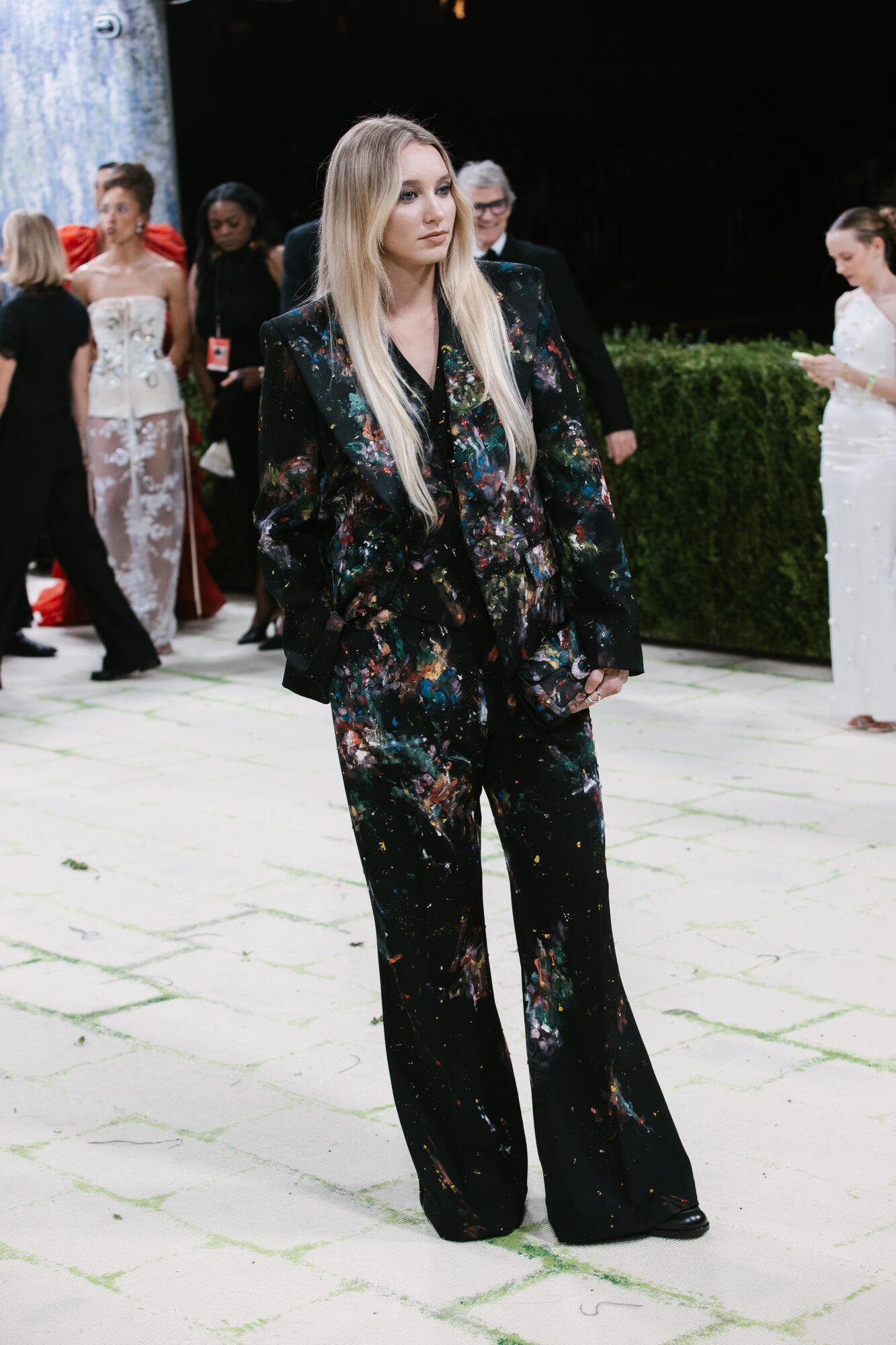
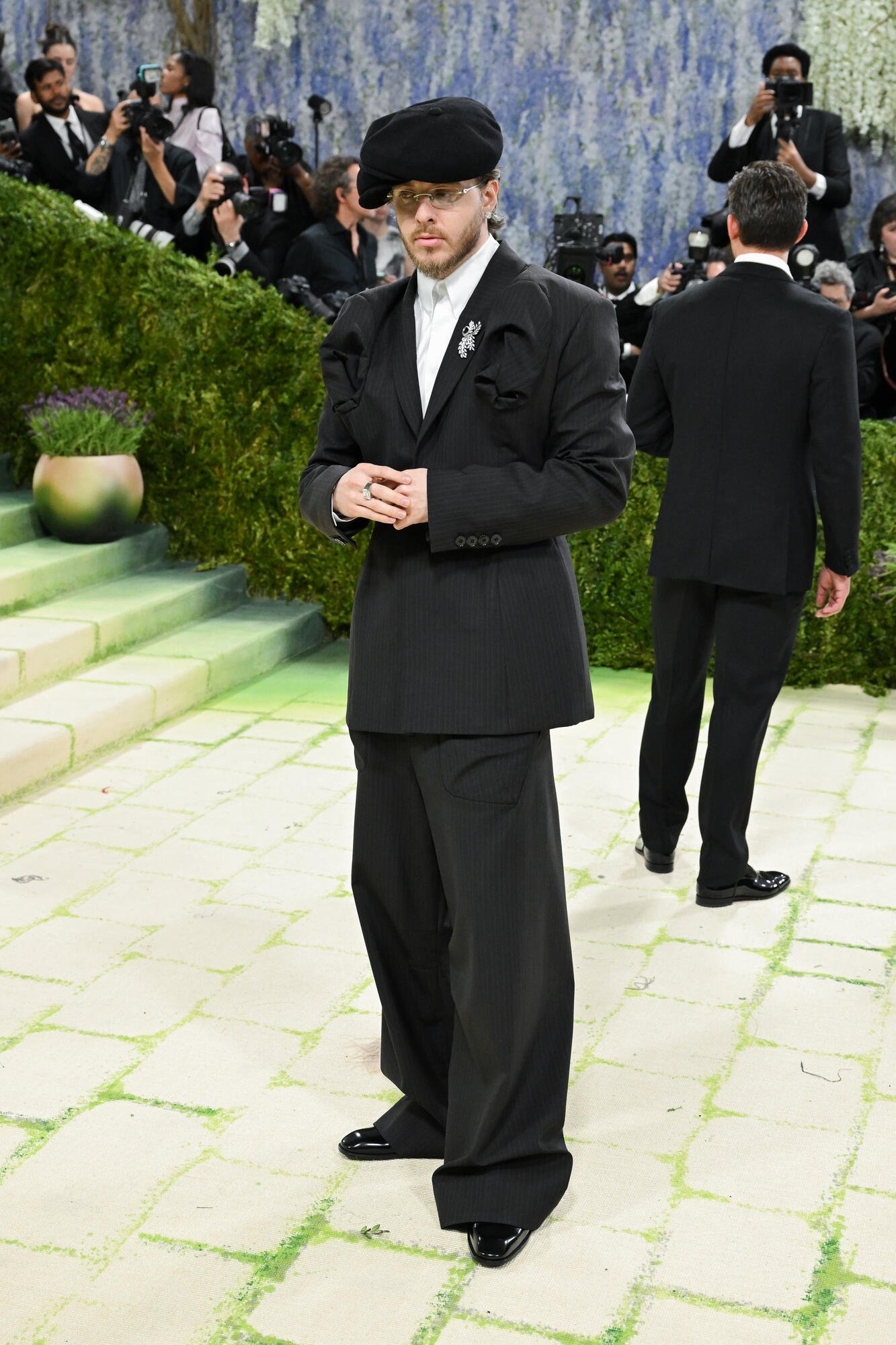
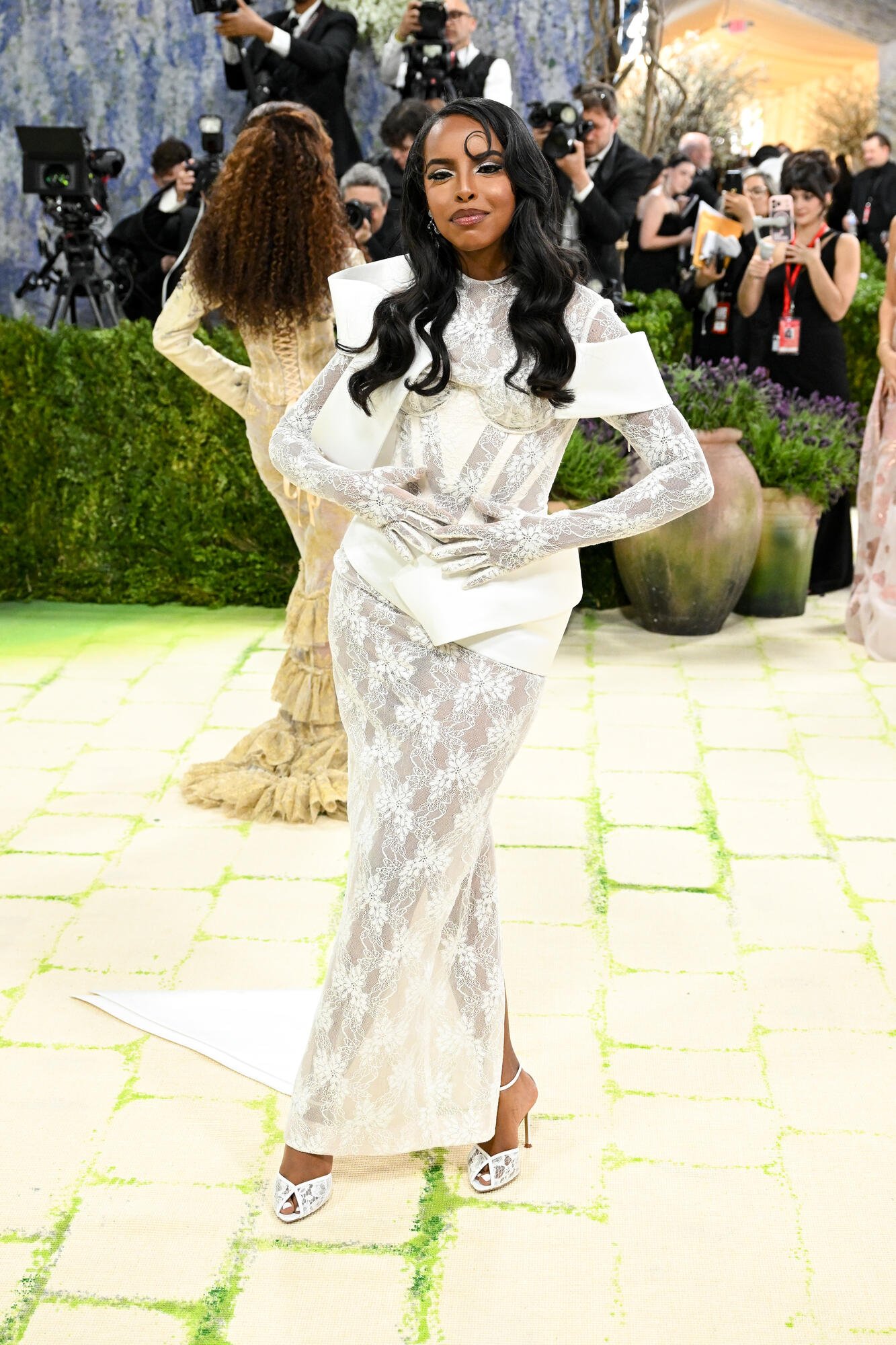
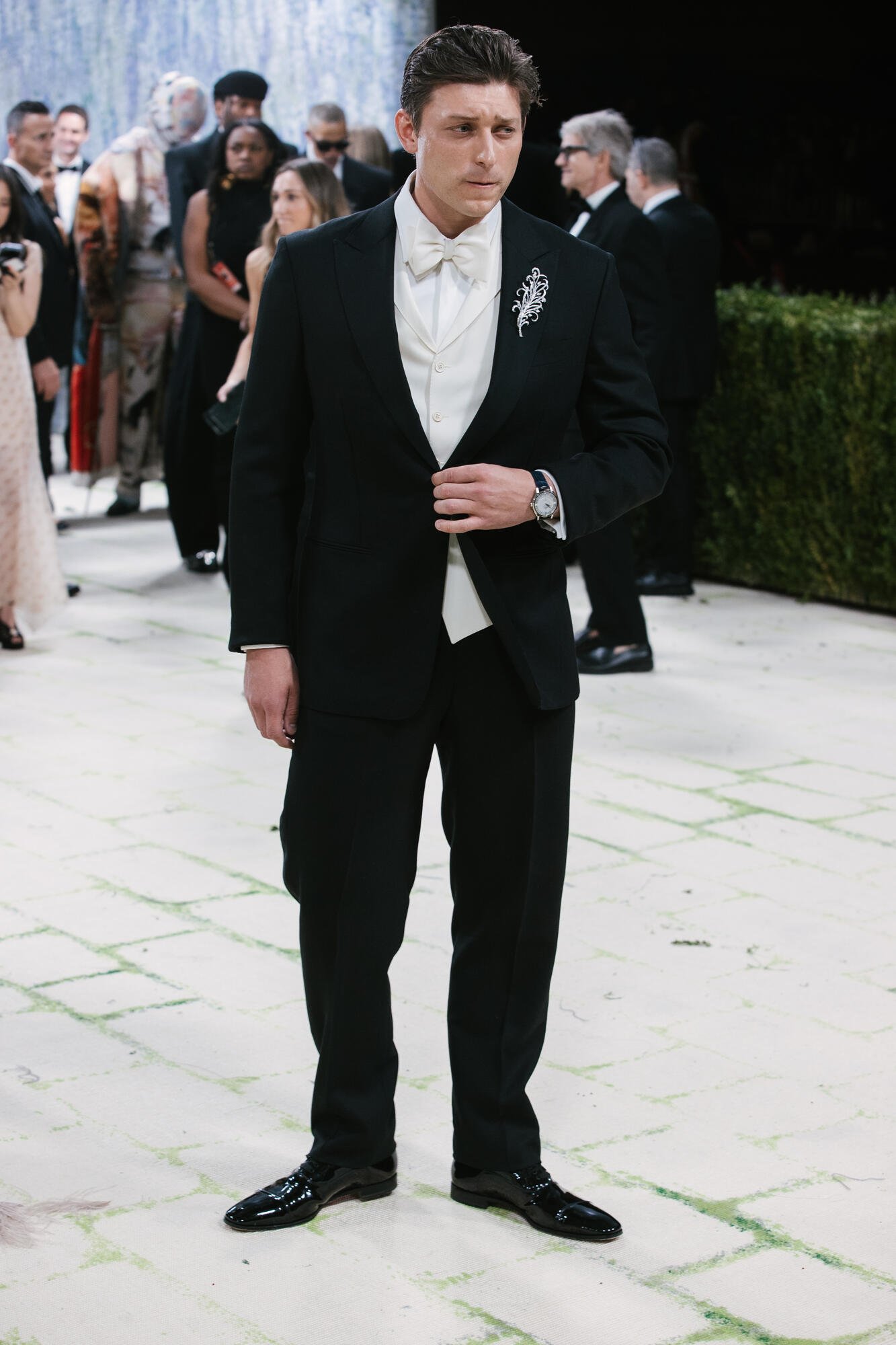
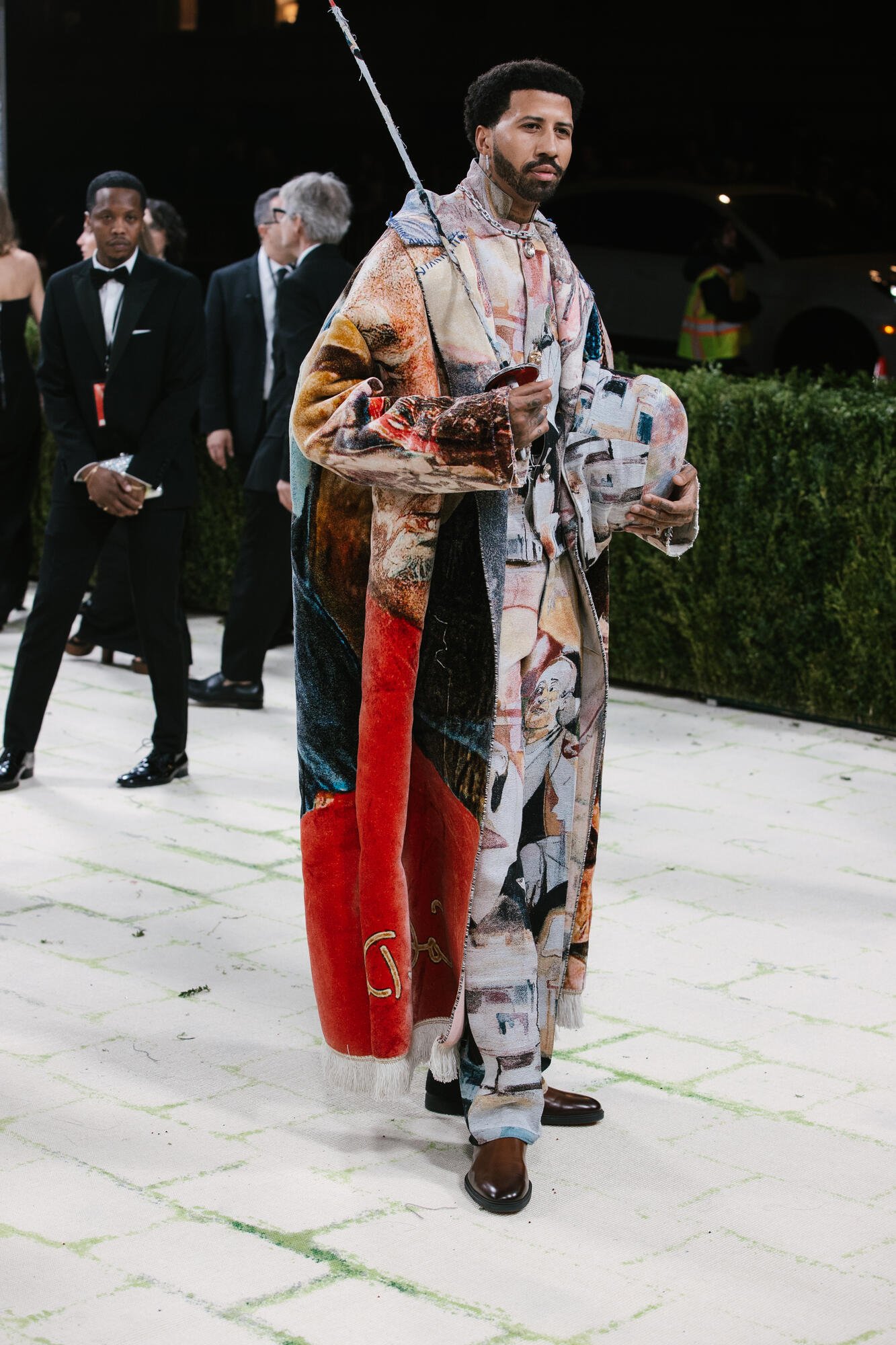
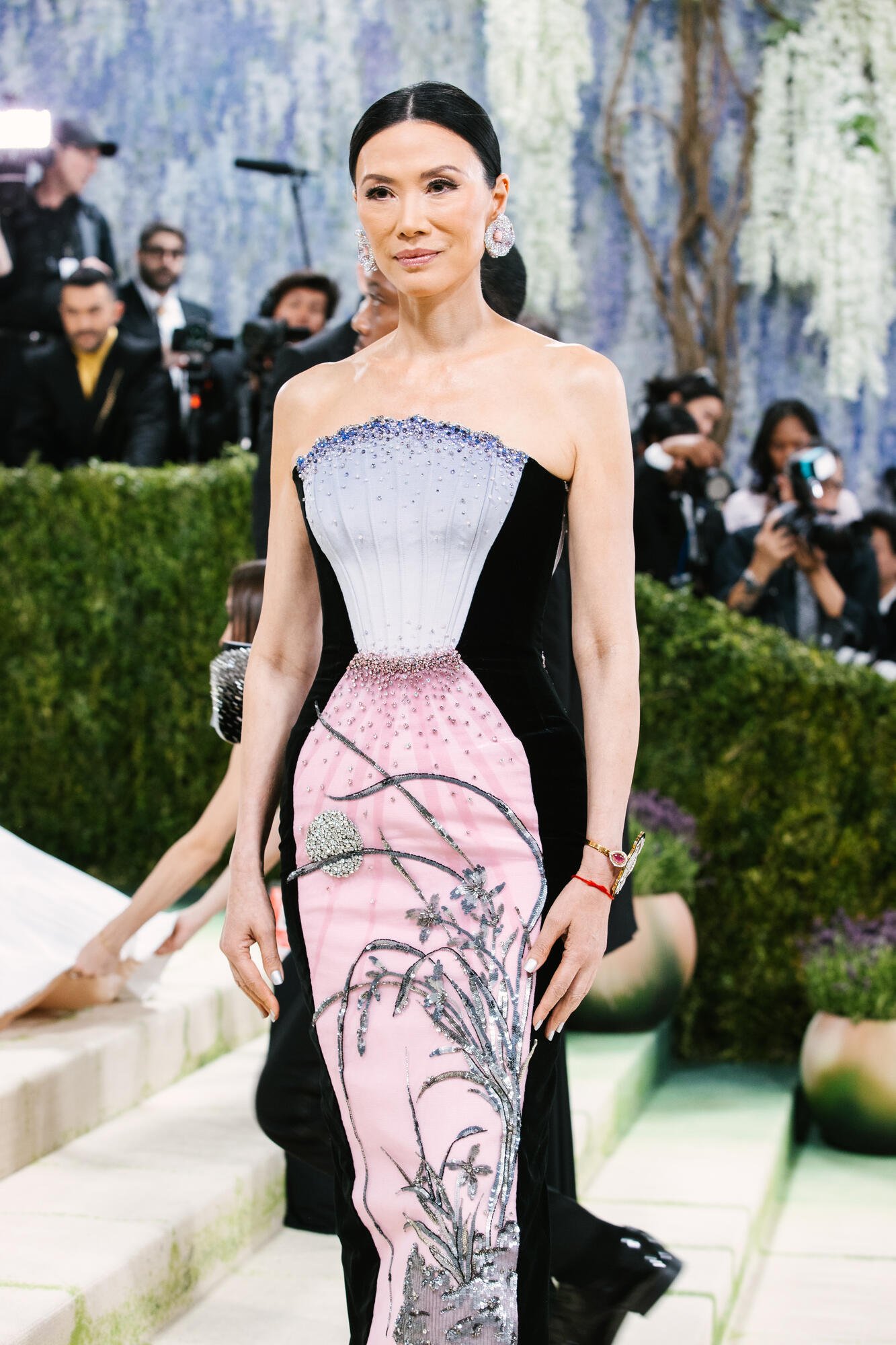
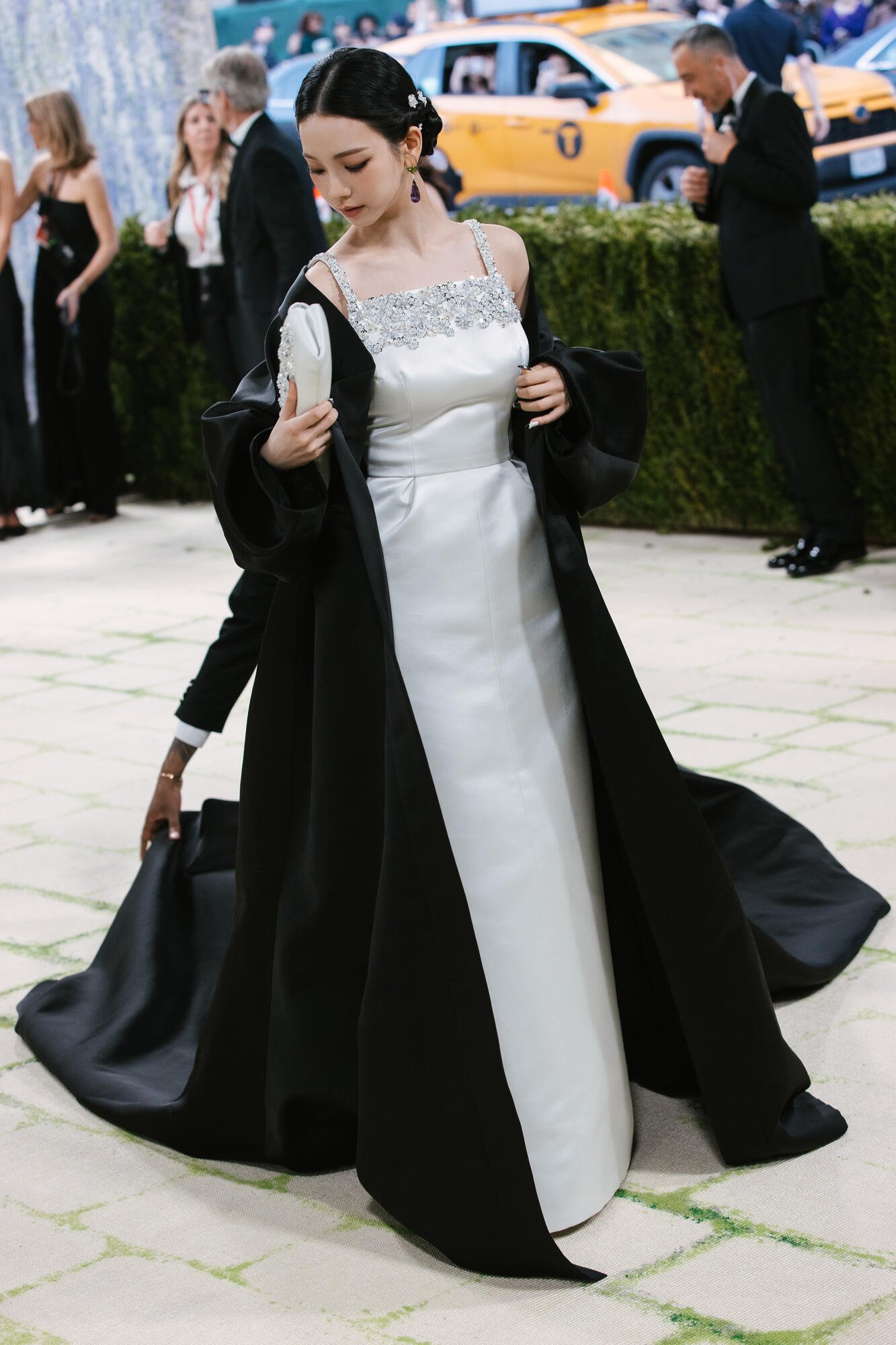
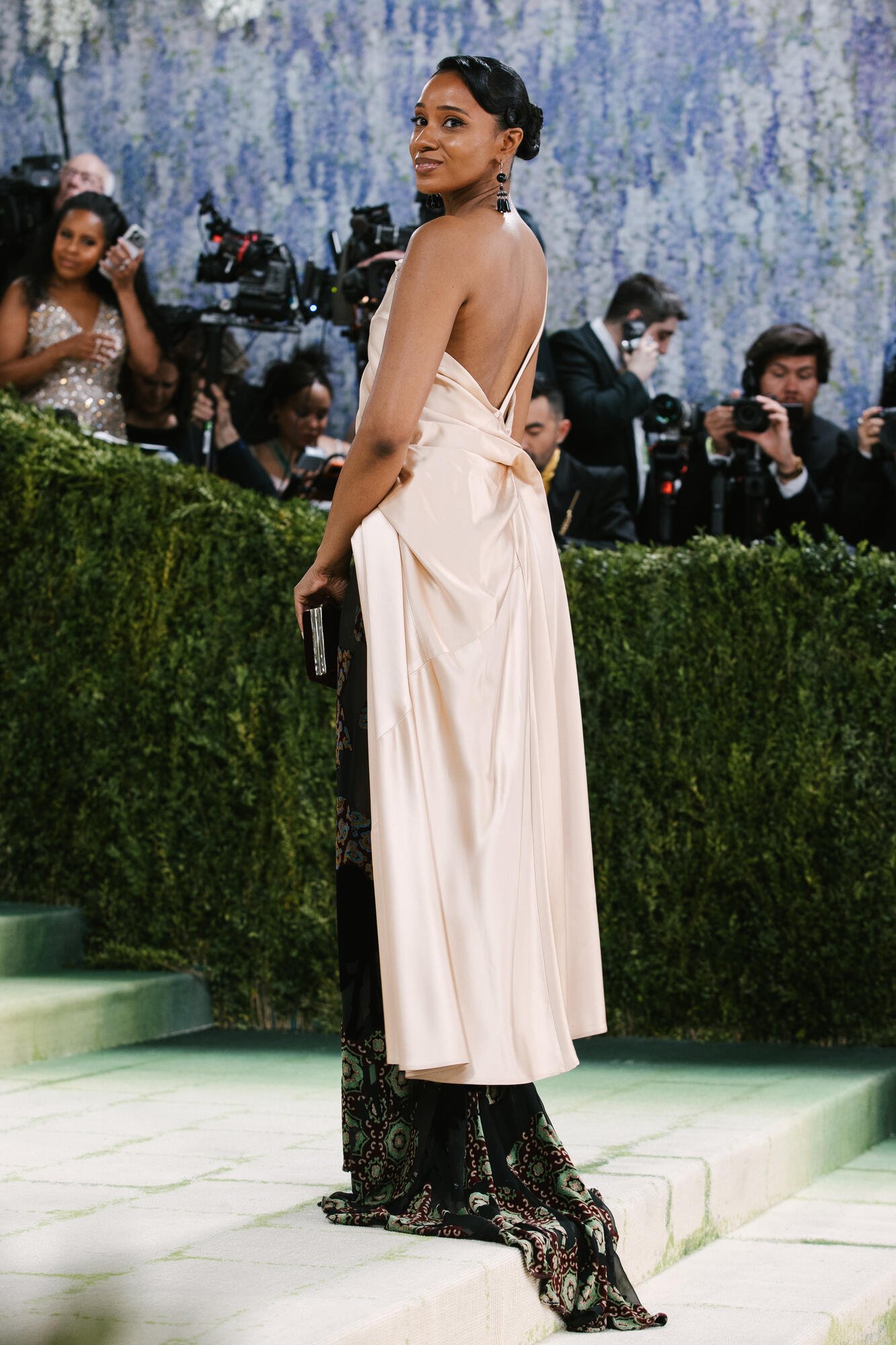
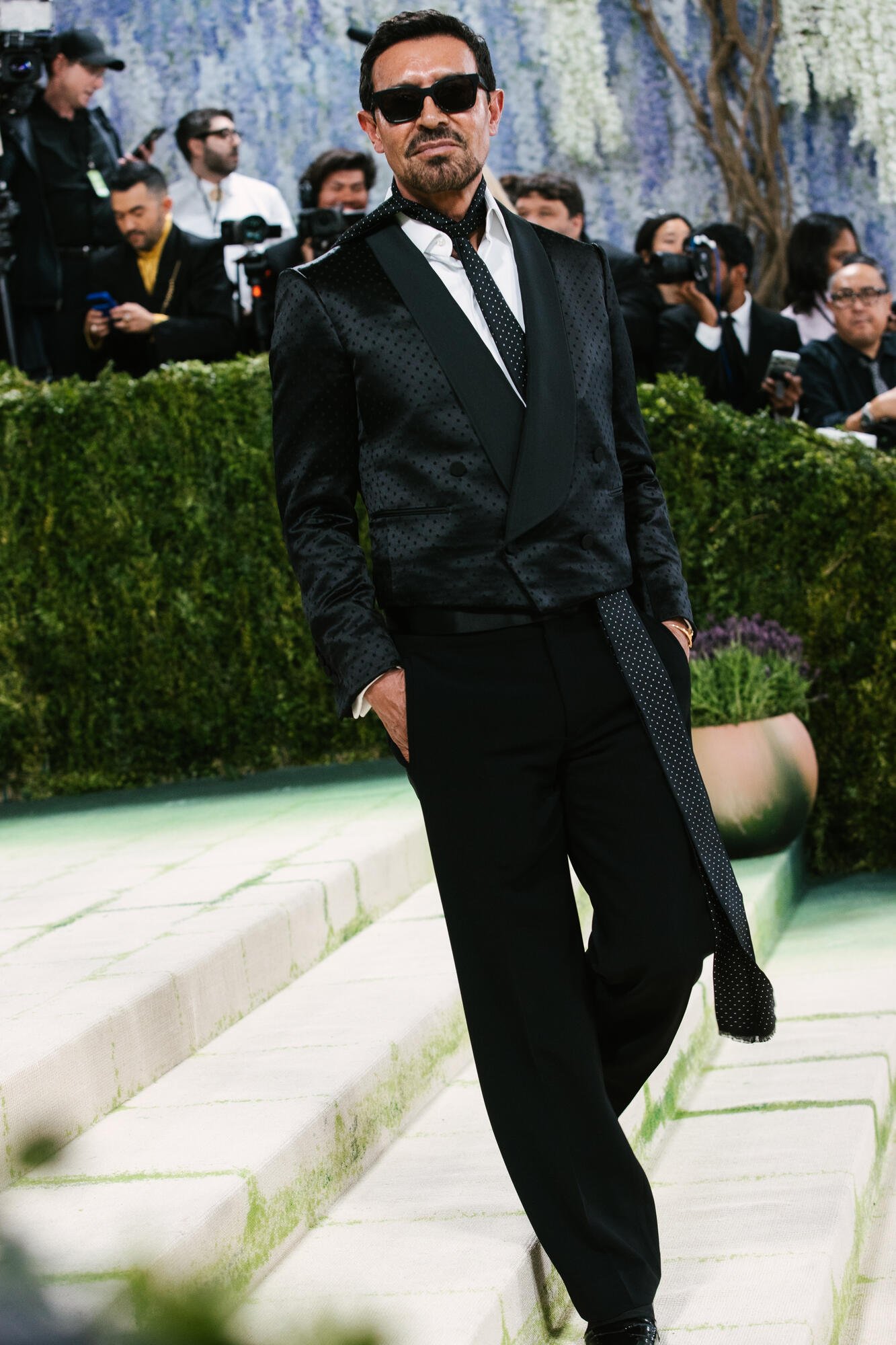
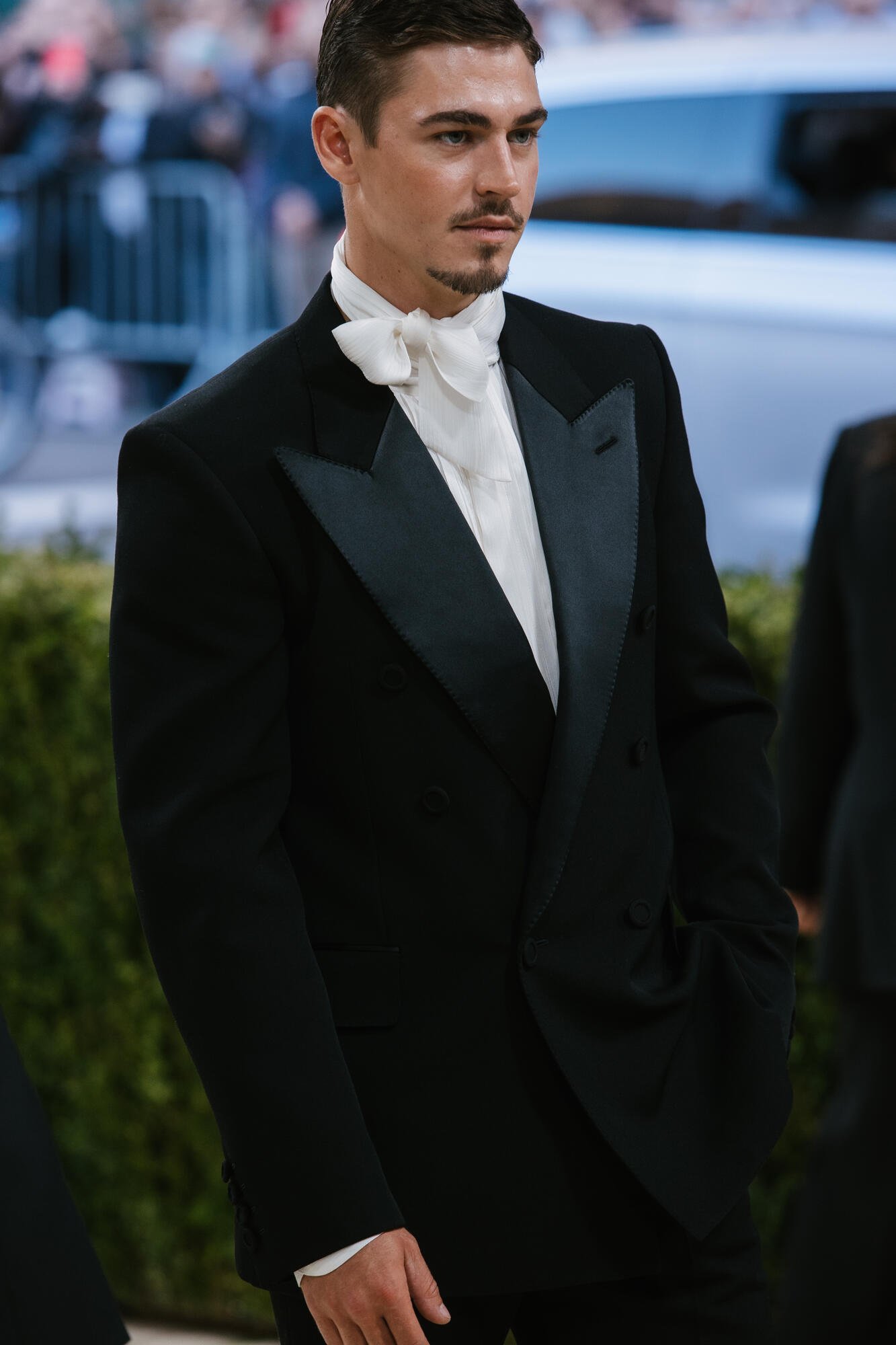
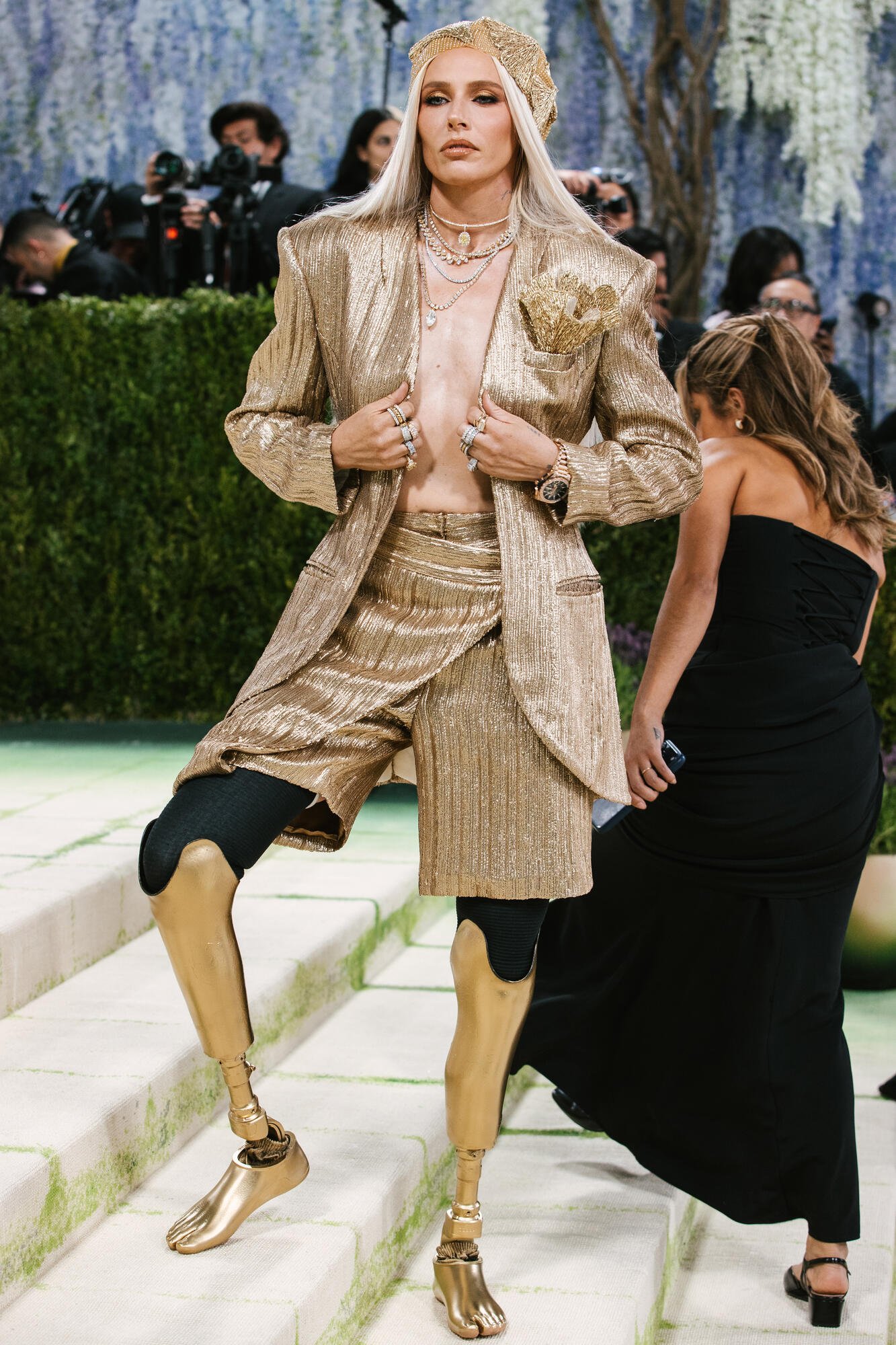
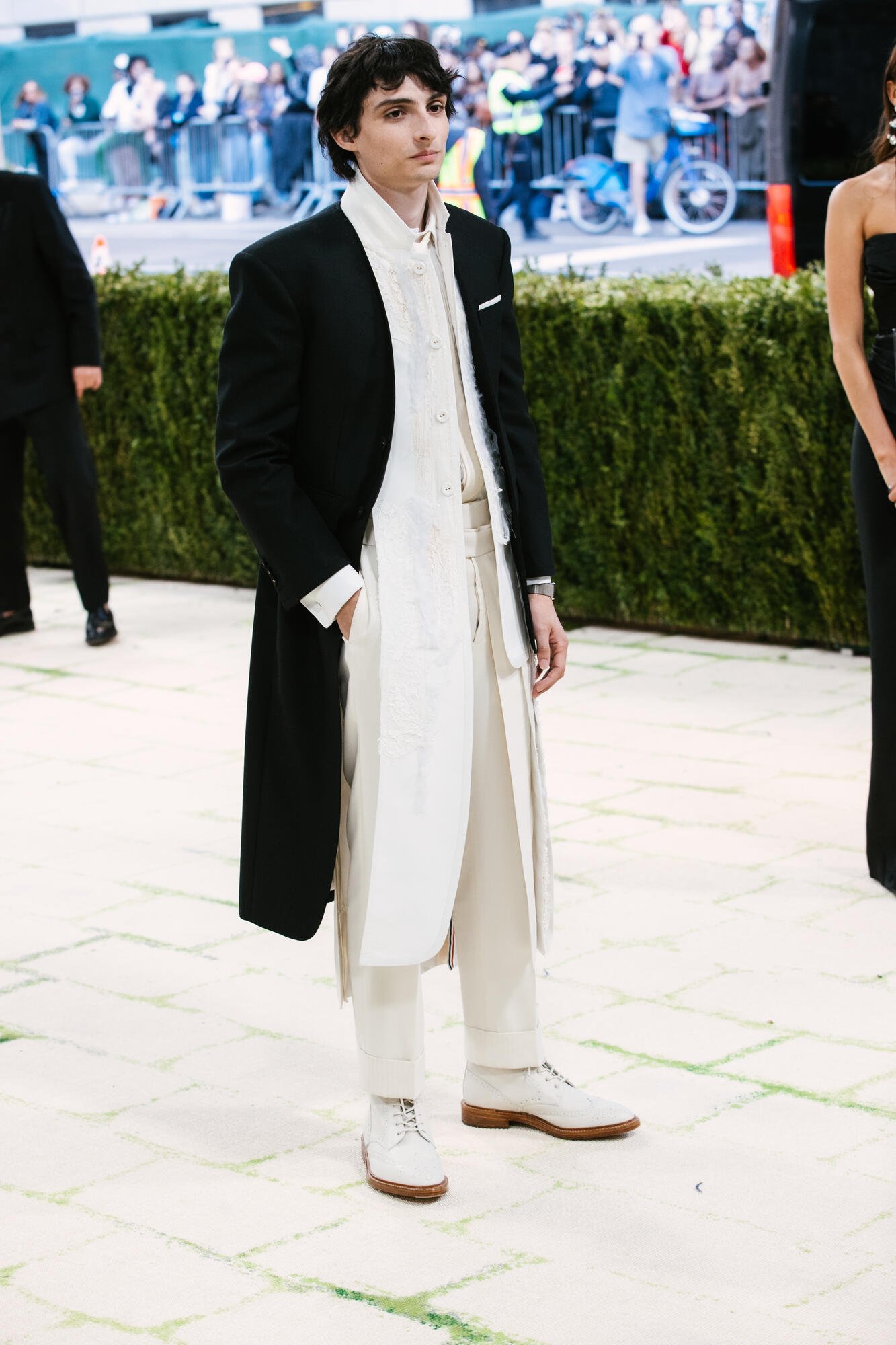
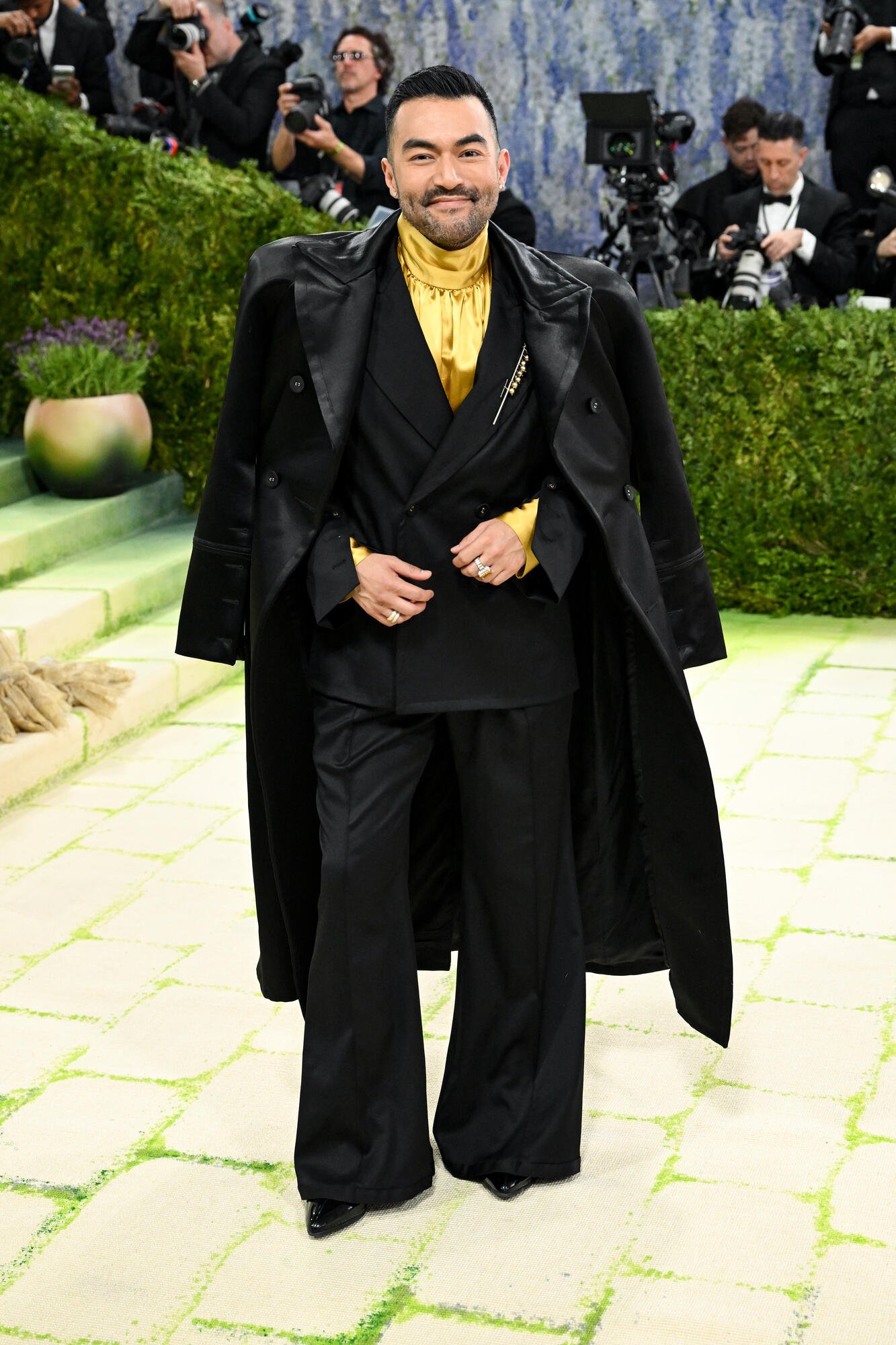
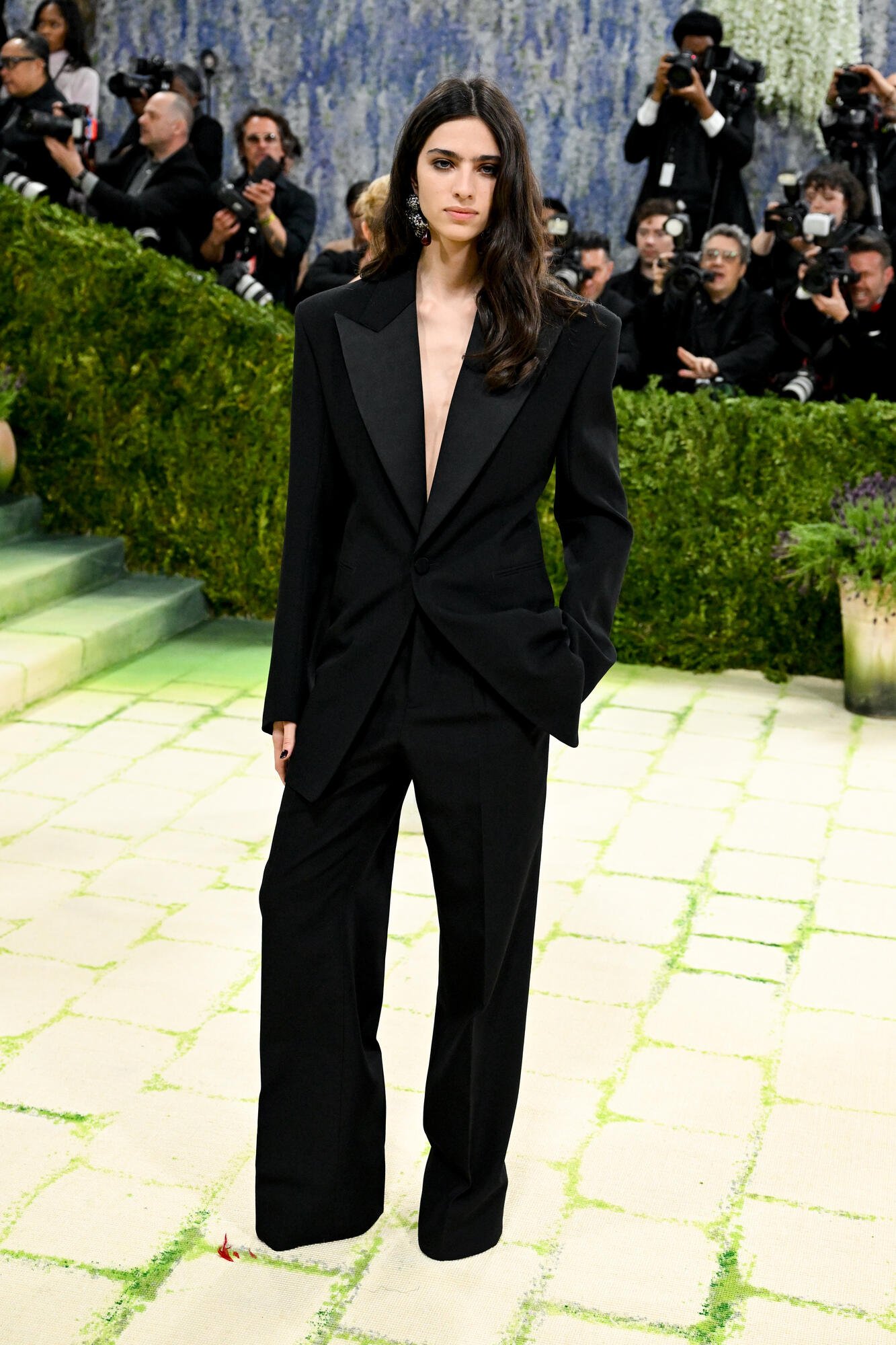
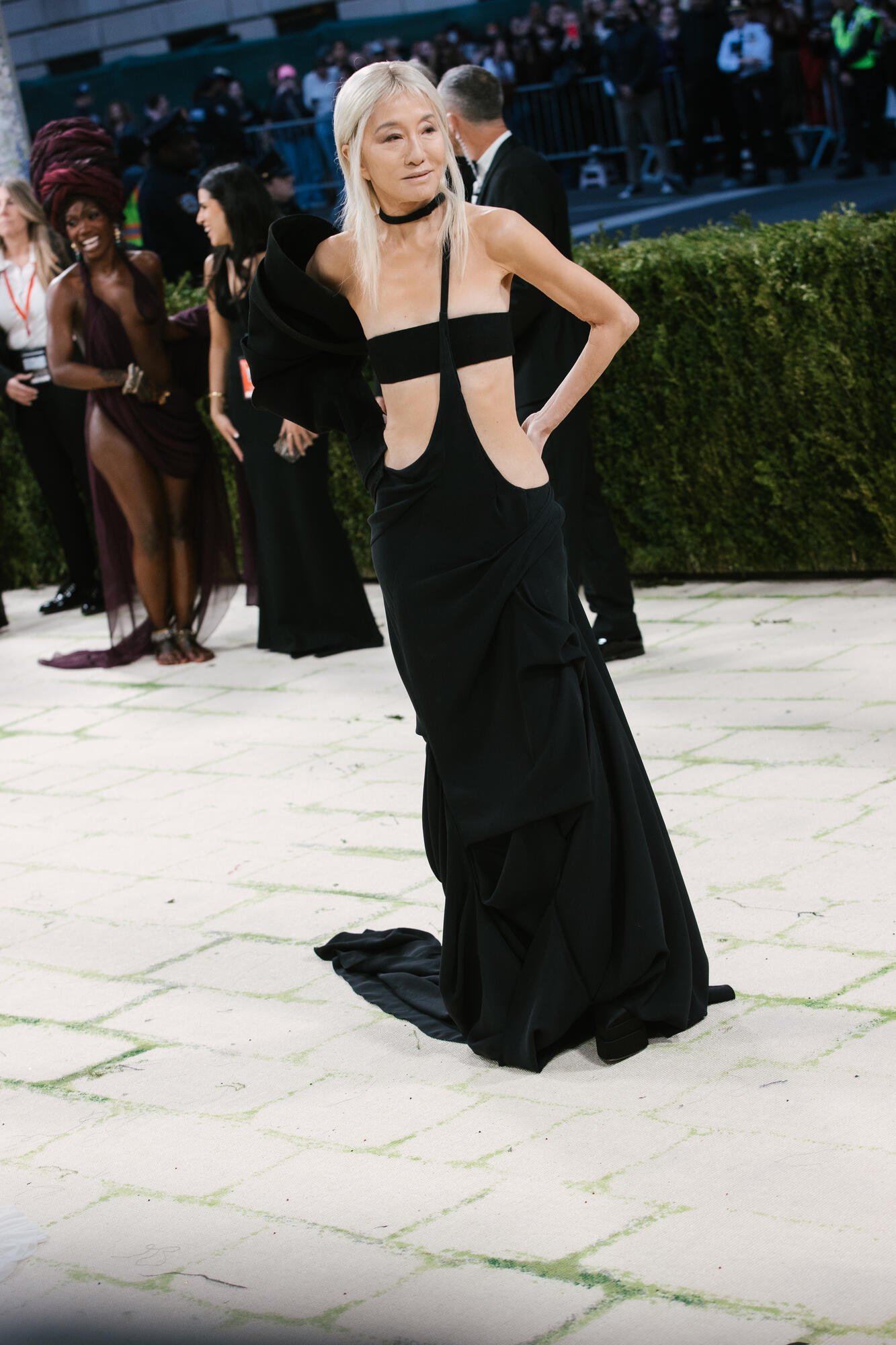
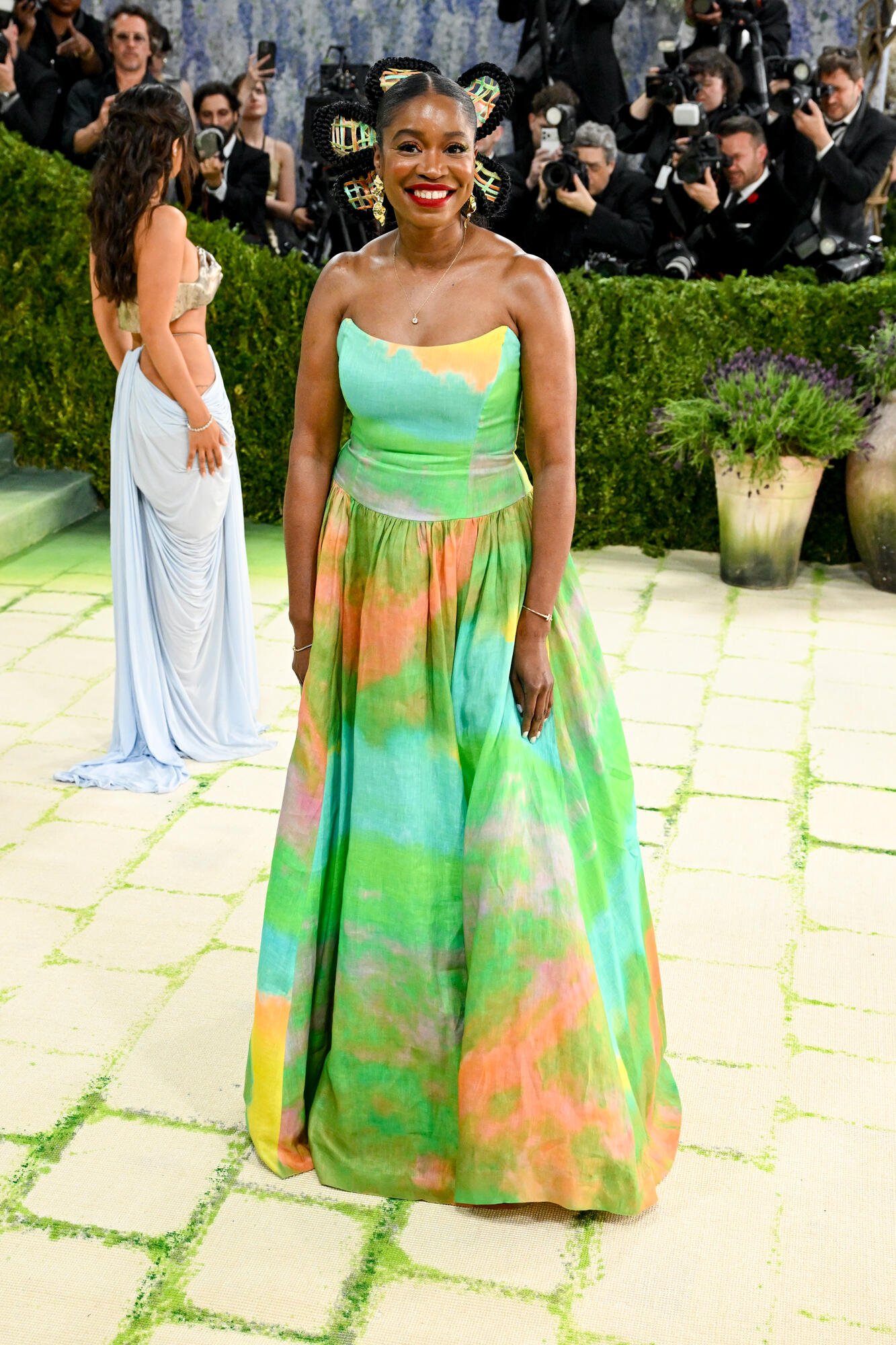
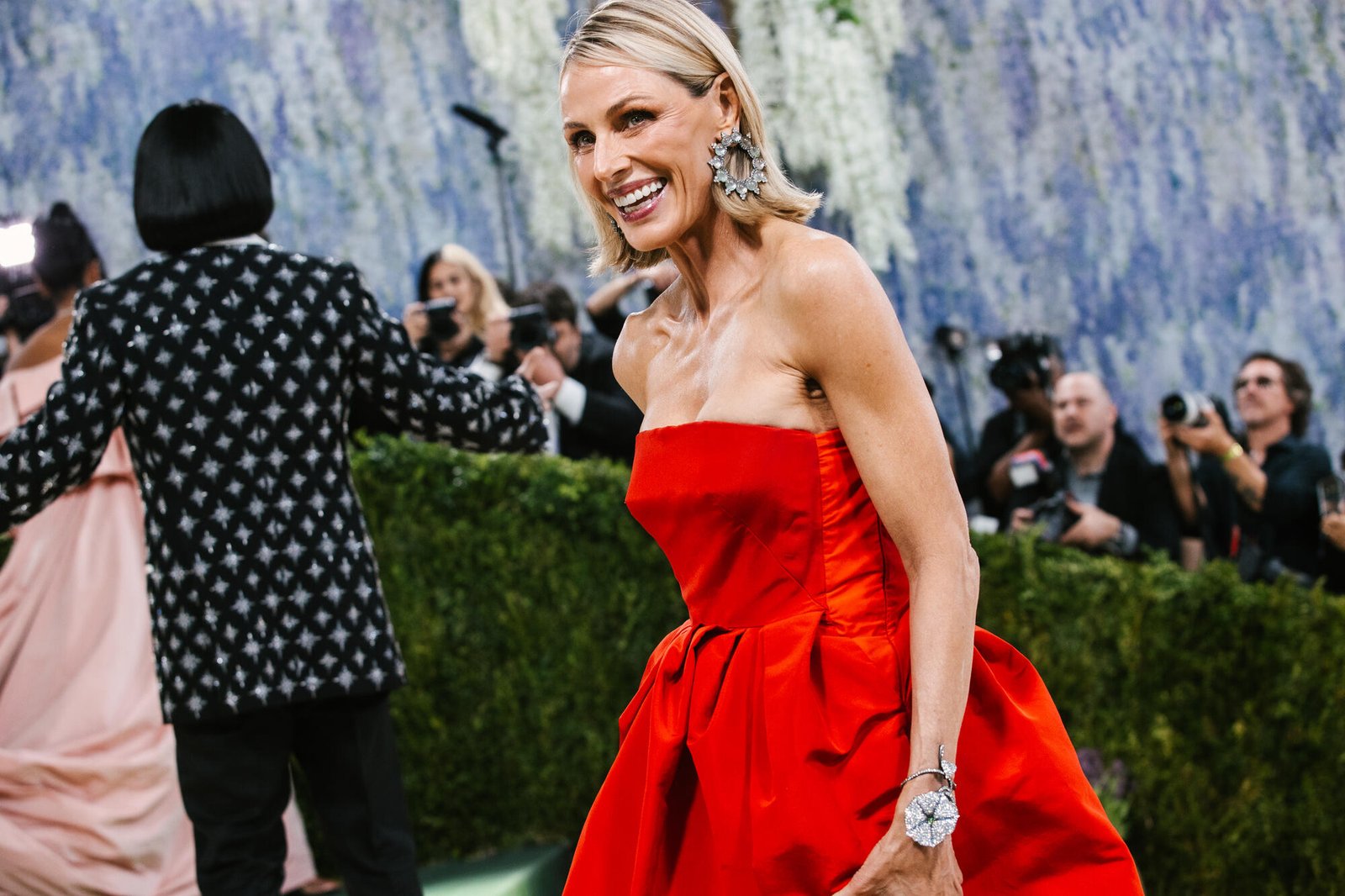
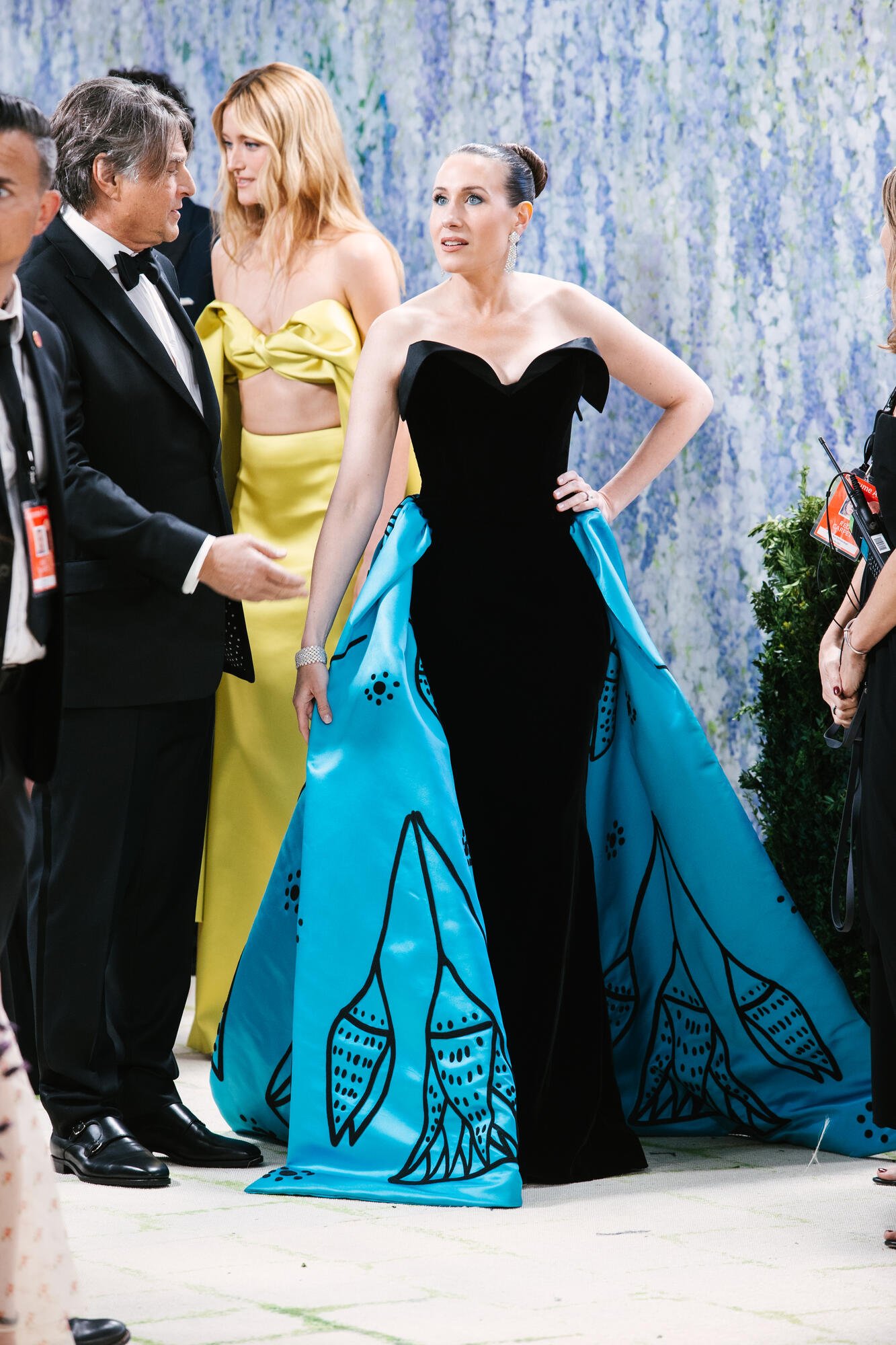
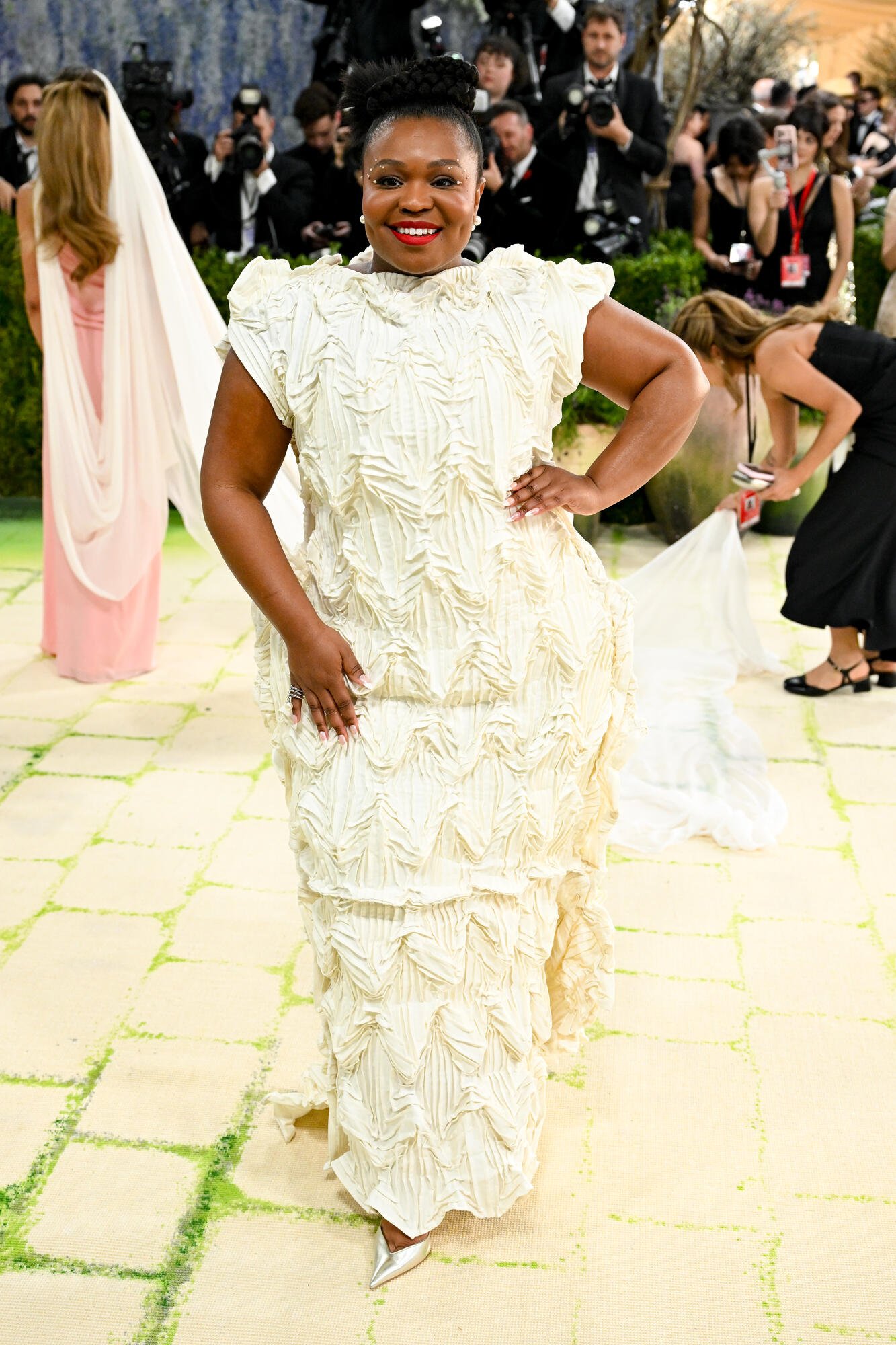
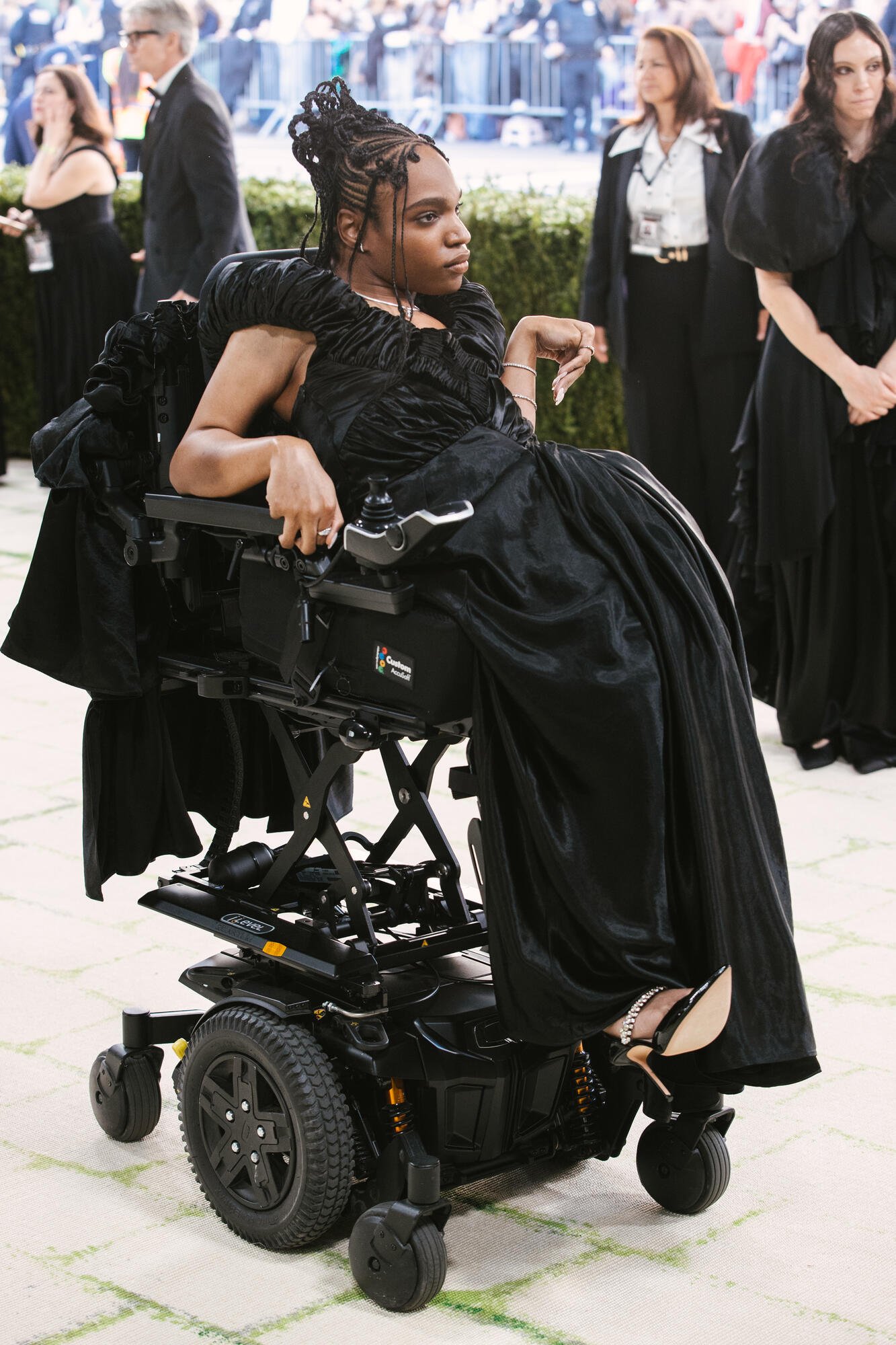
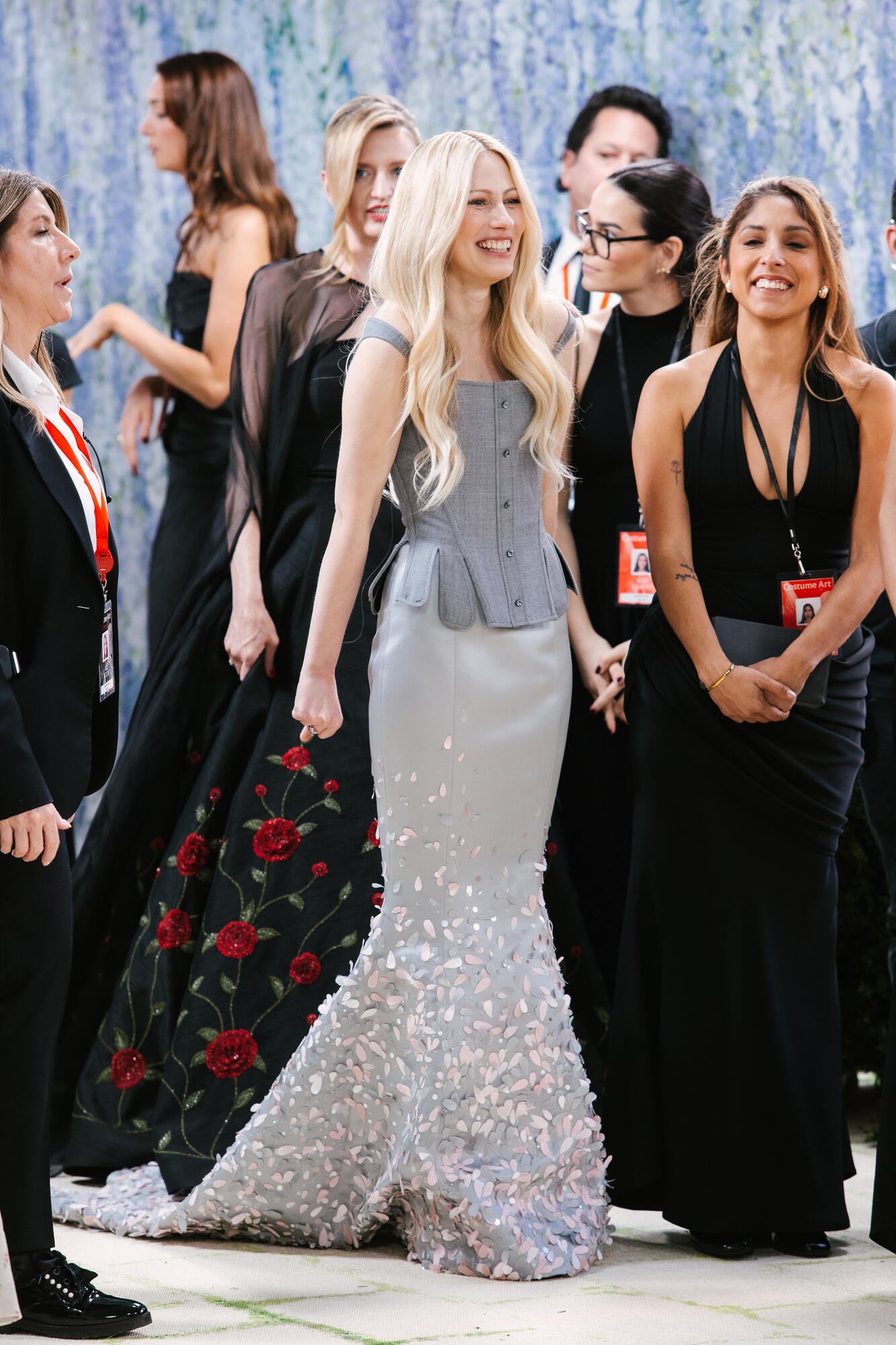
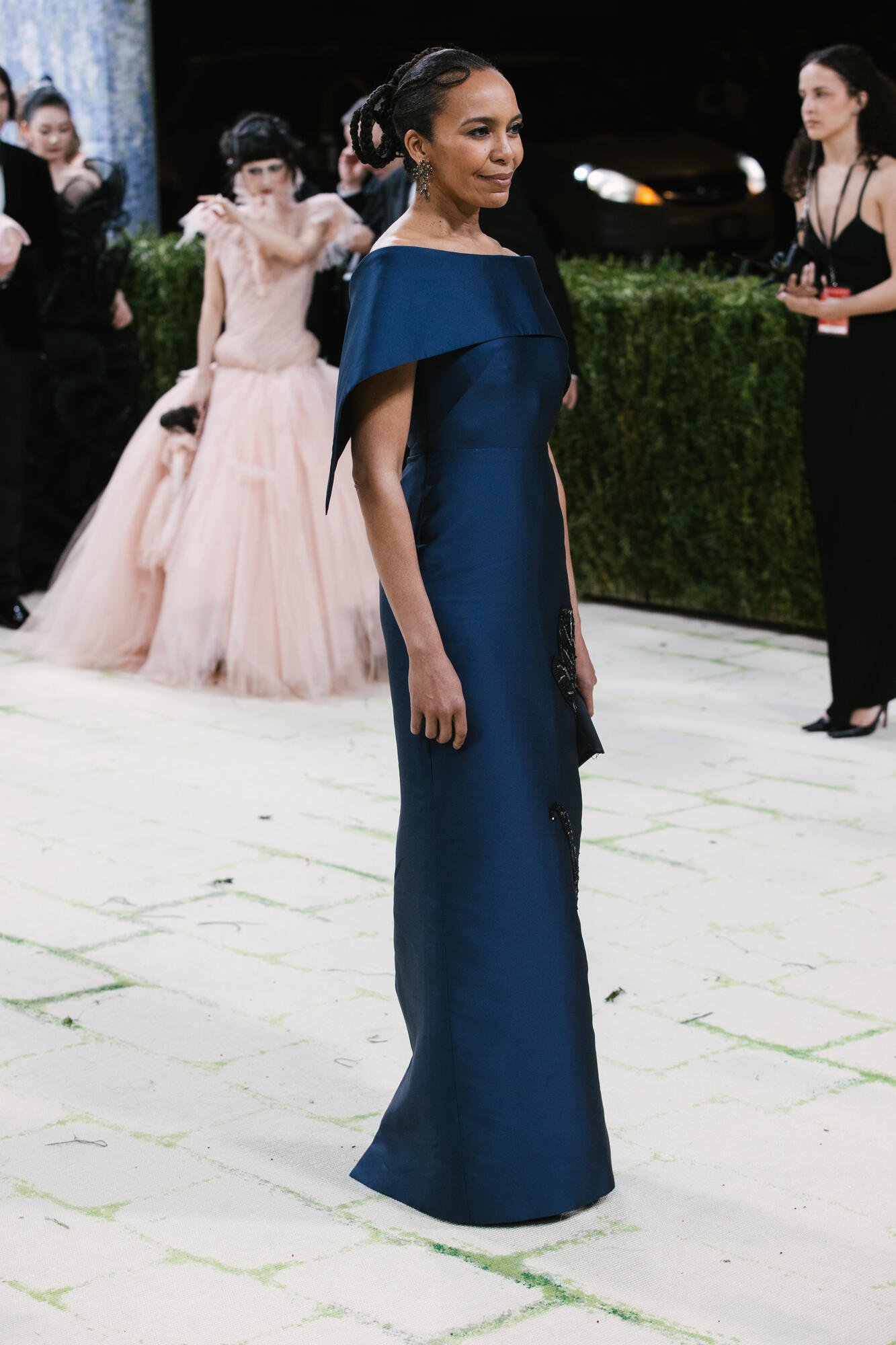
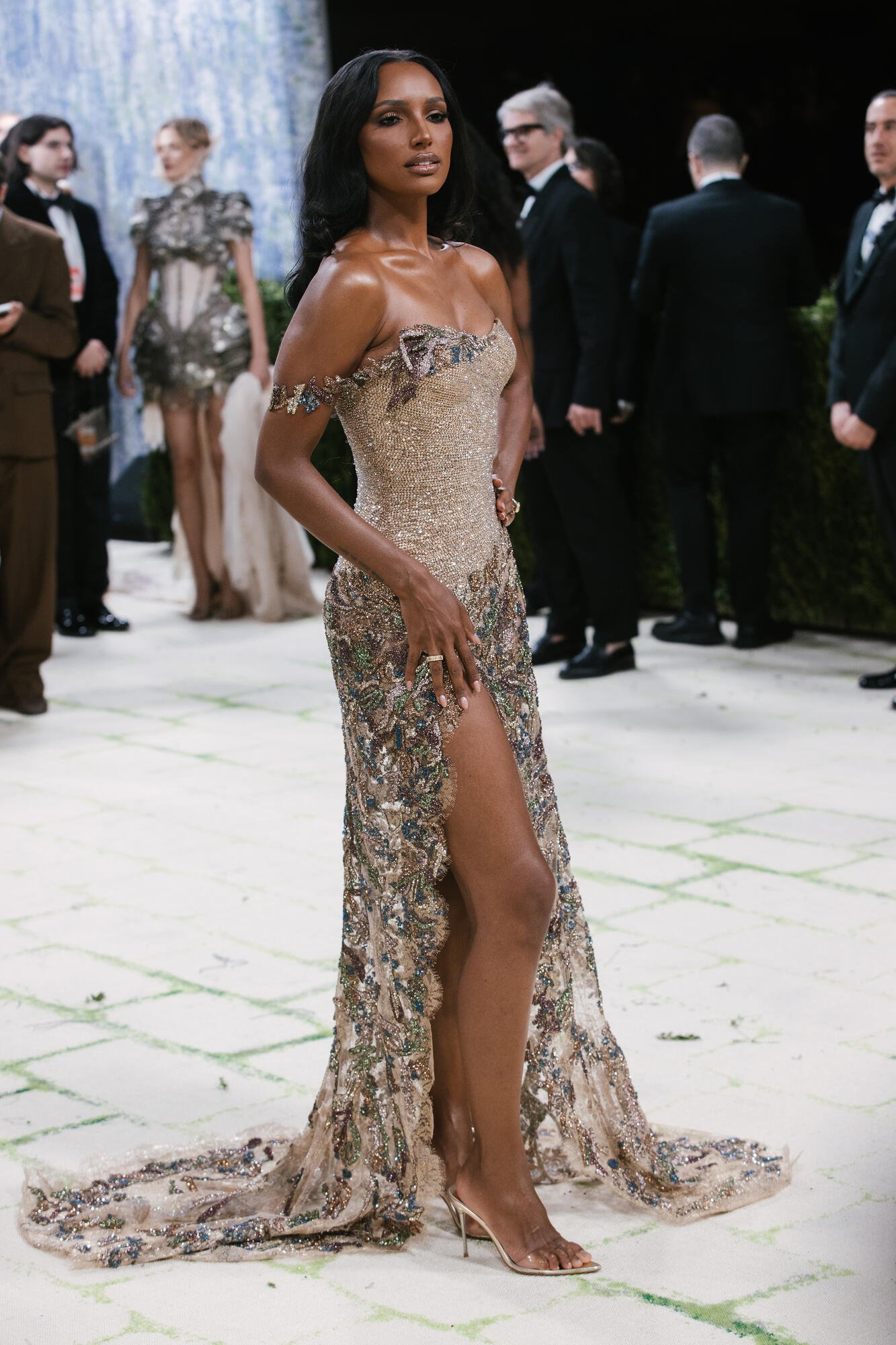
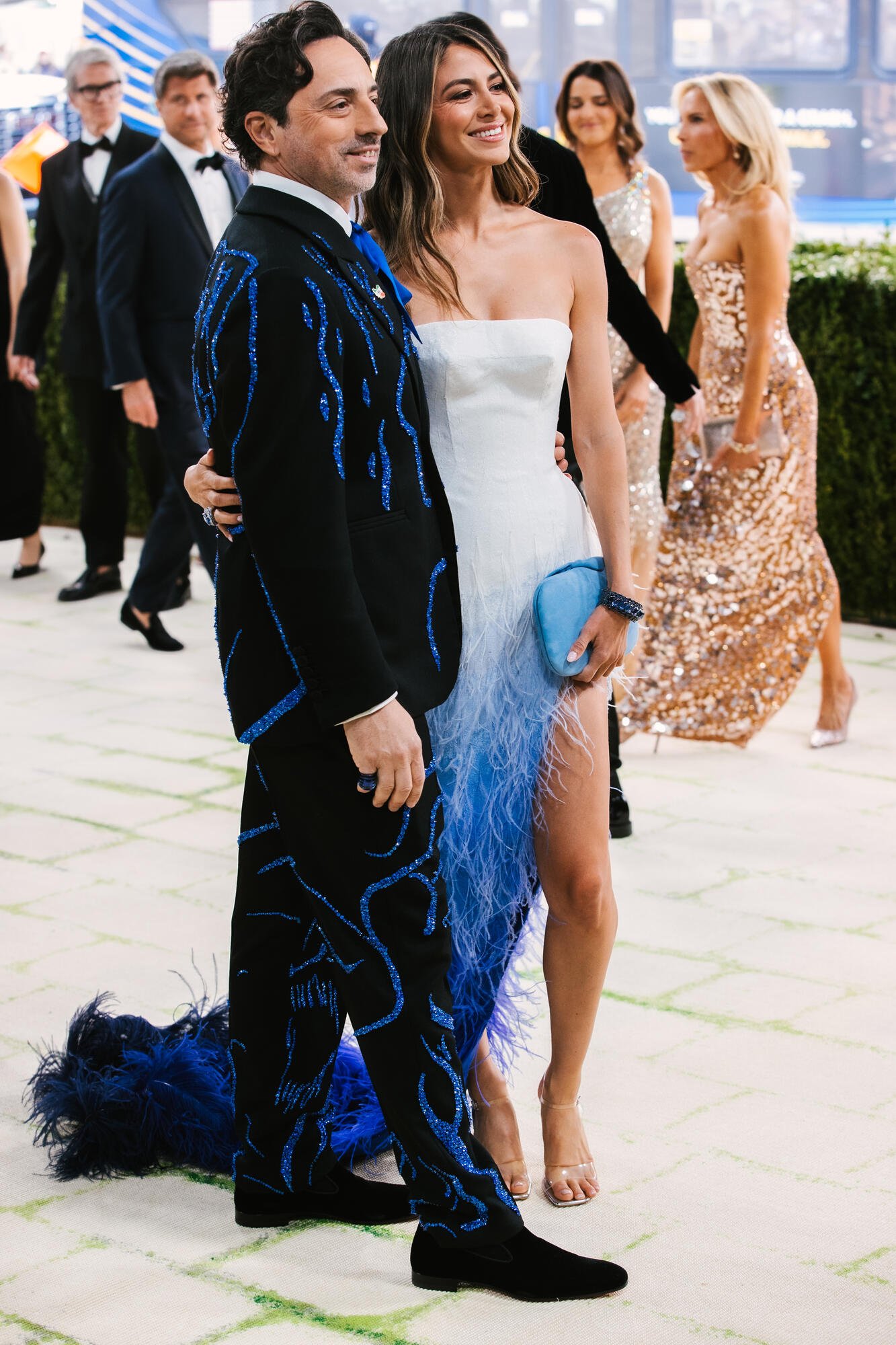
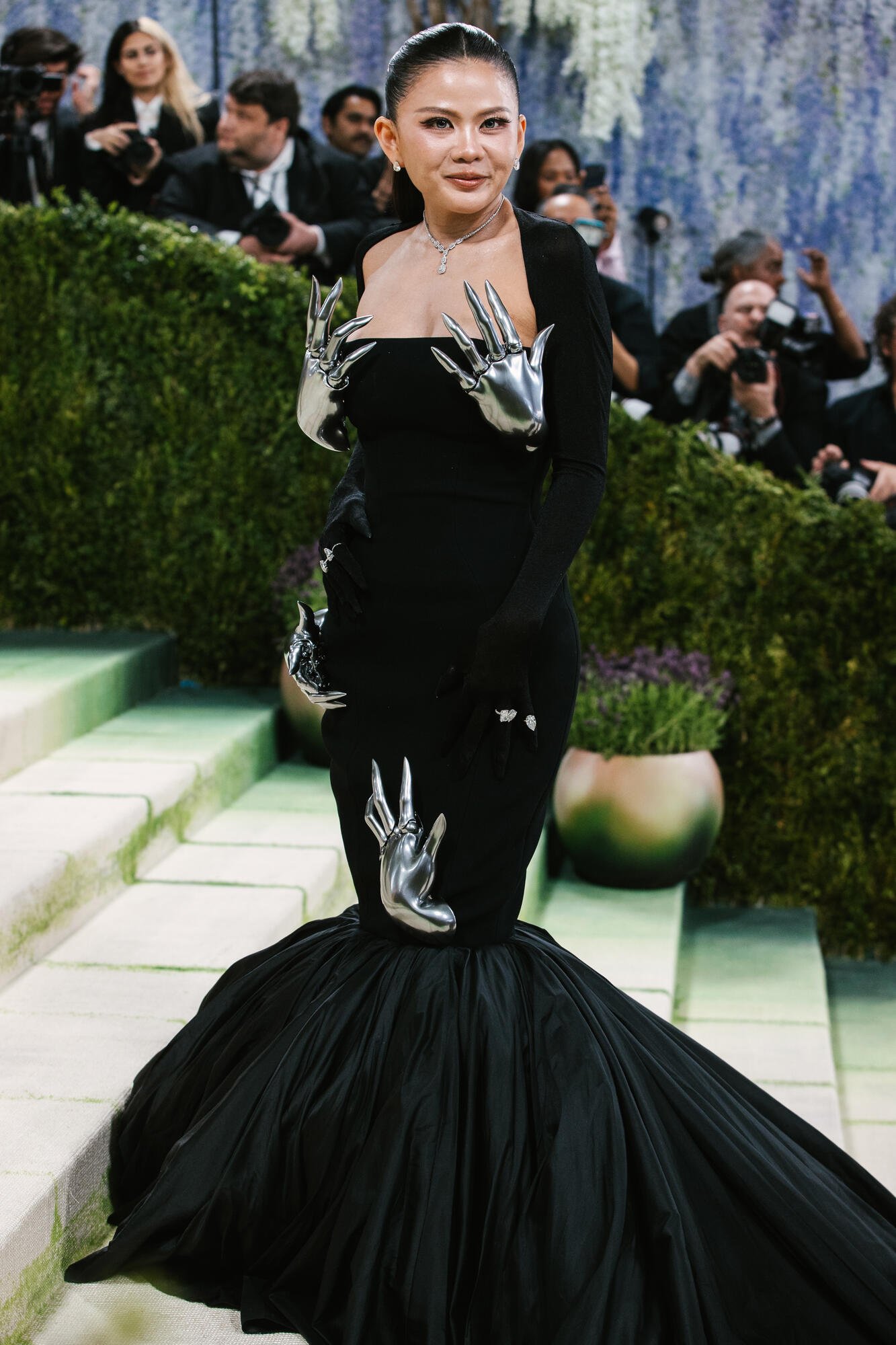
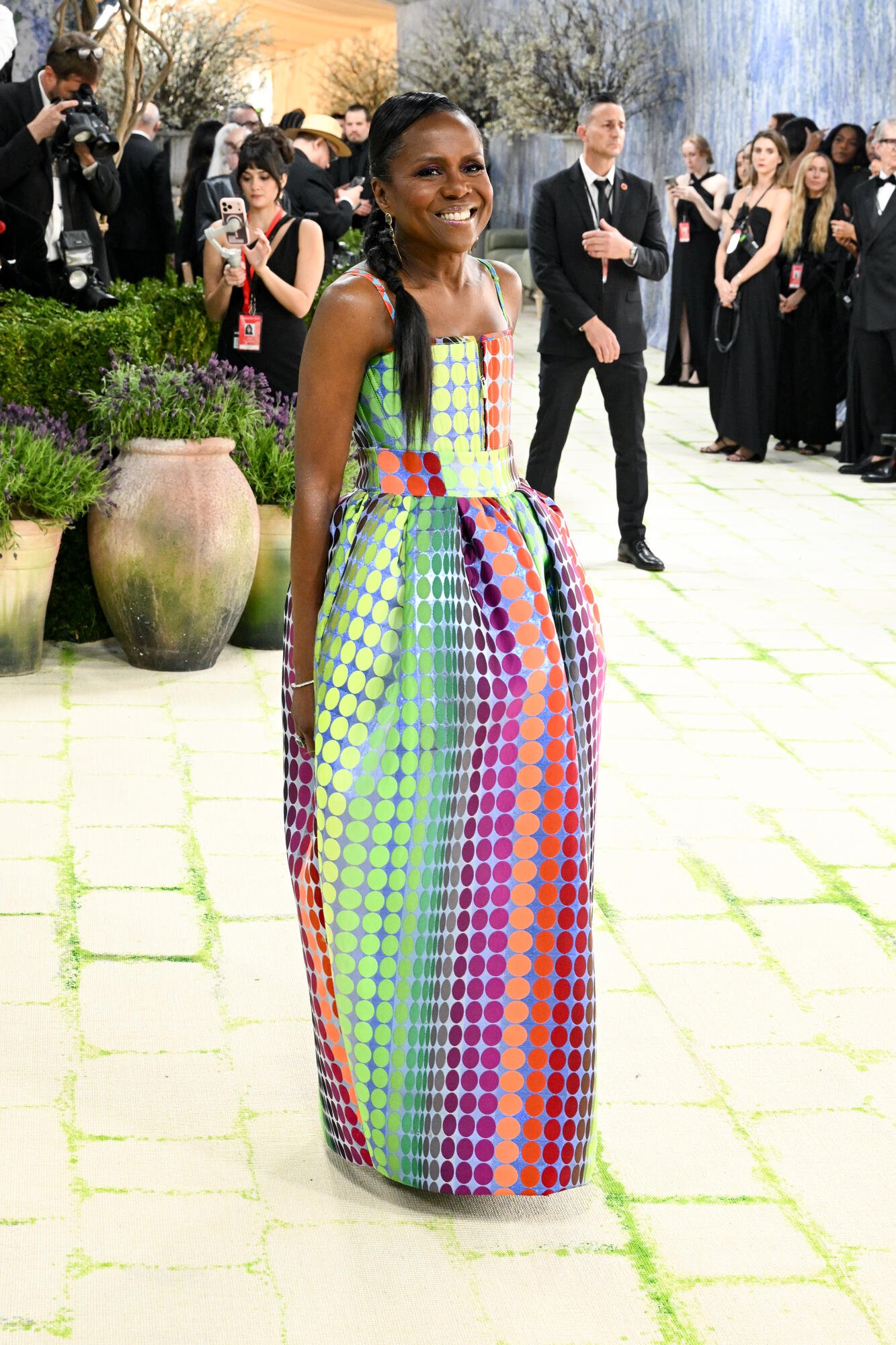
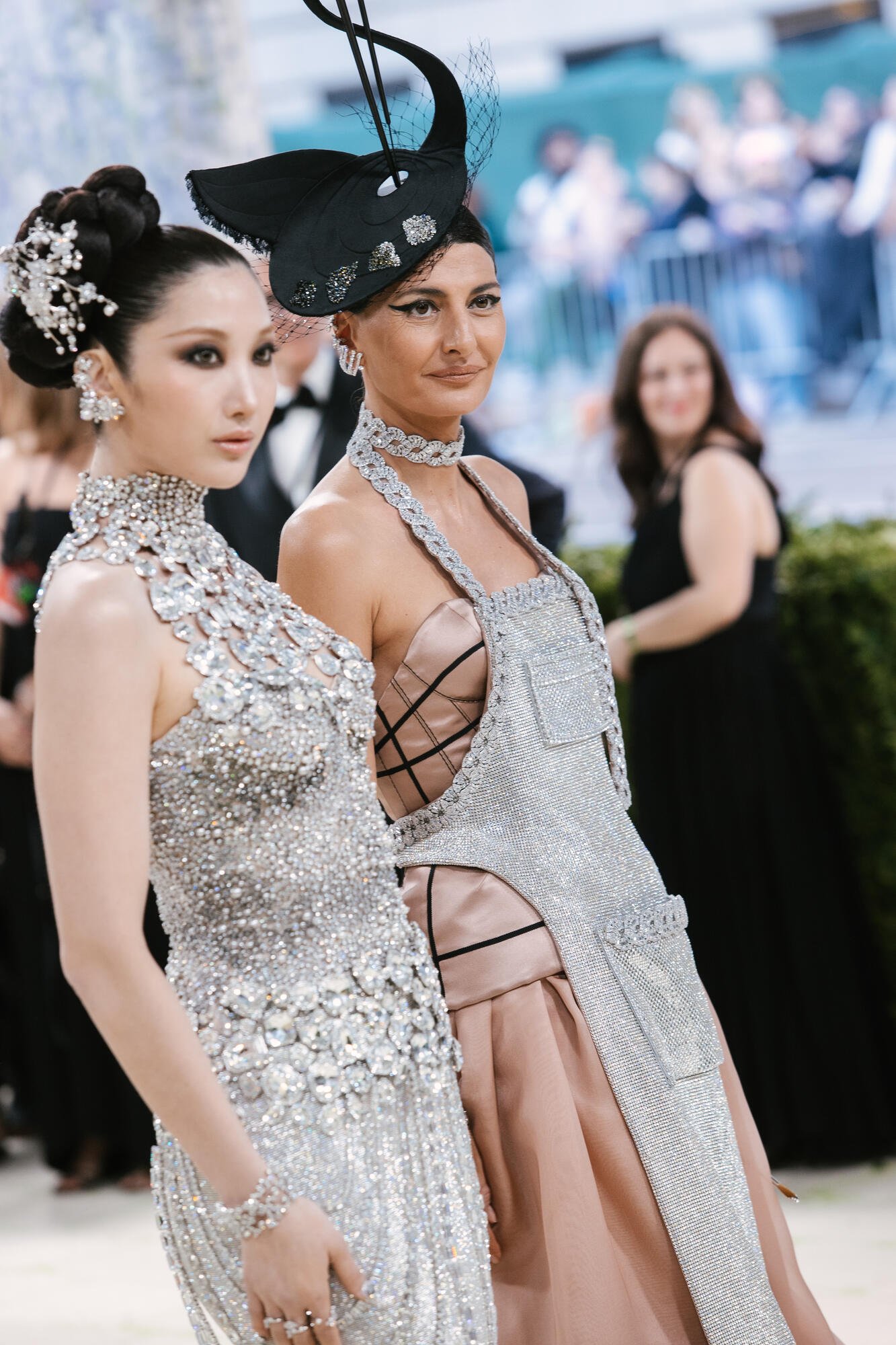
The Context
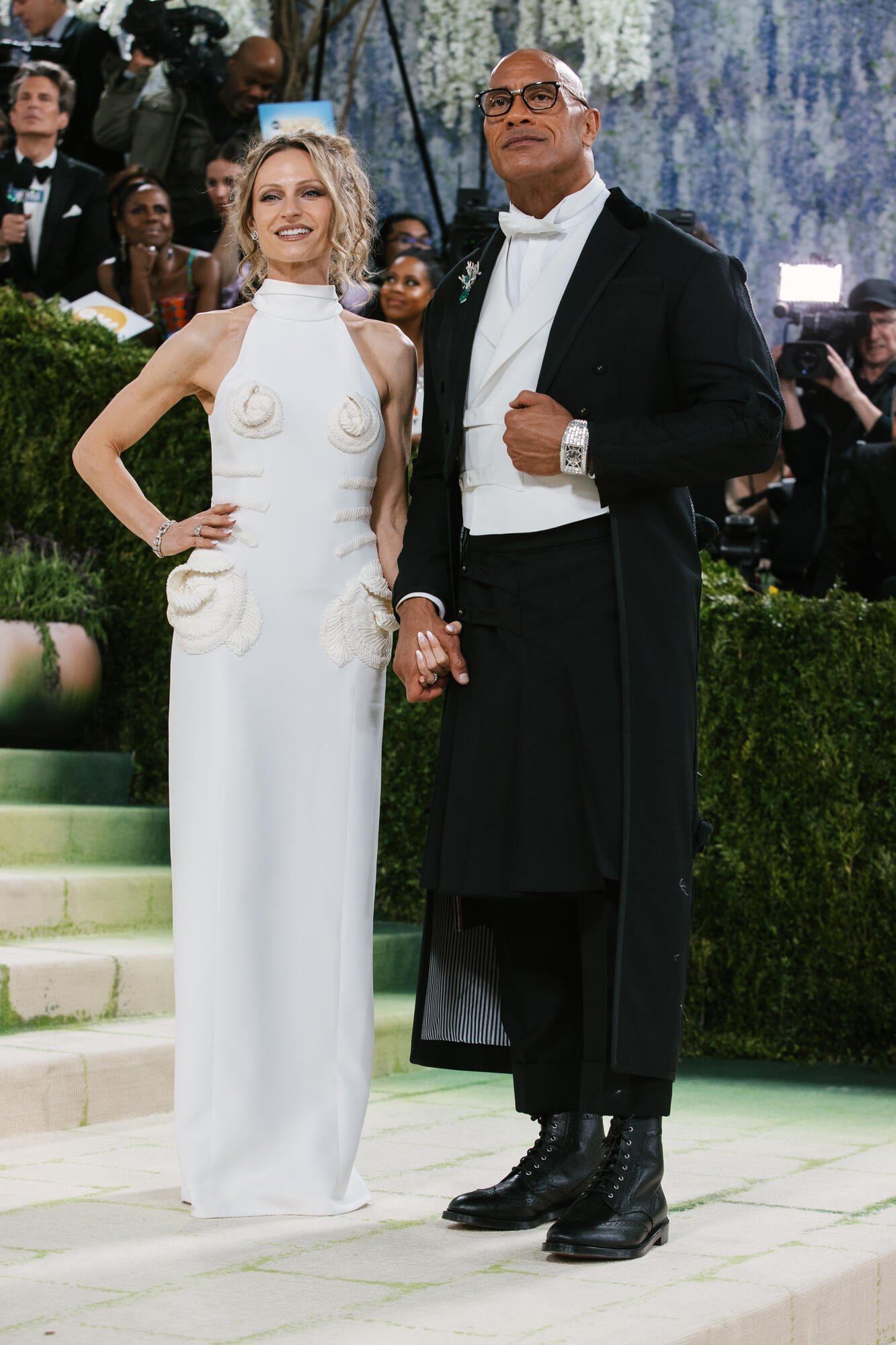
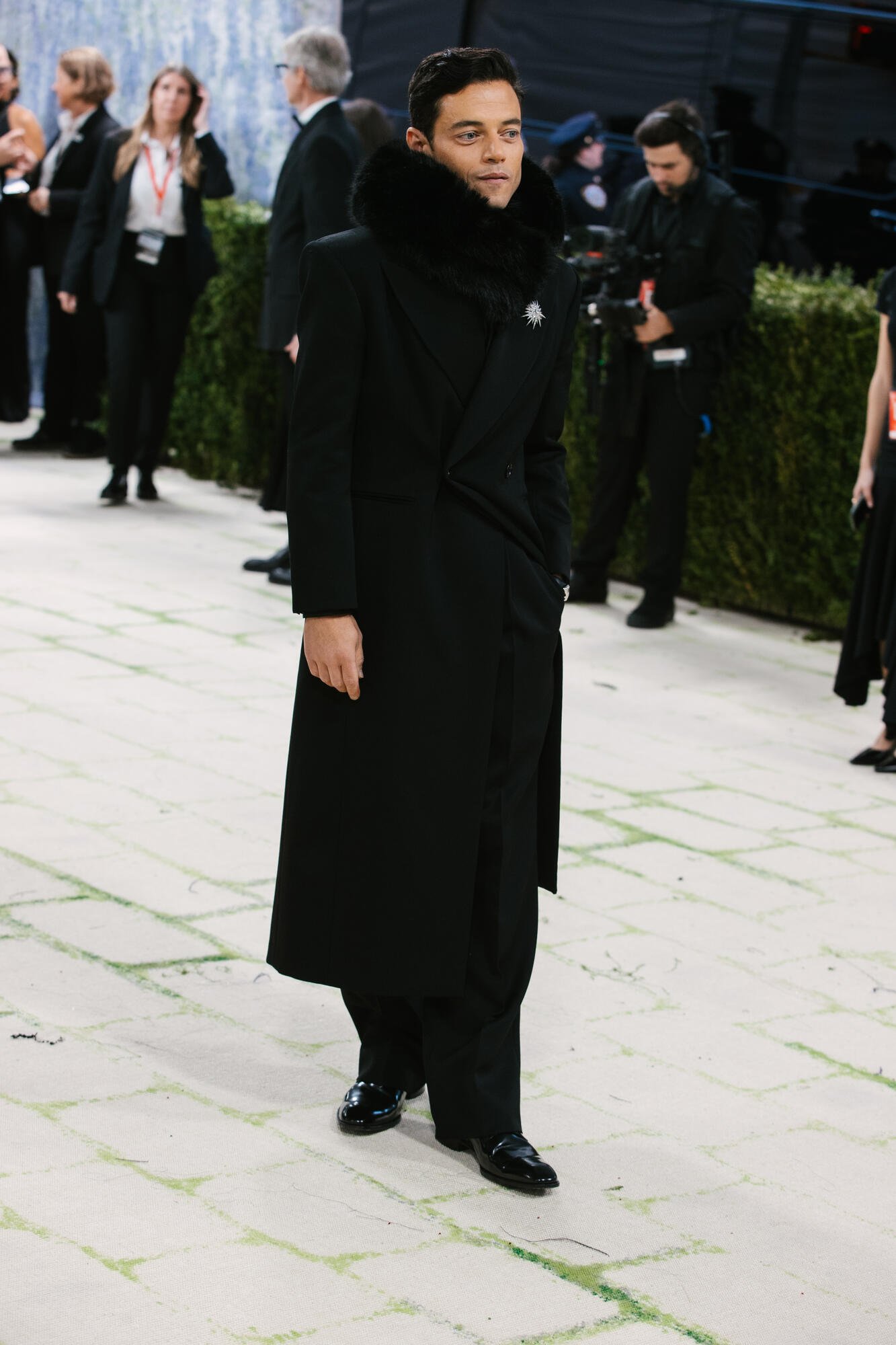
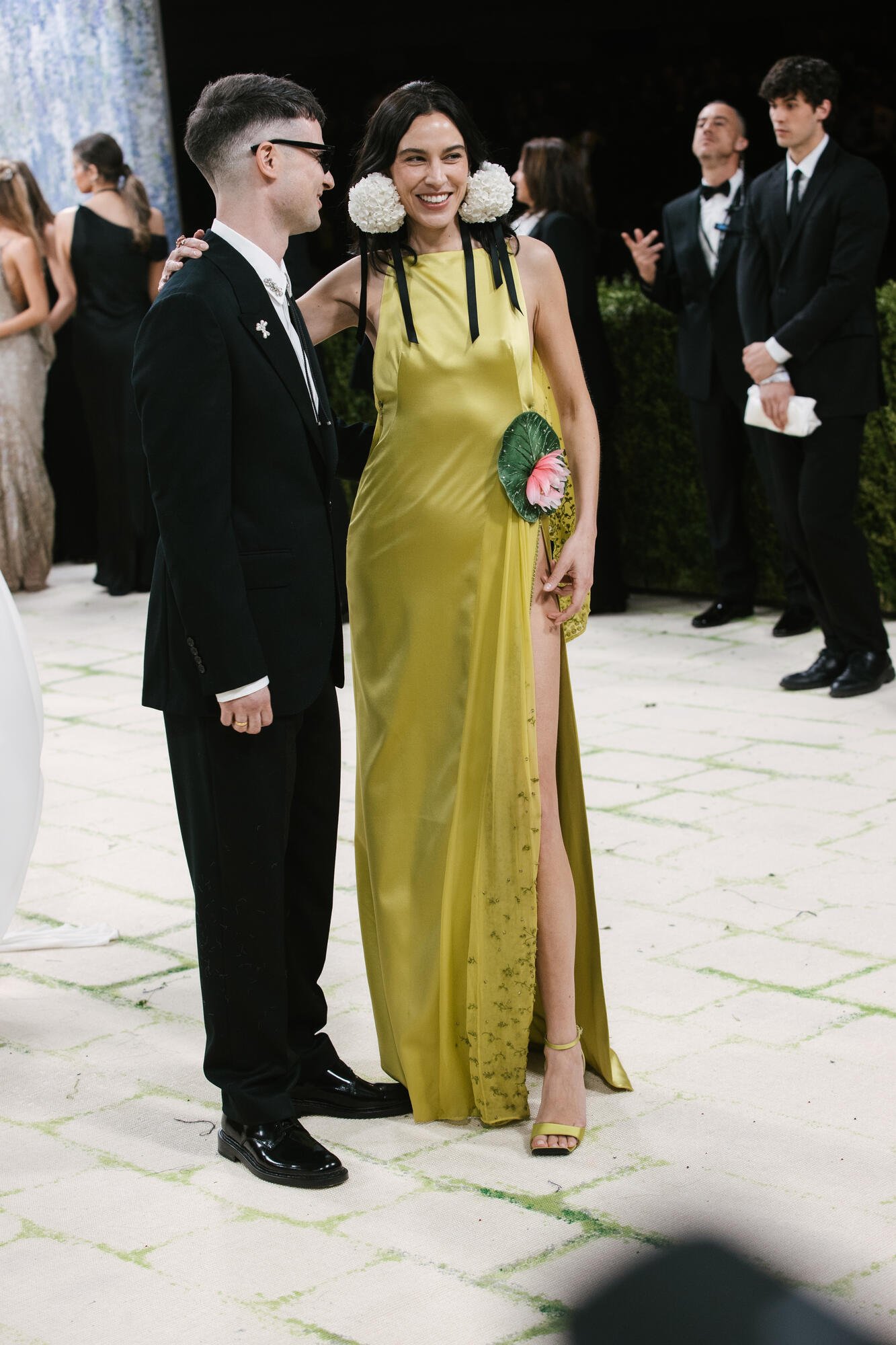
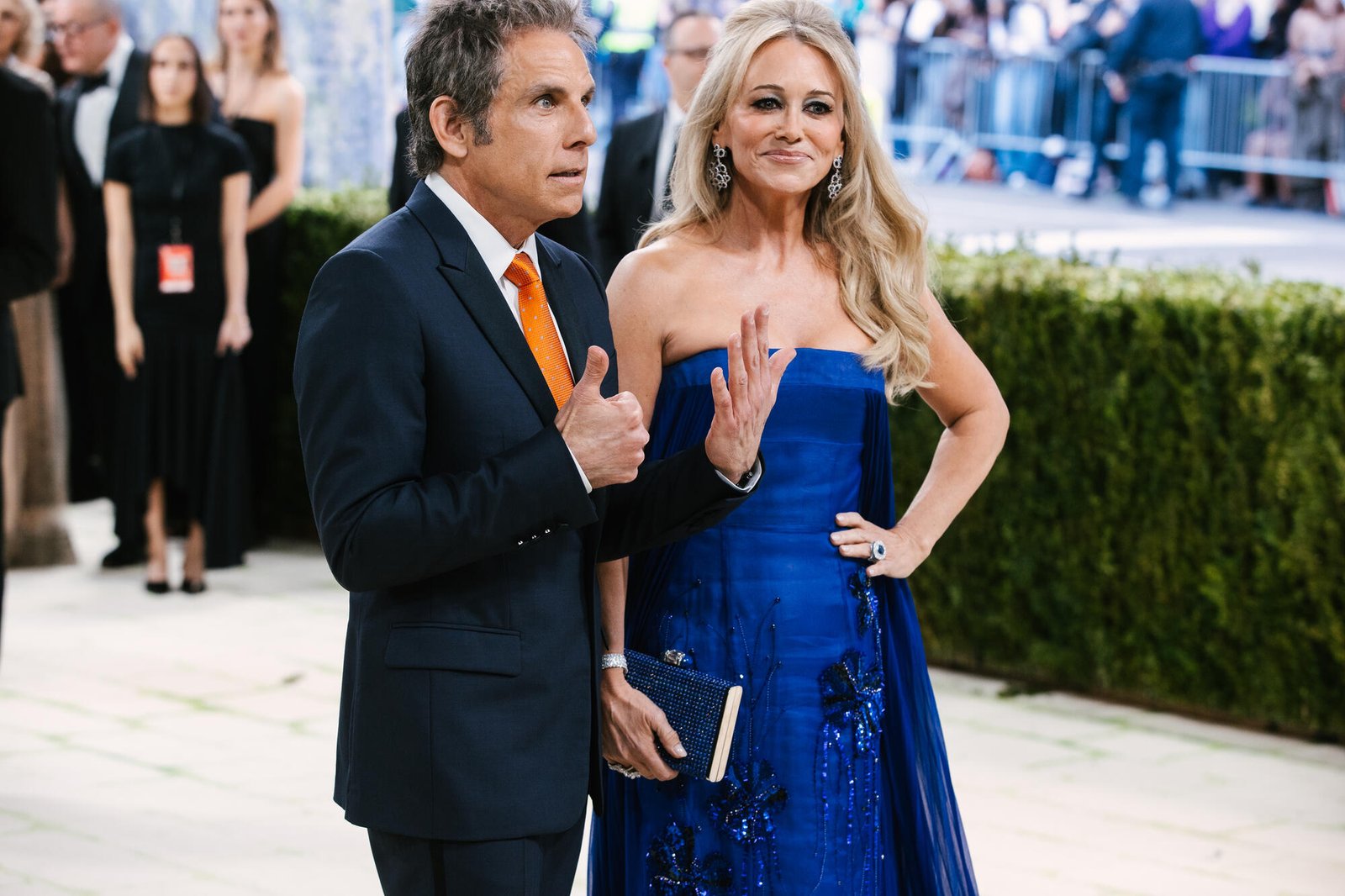
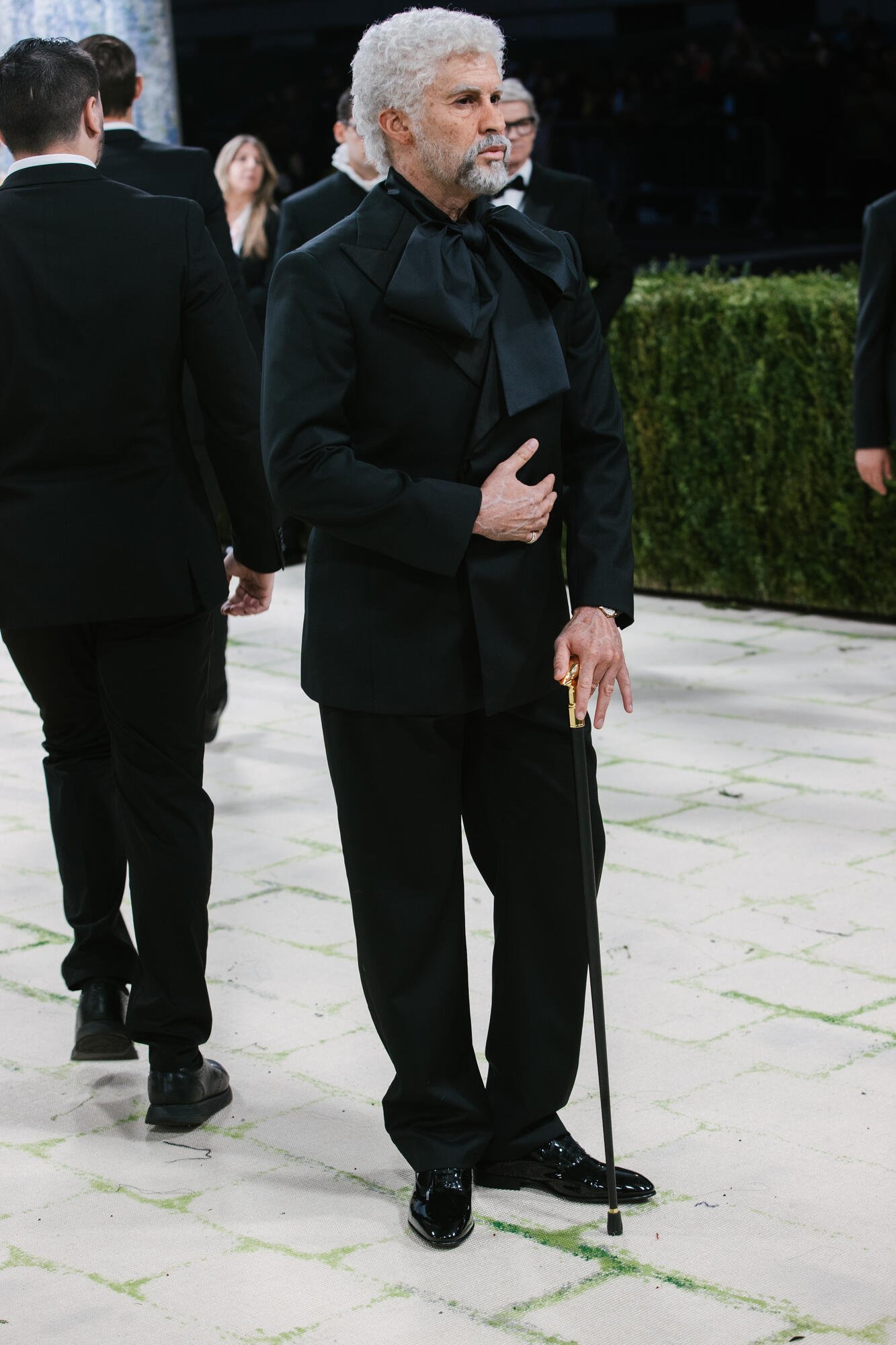
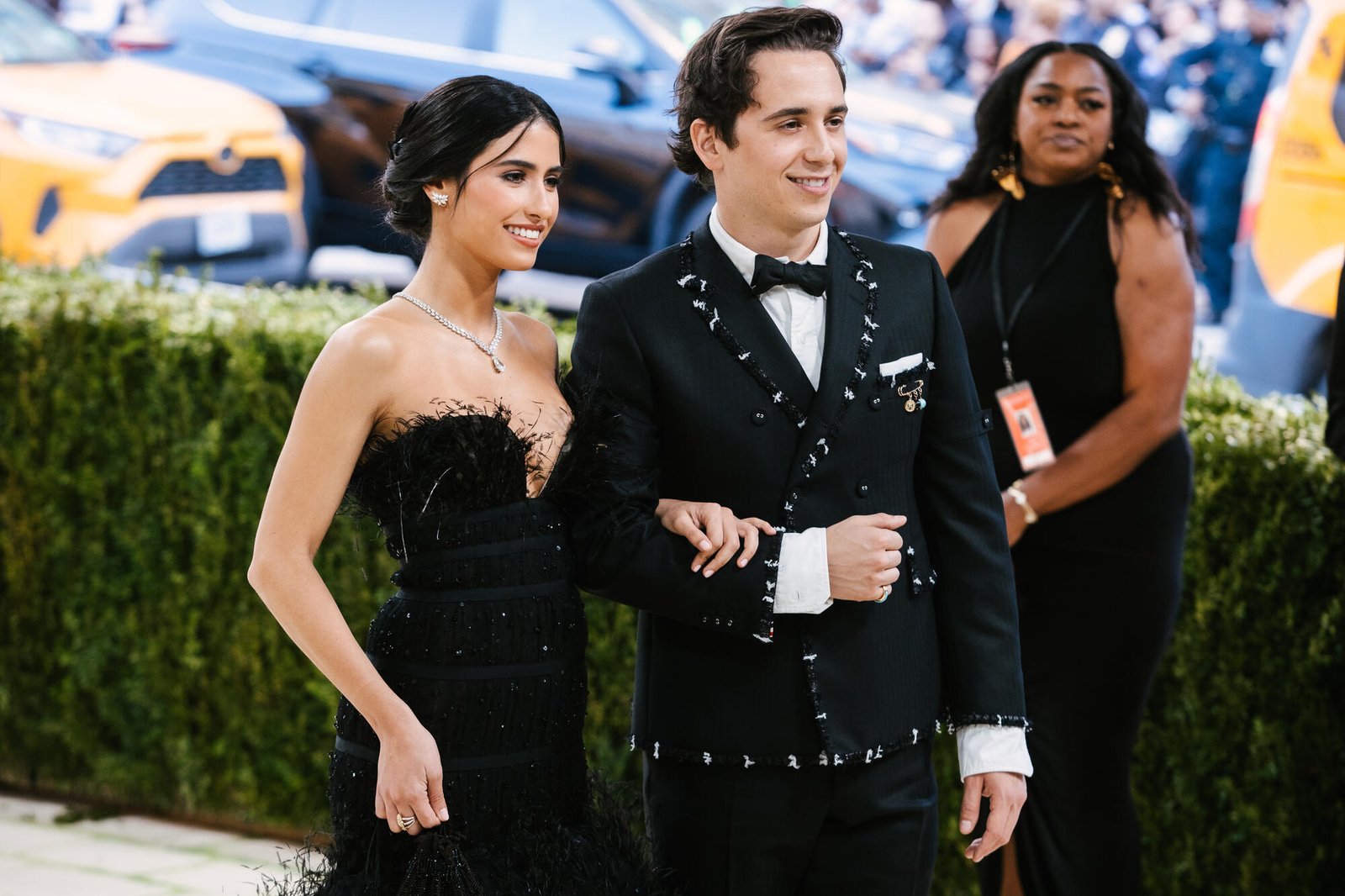
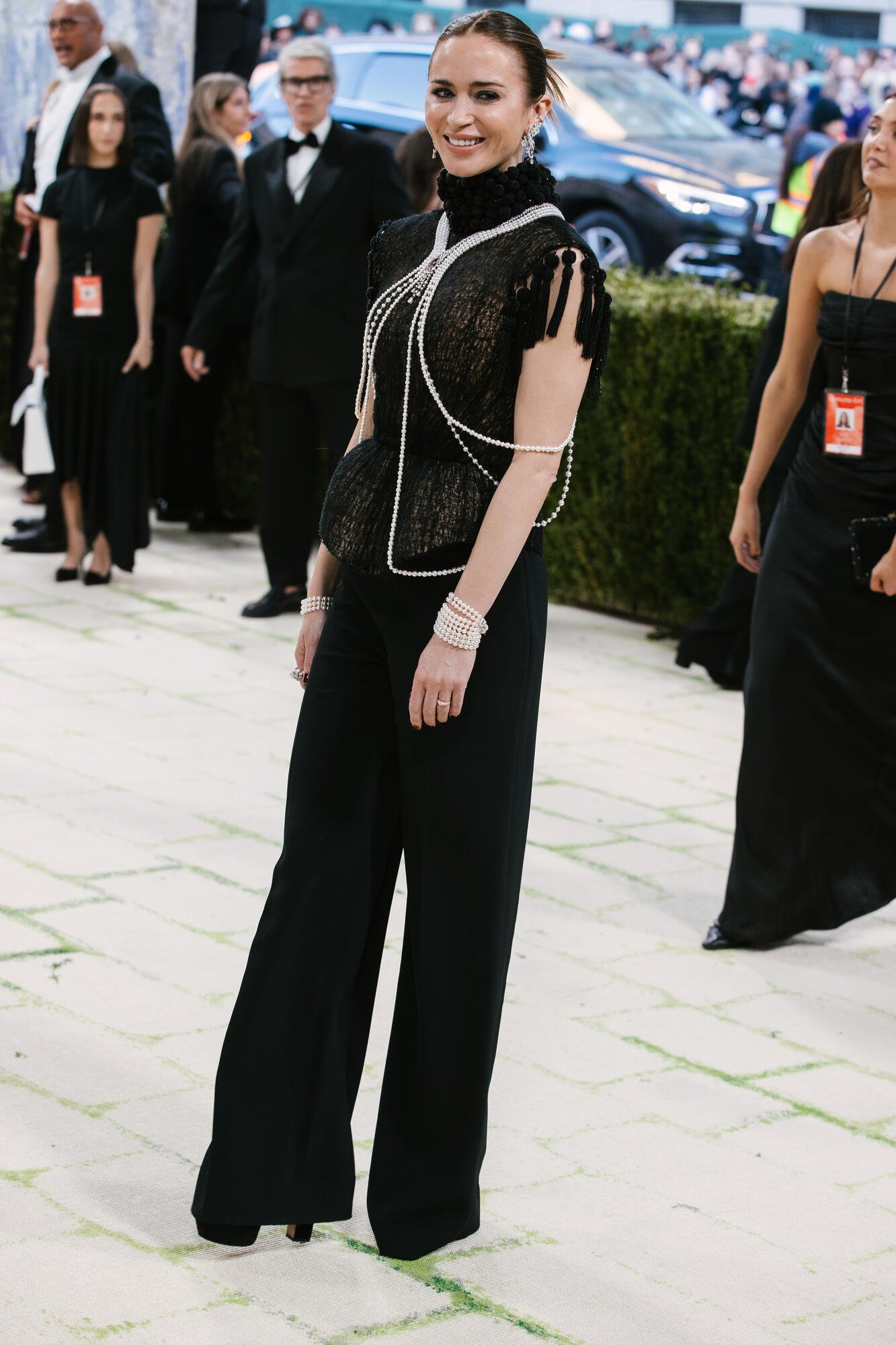
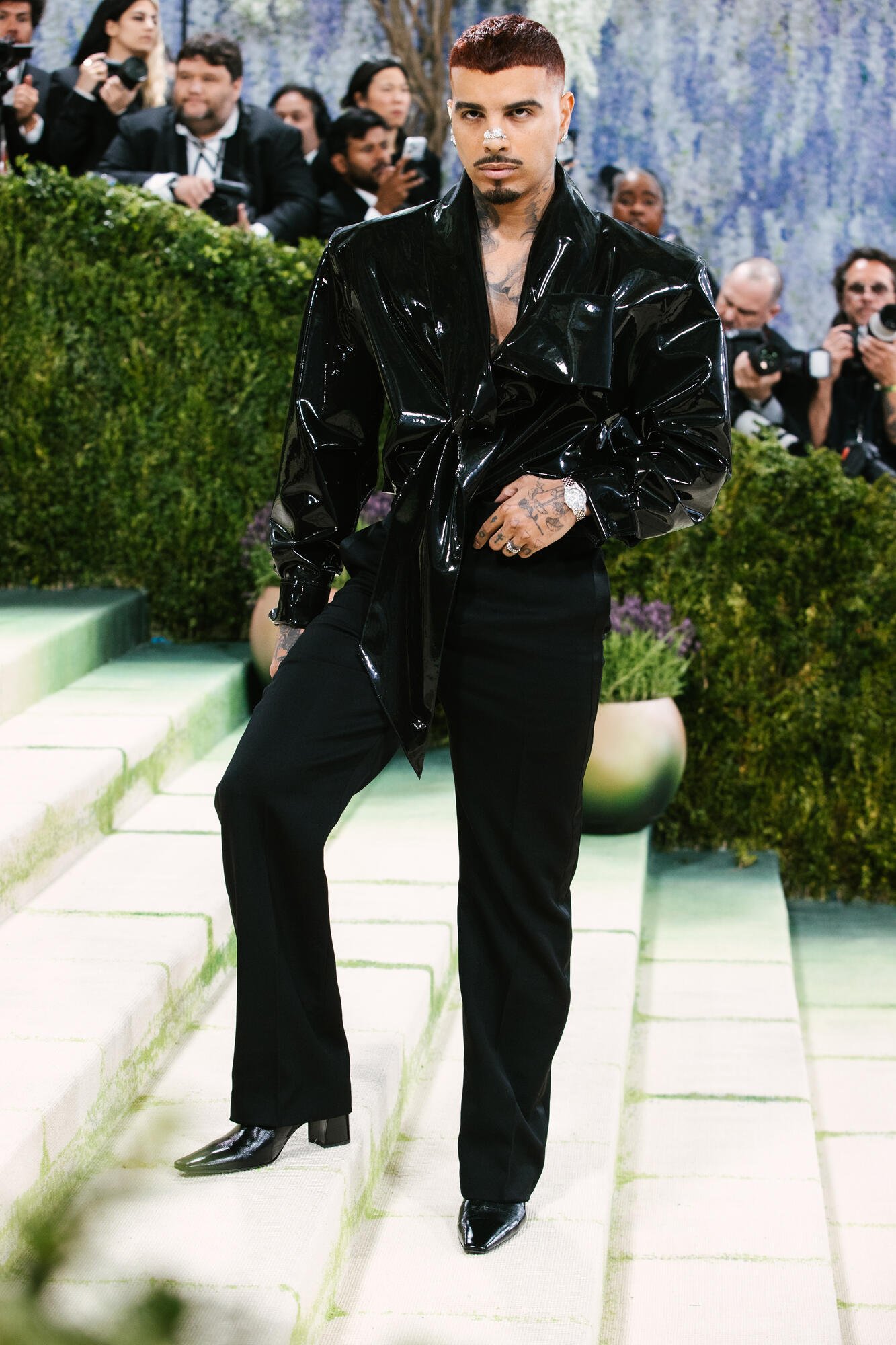
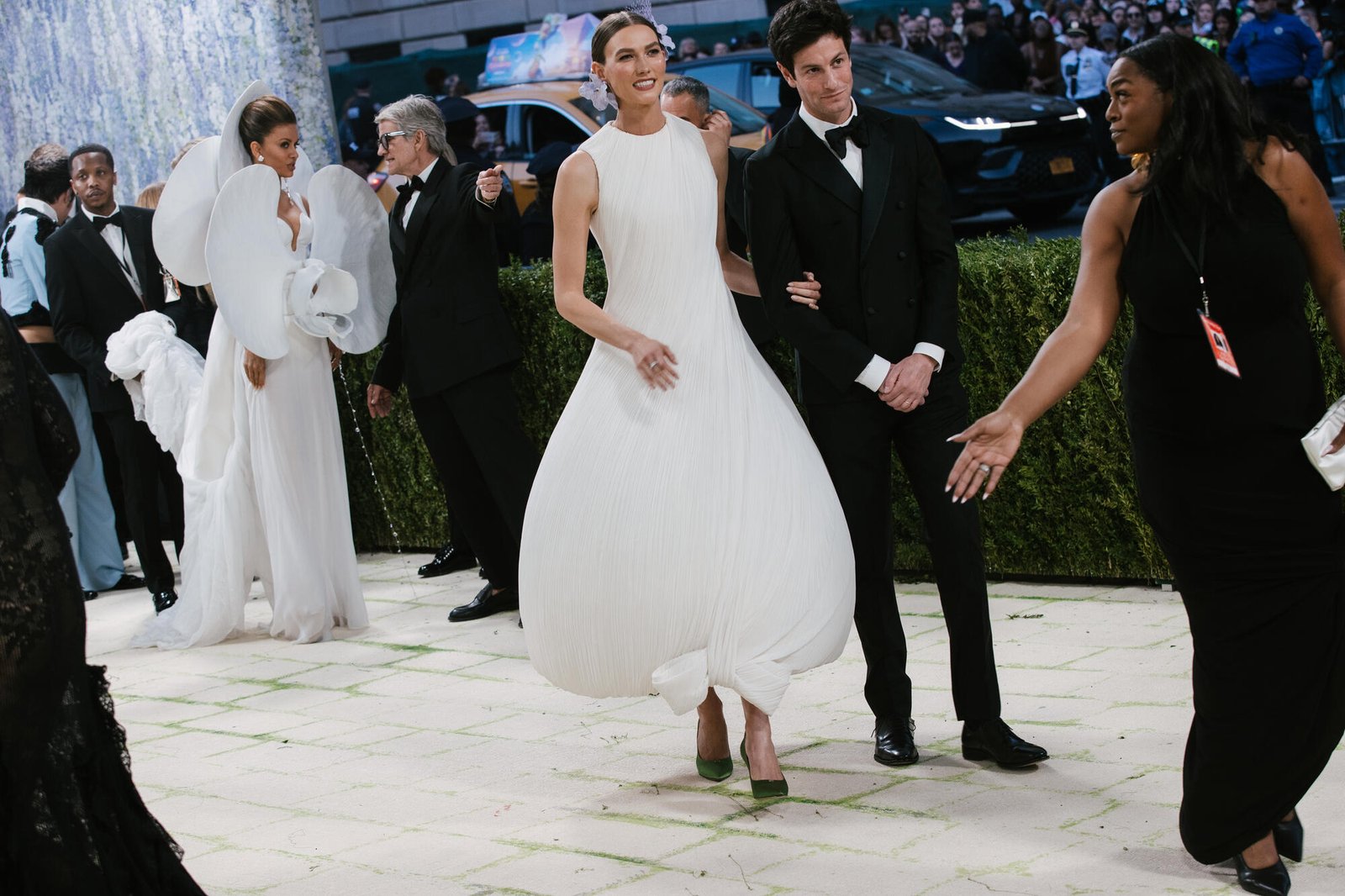
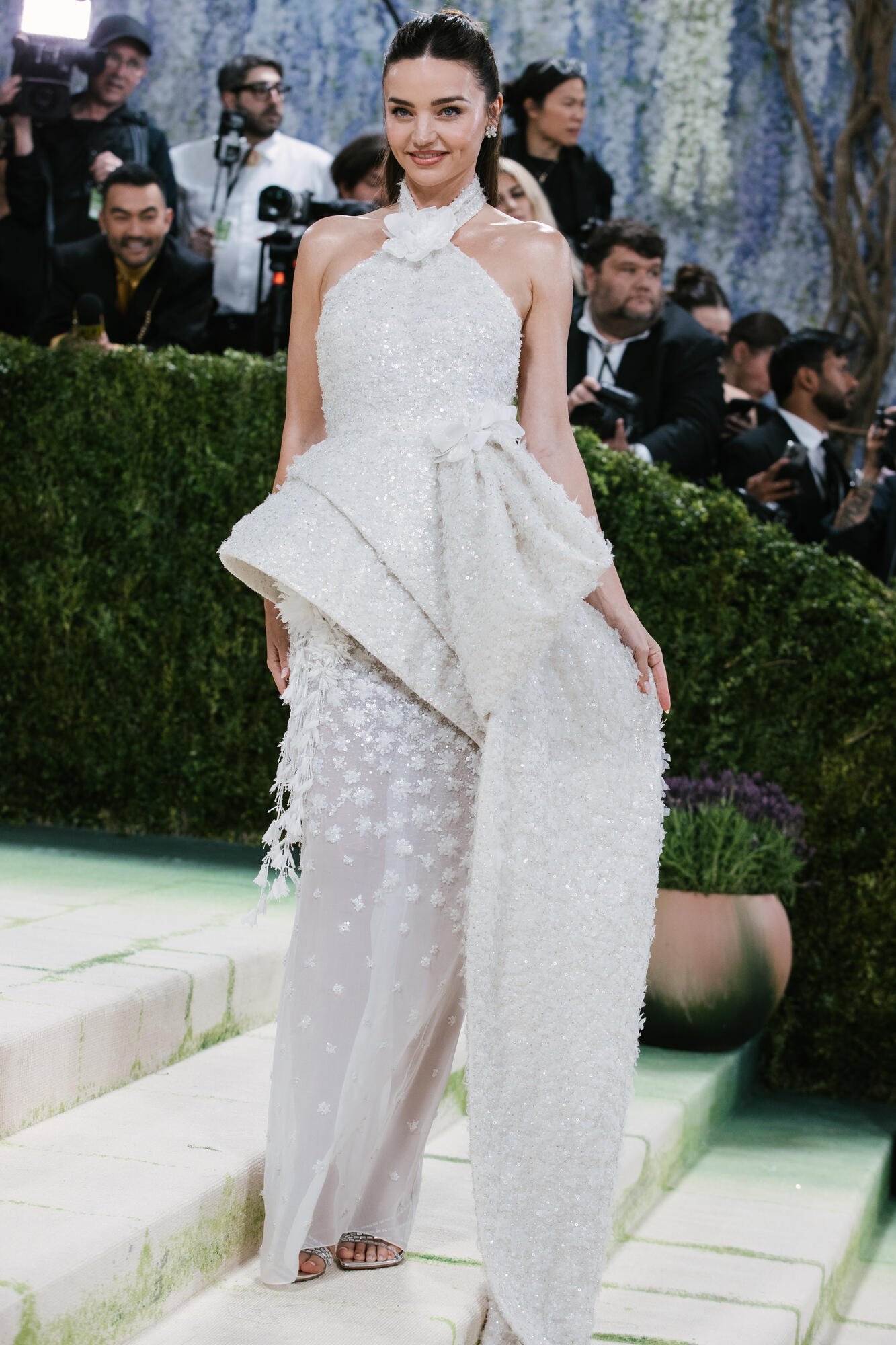
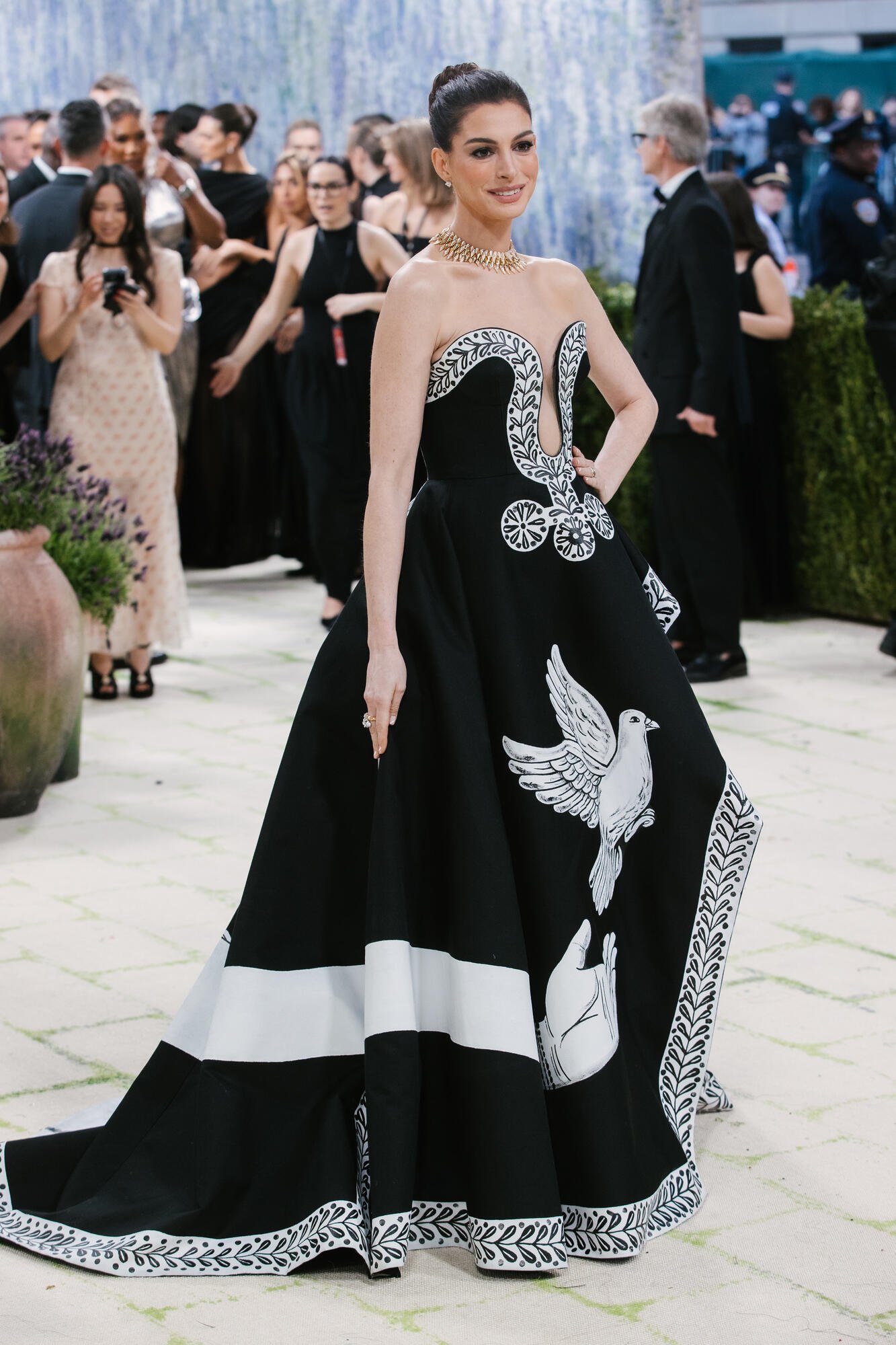
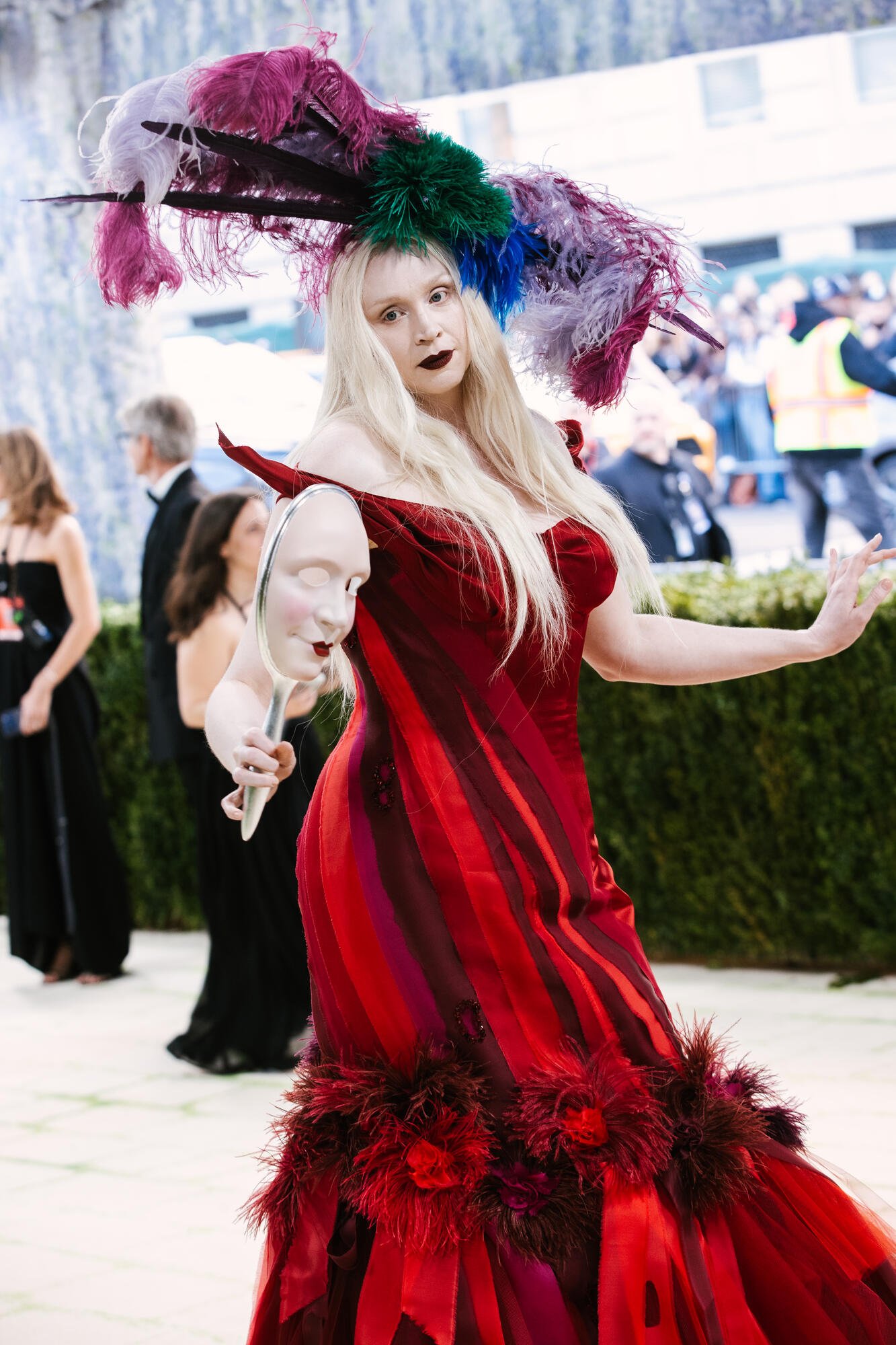
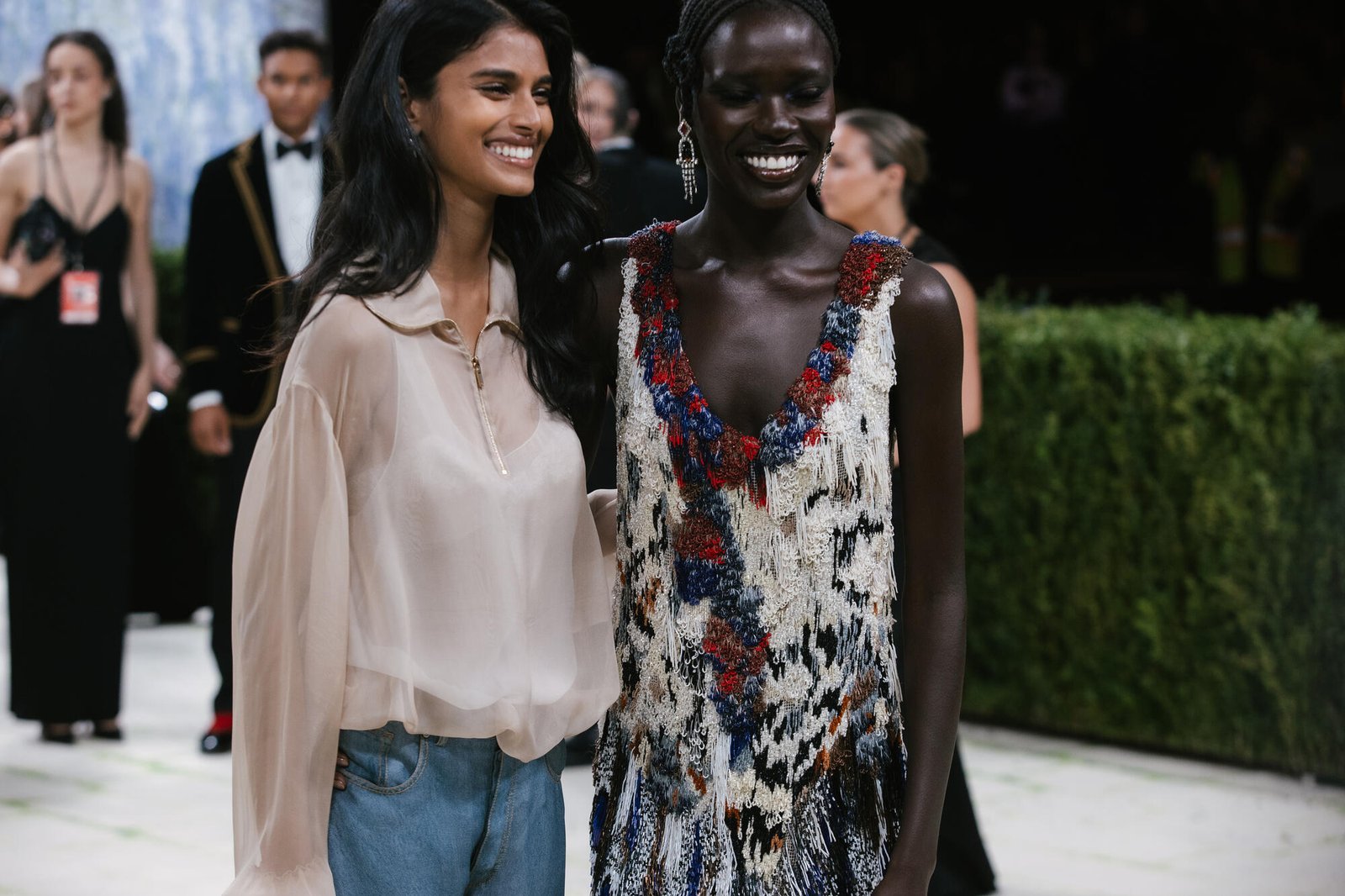
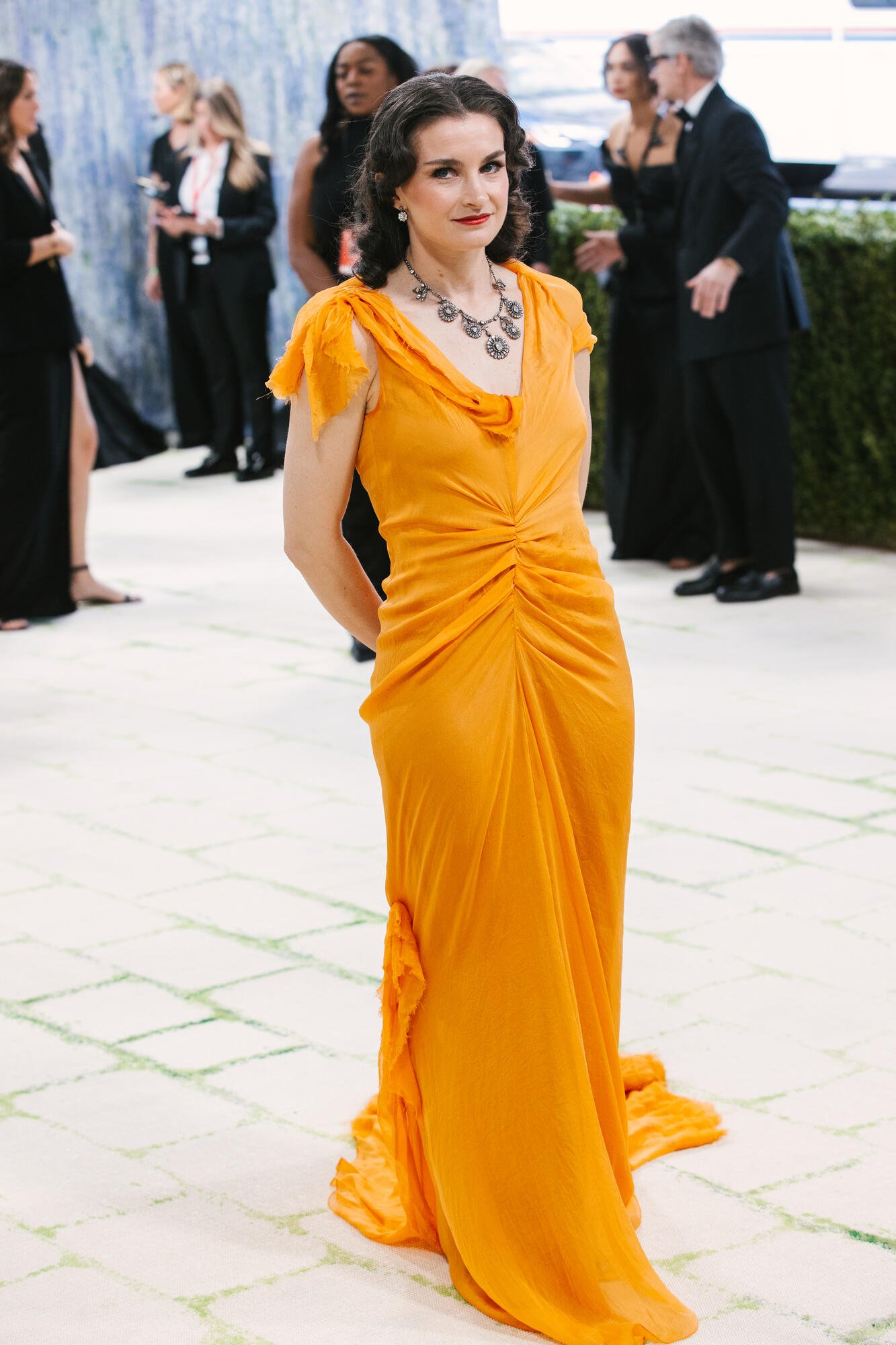
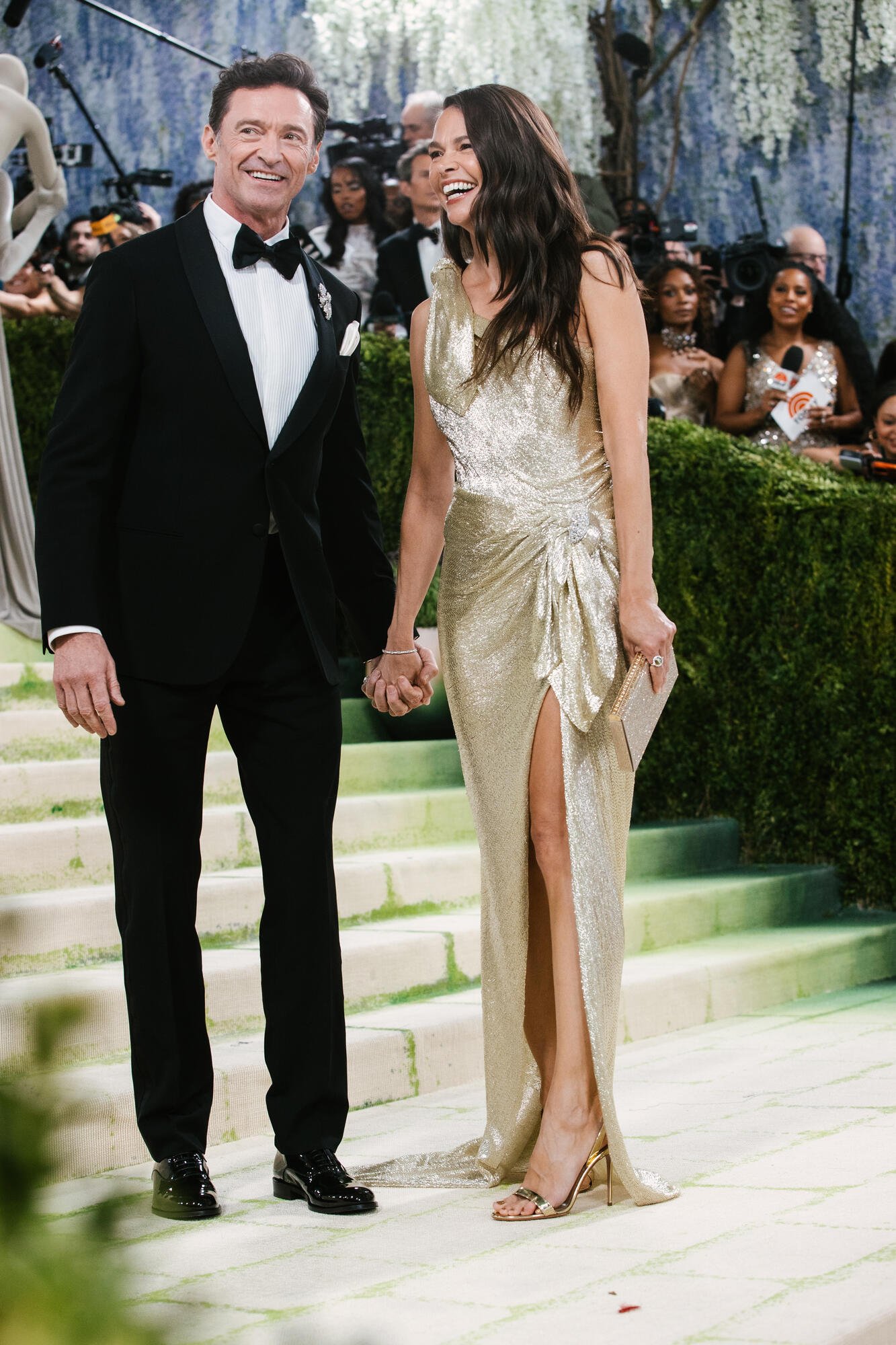
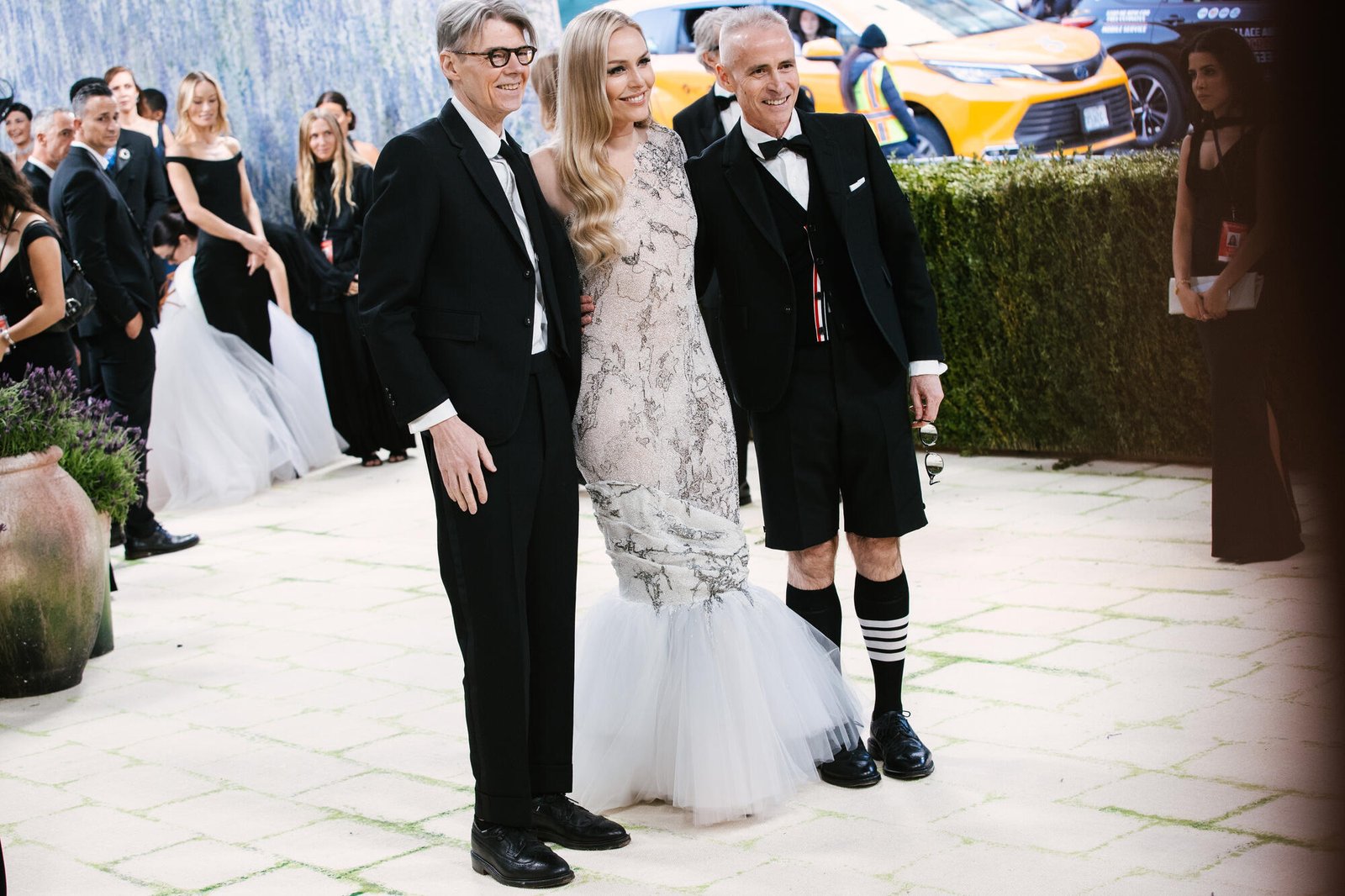
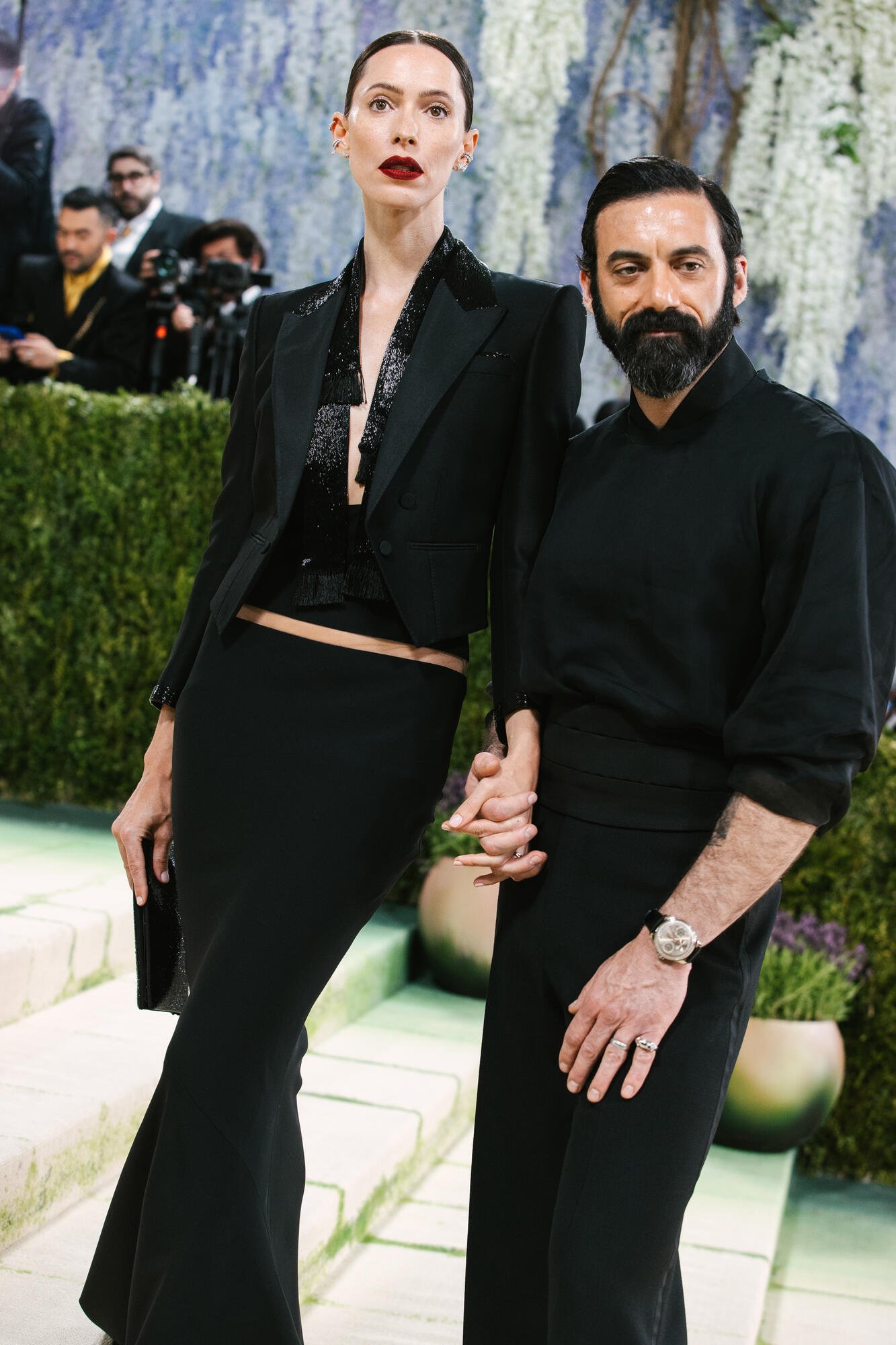
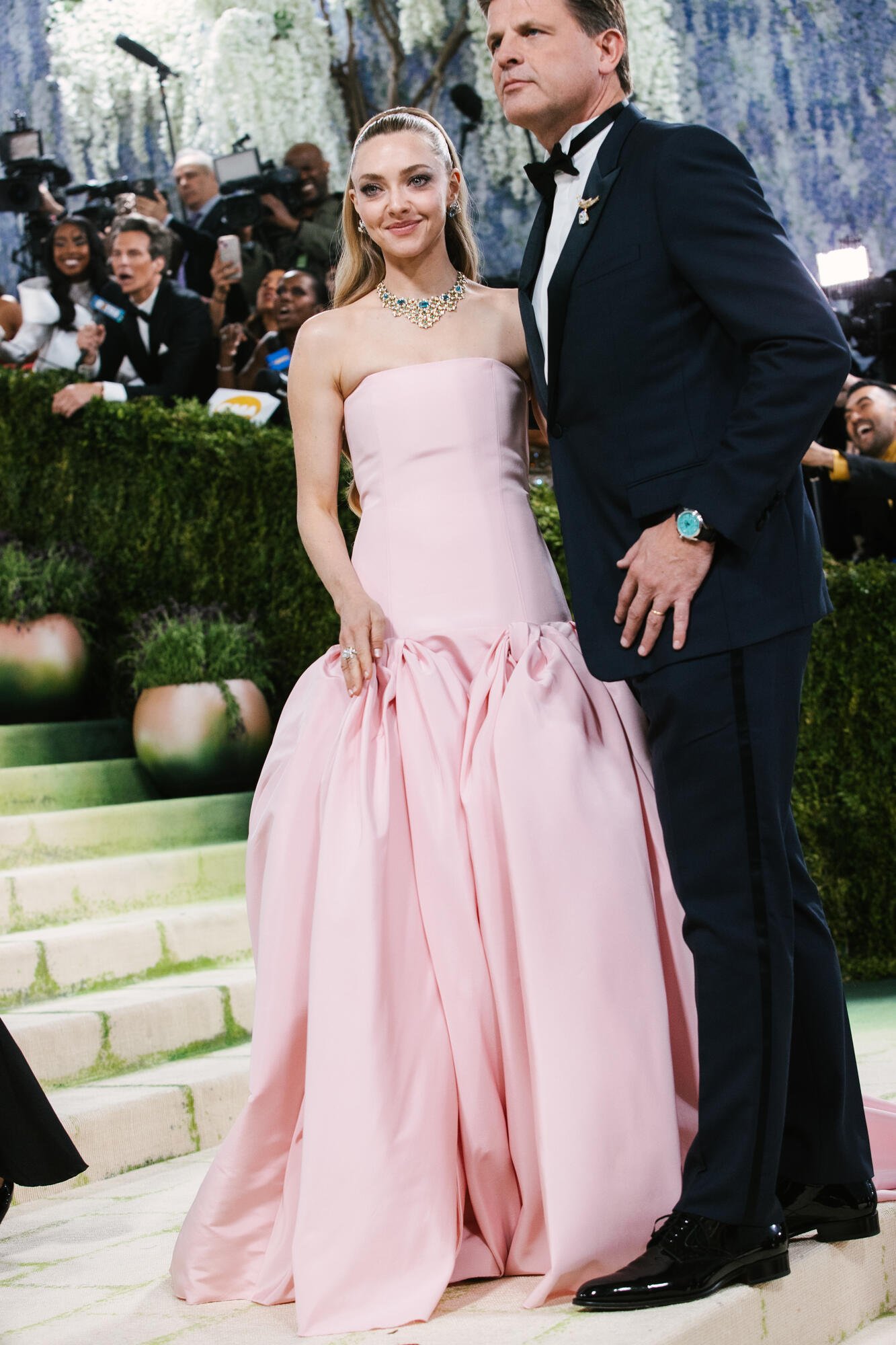
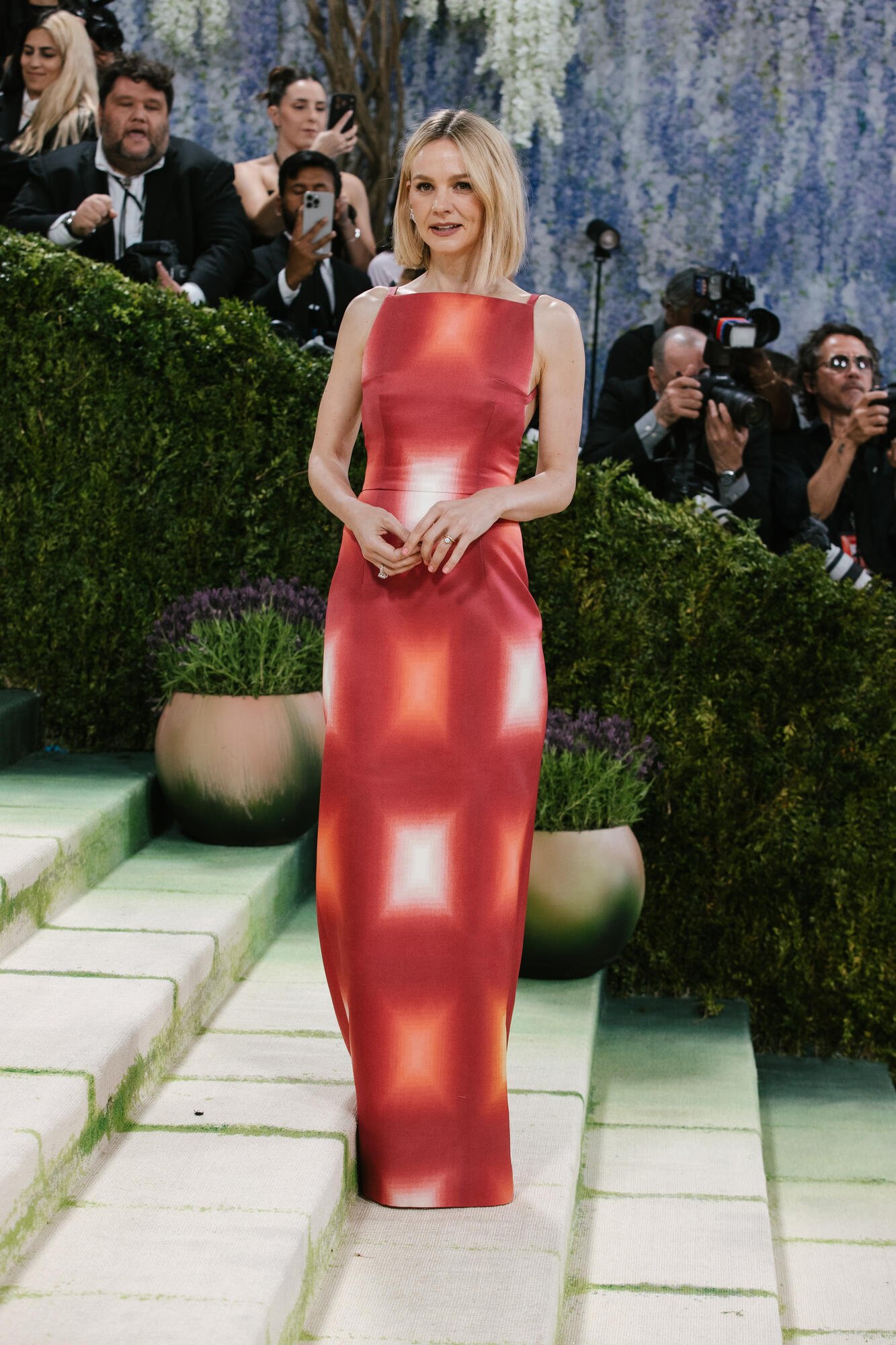
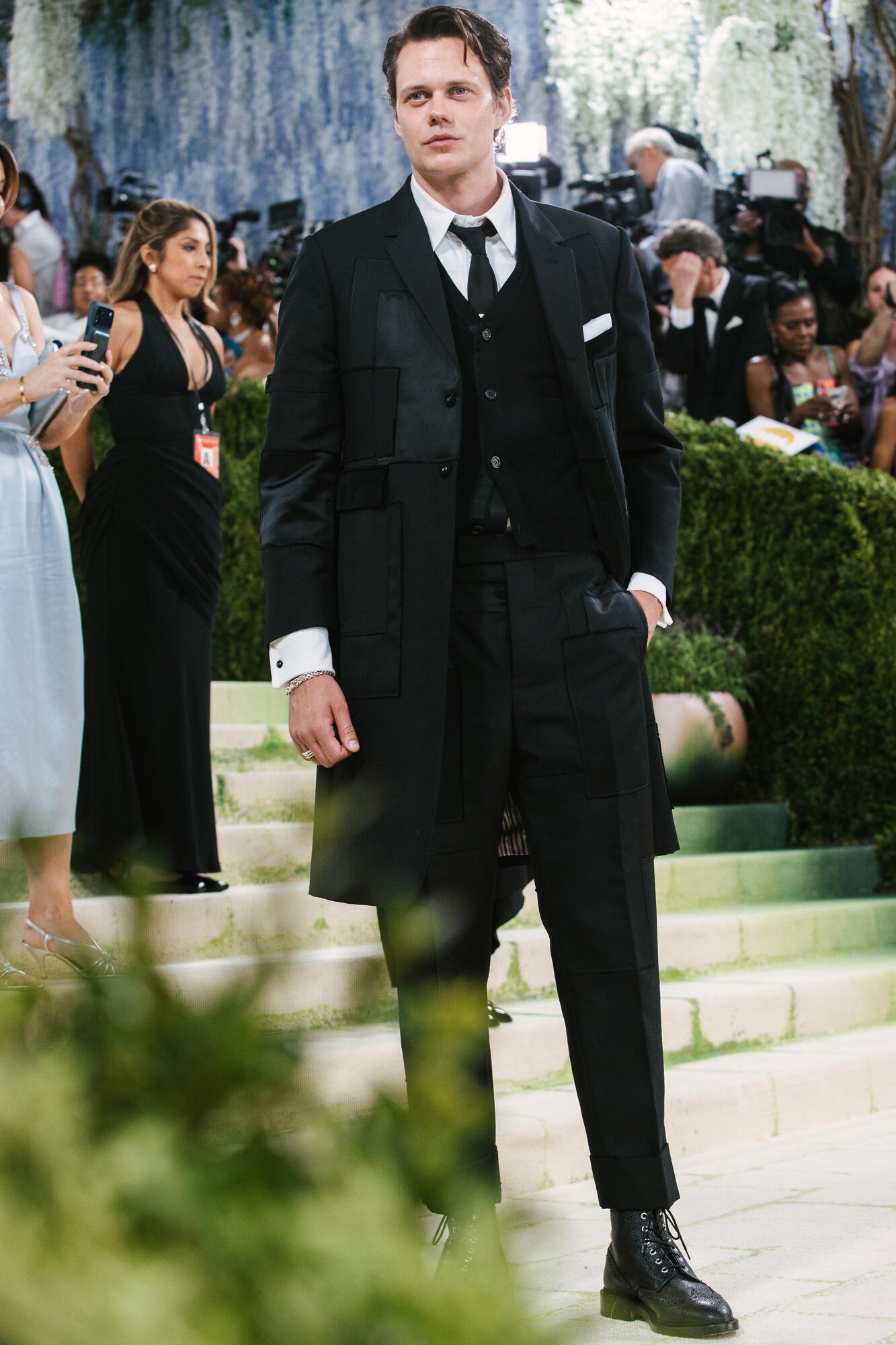
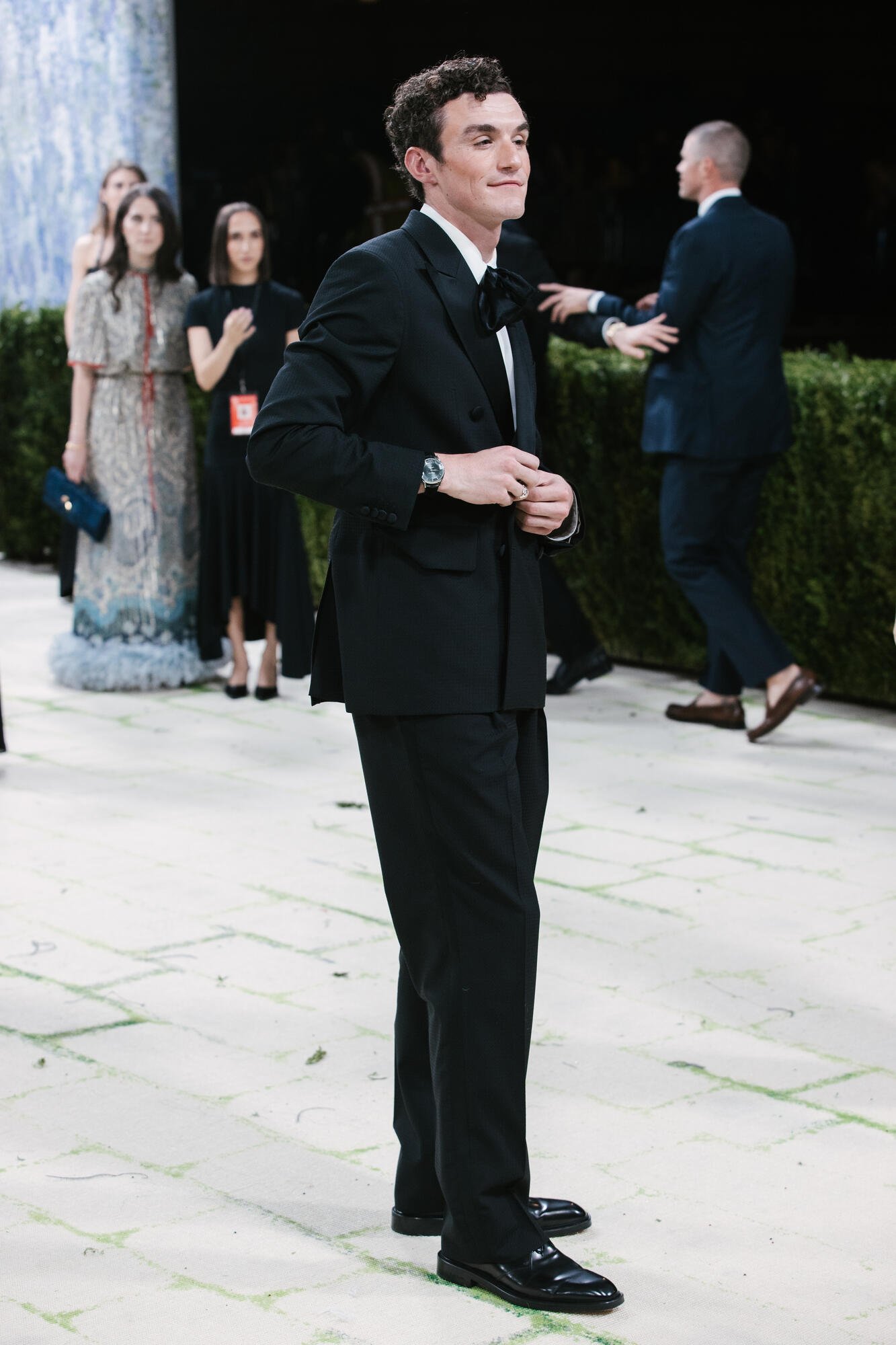
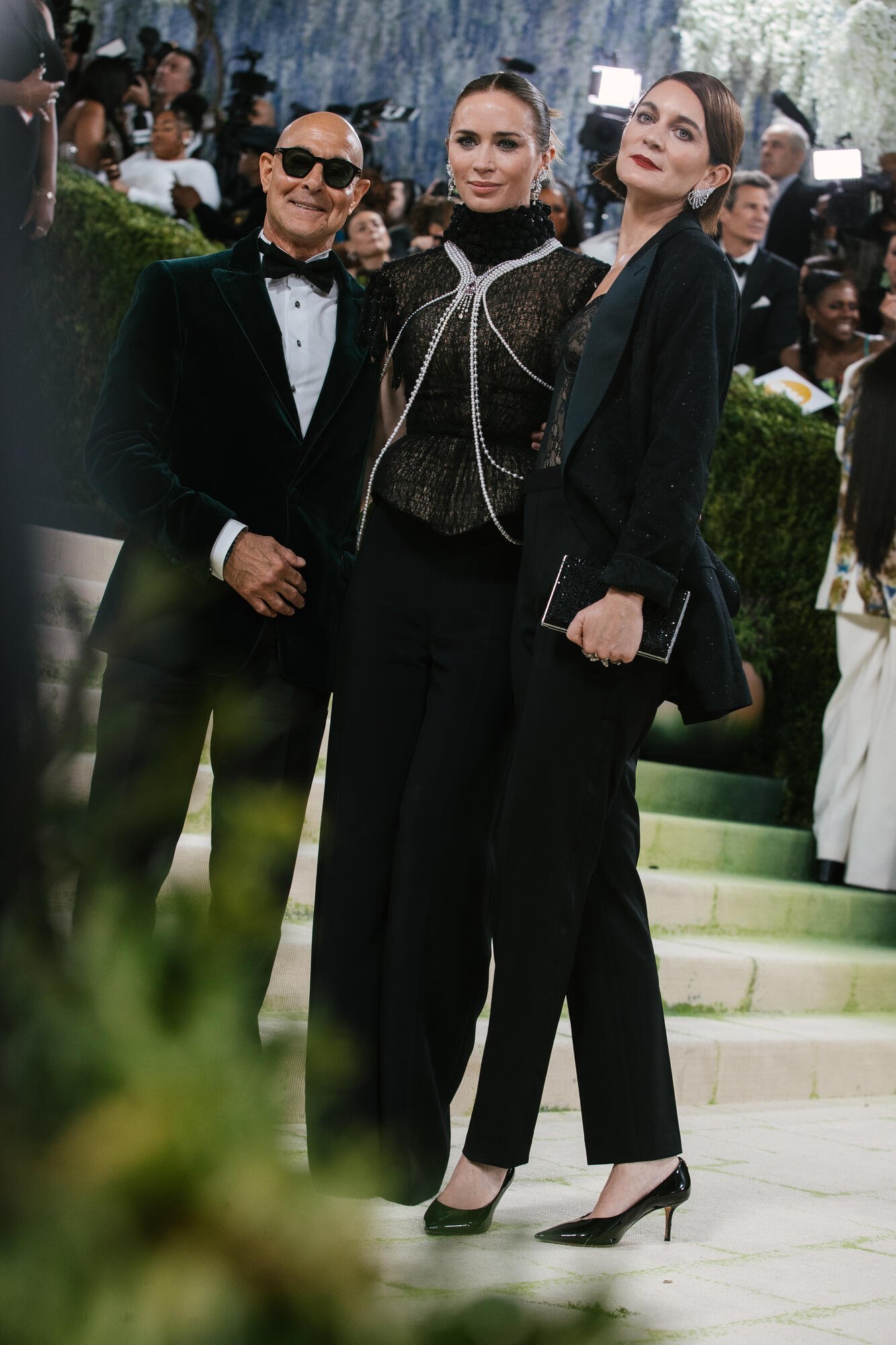
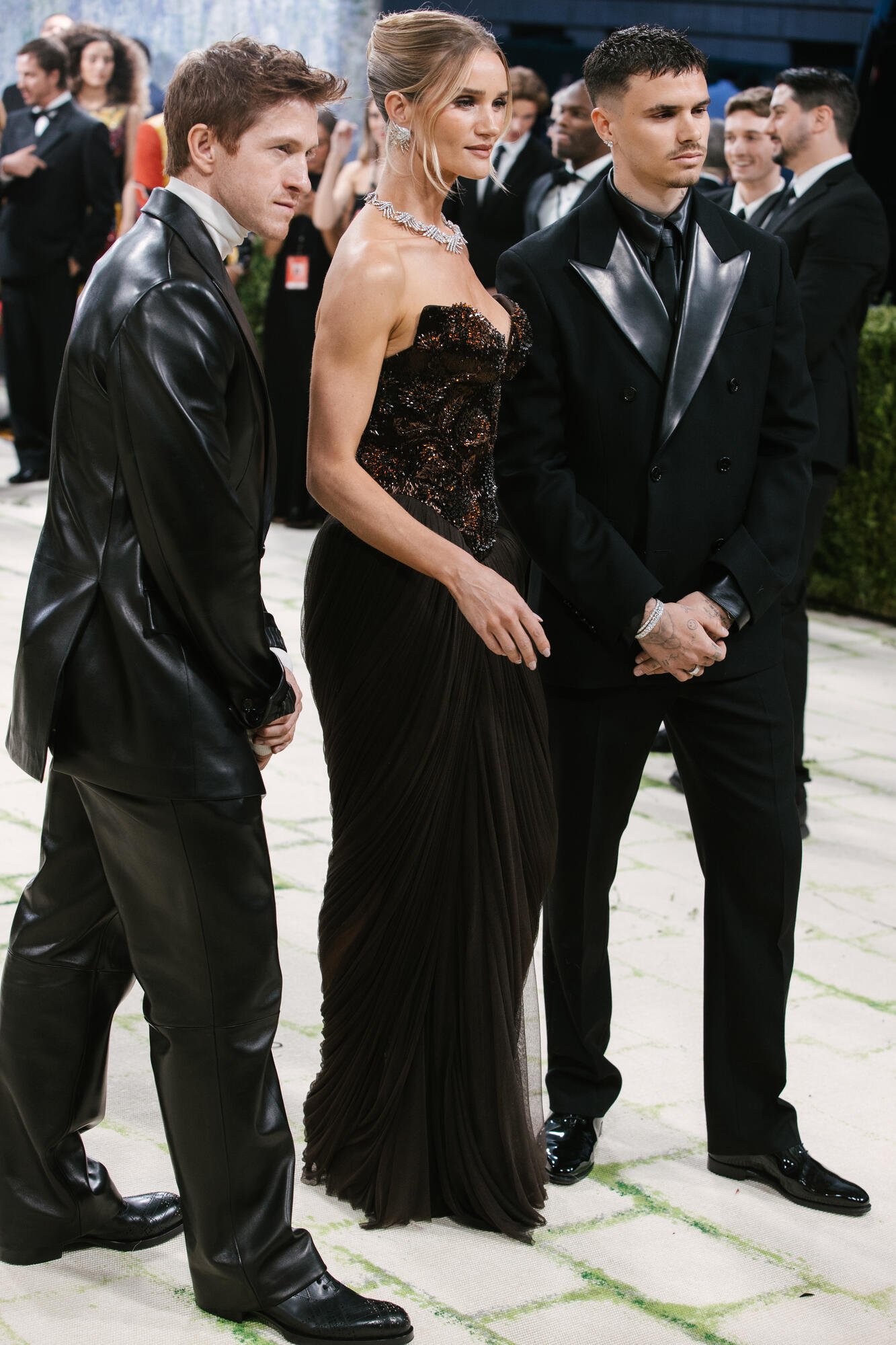
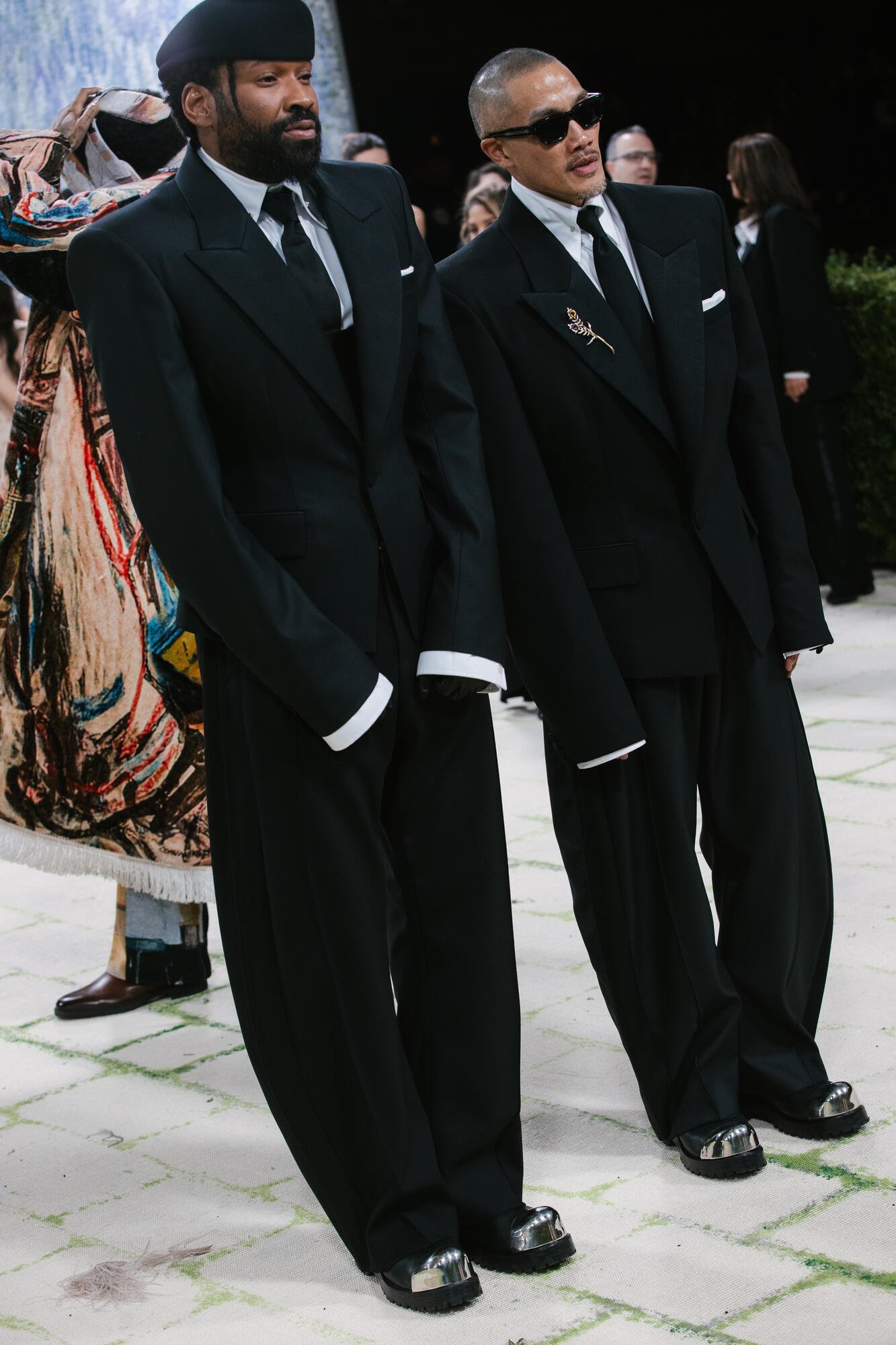
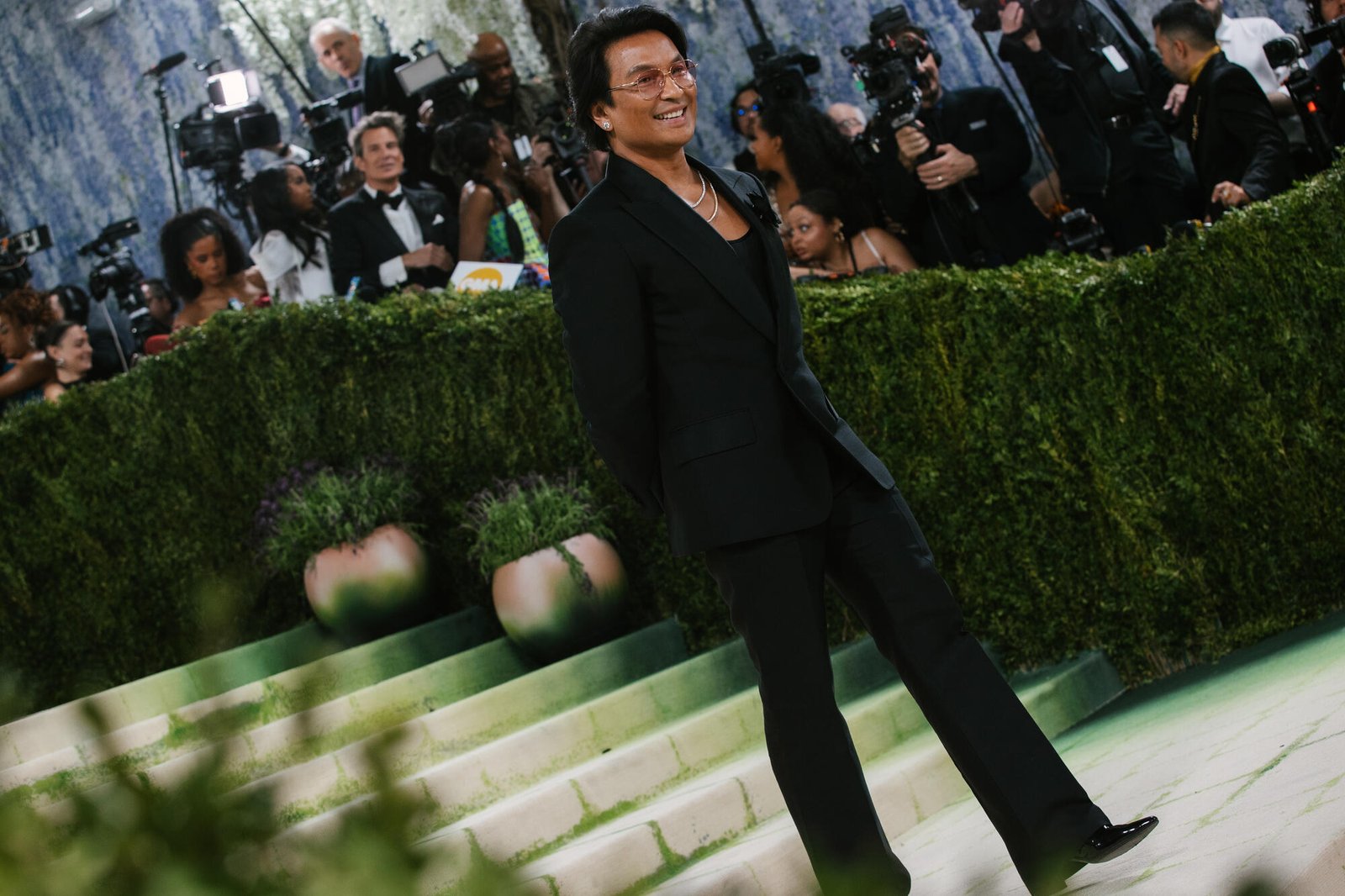
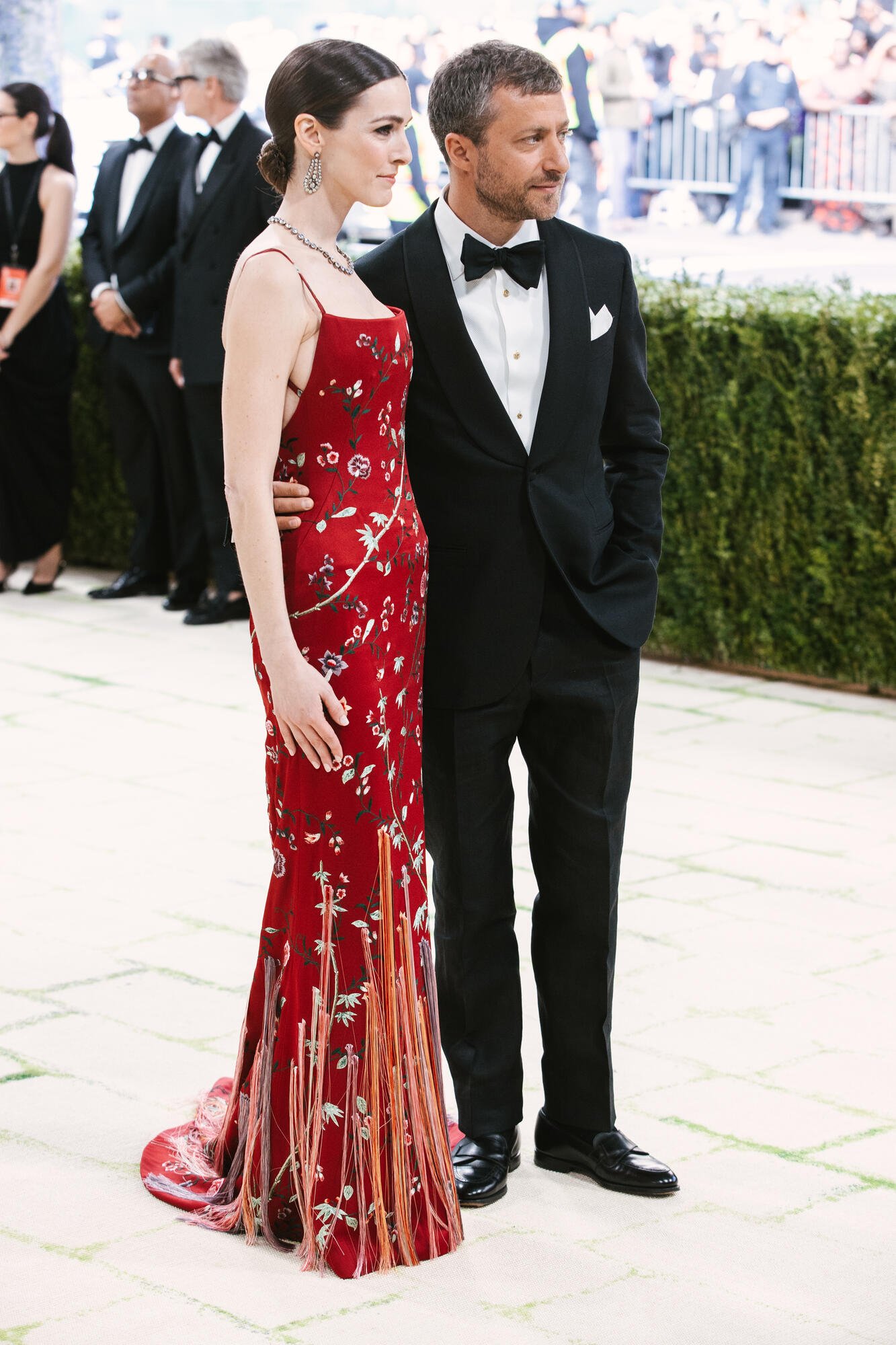
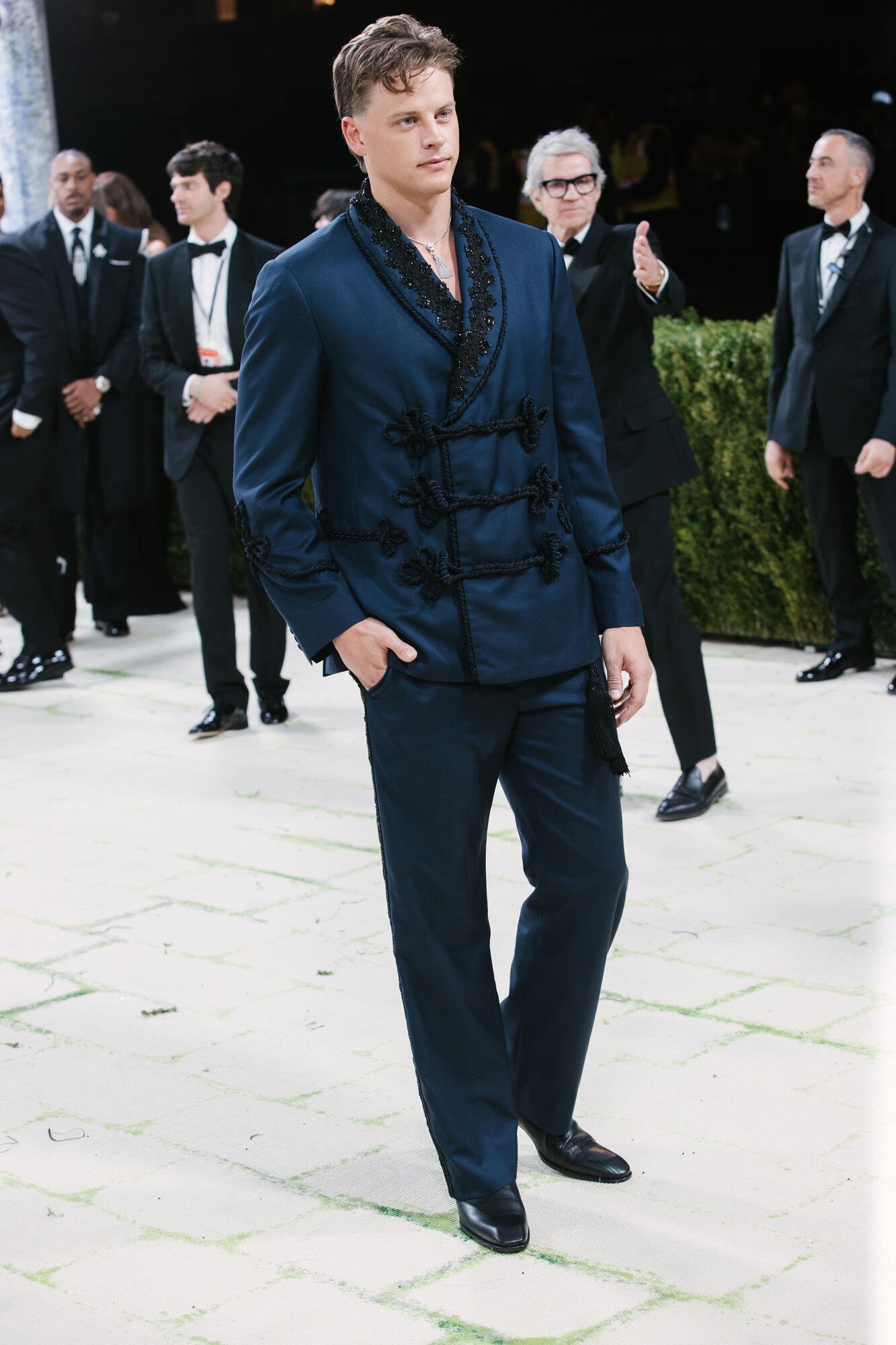
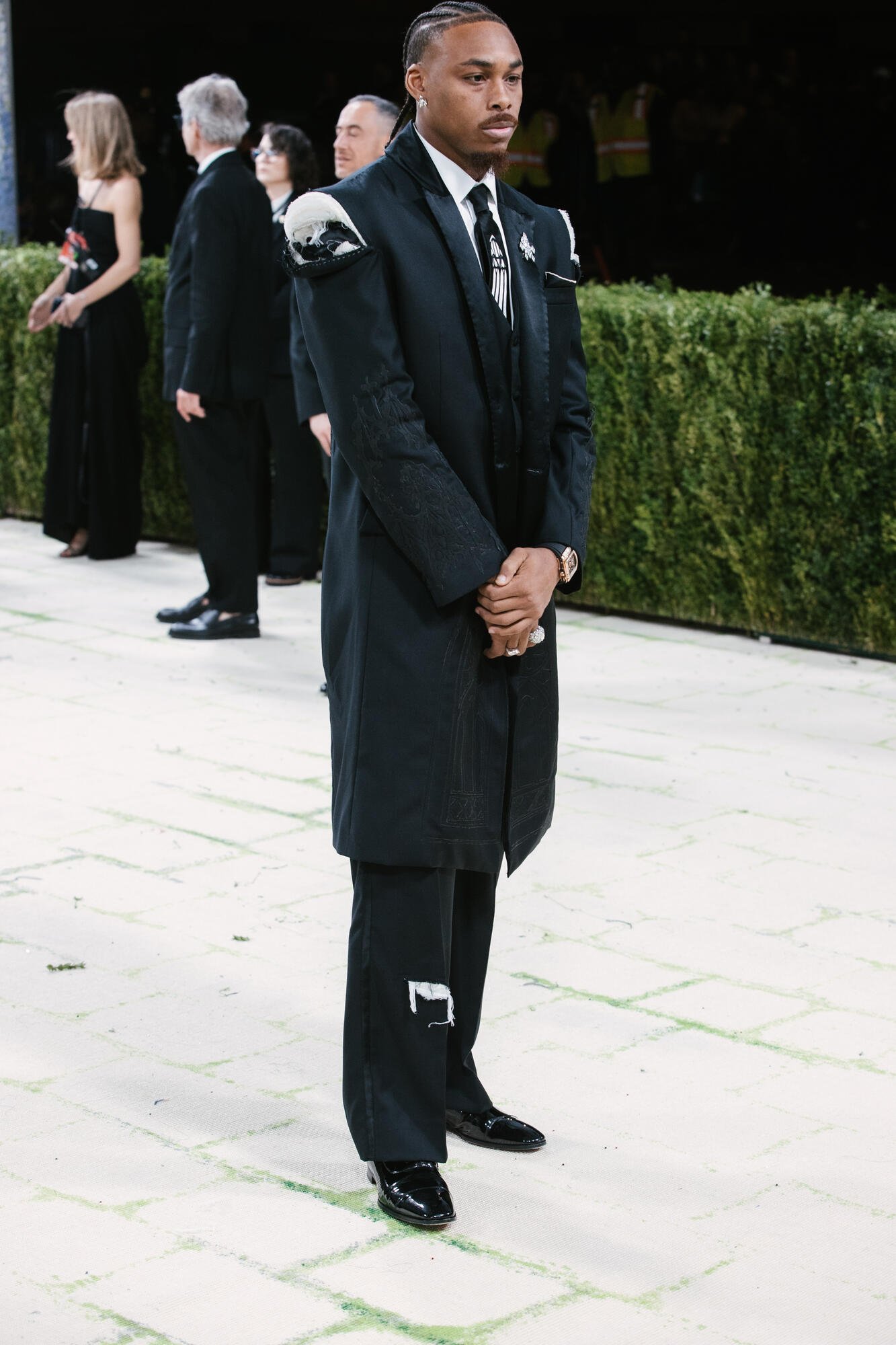
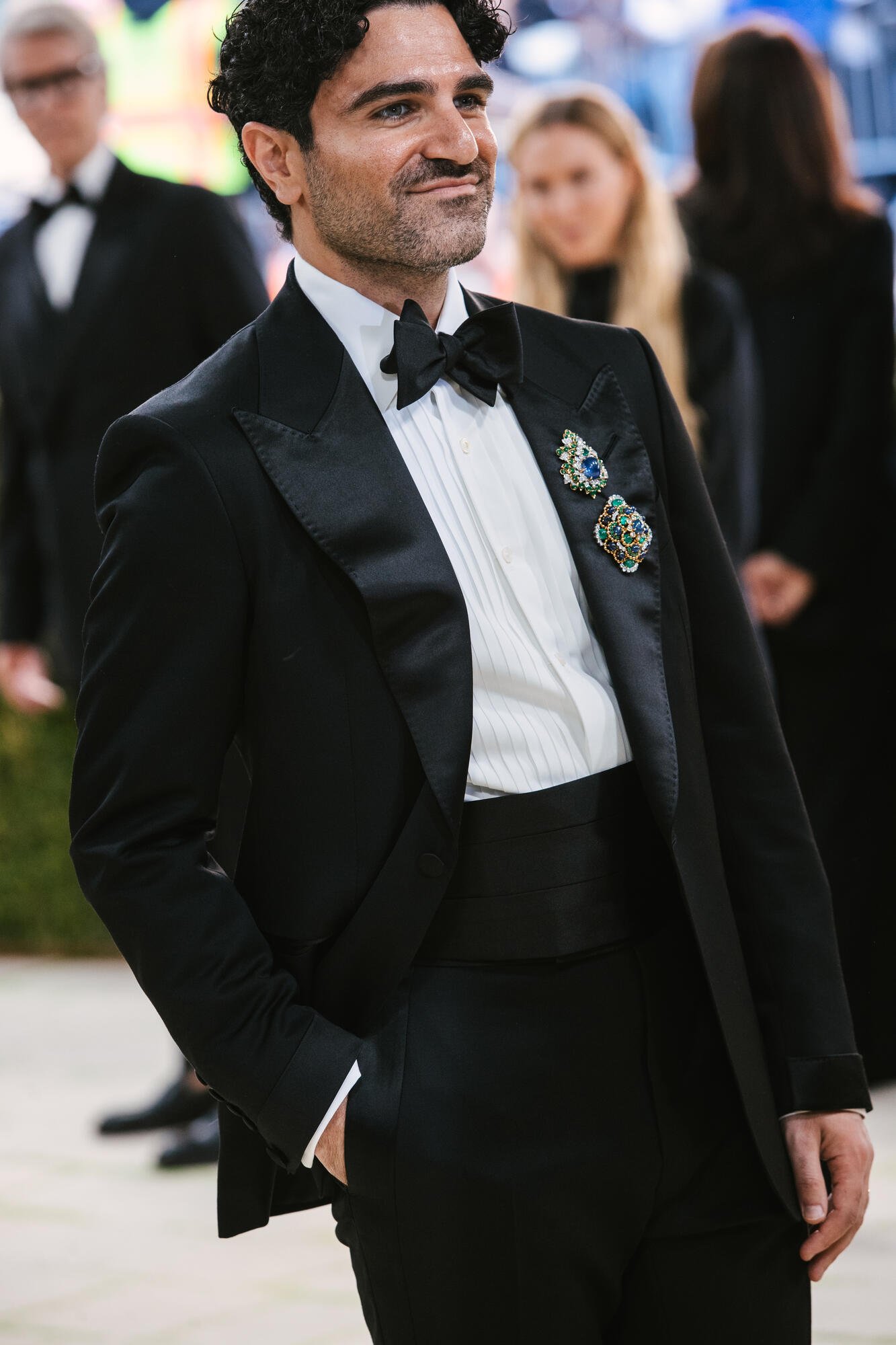
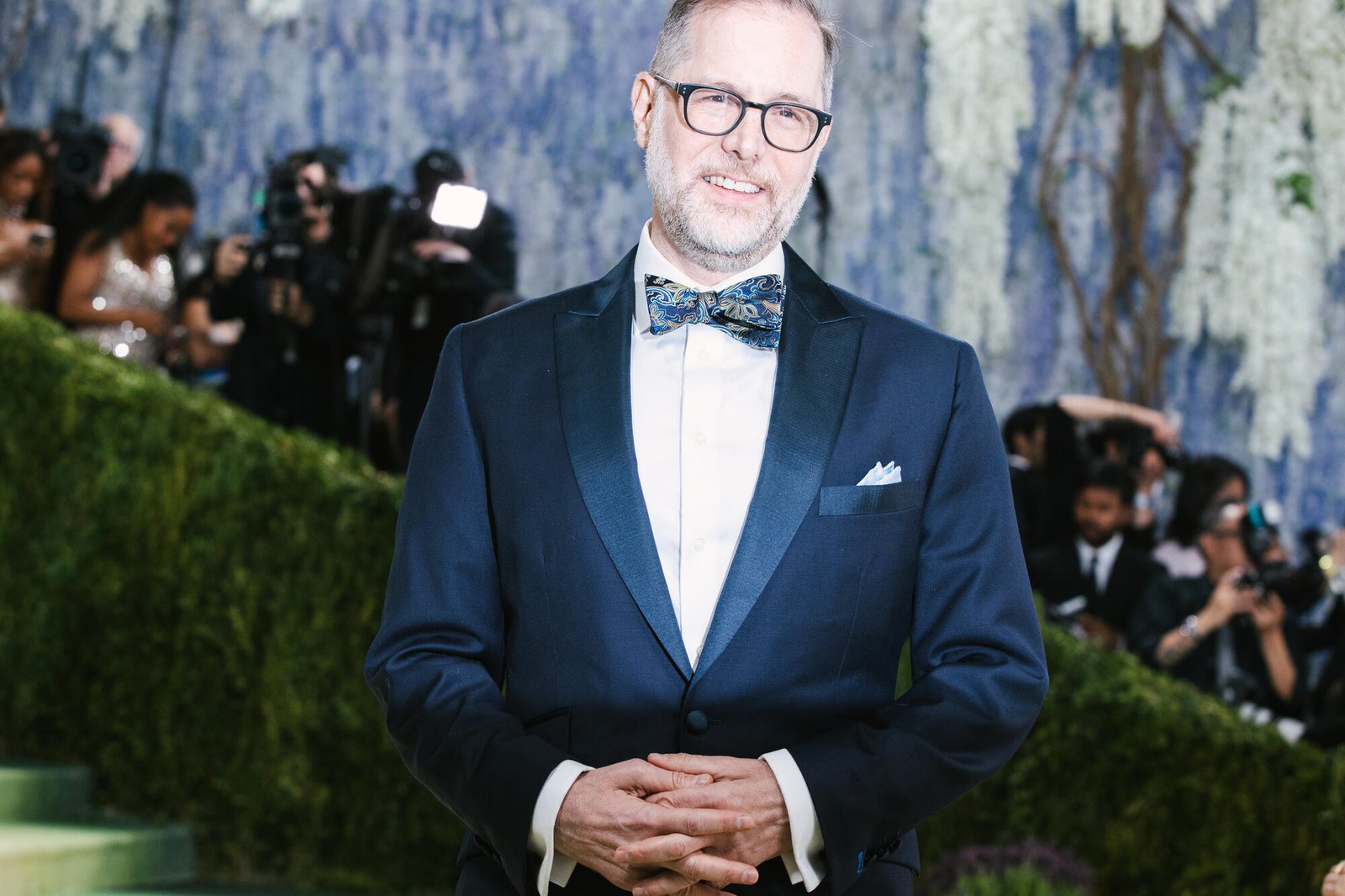
The Met Gala 2026 returns as fashion’s most powerful cultural stage, centered around the exhibition “Costume Art” and the dress code “Fashion is Art.”
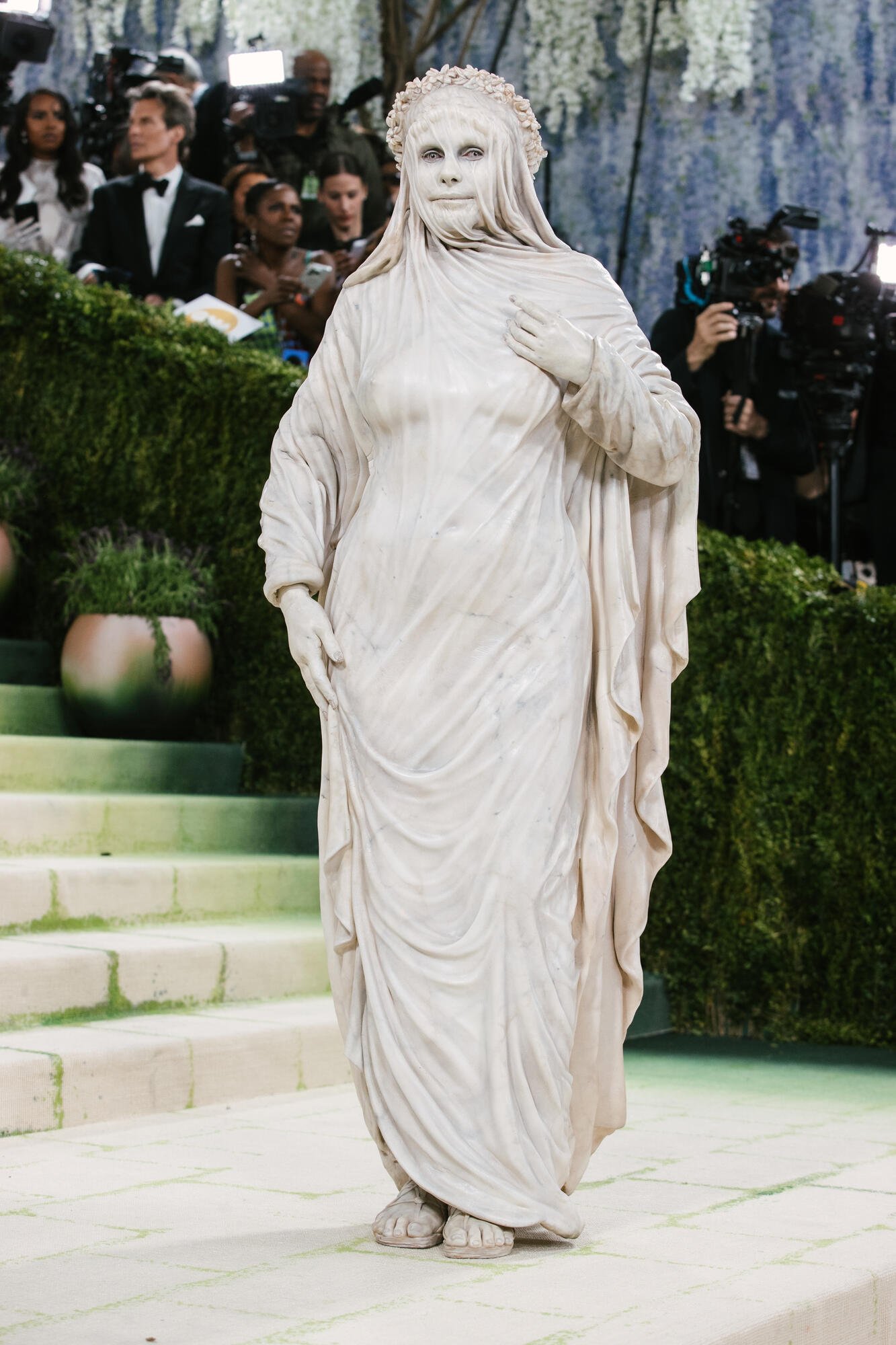
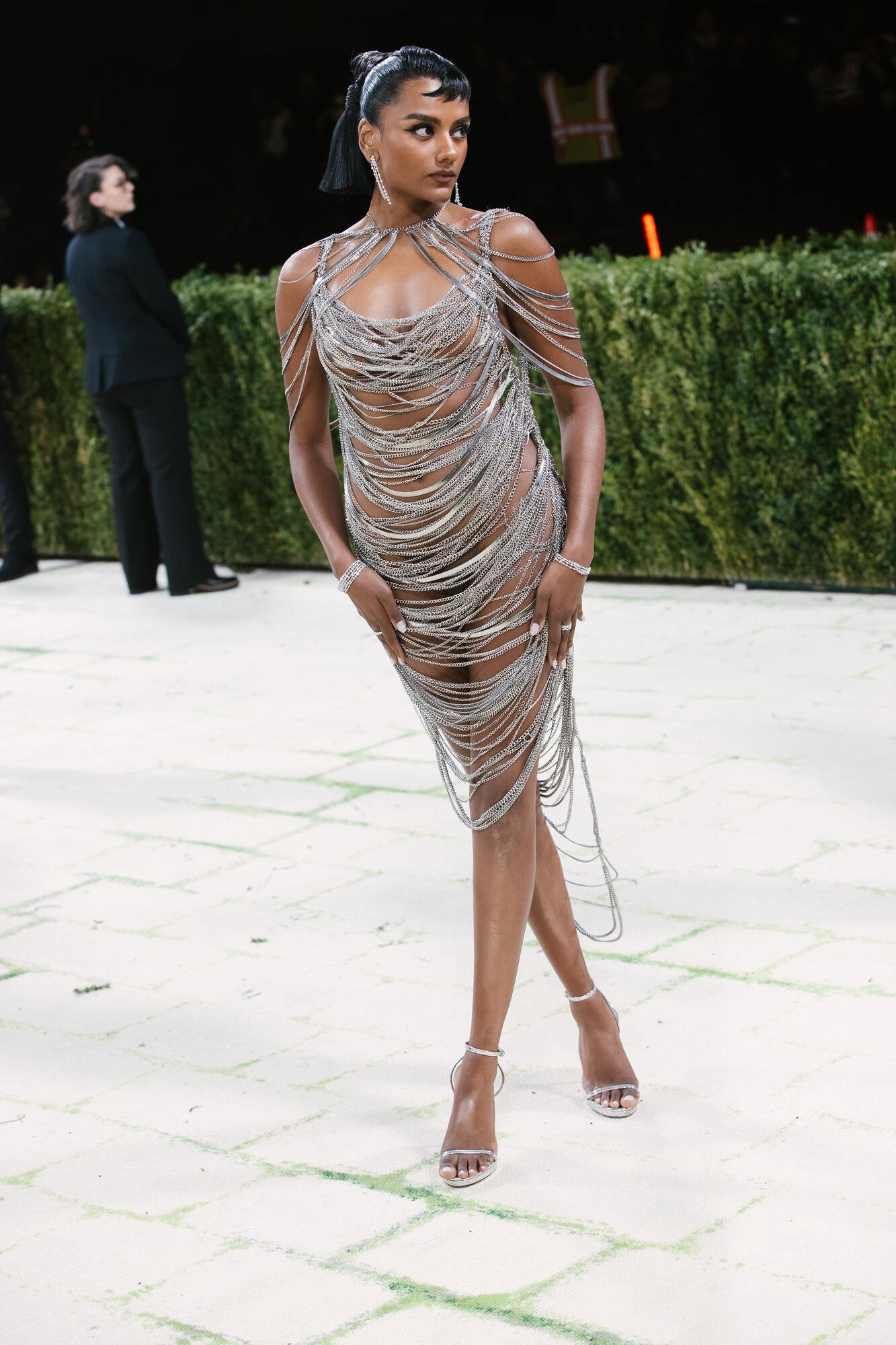
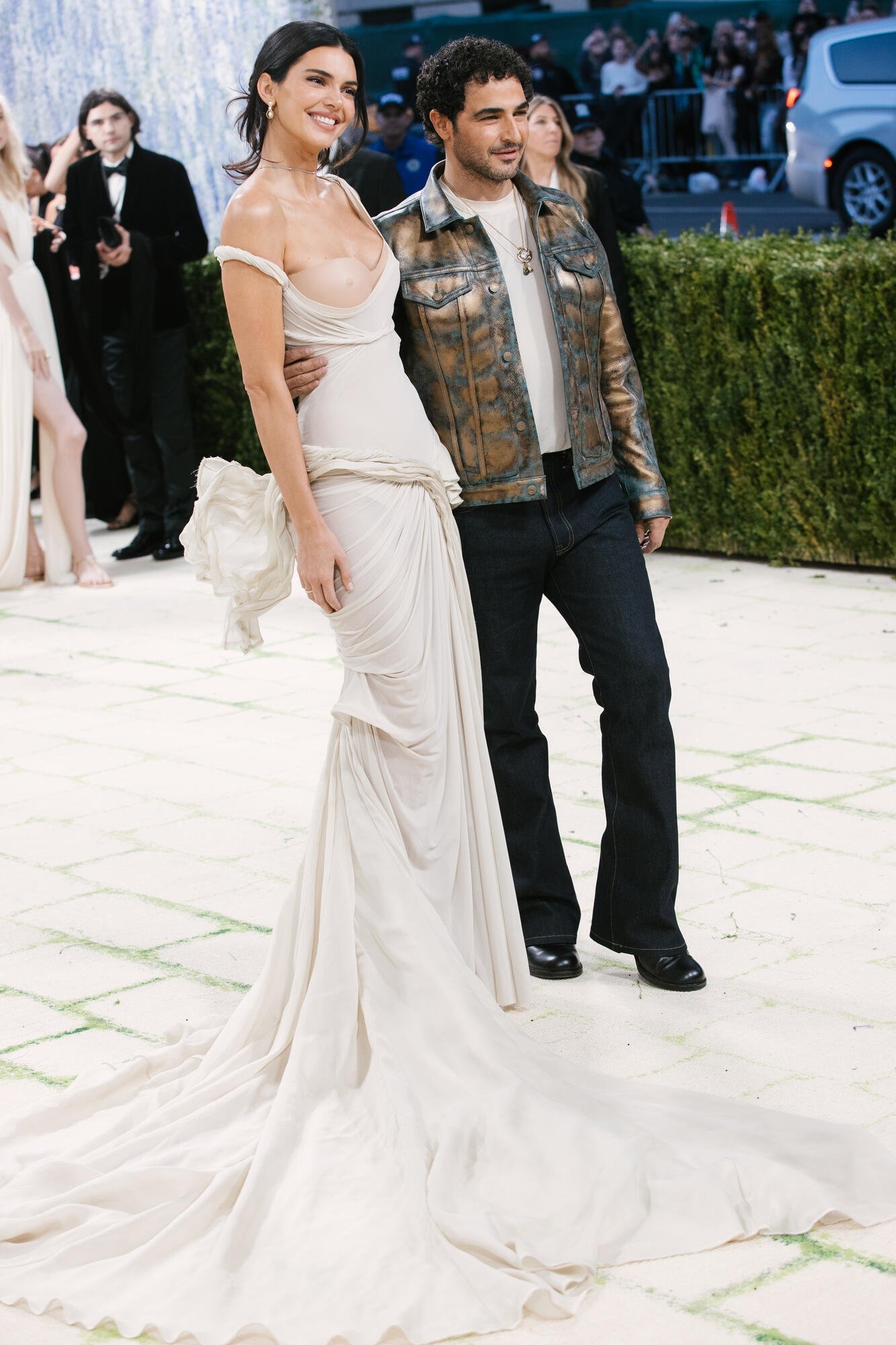
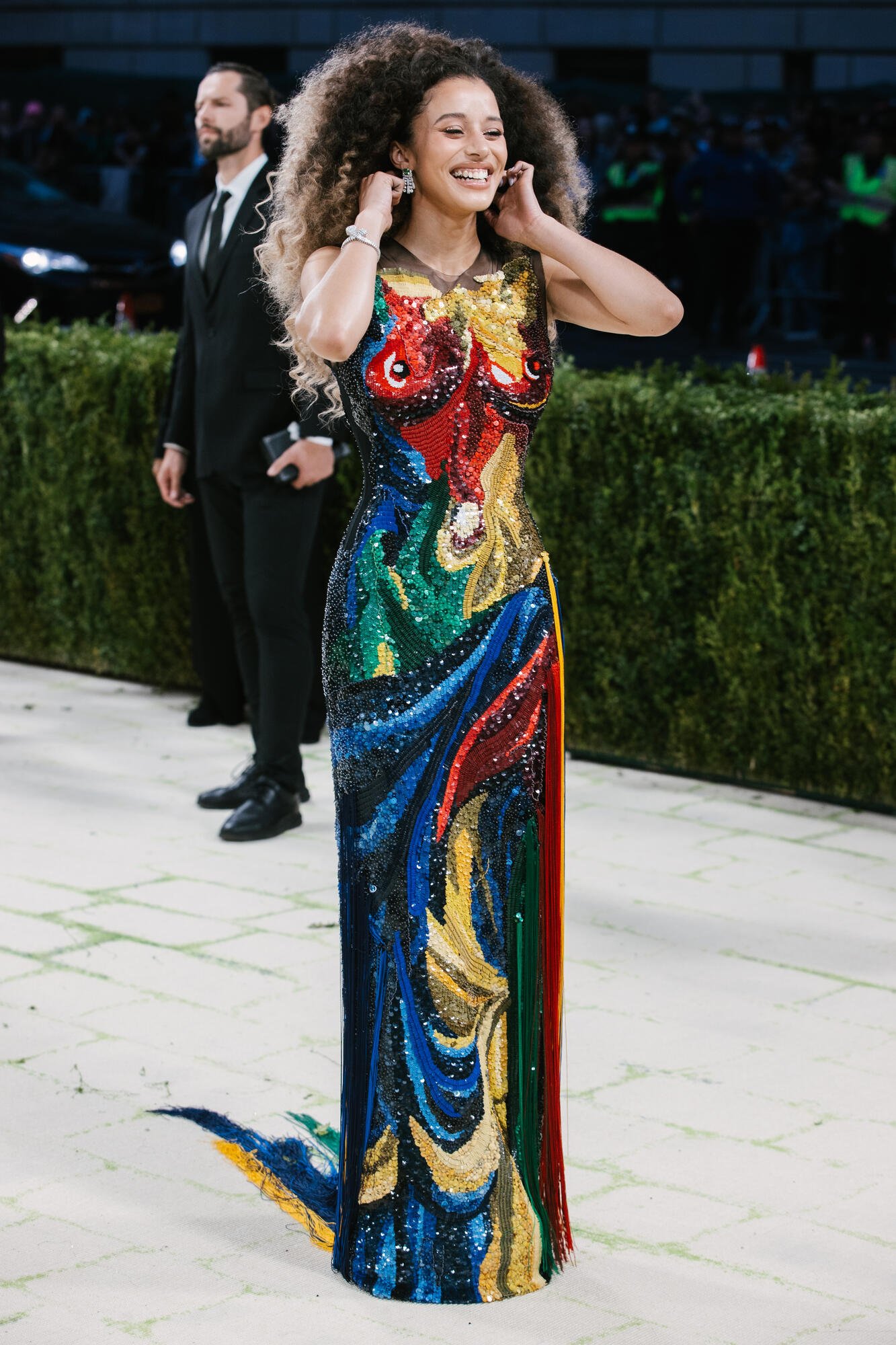
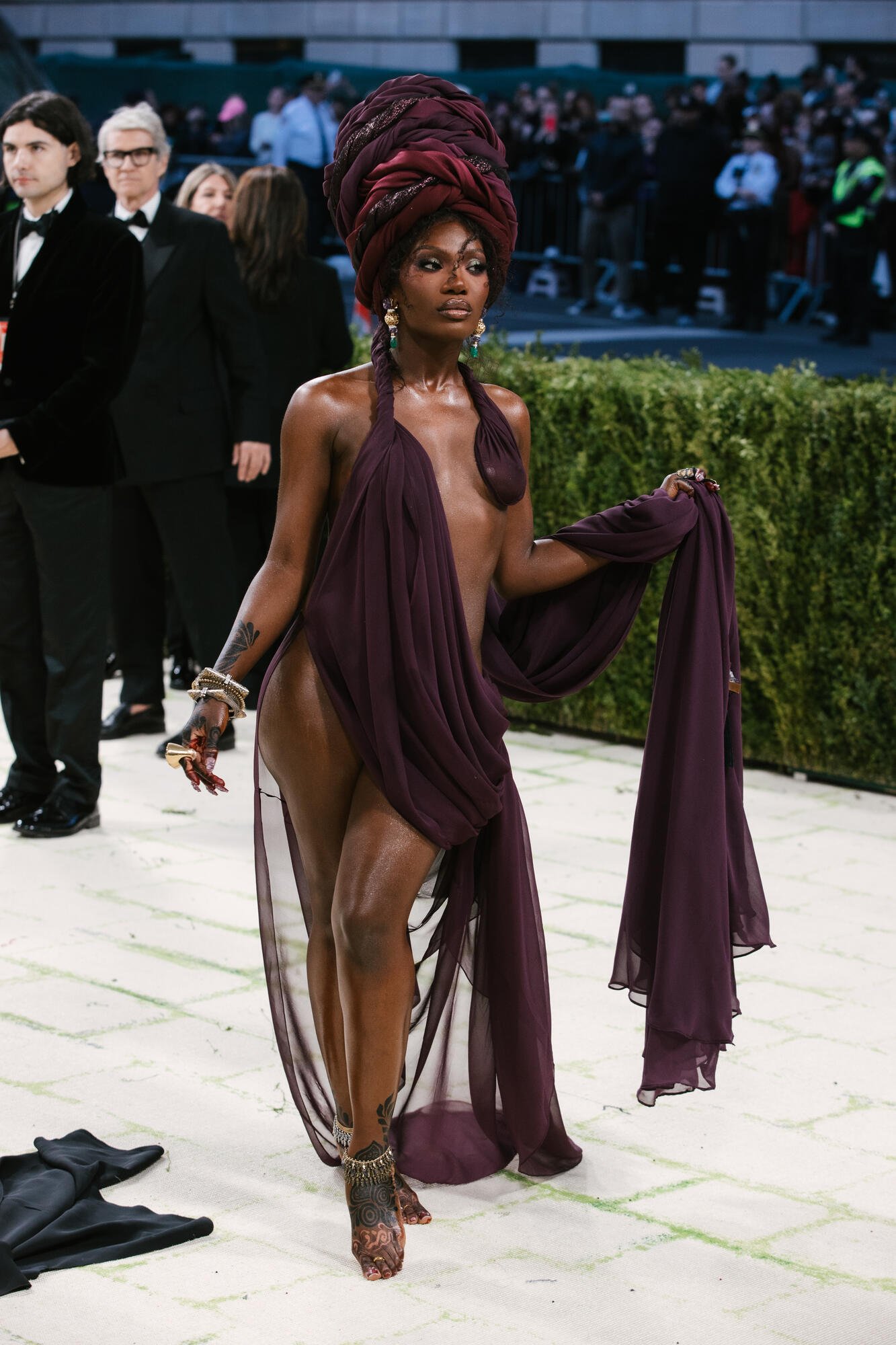
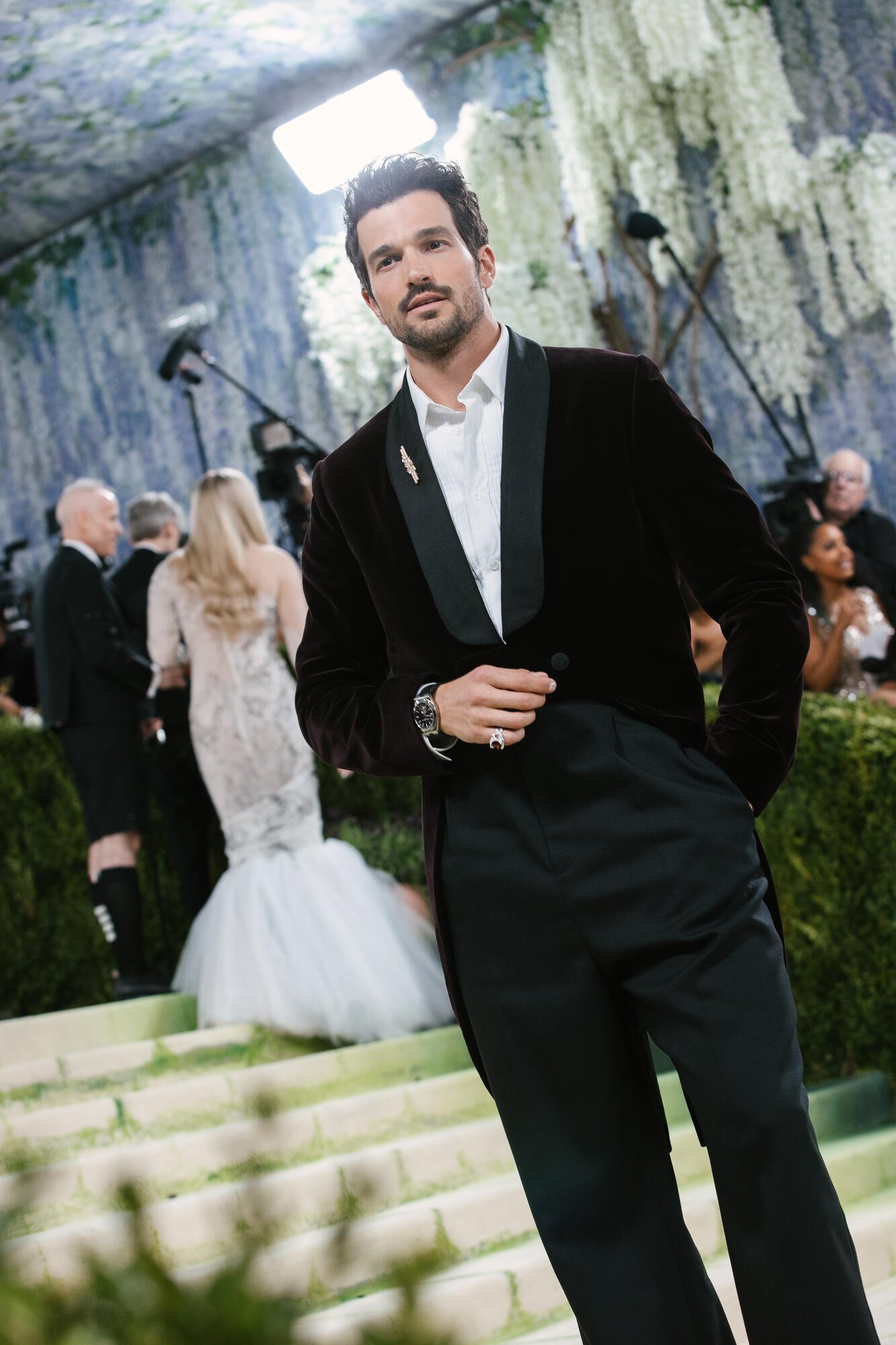
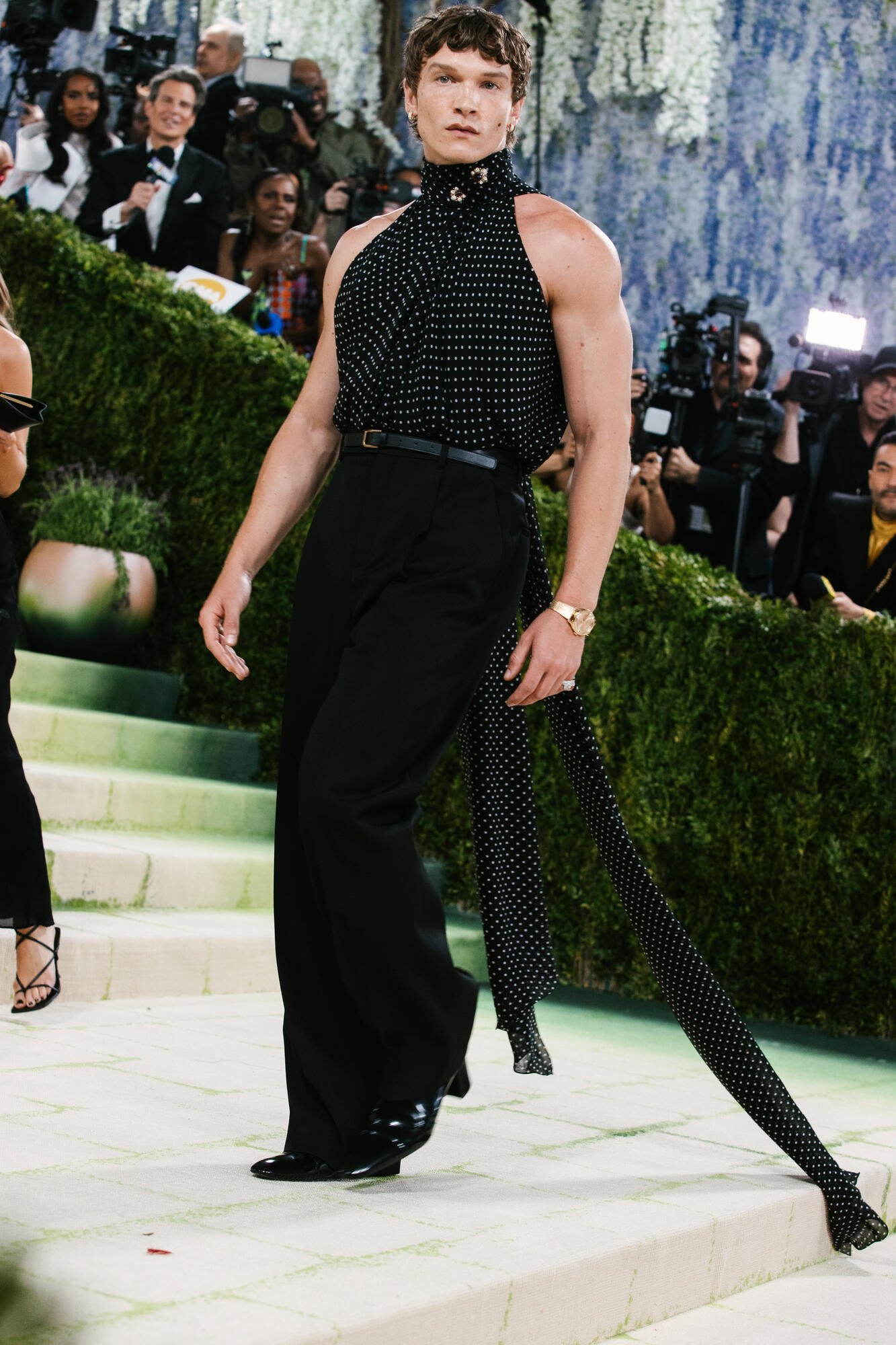
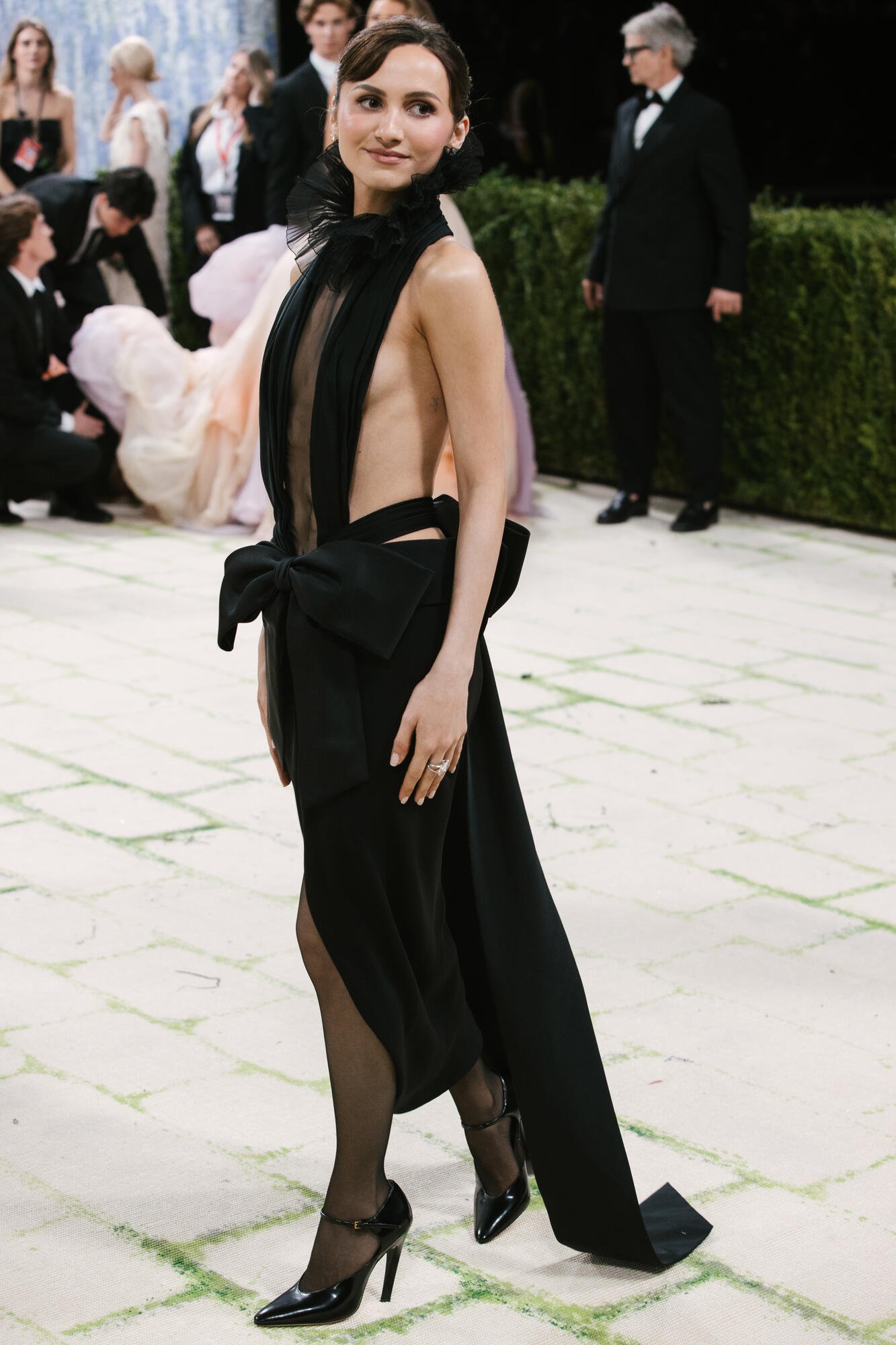
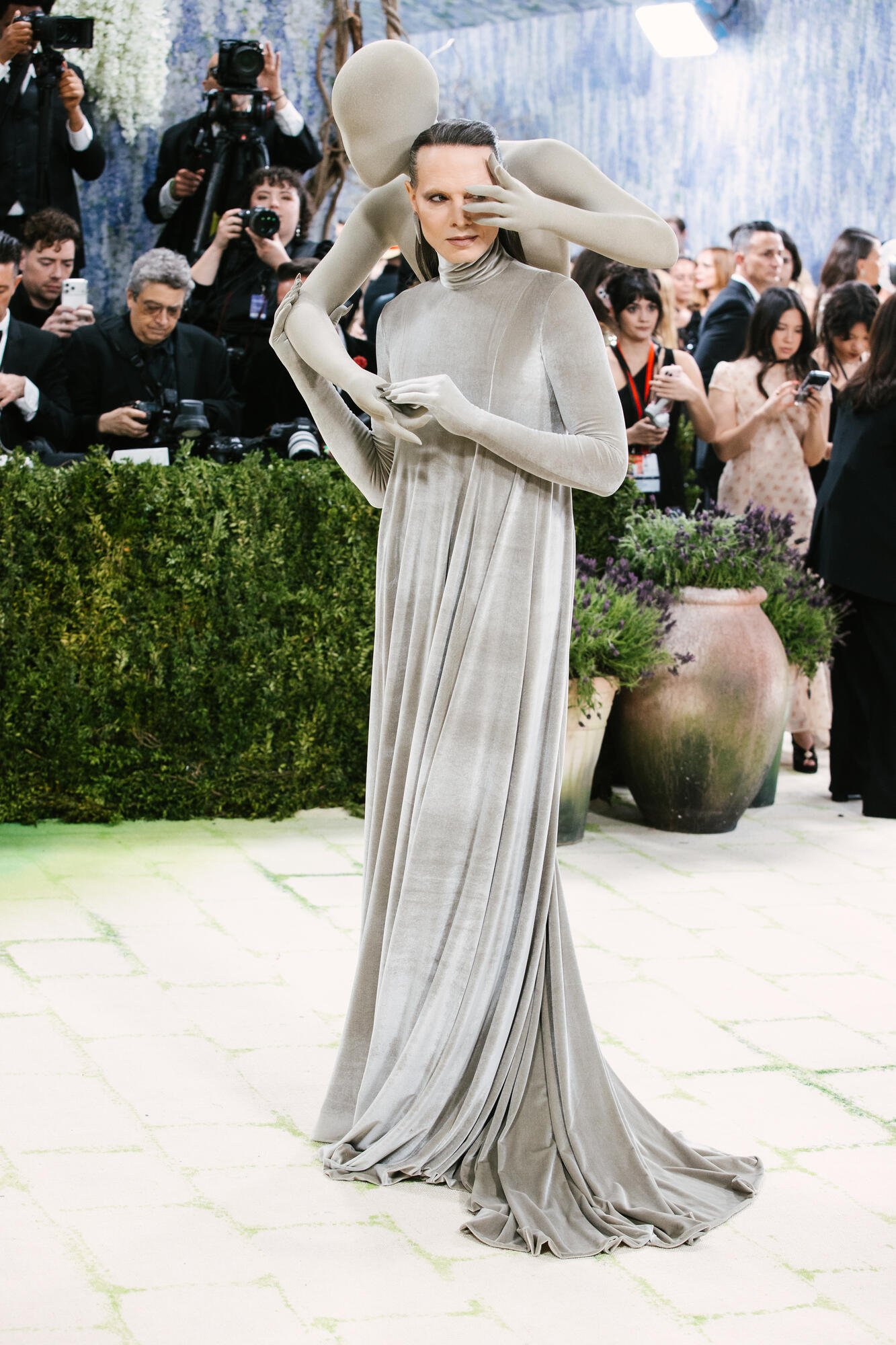
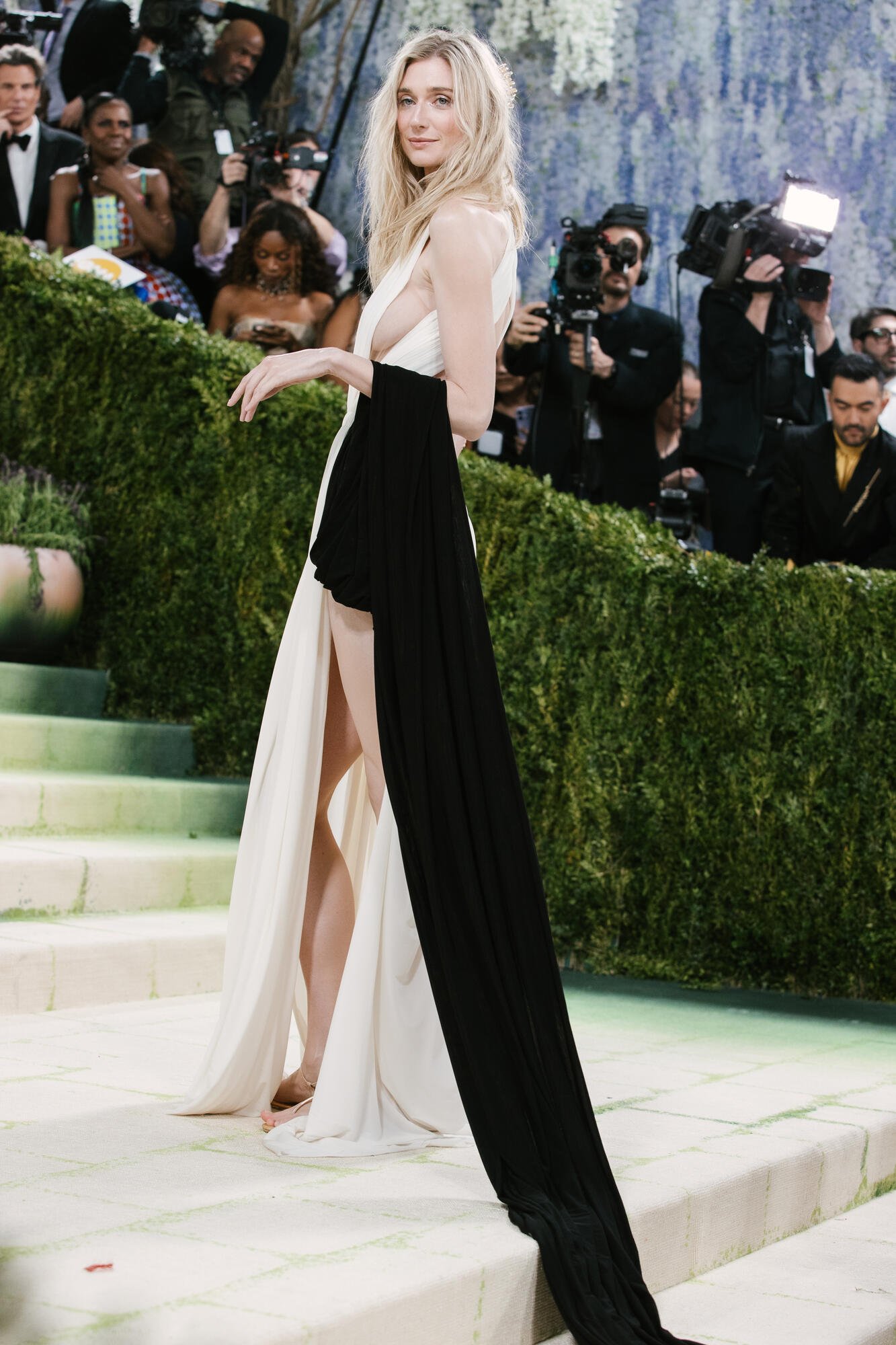
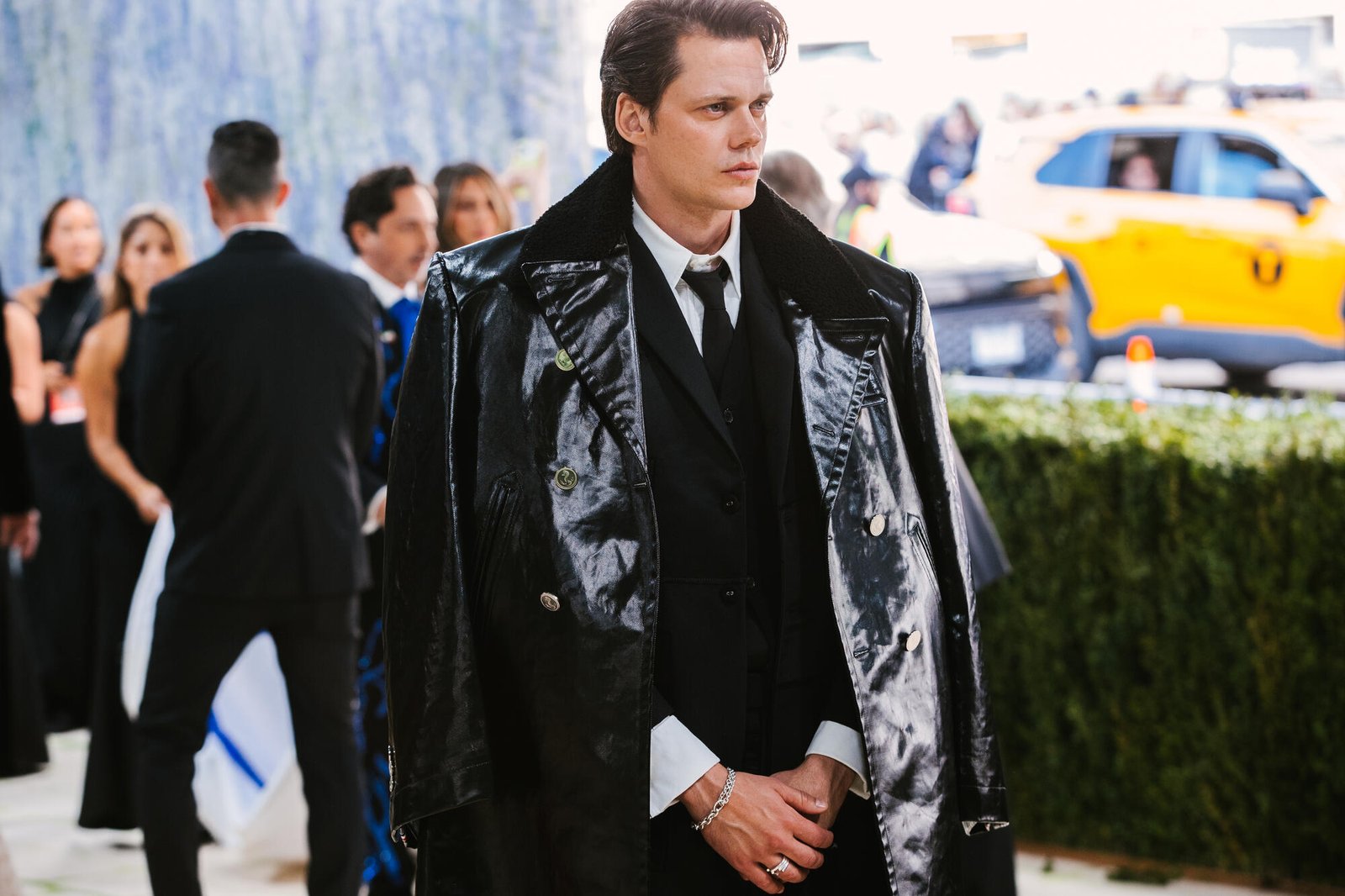
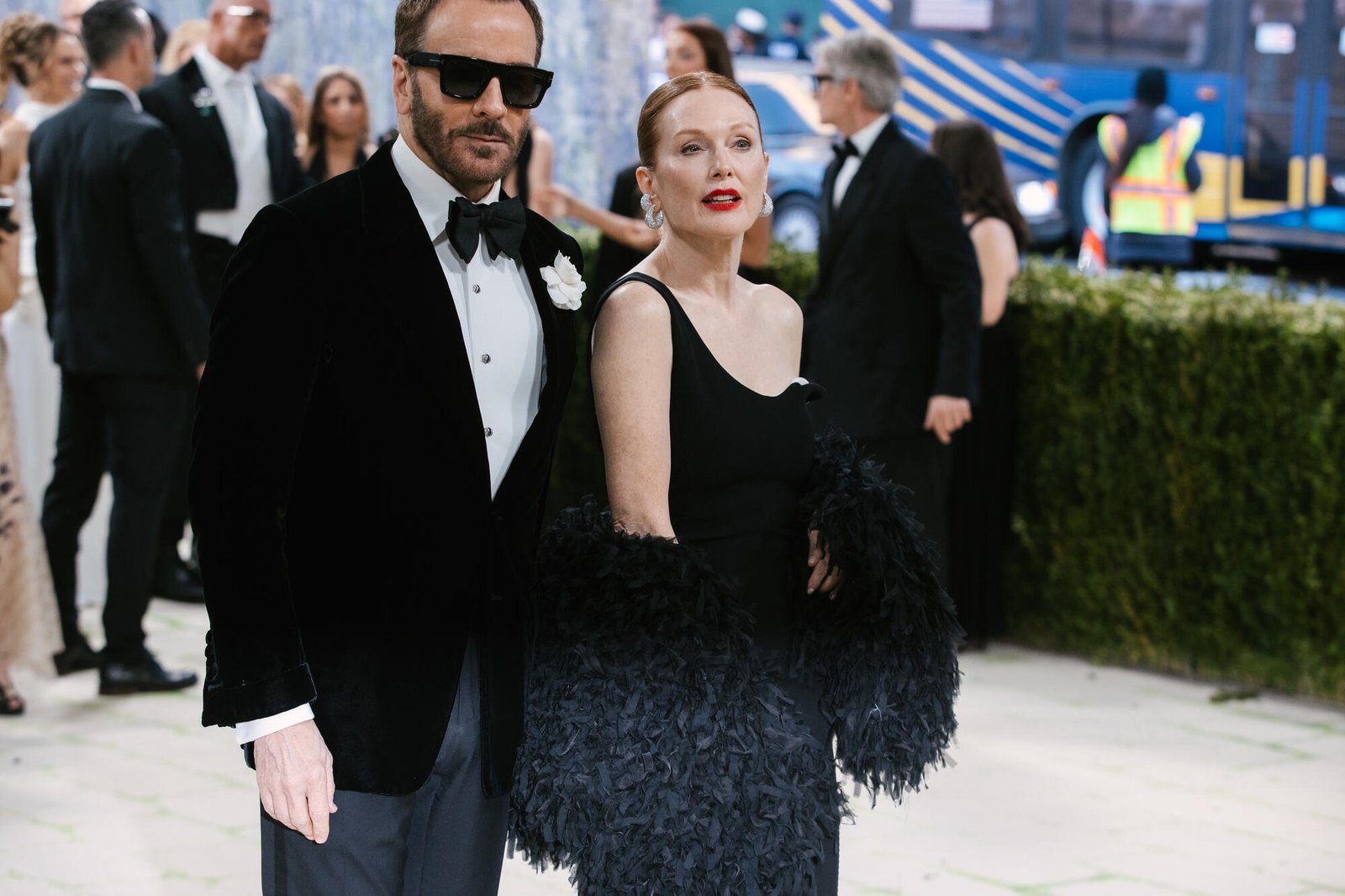
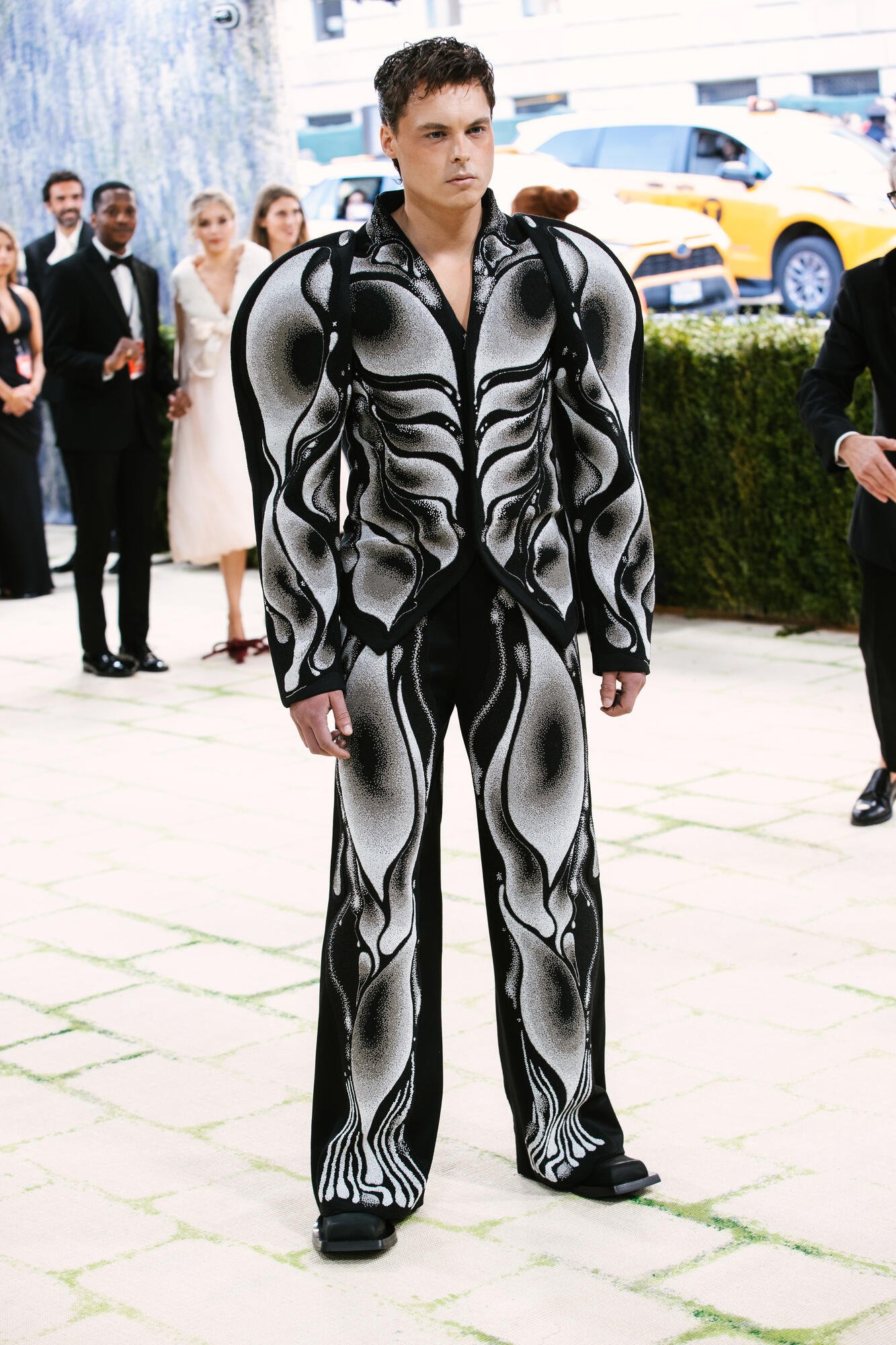
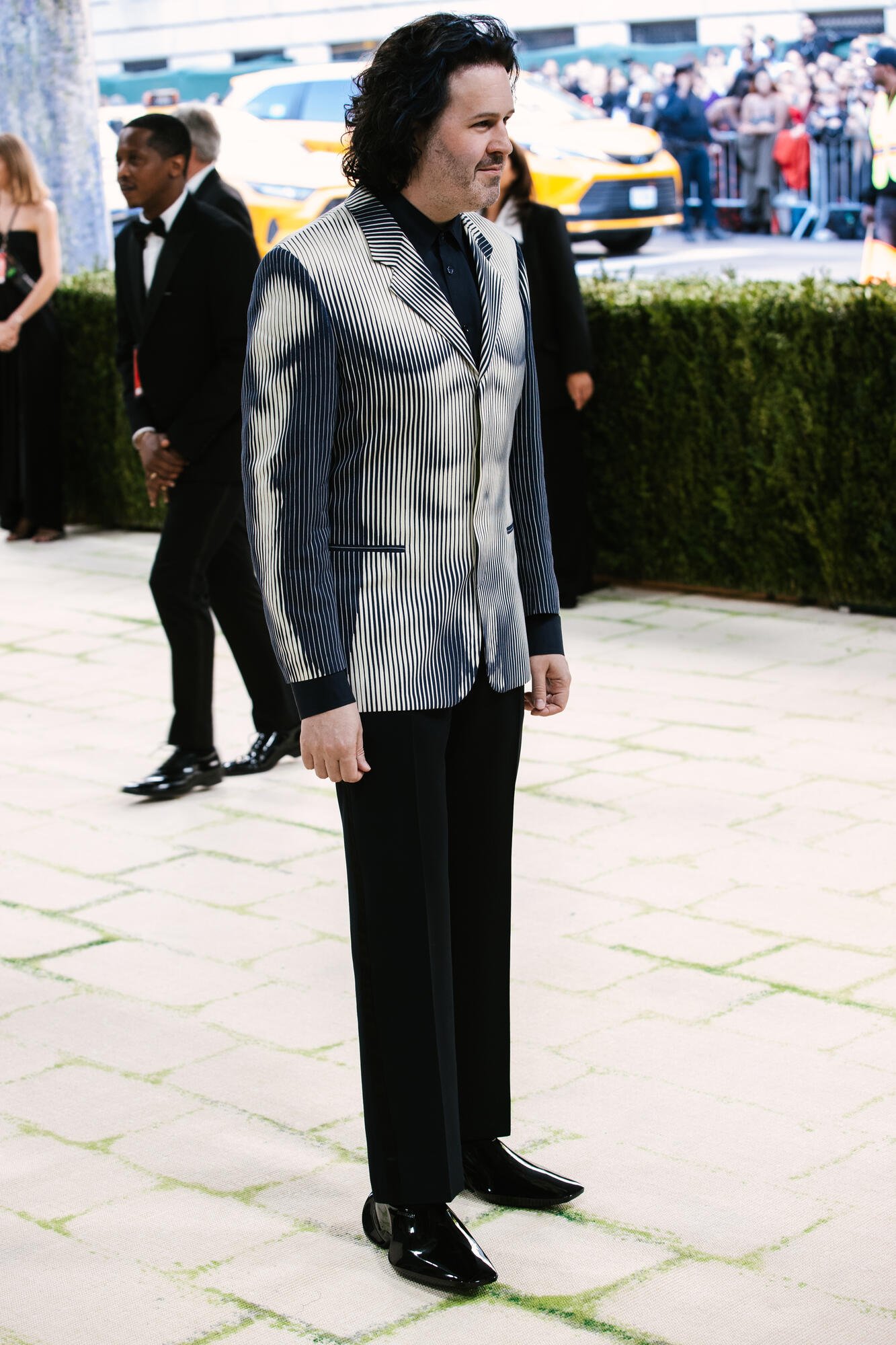
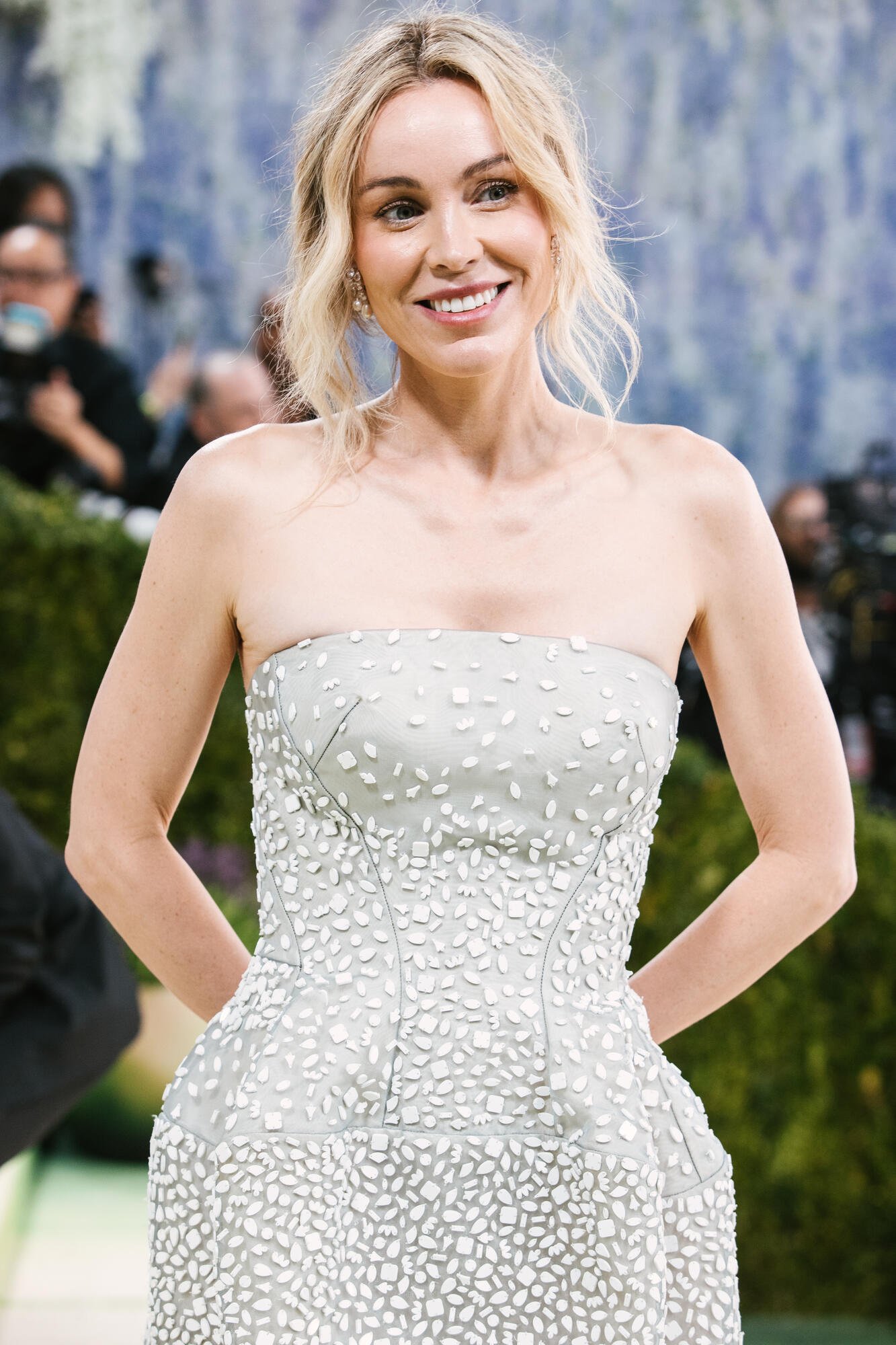
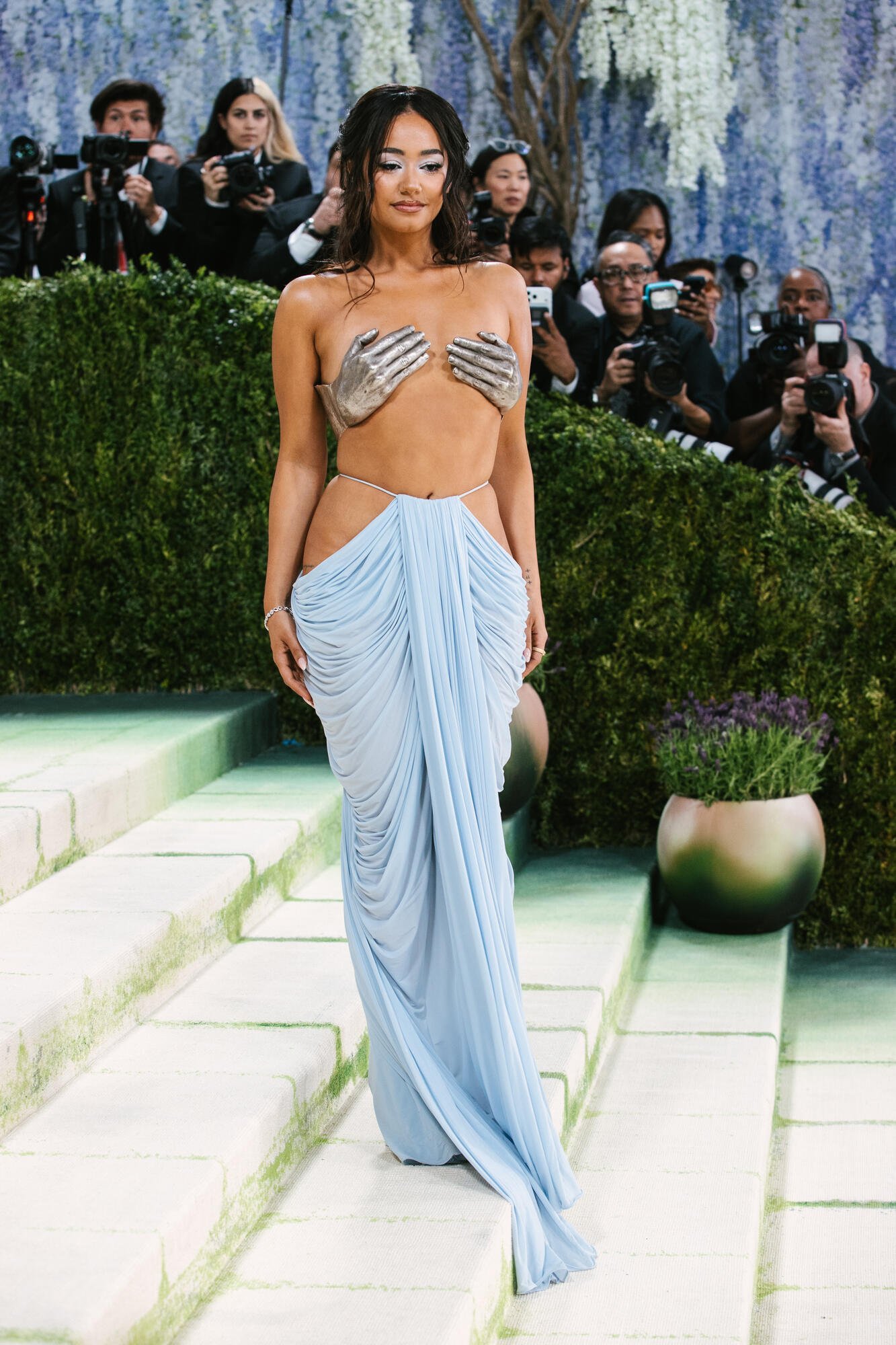
This year’s theme pushes a clear idea: the body as canvas. From classical references to anatomical explorations and the resurgence of “naked dressing,” the red carpet becomes a space where fashion intersects directly with fine art and cultural theory.
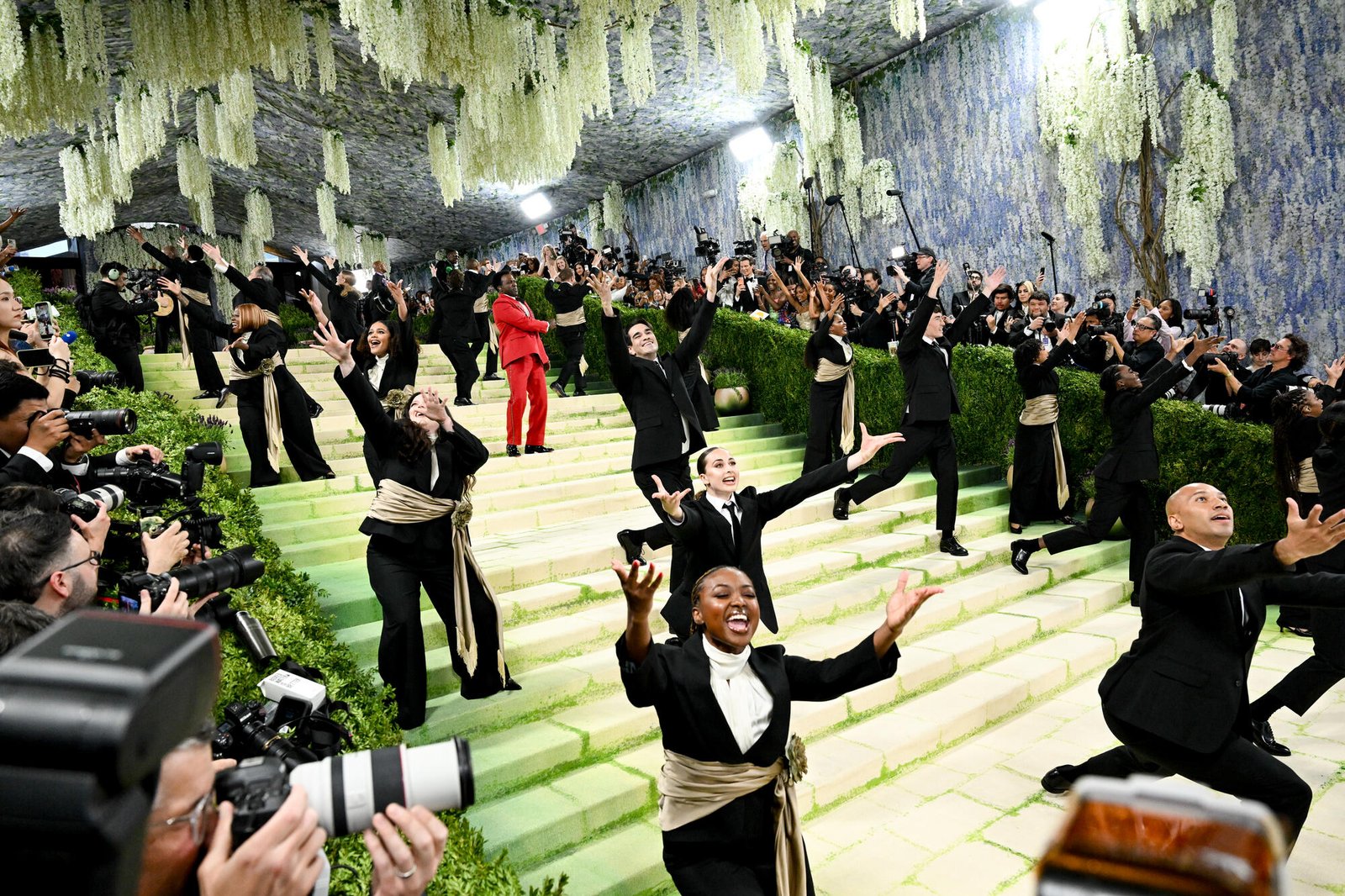
Unlike traditional runway shows, the Met Gala operates without commercial constraints — encouraging designers and celebrities to create moments, not just looks.
Runway Highlights & Signature Pieces
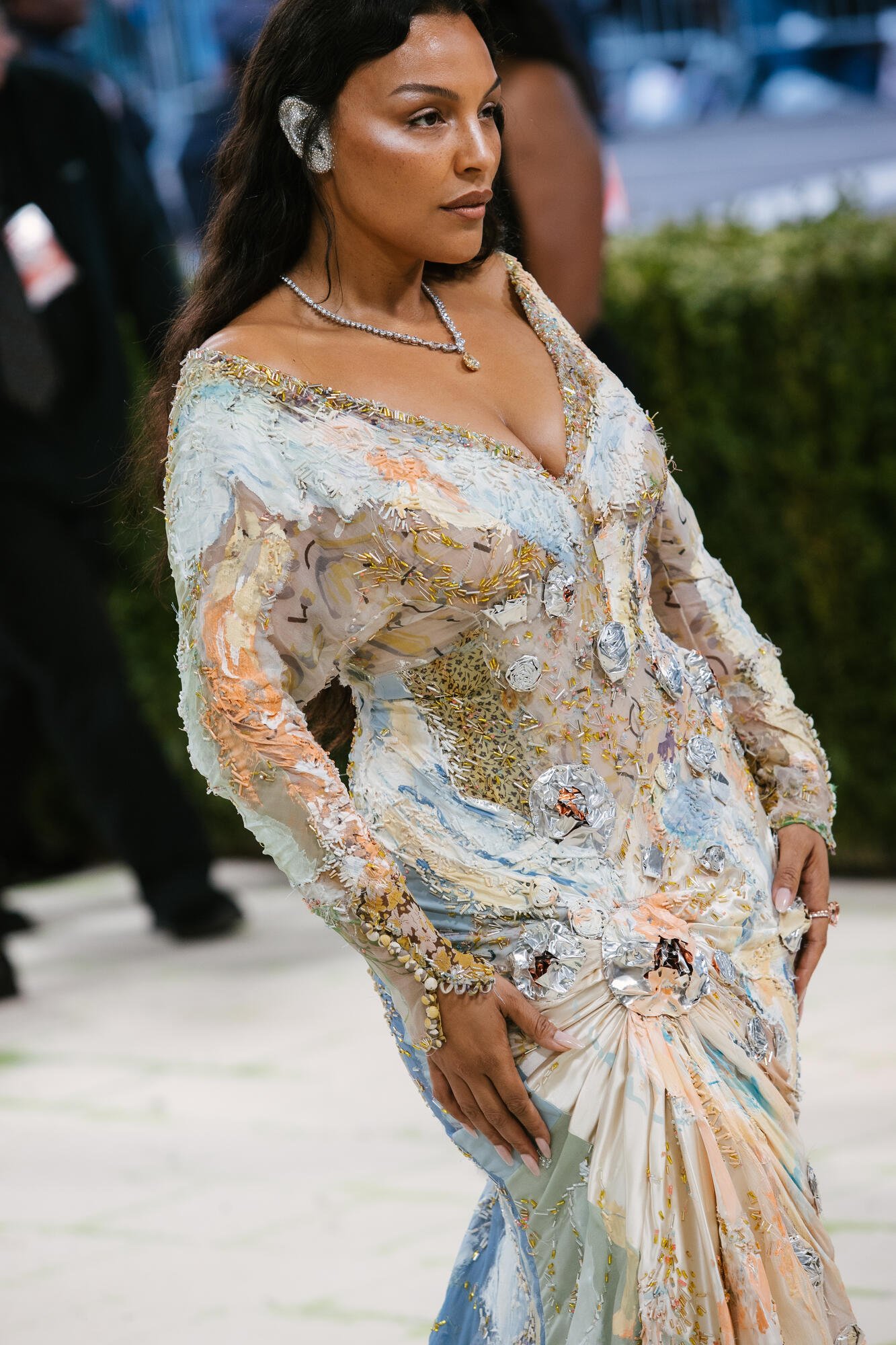
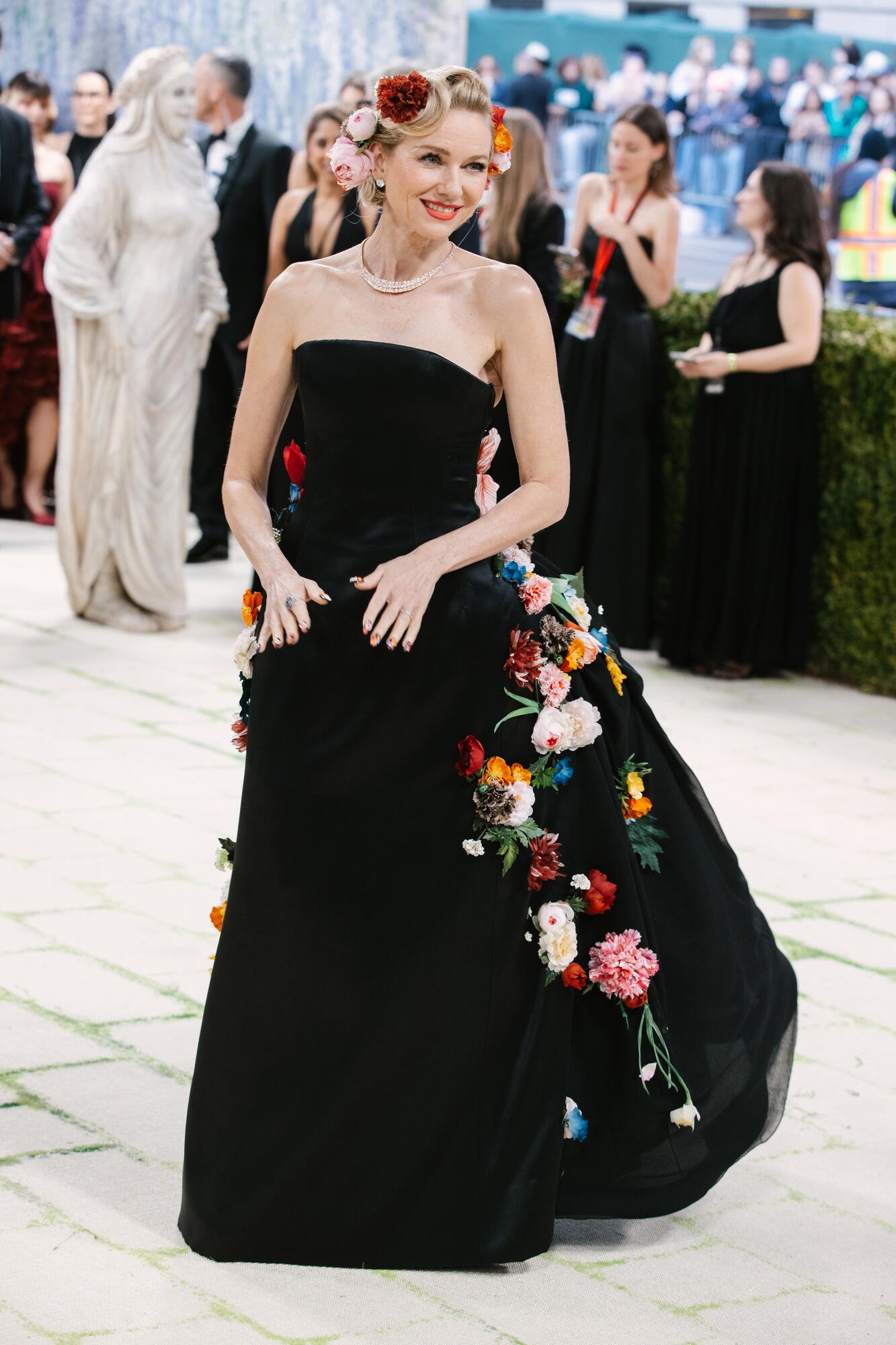
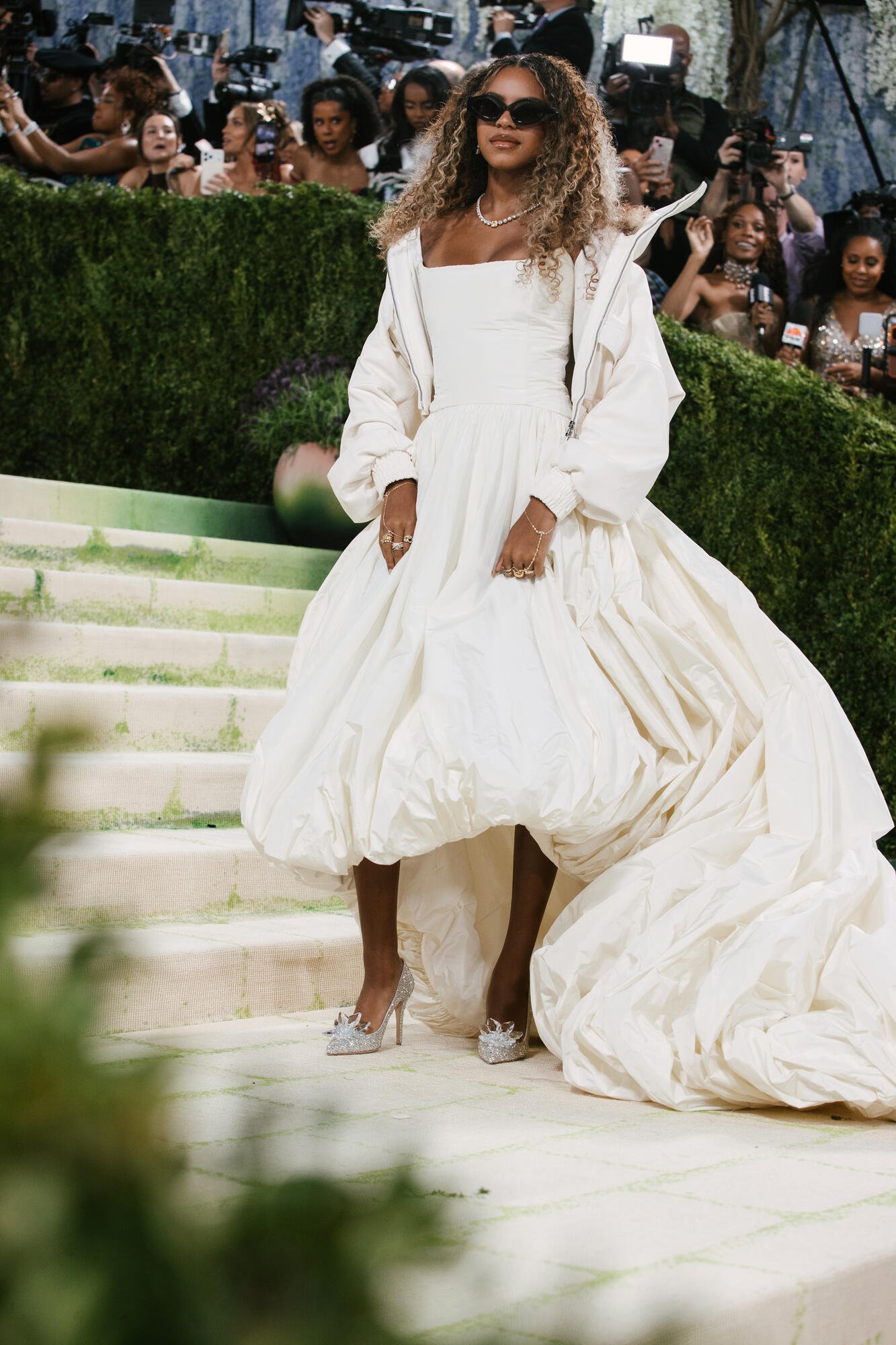
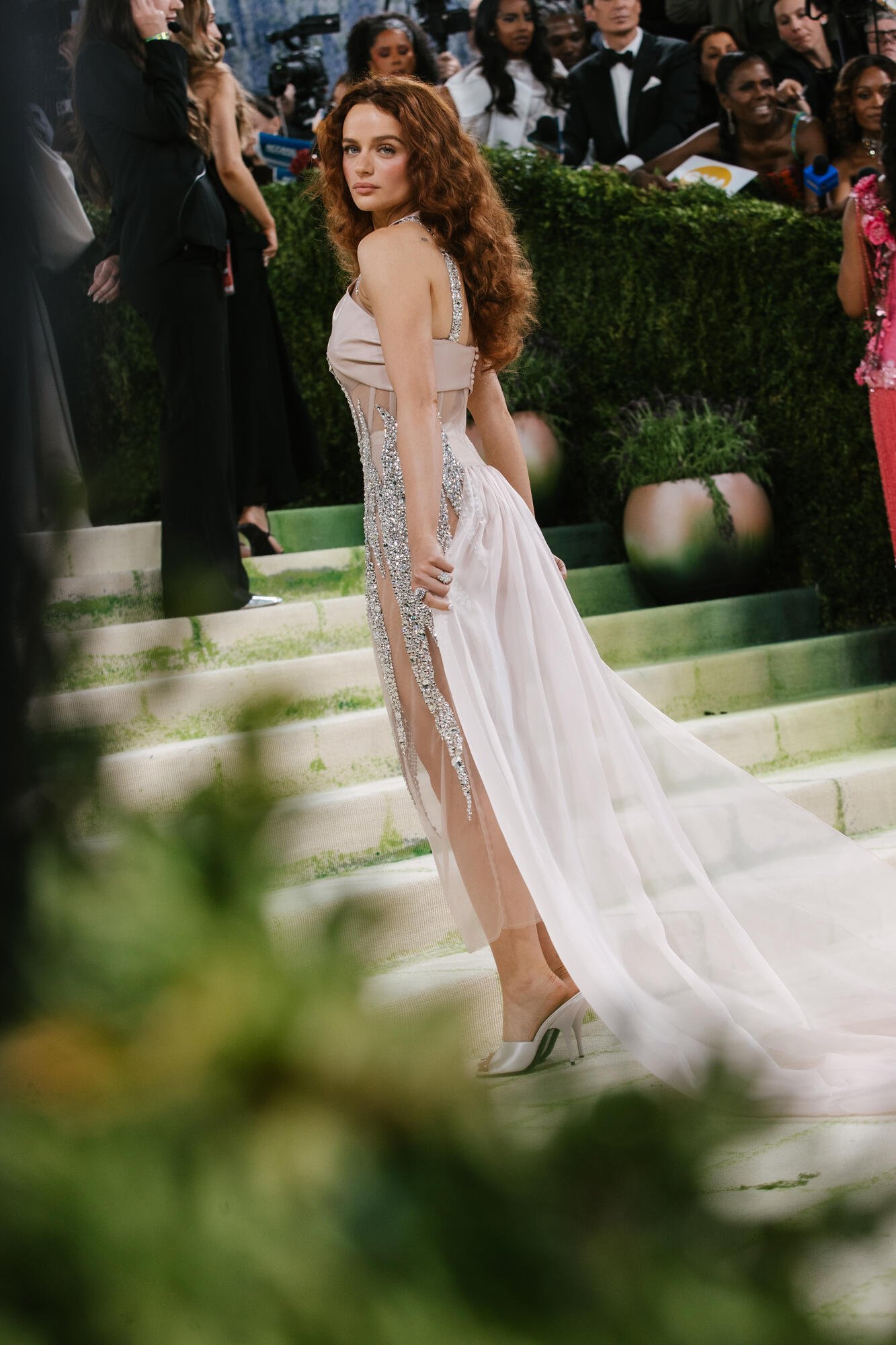
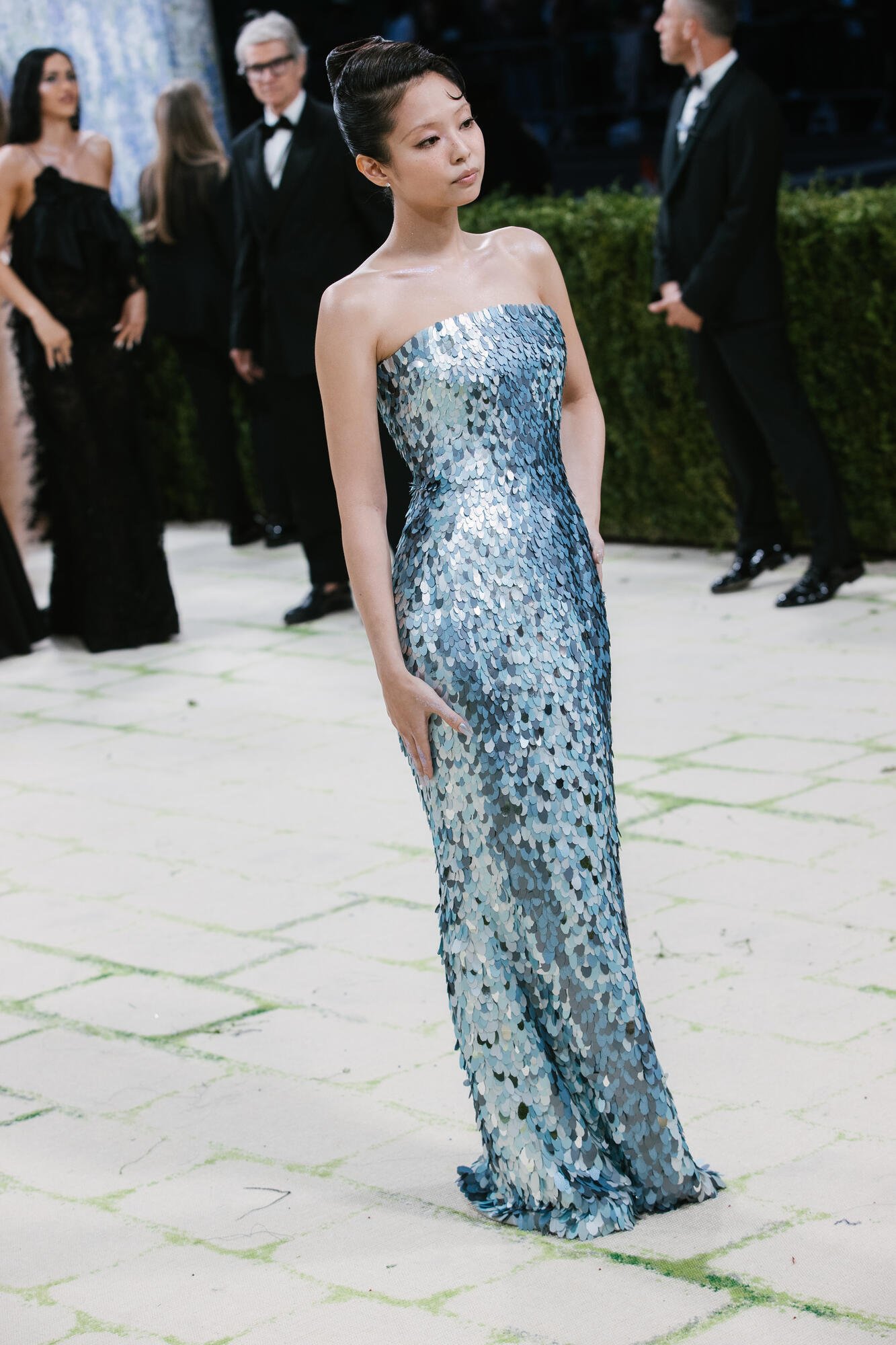
The Body as Artwork
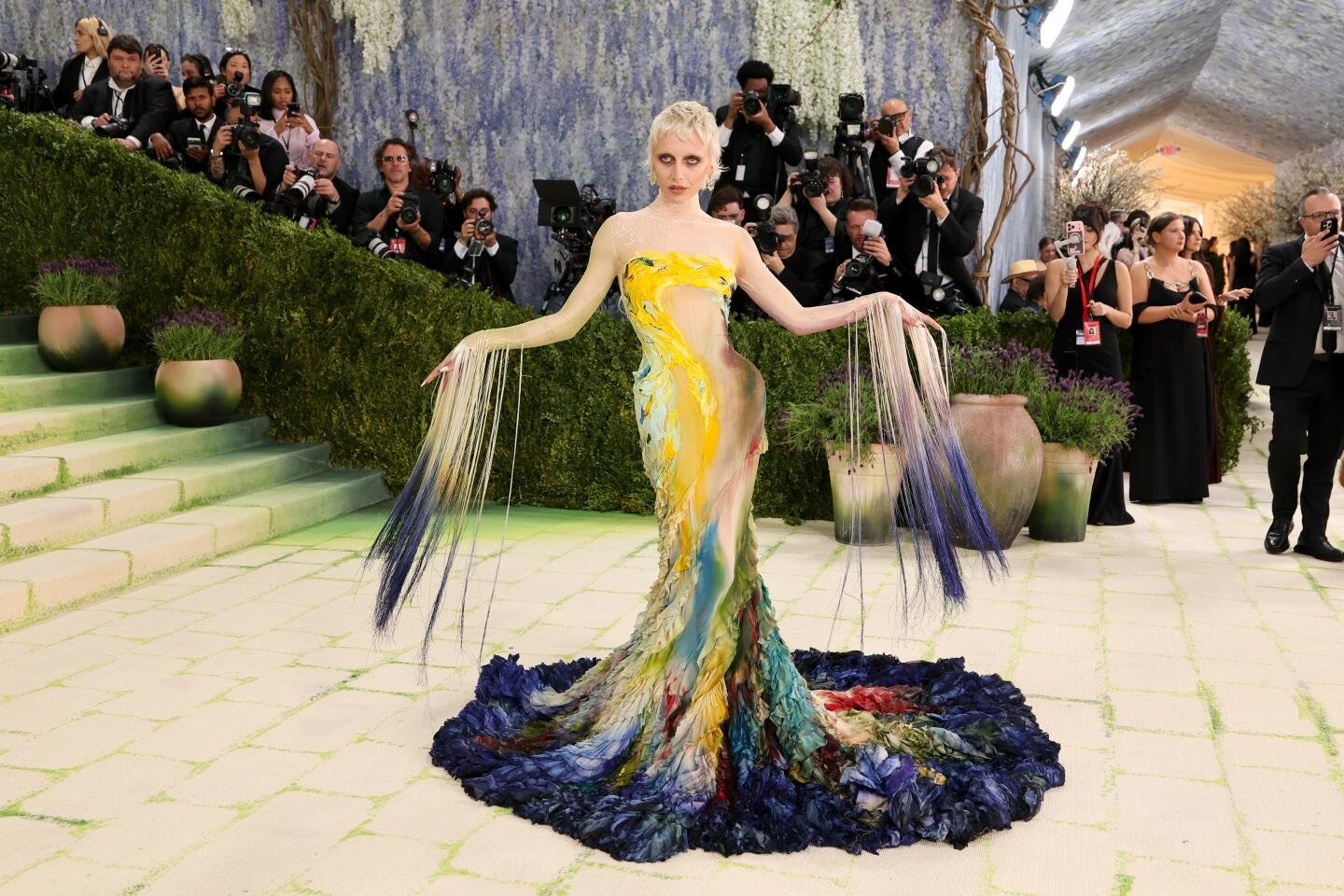
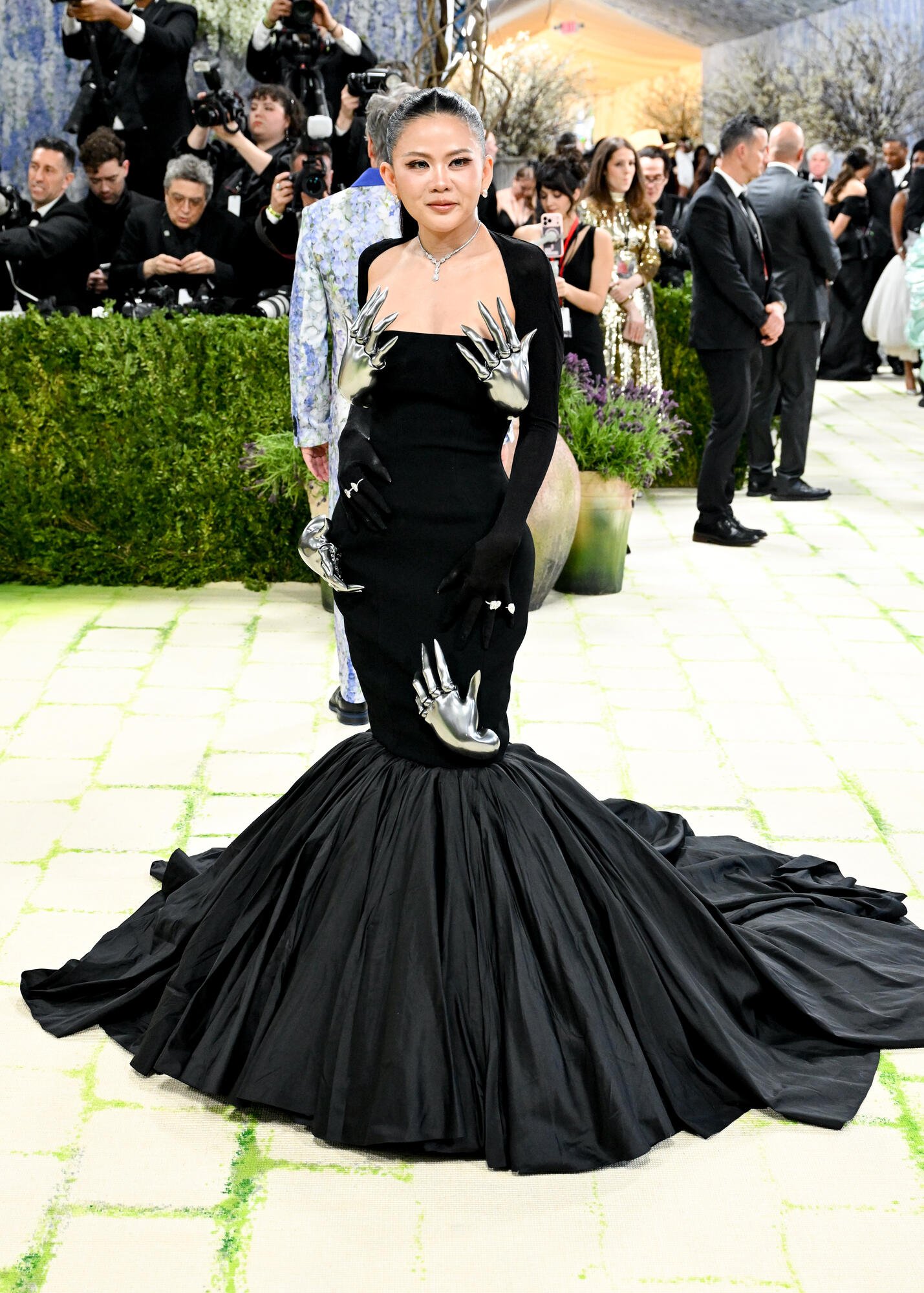
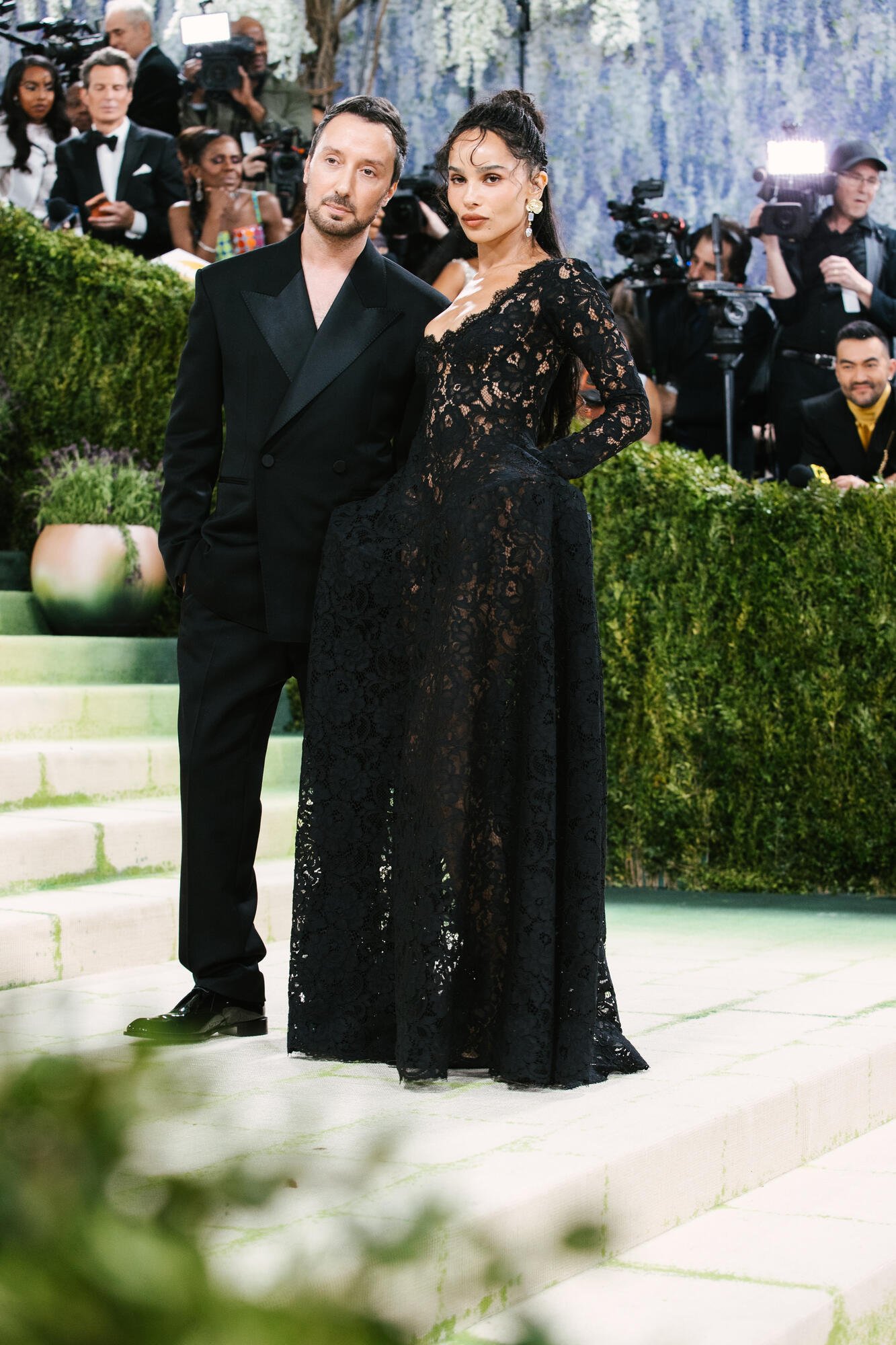
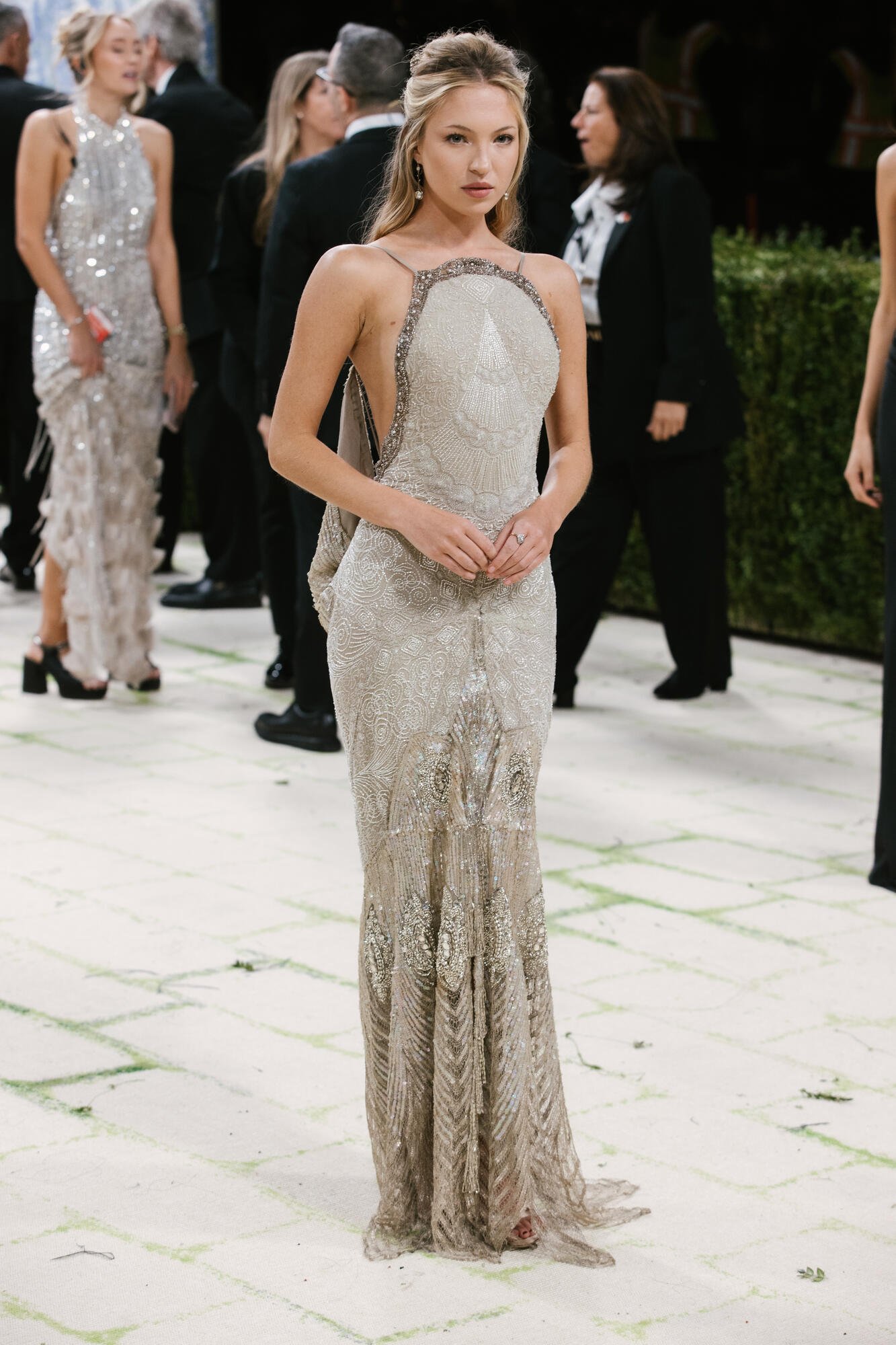
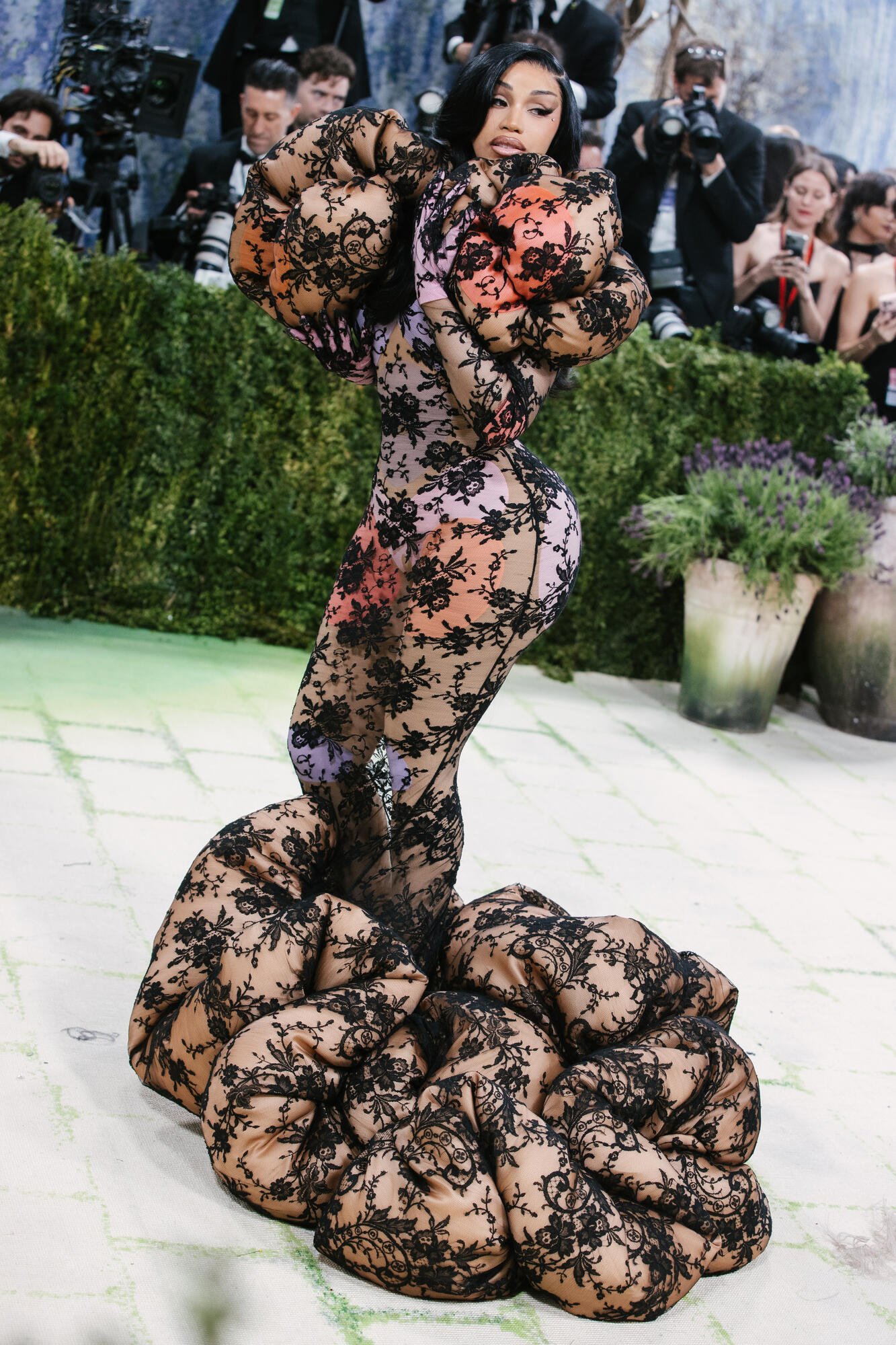
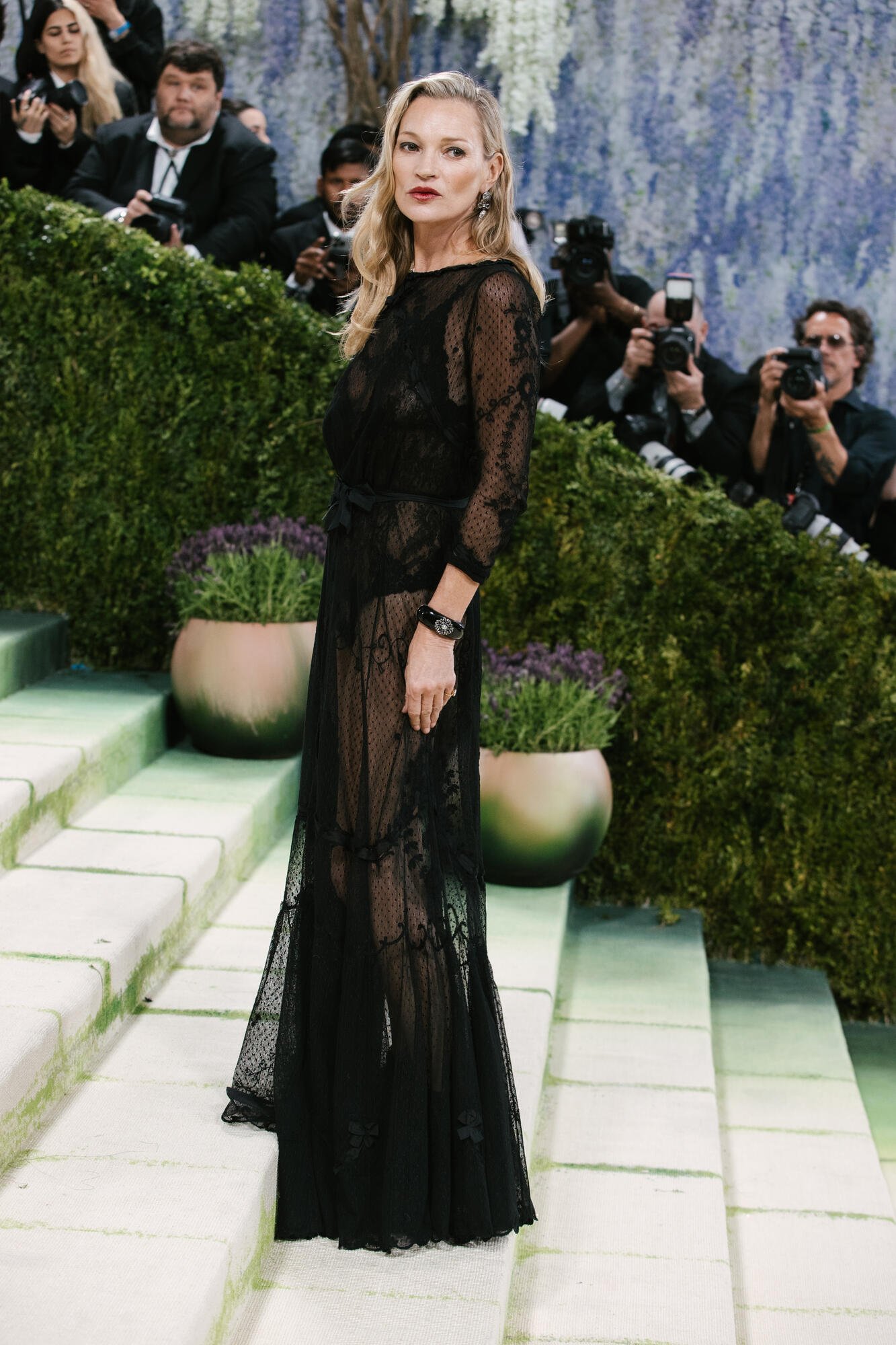
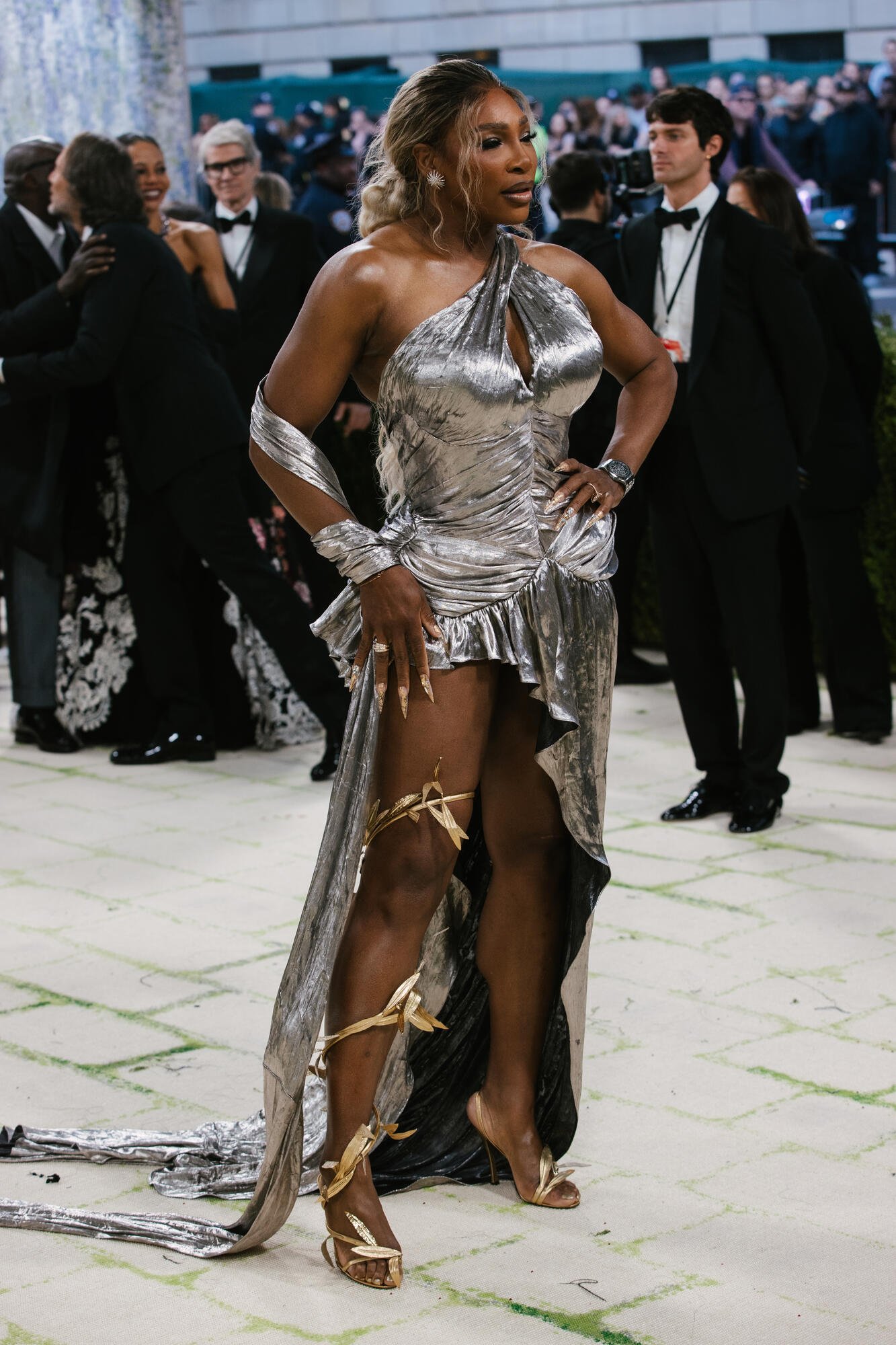
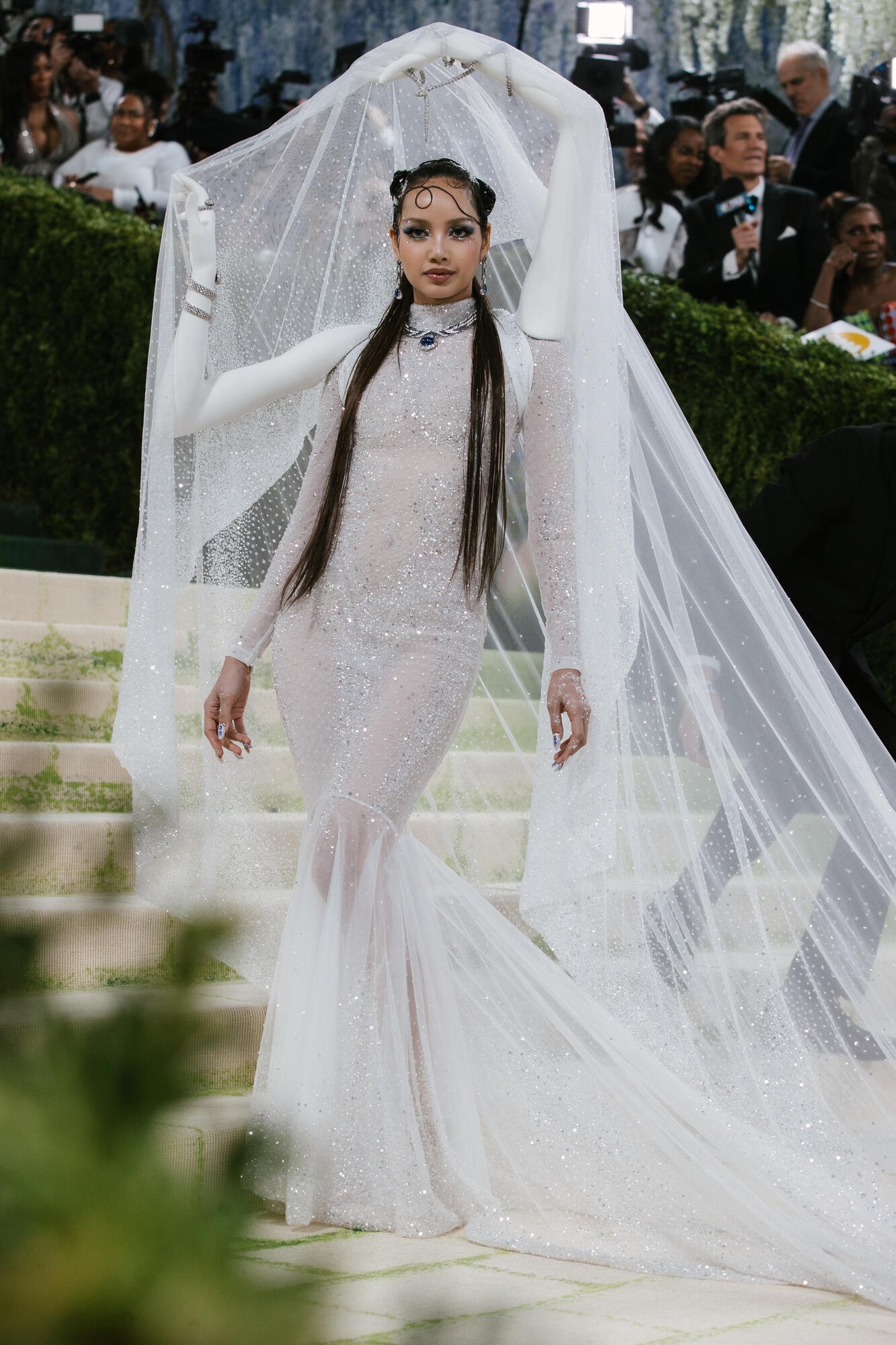
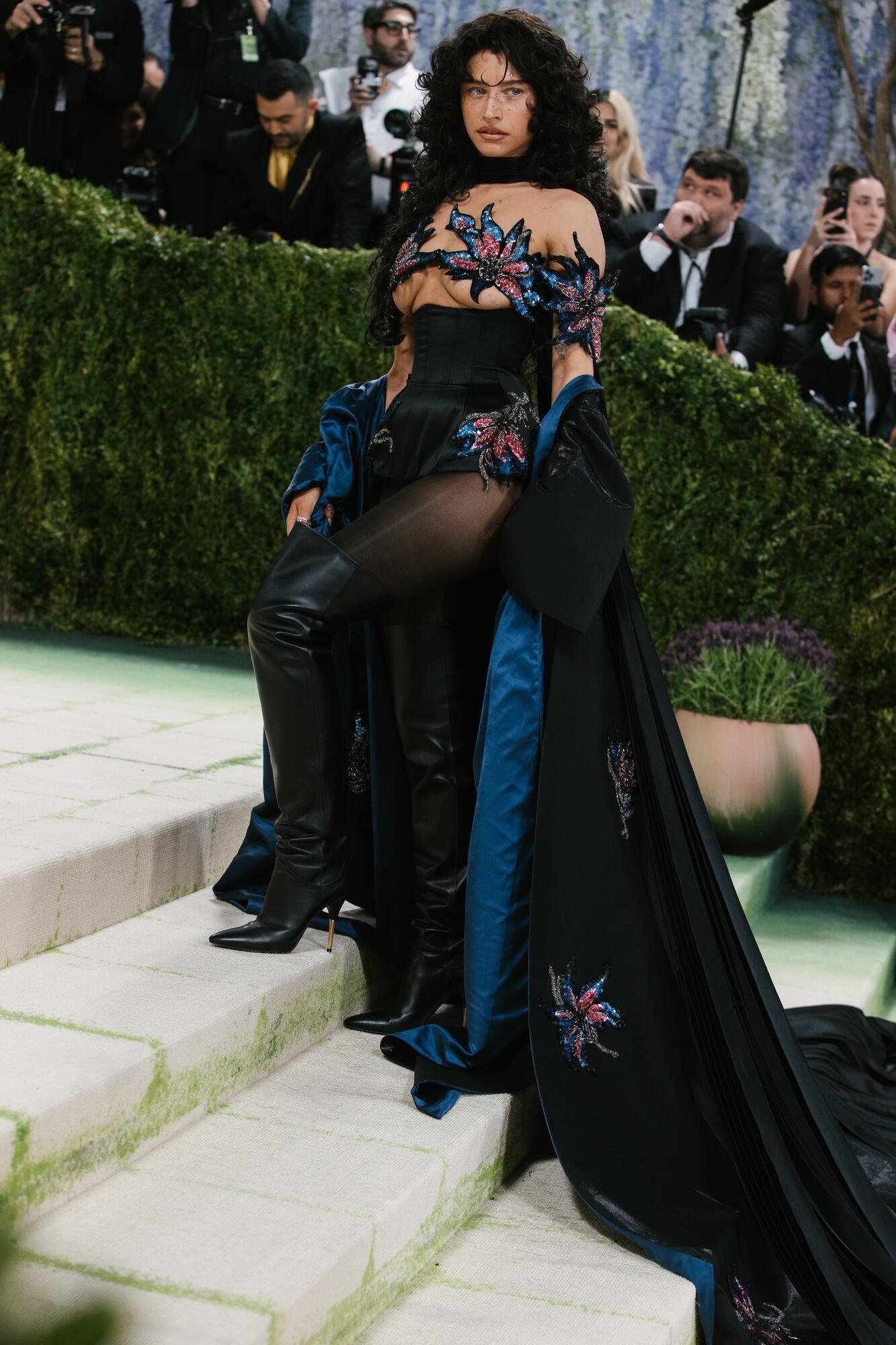
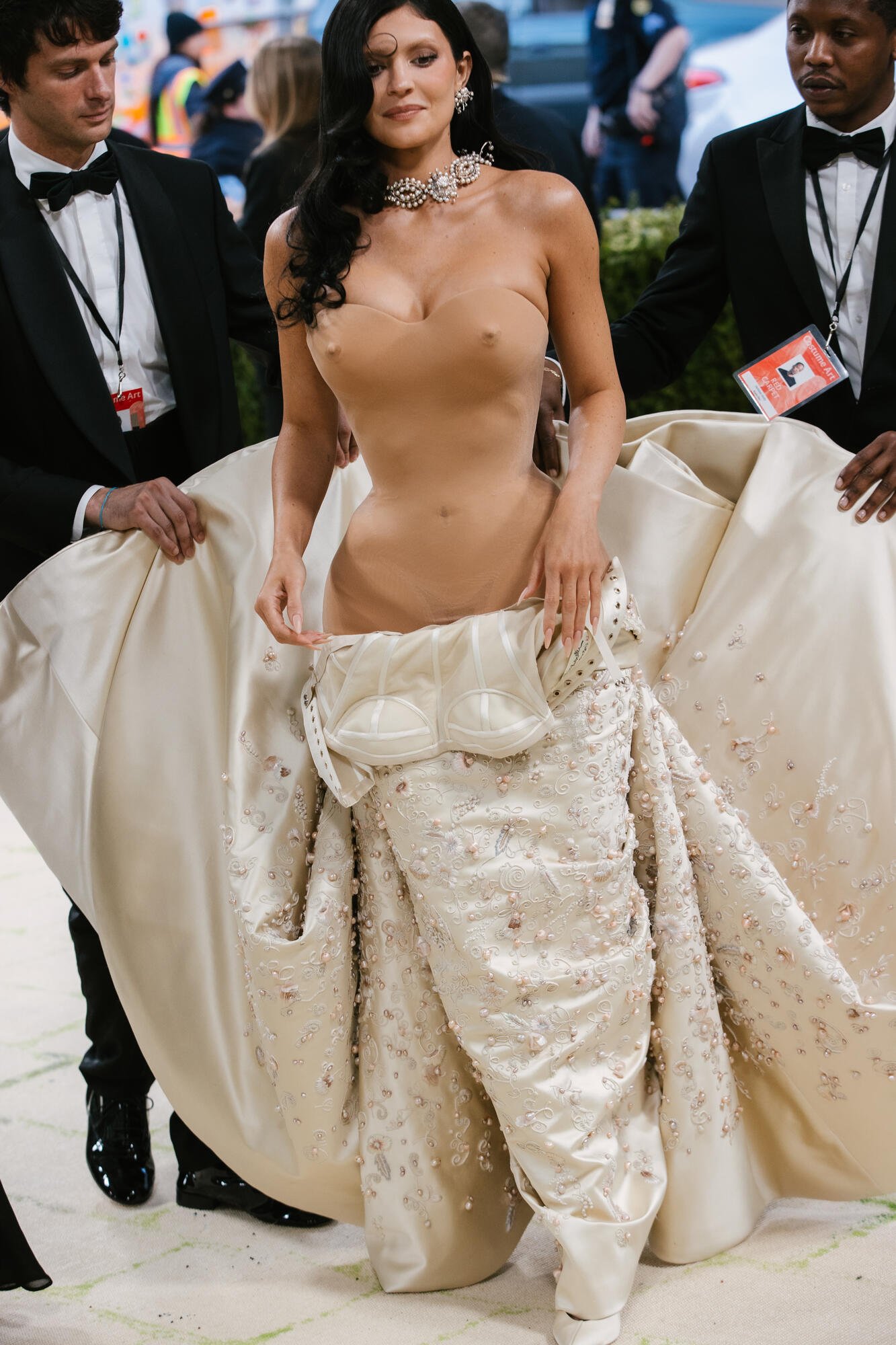
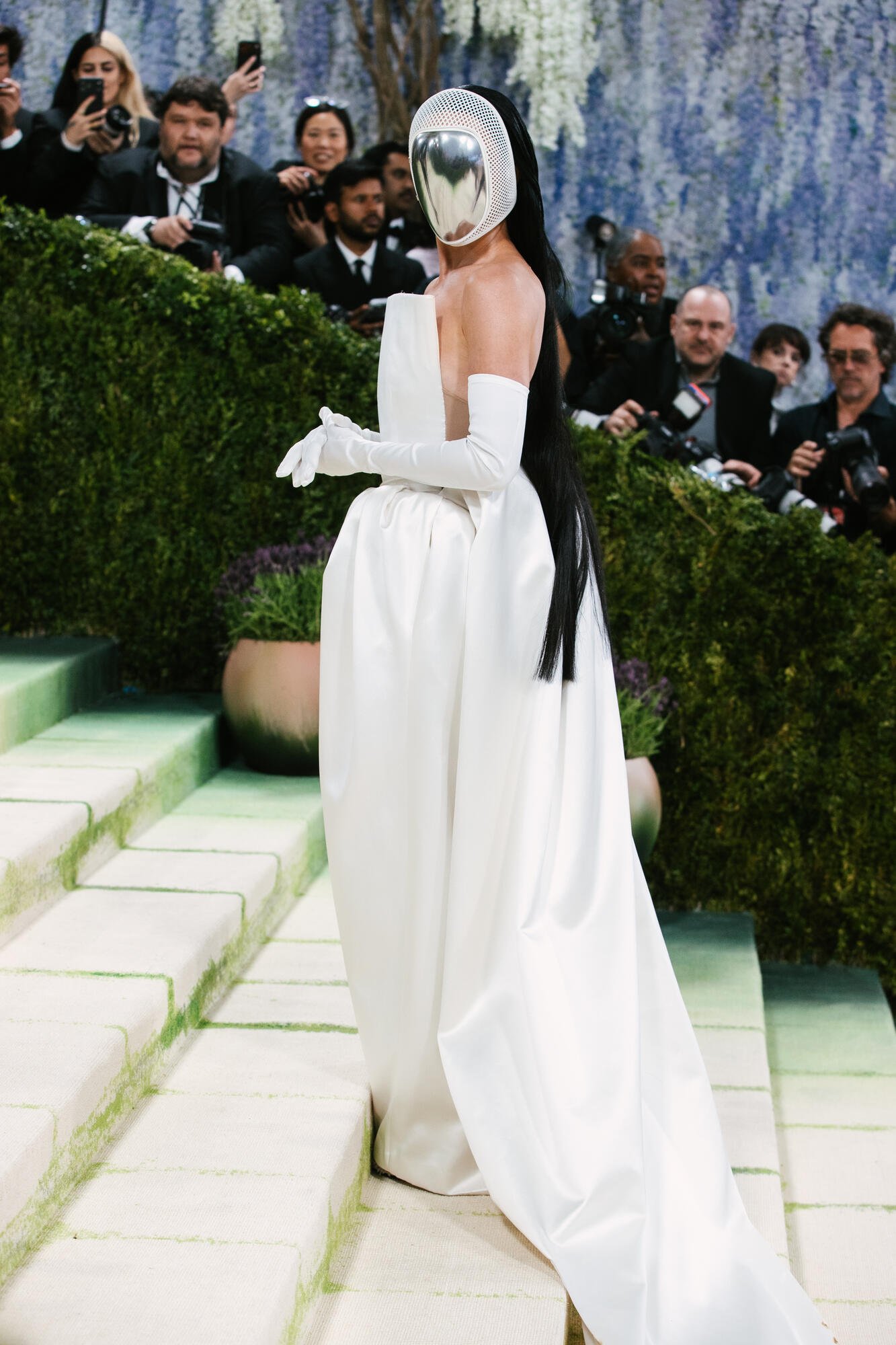
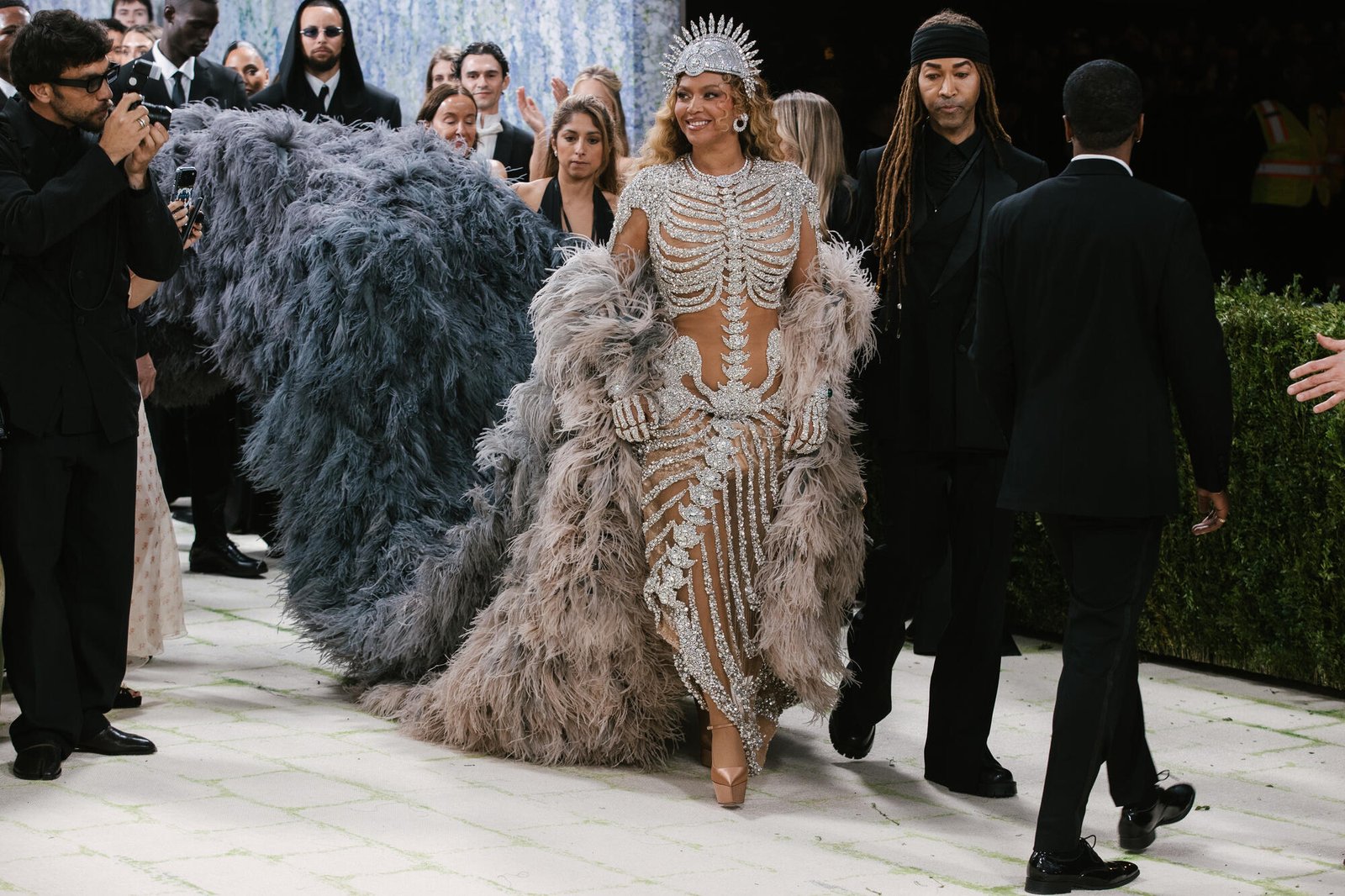
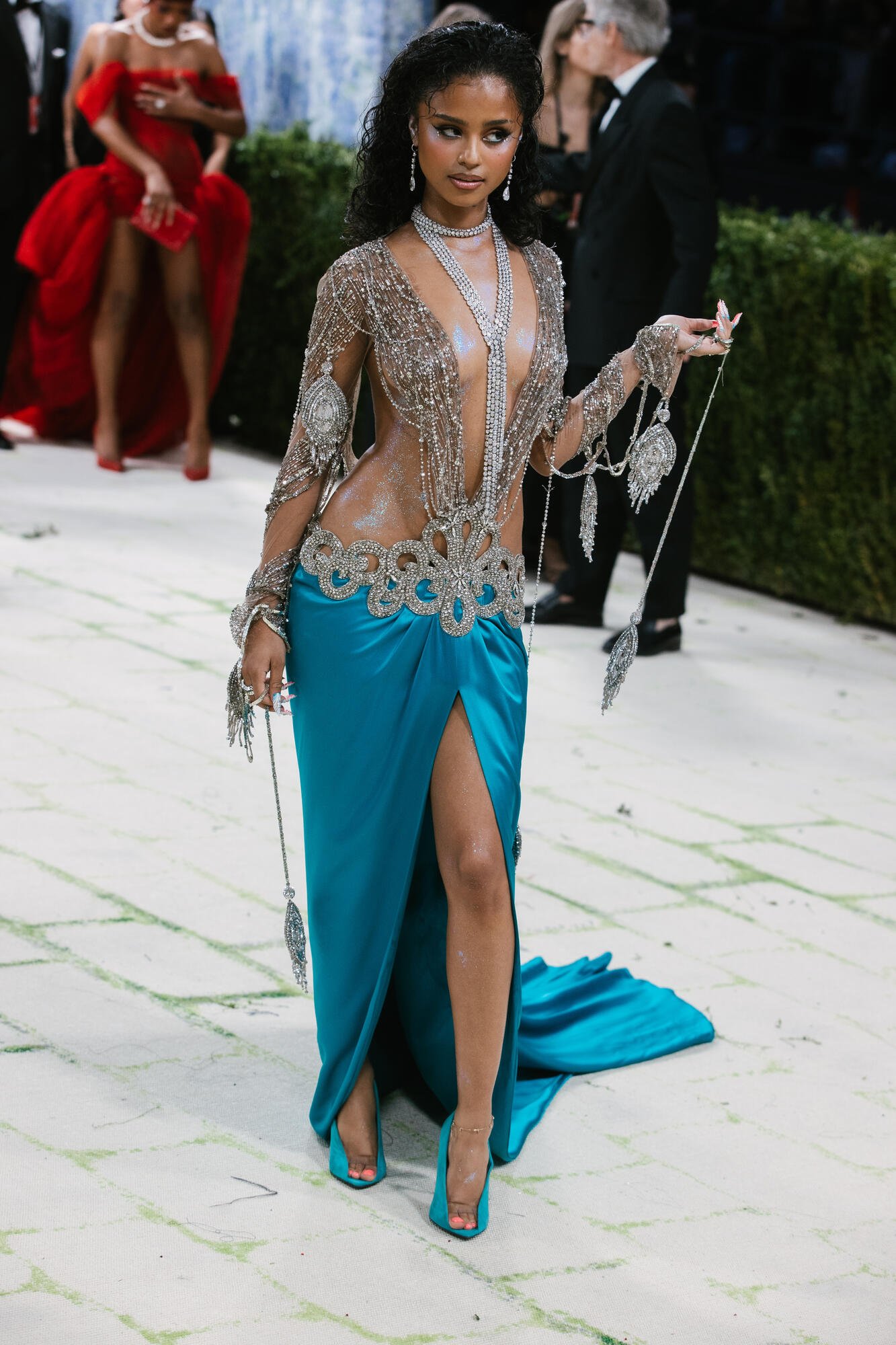
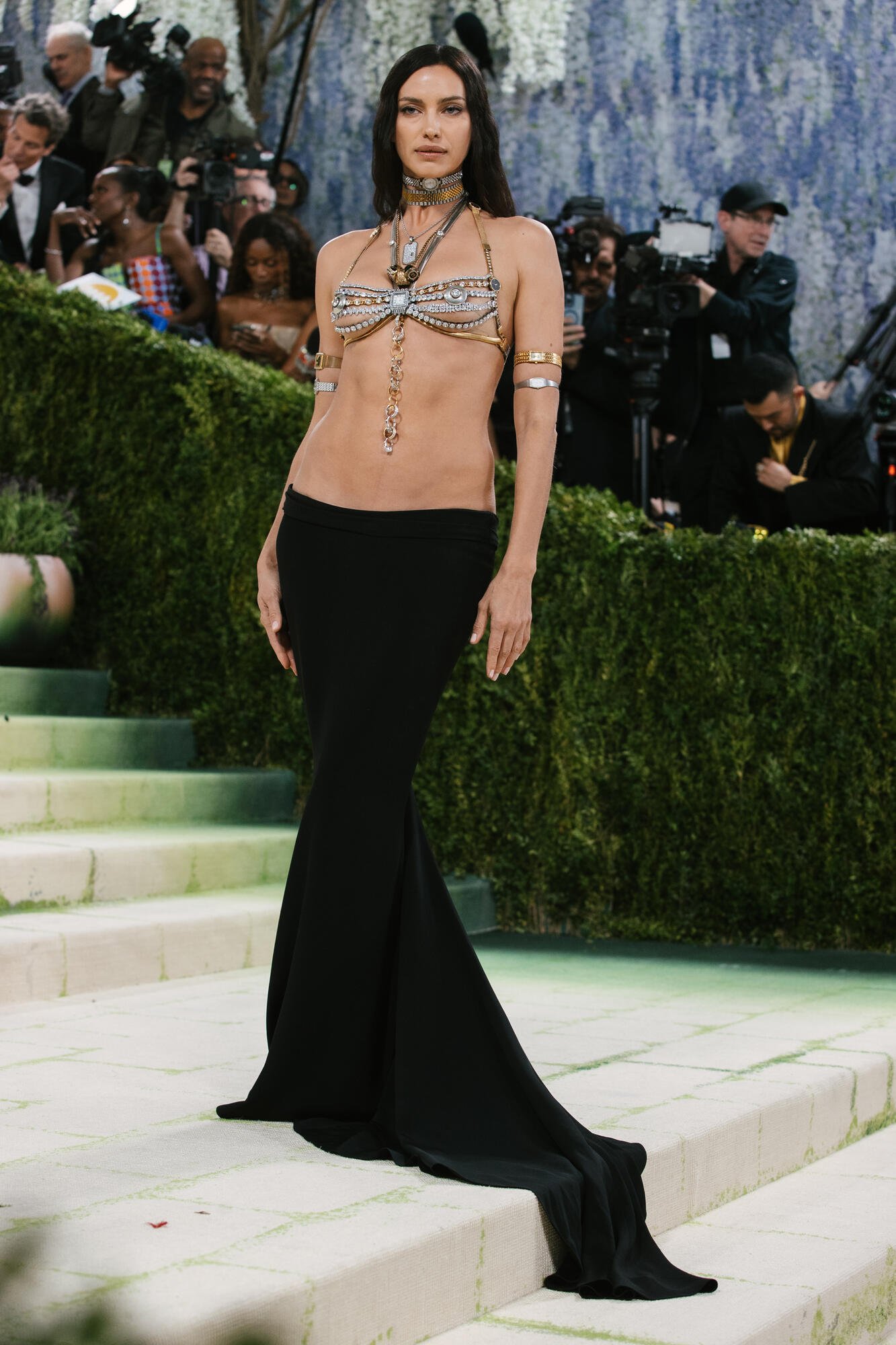
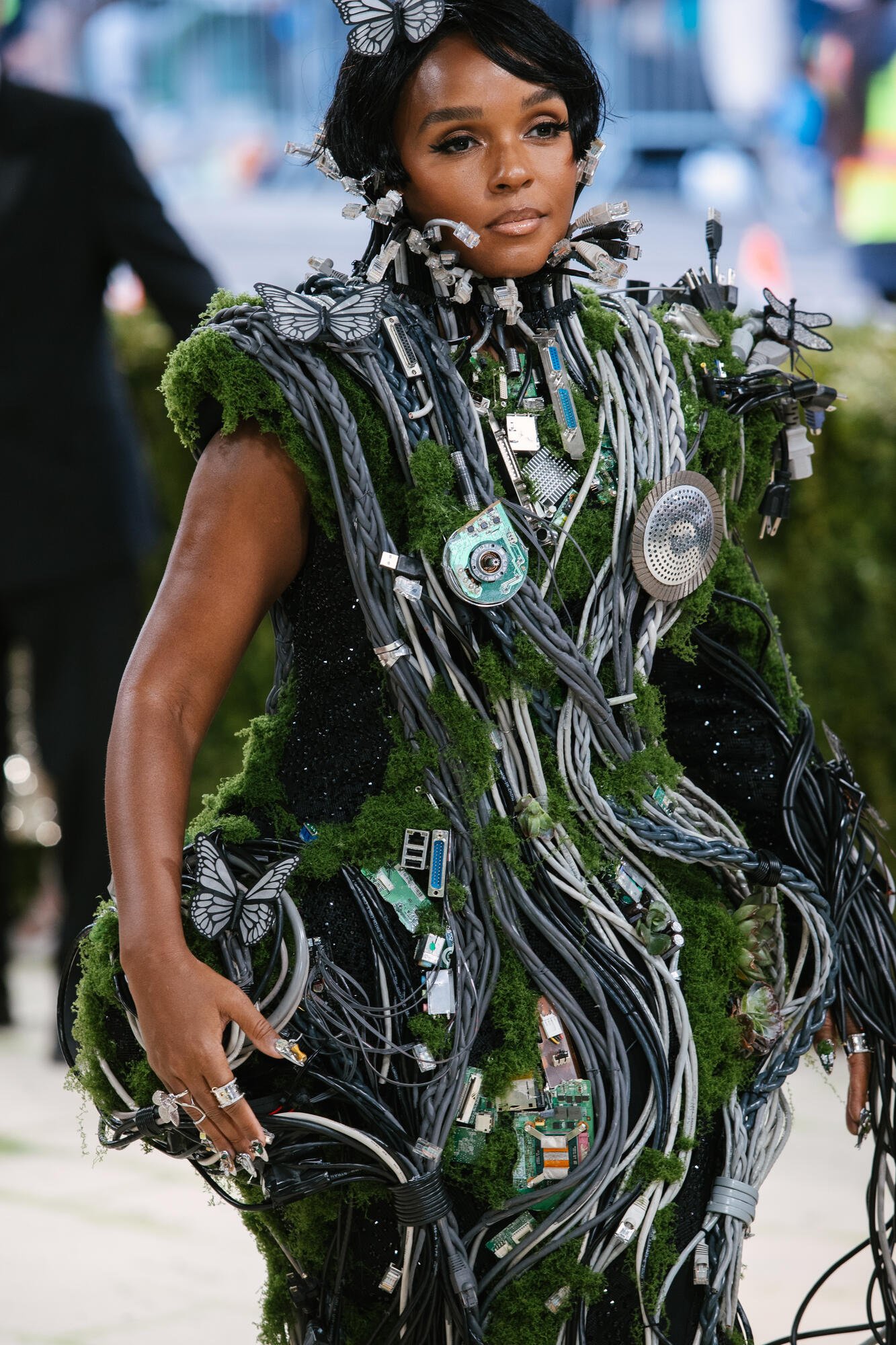
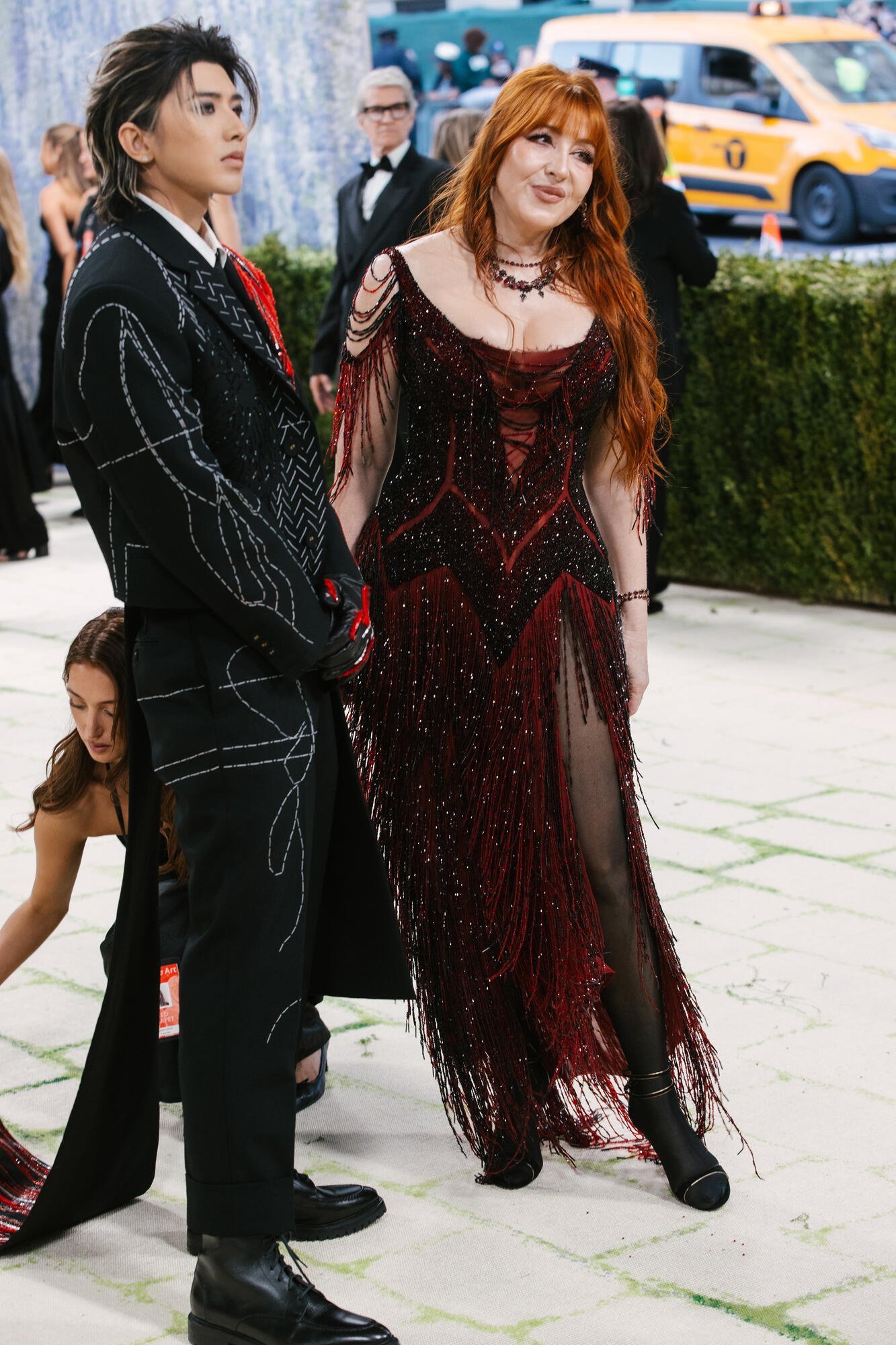
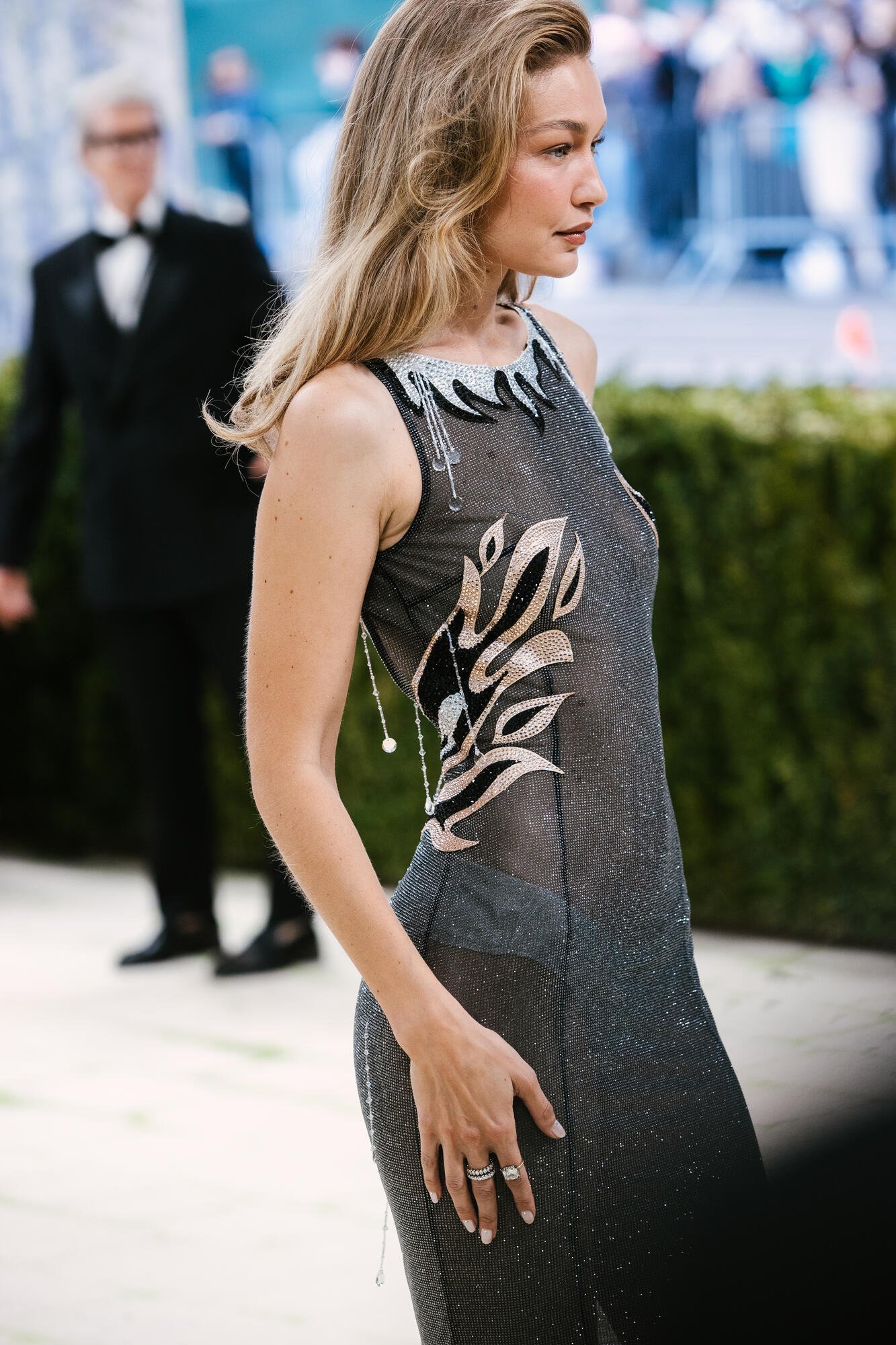
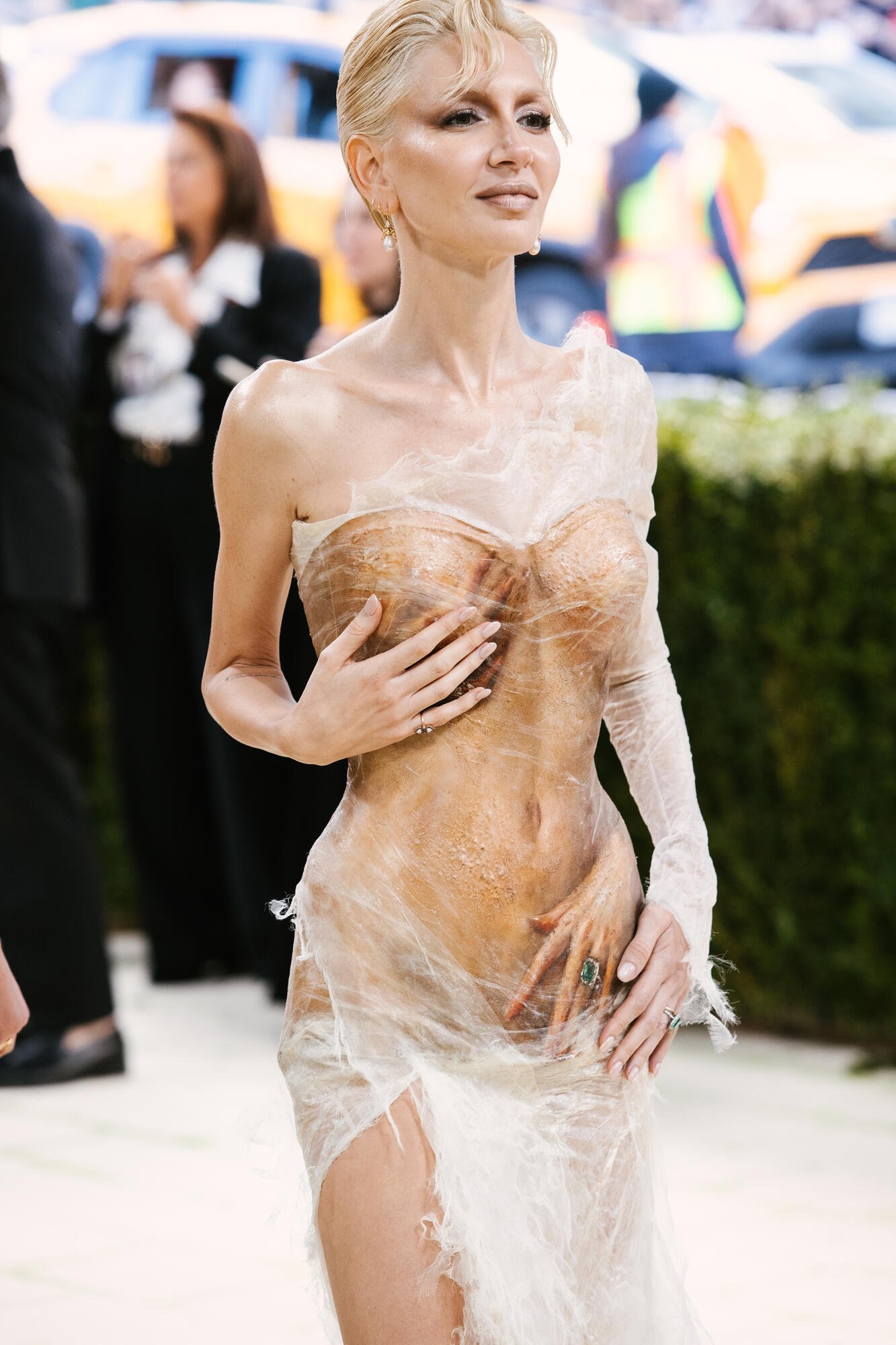
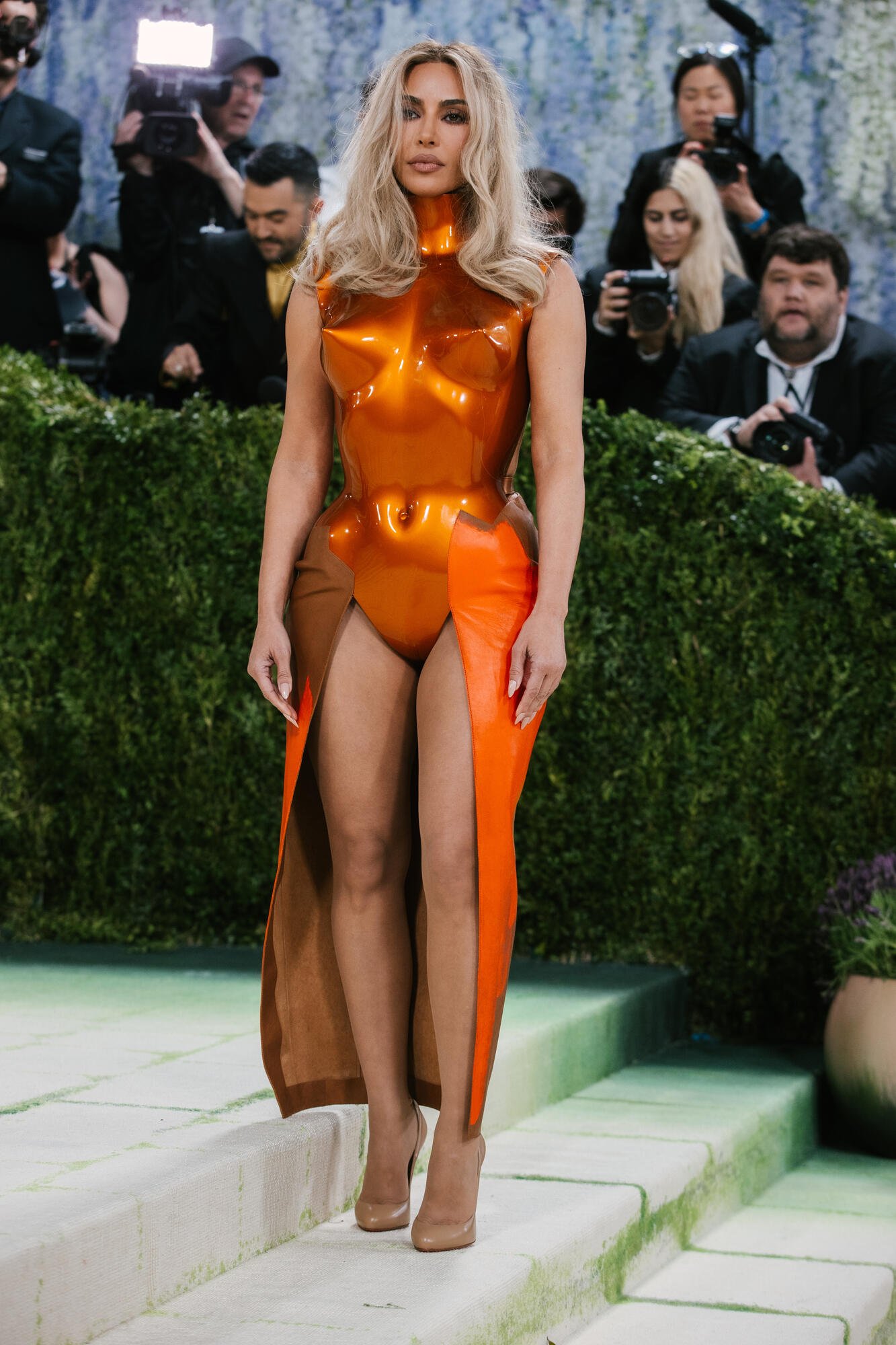
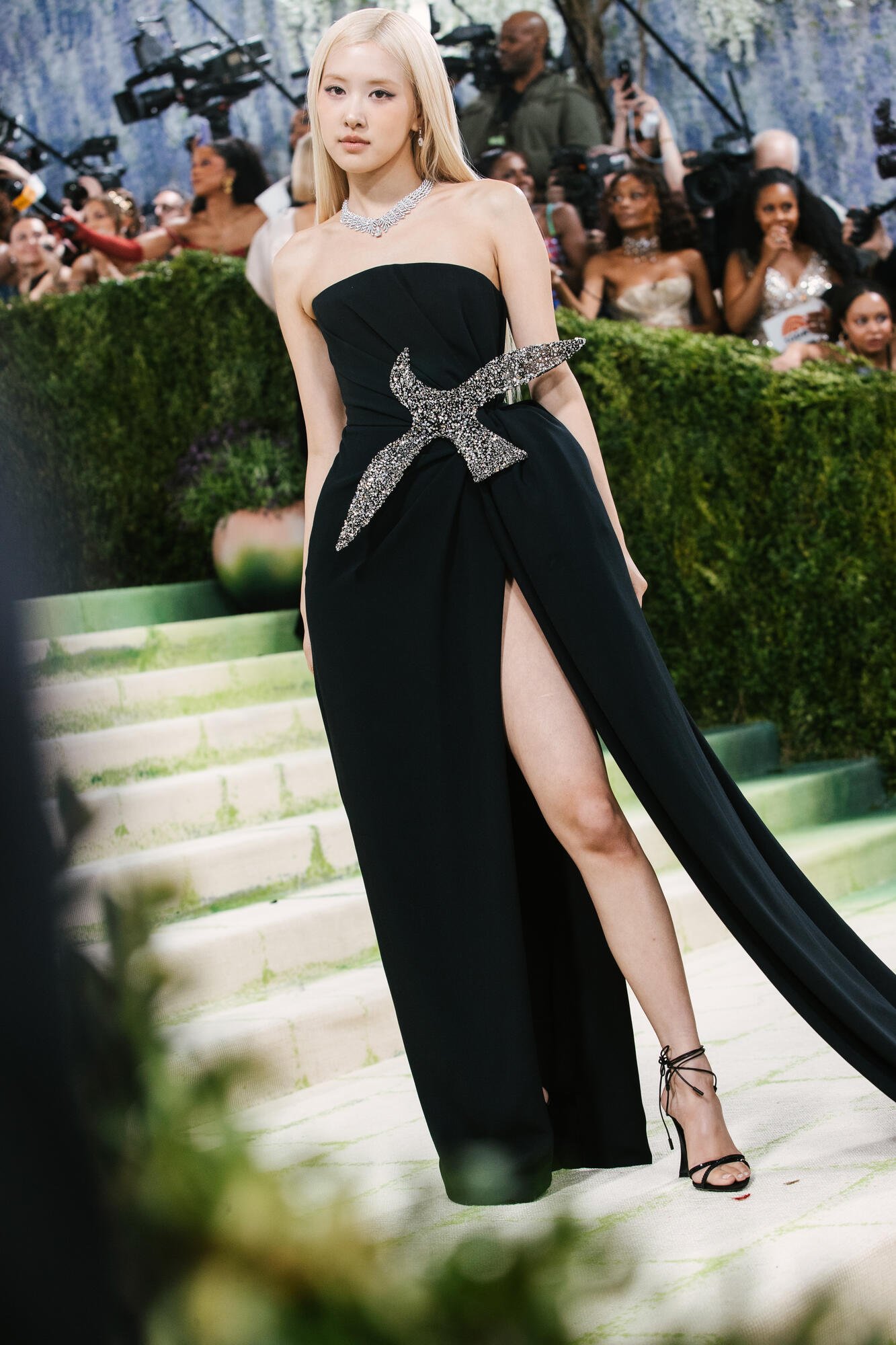
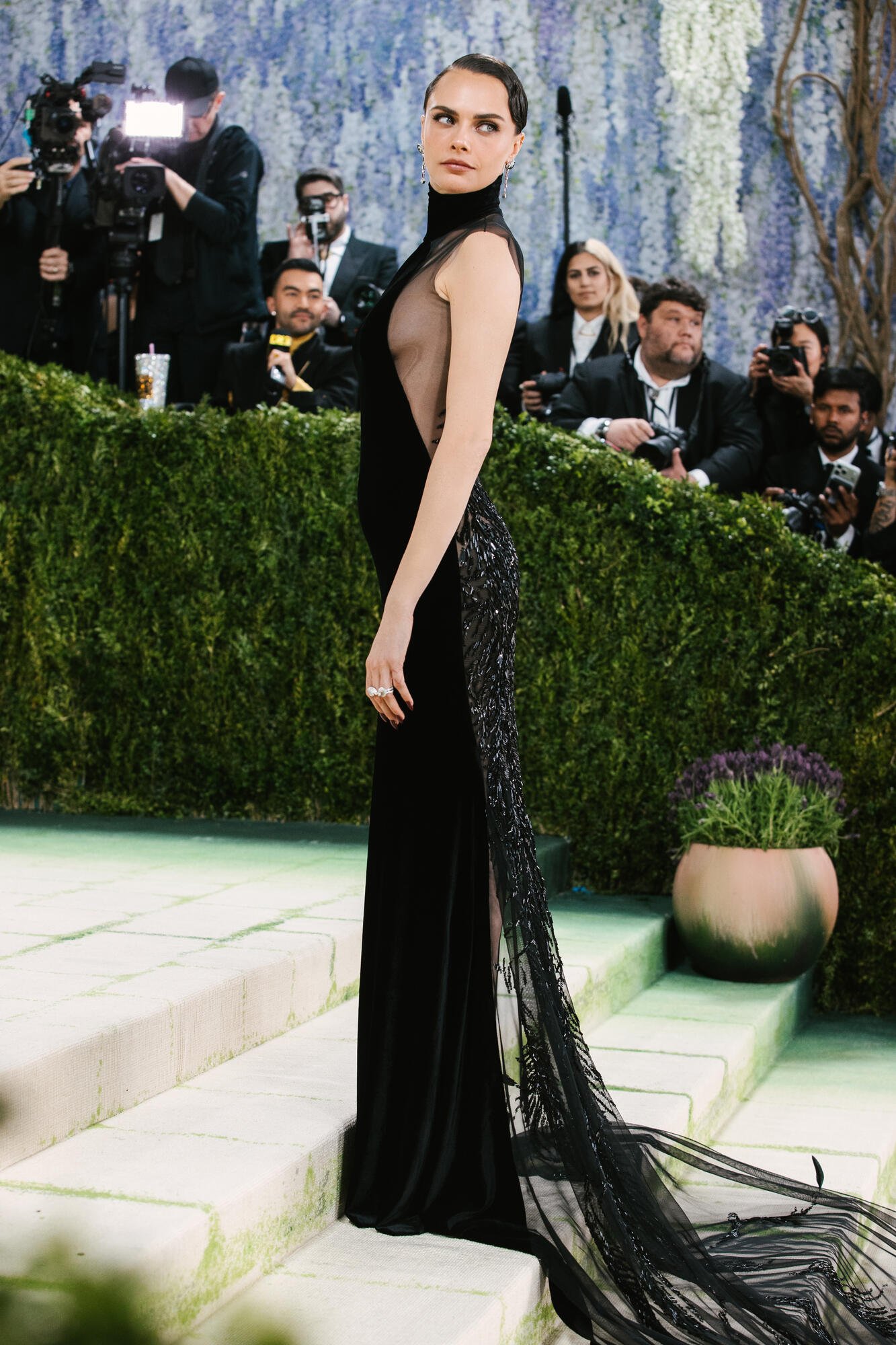
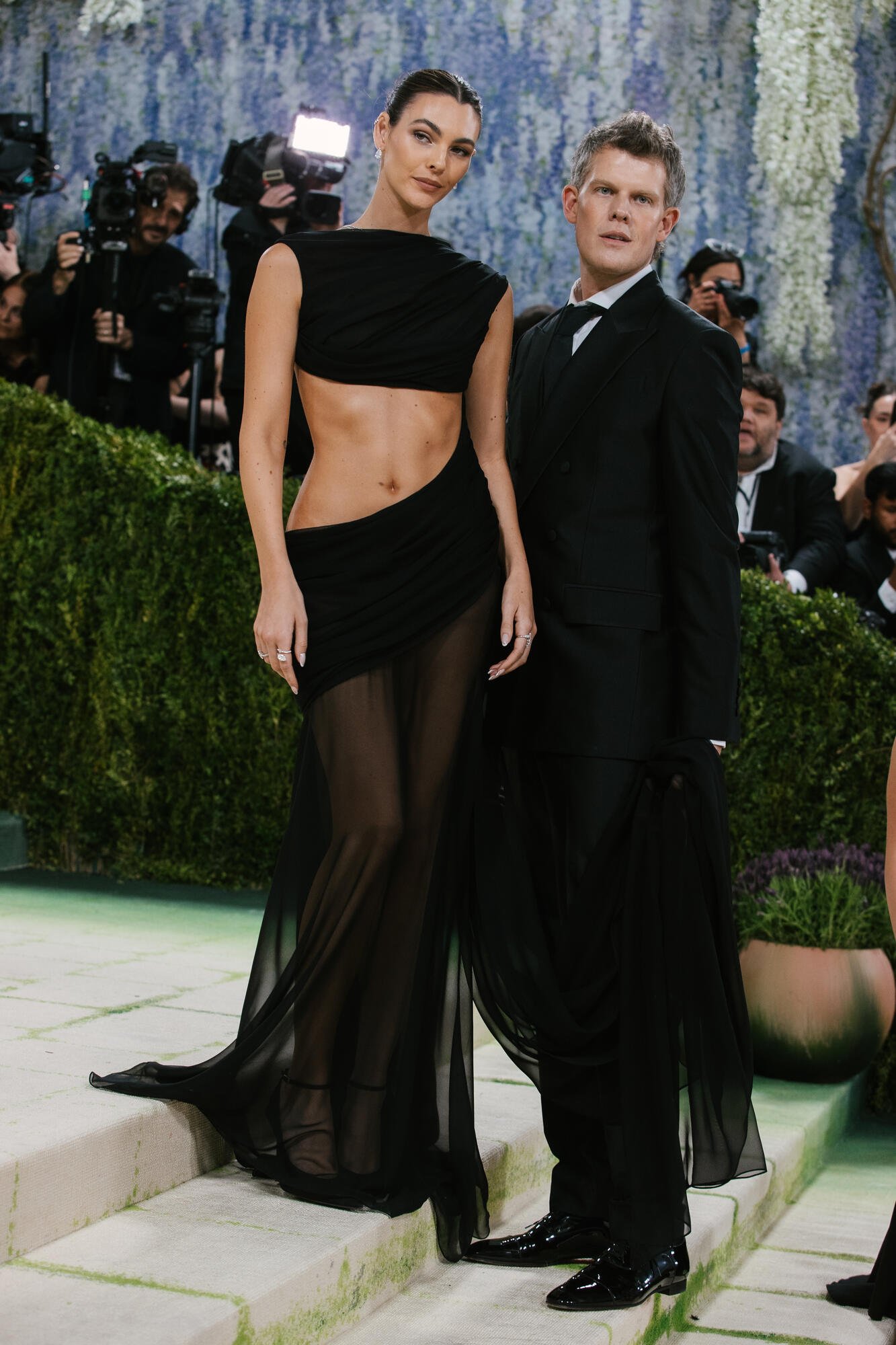
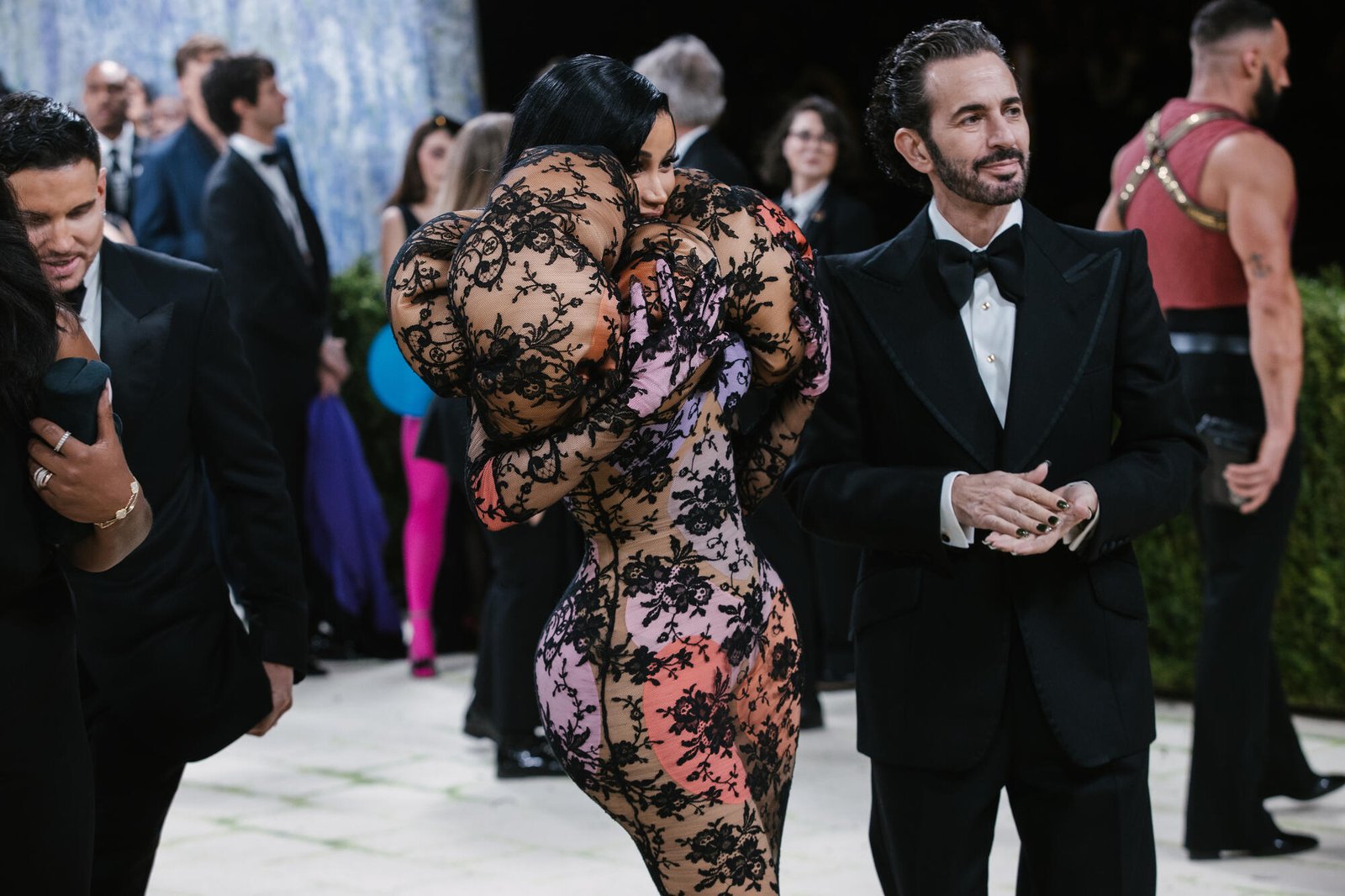
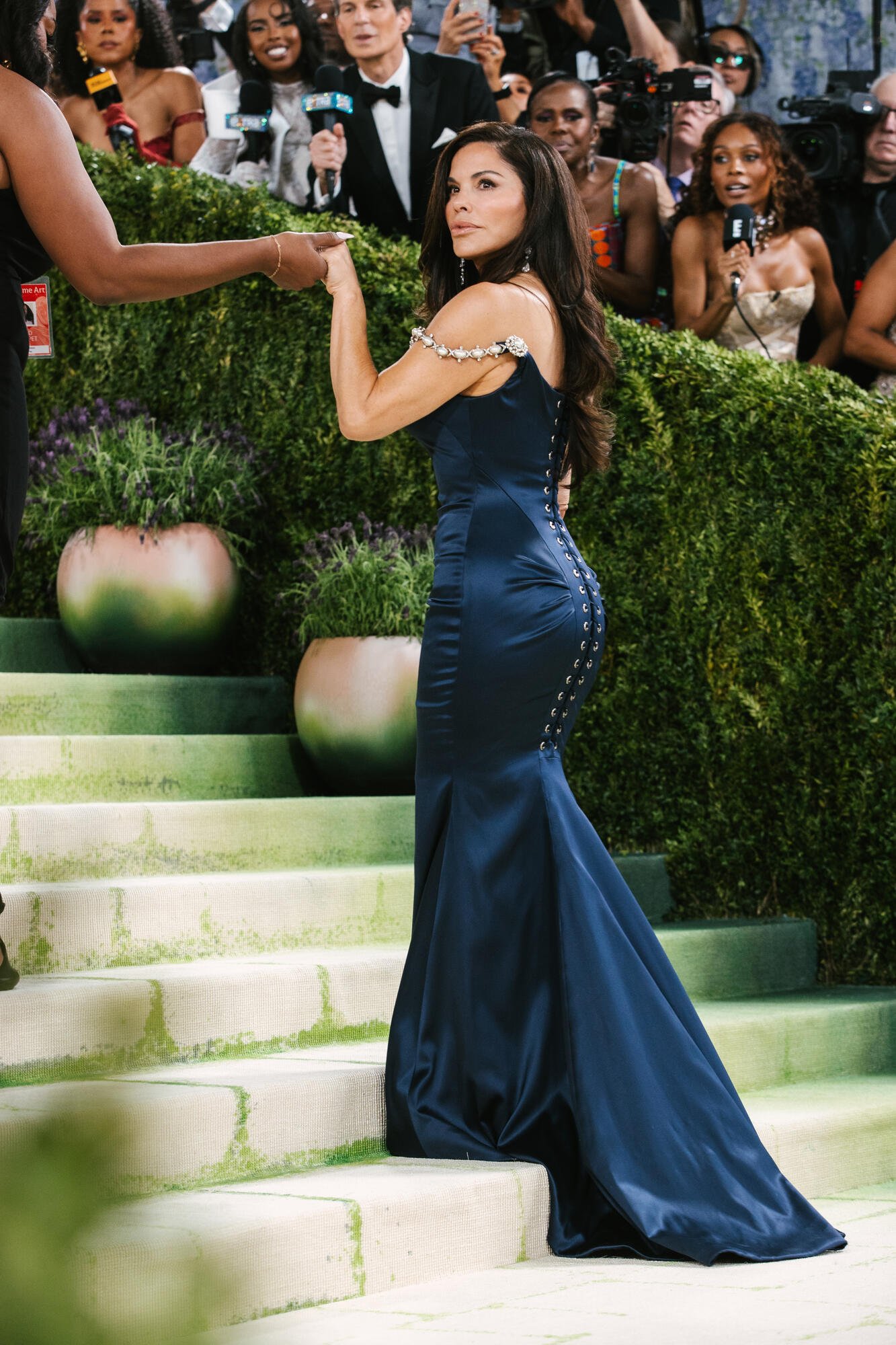
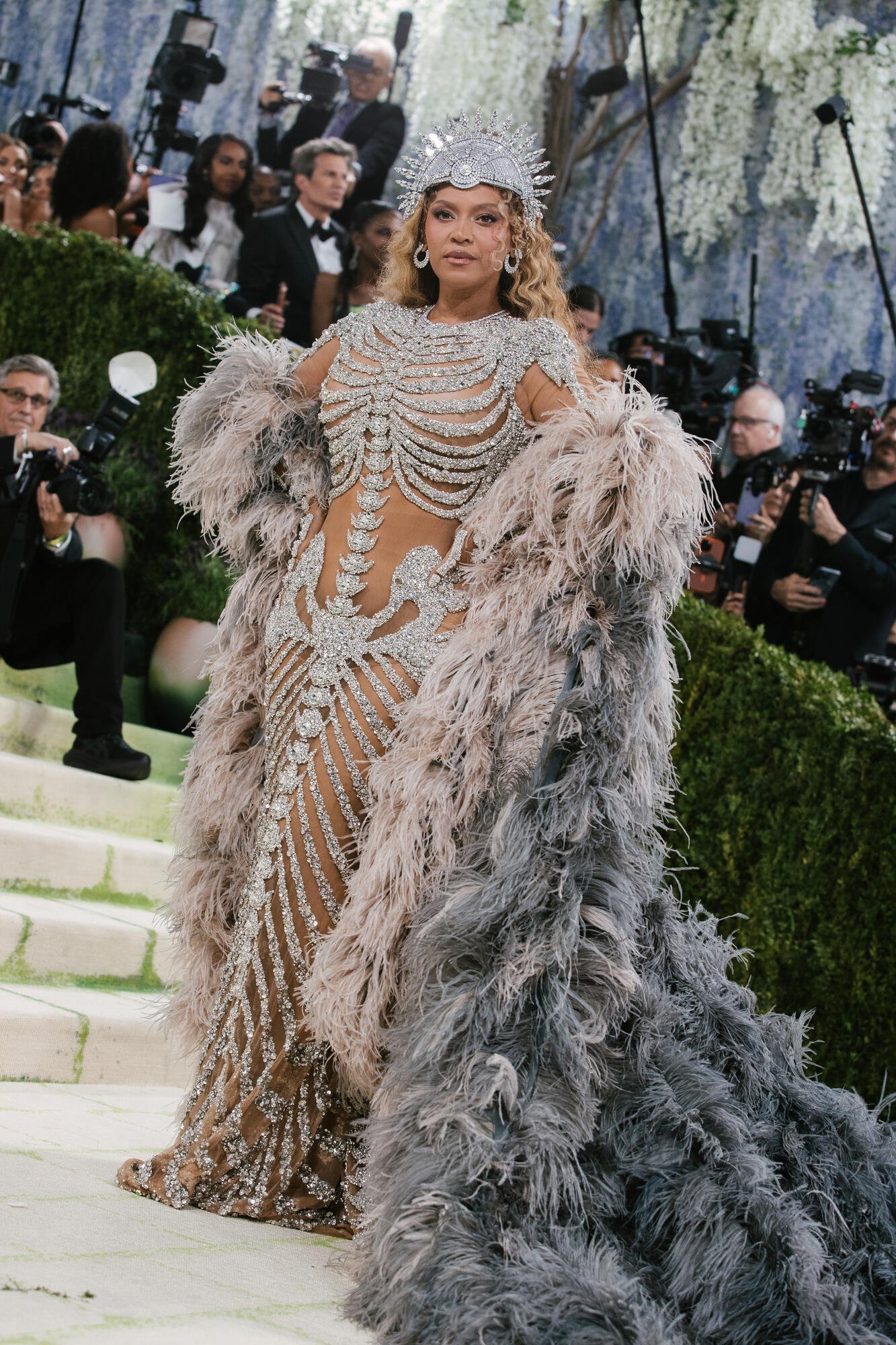
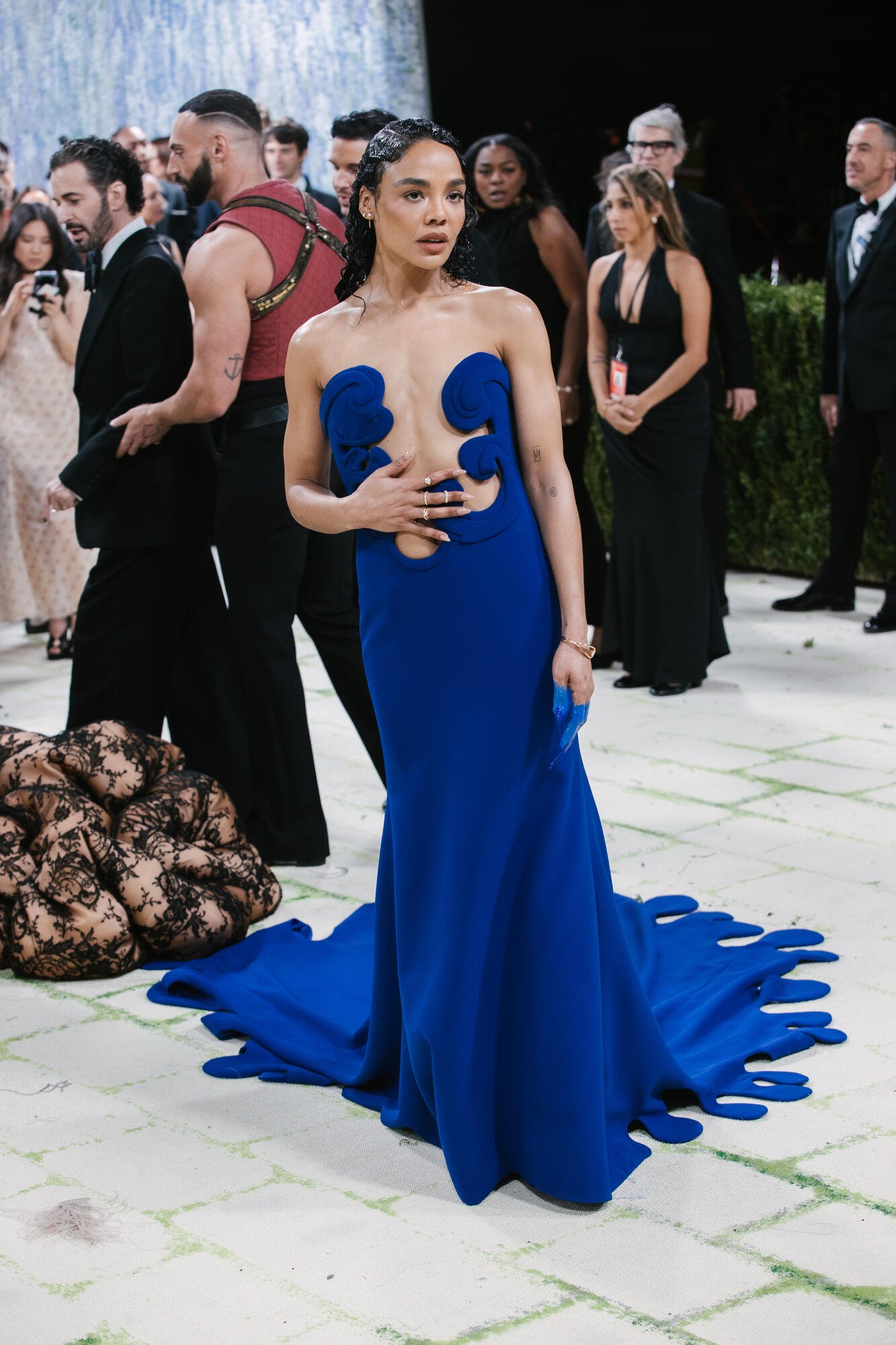
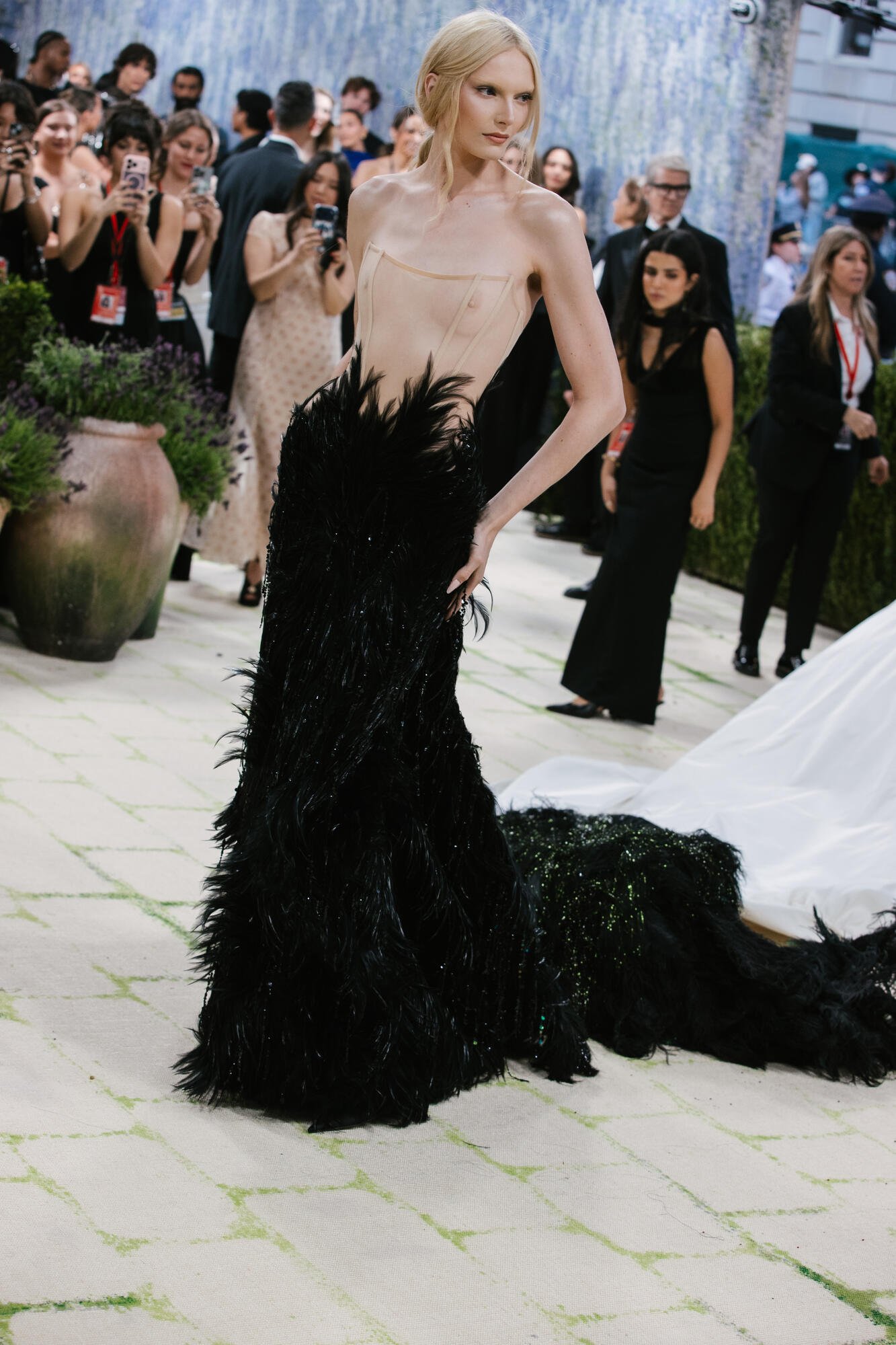
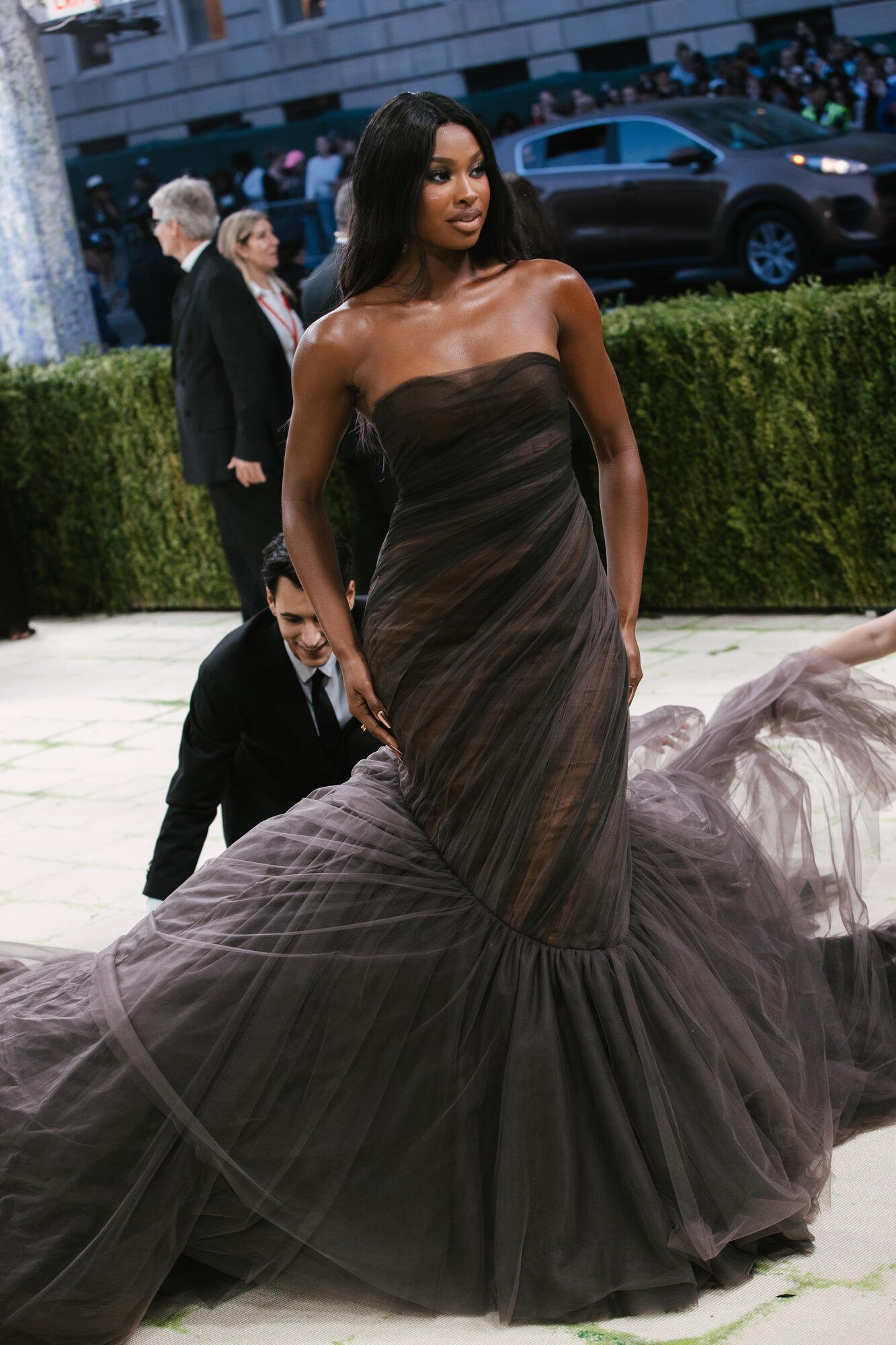
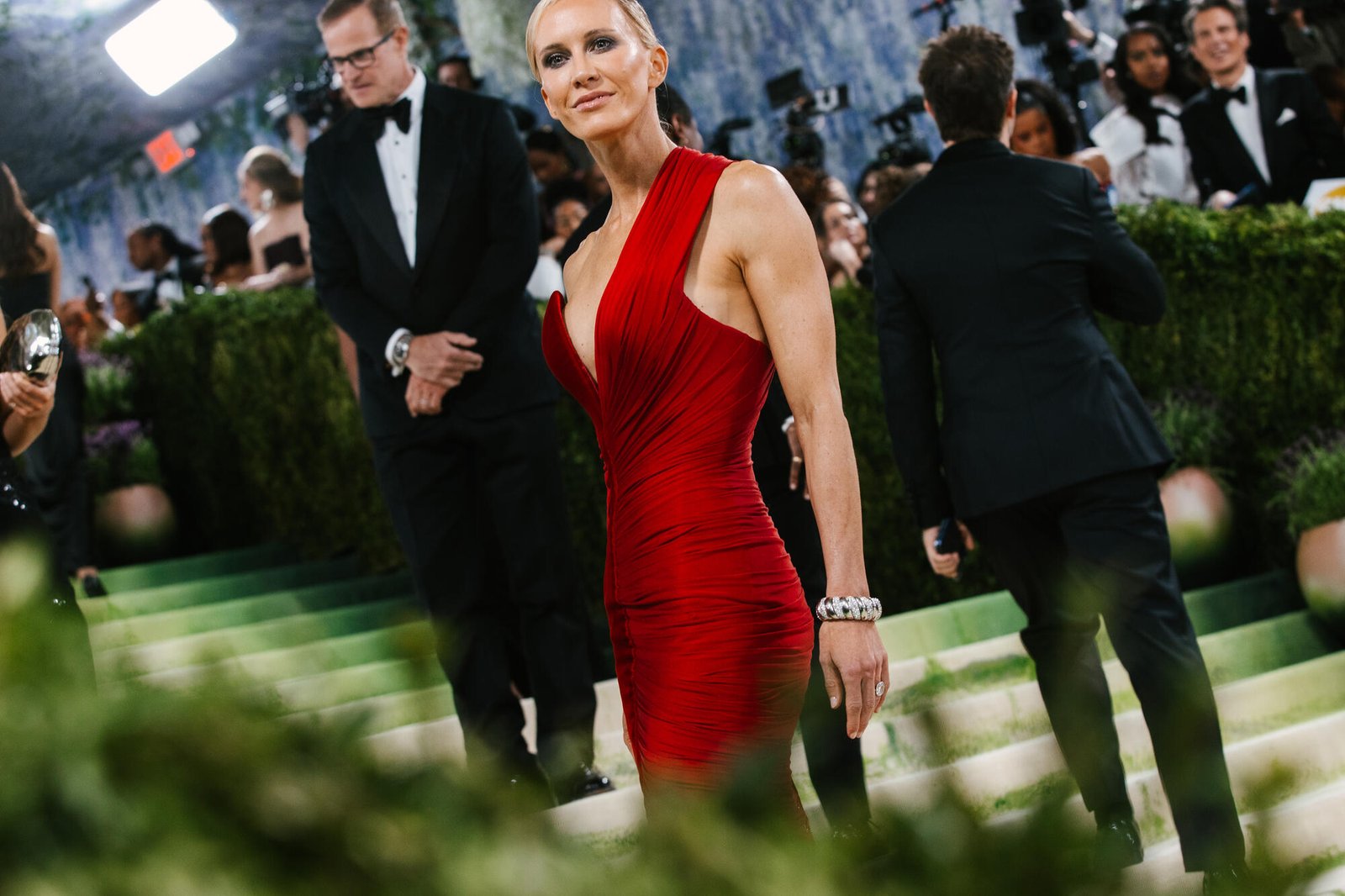
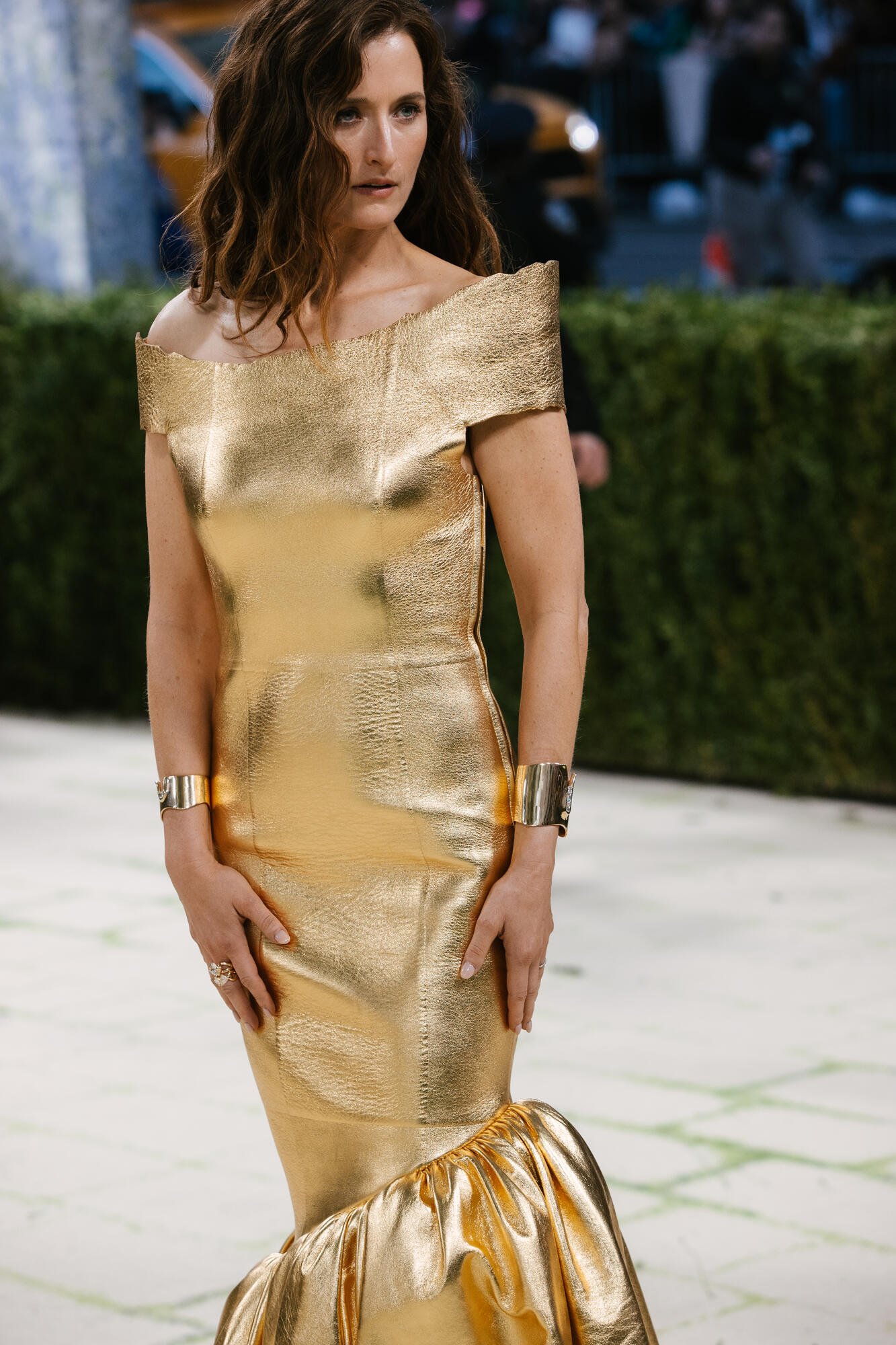
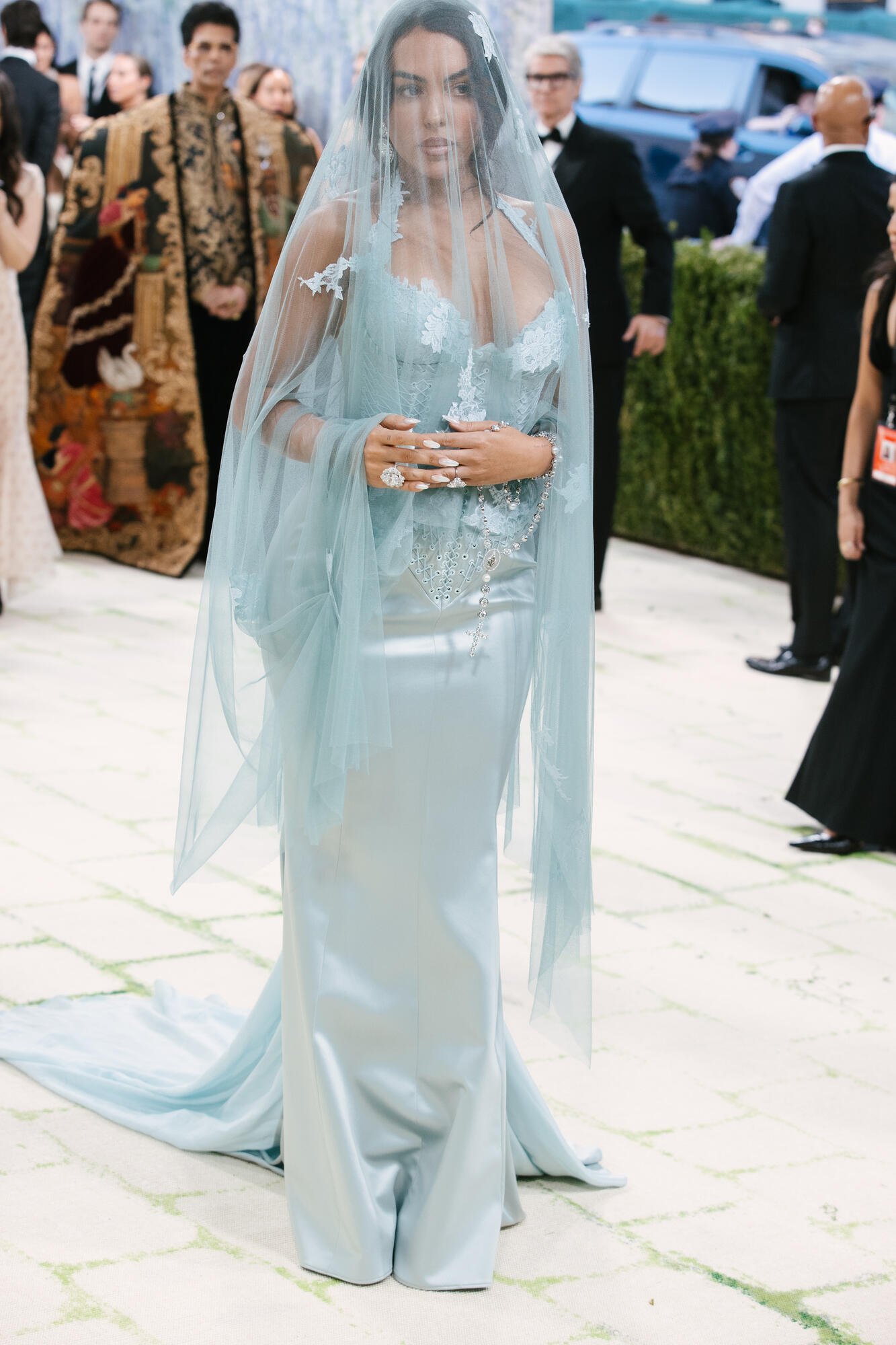
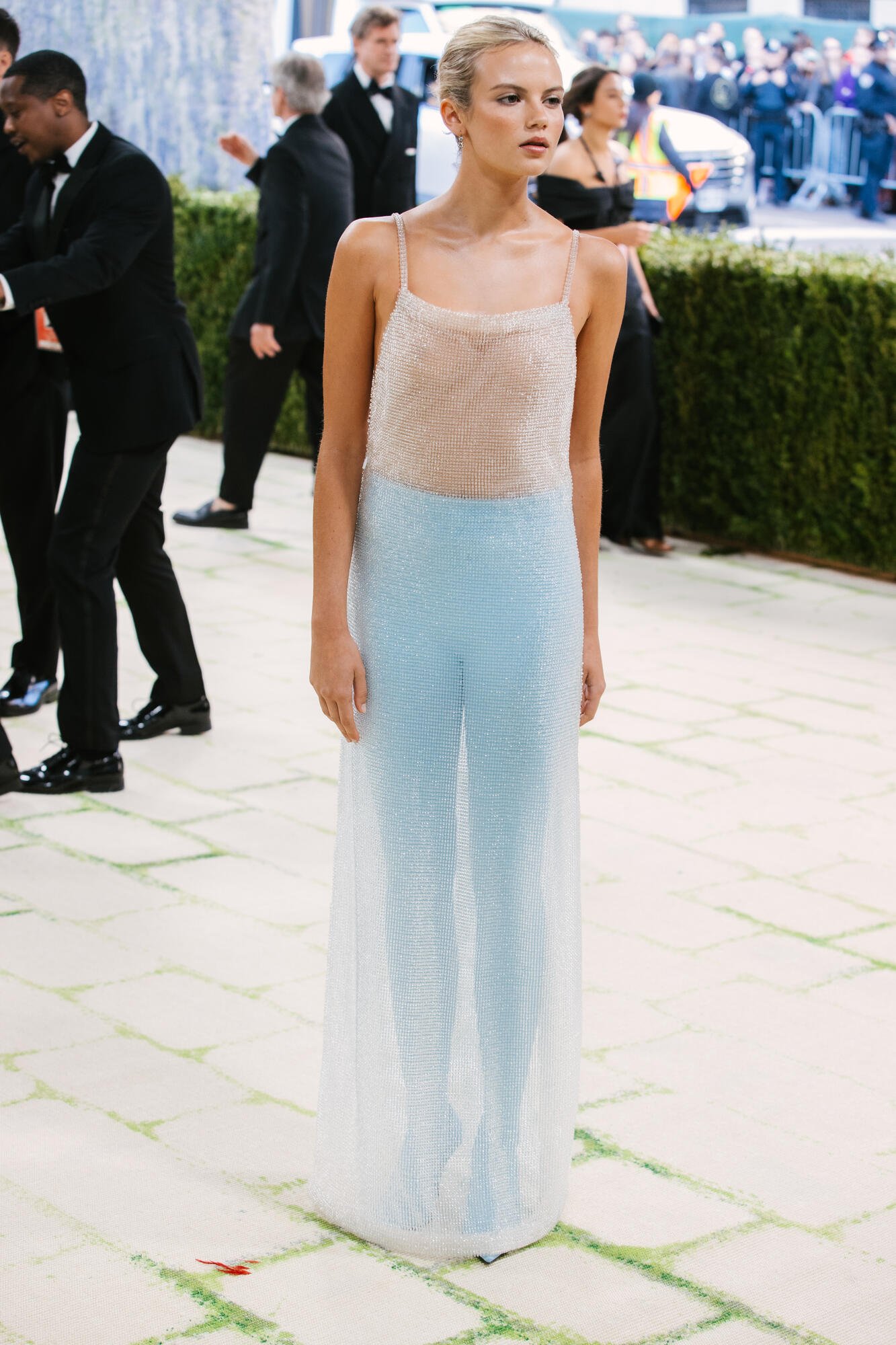
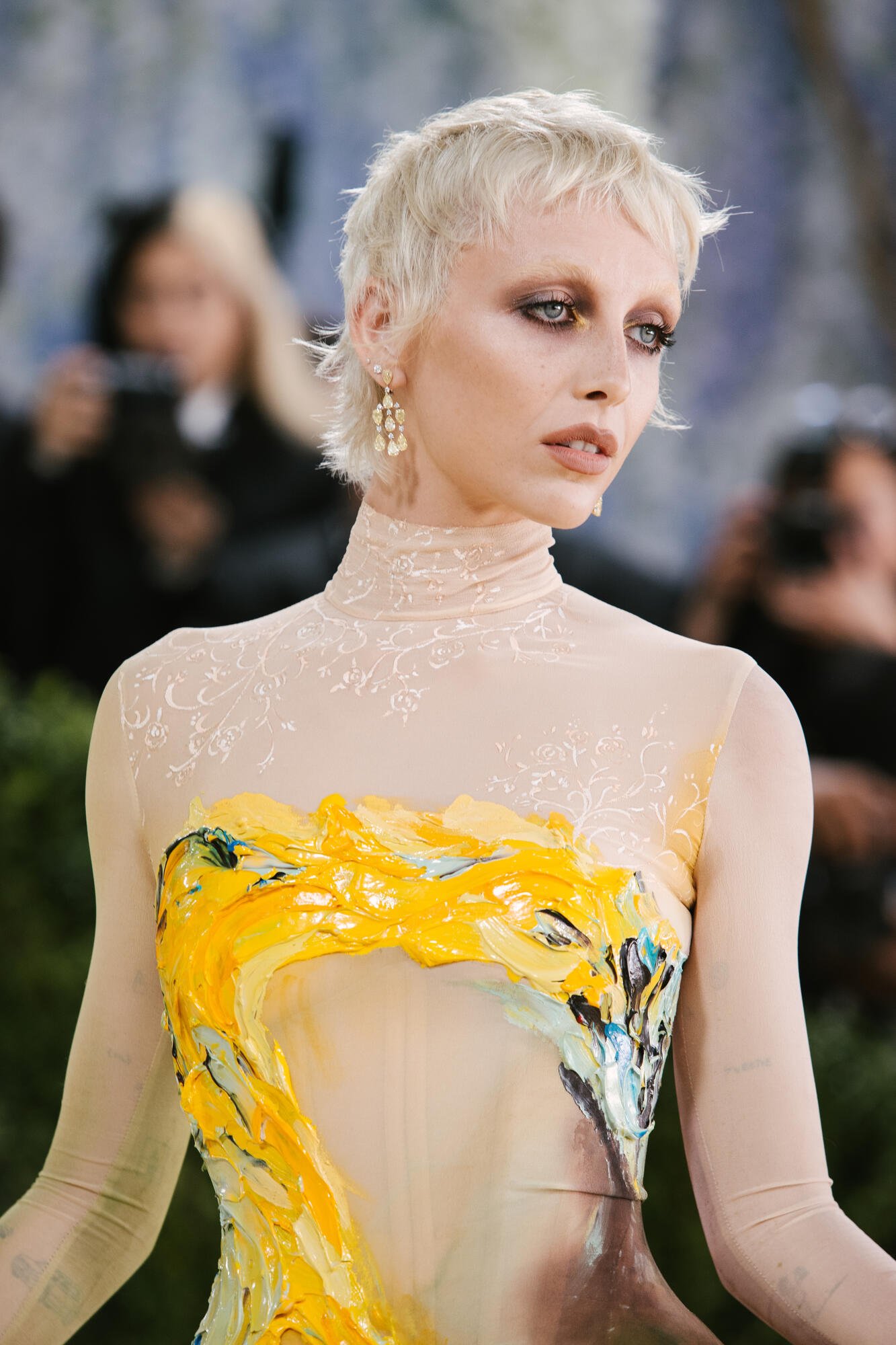
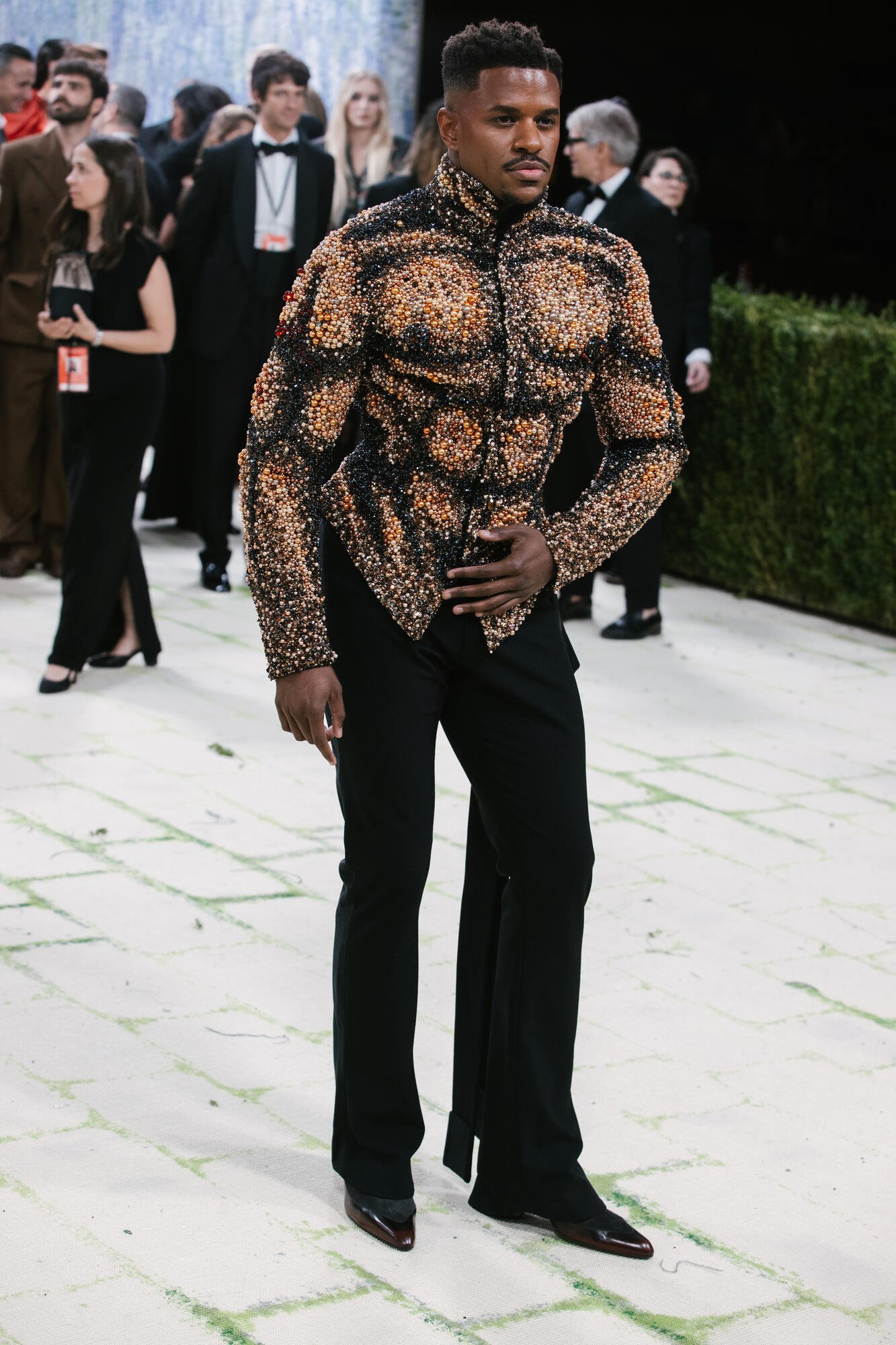
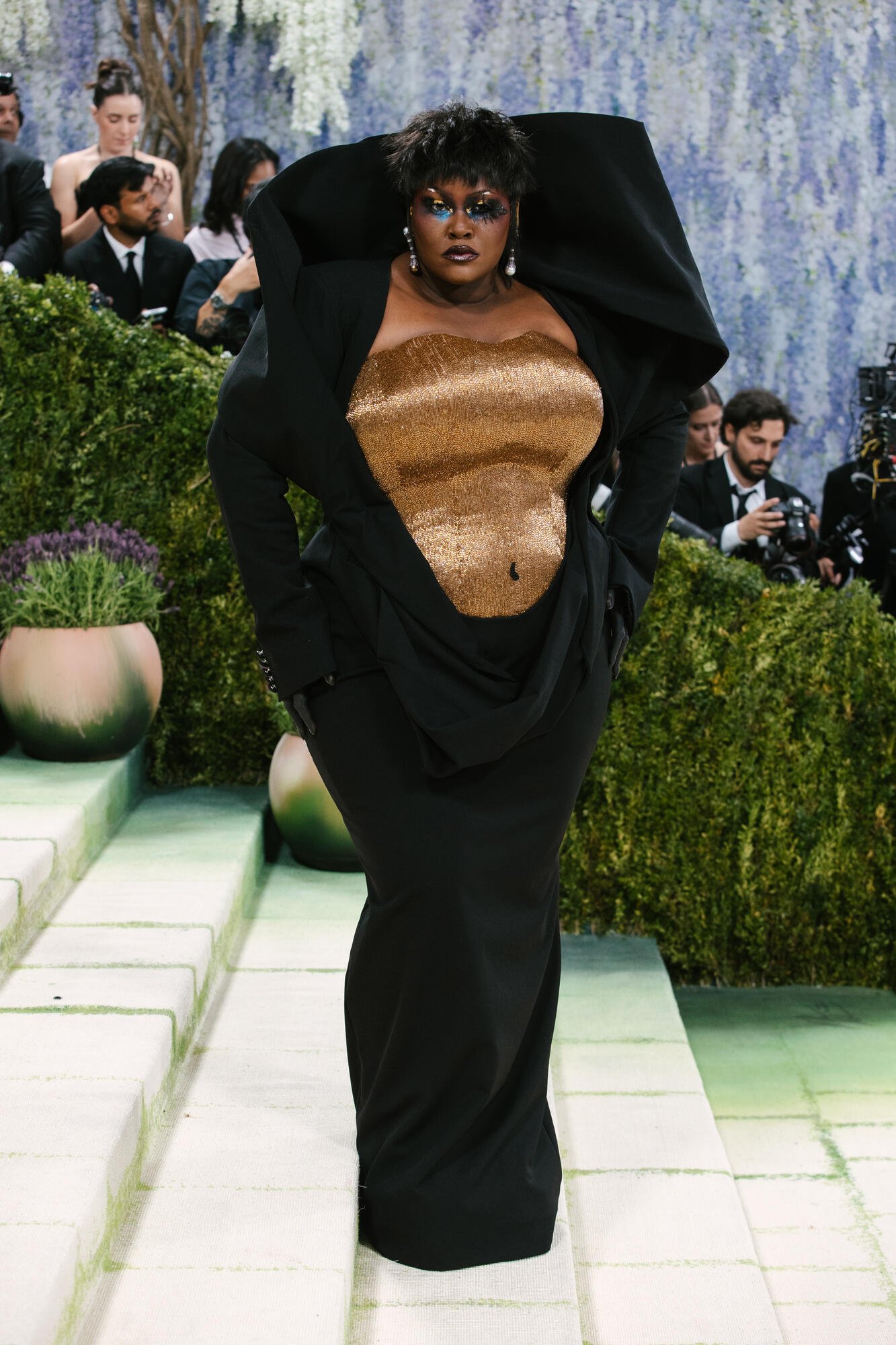
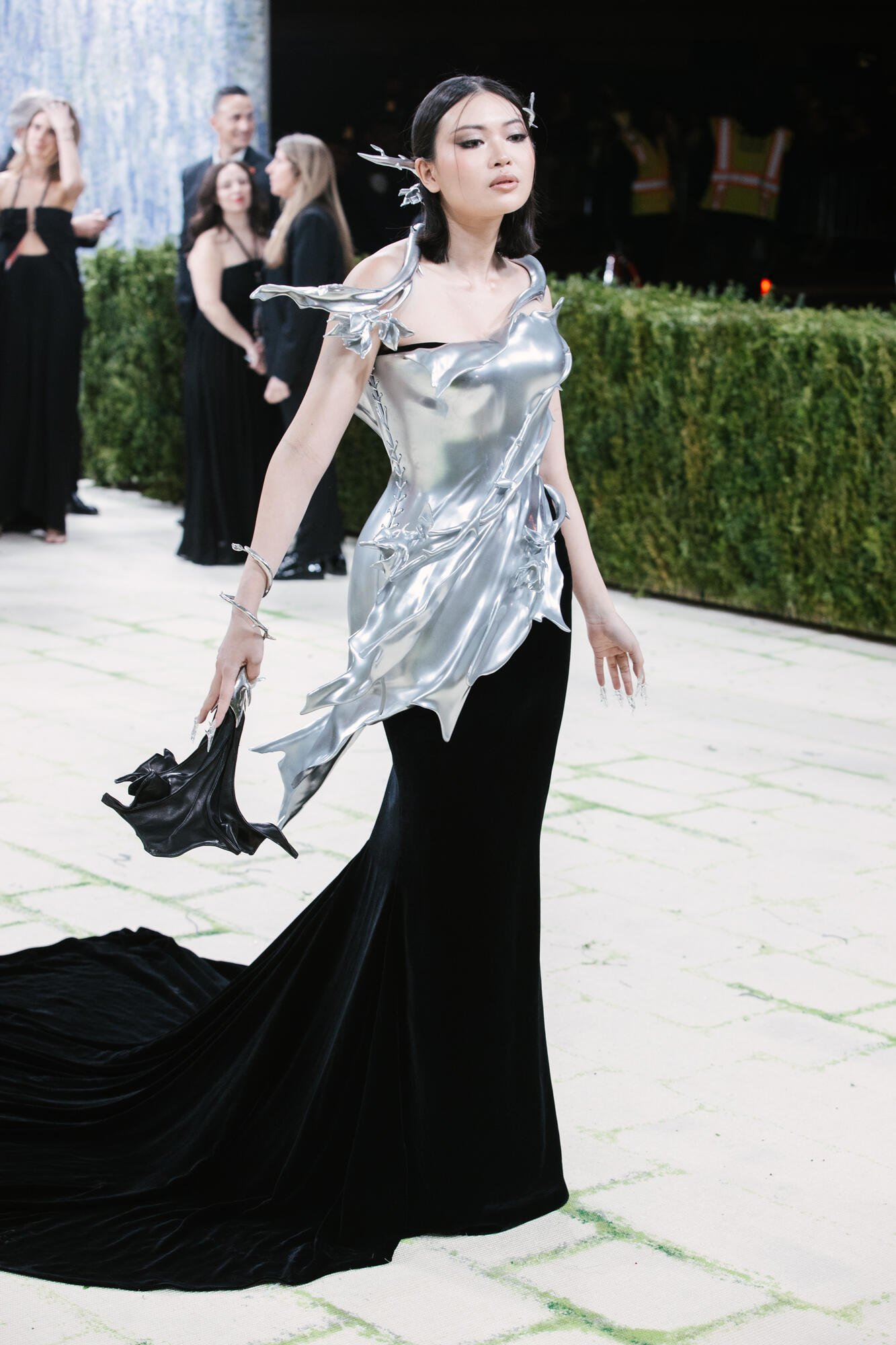
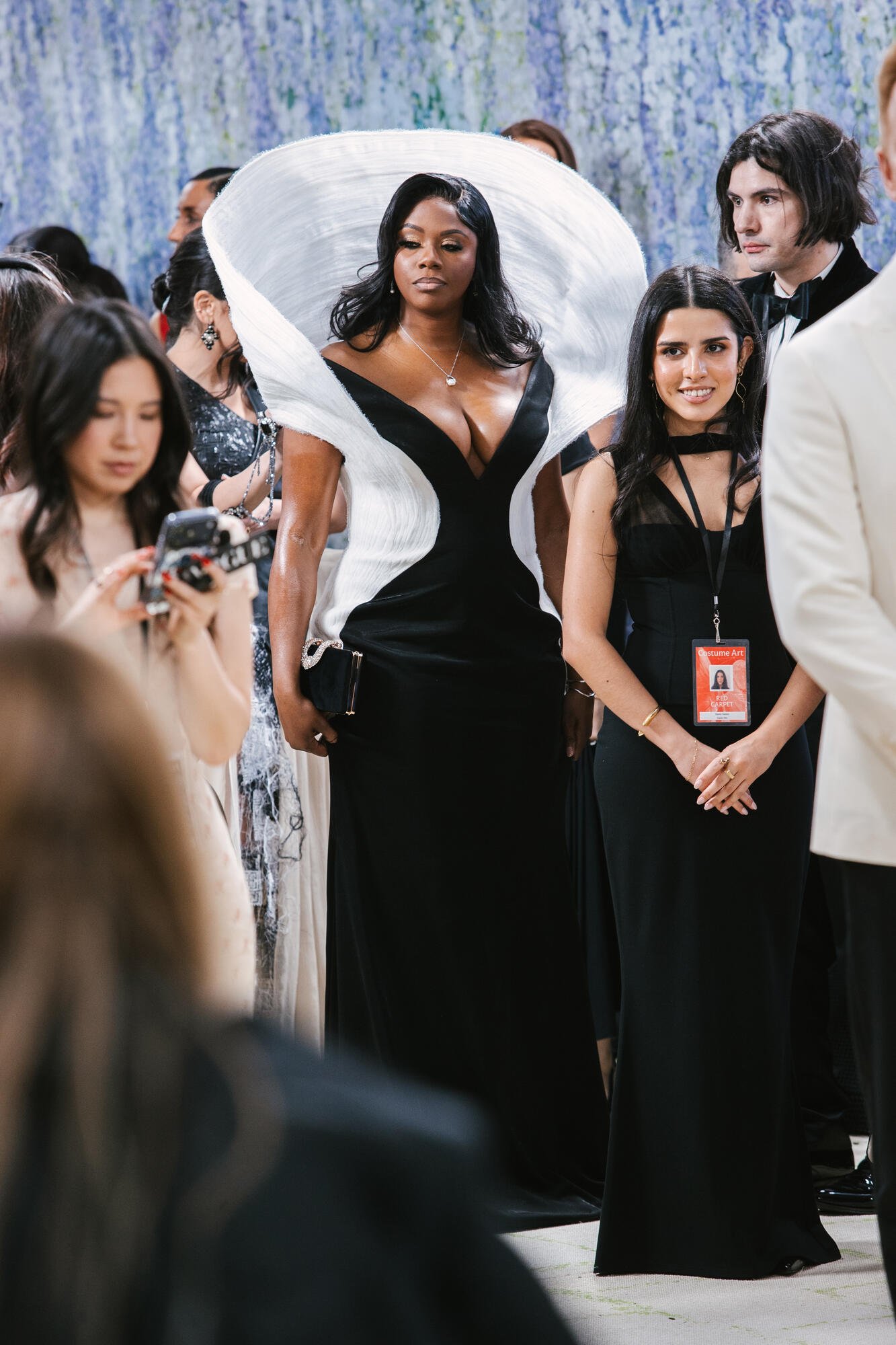
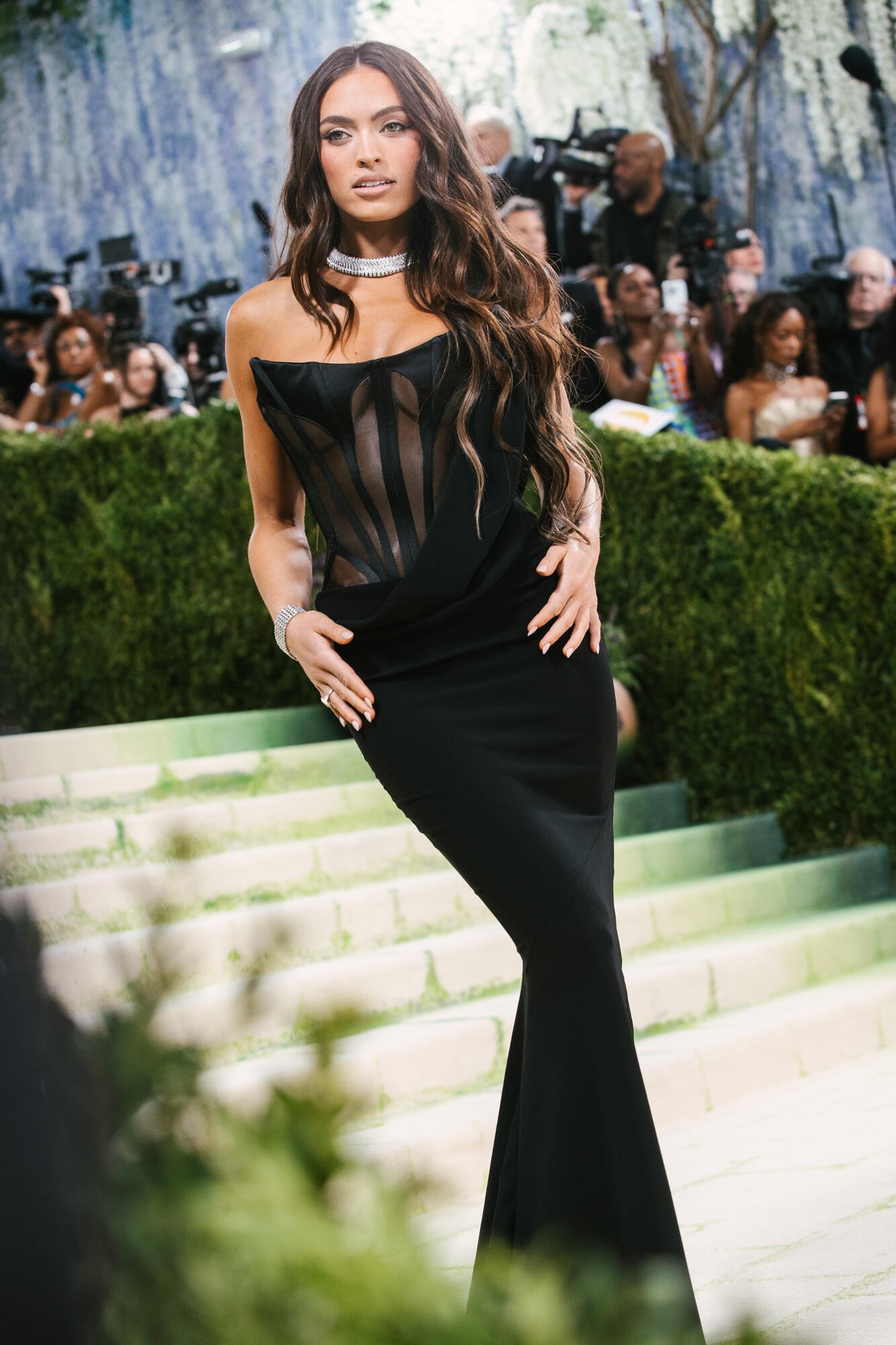
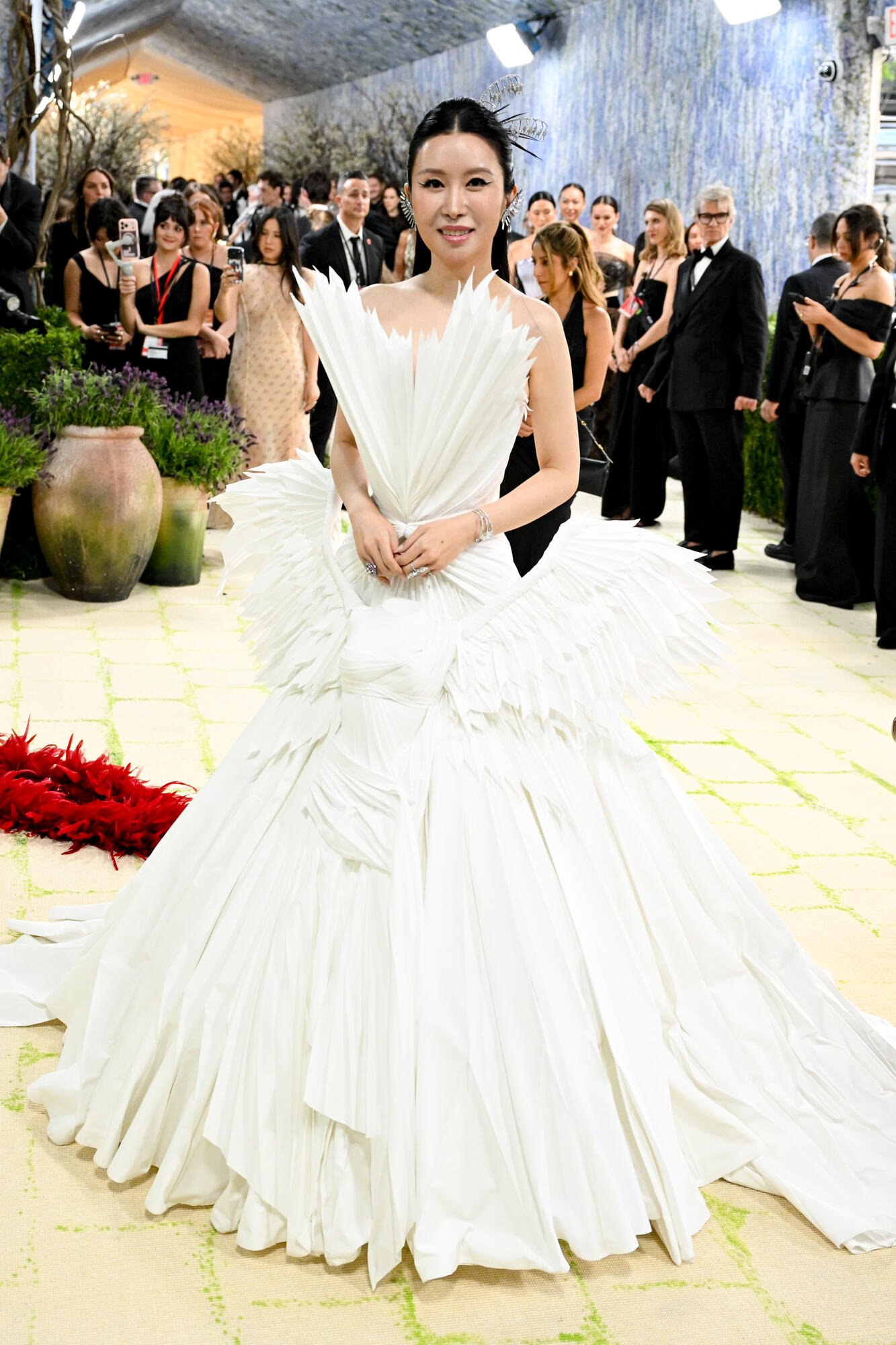
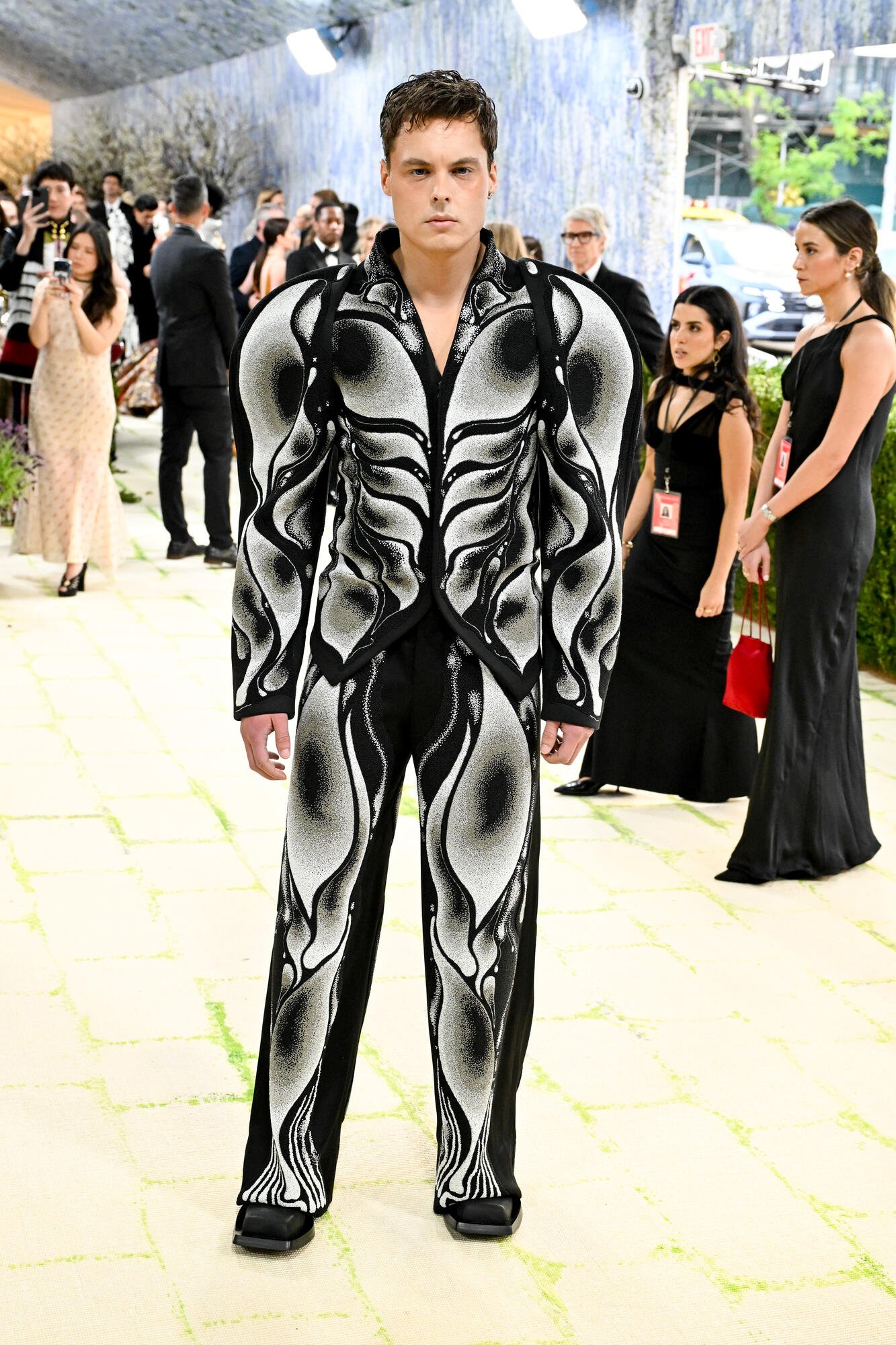
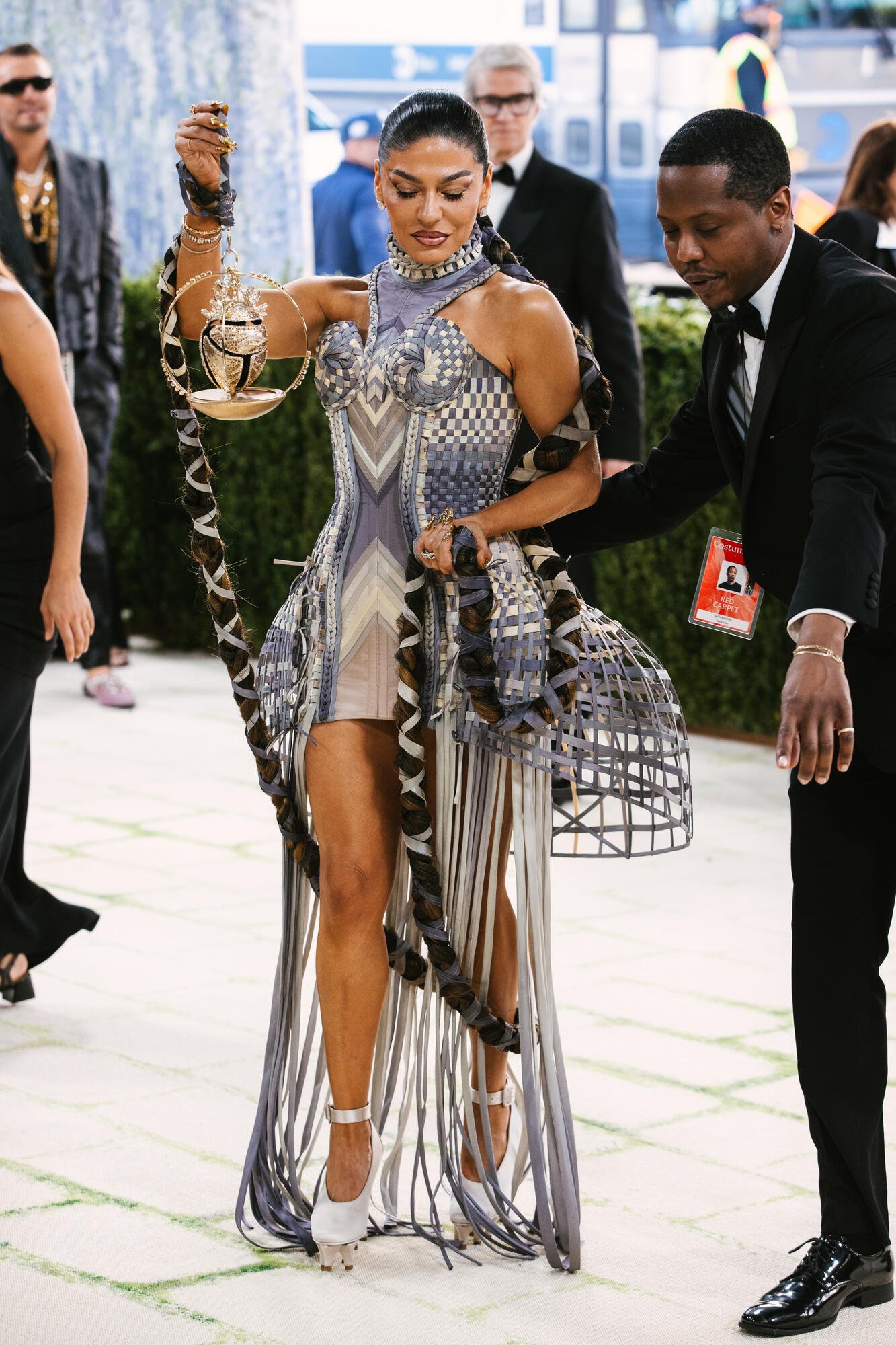
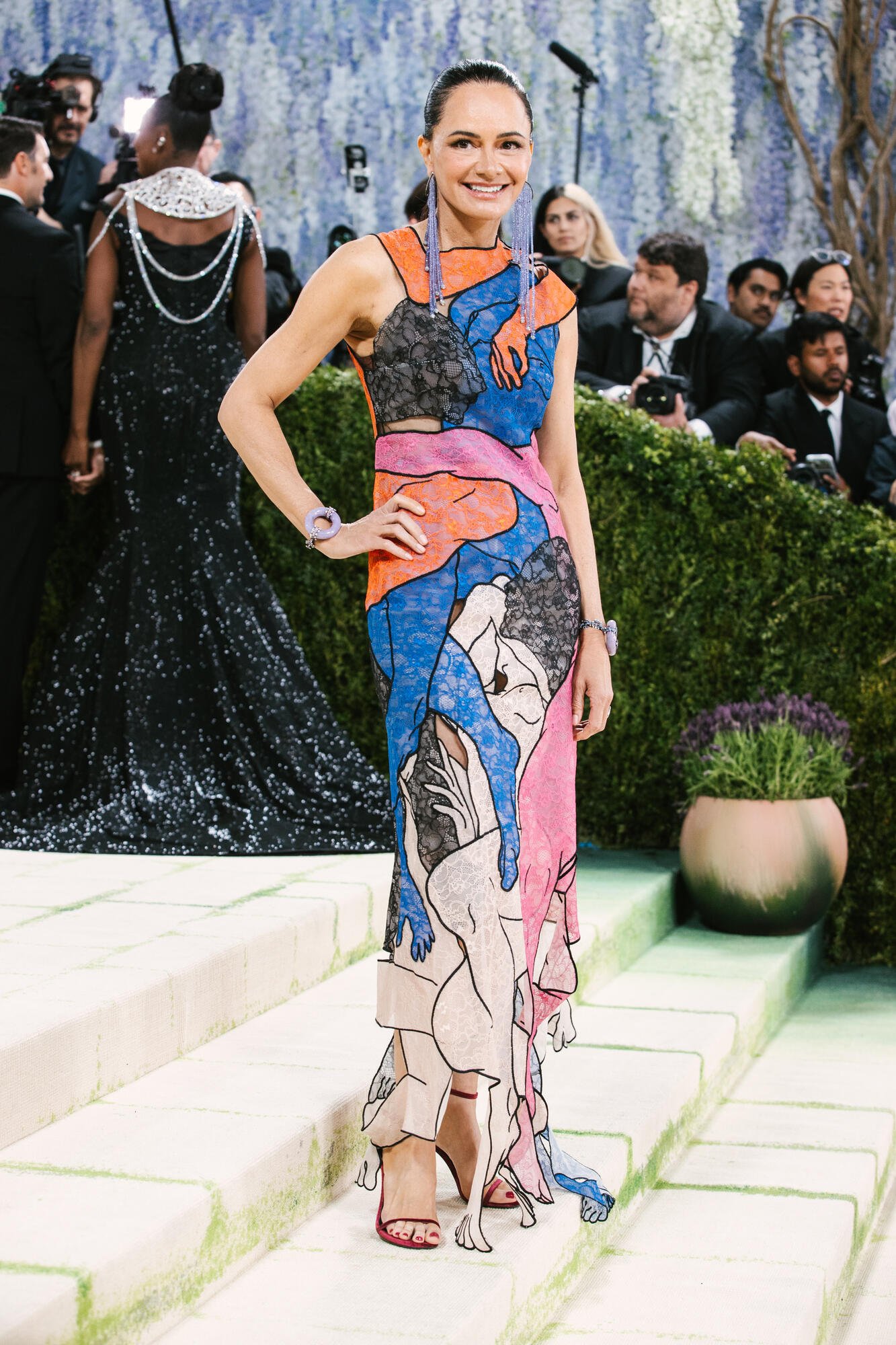
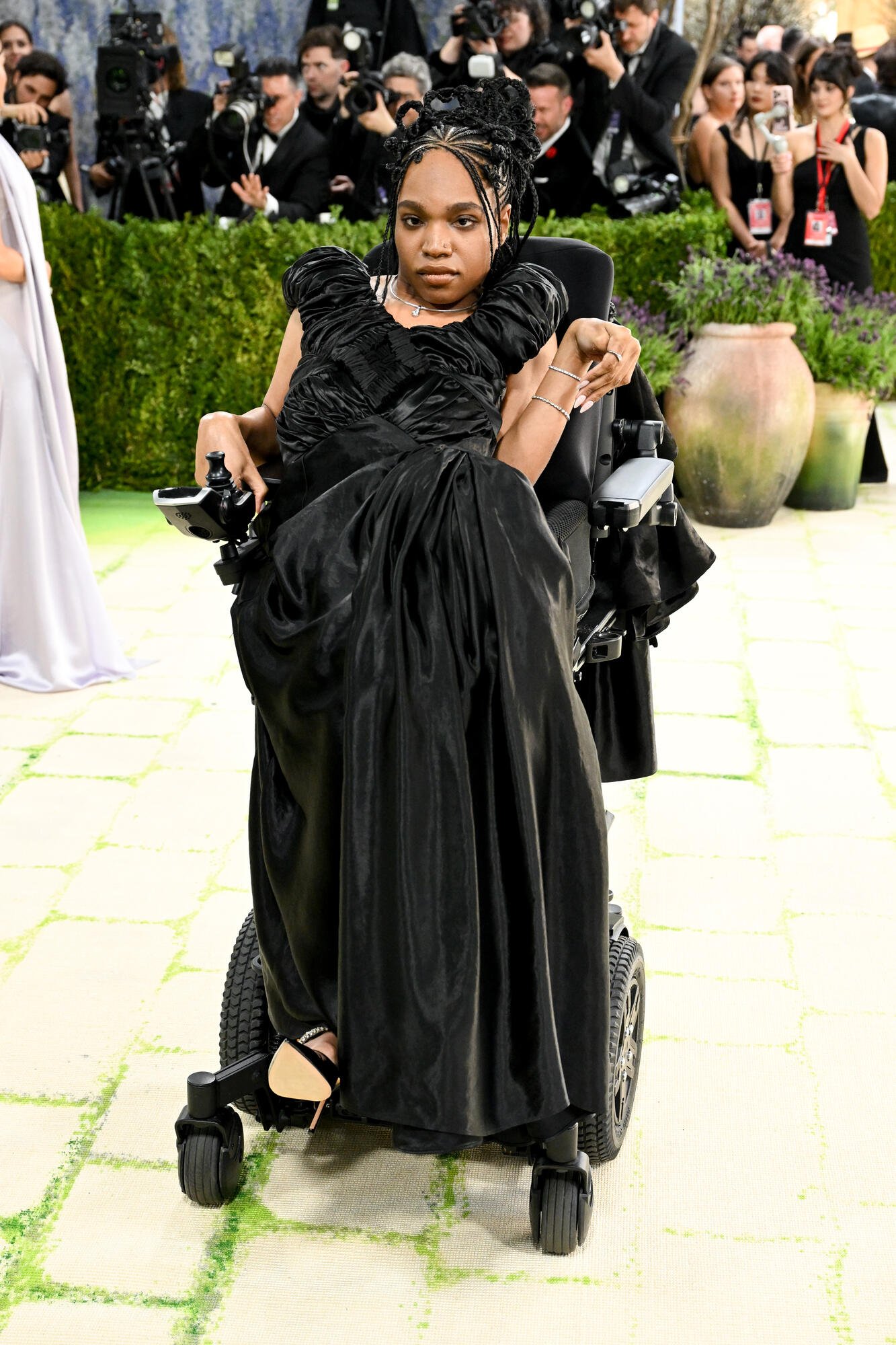
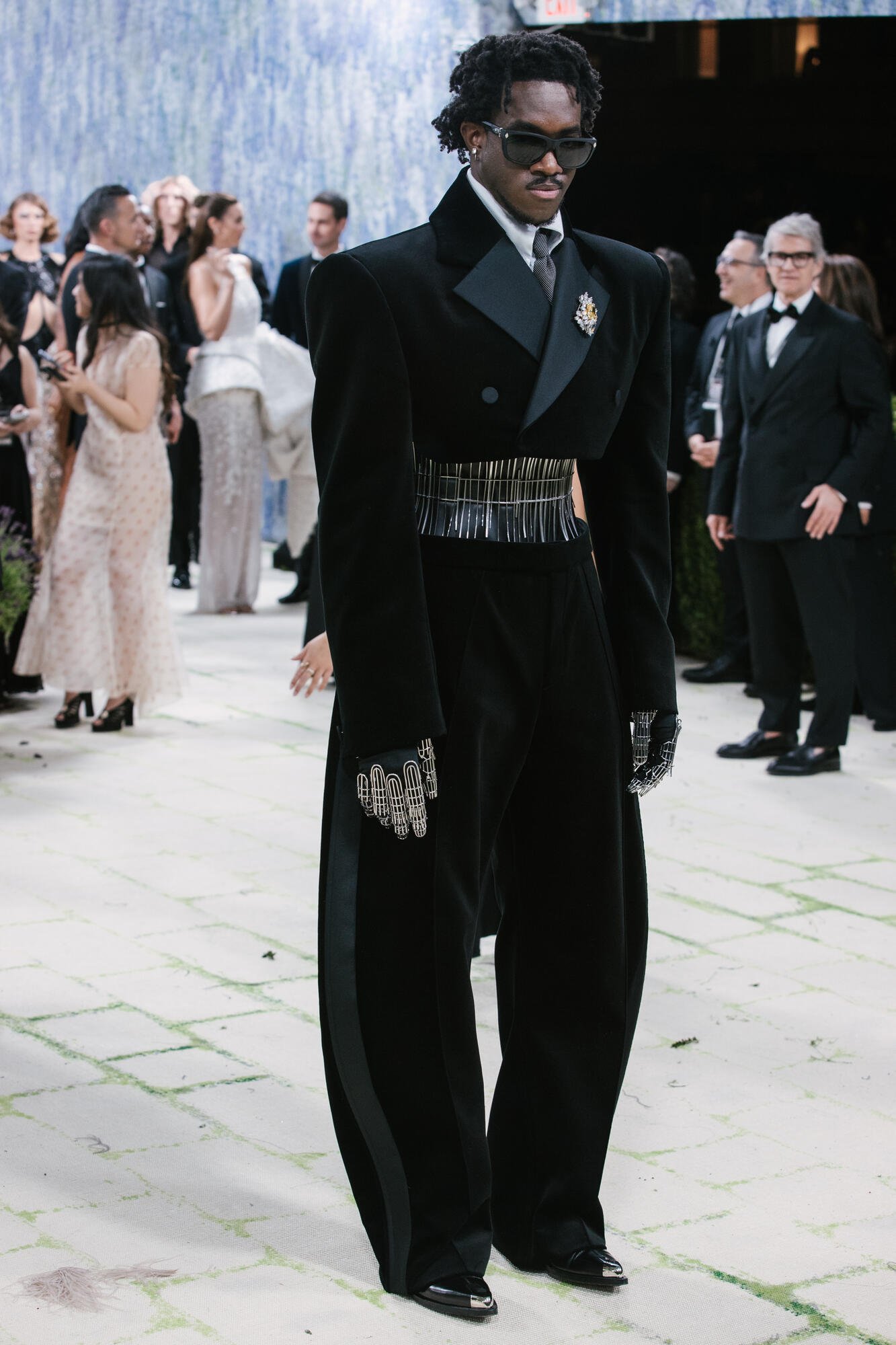
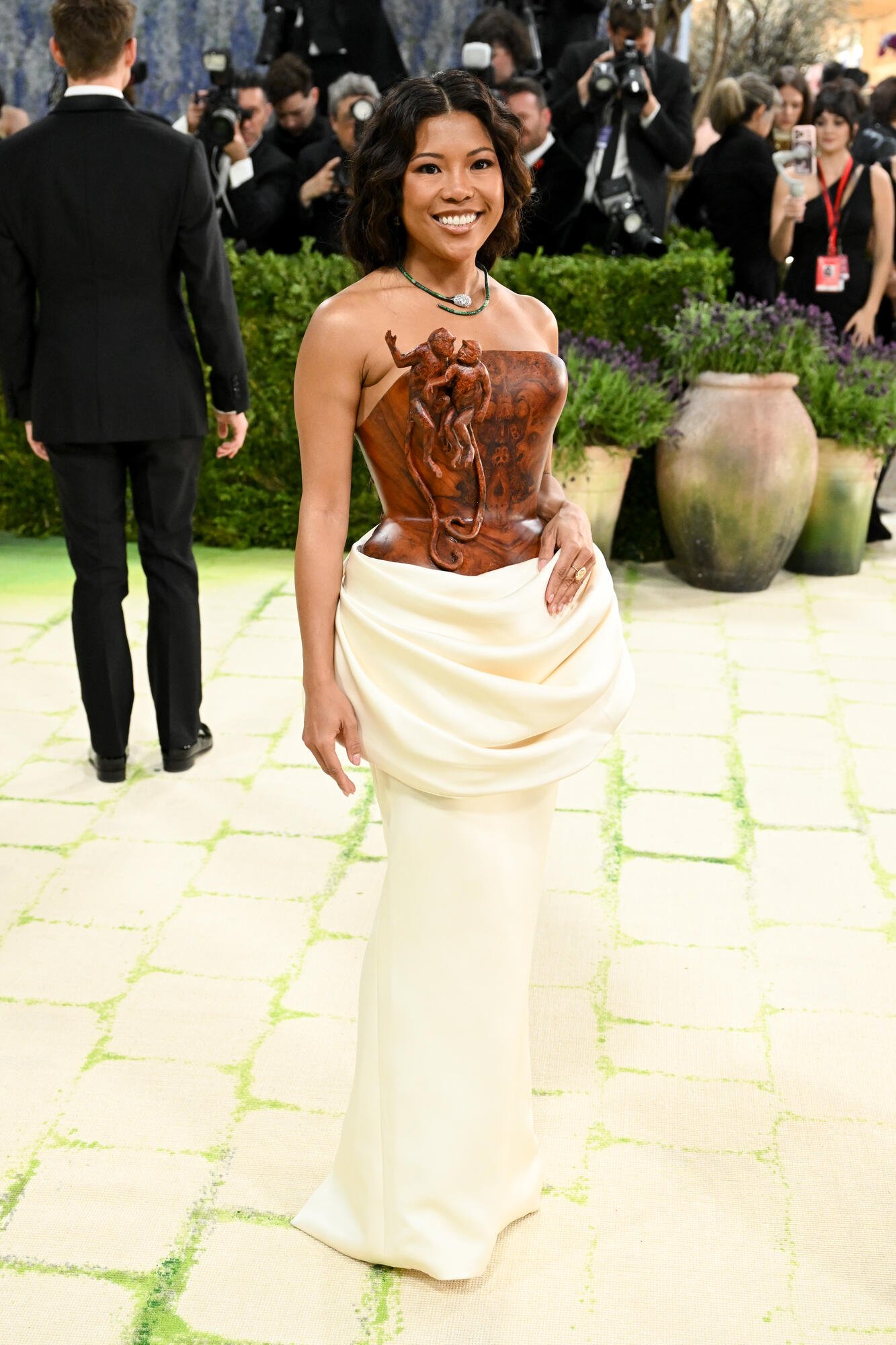
The strongest visual thread of the night was unmistakable: the human form itself became the focal point.
- sculptural silhouettes exaggerating anatomy
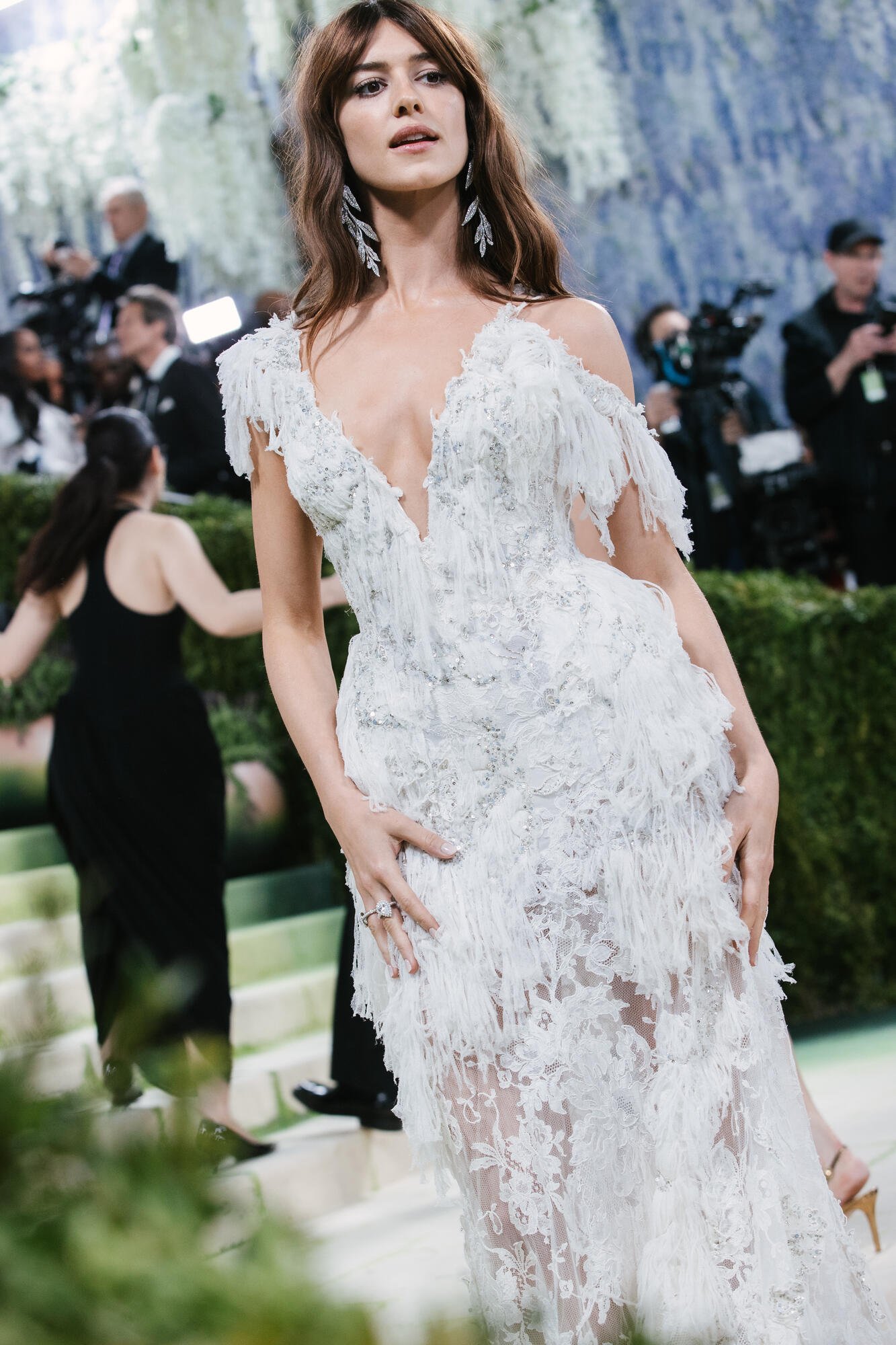
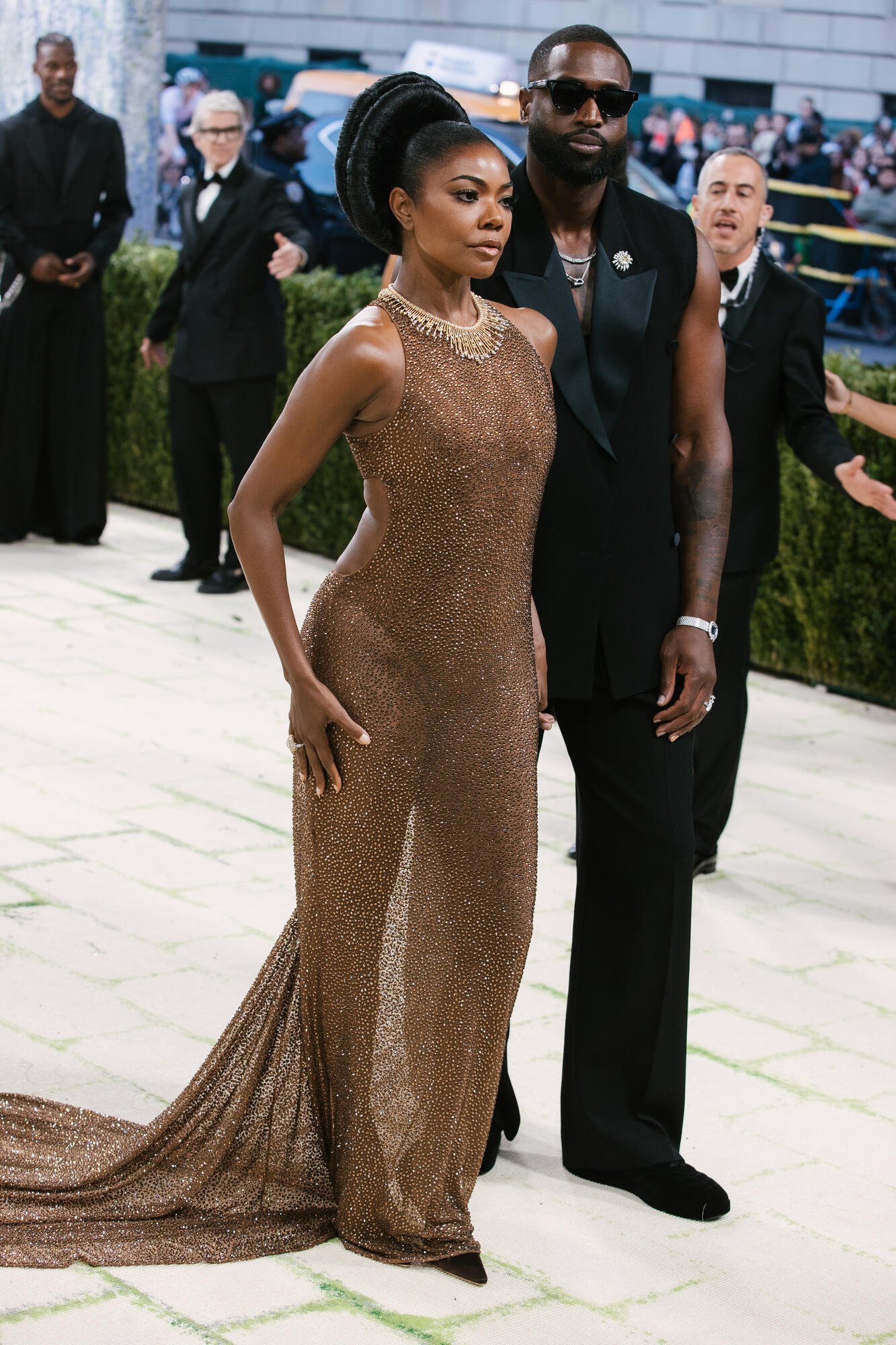
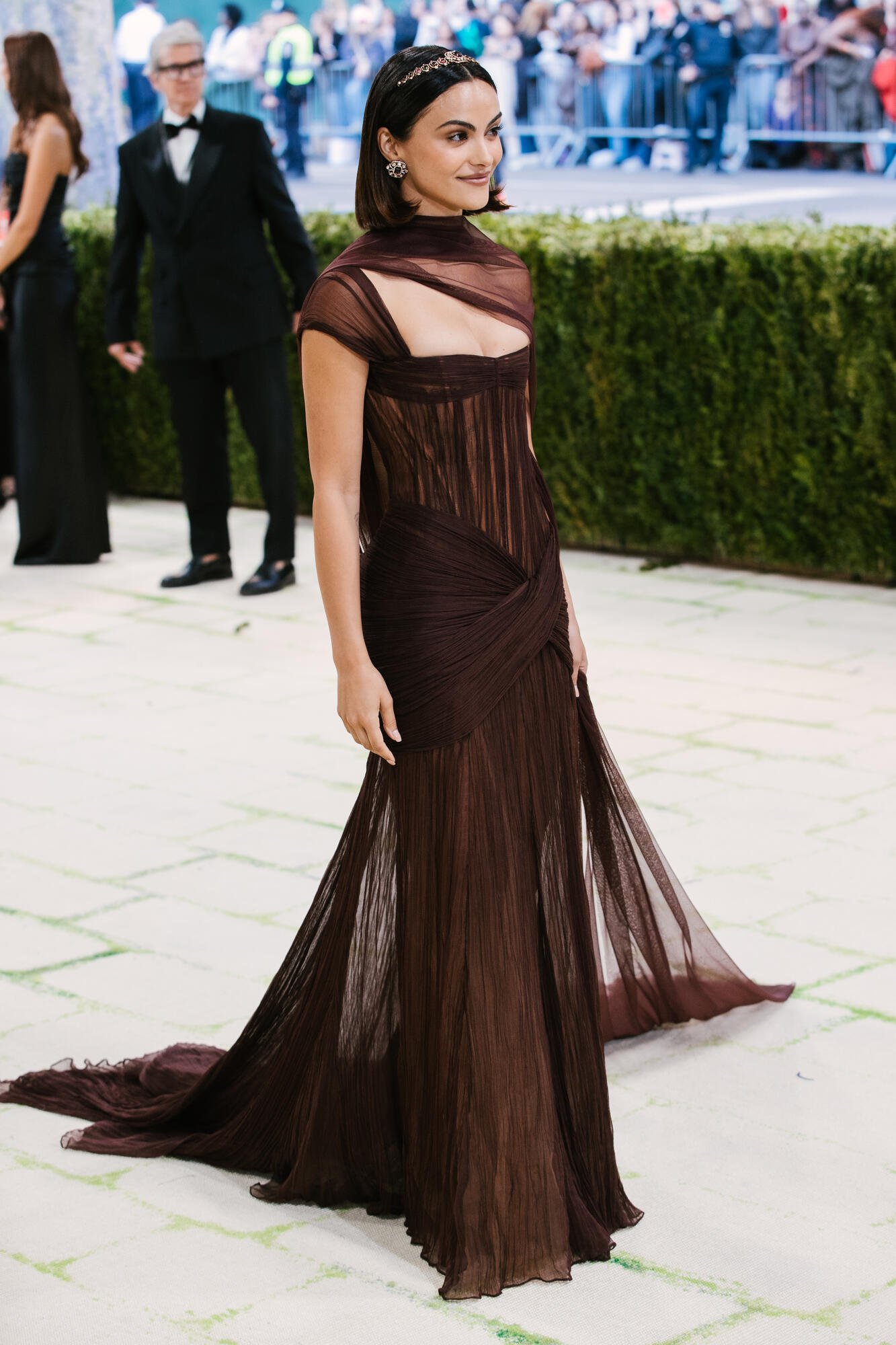
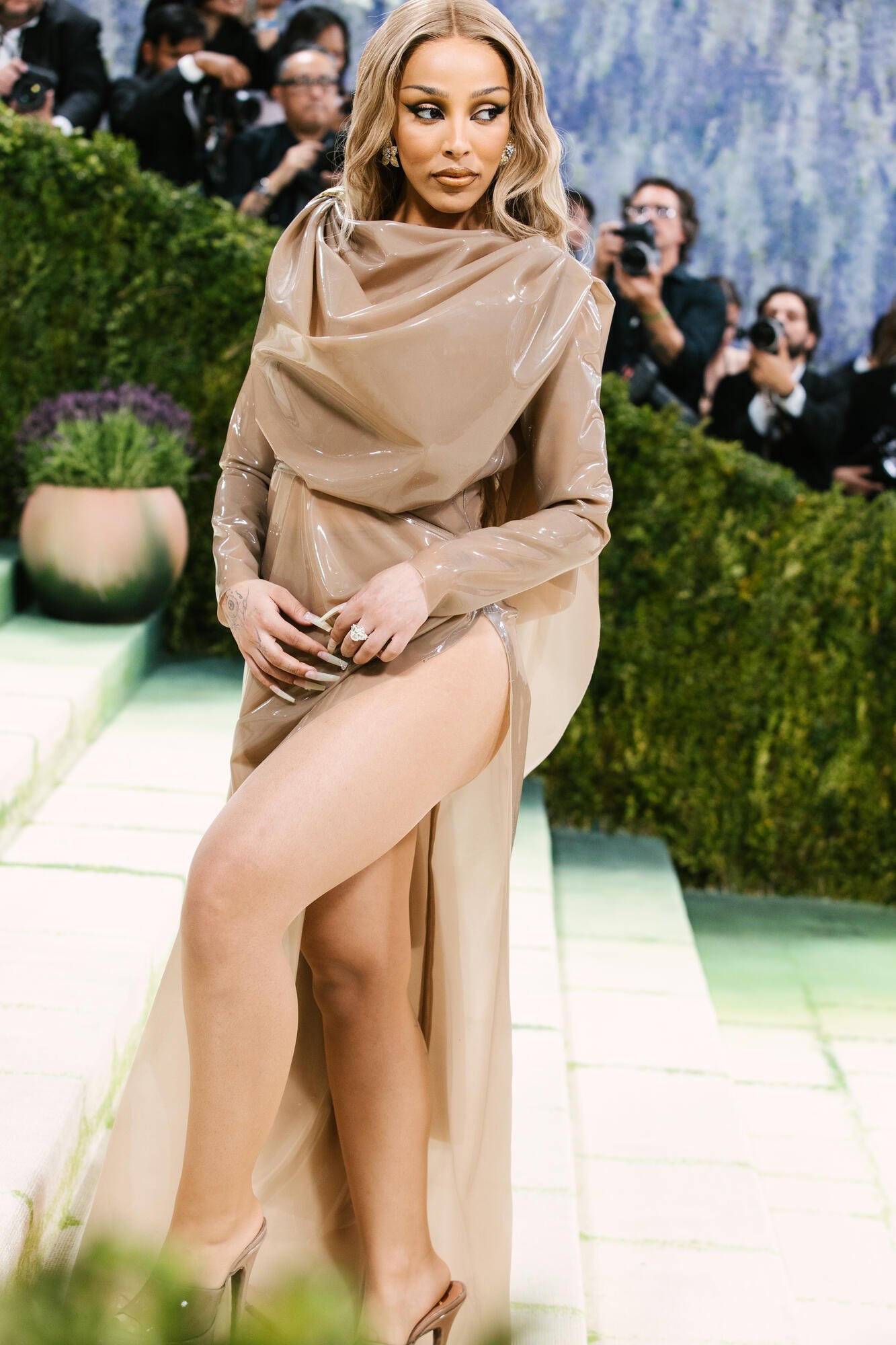
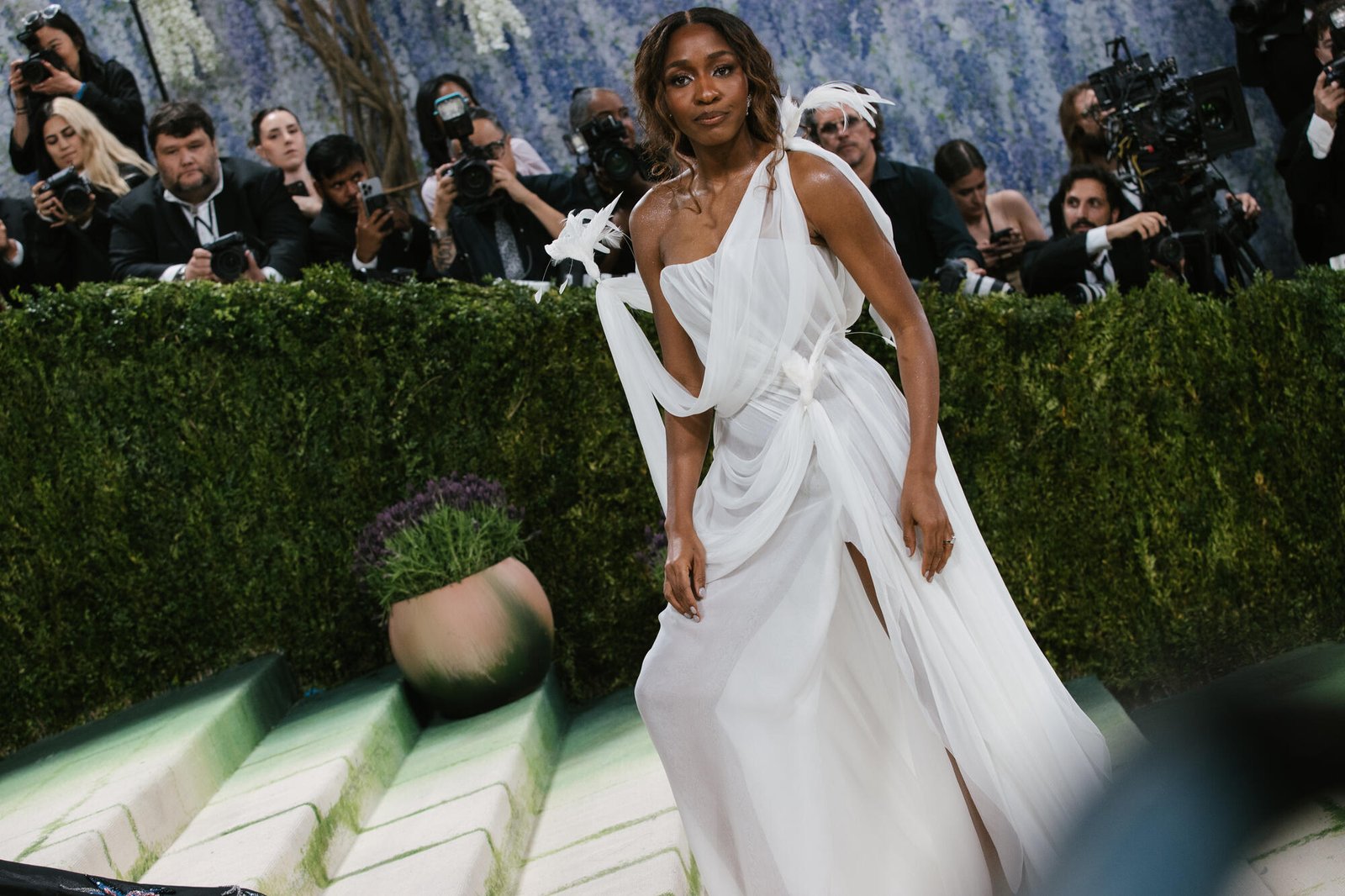
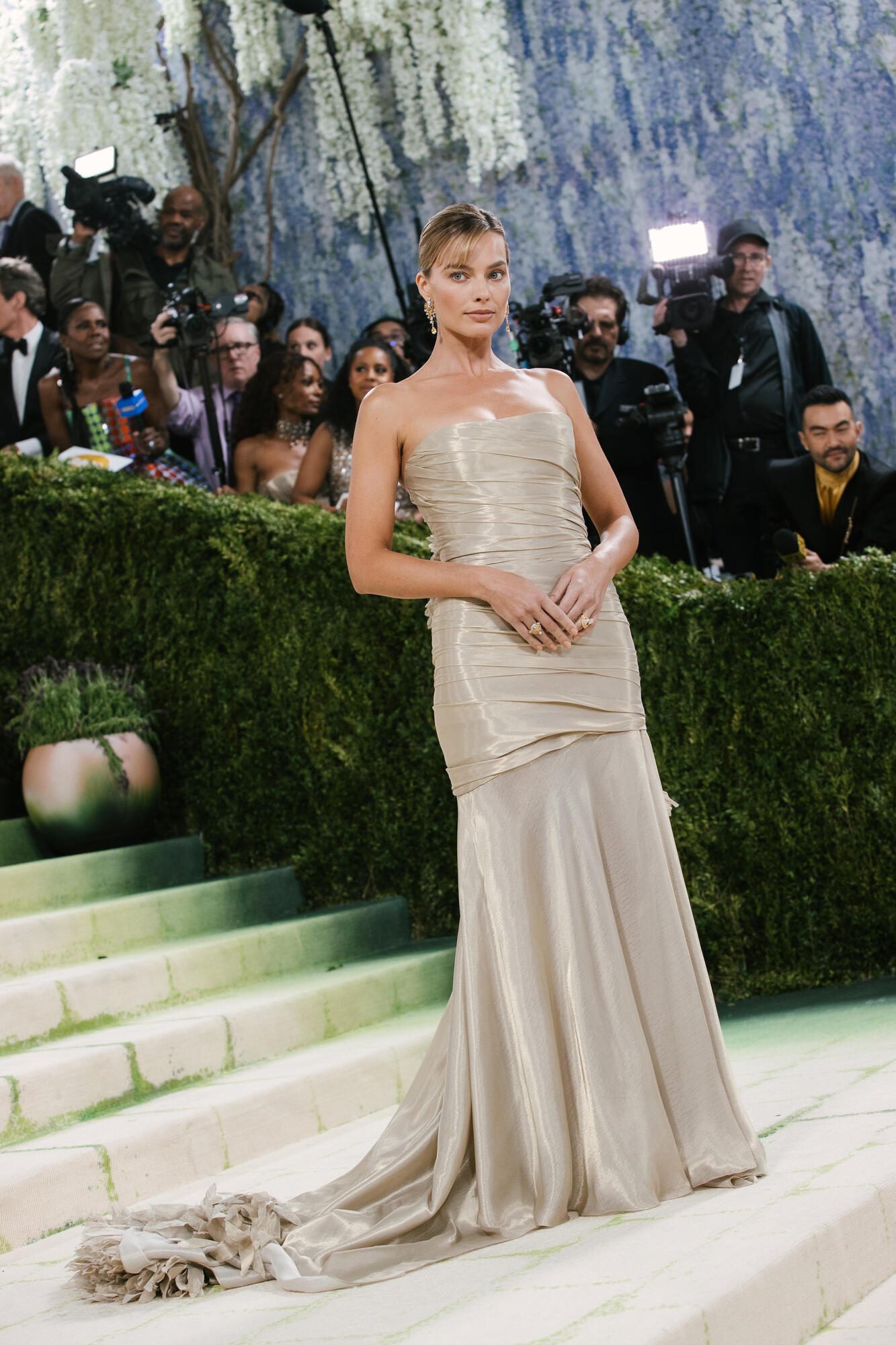
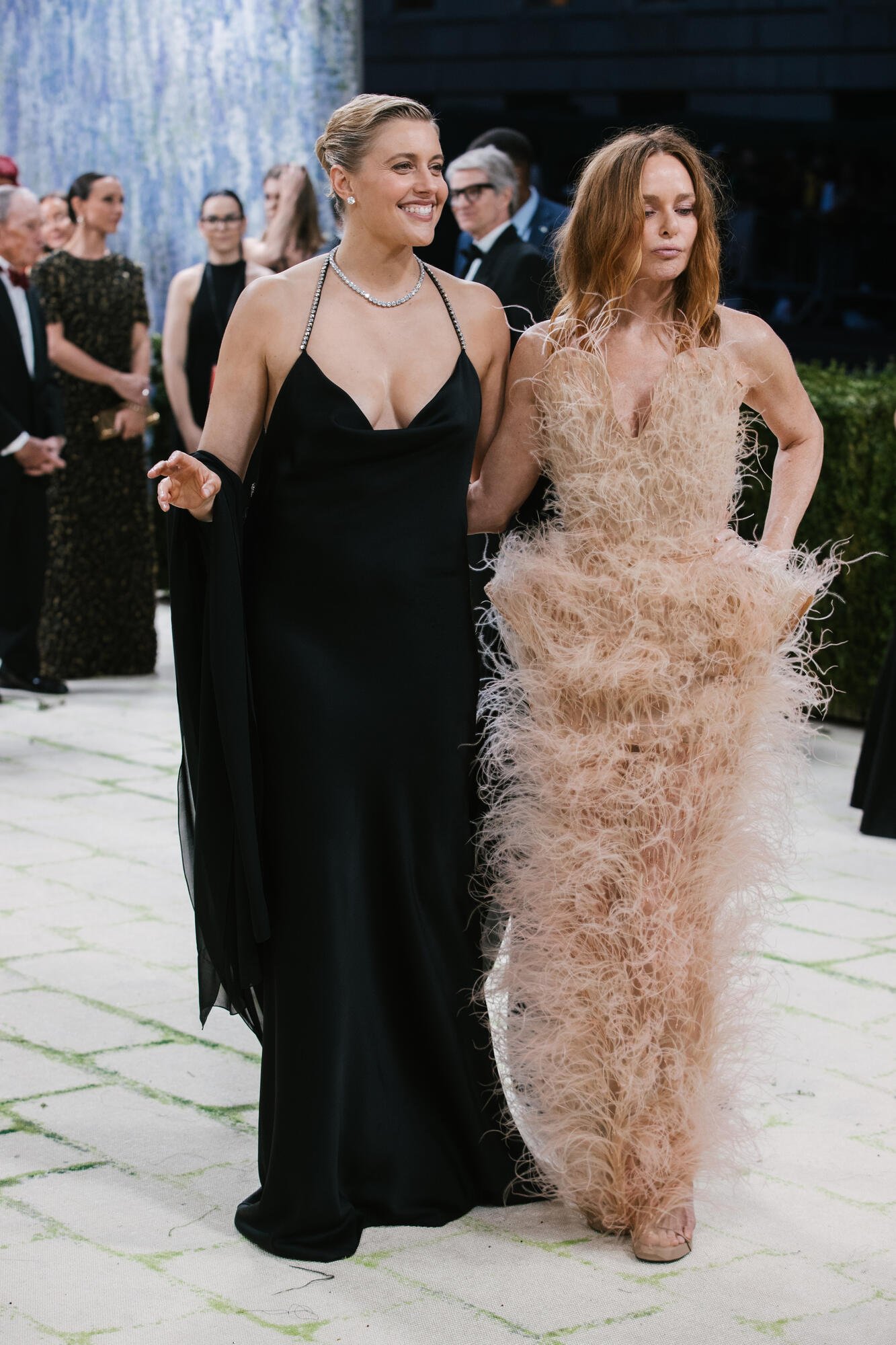
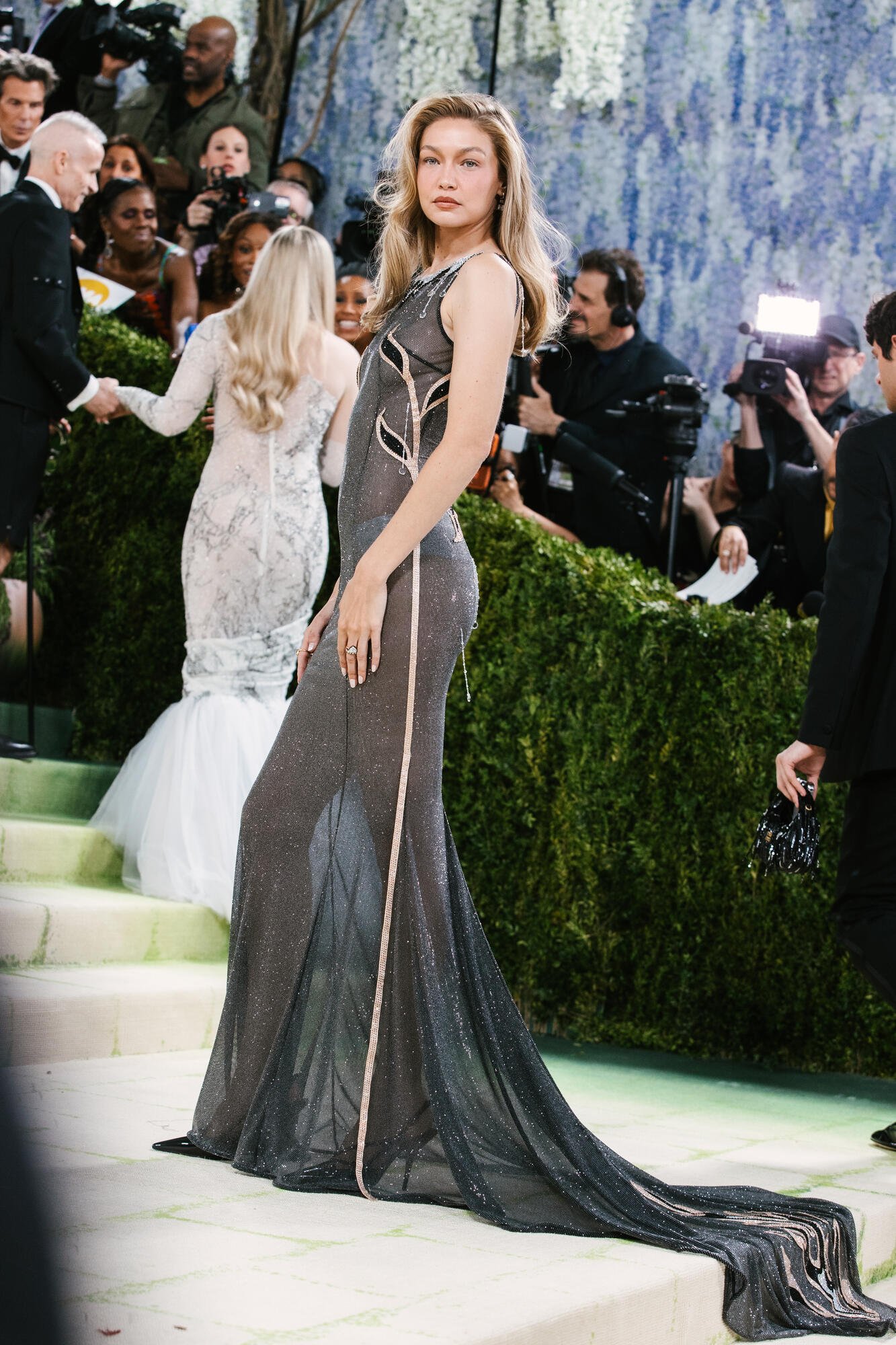
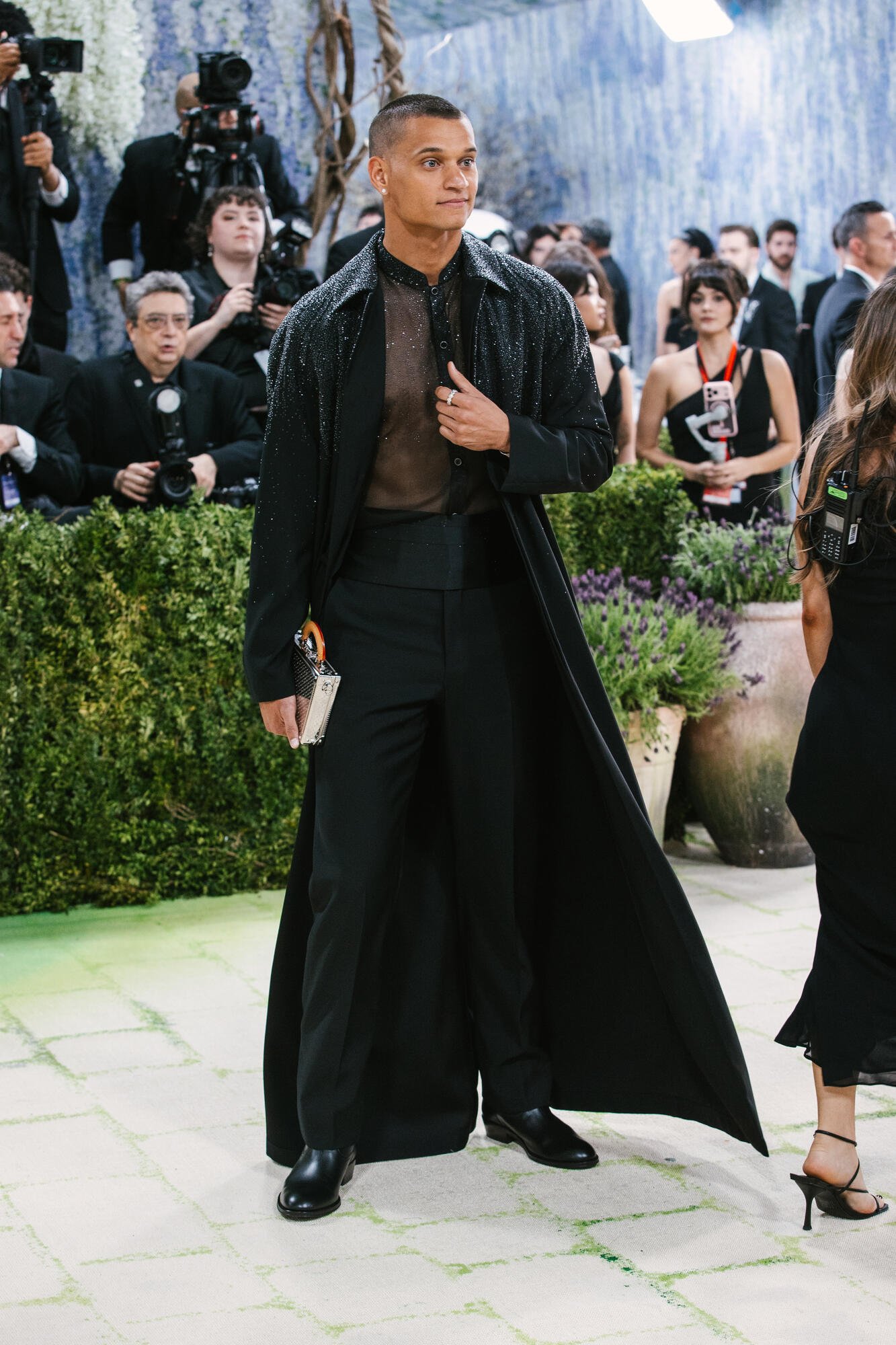
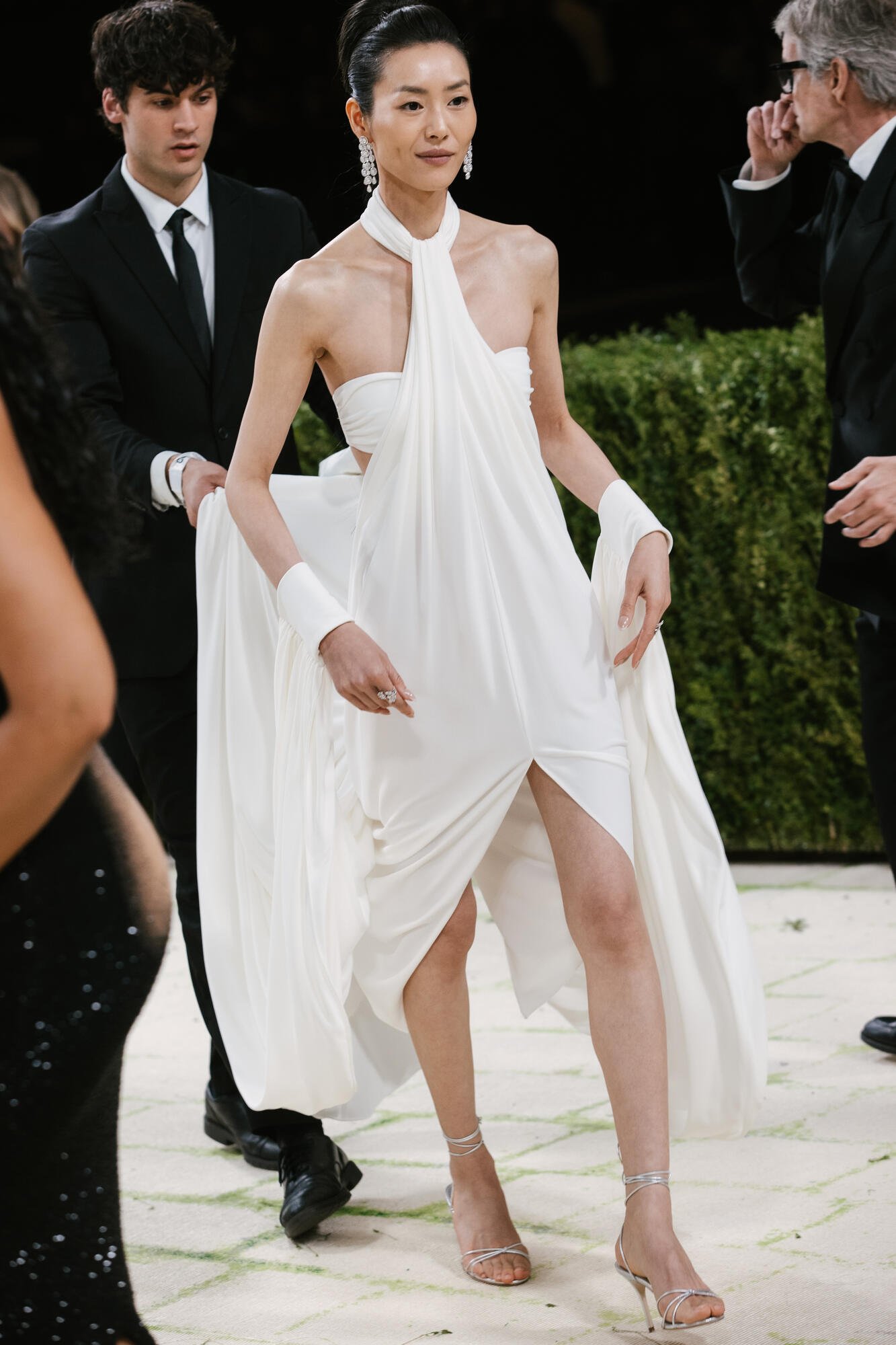
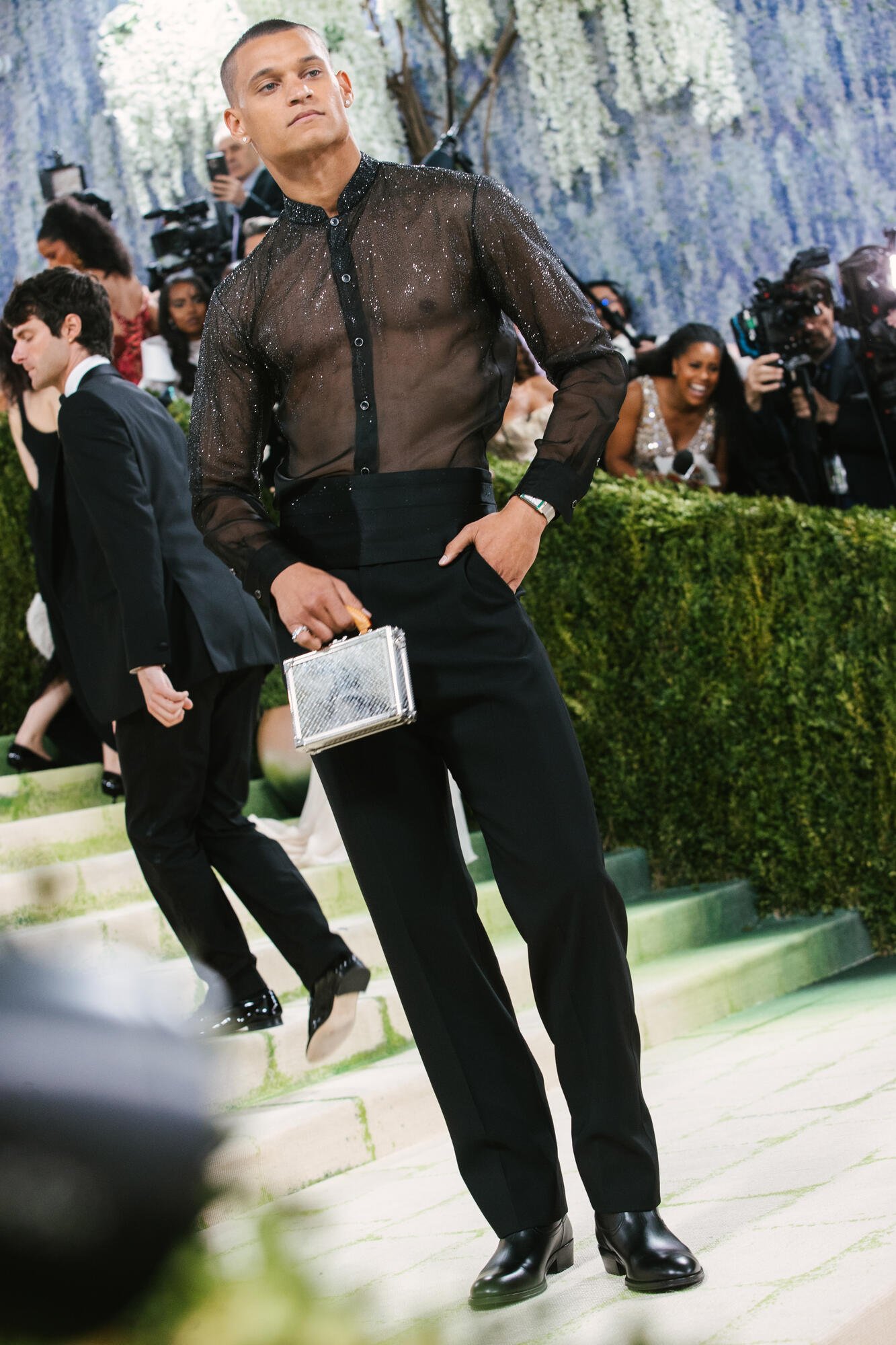
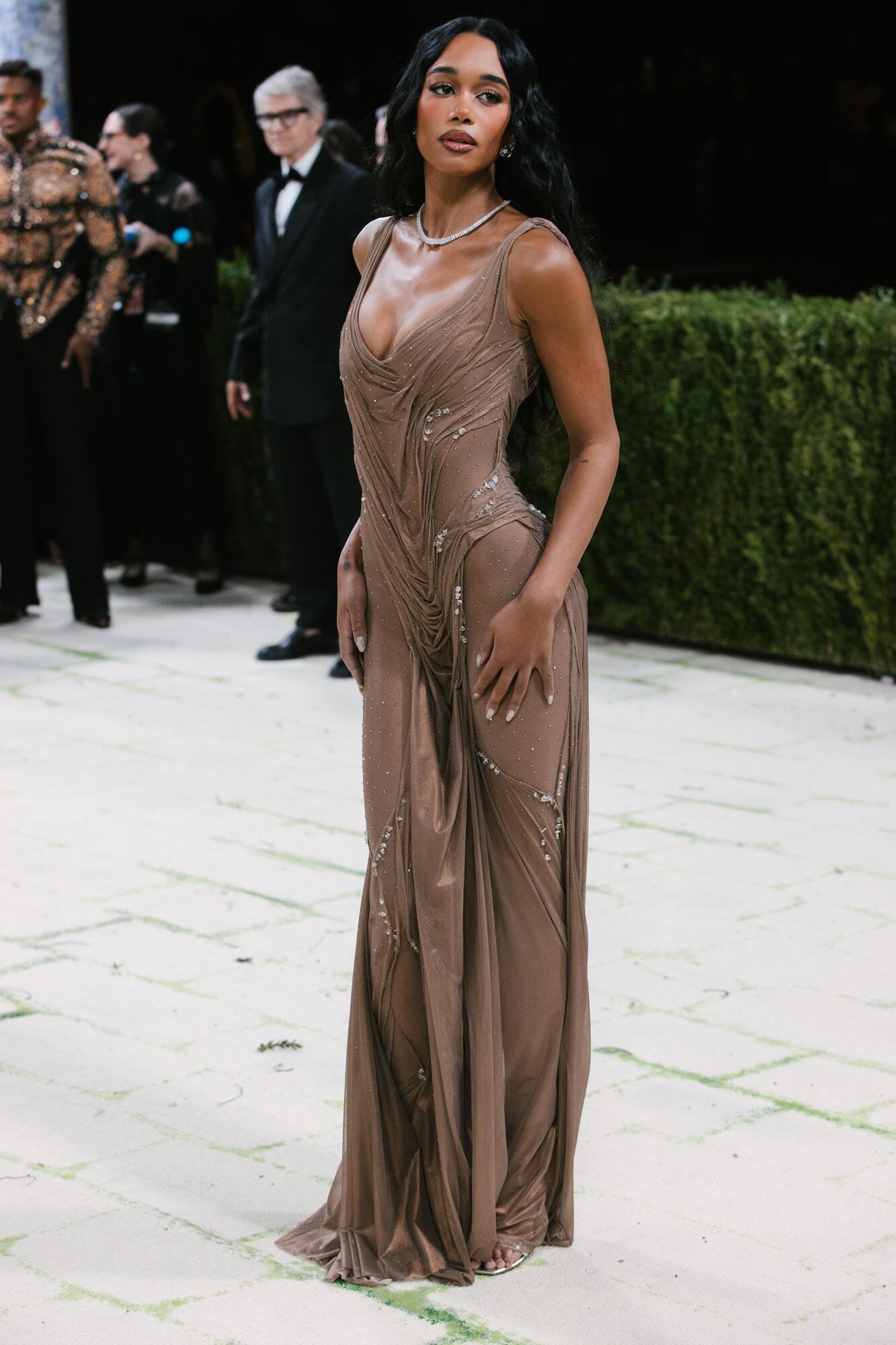
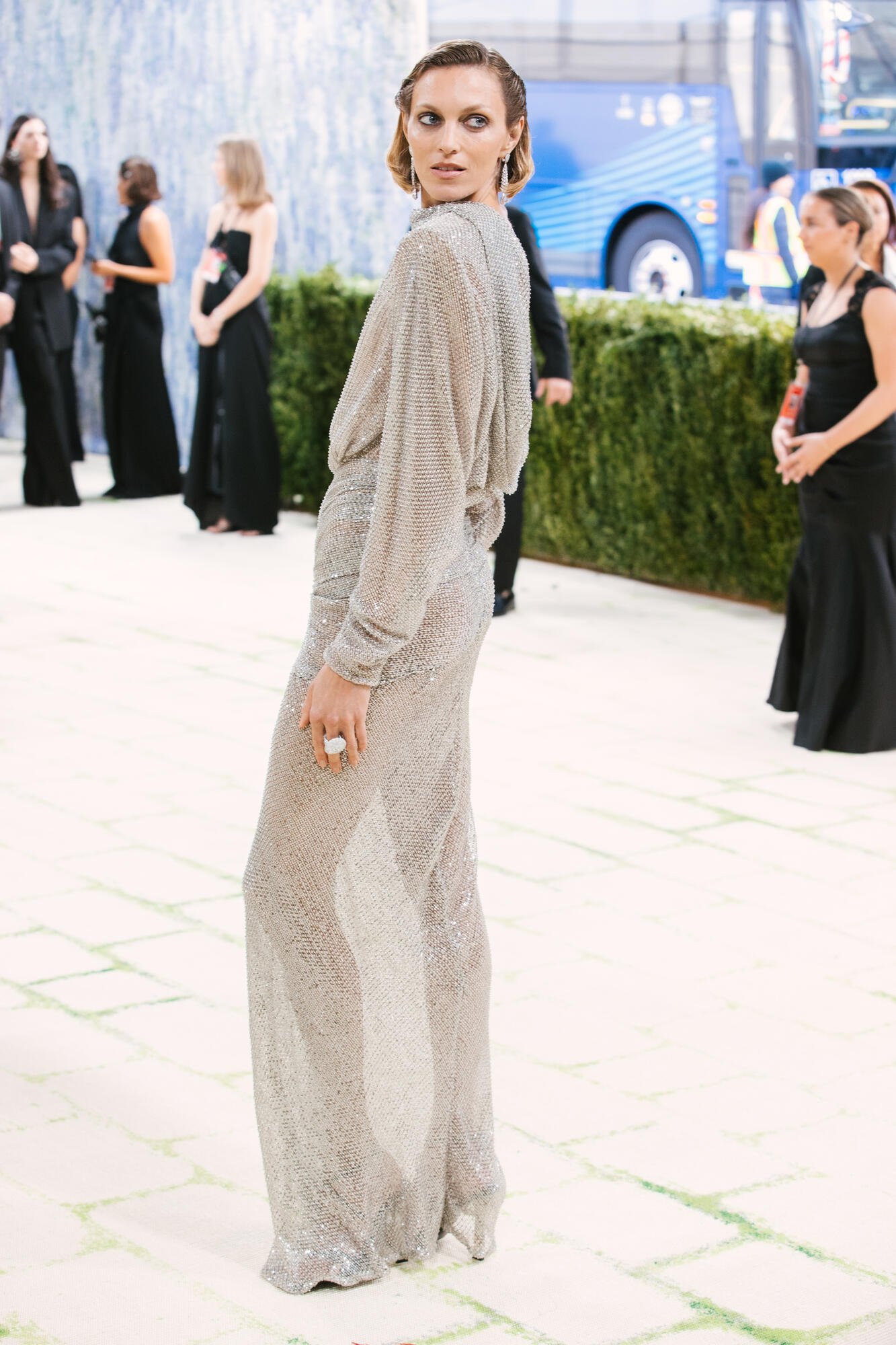
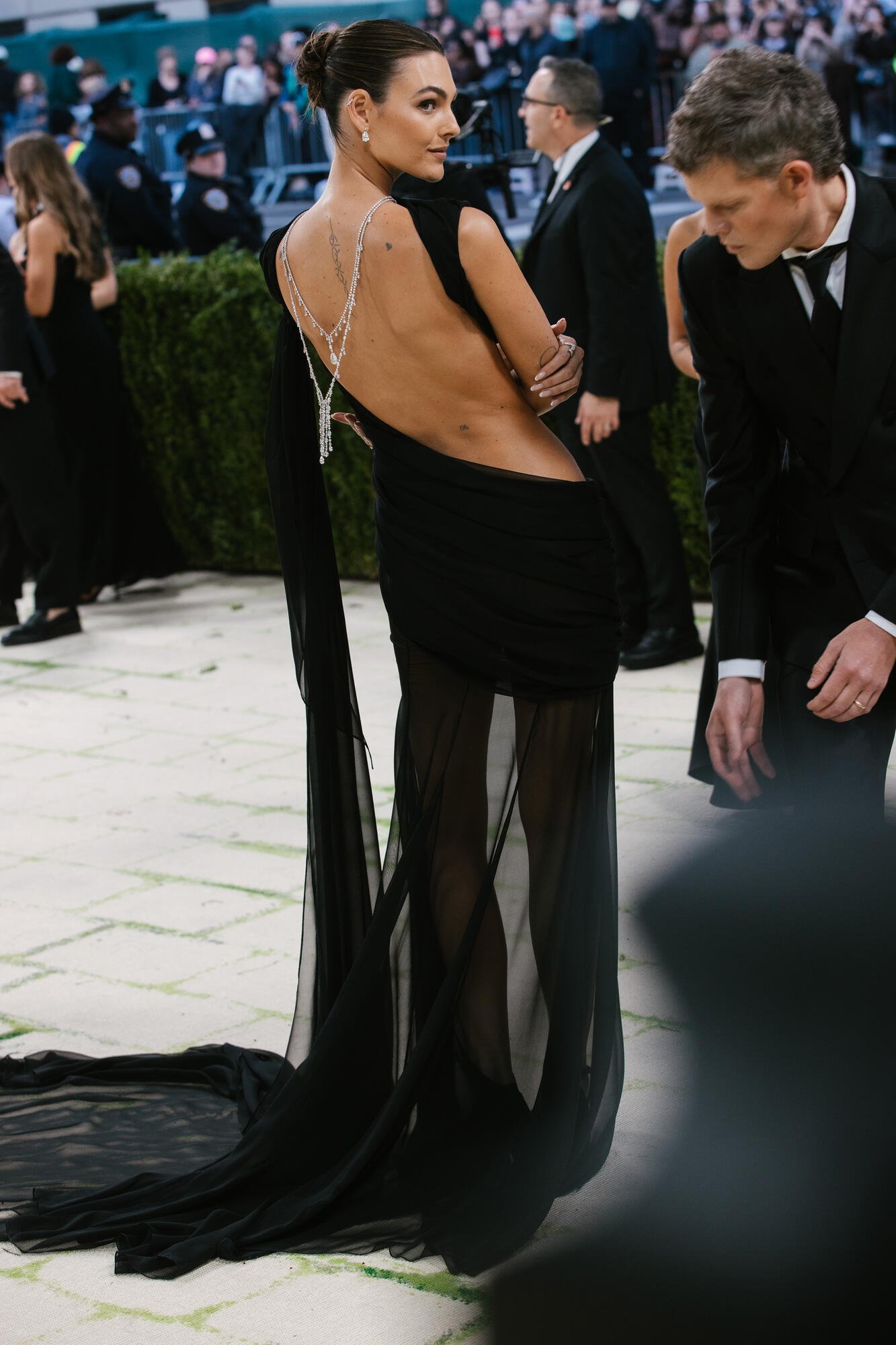
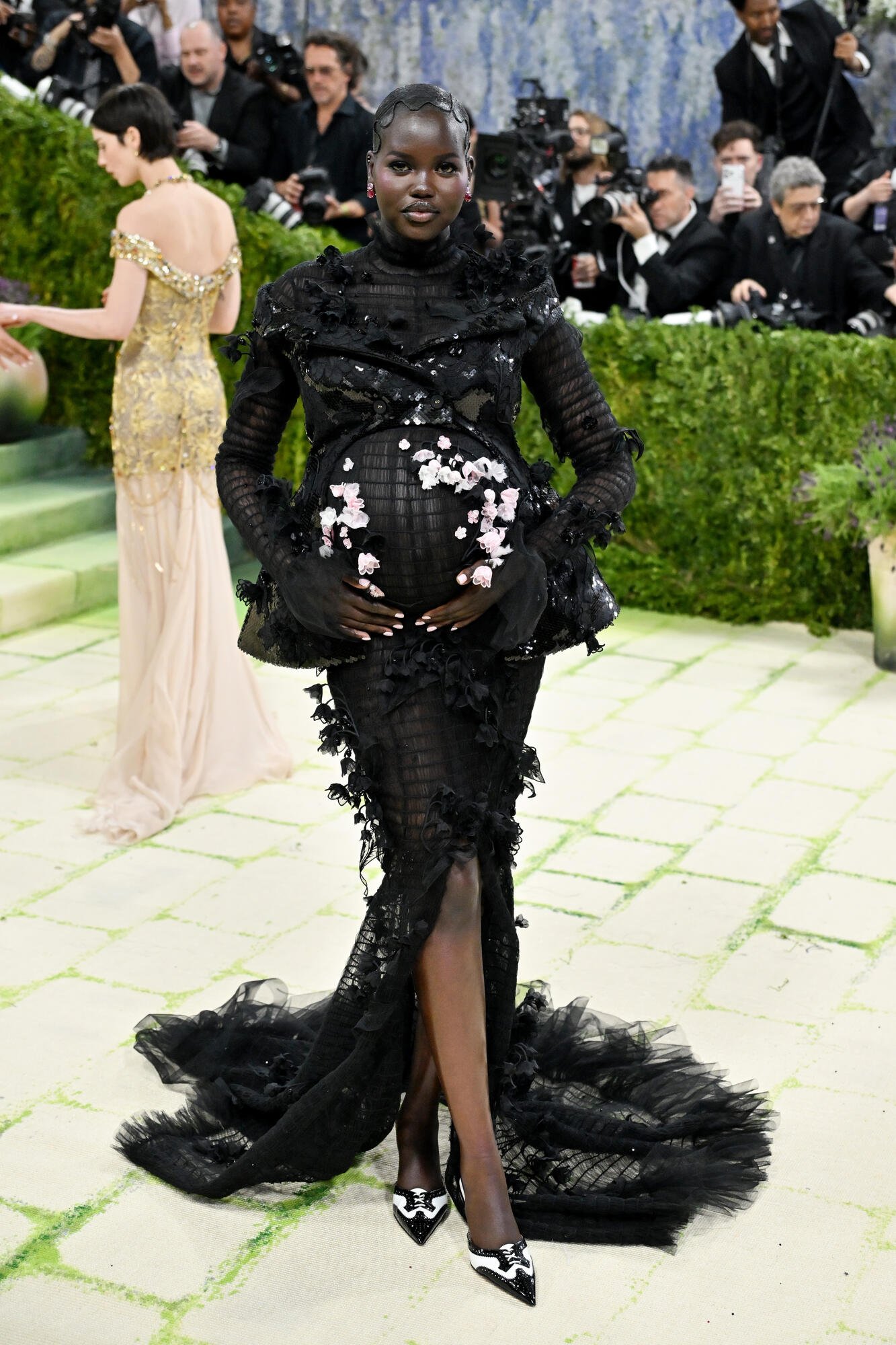
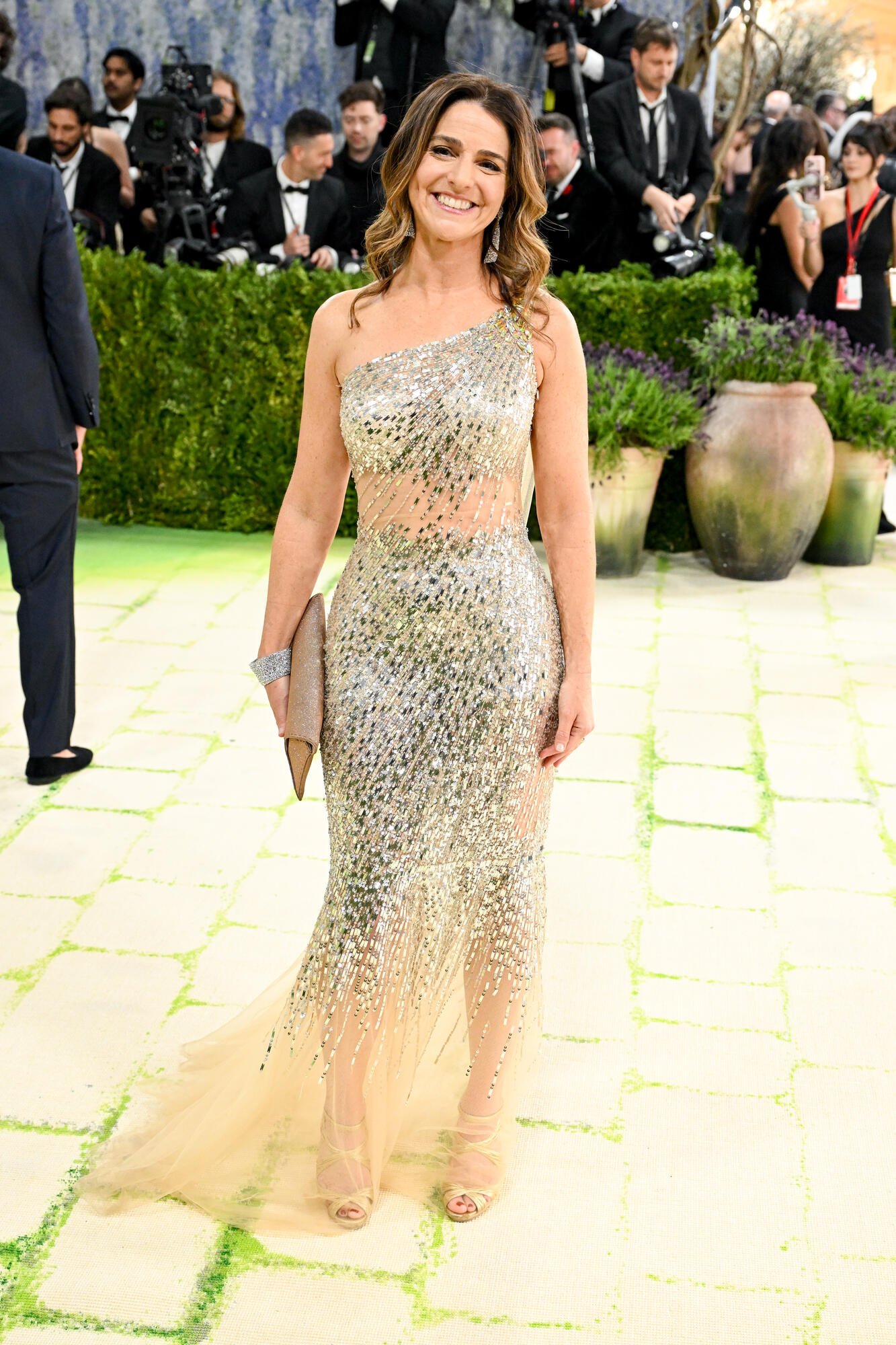
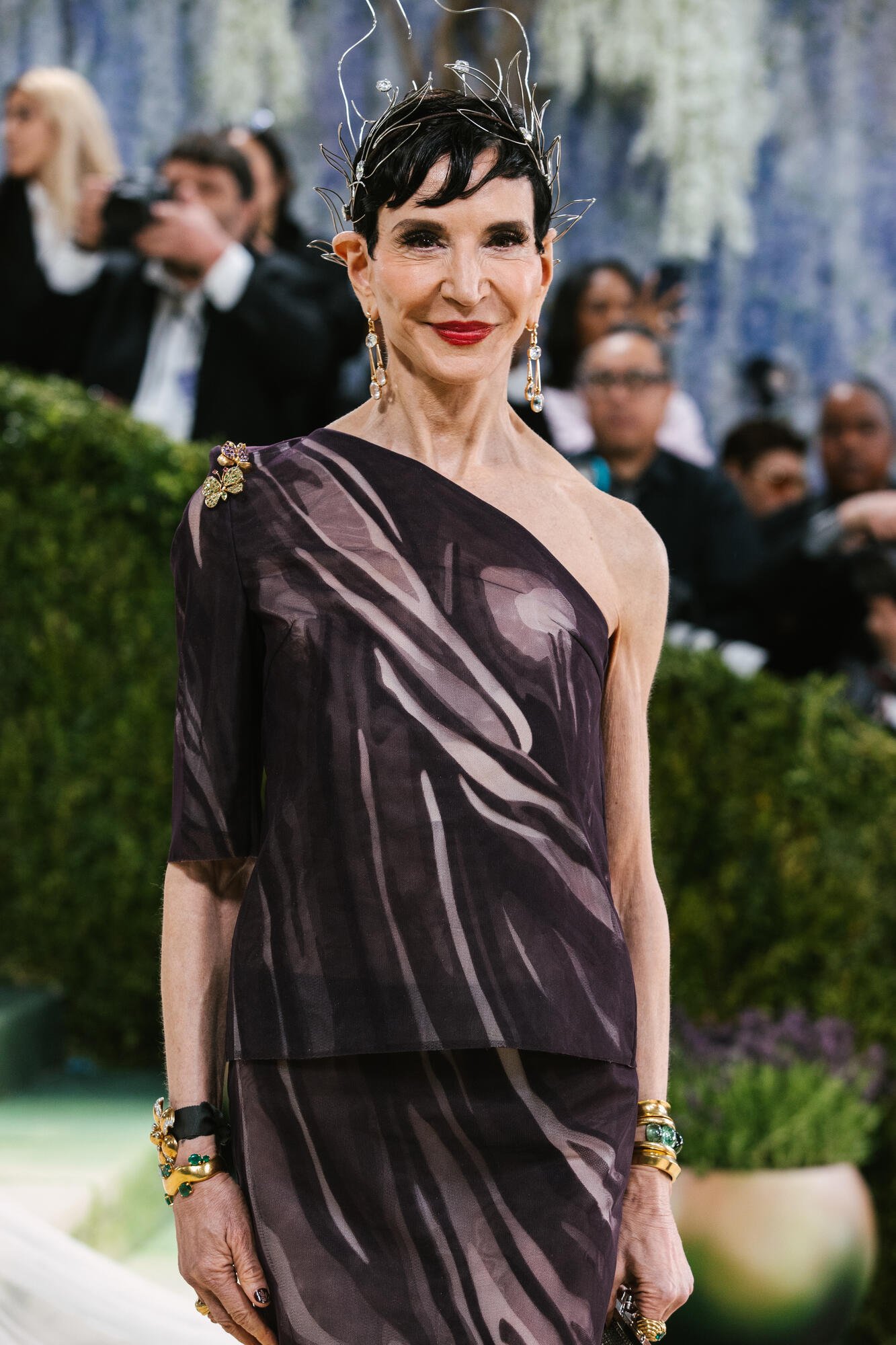
- sheer and “naked” constructions referencing classical art
- garments designed to highlight, distort, or frame the body
Rather than shock value, these looks reflected the exhibition’s deeper message — that the body in fashion is always culturally coded and never neutral.
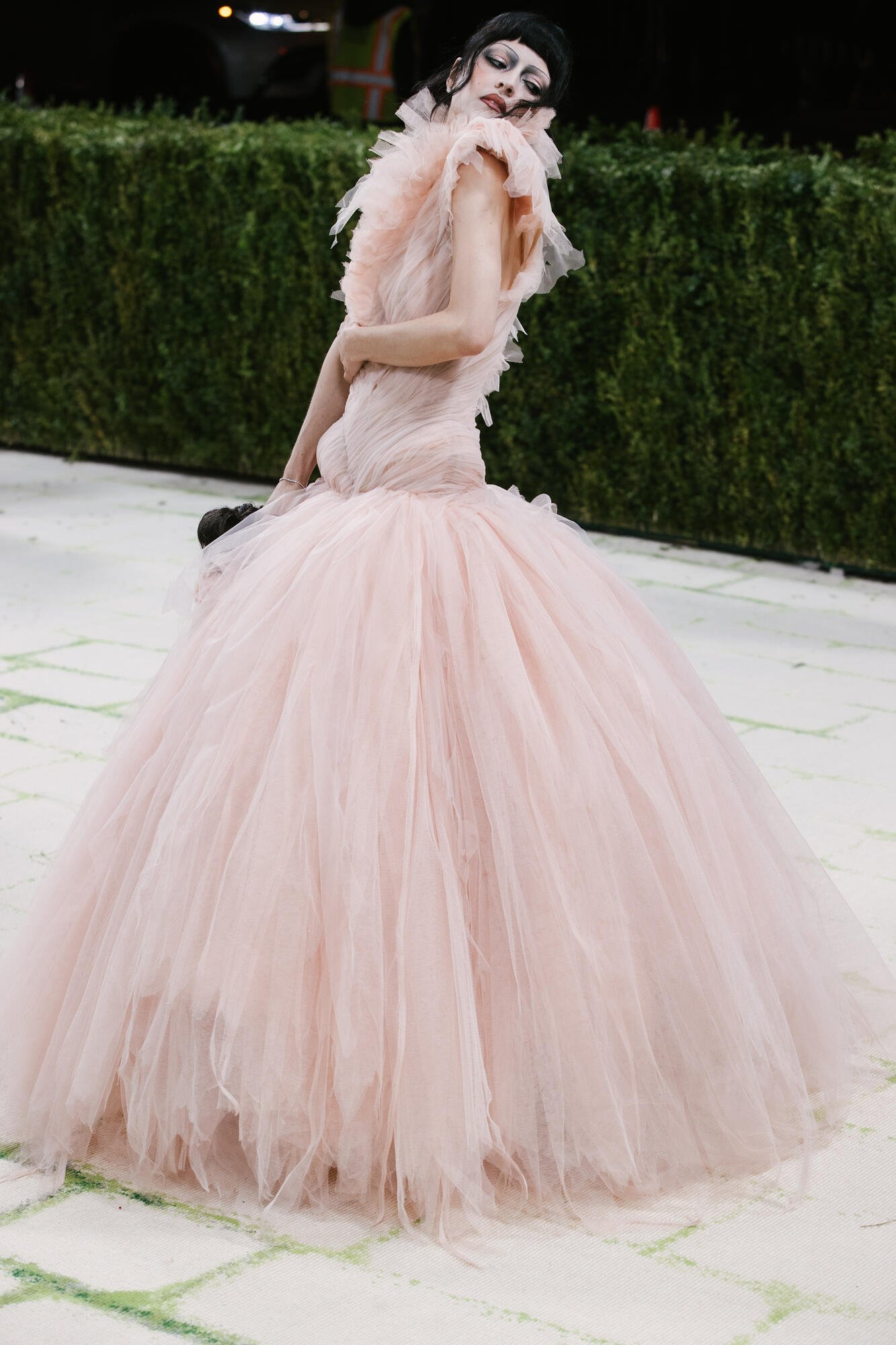
Couture as Spectacle
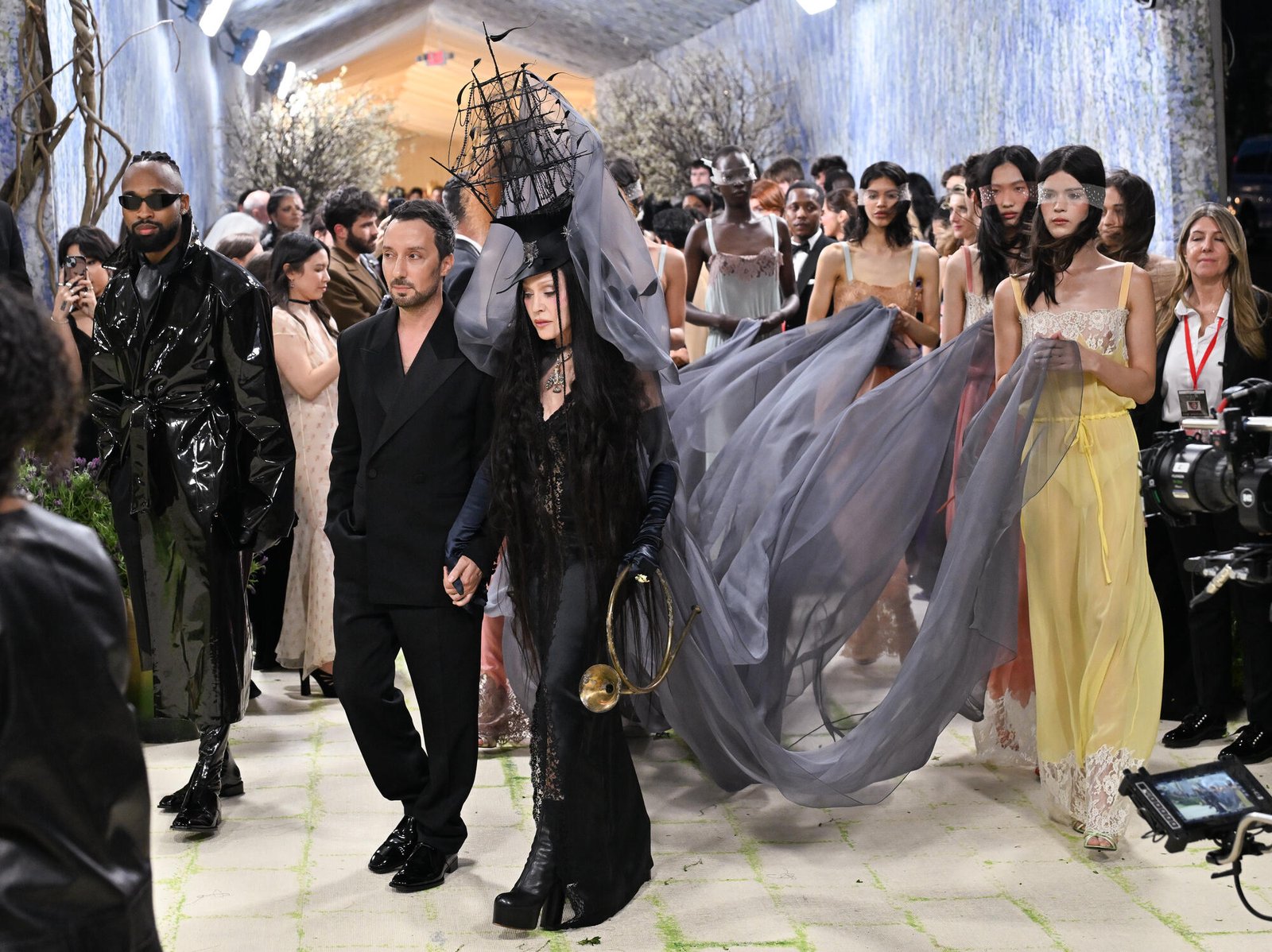
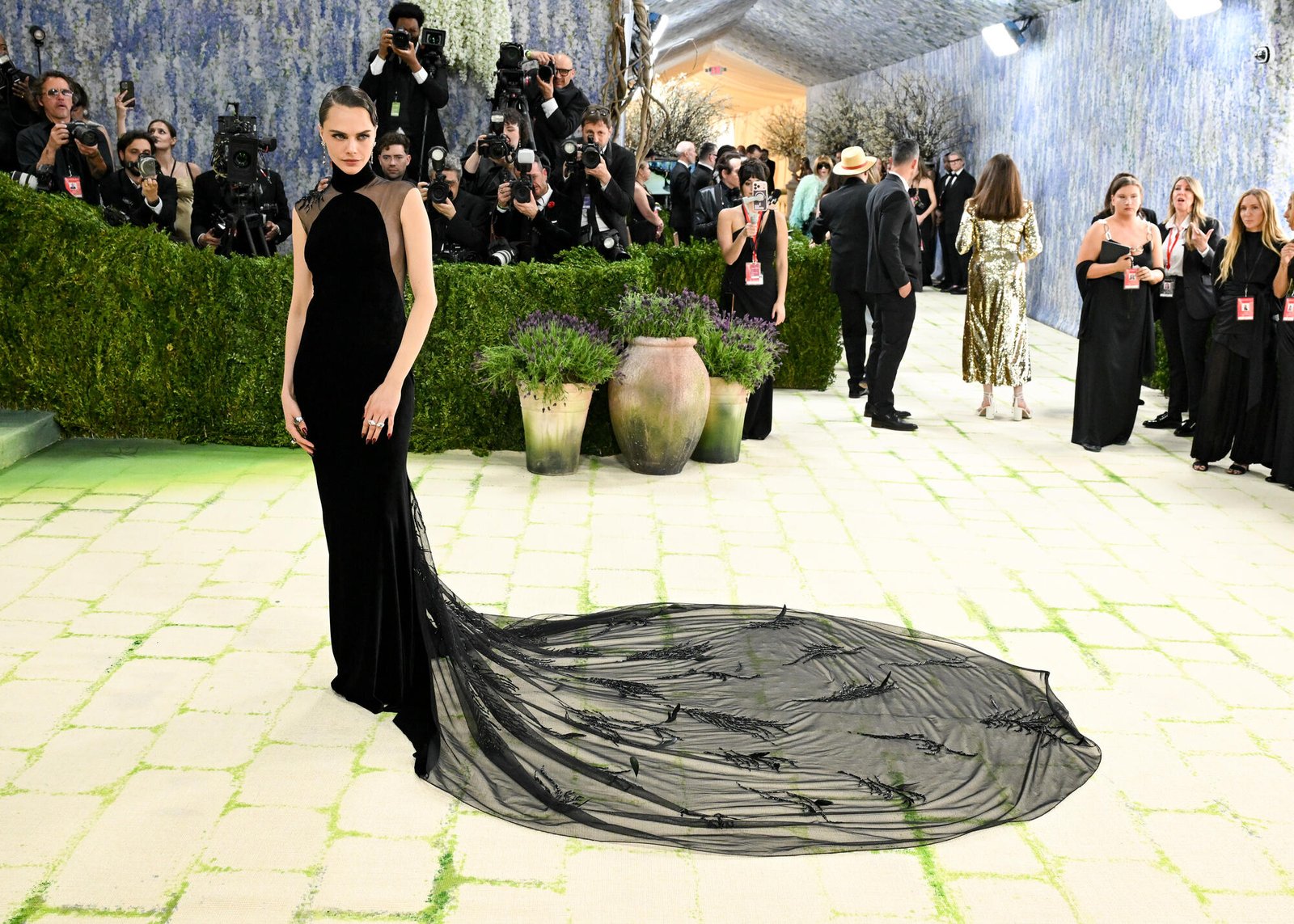
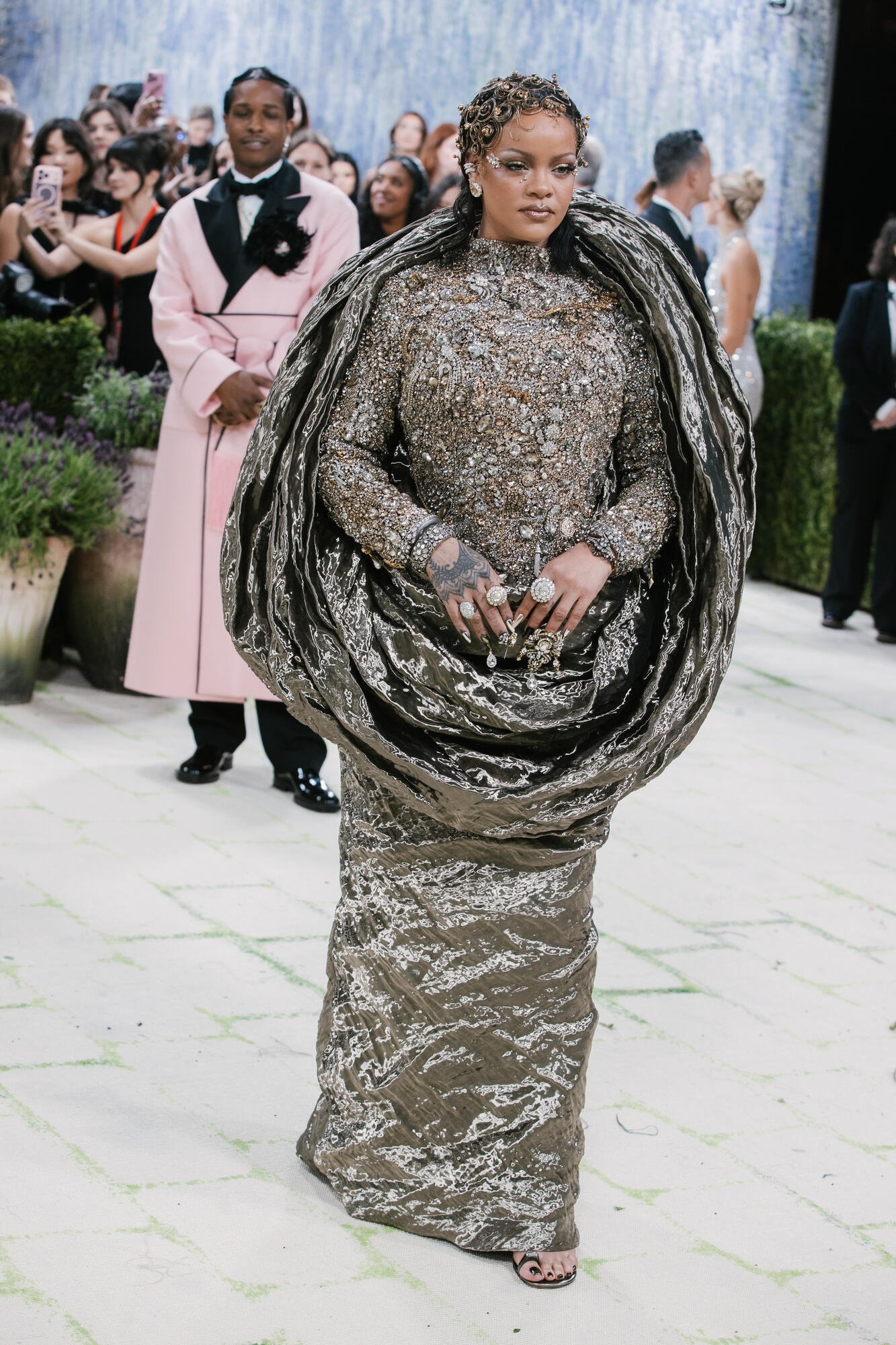
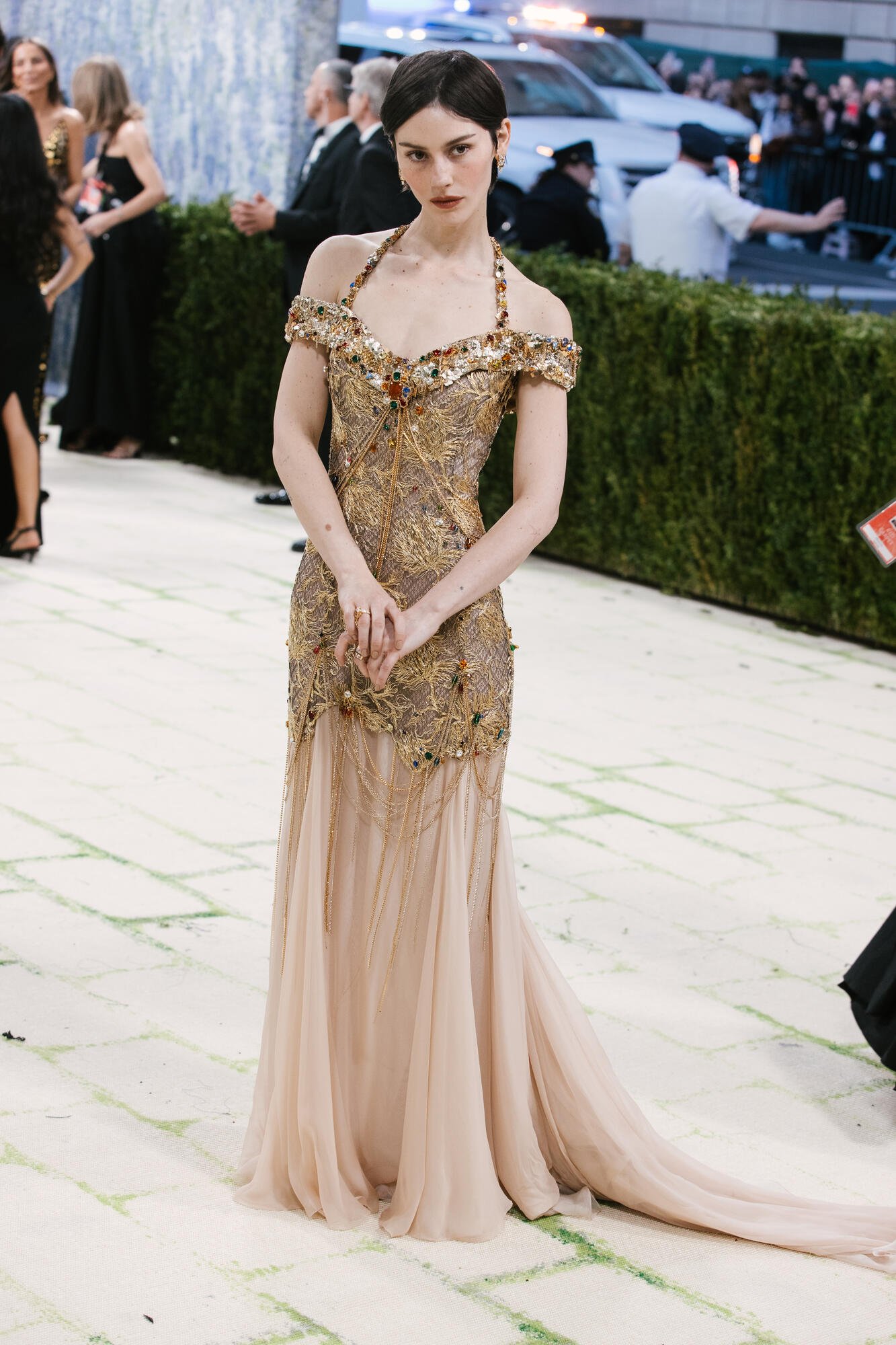
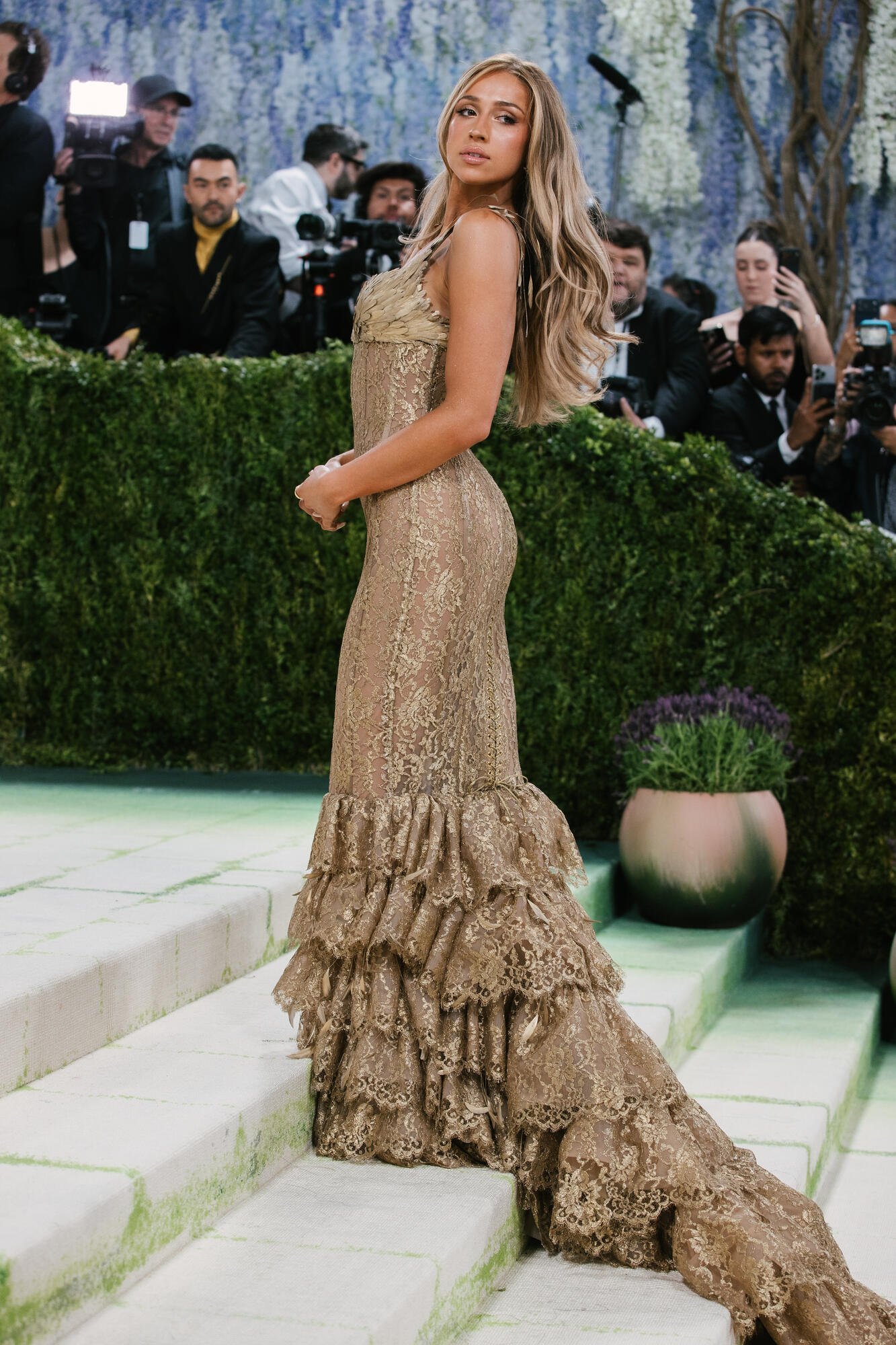
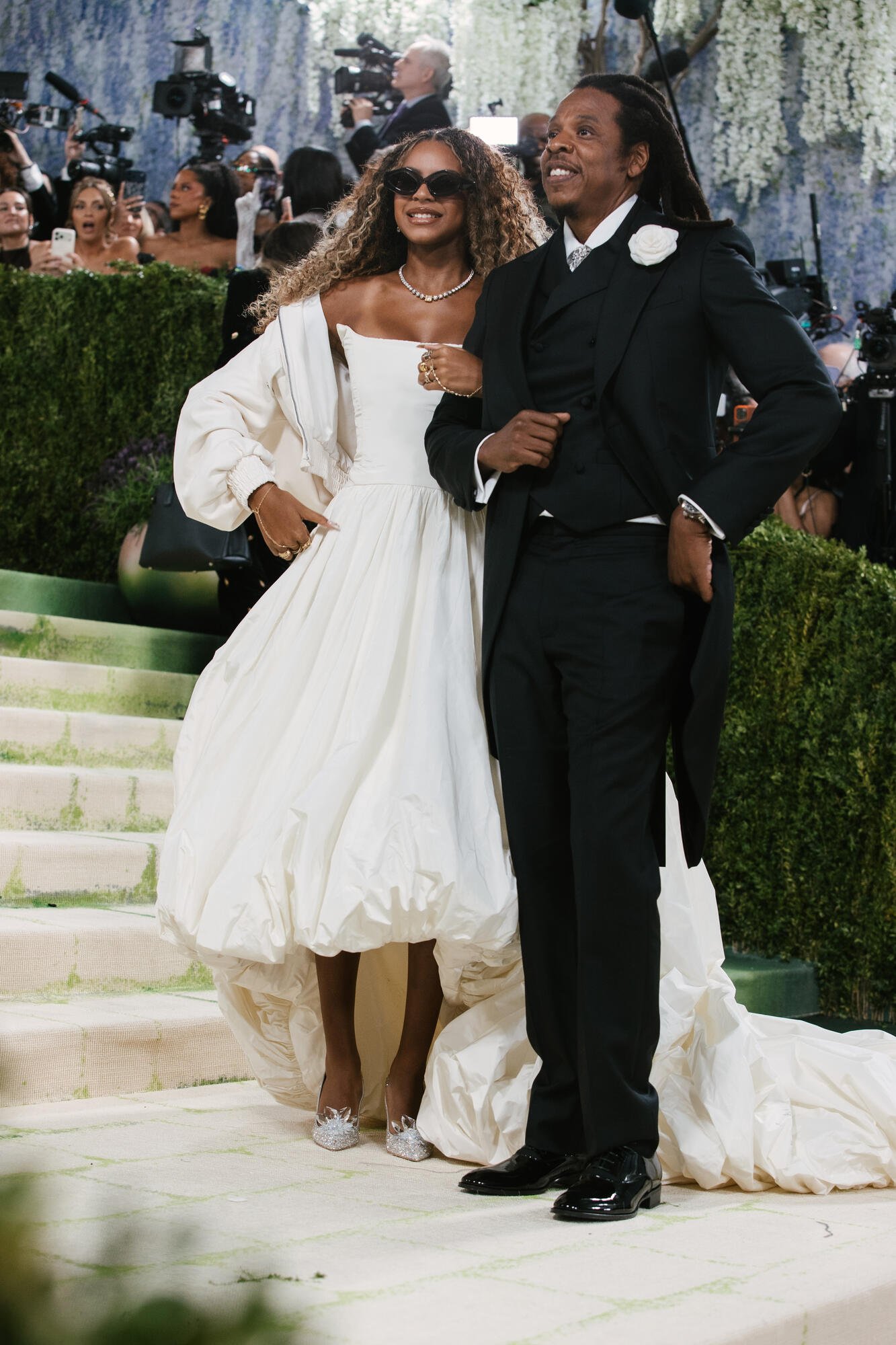
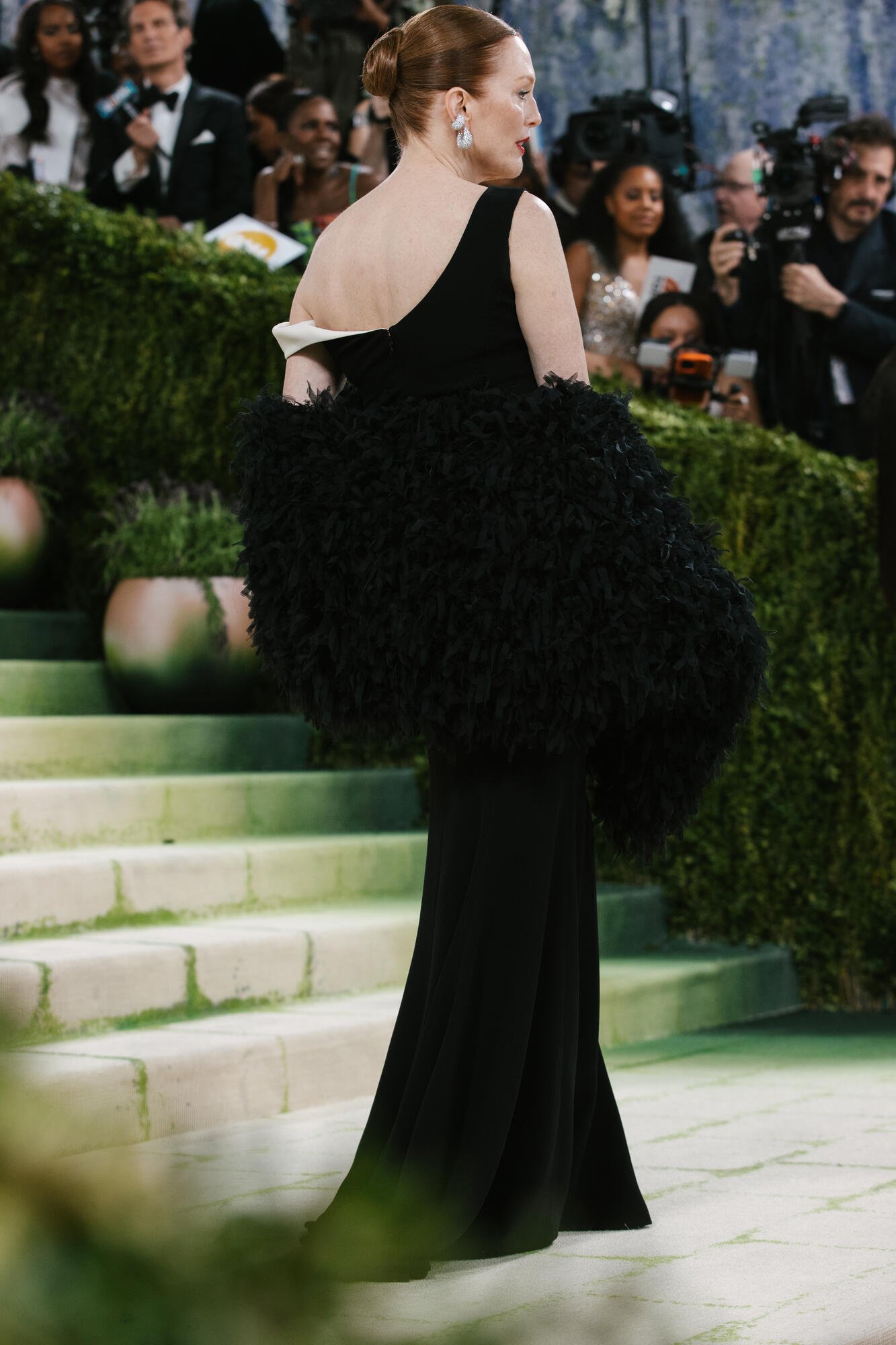
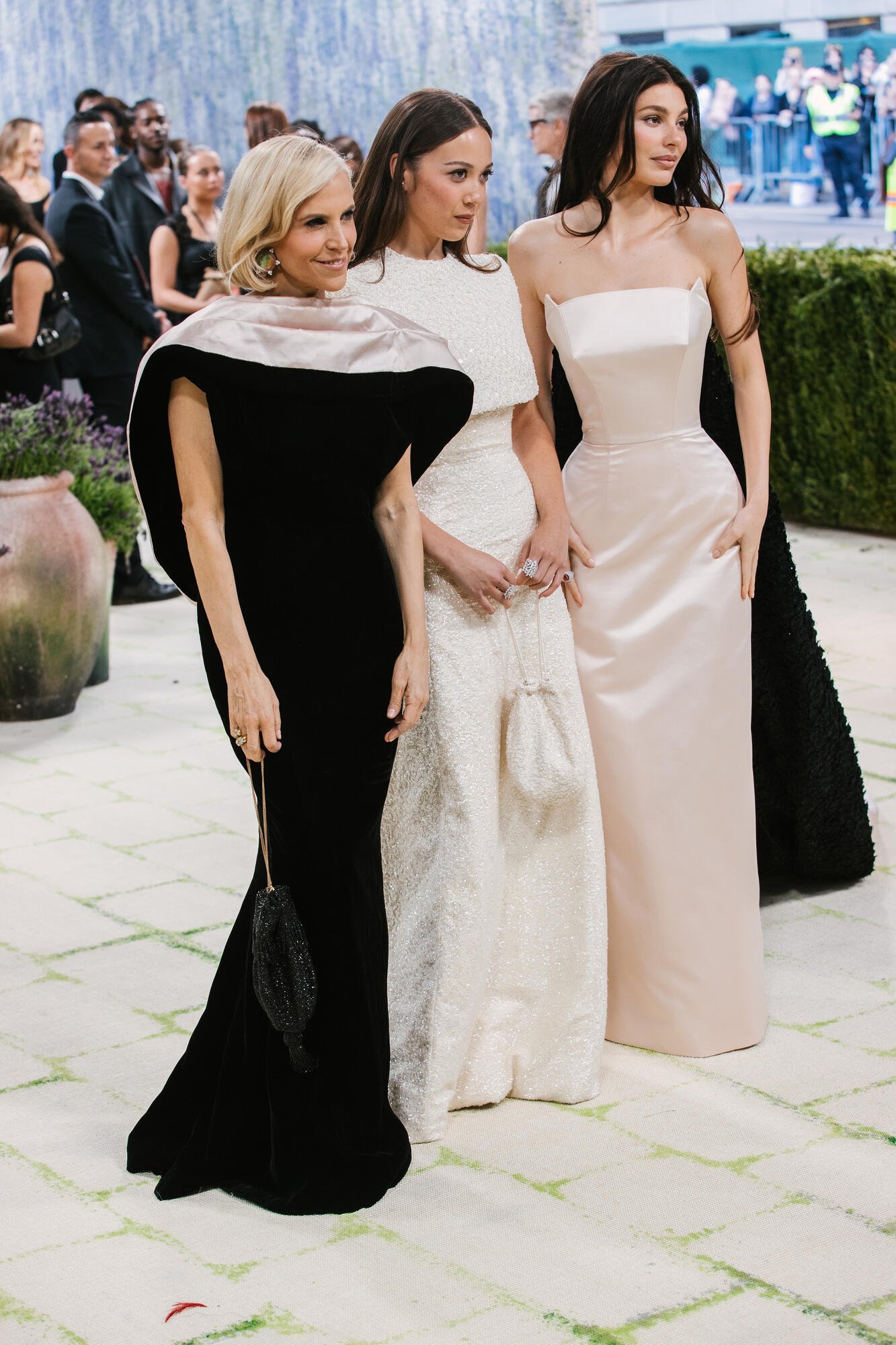
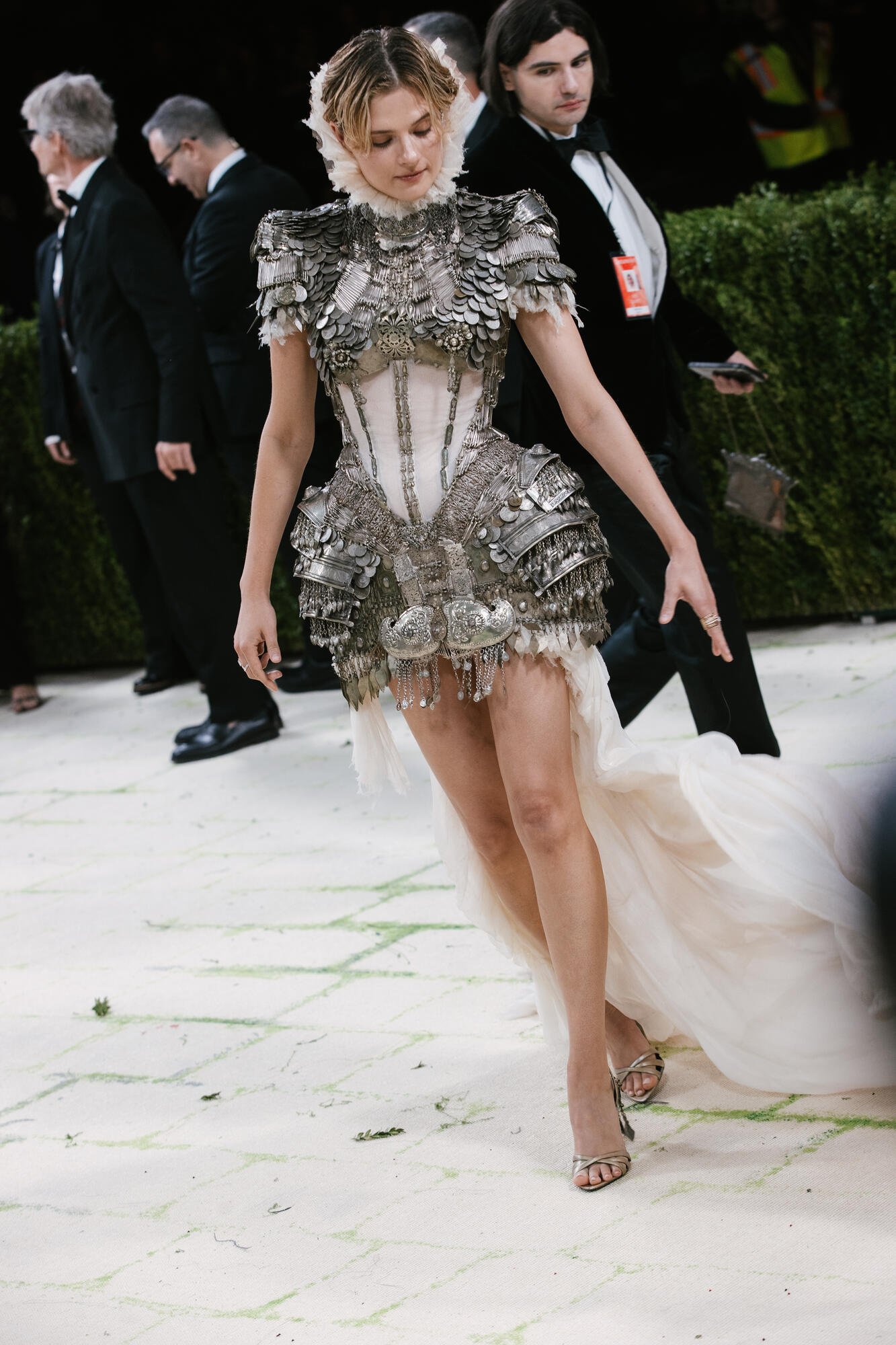
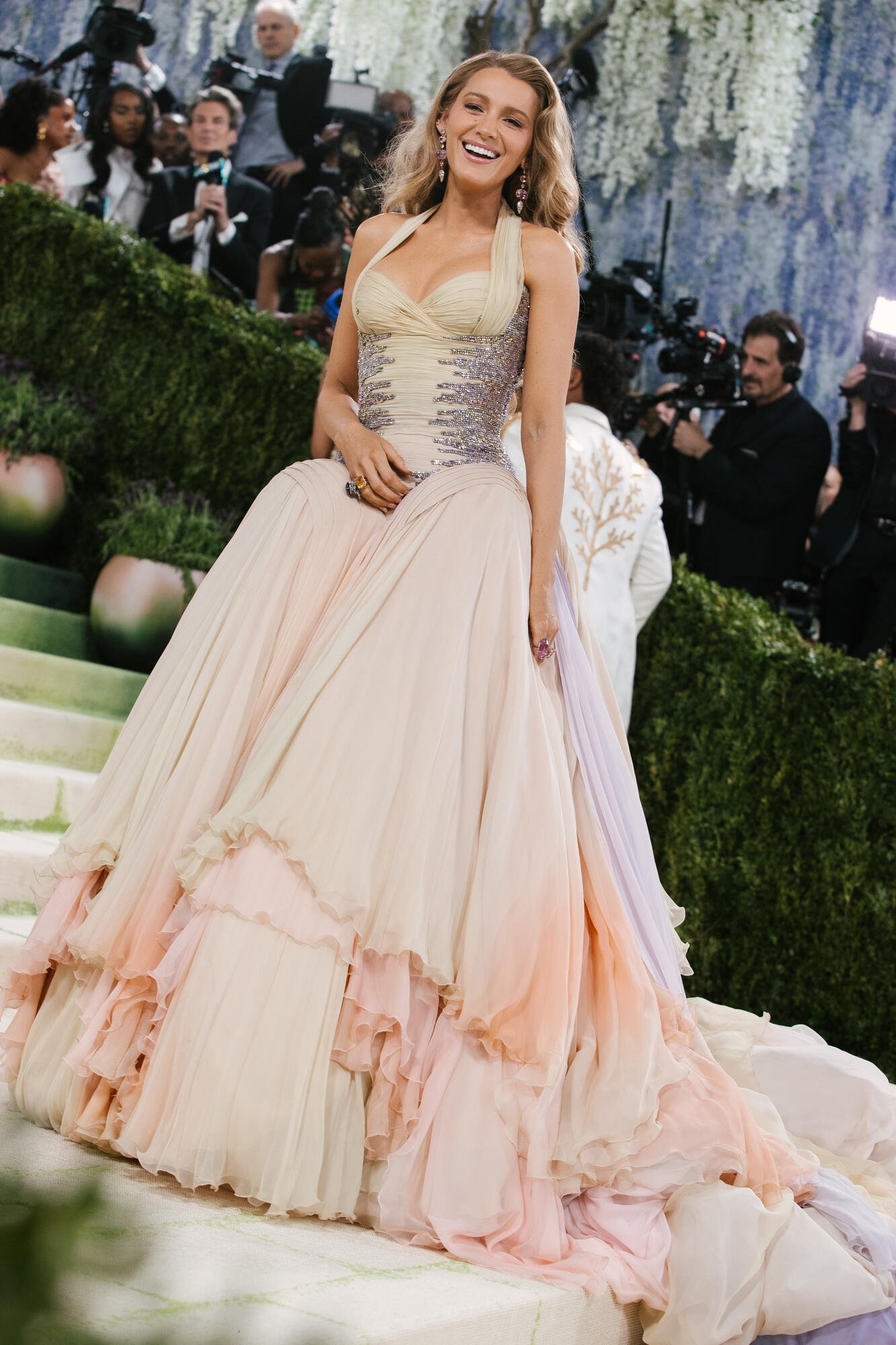
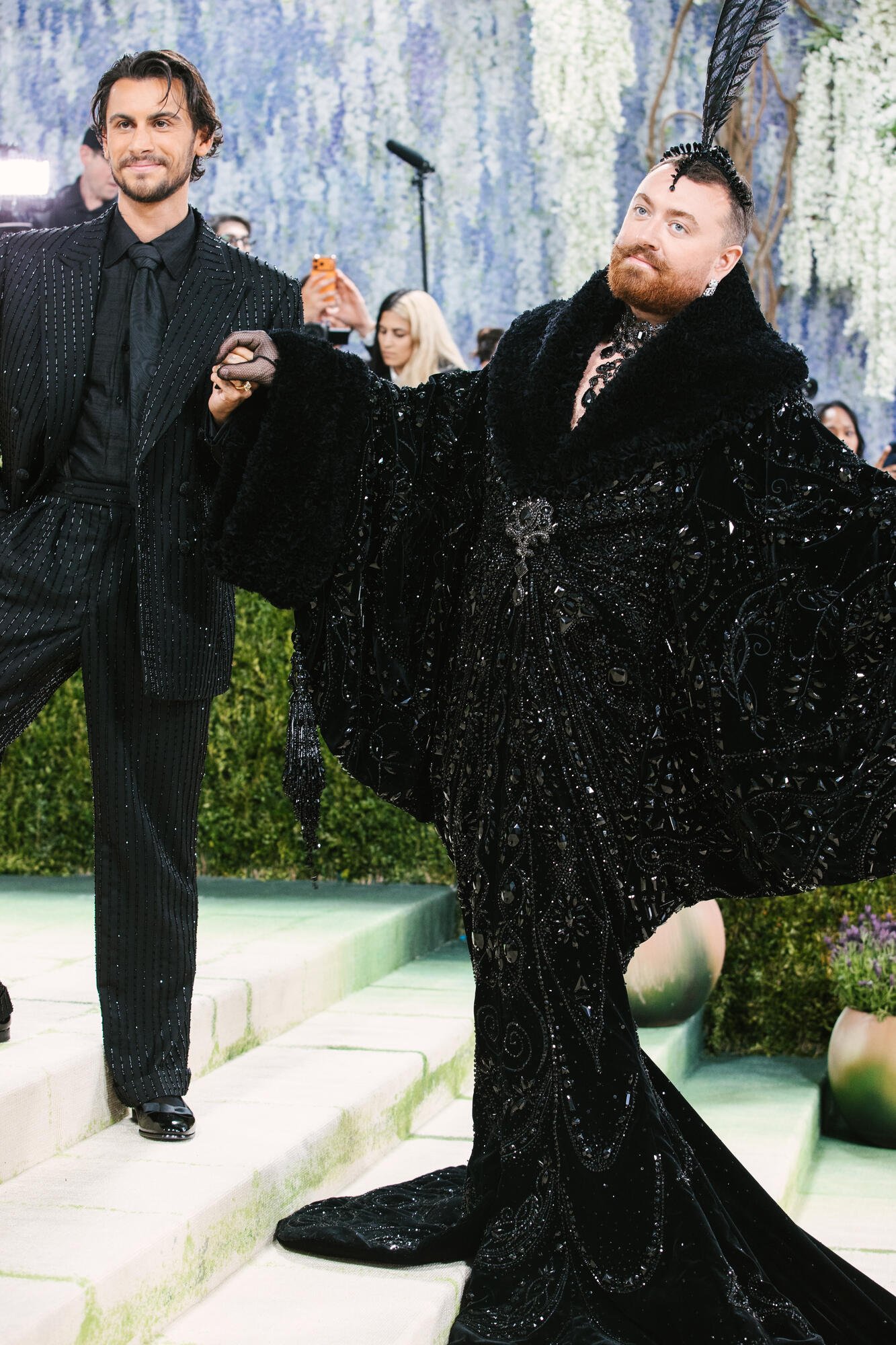
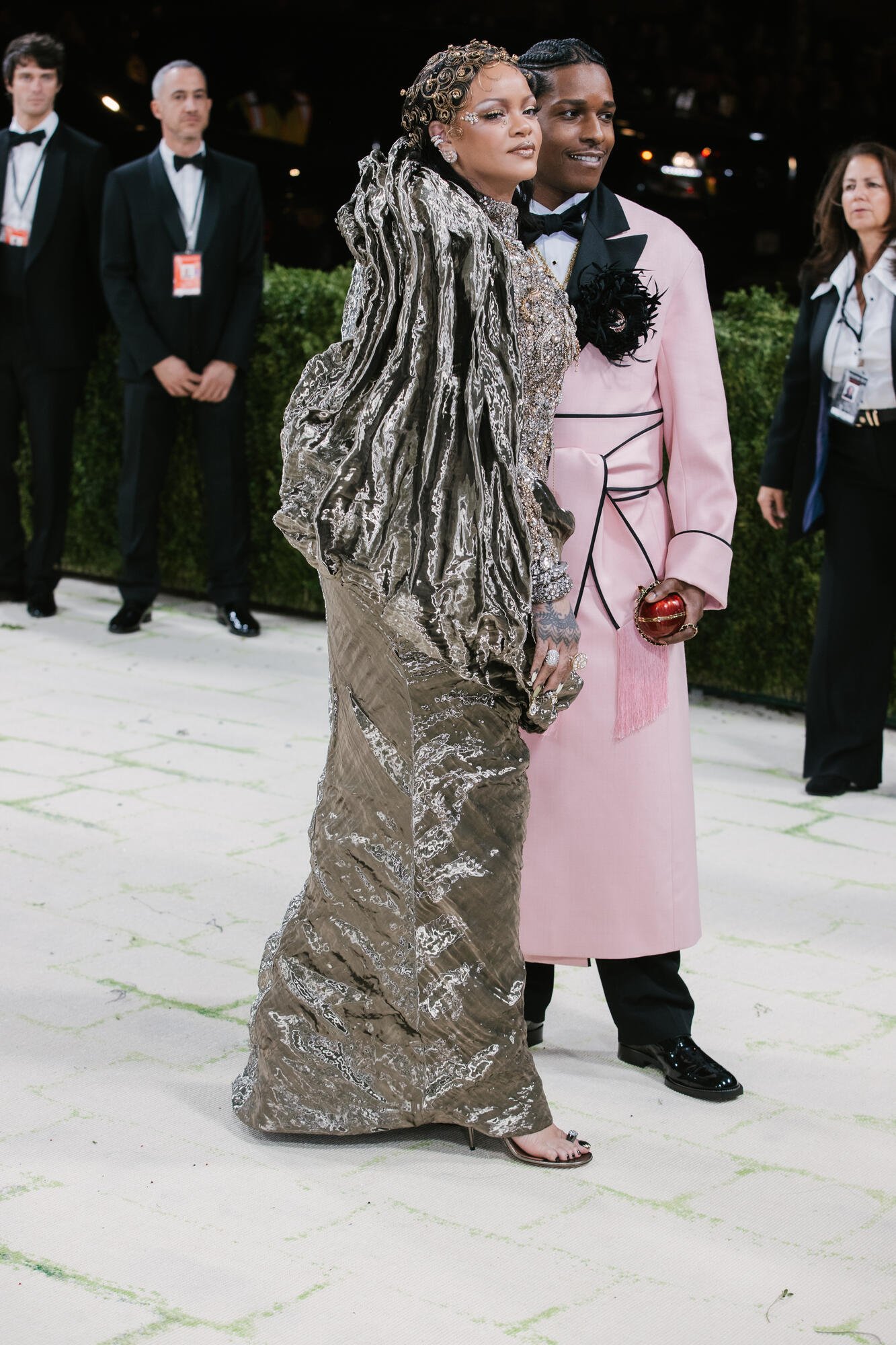
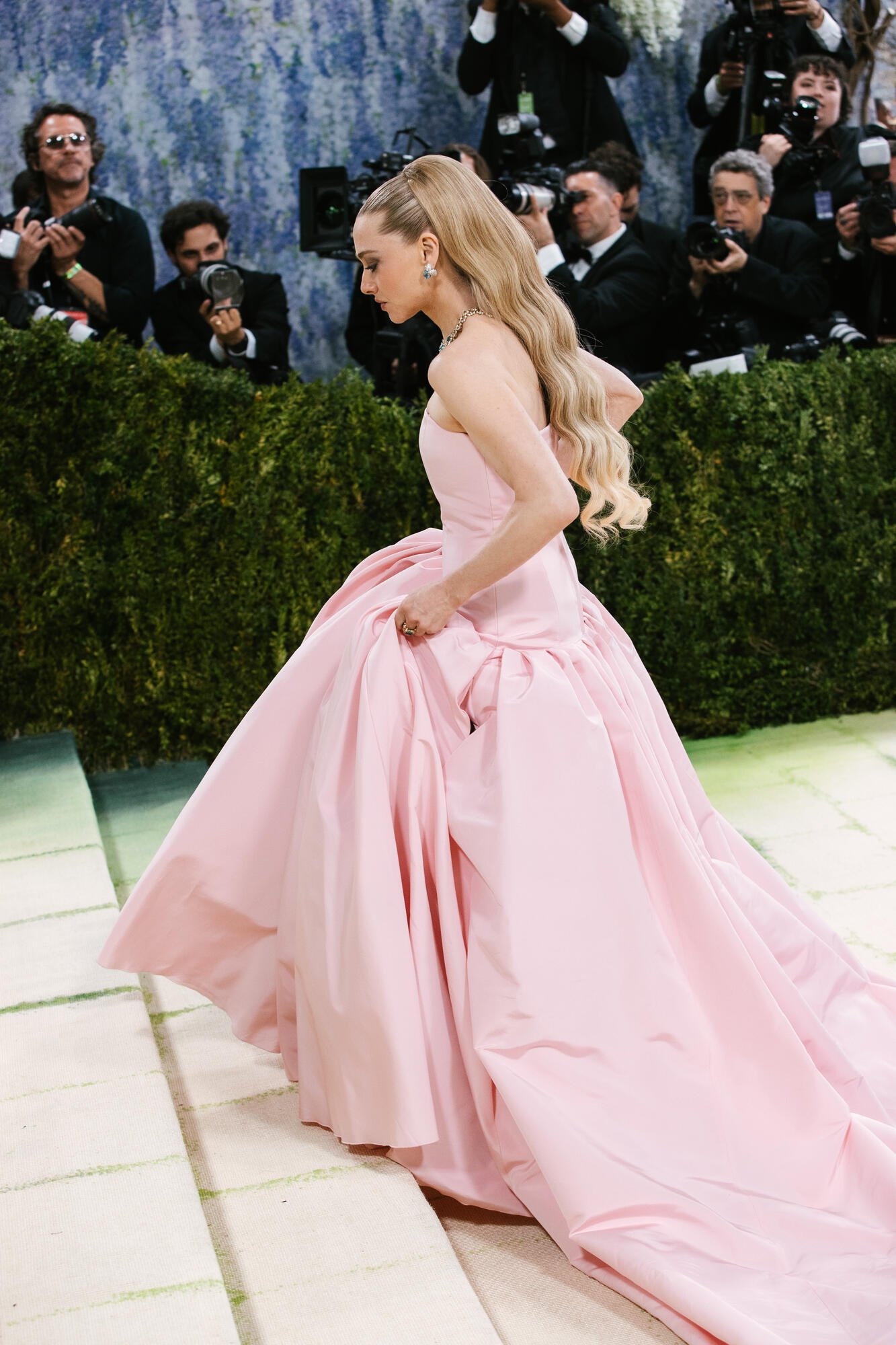
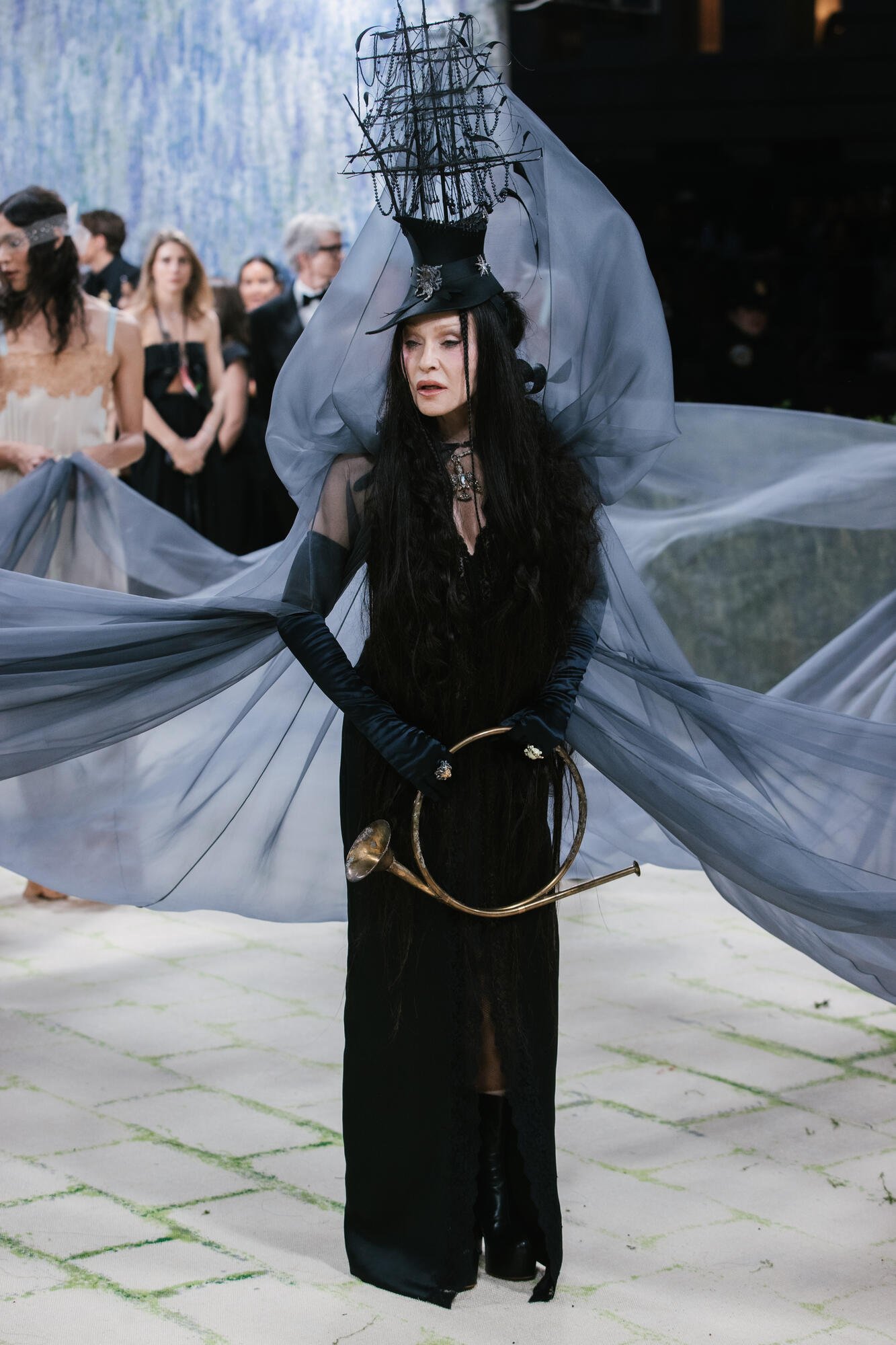
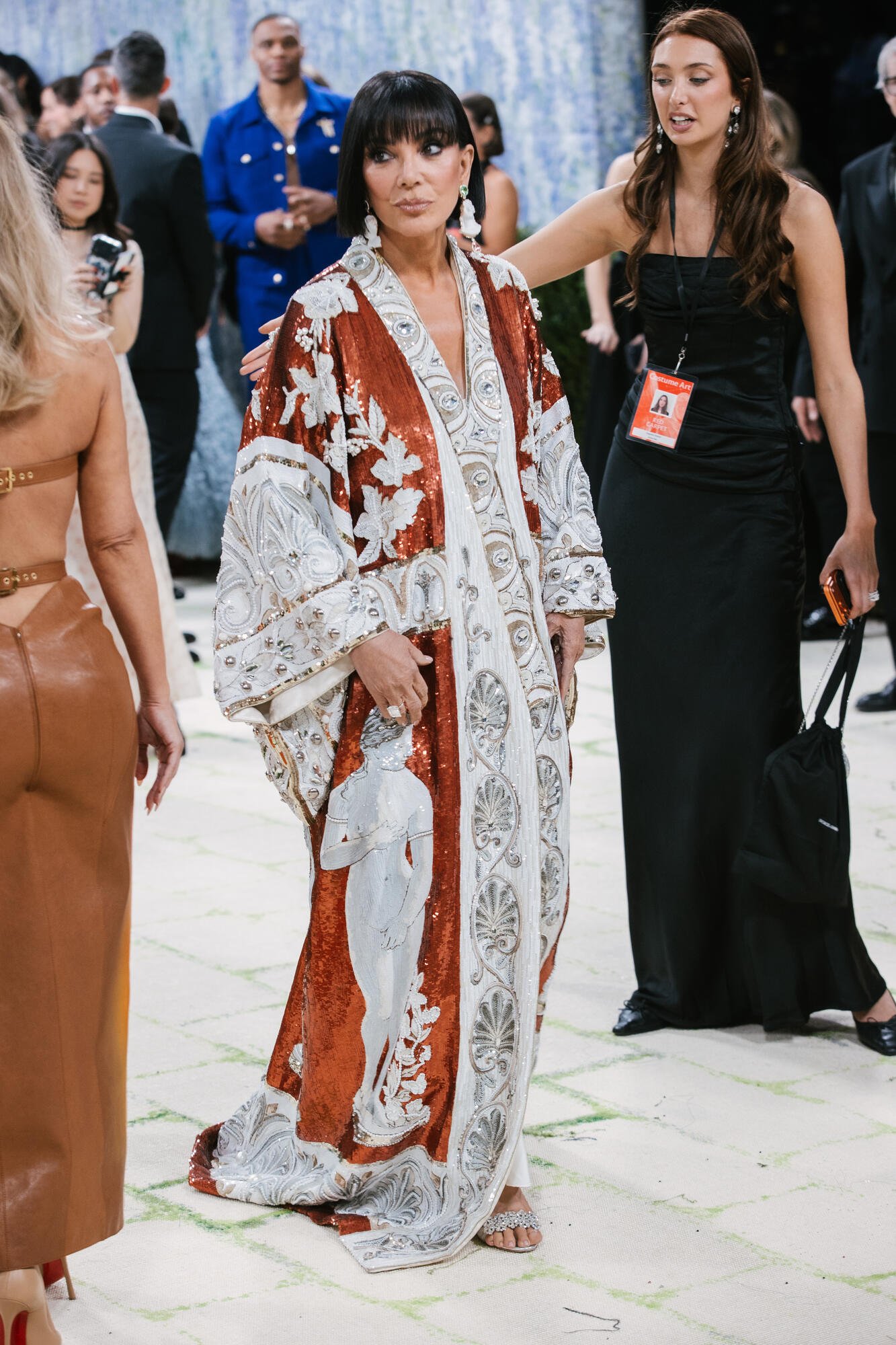
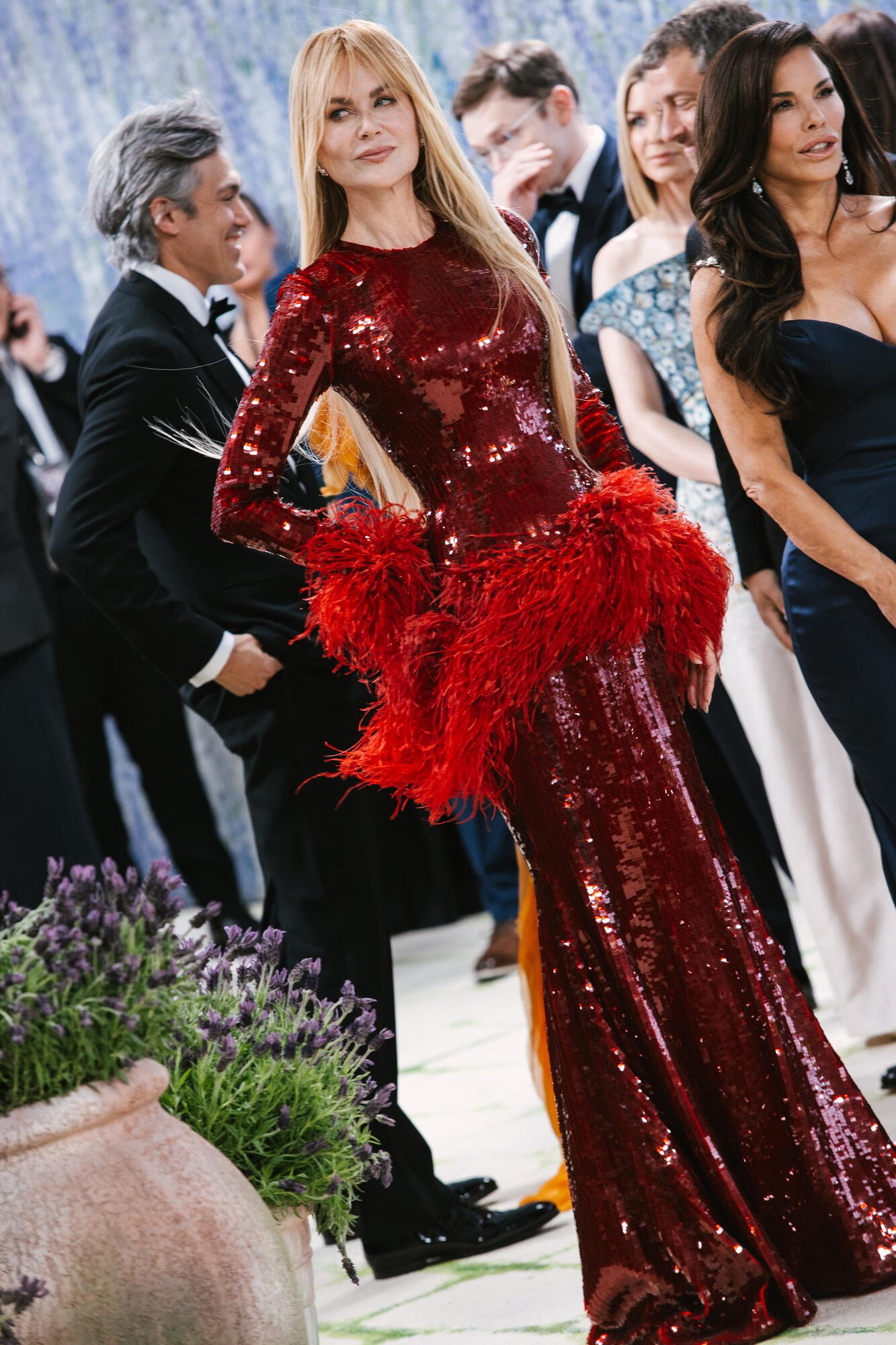
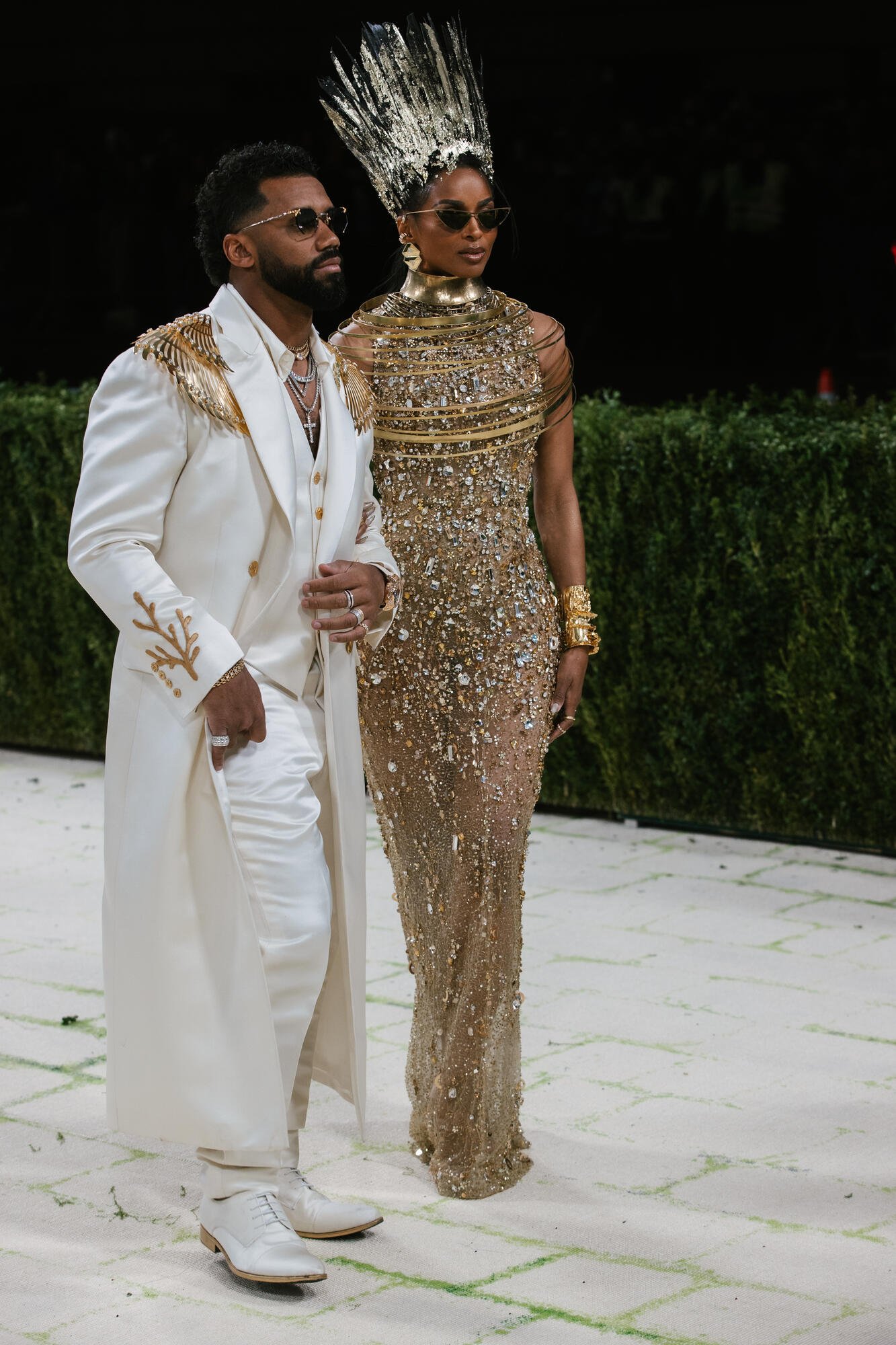
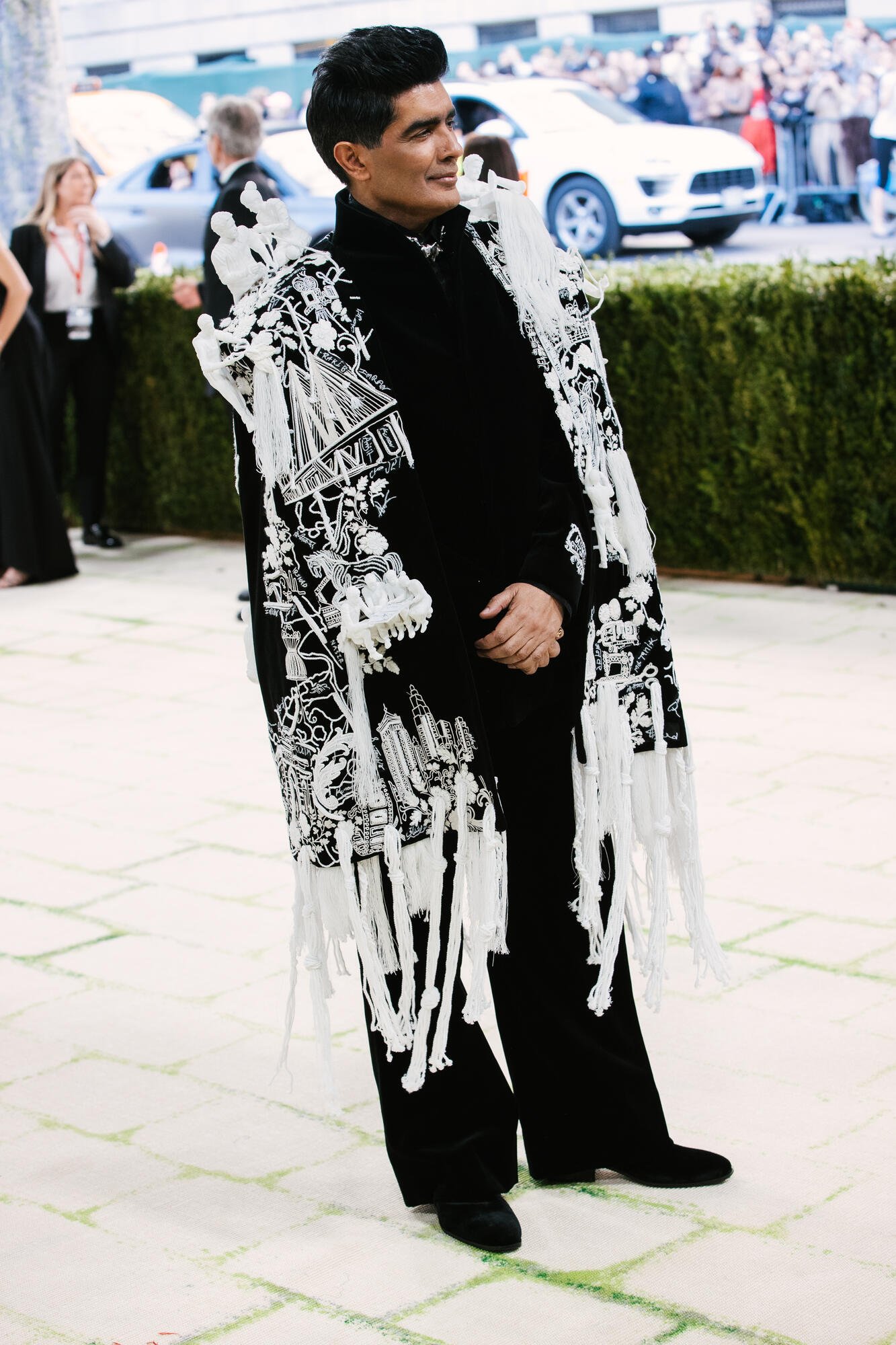
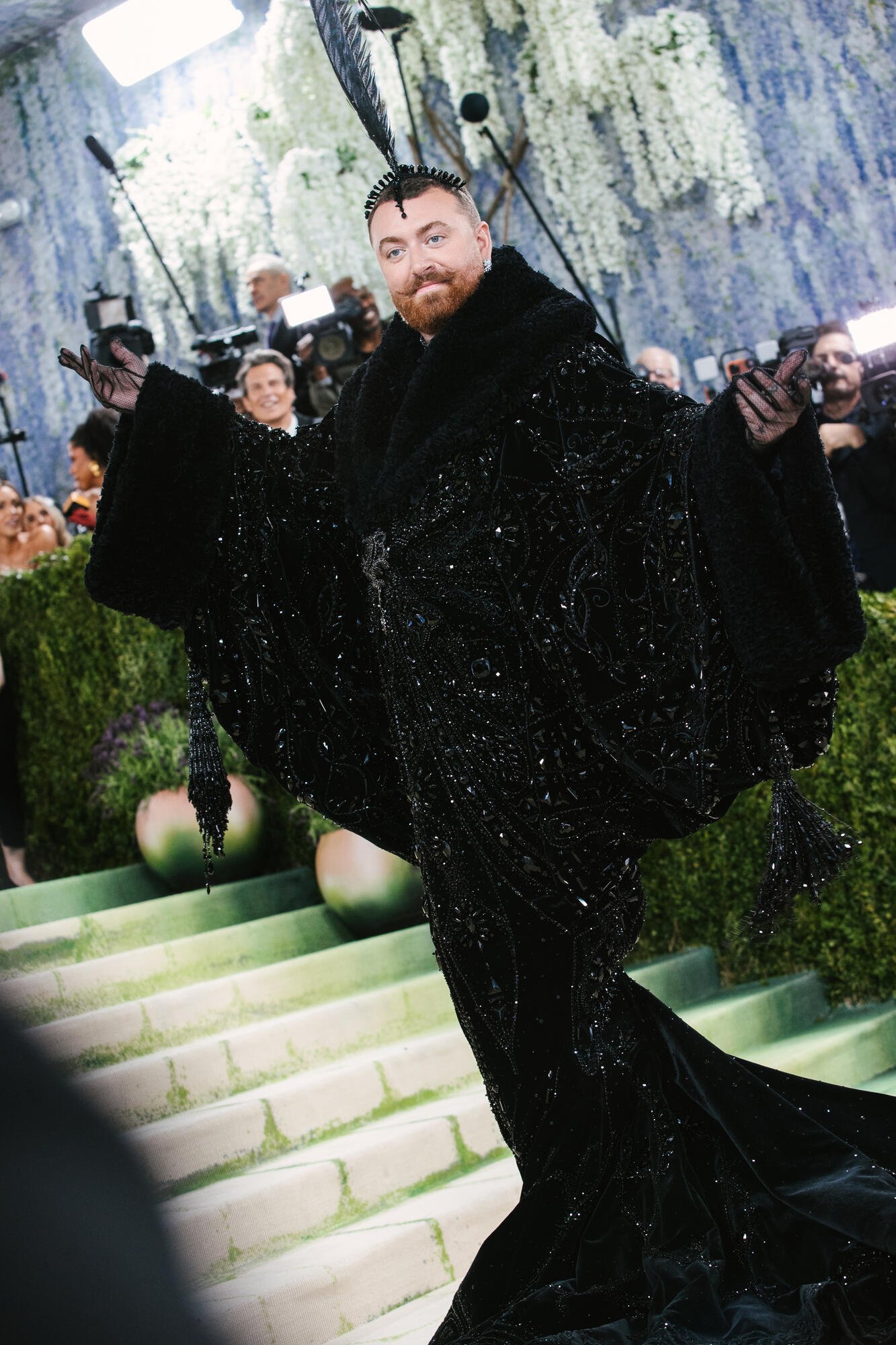
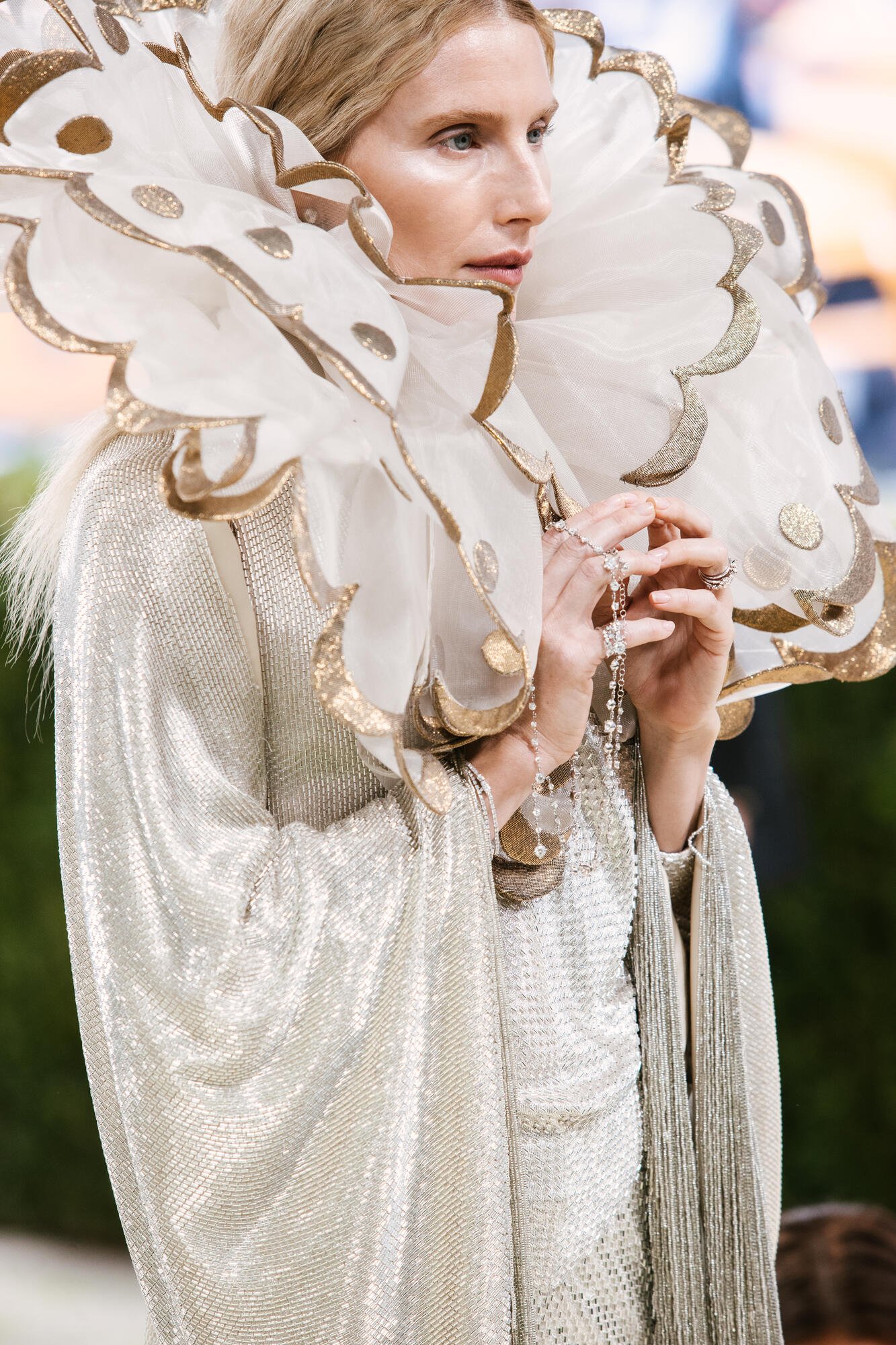
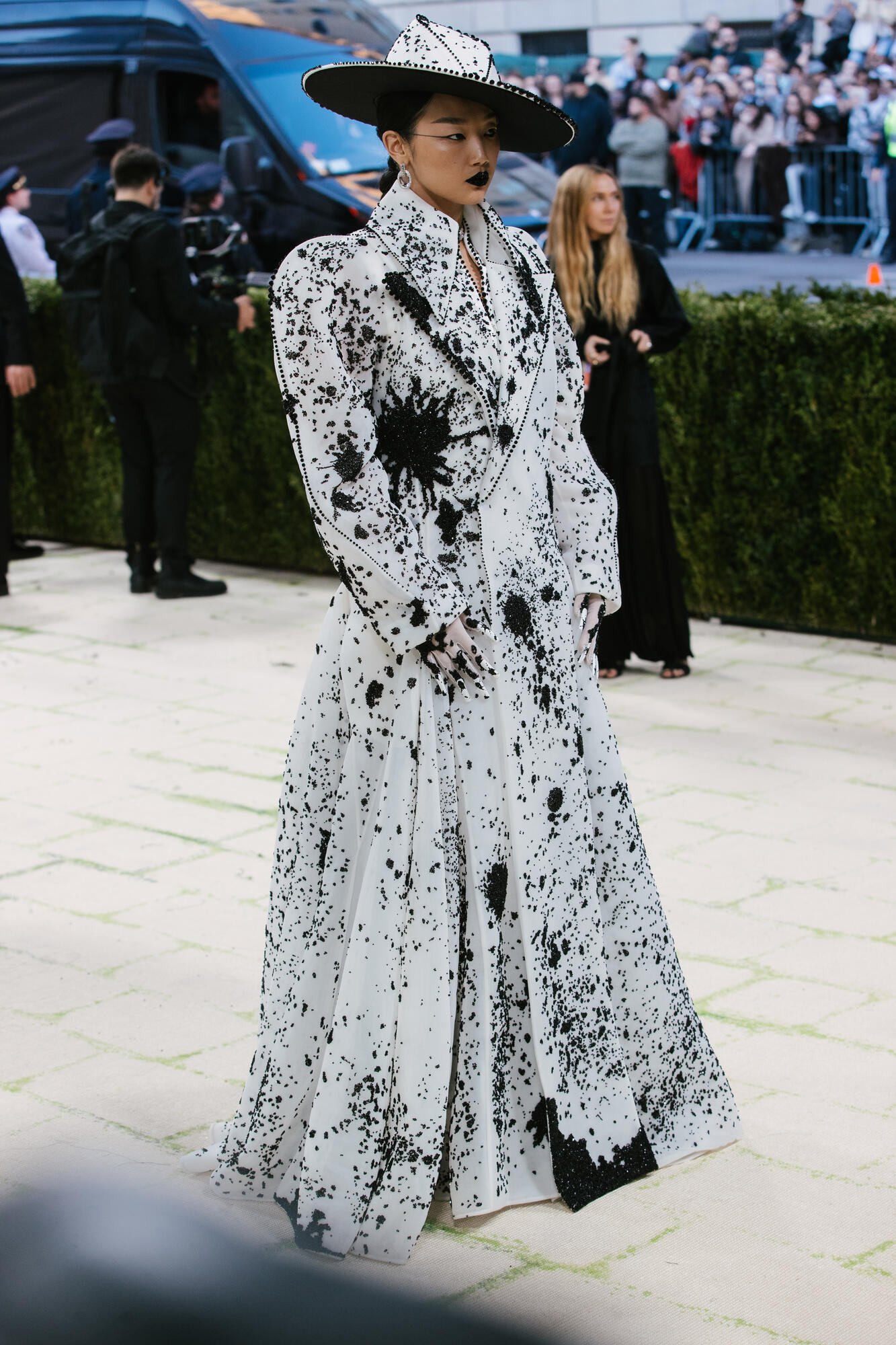
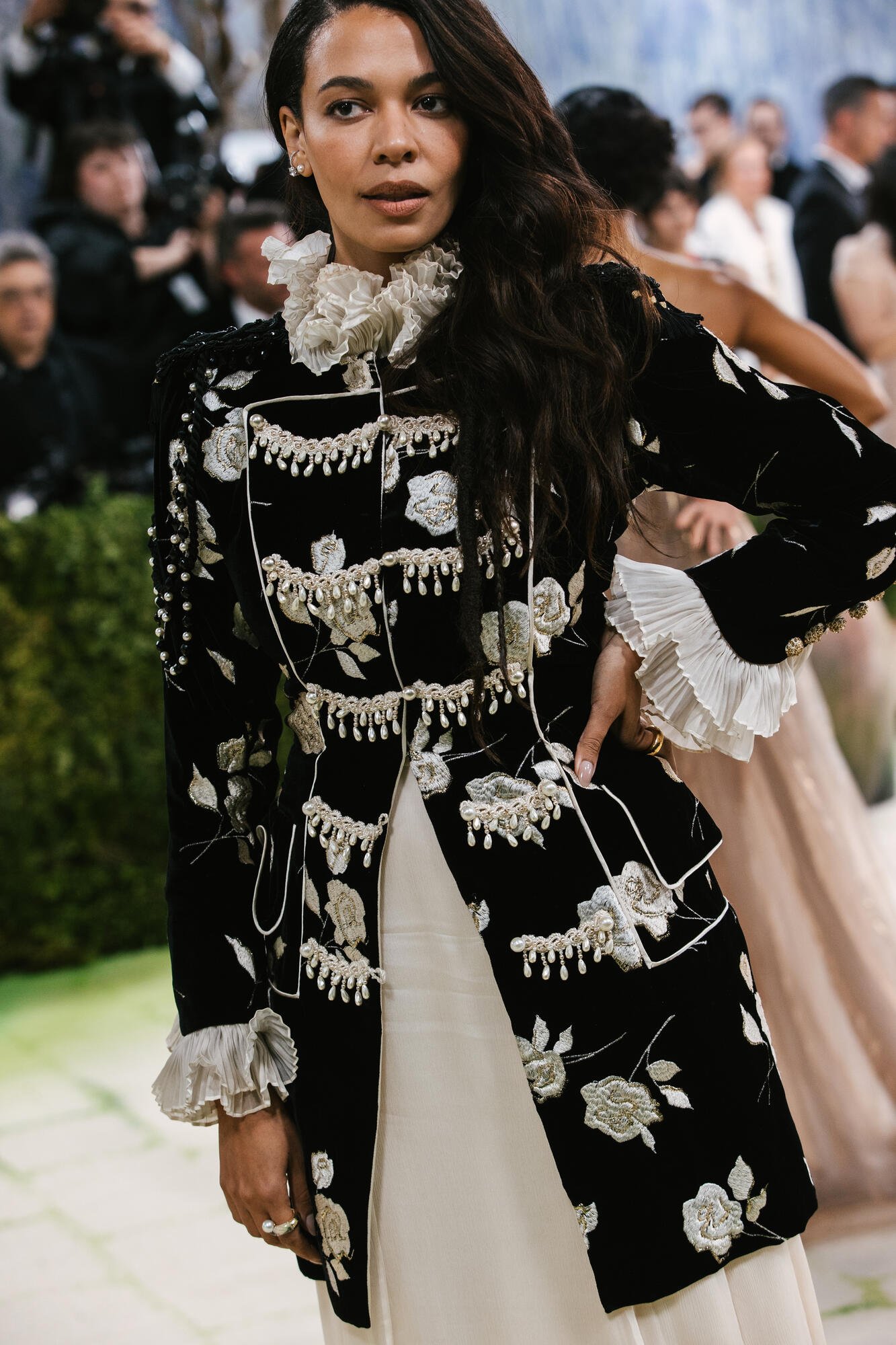
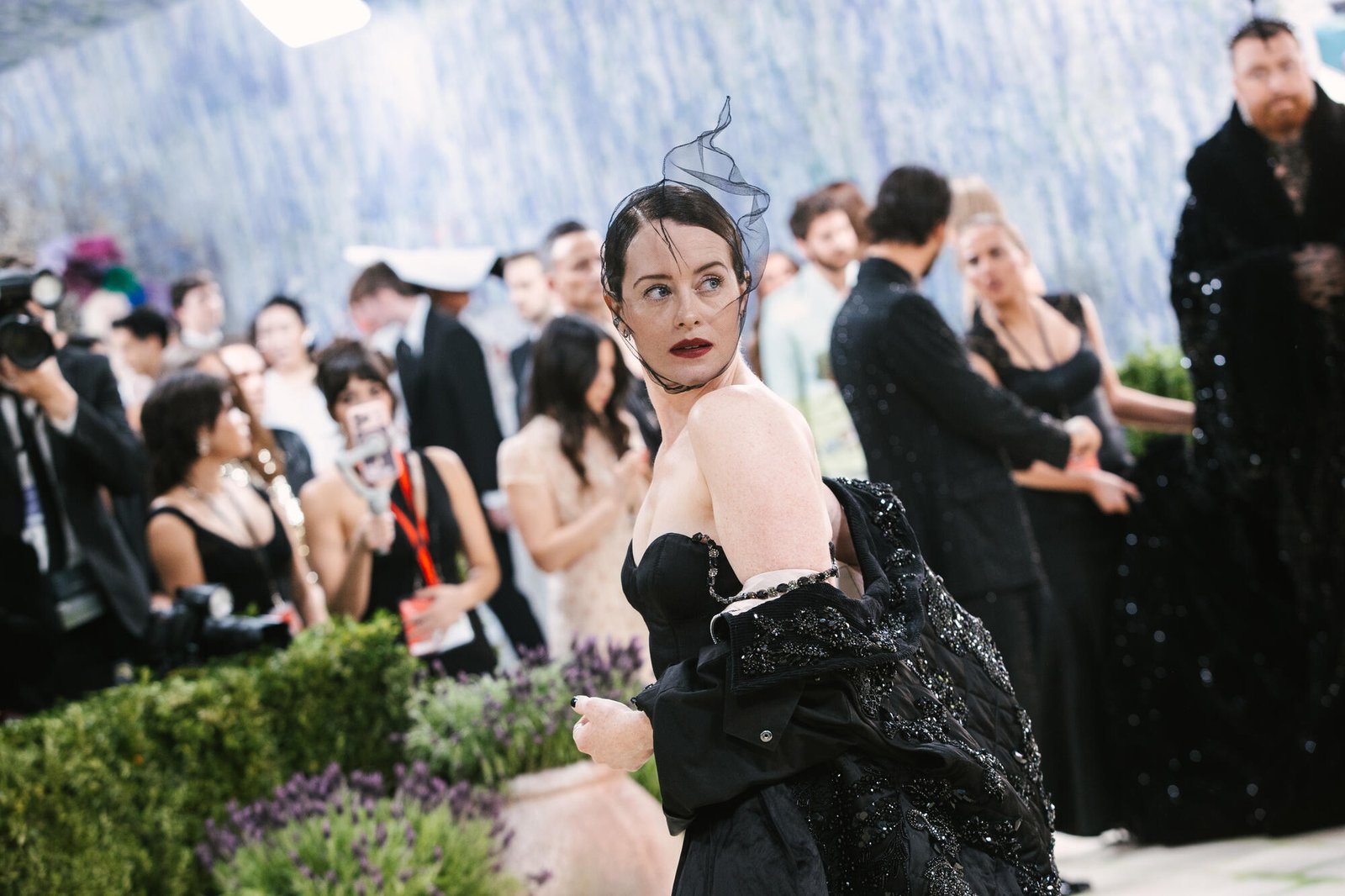
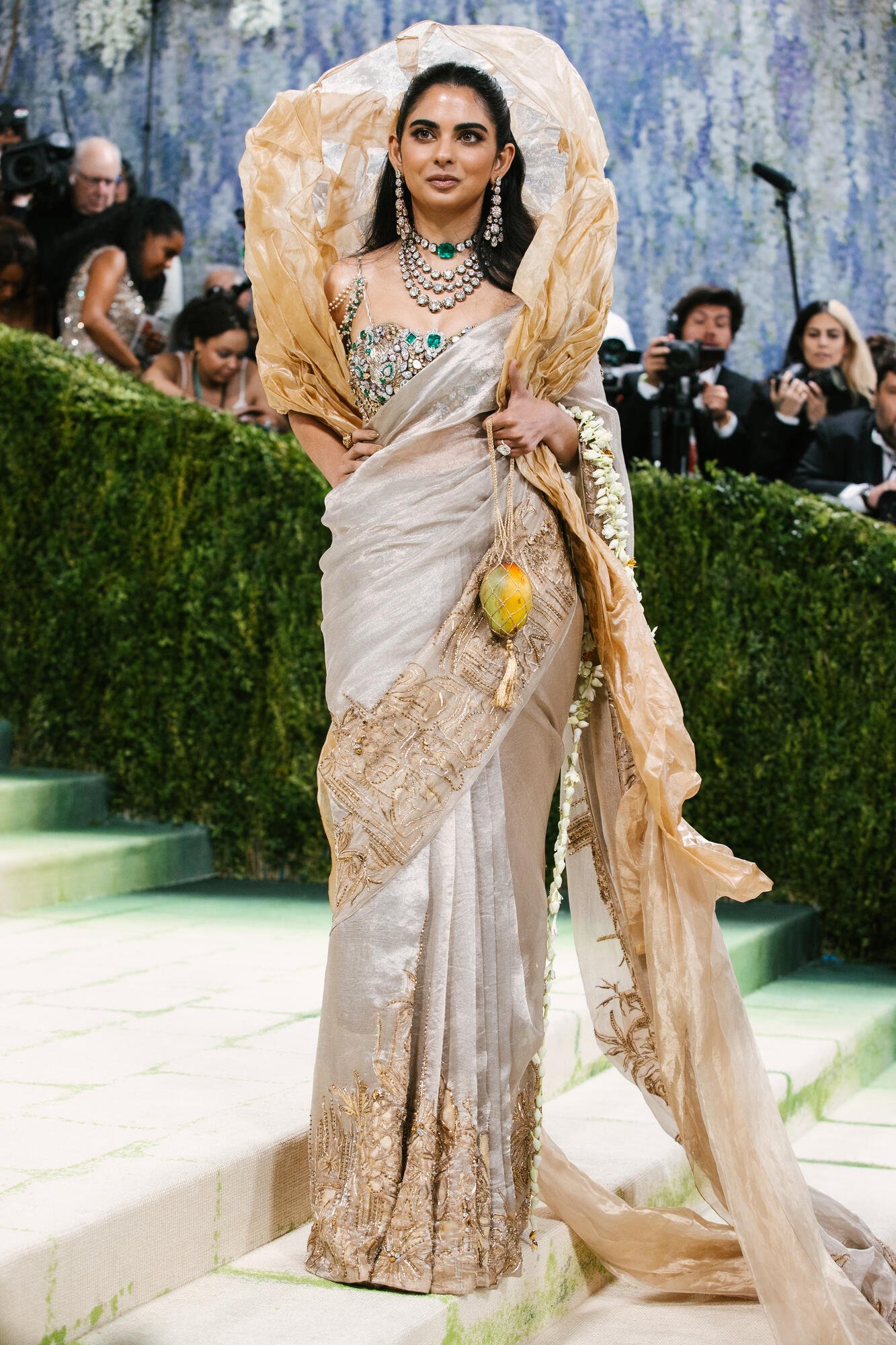
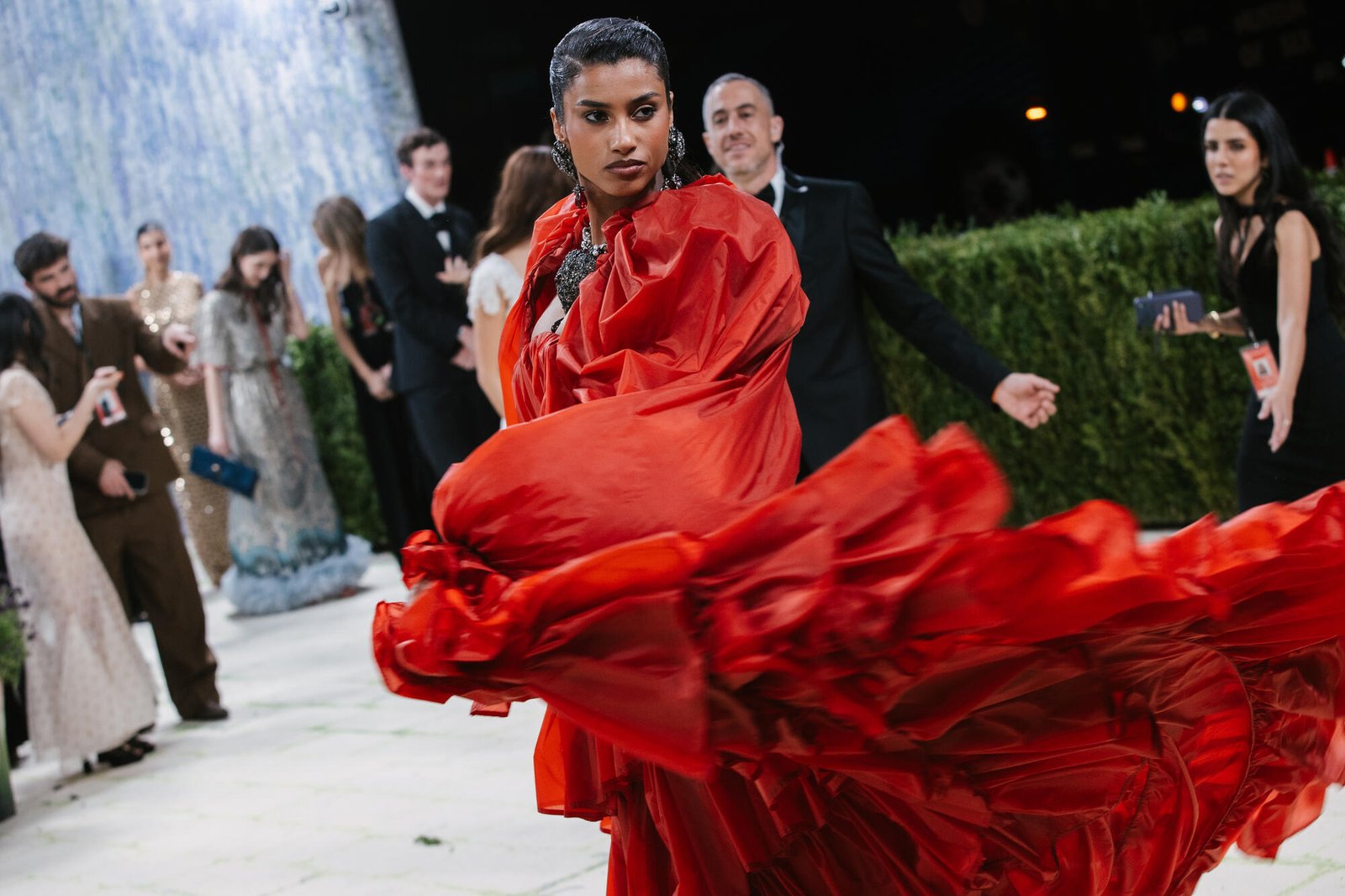
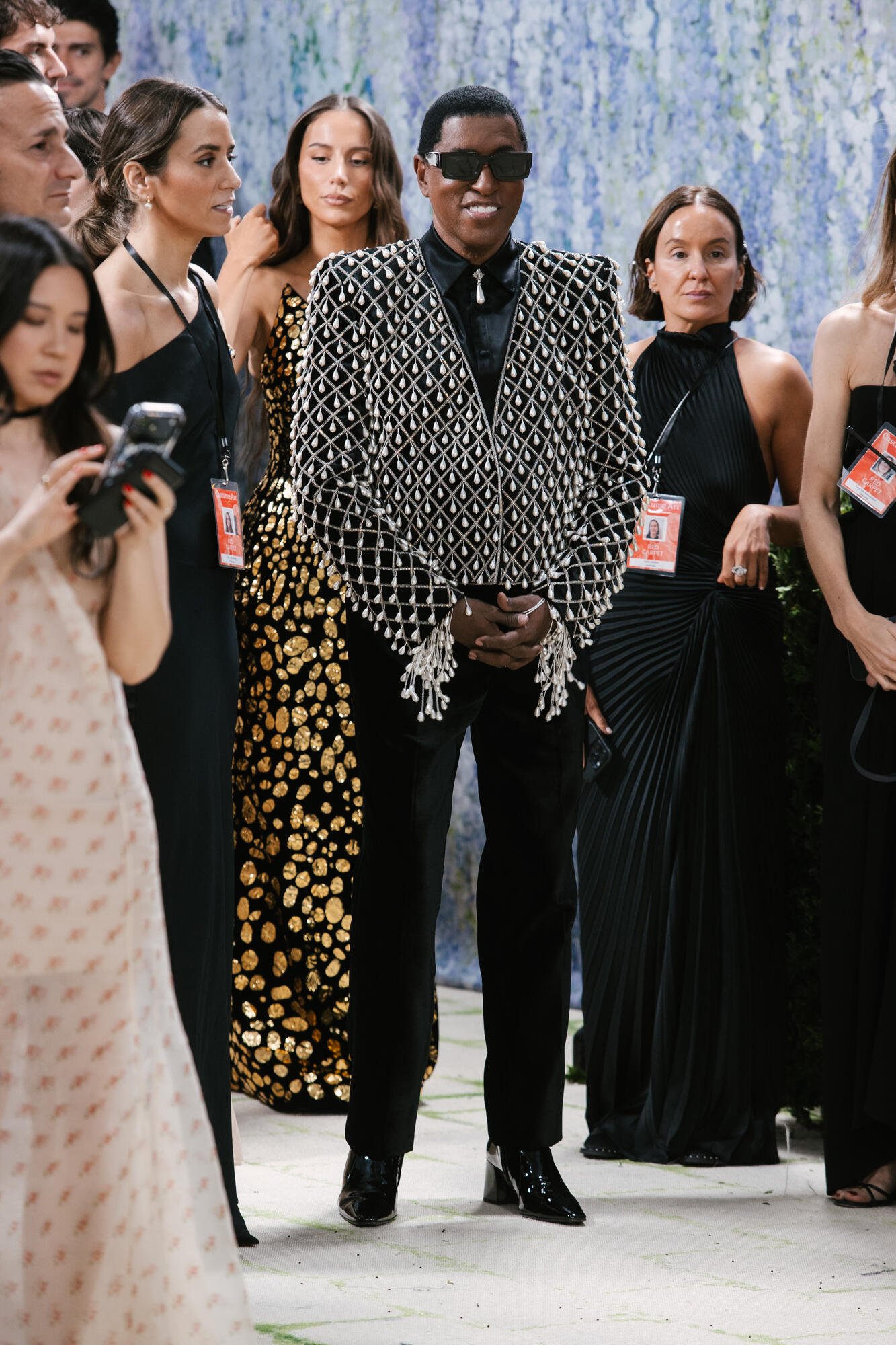
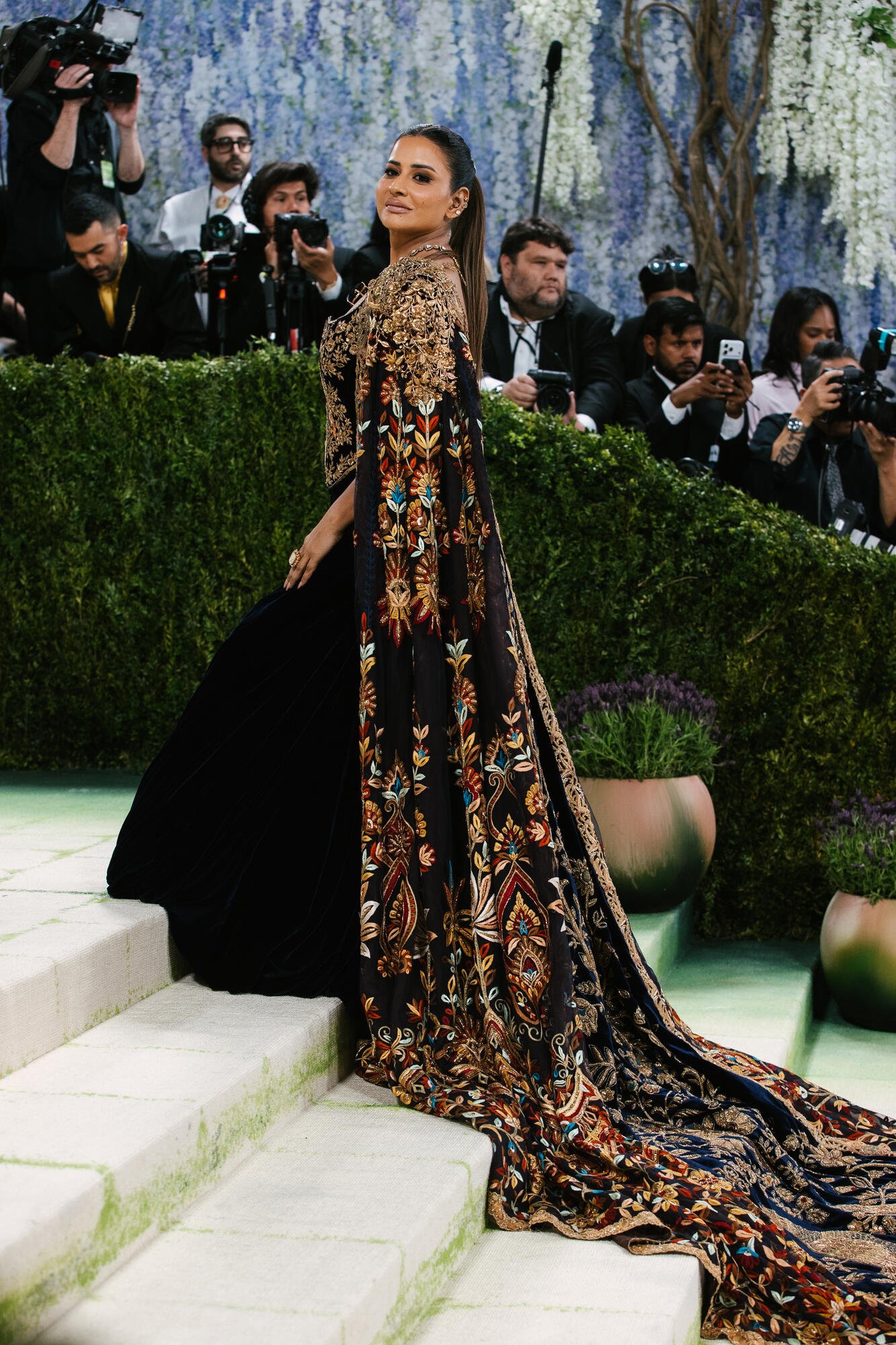
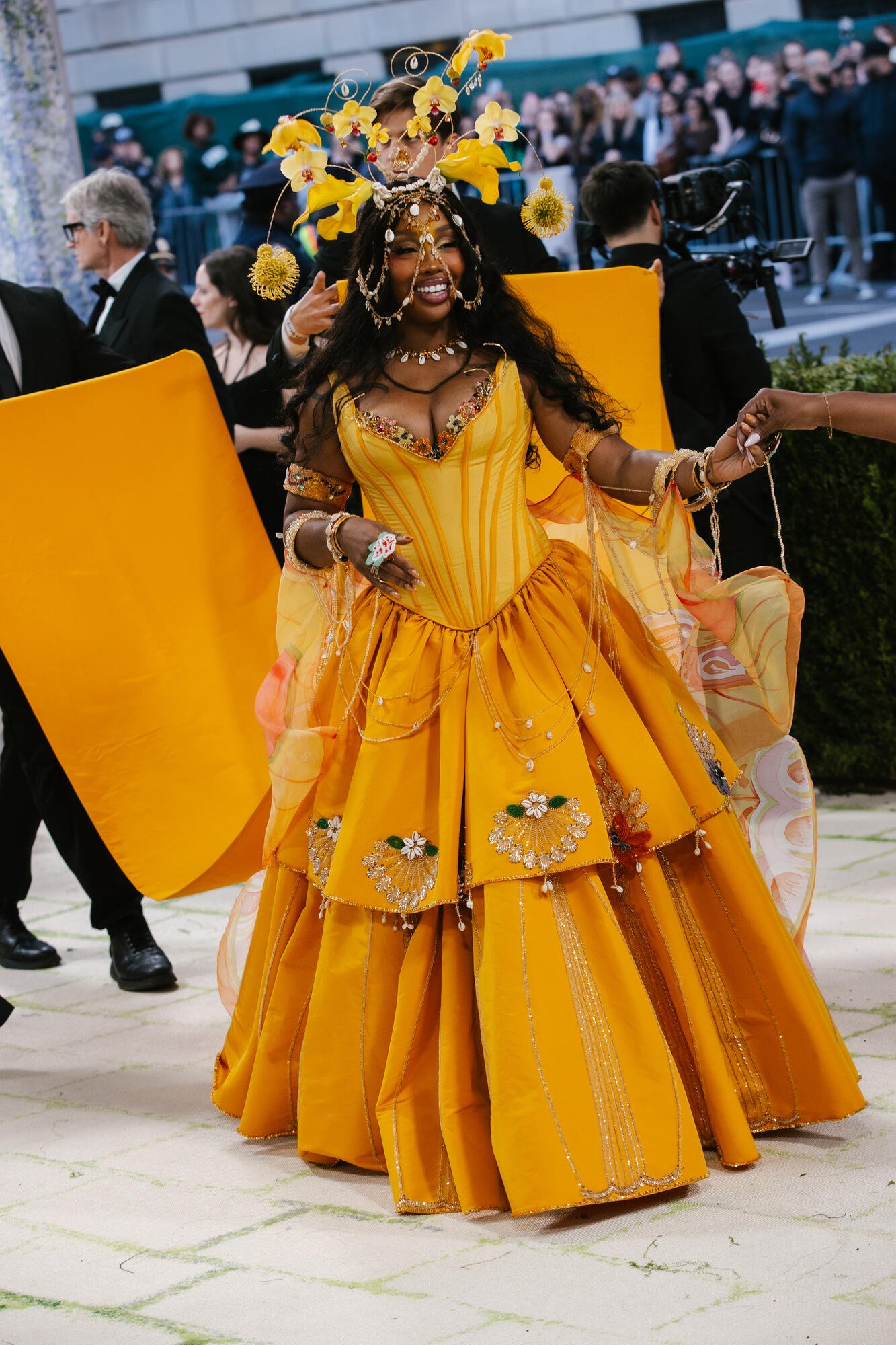
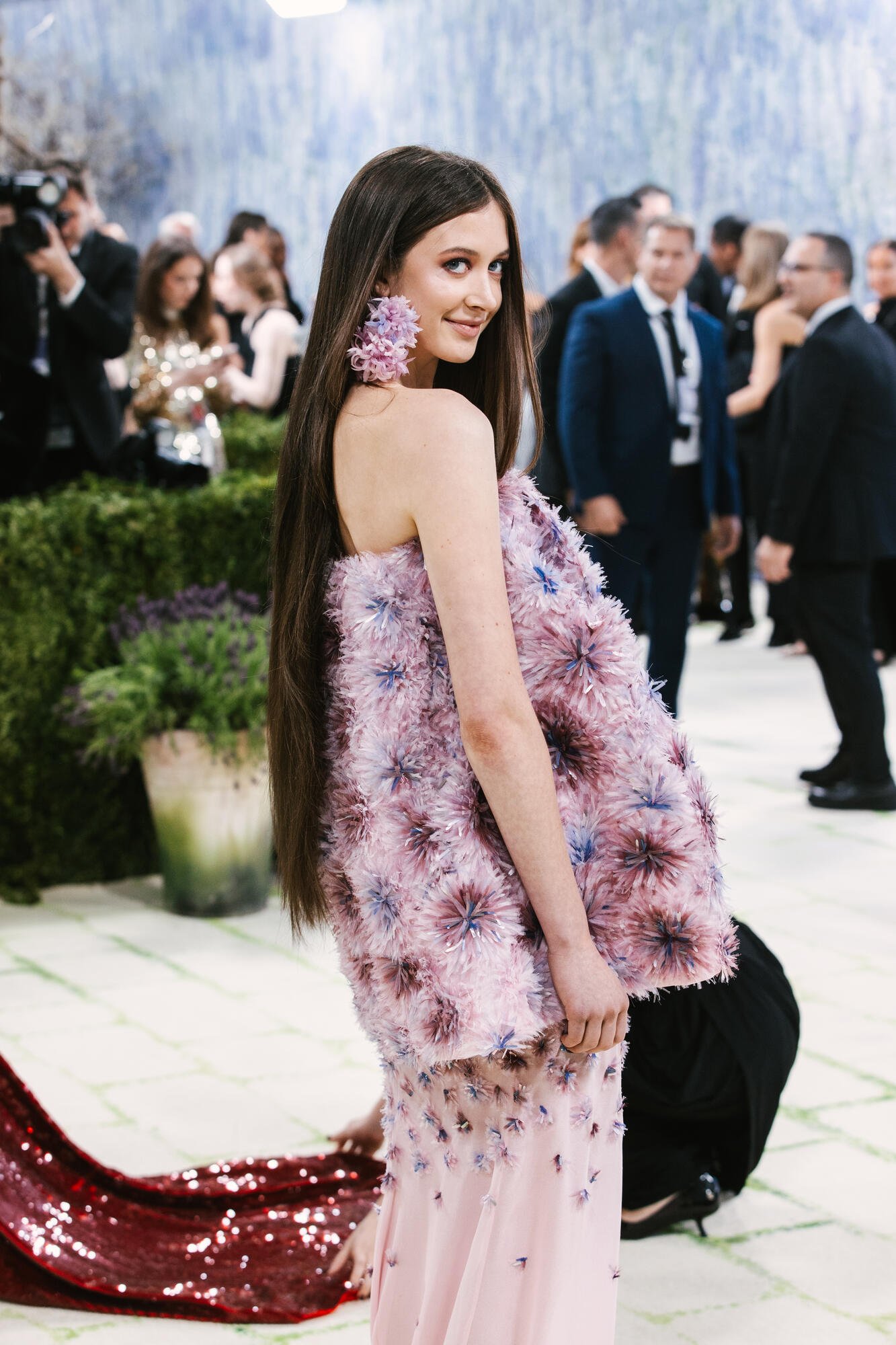
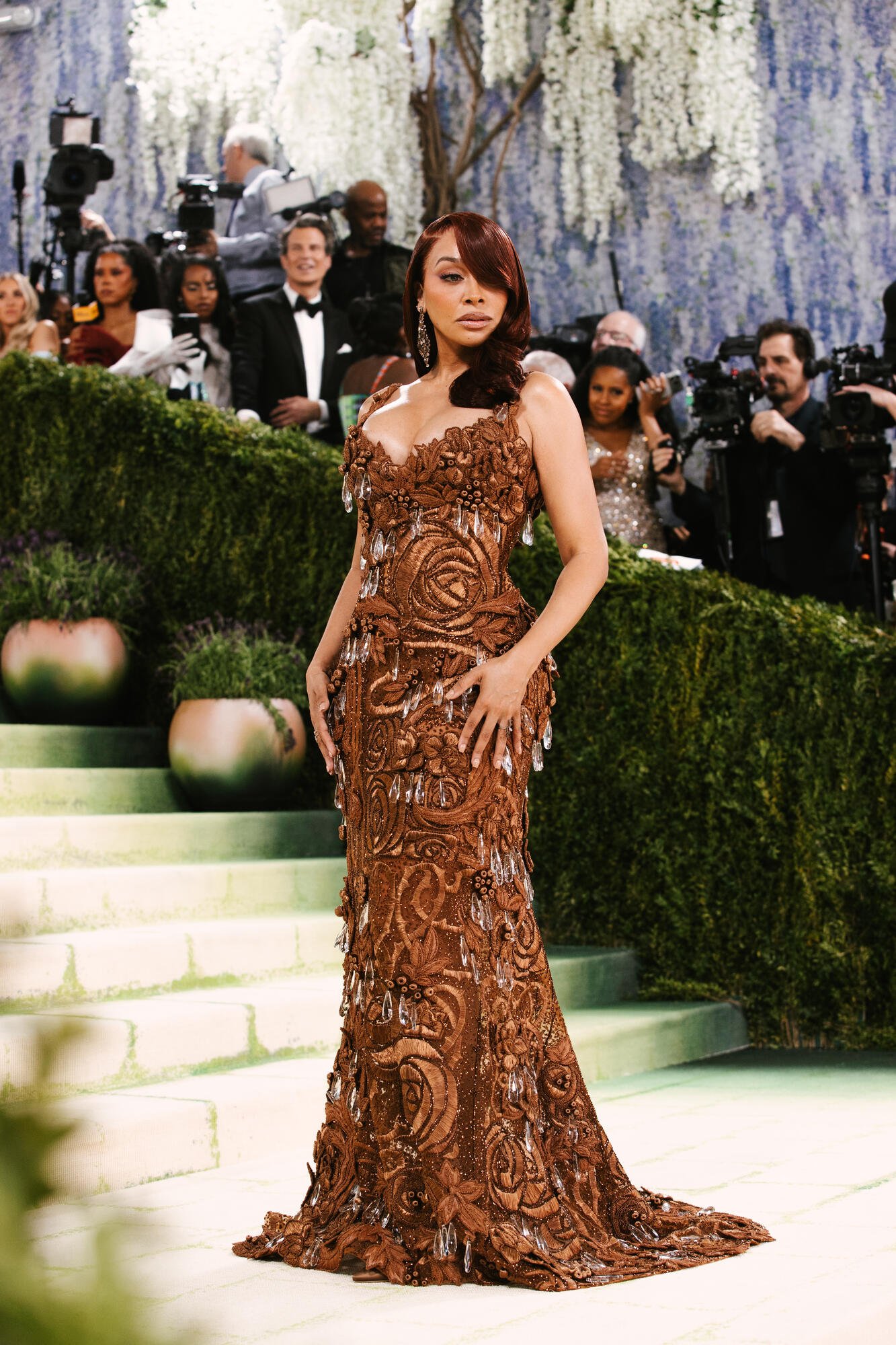
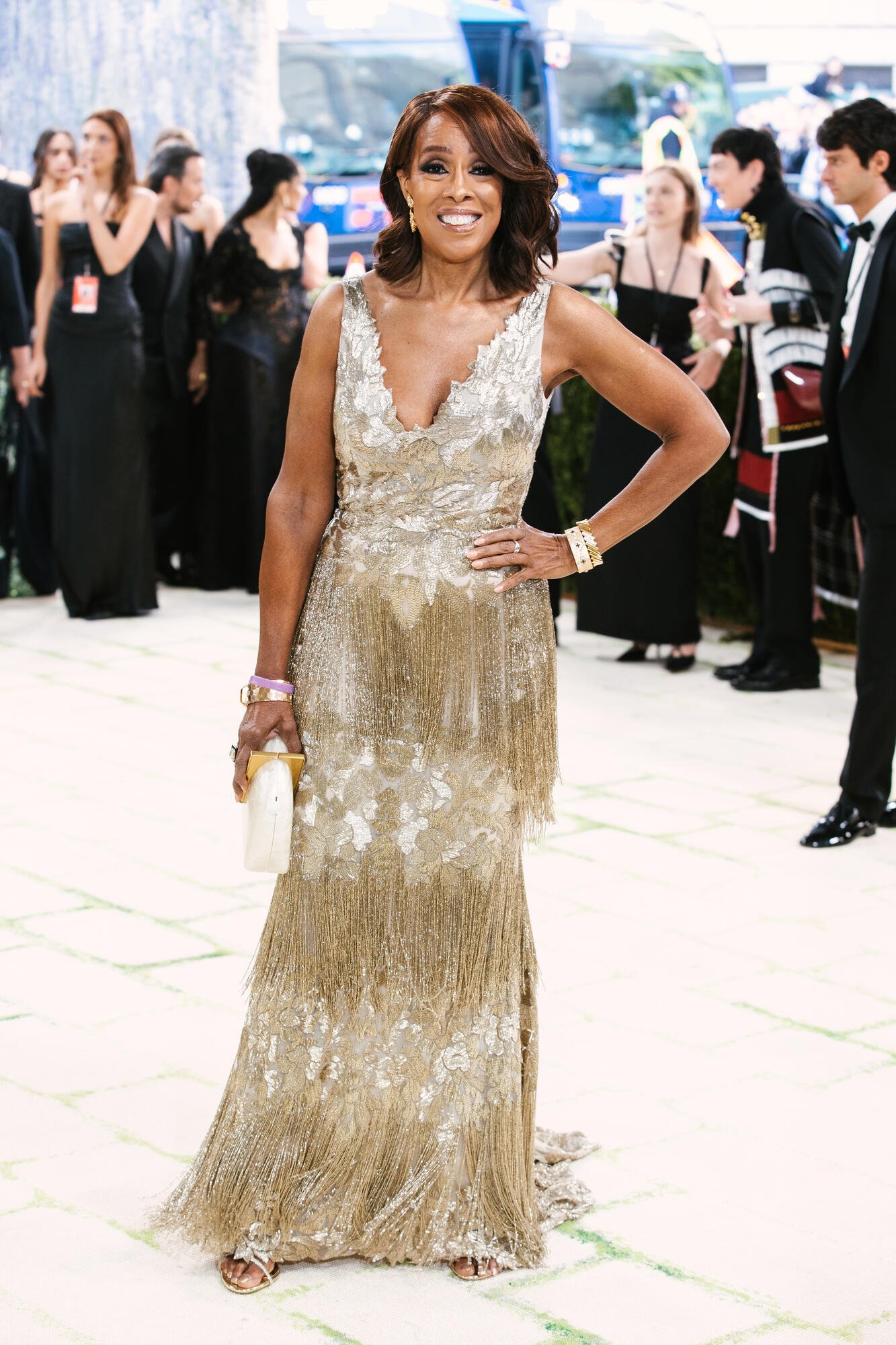
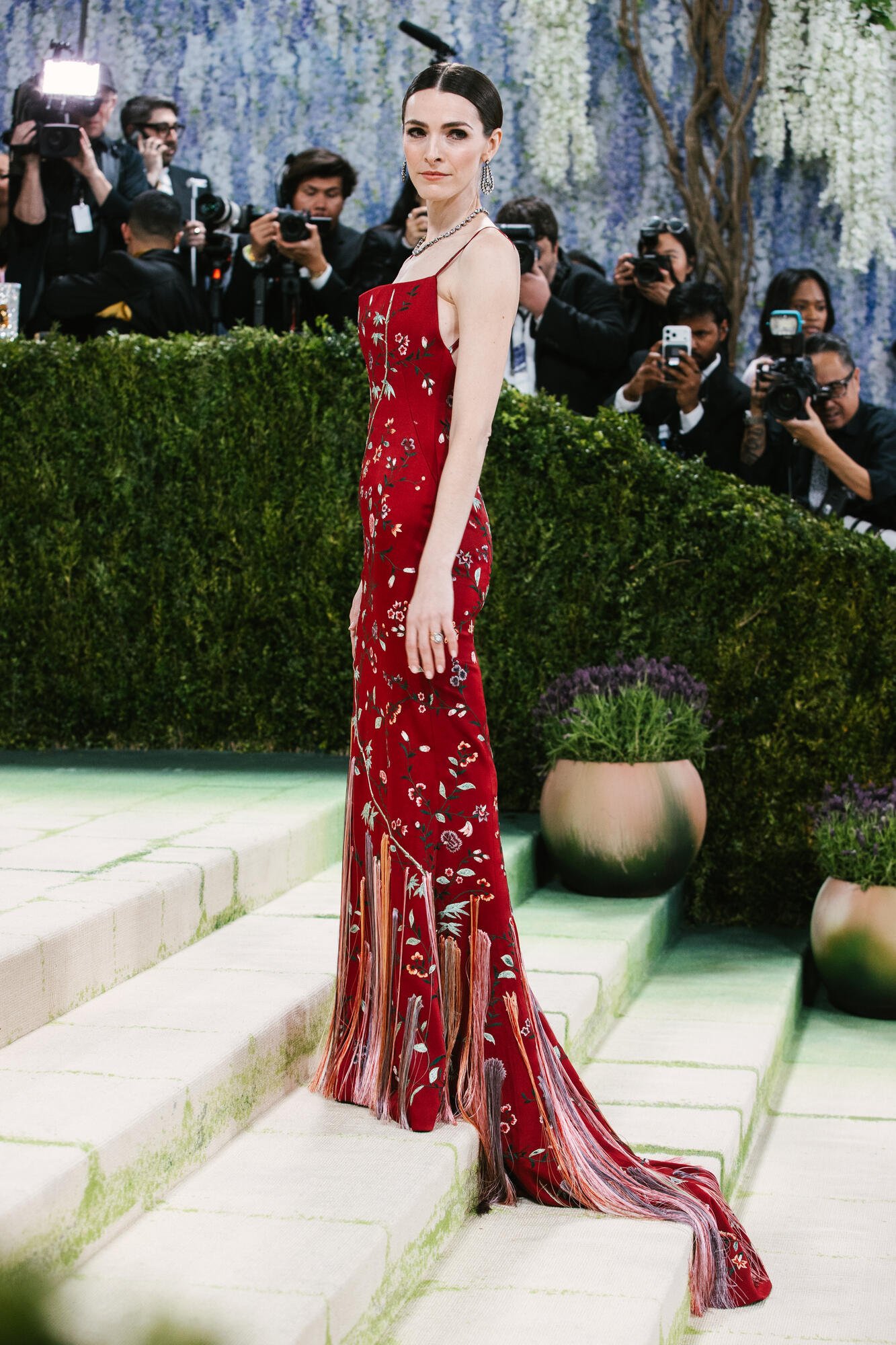
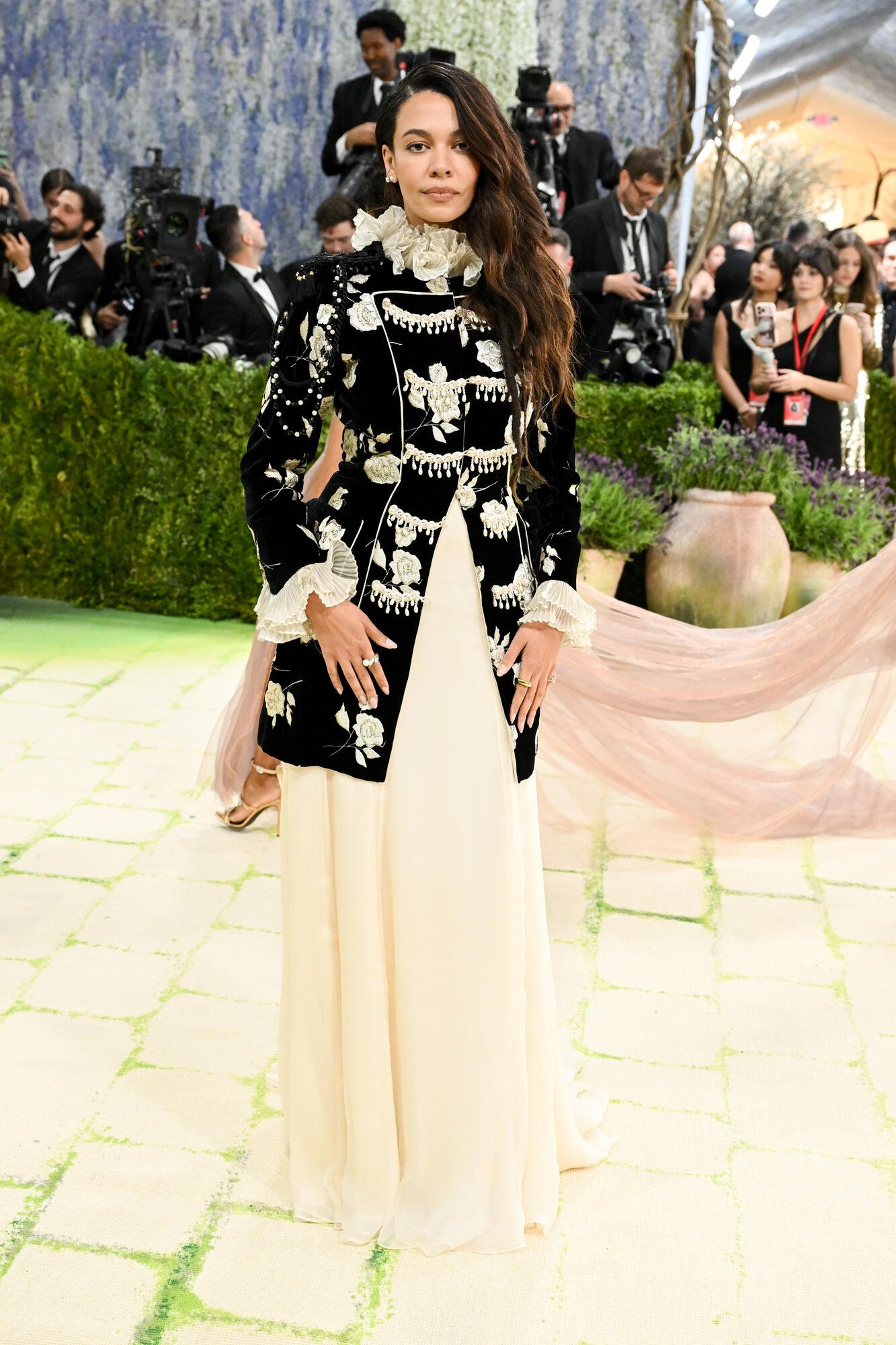
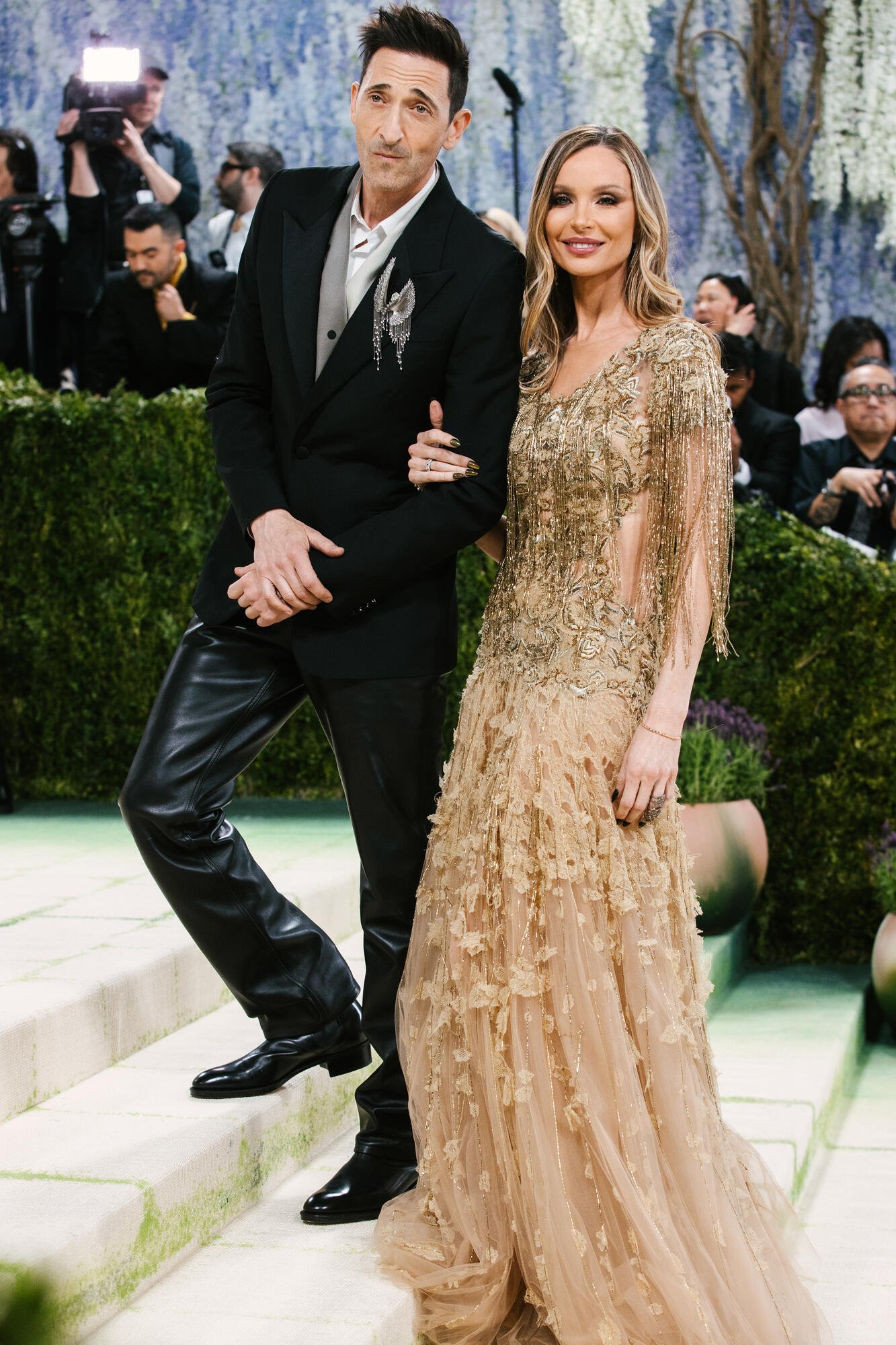
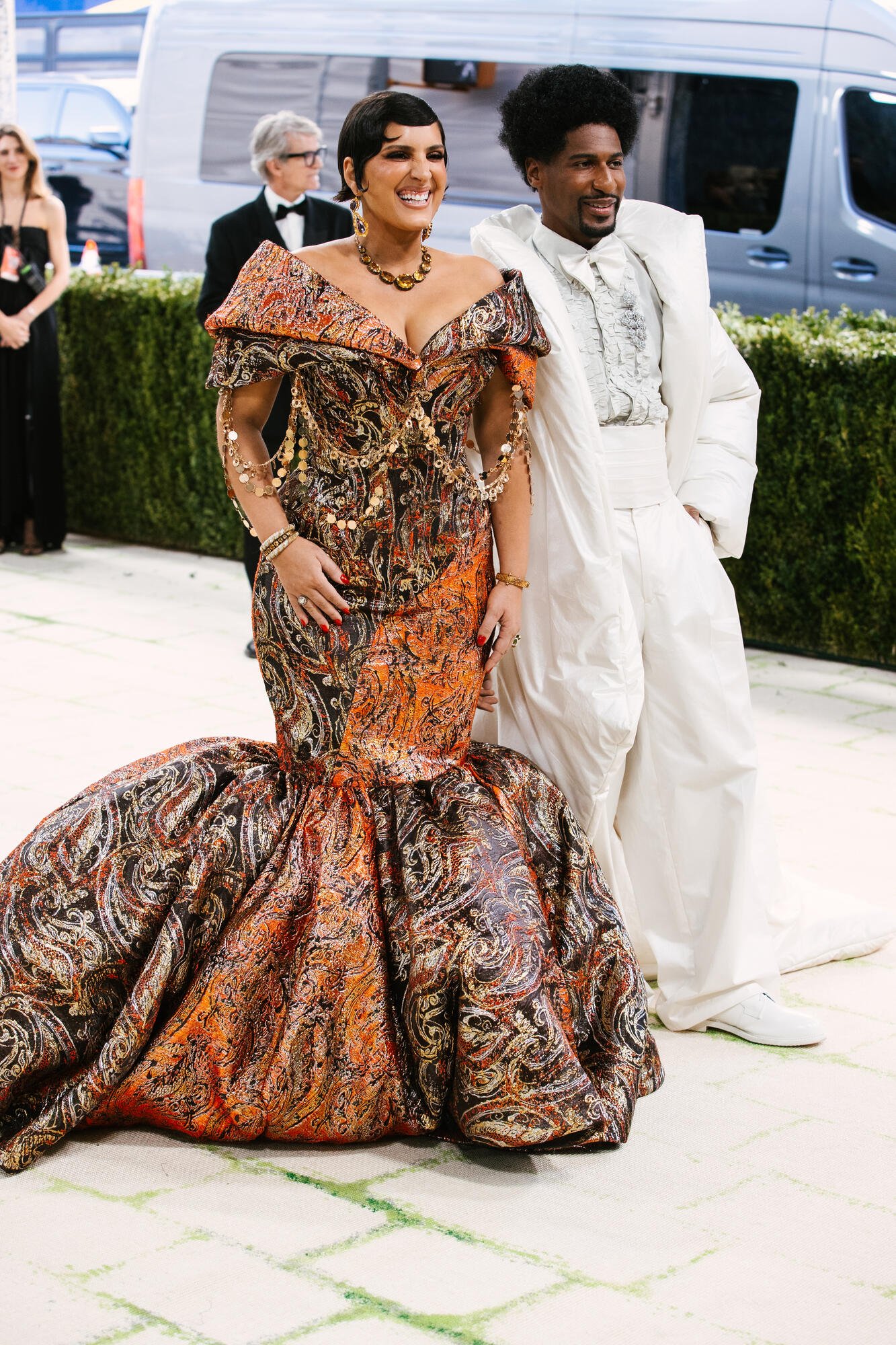
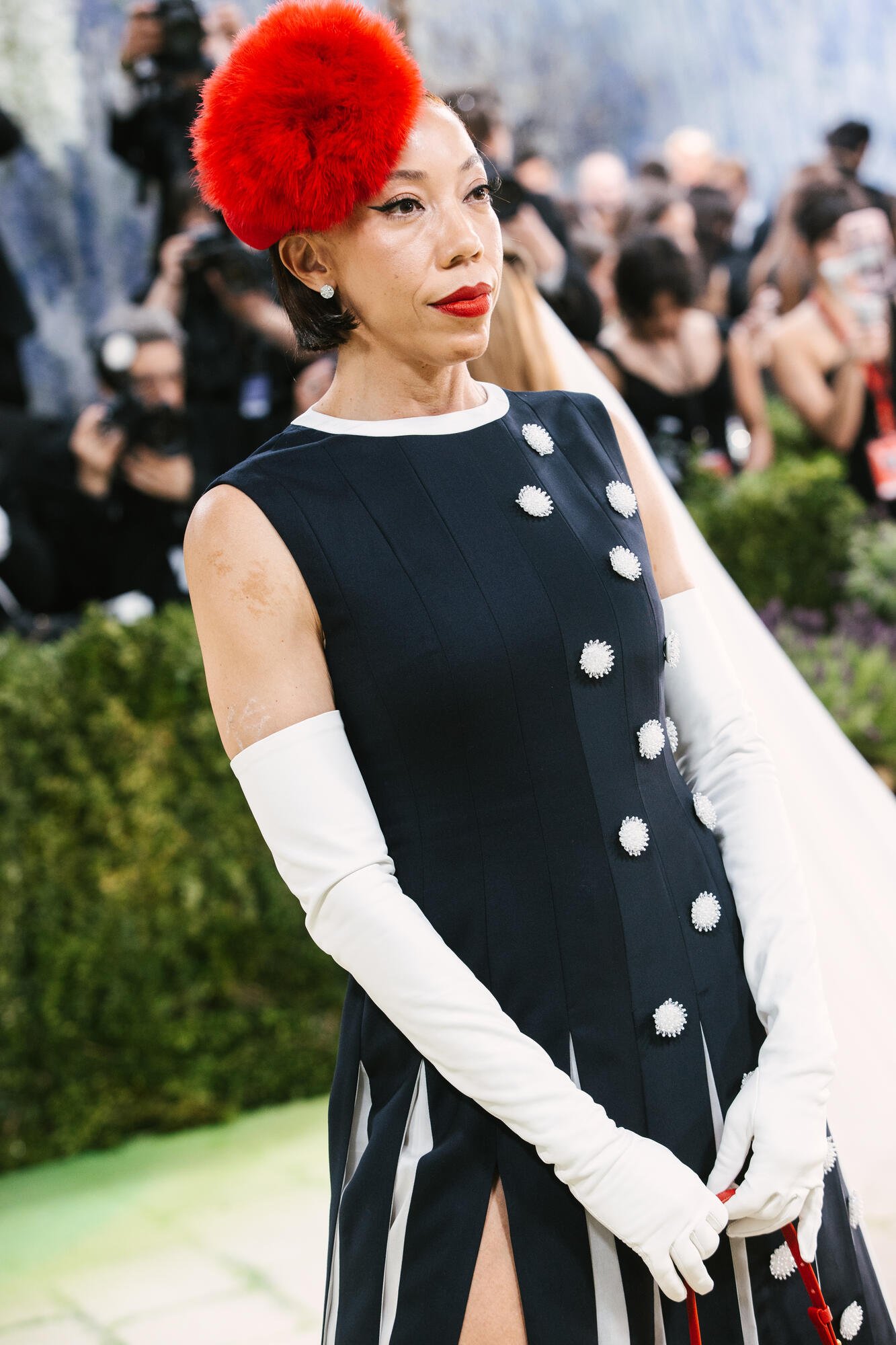
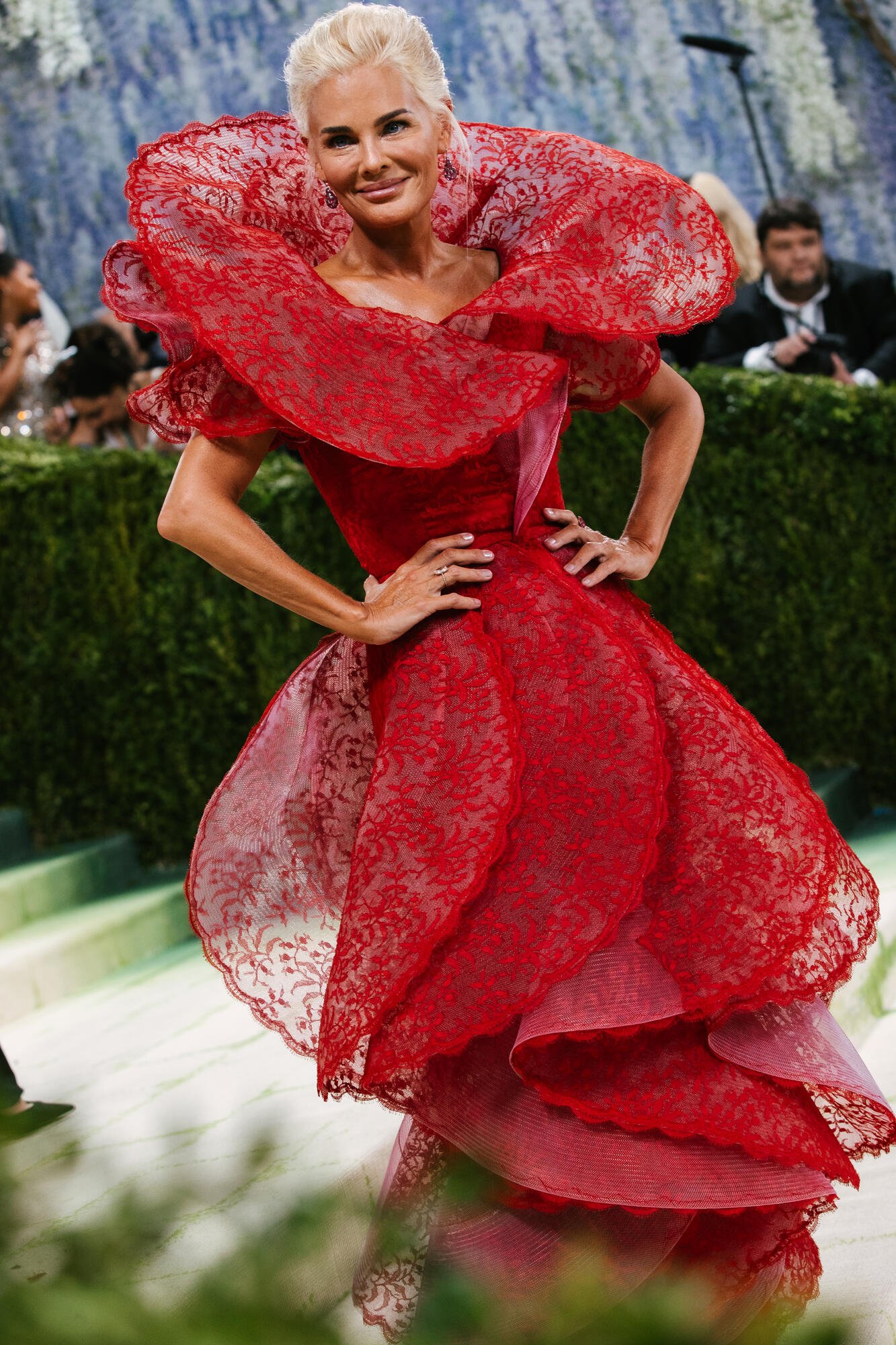
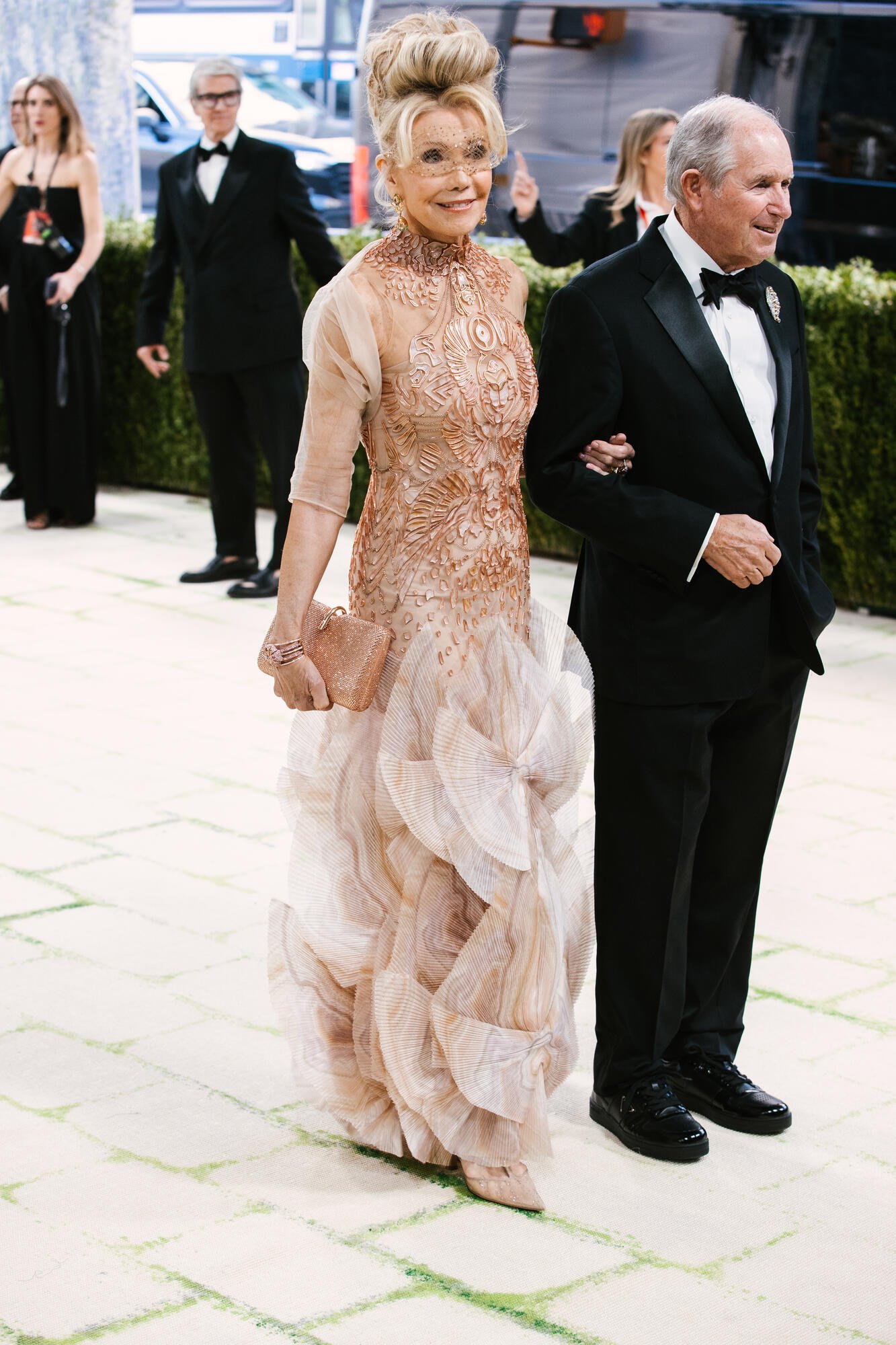
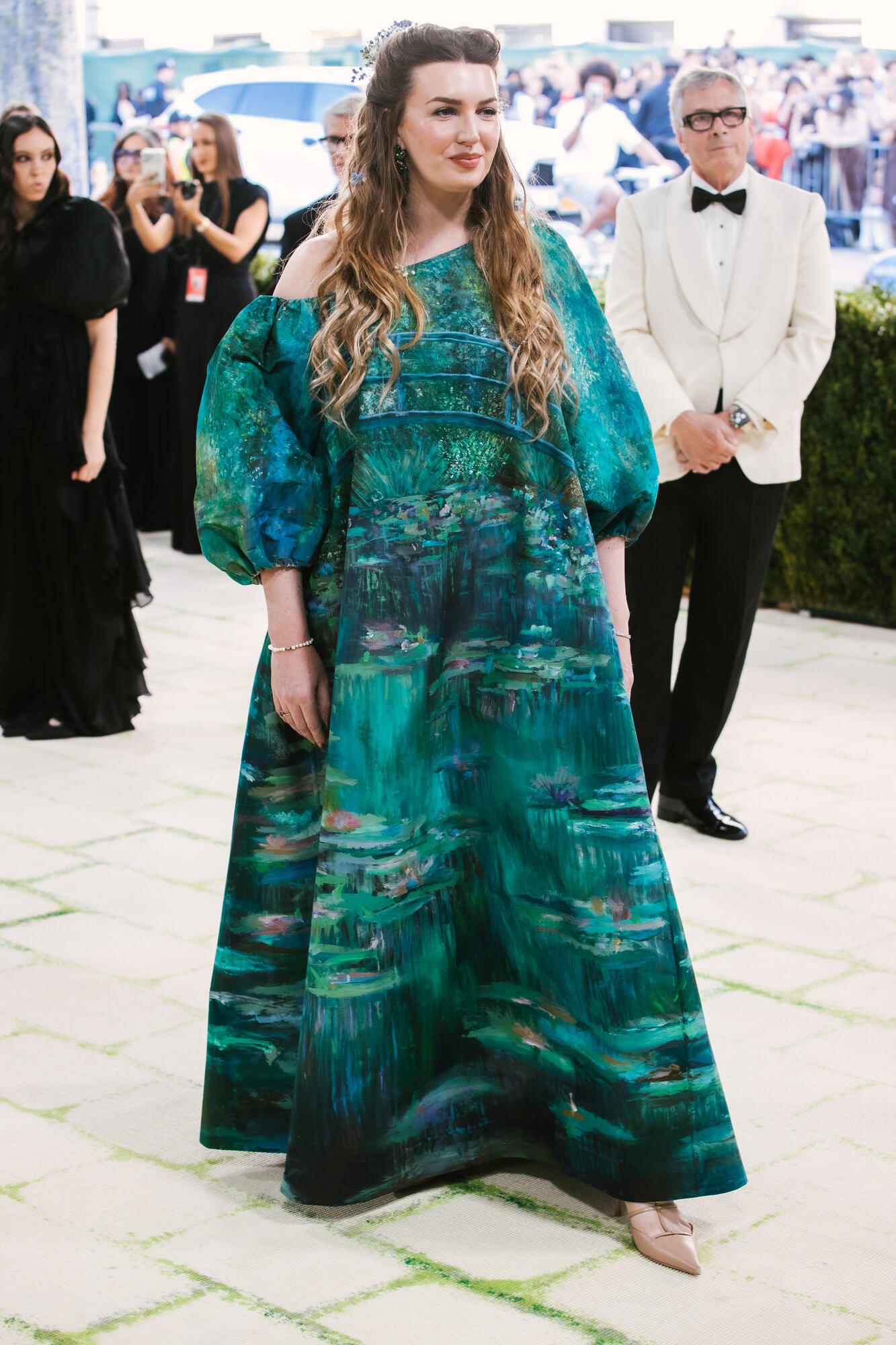
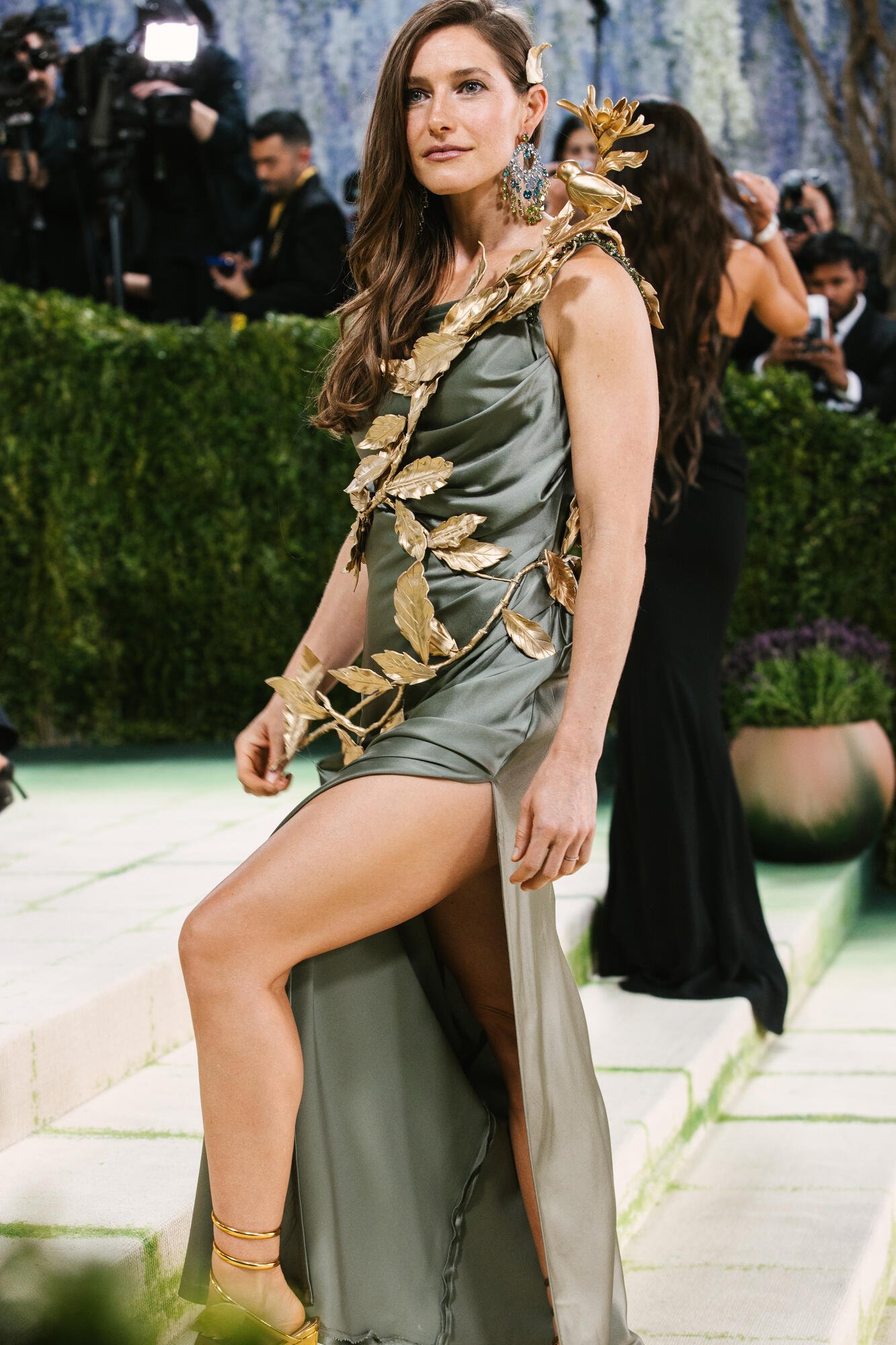
Haute couture dominated the red carpet with unapologetic scale and craftsmanship:
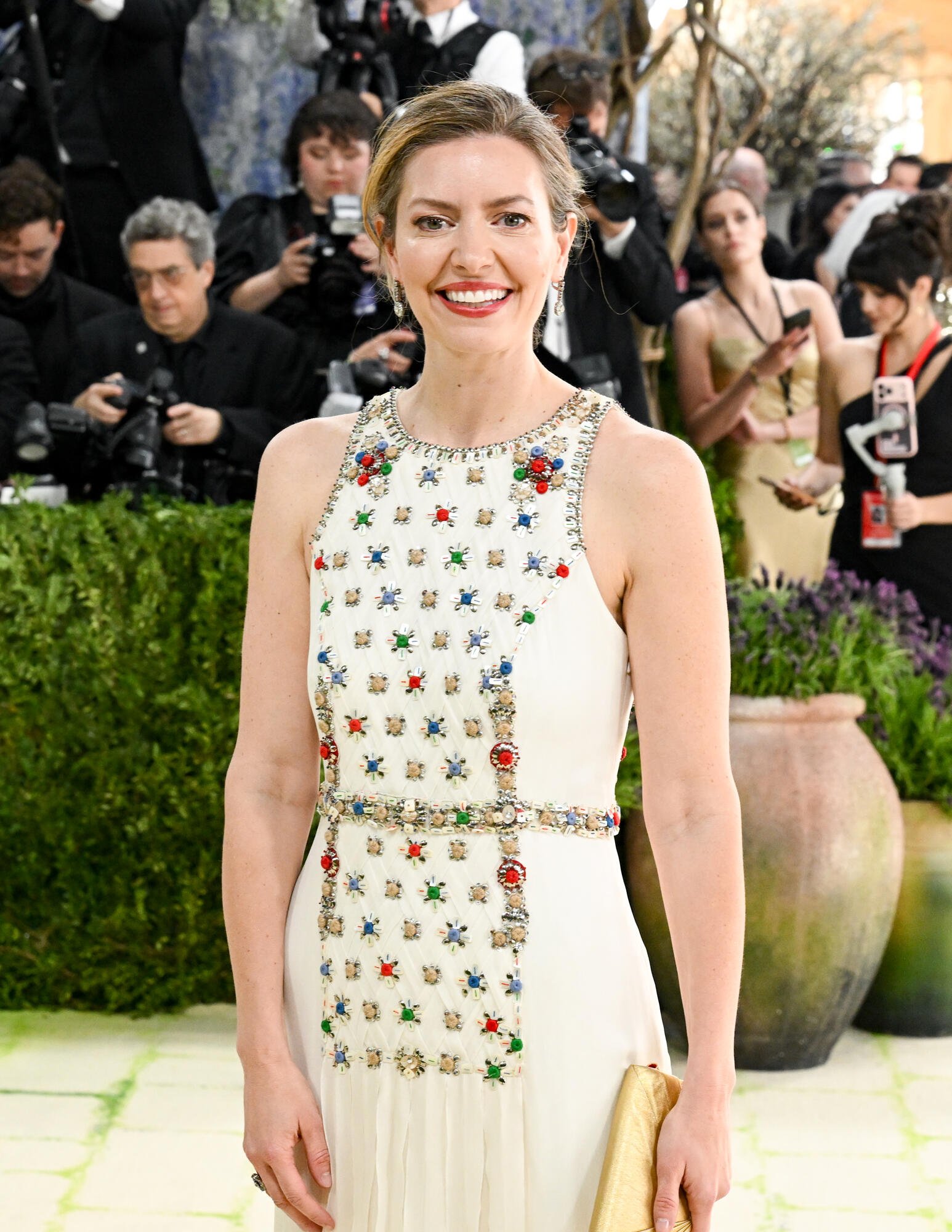
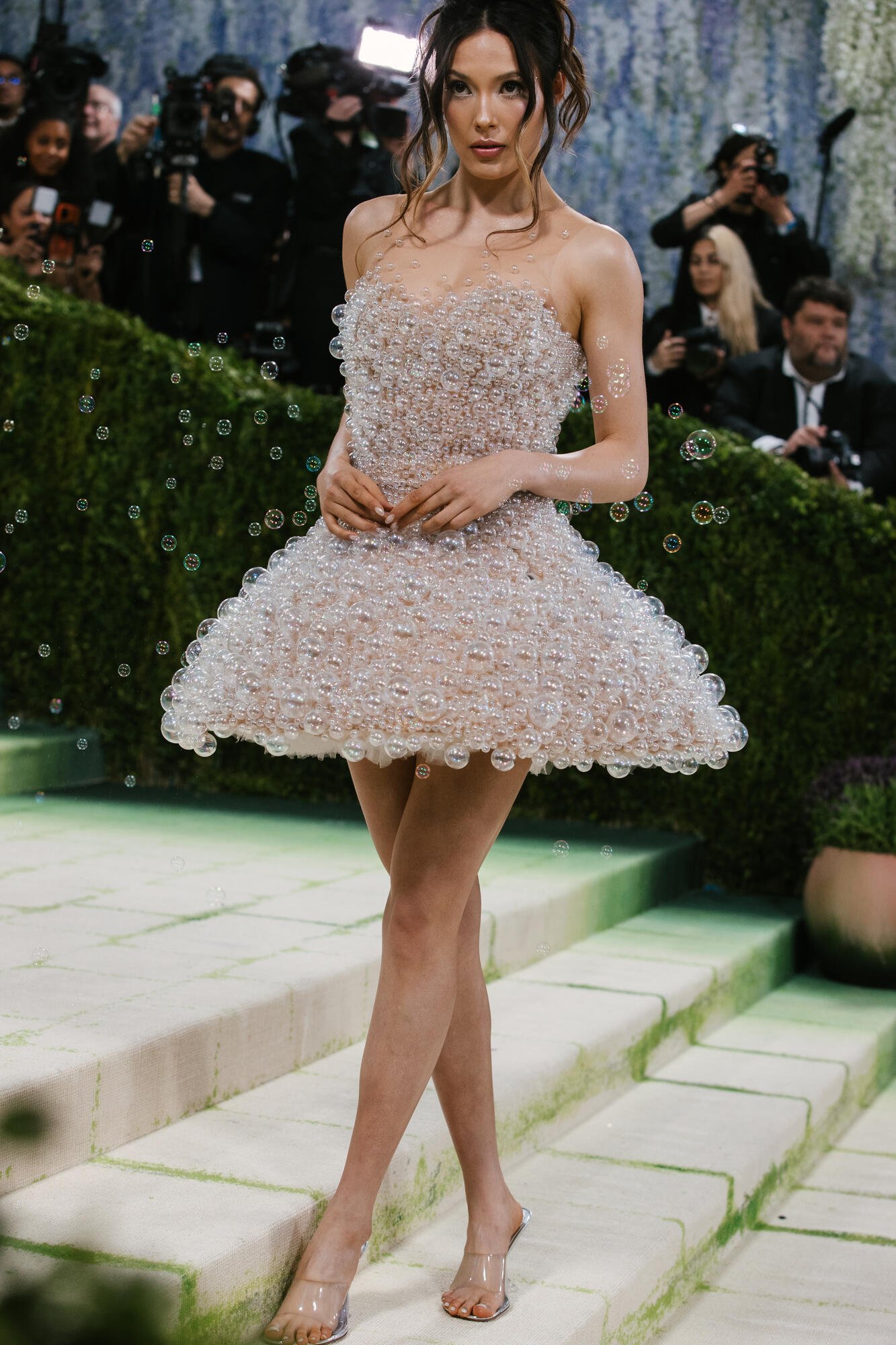
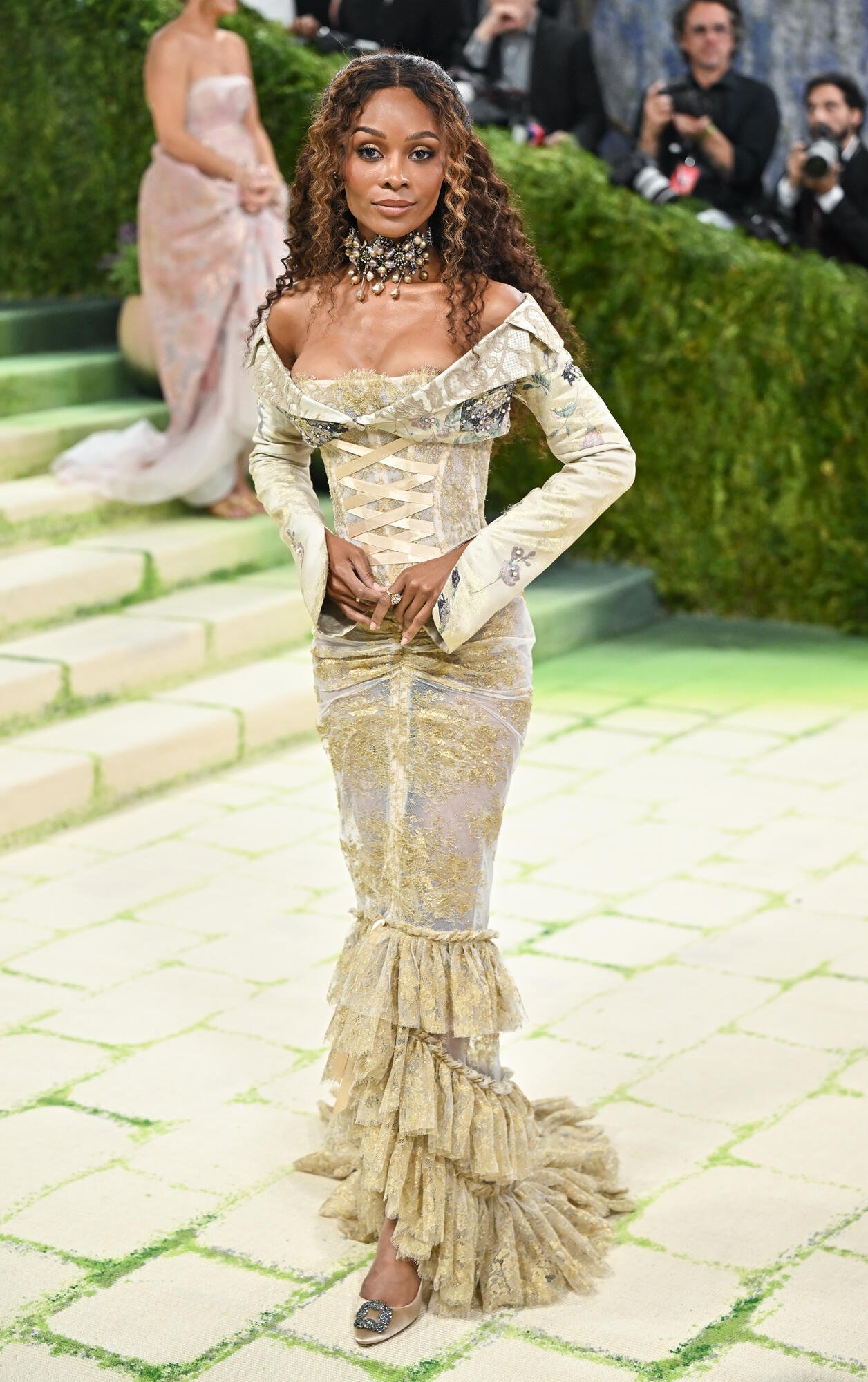
- custom, labor-intensive pieces (some requiring hundreds of hours)
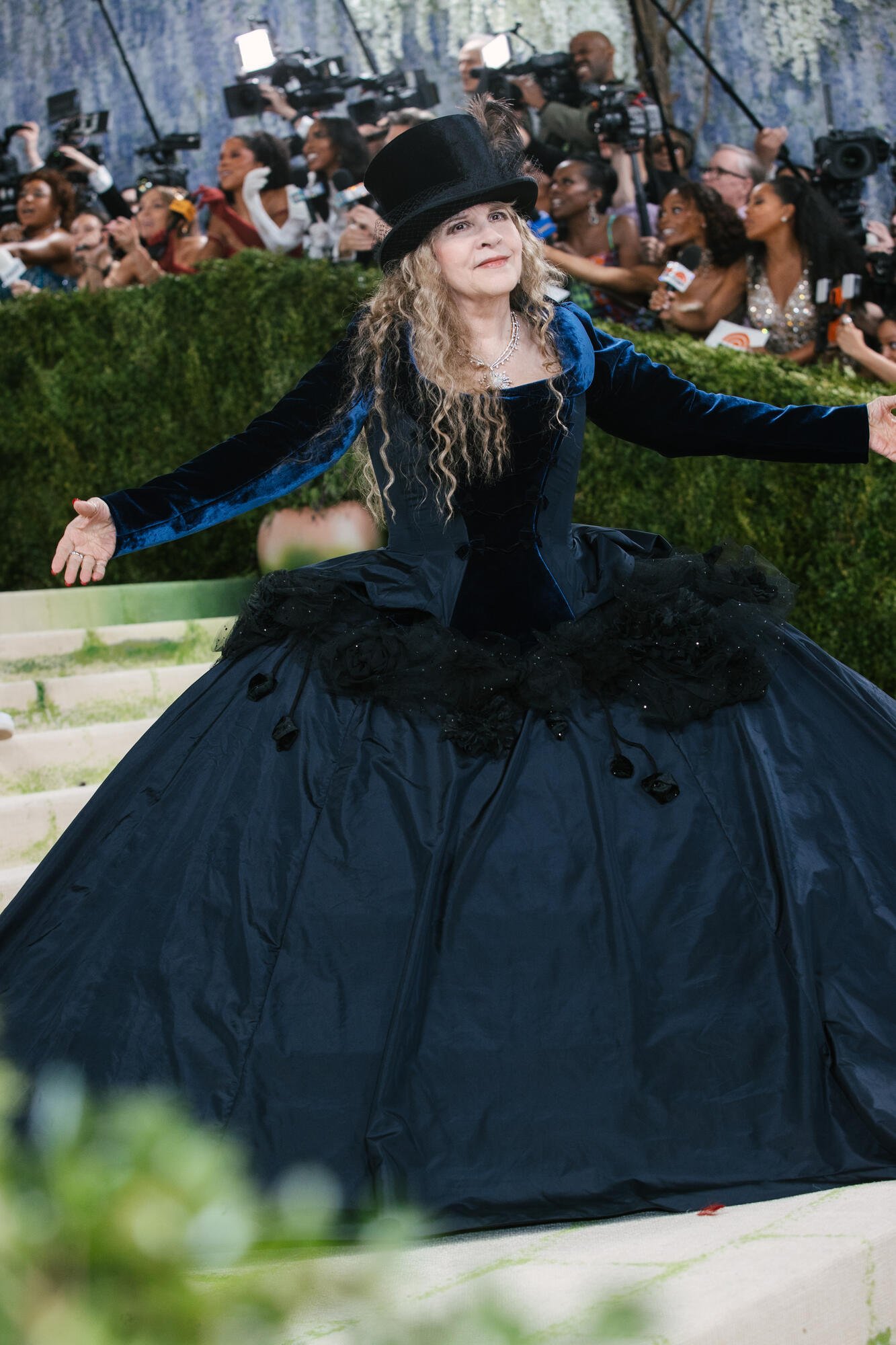
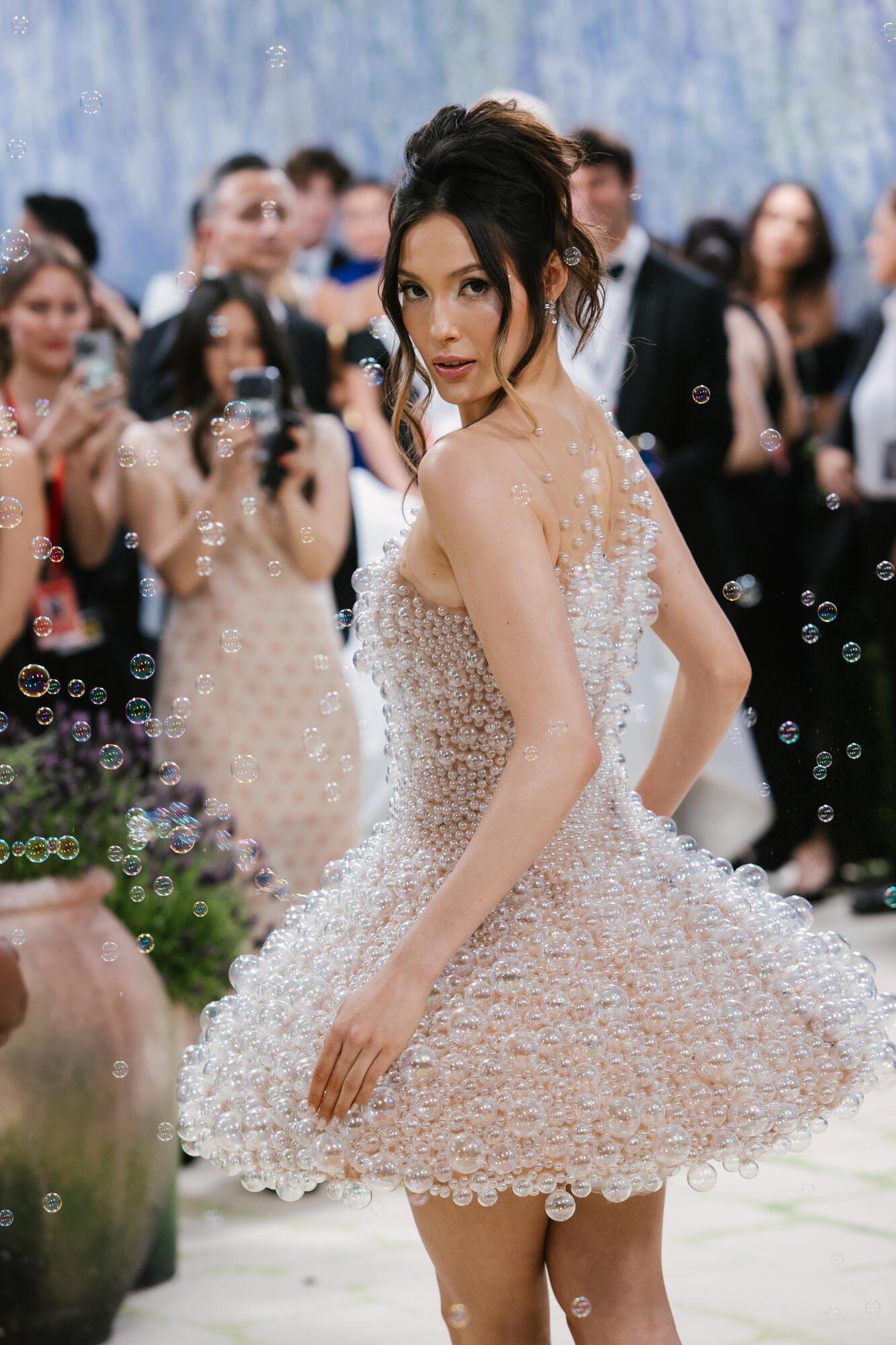
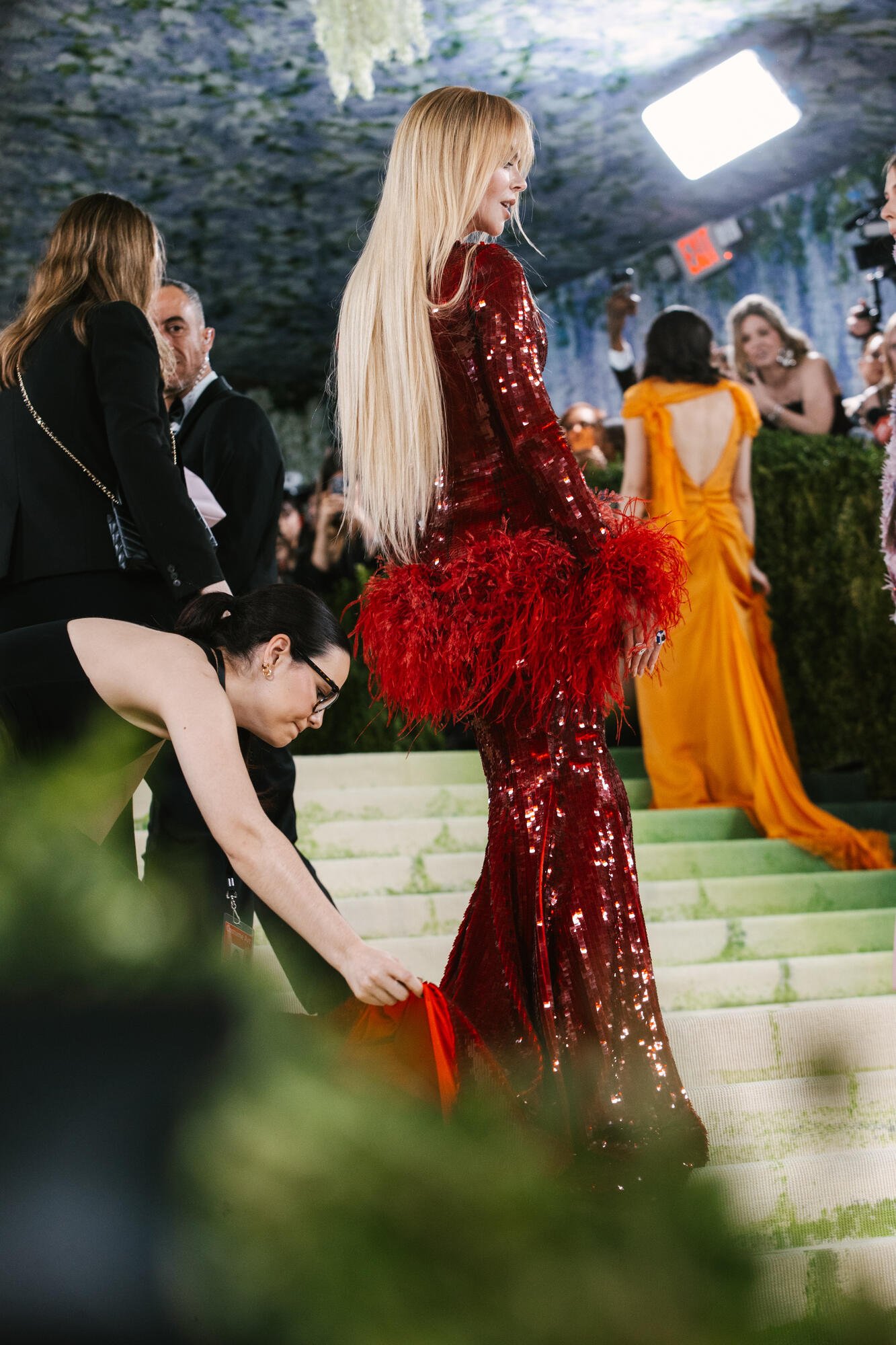
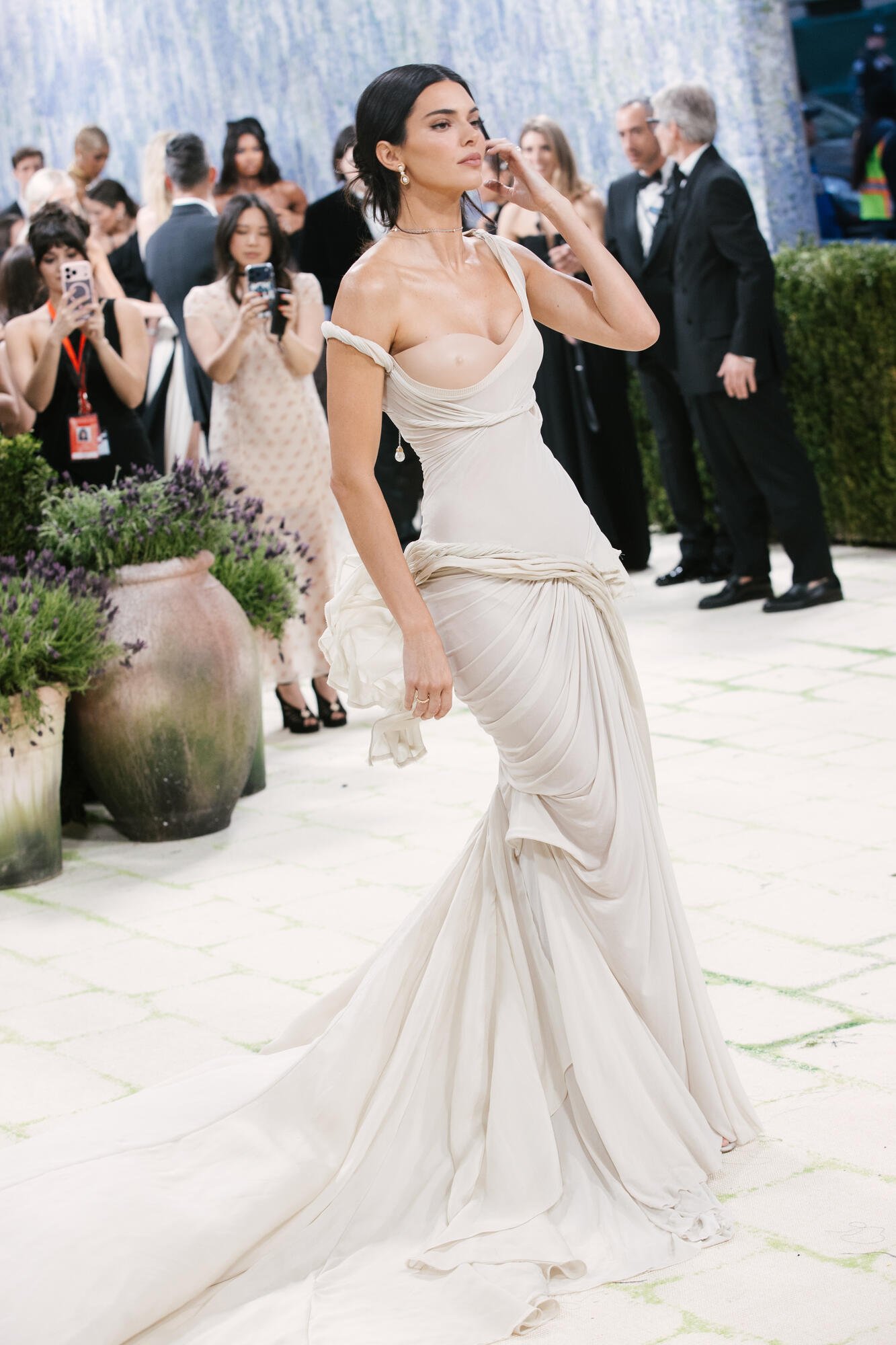
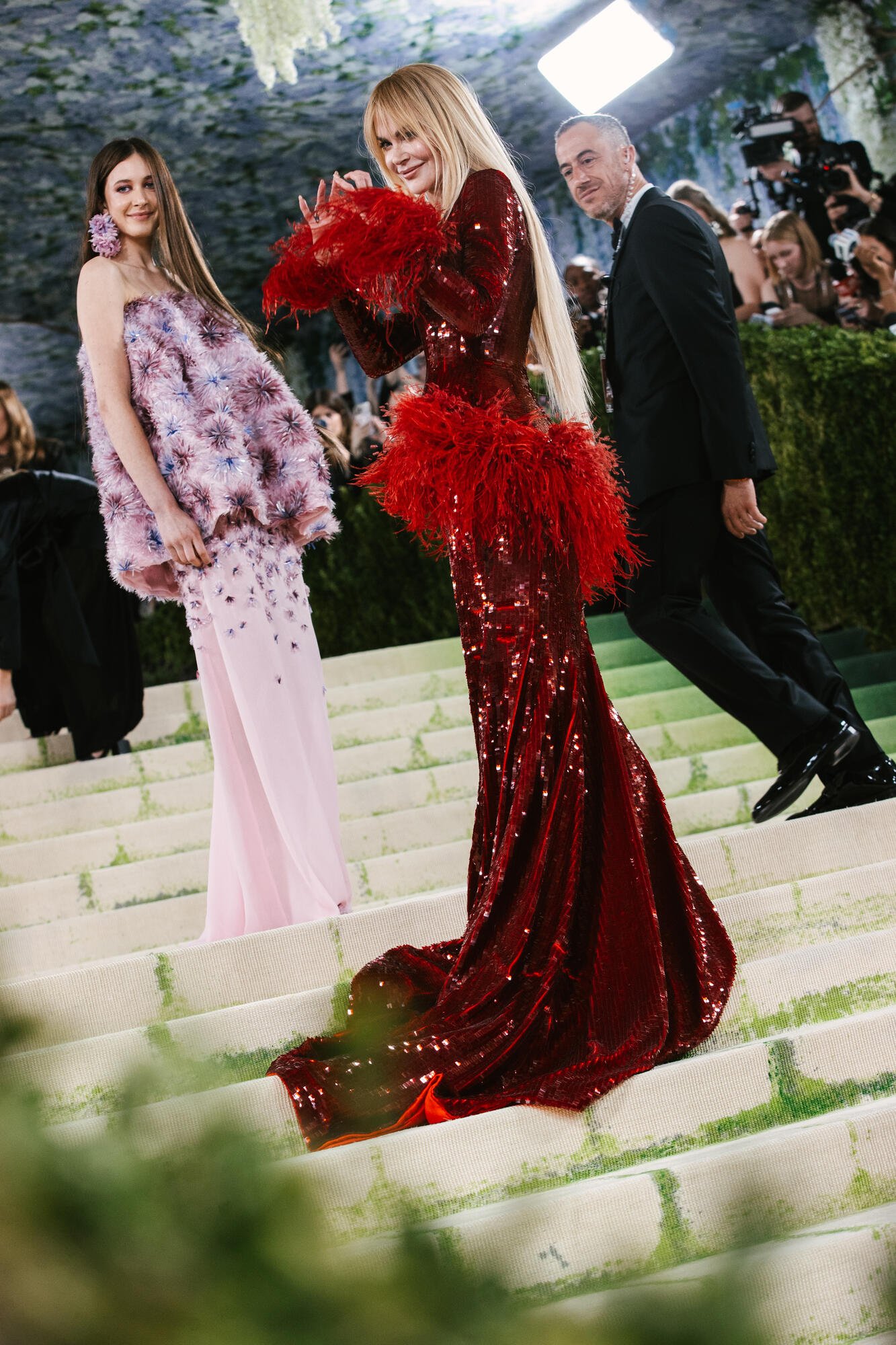
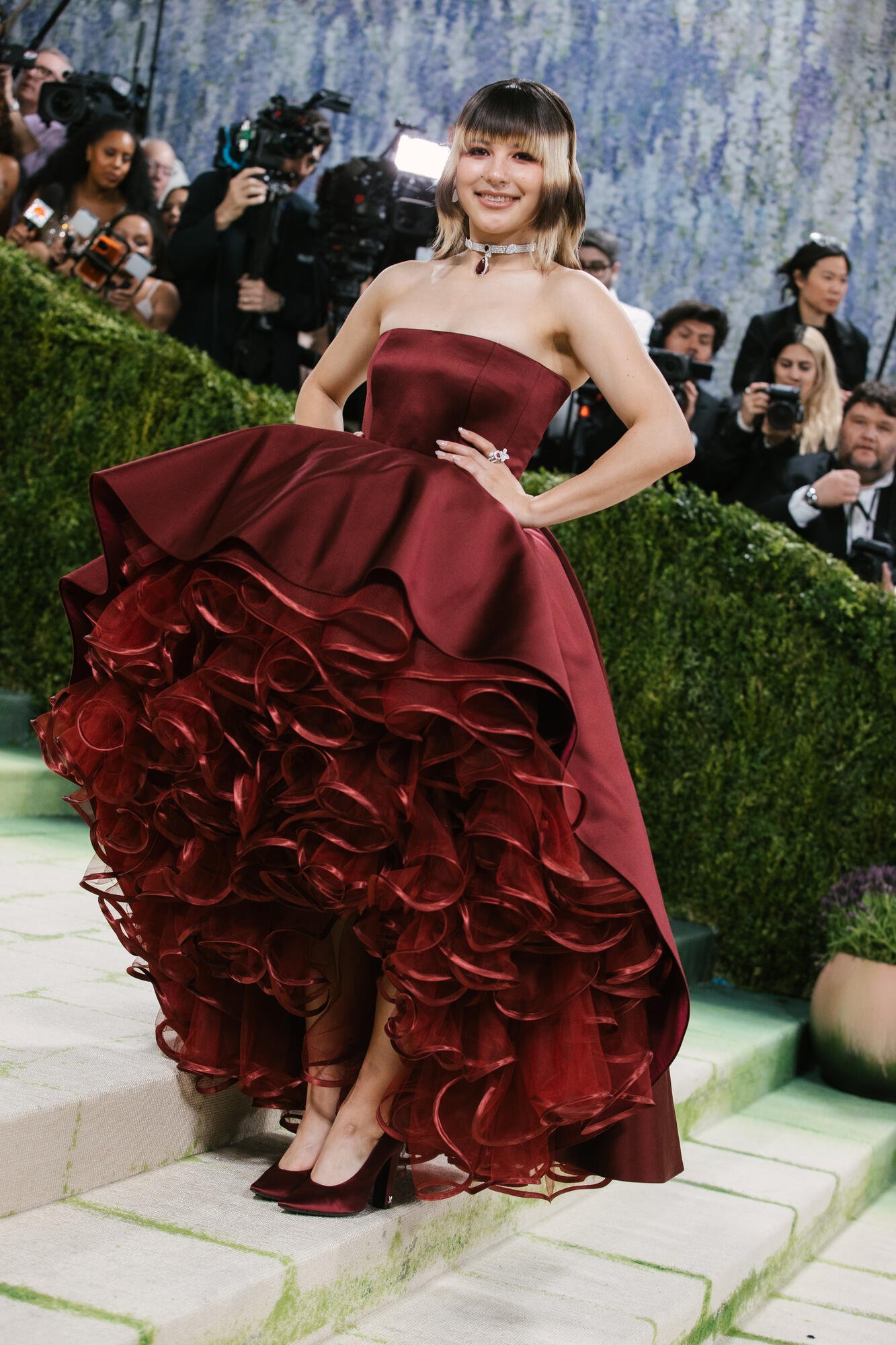
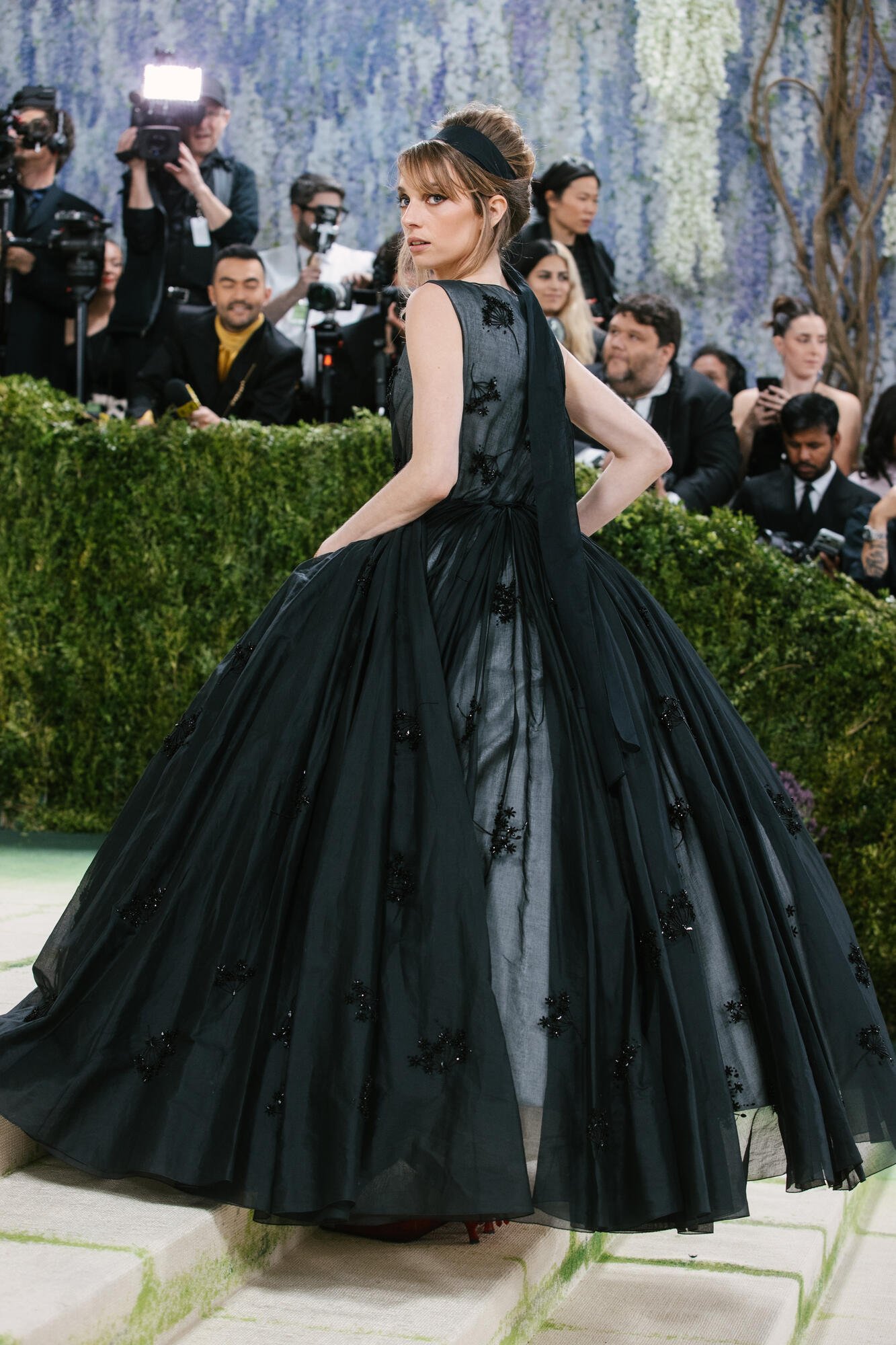
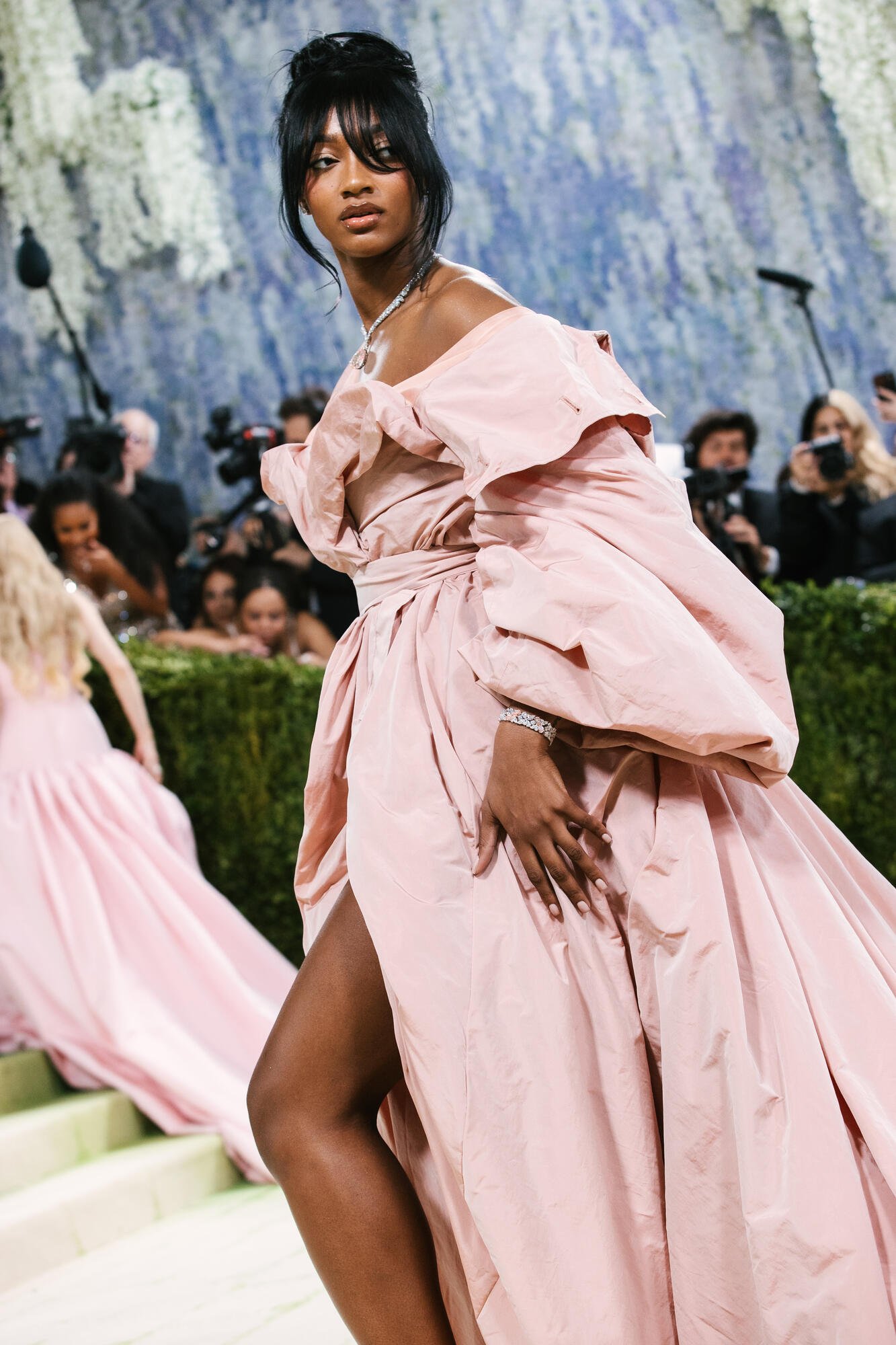
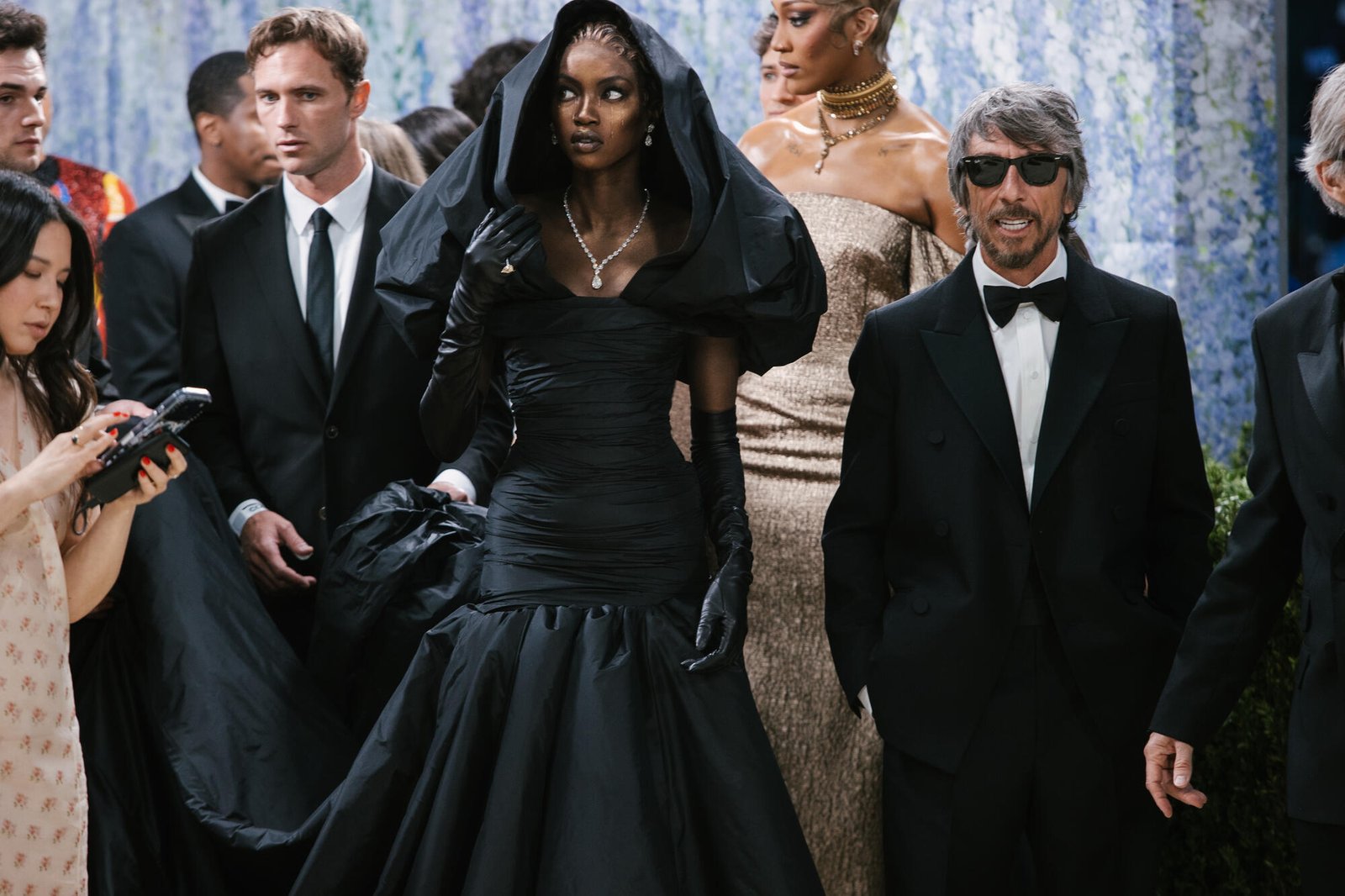
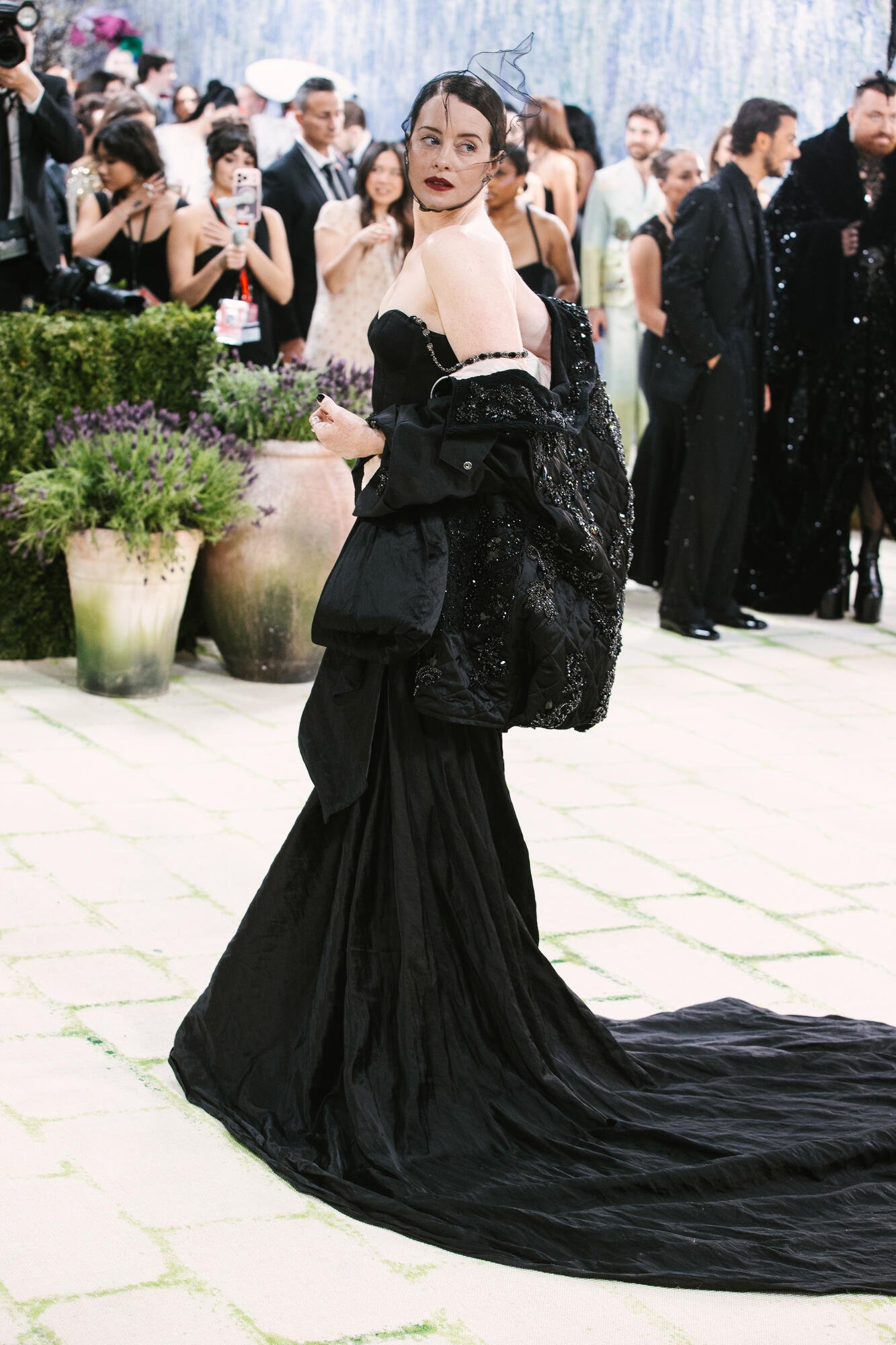
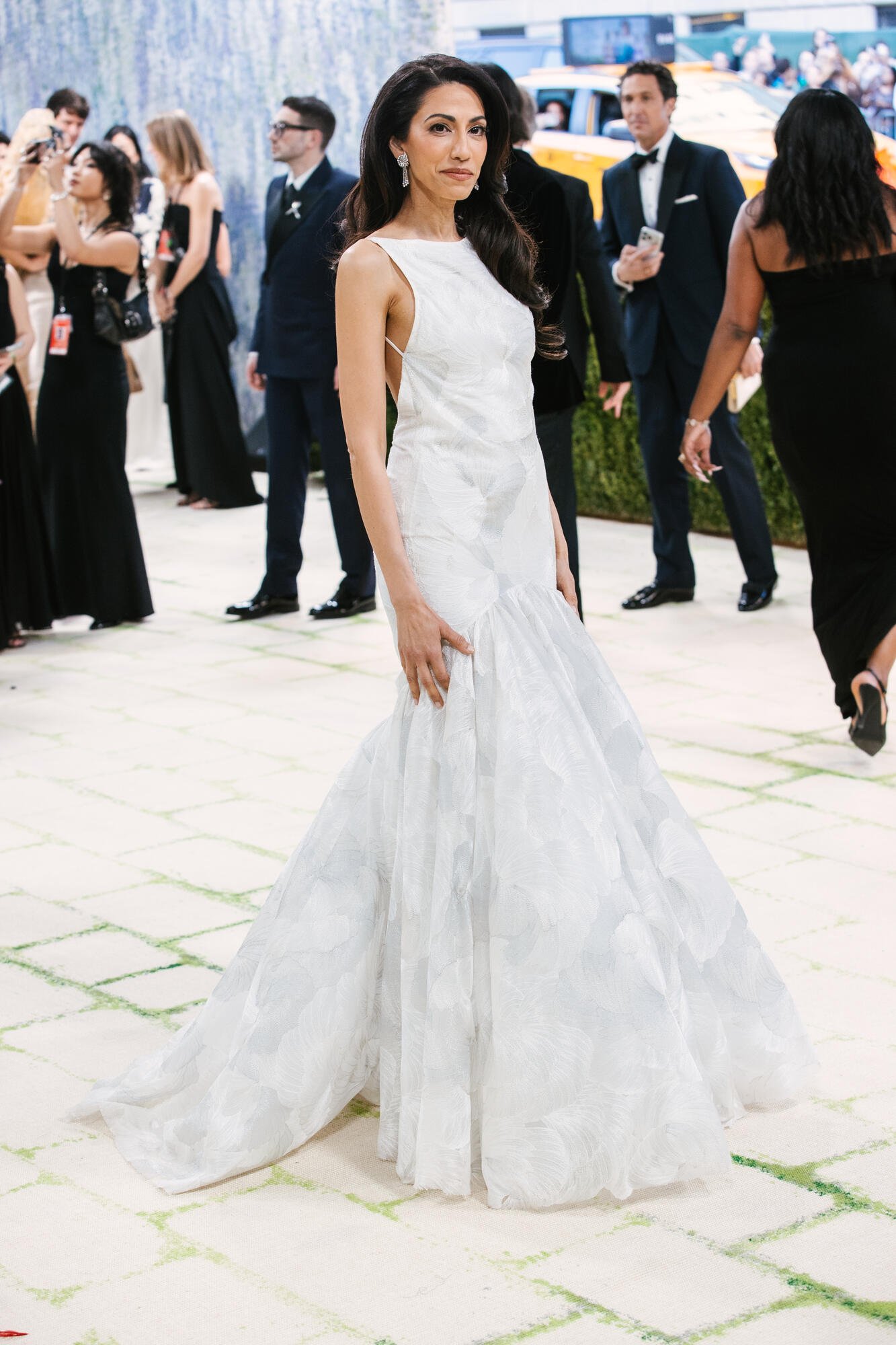
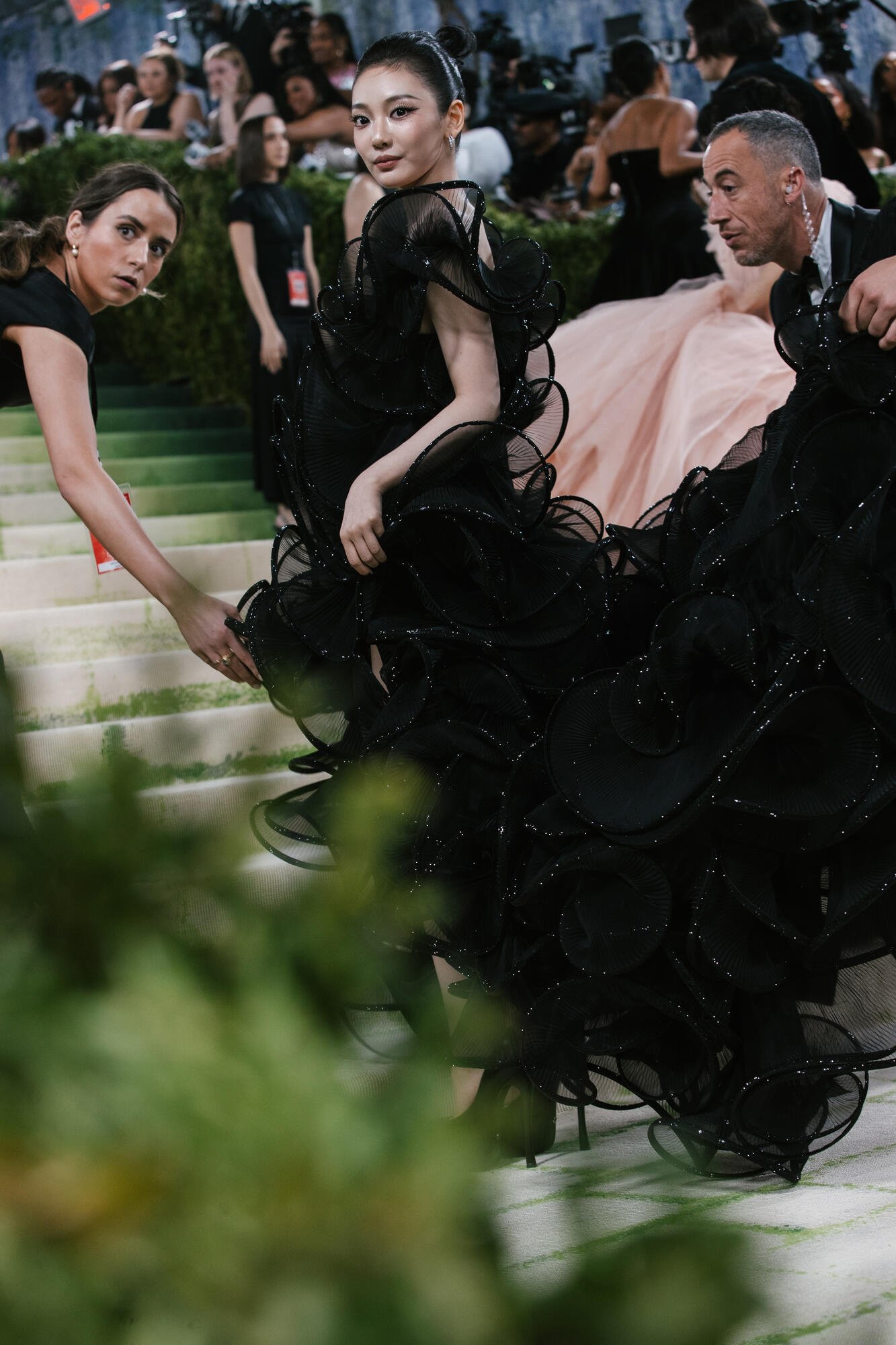
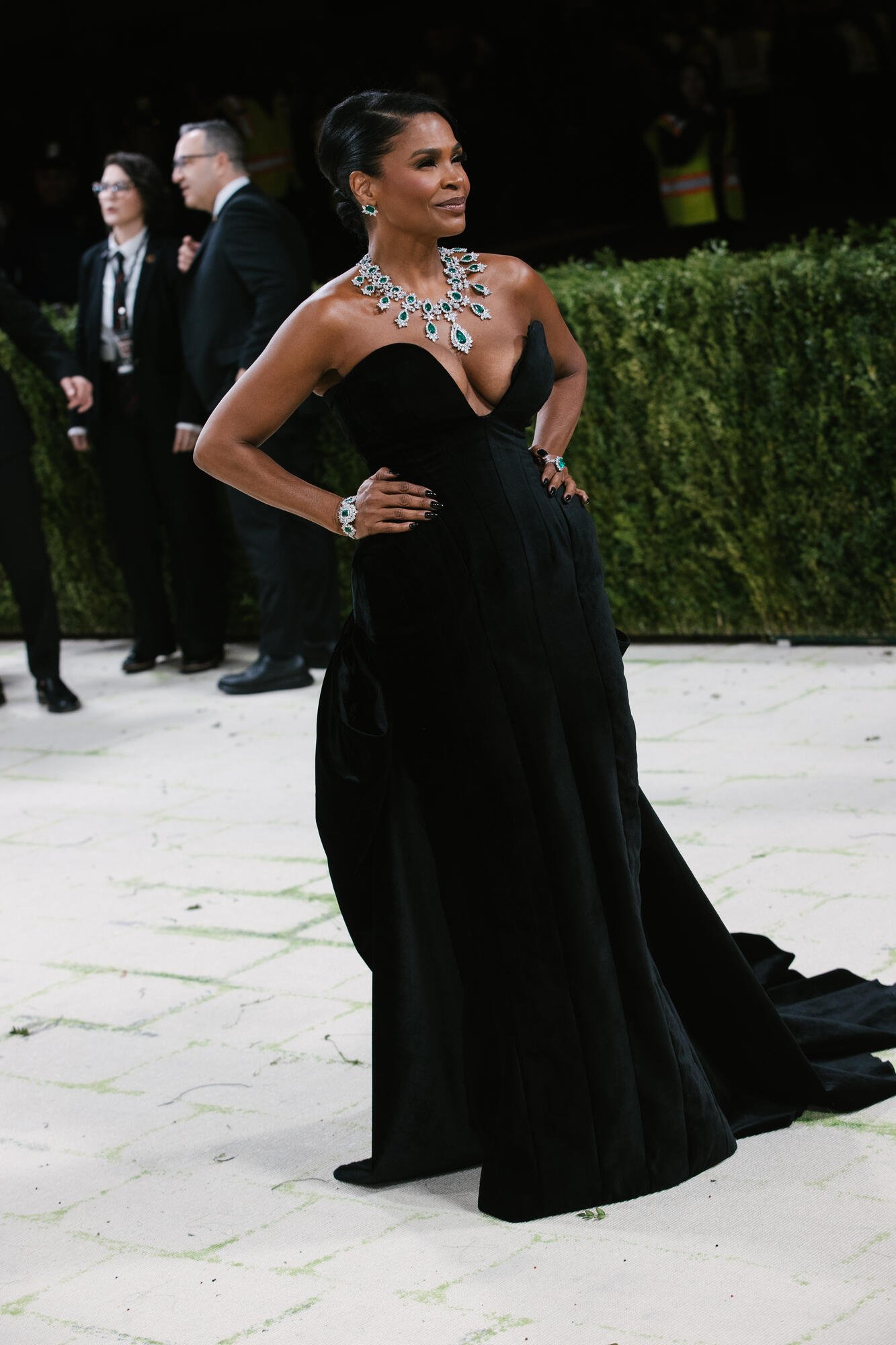
- dramatic gowns engineered for visual impact
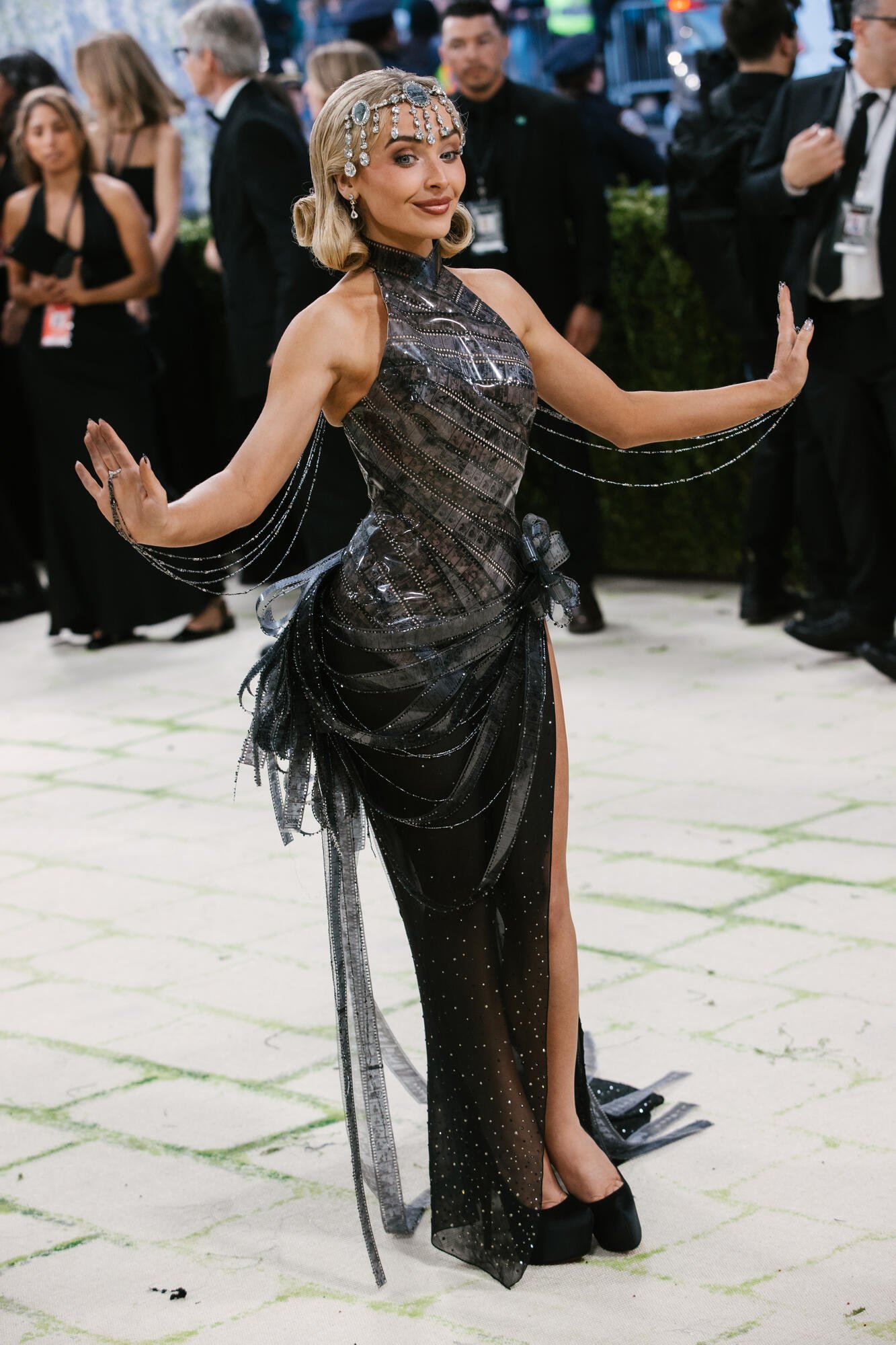
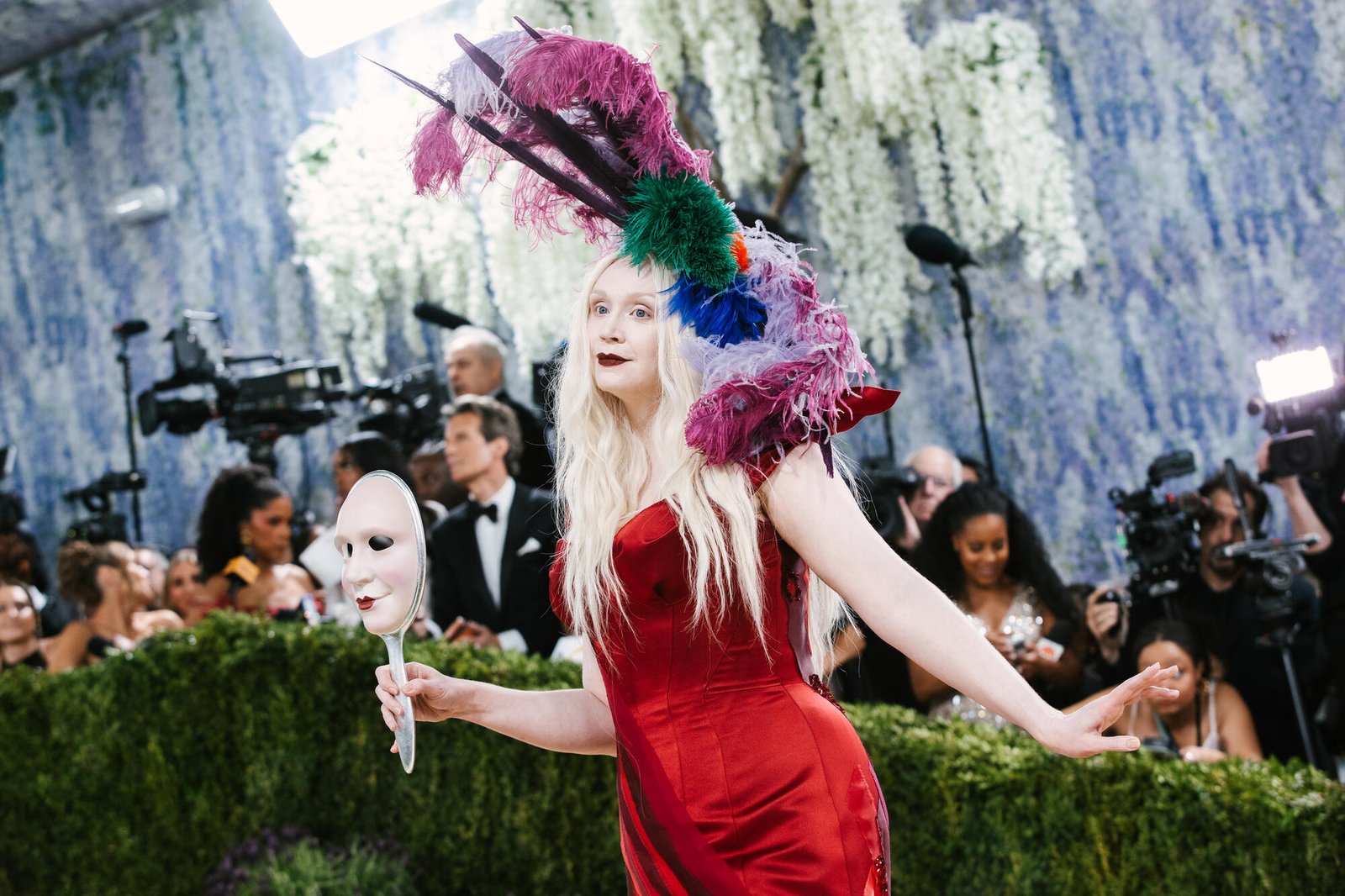
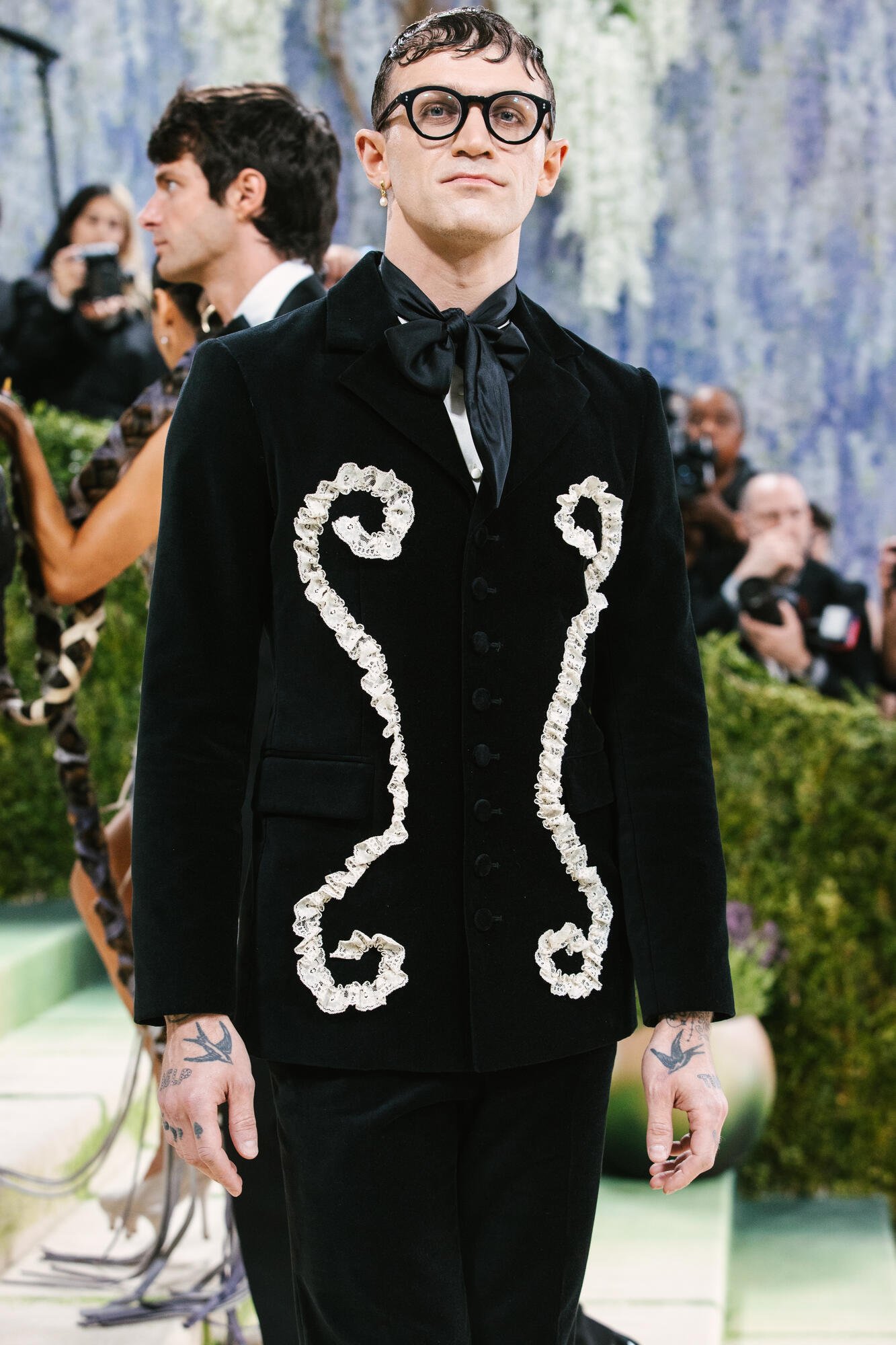
- couture used as storytelling rather than decoration
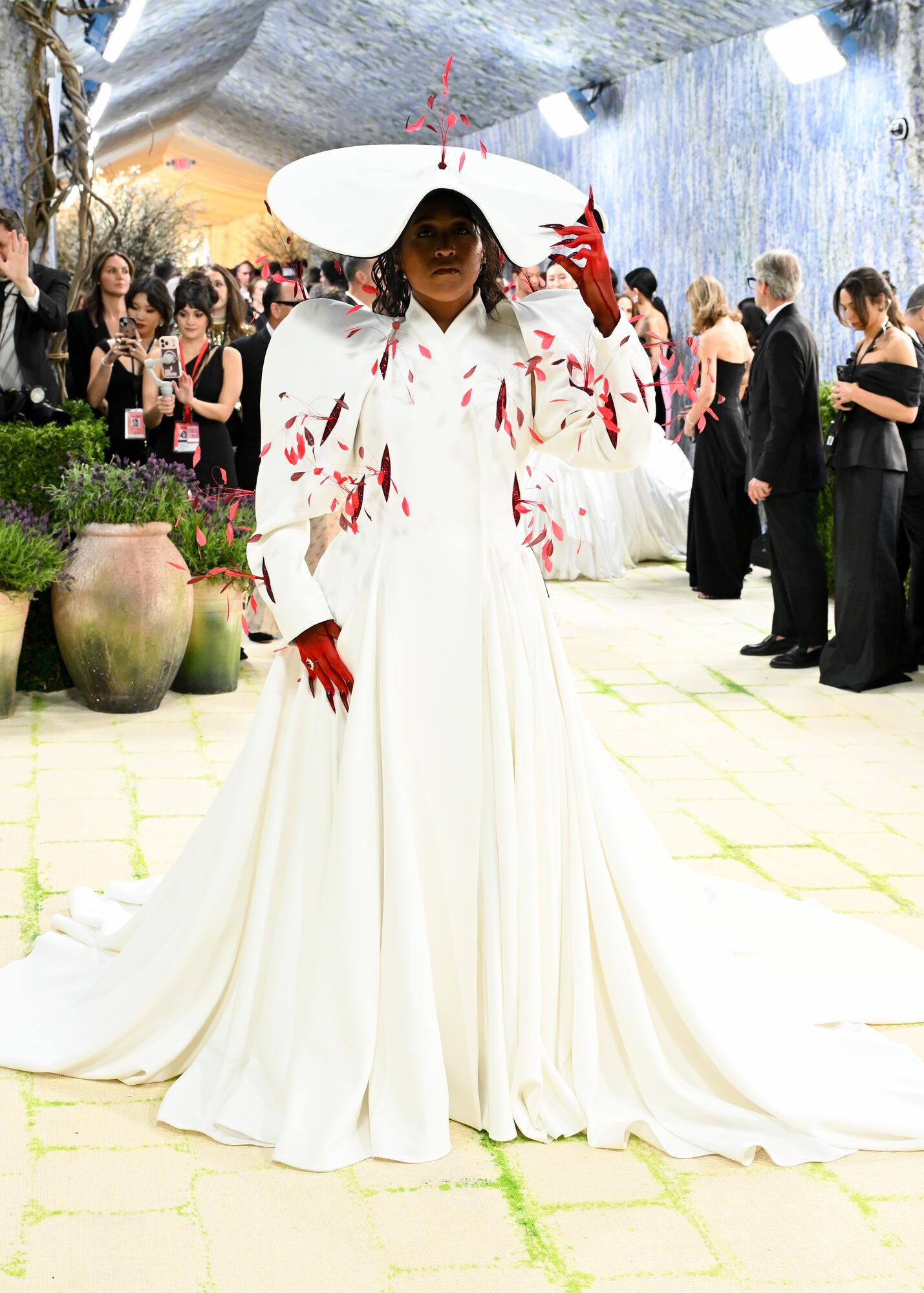
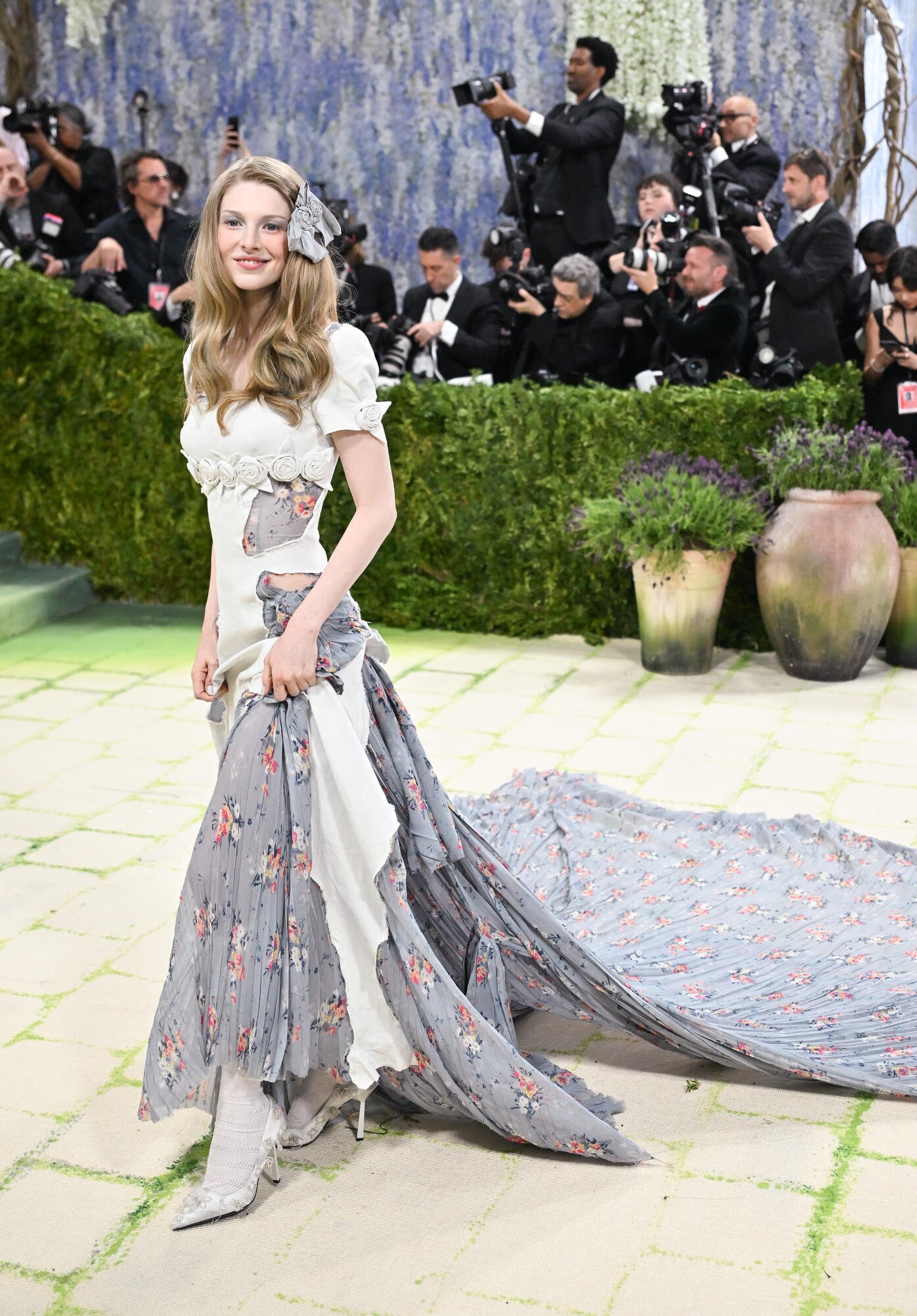
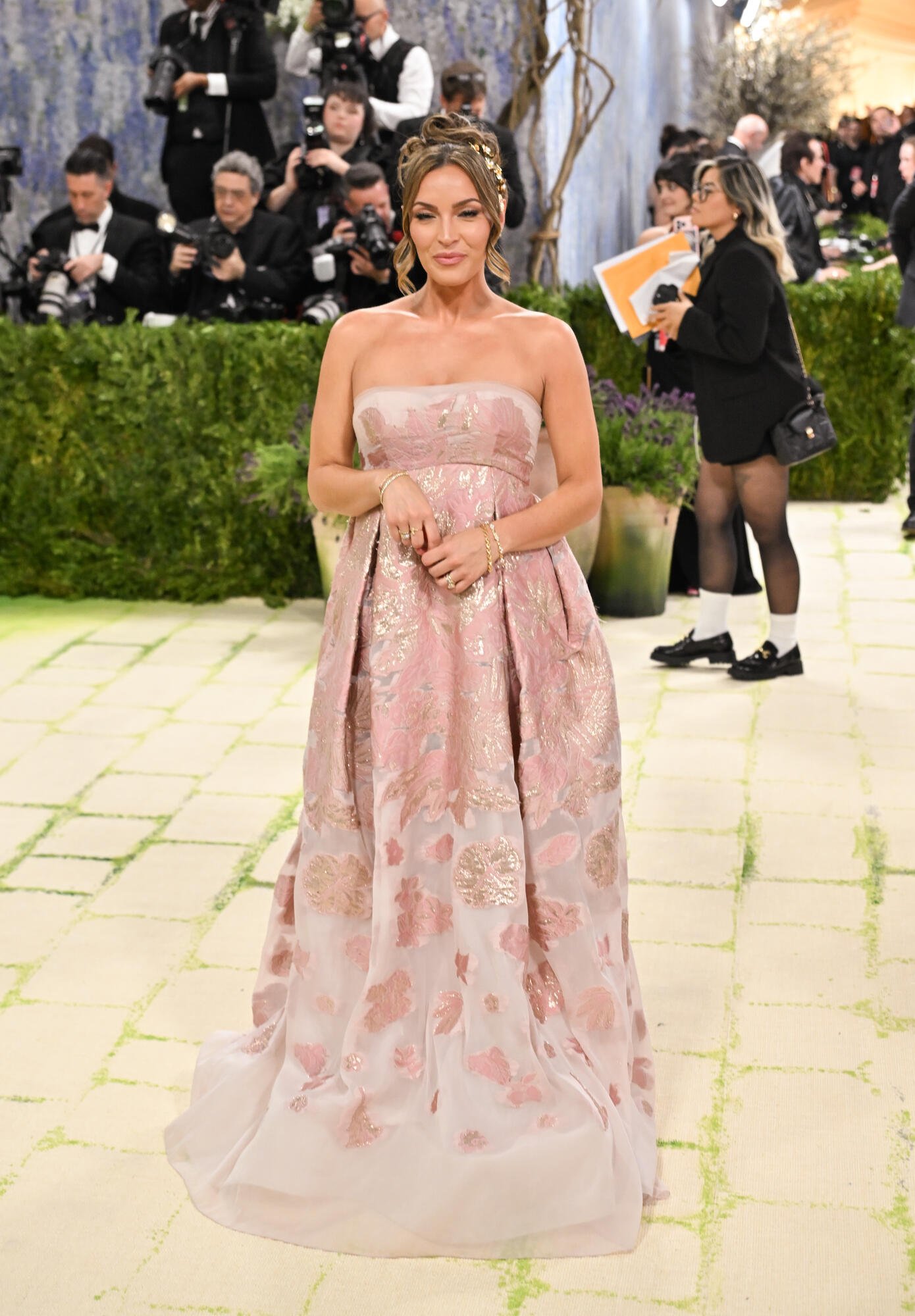
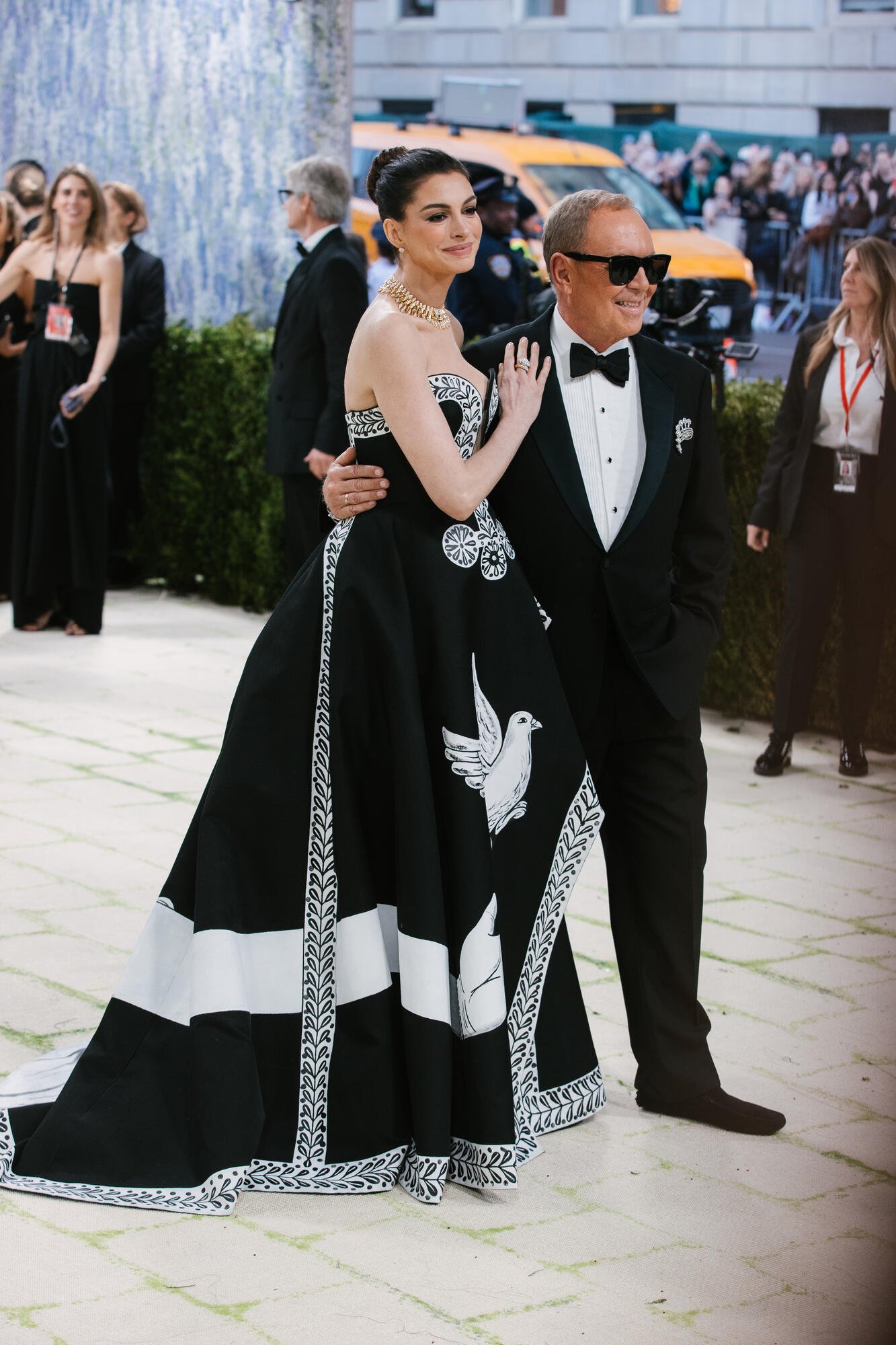
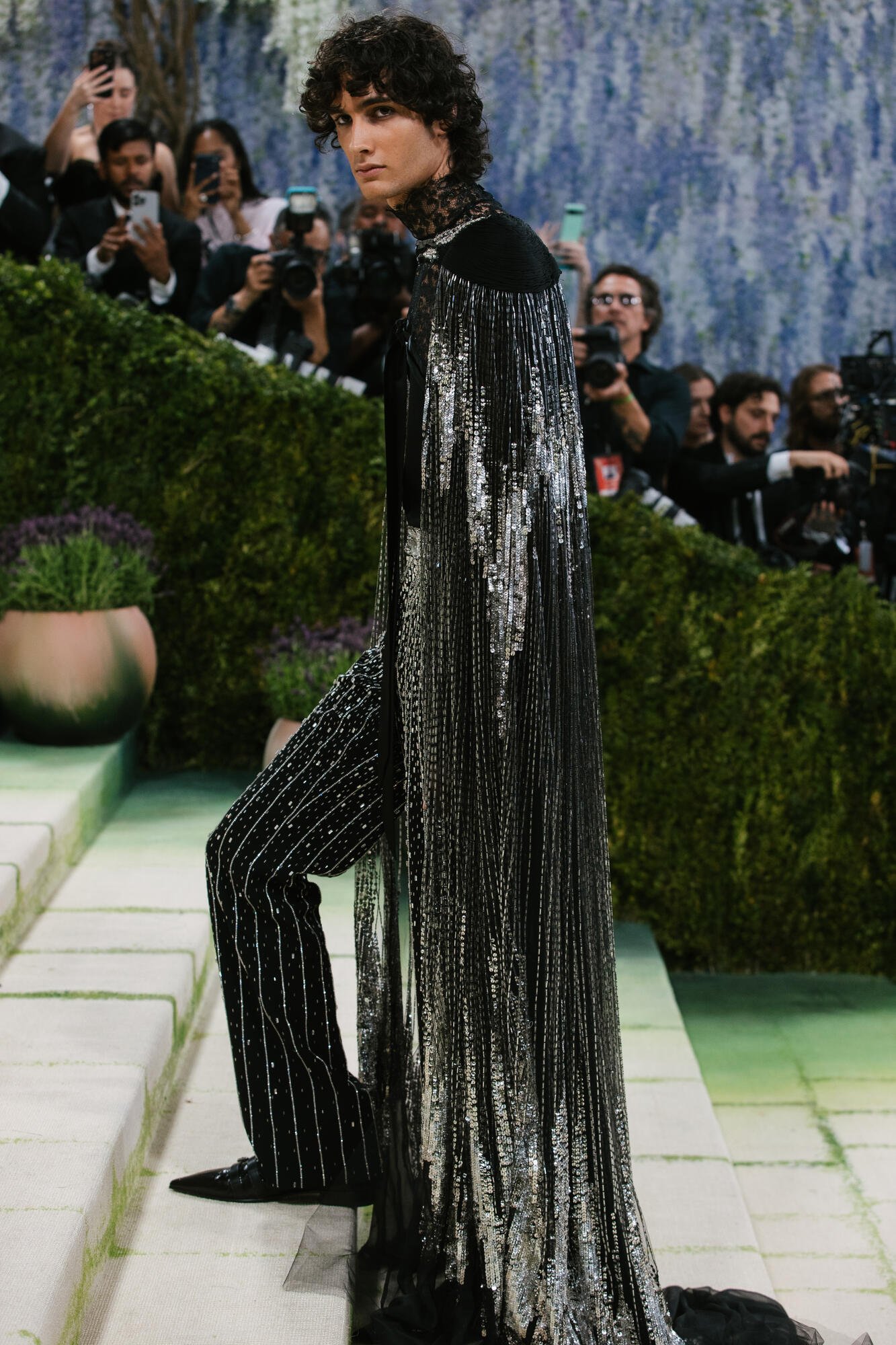
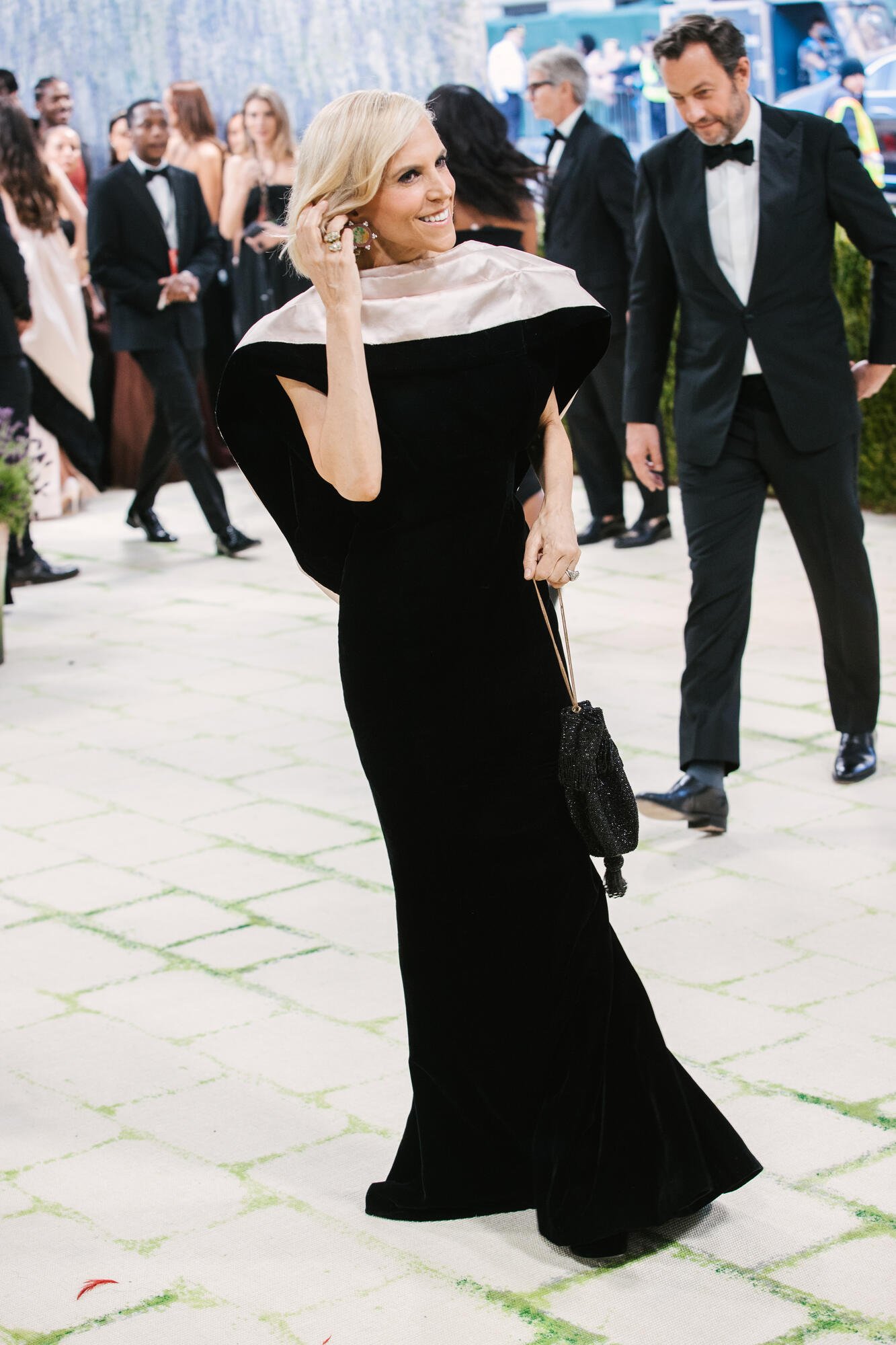
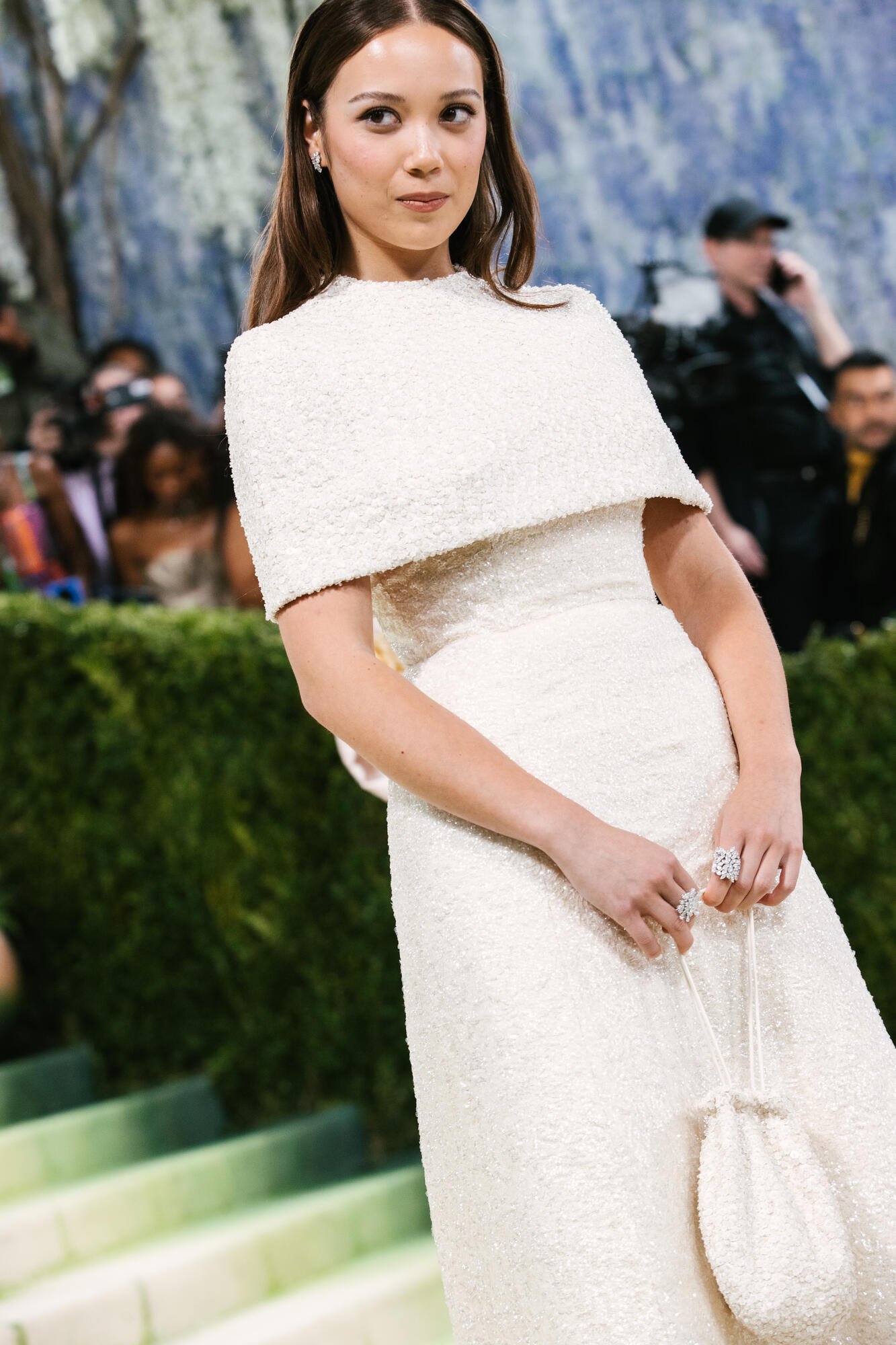
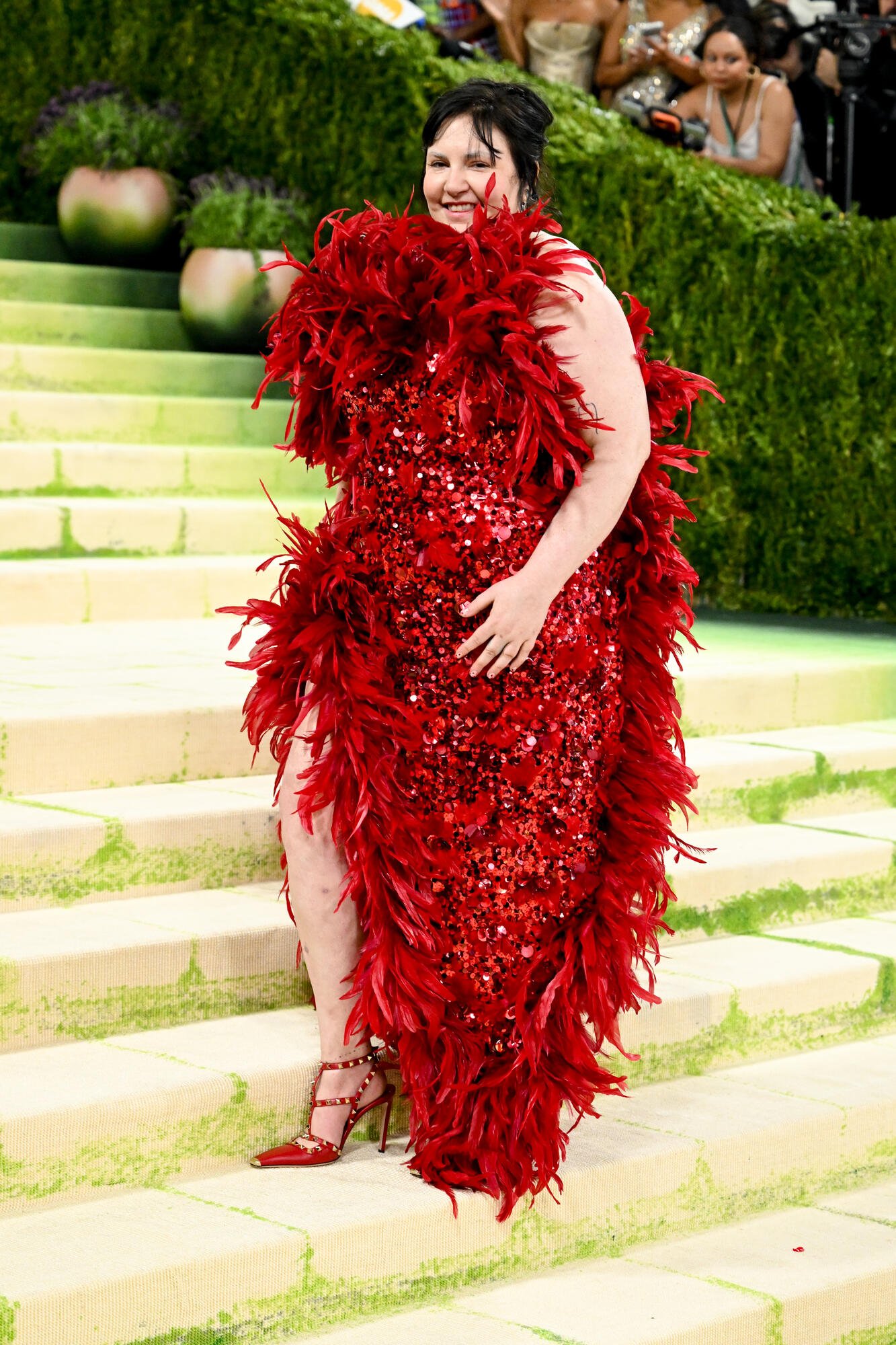
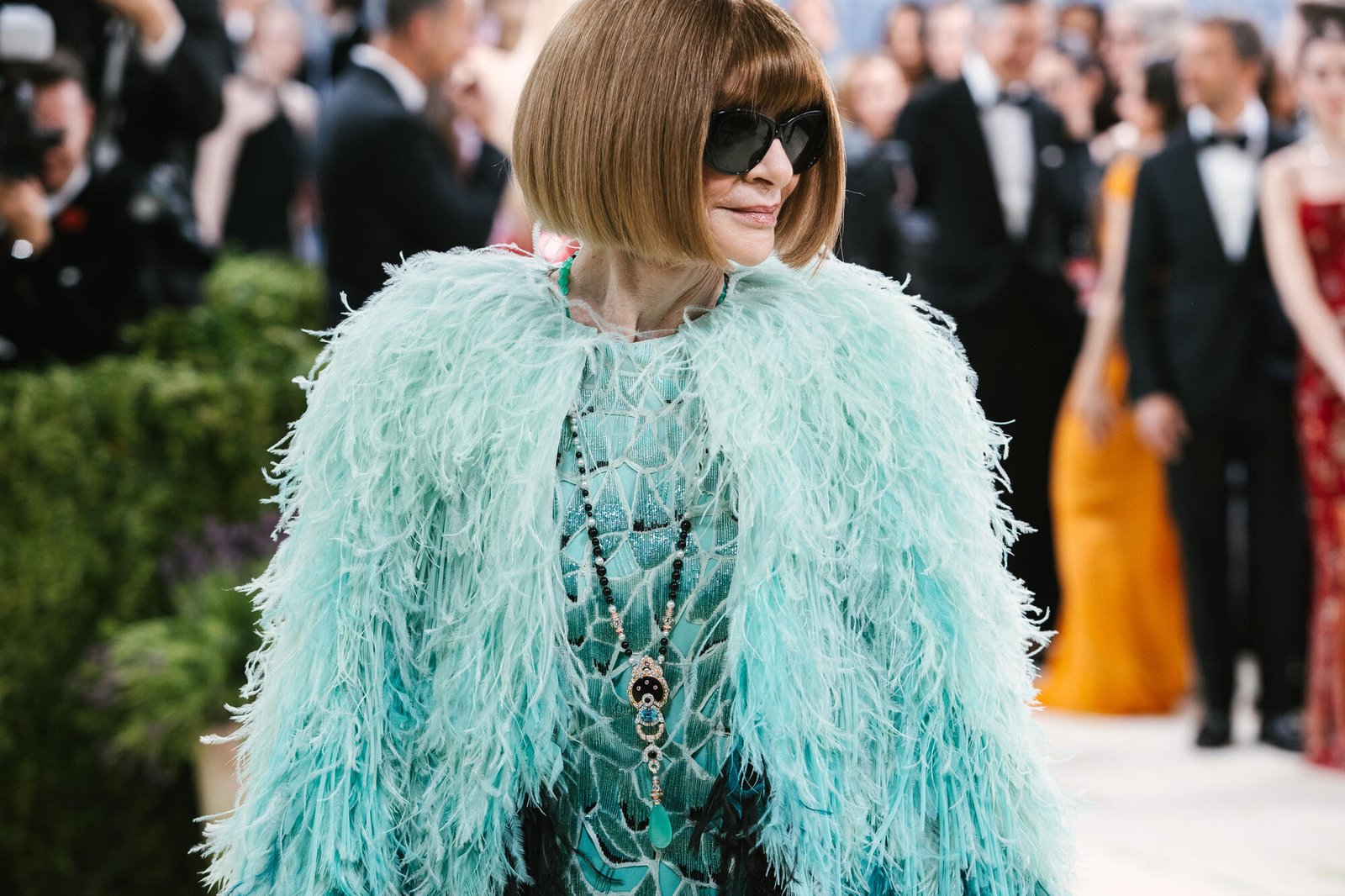
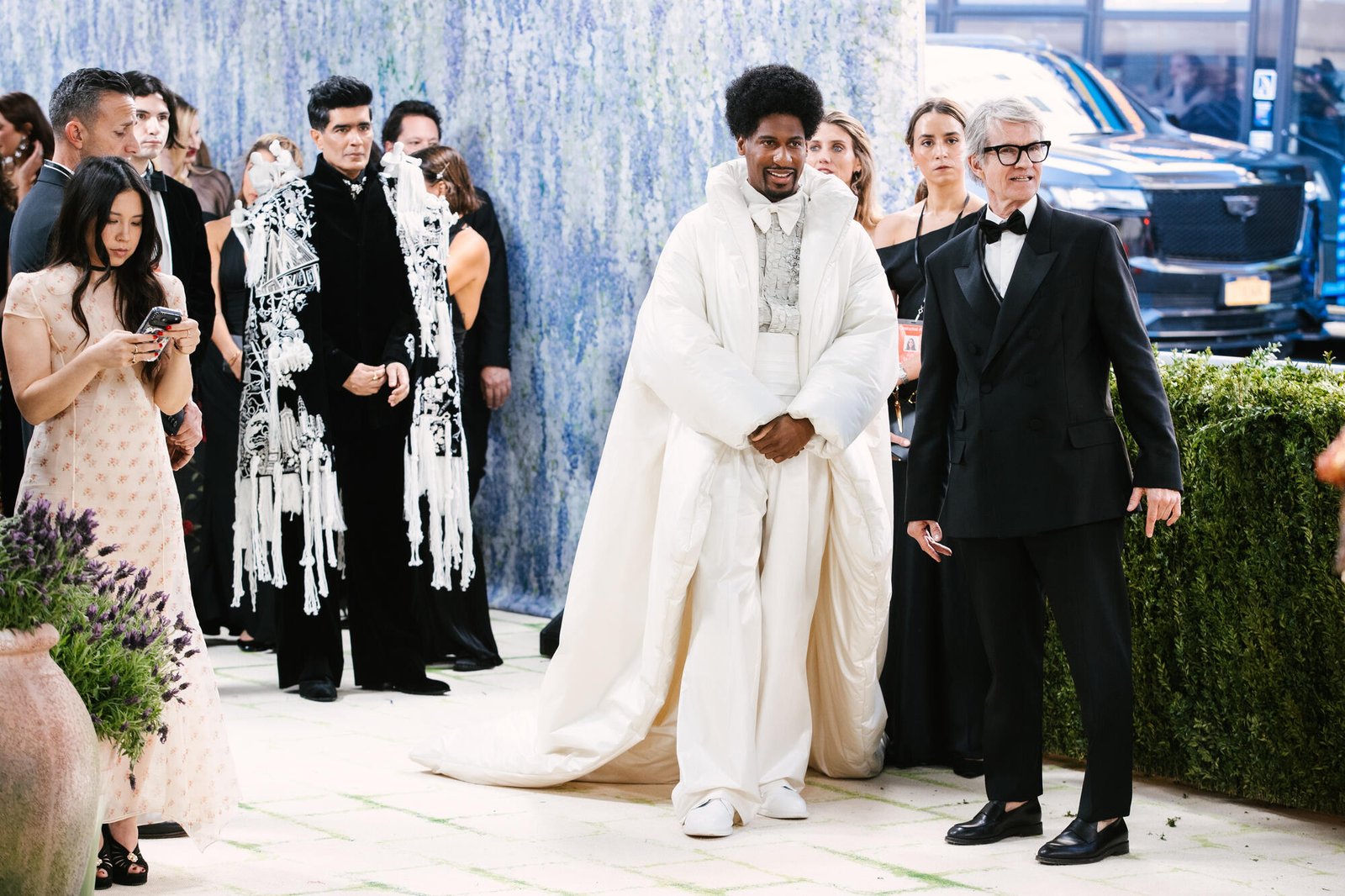
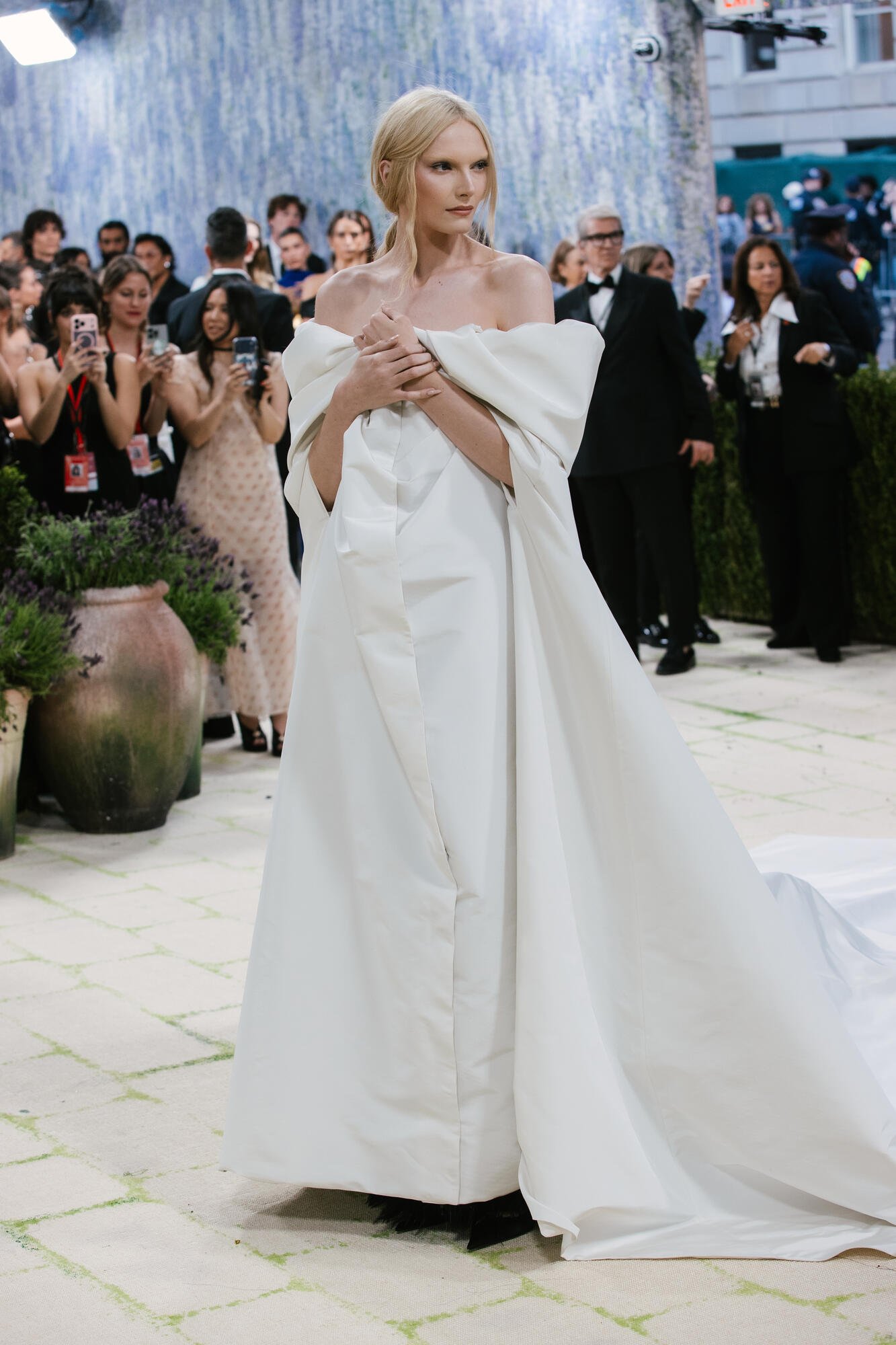
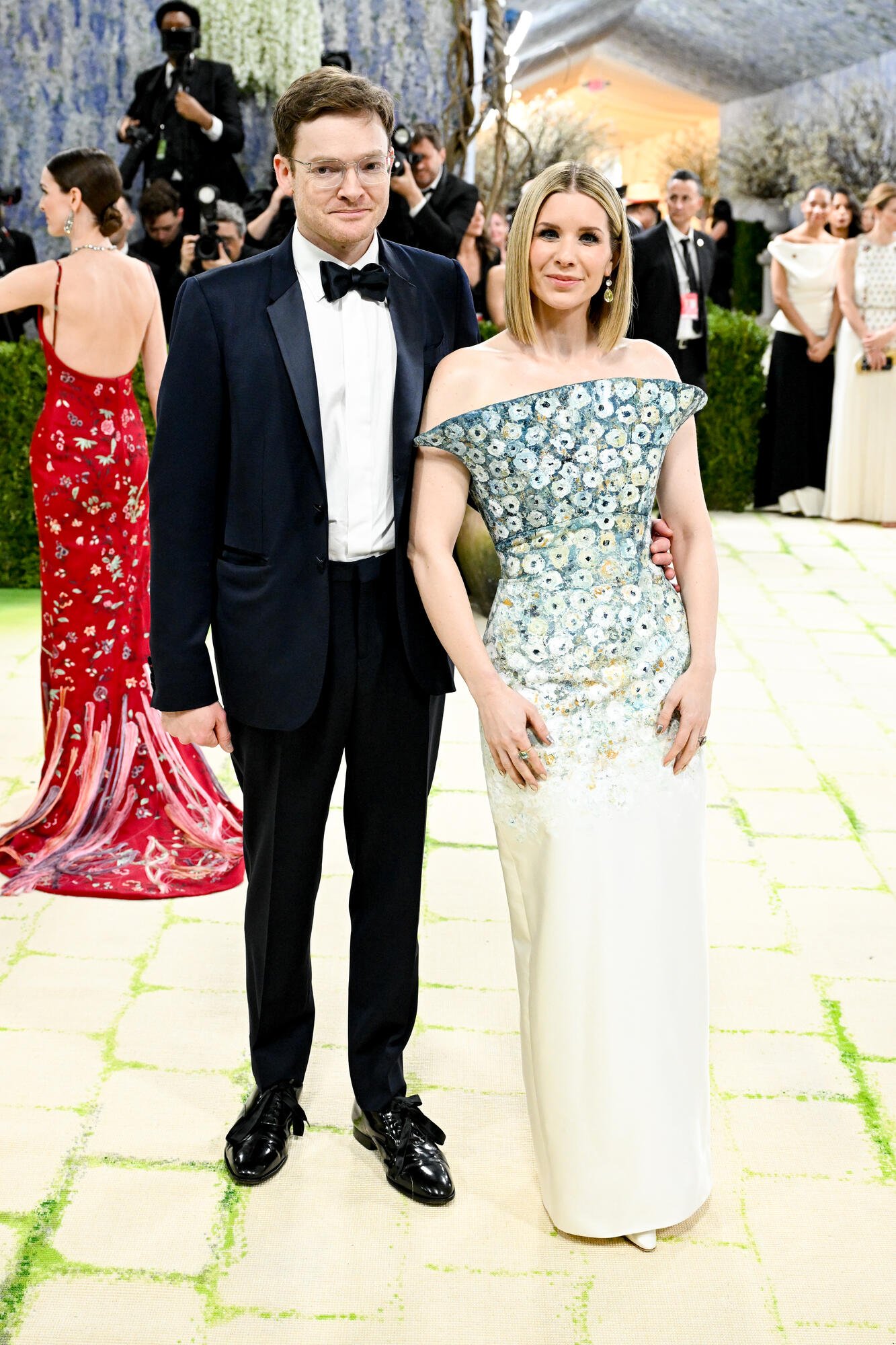
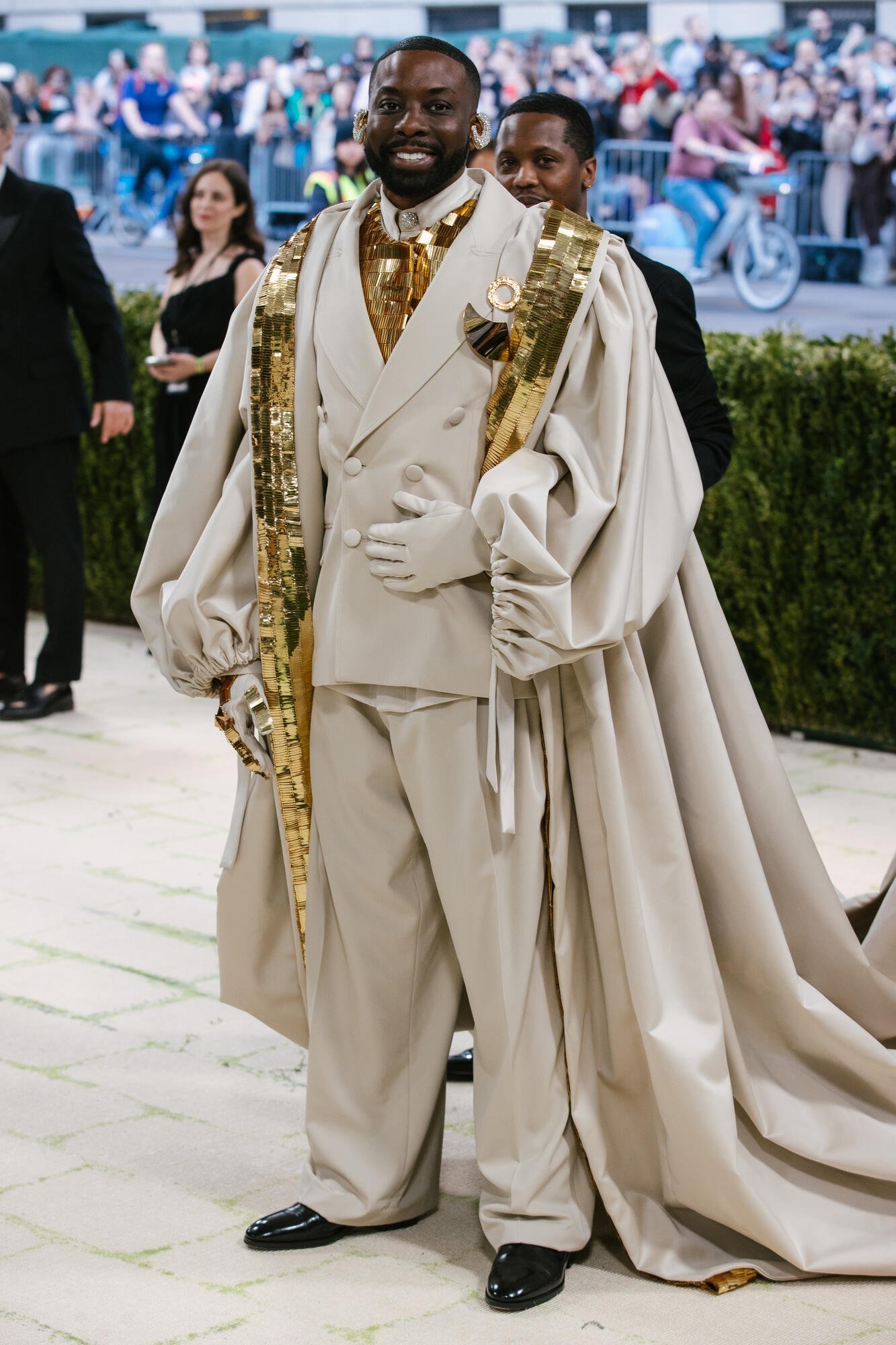
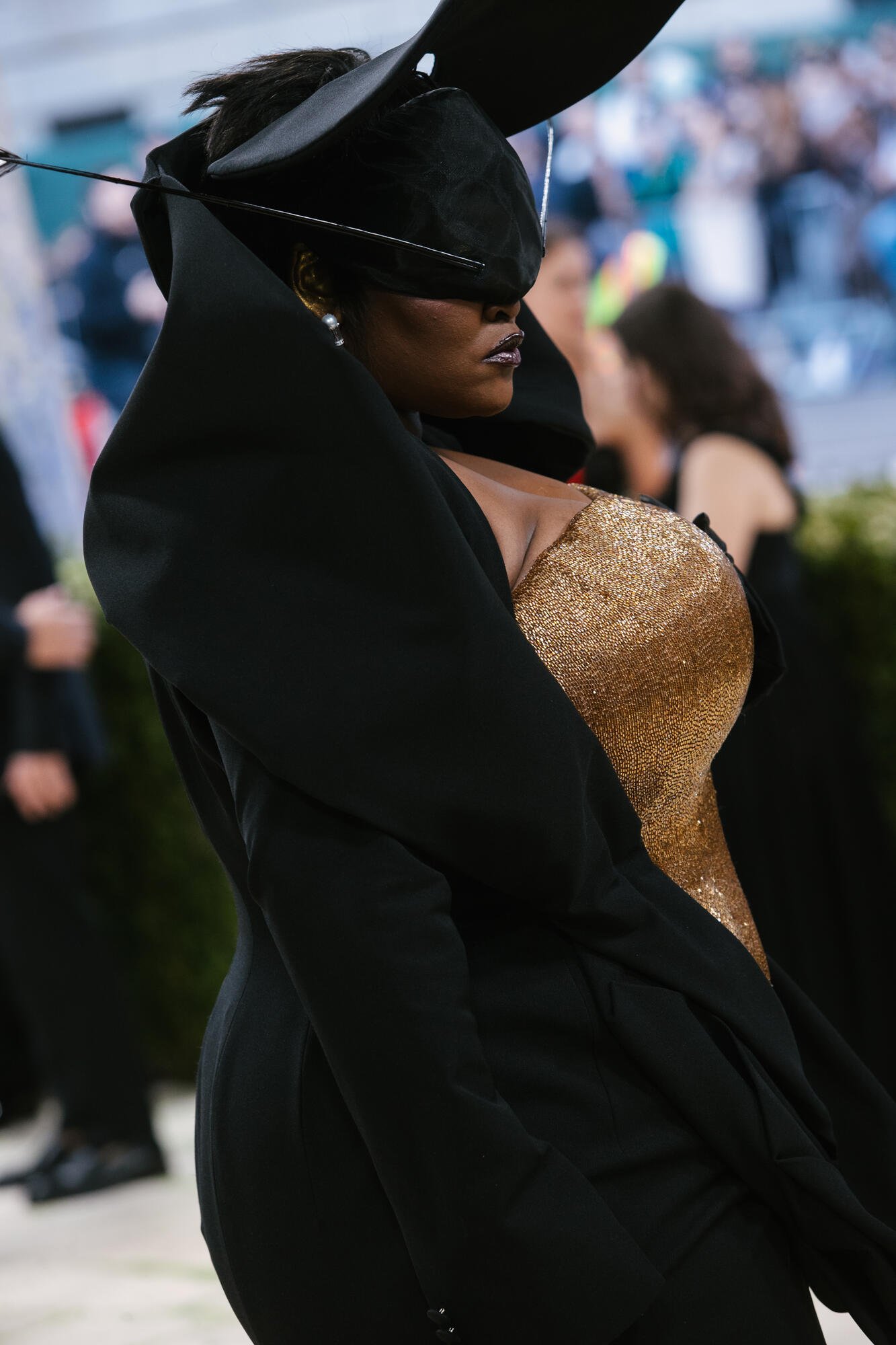
From embellished capes to architectural dresses, fashion functioned as performance art — designed for global visibility and cultural resonance.
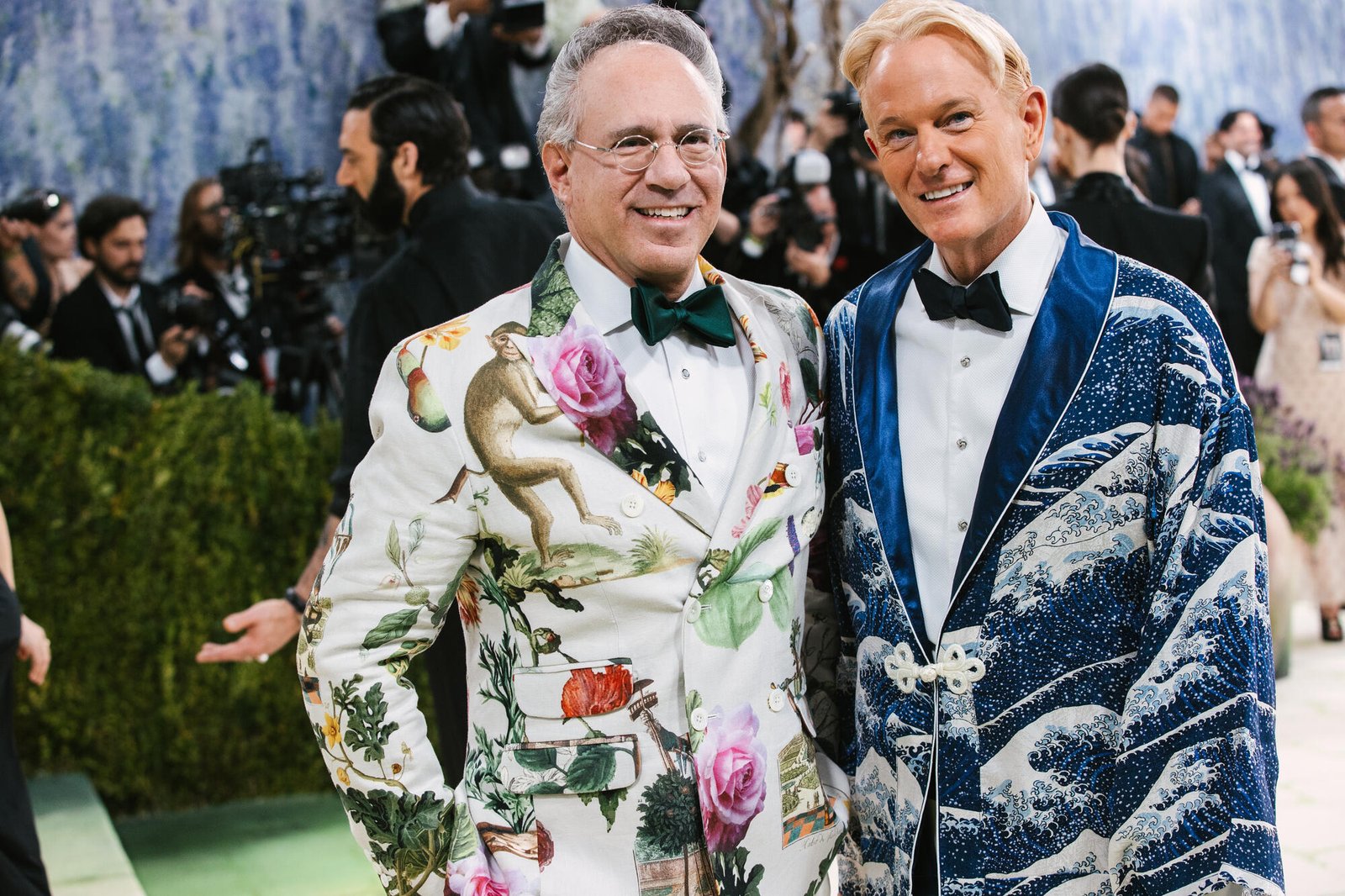
Celebrity as Co-Creator
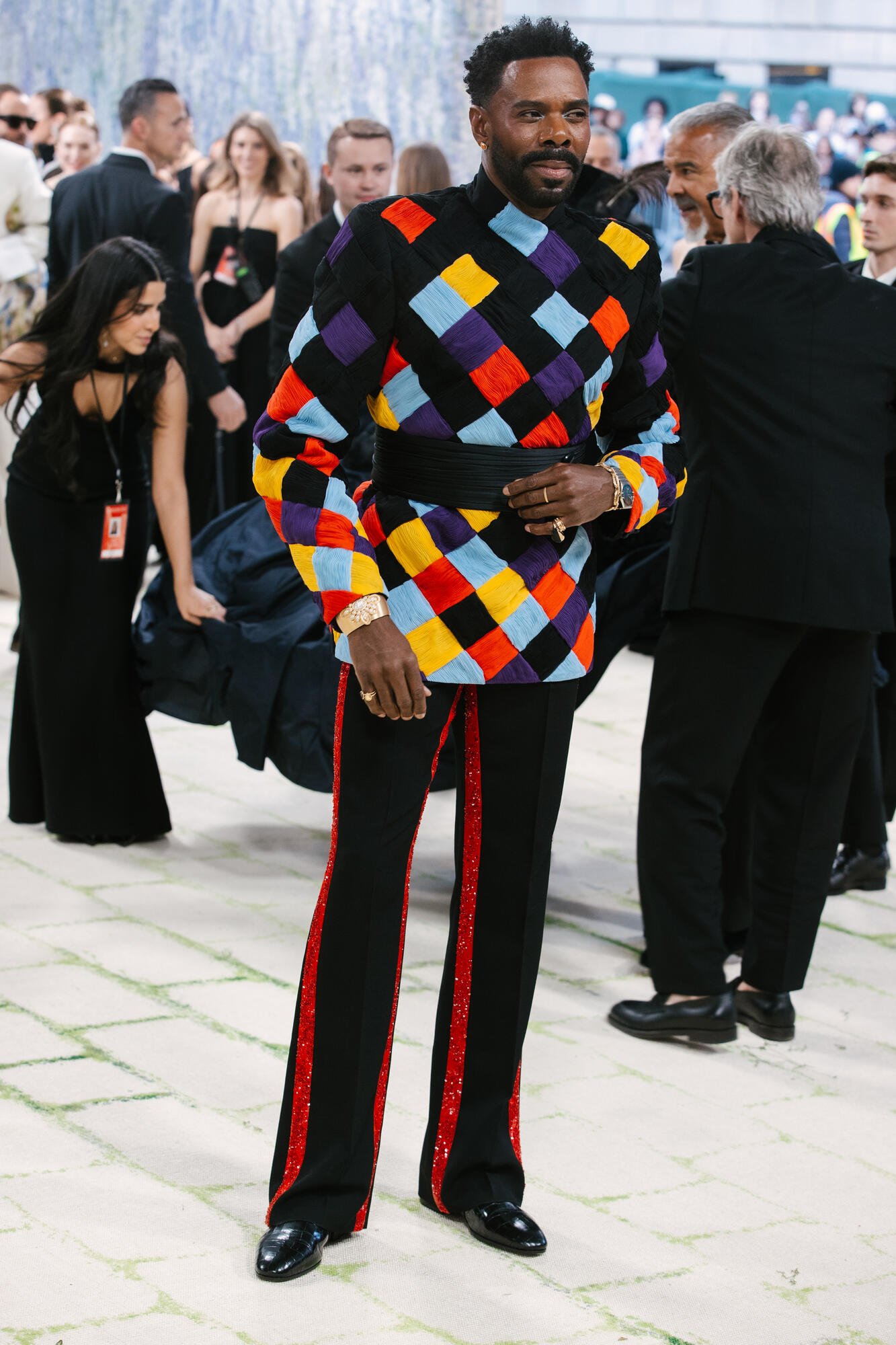
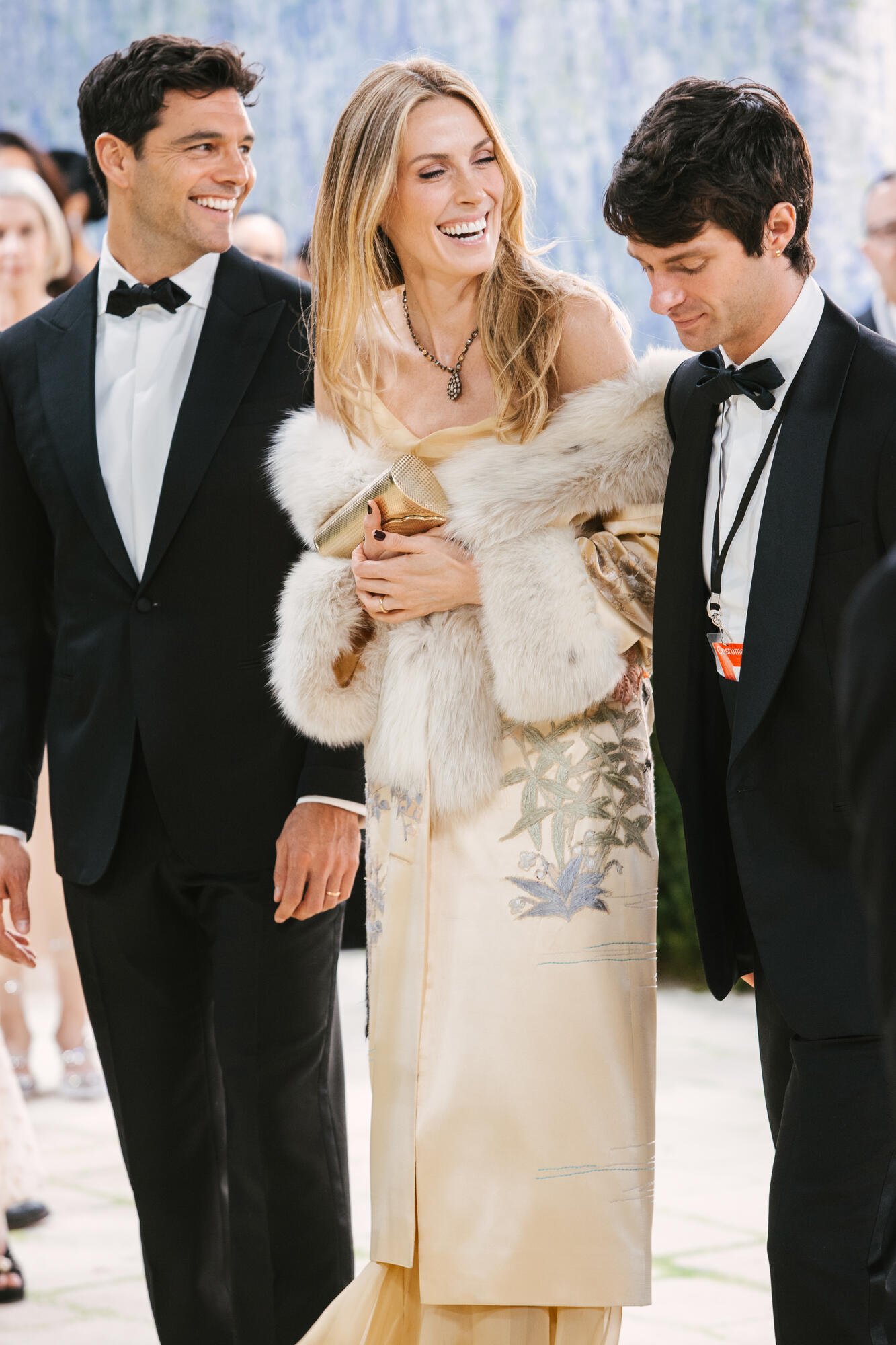
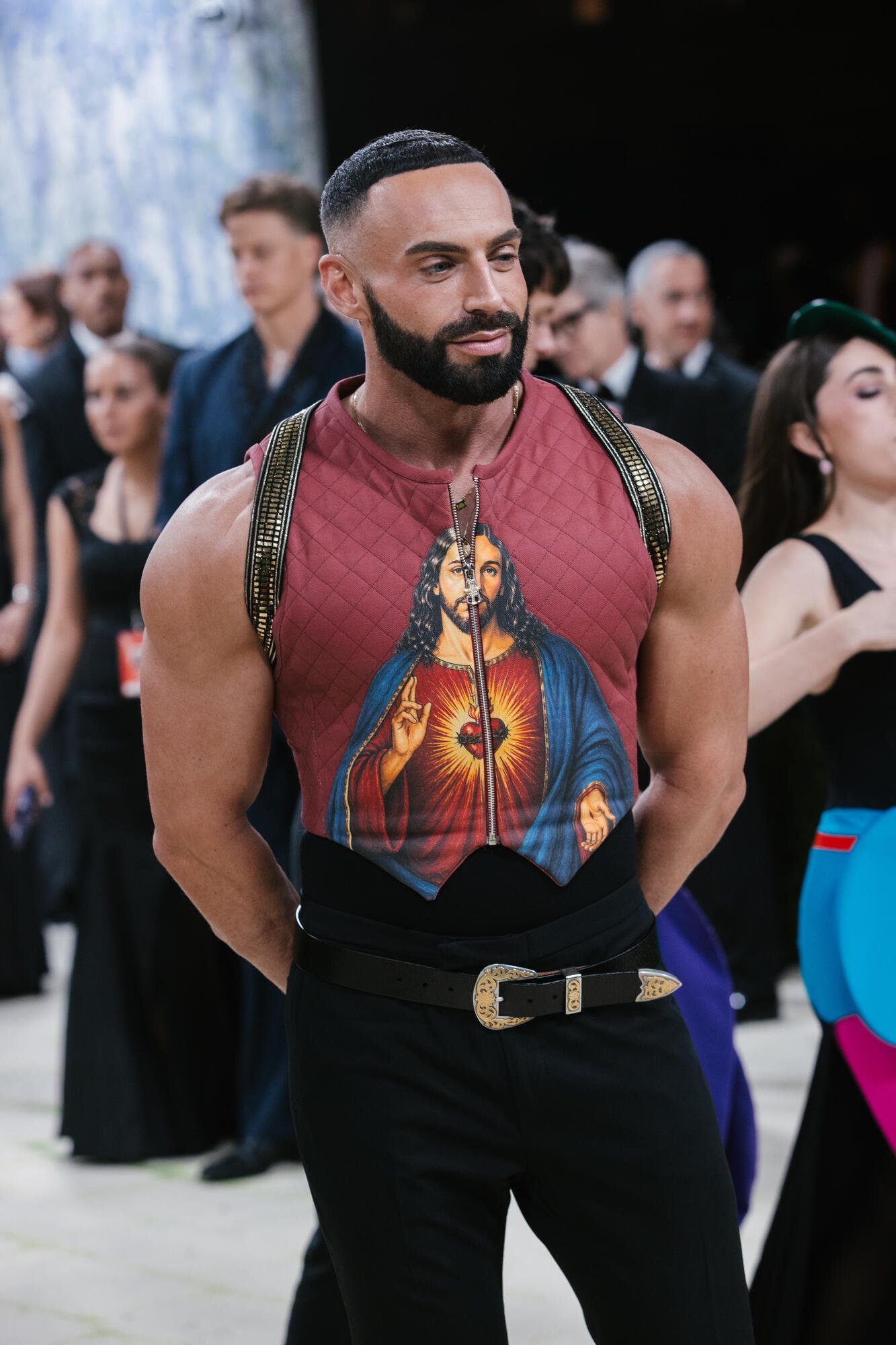
The Met Gala continues to blur the line between designer and wearer:
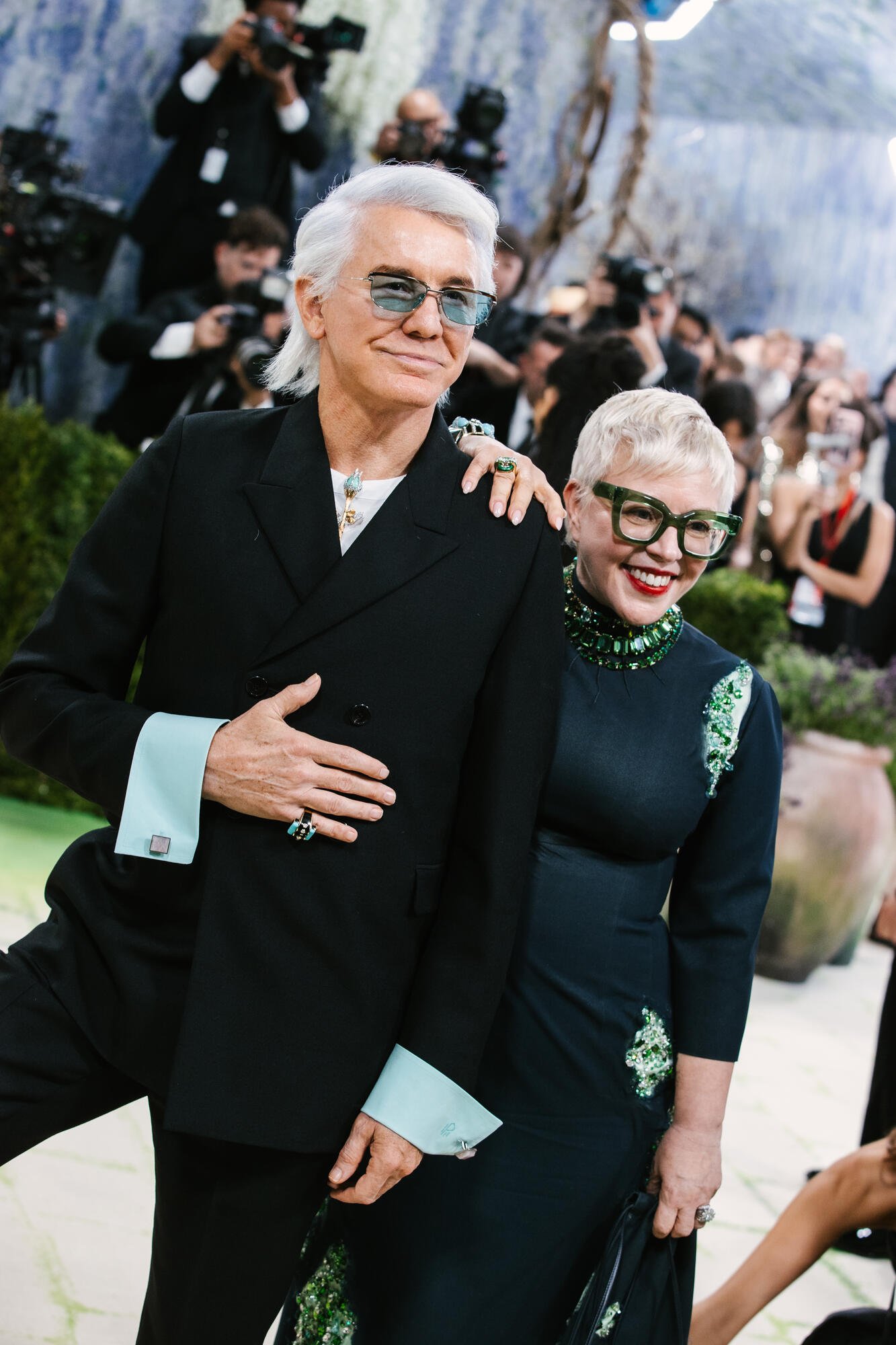
- collaborations tailored to personal narratives
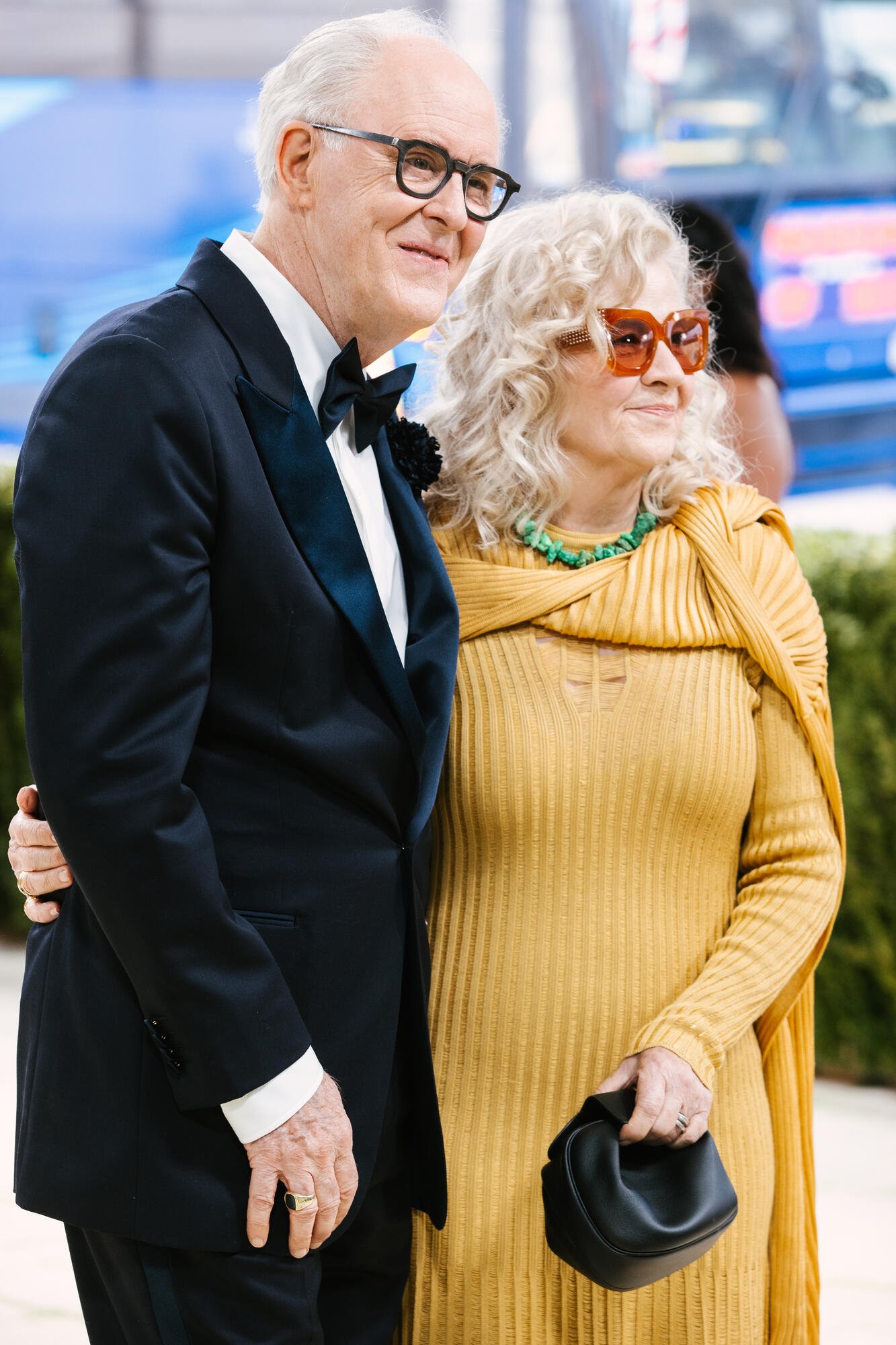
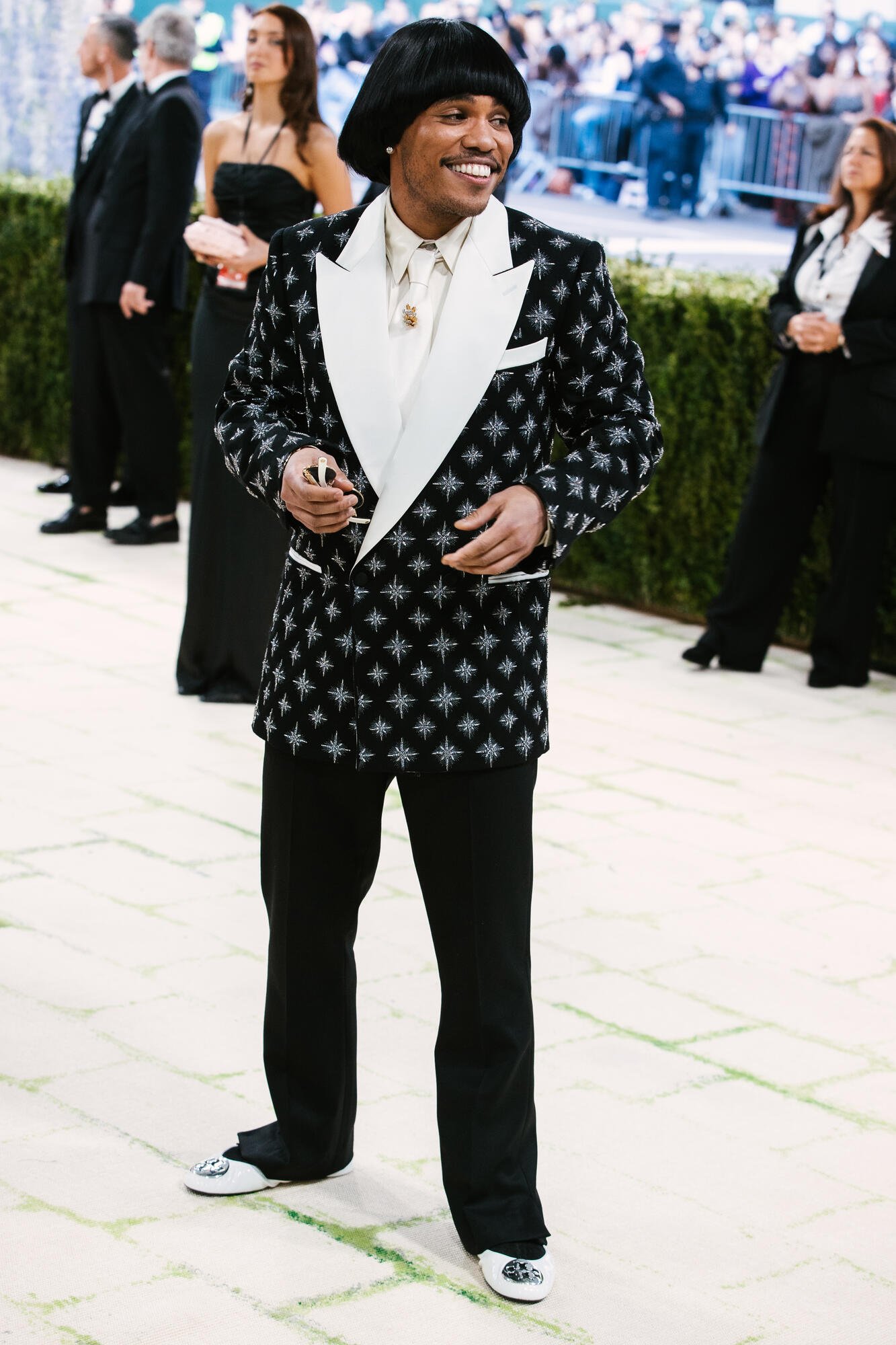
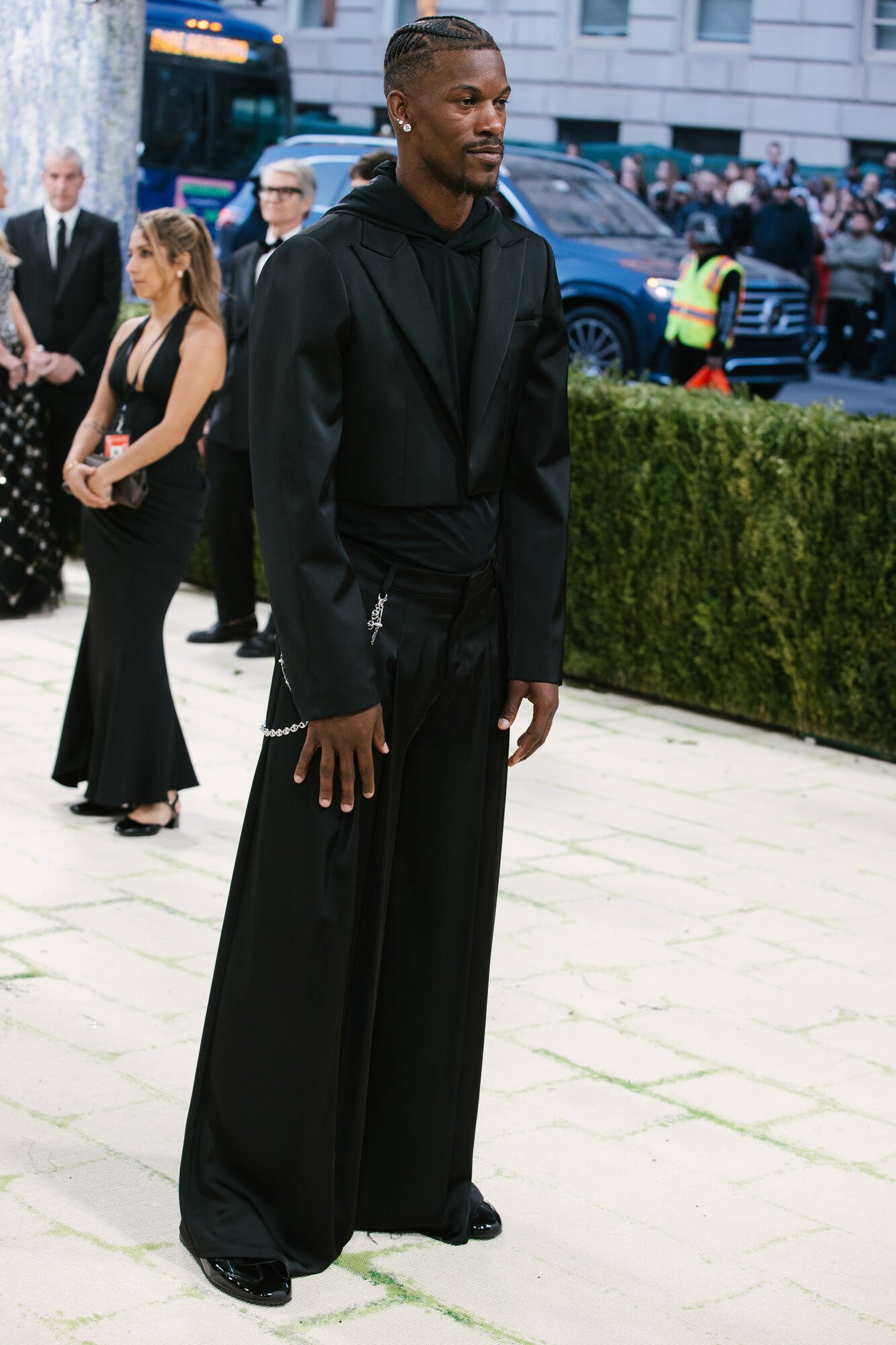
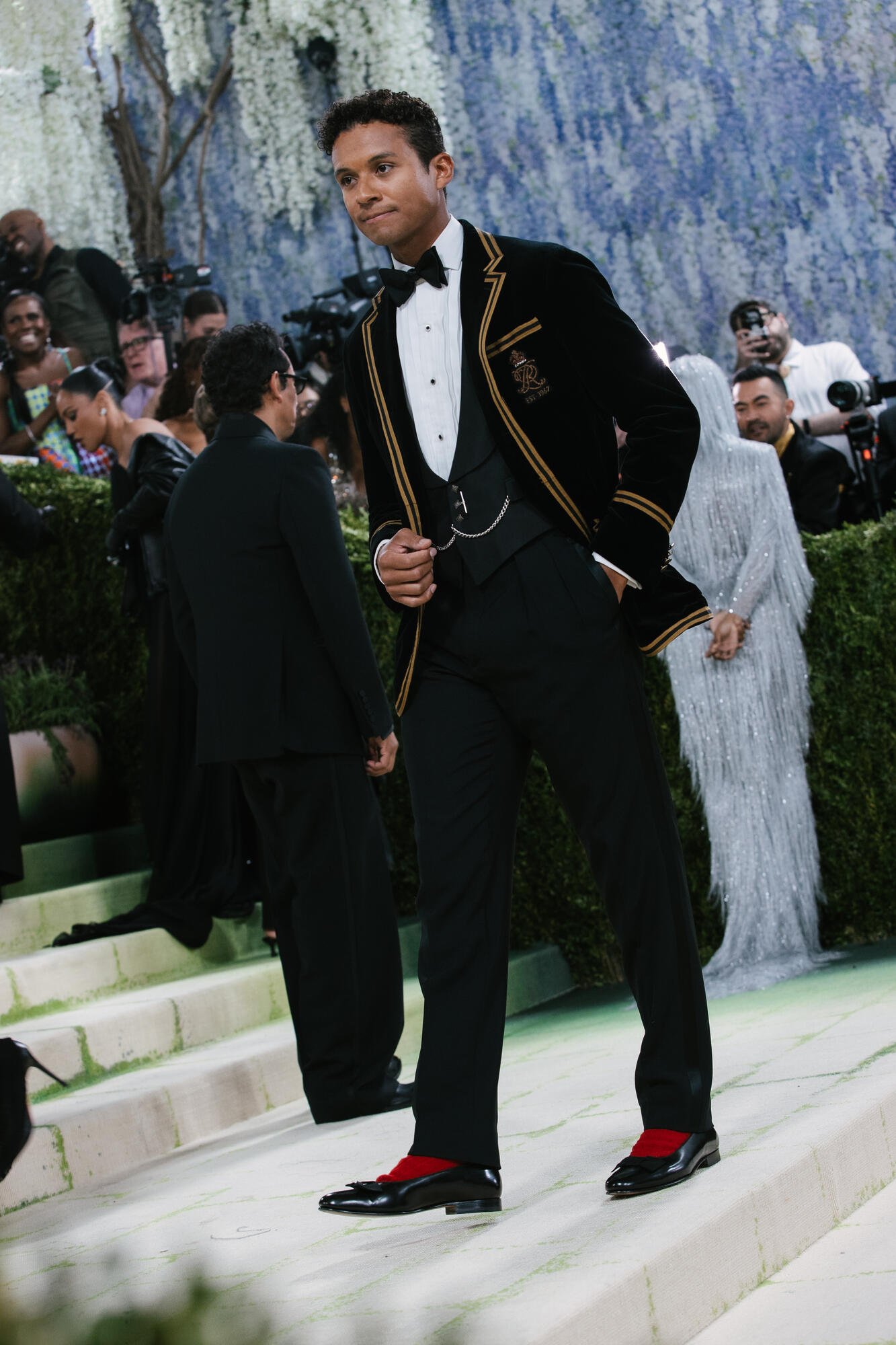
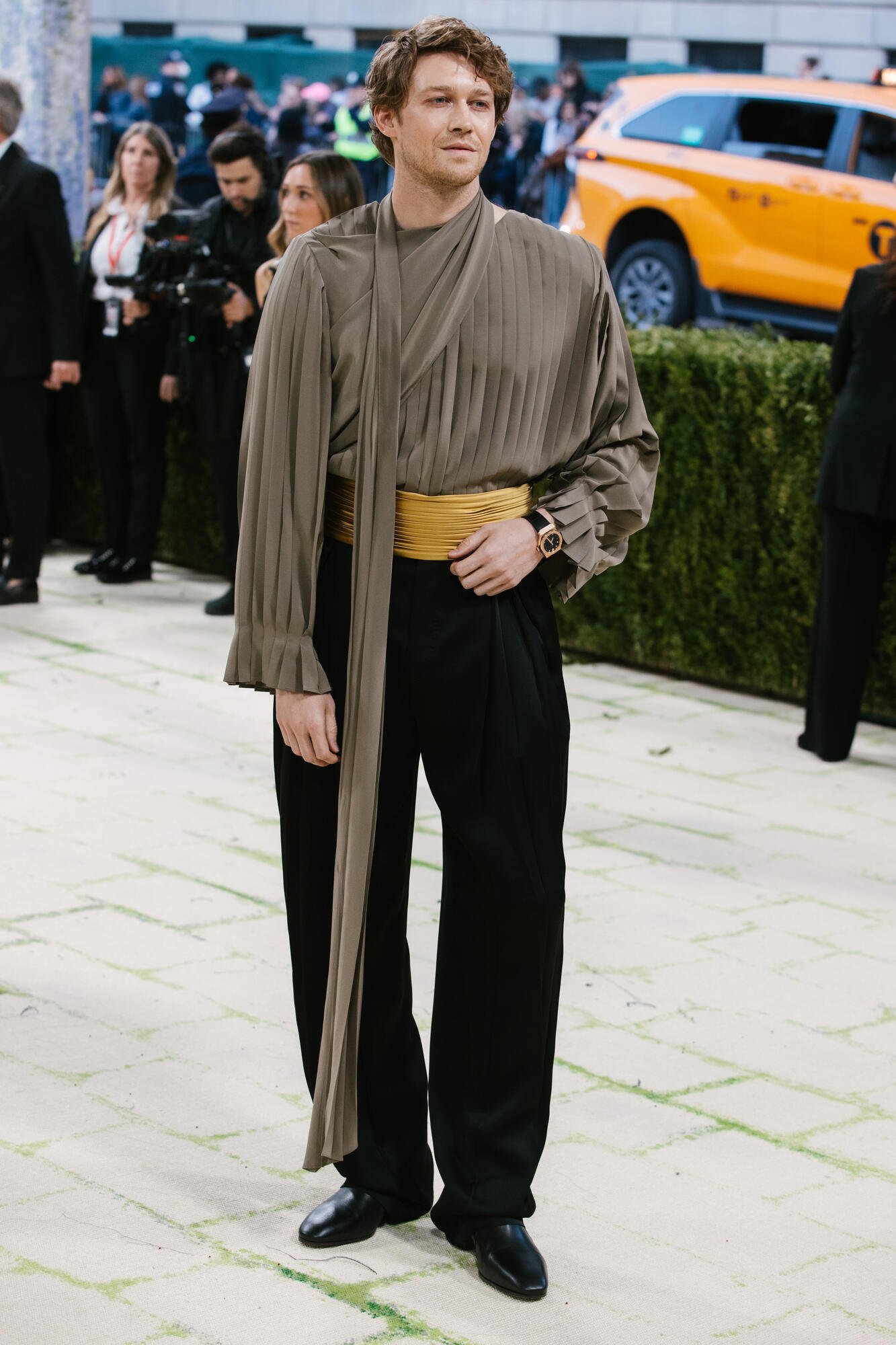
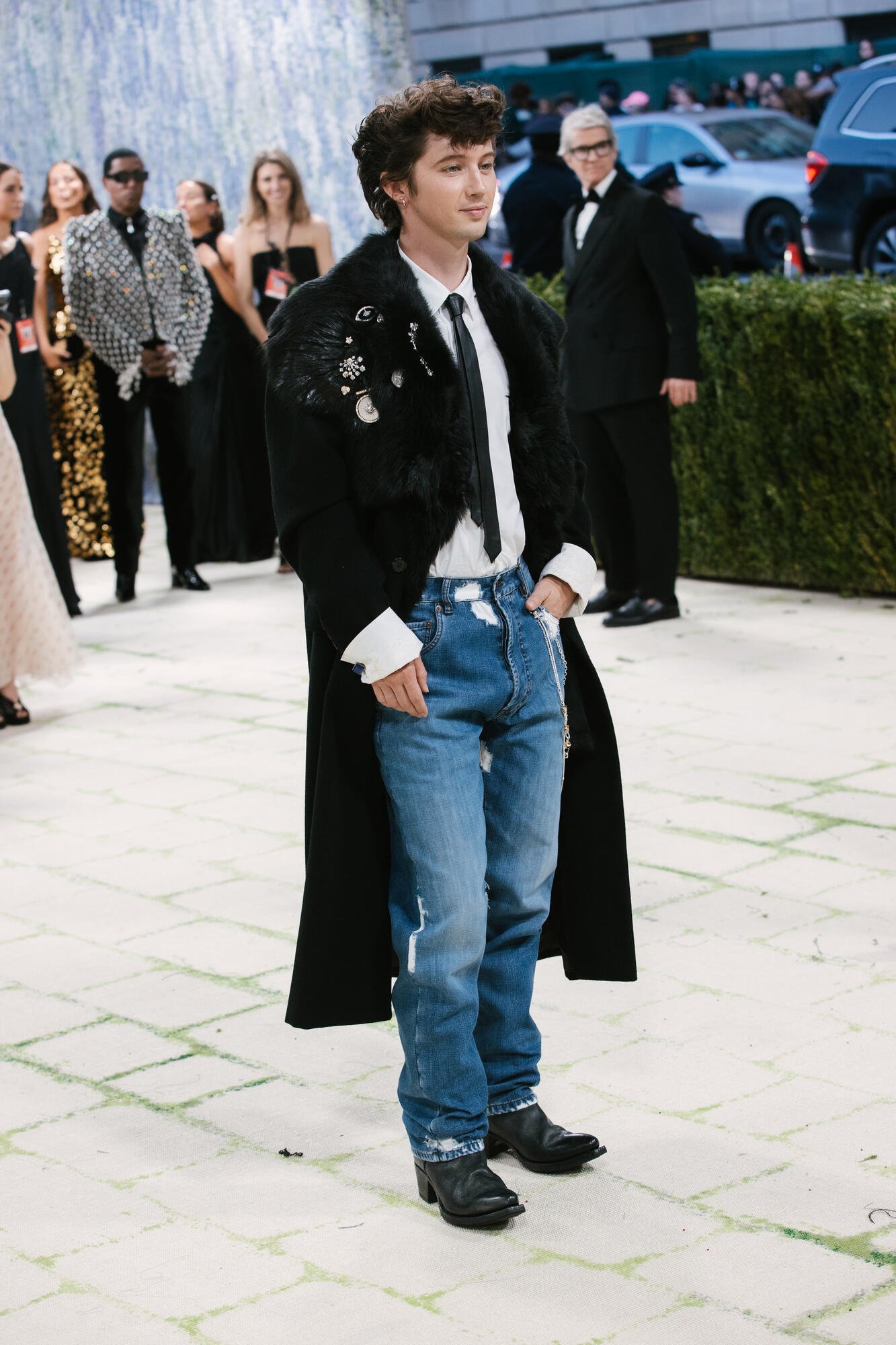
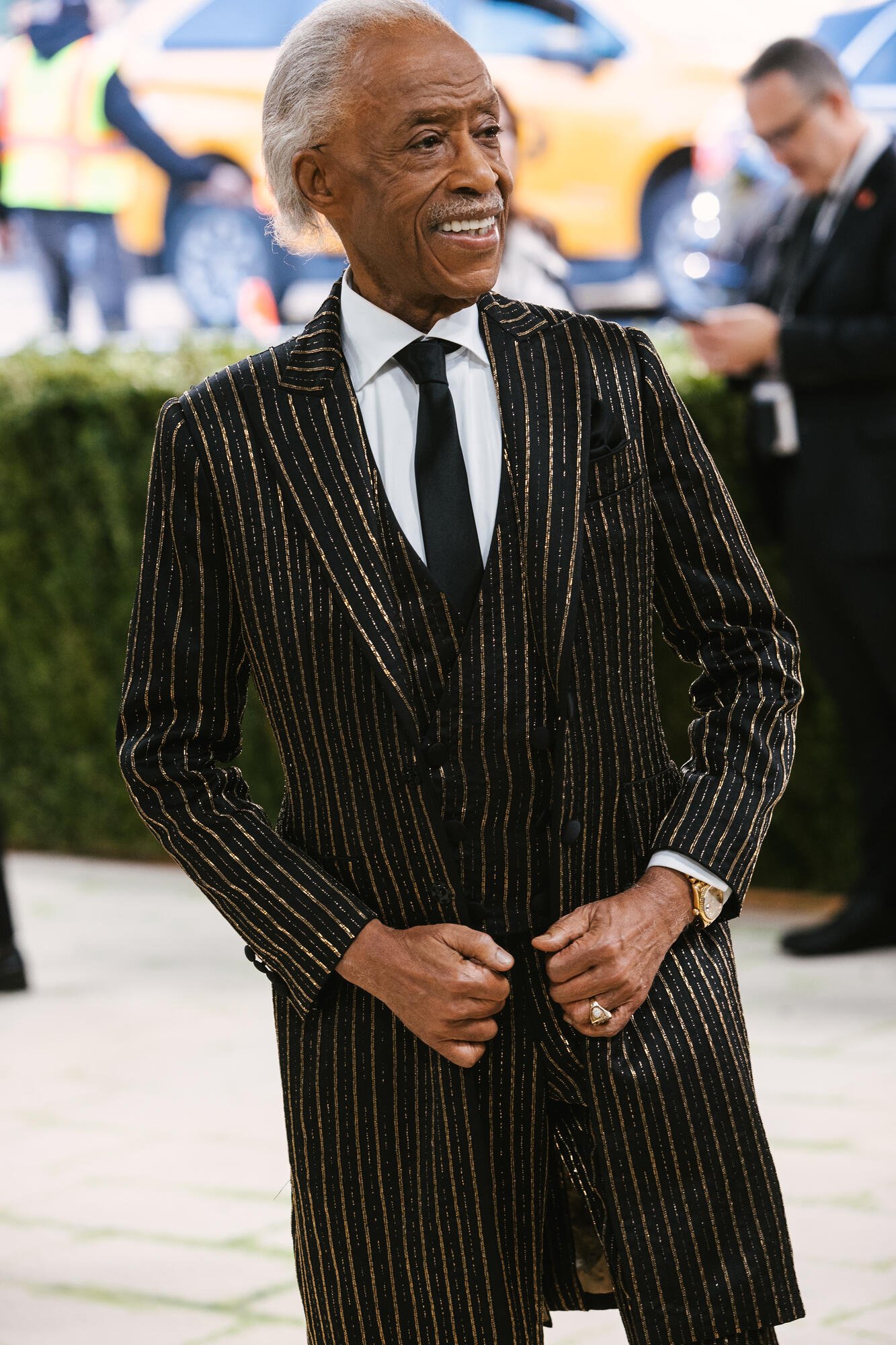
- celebrities embodying themes rather than simply wearing clothes
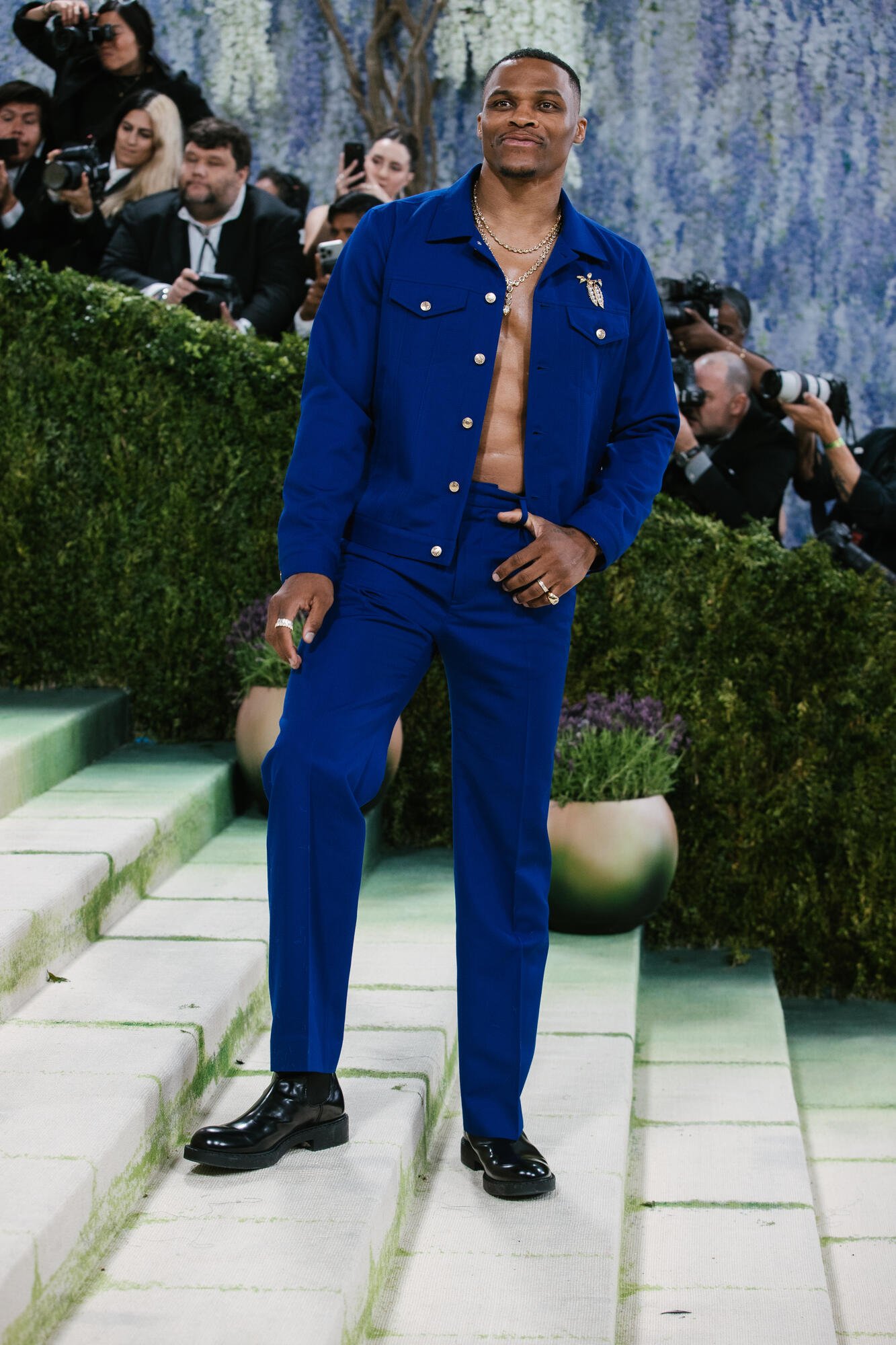
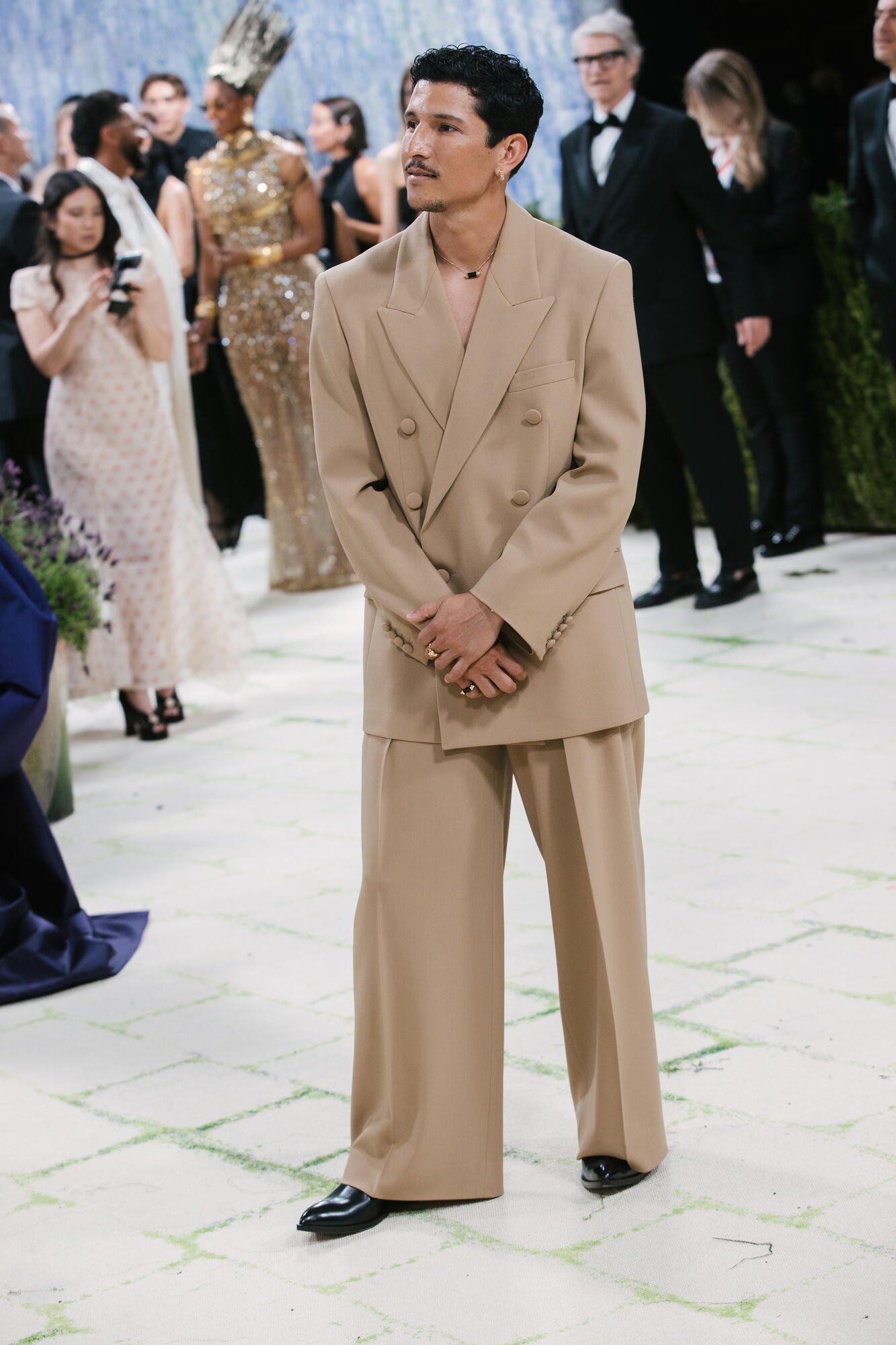
- styling choices reflecting identity, heritage, or artistic references
This dynamic transforms the red carpet into a collaborative runway — where authorship is shared.
Styling & Silhouette
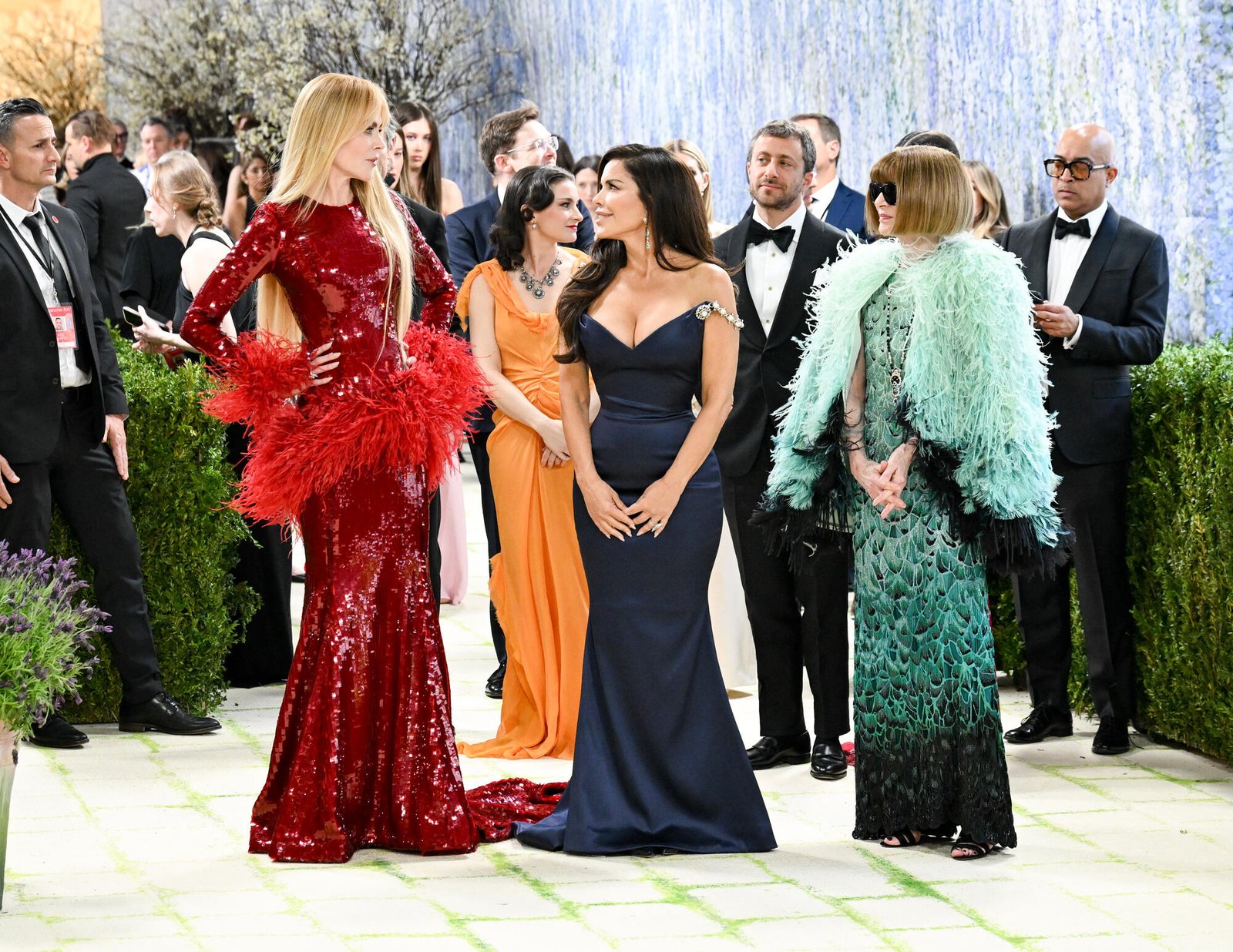
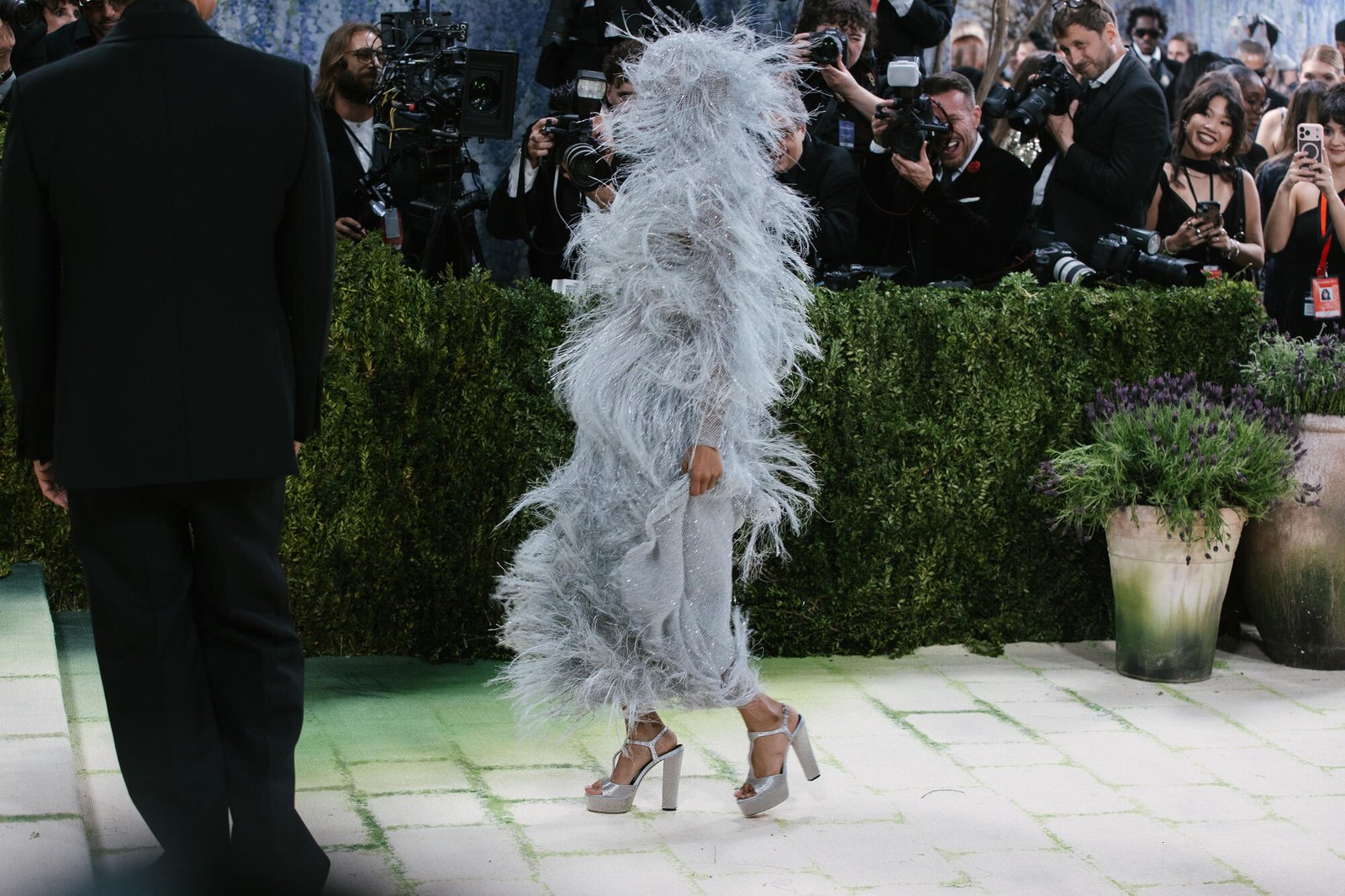
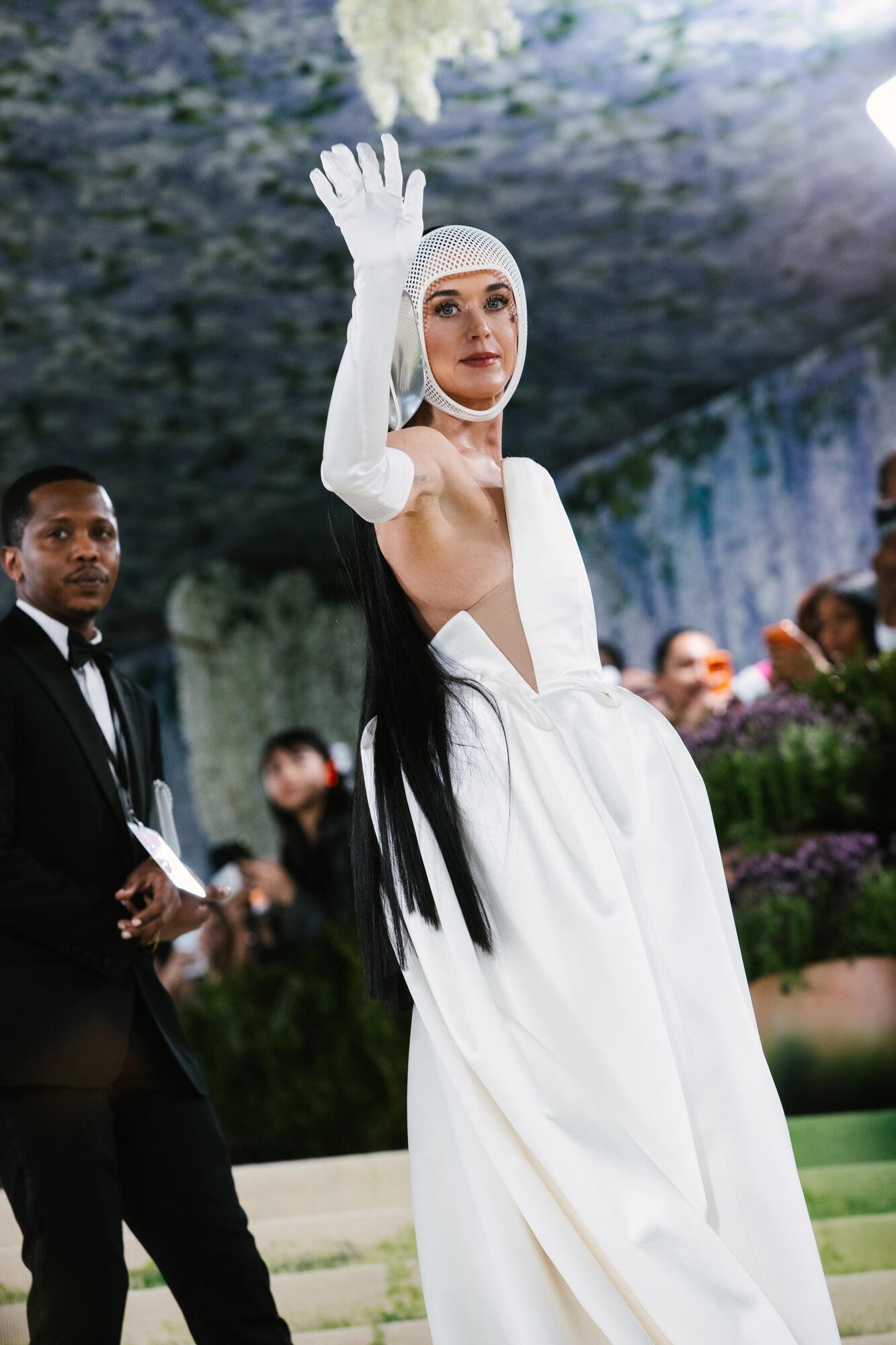
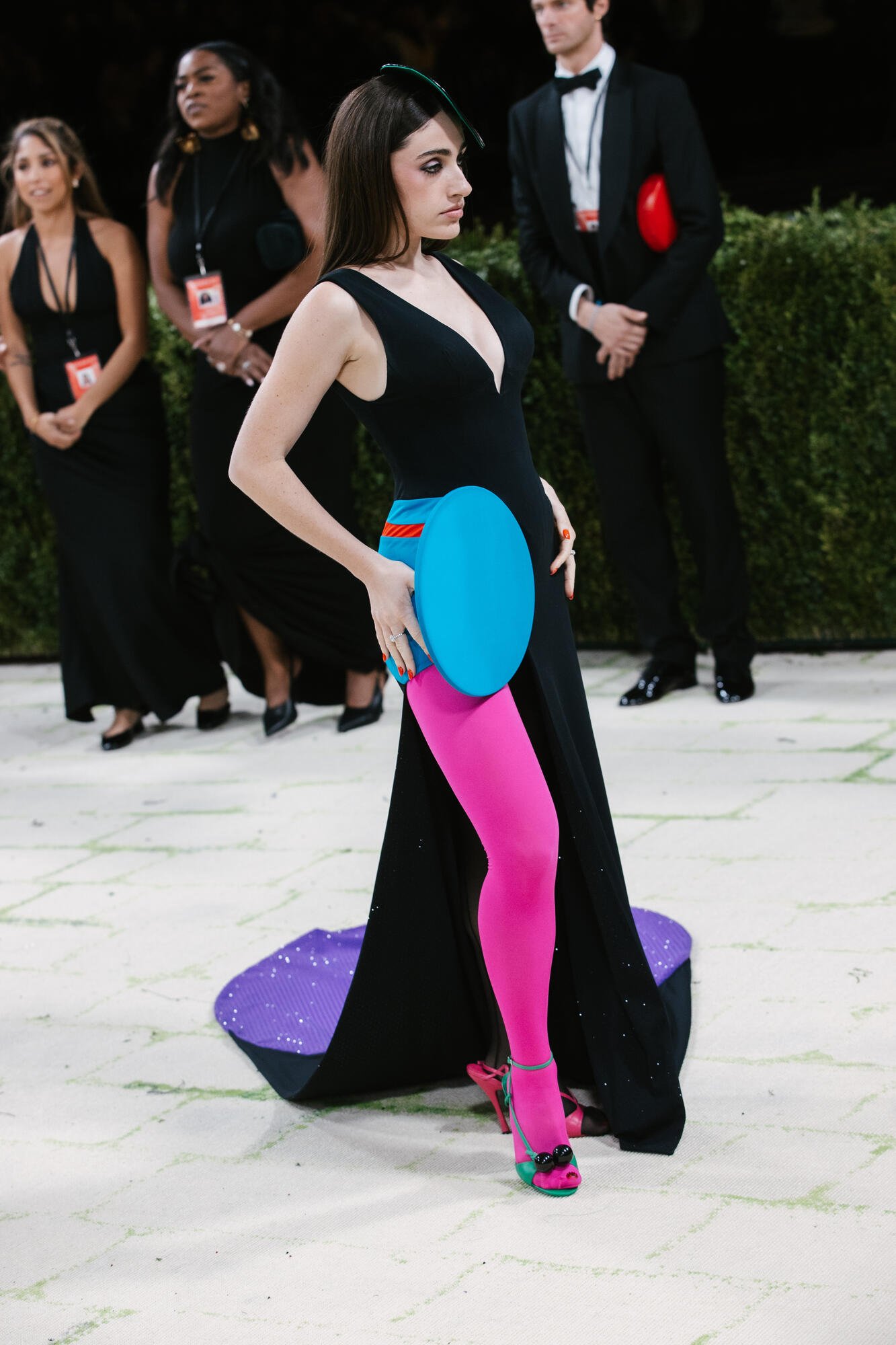
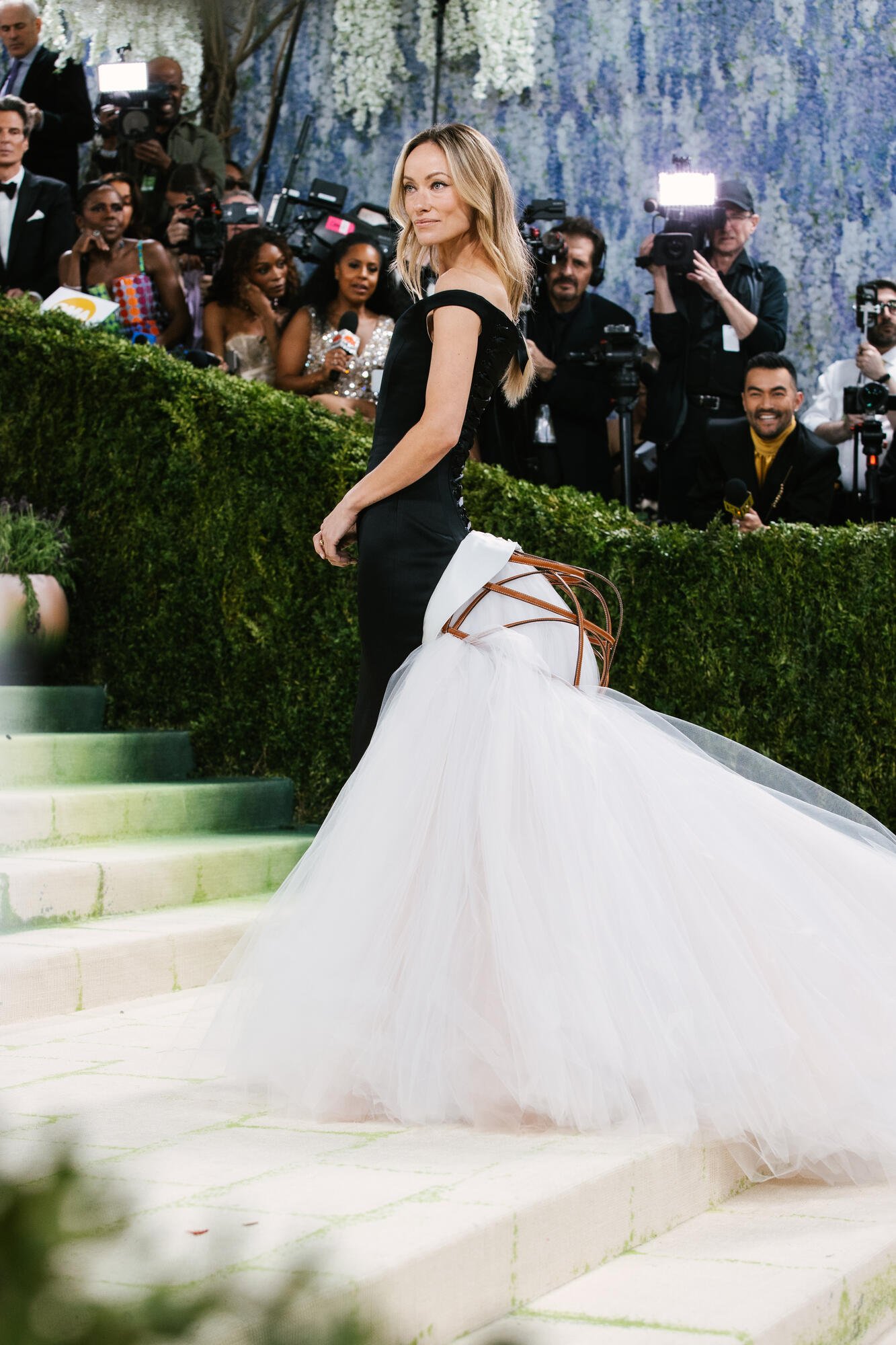
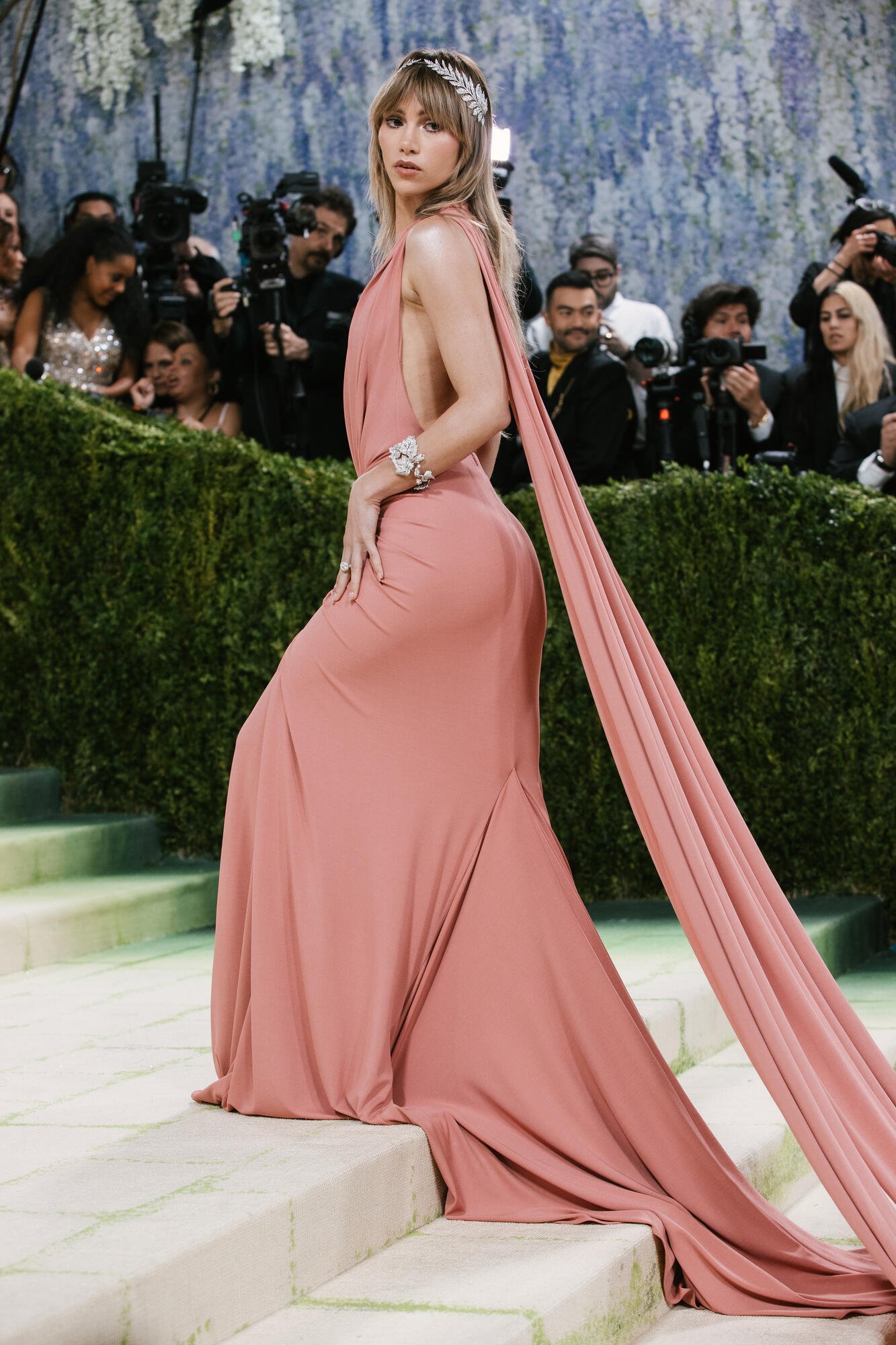
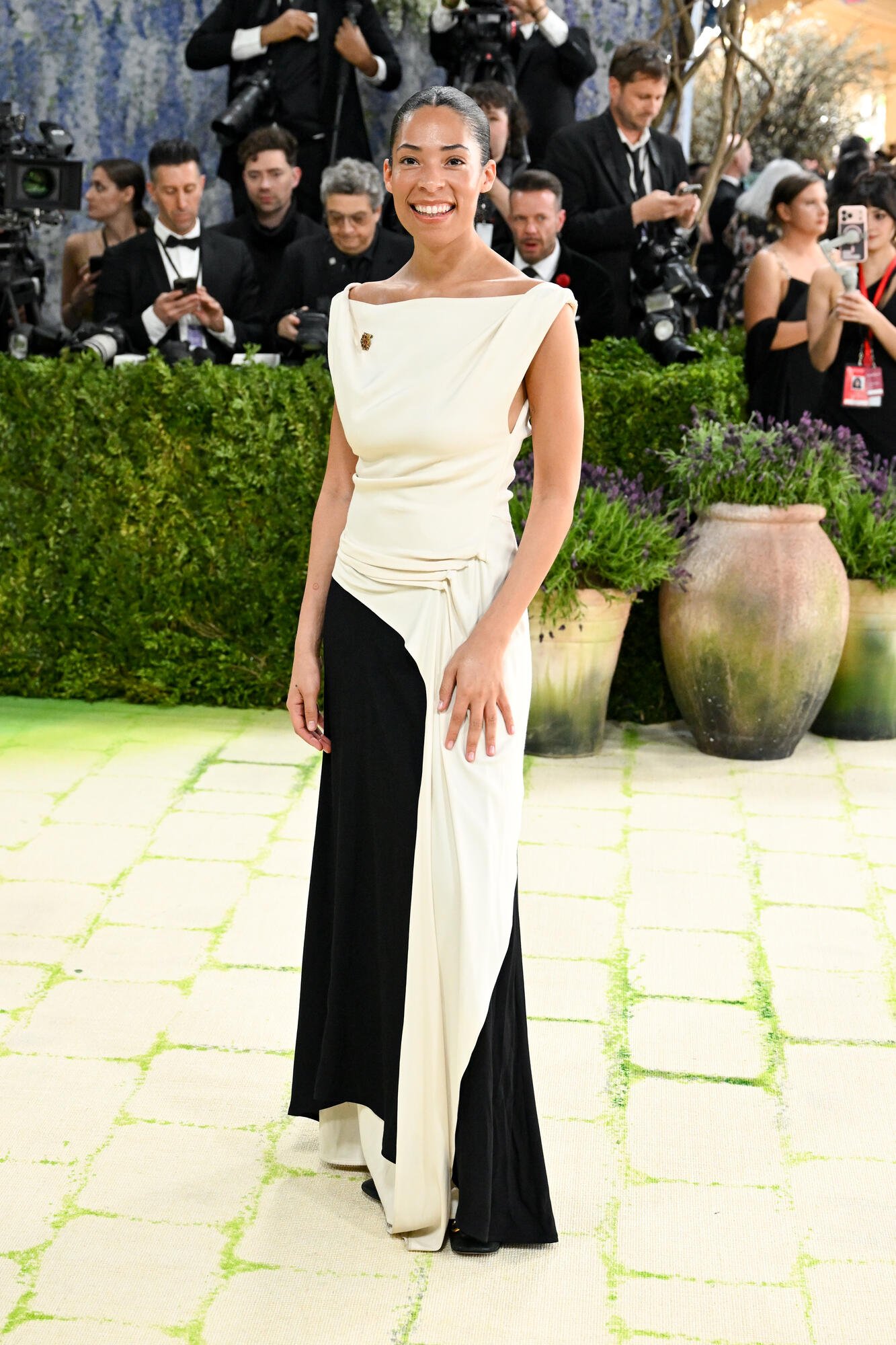
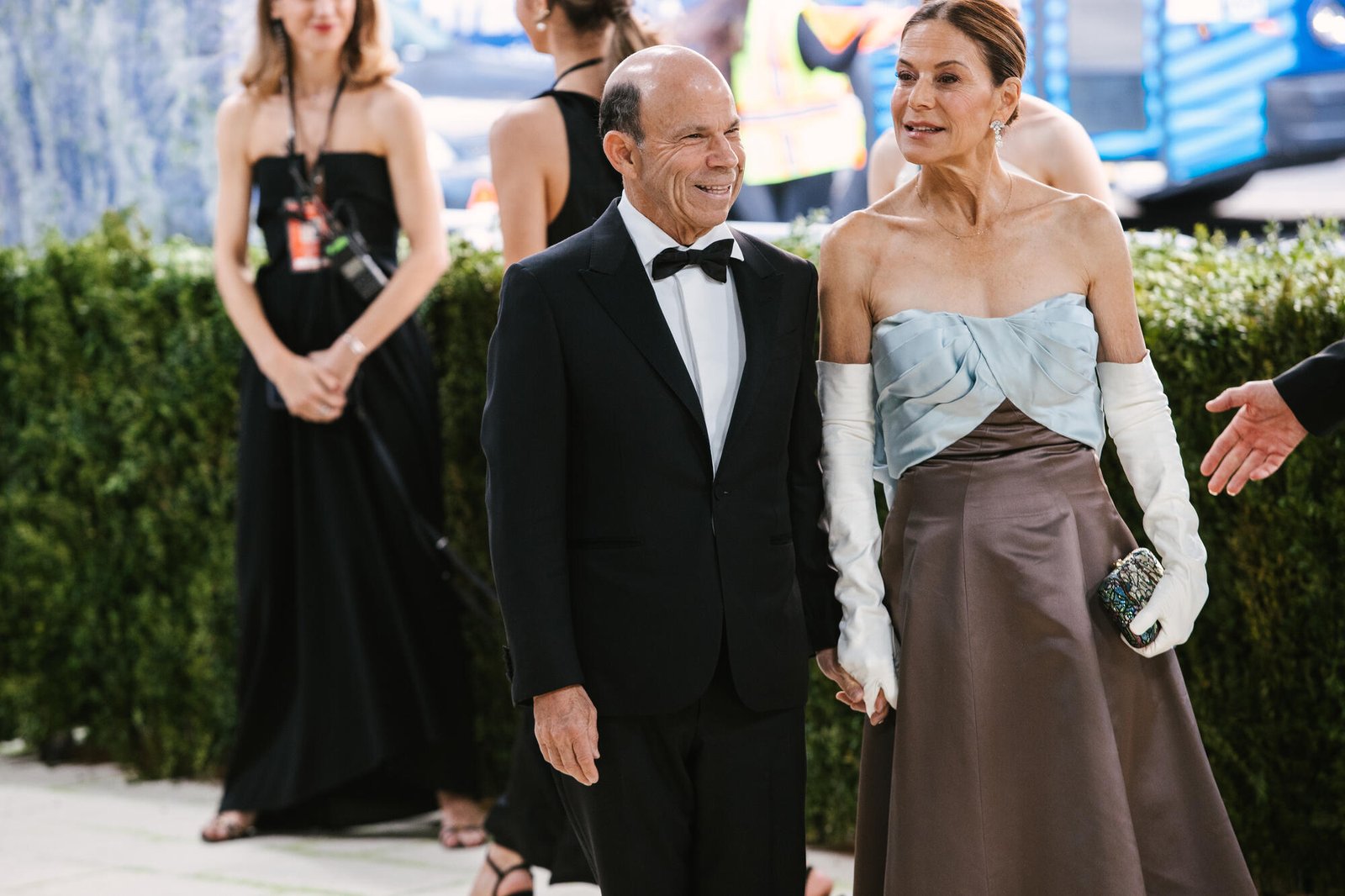
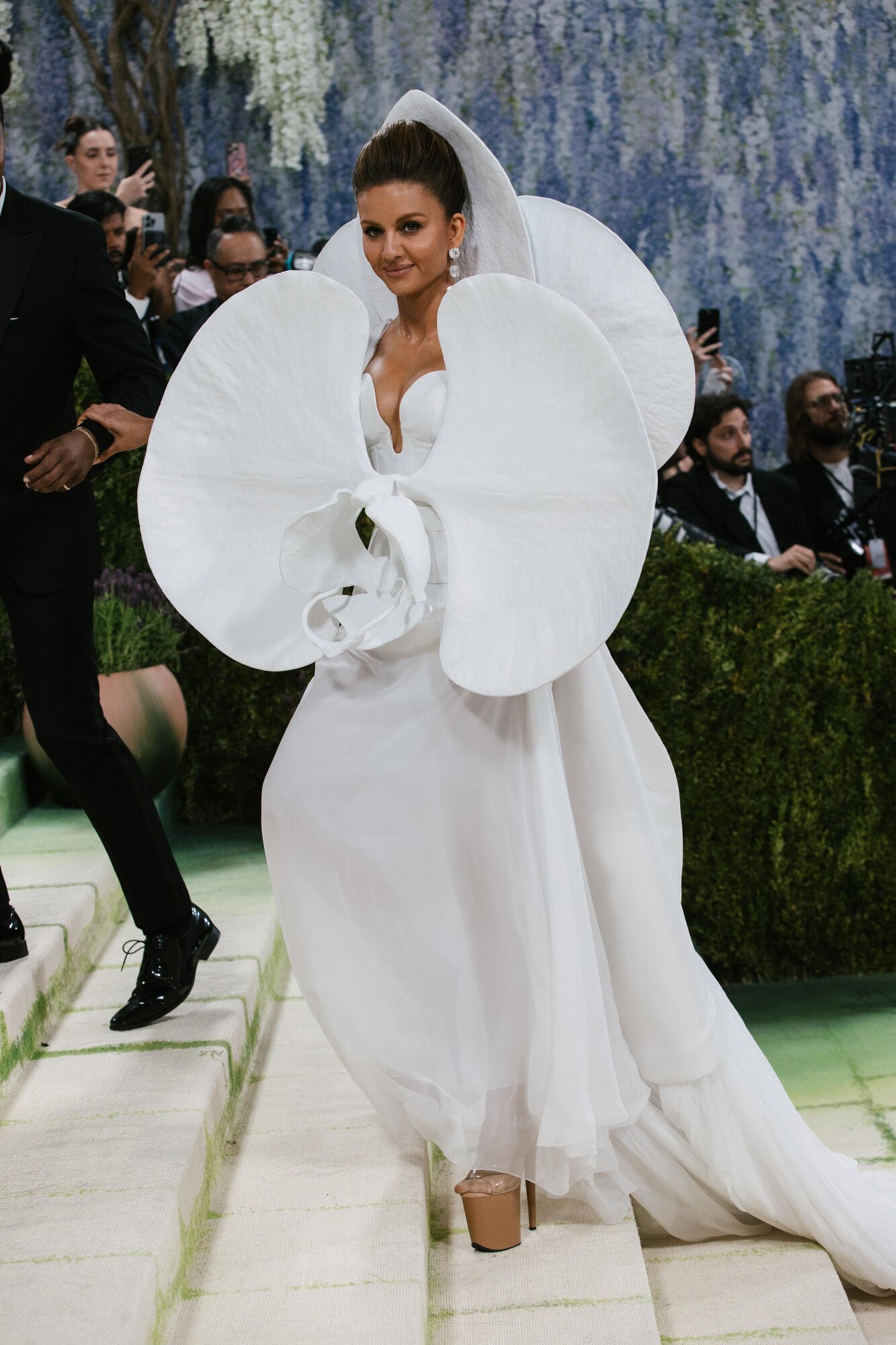
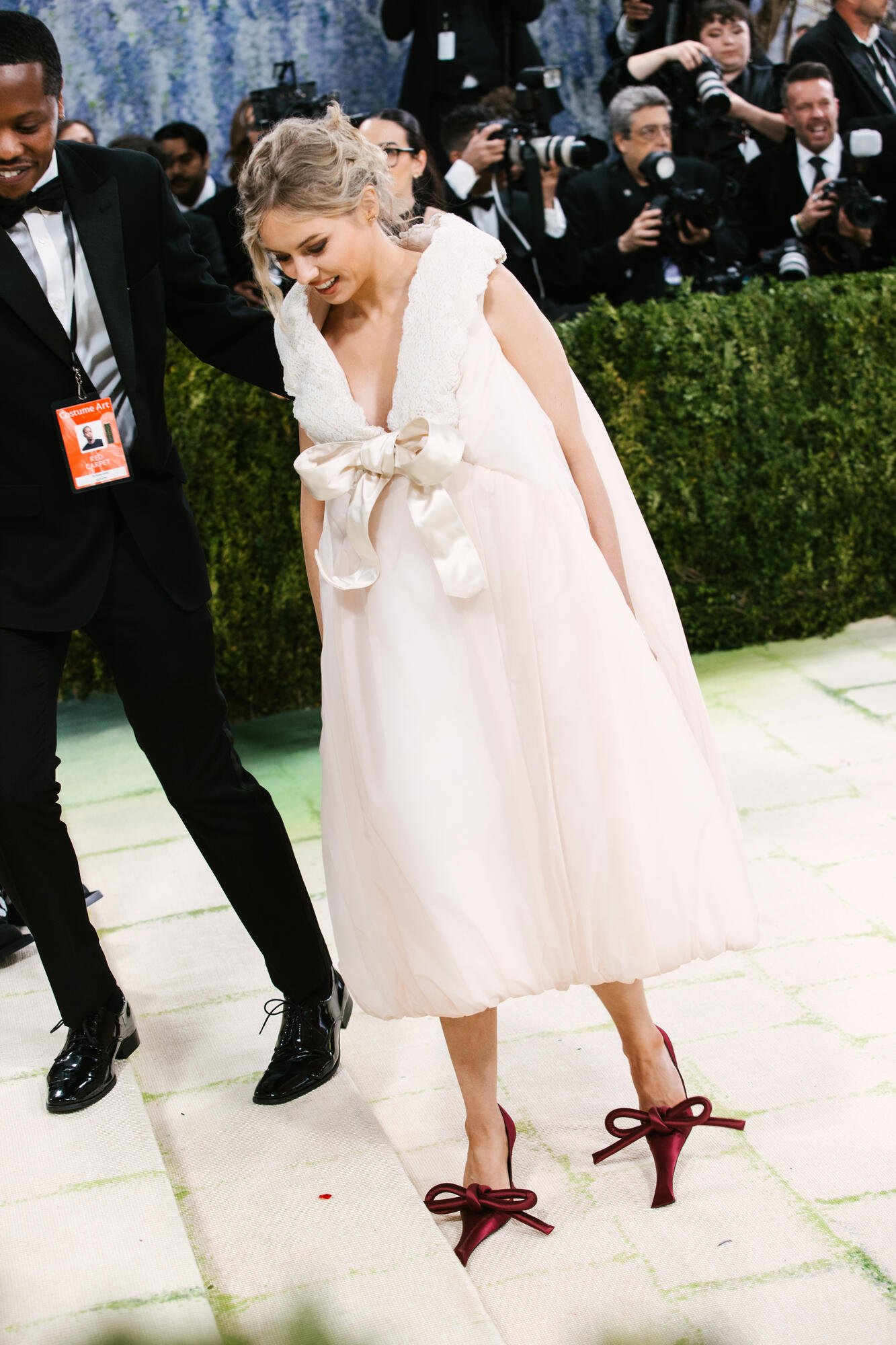
Silhouettes leaned toward drama and exaggeration:
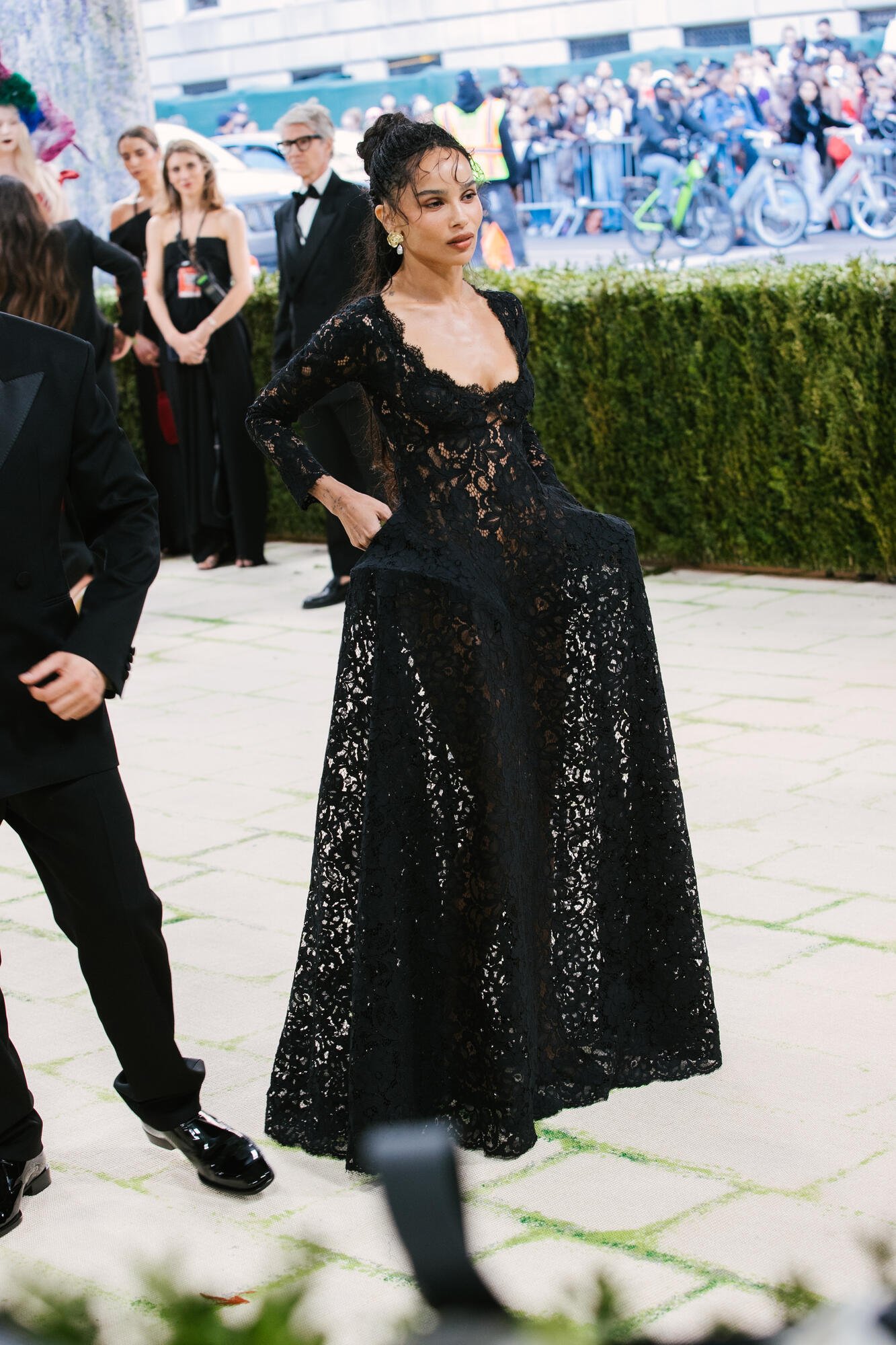
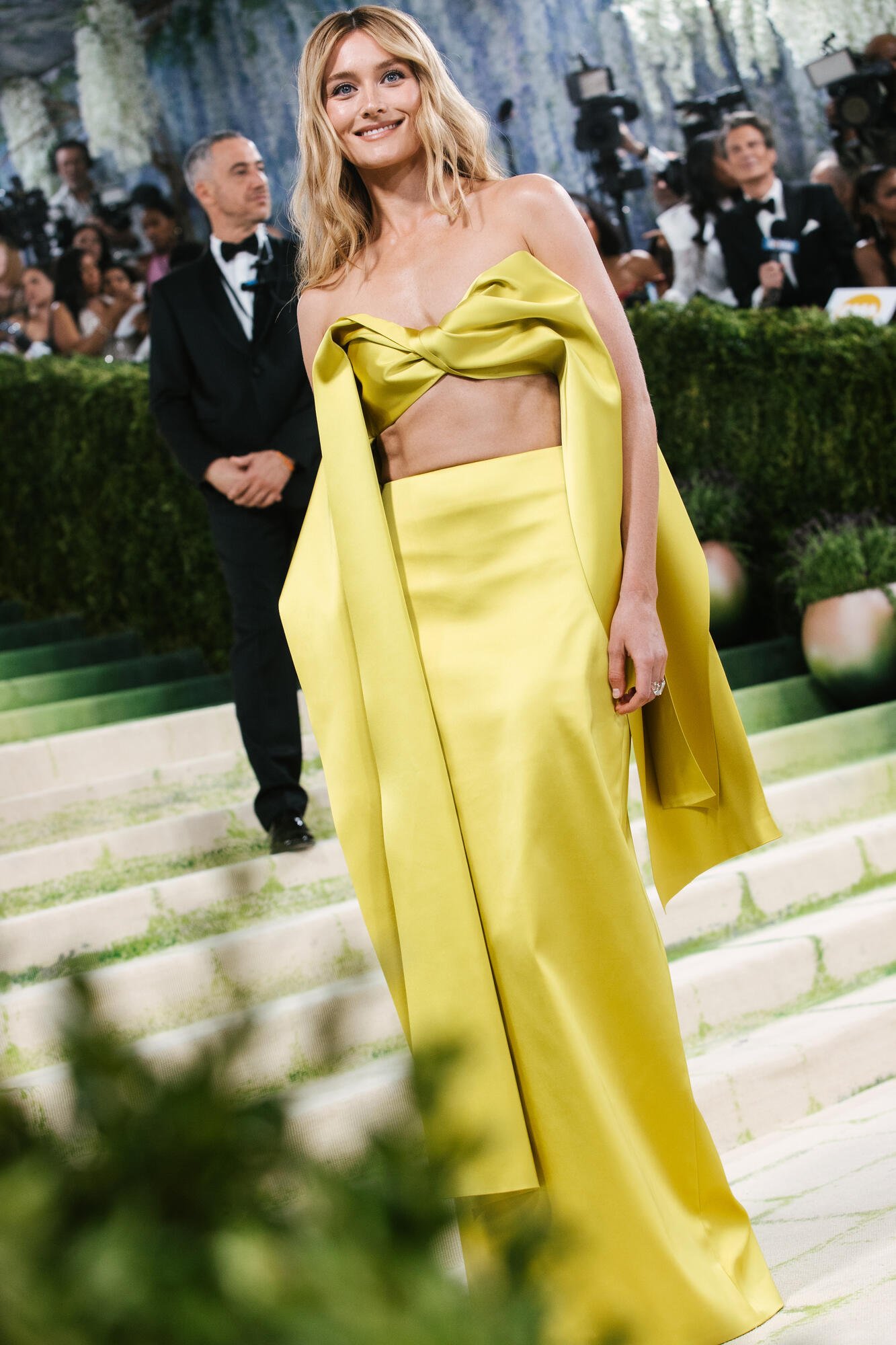
- elongated and sculptural forms dominating the carpet
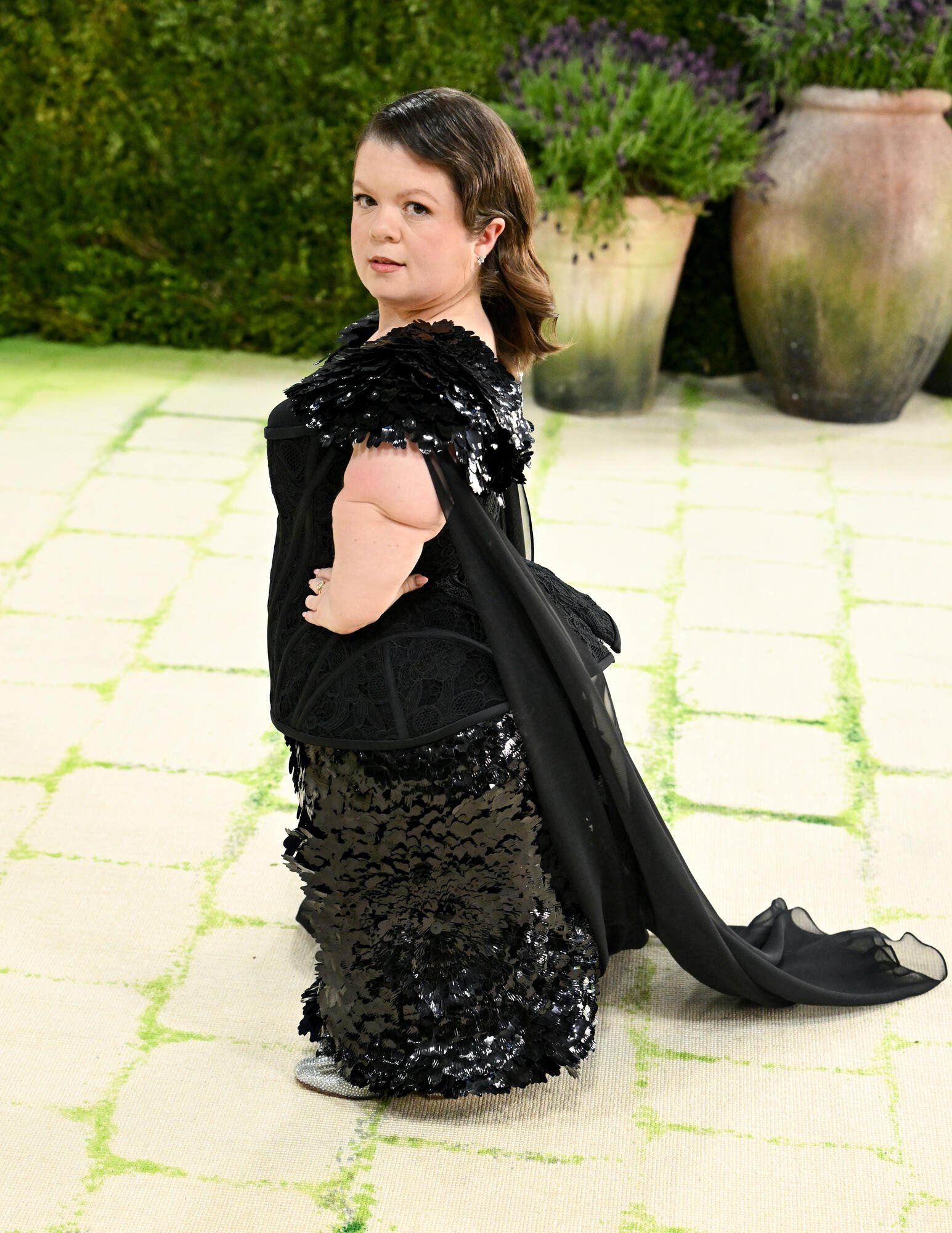
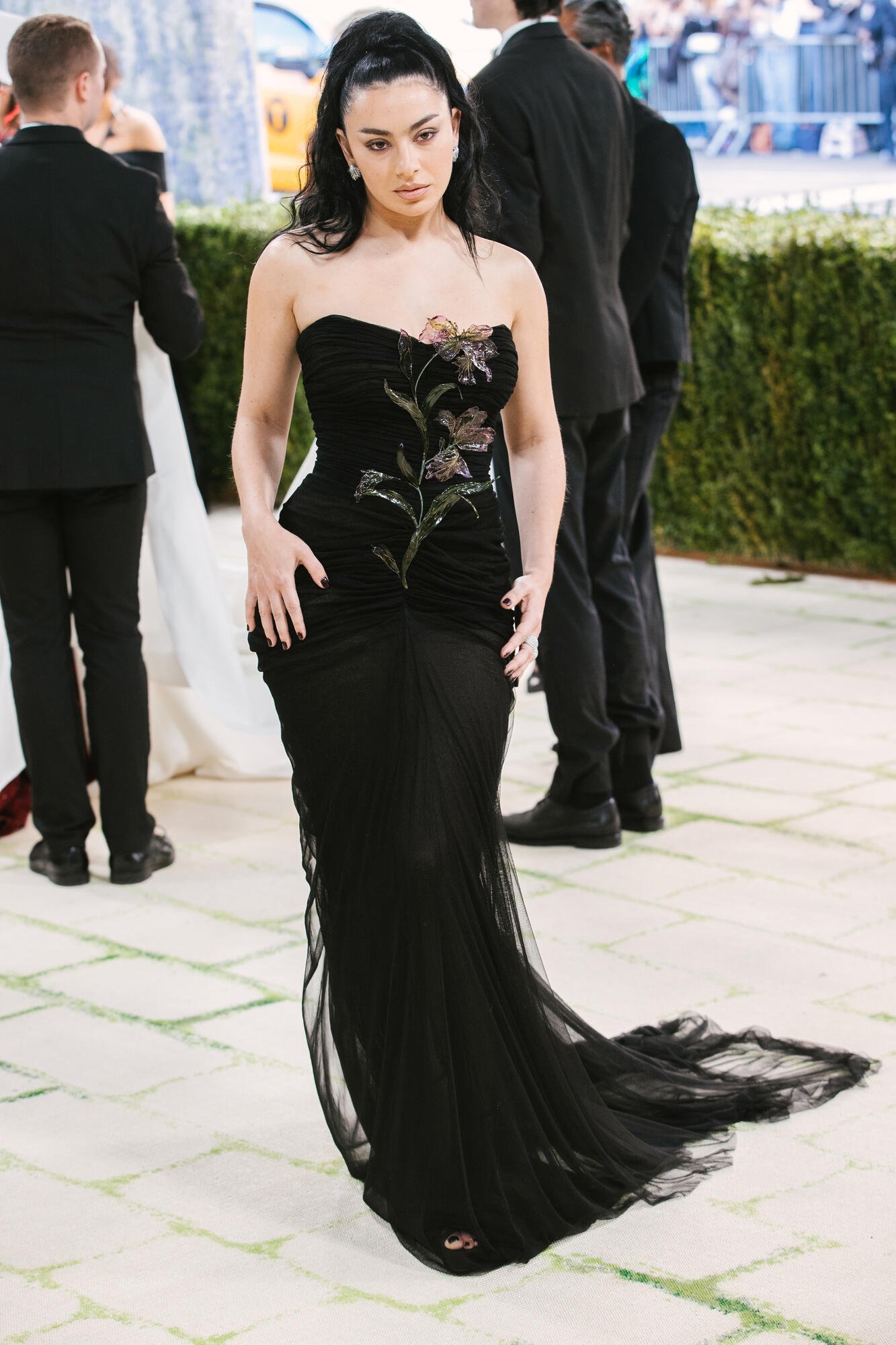
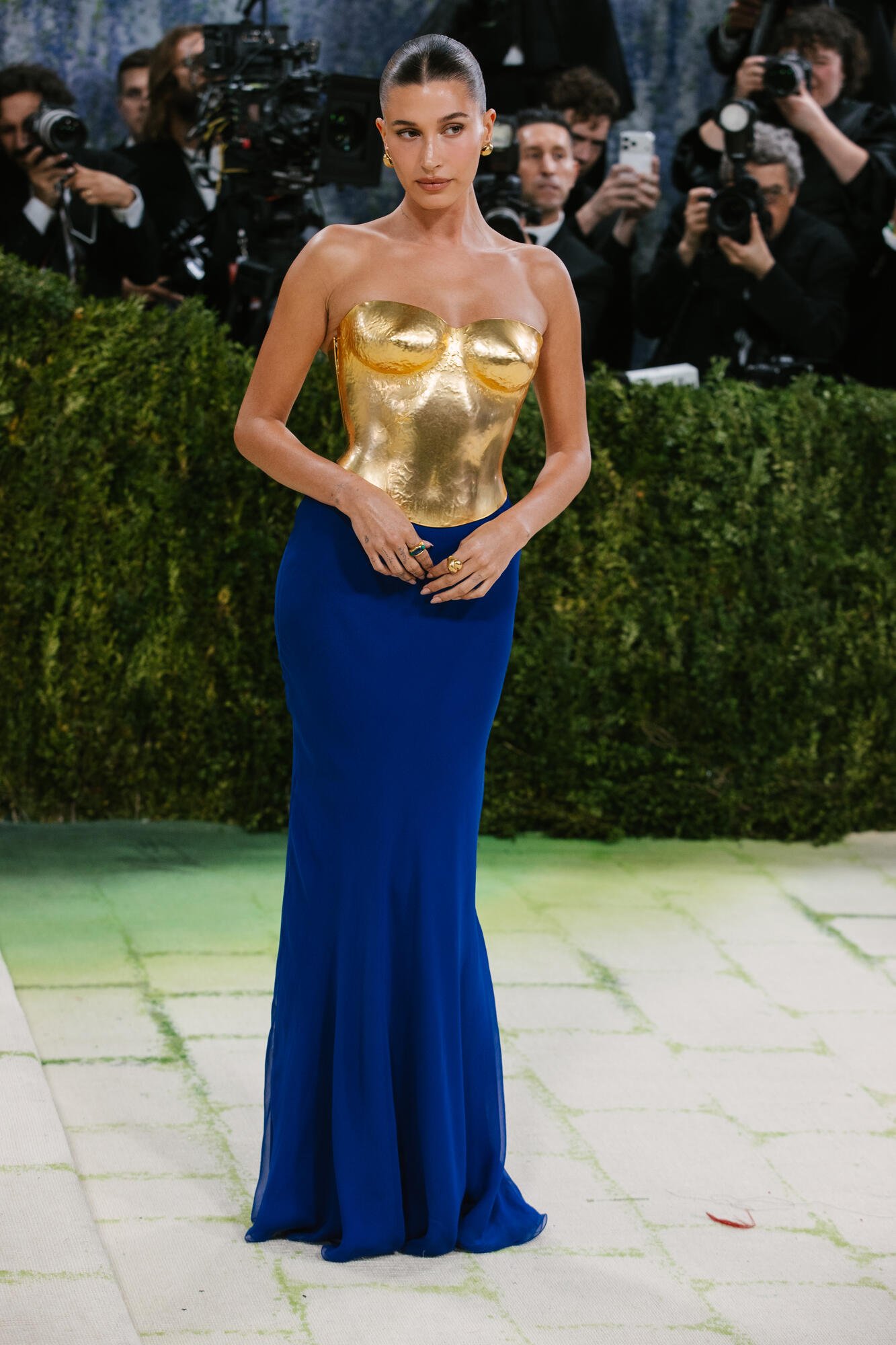
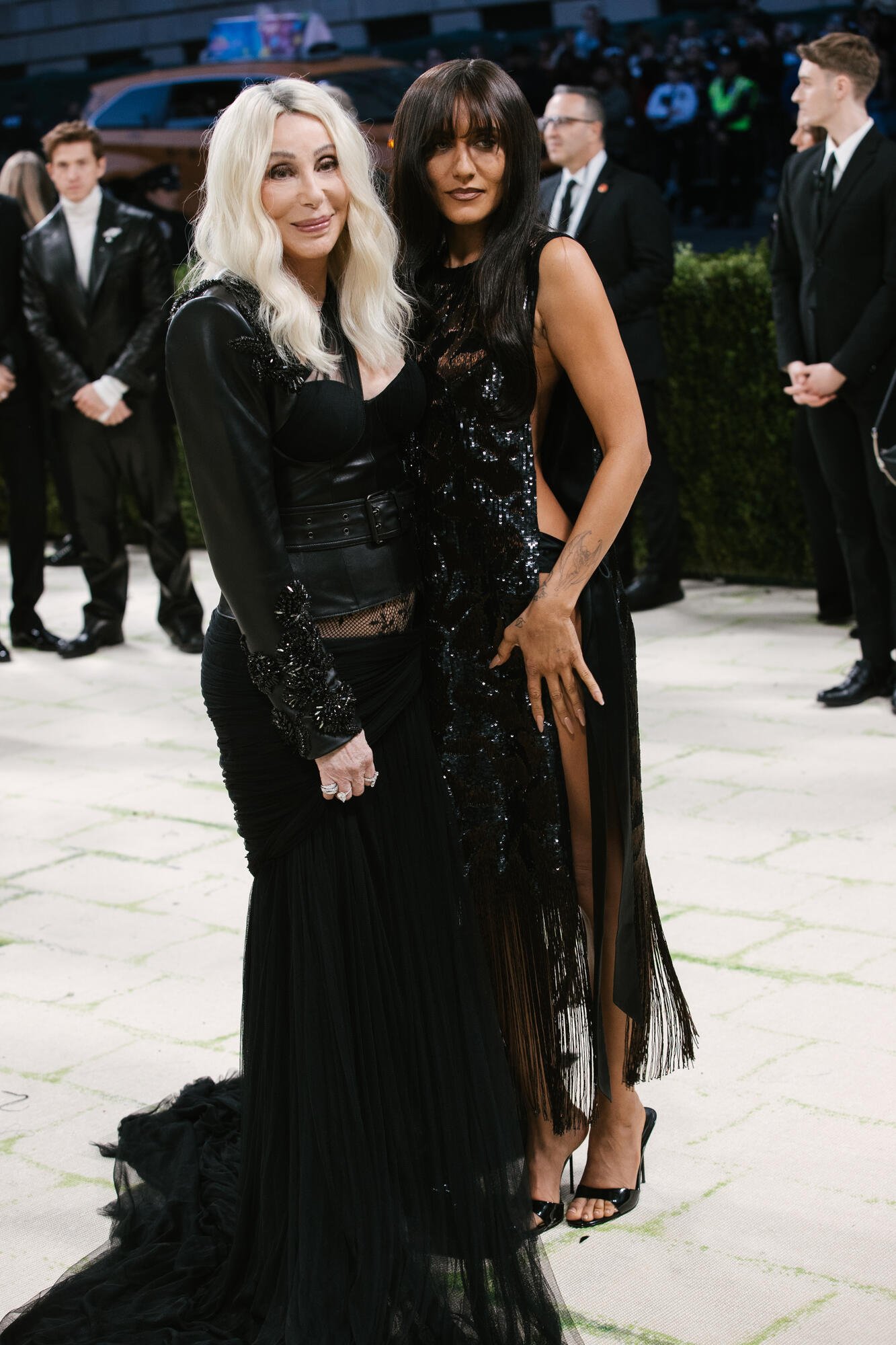
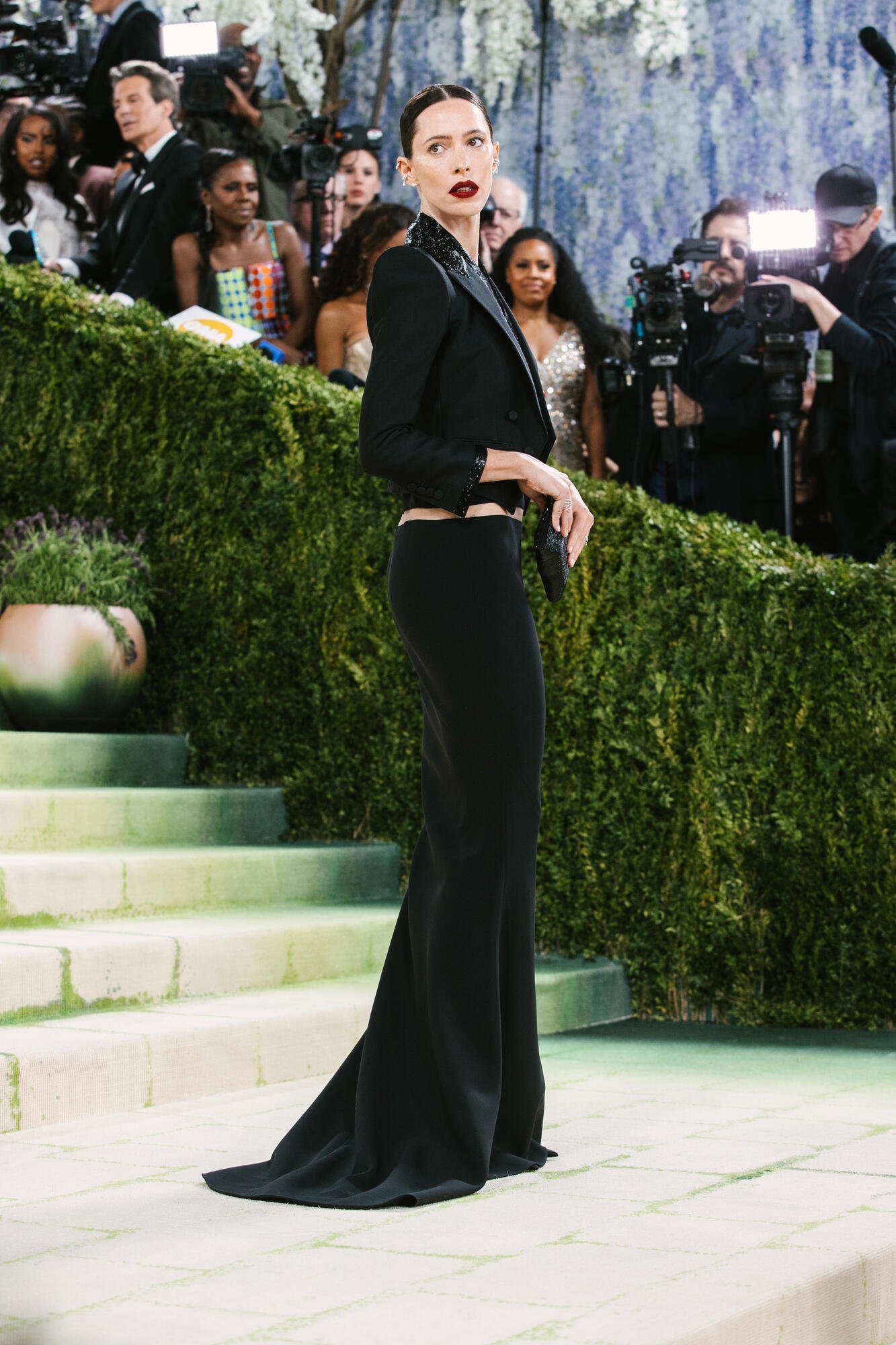
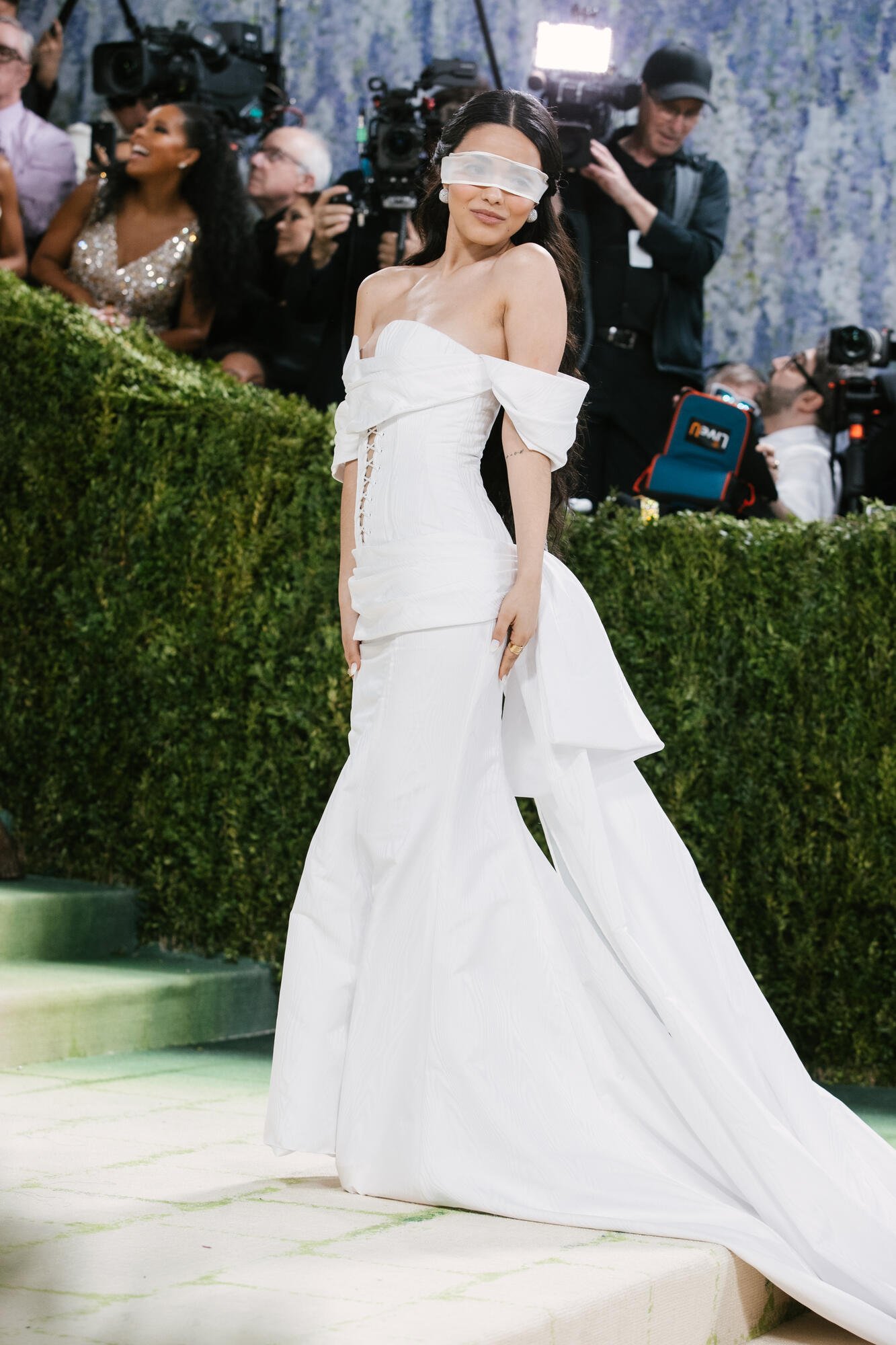
- corsetry and body-contouring shapes reinforcing structure
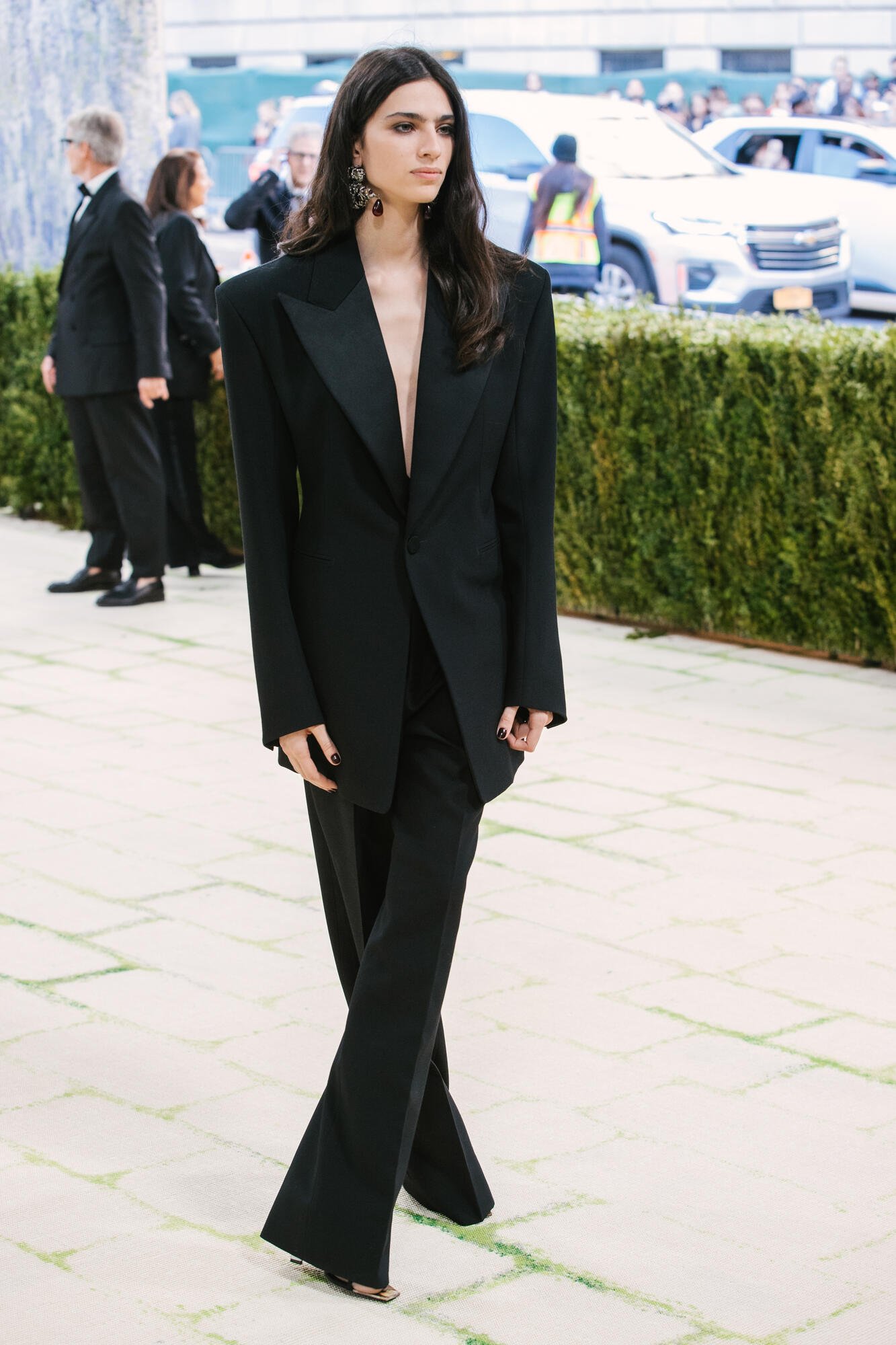
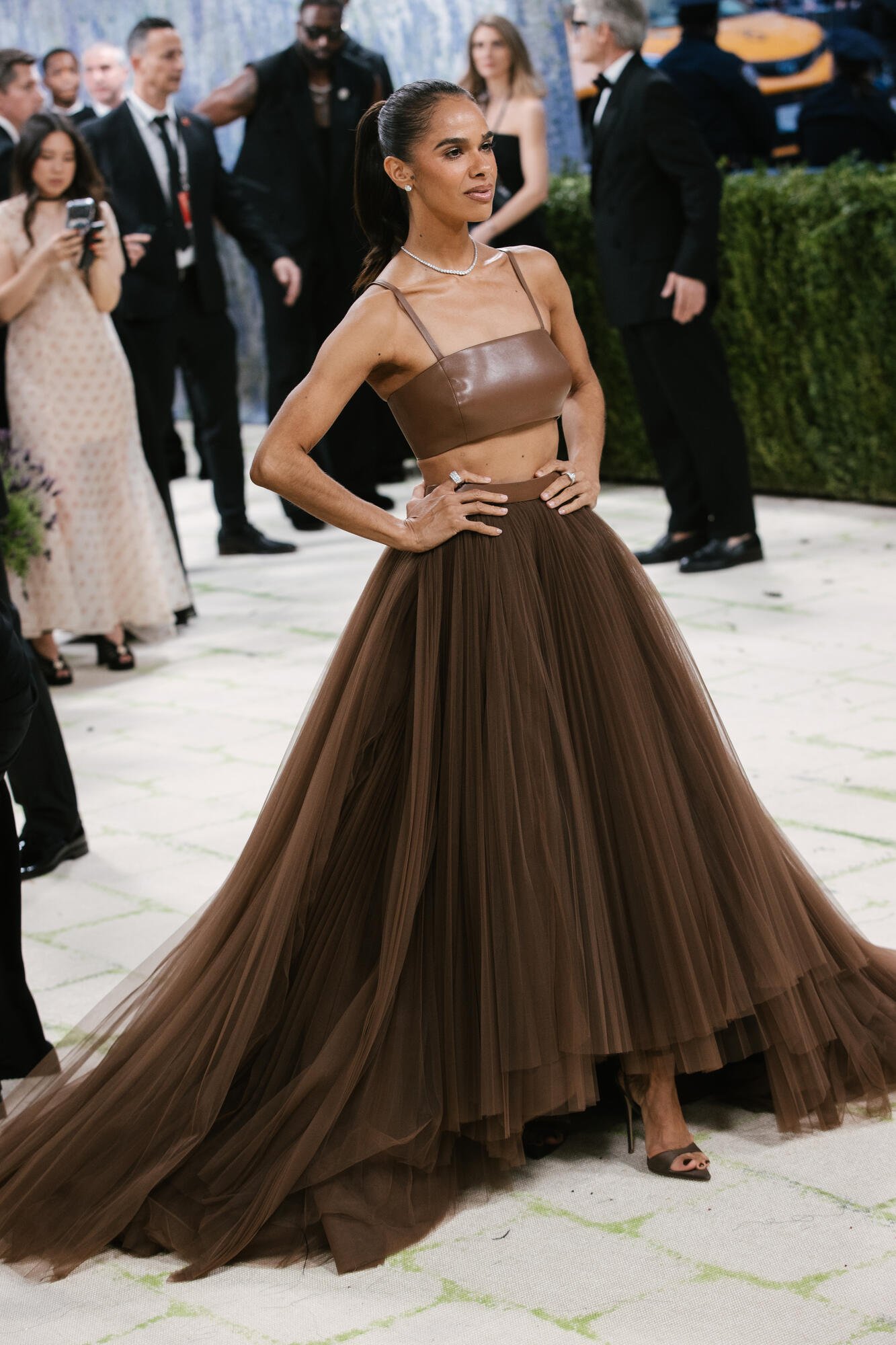
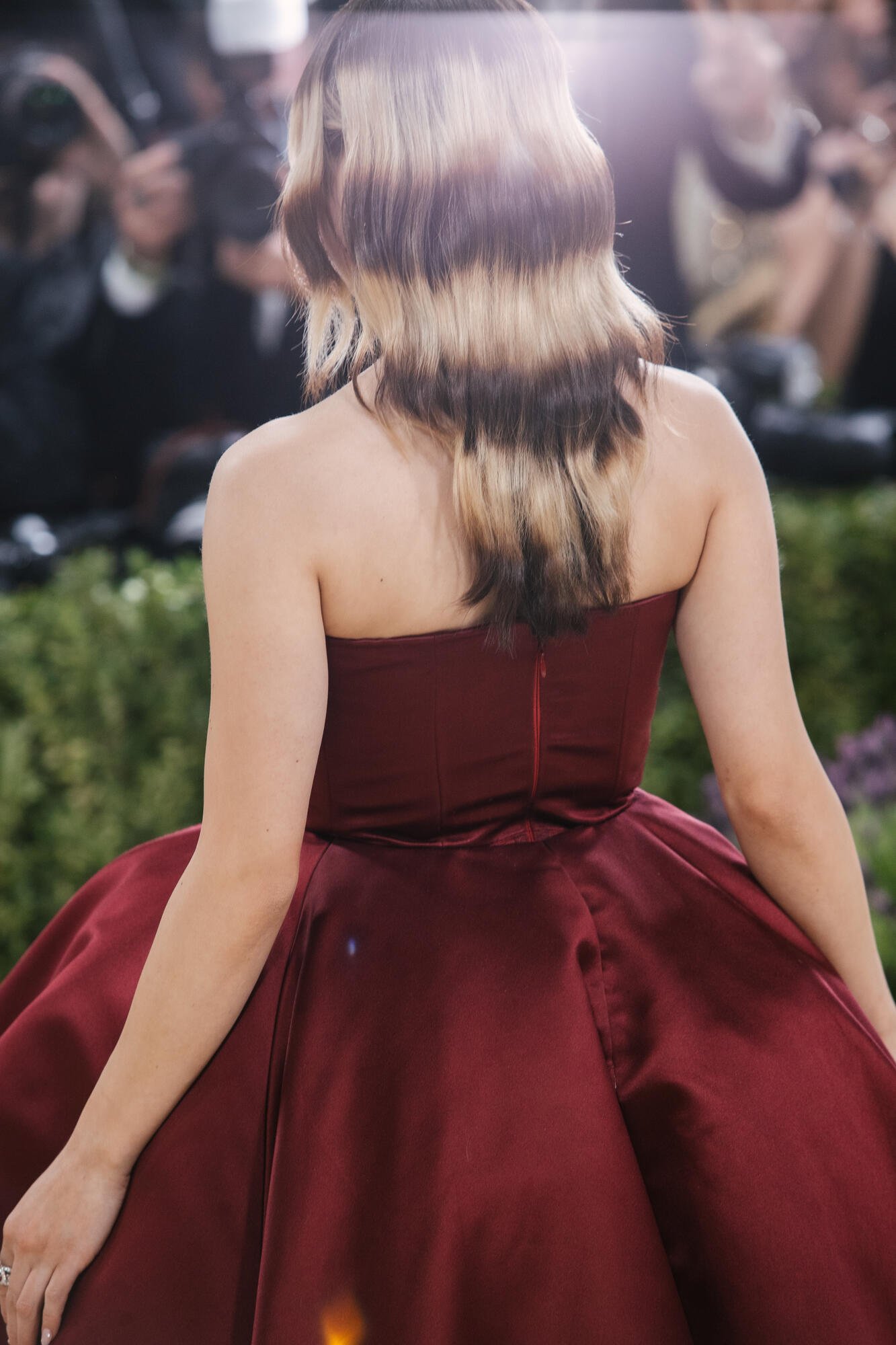
- high-volume gowns contrasting with minimal, body-focused looks
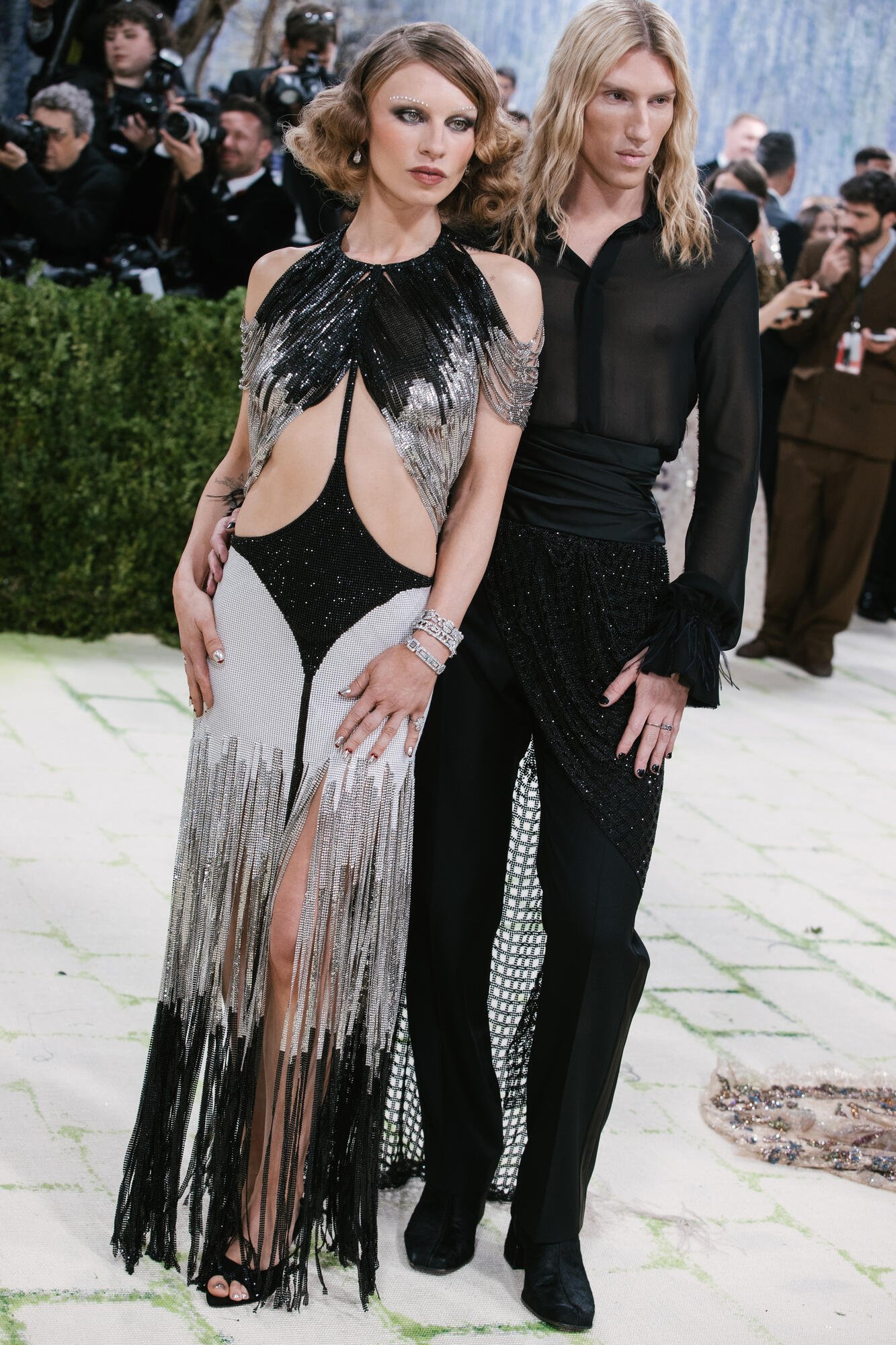
Styling extended beyond garments — hair, makeup, and accessories became integral to the conceptual execution of each look.
Colour & Materials
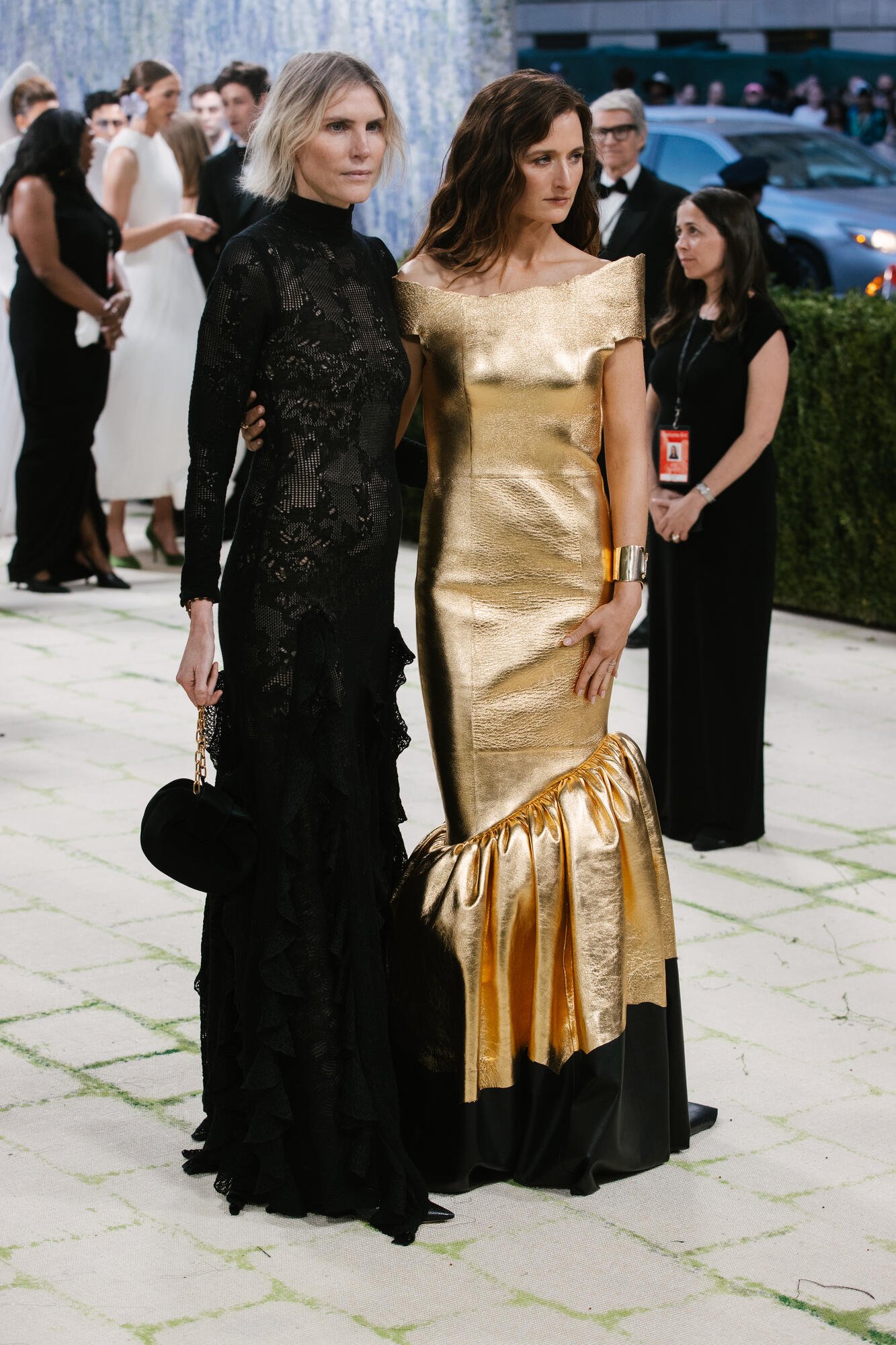
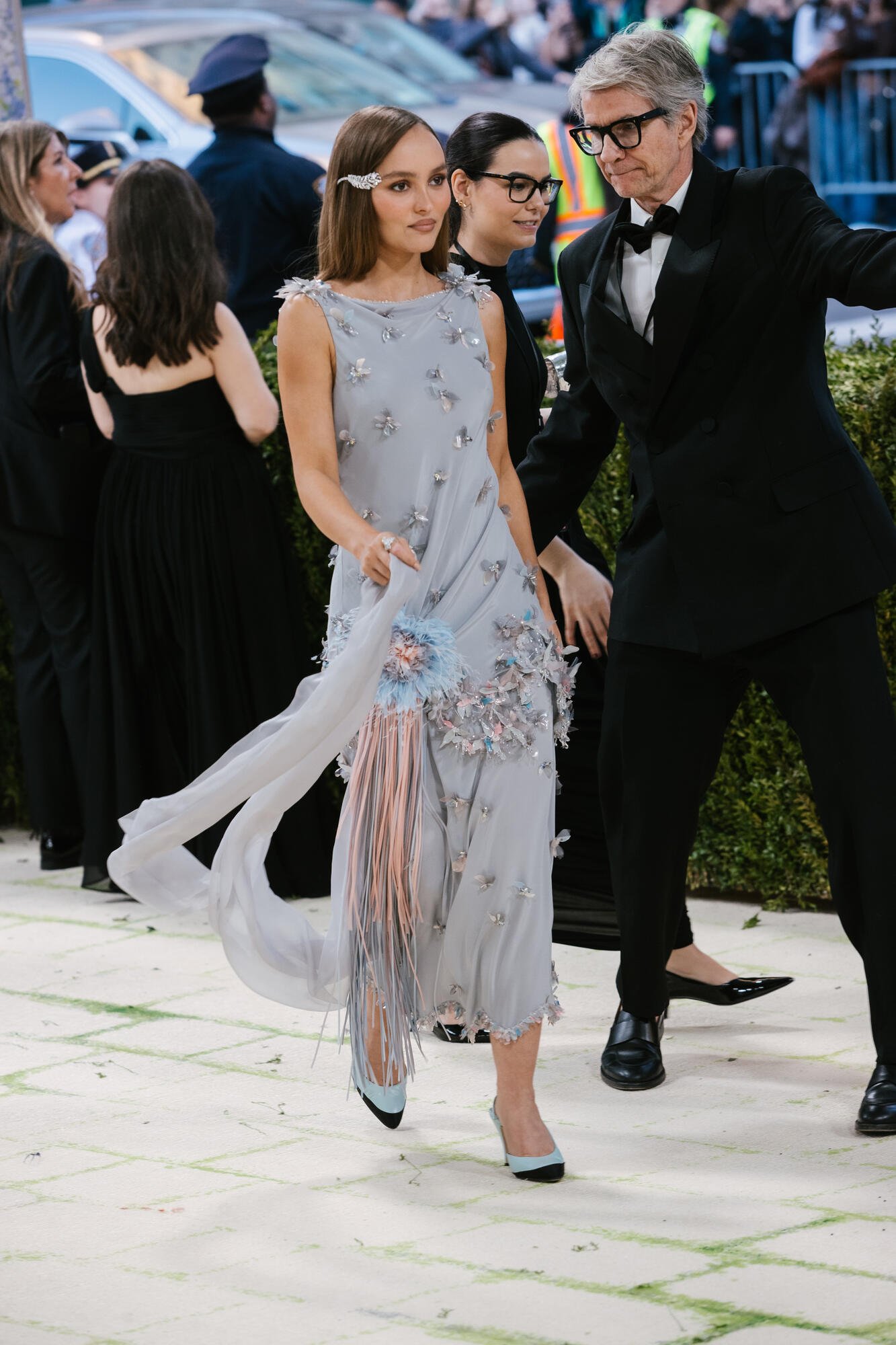
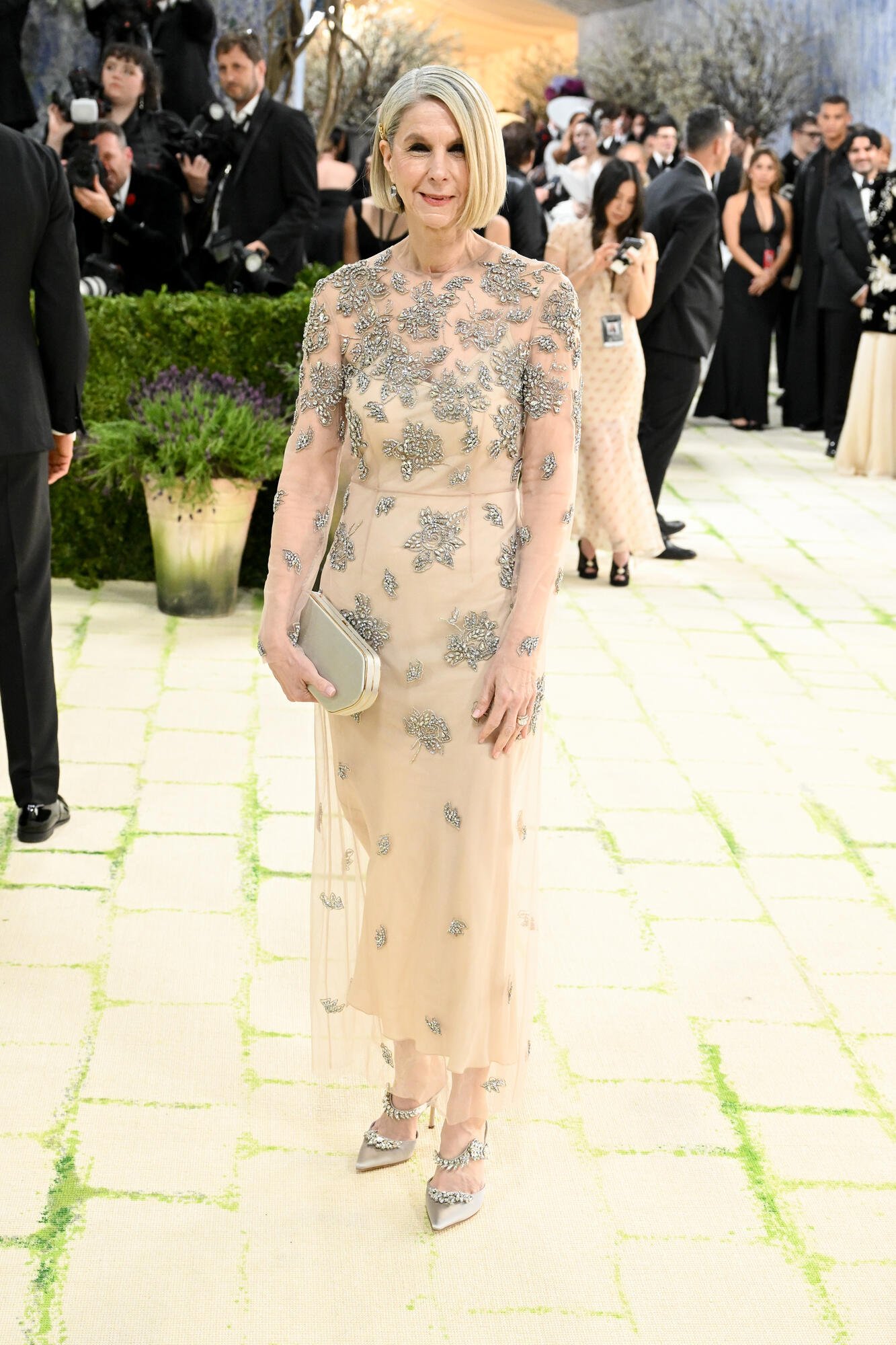
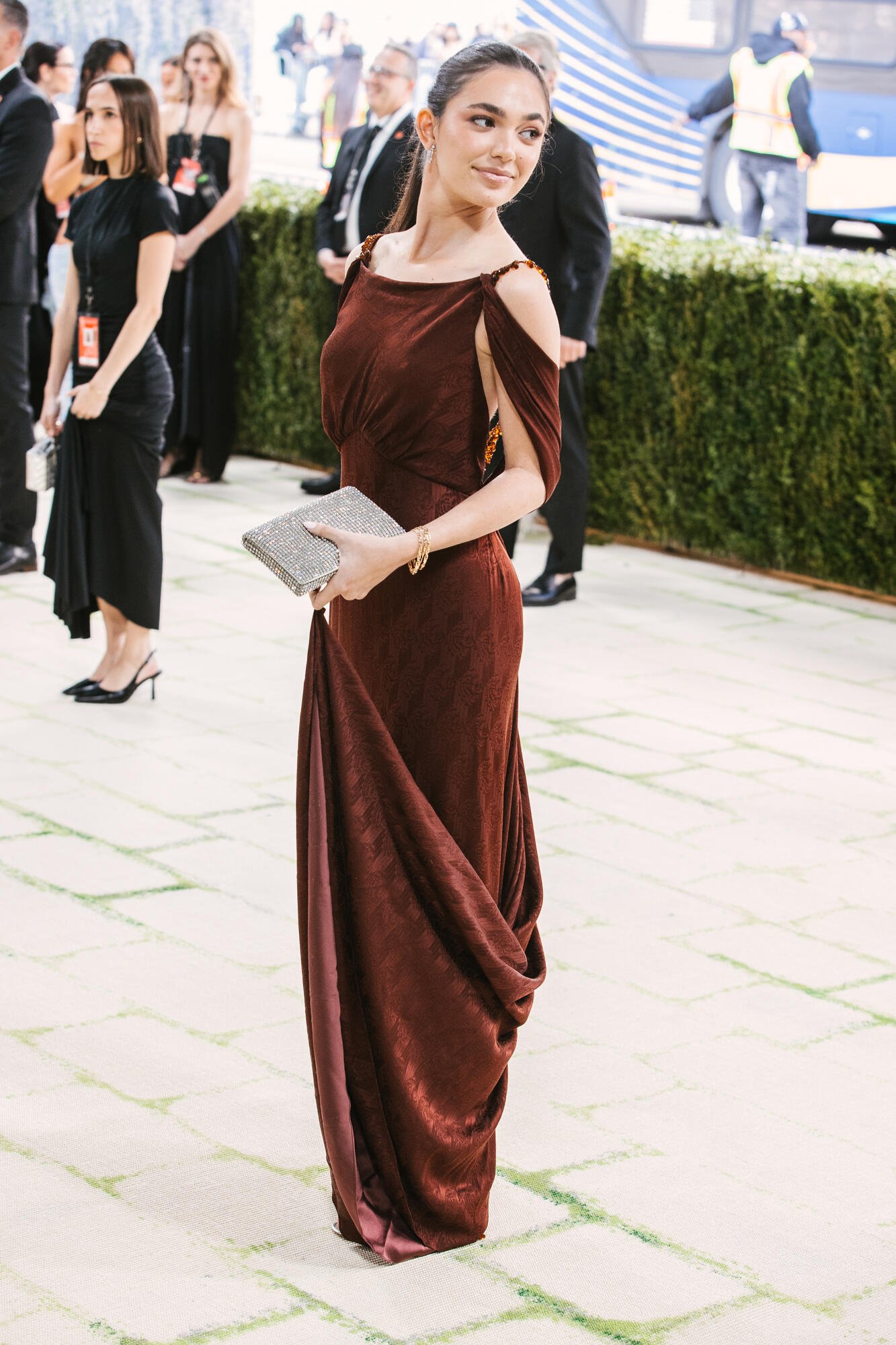
The palette ranged from deep, moody tones to luminous metallics and bold statement hues. Materials played a defining role:
- sheer fabrics reinforcing the “naked body” narrative
- crystals and embellishments adding dimensional light
- structured textiles used to sculpt form
Material choice became as important as silhouette — each reinforcing the idea of fashion as art.
Runway Notes
The Met Gala red carpet remains uniquely unstructured — a space where contradiction thrives.
From classical references to futuristic interpretations, the diversity of approaches reflects the openness of the theme. There is no single aesthetic direction — only a shared commitment to expression and impact.
What It Means for Fashion
Met Gala 2026 highlights key shifts shaping modern fashion:
- Fashion as art: Clothing positioned within artistic and cultural discourse
- Image-first design: Looks engineered for global digital impact
- Couture relevance: High fashion amplified through celebrity visibility
As fashion continues expanding beyond traditional runway formats, the Met Gala proves that storytelling, spectacle, and cultural meaning are now central to luxury.
