
TL;DR
Vogue reports that Japan’s streetwear scene remains uniquely vibrant. Young designers, Harajuku’s evolving identity, and Japan’s deep-rooted craftsmanship keep the culture alive and globally influential. Unlike Western hype-driven cycles, Japanese streetwear thrives on individuality, creativity, and authenticity — proving it’s not just relevant, but essential to modern fashion.
At a Glance
- Vogue reports that Japan’s streetwear scene remains vibrant, evolving with a new generation of designers, shoppers, and subcultures.
- Local brands are revitalizing Harajuku’s identity with fresh silhouettes, gender-fluid styling, and experimental layering.
- Japan’s streetwear thrives on individuality, craft, and cultural depth rather than trend-chasing.
- Global luxury houses continue collaborating with Japanese creatives to tap into this authenticity.
- Despite retail shifts, the cultural heartbeat of Japanese streetwear remains strong — both locally and internationally.
The Heart of Japanese Streetwear: Harajuku’s New Wave
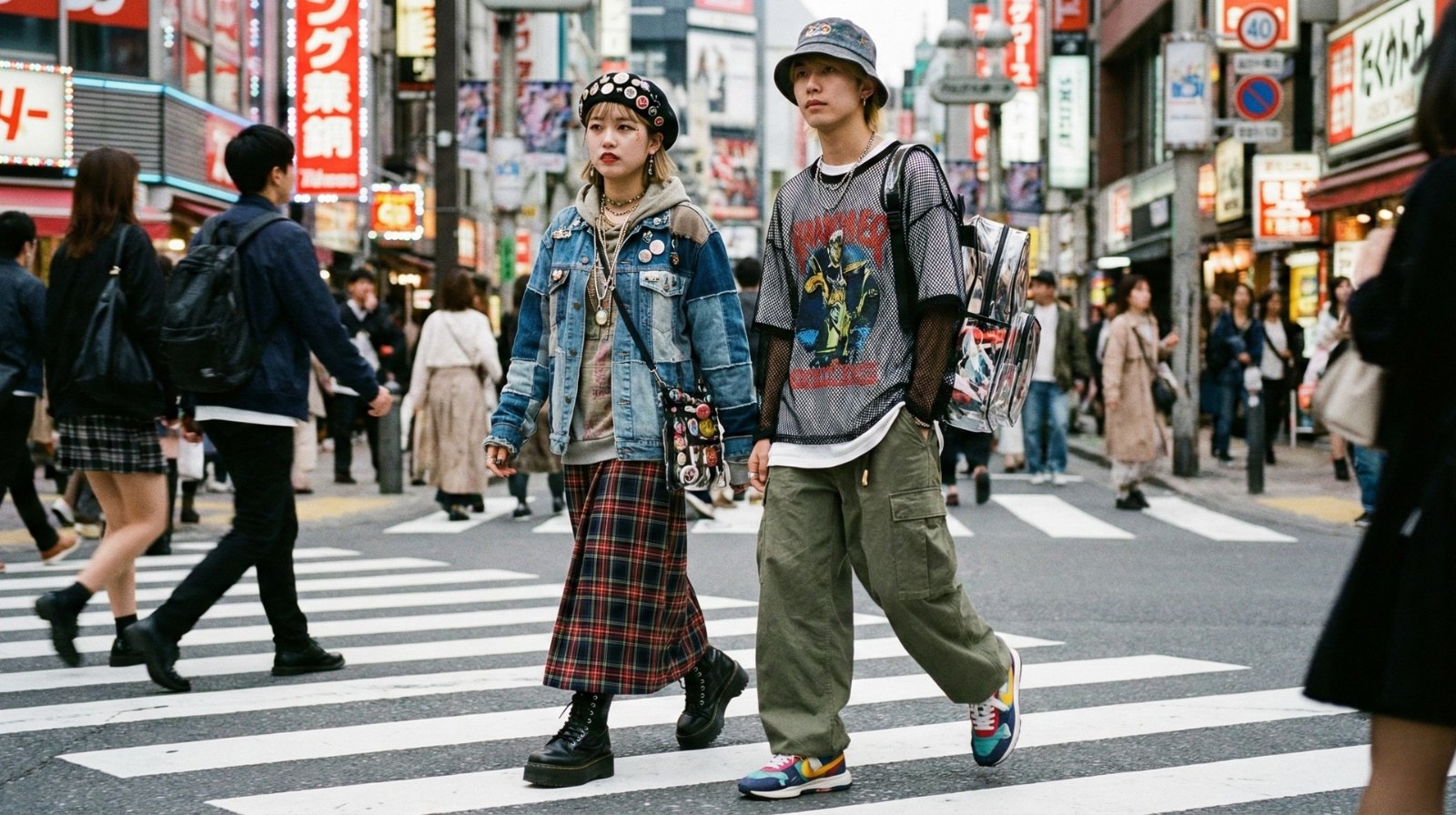
Harajuku has long been the spiritual home of style experimentation. But today’s scene looks different from the early 2000s “Decora” era or the early 2010s techwear hype.
The modern Harajuku codes include:
- Layered oversized silhouettes
- Tailored streetwear mashups
- Gender-fluid fashion
- Elevated basics with avant-garde twists
- DIY customization
- Soft vintage revivals
Young shoppers in Tokyo are mixing local brands with global labels, creating hybrid aesthetics that feel uniquely Japanese.
A New Generation of Designers Leads the Shift
Vogue highlights how emerging talents in Japan are redefining streetwear with deeper cultural storytelling. They focus on:
1. Hyper-local identity
Designs reflect Tokyo neighborhoods, regional craftsmanship, or personal influences.
2. Subculture crossovers
Streetwear meets:
- punk
- anime
- minimalism
- techwear
- vintage Americana
3. Slow fashion values
Quality over hype, durability over disposability.
4. Genderless silhouettes
Fluidity is the new norm, especially among Gen Z designers.
Streetwear in Japan isn’t an aesthetic — it’s a mindset.
Craftsmanship Remains the Core
One major reason Japanese streetwear endures is craftsmanship. Whether it’s denim from Okayama, tailoring from Tokyo ateliers, or reconstructed garments made by hand, Japan’s fashion ecosystem elevates streetwear into a form of luxury.
Key pillars of Japanese streetwear quality:
- meticulous construction
- precision pattern-making
- innovative textile development
- small-batch production
- artisanal finishing
This foundation of craft separates Japanese streetwear from global fast-fashion interpretations.
Tokyo Retail Still Shapes Trends Worldwide
Despite shifts toward online shopping, physical retail in Tokyo remains influential. Boutique stores in Harajuku, Shibuya, and Daikanyama continue to set micro-trends that ripple outward globally.
Stores driving the culture:
- independent streetwear boutiques
- secondhand & vintage hubs
- curated concept shops
- multi-brand houses blending luxury and street style
These spaces are more than shops — they’re cultural incubators.
Why Japanese Streetwear Still Inspires Global Luxury Houses
Major global brands continue to look to Japan for creative influence, collaborations, and cultural authenticity. Japan’s design ethos has shaped collections from:
- Louis Vuitton
- Dior
- Nike
- Comme des Garçons (international collabs)
- Sacai and Chitose Abe with multiple global partners
Japanese designers excel at blending:
- heritage with futurism
- restraint with rebellion
- craft with experimentation
This duality is what keeps Japanese streetwear relevant worldwide.
Streetwear in Japan Isn’t Trendy — It’s Cultural
Unlike Western fashion cycles, Japanese streetwear thrives on long-term identity-building. Consumers invest in pieces that express personal style rather than short-lived trends.
The result:
- deeper emotional attachment to clothes
- sustainable wardrobe building
- a community-driven fashion culture
Streetwear isn’t fading — in Japan, it’s maturing.
Editorial Perspective
Japanese streetwear has never been about hype alone. While much of the world associates streetwear with drops, resale markets, and logo culture, Japan’s approach is fundamentally different: a philosophy of self-expression, craftsmanship, and subcultural storytelling.
What Vogue highlights is not a “resurgence” of Japanese streetwear — it’s a reminder that Japan never stopped innovating. While Western markets debate whether streetwear is fading, Tokyo proves the opposite. Its fashion districts are still creative laboratories, shaping the global language of style.
Japanese streetwear doesn’t chase relevance; it creates it.
