
TL;DR
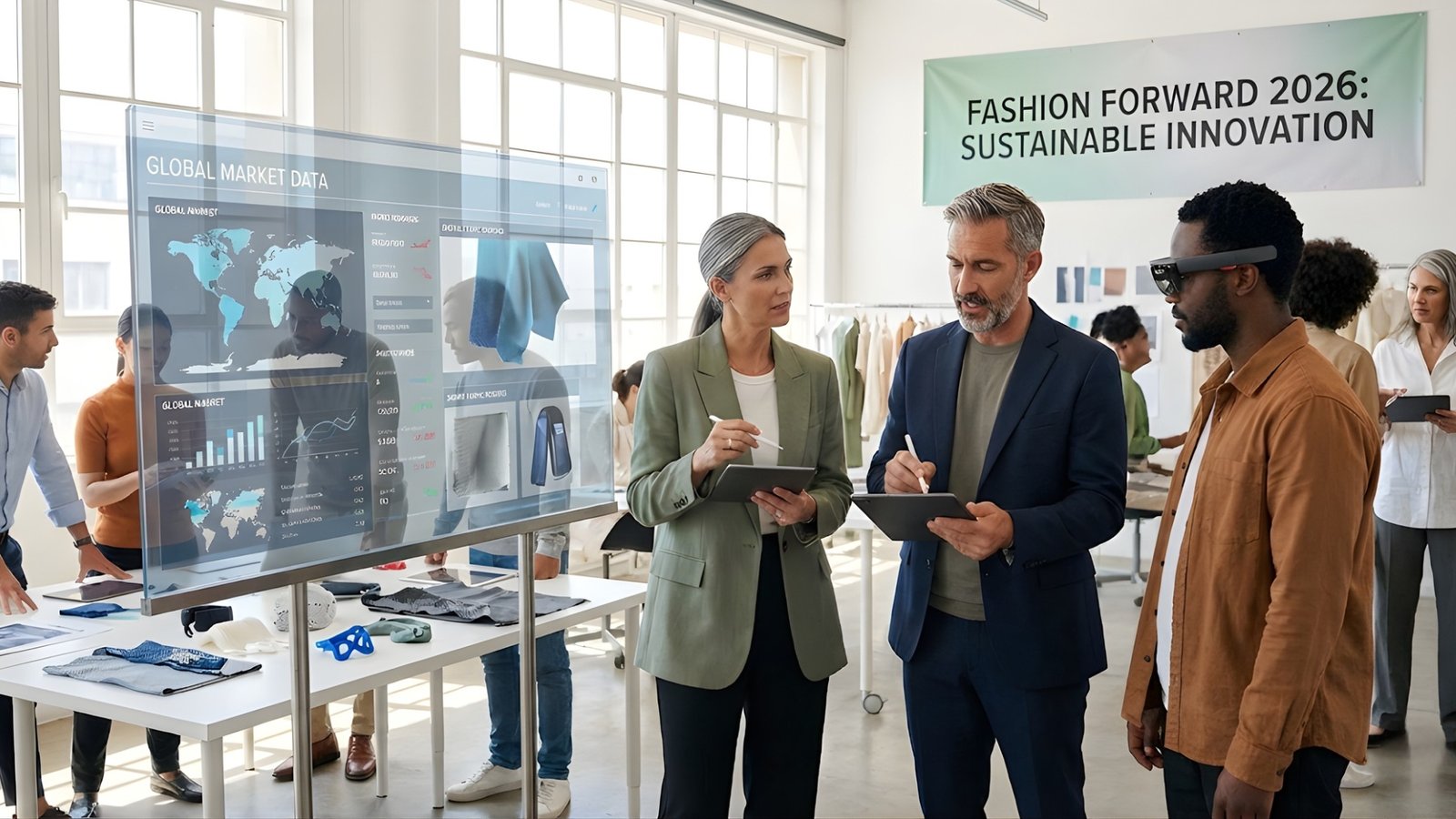
Fashion leaders in 2026 are evolving into “hybrid CEOs” — blending operational strength, creative fluency, and digital leadership to steer brands through challenging conditions and future-focused growth.
At a Glance
- Fashion leadership in 2026 is evolving toward hybrid executives who can marry creativity with operational excellence.
- CEOs must navigate macro volatility, shift toward AI and digital disruption, and balance short-term agility with long-term brand value.
- Industry sentiment around 2026 is “challenging,” but opportunity persists for leaders ready to innovate.
- Successful leaders will prioritise workforce transformation, cultural fluency, and strategic visibility in a crowded global market.
Hybrid Leadership: The New Executive Archetype
The Business of Fashion’s analysis shows that fashion companies are increasingly valuing leaders with multi-dimensional skill sets — executives who can:
- Oversee efficient and resilient operations.
- Partner fluently with creative teams to uphold brand vision.
- Align business strategy with cultural and consumer trends.
In an environment where market conditions are described as “challenging”, rather than strictly optimistic, fashion CEOs must balance pressure to deliver short-term results with long-term strategic vision.
Operational Rigor Meets Creative Fluency
For fashion leaders, mastery of both numbers and narratives is becoming a defining advantage:
- Operational rigor ensures profitability, supply chain resilience, and cost discipline — especially crucial in volatile economic conditions.
- Creative fluency allows executives to nurture brand identity, collaborate with designers, and steward cultural relevance without diluting creative integrity.
This combination becomes particularly critical as fashion brands navigate growth in digital commerce, hybrid retail models, and global market complexity.
AI, Digital Fluency, and Talent Transformation
The 2026 executive must also demonstrate digital fluency, particularly in artificial intelligence, customer data insights, and AI-enhanced decision making. As the State of Fashion 2026 report highlights, AI has shifted from a competitive advantage to an essential business function — shaping customer discovery, workflows, and organisational productivity.
In parallel, leaders must prioritise workforce transformation, championing upskilling and reinvention within their teams to harness AI’s full potential and navigate future talent needs.
Cultural Fluency and Brand Relevance
Beyond operations and technology, leaders must also serve as cultural translators — connecting fashion’s creative energy to what matters to consumers. That means interpreting emerging cultural priorities around sustainability, wellbeing, digital experience, and emotional resonance.
In a fashion ecosystem where consumer sentiment is cautiously optimistic yet wary of broader instability, brand relevance depends on emotional connection as much as product excellence.
Balancing Cash, Culture, and Creativity
In 2026, standout fashion CEOs will demonstrate an ability to balance:
- Cash discipline — navigating economic headwinds without sacrificing ambition
- Organisational agility — pivoting quickly in response to digital disruption
- Creative stewardship — preserving brand identity and cultural relevance
This balance positions leaders not just as business stewards, but as authors of future fashion narratives.
What This Means for the Industry
The evolving leadership model signals a broader shift across fashion’s value chain. Boards, investors, and stakeholders are looking for executives who are not only financially astute but also:
- Skilled in digital strategy and AI integration.
- Adept at talent development and transformation.
- Fluent in culture — able to interpret and respond to shifting consumer priorities.
In this climate, the most successful CEOs will be multi-faceted leaders capable of navigating the interplay between commerce, creativity, and culture.
Editorial Perspective
In a landscape defined by macroeconomic volatility, digital disruption, and changing consumer behaviours, fashion leadership in 2026 must go beyond traditional CEO playbooks. According to Business of Fashion, the most effective executives will blend operational discipline, creative fluency, and cultural insight, becoming “hybrid” leaders equipped to manage both the business of fashion and the future of fashion with equal finesse.
Industry leaders must now act less like traditional CEOs and more like dynamic architects of transformation — guiding organisations through complexity while championing innovation, resilience, and brand relevance.
