
TL;DR
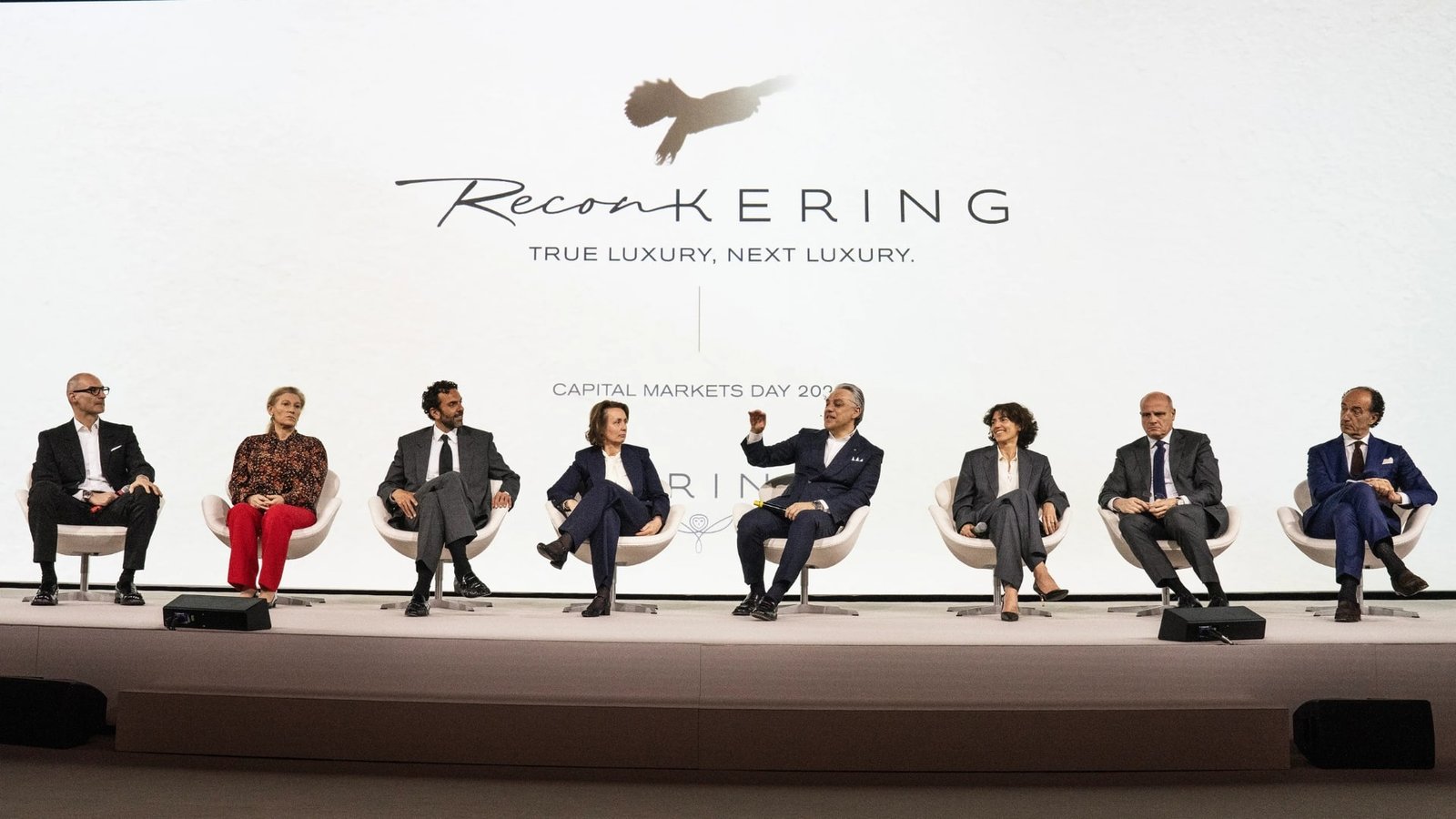
Kering is aiming to more than double its operating profitability as part of a major turnaround strategy led by CEO Luca de Meo. With Gucci’s revival at the center, the plan combines cost discipline, product repositioning and operational efficiency — but execution risks remain high in a challenging luxury market.
At a Glance
- Kering aims to more than double its operating margin to above ~22% in the mid-term.
- The plan is part of a broader turnaround strategy under CEO Luca de Meo.
- Reviving Gucci is central, as it remains the group’s largest profit driver.
- The strategy includes cost discipline, retail optimization and product repositioning.
Editorial Perspective
Kering is entering a defining moment.
According BoF, after years of underperformance — particularly at Gucci — the French luxury group is launching one of the most ambitious turnaround strategies in the sector. At its core: a plan to more than double operating profitability and reposition the company as a serious challenger to industry leaders.
The scale of the ambition reflects the scale of the problem. Margins have lagged peers, growth has slowed, and investor confidence has been tested. Now, under new leadership, Kering is attempting a full reset — operationally, creatively and strategically.
Inside the Turnaround Plan
1. Doubling Profitability
Kering is targeting a recurring operating margin above 22%, more than double its recent levels.
This would bring the group closer to competitors like LVMH and Hermès — both of which have historically operated at significantly higher margins.
However, analysts note the challenge: the target still sits below Kering’s own historical peak, highlighting how much ground must be regained.
2. Gucci as the Make-or-Break Factor
Any recovery hinges on Gucci.
- Accounts for a major share of group profits
- Has faced declining sales and shifting consumer demand
- Undergoing creative and strategic repositioning
Kering plans to:
- Refocus on high-margin categories like leather goods
- Strengthen brand identity and product clarity
- Improve client engagement and retail execution
In short: if Gucci recovers, Kering recovers.
3. Operational Discipline and Cost Reset
Beyond brand strategy, Kering is tightening operations:
- Reducing inventory by approximately €1 billion
- Streamlining store networks
- Improving efficiency across the supply chain
These moves aim to rebuild margins structurally — not just temporarily.
4. Expanding High-Margin Categories
Kering is also shifting its business mix toward more profitable segments:
- Jewellery and watches
- Eyewear
- Premium leather goods
These categories typically deliver stronger margins and more stable demand than fashion-led ready-to-wear.
Why This Matters for Luxury
1. The End of Easy Growth
Luxury is no longer in a boom cycle.
- Slower demand in China
- Geopolitical uncertainty
- More selective consumers
Brands must now rely on execution, discipline and brand strength — not just market tailwinds.
2. Conglomerate Competition Is Intensifying
Kering’s move reflects growing pressure to compete with:
- LVMH
- Hermès
Both have maintained stronger margins and more consistent growth — setting a higher bar for performance.
3. Creativity Meets Financial Accountability
The strategy underscores a key industry shift:
Creative direction alone is no longer enough.
Luxury houses must deliver:
- Strong brand desirability
- Operational efficiency
- Financial discipline
All at once.
Market Reaction and Risks
While the ambition is clear, execution remains uncertain.
- Shares dipped following the announcement, reflecting investor caution
- Analysts highlighted limited short-term financial guidance
- External factors — including global economic conditions — could complicate recovery
The biggest risk: time.
Turnarounds in luxury are rarely quick — especially when brand perception needs rebuilding.
What This Means for 2026 and Beyond
Kering’s plan unfolds in phases:
- Reset (short term): restore discipline and stabilize operations
- Rebuild (mid-term): drive growth and improve margins
- Reclaim (long-term): return to industry leadership
The goal is not just recovery — but repositioning as a “challenger” luxury powerhouse for the next decade.
