
TL;DR
Stefano Gabbana has stepped down as chairman of Dolce & Gabbana as part of a governance restructuring, while remaining active in the brand’s creative direction. The move comes amid debt negotiations and signals a broader shift toward more structured leadership in founder-led luxury houses.
At a Glance
- Stefano Gabbana has stepped down as chairman of Dolce & Gabbana.
- The resignation became effective January 1, 2026, as part of governance restructuring.
- He will remain involved in the brand’s creative direction despite leaving corporate roles.
- CEO Alfonso Dolce has taken over as chairman amid ongoing debt negotiations.
Editorial Perspective
One of luxury fashion’s most recognisable founders is stepping back from the boardroom — but not from the brand.
Stefano Gabbana, co-founder of Dolce & Gabbana, has resigned from his role as chairman, marking a significant shift in leadership for the Italian luxury house. The move is part of what the company describes as a “natural evolution” of its governance structure, rather than a full departure from the business.
Crucially, Gabbana will continue to play an active role in the brand’s creative direction — maintaining continuity in the aesthetic identity that has defined Dolce & Gabbana since its founding in 1985.
What’s Behind the Leadership Shift
1. Governance Restructuring
The resignation reflects an internal restructuring of leadership roles within the company.
Gabbana stepped down from multiple corporate positions across the group, signaling a clearer separation between creative leadership and corporate governance, as Reuters report.
This aligns with a broader trend in luxury, where founders increasingly transition away from operational oversight while retaining creative influence.
2. Financial Pressures and Debt Talks
The leadership change comes at a sensitive financial moment.
- Dolce & Gabbana is currently in discussions with banks regarding debt refinancing
- Reports suggest restructuring efforts tied to approximately €450 million in debt
- The company is exploring options to strengthen its financial position
These pressures reflect wider challenges across the luxury sector, including slower global demand and rising operational costs.
3. Leadership Transition to Alfonso Dolce
Following Gabbana’s resignation, CEO Alfonso Dolce — brother of co-founder Domenico Dolce — has assumed the role of chairman.
This keeps leadership within the founding family while introducing a more structured corporate hierarchy.
The transition suggests a shift toward more formalised management as the company navigates growth, restructuring and potential future investment strategies.
Creative Continuity Remains
Despite stepping down from corporate roles, Gabbana’s influence on the brand remains intact.
- Continues as co-creative force alongside Domenico Dolce
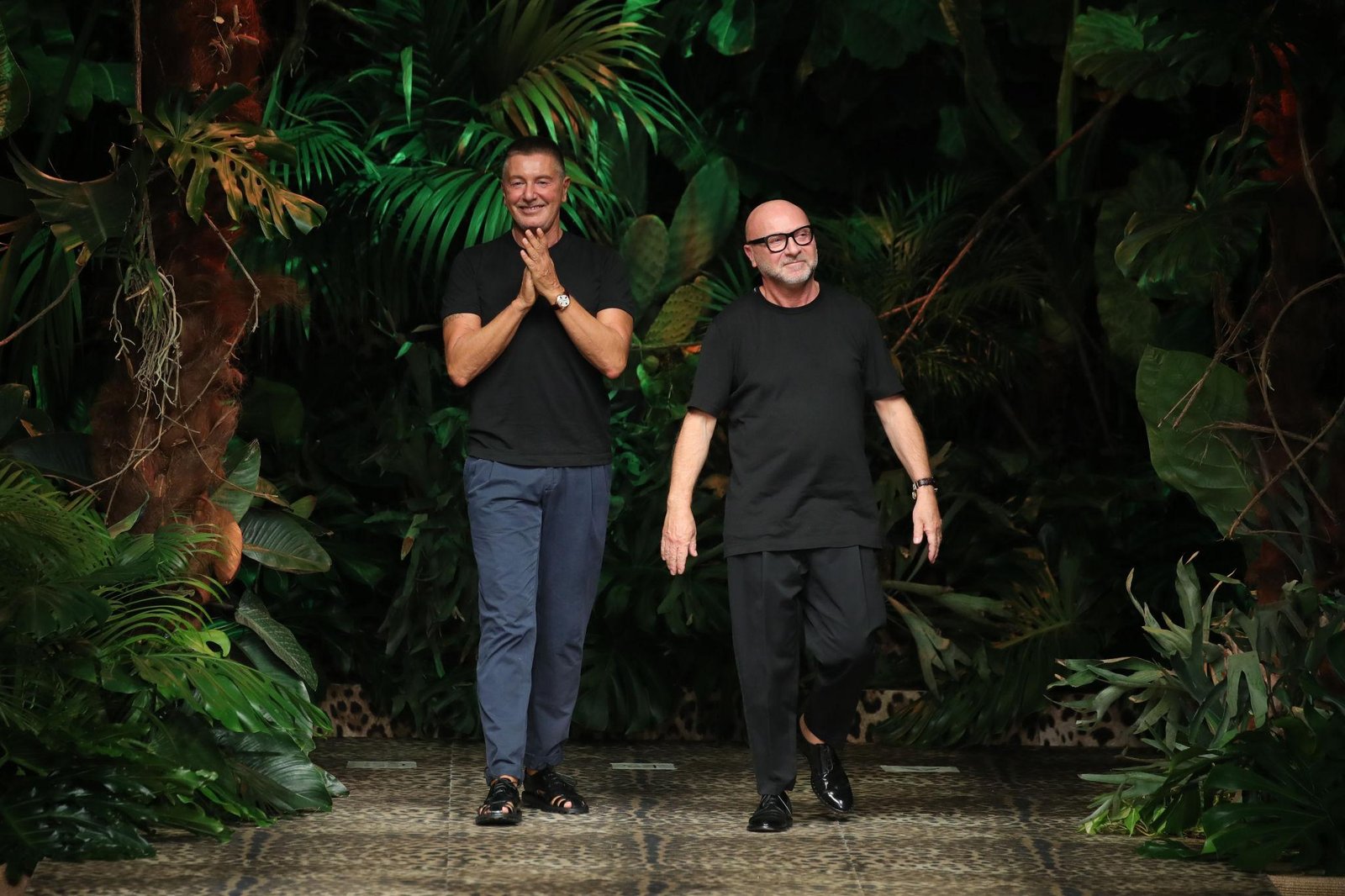
- Still present at runway shows and collections
- Maintains involvement in design direction and brand identity
The company has explicitly stated that the resignation has no impact on creative activities, underscoring the importance of preserving its signature aesthetic.
Why It Matters for Luxury
1. Founder Transition Era
Luxury is entering a phase where founding designers are gradually stepping back from executive roles while remaining creatively involved.
This hybrid model allows brands to:
- Preserve heritage and identity
- Introduce modern governance structures
- Prepare for long-term succession
2. Financial Discipline Meets Creative Legacy
Dolce & Gabbana’s situation highlights a broader industry reality:
Even iconic luxury houses are not immune to:
- Market slowdowns
- Debt pressures
- Strategic restructuring
Balancing financial discipline with creative integrity is becoming a defining challenge.
3. The Rise of Structured Leadership
The shift signals increasing professionalisation within founder-led brands.
Moving forward, luxury houses are likely to:
- Separate creative and corporate leadership more clearly
- Bring in external executives or advisors
- Strengthen governance to support scale and resilience
What This Means for 2026
Dolce & Gabbana enters a new chapter defined by:
- Creative continuity with operational change
- Family-led leadership with structured governance
- Financial recalibration amid global luxury slowdown
For Stefano Gabbana, the move represents a transition — not an exit.
For the brand, it marks a step toward balancing legacy with modern business realities.
