
TL;DR
Fashion brands in 2026 are rethinking celebrity marketing by tapping hip-hop artists as authentic cultural icons whose influence extends far beyond visibility, aligning narrative depth with community resonance and redefining the role of ambassadors in contemporary fashion.
At a Glance
- Fashion marketing continues to lean heavily on hip-hop artists as cultural amplifiers, but brands are increasingly selective, seeking figures who offer authenticity and cultural resonance.
- The focus has shifted from just signing mega-stars to identifying fresh faces and movements within hip-hop that align with brand ethos and consumer relevance.
- This strategic shift reflects broader trends where music, fashion and identity increasingly overlap in marketing narratives.
- Hip-hop’s deep roots in street culture and fashion heritage lend credibility and storytelling depth that go beyond traditional endorsement deals.
Editorial Perspective
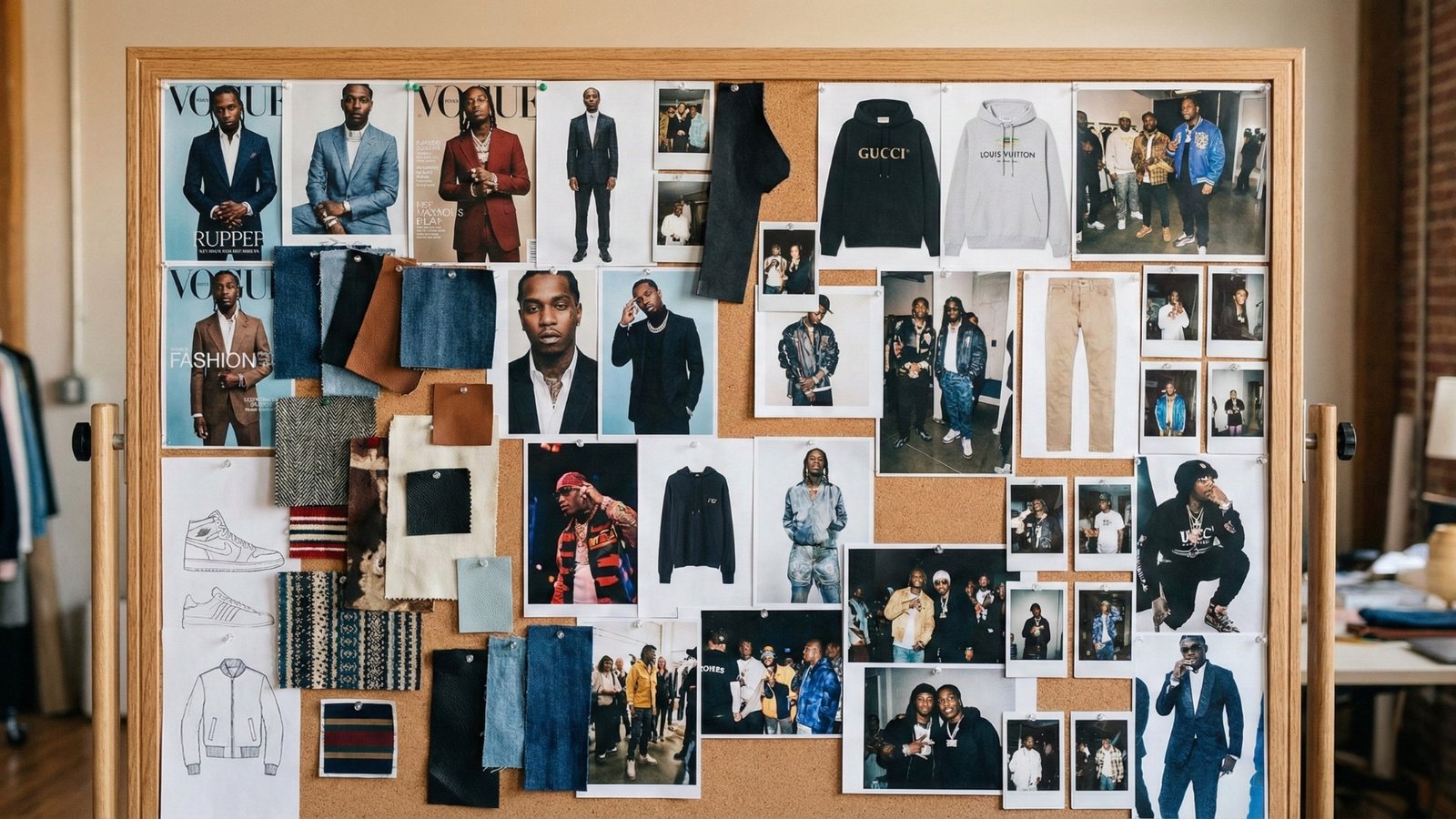
In 2026, celebrity marketing in fashion is no longer about the biggest name; it’s about cultural impact. Hip-hop — once marginalised as a music genre and street movement — has become a central force shaping style, attitude and luxury branding. Business of Fashion highlights how brands are navigating this landscape by choosing hip-hop stylists, artists and creators who embody authentic narratives and cultural currency rather than mere celebrity status.
This recalibration comes as fashion houses and lifestyle brands respond to consumers — especially younger demographics — who demand real connection and cultural legitimacy from brand ambassadors.
Why Hip-Hop Resonates for Fashion Marketing
Cultural Influence Beyond Fame
Hip-hop artists don’t just sell products — they shape culture. Through music, visuals and street credibility, they influence style systems that ripple into fashion consumption. As a result, collaborations with hip-hop figures can activate communities far beyond traditional runway audiences.
Narrative and Identity Alignment
Rather than one-off endorsements, brands are now looking for longer-term narrative alignment with artists whose identity reflects a shared cultural vision. This marks a shift from transactional celebrity campaigns to collaborative storytelling.
Expanding Audience Touchpoints
Hip-hop ambassadors help brands engage through music videos, live performances, social content and streetwear drops — all channels that transcend conventional fashion advertising. Their organic visibility and cross-media influence strengthen brand recall and desirability.
Examples of Strategic Hip-Hop Partnerships
While Business of Fashion’s article focuses on the selection process itself, the trend reflects wider industry patterns:
- Artists redefining luxury influence: From rappers curating capsule collections to artists walking high-fashion runways, hip-hop influence now permeates everything from couture to streetwear.
- Authenticity over visibility: Instead of hawking products, hip-hop icons today are co-creators — shaping design, narrative and community engagement.
- Beyond the usual suspects: Emerging hip-hop talents — not just global superstars — are being tapped for their relevance to specific subcultures and regional audiences.
This shift is part of a broader evolution in celebrity marketing, where cultural capital and credibility trump follower counts alone.
Challenges and Dynamics
While hip-hop partnerships offer rich cultural payoff, they also carry risks and complexities:
- Brand fit matters: Misalignments between an artist’s persona and a brand’s values can backfire quickly in highly networked social environments.
- Authenticity thresholds: Consumers — especially Gen-Z and Gen-Alpha — are quick to spot performative or inorganic collaborations, demanding meaningful integration rather than surface partnerships.
- Market saturation: As more brands enter hip-hop tie-ups, uniqueness and narrative depth become competitive differentiators — not just celebrity presence.
What This Means for Fashion in 2026
Hip-hop’s role in fashion marketing underscores several broader industry shifts:
- Consumer culture over celebrity cachet: Marketing that leans into shared culture and values generates deeper loyalty than traditional endorsements.
- Music as content engine: Music platforms, livestreams and social narratives amplify how fashion stories are told, making collaborations with hip-hop artists multi-platform experiences.
- Dynamic ambassador strategies: Instead of static campaigns, brands are crafting ongoing cultural dialogues with artists that evolve over years, not seasons.
In this context, hip-hop isn’t simply a source of marketing fodder — it’s a strategic partner in cultural relevance.
