
TL;DR
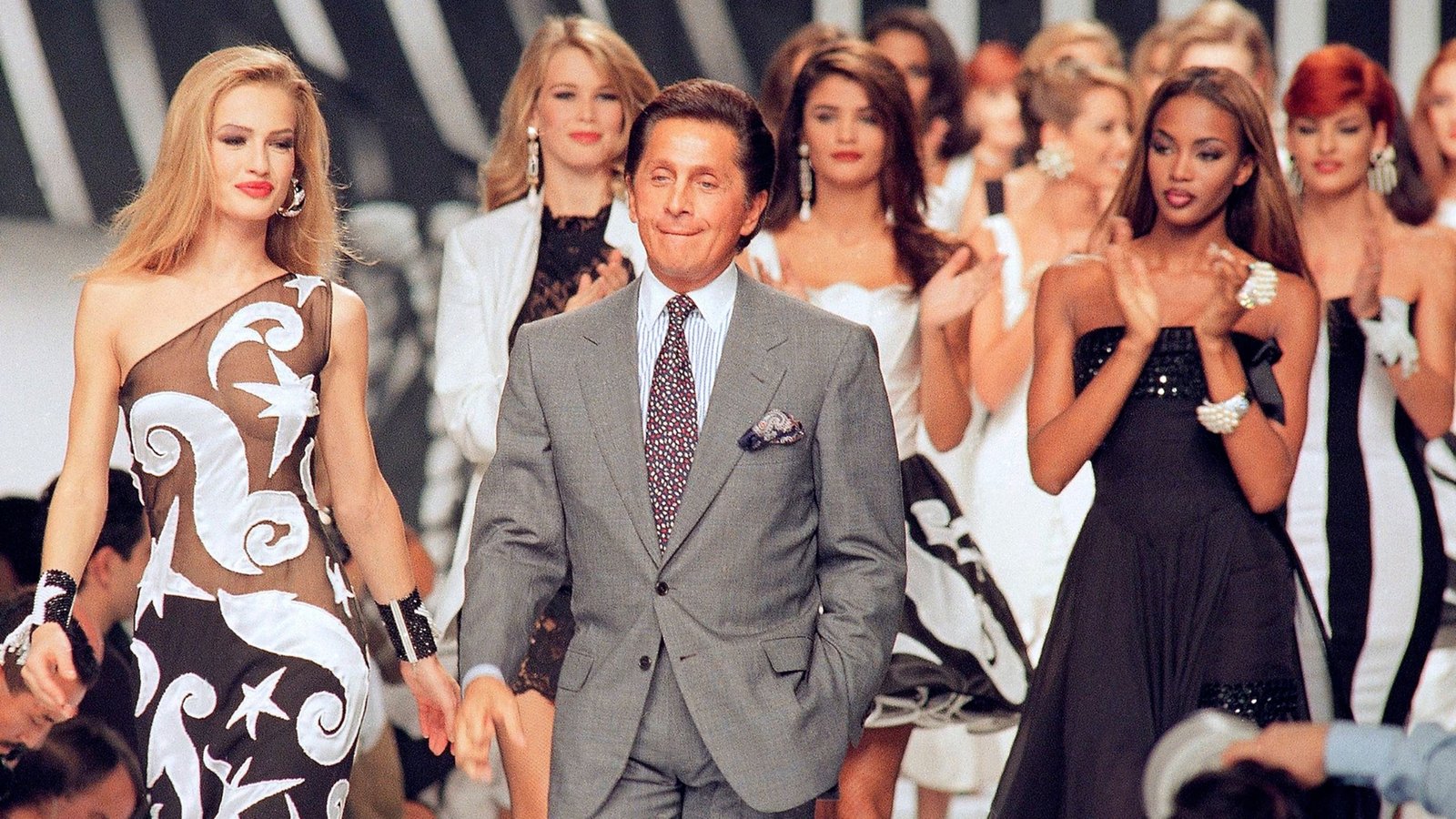
Valentino Garavani, the legendary Italian designer and founder of Maison Valentino — famed for his timeless elegance, signature red and global influence — has died at 93 in Rome, eliciting heartfelt tributes and closing a defining chapter in fashion history.
At a Glance
- Valentino Garavani — the founder and creative force behind the iconic Maison Valentino — has died at age 93 at his home in Rome.
- Known as fashion’s “last emperor” of Italian couture and the creator of the signature “Valentino red,” he built one of the most revered houses in global luxury.
- Valentino’s designs graced royals, Hollywood icons and style elites — from Jackie Kennedy Onassis and Princess Diana to Elizabeth Taylor and Julia Roberts.
- His body will lie in state at Piazza Mignanelli in Rome ahead of a funeral at the Basilica of Santa Maria degli Angeli e dei Martiri on January 23, 2026.
Editorial Perspective
Valentino Garavani’s passing marks the end of an era — a moment that resonates beyond couture houses and fashion capitals. Revered for his unwavering devotion to beauty, elegance and craftsmanship, Valentino shaped not just garments but the very language of red-carpet glamour and luxury identity. As Italian haute couture’s preeminent voice for decades, his influence extended from Rome to Paris, New York and beyond.
In a period of fashion increasingly driven by commerce and digital momentum, Valentino’s career remained anchored in timeless elegance, refined construction and an intuitive understanding of how fashion can elevate personal confidence and presence.
Career and Legacy
Born Valentino Clemente Ludovico Garavani in Voghera, Italy, in 1932, Valentino’s passion for fashion was kindled early and refined through training in Milan and Paris, including stints with Jean Dessès and Guy Laroche before founding Valentino in Rome in 1959.
His signature achievement — Valentino red — became an instantly recognisable emblem of the house and a staple on couture runways and A-list red carpets alike. Over his nearly five-decade career, Valentino dressed global icons and style arbiters, extending his reach into ready-to-wear, menswear and accessories while cementing the maison as a pillar of Italian luxury.
Valentino retired in 2008, leaving the creative direction to successors who carried his aesthetic forward, yet his artistic vision continued to inform the brand’s cultural identity long after he stepped down.
Impact on Fashion and Culture
Valentino’s couture and ready-to-wear designs defined elegance for multiple generations — from European royalty and Hollywood stars to global jet-set society. His approach favoured refined silhouettes, exquisite tailoring and an unwavering commitment to classic femininity, yet his work never felt static — evolving with cultural shifts while remaining unmistakably luxurious.
His creations didn’t just clothe the world’s elite — they elevated fashion into cultural narrative, shaping red-carpet lore, film moments and fashion history. Designers, models and creative directors across generations have cited Valentino as an enduring source of inspiration and craft excellence.
Tributes and Global Reaction
Tributes from across the fashion world, entertainment sphere and global leaders poured in, reflecting Valentino’s deep personal and creative impact. Figures from Gwyneth Paltrow to Clemente Schiffer and Donatella Versace honoured his generosity, artistry and classic sensibility.
Italy’s prime minister described him as an “undisputed master of style and an eternal symbol of Italian high fashion,” noting that his legacy will continue to inspire generations.
What This Means for Luxury Fashion
According Euronews, Valentino’s death signals a poignant shift in fashion’s narrative at a time when the industry is redefining heritage, innovation and cultural relevance. He represented a bridge between couture’s golden age and today’s global luxury landscape — a reminder that craftsmanship and emotional resonance remain at the heart of enduring fashion.
His legacy will continue through the maison he founded, the generations of designers influenced by his work, and the countless women and men who found in his designs a celebration of beauty, elegance and self-expression.
