
TL;DR
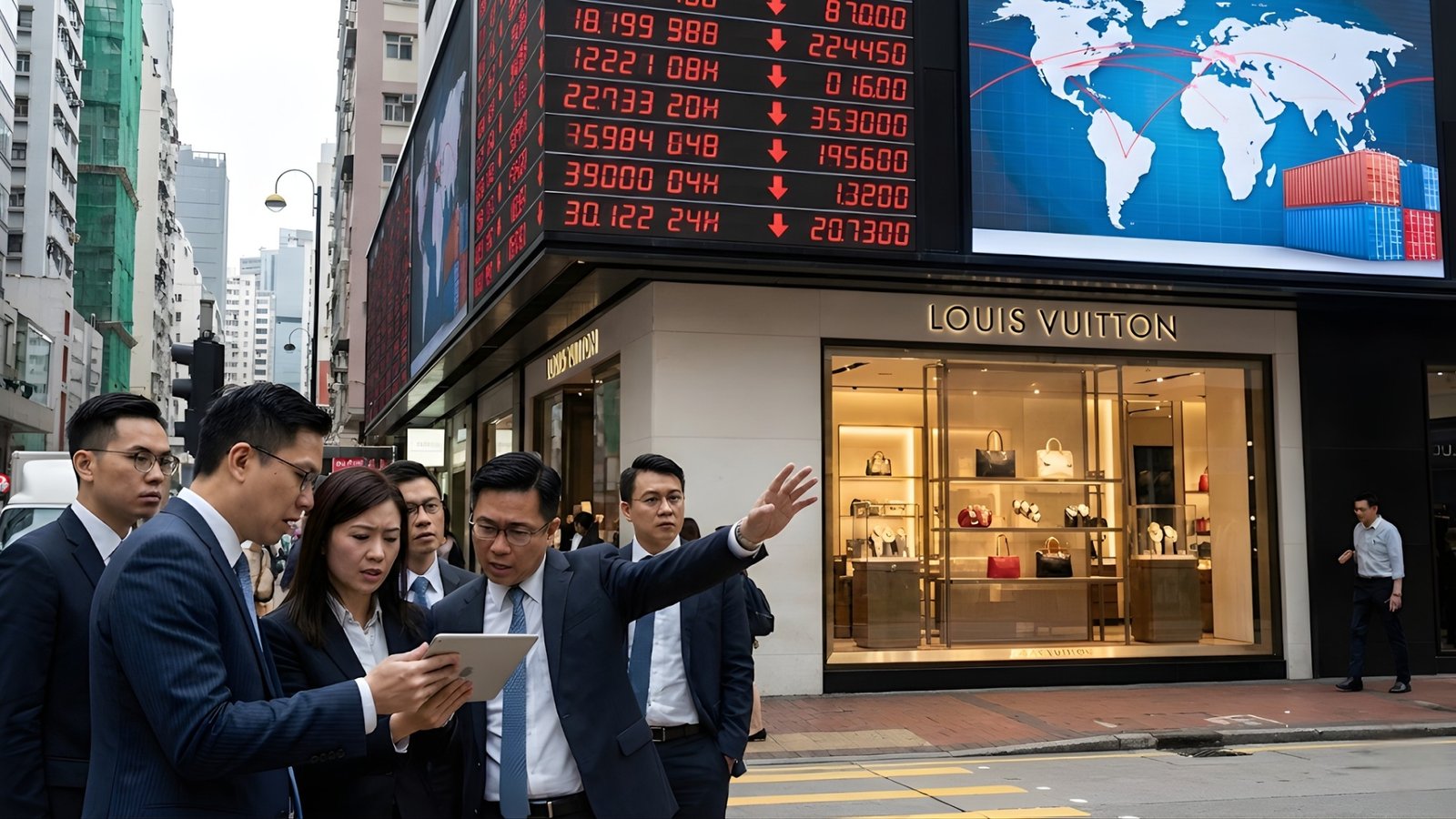
Luxury stocks in 2026 slid as renewed U.S. tariff threats sparked market volatility — pressuring shares of major luxury houses, reviving trade-policy risk in investor sentiment and highlighting the sensitivity of global luxury equities to macroeconomic and geopolitical shifts.
At a Glance
- Shares of European luxury companies tumbled after renewed U.S. tariff threats — particularly on key markets and exports — rattling investors.
- Broad indices including luxury-weighted stocks — such as LVMH, Hermès, Kering, Richemont and Swatch Group — traded lower as trade worries hit sentiment.
- Markets reacted to tariff proposals tied to geopolitical disputes, with investors shifting toward safe-haven assets like gold on rising uncertainty.
- Analysts warned that heightened trade risk could pressure earnings visibility and valuation for luxury houses reliant on cross-border demand.
Editorial Perspective
In early 2026, the luxury sector — traditionally seen as a resilient engine of global consumer demand — faced renewed market stress as tariff threats from the United States triggered risk-off sentiment among investors. According to WWD, stock prices for major luxury groups slipped as trade policy fears mounted, illustrating how macroeconomic and geopolitical developments are increasingly capable of shaping sector performance.
This response underscores the luxury industry’s sensitivity to global trade flows, export demand and policy uncertainty, even at a time when consumer appetite in certain regions remains stable or growing.
Market Reaction: Luxury Stocks and Volatility
European luxury equities — spanning fashion houses, accessories makers and watchmakers — experienced noticeable declines:
- LVMH shares traded lower amid broad trade concerns.
- Hermès and Kering saw notable downward pressure, reflecting risks to future demand expectations.
- Swiss luxury names like Richemont and Swatch Group also dropped in response to tariff-related market volatility.
- Italian luxury brands such as Moncler and Brunello Cucinelli faced similar moves, reinforcing the sector-wide impact.
These moves came as markets digested announcements of potential U.S. tariffs on European imports, including proposals for levies that would affect transatlantic trade flows and profit assumptions for export-oriented companies.
Meanwhile, investors simultaneously moved into precious metals as safe havens, with gold prices climbing as uncertainty grew around the trade policy outlook.
Why Tariff Risk Matters for Luxury Houses
Luxury brands are uniquely exposed to global economic conditions and policy settings:
- Export dependency: U.S. and European consumers represent major revenue streams for established houses; tariffs can reduce competitiveness or dampen discretionary spending abroad.
- Valuation headwinds: Analysts have pointed to tariff uncertainty as a factor weighing on sector valuations, as future earnings become harder to forecast.
- Currency and cost impacts: Trade policy also influences currency movements and supply-chain costs, layering complexity onto luxury sector strategies.
Gold’s move higher on tariff concerns highlights how markets are pricing macroeconomic risk alongside sector fundamentals.
What This Means for Luxury in 2026
1. Earnings Uncertainty: The spectre of tariffs could dampen profit forecasts for global luxury houses, particularly those with deep exposure to U.S. markets and cross-border sales.
2. Strategic Responses: Brands may accelerate supply-chain diversification, currency hedging and regional demand focus to mitigate tariff risk.
3. Investor Sentiment: Luxury equities — once buoyed by long-term growth narratives — are now evaluated through the lens of policy volatility and global trade dynamics.
In this context, macroeconomic shifts can be just as influential as consumer trends in shaping sector performance — reminding markets that luxury’s global footprint subjects it to broader geopolitical forces.
